Kenya is moving to keep more value from its minerals at home, signalling a sharper shift from raw exports towards processing, refining and manufacturing as global competition for critical minerals intensifies. President William Ruto set out the policy direction while opening the 2026 Kenya Mining Investment Conference and Expo in Nairobi, telling investors and government delegations that Kenya no longer wants to serve mainly as a supplier […]
Dubai has moved a new cluster of mega projects from ambition to execution, tying transport, aviation, finance, mobility and artificial intelligence into a single development push aimed at reshaping how the emirate lives, works and competes. The programme is anchored by the Dubai Metro Blue Line, the expansion of Al Maktoum International Airport, future mobility systems, a major widening of Dubai International Financial Centre and an AI-powered […]
Greenlogue/AP Ethiopia’s drive to turn abundant renewable electricity into wider power access and cheaper transport has gained fresh backing from Europe, with new UK and EU-linked investments targeting electric mobility, transmission upgrades and rural electrification. The latest financing adds momentum to Addis Ababa’s wider strategy of using hydropower-led electricity generation to cut fuel imports, expand industrial capacity and speed up the shift to electric vehicles. The UK […]
Auto China 2026 closed in Beijing on Sunday after setting new benchmarks for scale, attendance and vehicle premieres, reinforcing China’s position as the central battleground for electric vehicles, intelligent driving and next-generation automotive supply chains.
The 19th Beijing International Automotive Exhibition, held from April 24 to May 3, brought together nearly 1,000 companies from 26 countries and regions across two venues for the first time. Its 380,000 square metres of exhibition space, spread across 17 halls at the China International Exhibition Center in Shunyi and the Capital International Convention and Exhibition Center, made it the largest edition in the event’s history.
Organisers recorded 1.28 million visitors, including about 65,000 overseas attendees, underlining the show’s growing appeal beyond China’s domestic market. A total of 1,451 vehicles were displayed, including 181 world premieres and 71 concept cars, placing the event among the most active global platforms for new model launches.
The numbers told only part of the story. Auto China 2026 was dominated by a clear shift from conventional vehicle launches to software-defined mobility, artificial intelligence, battery breakthroughs and advanced driver assistance. Carmakers used the show not merely to present new models, but to demonstrate how quickly vehicles are becoming technology platforms.
China’s home-grown manufacturers were at the centre of the exhibition’s momentum. BYD, XPeng, Nio, Geely, Chery, Dongfeng and Huawei-linked brands showcased vehicles and systems aimed at defending their lead in the world’s largest car market while accelerating overseas expansion. Their focus was sharply aligned with consumer demand for longer range, faster charging, smarter cabins and more automated driving functions.
BYD highlighted fast-charging and low-temperature battery performance, including technology designed to charge under conditions as cold as minus 30 degrees Celsius. CATL drew attention with new battery systems promising ultra-fast charging and longer driving ranges, including a version of its Shenxing battery that can charge from 10 per cent to 98 per cent in about six and a half minutes. These advances added further pressure on global rivals still working to close gaps in battery cost, charging speed and supply-chain depth.
Huawei’s presence illustrated the growing power of technology suppliers inside the automotive ecosystem. Its intelligent driving systems, HarmonyOS cockpit technology and vehicle partnerships featured prominently across several brands. The company’s Qiankun advanced driving system was presented as part of a broader push into AI-assisted mobility, with claims of stronger collision avoidance and more natural in-car interaction.
XPeng used the event to promote intelligent driving features that can detect when a driver is unable to control the vehicle, pull over automatically and alert emergency services. Nio displayed its three brands, Nio, Onvo and Firefly, together at the same booth, signalling a wider product strategy covering premium, family and mass-market electric segments.
Foreign automakers also used Beijing to reset their China strategies. Volkswagen introduced China-focused electric models and AI-driven cockpit features developed with local partners, including XPeng and Horizon Robotics. BMW, Mercedes-Benz and Toyota presented products tailored to a market where customers increasingly expect high-end digital functions even in mid-priced vehicles.
The competitive pressure remains intense. China’s passenger car sales fell sharply in the first quarter from a year earlier, reflecting weaker subsidy support, cautious consumers and price competition across the sector. Exports, however, continued to expand strongly as China-made vehicles gained ground in Europe, Southeast Asia, Latin America and other growth markets.
That divergence shaped much of the discussion around the exhibition. Domestic demand is tougher, margins are thinner and consolidation risks are rising, yet China’s automakers and suppliers are moving faster on product cycles than many overseas competitors. More than 80 new models were launched in China in March alone, a pace that underscores the speed of iteration in the market.
Auto China 2026 also showed that global expansion is entering a new phase. Chinese manufacturers are no longer relying only on exports. Several are building or planning overseas production bases to reduce tariff exposure, ease regulatory concerns and strengthen local market access. Hungary, Turkey, Southeast Asia and Latin America have emerged as important destinations for investment.
Tamil Nadu’s vote count pointed to a dramatic political rupture on Monday, with actor Vijay’s Tamilaga Vettri Kazhagam emerging as the strongest challenger to the ruling DMK and threatening to redraw the balance of power in one of the country’s most important industrial states.
Trends through the afternoon showed TVK ahead in more than 100 seats in the 234-member Assembly, close to the 118-seat majority mark. The AIADMK alliance was holding second place in several tallies, while the DMK, led by Chief Minister M K Stalin, slipped sharply from its dominant position. The count remained fluid, with leads shifting by constituency and round, but the scale of TVK’s performance confirmed that Vijay’s first full electoral test had moved beyond symbolism.
The most striking signal came from Kolathur, Stalin’s long-held constituency in Chennai, where TVK candidate V S Babu established a lead during counting. Udhayanidhi Stalin also faced pressure in Chepauk-Thiruvallikeni, intensifying the perception of an anti-incumbency wave cutting through the DMK’s urban and welfare-heavy support base. Vijay himself was leading in both seats he contested, strengthening expectations that he could become central to government formation if TVK sustains its advantage.
TVK’s surge is particularly significant because Tamil Nadu has for decades been shaped by two Dravidian blocs, with the DMK and AIADMK alternating in power. Vijay entered politics with a campaign built around corruption allegations, youth unemployment, social justice language and a promise to offer an alternative to entrenched party networks. His appeal among young voters, first-time voters and urban families appears to have translated into a statewide challenge rather than a personality-driven protest vote.
The outcome carries implications well beyond party politics. Tamil Nadu is a manufacturing and export powerhouse, with deep clusters in automobiles, electronics, textiles, leather, engineering, logistics and renewable energy. Chennai and its surrounding industrial belt host major auto and component manufacturers, while Hosur, Sriperumbudur, Coimbatore, Tiruppur and Ranipet have become key nodes in supply chains tied to smartphones, electric vehicles, garments and precision manufacturing.
Investors will be watching whether a possible TVK-led government preserves policy continuity. The state has benefited from a predictable administrative culture, skilled labour, ports, highways, renewable energy capacity and sector-specific industrial policies. Major projects involving Tata Electronics, Foxconn-linked supply chains, Hyundai, Renault Nissan, Ola Electric, VinFast, Tata Motors’ Jaguar Land Rover facility and a wide network of small suppliers rely on stable land, power, logistics and labour arrangements.
Vijay’s party has promised cleaner governance and a people-focused administration, but it is yet to demonstrate how it would manage fiscal pressures, industrial incentives, welfare spending and Centre-state relations. Tamil Nadu’s welfare model is expensive, and any new government would inherit commitments on subsidies, social schemes, infrastructure projects and public-sector obligations. A sharp shift in policy could unsettle investors, while a calibrated transition could allow TVK to combine political change with economic stability.
For the DMK, the trends represent a severe test of its governance record. Stalin’s administration has promoted Tamil Nadu as a trillion-dollar economy contender, pushed investment summits, expanded electronics manufacturing and defended its welfare programmes. Yet voter fatigue, price pressures, local grievances, perceptions of dynastic control and the attraction of Vijay’s outsider image appear to have weakened the ruling party’s hold.
The AIADMK, despite remaining competitive in parts of western and southern Tamil Nadu, also faces a strategic challenge. TVK’s ability to draw votes across urban, semi-urban and rural seats threatens to disrupt the opposition space that the AIADMK had hoped to consolidate. If no party crosses the majority mark, negotiations with smaller parties and alliance partners could determine the next government.
Arabian Post Staff -Dubai Uber Technologies has agreed to acquire FlyTaxi, strengthening its position in Hong Kong’s fast-changing point-to-point transport market as the city prepares to bring ride-hailing platforms under a formal licensing regime. The deal gives Uber control of one of Hong Kong’s main remaining independent taxi-hailing apps and adds to its earlier acquisition of HKTaxi, deepening its reach into the licensed taxi trade. FlyTaxi is […]
Australia’s data centre industry is moving from rapid expansion to sharper scrutiny as new forecasting shows a widening gap between announced projects and capacity likely to be delivered by 2030. A joint market intelligence initiative by Data Centres Australia and DC Byte has put operational IT capacity at about 1.4 gigawatts at the end of 2025, with the market projected to reach 3.1GW to 3.2GW by 2030. […]
Arabian Post Staff -Dubai Samsung Electronics has signalled plans to expand its wearable device ambitions into AI glasses, even as it warned that a deepening global memory shortage could intensify through 2027 and raise costs across consumer electronics, servers and mobile devices. The remarks came during the company’s first-quarter 2026 earnings call, where executives linked the squeeze in RAM and storage supply to the rapid build-out of […]
SINGAPORE – Media OutReach Newswire – 30 April 2026 – AI for Global Civilization: China-Singapore Dialogue was held in Singapore on April 28. The event gathered around 100 participants, including experts, scholars, and representatives from Chinese and Singaporean academic institutions, cultural organizations, as well as technology and cultural enterprises. Participants engaged in in-depth discussions on China-Singapore digital industry cooperation and how digital and intelligent technologies empower inter-civilizational mutual learning. They also jointly showcased innovative achievements and frontier practices of both sides in the integrated field of culture and technology.
Event Highlights
Opening remarks were delivered by Yuan Lin, Executive Assistant to the President of the Academy of Contemporary China and World Studies, and Wang Donghai, Associate Director of NUS Enterprise. Keynote speeches were delivered by Cai Yiyu, Professor at Nanyang Technological University; Director of the Computer-Aided Engineering Labs and The Strategic Research Program on Virtual Reality; Co-President of Association of Global Technomics Education and Exchange; Cui Kai, Director of the Digital Culture Promotion Department, Center for International Cultural Communication, China International Communications Group (CICG); and Yang Jianwei, Visiting Professor at the National University of Singapore.
Yuan Lin stated that the rapid development of artificial intelligence technology has injected new momentum into China-Singapore cultural exchanges. He stressed the importance of innovating cultural expression forms empowered by digital intelligence, upholding a correct value orientation in technological application, deepening people-to-people exchanges enabled by smart technologies, and actively exploring the profound value of intelligent technologies in advancing cross-cultural understanding.
Wang Donghai pointed out that it is essential to prioritize the integration of technological applications with social needs. Leveraging cutting-edge technologies such as artificial intelligence to build bridges for civilizational exchange helps enhance cross-cultural understanding, enabling technology to better serve humanity and drive social progress.
Cai Yiyu noted that Singapore is forging ahead in cutting-edge fields including semiconductors, aerospace and artificial intelligence, opening up broad prospects for bilateral cooperation between China and Singapore. He emphasized that digital and intelligent technologies can be harnessed to revitalize and inherit traditional culture via youthful, trendy formats, thereby further deepening scientific, technological and people-to-people exchanges between the two countries.
Cui Kai stated that intelligent imaging technology is profoundly reshaping the logic of cross-cultural narrative. Digital content creation is not merely about keeping pace with technological advancement; more importantly, it should take emotional resonance as the bond to break down cultural barriers, foster in-depth empathy, mutual learning and appreciation among global civilizations, and enable more outstanding civilizational achievements to be seen, understood and respected worldwide.
Yang Jianwei noted that artificial intelligence is becoming an important vehicle for inter-civilizational mutual learning, while cultural differences remain a core obstacle to cross-cultural communication. He advocated for the innovative and rational use of artificial intelligence in the future to eliminate prejudices and enhance civilizational understanding through technological power.
In the Case Sharing Session, guest speakers included Lisa Meng, Head of Singapore of Tencent Cloud International; Koh Chin Yee, Managing Director of Singapore Eye; Bai Yu, Director and Partner of LAiPIC; Hu Chengchen, Founder & CEO of ClariPpi (Singapore); Jane Zhao, SVP and Head of Global Business at Mininglamp Technology; and Jerry Tuo, AI Technology Director of Red Fun Planet. They delivered insightful presentations on the application prospects of artificial intelligence in content production as well as inter-civilizational mutual learning and exchange.
The participating guests agreed that artificial intelligence has brought revolutionary changes to the intelligent production, targeted communication and immersive presentation of cultural content. China and Singapore boast strong complementarity in digital infrastructure and cultural resources. Going forward, the two sides may deepen cooperation in joint research and development and scenario-based application, develop benchmark cultural-technology products and integrated solutions tailored for Southeast Asia, and jointly advance the high-quality development of the digital cultural industry.
This event was jointly hosted by the Academy of Contemporary China and World Studies and the Center for International Cultural Communication,CICG, with Nanyang Technological University and other cultural and business exchange institutions participating as supporting partners.
Hashtag: #ACCWS
The issuer is solely responsible for the content of this announcement.
Porsche Design Tower Bangkok has intensified competition in Southeast Asia’s branded residence market after being presented to global yacht collectors at the Singapore Yachting Festival 2026 as a limited-edition property aimed at ultra-high-net-worth buyers seeking design pedigree, privacy and collectible real estate.
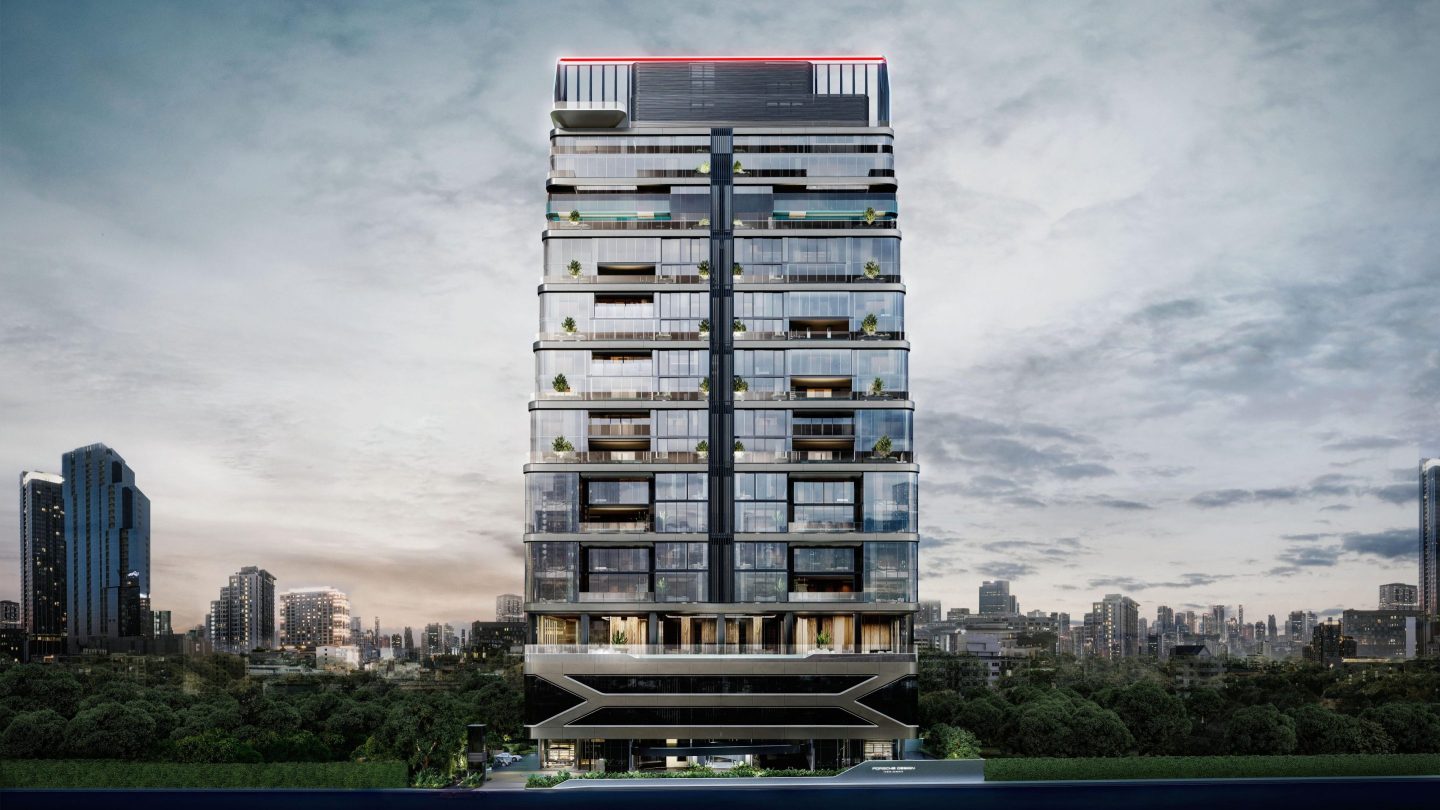
The 21-storey tower, rising 95 metres on Sukhumvit 38 in Bangkok’s Thonglor district, is being developed through a collaboration between Porsche Design and Ananda Development. It is the first Porsche Design Tower in Asia and the third worldwide after projects linked to Miami and Stuttgart, placing Bangkok within a small group of cities being used by luxury lifestyle brands to extend their reach beyond products and into residential property.
The project will comprise only 22 duplex and quadplex Sky Villas, with residences ranging from about 525 to 1,135 square metres. Prices have been positioned from about $15 million to $40 million, making the development one of the most expensive residential offerings in Thailand’s capital. Construction is scheduled to begin before completion targeted for the end of 2028, while the show suite in Bangkok is available by private appointment.
The presentation in Singapore marked a sharper effort to reach buyers whose interests overlap with luxury mobility, yachting, design and private collections. Rather than selling the tower as a conventional condominium, the marketing places it in the category of a scarce lifestyle asset. That approach reflects a wider shift in luxury property, where affluent buyers are increasingly drawn to homes that combine brand identity, service standards, security and membership-like exclusivity.
A defining feature of the Bangkok tower is the “Passion Space” concept, a private garage and display area attached to each residence. These spaces are designed for car collections, private gatherings or personal pursuits, and are accessed through a central spiral car ramp known as “The Loop”. The arrangement gives the building its most distinctive automotive link, turning the owner’s vehicle collection into part of the residential experience rather than a separate amenity.
The tower’s design also draws on Porsche cues. Its automated terrace system is inspired by the movement of the Porsche 911 Targa roof, while the exposed “X-Frame” structure takes references from the Mission R concept car. A lit crown at the top of the building is intended to create a night-time signature on Bangkok’s skyline. The interior proposition includes private lifts, large entertainment areas, wellness zones, pools and high-end kitchen and bathroom fittings.
Chanond Ruangkritya, president and chief executive of Ananda Development, has positioned the tower as a project that embeds Porsche’s design language into the structure rather than merely attaching a name to a luxury address. The developer is betting that a small pool of regional and international buyers will pay a premium for scarcity, brand association and the ability to personalise large-scale residences in a prime district.
Bangkok provides a strong setting for that strategy. Thonglor remains one of the capital’s most established luxury neighbourhoods, with restaurants, retail, wellness services and transport links that appeal to wealthy local residents, expatriates and regional buyers. The city has also become an important hub for branded residences, helped by tourism, medical services, international schools and its role as a base for high-net-worth families across Asia.
The project arrives as Thailand’s luxury property market shows a split trend. Mass-market condominium developers have faced weaker purchasing power, tighter lending and slower absorption, while the highest end of the market has remained more resilient because buyers are less dependent on mortgages. Limited freehold land in central Bangkok, rising construction costs and demand for larger, service-rich homes have supported pricing in prime locations.
The ultra-luxury segment, however, is not without risk. A 22-unit tower reduces supply pressure but also narrows the buyer base sharply. Sales depend on a small number of wealthy purchasers who must accept not only high upfront prices but also long-term maintenance costs associated with specialised amenities, private garages and brand-level service expectations. Foreign ownership limits for condominiums in Thailand also restrict the share available to non-Thai buyers.
Having led 100+ Hong Kong tech firms to SE Asia over the past year, accelerating global expansion through strategic collaboration
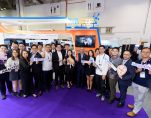
HONG KONG SAR – Media OutReach Newswire – 30 April 2026 – Hong Kong Science and Technology Parks Corporation continues to deepen its innovation and technology (I&T) collaboration with Southeast Asia, actively playing an orchestrating role in supporting Hong Kong’s tech firms go global. HKSTP debuted as an official exhibitor at Southeast Asia’s largest public safety conference, Milipol TechX Summit 2026 (MTX 2026). Under the theme “Supercharging Innovation for Our Safer Tomorrow”, MTX 2026 is a strategic platform to advance business opportunities through government-backed collaboration. HKSTP showcased 10 park companies presenting breakthrough public safety solutions and signed a Memorandum of Understanding (MoU) with Singapore’s TechX Ventures (TechX, a private subsidiary by the HTX – Home Team Science and Technology Agency of Singapore) — HKSTP’s first MoU signed with an organization in Southeast Asia — establishing a structured framework to advance cross-border innovation partnerships focused on practical applications in public safety.
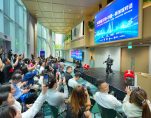
HKSTP debuted as an official exhibitor at Southeast Asia’s largest public safety conference, Milipol TechX Summit 2026 (MTX 2026). Eric Or, Chief Ecosystem Development Officer and Gladys Oon, Director of Partnerships and Account Management of HKSTP, officiated the opening of HKSTP Pavilion.
Singapore and Hong Kong share a substantive relationship, grounded in regular high-level engagement. These include the Prime Minister of Singapore’s official visit to Hong Kong last month, during which he met with the Chief Executive of the Hong Kong Special Administrative Region and visited the Hong Kong Park of the Hetao Shenzhen-Hong Kong Science and Technology Innovation Co-operation Zone (the Hong Kong Park in the Loop). The I&T connection also features HKSTP-led delegations to Singapore platforms such as Singapore Week of Innovation and Technology (SWITCH) and SLINGSHOT 2025, etc. Over the past year, more than 100 HKSTP park companies explored Southeast Asian opportunities, securing over HK$25 million in confirmed business deals with additional potential contracts exceeding HK$20 million directly supported by HKSTP.
Eric Or, Chief Ecosystem Development Officer, HKSTP, said, “At HKSTP, we enable innovators to solve real public safety challenges where trust and demonstrated results matter most. Collaborating with TechX and Singapore’s Public Safety ecosystem gives ventures faster access to decision-makers, enables solution testing in operational environments, and supports scaling validated technologies across Asia.”
Eric Chua, Chief Executive Officer, TechX Ventures said: “SPINN District was designed to be more than a startup village — it is a proving ground where bold founders showcase innovations that matter. Seeing HKSTP’s park companies engage meaningfully with the global public safety ecosystem at MTX 2026 reflects exactly the kind of cross-border momentum we built this platform for. This MoU marks the beginning of something lasting: a structured pipeline that turns innovation into operational impact, as we work together to build a safer world.”
The collaboration between HKSTP and TechX is aimed to establish a comprehensive framework to identify, co-create, and validate operational public safety solutions. Under the partnership, HKSTP and its counterparts will move from identified needs to real deployment through annual solution scouting visits to Hong Kong Science Park, funding of around HK$600,000 (S$100,000) per company for proof-of-concept trials with Singapore Public Safety experts, and an ongoing exchange of challenges and insights. This demand-led model accelerates problem-solution fit and reinforces HKSTP’s leadership in regional safety technology collaboration.
The HKSTP Pavilion, themed “Hong Kong’s Technology for Public Safety and Security — Global Application and Global Impact,” featured 10 park companies showcasing solutions proven in deployments across Hong Kong enforcement departments, the Greater Bay Area, and Singapore-related projects. Cutting-edge public safety technologies were showcased across AI-Driven & Robotics, Network & Communications Infrastructure, and Drones, Unmanned Aerial Vehicle (UAV) & Low-altitude Economy (LAE). MTX is the largest public safety conference in Southeast Asia, the HKSTP pavilion is strategically positioned within the startup-centric SPINN District, effectively facilitated targeted engagements, secured curated matching opportunities with Singapore government agencies for each participating company, and advanced pilot projects and partnerships.
Park companies eSIX and Weitu AI participated in the signature global innovation challenge Dimension X Cohort 6 and the inaugural cohort of the In-Beta tech verification capability programme organized by Hatch, the innovation centre of Singapore’s HTX, achieving significant success. These companies were the only Hong Kong representatives selected for the programmes, underscoring the global competitiveness and real-world impact of Hong Kong’s innovation ecosystem. eSIX, which delivers patented high-speed networking for Industrial IoT and 5G-enabled remote machine control, was awarded a place at Dimension X. The company received S$100,000 in prize money to complete a four-month proof-of-concept and was invited to showcase its solutions. Weitu AI, which provides world-leading multimodal video understanding for fast, accurate analysis across industries was awarded a place at In-Beta, received S$30,000 in prize money with opportunities to verify their promising tech through rapid experimentation and onsite demo.
Building on existing engagement across the region, HKSTP will continue to strengthen collaboration with regional partners, expand support for park companies, and promote technology‑driven solutions that enhance safety and resilience. The initiative reflects HKSTP’s ongoing commitment to fostering sustained innovation and regional cooperation.
Hashtag: #HKSTP
The issuer is solely responsible for the content of this announcement.
About Hong Kong Science and Technology Parks Corporation
Hong Kong Science and Technology Parks Corporation (HKSTP), established in 2001, has built a thriving innovation and technology (I&T) ecosystem in Hong Kong, supporting 12 unicorns, nurturing over 17,000 research talents, and hosting more than 2,500 technology companies from 26 countries and regions specializing in biomedicine, AI and robotics, fintech, and smart city development. HKSTP is dedicated to positioning Hong Kong as an international I&T hub.
To align with Hong Kong’s future development, HKSTP is committed to attracting and cultivating I&T talent, accelerating the commercialization of innovative outcomes, and providing comprehensive support for technology companies and professionals on their innovation journey. Its vibrant I&T ecosystem continues to grow, encompassing Hong Kong Science Park in Pak Shek Kok, InnoCentre in Kowloon Tong, and three InnoParks in Tai Po, Yuen Long, and Tseung Kwan O. These facilities drive advancements in applied technology, focusing on industries such as advanced manufacturing, micro- electronics, and biotechnology, steering Hong Kong toward new industrialization.
Hong Kong Science Park Shenzhen Branch, located in Futian, Shenzhen, leverages the strategic advantage of “support of the Motherland, connecting to the world.” It serves as a bridge for “bringing in and going global,” actively fostering cross-border I&T collaboration. The Shenzhen Branch supports global technology companies and professionals by providing research and collaboration spaces, with a focus on enterprises in seven key sectors: Medtech, big data and AI, robotics, new materials, microelectronics, fintech, and sustainable development.
HKSTP is dedicated to advancing Hong Kong’s I&T development by providing research infrastructure, startup and enterprise support services, professional investment and business expertise, fostering partnership networks, and attracting top talent. These efforts drive innovation as a new engine for economic growth for Hong Kong.
More information about HKSTP is available at www.hkstp.org.
About TechX Ventures
TechX Ventures is a wholly owned subsidiary of Singapore’s Home Team Science & Technology Agency (HTX) that operates at the intersection of government mandate and entrepreneurial drive. TechX serves as the engine behind a thriving innovation ecosystem where cutting-edge science and technology are put to work protecting people.
At the heart of it, TechX is established to connect global innovators and partners in advancing public safety innovation. Guided by our Safer World philosophy — the belief that progress means nothing if it doesn’t safeguard public safety — TechX approaches safety not as a sector, but as a shared mission. This conviction shapes every partnership forged, every programme designed, and every measure of success. Safety, at TechX, is our purpose.
TechX delivers its mission through two core areas of expertise: to build and to connect. TechX designs and develops innovation initiatives and programmes alongside partners from across the globe, including flagship platforms such as HTX’s Innovation Centre, Hatch — a structured innovation centre that gives frontier deep-tech a clear pathway to validate and deploy solutions for real public safety challenges. TechX also bridges industry, startups, and government agencies into a global network, producing landmark events such as Millipol TechX, and bringing international communities like DEF CON® to Singapore for the first time.
With active partnerships spanning over 30 ecosystems globally — from Hong Kong to South Korea, and the United States, TechX sits at the heart of a growing worldwide alliance united by one ambition: Bringing Together a Safer World.
BEIJING, CHINA – Media OutReach Newswire – 29 April 2026 – Auto China 2026 officially opened in Beijing. Under the theme of “Commitment & Integrity,” GWM unveiled its comprehensive global localization strategy for the first time. Backed by a compelling product lineup and cutting-edge technology, the GWM booth quickly became one of the most talked-about highlights of the show.
Left — GWM ONE Platform; Center — GWM CEO Mu Feng Delivers Keynote Speechat Auto China 2026; Right — High-Performance V8
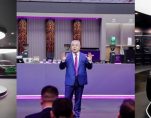
In his speech, GWM CEO Mu Feng emphasized that commitment and integrity are essential to accelerating high-quality growth. Guided by the GWM ONE (Guiyuan) philosophy, GWM continues to focus on real user needs, building solid product strength, technological excellence, and global brand value.
“Trust built on commitment and integrity is the strongest foundation in business,” Mu said. From a global perspective, he reaffirmed GWM’s commitment to deepening its roots in international markets, constructing a complete business ecosystem, and advancing what he called “ecosystem-based globalization.” Based on respect, long-term dedication, and genuine local cultivation, the company aims to forge lasting bonds of trust with users worldwide.
A Robust Portfolio Defining Elevated Product Excellence
At Auto China 2026, GWM showcased a comprehensive portfolio spanning six major lineups. From family SUVs to premium off-road vehicles, from urban commuting to long-distance motorcycle touring, the offerings are thoughtfully engineered to meet the diverse demands of today’s mainstream global consumers.
The WEY V9X is the first flagship model built on the GWM ONE S Platform. With its spacious six-seat layout, native AI agent, and Super Hi4 hybrid architecture, the V9X was developed not just for China, but as a global model for users worldwide.
The all-new TANK 700 made a strong impression with dual-flagship powertrain options: 3.0 Hi4-T and 2.0 Hi4-Z, making it the first body-on-frame model to integrate a VLA large model. The GWM P300 Hi4-T adopts the Hi4-T hardcore off-road super hybrid architecture, equipped with the Coffee OS 3 smart cockpit and high-power external discharge, delivering intelligence, reliability, and all-scenario adaptability. The P500 Hi4-T offers higher performance and greater luxury, ushering pickups into a new 4.0 era of “all-scenario, intelligent, and new energy.”
For key markets such as Australia and Thailand, where off-road culture is deeply rooted, these two models powerfully demonstrate GWM’s localized product expertise.
Designed for young users seeking individuality and a lifestyle-oriented mobility experience, the GWM ORA 5 Sport has already generated strong interest in Europe and Southeast Asia. During the auto show, overseas media also took part in in-depth test drives, allowing the product itself to prove GWM’s technological claims.
The entire SOUO Motorcycles lineup stole the spotlight with the world’s only 2,000 cc horizontally opposed eight-cylinder engine, redefining the premium long-distance motorcycle touring experience. Within GWM’s brand matrix, SOUO is the clearest expression of the brand’s “confidence in driving culture.”
Behind every compelling vehicle lies deep technological strength. The GWM technology zone drew large crowds eager to explore the company’s latest R&D advancements firsthand.
High-Performance V8: At the auto show, GWM introduced a new high-performance powertrain architecture headlined by an all-new in-house high-performance V8 engine — a major step forward in GWM’s powertrain capabilities. The company also showcased a world-class lightweight solution featuring extensive carbon fiber, as well as a newly adopted mid-engine layout designed to deliver exceptional handling performance.
GWM ONE Platform: In intelligent technology, GWM has built a formidable competitive moat across data, algorithms, and computing power. Its VLA assisted-driving large model and other intelligent technologies have received wide acclaim. The GWM ONE Platform supports five powertrain variants: PHEV, HEV, BEV, FCEV, and ICE. It enables one platform to support multiple powertrains, product categories, body styles, and global markets. Built on native AI, the platform integrates dual VLA large models and creates a native full-stack intelligent agent. It also uses AI to redefine safety logic, deeply fusing active and passive safety systems and reinforcing GWM’s commitment to safety.
GWM Hi4 has evolved into a comprehensive powertrain family tailored to different driving scenarios and user needs. The new-generation Hi4 technology continues to deliver “the performance of four-wheel drive with the energy consumption of two-wheel drive,” making advanced all-wheel-drive capability more accessible than ever. Hi4-Z is designed for general off-road scenarios, while Hi4-T is for hardcore off-road demands, each bringing distinctive strengths and further consolidating GWM’s leadership in off-road mobility.
GWM also presented its forward-looking diesel hybrid technology for demanding off-road and towing scenarios. The new powertrain is expected to cut urban fuel consumption by 15% while boosting acceleration performance by 40%.
Ecosystem-Based Globalization Builds Stronger Global Brand
At Auto China 2026, the GWM booth attracted large numbers of overseas visitors, media journalists, dealers, and investors, becoming a key platform connecting GWM with global users. The invitation of 1,500 media and dealers reflects GWM’s growing global appeal. According to some overseas media reports, Chinese automakers are reshaping industry norms through shorter R&D cycles, innovative concepts, and well-coordinated supply chains.
Amid rising complexities and tariff barriers, GWM is shifting its global strategy from simple product exports toward comprehensive local ecosystem development — an approach increasingly recognized across the industry. The future of global competition will no longer be about exporting products, but about the coordinated global expansion of technology standard-setting, supply chains, and brand value as an entire ecosystem.
At Auto China 2026, GWM showcased core technologies including the super V8, Hi4 Hybrid, and ADAS — technologies that will help the company participate in setting global industry standards and building a lasting brand moat.
Reliable products remain GWM’s promise to users. Accessible technology is its contribution to the industry. Ecosystem-based globalization is its commitment to local communities. GWM is taking root and growing in every aspect of its global operations — from technical architecture and product definition to manufacturing, after-sales service, compliance, and cultural integration. While the industry remains focused on overseas sales growth, GWM has already elevated “deep localization” as a new benchmark for global success, building a shared future with users through genuine, long-term commitment.
Hashtag: #GWM
The issuer is solely responsible for the content of this announcement.
France has set deadlines to end the use of coal, oil and fossil gas for energy, placing itself among the first major economies to publish a full fossil-fuel exit timetable as governments debate how to turn climate pledges into enforceable national plans. The roadmap, presented at the international talks in Santa Marta, Colombia, commits France to phasing out coal by 2030, oil by 2045 and fossil gas […]
Beijing’s move to sharpen penalties for unauthorised rare earth production sent shares of major producers higher, as investors assessed a tougher enforcement regime that could curb illegal supply and reinforce China’s control over a sector central to clean energy, defence and advanced manufacturing.
China’s Ministry of Industry and Information Technology has opened public consultation on detailed penalty benchmarks under the Rare Earth Management Regulations, setting out how authorities should punish breaches involving mining, smelting, separation, product circulation and data reporting. The draft rules target companies and individuals that exceed state production quotas, operate without approval, process illicit raw materials, falsify traceability data or obstruct inspections.
The consultation runs until 28 May, adding another layer to a regulatory structure that took effect on 1 October 2024. The framework places rare earth mining, smelting and separation under a “total control” system, giving Beijing formal authority to set production limits and police flows across the supply chain. The new penalty table is designed to narrow discretion in enforcement by grading violations according to value, volume, frequency and consequences.
Rare earth-linked equities climbed in Shanghai and Shenzhen after the announcement. China Northern Rare Earth, China Rare Earth Resources and Technology, Huahong Technology and other names tied to mining, processing and permanent magnets moved sharply higher during Wednesday trading. The rare earth permanent magnet segment also advanced, helped by firmer prices for praseodymium-neodymium products and stronger first-quarter earnings from leading producers.
Investors read the draft as a supply-side signal. Stricter penalties could reduce unapproved output that has historically weighed on pricing during periods of weak demand. For larger quota-holding groups, tighter enforcement may support margins by giving compliant producers a stronger position in pricing and procurement. China Northern Rare Earth reported a first-quarter net profit of about 918 million yuan, more than double the level a year earlier, helped by higher average prices for core rare earth products. China Rare Earth Resources and Technology also posted a sharp rise in quarterly profit as prices for selected products improved.
The proposed penalties are substantial. Unauthorised smelting and separation, misuse of rare earth mineral products by recycling or comprehensive utilisation companies, and trading in illegal rare earth products can lead to confiscation of products, unlawful income and related equipment. Fines may reach five to 10 times unlawful gains, while cases with no gain or gains below defined thresholds can still attract penalties running into millions of yuan. Serious breaches can result in business licence revocation.
Traceability is a central element of the enforcement push. Companies that fail to record, upload or maintain data on product flows face fines and possible suspension if they refuse to rectify violations. The system is intended to make it harder for illegal ore, semi-processed products or recycled materials to enter formal supply chains undetected. It also strengthens the state’s ability to align domestic output with industrial policy, export controls and strategic stockpiling objectives.
Rare earths comprise 17 elements used in permanent magnets, electric vehicles, wind turbines, smartphones, robotics, missile guidance systems, radar, drones and precision equipment. China accounts for roughly 70 per cent of global rare earth mining and an even larger share of processing, refining and magnet manufacturing. That position gives Beijing significant influence over a supply chain that remains difficult and costly for other economies to replicate.
The policy shift comes against a backdrop of heightened competition over critical minerals. Export controls introduced in 2025 placed rare earth materials and related technologies at the centre of trade negotiations and industrial security planning. Licensing delays and tighter availability of high-performance magnets have already affected downstream manufacturers, particularly in automotive, electronics and defence-linked industries.
Western governments and companies are trying to build alternative supply chains, but progress remains uneven. Mining projects in the United States, Brazil, Australia, Greenland and parts of Africa have attracted capital, while magnet-making and separation capacity outside China remains limited. Processing is the central bottleneck, requiring specialised technology, environmental safeguards and long approval timelines. New ventures can take years to move from exploration to commercial output, leaving buyers exposed to Chinese policy decisions.
Environmental enforcement is also part of the equation. Illegal mining and poorly controlled processing have caused soil, water and radioactive waste concerns in several producing regions. Tougher penalties can be framed not only as an industrial strategy but also as an attempt to reduce pollution, consolidate smaller operators and push production towards state-backed or better-capitalised firms.
Singapore car buyers still lack confidence due to unclear pricing and inconsistent information, even after weeks of research.
Consumers spend up to four weeks researching before visiting a dealership, yet gaps in consumer trust persist.
Buyers are up to 3 times more likely to return to the same dealership when pricing is clearly itemised.
Trust is becoming a stronger decision driver than price when comparing similar vehicles.
SINGAPORE – Media OutReach Newswire – 28 April 2026 – More than half of Singapore used car buyers compare multiple options before making a purchase, yet many still experience uncertainty due to unclear pricing and inconsistent information across the market.
Navigating the Market: The Motorist SmartBuy Guide 2026 provides Singaporean car buyers with data-driven insights and a clear path toward transparent vehicle purchases.
This tension between effort and confidence is a key finding from the Motorist SmartBuy Guide 2026, based on insights from over 5,000 respondents, pointing to a growing gap between how informed buyers are and how much they trust the process.
More effort, same uncertainty
Consumers today are spending significantly more time researching before committing. On average, buyers take between two to four weeks to evaluate listings, compare options, and review information online before visiting a dealership.
Yet, despite this increased effort, confidence remains uneven. Many respondents cited persistent concerns around hidden fees, unclear valuation methods, and inconsistent inspection standards and issues that continue to undermine trust at the point of decision.
Transparency emerging as the deciding factor
The study found that transparency – particularly in pricing, vehicle condition, and trade-in valuations – is now a key driver of consumer confidence.
Buyers who received clear, itemised pricing breakdowns were up to three times more likely to return to the same dealer, underscoring how trust directly influences long-term customer relationships.
While price remains important, factors such as warranty clarity, after-sales support, and dealer credibility are increasingly shaping final decisions, particularly when comparing similar vehicles.
Persistent risks continue to shape buyer behaviour
The findings reflect ongoing challenges in Singapore’s used car market, where buyers continue to encounter issues such as:
– Hidden or unexpected charges
– Disputes over warranty coverage
– Lack of clarity in transaction processes
These risks reinforce the importance of due diligence and consistent standards across the industry.
Industry context: strengthening consumer protection
The findings come amid broader efforts to improve transparency and accountability within the sector.
The Consumers Association of Singapore (CASE) has consistently encouraged buyers to transact with accredited dealers that adopt clear contractual practices and provide additional consumer safeguards.
“Consumers are encouraged to look out for CaseTrust-accredited motoring businesses when making a purchase,” said Mr Melvin Yong, president of CASE. “These accredited dealers are required to adopt clear agreements and maintain safeguards that provide an added layer of protection for consumers.”
A market at an inflection point
The findings suggest that Singapore’s used car market is entering a more mature phase – where informed, cautious buyers expect greater transparency, consistency, and accountability.
As expectations continue to rise, the ability to provide clear information and build trust will increasingly define both consumer confidence and long-term competitiveness in the market.
For a deeper look into the factors and data which shapes today’s car-buying decisions, please access the full Motorist SmartBuy Guide 2026 for more information on the used car landscape.
Download the Motorist SmartBuy Guide 2026: link Hashtag: #Motorist #Automotive
The issuer is solely responsible for the content of this announcement.
Motorist
Motorist is a Singapore-based automotive platform dedicated to help drivers manage vehicle ownership through services such as buying and selling cars, insurance comparison, and financing tools. The Motorist Super App provides a comprehensive range of services, catering to all aspects of vehicle ownership and management.
SANYA, CHINA – Media OutReach Newswire – 27 April 2026 – The 6th Asian Beach Games officially opened on Tuesday evening in Sanya, south China’s Hainan Province. An opening ceremony titled “A Sky-Ocean Meeting” unfolded against a natural backdrop of ocean and sand, welcoming athletes from 45 countries and regions across Asia.
The 6th Asian Beach Games is being held from April 22 to 30 in Sanya, a coastal city in south China’s Hainan Province.
Over recent months, the host city has established a comprehensive, high-standard service system, now fully operational, to support what organizers describe as a “splendid, exceptional and outstanding” event.
The success of the Games, organizers say, begins with a smooth and welcoming arrival experience. Benefiting from policies under the Hainan Free Trade Port (FTP), entry procedures have been streamlined.
Jože Zidar, a veteran Slovenian sports journalist who visited earlier this year, said he experienced “one of the most efficient border clearances” he had encountered. Such feedback has since been echoed by many participants.
High service standards extend throughout the event. The Games adopt a coastal venue layout described as a “pearls-on-a-string” coastal layout, integrating multiple sites and combining beach sports with the surrounding natural environment to create a “sports and tourism” experience.
All venues have been built or upgraded in line with green standards and are now operational. In terms of logistics, 22 designated hotels, more than 1,000 new energy vehicles, and around 4,700 volunteers have been deployed. The Main Media Center is providing one-stop services for over 1,000 registered journalists from China and abroad.
Given the nature of beach and marine events, Sanya has also established a citywide emergency medical system featuring a “30-minute response network.” A total of 71 on-site medical stations, supported by additional medical posts, 285 medical staff and 46 ambulances, form a comprehensive response system covering on-site treatment, patient transfer and specialized care.
The opening ceremony itself broke with the traditional stadium format, instead integrating performance elements into the natural beach setting of sand, sunshine and palm trees.
Artistic segments combined local Hainan culture, the vision of the Hainan FTP, and the spirit of sport.
The Games mascot “Ya Ya”, the Eld’s deer, appeared throughout the ceremony as a cultural symbol linking the city’s past and future.
Environmentally friendly technologies and virtual imaging were also incorporated to create a visual experience blending digital and real-world elements. Sanya has positioned the Games as a catalyst for urban development under the concept of “promoting construction and improving quality through sports.”
Preparations have contributed to infrastructure upgrades and environmental improvements.
At the same time, a “sports, tourism and consumption” model has been introduced.
More than 200 licensed products have been launched, while promotional campaigns linking tourism resources across the island are underway.
Supporting events, including an international diving festival and cultural exhibitions of intangible heritage, have also been organized to enhance the experience for visitors and participants.
From preparation to opening, Sanya aims to deliver on its commitment to the Asian sporting community through comprehensive services and an open, dynamic city environment.
The Games are expected to serve as a platform to promote unity, friendship and development across Asia.
Hashtag: #Sanya
The issuer is solely responsible for the content of this announcement.
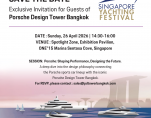
STUTTGART, GERMANY & SINGAPORE – Media OutReach Newswire – 23 April 2026 – Blending the worlds of high-performance automotive engineering and architectural permanence, Porsche Design Tower Bangkok will make its highly anticipated regional showcase at the Singapore Yachting Festival 2026. Taking place from 23 to 26 April at ONE°15 Marina Sentosa Cove, the festival offers an exceptional opportunity to showcase a unique project that transcends conventional luxury real estate.
PDTB Invitation – Singapore Yacht Festival
Arriving not merely as a residential property, but as a collectible, design-led, ultra-luxury real estate project, Porsche Design Tower Bangkok presents a once-in-a-generation offering. Amidst a spectacular showcase of the world’s finest superyachts, the festival offers Asia’s most discerning yacht owners and collectors a rare opportunity to discover a masterclass in structural originality and absolute privacy. The goal is to connect directly with a global audience of yacht owners and collectors, aligning perfectly with the project’s target group of collectors of exceptional assets.
The centerpiece of this regional showcase is a highly exclusive, invitation-only gathering held within the festival’s newly introduced Spotlight Zone. On Sunday, 26 April, from 2:45 PM to 4:00 PM, an intimate group limited to just 50 guests will be immersed in a bespoke narrative titled “Porsche Design: Shaping Performance, Designing the Future.”
For invited guests, this truly unique experience is meticulously crafted as a curated and intimate occasion. Attendees will be invited into a sophisticated and comfortable setting, designed to facilitate meaningful connections within an exclusive global community of like-minded collectors, prominent thought leaders, and Luminaries
During this intimate afternoon, guests will discover how the philosophy behind Porsche’s legendary sports cars has been seamlessly translated into an outstanding living environment limited to just 22 units. The discourse will highlight the ingenuity behind the tower’s defining architectural features and qualities—revealing how engineering marvels like ‘The Loop’ spiral vehicle ramp and ‘The Passion Space’ elevate automotive ownership into a refined collector’s ritual.
For the region’s exclusive global clientele, this debut represents an exclusive invitation to experience the future of automotive-inspired residences, reinforcing Porsche Design Tower Bangkok’s status as a highly sought-after masterpiece and the definitive reference point in global architectural design.
For discerning individuals wishing to experience this architectural masterpiece in person, the Show Suite based in Bangkok welcomes guests by private appointment only. To inquire about a private viewing, please contact [email protected] or visit pdtowerbangkok.com.
Hashtag: #Ananda #PorcheDesign
The issuer is solely responsible for the content of this announcement.
About Porsche Design Tower Bangkok
The Porsche Design Tower Bangkok sets a new standard for ultra luxury living with its limited offering of just 22 exclusive residences. Located on Sukhumvit 38, one of Bangkok’s most prestigious addresses, this groundbreaking project is the first of its kind in Asia and the third globally, following Miami and Stuttgart. Designed for ultra-high-net-worth individuals seeking unparalleled exclusivity, the tower offers residents the perfect blend of serene living in the coveted Thonglor neighborhood, with easy access to the city’s most vibrant attractions and amenities. Among its standout features are the customizable “Passion Spaces”—private, in-unit garages that allow residents to showcase their prized car collections, creating a truly unique living experience.
Arabian Post Staff -Dubai Stake has teamed up with ACE & Company to build a secondary transfer facility for fractional real estate investments in the UAE, a move aimed at tackling one of the biggest weak points in digital property ownership: liquidity. The Dubai-based platform said the arrangement is designed to give investors clearer routes to sell holdings before the eventual disposal of an underlying asset, while […]
Tether has led an $8 million strategic funding round in Abu Dhabi-based tokenisation firm KAIO, backing a business that says it wants to move institutional funds onto blockchain rails and widen access to products that have traditionally sat behind high minimum investment thresholds. The deal places one of the digital-asset sector’s most influential companies behind a UAE platform seeking to turn regulated fund interests into on-chain instruments. […]
KUALA LUMPUR — The United Arab Emirates National Pavilion opened strongly at DSA and NATSEC Asia 2026 in Kuala Lumpur on Monday, drawing senior military, government and industry visitors as Gulf defence manufacturers used one of Asia’s largest security exhibitions to press for deeper commercial ties, technology partnerships and export growth in South-East Asia. The pavilion is part of the four-day event being held from 20 to […]
Bitcoin clawed back above $76,000 at the start of the week, holding firmer than much of the wider digital-asset market even as decentralised finance absorbed the shock of a major exploit tied to KelpDAO that has drained close to $300 million and triggered a sharp retreat in capital across lending and restaking platforms. Market pricing on 21 April showed bitcoin near $75,745 after touching an intraday high […]
GUANGZHOU, CHINA – Media OutReach Newswire – 20 April 2026 – XTransfer, the World’s Leading B2B Cross-Border Trade Payment Platform, released its latest figures at the 139th China Import and Export Fair (Canton Fair). In the first quarter of this year, emerging markets across Asia, Africa, and Latin America accounted for 73% of XTransfer’s inbound cross-border payment collections, with 45% increase year-on-year. Collections from Africa, Latin America, and Southeast Asia increased 115%, 97%, and 18% year-on-year, respectively, highlighting growing demand among exporters for secure and efficient cross-border collection channels.
XTransfer at the 139th Canton Fair
According to statistics from the China General Administration of Customs, emerging markets in Asia, Africa, and Latin America have become a key driver of export growth. However, underdeveloped local financial infrastructure, incomplete cross-border payment systems, and shortages of foreign exchange mean buyers often struggle to access U.S. dollars. As a result, exporters in these markets frequently face low settlement efficiency, slow cash recovery, and risks such as account freezes.
To address these collection challenges, XTransfer has developed a comprehensive set of cross-border collection solutions. In 2025, payment collections from emerging markets in Asia, Africa, and Latin America rose 106% year-on-year. By region, collections increased 273% in Africa, 82% in Southeast Asia, and 94% in Latin America.
Over the same period, customs statistics show that in 2025, China’s total goods exports to Asia, Africa, and Latin America increased 14.6% year-on-year, with exports to Africa, Southeast Asia, and Latin America up 26.6%, 14%, and 8%, respectively. XTransfer’s significantly faster growth in collections compared with export growth suggests exporters are accelerating the shift from informal channels to secure, compliant collection methods, and that market recognition of high-quality cross-border payment services continues to rise.
Bill Deng, Founder and CEO of XTransfer, said emerging markets offer long-term opportunities for Chinese exporters, but many are held back by the “last mile” of collections. He added that XTransfer is committed to helping SMEs collect funds safely and quickly through secure, compliant, and efficient cross-border financial services comparable to those used by multinational companies.
Release of XTransfer PMI At the Canton Fair, XTransfer partnered with the Yicai Research Institute to publish the “China Small and Medium Enterprises (B2B) Merchandise Export Purchasing Manager Index” (XTransfer Export PMI), offering operational guidance and decision-making reference for small and micro export-oriented businesses.
This edition draws on a sample survey of XTransfer’s 800,000 SME users, selecting over 3,000 companies nationwide. It covers the full export process across export orders, pricing, procurement, logistics, staffing, and cash flow. The report shows that the March 2026 XTransfer PMI was 51.56%, indicating export conditions for SMEs are generally improving. Despite a complex external environment, SMEs have remained resilient and steadily strengthened their pricing power in international markets. Meanwhile, demand structures in emerging markets are reshaping, with export focus shifting toward intermediate goods and higher value-added products.
Resilience Amid Geopolitical Disruptions Customs data show that in the first quarter, China’s goods exports reached RMB 6.85 trillion, up 11.9% year-on-year, marking a strong start to the year and benefiting SMEs. The XTransfer PMI also shows expansion in the export order index (53.85) and the export price index (56.15). While seasonal factors like the Spring Festival affected the short term, the underlying “volume and price rising together” trend suggests SMEs are accelerating their shift from “low-price internal competition,” strengthening pricing power through technology upgrades and improved quality.
Geopolitical disruptions have also extended delivery times, pushing the logistics time PMI down to 37.50. In contrast, the sales collection (receivables) index rose to 68.59, showing a pattern of “goods moving slower, money returning faster”. This suggests overseas buyers remain strongly tied to China’s high-quality supply chain and are willing to raise prepayment ratios or shorten payment terms to secure capacity. One exhibitor, Mr Wang, said, “A Southeast Asian customer increased its deposit from 30% to 70% to lock in production, worried our capacity would be booked by others.“
Emerging Markets Demand Trends Toward “High-End” Upgrading The report highlights a shift toward higher-end demand in emerging markets. Africa’s export orders index (57.55) points to rising infrastructure-related demand; Latin America’s export orders index (56.47) and price index (57.81) signal opportunities in electromechanical and optical medical equipment; and Southeast Asia is absorbing components and semi-finished goods, calling for SMEs to move from finished-goods suppliers to supply-chain partners.
As industrialisation accelerates in emerging markets, demand for high-quality intermediate goods, complete electromechanical equipment, and technical services is rising. SMEs are moving from “low-end capacity exports” to “exports of technology and supply chain support”.
The composite PMI for the “New Three” (new energy vehicles, photovoltaics, and lithium batteries) was 54.59. The “New Three” sectors continue to hold growth potential, and enterprises need to enhance profit margins by delivering differentiated value. Hashtag: #XTransfer #PMI #Crossborder #Payment #SMEs
The issuer is solely responsible for the content of this announcement.
Scientists have developed a soil-powered fuel cell that uses naturally occurring microbes to generate enough electricity for low-power underground sensors, opening a possible route to battery-free monitoring systems in agriculture, wetlands and other outdoor settings. The device, created by a team led by Northwestern University, is designed to run sensors that track soil moisture or register touch while operating in both dry and waterlogged ground. The underlying […]
Bitcoin held above $74,000 through the latest stretch of trading, finding support from a softer-than-feared U. S. inflation reading while still facing a macro backdrop that remains far from comfortable for risk assets. The token’s ability to stay near that level has drawn attention because it came as March consumer prices in the United States rose 3.3% from a year earlier, a pace that was below some […]






 www.hkstp.org







 https://sg.linkedin.com/company/motoristsg?utm_source=newswire&utm_medium=org&utm_campaign=media-outreach-smartbuy-guide-2026
 https://www.facebook.com/motoristsg?utm_source=newswire&utm_medium=org&utm_campaign=media-outreach-smartbuy-guide-2026
 https://www.instagram.com/motoristsg/?utm_source=newswire&utm_medium=org&utm_campaign=media-outreach-smartbuy-guide-2026
 https://www.tiktok.com/@motoristsg?utm_source=newswire&utm_medium=org&utm_campaign=media-outreach-smartbuy-guide-2026
 https://www.youtube.com/@MotoristSg?utm_source=newswire&utm_medium=org&utm_campaign=media-outreach-smartbuy-guide-2026
 https://t.me/motoristcommunity?utm_source=newswire&utm_medium=org&utm_campaign=media-outreach-smartbuy-guide-2026