Arabian Post Staff -Dubai Abu Dhabi’s financial services ambitions expanded into the United States after Judan Financial, a subsidiary of International Holding Company, agreed to acquire a 50.1 per cent stake in Miami-based investment manager Alpha Wave Global, a firm overseeing about $29 billion in assets across multiple investment strategies. Announcement of the deal marks the first strategic investment by Judan Financial since its establishment as a […]
Families from Canada’s Atlantic provinces are anxiously awaiting evacuation as dozens of residents remain stranded across parts of the Middle East following the escalation of conflict involving Iran, with many expressing hope that arrangements for safe travel home will materialise soon. Citizens from Nova Scotia, New Brunswick, Prince Edward Island and Newfoundland and Labrador have found themselves unable to leave the region as flight disruptions, airspace closures […]
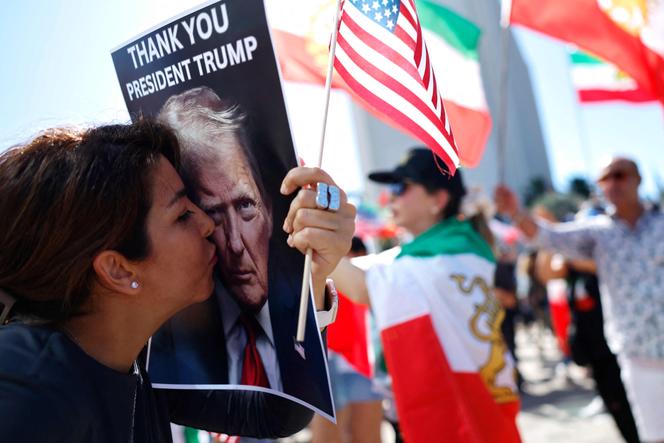
By Ashok Nilakantan Ayers NEW YORK: The war that began with a lightning decapitation strike has settled into something far more uncertain. President Donald Trump said Tuesday that U.S. military operations against Iran could last “four to five weeks” — and possibly “far longer.” Across the Atlantic, Prime Minister Benjamin Netanyahu defended Israel’s decision to […]
Young people who overcome cancer may face an added burden long after treatment ends, with mounting evidence showing that their bodies and brains can age faster than those of their peers. Researchers studying survivors diagnosed in childhood, adolescence and early adulthood report measurable signs of biological ageing beyond what would be expected for their chronological years, alongside cognitive changes that in some cases resemble patterns seen in […]
LONDON, UK – Media OutReach Newswire – 2 March 2026 – At this year’s British Academy Film Awards, the red carpet was illuminated with natural diamonds worn by some of the acting world’s most beloved stars, with Desert diamonds reigning supreme.
Desert diamond hues take centre stage on the red carpet at the 79th British Academy Film Awards. From top left to bottom right: Nathalie Emmanuel, Gillian Anderson, Archie Madekwe, Audrey Nuna, Regé-Jean Page
In evocative shades of champagne, honey, cognac, brown, and whiskey, these unique colours were seen on some of our most beloved actors and actresses- showcased in an exquisite array of cuts and designs, they blended timeless elegance with contemporary style.
Gillian Anderson, together with Nathalie Emmanuel, led the Desert diamond way with striking diamonds by Brazilian jeweller Ara Vartanian. Gillian woreasymmetric stone earrings featuring exceptional brown and white diamonds with complementing rings, whilst Nathalie wore an elongated drop earrings punctuated with brown diamonds, a bracelet and rings. K-Pop Demon Hunter star Audrey Nuna wore Desert diamond ear climbers from ANANYA.
Once reserved for jewellery boxes, brooches have become a go-to on the red carpet amongst the most decerning of wearers- Rising Star nomineeArchie Madekwe paired his custom Dior suit with Ara Vartanian white diamond brooch and Desert diamond vintage rings whilst Regé-Jean Page looked to fauna as his inspiration in a Desert diamond dragonfly brooch by Hirsh London.
Poppy Delevingne attended the British Vogue and GǪ Fashion and Film Party adorned in Desert diamonds by Ara Vartanian
Actress and Model Poppy Delevingne attended the British Vogue and GǪ Fashion and Film Party adorned in Desert diamonds by Ara Vartanian.
For the occasion, Poppy chose to wear a curated selection of pieces in Desert diamond hues, included a striking necklace from the new Empirea collection, set with 17.34 carats of brown diamonds.
These extraordinary moments on the red carpet remind us that natural diamonds are born of the wild, their enduring beauty and unique nature express both style and glamour, as well as timelessness and cultural legacy.
The issuer is solely responsible for the content of this announcement.
About De Beers Group
Established in 1888, De Beers Group is the world’s leading diamond company with expertise in the exploration, mining, marketing and retailing of diamonds. Together with its joint venture partners, De Beers Group employs more than 20,000 people across the diamond pipeline and is the world’s largest diamond producer by value, with diamond mining operations in Botswana, Canada, Namibia and South Africa. Innovation sits at the heart of De Beers Group’s strategy as it develops a portfolio of offers that span the diamond value chain, including its jewellery houses, De Beers Jewellers and Forevermark, and other pioneering solutions such as diamond sourcing and traceability initiatives Tracr and GemFair. De Beers Group also provides leading services and technology to the diamond industry in the form of education and laboratory services via De Beers Institute of Diamonds and a wide range of diamond sorting, detection and classification technology systems via De Beers Group Ignite. De Beers Group is committed to ‘Building Forever,’ a holistic and integrated approach for creating a better future – where safety, human rights and ethical integrity continue to be paramount; where communities thrive and the environment is protected; and where there are equal
opportunities for all. De Beers Group is a member of the Anglo American PLC group. For further information, visit www.debeersgroup.com.
Hyundai Motor Group has proposed establishing hydrogen fuel-cell infrastructure across Canada as part of South Korea’s effort to secure a multibillion-dollar contract to build a new class of submarines for the Royal Canadian Navy, executives involved in the bid have said. The move, designed to appeal to Ottawa’s focus on broader industrial benefits beyond defence capabilities, envisages hydrogen production and refuelling corridors that could serve heavy-duty transport […]
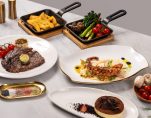
KUALA LUMPUR, MALAYSIA – Media OutReach Newswire – 25 February 2026 – First established in 2019, JIN Gastrobar introduces a refreshed take on modern continental cuisine, bringing together thoughtfully crafted dishes, curated gin selections, and signature cocktails in a warm, contemporary setting. Conveniently located within Aurum Theatre at The Gardens Mall and Mid Valley Southkey JB, the restaurant welcomes diners without the need for a movie ticket, making it an accessible dining destination for both moviegoers and dine-in guests alike.
JIN Gastrobar’s new menu includes a variety of intercontinental mains such as grilled meats and fish, delectable pastas, desserts, and not forgetting JIN Gastrobar’s signature cocktails and mocktails.
Inspired by a play on the words “Jin,” meaning gold in Mandarin, and “Gin,” one of its signature pours, JIN Gastrobar was created as a space where food, drinks, and meaningful moments come together. The space is designed to suit every occasion, from intimate date nights and quality time with loved ones to casual gatherings and solo indulgence.
A Prelude of Flavours
The refreshed menu begins with a variety of appetisers, including sharing platters, starters, soups, and salads designed to offer warmth and balance. Highlights include:
Chargrilled Octopus (RM68)
Canadian Atlantic Lobster Roll (RM58)
Trio of Fries (RM32)
Mains from Land and Sea
The main course selection spans grilled meats, fresh seafood, and comforting pastas, offering something for every palate. Amongst a range of selections, diners can choose from:
Complementary sides such as russet steak fries, sautéed spinach, sautéed mushrooms, truffled mashed potatoes, and Peruvian asparagus with broccolini are available, priced from RM15 to RM35.
Desserts and Signature Sips
To end on a sweet note, guests can enjoy desserts including Classic Tiramisu (RM25), Chocolate Brûlée, Lime and Lychee Mousse (RM25), and Apple Crumble with Ice Cream.
features signature cocktails (RM50 each) with flavour profiles such as olive, pineapple, calamansi, and lychee. Non-alcoholic mocktails include Peach Sunrise, Pineapple Passion, Calamansi Fizz, Elderflower Fizz, and Virgin Mojito.
Dine & Post, Get Rewarded
From 21 January 2026 to 21 March 2026, the first 300 GSC Rewards members who dine in and post an Instagram Story tagging @jingastrobar will receive a complimentary mocktail.
Dine in at JIN Gastrobar.
Post an Instagram Story and tag @jingastrobar.
Present the Story to staff to redeem a complimentary mocktail.
JIN Gastrobar operates daily from 11:00am to 10:00pm at The Gardens Mall, Kuala Lumpur and Mid Valley South Key, Johor Bahru
With its refreshed menu and inviting ambience, JIN Gastrobar offers a versatile dining space suited for every occasion.
SINGAPORE – Media OutReach Newswire – 23 February 2026 – Tim Hortons® Singapore is pleased to announce that it has officially received Halal certification from the Majlis Ugama Islam Singapura (MUIS) across all its existing restaurants islandwide. This significant milestone arrives at a momentous time, as the brand prepares to join the local community in celebrating the upcoming Ramadan and Eid Al-Fitr festivities.
The attainment of the MUIS Halal mark, a global gold standard in Halal assurance, reaffirms Tim Hortons’ commitment to making its offering available to everyone. Since its debut in Singapore, the iconic Canadian coffee house has been a neighbourhood destination for all. With this certification, the brand’s full suite of signature coffee, iced beverages, sandwiches, and freshly baked treats is now accessible to the Muslim community, offering a new destination for family gatherings.
Fostering Connection in Singapore’s Multicultural Landscape
In Singapore’s unique multicultural landscape, dining is more than just a meal, it is a bridge between cultures. By securing official MUIS certification, Tim Hortons® strengthens its promise to provide a welcoming environment where every guest can gather with absolute peace of mind.
At Tim Hortons, we believe the best experiences are those that bring people together. Ramadan and Eid Al-Fitr are seasons defined by reflection, gratitude, and the spirit of sharing. We are honoured to receive this certification at such a meaningful time, allowing Tims to be a part of our guests’ festive traditions. Whether it is a cozy spot for Iftar or sharing our signature treats during Eid visits, we are delighted to be a part of your celebrations.
Elevating the Festive Table: An Expanded Range of Offerings
With the MUIS Halal seal, guests can now explore the full breadth of the Tim Hortons® menu, featuring a diverse array of flavours suited for both daily indulgence and festive hosting:
Hearty Iftar Options: For those looking to break their fast with a satisfying meal, our Signature Grilled Sandwiches, including the fan-favourite Pesto Chicken and the iconic Montreal Beef Pastrami, provide a warm and wholesome option.
The Ultimate Festive Treats: Our world-famous Timbits® and handcrafted Assorted Donut boxes are the perfect addition to any festive spread. These bite-sized treats are
ideal for sharing during family gatherings and as gifts when visiting loved ones during communal Iftar gatherings and during the Hari Raya season.
Handcrafted Beverages: Guests can enjoy our 100% Premium Arabica coffee, including the legendary Maple Cinnamon Latte and the Montreal Latte, as well as our signature Frappe Iced Beverages (Iced Capps®) and a variety of espresso-based lattes and non- caffeinated refreshing drinks, all prepared under strict Halal-certified protocols.
Savory Selection: The menu also features a range of made-to-order sandwiches, bagels and bakes, offering a variety of fresh and flavourful choices for any time of day.
Uncompromising Standards of Quality and Integrity
The journey to MUIS Halal certification involved a comprehensive and rigorous audit of the entire Tim Hortons® operational ecosystem. This included a meticulous review of the supply chain, ingredient sourcing, and kitchen preparation processes. This achievement ensures that the high-quality standards Tim Hortons® is known for globally, are harmonized with the stringent religious and food safety requirements of MUIS.
A Commitment to Future Growth
As Tim Hortons® continues to expand its footprint across Singapore, where it currently operates 17 stores, this certification is a pillar for all future outlets. The brand looks forward to opening more doors across the island, ensuring that the “Tims” experience remains accessible to all Singaporeans.
The issuer is solely responsible for the content of this announcement.
About Tim Hortons®
Tim Hortons® is one of the world’s renowned restaurant chains operating in the quick service segment. Founded in 1964, Tim Hortons® appeals to a broad range of guest tastes, with a menu that includes premium coffee, hot and cold specialty drinks (including lattes, cappuccinos, espresso, teas, and our famous Iced Capp® Beverages), baked goods, hot breakfast sandwiches, breakfast snacking items, and other food products. Tim Hortons® has more than 6,000 restaurants around the world.
Tim Hortons in Singapore operates under the management of MGCA Cafe, a wholly owned subsidiary of Marubeni Corporation, a major Japanese general trading and investment conglomerate”
Arabian Post Staff -Dubai Abu Dhabi-based Global South Utilities has inaugurated a 5 megawatt-peak grid-connected solar photovoltaic plant in Berbera, marking a significant step in Somaliland’s efforts to diversify its energy mix and curb dependence on diesel generation. The project, developed under a public-private partnership model, is accompanied by the launch of the Green Berbera initiative aimed at accelerating renewable energy adoption and sustainable infrastructure in the […]
Showcasing Spectacular Entertainment and Chinese Cultural Performances, Featuring Renowned Chinese Artist “Zhu Zhengting” to Bless the People of Thailand in the Heart of the City
BANGKOK, THAILAND – Media OutReach Newswire – 16 February 2026 – Siam Paragon, Thailand’s premier global landmark and the top destination in the hearts of Thai people and international tourists, has partnered with the Tourism Authority of Thailand (TAT) and Kasikornbank, ushers in a grand celebration for the Year of the Horse. The event “Siam Paragon A Prosperous Chinese New Year 2026,” bringing an array of rare cultural performances from China to offer a magnificent experience in the heart of Bangkok, The celebration also features special performances by leading Thai artists and an exclusive appearance from Chinese superstar “Zhu Zhengting,” who flew in to deliver New Year blessings to Thai fans at Parc Paragon, Siam Paragon.
The Grand Opening Ceremony, held on 14 February 2026, was honored by the presence of Atthakorn Sirilatthayakorn, Minister of Tourism and Sports, alongside Mr. Han Zhiqiang, Ambassador Extraordinary and Plenipotentiary of the People’s Republic of China to Thailand, who both joined in delivering Chinese New Year blessings. Also in attendance were Thapanee Kiatphaibool, Governor of the Tourism Authority of Thailand (TAT); Chadatip Chutrakul, Chief Executive Officer of Siam Piwat Group; and Mayuree Chaipromprasith, President of Corporate Affairs and Communications at Siam Piwat Co., Ltd., all gathered amidst a grand and festive atmosphere. The event captivated the audience with special performances, including “Chinese New Year Welcome Dance” from China and the “Siam Noble Steed Dance” from Thailand, symbolizing the deep-rooted ties between the two nations. The celebration also featured rare and exquisite Chinese cultural showcases from four renowned troupes originating from Beijing, Chongqing, Henan, and Fujian.
The highly anticipated highlight was the appearance of renowned Chinese artist “Zhu Zhengting,” who joined the festivities to wish fans wealth, happiness, and prosperity for the year ahead, while delivering a special performance as a New Year gift. Additionally, the celebration featured mini-concerts by leading Thai T-Pop artists, including Better Weather and Daou Pittaya, who brought joy and left a lasting impression amidst the spectacular sight of giant auspicious lanterns illuminating the entire of Parc Paragon.
The grand celebration of “Siam Paragon A Prosperous Chinese New Year 2026″ presents a magnificent parade of entertainment to deliver joy and prosperity for the Year of the Horse, running from today until 18 February 2026. In addition to the spectacular colors of giant auspicious lanterns and exquisite cultural performances from the People’s Republic of China, there are concerts from leading Thai artists performing on a rotating schedule to provide non-stop fun at Parc Paragon and Fashion Hall.
The lineup includes:
15 February 2026: Enjoy performances by HERS and MEAN Band;
16 February 2026: Meet 2Ectasy, Jeffy, Kakagoesbackhome, and Slapkiss;
17 February 2026: Have fun with SERIOUS BACON and Klear;
18 February 2026: Concluding with Wanyai and OABNITHI.
Simultaneously, Siam Paragon is packed with activities to enhance luck and wealth across various areas, featuring many more highlights such as:
Be mesmerized by the art installation “The Fortune Guardians,” depicting a pair of lions in a rhythmic and lively spirit of celebration, created by Suthipa Kamyam, a renowned artist and illustrator who has collaborated with numerous international brands. She has transformed the Jewel zone and Cascade on the M Floor into an artistic landmark for the Chinese New Year, symbolizing the opening of gates to welcome positive energy, inviting luck and joy to flow in and reach all visitors.
The Sculpture Exhibition by Ren Zhe: This exhibition features the work of the renowned Chinese sculptor, celebrated for his masterful fusion of Eastern cultural roots with a contemporary global perspective. His powerful sculptures are imbued with dynamic movement, harmoniously communicating Eastern philosophical values through modern materials. The exhibition will be on display from 5 March 2026 at the Glass Wall on the M Floor.
NEXTOPIA, the prototype for the world of tomorrow, welcomes the Chinese New Year festival with the heartwarming concept “Let Good Things Grow: Lucky in Love, Lucky in Green.” This initiative invites everyone to share positive energy through self-care, meaningful connection with others, and sustainable growth alongside the planet. Visitors can immerse themselves in contemporary interactive activities and workshops that are engaging and accessible to all ages. We invite you to fulfill your special moments at NEXTOPIA with eco-friendly, heart-healthy menus amidst a romantic atmosphere and melodies —perfect for hanging out until midnight.
For those seeking spiritual guidance and an opportunity to give back, the Siriwattana Cheshire Foundation under the Royal Patronage of Her Majesty the Queen presents the “Siriwattana Fortune Telling for the Disabled” charity event. To welcome the Year of the Horse, the event features 40 renowned experts specializing in various disciplines. The event takes place from February 13–20, 2026, at Crystal Court, 2nd Floor (North Zone), Siam Paragon, from 10:30 AM to 7:00 PM. Fortune-telling tickets are available at the venue for 400 THB.
Beyond the exceptional experiences offered across all zones, Siam Paragon delights shoppers with the exclusive “A Prosperous Chinese New Year 2026,” promotion, running from today until 22 February 2026, featuring discounts of up to 50% at participating stores. Shoppers meeting the spending requirements can receive Siam Gift Cards and Paragon Department Store Cash Coupons with a total value of up to THB 1,700. Special privileges are also available for Kasikornbank credit cardholders, while ONESIAM members can earn 4x ONESIAM Coins upon qualifying spend, along with up to 15% credit cashback from participating credit cards, or 0% interest installments for up to 6 months on Siam Gift Card purchases.
Additionally, the special “Lucky with Love” promotion will run from today until 17 February 2026. Shoppers meeting the spending requirements can redeem Siam Gift Cards and Paragon Department Store Cash Coupons with a total value of up to THB 31,800, plus an additional bonus of up to 1,550 ONESIAM Coins when spending via ONESIAM KBank Credit Cards. Furthermore, purchases of THB 2,000 or more will be rewarded with an extra Ang Pao (containing gift vouchers or discount coupons from participating stores). For top spenders at participating luxury brands, an exceptional prize of 2 Baht weight of gold, valued at THB 149,500 (price as of 26 January 2026), will be awarded to those with a cumulative spend of THB 4 million or more.
Experience the grandeur of the Chinese New Year celebration, a spectacular and radiant start to a prosperous Year of the Horse at “Siam Paragon A Prosperous Chinese New Year 2026.” Join the festivities at Siam Paragon from today until 20 February 2026. For more information, please visit Facebook: SiamParagon
Hashtag: #SiamParagon #SiamParagonCNY2026
The issuer is solely responsible for the content of this announcement.
Mexico’s Attorney General’s Office is examining whether a British Columbia-based mining company bears any responsibility in the abduction of 10 of its employees, following allegations that criminal groups targeted the workers in a region affected by organised crime. President Claudia Sheinbaum said on Friday that federal prosecutors are investigating the circumstances surrounding the kidnapping and assessing whether the company complied with security obligations and local regulations. The […]
Food queues are lengthening, blackouts are stretching into the night and petrol stations stand dry across Cuba as tighter US sanctions and a collapse in tourism compound a severe fuel shortage, pushing daily life on the island towards what many residents describe as a breaking point. Authorities in Havana have acknowledged acute constraints on diesel and petrol supplies, attributing the shortfall to tougher enforcement of US measures […]
Donald Trump has warned he could block the opening of the Gordie Howe International Bridge, a major new road link between Windsor, Ontario, and Detroit, framing the threat as leverage in broader trade and border negotiations with Canada. The statement has injected uncertainty into one of North America’s most significant infrastructure projects, designed to ease congestion at the busiest commercial crossing on the US–Canada frontier. Speaking to […]
Plans taking shape inside SpaceX point to an unusual next step in the global race for computing power: data centres operating in orbit by 2026. The company has begun recruiting specialists in power systems, thermal engineering, networking and on-orbit operations, signalling an effort to pair its satellite infrastructure with space-based computing at a time when demand for artificial intelligence processing is colliding with limits on Earth. People […]
Today’s biggest stars express individuality and confidence with natural diamonds
LOS ANGELES, US – Media OutReach Newswire – 6 February 2026 – At this year’s GRAMMY Awards, the Red Carpet sparkled with natural diamonds punctuating the looks of today’s most celebrated music artists.
Natural diamonds take center stage on the red carpet at the Grammy Awards. From left to right: Addison Rae, Bad Bunny, Justin Bieber and Hailey Bieber, Olivia Dean
Leading artists, performers and presenters showed up for music’s biggest night in diamond jewelry looks that spoke to creativity, individuality, glamour and power. From nominees Olivia Dean and Sabrina Carpenter to presenter Keltie Knight’s choices, natural diamonds expressed not only the timeless glamour and brilliance they’re known for, but their ability to amplify personal style. Natural diamonds were spotted in a range of tones from icy whites to deep whiskeys, and in settings from platinum to rose gold. Just as Hollywood stars are hitting the Red Carpet this year in Desert diamonds, the biggest new trend in natural diamonds, musical artists are experimenting with a bolder diamond palette, creating a more personality-driven red carpet.
Desert diamonds Desert diamonds, ranging from warm whites to deep whiskeys, were spotted everywhere, including on presenter Keltie Knight, who opted for unique diamond and yellow gold hoops by RENNA, as well as a smattering of yellow gold, fancy-shaped diamond solitaire rings from the brand. Highlights also included power player J Balvin who chose a clean and classic tuxedo paired with a large cushion cut yellow diamond ring that added a nice balance to the traditionally masculine look.
Simple Drops Simple drop earrings emerged as a quiet standout at the GRAMMYs, proving that restraint can be just as impactful as large statement pieces. Addison Rae and Madison Beer leaned into effortless glamour, choosing sleek diamond drops that framed the face with subtle movement and modern elegance. Billie Eilish brought her signature edge, using pared-back diamond drops to balance her bold black and white suiting. Kelsea Ballerini elevated the look in Sabyasachi, where refined diamond drops added softness and romance, while Reba McEntire turned to Martin Katz for timeless brilliance, opting for classic diamond drops that were sure to catch the eye.
Diamond Hoops for Men Men are increasingly embracing minimalist yet impactful diamond hoop earrings as a refined accessory choice. Bad Bunny paired his sharp Schiaparelli tuxedo with a single diamond hoop earring, bringing a subtle but polished sparkle to his look that perfectly balanced his experimental sartorial vibe. Kaytranada’s red carpet presence and inclination for understated yet stylish accessories suggest that simple diamond hoops align naturally with his fashion-forward aesthetic. This trend points to a broader moment in men’s red carpet jewelry: pared-back diamond hoops that provide polished shine without overpowering the rest of the ensemble, signaling a move toward jewelry that feels personal, versatile, and modern.
Rings Rings at the GRAMMYs reflected a dual trend of bold expression and refined delicacy, underscoring natural diamonds’ versatility. Sabrina Carpenter complimented her look in Chopard, opting for diamond rings that delivered impact without overpowering her look, while Sombr also made a striking impression with a diamond ring that was perfect high-jewelry shine to go with his existing sequined ensemble. In contrast, Olivia Dean showcased a more delicate approach in Cartier High Jewelry, layering elegant diamond rings that emphasized timeless sophistication perfectly echoing her Chanel gown. Miley Cyrus made perhaps the boldest ring statement of the night with several diamond rings stacked and worn over leather gloves.
Necklaces Necklaces at the GRAMMYs showcased how natural diamonds can define both quiet refinement and bold presence on the red carpet. On the delicate end of the spectrum, Charlotte Lawrence in Messika exemplified understated luxury with a finely crafted diamond necklace that traced the neckline proving that less is more. In contrast, Hailey and Justin Bieber turned heads with matching Lorraine Schwartz statement diamond neck pieces that anchored their looks. Tate McRae also grabbed attention with a 50 carat Lorraine Schwartz necklace, while Pharrell Williams elevated his ensemble with a striking diamond necklace that blended artistry and scale. Together, these moments underscored a versatile necklace trend: from minimalist diamonds that whispered elegance to oversized, expressive pieces that commanded attention. Natural diamonds continue to serve as dynamic anchors in personal style storytelling.
The issuer is solely responsible for the content of this announcement.
About De Beers Group
Established in 1888, De Beers Group is the world’s leading diamond company with expertise in the exploration, mining, marketing and retailing of diamonds. Together with its joint venture partners, De Beers Group employs more than 20,000 people across the diamond pipeline and is the world’s largest diamond producer by value, with diamond mining operations in Botswana, Canada, Namibia and South Africa. Innovation sits at the heart of De Beers Group’s strategy as it develops a portfolio of offers that span the diamond value chain, including its jewellery houses, De Beers London and Forevermark, and other pioneering solutions such as diamond sourcing and traceability initiatives Tracr and GemFair. De Beers Group also provides leading services and technology to the diamond industry in the form of education and laboratory services and a wide range of diamond sorting, detection and classification technology services.
De Beers Group is committed to ‘Building Forever,’ a holistic and integrated approach to sustainability that underpins our efforts to create meaningful impact for the people and places where our diamonds are
discovered. Building Forever focuses on three key areas where, through collaborations and partnerships around the globe, we have an enhanced ability to drive positive impact; Livelihoods, Climate and Nature. De Beers Group is a member of the Anglo American plc group. For further information, visit www.debeersgroup.com.
Greenlogue/AP Saudi Arabia has committed $2 billion to build two large-scale solar power plants in Turkey with a combined capacity of 2,000 megawatts, marking one of the biggest cross-border renewable energy investments announced between the two countries. The plan was confirmed by Turkey’s energy minister following high-level talks in Riyadh, underlining Ankara’s push to accelerate clean power deployment while drawing in long-term foreign capital. The agreement was […]
Senior defence officials from Canada travelled to the United States for a formal ceremony marking progress on the F-35 fighter programme, underlining Ottawa’s commitment to the aircraft even as renewed trade and political frictions cloud the wider bilateral relationship and trigger fresh scrutiny of the country’s long-running CF-18 replacement plan. The event, hosted by Lockheed Martin at its Fort Worth, Texas facility, brought together representatives from the […]
Arabian Post Staff -Dubai Abu Dhabi’s sovereign wealth fund is arranging a sizeable Australian dollar loan backed by a clutch of local assets, underscoring the depth of global appetite for infrastructure-linked credit tied to long-term institutional owners. People familiar with the matter said the AD Investment Authority is seeking an A$3.75 billion facility secured against four Australian assets held by a wholly owned subsidiary. The borrowing is […]
HONG KONG SAR – Media OutReach Newswire – 29 January 2026 – The Hong Kong Polytechnic University (PolyU) yesterday unveiled the PolyUResearch Excellence Report at a high-profile forum co-hosted with Clarivate, a leading global provider of transformative intelligence. The landmark report provides a comprehensive evaluation of PolyU research achievements and impact, reaffirming the University’s position as a global innovation powerhouse. The event, “Research Excellence Report Launch cum Impact Forum: Innovating for Global Impact”, drew around 100 distinguished attendees, including academic leaders from other tertiary institutions in Hong Kong and the Chinese Mainland, industry partners and policymakers. According to Clarivate, PolyU achieved a remarkable 65% surge in high-impact research output and a 55% rise in highly cited papers from 2020 to 2024, and led all University Grants Committee (UGC)-funded institutions in research publications in 2024, underscoring its position at the forefront of Hong Kong’s academic excellence.
The event was officiated by Prof. Timothy TONG, Chairman of the Research Grants Council (RGC); Mr Osher GILINSKY, Vice President for Asia Pacific, Academia and Government, Clarivate; and Prof. Christopher CHAO, Senior Vice President (Research and Innovation) of PolyU, who delivered opening remarks.
Celebrating PolyU’s exceptional research achievements and their far-reaching impacts on society, the Nation and the world, Prof. Tong stated, “The PolyU Research Excellence Report vividly demonstrates its commitment to sustainable development, reflecting the dedication and innovation of its faculty, researchers and students.” Prof. Tong commended PolyU for its effective use of research resources, noting the significant advancements in AI-driven medical breakthroughs, climate solutions and sustainability. He further emphasised the RGC’s ongoing commitment to supporting research that addresses major societal challenges, exemplified by initiatives such as the Research Impact Fund. Additionally, he reaffirmed the RGC’s partnership with universities in strengthening Hong Kong’s status as a global knowledge hub.
Recognising PolyU’s outstanding global research performance, Mr Gilinsky elaborated, “In recent years, PolyU has demonstrated high research productivity in high quality, driving for high impact for the society. PolyU was granted 1,020 patents between 2020 and 2024, the second highest among UGC-funded universities. To enhance research translation, PolyU has formed partnerships with companies including NVIDIA, Huawei and Alibaba. These achievements illustrate PolyU’s international connectivity, diverse disciplinary strengths and strong culture of research translation. Leveraging its strength with the Chinese Mainland resources, PolyU is also accelerating knowledge transfer and identifying emerging areas for discovery, particularly in AI-powered healthcare, sustainable engineering, advanced manufacturing and smart city development—fields where it aims for global leadership.”
Prof. Chao emphasised, “The report is a testament to years of dedicated effort, groundbreaking innovation and the unwavering commitment of the PolyU academic community. In 2025, we are proud to have 21 PolyU scholars named Highly Cited Researchers by Clarivate, while 428 rank among Stanford University’s World’s Top 2% Most-cited Scientists—placing PolyU second among Hong Kong tertiary institutions. Our Strategic Plan 2025/26 – 2030/31, themed ‘Unite to Meet Challenges, Innovate to Benefit Society,’ will further empower PolyU to deliver even more transformative contributions to society.”
Clarivate has been forging continuous collaborations with numerous institutions, including co-authoring the report series The impact of research undertaken by universities in Hong Kong with UGC in 2022. Produced by Clarivate using authoritative data from the Web of Science, the PolyU Research Excellence Report delivers a comprehensive assessment of the University’s overall research performance and achievements, highlighting PolyU’s global leadership in engineering, advancements in powering medical research with emerging AI technologies, and unique contributions to the hospitality, fashion and textile, design and art disciplines that distinguish the University on the global stage.
PolyU’s strengths are exemplified by its leadership in Hong Kong’s research output growth, achieving the highest number of publications among UGC‑funded universities in 2024. Nearly 40% of its outputs are internationally co-authored, while 27% involve QS Top 50 university partners. The quality and impact of the University’s research output are further evidenced by its strong disciplinary performance. In the QS World University Rankings by Subject 2025, seven PolyU disciplines rank in the global Top 30, while, overall, 26 disciplines are listed among the world’s Top 100, underscoring the breadth and depth of the University’s academic excellence across multiple fields.
Following the report launch, the Impact Forum featured a high-level panel discussion on “Innovations and Challenges in Research Evaluation”. The discussion facilitated insightful exchanges between the panel and attendees on evolving approaches to research assessment, the importance of measuring societal impact and strategies for fostering cross-institutional collaboration.
Engineering Leadership: Ranked 6th globally in Engineering and 2nd in Civil Engineering (Subject Rankings of U.S. News & World Report Best Global Universities Rankings 2025-2026), with research supporting Hong Kong’s Cross Bay Link project and national space missions. PolyU engineering publications grew by 68% between 2020-2024, with 38% of Hong Kong’s engineering publications affiliated with the University in 2024.
AI-driven Medical Innovations: 261 patents in Computing and Control solutions, including LungRT Pro (a radiotherapy support system), Scolioscan® (radiation-free scoliosis diagnosis) and STARS (a smartphone-based vision screening tool for children). These life‑changing innovations demonstrate PolyU’s strong interdisciplinary integration across computer science, optometry, biomedical engineering, rehabilitation sciences and nursing.
Unique Disciplines: Global top rankings in Hospitality and Tourism Management, and Textile Science and Engineering (1st and 5th respectively in ShanghaiRanking’s Global Ranking of Academic Subjects 2025), as well as Art and Design (22nd in QS World University Rankings by Subject 2025). Groundbreaking work includes smart wearables for stroke patients, AI-powered tourism demand forecasting platforms and sustainable community design projects.
Collaborative Impact: Over 600 international collaboration agreements with 390+ institutions across 45 countries and regions, and 3,100+ collaborative projects in the Chinese Mainland. Between 2020 and 2024, nearly 40% of its high-quality research publications were co-authored with international institutions. PolyU Unicorn startups have created over 5,000 international job opportunities and generated significant economic value.
By Nitya Chakraborty The meeting between Chinese President Xi Jinping and the British Prime Minister Keir Starmer on Thursday, January 29 in Beijing assumes special significance at a time when Britain is fighting its transatlantic ally U.S. over the sovereignty of Greenland and President Trump has mentioned security threat from China and Russia in Arctic […]
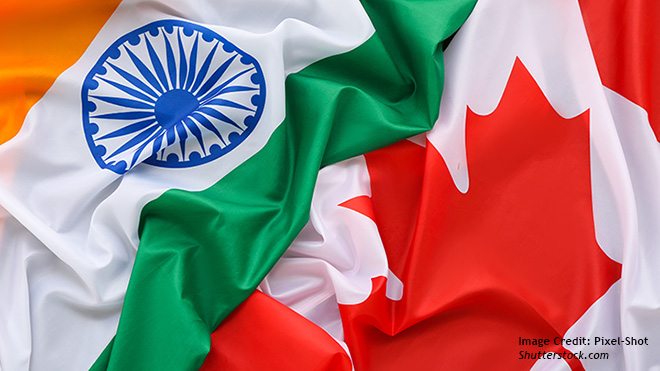
Ottawa and New Delhi are preparing for a high-level visit in March by Canadian Prime Minister Mark Carney, with negotiations entering an advanced stage on a cluster of agreements covering uranium supply, clean energy cooperation, critical minerals and artificial intelligence. Officials familiar with the talks say the visit is being positioned as a reset in economic engagement after a period of diplomatic strain, with both sides keen to lock in commercially binding deals that reflect shifting global supply chains and technology priorities.
The centrepiece of the expected package is an expansion of civil nuclear cooperation, anchored in long-term uranium supply contracts. Canada is among the world’s largest producers of uranium, while India has been seeking diversified and reliable fuel sources to support its nuclear power programme, which is projected to grow sharply over the next decade. Negotiators have been working to streamline regulatory clearances and pricing mechanisms to give utilities and suppliers greater certainty, while ensuring safeguards and compliance obligations are met.
Energy cooperation is set to extend beyond nuclear. Talks have included collaboration on clean hydrogen, carbon capture and storage, and grid-scale renewable integration. Canadian firms bring experience in cold-climate energy systems, advanced storage and emissions management, while India offers scale, manufacturing depth and ambitious deployment targets. Officials describe the approach as moving from memoranda of understanding towards projects with defined investment timelines and joint development structures.
Critical minerals form another pillar of the discussions. Canada’s reserves of lithium, nickel, cobalt and rare earths are increasingly viewed as strategic assets as governments seek alternatives to concentrated supply routes. India, pushing to build domestic battery and electronics manufacturing capacity, has been exploring offtake agreements, joint exploration and downstream processing partnerships. The proposed framework is designed to align mineral extraction with environmental and community standards, while enabling long-term supply security for manufacturers.
Artificial intelligence cooperation has emerged as a newer, fast-moving track. Policymakers on both sides have been weighing arrangements that combine Canada’s research ecosystem and talent pipeline with India’s large-scale data capabilities and application-driven innovation. Areas under discussion include healthcare diagnostics, climate modelling, financial services and public-sector digital infrastructure. Officials have emphasised the need for guardrails on data governance, intellectual property and ethical use, reflecting growing global scrutiny of AI deployment.
Trade officials say the March visit, if confirmed as planned, would also provide political momentum to broader commercial ties. Bilateral trade has grown steadily over the past decade but remains below potential, particularly in high-value manufacturing and services. Business groups in both countries have been urging clearer pathways for investment approvals, mobility of skilled professionals and dispute resolution mechanisms to reduce friction for companies operating across jurisdictions.
By Asad Mirza In today’s fractured world, fissures caused mostly by the ongoing Trumpomania, every nation is working post haste to forge new alliances particularly focussed on trade. The best example of this is the India-EU partnership FTA, to be formalized on January 27.. The enhanced partnership is going to eliminate tariffs on more than […]
Mubadala Investment Company has sold its minority holding in Arcadia Consumer Healthcare, completing its exit from the United States-based consumer health and wellness platform alongside the company’s acquisition by funds managed by Bansk Group. The transaction marks a change in ownership for Arcadia and reflects shifting investment strategies across the global consumer health sector, where private equity interest has intensified amid consolidation and portfolio reshaping. Arcadia, headquartered […]
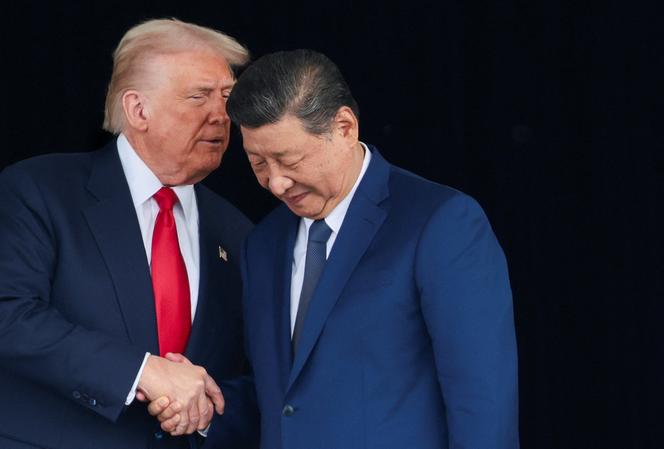
By Nitya Chakraborty 2025 was the year of the maverick U.S. President Donald Trump. The developments during the year beginning January 20 evolved around Trump. He was the key decision-maker, irrespective of what other countries leaders felt. He cared little for the United Nations, WTO, WHO and all other multilateral bodies. He openly said ‘I […]





 https://www.debeersgroup.com/
 https://www.linkedin.com/company/debeersgroup/posts/?feedView=all
 https://www.facebook.com/DeBeersGroupOfCompanies
 https://www.instagram.com/debeersgroup/



 https://www.tiktok.com/@timhortons.sg




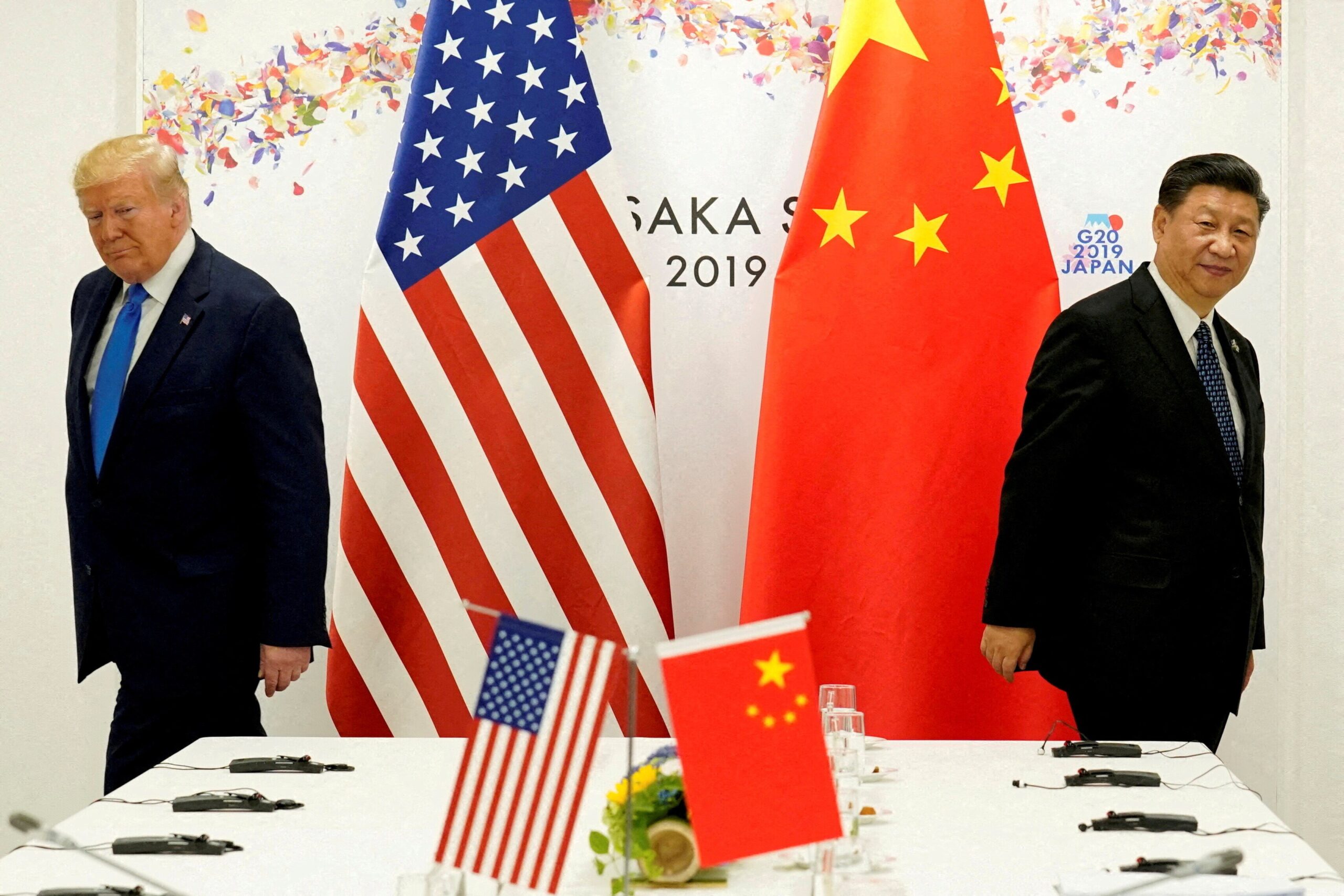
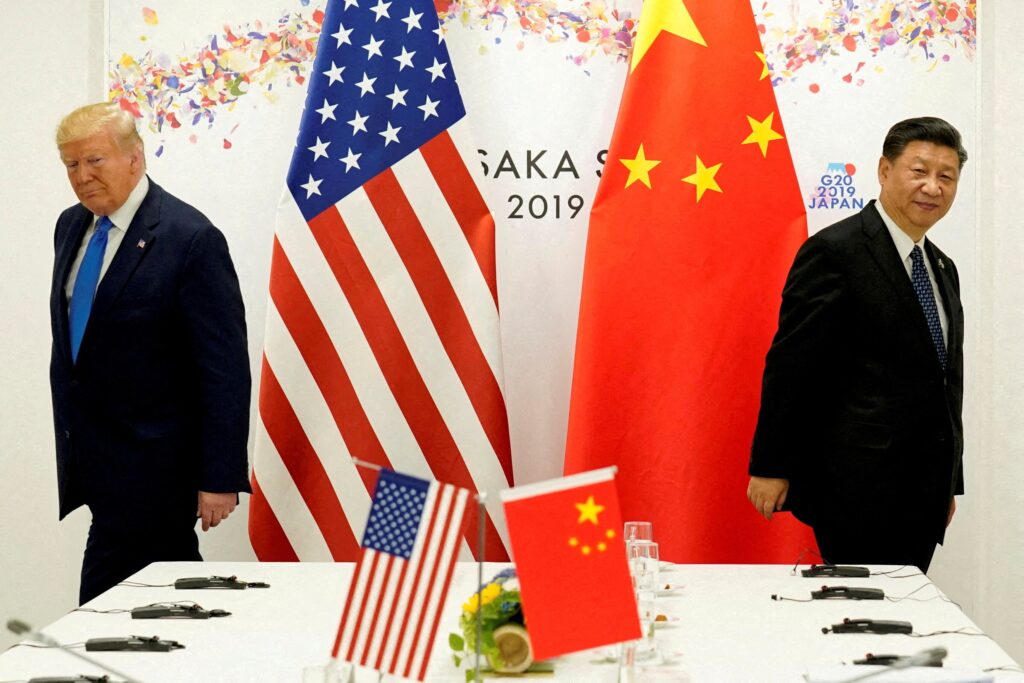 By Nitya Chakraborty The meeting between Chinese President Xi Jinping and the British Prime Minister Keir Starmer on Thursday, January 29 in Beijing assumes special significance at a time when Britain is fighting its transatlantic ally U.S. over the sovereignty of Greenland and President Trump has mentioned security threat from China and Russia in Arctic […]