News related to
adia

Oil markets swung sharply following the US Air Force’s striking of Iran’s Fordow, Natanz and Esfahan nuclear facilities on 21 June, triggering a fresh wave of geopolitical risk. Brent crude futures jumped over 11 per cent earlier this week after Israeli attacks, and traders are now preparing for further price volatility once global trading resumes.

President Trump described the operation as a “spectacular military success” and warned that more targets await if Iran does not seek peace. The US employed six B‑2 bombers laden with GBU‑57 “bunker‑buster” bombs—ordnance only capable of penetrating Fordow‘s deep underground vaults. Natanz and Esfahan were also hit, reportedly using Tomahawks from submarines.

Market analysts warn that disruption to Iran’s 2.5 million barrels per day export capacity, plus the threat of a shutdown of the Strait of Hormuz, would lift risk premiums sharply. Oxford Economics estimates oil could reach $130 a barrel if Iran decides to close the Strait, sending inflation soaring.

Investors are preparing for turbulence in equities and a rush towards safe-haven assets like the US dollar and gold. Potomac River Capital’s CIO, Mark Spindel, warned of markets being “initially alarmed” with heightened volatility continuing until the extent of the damage is confirmed.

Global markets have seen mixed signals: while crude prices surged up to 18 per cent since Israel’s June 13 raids, equities such as the S&P 500 have remained relatively steady. Predicting a deeper sell-off may depend on whether Iran follows through with threats — including disrupting the Strait, leveraging regional proxies, or escalating cyber campaigns.

Iran’s official response has been defiant rather than conciliatory. Tehran’s Atomic Energy Organisation assures no radiation has been released, and lawmakers claim the damage is superficial and repairable. Iran’s foreign ministry has labelled the strikes “outrageous” and cautioned that the consequences will be “everlasting”.

Global leaders have voiced alarm. New Zealand’s foreign minister urged all parties to “de-escalate and return to diplomacy”, while Australia and Mexico emphasised restraint and dialogue. Venezuela and Cuba condemned the strikes as violations of international law, calling for immediate halt to military action.

Oil market specialist Saul Kavonic warns Brent could move towards $100 a barrel “depending on Iran’s retaliation”. While Saudi output increases may buffer short-term shortages, traders recognise that any direct counterstrike on Gulf tanker routes or infrastructure would compound risk.

The destruction of key nuclear enrichment sites may set back Iran’s nuclear programme temporarily. Yet experts caution that the regime’s scientific expertise cannot be fully neutralised and the damage might harden Tehran’s resolve to pursue a bomb. This may also hinder diplomatic engagement, as Iran could withdraw from the Nuclear Non‑Proliferation Treaty and cease cooperation with the IAEA.

In financial hubs and oil centres from London to Shanghai, traders are reviewing risk models, stress-testing portfolios and hedging energy exposure. Asian markets, heavily reliant on Gulf crude, could face inflationary pressure if shipping routes are disrupted.

A key question now is whether the United States and its allies will pursue further strikes or shift to diplomatic pressure. Trump’s administration insists that Iran now has a binary choice: embrace peace or face further “precision” strikes. Critics warn that without congressional authorisation, deeper military involvement risks entangling the US in a long-term Middle East conflict.

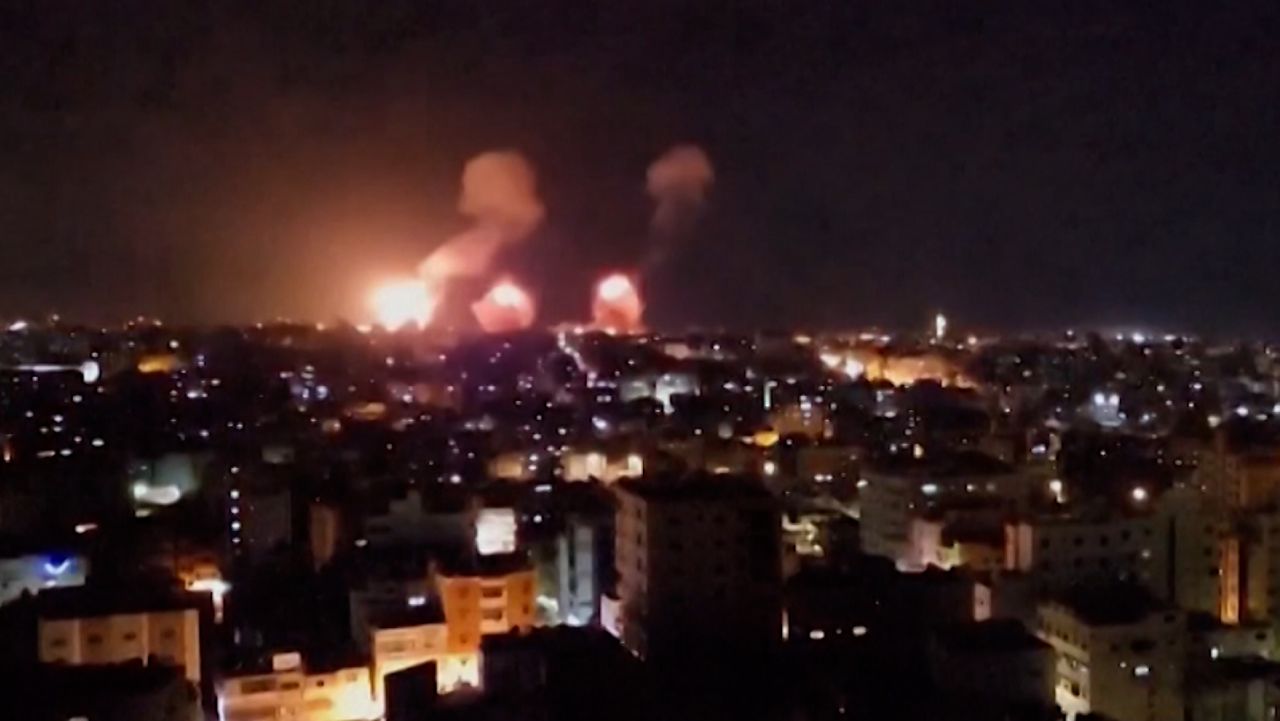
Experience the legendary ‘Plácido Domingo’ live in Thailand for the first time—alongside an Indian epic, dazzling Chinese ballet, operas, and jaw-dropping acrobatics Tickets Now Available! BANGKOK, THAILAND – Media OutReach Newswire – 20 June 2025 – Get ready for a world-class spectacle like no other—right here in Thailand. Bangkok’s 27th International Festival of Dance & Music is making a grand comeback, bringing 14 stunning performances from over […]

A ballistic missile launched by Iran struck the Tel Aviv Stock Exchange building in Ramat Gan on 19 June 2025, inflicting substantial structural damage in the heart of Israel’s financial district. This incident occurred amid a coordinated barrage that also hit key civilian infrastructure elsewhere, including Soroka Medical Centre in Be’er Sheva, intensifying already volatile regional tensions.

Sirens wailed across central and southern Israel as air defence systems engaged waves of inbound missiles. Between 20 and 30 ballistic projectiles were reported, an escalation surpassing previous exchanges earlier this monthꟷnotably those on 15 and 16 June, which injured dozens and damaged residences in Tel Aviv, Bat Yam and Haifa. This latest salvo targeted multiple urban areas, with at least 32 civilians confirmed wounded by Magen David Adom teams, some in serious condition.

The stock exchange structure, known as Birsa, sustained extensive facade damage and shattered windows, with parts of surrounding offices impacted. Video footage circulated online showing debris falling from upper floors into streets below. Emergency crews were deployed immediately to evacuate employees and assess structural integrity, though no fatalities were reported at the site.

In parallel, Soroka Medical Centre at Be’er Sheva—Israel’s principal hospital serving around one million residents with more than 1,000 beds—was also struck. Footage and eyewitness reports confirmed significant damage: roof collapse in some wards, shattered glass across corridors and injuries among both patients and medical staff. Hospital officials imposed strict access controls, advising the public to avoid the area as emergency protocols were activated.

Israel’s air-defence systems, including Iron Dome and Arrow batteries, intercepted many of the missiles but failed to prevent all impacts. Some missiles penetrated defences and struck densely populated neighbourhoods, damaging residential high-rises and injuring civilians. This pattern marks a troubling shift. Previous intercepts had been more successful, but the latest strikes have underscored vulnerabilities in urban protection.

The missile offensive came as retaliation for Israel’s strikes on Iranian nuclear facilities. Earlier on 19 June, Israeli aircraft reportedly struck the heavy-water reactor at Arak and a related plutonium-production component, in what the Israeli government called efforts to disrupt Tehran’s nuclear capabilities. Iran’s state media countered that the reactor had been evacuated in advance and there was no radiation leak.

Prime Minister Benjamin Netanyahu publicly condemned the missile strikes on Israel’s financial hub and its hospital network, accusing Iran’s leadership of targeting civilians and vowing that Tehran “will pay the full price”. Defence officials say that Iran deployed over 25 missiles targeting Israeli urban centres during this wave.

Humanitarian services are stretched thin. Magen David Adom paramedics reported at least 32 people with injuries ranging from shock and minor shrapnel wounds to serious trauma in Be’er Sheva and Tel Aviv. Hospitals near strike zones have diverted critically ill patients and limited admissions to emergencies, raising concerns over the continuity of essential health services.

Economically, the assault on the stock exchange reverberated across markets. While share trading has continued, operational disruptions occurred as staff evacuated and investigations into building safety commenced. Analysts note that the financial centre embodies Israel’s economic resilience, but warn that repeated infrastructure targeting injects uncertainty into investor sentiment.

As missiles fly in both directions, global powers are watching warily. US President Donald Trump indicated possible military support for Israel pending internal approval, while European leaders called for restraint and emphasised the potential for diplomatic channels. The International Atomic Energy Agency has voiced alarm over Iran’s uranium enrichment practices, now exacerbated by military confrontations sparked by retaliatory airstrikes.

Israeli authorities warn that this may be Iran’s most sustained attack yet, burning through long-range arsenal previously reserved for strategic military targets. Intelligence assessments suggest Iran is deploying missiles intensively—over 400 since the conflict’s escalation—though only a fraction have struck urban centres.

With civilian infrastructure clearly in the crosshairs, the stakes are escalating dangerously. Analysts warn that further strikes on hospitals, markets or cultural institutions may invite stronger Israeli countermeasures, potentially widening the conflict. For now, cities remain on high alert as missiles continue to disrupt daily life and rattle the foundations of an already tense Middle East.

Chad is confronting a cascading humanitarian disaster in its eastern regions, where acute food shortages coincide with a rising risk of cholera, UN officials have warned. At a UN briefing in Geneva on 13 June, François Batalingaya, the UN Resident and Humanitarian Coordinator in Chad, urged the global community to act decisively as millions face worsening hunger and potential disease outbreak. The country is enduring its sixth successive […]

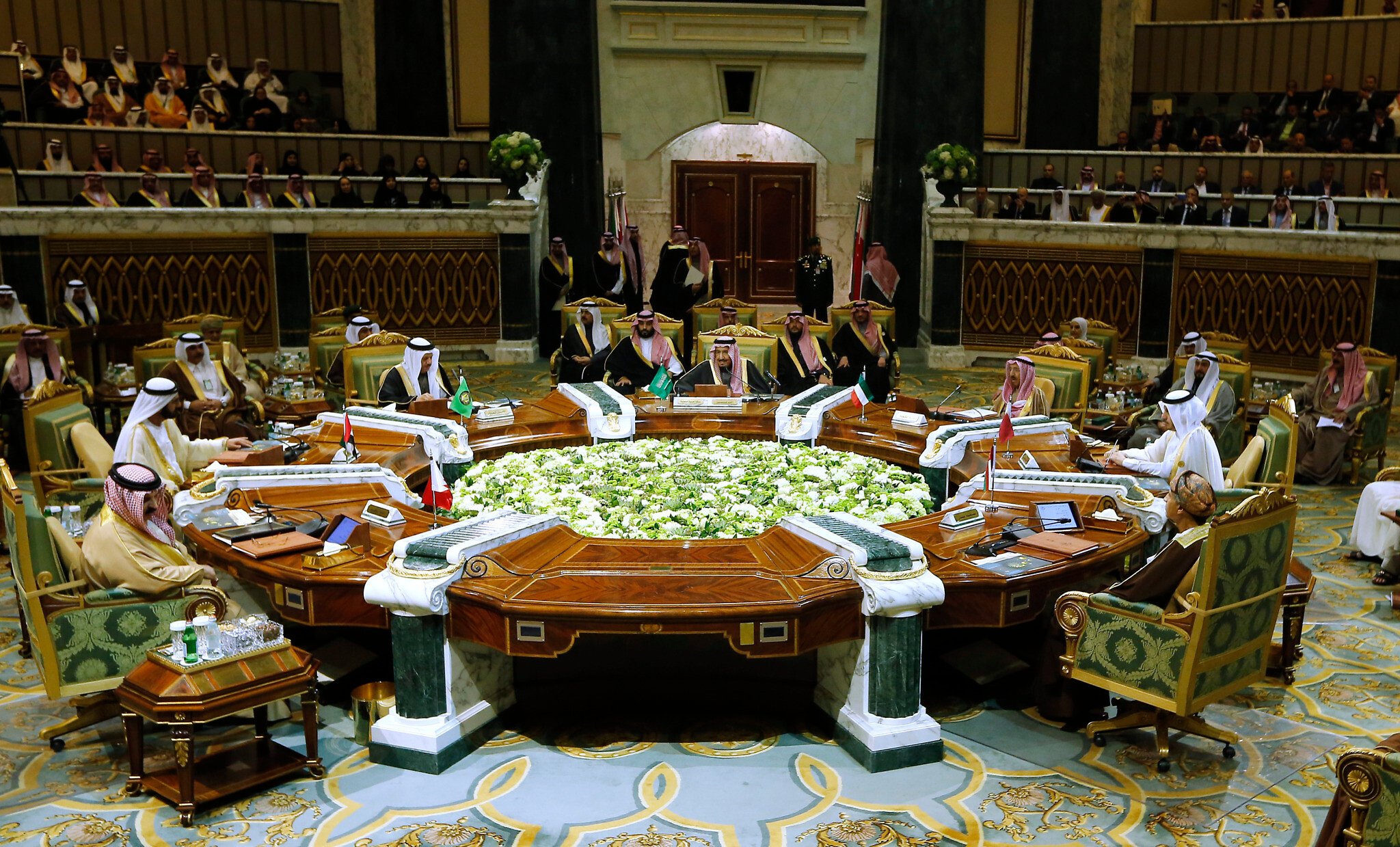
Gulf states have entered a heightened state of alert amid intensifying hostilities between Israel and Iran, as regional leaders warn the confrontation risks dragging the Gulf into a wider, destabilising war.

Leaders of the Gulf Cooperation Council convened an emergency ministers’ meeting chaired by Kuwaiti Foreign Minister Abdullah Al‑Yahya, with Secretary‑General Jassim Al‑Budaiwi declaring the situation had deteriorated into “extremely dangerous and unprecedented escalation,” and entering “full alert” mode to monitor environmental and radiological conditions across member states. He emphasised that continued military strikes, particularly near nuclear sites, would threaten regional infrastructure, health and economies.

Gulf diplomats have condemned the Israeli bombardment of Iranian territory and called on all parties to halt operations and return to dialogue. The council’s Emergency Management Centre is implementing precautionary measures across environmental and radiological sectors, reflecting concern over inbound radiological fallout.

Analysts from the Gulf warn that the strategic vulnerability of Gulf waterways such as the Strait of Hormuz and Bab al‑Mandab makes the region highly exposed to spill‑over from the Iran‑Israel clash. S&P Global Ratings has revised its assessment of regional sovereign risk higher, citing threats to oil exports, transport routes, tourism, capital flows and banking sector resilience in Gulf countries.

Commentators such as Abdulaziz Sager of the Gulf Research Center caution Gulf states are risking sovereignty, infrastructure and public trust unless the conflict is diplomatically defused. He urged activation of regional mediation channels to prevent Gulf countries from being drawn into military exchanges.

Gulf economists emphasise the economic ramifications: disruptions to global supply chains, escalated insurance costs, rising oil prices and capital flight could erode financial stability. While banks have adequate buffers, prolonged conflict could dent business confidence and growth across Gulf economies.

Diplomatic efforts are also underway within the Gulf. Oman and Qatar are spearheading ceasefire talks between Tehran and Washington as a pathway to stabilisation, with Iran open to rejoining nuclear discussions should Israeli strikes cease. Gulf leaders are leveraging their neutrality and communication channels with both Israel and Iran to broker a pause in hostilities.

Within Gulf societies, governments are working to reassure citizens. Public communications in Qatar confirm that radiation levels remain within safe thresholds, while Kuwait’s military affirms that missile trajectories affecting Iran and Israel pose no risk to its airspace.

The reaction within Iran’s sphere of influence appears measured. Unlike prior incidents, allied non‑state actors such as Hezbollah and Yemen’s Houthis have yet to launch retaliatory strikes, suggesting Iran is tempering its response amid Gulf diplomatic pressure.

US diplomacy remains a complex factor. Washington has escalated military readiness by dispatching aerial refuelling assets and an aircraft carrier strike group to the region, yet has stopped short of intervening directly. President Trump has verbalised support for diplomatic channels and warned against Iran acquiring nuclear arms, while signalling that Iran had expressed willingness to end hostilities.

Gulf monarchies are striving to balance neutrality and economic stability. They maintain diplomatic ties with both Iran and Israel while amplifying calls for restraint. Experts caution that escalatory miscalculations could shatter this delicate equilibrium, potentially sparking wider engagement and drawing Gulf states into direct confrontation.

Leaders at the 51st G7 summit convening in Kananaskis, Canada, are confronting an abrupt surge in hostilities between Israel and Iran, marked by intensified airstrikes, rising civilian casualties, and mounting diplomatic tensions. With missile barrages and pre‑emptive assaults already claiming hundreds of lives, the summit agenda has shifted dramatically, prioritising strategies to contain the conflict and avert a broader regional war.

Israeli forces launched “Operation Rising Lion” on 13 June, targeting Iran’s nuclear, ballistic missile, and military infrastructure—including key command centres and Iranian Revolutionary Guard facilities around Tehran—and killed high‑ranking officials and scientists. Iran retaliated with a wave of over 270 missiles, deploying new tactics that overwhelmed Israel’s air defences and struck densely populated urban areas such as Tel Aviv and Haifa. As of 16 June, at least five Israelis were killed and more than 100 injured in the latest overnight strikes. Iranian health authorities report a death toll of at least 224, predominantly civilians, and over 1,200 wounded.

The rapid escalation has introduced fresh complexity to international diplomacy. U.S. President Donald Trump vetoed an Israeli proposal to target Iran’s Supreme Leader Ayatollah Ali Khamenei, emphasising that such action would only inflame the situation. Trump has also signalled the possibility of brokering a deal, suggesting Iran “must make a deal before there is nothing left” and voicing optimism that peace negotiations could emerge from this crisis.

European leaders are urging urgent collective action. German Chancellor Friedrich Merz asserted at the summit that unity is essential to prevent Iran’s nuclear ambitions, uphold Israel’s right to self‑defence, curb escalation, and open diplomatic channels. He indicated that measures could include sanctions, and emphasised cooperation with regional actors such as Oman to reduce tensions with Iran and Yemen’s Houthi rebels. Meanwhile, Ursula von der Leyen and Emmanuel Macron deployed diplomats to press for negotiation, although Macron’s optimism about a swift resolution contrasts with ongoing military deployment in the region.

Britain has signalled readiness to support Israel with defensive and civil aid while advocating restraint. Prime Minister Keir Starmer has reinforced diplomatic engagement with Trump, Netanyahu, and Gulf leaders, and authorised RAF Typhoon jets as a contingency against potential Iranian threats to UK bases. Nonetheless, Iran has dismissed ceasefire calls while military operations continue.

Canada, hosting the summit, has abandoned the traditional joint communiqué, opting instead for chair’s summaries to manage discord—particularly over trade and Middle East policy—between the U.S. and other participants. Canadian Prime Minister Mark Carney emphasised the summit focus on peace, security, supply chains, and jobs—prioritising a co‑ordinated response to the Israel‑Iran crisis.

G7 officials are crafting a unified statement urging Iran to halt its nuclear programme and Israel to pause expansive military action, signalling tangible diplomatic pressure backed by clear consequences for non‑compliance. However, persistent disagreements across the bloc—over trade, relations with Russia, and climate policy—complicate efforts to forge a consensus.

Regional actors are mobilising diplomatic channels. Qatar and Oman are reportedly engaged in shuttle diplomacy to de‑escalate the conflict. Simultaneously, Iran‑backed groups, including militias in Iraq and Houthis in Yemen, are extending hostilities across front lines, prompting concern that the confrontation may metastasise into a wider regional war.

The humanitarian fallout is grave. Large‑scale displacement is underway as Iranians flee Tehran after warnings issued by Israeli forces to civilians near weapons facilities. Hospitals in northern provinces are stretched, while the Iranian Red Crescent has launched mobile clinics to address urgent needs. Energy markets have also reacted sharply: Brent crude prices spiked as Gulf insecurity intensified.

Analysts warn the conflict risks triggering retaliatory terror attacks in the West and disrupting global energy security. The G7 faces a pivotal test: coordinating military readiness, civilian protection, sanctions, nuclear non‑proliferation, and active diplomacy, all while preserving internal unity amid geopolitical divisions.

HONG KONG SAR – Media OutReach Newswire – 13 June 2025 – The International Automotive & Supply Chain Expo (Hong Kong) 2025 opened on June 12, bringing together global industry leaders. Seizing this strategic opportunity in Hong Kong, Dongfeng Motor is showcasing its technological edge and promoting nine flagship models covering both passenger and commercial vehicle segments. Dongfeng Motor aims to rank among the top three Chinese […]

Advertisements

An Air India Boeing 787‑8 Dreamliner operating as Flight 171 bound for London Gatwick took off from Ahmedabad’s Sardar Vallabhbhai Patel International Airport at 13:38 IST on 12 June 2025, issued a mayday call shortly after lift‑off, lost contact at approximately 625 ft altitude and plummeted into a doctors’ hostel at B.J. Medical College in the Meghani Nagar neighbourhood. Authorities confirm that at least 204 bodies have been recovered from the crash site, with numerous fatalities among residents on the ground.

The passenger manifest listed 242 occupants—230 passengers and 12 crew, comprising two pilots and ten cabin attendants. Nationalities aboard included 169 Indian citizens, 53 British nationals, seven Portuguese and a Canadian. Though initial reports suggested no survivors, one individual reportedly escaped; several building residents and medical students also suffered injuries as rescue operations intensified amid thick smoke and scattered wreckage.

Flight tracking data from Flightradar24 and eyewitness descriptions indicated that the aircraft was flying unusually low, with the landing gear still extended and flaps in abnormal positions, heightening concerns of possible mechanical malfunction or human error. US aviation consultant Anthony Brickhouse noted the landing gear remained deployed at a stage in the climb when it should have retracted, underscoring anomalies observed before impact.

Boeing and GM Aerospace have dispatched technical teams to assist Indian investigators, working alongside the Directorate General of Civil Aviation, the Aircraft Accident Investigation Bureau and experts from the US National Transportation Safety Board. Weather conditions at the time were reported as clear, with no adverse meteorological factors contributing to the incident.

Prime Minister Narendra Modi described the tragedy as “heartbreaking beyond words,” pledging to coordinate relief efforts, while UK Prime Minister Keir Starmer, King Charles III and Canadian officials offered their condolences and consular aid. Ahmedabad’s airport, managed by the Adani Group, briefly halted operations before resuming limited flights; civil hospitals have established emergency corridors to transport the injured.

Flight 171 marks the first fatal crash involving a Boeing 787 since the Dreamliner entered service in 2011, prompting heightened scrutiny of one of the world’s most advanced long‑haul airliners and raising urgent questions around maintenance, training and design vulnerabilities. The aircraft, tail number VT‑ANB, was delivered to Air India in January 2014 and had completed long‑haul rotations the previous week.

This catastrophe compounds Air India’s legacy of accidents, most notably the 2020 Air India Express Kozhikode runway overrun. Following its acquisition by the Tata Group—completed in 2022—and fleet modernisation efforts, including a $70 billion aircraft order in 2023, the airline’s safety record will now be intensely evaluated.

Boeing’s share value fell by over 6% in pre‑market trading in the US, and analysts suggest this may jeopardise confidence amidst its ongoing recovery from earlier quality and delivery issues. In Ahmedabad, emergency services continue to investigate the building’s collapse and the toll of ground casualties—some reports indicate five hospital beds were destroyed in the crash—while DNA matching and victim identification efforts proceed at affected medical facilities.

Flight 171 is currently the deadliest aviation incident of 2025, surpassing the Jeju Air accident in December, and registers as the first hull‑loss of a 787 aircraft.

Apple awarded top honours across its six categories at the 2025 Apple Design Awards, celebrating innovation, aesthetics and social impact across apps and games. Standout recipients included Balatro, Neva and DRE​​DGE, which secured wins in key categories and reflect the diversity and creativity of today’s digital creators. Balatro, developed by Canadian indie studio LocalThunk, claimed the “Delight and Fun” game category. This roguelike, poker-infused deck-builder has gained […]

Red Bull is staging a groundbreaking multiplayer gaming finale in Dubai this December, where elite competitors will face off in Tetris on a dramatic canvas: the 150‑metre Dubai Frame, illuminated by more than 2,000 drones. The spectacle promises to be the largest live playable Tetris game ever, combining digital skill with live drone artistry. Red Bull’s global tournament roll‑out kicked off on World Tetris Day, drawing an […]

The 2025 MICHELIN Guide selection in Vietnam features a record 181 establishments: 9 One MICHELIN Star (1 new and 1 promoted), 2 MICHELIN Green Star (1 new), 63 Bib Gourmand (9 new), and 109 MICHELIN Selected (14 new). CieL (Ho Chi Minh City) directly debuts with One MICHELIN Star, while Coco Dining (Ho Chi Minh City) is promoted to One MICHELIN Star. The new MICHELIN Green Star […]

By Nitya Chakraborty 26 days have passed since the temporary truce in the limited four day war between India and Pakistan taking effect on May 10 this year. Prime Minister Narendra Modi has been talking of his three point doctrine since then, the most important of which is no dialogue with Pakistan unless the ruling […]
Robinhood Markets Inc. has finalised its $200 million cash acquisition of Bitstamp, a Luxembourg-based cryptocurrency exchange, marking a significant step in its global expansion strategy. This move brings over 5,000 institutional clients and 50,000 retail users under Robinhood’s umbrella, with a substantial portion of trading volume originating from institutional activities.

The acquisition, initially agreed upon in June 2024, was completed without alterations to the deal’s terms. Bitstamp, established in 2011, operates across multiple jurisdictions, including Luxembourg, the UK, Slovenia, Singapore, and the US. The exchange holds more than 50 active licenses and registrations, providing Robinhood with a robust regulatory framework to support its international crypto operations.

Johann Kerbrat, General Manager of Robinhood Crypto, highlighted the strategic importance of the acquisition, stating that Bitstamp’s established reputation and global presence would enhance Robinhood’s ability to serve both retail and institutional investors. He emphasised that the integration of Bitstamp’s services would facilitate Robinhood’s expansion beyond the US market.

This acquisition follows Robinhood’s announcement on May 13 of its intent to acquire Canadian crypto firm WonderFi for approximately $179 million. WonderFi operates regulated platforms such as Bitbuy and Coinsquare, and the deal is expected to close in the second half of 2025, subject to regulatory approvals. The acquisition aims to strengthen Robinhood’s presence in the Canadian market and expand its suite of crypto offerings.

Robinhood’s strategic acquisitions align with its broader goal of diversifying its services and increasing its footprint in the global financial market. The company’s stock has experienced significant growth, reflecting investor confidence in its expansion plans and the potential of the cryptocurrency sector.

U.S. prosecutors are investigating whether companies linked to Gautam Adani imported Iranian liquefied petroleum gas into India, potentially violating American sanctions. The probe focuses on shipments received at the Adani-controlled Mundra port in Gujarat, with tankers suspected of using deceptive practices to obscure their origin. This development follows a prior indictment against Adani and associates for alleged bribery and securities fraud.

The U.S. Department of Justice, through its Eastern District of New York office, is examining maritime activities involving tankers that may have transported Iranian-origin LPG to Adani Enterprises. Investigators are scrutinizing whether these vessels employed tactics such as falsified automatic identification system data and forged documentation to mask the true source of the shipments. A Wall Street Journal investigation suggests that LPG shipments imported by Adani from Oman may have actually originated from Iran, using complex third-party logistics to mask the true source.

A spokesperson for the Adani Group has denied any deliberate involvement in sanctions evasion or trade with Iranian-origin LPG, stating the company is unaware of any U.S. investigation. The group maintains that it conducts thorough due diligence on all imports and complies with applicable laws.

This inquiry adds to the legal challenges facing Adani. In November 2024, U.S. authorities indicted Gautam Adani and his nephew, Sagar Adani, alleging they paid over $250 million in bribes to Indian government officials to secure power supply contracts and misled U.S. investors during fundraising activities. The indictment also accuses other individuals, including former employees of a Canadian institutional investor, of obstructing investigations by deleting evidence and providing false information to authorities. The Adani Group has dismissed those accusations as “baseless” and committed to pursuing all legal remedies.

The Adani Group, integral to India’s economy with a valuation of around $150 billion, has faced multiple allegations, including a 2023 report from Hindenburg Research accusing it of securities violations. Despite seeking legal avenues to dismiss the charges and leveraging political support from Republican legislators amid Trump’s relaxed foreign bribery enforcement, the ongoing sanctions-related probe poses a significant risk to Adani’s efforts to clear his and his conglomerate’s name.

The investigation into potential sanctions violations underscores the complexities of international trade compliance, especially for conglomerates operating across multiple jurisdictions. As the U.S. continues to enforce sanctions on Iran, companies engaged in global trade must navigate a landscape fraught with legal and regulatory challenges.

Revolutionary 7A Anti-Bacterial Sleep Technology Meeting Seven Major Sleep Needs in One Step Enjoy High-quality Sleep and Protect You and Your Loved Ones Every Night HONG KONG SAR – Media OutReach Newswire – 22 May 2025 – As a leader in the bedding industry and a trusted Hong Kong brand for over thirty years, Casablanca is dedicated to providing the highest quality and healthiest sleep products. Focusing […]

A summer reading list published by the Chicago Sun-Times has ignited controversy after it was revealed to contain fictitious book titles and fabricated expert quotes, all generated by artificial intelligence. The content, which appeared in the paper’s “Heat Index” summer feature, was syndicated by King Features, a subsidiary of Hearst, and was not produced or vetted by the Sun-Times editorial staff. The reading list included non-existent titles […]

Coinbase Canada has made a strategic investment in Stablecorp, the Toronto-based fintech firm behind QCAD, a Canadian dollar-backed stablecoin. While the investment amount remains undisclosed, the move underscores Coinbase’s commitment to expanding its footprint in the Canadian digital asset market and bolstering the adoption of QCAD as a reliable, fiat-pegged digital currency.

QCAD is designed to maintain a 1:1 peg with the Canadian dollar, backed by reserves held in cash and cash equivalents. These reserves are managed by Stablecorp Digital Currencies Inc. , a wholly owned subsidiary of Stablecorp. To ensure transparency and trust, the reserves are custodied by Tetra Trust Company, Canada’s only qualified custodian for digital assets. Monthly attestation reports, conducted by Canadian Chartered Professional Accounting firm Grewal Guyatt LLP, are publicly posted to validate the reserve volumes against the total circulation of QCAD.

Initially launched on the Ethereum blockchain, QCAD has since expanded its availability to Stellar, Algorand, and Solana blockchains. This multi-chain approach enhances accessibility and utility, allowing users to leverage QCAD across various decentralized platforms. On Solana, for instance, users can engage in foreign exchange transactions between QCAD and USDC at significantly reduced costs compared to traditional FX venues, with instant settlement capabilities.

Stablecorp distributes QCAD through an Authorized Dealer model, wherein wholesale institutional entities can purchase and sell QCAD at a fixed price of one Canadian dollar. While these Authorized Dealers have direct claims on the underlying reserves, retail holders of QCAD do not possess such claims. To mitigate currency risk, all proceeds from QCAD sales are converted into Canadian dollars before being moved into reserves.

The strategic investment by Coinbase Canada aligns with its broader efforts to enhance its offerings in the Canadian market. By supporting QCAD, Coinbase aims to provide Canadian users with a stable and transparent digital currency option that facilitates efficient cross-border transactions and on-chain foreign exchange operations.

Robinhood has announced a definitive agreement to acquire WonderFi Technologies Inc. for C$250 million in cash, marking a significant expansion into Canada’s regulated cryptocurrency sector. The deal, anticipated to close in the second half of 2025, offers a 41% premium to WonderFi’s shareholders and will integrate WonderFi’s entire team into Robinhood Crypto’s Canadian operations.

This acquisition grants Robinhood access to WonderFi’s regulated crypto trading platforms, Bitbuy and Coinsquare, which collectively manage over C$2.1 billion in client assets. These platforms have experienced substantial growth, with a 110% increase in assets under custody since the end of 2023.

WonderFi’s consolidation of Bitbuy and Coinsquare under a single regulated investment dealer has positioned it as a dominant player in Canada’s crypto market. The company now serves over 1.7 million registered users, offering services that include crypto trading, staking, and payment processing through its SmartPay platform.

The acquisition aligns with Robinhood’s strategy to diversify its offerings beyond traditional stock trading. By integrating WonderFi’s platforms, Robinhood aims to provide Canadian users with a comprehensive suite of financial services, including crypto trading, staking, and payments. This move also reflects a broader trend of consolidation in the crypto industry, as companies seek to expand their global footprint and comply with evolving regulatory standards.

The Canadian crypto market has become increasingly attractive to international firms, partly due to its stringent regulatory environment. WonderFi’s adherence to Canadian regulations and its status as a fully regulated investment dealer make it a valuable asset for Robinhood’s international expansion. The acquisition is expected to enhance Robinhood’s competitiveness in the global crypto market, providing a robust platform for growth in Canada and potentially beyond.

This transaction is part of a series of strategic moves by Robinhood to deepen its involvement in the cryptocurrency space. The company previously acquired crypto exchange Bitstamp for $200 million, signaling its commitment to expanding its crypto offerings.

Abu Dhabi Investment Office has announced the expansion of its San Francisco office, aiming to bolster the emirate’s economic clusters and facilitate global innovation, particularly in the healthcare sector. This move is part of a broader strategy to position Abu Dhabi as a central hub for health technology and related industries. The San Francisco office, situated in a region renowned for its advancements in health tech, biotech, […]

HONG KONG SAR – Media OutReach Newswire – 8 May 2025 – This Mother’s Day, love finds its most radiant expression at LANDMARK in Central Hong Kong. Over 200 distinguished guests, including industry experts, LANDMARK’s esteemed clients, and a stellar lineup of celebrities—such as Michelle Wai, Best Actress of the 43rd Hong Kong Film Awards, Jay Fung, Marf Yau, DJ Ah Jeng, Jennifer Yu, Grace Chan, Albert […]

Valnet, the Canadian digital media conglomerate known for owning GameRant and TheGamer, has acquired gaming and entertainment website Polygon from Vox Media, leading to significant editorial changes and staff layoffs. The acquisition, announced on May 1, 2025, is part of Vox Media’s strategy to streamline operations and focus on its core brands. Following the sale, a substantial portion of Polygon’s editorial team has been laid off or […]

SHEGLAM has unveiled its latest offering—the Buttery Bliss Blush Stick—positioning it as a standout in the competitive world of cream-based cosmetics. This launch underscores the brand’s commitment to delivering high-quality, affordable beauty products that cater to a diverse range of consumers. The Buttery Bliss Blush Stick boasts a silky-smooth, dewy finish that glides effortlessly onto the skin, providing a lasting pigment that imparts a healthy glow. Its […]

By Nitya Chakraborty The United States of America President Donald J. Trump has completed his first one hundred days in office in his second non-consecutive term on April 29, Tuesday amidst continuing global disorder over his chaotic policies — unilateral tariffs hike, failure to establish peace in Gaza with Israeli killing spree continuing unabated and […]


Several people were killed and many others injured after a car drove into a crowd attending a street festival in Vancouver on Saturday evening, according to authorities. Emergency services responded swiftly to the scene following distress calls reporting a vehicle travelling at high speed into a densely populated area. Police officials stated that the driver, a 29-year-old man, was taken into custody without incident shortly after the […]

VISHNU RAJA
RYO YAMADA
HITORI GOTOH
IKUYO KITA
Just in: