News related to
bond

RIYADH, SAUDI ARABIA – Media OutReach Newswire – 15 October 2024 – Sahm Capital proudly presents the inaugural of its innovative IPO subscription service, now available on the Sahm App. The newly launched feature allows investors to subscribe to IPOs directly from mobile devices, offering a streamlined digital experience that enhances accessibility and convenience for retail investors in Saudi Arabia. With the Sahm App, retail investors can […]

The Academy will offer programmes with cross-cultural industry experiences to empower students and executives for success in the global business arena. MUMBAI, INDIA – Media OutReach Newswire – 15 October 2024 – The Singapore University of Social Sciences (SUSS) and Think Education Advisory Services LLP (TE) today launched the SUSS Success Academy in Mumbai, creating new learning experiences and real-world training opportunities for students in Singapore and […]

Qatar’s banking sector is poised for a resurgence in the global debt markets as local lenders embark on refinancing efforts and seek to diversify their funding sources. Several prominent Qatari banks, including Qatar National Bank (QNB) and Commercial Bank, are taking strategic steps to enhance their liquidity positions and broaden their investor base amidst a shifting economic landscape. The move comes in the wake of increased interest […]

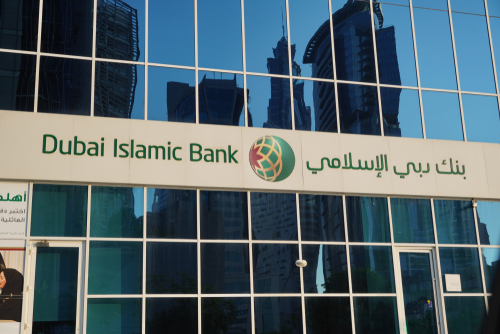
Dubai Islamic Bank (DIB) has successfully issued a $500 million Additional Tier 1 (AT1) sukuk, marking a significant milestone for the lender in the capital markets. The sukuk carries a profit rate of 5.25%, reflecting strong demand and investor confidence amid a challenging economic climate. This issuance comes as part of DIB’s strategy to bolster its capital base and enhance its financial stability.

The sukuk was priced within the bank’s existing curve, demonstrating its robust standing in the market. This issuance is particularly noteworthy given the broader context of the global financial environment, where rising interest rates have led to cautious investor sentiment. The strong demand for DIB’s sukuk highlights the bank’s solid credit profile and the appeal of Sharia-compliant financial instruments.

According to industry experts, the success of this sukuk reflects DIB’s commitment to maintaining a diversified funding base while supporting its growth strategy. The bank’s Chief Financial Officer emphasized the importance of such instruments in ensuring liquidity and financial strength. With this issuance, DIB aims to reinforce its position as a leader in Islamic banking and enhance its capital structure in alignment with regulatory requirements.

Investor appetite for AT1 sukuk has been robust, driven by the attractive profit rates compared to traditional bonds. Analysts indicate that the increasing interest in Sharia-compliant financial products among global investors has contributed to this trend. DIB’s sukuk issuance has not only attracted local investors but has also garnered significant interest from international institutions, showcasing the bank’s global reach.

Market participants have noted that the issuance comes at a time when several regional banks are exploring similar funding avenues to meet capital adequacy ratios mandated by regulators. DIB’s proactive approach in tapping into the sukuk market is seen as a strategic move to ensure compliance while capitalizing on favorable market conditions. The bank’s successful placement of the sukuk also reflects the strength of its franchise and the effectiveness of its outreach efforts to a diverse investor base.

The AT1 sukuk structure allows banks to raise capital in a manner that is compliant with Islamic law while offering investors a higher yield compared to conventional debt instruments. This structure has gained traction among financial institutions as it provides a means to enhance capital ratios without diluting existing shareholders’ equity. With the issuance, DIB has not only secured necessary capital but has also positioned itself favorably in the competitive landscape of Islamic finance.

DIB’s management expressed optimism about the future, highlighting the potential for further sukuk issuances in response to market demand. This issuance aligns with the bank’s overall growth strategy, which focuses on expanding its footprint in the Islamic finance sector while addressing the needs of its diverse customer base. The successful placement of the AT1 sukuk also underscores the importance of maintaining a strong balance sheet, especially in a period characterized by economic uncertainty.

Investor sentiment towards DIB remains positive, as evidenced by the strong subscription levels during the sukuk offering. The issuance was oversubscribed, reflecting a healthy appetite for Islamic financial instruments. This enthusiasm among investors is indicative of the broader trend within the region, where Islamic banks are increasingly recognized for their resilience and ability to navigate complex financial landscapes.

The issuance comes as the UAE continues to position itself as a global hub for Islamic finance. The government’s commitment to enhancing the Islamic financial ecosystem through regulatory frameworks and supportive policies has fostered an environment conducive to growth. DIB’s strategic initiatives align with this national agenda, reinforcing its role as a key player in promoting the Islamic finance industry.

As the global economy continues to evolve, DIB’s proactive stance in the sukuk market exemplifies its commitment to adapting to changing market dynamics. The successful issuance of the AT1 sukuk not only enhances the bank’s capital base but also reinforces its position as a preferred choice for investors seeking Sharia-compliant financial products. With a solid reputation and a strong track record, DIB is poised to continue its growth trajectory in the Islamic banking sector.

SINGAPORE – Media OutReach Newswire – 9 October 2024 – A new temperature-controlled warehouse was recently launched by Rhenus Warehousing Solutions in Malaysia. This marks the company’s commitment to expand its local footprint, with plans to add almost 300,000 square meters of warehousing capacity to support businesses in Malaysia. Leading global logistics service provider Rhenus Group launched its latest warehouse in Kulim, Malaysia. The strategic move is […]

Jonathan Keyes has been appointed as the Head of Sustainable Finance for the Middle East by ING, the Dutch multinational banking and financial services corporation. This strategic move aligns with ING’s commitment to promoting sustainability and supporting clients in their transitions toward more sustainable business practices. Keyes, who previously held the position of Global Head of Sustainable Finance at the bank’s headquarters in Amsterdam, brings a wealth […]

Bond sales across the Middle East are expected to achieve unprecedented levels in 2024, driven by favorable market conditions, a surge in infrastructure spending, and robust economic recovery initiatives. This trend reflects a growing confidence among investors in the region’s economic resilience and long-term potential. Financial analysts project that bond issuances could surpass previous records as governments and corporations capitalize on favorable borrowing conditions and the need […]

Advertisements

Interest in real estate investment trusts (REITs) within the Gulf Cooperation Council (GCC) is increasing, fueled by favorable economic conditions, including lower interest rates and supportive government initiatives. These factors are positioning REITs as a viable investment avenue, particularly in the United Arab Emirates, where significant moves by key players signal a burgeoning market.

This week, reports emerged that Dubai Holding, a prominent state-backed conglomerate, is contemplating the establishment of a REIT, which underscores a growing trend among major firms in the region to explore this investment vehicle. The potential of a Dubai Holding REIT reflects the larger movement towards diversifying investment portfolios, a strategy encouraged by the UAE government as part of its broader economic goals.

Concurrently, the Dubai-based developer BinGhatti has expressed interest in launching a REIT, having previously issued a $200 million bond in a bid to bolster its financial footing. The firm’s initiative comes on the heels of increasing investor appetite for diversified real estate assets, particularly as traditional investment avenues face uncertainty.

Market analysts note that the current low interest rates create an attractive environment for real estate investment. With borrowing costs remaining subdued, developers and investors find it more feasible to finance property purchases and projects. This trend could potentially amplify returns on investments, particularly through REITs, which offer shareholders dividends from income generated by real estate investments.

The tax exemptions provided to REITs in the UAE further enhance their appeal. These exemptions, coupled with the government’s encouragement for diversified investments, aim to attract both domestic and foreign investors, positioning the UAE as a competitive market for REITs. By alleviating some financial burdens associated with real estate investments, the government hopes to stimulate growth in this sector, ultimately leading to more sustainable economic development.

Experts assert that the burgeoning interest in REITs also aligns with global investment trends. Investors worldwide are increasingly turning to REITs as a method of accessing real estate markets without the need for direct ownership. This trend is particularly appealing in regions experiencing rapid urbanization and population growth, such as the GCC. By investing in a REIT, individuals can gain exposure to a diversified portfolio of income-generating properties, which can be more stable compared to traditional equities.

The diversification of the investment landscape in the GCC is not limited to REITs. The broader trend toward alternative investments is gaining traction, with private equity and venture capital also drawing attention. Investors are exploring ways to balance risk and reward, seeking opportunities that traditional investment vehicles may not offer. As the GCC nations strive to diversify their economies away from oil dependency, the growth of alternative investments is expected to play a pivotal role in shaping the region’s financial landscape.

Dubai’s real estate market has demonstrated resilience, with property prices showing signs of recovery following previous downturns. This renewed confidence in the real estate sector, coupled with low interest rates, positions REITs as an attractive option for both local and international investors looking to tap into the UAE’s dynamic property market. The potential for stable income through dividends from REITs aligns with the growing demand for income-generating assets, particularly among retirees and long-term investors.

The development of the REIT sector in the GCC is still in its infancy, but the commitment from major firms like Dubai Holding and BinGhatti suggests a significant shift towards embracing this investment model. As these companies move forward with their plans, their success will likely pave the way for more firms to enter the market, fostering a competitive environment that could lead to further innovations in real estate investment.

The establishment of regulatory frameworks supporting REITs is essential for their growth. The UAE has made strides in creating a conducive environment for REITs, with guidelines that facilitate their operation while ensuring investor protection. Ongoing collaboration between the government, regulatory bodies, and the private sector will be crucial in driving the success of REITs in the region.

The global economy’s current landscape, characterized by uncertainty and volatility, emphasizes the importance of diversifying investment portfolios. As investors increasingly seek stable and resilient options, the GCC’s REITs present a promising alternative. The region’s economic diversification initiatives and the ongoing development of its real estate market contribute to a favorable outlook for REITs.

A showcase of rare, fancy colour diamonds, a 126.92-carat natural rough diamond and High Jewellery Masterpieces will be on public view from 9 – 13 October at LANDMARK HONG KONG SAR – Media OutReach Newswire – 9 October 2024 – De Beers Jewellers, the leading diamond Jewellery House, and LANDMARK, a world-class luxury shopping destination, are proud to announce a one-of-a-kind exhibition titled “Inspired by Nature” in […]

Abu Dhabi National Energy Company (TAQA) has successfully priced its $1.75 billion dual-tranche bond offering, continuing its strategy of leveraging debt to support both its business objectives and environmental commitments. The issuance consists of two portions: a seven-year tranche worth $900 million, maturing in 2031, and a 12-year tranche of $850 million, maturing in 2037. The longer-term bonds come with a coupon rate of 4.75%, while the […]

Abu Dhabi National Energy Company, known as TAQA, has successfully issued $1.75 billion in dual-tranche bonds, reflecting robust investor confidence in the energy giant. The bonds, which were launched as two separate offerings of $1 billion maturing in 2029 and $750 million set to mature in 2034, were well-received by a global investor base. The issuance attracted substantial interest, with demand exceeding $4.6 billion, demonstrating the strong […]

Masdar, the renewable energy subsidiary of Abu Dhabi’s Mubadala Investment Company, is gearing up to launch a new green bond as part of its strategic financing efforts aimed at expanding its renewable energy portfolio. Chief Financial Officer, Mohamed Jameel Al Ramahi, confirmed this initiative, emphasizing Masdar’s commitment to sustainable financing and clean energy investment. The anticipated issuance is part of the company’s broader strategy to attract investment […]

Standard & Poor’s has downgraded Israel’s credit rating from A+ to A, primarily citing increased security risks stemming from escalating tensions in the region. The decision reflects the rating agency’s assessment that the current geopolitical climate may hinder Israel’s economic stability and growth prospects.

The S&P report highlighted that the downgrade is attributed to the intensification of military conflicts, particularly involving militant groups in Gaza and Hezbollah in Lebanon. This situation has led to rising security expenditures and concerns over potential disruptions to the economy. Analysts argue that the ongoing conflict could deter foreign investment, impact tourism, and affect the overall economic environment.

Israel’s military actions, particularly in response to rocket fire from Gaza, have drawn international scrutiny. The cycle of violence and retaliatory strikes has strained relationships with neighboring countries and raised fears of a broader regional conflict. The deteriorating security situation has also sparked protests within Israel, with citizens demanding a reevaluation of the government’s military strategy and its implications for daily life.

The economic implications of the downgrade are significant. Israel’s economy has shown resilience in recent years, bolstered by technological advancements and a robust startup ecosystem. However, analysts fear that the heightened security risks could stifle this growth, particularly as the nation grapples with the dual challenges of military expenditures and maintaining investor confidence.

The downgrading comes at a time when Israel’s economy is experiencing inflationary pressures, further complicating the financial landscape. Rising living costs, coupled with increased defense spending, pose challenges to fiscal stability. Policymakers may need to implement measures to counteract these pressures, potentially involving budget reallocations and strategic economic initiatives.

Economists have pointed out that the current security environment may necessitate increased dialogue and diplomatic efforts aimed at stabilizing the region. There is a growing consensus among experts that sustainable peace initiatives could alleviate some of the financial burdens linked to security expenditures. Strengthening diplomatic relations with neighboring states may be essential for fostering an environment conducive to economic growth and stability.

Reactions to the downgrade have varied among local political leaders. While some have criticized the government’s handling of security issues, others argue that the rating reflects broader geopolitical realities that are beyond Israel’s immediate control. As the nation navigates these complex dynamics, the government’s approach to national security and foreign relations will likely play a pivotal role in shaping future economic trajectories.

In response to the downgrade, Israeli Finance Minister Bezalel Smotrich emphasized the importance of a balanced approach to security and economic growth. He stated that maintaining robust defense capabilities is crucial while also recognizing the need for economic resilience. Smotrich’s comments indicate an understanding that both aspects are interlinked, and a sustainable approach will be necessary to bolster investor confidence.

The impact of the downgrade on Israel’s bond market has been immediate, with yields rising as investors reassess risk levels. The move by S&P may prompt other rating agencies to reevaluate their assessments, further complicating Israel’s financial standing in international markets. Observers are closely monitoring how the government responds to these challenges and whether it can implement effective policies to stabilize the economy amidst security concerns.

As Israel grapples with these challenges, key sectors such as technology and tourism are being scrutinized for their resilience. The technology sector, a significant driver of economic growth, may face increased pressure if security concerns impact investment flows. Conversely, the tourism industry, already affected by the pandemic, may struggle to recover fully without improved security conditions.

Investors and analysts are also concerned about the long-term implications of the downgrade on Israel’s geopolitical strategy. The current environment necessitates a recalibration of priorities, with potential shifts in foreign investment patterns and trade relationships. Maintaining a favorable business climate while addressing security challenges will require careful policy considerations.

International reactions to the S&P downgrade have been mixed, with some analysts suggesting that it underscores the need for global stakeholders to engage more actively in peace initiatives in the region. Collaborative efforts to address underlying tensions may not only enhance regional stability but also contribute positively to Israel’s economic outlook.

PARIS, FRANCE – Media OutReach Newswire – 2 October 2024 – On September 24, 2024, the third stop of the cultural exchange event featuring Panda Wandering, “Panda’s World” photography exhibition of giant pandas, was grandly inaugurated at the Paris Grand Palais art gallery in France. The opening ceremony was attended by numerous distinguished guests, creating a lively and celebratory atmosphere. Dignitaries from both China and France, including […]

HONG KONG SAR & SINGAPORE – Media OutReach Newswire – 1 October 2024 – A new study released by leading personal finance portal MoneySmart reveals the impact that disagreements about money can have on relationships and how better communication about money can bring couples closer. The study, which interviewed 2,000 adults in Hong Kong and Singapore who are currently in a heterosexual relationship, found that almost a […]

The UAE is pushing forward its ambitious agenda to transform its infrastructure and lead in climate action, leveraging public-private partnerships and significant capital mobilization efforts. The country’s leadership has emphasized that mobilizing private capital for green infrastructure projects is essential for advancing sustainable development, particularly as global climate challenges intensify. As part of its commitment to address climate change, the UAE, in collaboration with the Asian Infrastructure […]

Abu Dhabi Developmental Holding Company (ADQ) successfully completed its second bond issuance of 2024, raising a significant $2 billion. This strategic financial move aims to bolster its investment initiatives and enhance the capital structure as it navigates diverse market conditions. The issuance comprises various tranches, reflecting ADQ’s commitment to maintaining a robust financial position while capitalizing on favorable market dynamics. ADQ, which has emerged as a pivotal […]

Abu Dhabi’s wealth fund, ADQ, has successfully raised $2 billion via an international bond issuance, marking a pivotal move for the state-owned holding company as it seeks to enhance its investment footprint across diverse sectors. This bond sale is indicative of ADQ’s strategic financial planning and its role as a significant player in the global financial market. Fully owned by the Abu Dhabi government, ADQ has built a robust portfolio spanning healthcare, utilities, food, and agriculture, among other vital industries.

The bond offering attracted strong interest from global investors, signaling their confidence in the financial stability and investment potential of Abu Dhabi’s sovereign wealth funds. This issuance is particularly noteworthy given the current global economic climate characterized by inflationary pressures and geopolitical uncertainties. Many investors are increasingly inclined toward stable assets, and the bond sale demonstrates ADQ’s capability to meet this demand effectively.

ADQ’s recent financial maneuver follows a series of high-profile investment activities in various sectors, including logistics, technology, and food security. These strategic initiatives align with the broader vision of the Abu Dhabi government to diversify its economy away from oil dependence. Notably, Abu Dhabi controls over 90 percent of the oil reserves in the United Arab Emirates, prompting its sovereign wealth funds to pivot towards non-oil sectors to foster sustainable growth.

The proceeds from this successful bond issuance are expected to bolster ADQ’s liquidity, enabling the fund to pursue further acquisitions and investments in critical industries. This aligns with ADQ’s long-term goals of enhancing the economic landscape of Abu Dhabi while contributing to the UAE’s broader diversification strategy.

The issuance is a clear testament to ADQ’s strategic focus on resilience and adaptability amid global economic challenges. It reflects a calculated approach to raising capital, ensuring that the fund is well-positioned to capitalize on emerging opportunities in a rapidly evolving investment landscape.

The confidence shown by global investors highlights the attractiveness of ADQ as a financial entity, reinforcing the UAE’s position as a key player in international finance. With the growing importance of sovereign wealth funds in the global economy, ADQ’s successful bond sale is a critical step in strengthening its financial stature and expanding its influence.

As the global economy continues to grapple with uncertainties, the bond sale is expected to enhance ADQ’s capacity to make strategic investments that contribute to sustainable economic development. The fund’s commitment to diversifying its portfolio and focusing on sectors that are essential for future growth is set to play a significant role in shaping the economic narrative of Abu Dhabi and the UAE.

ADQ’s diversified investment approach is not only beneficial for its portfolio but also plays a vital role in supporting local economies and enhancing community welfare. By investing in various sectors, including technology and logistics, ADQ is helping to create jobs and stimulate economic activity within the region. This approach not only supports Abu Dhabi’s immediate economic goals but also contributes to the long-term vision of the UAE as a global business hub.

The bond issuance comes at a crucial time for investors, who are increasingly seeking avenues to mitigate risk amid fluctuating market conditions. ADQ’s established reputation and its strategic focus on stability make it an attractive proposition for those looking to invest in the UAE’s economic future.

The bond sale signals ADQ’s readiness to embrace opportunities that arise from changing global market dynamics. As countries navigate the complexities of recovery from economic downturns and geopolitical tensions, funds like ADQ are pivotal in providing the financial backbone needed for growth and resilience.

The success of this bond sale underscores the growing trend of sovereign wealth funds diversifying their portfolios and seeking innovative ways to engage with the global financial markets. As ADQ continues to execute its strategy, its role in shaping not only the economic landscape of Abu Dhabi but also its influence on the broader regional and global financial stages will likely expand.

Investors and analysts will be closely watching how ADQ utilizes the proceeds from this bond issuance. The fund’s ongoing efforts to identify lucrative investment opportunities and expand its portfolio will be critical in determining its success and the overall impact on the UAE’s economy.

Abu Dhabi’s wealth fund ADQ has successfully raised $2 billion through the sale of bonds in an international offering. The issuance marks a significant financial maneuver by the state-owned holding company, as it aims to expand its influence and continue investing across various sectors. ADQ, fully owned by the Abu Dhabi government, is known for its diversified portfolio, including holdings in healthcare, utilities, food, and agriculture, among others. The bond sale is indicative of the fund’s strategic financial planning and its growing role as a key player in the global financial landscape.

The bond issuance saw robust demand from global investors, reflecting confidence in Abu Dhabi’s sovereign wealth funds and their ability to generate returns. ADQ’s bond sale follows a series of high-profile investment activities in sectors like logistics, technology, and food security. The successful sale comes at a time when the global economy faces inflationary pressures and geopolitical uncertainties, with many investors looking for stable assets.

ADQ’s growing influence is also part of a broader strategy by the Abu Dhabi government to diversify its economy away from oil. Abu Dhabi holds over 90 percent of the United Arab Emirates’ oil reserves, but its sovereign wealth funds, including ADQ, have been at the forefront of efforts to invest in non-oil sectors. The proceeds from the bond sale will likely be used to finance these initiatives, providing ADQ with the liquidity to pursue further acquisitions and investments in key industries.

The offering consisted of a dual-tranche structure, with bonds issued in both five-year and ten-year maturities. According to financial analysts, the decision to offer two tranches allowed ADQ to cater to a broader range of investors with varying risk appetites. The five-year tranche was priced with a yield of 4.6 percent, while the ten-year bonds carried a yield of 5.1 percent. Market participants indicated that the pricing was competitive, given the current global market conditions, and highlighted the attractiveness of Abu Dhabi’s credit rating.

ADQ, established in 2018, has rapidly become one of the region’s most important investment vehicles, supporting the UAE’s efforts to become a diversified economic hub. The wealth fund has been expanding its investments both domestically and internationally, particularly in sectors that are viewed as crucial to the country’s long-term economic growth. In the past few years, ADQ has acquired stakes in various food production companies, energy firms, and digital platforms, positioning itself as a forward-thinking entity that aligns with the UAE’s strategic goals.

The bond sale is also notable for its timing, as global financial markets experience volatility due to macroeconomic factors, such as the tightening monetary policies by major central banks. Despite this, ADQ’s successful issuance signals strong investor confidence in Abu Dhabi’s economic fundamentals. Market experts have pointed out that Abu Dhabi’s sovereign wealth funds, including ADQ, are viewed as safe havens by international investors due to their financial stability and strong government backing.

ADQ’s leadership has consistently emphasized the importance of long-term investments that align with the UAE’s Vision 2030 plan, which aims to reduce the country’s dependence on oil revenues and foster growth in sectors like healthcare, education, and renewable energy. With this bond sale, ADQ is well-positioned to continue its investment strategy, supporting key infrastructure projects and the growth of new industries within the UAE and abroad.

The wealth fund has already been involved in several strategic acquisitions and partnerships, including its move to take full control of Al Dahra Holding, a global agribusiness company, and its stake in the Abu Dhabi National Energy Company, also known as TAQA. These acquisitions have not only expanded ADQ’s portfolio but have also contributed to the UAE’s broader goals of ensuring food and energy security, which have become increasingly important in the wake of global supply chain disruptions.

ADQ’s bond issuance fits into a broader trend of Middle Eastern sovereign wealth funds tapping international debt markets to raise capital. The region’s sovereign wealth funds, including ADQ and the Abu Dhabi Investment Authority (ADIA), have become prominent players in the global financial system, frequently issuing bonds to finance both domestic and international projects. This strategy allows them to maintain liquidity while pursuing aggressive growth strategies across multiple sectors.

The UAE’s sovereign wealth funds are among the largest and most diversified in the world, managing hundreds of billions of dollars in assets. ADQ, despite being a relatively new entity compared to some of its peers, has already made significant strides in aligning itself with Abu Dhabi’s long-term economic objectives. The $2 billion raised from this bond sale will enhance the fund’s ability to continue making strategic investments that support the UAE’s vision of a diversified and sustainable economy.

As global economic conditions remain challenging, ADQ’s ability to attract significant interest from international investors underscores the confidence in Abu Dhabi’s long-term economic strategy and financial stability. The bond sale will likely serve as a blueprint for future issuances by other Middle Eastern sovereign wealth funds as they seek to balance growth with fiscal responsibility.


China is preparing a significant capital infusion into its largest state-owned banks, amounting to roughly $142 billion, in response to mounting pressure on its economy. This would be the largest capital injection since the 2008 global financial crisis. The planned move aims to boost the banks’ lending capacity to support economic recovery, particularly as growth slows and debt concerns rise across key sectors. The potential funds are […]

Abu Dhabi sovereign wealth fund ADQ has successfully raised $2.5 billion through a dual-tranche bond offering, marking a significant move to support its investment ambitions. The issuance included two portions: a $1.25 billion five-year bond and another $1.25 billion ten-year bond. Both were priced above U.S. Treasuries, reflecting strong market demand.

ADQ’s bond sale attracted heavy investor interest, oversubscribing by 4.4 times. The high level of demand underscores confidence in Abu Dhabi’s stable economy and the creditworthiness of ADQ. The proceeds from this bond offering are expected to bolster ADQ’s ongoing investments across sectors such as energy, aviation, and healthcare.

ADQ’s portfolio includes key assets in non-oil sectors, such as Emirates Water and Electricity, Abu Dhabi Airports, and several listed companies like TAQA and AD Ports Group. The fund plays a critical role in driving the diversification of Abu Dhabi’s economy, contributing to nearly a quarter of the emirate’s non-oil GDP in 2023.

Gold has surged to historic heights, driven by the latest Federal Reserve decision to cut interest rates by 50 basis points, sparking heightened investor interest in safe-haven assets. The precious metal, which has long been seen as a hedge against inflation and economic uncertainty, reached an unprecedented $2,653 per ounce on September 23, a record in the global market.

The Fed’s move marked a pivotal shift in monetary policy, signaling further potential rate cuts. As interest rates fall, the opportunity cost of holding non-yielding assets like gold decreases, making them more attractive to investors. This shift has ignited a rally in gold prices, with many analysts predicting that the metal’s upward momentum may continue if the Fed maintains its rate-cutting strategy. The substantial increase in gold prices, approximately 30% from the start of the year, underscores growing concerns about the economic outlook.

Economic uncertainty fueled by rising geopolitical tensions, particularly in the Middle East, has also played a crucial role in driving gold to these new highs. Investors tend to flock to gold during times of instability, and the current geopolitical landscape has heightened that trend. In particular, concerns over potential disruptions in oil supplies and escalating conflicts have contributed to a broader risk-off sentiment in the market, with many turning to gold as a safer investment during turbulent times.

Global financial markets have been facing heightened volatility, spurred in part by fluctuating inflation rates and concerns over a possible economic slowdown in key markets such as the United States and Europe. This has led to increased speculation about future interest rate cuts, which further benefits gold. As inflation remains a key concern, particularly in the wake of strong consumer spending data, gold’s allure as a store of value has strengthened significantly.

The Federal Reserve’s latest actions have further entrenched the belief that it will continue to lower rates in an effort to manage inflation and support economic growth. Speculation is rife that further rate cuts could be on the horizon, with several financial analysts forecasting additional cuts by the end of 2024. As a result, gold prices could continue to rise, further bolstered by continued uncertainty in the global economic outlook.

Beyond U.S. monetary policy, a key factor contributing to the gold surge is the weakening of the U.S. dollar, which has dropped against a basket of major currencies. Gold, being dollar-denominated, becomes cheaper for investors holding other currencies when the dollar weakens, further increasing demand. This dynamic is likely to persist as long as the dollar remains under pressure due to softening economic data or expectations of further monetary easing by the Fed.

Central banks around the world have been increasing their gold reserves, driven by the desire to diversify away from dollar holdings amid concerns about long-term economic stability. China and Russia, in particular, have been large buyers of gold in recent years, further tightening supply in the global market and pushing prices upward.

The remarkable performance of gold has also drawn attention from a wide array of institutional investors, who are increasingly viewing it as an essential component of diversified portfolios. Amid concerns over stock market volatility and potential downward pressure on bonds due to interest rate movements, gold has emerged as a resilient option for mitigating risk. The widespread belief that gold will continue to perform well in the current economic environment is fueling additional inflows into gold-backed exchange-traded funds (ETFs) and other investment vehicles tied to the precious metal.

Despite the ongoing bullish sentiment, some analysts caution that gold’s rapid ascent could face headwinds if the Federal Reserve decides to reverse course on its monetary easing policies. A sudden shift toward tightening or a stronger-than-expected economic recovery could diminish gold’s appeal, particularly if the U.S. dollar strengthens in response to better-than-anticipated economic data. Nonetheless, the consensus among market watchers remains that gold is likely to continue benefitting from a combination of lower interest rates, geopolitical uncertainty, and a weaker dollar in the near term.

Gold’s record-breaking surge has been a boon for mining companies and the broader precious metals sector, which have seen their stocks rise in tandem with gold prices. The strong performance of gold miners reflects the market’s confidence that gold will remain a sought-after commodity, at least in the medium term. In particular, companies with low-cost operations are well-positioned to capitalize on the elevated price environment, which has bolstered profit margins across the sector.

Commercial Bank of Qatar has achieved a significant milestone in sustainable finance by issuing its largest green bond, valued at 200 million Swiss francs (approximately $220 million). This issuance reflects the growing commitment to environmental sustainability in the Middle East, positioning Qatar as a key player in the global green finance market. The bond will not only enhance the bank’s capital structure but also contribute to financing […]

Saudi Aramco, the state-owned oil giant of Saudi Arabia, has set the pricing guidance for its upcoming dollar-denominated sukuk bonds. The issuance marks another significant move in the company’s strategy to diversify its funding sources and support its ongoing expansion plans. The term sheet indicates a total anticipated issuance of up to $5 billion, which is expected to be split into multiple tranches with varying maturities. This […]

VISHNU RAJA
RYO YAMADA
HITORI GOTOH
IKUYO KITA