News related to
bond

The government of Sharjah has made a strategic decision to transfer a 20% stake in Invest Bank to a sovereign security fund. This transaction signals a pivotal shift in the emirate’s banking sector, with potential implications for the financial landscape. The move underscores Sharjah’s commitment to bolstering its financial stability and growth prospects. Invest Bank, a key player in the UAE’s banking sector, has seen substantial developments […]

By Manish Rai Since Assad’s regime fell in early December, clashes have intensified in northern Syria between the US-backed Kurdish fighters and the Turkish proxy force Syrian National Army (SNA). Following the regime change in Syria, Turkey has become the most important regional actor in the country. By providing support for Hayat Tahrir al-Sham (HTS) and the Syrian National Army Ankara has been consolidating its power over […]

HONG KONG SAR – Media OutReach Newswire – 7 January 2025 – TESSAN, a global leader in travel charging solutions, has officially announced its collaboration with renowned American singer-songwriter Rachael Yamagata. As part of this collaboration, TESSAN has premiered an exclusive documentary on YouTube, offering an intimate look at Rachael’s artistic journey and philosophy. The film delves into her deeply personal reflections on music and life’s many […]

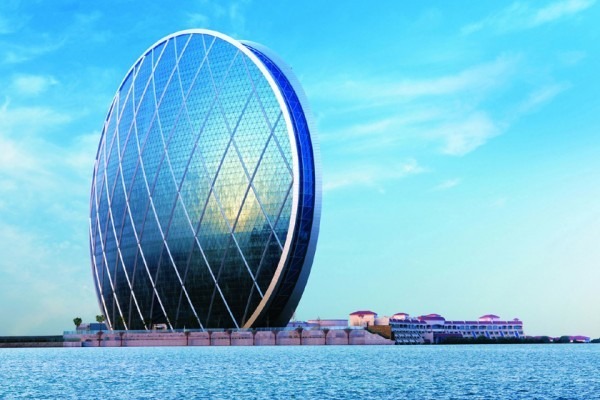
Aldar Properties, a prominent real estate developer based in the UAE, is set to enter the international bond market with its debut offering of hybrid notes, aiming to raise significant capital through a benchmark USD-denominated issuance. This marks a strategic move as the company seeks to diversify its financing options, reflecting growing confidence in the Middle Eastern property sector despite global economic fluctuations.

The move is seen as a key step in Aldar’s long-term financing strategy, which includes bolstering its liquidity and securing funds to support its extensive pipeline of real estate developments across the UAE. The planned issuance of hybrid bonds will likely appeal to institutional investors seeking higher returns, as these notes are designed to offer a more attractive yield compared to traditional debt instruments.

According to industry experts, hybrid notes offer the flexibility of both equity and debt instruments. These securities typically carry characteristics of bonds but can be converted into equity at the issuer’s discretion. In Aldar’s case, the hybrid notes will be structured to provide flexibility while enhancing the company’s capital base. This initiative is aligned with Aldar’s goal of optimizing its balance sheet while maintaining a competitive edge in the rapidly evolving real estate market.

The hybrid bonds will be issued under Aldar’s recently updated USD 2 billion Global Medium-Term Note (GMTN) program, which was approved earlier this year. The company intends to use the funds raised through this issuance to support its growth initiatives, which include several high-profile residential and commercial projects within Abu Dhabi and across the UAE. These developments are expected to contribute to the company’s steady revenue stream and help it capture a larger share of the region’s expanding real estate market.

Aldar’s decision to tap into the hybrid bond market comes at a time when investors have shown increased interest in hybrid instruments due to their unique risk-return profile. With these notes, Aldar is looking to capitalize on favorable market conditions while maintaining its financial flexibility, as hybrid securities are less sensitive to interest rate fluctuations compared to traditional debt.

The UAE’s thriving real estate sector has demonstrated resilience, despite global challenges such as inflationary pressures and geopolitical tensions. Aldar’s strong performance in recent years, along with its reputation for high-quality developments, positions the company well to attract investor interest in its hybrid bond offering. Analysts predict that the offering could provide Aldar with a competitive advantage, allowing the company to continue its expansion plans while managing financial risk more effectively.

Aldar’s hybrid notes will appeal to both global and regional investors, with its strategic location and robust development pipeline making it an attractive investment opportunity. The company’s portfolio includes high-profile projects like the Yas Bay waterfront development, which features residential, commercial, and entertainment spaces. These iconic projects are poised to enhance the company’s brand recognition and drive future demand for its properties, ultimately increasing the potential for returns on hybrid bond investments.

Investor interest in the UAE’s real estate market remains strong, particularly in Abu Dhabi, where Aldar holds a dominant position. The UAE’s government initiatives, including plans to diversify the economy and improve infrastructure, have further contributed to the positive outlook for the sector. These factors, combined with Aldar’s track record of successful developments, are expected to bolster investor confidence in the company’s bond issuance.

The company’s strategy of diversifying its capital structure by incorporating hybrid securities is not only about raising funds but also about ensuring sustainable growth in a competitive market. By issuing hybrid bonds, Aldar is able to strengthen its capital position without overly diluting equity or taking on excessive debt. This approach ensures the company can maintain a healthy balance sheet while executing its ambitious growth plans.

Aldar’s hybrid notes offering is part of a larger trend within the Middle Eastern real estate market, where companies are increasingly turning to innovative financing structures to meet their funding needs. As other regional developers explore similar hybrid instruments, Aldar’s move could set a precedent for future debt issuances in the sector. It also reflects the growing maturity of the Middle East’s bond market, which is attracting increasing attention from international investors.

Market experts believe the debut hybrid notes from Aldar will be a bellwether for other companies in the region. Should the offering meet with strong demand, it could encourage further issuances from both established developers and newer market entrants. This would signal an increasing acceptance of hybrid securities as a viable alternative to traditional financing methods, which may have been less attractive due to rising interest rates and market volatility.

Saudi Arabia has successfully raised $12 billion via a three-part bond issuance, marking its largest debt sale since 2017. The offering attracted substantial investor interest, with the order book reaching nearly $37 billion, indicating an oversubscription of approximately three times.

The bond issuance comprises three tranches: $5 billion with a three-year maturity, $3 billion maturing in six years, and $4 billion set for a ten-year term. This strategic move aligns with the kingdom’s 2025 borrowing plan, which estimates funding needs of 139 billion Saudi riyals ($37.02 billion) to address a projected budget deficit of 101 billion riyals for the year. Additionally, approximately 38 billion riyals are allocated for debt repayment.

Concurrently, the Public Investment Fund (PIF), Saudi Arabia’s sovereign wealth fund, has secured a $7 billion murabaha credit facility. This Islamic financing arrangement, supported by a syndicate of 20 international and regional financial institutions, is intended to fuel the fund’s future investments.

These financial maneuvers are integral to Saudi Arabia’s Vision 2030 initiative, which seeks to diversify the economy beyond oil dependence. Finance Minister Mohammed Al Jadaan has emphasized the government’s commitment to expanding strategic spending through 2025, focusing on development and giga-projects that align with Vision 2030 objectives.

Matein Khalid “O liberty, what crimes are committed in your name!”. So lamented a Girondist noblewoman as she gazed at the guillotine that would snuff out her life minutes later in Robespierre’s reign of terror during the Great Revolution. French history then went dark. The Catholic-Royal revolt in the Vendée was crushed in literal rivers of blood. Napoleon’s reign ended in the slaughter and defeat of Waterloo. […]

HO CHI MINH CITY, VIETNAM – Media OutReach Newswire – 6 January 2025 – The Ho Chi Minh City Development Joint Stock Commercial Bank (HDBank, stock code: HDB) has issued VND3 trillion (US$118 million) in green bonds, becoming Viet Nam’s first private bank to do so. Customers conduct transactions at an HDBank branch in HCM City. The private lender has issued VND3 trillion (US$118 million) in green […]

Advertisements

Matein Khalid Two tragic plane crashes in Azerbaijan/South Korea and now terrorist outrages in Las Vegas and New Orleans take the joy out of New Year’s Day but all we can hope that the world will be reinvented with a modicum of rationality when Donald Trump swears the oath to uphold the US Constitution on January 20th. The political messiah of MAGA is also a geopolitical/trade time […]

BAODING, CHINA – Media OutReach Newswire – 3 January 2025 – 28th December, 2024, at the prestigious LIWA Hero Festival in the Middle East, GWM’s TANK 500 Hi4 Z edition lead the charge and made a bold and unforgettable entrance, capturing the attention of off-road enthusiasts and global fans alike. Through an exciting series of events, numbers of renowned KOLs and influencers as they embark on a […]

HONG KONG SAR – Media OutReach Newswire – 2 January 2025 – Canon Hongkong Company Limited (Canon Hong Kong) is pleased to announce today the appointment of Mr. Gary Lee as the company’s new CEO, with immediate effect. With over three decades of experience in accounting and finance, Mr. Lee joined Canon Hong Kong in 1997 and has held several senior management positions across different business units […]

Matein Khalid It is an ironic twist of history that the world’s largest Muslim country, an archipelago of 18,000 islands, whose ancient Sumatran kings once funded countless monasteries/temples at Nalanda, the Harvard/Oxford of Vedic India two millennia ago. Sumatra was then known as the kingdom of Srivijaya when Mauryan India’s ruler was Ashoka, imperator of the Magadan superstate. Fast forward 22 centuries and the two best performing […]

TAIPEI, TAIWAN – Media OutReach Newswire – 30 December 2024 – TVBS aired its much-anticipated Christmas Eve Special Program in December, the sole festive broadcast of its kind in the Chinese-speaking world. This significant event was the pinnacle of the TVBS Infinite Love Series, captivating tens of thousands and doubling online engagement compared to the previous year. The program’s theme of “peace” transitioned from global reflections to […]

100% Volunteer Participation Demonstrates Corporate Commitment HONG KONG SAR – Media OutReach Newswire – 30 December 2024 – Generali Hong Kong continues to make meaningful impact in the community by supporting more than 500 underprivileged families and young children through The Human Safety Net, a global initiative powered by the Generali Group. Recently, Generali Hong Kong organized a Family Hiking Day for families living in Sham Shui […]

Matein Khalid I am still puzzled by the frenzied selling in the bond market after the FOMC cut its dot-plot projections from 4 to 2 for 2025 at its Dec 18 conclave. Why? Mr. Market had already priced in two rate cuts in 2025 after he was spooked by the uptick in core PCE/CPI data. Inflation risk in Trumpnomics is exaggerated but with the President elect now […]

Emirates Global Aluminium (EGA) has finalized a green loan agreement to finance its acquisition of a U.S. aluminum plant, marking a significant move in the company’s international expansion strategy. The loan, a green financing deal, aligns with EGA’s commitment to sustainable operations, combining environmental responsibility with strategic growth in North America. The green loan, valued at $500 million, will support the acquisition of the U.S.-based aluminum facility […]

Despite significant challenges posed by extreme weather conditions in Indonesia and Australia, Delta Dunia Group reported a stable revenue of USD 1.35 billion during 9M 2024. EBITDA for 9M 2024 declined by 16% YoY to USD 252.3 million, impacted by weather-related production declines and planned investments. Net loss significantly improved to USD 17.4 million, down from USD 26.6 million reported in 1H 2024, despite a 20% increase […]

The Gulf Cooperation Council (GCC) debt capital market has reached a significant milestone, with outstanding debt surpassing $1 trillion by the end of November 2024. This achievement marks an 11% year-on-year growth, with approximately 40% of the total debt comprising sukuk, or Islamic bonds. Saudi Arabia leads the region’s debt capital market, followed by the United Arab Emirates and Qatar. In September, Fitch projected that Saudi Arabia’s […]

DP World, the Dubai-based global logistics leader, has issued a $100 million Blue Bond, marking the Middle East and North Africa’s inaugural corporate Blue Bond. This five-year bond, priced at a 5.25% coupon rate, aims to fund sustainable projects in marine transportation, port infrastructure, marine pollution mitigation, and water-positive initiatives. The primary investor in this groundbreaking issuance is T. Rowe Price Associates, Inc., a prominent investment management […]

PHUKET, THAILAND – Media OutReach Newswire – 19 December 2024 – Sansiri Public Company Limited, Thailand’s leading property developer with a 40-year track record, is regarded as Thailand’s most trusted fully integrated real estate developer among Thai and international clients. The company has recently garnered a number of prestigious awards, including the top spot among Thai property developers on the inaugural Fortune Southeast Asia 500 list, two […]

JJJ, a new hedge fund established by former Moore Capital executives, has made a significant move into Dubai’s thriving financial market, joining a growing list of hedge funds that are increasingly eyeing the Middle East for expansion. The firm’s decision to set up shop in Dubai comes as part of a larger trend in the financial world, with several major hedge funds diversifying their portfolios and strategies by targeting the region’s rapidly developing financial infrastructure.

Dubai’s status as a global business hub continues to rise, with the emirate offering a favorable regulatory environment, access to wealth management opportunities, and strategic proximity to both emerging and developed markets. While the city has long been a financial nexus, the past few years have seen an influx of hedge funds, private equity firms, and asset managers. This has been driven by various factors, including political stability, economic diversification, and reforms that have made Dubai an increasingly attractive destination for investors.

The move by JJJ is part of a broader trend of hedge funds exploring opportunities outside of their traditional bases in Europe and the United States. Firms are seeking not only the benefits of a more competitive regulatory environment but also the ability to tap into the vast capital reserves held in the Middle East. The region is home to some of the wealthiest sovereign wealth funds and private investors in the world, offering hedge funds the opportunity to manage capital from highly liquid sources.

Dubai’s financial ecosystem has been evolving to meet the demands of global investors, with key initiatives such as the Dubai International Financial Centre (DIFC) and the Dubai Financial Market (DFM) enhancing the city’s status as a financial powerhouse. The DIFC, in particular, has introduced reforms to make it easier for foreign firms to operate, including offering tax incentives, regulatory flexibility, and a wide range of financial products designed to appeal to global investors.

Hedge funds such as Bridgewater Associates, Citadel, and Renaissance Technologies have already made substantial investments in the Middle East, setting up operations or partnerships in Dubai to take advantage of these changing dynamics. The attraction is clear: with the city’s tax advantages, world-class infrastructure, and access to high-net-worth individuals, Dubai offers a unique blend of opportunity for firms looking to expand globally.

JJJ’s entrance into the market signals its belief in the growing potential of Dubai as a financial center. The firm’s founders, who built their careers at Moore Capital before launching their own venture, have chosen the UAE as a base to further expand their global strategy. Dubai’s thriving real estate, tourism, and technology sectors provide additional opportunities for diversification, and the financial ecosystem is uniquely poised to help firms manage and grow assets in these sectors.

Market analysts are observing that Dubai’s development as a financial hub is accelerating. The UAE government has focused on attracting international investors through a series of economic reforms, including the introduction of a new visa system aimed at increasing foreign talent and capital inflows. Additionally, the UAE has strengthened its financial regulations to align more closely with international standards, helping to bolster the confidence of global investors.

The UAE’s efforts to enhance its financial landscape come at a time when many traditional financial centers, particularly in Europe, are facing economic challenges. With the UK navigating post-Brexit uncertainties and European financial markets encountering growing regulatory pressures, Dubai’s business-friendly environment and stable geopolitical landscape provide an appealing alternative. As a result, Dubai has emerged as a go-to location for hedge funds seeking to reduce their reliance on markets that are less certain or experiencing instability.

One of the key factors driving hedge funds to Dubai is the emirate’s strong connection to the global oil industry, which remains a significant driver of wealth in the region. The UAE’s energy sector continues to evolve, with a growing emphasis on renewable energy investments and green technologies. Hedge funds are positioning themselves to tap into these new opportunities, aligning with the region’s broader vision for sustainable development.

Dubai’s geographic location also makes it an attractive proposition for hedge funds looking to diversify their global investment strategies. Sitting at the crossroads of Asia, Europe, and Africa, the city serves as a bridge between markets in these regions, giving hedge funds access to a wide range of assets and opportunities. Dubai’s proximity to fast-growing emerging markets, particularly in Asia and Africa, allows hedge funds to tap into growing economies while also maintaining their existing connections to established markets in the West.

JJJ’s foray into the Dubai market comes at a time when the global hedge fund industry is seeing an increasing appetite for alternative investments. These funds, which traditionally relied on traditional equity and bond markets, are now diversifying their portfolios to include private equity, real estate, and other alternative asset classes. Dubai, with its dynamic growth and diverse industries, offers an ideal environment for this kind of diversification.


As the new year approaches and the book on an eventful year in the energy world closes, 2025 looks set to bring more volatility, geopolitical tension and policy evolutions. Elections in almost all major global economies in 2024 have set the stage for a shifting policy landscape next year, most notably in the US, as President-elect Donald Trump outlines his priorities and plans for the incoming administration. […]

Investors have funneled a record $600 billion into global bond funds in 2024, capitalizing on some of the highest yields in decades. This marks a significant reversal from 2022, when $250 billion exited fixed-income funds.

The ICE BofA global bond index now offers yields exceeding 4.5%, the highest since 2008. This surge is attributed to easing inflation and central banks reducing interest rates, enhancing the appeal of bonds. Developed and emerging market bond funds have collectively attracted $617 billion by mid-December.

Corporate bonds have been particularly attractive, offering higher yields than government debt. Investors have shown a preference for passive exchange-traded funds (ETFs), with industry leaders BlackRock and Vanguard leading inflows. This trend is supported by companies effectively managing rising borrowing costs, making corporate bonds a favorable option.

However, the momentum of these inflows may decelerate in 2025. Equity markets have experienced gains, spurred by President-elect Trump’s policies, leading to substantial inflows into U.S. stock funds. Additionally, there is skepticism regarding the potential for further improvements in corporate bond performance.

In the ETF sector, U.S.-listed funds have achieved inflows nearing $910 billion, positioning them for a record year, potentially surpassing $1 trillion. This growth is driven by increased investor interest in actively managed fixed-income ETFs, with record inflows expected to push the industry towards a historic milestone.

The inclusion of Indian sovereign bonds into JPMorgan’s emerging markets index has also contributed to the global bond market dynamics. This move is expected to bring billions of dollars in foreign inflows, further integrating India into global financial markets.

Similarly, South Korea’s anticipated inclusion in FTSE Russell’s World Government Bond Index is projected to attract substantial investment inflows, potentially amounting to 80 trillion won ($59.7 billion) over the coming years. This development is expected to support the nation’s bond market and strengthen the South Korean won.

Despite these positive trends, certain sectors have experienced outflows. For instance, global money market funds saw substantial inflows of $127.44 billion in the week leading up to November 6, due to investor caution around the U.S. presidential election and the Federal Reserve’s policy meeting. However, investors sold off $649 million in gold and other precious metal funds during the same period.

KUALA LUMPUR, MALAYSIA – Media OutReach Newswire – 18 December 2024 – 2024 has been a year of contradictory events, significant economic changes, and major political shifts. On a positive note, it was the year when global central banks finally managed to tackle inflation, partly induced by the negative and far-reaching effects of the COVID pandemic and partly by the more recent geopolitical events. After holding borrowing […]

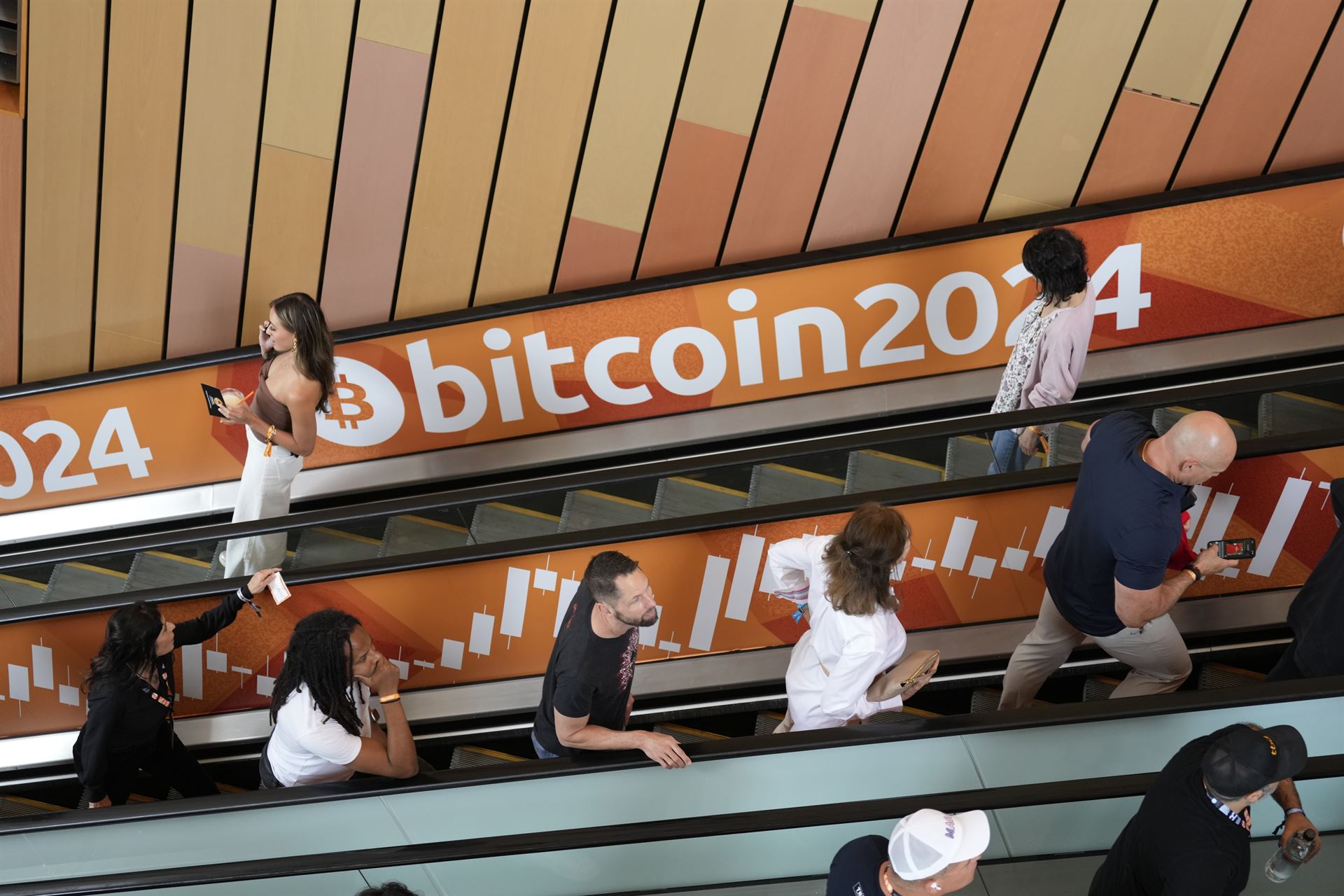
Bitcoin has surged above $106,000, marking a notable milestone for the cryptocurrency as investors and analysts increasingly focus on its strategic role in future financial reserves. This rise reflects a broader shift in market sentiment, driven by growing institutional interest and increasing speculation around Bitcoin’s potential to become a key asset in global financial systems. As central banks, corporations, and financial institutions explore digital assets, Bitcoin’s price surge signals a pivot toward its establishment as a store of value.

Several factors have contributed to this dramatic price increase, but perhaps the most pivotal is the anticipation that Bitcoin will become a reserve asset for institutional investors and even central banks. As nations and large financial entities explore the possibility of holding Bitcoin in their reserves, it is positioning itself as a digital alternative to traditional assets like gold. Analysts view Bitcoin’s growth as part of a larger trend, where digital currencies are gaining acceptance amid growing concerns over inflation, currency debasement, and geopolitical risks.

Bitcoin’s performance, which has fluctuated significantly in recent months, now suggests a major shift in investor confidence. On platforms such as the Chicago Mercantile Exchange (CME), institutional interest in Bitcoin has been at an all-time high. Meanwhile, global financial institutions are increasingly analyzing the asset’s potential within their investment portfolios. Many are viewing Bitcoin not just as a speculative asset, but as a hedge against traditional financial risks, particularly in light of the ongoing turbulence in global markets. This shift in perception is underscored by statements from prominent market players, who indicate that Bitcoin could become a key part of diversified investment strategies moving forward.

Meanwhile, Bitcoin’s increasing adoption by large corporations has helped elevate its status. Companies like Tesla, MicroStrategy, and Block (formerly Square) have all made substantial Bitcoin purchases in recent years, contributing to the growing acceptance of the cryptocurrency as a legitimate investment. These moves are part of a larger trend in which major companies, especially in technology and finance, are increasingly embracing Bitcoin. Tesla’s CEO, Elon Musk, has notably been vocal about Bitcoin’s potential as a store of value, further fueling optimism in the market.

Bitcoin’s price surge also coincides with broader changes in global monetary policies. Amid inflationary pressures and low-interest rates in major economies, many investors are turning to digital assets as an alternative to traditional stocks and bonds. The growing acceptance of Bitcoin by governments and businesses as a viable asset class is helping drive the latest surge in its price. Notably, countries like El Salvador have already taken steps to recognize Bitcoin as legal tender, setting a precedent for other nations to follow suit.

Market participants also point to the increasing regulatory clarity surrounding Bitcoin and other cryptocurrencies. Countries such as the United States, with ongoing discussions in Congress, are exploring frameworks that could provide more stability and legitimacy to the cryptocurrency market. This evolving regulatory landscape is seen as a key factor in institutional investors’ willingness to adopt Bitcoin as part of their portfolios. While some concerns remain regarding how global regulators will handle cryptocurrencies in the long term, the current trend points toward greater integration of Bitcoin into the mainstream financial system.

As Bitcoin’s price climbs, so too does the debate over its environmental impact. Critics have long raised concerns about the high energy consumption required to mine Bitcoin. Despite this, Bitcoin’s advocates argue that advancements in sustainable mining technology and increasing use of renewable energy sources are addressing these issues. The rise of Bitcoin ETFs and other investment products also reflects a more mainstream acceptance of Bitcoin as an asset class. These products allow investors to gain exposure to Bitcoin without directly holding the cryptocurrency, expanding its appeal to a wider range of market participants.

The surging price has drawn the attention of both retail and institutional investors, who are looking to capitalize on Bitcoin’s new role in the global economy. However, while the optimism surrounding Bitcoin remains high, analysts warn that its volatility remains a significant risk. Prices can fluctuate dramatically in a short time frame, and this uncertainty continues to make Bitcoin a speculative investment for many. Nonetheless, with its growing acceptance among institutional investors, Bitcoin’s evolution from a niche asset to a more mainstream store of value seems increasingly likely.

The broader cryptocurrency market has also benefited from Bitcoin’s price movement, with altcoins like Ethereum seeing significant gains in recent weeks. Many investors view Bitcoin as a bellwether for the overall health of the digital asset market, and its rise has had a ripple effect across the industry. Ethereum, which has long been seen as the second-largest cryptocurrency by market capitalization, has also seen its price surge as more investors look for alternative digital assets with the potential for similar growth.

VISHNU RAJA
RYO YAMADA
HITORI GOTOH
IKUYO KITA