News related to
bond

A substantial issuance of $6.8 billion in government treasury bonds and Islamic treasury sukuk highlights the UAE’s robust financial strategy amidst evolving economic conditions. This move reflects the country’s commitment to maintaining liquidity and enhancing its fiscal stability. The recent bond sale is aimed at meeting the growing funding requirements while also strengthening investor confidence in the UAE’s economic landscape.

The issuance comprises $4 billion in treasury bonds and $2.8 billion in sukuk, with varying maturities catering to a wide array of institutional and retail investors. The Ministry of Finance announced that the bonds have received a favorable response from both domestic and international markets, indicating strong demand for UAE government securities. The issuance will be used to finance various developmental projects, including infrastructure, healthcare, and education, aligned with the UAE’s long-term strategic vision.

Analysts highlight that this latest move is part of a broader trend where regional governments are increasingly turning to capital markets for financing. This approach allows for greater flexibility and efficiency in raising funds, particularly in a time when global interest rates are fluctuating. By tapping into both conventional bonds and sukuk, the UAE is also catering to a diverse investor base, which is critical for maintaining liquidity in the market.

The demand for the sukuk component of the issuance underscores the growing interest in Sharia-compliant investments. Sukuk, which are Islamic financial certificates similar to bonds, have been gaining traction as more investors seek ethical investment opportunities that align with Islamic finance principles. The success of this issuance may lead to more offerings in the future, further diversifying the UAE’s financial instruments available in the market.

As the UAE navigates through global economic uncertainties, this issuance is a strategic maneuver to bolster its fiscal position. The government has emphasized its commitment to financial prudence, ensuring that public debt remains sustainable and manageable. This careful approach is intended to foster a stable economic environment, which is crucial for attracting foreign investment and stimulating economic growth.

Emerging trends in the global bond market also play a significant role in shaping the UAE’s financial strategies. With the backdrop of rising interest rates in several economies, the UAE’s issuance at competitive yields is likely to appeal to investors looking for relatively stable returns. The bonds are expected to have strong performance, particularly given the UAE’s favorable credit ratings and economic fundamentals.

Key players in the bond market are closely monitoring this issuance as it sets a benchmark for future government and corporate debt offerings in the region. Market participants expect that the success of this sale will encourage other Gulf Cooperation Council (GCC) nations to undertake similar measures, further enhancing the depth and liquidity of the regional bond markets.

The UAE’s proactive approach in issuing bonds and sukuk is indicative of its efforts to adapt to the changing economic landscape. This initiative comes as the nation continues to diversify its economy away from oil dependency, focusing on sectors such as technology, renewable energy, and tourism. By ensuring robust funding mechanisms through bond issuances, the UAE is positioning itself to support these strategic sectors effectively.

The Ministry of Finance has also indicated that proceeds from this issuance will be channeled into sustainability initiatives, aligning with the UAE’s commitment to achieving the United Nations Sustainable Development Goals. This focus on sustainability not only resonates with global investor sentiment but also enhances the UAE’s reputation as a leader in green finance.

Investor sentiment remains positive, bolstered by the UAE’s track record of timely payments and a commitment to fiscal discipline. Analysts believe that the bond issuance will further reinforce the UAE’s status as a regional financial hub, attracting both local and international investors looking for secure investment opportunities.


After years of contending with elevated inflation, all major central banks around the world have started to reverse their aggressive rate-hiking strategies. The Federal Reserve, European Central Bank (ECB), and the Bank of England, amongst their peers, are all cautiously easing monetary policy, signalling that the era of high inflation may finally be behind us. This pivot is creating new opportunities for investors, requiring a shift in […]

BEIJING, CHINA – Media OutReach Newswire – 18 September 2024 – On September 13, at the “Beijing Day” and Beijing-Tianjin-Hebei Coordinated Investment Promotion Conference during the 2024 China International Fair for Trade in Services, it was announced that the Beijing E-Town Comprehensive Bonded Zone has been approved by the State Council. With a planned area of 0.61 square kilometer, the zone will focus on advanced manufacturing and […]

BEIJING, CHINA – Media OutReach Newswire – 18 September 2024 – On September 13, the 2024 High-Quality Development Promotion Conference, themed “Invest in E-Town, Create the Future,” took place. Beijing Economic-Technological Development Area (Beijing E-Town, or BDA) showcased its achievements in high-level openness through various segments, including investment promotions, recognition of foreign enterprises, awards for international industrial parks, and signing ceremonies for enterprises entering the E-Town Comprehensive […]

National Bank of Fujairah (NBF) has unveiled a significant financial maneuver with the issuance of $275 million in Additional Tier 1 (AT1) capital securities. This move marks a strategic effort by the bank to bolster its capital base, a crucial step for meeting regulatory requirements and enhancing its financial stability.

AT1 securities, also known as contingent convertible bonds, are a type of hybrid instrument that sits between equity and debt. They are designed to absorb losses in times of financial stress, making them a vital component in a bank’s capital structure. This issuance comes amid a broader trend in the banking sector where institutions are leveraging AT1 securities to fortify their balance sheets and comply with evolving regulatory frameworks.

The decision by NBF is aligned with global banking practices where AT1 securities have become a preferred tool for banks looking to improve their capital adequacy ratios. This issuance will provide NBF with additional capital, which is essential for maintaining regulatory compliance and supporting the bank’s growth initiatives.

The bank’s management highlighted that this capital infusion is intended to strengthen its ability to weather economic uncertainties and support its lending activities. By issuing AT1 securities, NBF aims to enhance its financial flexibility and ensure it has adequate buffers against potential market disruptions. This issuance also reflects NBF’s confidence in its operational strategy and its commitment to long-term growth and stability.

The AT1 securities issued by NBF are expected to be well-received by investors, given the bank’s solid financial standing and robust performance track record. These securities typically offer higher yields compared to traditional bonds, which can make them attractive to investors seeking higher returns. However, they also come with a higher risk profile, given their loss-absorption features.

The regulatory environment has been evolving, with increased emphasis on ensuring banks have sufficient capital to absorb losses and remain solvent during financial crises. AT1 securities have become a key element in this regulatory framework, providing a mechanism for banks to strengthen their capital positions without diluting equity.

For NBF, the issuance of these securities is a strategic move to enhance its capital position while maintaining its competitive edge in the banking sector. It also reflects a proactive approach to managing regulatory requirements and positioning itself favorably in a competitive market.

This development comes at a time when banks globally are navigating a complex landscape of regulatory changes and economic uncertainties. By bolstering its capital base, NBF is positioning itself to better handle potential market volatilities and support its strategic objectives.

The bank’s move to issue AT1 securities also aligns with broader trends in the financial sector where institutions are increasingly using such instruments to meet capital adequacy requirements. As regulatory standards continue to evolve, banks are adapting by leveraging these hybrid securities to strengthen their financial positions.

NBF’s issuance is expected to have positive implications for its financial stability and operational capabilities. By raising substantial capital through AT1 securities, the bank is reinforcing its ability to absorb potential losses and maintain its financial health. This move is indicative of NBF’s strategic focus on enhancing its capital structure and ensuring long-term sustainability.

The United Arab Emirates (UAE) and China are continuing to deepen their diplomatic and economic ties, signaling a strong and flourishing partnership that has grown substantially in recent decades. This relationship has evolved into what both nations now refer to as a “comprehensive strategic partnership,” driven by their mutual economic interests, cultural exchanges, and high-level political engagement.

Diplomatic relations between the UAE and China date back to 1984, when both nations formally established ties. Since then, the two countries have signed over 140 bilateral agreements, covering various sectors such as trade, technology, infrastructure, education, and culture. The partnership took a significant step forward with Chinese President Xi Jinping’s visit to the UAE in 2018, which set the stage for closer cooperation in critical areas such as energy, investment, and technology.

The UAE has emerged as one of China’s most important partners in the Middle East, not only due to its strategic geographic position but also because of its role as a major hub for the Belt and Road Initiative (BRI), the massive infrastructure project spearheaded by China. The UAE is regarded as a critical player in facilitating the success of this initiative, thanks to its logistics capabilities and connectivity to Europe, Asia, and Africa.

Non-oil trade between the two countries reached a record high of approximately $81 billion in 2023, marking significant growth and making China the UAE’s largest trading partner. The majority of this trade involves China’s exports to the UAE, which consist of electronics, machinery, and manufactured goods, while the UAE exports primarily aluminum, chemicals, and re-exported goods to China.

Another important aspect of the relationship is tourism. China’s growing middle class has shown an increasing interest in the UAE, with over one million Chinese tourists visiting the country in the first ten months of 2023 alone. Additionally, the UAE has embraced Chinese language and culture, introducing Mandarin into hundreds of schools across the country and hosting various cultural festivals to strengthen people-to-people connections.

Investment ties are equally robust. From 2003 to 2023, the total value of UAE investments in China was approximately $11.9 billion, while Chinese investments in the UAE reached $7.7 billion over the same period. These investments have been directed toward sectors like telecommunications, renewable energy, infrastructure, and tourism. Moreover, the UAE pledged $10 billion to a joint investment fund with China aimed at supporting projects under the Belt and Road Initiative, particularly in East Africa.

China’s technology giants are also expanding their footprint in the UAE. Companies like Huawei and Alibaba are integral players in developing the UAE’s digital infrastructure, contributing to the nation’s ambitions to become a leading technology hub in the region.

Politically, both nations have maintained a close dialogue on international issues. Mutual visits between leaders have further solidified their bond, including the pivotal visit of Sheikh Mohamed bin Zayed Al Nahyan to China in 2019, which emphasized their shared vision for global economic and security cooperation. The two countries continue to align on various international platforms, reinforcing their strategic interests on the global stage.

Cultural ties between the two countries are also flourishing. One notable example is the Sheikh Zayed Centre for Arabic Language and Islamic Studies in Beijing, which promotes Arab culture in China and serves as a bridge for cultural exchange. Additionally, both nations have promoted student exchanges and collaborative research efforts, which have contributed to stronger educational links.

As the UAE and China look to the future, their relationship is poised to grow even further. Both nations are investing heavily in sustainable technologies and clean energy, areas in which they are already cooperating closely. China’s expertise in renewable energy, particularly solar, aligns with the UAE’s Vision 2050, which seeks to diversify its energy mix and reduce its dependence on oil.

MUFG EMEA and Doha Bank have completed the Middle East’s inaugural Green Repurchase Agreement (repo), marking a significant milestone in the region’s sustainable finance landscape. This transaction, which was successfully closed in September 2024, underscores the growing commitment to integrating environmental sustainability into financial practices across the Middle East. The Green Repo involves the temporary sale of securities with an agreement to repurchase them at a later […]

Advertisements

Saudi Arabia’s debt market is set to surpass $500 billion, according to Fitch Ratings, driven by a surge in government borrowing and increased investor appetite. This milestone reflects the Kingdom’s evolving financial landscape as it continues to implement its Vision 2030 reforms and diversify its economy away from oil dependency. Fitch’s forecast highlights the Kingdom’s substantial shift in fiscal strategy. The government’s borrowing has intensified in recent […]

Hong Kong-based conglomerate CK Hutchison Holdings is poised to raise up to $1.5 billion through a two-tranche dollar bond issuance. The move, intended to solidify the company’s financial base, comes amid strategic planning by the group to capitalize on favorable market conditions. The bond structure is expected to span five and ten years, with several global banks acting as intermediaries. CK Hutchison, with its diversified portfolio in […]

Emirates REIT has announced the appointment of a new Chief Financial Officer, Ali Kazim, a former banker with Abu Dhabi Islamic Bank (ADIB), as the company prepares for a critical sukuk maturity. This move comes amid heightened scrutiny over the real estate investment trust’s financial health as it faces a significant payment deadline.

Kazim’s selection is seen as part of the REIT’s strategy to strengthen its financial leadership and navigate a complex financial landscape. With the sukuk set to mature in December, Emirates REIT is under pressure to outline a clear plan for repayment or refinancing. Investors and analysts are closely watching how the Dubai-based company will handle the $400 million Islamic bond, which has been a central focus in its financial operations.

Emirates REIT, a sharia-compliant investment trust that manages a diverse portfolio of commercial and residential properties, has been in a challenging position over the past few years. Declining property values in the region, exacerbated by the global economic downturn and shifting investor sentiment, have contributed to its difficulties. The appointment of Kazim is seen as a key step in bolstering investor confidence as the sukuk repayment date approaches.

The company’s debt, which includes this substantial sukuk, has been a focal point for market watchers. Emirates REIT has attempted to alleviate concerns through various strategic decisions, including asset sales and cost-cutting measures. However, questions about its ability to meet the upcoming obligations remain. Kazim’s role will be pivotal in addressing these concerns, as he brings extensive experience in Islamic finance from his time at ADIB, a leading player in the Gulf’s financial sector.

Ali Kazim’s background includes over two decades of experience in banking and finance, particularly in Islamic finance. During his tenure at ADIB, he played a critical role in managing sukuk issuances, capital raising, and restructuring debt for major corporates. His appointment signals Emirates REIT’s commitment to leveraging expertise in Islamic banking to navigate the complexities of sukuk finance and ensure compliance with sharia principles while securing favorable terms for investors.

Market analysts view this appointment as a positive move but remain cautious about the broader financial outlook for Emirates REIT. The Dubai property market has seen volatility over the past decade, and while there has been some stabilization, risks remain. Property values, rental yields, and occupancy rates have all fluctuated, influencing the REIT’s performance. The upcoming sukuk repayment adds to the uncertainty, and how the new CFO manages this situation will be critical.

Kazim’s immediate focus will likely be on negotiating with bondholders and exploring refinancing options. With the sukuk’s maturity date drawing near, Emirates REIT must either arrange for the repayment of the bond or renegotiate terms with investors. There has been speculation in financial circles about the possibility of extending the maturity or restructuring the debt, although no official announcement has been made on this front.

The broader economic environment, particularly in the Gulf, will also play a significant role in shaping Emirates REIT’s strategy. The UAE’s real estate sector has been undergoing a period of transformation, with developers and investment trusts alike adjusting to shifting demand patterns, especially in the commercial property segment. Increased interest in flexible workspaces, changes in retail real estate, and new government regulations have all impacted market dynamics. Emirates REIT’s property portfolio spans both commercial and residential assets, and the performance of these sectors will directly influence its ability to meet financial commitments.

The sukuk, which was originally issued in 2017, has been a defining financial instrument for Emirates REIT. Sukuk, as an Islamic financial certificate, differs from conventional bonds by adhering to sharia principles, including the prohibition of interest. This makes managing and refinancing such instruments more complex, as sharia compliance must be maintained throughout the process. Kazim’s deep understanding of these intricacies will be essential as he steps into his new role.

Despite the challenges, Emirates REIT’s management has expressed optimism about the future. The company has undertaken several measures to strengthen its balance sheet, including divesting non-core assets and reducing operational costs. These efforts have been aimed at improving liquidity and preparing for the sukuk’s maturity. However, the market remains skeptical, and all eyes are on Kazim and the steps he will take in the coming months.

This leadership change also comes at a time when corporate governance and transparency are under increased scrutiny across the Gulf’s financial sector. The region has seen several high-profile corporate restructurings and defaults, and investors are paying closer attention to how companies manage debt obligations. Emirates REIT, which is one of the few real estate investment trusts in the region, must now demonstrate that it can navigate these challenges effectively while adhering to Islamic financial principles.

Kazim’s appointment is expected to bring a more disciplined approach to financial management at Emirates REIT. His track record at ADIB includes successful debt restructurings and managing complex financial transactions, which will be invaluable as the company works through the sukuk repayment process. Market participants are hopeful that his leadership will provide the clarity and direction needed to steer the company through this critical period.

The dominance of the US stock market in recent years, led by tech giants like Apple, Microsoft, and Nvidia, has been undeniable. These Magnificent Seven companies have driven much of the growth in US equities, with the S&P 500 reaping the rewards of their strong earnings performance. However, as we sit in September 2024, global investors should seriously reconsider their portfolios. Relying heavily on US stocks, especially […]

Guests can experience the latest Courtyard Premier rooms, refreshed Junior Suites and even a staycation for pet owners and their fur-kids SINGAPORE – Media OutReach Newswire – 5 September 2024 – Oasia Resort Sentosa by Far East Hospitality unveils a new room category, Courtyard Premier, alongside the hotel’s refreshed Junior Suites. A testament to the resort’s commitment to being a leading wellness destination, the new offerings will […]

M A Hossain Russian President Vladimir Putin’s recent two-day state visit to Mongolia was not only a significant moment in the bilateral relations between Moscow and Ulaanbaatar, but also an event that resonated on the international stage. Mongolia, a nation that ratified the Rome Statute of the International Criminal Court (ICC), became the subject of global attention due to its refusal to comply with the ICC’s warrant […]

HONG KONG SAR – Media OutReach Newswire – 6 September 2024 – In celebration of Hello Kitty’s 50th anniversary, Alifish, a copyright trading and innovation platform under Alibaba Pictures, joined forces with Sanrio and Tmall to launch the inaugural Sanrio Tmall Super Brand Day event under the theme “Besties should stay together like Hello Kitty & Friends”. This event saw the participation of over 30 licensees, showcased […]

China is preparing to form its largest brokerage firm by merging two major state-owned securities companies, Guotai Junan Securities and Haitong Securities. The merger is estimated to create a financial giant worth approximately $230 billion, positioning it to compete more effectively on the global stage, particularly against established Wall Street institutions. The plan, which has been in development for some time, is part of Beijing’s broader efforts […]

The Japanese yen has gained ground against the US dollar as the Bank of Japan (BOJ) signals a shift in its monetary policy, indicating the possibility of further interest rate hikes. This comes as part of an effort by the central bank to combat inflationary pressures that have persisted in Japan’s economy. The BOJ’s move marks a departure from its traditionally dovish stance, which has seen the bank maintain ultra-low interest rates for years to stimulate growth.

Japan’s bond yields have surged to their highest levels in over a decade, driven by the bank’s decision to allow more flexibility in managing its yield curve control policy. This has caused government bond yields to touch levels not seen since 2008. Bank shares also responded positively, benefiting from the prospect of higher interest rates, which generally increase profitability for financial institutions.

BOJ Governor Kazuo Ueda’s remarks have been crucial in shaping market expectations, as he emphasized that the central bank is closely monitoring inflation trends and could further adjust its policies depending on the economic outlook. Inflation in Japan has consistently stayed above the bank’s 2% target, which is a significant factor in the BOJ’s recalibration of its strategies.

Investors and analysts are paying close attention to the yen’s movements in response to these changes. The USD/JPY pair, a key indicator of global currency dynamics, has reflected the yen’s resurgence as the BOJ signals a break from its previous ultra-loose policies. Despite this strengthening, the yen remains volatile due to the uncertain nature of Japan’s future economic direction.

This development has also had broader implications for international markets, especially as Japan’s stance on monetary tightening contrasts with other central banks, such as the Federal Reserve and the European Central Bank, which have been raising rates more aggressively over the past year. Japan’s slow approach, however, could see further adjustments if inflation continues to outpace forecasts.

Japan’s government bonds have also garnered significant interest from investors globally, as the rising yields offer better returns compared to the low or negative yields that have characterized the Japanese bond market for years. This shift has led to increased foreign capital inflows, which in turn supports the yen’s value.

A recent survey by Agoda has highlighted Laos as a leading destination for Thai travelers, ranking it alongside Japan and Taiwan. This survey, completed earlier this month, indicates a strong preference among Thai tourists for these three locations, which offer a blend of appealing factors including local cuisine, cultural experiences, and ease of access.

According to the data, 74 percent of Thai travelers have chosen Japan, Taiwan, and Laos as their top destinations for repeat visits. These preferences underscore a growing trend among tourists seeking rich cultural experiences and culinary delights. Hong Kong and Vietnam also rank highly, but Laos has gained notable traction, reflecting its increasing appeal.

The survey reveals that 32 percent of respondents are motivated by the thrill of adventure when choosing their travel destinations. This category includes activities like hiking, exploring new environments, and engaging in local outdoor experiences. The allure of local cuisine also plays a significant role, with 23 percent of travelers specifically drawn to the opportunity to enjoy regional dishes. The opportunity to experience arts and cultural heritage is another key factor for 20 percent of respondents, reflecting a strong interest in the historical and artistic elements of their travel destinations.

Moreover, the desire to reconnect with family and friends influences travel decisions for some, highlighting the importance of personal relationships in shaping travel preferences. This aspect of travel resonates particularly well in destinations like Laos, where cultural connections and personal bonds can enhance the overall experience.

Laos’s rise in popularity can be attributed to several factors. The country’s rich cultural heritage and culinary variety make it an attractive option for travelers looking for authentic experiences. Additionally, Laos’s accessibility from Thailand plays a crucial role, with many Thai travelers finding it easy to visit due to its proximity and convenient travel options.

The survey’s findings reflect a broader trend in travel preferences, where cultural immersion and local experiences are becoming increasingly important. This shift is evident in the popularity of destinations that offer unique cultural and culinary experiences, as well as opportunities for adventure and personal connections.

SINGAPORE – Media OutReach Newswire – 5 September 2024 – ST Telemedia Global Data Centres (STT GDC), one of the world’s fastest-growing data centre colocation services provider headquartered in Singapore, is pleased to announce the release of its enhanced Sustainability-Linked Financing Framework (SLFF). This update builds on STT GDC’s ongoing commitment to achieving carbon-neutral data centre operations by 2030, with more rigorous targets that align its financing […]

UAE bonds are experiencing their most extended rally in three years, as investors flock to high-quality assets amid global economic uncertainties. This upward trend in bond prices highlights a significant shift towards safer investments in a volatile financial landscape.

The UAE bond market’s recent performance is a stark contrast to the broader global bond market, which has been characterized by fluctuations due to inflationary pressures and shifting central bank policies. Bonds issued by the UAE, including those from government entities and state-owned corporations, have seen substantial demand, driving yields down and prices up.

A confluence of factors has contributed to this surge. The UAE’s stable economic outlook, bolstered by its robust fiscal policies and economic diversification efforts, has played a crucial role. Additionally, the country’s strategic economic reforms and its position as a financial hub in the Middle East have enhanced investor confidence.

The rally is particularly notable given the current global economic environment, where many investors are seeking refuge from market volatility and geopolitical tensions. As inflationary concerns and interest rate hikes dominate global financial news, UAE bonds have emerged as a beacon of stability.

Investor sentiment towards UAE bonds has been further strengthened by recent economic data, which indicates resilience in the UAE’s economic growth. For instance, the non-oil sector has continued to show robust performance, supporting the overall stability of the financial system. This economic resilience has made UAE bonds an attractive option for both local and international investors looking for quality assets.

The UAE government’s efforts to maintain a balanced fiscal policy and its commitment to infrastructure development have also bolstered the attractiveness of its bonds. The government’s strategic investments in various sectors, including renewable energy and technology, are expected to drive long-term economic growth, further enhancing the appeal of UAE bonds.

Moreover, the UAE’s strong credit ratings, supported by sound economic fundamentals and prudent fiscal management, have contributed to the bond market’s positive trajectory. These high credit ratings have reassured investors about the safety and reliability of UAE bonds, encouraging increased investment.

In the context of global bond markets, which are facing headwinds from tightening monetary policies and concerns about economic slowdowns, UAE bonds offer a relatively stable investment option. The appeal of these bonds is heightened by the UAE’s political stability and its role as a key economic player in the region.

Abu Dhabi National Oil Company (ADNOC) has announced the initial price thoughts (IPTs) for its latest dollar-denominated unsecured benchmark bond issuance, which will span three tranches with varying maturities. The offerings include five-year, 10-year, and 30-year bonds, reflecting ADNOC’s strategy to attract diverse investor interest while aligning with its long-term funding requirements. The five-year notes are being marketed at approximately 105 basis points (bps) over US Treasuries, […]

Saudi Arabia’s Public Investment Fund (PIF) is poised to issue benchmark sukuk and green bonds as part of its expanded financing strategy. This move is designed to diversify its funding sources and support the country’s sustainability goals. The sukuk issuance, a form of Islamic bond, and green bonds will be pivotal in funding various projects that align with Saudi Arabia’s Vision 2030 objectives.

The planned sukuk issuance will mark a significant step for the PIF, as it aims to leverage the strong appetite for Sharia-compliant investment products. This initiative is expected to attract substantial interest from global investors seeking opportunities in the Islamic finance sector. Sukuk, which comply with Islamic law by avoiding interest payments, have gained popularity in recent years due to their ethical investment framework and competitive returns.

In parallel, the PIF is also set to launch green bonds to support sustainable development projects. Green bonds are designed to raise capital for environmental and climate-related projects, contributing to global sustainability efforts. The issuance aligns with Saudi Arabia’s broader strategy to enhance its environmental footprint and promote green investment opportunities.
The PIF’s move comes amid a broader trend of increased issuance of sukuk and green bonds in the Middle East. Other regional players have also been active in this space, reflecting a growing commitment to sustainable finance and responsible investment practices. The market for both sukuk and green bonds has been expanding, driven by a combination of investor demand and supportive regulatory frameworks.

The sukuk and green bonds issued by the PIF will be closely watched by market participants for several reasons. First, the size and structure of these issues could set a benchmark for future offerings in the region. Second, the focus on sustainability through green bonds highlights the increasing integration of environmental considerations into investment strategies, aligning with global trends toward more responsible investing.

Saudi Arabia’s Vision 2030 aims to diversify the economy away from oil dependency and foster growth in various sectors, including finance and sustainable development. By tapping into the sukuk and green bond markets, the PIF is positioning itself to play a key role in this transformation. The fund’s activities are expected to contribute to the development of a more diverse and resilient financial market in Saudi Arabia.

The PIF’s approach reflects a broader shift in the financial landscape of the Middle East. Institutional investors and government entities across the region are increasingly focusing on sustainable finance as part of their investment strategies. This trend is driven by both regulatory pressures and growing awareness of environmental and social issues among investors.

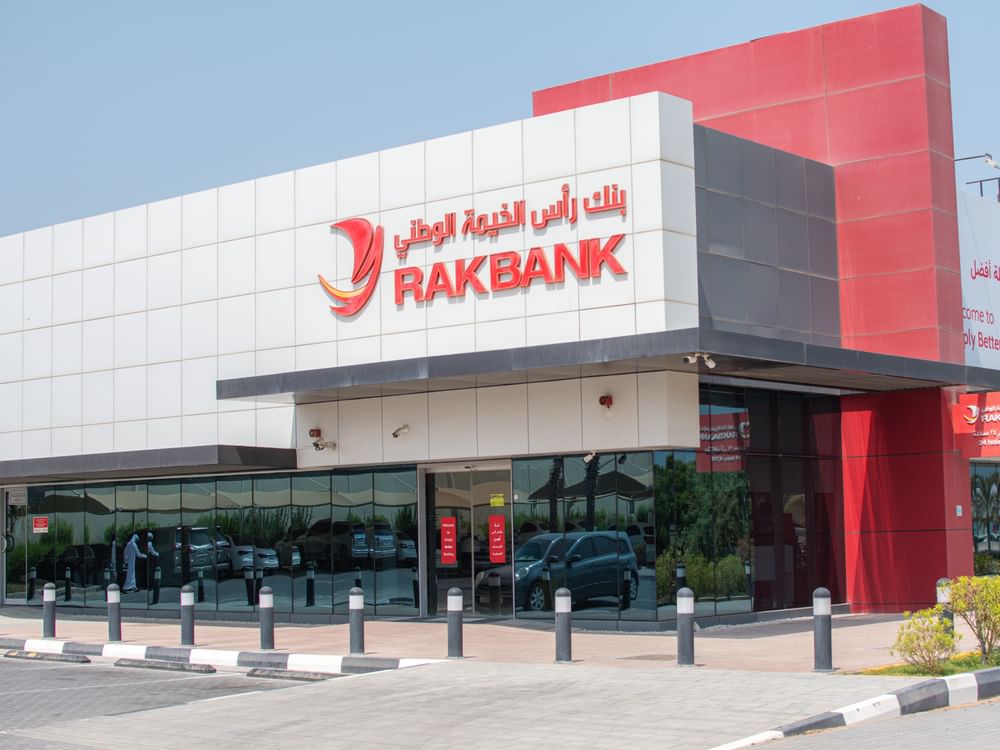
RAKBANK, the National Bank of Ras Al Khaimah, has successfully concluded its inaugural issuance of Tier 2 bonds, raising $250 million. This marks a significant milestone for the bank as it diversifies its funding sources and strengthens its capital base.

The bond issuance, conducted on September 4, 2024, was well-received by investors, reflecting strong confidence in the bank’s financial stability and growth prospects. The Tier 2 bonds are designed to enhance RAKBANK’s regulatory capital, providing a buffer against potential financial uncertainties and supporting its expansion strategies.

The bonds, with a 10-year maturity, were issued at an annual fixed rate of 5.25%, demonstrating the bank’s ability to secure favorable terms in the current capital markets. The issuance process attracted a diverse group of investors, including institutional and private investors, both regionally and internationally.

RAKBANK’s decision to issue Tier 2 bonds aligns with its ongoing efforts to strengthen its financial position and comply with the evolving regulatory requirements. Tier 2 capital, which forms part of a bank’s regulatory capital base, is crucial for maintaining the bank’s stability and supporting its growth initiatives. The successful issuance of these bonds is expected to bolster RAKBANK’s capital adequacy ratio, enhancing its ability to absorb potential losses and support future lending.

The bank’s strategy to tap into the Tier 2 bond market reflects a broader trend among financial institutions in the Middle East, where banks are increasingly turning to the capital markets to meet regulatory capital requirements and support their expansion plans. The issuance also underscores RAKBANK’s commitment to maintaining a robust capital structure, which is essential for navigating the challenges of the evolving financial landscape.

The completion of this bond issuance comes at a time when the global financial markets are experiencing a period of heightened volatility, driven by various economic and geopolitical factors. Despite these uncertainties, RAKBANK’s ability to secure significant investor interest highlights the bank’s strong market position and investor confidence in its long-term prospects.

Industry experts view RAKBANK’s Tier 2 bond issuance as a strategic move that positions the bank well for future growth. By securing additional capital, the bank is better equipped to support its lending activities, invest in new projects, and enhance its competitive position in the market. This capital injection will also enable RAKBANK to continue offering innovative financial products and services to its customers.

The successful completion of the Tier 2 bond issuance is expected to enhance RAKBANK’s credit profile, potentially leading to improved ratings from international credit rating agencies. This, in turn, could lower the bank’s borrowing costs and support its efforts to expand its footprint in both domestic and international markets.

RAKBANK’s Tier 2 bond issuance is part of a broader trend among banks in the region seeking to bolster their capital bases amid evolving regulatory requirements and economic uncertainties. Financial institutions across the Middle East are increasingly leveraging capital markets to meet their capital needs and support growth initiatives. This trend reflects a shift towards more sophisticated funding strategies as banks navigate the complexities of the modern financial landscape.

Saudi Arabia’s Public Investment Fund (PIF) has returned to the bond market for the fourth time this year, showcasing its continued aggressive strategy to finance its expansive investment agenda. This latest issuance is part of the sovereign wealth fund’s broader plan to raise substantial capital, aimed at supporting Vision 2030, the kingdom’s ambitious initiative to diversify its economy away from oil dependence.

The PIF has set an initial price guidance for a new dollar-denominated bond, with an expected issuance close to $10 billion for 2024. This move marks its second sukuk offering this year, following previous issuances that cumulatively position the fund as a significant player in global bond markets.

The timing of this bond issuance is strategically aligned with the PIF’s ongoing efforts to bolster its investment portfolio, which spans across various sectors including technology, green energy, and entertainment. This strategy is not just about raising capital but also about reinforcing Saudi Arabia’s financial presence on the international stage.

Analysts have noted that this consistent tapping into the bond market is a clear indication of the PIF’s robust financial health and its capacity to leverage global capital markets to fund its initiatives. The fund’s ability to attract substantial investment reflects confidence among international investors in the PIF’s management and Saudi Arabia’s economic reforms.

As the PIF continues its trajectory of aggressive investment, the funds raised from these bond issuances are expected to be channeled into both domestic and international projects, further solidifying Saudi Arabia’s position as a leading global investor. This strategy underscores the fund’s critical role in driving the kingdom’s economic diversification goals, particularly in the non-oil sectors.

The latest bond offering is expected to close shortly, with strong investor interest anticipated, given the PIF’s proven track record and the attractive pricing structure of its bonds. This issuance will add to the fund’s growing portfolio of debt instruments, ensuring that it remains well-capitalized to meet its long-term investment objectives.

As the market frenzy surrounding Nvidia’s meteoric rise and subsequent volatility begins to wane, investors should take a moment to appreciate the broader health of the US stock market. While the chipmaker has captivated headlines with its spectacular gains, fuelled by AI hype, the real story may lie in the solid, albeit less glamorous, performance of the broader market. Recent data suggests that US equities are in […]

VISHNU RAJA
RYO YAMADA
HITORI GOTOH
IKUYO KITA