News related to
bond

Global asset manager BlackRock has indicated it is willing to partner with sovereign wealth funds from the Gulf Cooperation Council to channel more capital into Asian markets. The company’s Chief Investment Strategist for Middle East and Asia-Pacific, Ben Powell, described the firm as “very open minded” about co-investment opportunities with SWFs in the region. This marks a notable strategic shift by the world’s largest asset manager, which […]

The Kingdom of Saudi Arabia is planning a massive infrastructure push to achieve net-zero carbon emissions by 2060, with a significant portion of financing expected to come from the private sector. Investment Minister Khalid Al-Falih, speaking at the MOMENTUM2025 Development Finance Conference in Riyadh, projected that infrastructure investments could reach up to $1 trillion over the medium term, with private capital accounting for around 40 per cent — equivalent to $400-500 billion.

Al-Falih outlined that this influx of investment will be channelled across diverse programmes: privatisation schemes, energy infrastructure under the supervision of the Ministry of Energy, and major initiatives led by key domestic players such as ACWA Power and Saudi Aramco, including expansion of blue hydrogen production and global marketing. The minister emphasised that the push reflects the Kingdom’s evolving infrastructure and energy strategy — aligning economic diversification under Saudi Vision 2030 with climate-related commitments.

Officials at the conference stressed that the investment liquidity will flow through multiple channels. Besides large-scale energy and infrastructure projects, capital will also support expansion in sustainable tourism, desalination plants, airport and logistics development, and logistics hubs, boosting sectors beyond oil and traditional energy. This drive is underpinned by a broader green finance framework recently introduced by domestic regulators, including the issuance of green bonds and the creation of a domestic carbon-credit market under Tadawul.

Despite the ambitious plan, some observers remain cautious. Independent analysts — such as those at the Climate Action Tracker — rate the Kingdom’s net-zero pledge for 2060 as “poor”, noting that the target lacks legal codification and fails to clarify which greenhouse gases or sectors are included. They underline that while domestic investments in renewables, carbon capture and clean hydrogen are growing, the lack of a comprehensive emissions-reduction pathway — especially regarding export-related emissions — leaves a significant portion of emissions unaddressed.

Al-Falih acknowledged the challenges but framed the plan as a transformation rather than a short-term campaign. He pointed out that the Kingdom has already exceeded some Paris Agreement-linked targets, and underlined an energy mix strategy aiming for 50 per cent of electricity generation through renewables by 2030, supplemented by high-efficiency gas turbines and storage technologies to ensure reliability.

As global demand for energy continues to rise — driven in part by rapid advances in artificial intelligence and digital infrastructure — Riyadh’s roadmap envisages that growing energy needs will dovetail with sustainable investment in infrastructure, industrial transformation and green-energy exports.

Abu Dhabi’s transformation into a leading centre for digital asset regulation is gathering global recognition, with legal and financial experts pointing to its advanced regulatory framework and investor-friendly environment as key drivers for growing crypto-sector confidence.

At the sidelines of Abu Dhabi Finance Week, compliance specialist Magdalena Boškić of Swiss firm Kellerhals Carrard declared that the UAE has firmly established itself as a global hub for digital-asset businesses, drawing major international players thanks to robust legislation and transparent licensing regimes. She highlighted the role of regulatory bodies such as the Financial Services Regulatory Authority at Abu Dhabi Global Market, the Virtual Assets Regulatory Authority in Dubai, the Dubai Financial Services Authority, and the Central Bank of the UAE, describing their collective efforts as among the most advanced globally.

Under the UAE’s multi-jurisdictional model, companies involved in trading, custody, asset-management or tokenisation can select the regulatory framework that matches their business model, offering flexibility without sacrificing oversight. The regime is built on principles like technology neutrality, activity-based licensing and strict compliance with investor-protection standards — features that offer legal clarity and attract institutional as well as retail participation. Boškić noted that this environment has led several prominent Swiss digital-asset banks such as Sygnum and AMINA to expand their presence in the Emirates.

A 2025 ranking by the Global Finance & Technology Network, in collaboration with consultancy Arthur D. Little, placed the UAE alongside jurisdictions such as Switzerland and Singapore among the most advanced globally for crypto regulation. The report credited the UAE for its comprehensive approach to tokenised assets, stablecoins, virtual-asset service providers and other fintech innovations — moving the country from ambition into execution.

Institutional adoption has risen sharply. Data on inflows between mid-2023 and mid-2024 show digital-asset investments of more than US$30 billion — roughly 10 percent of the Middle East and North Africa region’s total — with institutional-sized transfers jumping about 55 percent year-on-year. Simultaneously, retail participation has surged; the number of daily active crypto traders in the UAE has reportedly crossed 500,000, underscoring broad public engagement with digital-asset markets.

Fiscal incentives have added to the appeal. The absence of personal income tax or capital-gains tax, combined with exemptions on value-added tax for trading and conversion of virtual assets, offers one of the most favourable tax regimes globally. These conditions, combined with regulatory clarity, help explain the influx of both specialized crypto firms and traditional financial institutions adapting to digital-asset offerings.

The expansion also includes the tokenisation of real-world assets — such as real estate, aviation and even sovereign bonds — indicating that the UAE’s digital-asset market is evolving beyond speculative cryptocurrency trading into structured financial instruments. This opens pathways for sophisticated investors and enterprises seeking to integrate blockchain-based financing or asset-tokenisation into mainstream operations.

Still, rapid growth is not without risks. Observers caution that heightened crypto activity brings exposure to money laundering, unregulated peer-to-peer trading, cybersecurity threats and uneven investor protection. Regulators must balance fostering innovation with safeguarding financial integrity.

A milestone for regulatory trust came this week when Binance secured a global licence under the ADGM framework granted by the FSRA. The approval of the world’s largest crypto exchange underlines the UAE’s drive to cement its status as a credible, regulated base for digital-asset operations.

Arabian Post Staff -Dubai A USD 500 million floating-rate bond issued by Bank of China Dubai Branch has been listed on Nasdaq Dubai under its USD 40 billion Medium Term Note Programme, maturing on 24 November 2028. The three-year conventional bond achieved the narrowest issuance spread for a US-dollar bond of comparable tenor among Chinese banks, signaling robust investor confidence in the issuer’s credit standing. The listing […]

Arabian Post Staff -Dubai Asia Pacific borrowers have significantly increased euro-denominated bond issuance this year, signalling a notable shift away from reliance on the US dollar as a financing standard. According to data compiled this year, euro-denominated issuance accounted for a record 23 per cent of all hard-currency bonds from Asia Pacific borrowers — up six percentage points compared with 2024. The total volume of euro-note sales […]

SINGAPORE – Media OutReach Newswire – 7 December 2025 – The Singapore Institute of Management (SIM) is proud to reaffirm its commitment to developing future-ready graduates through a comprehensive scholarship framework that goes beyond academic achievement. These scholarships are designed to recognize and nurture qualities such as leadership, resilience, and talent. These attributes are essential for success in today’s dynamic global environment. For decades, scholarships have been […]

SINGAPORE – Media OutReach Newswire – 7 December 2025 – As Singaporean families plan for higher education, tuition costs often dominate the conversation. However, the more critical consideration lies in understanding the relationship between cost and value. This article provides an in-depth understanding of the financial implications of pursuing studies at local public universities, private institutions such as SIM, and overseas universities, while highlighting SIM’s distinctive proposition […]

Advertisements

Gulf Cooperation Council sovereigns and corporates issued a record-breaking $226 billion in debt by November 11, 2025 — the highest single-year total this decade — boosted by surging investor demand and tight spreads across the region.

Issuance of bonds and sukuk vastly outpaced equity capital-market activity, which saw the weakest IPO fundraising since 2020.

Regional governments and major companies returned to debt markets, capitalising on favourable financing conditions. Notable sovereign issuance came from all six GCC states — Saudi Arabia, United Arab Emirates, Kuwait, Qatar, Bahrain and Oman. Corporations also joined, including heavyweight names such as Saudi Aramco and Abu Dhabi National Oil Company.

The rebound in debt issuance reflects a shift in financing strategies. Many issuers had stayed out of markets earlier this year, waiting for better conditions. As spreads tightened sharply, they re-entered. As HSBC’s head of MENA debt capital markets, Nour Safa, put it: the tightening spreads “convinced them to return to the market.”

By the third quarter of 2025, total outstanding debt on GCC debt capital markets reached $1.1 trillion — a 12.7 per cent increase year-on-year. Sukuk issuances led the growth, rising nearly 22 per cent and now accounting for more than 40 per cent of overall debt issuance volume.

The strength emanates largely from the two biggest markets: Saudi Arabia and the UAE. As per recent analysis, these two nations comprise 46 per cent and 30 per cent respectively of total outstanding GCC debt.

Meanwhile, IPO funding has stalled. Across the GCC, 2025 saw a dramatic slump in equity issuance: a total of only 40 IPOs raised about $5.8 billion, down markedly from 2024’s 52 listings which raised $12.9 billion — the lowest fundraising level since 2020.

In the first half of 2025, IPO activity had shown modest resilience: 27 listings raised $4.10 billion, up from $3.57 billion a year earlier. But the second half slowdown reversed much of that progress.

Analysts say the divergence between bond and equity markets has several drivers. Doubts over global macroeconomic stability and trade-policy uncertainty have suppressed investor appetite for riskier equity. At the same time, Gulf issuers found debt markets more attractive: high-quality issuers, deep dollar-denominated bond markets, and relatively higher yields compared with many emerging-market alternatives.

Banks across the region added to the surge: by mid-2025 they had issued over $60 billion of debt — surpassing 2024 levels — much of it Tier-2 or hybrid debt aimed at bolstering capital under evolving regulations and funding growth tied to national development plans.

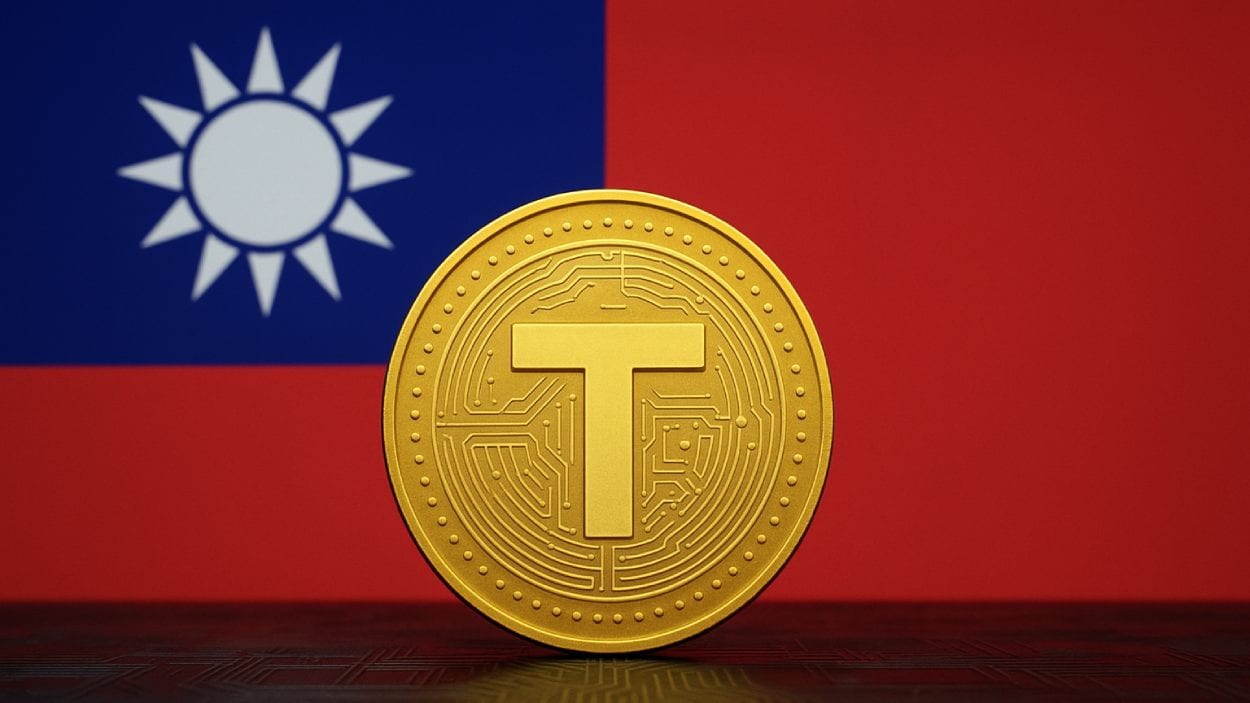
Taiwan’s financial authorities have confirmed that the territory is preparing to introduce its first regulated stablecoin by the second half of 2026, marking a significant step in its oversight of digital assets. The move establishes a formal framework for issuers and signals a wider effort to balance financial innovation with stricter consumer safeguards.

The Financial Supervisory Commission said the project aims to create a compliant asset-backed token that can operate within a supervised environment. Officials outlined that the proposed model would require issuers to undergo licensing, maintain verifiable reserves and implement robust disclosure rules. The initiative forms part of a broader regulatory roadmap that includes enhanced governance standards for exchanges and custodians, supplemented by anti-money laundering protocols already legislated in earlier phases of Taiwan’s digital asset oversight.

Taiwan has seen increased retail interest in digital tokens over the past two years, accompanied by concerns about informal trading platforms and fragmented reserve practices. Authorities have been developing clearer definitions around virtual asset providers, following earlier commitments to draft bespoke legislation for the sector. The stablecoin proposal marks the first time regulators have publicly set a target date for a national, fully supervised token that can circulate in mainstream financial channels.

Officials involved in the planning process described the stablecoin framework as an attempt to reduce systemic vulnerabilities that arise from lightly governed instruments. They indicated that the 2026 timeline allows sufficient room for market consultation with local banks, fintech operators and blockchain firms. The authorities emphasised the need for transparency around backing assets, independent audits and liquidity arrangements to prevent redemption shocks during periods of market stress.

Taipei’s policy trajectory mirrors a wider shift across Asia, where governments have begun formalising rules for digital currencies amid concerns about financial stability and technological competitiveness. Japan’s stablecoin regulations came into force earlier, requiring issuers to be banks, trust companies or registered intermediaries. Singapore’s approach has focused on wallet security, reserve segregation and consumer risk warnings. Taiwan’s proposed regime appears to blend elements of both models, adapting them to domestic institutions and supervisory capacities.

Market analysts say the announcement demonstrates how regulators are transitioning from broad guidance to more detailed rule-making. They note that several local financial institutions have shown interest in blockchain-based settlement systems but have lacked the legal certainty required to develop pilot projects. A regulated stablecoin could allow banks to explore tokenised deposits, speed up cross-border payments and reduce settlement backlogs, provided the technology meets stringent compliance standards.

Developers and industry groups argue that clarity around governance will be crucial to gaining public trust. They expect Taiwan’s framework to include ring-fencing of reserves, real-time reporting tools and strong oversight of custodial arrangements. Several blockchain service providers in Taiwan have already contributed to consultation papers, advocating for interoperability with international systems and stronger penalties for misappropriation of client funds.

Policy advisers involved in the consultation say authorities are mindful of global regulatory pressure, as jurisdictions coordinate rules for financial stability and cross-market supervision. They note that Taiwan has studied overseas cases where unbacked or poorly audited stablecoins faced severe liquidity issues, prompting large-scale withdrawals and disruptive price swings. Officials believe a regulated model will help Taiwan avoid similar vulnerabilities and foster safer digital innovation.

Some opposition lawmakers have urged the commission to publish more technical details, particularly regarding the choice of reserve assets, settlement architecture and the criteria required to issue the token. They want clearer rules on redemptions, consumer rights and supervisory intervention during market volatility. Financial regulators responded that these elements remain under review and will be formalised following extended consultation with the private sector.

Industry observers expect the stablecoin to be structured as a fully collateralised token backed by high-quality liquid assets such as government bonds or cash equivalents. This design is intended to minimise counterparty risk and ensure immediate redemption at par value. Regulators are also exploring how to embed cybersecurity requirements and resilience testing into the licensing regime, responding to heightened concerns about digital infrastructure vulnerabilities.

Cushman & Wakefield Experts Share Market Insights at MIPIM Asia Summit HONG KONG SAR – Media OutReach Newswire – 4 December 2025 – China’s Real Estate Investment Trust (C-REIT) market is entering a transformative phase, marked by rapid expansion in issuance size, diversification into emerging asset classes, and rising institutional investor confidence. Since its inception, the market has grown to reach a total issuance scale of RMB207 […]

The government of Saudi Arabia expects its borrowing to increase next year, driven by ongoing financing needs and a broad backdrop of monetary easing, according to a projection by CI Capital. The analysis suggests that softer interest rates and tightening liquidity could compel Riyadh to tap debt markets once again to meet fiscal and development commitments. Total government spending in the approved 2026 budget stands at 1.31 […]

Concerns over Oracle Corporation’s massive borrowing to fund its artificial-intelligence ambitions have pushed its debt instruments into territory unseen since the 2008 financial crisis. The company’s bonds have sold off, yields on maturing notes have climbed, and its credit default swap spreads have surged — signalling growing investor anxiety about the sustainability of its heavy spending on cloud and AI infrastructure. The sell-off follows disclosure that Oracle […]

Crypto markets endured a sharp shake-out as leveraged positions worth roughly $800 million were liquidated within a single 24-hour span, wiping out a wave of long bets across major digital assets.

The dump was triggered when Bitcoin slipped below a key price threshold, pressuring highly leveraged long positions on futures markets and prompting a cascade of forced sell-offs. Platforms such as Hyperliquid and Bybit reportedly absorbed the majority of the liquidations, underscoring how overextended trader leverage remains widespread even after prior volatility.

Data compiled by derivatives-monitoring firms shows hundreds of thousands of traders saw their positions wiped out, reflecting a broad-based unwind rather than a handful of large outliers. Long positions accounted for the lion’s share of the losses, a pattern that analysts argue deepens near-term downside risk while simultaneously resetting excessive leverage.

Market participants suggest the liquidation sequence was worsened by macroeconomic uncertainty. Signals from major central banks hinting at tighter monetary policy have quelled risk appetite, undermining speculative crypto bets built on hopes of renewed easy capital. A stronger dollar and rising bond yields weighed on crypto sentiment and intensified pressure on leveraged positions.

Declines weren’t limited to Bitcoin. Ethereum and other large-cap altcoins also suffered sharp drawdowns as falling prices triggered liquidation cascades across the derivatives market. As leverage unwinding rippled through the system, traders who had bet on a sustained rebound found themselves among the hardest hit.

Some investors framed this purge of leverage as a potential reset for the crypto market. Clearing out excessive long exposure might pave the way for more stable price action if broader buying support returns. Others, however, cautioned that forced liquidations could destabilise confidence and deepen volatility — especially if macro headwinds persist.

Japan’s 10-year government bond yield jumped to 1.84 percent, marking its highest level since 2008, sending ripples across global financial markets. Equities and risk assets came under pressure while investors reassessed portfolios built on cheap Japanese funding.

The surge reflects an abrupt shift away from decades of near-zero rates in Japan, transforming the dynamics of global capital flows. Long considered a foundation of stability, Japanese government bonds are now drawing fresh interest, prompting capital repatriation as investors seek higher yields at home. This shift threatens to unwind the entrenched “yen carry trade,” where investors borrowed yen cheaply to pour money into higher-yielding markets abroad — including equities and cryptocurrencies. With yen-denominated debt now offering compelling returns, such cross-border funding strategies are losing appeal.

As liquidity conditions tighten, markets for risk assets are being reshaped. Cryptocurrencies and tech stocks, once buoyed by easy global credit, have borne the brunt of investor risk aversion. Traders point out that this yield shock was partly triggered by a shift in market expectations around the Bank of Japan, which has signalled the possibility of further rate increases in its upcoming policy review. That, combined with concerns over Japan’s sizeable fiscal obligations and growing government borrowing, is pushing bond yields across the maturity curve higher — including 20-, 30- and 40-year maturities that recently recorded historic highs.

For global investors, the implications are stark. Funds and hedge-fund managers that relied on yen-funded carry trades now face rising funding costs and diminishing returns. Emerging markets and growth-oriented sectors that thrived on abundant liquidity may see capital outflows as investors retreat to safer, yield-bearing bonds. Currency markets have already reacted: the yen has strengthened sharply, adding pressure on exporters and raising the cost of dollar-denominated investments for Japan-based holders.

Analysts note that this yield shock does not necessarily spell widespread collapse — but signals a structural recalibration. Portfolios will need to adapt to a world where Japanese bonds are no longer a funding tool, but a competing asset class in their own right. For risk assets to recover, markets will need fresh capital inflows rather than the easy money of the past.

BEIJING, CHINA – Media OutReach Newswire – 29 November 2025 – Heading into its milestone 10th season in 2025, the Classical Chinese Poetry Contest, a cultural phenomenon co-produced by China Media Group, the Ministry of Education of China, and the State Language Commission. This anniversary edition uses poetry as a medium and emotional resonance as a bridge to create a vital cultural link between cherished Chinese literary […]

Greenlogue/AP ADNOC Gas and EMSTEEL formalised a long-term arrangement that will guarantee supply of lower-carbon natural gas to power EMSTEEL’s industrial operations. The agreement, spanning 20 years and valued between US$3.5 billion and US$4.2 billion, takes effect from 1 January 2027 and underlines the strategic bond between the integrated gas supplier and one of the region’s largest steel and building materials manufacturers. Under the deal, EMSTEEL will […]

Arabian Post Staff -Dubai Markets across the Gulf Cooperation Council are undergoing a shift as Islamic debt instruments embrace digital formats and new issuance technologies. Outstanding sukuk — Shariah-compliant bonds — in the GCC reached US$1.1 trillion by the end of the third quarter of 2025, marking a 12.7 percent rise over the prior year as debt-capital-market activity surged. Debt capital market issuances in the region saw […]

Stablecoins have moved from the fringe of digital finance to the centre of American geopolitical strategy with astonishing speed. A year ago, many analysts still dismissed them as an experiment, an irritant or a regulatory problem. Today they sit at the heart of a much bigger financial vision inside Washington. The Trump administration, I now believe, is using stablecoins as a new mechanism to strengthen the dollar’s […]

The Abu Dhabi Securities Exchange has marked its 25th year, standing today as one of the world’s top 20 stock markets by market value. Founded in 2000 with just 12 listed companies, the exchange now hosts more than 200 securities, carries a market capitalisation in excess of AED 3 trillion and counts 1.2 million investors drawn from over 200 nationalities. This milestone comes as the ADX embarks […]

First Abu Dhabi Bank has mandated a group of global and regional banks to arrange investor calls on Wednesday, 19 November, signalling the preparation of a benchmark USD-denominated Additional Tier 1 capital issuance. The Abu Dhabi-based lender, rated Aa3 by Moody’s and AA- by both S&P and Fitch, is targeting a fixed-rate, resettable perpetual instrument with a non-call six-year structure, expected to be rated Baa3 by Moody’s, subject to market conditions.

FAB has appointed Abu Dhabi Commercial Bank, Barclays, Emirates NBD Capital, itself, HSBC and Standard Chartered Bank as joint lead managers and bookrunners for the issuance, reflecting a strong syndicate backing. According to institutional-market briefings, the period of investor calls is intended to gauge pricing, demand, and issuance size ahead of launch.

This move marks FAB’s first benchmark AT1 issuance in approximately five years and comes as the bank seeks to bolster its capital buffer amid evolving regulatory expectations. Market-specialist commentary notes that such securities serve a dual purpose: providing permanent capital that counts towards Tier 1 regulatory ratios while offering issuers the flexibility of a call option after a set period — in this case six years — to redeem, subject to certain conditions.

FAB’s prior issuance of a senior green bond earlier this month — a €850 million deal priced at mid-swaps plus 70 basis points after opening at plus 100 basis points — underlined its readiness to access capital markets. That deal illustrated investor appetite for the bank’s funding instruments and the bank’s willingness to tap diverse instruments and jurisdictions. The proposed AT1 issuance broadens FAB’s capital-raising toolkit further.

In assigning an expected rating of Baa3 by Moody’s for the proposed issue, the bank is effectively targeting the lowest investment-grade category from that agency for this level of instrument. Such ratings reflect the subordinated nature of AT1 securities; they rank lower than senior debt in the creditor hierarchy and often incorporate features such as coupon discretion and loss-absorption mechanisms — factors that carry higher credit risk for investors compared to senior bonds.

Emerging-markets commentators note that demand for Gulf-region AT1 securities has been relatively scant over the past year as investors have weighed macro-economic headwinds, rising interest-rate environments and regulatory adjustments. The Gulf region’s total primary issuance of bonds and sukuk for the first quarter of the year was reported at USD 51.5 billion, down from USD 55.5 billion in the same period a year prior; within this, financial-institution capital instruments formed a subset of activity. Nevertheless, select banks continue to tap issuance windows that align with investor sentiment.

For FAB, the timing appears strategic: the bank’s common equity Tier 1 ratio stands at 13.7 per cent — a figure comfortably above its internal threshold of 13.5 per cent but lower than the 14.3 per cent recorded a year earlier. This suggests room for issuing capital-absorption securities like AT1 to reinforce buffers without triggering market concern. Regulatory changes also loom: UAE banks are due to face a 50-basis-point increase in the counter-cyclical buffer next year, which will raise total capital requirements and heighten the capital-management imperative.

Investor calls scheduled on 19 November are expected to cover structuring options, timing of launch, target size and investor syndication. Initial market commentary anticipates that FAB may aim for a headline size in the region of USD 750 million — consistent with its last AT1 benchmark in 2020 — although precise sizing will hinge on demand and market dynamics.

The joint bookrunners assemble a strong global footprint: Barclays, HSBC and Standard Chartered provide global investor access while Emirates NBD Capital and Abu Dhabi Commercial Bank offer regional distribution strength. That reflects FAB’s dual aim of tapping both GCC-based and international institutional investors. Market observers believe that if oversubscription builds, pricing could tighten relative to initial guidance and the syndicate may consider increasing sizing accordingly.

In the 35th edition of Cushman & Wakefield’s Main Streets Across The World report, Hong Kong’s Tsim Sha Tsui maintains its global ranking position as the world’s 4th most expensive retail street; whilst the area continued to top the APAC ranking as region’s the most expensive retail destination Rents on New Bond Street ($2,231 per square foot per year) have leapfrogged Milan’s Via Montenapoleone and New York’s […]

Matein Khalid The bloodbath in Bitcoin is symbolic of the risk aversion spasm that has now hit risk assets as varied as Japan’s Nikkei Dow, Nasdaq’s Mag-7, gold and even the EM carry trade. The AI infrastructure trade that was the high octane fuel for the most frenzied bubble in Silicon Valley history has lost its luster (price momentum is the mandate of heaven on Wall Street), […]

Bitcoin, the world’s leading cryptocurrency, has seen a significant drop, dipping below the $91,000 mark, a level that had previously seemed unreachable for the digital asset. This latest decline marks a pivotal moment for the market, as Bitcoin continues to face heightened volatility amidst shifting investor sentiments and global economic factors.

The recent price adjustment follows a series of fluctuations that have seen the value of Bitcoin soar to new heights, only to experience sharp corrections in the last few weeks. The drop has left market analysts questioning whether this signals a broader trend of market uncertainty or whether it’s merely a temporary setback for Bitcoin’s long-term upward trajectory.

Several factors are believed to be contributing to the current dip. One of the most prominent drivers of market volatility is the ongoing regulatory concerns surrounding digital assets. Governments across the globe have ramped up efforts to introduce stricter regulations on cryptocurrencies, with particular focus on anti-money laundering and tax policies. These actions have raised doubts among investors, triggering a sell-off in major cryptocurrencies, including Bitcoin.

The tightening of monetary policies by central banks, particularly the U. S. Federal Reserve, is also playing a significant role in the digital asset market’s instability. With the Fed’s recent interest rate hikes and other inflation-control measures, traditional investment avenues like bonds and equities have become more attractive, pulling attention away from high-risk assets like cryptocurrencies.

Bitcoin’s price drop comes despite strong institutional support and increasing mainstream adoption of blockchain technology. Corporate giants and investment firms continue to pour billions into Bitcoin, seeing it as both a store of value and a hedge against inflation. However, the cryptocurrency market’s volatility has remained a key concern for investors, with many choosing to adopt a more cautious approach as the market grapples with uncertainty.

The recent success of Ethereum’s upgrade to Ethereum 2.0, which promises to lower energy consumption and improve transaction speeds, has sparked renewed interest in altcoins, drawing capital away from Bitcoin and diversifying the cryptocurrency market. This shift in focus has contributed to Bitcoin’s loss of market dominance, as investors explore alternatives that promise long-term growth and more sustainable blockchain solutions.

Despite the current downturn, experts remain divided on Bitcoin’s long-term potential. Some continue to see the asset as a digital gold, offering a hedge against traditional economic risks and inflationary pressures. Others argue that its speculative nature, coupled with its limited regulation, will make Bitcoin highly susceptible to sharp price swings in the future.

Technological advancements in the blockchain sector, including innovations in decentralized finance and non-fungible tokens, are also playing a crucial role in shaping the future of digital assets. These developments have the potential to further disrupt traditional financial systems, drawing more attention to the blockchain space and potentially providing new avenues for Bitcoin to recover.

The broader financial landscape is also influencing Bitcoin’s price trajectory. With traditional markets facing their own uncertainties, including geopolitical tensions and economic slowdowns in key regions like Europe and China, Bitcoin’s performance is closely tied to global economic trends. As investors continue to grapple with these uncertainties, Bitcoin’s volatility is expected to persist, with many viewing it as a barometer for the health of the cryptocurrency sector as a whole.


The Bank of China’s Dubai branch is moving forward with plans to issue a new dollar-denominated bond, a three-year senior unsecured floating rate note. Initial price guidance has been set at SOFR plus 100 basis points, a sign of the bank’s effort to tap international capital markets despite current economic challenges. This move comes in light of the issuer’s credit ratings, with Moody’s assigning an A1 rating, […]

VISHNU RAJA
RYO YAMADA
HITORI GOTOH
IKUYO KITA