News related to
growth

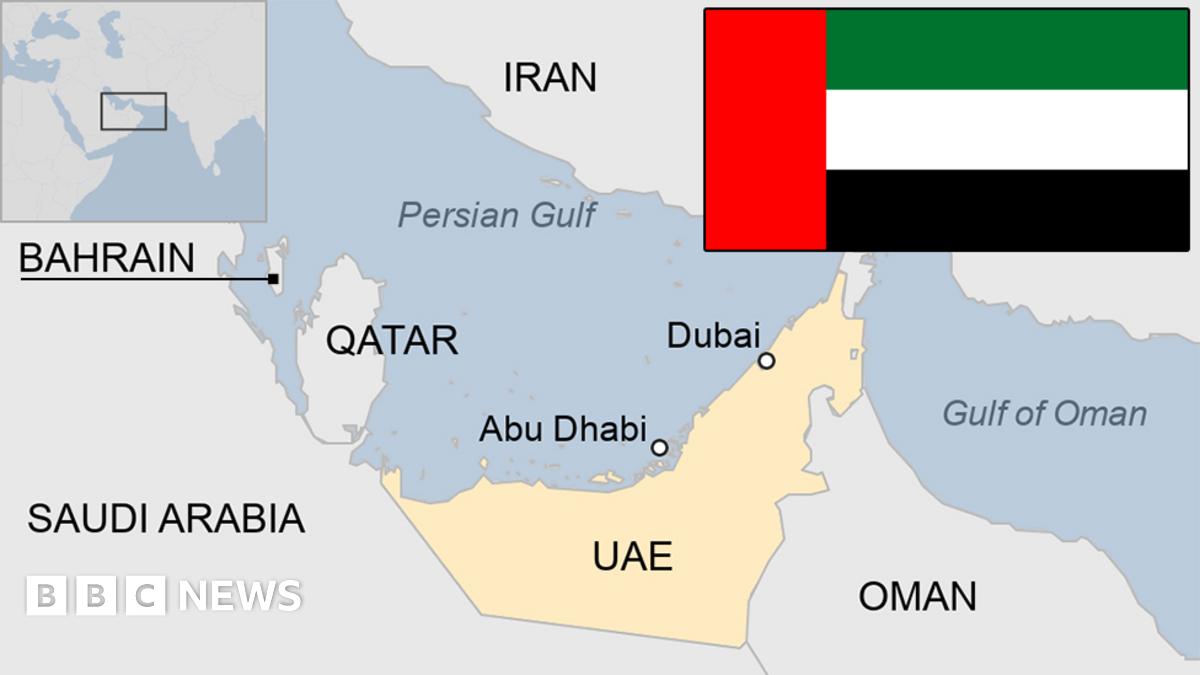
Dubai-listed developer Emaar Properties is sharpening its global expansion strategy by placing a stronger emphasis on India while exercising caution over entry into China’s troubled housing market, according to chief executive and founder Mohamed Alabbar.

Alabbar told the Future Investment Initiative conference in Riyadh that India would be “our next big step,” citing two decades of operations in the country and significant growth potential. He emphasised that, while Emaar remains “very interested in China,” it is holding off until the market shows clear signs of recovery, noting that “it is a different world. Let them recover.”

The directive comes after Emaar posted strong financial results: net profit jumped 25 per cent to AED 18.9 billion last year and rose a further 34 per cent in the first half of 2025, conditions that Alabbar says position the firm to target large market acquisitions rather than start-ups abroad. Emaar’s land-bank footprint already spans more than 1.87 billion sq ft globally, including a 122 million sq ft stake in India and around 175 million sq ft outside the UAE.

In India the driver is rising urbanisation, youthful demographics and a housing deficit that Emaar believes it is well placed to address. Alabbar signalled that the company is pursuing joint-venture partnerships with local groups rather than divesting its Indian operations, dismissing reports of a sale to one of the country’s major conglomerates. By contrast, China presents multiple headwinds including a pronounced housing market slump: new-home prices in 63 out of 70 major Chinese cities fell in September, reflecting a 0.4 per cent month-on-month drop and a 2.2 per cent year-on-year fall.

Analysts say Emaar’s bifurcated strategy makes sense in the context of broader market dynamics. India’s economy is forecast to grow about 6.7 per cent in fiscal 2025-26, according to a Reuters poll, while China is projected to expand by roughly 4.8 per cent amid real-estate weakness. Alabbar noted that the company sees China’s environment as “still suffering with their housing problem, but they’ll come up with it,” stating that Emaar wants to be ready rather than reactive.

Emaar’s preferred mode of overseas expansion appears to be acquiring significant stakes in existing developers, upgrading business models and rolling out its integrated real-estate offering rather than green-field launches. “Maybe you go and buy a majority stake in a developer and then change the way they do business … or maybe they already do good business and we learn from them,” Alabbar explained. That approach aligns with Emaar’s low net debt, elevated cash position and willingness to invest in large markets such as the US, Europe and China.

Critics caution that while India holds promise, foreign developers often face regulatory, land-title and partner-alignment risks. Emaar’s long-standing Indian venture, launched in 2005, endured partner disputes and execution delays, a history that Alabbar acknowledged when he said “we’ve been there 20 years. That’s big for us.” He further noted that successful growth in India depends on selecting the proper location and product mix. Meanwhile, China’s structural property problems are deep-rooted: unsold inventory and falling valuations continue to impair home­buyer confidence, raising questions about the timing of any major developer expansion into the market.


Ethereum’s trajectory is showing signs of strengthening as institutional demand, staking growth and protocol upgrades converge to position the network for a possible lead in the upcoming crypto cycle. The asset has been trading in a holding pattern around the $4,000–$4,300 range while market watchers debate whether this consolidation presages a breakout or a renewed test of support. According to exchange-data and on-chain indicators, Ethereum’s fundamentals are increasingly robust as it faces critical technical levels.

Institutional flows into Ethereum-related products have doubled since early 2025, with fund holdings reaching an estimated 6.5 million ETH and staking totals climbing to a record near 36.1 million. These developments reflect rising confidence in the network’s long-term value proposition as more traditional investors enter the space. On-chain records show that major whale wallets and “smart money” participants are accumulating, while staking reduces circulating supply and enhances scarcity dynamics.

Ethereum’s dominance in the decentralised finance and stable-coin settlement sectors amplifies that structural momentum. The network remains the foundational layer for smart-contract use-cases, layer-2 roll-ups and tokenised assets, lending greater weight to its ecosystem compared with more speculative cryptocurrencies. Developer-activity metrics place Ethereum ahead in creating new builds, deploying upgrades and supporting applications, reinforcing its role as a critical infrastructure asset rather than simply a trading vehicle.

On the technical front, key resistance near $4,250–$4,300 has become a focal point for analysts. A sustained breakout beyond that zone could unlock targets in the $5,000–$6,000 range and potentially much higher over the next year or two. Conversely, failure to clear that barrier could invite a re-test of support zones around $3,900–$4,000, a scenario flagged by bearish analysts. Macro-conditions such as global interest-rate policy, liquidity flows and risk-appetite remain wild cards, keeping short-term momentum fragile even as the long-term case strengthens.

Competition from alternative layer-1 blockchains and regulatory uncertainties remain headwinds. While Ethereum remains the ecosystem leader, other chains are gaining traction with lower fees and faster speeds; the extent to which Ethereum preserves its dominance will depend on its ability to scale and manage cost pressures. Moreover, regulatory scrutiny of crypto assets and staking vehicles may alter the institutional adoption timeline, requiring cautious interpretation of bullish narratives.

Emerging upgrades to the network architecture provide a catalytic backdrop. The so-called “Fusaka” upgrade, scheduled for late 2025, aims to deliver enhancements to sharding and data-availability that should improve throughput and reduce fees. These technical improvements may lower entry barriers for decentralised-applications and stimulate further ecosystem growth, thereby reinforcing Ethereum’s value proposition. At the same time, staking yields continue to incentivise long-term holders and reduce the liquid supply, offering a structural support mechanism for price.

Poland-based defence company WB Electronics SA is exploring a listing on the Warsaw stock exchange as it ramps up investment to exploit expanding European defence funding under the bloc’s new joint armaments initiative. The firm, recognised as the European Union’s largest drone producer by sales, is seeking to convert significant state-backed financial support into production capacity and future growth. Founded in 1997 and led by founder-chief executive […]

Greenlogue/AP Abu Dhabi Future Energy Company PJSC – Masdar has secured two large-scale solar photovoltaic projects in Saudi Arabia, with a combined capacity of 2 gigawatts, under the country’s sixth round of the National Renewable Energy Programme. One facility, located in Najran Province, will deliver 1,400 megawatts, and the other, in Jizan Province, will provide 600 MW. Both projects will operate on a build-own-operate basis and are […]

BANGKOK, THAILAND – Media OutReach Newswire – 30 October 2025 – Charoen Pokphand Foods Public Company Limited (CPF) of Thailand and NH Foods Ltd. of Japan, two leading food companies in Asia, join forces to establish a new joint venture, CPF NH Foods Co., Ltd. This partnership unites leading capabilities in innovation, food safety, high-quality protein production, and sustainable manufacturing processes to serve the rising demand for […]

Thrifty Car Rental UAE has introduced the region’s first self-service digital car rental kiosk, a move aimed at transforming how vehicles are rented across the Emirates. The kiosk, unveiled at the lobby of Novotel and Ibis Deira Creekside Dubai, allows customers to browse available vehicles, complete identity verification and make payment entirely digitally — the car can then be delivered within one to three hours. The launch signals a clear shift toward technology-led mobility solutions in the car rental industry.

The kiosk offering is part of Thrifty’s broader strategy to engage customers seeking convenience, speed and flexibility. At the Arabian Travel Market 2025 the firm outlined its ambition to expand this self-service model across high-traffic zones, including residential areas, shopping centres and transit hubs. The head of retail at Thrifty, Chand Soni, said the company was “building more than a rental network; we’re building a connected experience.”

Industry data suggest that the regional car rental market is undergoing a fundamental digital transformation, driven by customer demand for contactless service and the tourism sector’s push for smarter mobility. A market research report covering Oman values the digitisation of car rental — including self-service kiosks and app-based models — at US$150 million and growing, citing rising smartphone penetration and government digital-economy initiatives.

Thrifty’s kiosk system employs a touchscreen interface, secure identity verification and live payment integration. Users select vehicle type, rental duration and location via the kiosk, triggering delivery logistics in what the company promises as “minutes, not hours”. The vehicle is dropped off at a location of the renter’s choice. The system is designed to address both leisure travellers and residents who may need a flexible vehicle-rental alternative without the usual counter-based rental process.

The shift comes as car rental players in the region face increased competition not just from traditional rivals but from app-based mobility services and subscription models. For example, Thrifty itself is rolling out flexible rental plans — including monthly specials and lease-to-own options — to attract customers who prefer longer-term flexibility over ownership. The kiosk adds another layer of convenience for shorter-term rentals or spontaneous plans.

The move may also help Thrifty scale more efficiently. By deploying kiosks in multiple locations, the company can reduce staffing and branch-infrastructure costs, optimise fleet utilisation and meet spontaneous demand without needing multiple full‐service outlets. Soni noted the goal of doubling the network of touchpoints in the period ahead.

However, executing this strategy will bring challenges. The initial investment in digital kiosks and supporting IT infrastructure is substantial, and the process requires robust identity verification, payment security and logistics coordination. According to regional research, smaller operators may struggle to deploy such tech due to cost constraints and customer inertia — in some markets a majority of users remain more comfortable engaging via staffed counters.

Another risk lies in customer adoption. While younger and tech-savvy users may welcome the kiosk format, others may prefer the human interaction offered by traditional rental counters. Thrifty will need to ensure service reliability, vehicle availability and customer support — especially if rentals are completed entirely digitally and delivery timelines become core customer expectations.

Regional mobility trends underscore the importance of innovation. With the UAE emphasising tourism growth, smart infrastructure and digital transformation, the launch aligns with broader national strategies. Thrifty’s positioning at the intersection of mobility, digital convenience and customer experience may help meet evolving consumer behaviour, but sustaining value will depend on execution across logistics, fleet management and customer service.

For business travel, hotel partnerships and leisure rentals, the kiosk offers a compelling convenience proposition. At the same time, Thrifty must manage fleet availability, delivery logistics and system uptime to avoid service disruptions. Monitoring how customers adopt the kiosks, how much rental behaviour changes and how much cost or revenue upside emerges will be key to assessing whether this innovation delivers long-term competitive advantage.

By K Raveendran New Delhi appears to be recalibrating its crude-oil sourcing strategy under mounting pressure from Washington, signalling what may be a strategic shift away from Moscow in favour of deeper ties with the United States. Over the past few months, Indian refiners, including the major private player Reliance Industries, have ceased or paused […]

The article India’s Energy Pivot Under Donald Trump’s Tariff Pressure appeared first on Latest India news, analysis and reports on Newspack by India Press Agency).

Advertisements

TOKYO, JAPAN – Media OutReach Newswire – 29 October 2025 – Creww Inc. (Japan Office: Shibuya-ku, Tokyo, Representative: Sorato Ijichi, hereinafter “Creww”), Japan’s leading open innovation platform provider, and Real Madrid Next are pleased to announce the selection of 6 startups for the “Real Madrid Next Accelerator for Asia” Batch 2. About “Real Madrid Next Accelerator for Asia” Batch 2 “Real Madrid Next Accelerator for Asia” Batch […]

Forum invites businesses to Lead with Smart Tech towards Innovation, Resilience, and Growth in today’s digital-first economy KUALA LUMPUR, MALAYSIA – Media OutReach Newswire – 29 October 2025 – Canon today announced its upcoming Think Big Klang Valley Series, happening on 12 November 2025 at the Sheraton Petaling Jaya Hotel. Under the theme of ‘Future-Ready Malaysia: Innovation, Resilience, Growth’, the forum will bring together industry leaders and […]

SINGAPORE – Media OutReach Newswire – 29 October 2025 – Amity Global Institute (AGI) proudly celebrated a significant milestone with the graduation of more than 1,800 students at its Class of 2025 Ceremony, held at the iconic Shangri-La Hotel Singapore. Renowned for hosting world leaders and global occasions, the Shangri-La served as a fitting venue to honour academic excellence, cultural diversity, and the global vision of tomorrow’s […]

Natura Bissé becomes the first and exclusive spa brand in the prestigious ranking of the world’s finest hotels BARCELONA, SPAIN – Comunicae – 29 October 2025 – The Spanish skincare brand takes a key step in its commitment to remaining a global leader in the world of high-end wellness experiences, becoming the first and exclusive “Official Spa Brand” of The World’s 50 Best Hotels, the global authority […]

The national assembly’s Committee on Agriculture launched a week-long oversight tour of the Eastern Cape that began with a visit to the Eastern Cape Rural Development Agency-backed macadamia and citrus programmes, signalling heightened focus on agricultural transformation and small-farmer inclusion. The delegation arrived in the Raymond Mhlaba local municipality to meet traditional authority Chief Siseko Maqoma and inspect packhouse operations in the Kat River/Seymour area, before moving […]

The US stock market continues to surge, its strength underpinned by robust earnings and an easing policy stance from the Federal Reserve. AI remains the defining force, lifting productivity expectations and propelling capital spending. Wall Street is still the engine of global growth, but attention is beginning to turn elsewhere. A growing number of market participants see the next major wave forming in Asia, led by China […]

BARCELONA, SPAIN – Media OutReach Newswire – 28 October 2025 – OPPO’s global launch of the Find X9 Series reinforces its continued commitment to the high-end segment. This move coincides with the brand’s global user base exceeding 740 million, reflecting its success in engaging new generations through user-centric innovation. “OPPO is advancing its brand and user experience with a clear focus on the new generation of global […]

Horizon English School has announced the establishment of an all-through campus in the Town Square community of Dubai, signalling a strategic expansion of the institution’s British curriculum offering to ages 3-18. Under a joint venture between education group Cognita and developer Nshama, the new facility is scheduled to open in August 2027 and will begin with Foundation Stage 1 through Year 8, expanding to Year 13 in […]

Showed Growing Interest in Healthcare Technology Event Featured a 30-second AI Retinal Imaging to Screen 55 Health Risks Instantly HONG KONG SAR – Media OutReach Newswire – 28 October 2025 – “Prevention is better than cure” is a common saying that reflects the concept of “preventive healthcare,” which advocates for citizens to proactively manage their health in daily life to reduce the future financial burden of treating […]

By R. Suryamurthy As Bihar heads to the polls on November 6 and 11, the contest is being pitched as a battle for identity, justice, and governance. But no matter which side wins—the NDA led by the BJP–JD(U) combine, the opposition Mahagathbandhan under the RJD-Congress, or the insurgent Jan Suraaj of Prashant Kishor—the victor will […]

The article The Battle For The Ballot Cannot Hide Bihar’s Bitter Economic Truth appeared first on Latest India news, analysis and reports on Newspack by India Press Agency).

—Hong Kong brand DR H fuses Eastern philosophy and cutting-edge innovation to reshape the global smart wearables landscape. HONG KONG SAR – Media OutReach Newswire – 28 October 2025 – In today’s smart wearables market, the hottest segment of the Consumer Electronics industry, leading brands dominate resources, while endless spec races and price wars leave consumers overwhelmed and uninspired. Beneath this seeming prosperity lies a landscape of […]

Dubai hosted a high-level ministerial roundtable alongside the UAE‑Africa Tourism Investment Summit 2025, assembling officials from more than 20 African nations and the United Arab Emirates to outline an investment mapping totalling about USD 6 billion aimed at boosting tourism, aviation, transport, infrastructure and digital transformation across Africa. The joint ministerial statement forecasts creation of some 70,000 jobs across participating countries. At the meeting, Abdulla bin Touq […]

Powering the Intelligent Age Summit announced the ASEAN AI Safety Network and Sustainable AI White Paper, aligning regional collaboration with sustainability and trust KUALA LUMPUR, MALAYSIA – Media OutReach Newswire – 28 October 2025 – The Ministry of Digital, through the Malaysia Centre for the Fourth Industrial Revolution (MYCentre4IR), in collaboration with the World Economic Forum (WEF), today hosted the Powering the Intelligent Age: Driving Innovation with […]

Dubai-based Emirates NBD has executed a finance-lease facility supporting the acquisition of two Airbus A321neo aircraft for India’s largest carrier IndiGo, marking the lender’s entry into aviation asset financing and underlining its commitment to the aviation sector. The transaction adds to IndiGo’s sizable fleet growth ambitions and aligns with the UAE bank’s strategy to deepen its aviation-finance capabilities.

Under the deal, Emirates NBD will supply the structured leasing facility enabling IndiGo to secure two A321neo jets, which the airline intends to deploy as it strengthens its domestic network and expands international reach. The airline currently holds an order-book of nearly 900 aircraft across the A320neo, A321neo and A321XLR families.

IndiGo’s Chief Aircraft Acquisition and Financing Officer Riyaz Peermohamed commented: “We are pleased to partner with Emirates NBD on this financing transaction and look forward to building on the success of this transaction and further strengthen our relationship in the future.” Emirates NBD’s Group Head of Wholesale Banking Ahmed Al Qassim said that the deal “demonstrates our ability to provide bespoke financing structures to support the aviation industry’s growth”, and confirmed this marks the bank’s first aircraft finance lease.

The transaction comes amid a broader context of rapid fleet expansion in India’s aviation market. Airbus has indicated that IndiGo and another Indian carrier together are due to receive some 1,260 aircraft, of which around 916 are earmarked for IndiGo alone, making it one of the largest airline backlog commitments globally. On the wide-body front, IndiGo recently converted 30 of its purchase rights into firm orders for 30 additional Airbus A350‑900 aircraft, raising its wide-body order to 60 units and signalling its desire to build a global network reach beyond its low-cost domestic model.

From the lender’s perspective, Emirates NBD is positioning itself as an aviation-finance partner of choice in the Middle East and internationally. The bank’s move into aircraft leasing coincides with a rising investor and lender interest in aviation assets, as carriers renew fleets to improve fuel efficiency and meet higher demand. For IndiGo, this lease transaction adds financing flexibility, diversifies its funding sources and supports the airline’s aircraft-asset strategy at a time when supply-chain headwinds and delivery schedules remain tight in the global aerospace market.

China’s securities regulator has rolled out a sweeping reform package designed to simplify access for overseas institutional investors and bolster long-term capital flows into its stock and bond markets. The China Securities Regulatory Commission announced that it will streamline the existing regime for the so-called qualified foreign investor framework, including loosening qualification thresholds, expanding investment scope and reducing administrative friction.

At a policy forum in Beijing, CSRC Chairman Wu Qing stated that the reforms aim to make China’s capital markets “more inclusive, adaptable and globally competitive”. He said the regulator plans to introduce a shelf-based refinancing mechanism and simplify filing procedures for overseas listings, aligning with the broader effort to diversify asset allocations amid global uncertainty.

The reforms are anchored on three pillars: easing eligibility for overseas institutional investors, enhancing operational flexibility for capital flows and broadening the range of permissible investments. Legal-and-regulatory briefings indicate that registration channels will be modernised; for example, in the revised framework for the earlier QFII/RQFII regime, a single renminbi account may now serve both securities and derivatives trading and repatriation of returns is simplified.

The timing of the reforms signals China’s intent to rebuild investor confidence amid a decelerating economy and mounting international competition for capital. Analysts note that the removal of quotas in earlier iterations of the programme set the stage for this deeper opening. Foreign asset-managers are expected to interpret this as a signal that Beijing is actively courting long-term commitments, rather than purely speculative flows.

From the perspective of global investors, these changes may unlock previously inaccessible segments of China’s markets. The A-share universe on the Shanghai Stock Exchange and Shenzhen Stock Exchange has grown substantially, and the relaxations open the door to a wider number of institutions, countries and asset classes than in the past. Strategically, this aligns with China’s dual-track agenda of promoting internal consumption while also continuing to integrate with global finance.

Nevertheless, the loosening of rules carries risks and constraints. Although administrative barriers are being reduced, foreign institutions must still satisfy substantive criteria—including governance standards, compliance records and suitability for RMB-denominated investment. The commercial and geopolitical environment remains complex, and international concerns around transparency, data security and regulatory predictability persist. Moreover, while quotas may be reduced or removed, factors such as currency volatility, capital controls and domestic market sentiment will continue to influence investor decisions.

Market participants appear cautiously optimistic. A number of global asset-managers have publicly stated that they will monitor how implementation unfolds and whether domestic on-shore brokers and custodians adapt swiftly to the new rules. Some expect the real test to come when overseas institutions begin deploying larger mandates into the Chinese on-shore market and engaging in longer-term allocations rather than short-term trading.

From the government’s perspective, the drive to attract long-term capital is part of a broader reform push. China is not only seeking external capital but also attempting to deepen its domestic investor base, scale up passive and index-based investment, and reduce reliance on short-term speculative flows. The regulatory strategy suggests that policymakers believe structural openness will enhance market resilience and support sustainable growth.

A leading enterprise-artificial-intelligence firm, Fractal Analytics, is preparing to launch a public share sale of around ₹4,900 crore and is targeting a market valuation near US $3 billion. The move comes as the company positions itself at the forefront of the AI-analytics sector and seeks to capitalise on growing investor demand for technology listings. The proposed offering would comprise fresh shares worth about ₹1,280 crore and an offer-for-sale by existing investors totalling approximately ₹3,620 crore as part of its entry into public markets.

Fractal Analytics was founded in 2000 by five graduates of the Indian Institute of Management Ahmedabad. Today only two of the original founders remain with the company: Group Chief Executive Officer Srikanth Velamakanni and Chief Executive Officer Pranay Agrawal, each holding roughly 10 per cent of the company’s equity and not looking to sell in the upcoming offering. The firm achieved unicorn status in 2022 and generates more than 90 per cent of its revenues outside its home market, meaning its exposure to global enterprise clients is strong.

Advising banks on the share sale include major names such as Axis Bank, Goldman Sachs, Kotak Mahindra Capital and Morgan Stanley, signalling the IPO is being positioned among marquee listings. Industry data show that new-listing proceeds in the Indian market have already approached US $16 billion in 2025, with expectations that this year could surpass the US $21 billion record set in the prior year.

In financial terms, Fractal has posted a turnaround in performance. According to regulatory disclosures, its revenue rose from about ₹2,043.7 crore in FY23 to approximately ₹2,816.2 crore in FY25, reflecting a compound annual growth rate of around 17.4 per cent. Meanwhile, profitability returned in FY25 with a net profit of ₹220.6 crore after a loss of ₹54.7 crore in the previous year. The firm’s adjusted EBITDA margin improved from 6.8 per cent in FY23 to 17.4 per cent in FY25, and operating cash-flow rose substantially to ₹397 crore in FY25 from the previous year.

Fractal’s service model is built around large global enterprises, which in FY25 included 113 “must-win clients”—companies with annual revenues in excess of US $10 billion or customer bases over 30 million. About 65 per cent of the firm’s FY25 revenues were derived from the United States, underlining its dependence on Western markets. To maintain growth momentum the company intends to channel IPO proceeds into further research and development, strategic acquisitions, expansion of its R&D centres in locations such as Bengaluru, Gurugram, Pune and Noida, and boosting its sales-and-marketing capabilities.

Despite the strong metrics the IPO plan carries risks. The business remains heavily concentrated: its top ten clients contributed 53.8 per cent of revenue in the Fractal. ai segment in FY25. Losing a major client could have a disproportionate impact on its results. The firm is also operating in a rapidly evolving global AI landscape dominated by large diversified IT-service providers as well as specialist startups. Its heavy reliance on the U. S. market exposes it to foreign-exchange volatility and regulatory shifts abroad. Analysts comment that an IPO valuation near US $3 billion may leave little margin for error if market sentiment weakens or growth decelerates.

The trail blazed by Hamza, founder of Hexona Systems and the architect of one of the world’s largest AI automation communities, is leading him back to the Middle East, a region that played a significant role in his past. Hamza’s journey is that of a visionary who travelled across the globe to gain wisdom and novel experiences but eventually came back to his homeland with a more […]

VISHNU RAJA
RYO YAMADA
HITORI GOTOH
IKUYO KITA