News related to
growth

HANOI, VIETNAM – Media OutReach Newswire – 19 August 2025 – To mark the 80th anniversary of the National Day of the Socialist Republic of Vietnam, Vingroup inaugurated and broke ground on six major projects across the country. The highlight was the inauguration ceremony of the National Exhibition and Convention Center in Dong Anh, Hanoi, alongside five other landmark projects in the fields of socio-economic infrastructure, transportation, […]

The United Arab Emirates registered some US$25.4 billion in mergers and acquisitions through the first six months of 2025, making up approximately 43 per cent of all M&A transactions across the Middle East and North Africa—which totalled US$58.7 billion during the period, according to data from EY’s latest MENA M&A Insights report.

MENA deal-making demonstrated robust momentum in the first half of 2025, with 425 transactions reflecting a 31 per cent increase in volume and a 19 per cent rise in overall value compared with the same period in 2024, as EY’s analysis shows.

Cross-border activity surged, accounting for 55 per cent of all deals by number and 78 per cent by value—marking the highest cross-border level in the past five years. Key sectors driving these overseas transactions included chemicals and technology, which together represented two-thirds of cross-border deal value. Among the most significant was the US$16.5 billion deal in which Borealis AG and OMV AG acquired a 64 per cent stake in Borouge plc.

Domestic deal-making remained energetic too. Homegrown transactions constituted 45 per cent of all deals by volume and 22 per cent of the total value, amounting to 192 deals worth US$12.8 billion—an impressive 94 per cent year-on-year rise in value. The technology and diversified industrial products sectors were prominent in this category. A standout deal was AI and cloud services firm Group 42’s acquisition of a 40 per cent stake in Khazna Data Centres for US$2.2 billion.

EY’s MENA EY-Parthenon Leader, Brad Watson, emphasised that the mid-year results underline how resilient and dynamic the region’s M&A market is. He pointed to sustained appeal for investors, underpinned by stable oil prices, infrastructure expansion and a strategic emphasis on growth industries such as technology, chemicals, and industry. I n particular, he noted that the UAE continues to attract significant global capital, thanks to its strong regulatory environment and push for economic diversification, alongside growing collaborative ties with Europe, Asia, and North America.

When compared with mid-2024 performance, the jump is clear. In the first half of last year, the MENA region recorded 321 deals valued at US$49.2 billion. That represented only a modest 1 per cent increase in volume and 12 per cent growth in value over the prior year. Deal values in the UAE and the Kingdom of Saudi Arabia accounted for US$9.8 billion out of that total.

Looking at the broader picture, 2024 closed with 701 MENA M&A deals worth US$92.3 billion, reflecting a 3 per cent rise in deal volume and 7 per cent gain in value compared with 2023. Cross-border transactions were the primary engine, making up 52 per cent of deal volume and 74 per cent of value.

The UAE’s growing prominence in M&A stems from both deliberate policy reforms and strategic positioning. Domestic investors, notably sovereign wealth funds and government-related entities such as ADIA and Mubadala, have been highly active across both home-market and international transactions. At the same time, global investors have responded favourably to the region’s economic diversification efforts, regulatory clarity, and infrastructural thrust.

The United Arab Emirates has reached a significant milestone, securing the 16th position globally in the 2025 Government Support Index, as outlined in the IMD World Competitiveness Yearbook. This index evaluates how effectively governments foster the conditions needed for businesses to thrive, measuring factors such as infrastructure, regulatory environment, and public sector efficiency. With this advancement, the UAE solidifies its standing as a global leader in creating […]

Metaplanet has acquired an additional 775 Bitcoin in a substantial move that lifts its total holdings to 18,888 BTC, worth around $1.9–2.2 billion. The purchase, executed at an average price near $120,000 per coin and valued at approximately $93 million, underscores the company’s continued commitment to a Bitcoin-centric treasury strategy at a time when markets are under pressure. The latest figures reflect a return of over 480 percent year-to-date in BTC yield, positioning the firm as a formidable force among global corporate Bitcoin holders.

Metaplanet’s CEO, Simon Gerovich, acknowledged market disappointment amid Bitcoin’s dip back toward $115,000 but emphasised confidence in the company’s strategic foundation and long-term trajectory.

The announcement arrives amid a broader pattern of aggressive accumulation. Earlier in the year, Metaplanet purchased 780 BTC for about $92.5 million, bringing its holdings to 17,132 BTC and solidifying its status as Asia’s largest corporate Bitcoin holder and the seventh-largest globally. Prior to that, it added 1,005 BTC at roughly $107,601 each, overtaking peers to climb the rankings among corporate treasury holders.

Metaplanet’s expansion is part of its ambitious “555 Million Plan,” under which it aims to amass 210,000 BTC—about 1 percent of the total Bitcoin supply—by the end of 2027. The strategy includes issuing significant equity through warrants and share offerings, enabling rapid accumulation while managing shareholder dilution.

This pivot to Bitcoin has dramatically altered Metaplanet’s trajectory. A company formerly focused on hotel operations has emerged as a pioneering corporate treasury vehicle, mirroring the playbook of the US firm Strategy. CEO Gerovich, once a banker at Goldman Sachs Tokyo, has described the company’s strategic focus as a “Bitcoin gold rush,” envisaging Bitcoin serving as collateral to acquire cash-generating businesses in the future.

The firm’s bold asset approach has delivered notable returns, with its stock market value surging hundreds of percent this year and its BTC Yield metric demonstrating impressive growth relative to share dilution.

At a time when Bitcoin is trading near $115,000 after recently testing highs above $118,000, Metaplanet’s latest acquisition exemplifies a strategic bet on long-term appreciation amid short-term volatility. Market observers view its consistent accumulation—regardless of price dips—as a factor that could both tighten liquidity and exacerbate volatility.

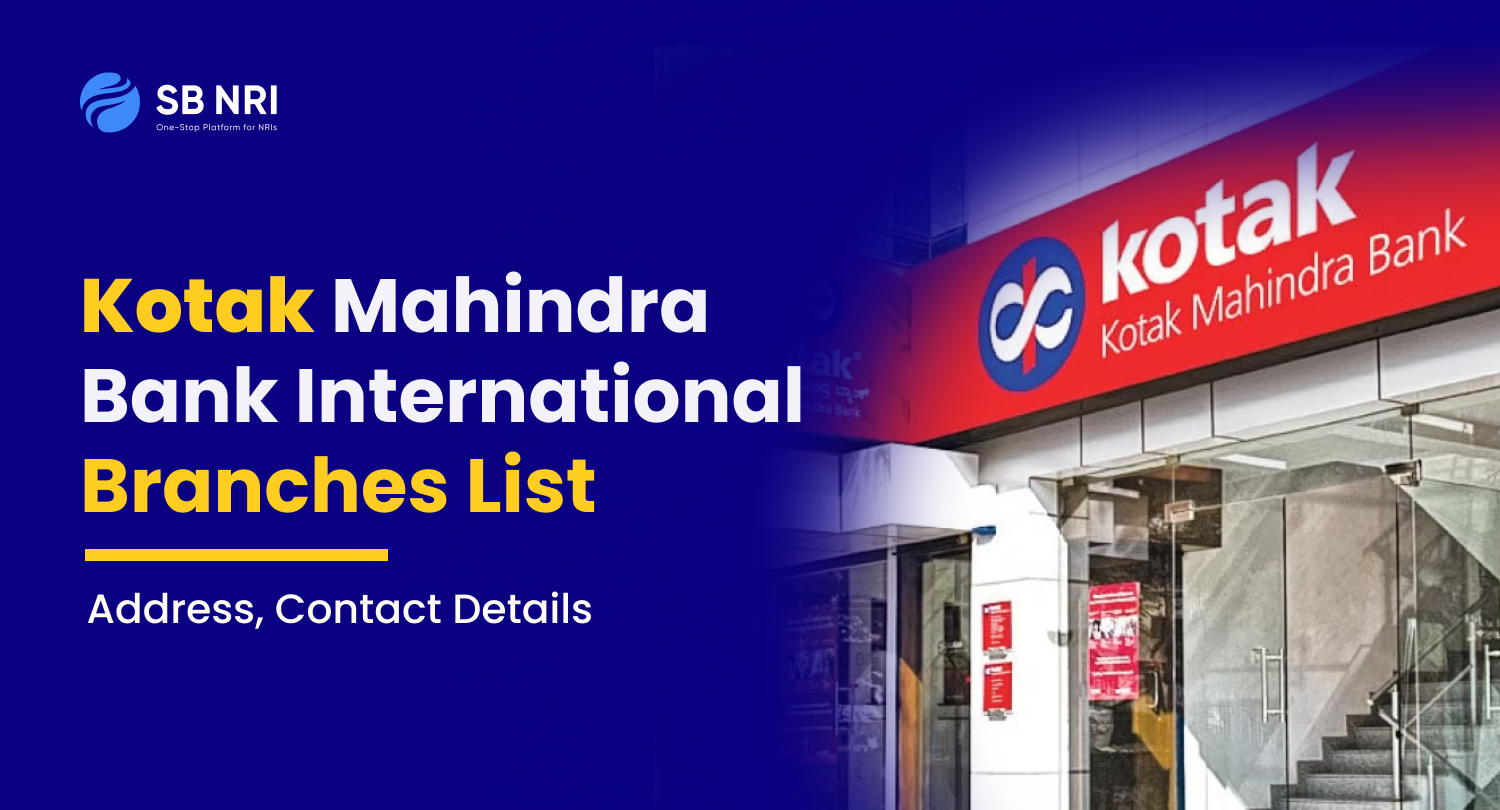
Kotak Mahindra International Limited, a subsidiary of Kotak Mahindra Bank, has made a significant stride in expanding its footprint in the UAE’s financial sector. The firm has officially received a licence from the Securities and Commodities Authority, granting it the ability to manage investments and portfolios within the emirate’s capital markets. This makes KMIL the first Indian financial institution to obtain such a licence, opening the door to a wider range of investment opportunities in the region.

The SCA’s approval allows KMIL to operate in a competitive, high-growth financial market that is rapidly evolving. As a result, the firm is now positioned to offer both retail and institutional clients a broader spectrum of services, ranging from portfolio management to investment advisory. This move is expected to enhance the firm’s existing capabilities and leverage the UAE’s status as a global financial hub.

KMIL’s entry into the UAE market signifies a strategic effort to tap into the growing demand for professional investment services in the region, especially as the Middle East continues to be a lucrative market for global financial players. The UAE’s business environment is becoming more conducive to foreign investments, with its forward-thinking regulatory framework and attractive tax incentives drawing a significant number of international financial institutions.

The SCA’s move to issue such licences aligns with the UAE’s broader economic diversification strategy. By encouraging international firms to set up operations in the country, the UAE government aims to fortify its capital markets and establish itself as a leading financial centre in the region. The decision also underlines the country’s commitment to maintaining a stable and robust regulatory environment for financial services.

Kotak Mahindra’s strategic expansion comes at a time when global interest in the UAE’s financial markets is surging. The country’s strategic location, tax-friendly policies, and world-class infrastructure have led to an influx of capital from around the world, positioning it as an ideal base for firms like Kotak Mahindra International to service clients in both the Gulf Cooperation Council region and beyond.

The company’s move also reflects a growing trend of Indian financial institutions seeking to diversify their portfolios and expand internationally. With this licence, Kotak Mahindra International joins a select group of global players that have made the UAE their home for managing investments and portfolios. This development underscores the increasing prominence of the UAE as a financial epicentre.

KMIL’s parent company, Kotak Mahindra Bank, has long been a key player in India’s banking and financial services landscape. With its new licence, the bank’s international arm can now offer its expertise to a new set of clientele while taking advantage of the burgeoning investment opportunities in the Middle East. The UAE’s progressive economic policies and its positioning as a global financial hub make it an attractive destination for firms looking to serve the broader Middle Eastern, African, and Southeast Asian markets.

Industry experts note that the SCA’s licence is a vital step in enhancing the overall appeal of the UAE’s financial services sector. The SCA, tasked with overseeing the functioning of capital markets, is committed to fostering a conducive environment for businesses to thrive. By offering such licences to international firms, the authority is sending a strong signal about its readiness to support the financial community and encourage further investments into the UAE economy.

China has firmly defended the actions of one of its state-owned companies following a deadly mining disaster in Zambia, while indirectly rebuking the United States for its vocal criticism of the incident. The comments were made in response to mounting international scrutiny regarding the company’s handling of the situation and the safety measures at its operations. A deadly incident occurred at the mine in Zambia, operated by […]

The total Ethereum balance held across centralized exchanges has dropped to its lowest level in nine years, a trend that reflects broader shifts in the cryptocurrency ecosystem. According to data from blockchain analytics firm Glassnode, the decline is part of a wider move towards decentralised finance solutions and self-custody. The drop in ETH held on exchanges is viewed as a significant signal for the cryptocurrency market, highlighting a transformation in investor behaviour and the growing trust in blockchain-based alternatives.

The total amount of ETH on exchanges has seen a steady decline over the past few years. Figures from Glassnode show that as of late 2025, the figure stands at its lowest since 2016. This shift is attributed to multiple factors, ranging from the rise of Ethereum 2.0, a push for increased decentralisation, to increased concerns over the security and control of centralized platforms. Investors are increasingly opting to take control of their assets, preferring private wallets, staking services, and decentralised protocols over traditional exchanges.

Experts suggest the move could be indicative of a maturing market. “This trend shows a growing level of sophistication among investors,” said Dr. Linus Hoff, an economist at the Blockchain Research Institute. “Ethereum’s evolving infrastructure, such as the transition to proof-of-stake and increasing use of layer-2 scaling solutions, is leading to a more confident investor base.” The shift away from exchanges also speaks to broader concerns over centralised platforms following a series of high-profile exchange failures and regulatory scrutiny.

Ethereum’s shift to proof-of-stake, which completed its transition in 2022, has had a profound impact on the ETH market. The upgrade enables holders to stake their ETH, earning rewards for supporting the network’s security, rather than leaving their assets on exchanges. This has fostered a growing staking ecosystem where users are incentivised to lock their ETH into DeFi platforms or staking protocols, removing it from exchange balances.

The declining ETH supply on exchanges has consequences for market liquidity. Lower liquidity can sometimes lead to higher volatility, with fewer assets available for immediate sale or trade. However, it can also reduce downward pressure on ETH prices, as large sell-offs become more difficult due to a lower concentration of tokens on exchanges.

The movement of ETH away from exchanges coincides with growing concerns over security. Many investors, especially those who have witnessed the collapses of firms like FTX and Celsius, are moving their holdings to wallets and decentralized applications. As a result, decentralized finance protocols have witnessed rapid growth in adoption. According to data from DeFi Pulse, the total value locked in DeFi has increased by over 40% in the past 12 months, with Ethereum remaining the dominant blockchain.

The continued growth of Ethereum’s staking ecosystem has become a focal point of this shift. As Ethereum offers a higher annual percentage yield for staking ETH compared to other forms of investment, it presents an attractive option for long-term holders. Decentralized exchanges like Uniswap and Sushiswap have benefitted from the movement, with increasing volumes being traded on these platforms. Furthermore, institutional adoption of Ethereum as a staking asset is increasing, providing another layer of legitimacy to the DeFi ecosystem.

The broader implications of the trend also affect the governance of Ethereum itself. As more ETH moves off exchanges and into private wallets or staking protocols, the distribution of Ethereum across a wider range of holders could lead to more decentralised decision-making. This trend could reinforce Ethereum’s position as the go-to blockchain for decentralised applications and smart contracts, which are critical to its future development.

Advertisements

West African businesses and digital service providers are reaping the benefits of remote peering, which is rapidly transforming the region’s internet connectivity landscape. As the continent’s digital economy expands, the demand for fast, reliable, and affordable access to online services is driving the adoption of innovative solutions. At the heart of this transformation is TelCables Nigeria, a key player in West Africa’s digital infrastructure. A subsidiary of […]

Ethereum is once again challenging heavy resistance levels, sparking optimism among investors. The second-largest cryptocurrency by market capitalisation is showing signs of strength as it attempts to break through critical price points that have stalled its upward momentum in the past. This has caught the attention of analysts, who are predicting significant gains for the cryptocurrency in the final quarter of the year, driven by an anticipated surge in demand and institutional interest.

Ethereum’s price has been hovering in a narrow range, with investors closely watching for a decisive breakout. A clear move above its resistance level could signal a shift in market sentiment, potentially setting the stage for a new wave of bullish activity. Analysts have set their eyes on key technical indicators, suggesting that Ethereum may soon see a substantial increase in value, potentially surpassing previous highs and breaking new ground before the year’s end.

Meanwhile, Dogecoin, a long-standing favourite in the cryptocurrency space, continues to show resilience despite a fluctuating market. The meme-inspired coin is inching closer to its familiar ceiling, prompting speculation on whether it will finally break through and hit new highs. Dogecoin has experienced various cycles of growth and retracement, and many investors are now wondering if it can capitalise on Ethereum’s upward momentum and sustain a bullish rally of its own.

Dogecoin’s price action remains tied to broader market trends, but its reputation as a speculative asset with viral potential could play a pivotal role in driving future price movement. As the crypto community looks to Ethereum for cues, Dogecoin’s loyal following and established place in the market ensure it will continue to draw attention, particularly as some analysts see the potential for a significant rally in the latter half of the year.

On the other hand, Remittix, a newer entrant to the market, is steadily gaining traction. The cryptocurrency’s rapid rise can be attributed to an upcoming listing tied to a hard funding threshold, creating buzz in investor circles. Remittix has quickly become a focal point for those looking for high-growth opportunities in the crypto space. With its market debut on the horizon, analysts are forecasting a potential 500% gain in the short term as the market eagerly anticipates its full-scale launch.

The excitement surrounding Remittix is built on the expectations of a broader, global remittance network offering low-cost and instant cross-border payments. Its underlying technology and potential use case could position it as a viable player in the increasingly competitive financial services sector. As it prepares for its debut, Remittix is showing the type of explosive growth that crypto enthusiasts eagerly seek, especially when backed by a clear roadmap and strategic funding milestones.

The broader market conditions continue to show signs of improvement, with Ethereum, Dogecoin, and Remittix all benefitting from a renewed investor appetite for cryptocurrencies. As the final quarter approaches, analysts are bullish on the prospects for these assets, highlighting the crucial technical levels that could signal significant gains.

Ethereum’s position is especially important, given its role as a leader in the blockchain space. Any positive momentum in Ethereum could trigger a broader market rally, lifting altcoins like Dogecoin and Remittix along with it. As market conditions evolve and investor sentiment strengthens, these cryptocurrencies are poised to be among the key beneficiaries of what could be a dynamic finish to the year.

DP World has reported a significant rise in revenue for the first half of 2025, with figures climbing 20.4 per cent to reach $11.24 billion. This growth was primarily driven by strong performance in its Ports & Terminals division, as well as the positive impact of acquisitions completed in recent months. The company’s adjusted EBITDA also saw an impressive increase, up by 21.4 per cent to $3.03 […]

Greenlogue/AP SNB Capital has successfully facilitated the completion of a significant SAR7.1 billion capital increase for Acwa Power, a leading Saudi developer, investor, and operator of power generation and desalination plants. The deal, executed through a rights issue on the Saudi Exchange, marks one of the largest transactions of its kind in the region. The transaction involved the issuance of 33.93 million new shares, priced at SAR210 […]

Dubai’s office real estate market has experienced a remarkable upswing, with sales transactions reaching AED5.4 billion in the first half of the year, an 84% year-on-year increase. This surge comes on the back of a dynamic and growing demand for commercial spaces, particularly in the prime office and logistics segments, as noted in Cavendish Maxwell’s latest Dubai Office Market Report. According to the report, the number of […]

Arabian Post Staff Abu Dhabi has experienced a significant 10.3% rise in certificates of origin, underscoring the ongoing expansion of its non-oil exports. This increase highlights the Emirate’s growing role as a regional hub for trade and investment, further diversifying its economic landscape. Certificates of origin are essential documents for businesses, validating that products are manufactured or processed in a specific country. They play a crucial role […]

Data released by the Statistical Centre for the Cooperation Council for the Arab Countries of the Gulf reveals a notable decline in the Gulf Cooperation Council’s national income for 2023. The value of gross national income for the GCC region stood at US$2.143 trillion, down 2.7% from the previous year’s figure of US$2.202 trillion. This reduction marks a significant shift in the economic landscape of the Gulf nations.

In 2023, the disposable national income, which measures the income available for consumption and savings after taxes and transfers, also saw a downturn, reaching US$1.989 trillion, compared to US$2.515 trillion in 2022. This represents a 3% decrease in the financial resources available for the region’s residents and businesses.

The GCC’s national income data reflects broader economic trends and shifts in the region’s economic structure, with particular attention given to the changes in the oil and non-oil sectors. While the non-oil sector has grown in importance, the oil sector remains a substantial contributor to the region’s total income. By the close of 2023, the non-oil sector’s value added to the economy amounted to US$513 billion, while the oil sector still held a dominant position with a contribution of US$603.5 billion. Despite the oil sector’s continued strength, the overall decline in GNI suggests that broader economic challenges are at play.

The sharp contrast in performance between the oil and non-oil sectors could be attributed to various factors, including fluctuations in global oil prices and shifting demand for the region’s primary energy exports. While the oil industry continues to be a critical economic driver, the Gulf countries have increasingly turned to diversification efforts, investing heavily in areas such as finance, technology, and tourism to reduce reliance on oil.

The results also reflect global economic pressures, particularly the ongoing impacts of inflation, geopolitical instability, and supply chain disruptions. These external factors have influenced both domestic consumption patterns and investment flows within the region. The 2023 decline in disposable national income indicates that households and businesses in the GCC are experiencing reduced financial flexibility, possibly affecting consumption and investment decisions moving forward.

Despite these challenges, the GCC economies have shown resilience in their attempts to navigate shifting global economic conditions. Several countries within the group, notably Saudi Arabia and the United Arab Emirates, have implemented ambitious plans for economic diversification under initiatives like Vision 2030. These efforts aim to transform their economies by reducing dependency on oil, focusing instead on sectors such as renewable energy, digital innovation, and high-tech industries.

The non-oil sector’s performance is a critical metric of success for these diversification strategies. In 2023, the growth of this sector, while still overshadowed by oil, highlights the ongoing transformation of the region’s economic framework. The expansion of industries such as construction, manufacturing, and services contributes to this shift, providing the region with a more balanced economic profile, though the full impact of these changes will take time to fully materialise.

Cohere has raised $500 million in new funding, propelling its valuation to an impressive $6.8 billion as the company accelerates its push to reshape enterprise AI. This significant investment will bolster its efforts to expand its security-first agentic AI platform, a product designed to enhance organizational productivity through advanced, secure artificial intelligence. The AI sector has seen rapid growth over the last few years, with businesses increasingly […]

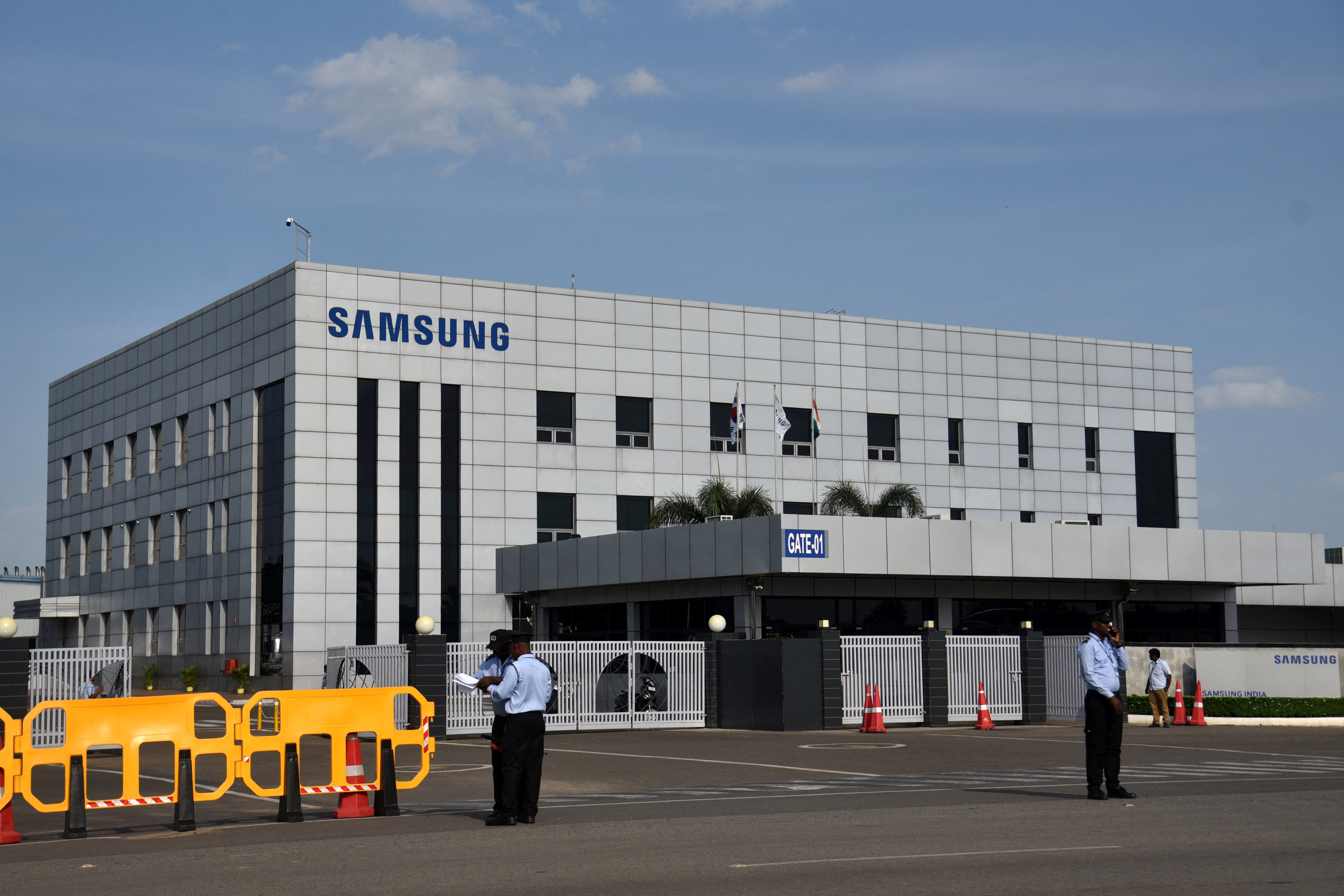
Samsung has commenced local production of laptops in India, marking a significant shift in its manufacturing strategy. The move follows growing trends in the global tech industry, where companies are increasingly decentralising their manufacturing to cater to regional markets and mitigate supply chain risks. The tech giant’s decision to set up its laptop assembly line in India comes as part of a broader push to diversify its production capabilities and tap into the country’s emerging manufacturing ecosystem.

The new facility, which is located in Noida, is expected to meet rising demand for Samsung laptops in India and other parts of Asia. The plant will focus on assembling a range of models, from entry-level to premium devices, with an emphasis on enhancing the supply of high-performance laptops. By doing so, Samsung aims to capitalise on the Indian government’s incentive schemes aimed at boosting local manufacturing and creating jobs in the sector.

India has become an increasingly attractive destination for global manufacturers due to its robust infrastructure, competitive labour costs, and a growing pool of skilled engineers and technicians. Samsung’s decision to invest in local laptop production highlights the country’s status as a strategic hub for tech companies looking to scale operations. The move also aligns with the Indian government’s vision of becoming a global manufacturing leader under the “Make in India” initiative, which encourages foreign companies to establish production bases in the country.

The South Korean company has been investing heavily in India over the past few years, with a significant focus on expanding its footprint in consumer electronics, particularly smartphones. The expansion of laptop production further strengthens its position in the Indian market, where the demand for personal computing devices has been steadily increasing. India, with its young population and rapid digitalisation, presents a lucrative market for tech companies. By establishing local manufacturing units, Samsung can not only meet this demand more effectively but also potentially lower the cost of its devices by reducing import duties and other logistical expenses.

Samsung’s Noida plant will be equipped with advanced manufacturing technology, allowing the company to ensure that its laptops meet international quality standards. The facility is expected to produce several million units annually, with an eye on both the domestic and export markets. This localisation strategy is expected to significantly cut down on shipping costs and delivery times, giving Samsung a competitive edge over other international brands that continue to import their devices into the country.

The move comes at a time when India is becoming increasingly attractive to global technology firms. Companies like Apple, Dell, and HP have already ramped up their manufacturing presence in India in recent years. India’s well-established electronics sector, supported by the government’s push to improve infrastructure and streamline regulatory processes, has led to a surge in foreign direct investment in the country’s tech manufacturing ecosystem.

Samsung’s expansion into laptop production also reflects the growing importance of India in the global supply chain. The country’s status as a low-cost production base, combined with its large consumer market, makes it an attractive location for companies looking to avoid the risks associated with heavy dependence on single countries, such as China. By shifting some of its manufacturing operations to India, Samsung can reduce its exposure to potential disruptions in China, which has long been the dominant player in global electronics manufacturing.

This shift is also likely to have broader implications for the Indian tech industry. With global giants like Samsung setting up local production lines, it is expected that the country will see an increase in the number of skilled jobs in the tech sector. Additionally, the growing demand for locally manufactured devices may spur innovation in the country’s tech ecosystem, encouraging the development of homegrown talent and technologies. This would not only strengthen India’s position as a manufacturing hub but also lay the foundation for the growth of its own tech startups.

Dubai Metro has taken a significant step forward with the integration of artificial intelligence into its operational maintenance model, marking a notable enhancement in its rail system’s efficiency and safety protocols. The shift to AI-powered solutions aims to revolutionise how maintenance is approached, ensuring quicker response times and more proactive management of the city’s rapidly expanding metro infrastructure.

The new AI technology focuses on automating the detection of faults and predicting potential breakdowns before they occur. This shift towards predictive maintenance is in line with Dubai’s wider goals of improving transportation infrastructure through innovation. AI’s role in this transformation goes beyond simply automating tasks; it serves as a core tool in enabling more intelligent decision-making for the Dubai Metro’s operations.

With a network that spans 75 kilometres and operates across multiple lines, the Dubai Metro has grown to be one of the most recognised urban transit systems in the world. Over 200,000 passengers rely on the metro each day, making it essential to maintain high levels of safety and operational reliability. By integrating AI, the metro can now leverage real-time data to monitor equipment and infrastructure, identifying anomalies that would otherwise be overlooked by human inspection.

AI-driven algorithms allow for continuous analysis of various parameters, including train speed, track conditions, and mechanical performance. This data is gathered via sensors installed across the metro system, from trains to trackside infrastructure. When any irregularities are detected, the system alerts maintenance teams, prioritising interventions based on urgency and potential impact. The technology also facilitates remote diagnostics, reducing the need for engineers to physically inspect the system unless absolutely necessary.

This predictive maintenance model promises to cut costs and downtime significantly. According to experts, the AI system is expected to reduce unplanned disruptions by up to 30%, which will directly benefit both passengers and operational teams. Reduced downtime means trains will spend less time off-track for repairs, contributing to a smoother, more reliable service.

The integration of AI into the Dubai Metro’s maintenance strategy is expected to pave the way for similar technological applications across other sectors of the city’s public transportation network. With Dubai’s long-term plans to further expand its metro network, AI will be crucial in ensuring that the growth of this infrastructure remains sustainable and efficient.

However, the implementation of such sophisticated technology also poses challenges, particularly in terms of data privacy and system security. As AI becomes more deeply integrated into the operational framework of Dubai Metro, it is essential to establish robust cybersecurity measures to prevent potential hacking or system failures. The Dubai Roads and Transport Authority, which oversees metro operations, has already placed emphasis on maintaining secure networks, working closely with experts to safeguard sensitive operational data.

AI’s potential in transforming public transport is not unique to Dubai. Several cities globally are also exploring how AI can be applied to enhance the efficiency and sustainability of urban rail systems. In Europe and Asia, metros have begun adopting similar technologies to improve service reliability and reduce the environmental impact of their operations. Dubai’s adoption of AI technology, however, stands out as a benchmark for its scope and ambition, setting a new standard for metro operations in the region.

Dubai’s gross domestic product in the first quarter of 2025 rose to AED 119.7 billion, a 4 % increase compared with the same period in 2024. This expansion was underpinned by strong performances in health, real estate, finance, trade, and other strategic sectors, according to official data. The standout contributor was human health and social work, which surged 26 % to AED 1.9 billion—accounting for 1.5 % […]

Greenlogue/AP Oman Data Park has formed a strategic alliance with Solar Wadi to establish the Sultanate’s inaugural green energy data centre, powered by solar generation. The collaboration marks a significant step in aligning ODP’s technological infrastructure with Oman’s net-zero ambitions, as the data centre is set to harness sustainable energy to lower operational emissions and improve grid resilience. ODP, long regarded as the nation’s leading provider of […]

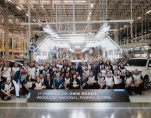
Iracemápolis, São Paulo – Media OutReach Newswire – 16 August 2025 – In the early hours of August 16 (Beijing time), GWM’s Brazil plant officially commenced operations, marked by a grand ceremony for the rollout of its first vehicle, the HAVAL H6 GT. The plant, located in Iracemápolis, São Paulo, was acquired from Daimler Group and has since been upgraded into an intelligent manufacturing base. As GWM’s […]

The UAE’s civil aviation sector has demonstrated significant growth in the first half of 2025, with key indicators such as passenger traffic, air cargo volumes, and air traffic movements all showing notable increases. Airports across the nation welcomed 75.4 million passengers during this period, marking a 5% rise from the 71.7 million recorded in the same timeframe the previous year. January was the busiest month, with over […]

Greenlogue/AP The United Arab Emirates and Senegal have formalised a significant partnership aimed at addressing Africa’s escalating water and sanitation challenges. This collaboration, announced during the 2025 UN Ocean Conference, underscores a shared commitment to sustainable water management and climate resilience across the continent. At the heart of this initiative is the establishment of an integrated water-ocean management framework, designed to harmonise freshwater and marine ecosystems. This […]

Saudi Arabia’s Public Investment Fund, one of the world’s largest sovereign wealth funds with nearly $1 trillion in assets, has completely divested from six prominent U. S.-listed firms during the second quarter of 2025. Filings reveal that PIF no longer holds any shares in Meta, Shopify, PayPal, Alibaba, Nu Holdings or FedEx. At the end of March, the fund still held significant stakes—for example, nearly 668,000 class […]

ADNOC Group’s six publicly listed entities posted a combined net profit of USD 4.7 billion for the first half of 2025, underscoring how the widespread deployment of advanced artificial intelligence across operations has sharpened efficiency and underpinned robust growth.

At the heart of this transformation lies MEERAi, ADNOC’s proprietary AI platform. It is deployed across ADNOC Gas, ADNOC Distribution, ADNOC Drilling, ADNOC Logistics & Services, Fertiglobe and Borouge, delivering real-time, data-driven insights that are elevating decision-making and operational precision across the board.

ADNOC Gas achieved a record Q2 net income of USD 1.385 billion, marking a 16 per cent year-on-year rise, while EBITDA increased 8 per cent to USD 2.256 billion, propelled by surging local demand and operational prowess. Investors will see the payoff as the board approved an interim dividend of USD 1.792 billion, up 5 per cent, due for disbursement in September 2025. MEERAi’s impact was central in guiding the board’s strategic decisions.

ADNOC Distribution delivered its highest first-half EBITDA to date—USD 566 million, up 10 percent—with net profit climbing 12.2 percent to USD 358 million. Fuel volumes surged to a record 7.62 billion litres, and non-fuel retail gross profit lifted 14.9 percent. The AI-driven enhancements include predictive fuel-demand forecasting, intelligent assortment planning and hyper-personalised customer offerings. The company introduced MEERAi to its board for real-time strategic oversight, and it expects to distribute a USD 350 million dividend in October 2025.

ADNOC Drilling also delivered standout performance, with management attributing its ability to scale through diverse energy cycles to advanced technologies including AI. The board approved a USD 217 million second-quarter dividend in August 2025. The company is also pursuing regional expansion, including a majority stake acquisition in SLB’s land drilling business across Kuwait and Oman.

Borouge’s AI, digitalisation and technology programme generated USD 307 million in value, including an AI-powered control room in collaboration with Honeywell and integration with MEERAi. New product innovations such as medical-grade polyolefins and recyclable packaging also featured prominently.

Meanwhile, ADNOC’s broader push to harness AI is also playing a central role in its clean-energy pivot. Following earlier investments in AI tools like RoboWell and AR360, which generated USD 500 million in value and reduced around one million tonnes of CO₂ emissions between 2022 and 2023, the company is now deploying AI to advance low-carbon energy frontiers including hydrogen and carbon management, in partnership with entities such as SOCAR, Microsoft and Masdar.

Across all six listed companies, the near-term financial performance echoes the effectiveness of ADNOC’s strategy of embedding AI across both core operations and emerging markets. The unified deployment of MEERAi is not just enhancing control-room functions, but reshaping boardroom dynamics, driving smarter strategy execution, operational optimisation, emissions reduction and product innovation.

Key players in this transformation include the leadership of ADNOC Distribution, championing digital retail evolution; ADNOC Drilling’s CEO Abdulla Ateya Al Messabi, who has publicly credited AI for the company’s resilience and growth momentum; and the broader ADNOC executive team, aligning technology and energy transition goals. Their collective efforts are reinforcing ADNOC’s position as a global energy player committed to leveraging AI for sustainable value creation.


VISHNU RAJA
RYO YAMADA
HITORI GOTOH
IKUYO KITA