News related to
growth

The Arab Investment & Export Credit Guarantee Corporation reported that the collective gross domestic product of Arab countries rose by 1.7 percent to about US$3.8 trillion in 2025, even as the region grappled with significant geopolitical tensions. The bulk of the growth remained concentrated in a handful of large economies — Saudi Arabia, United Arab Emirates, Egypt, Algeria and Iraq — which together account for nearly 73 […]

Tesla is advancing a bold push toward delivering unsupervised Full Self-Driving to customers before the end of 2025, riding on technological progress, regulatory shifts and a faster rollout of robotaxi services. CEO Elon Musk recently reiterated the company’s commitment to achieving true autonomy, underpinning Tesla’s ambition to transform mobility globally. The company’s roadmap has gained momentum as its robotaxi programme — launched in June 2025 in Austin, […]

Showcasing Tech Innovation Businesses that Address Healthcare, Industrial Production and Environmental Pain Points HONG KONG SAR – Media OutReach Newswire – 2 December 2025 – The University of Hong Kong Techno-Entrepreneurship Core (HKU TEC) will organise 30 developing startups to participate in the HKTDC Entrepreneur Day, an entrepreneurial event to be held on 4th and 5th December 2025 at the Hong Kong Convention and Exhibition Centre. Of […]

Saudi Arabia’s sovereign wealth fund is seeking to deepen ties with Japanese investors as it reshapes its investment strategy away from sprawling real-estate megaprojects toward sectors deemed more viable in the near term.

The Public Investment Fund, valued at roughly $925 billion, unveiled a plan to expand investments in Japan from $11.5 billion between 2017–2024 to a projected $27 billion by 2030, according to remarks by its governor, Yasir Al-Rumayyan, at a business summit in Tokyo. He described Japanese companies as “one of the largest partners for Saudi Arabia,” and said the kingdom hopes to “bring more and more Japanese companies” on board.

This outreach comes alongside a major overhaul of PIF’s priorities. Plans for large-scale real estate ventures—previously central under the Vision 2030 plan—are being put on the back foot as delays and write-downs erode investor confidence. The new strategy pivots toward sectors such as logistics, mineral extraction, religious tourism and artificial intelligence, with greater emphasis on data infrastructure and industries promising quicker returns.

Some megaprojects under Vision 2030, including the much-publicised desert city NEOM and a planned mountain-based winter sports hub, have faced repeated delays and mounting costs, prompting analysts to question their long-term viability. PIF’s 2024 annual report shows impairments on several high-profile investments that have weighed on returns, and strategic rebalancing appears aimed at stabilising the fund’s financial outlook.

The renewed focus on logistics underscores Saudi Arabia’s ambition to become a global supply-chain hub bridging Asia, Europe and Africa. Mineral extraction targets the kingdom’s considerable reserves of rare earths and critical minerals, seen as vital for future technology supply chains. Religious tourism aims to leverage steady demand for pilgrimage to holy sites, while investments in artificial intelligence and data infrastructure, led by PIF-backed firm Humain, reflect the kingdom’s drive to build a diversified economy beyond hydrocarbons.

Financial markets and global investors have welcomed the pivot as more pragmatic and potentially less risky than monumental real-estate bets. Yet critics caution that shifting to more conventional sectors may diminish the transformative potential originally promised under Vision 2030. The challenge now lies in whether the new strategy can deliver on its growth and diversification goals while restoring investor confidence.

HONG KONG SAR – Media OutReach Newswire – 2 December 2025 – APC Group, a leading specialty chemicals and process solutions provider in Asia Pacific and the Middle East, today announced the acquisition of i-Chem Solution Sdn Bhd, a specialist in industrial water treatment and wastewater treatment. This partnership strengthens APC Group’s Water Management segment and creates a single-source provider of end‑to‑end water solutions—combining chemicals, equipment, engineering, […]

Self-hosting — running and maintaining software on privately controlled servers instead of relying on cloud providers — is drawing growing interest among developers and organisations, with Linux users often leading the shift. What began as a niche practice among privacy-conscious hobbyists is evolving into a broader movement driven by demand for data control, cost efficiencies and long-term stability. At the heart of this trend lies a grounding […]

Dubai Duty Free registered its highest-ever monthly sales with AED 876.56 million in November, marking a major breakthrough in the retailer’s 42-year history. By mid-November the operation had already surpassed the US$2 billion threshold for the year, underscoring a powerful run of commercial momentum across its global travel-retail network.

Sales surged by 16.8 per cent compared with the same month last year, pushing average daily revenue to ~AED 29.21 million, compared with AED 26.51 million in December 2024. High-value purchases — defined as transactions above AED 500 — have accelerated, growing 15.2 per cent in count and 20.5 per cent in value over prior-year levels, forming roughly three-quarters of total spend.

Luxury and lifestyle categories remain the backbone of this growth. Perfumes again led the charts with AED 160.6 million in sales, followed by liquor at AED 103.6 million. Gold sales rose sharply to AED 87.7 million, reflecting strong demand for jewellery and precious metals among departing travellers. Confectionery recorded a striking 42.9 per cent increase, with the retailer’s “Dubai Chocolate” brand alone contributing AED 35.7 million — equivalent to over 80 tonnes of product across multiple luxury brands.

Electronics posted robust gains as well, with AED 67.2 million in sales, fuelled by a standout performance for new smartphone launches. The luxury fashion segment saw its strongest month of the year: brands such as Louis Vuitton, Dior, Chanel, Gucci and Cartier — along with the pre-owned luxury concept store REKLAIM — witnessed a 40 per cent plus rise in sales. Notable transactions included a high-end watch priced over AED 200,000 and multiple Hermès handbags.

The growth was broad-based across concourses and markets. Concourse A led with a 38 per cent jump in sales, while arrivals stores rose 14 per cent despite intensified competition from other retail outlets. Regional spending grew across the board, with Europe up 23.6 per cent, Russia 27.6 per cent, and Africa 16.5 per cent. The Indian subcontinent contributed modestly with a 6.3 per cent uptick.

Tracking year-to-date performance, Dubai Duty Free’s cumulative sales reached AED 7.75 billion, up nearly 9.6 per cent compared with the same period last year. Management credits this growth to strategic expansion of luxury offerings, optimized retail footprint at Dubai International Airport and Al Maktoum International Airport, and enhanced engagement with travellers from emerging and traditional markets.

Advertisements

Japan’s 10-year government bond yield jumped to 1.84 percent, marking its highest level since 2008, sending ripples across global financial markets. Equities and risk assets came under pressure while investors reassessed portfolios built on cheap Japanese funding.

The surge reflects an abrupt shift away from decades of near-zero rates in Japan, transforming the dynamics of global capital flows. Long considered a foundation of stability, Japanese government bonds are now drawing fresh interest, prompting capital repatriation as investors seek higher yields at home. This shift threatens to unwind the entrenched “yen carry trade,” where investors borrowed yen cheaply to pour money into higher-yielding markets abroad — including equities and cryptocurrencies. With yen-denominated debt now offering compelling returns, such cross-border funding strategies are losing appeal.

As liquidity conditions tighten, markets for risk assets are being reshaped. Cryptocurrencies and tech stocks, once buoyed by easy global credit, have borne the brunt of investor risk aversion. Traders point out that this yield shock was partly triggered by a shift in market expectations around the Bank of Japan, which has signalled the possibility of further rate increases in its upcoming policy review. That, combined with concerns over Japan’s sizeable fiscal obligations and growing government borrowing, is pushing bond yields across the maturity curve higher — including 20-, 30- and 40-year maturities that recently recorded historic highs.

For global investors, the implications are stark. Funds and hedge-fund managers that relied on yen-funded carry trades now face rising funding costs and diminishing returns. Emerging markets and growth-oriented sectors that thrived on abundant liquidity may see capital outflows as investors retreat to safer, yield-bearing bonds. Currency markets have already reacted: the yen has strengthened sharply, adding pressure on exporters and raising the cost of dollar-denominated investments for Japan-based holders.

Analysts note that this yield shock does not necessarily spell widespread collapse — but signals a structural recalibration. Portfolios will need to adapt to a world where Japanese bonds are no longer a funding tool, but a competing asset class in their own right. For risk assets to recover, markets will need fresh capital inflows rather than the easy money of the past.

China’s central bank has reaffirmed its prohibition on cryptocurrency use and announced a renewed enforcement drive targeting stablecoins and underground trading networks. At a high-level interagency meeting convened in Beijing by the People’s Bank of China, officials declared that all virtual currencies remain outside the legal tender framework and insisted that any related business activity constitutes illicit financial conduct.

The PBOC underscored heightened concerns over what it described as a resurgence in speculative trading and misuse of stablecoins. According to the statement delivered at the meeting, stablecoins fail to meet mandatory requirements for identity verification and anti-money-laundering safeguards — deficiencies that increase their vulnerability to use in fraud, money laundering and unauthorised cross-border transfers.

China outlawed trading and mining of cryptocurrencies in 2021, with regulators barring financial institutions and intermediaries from facilitating such activity. The current announcement makes explicit that the ban also extends to stablecoins — digital assets whose value is typically pegged to fiat currencies or other claims — signalling a shift from broad prohibition to more specific targeting.

Officials from thirteen government agencies, including judicial and cyberspace regulatory bodies, participated in the enforcement meeting, indicating that anti-crypto efforts are being treated as a coordinated, cross-sector priority. The agencies pledged to intensify monitoring, crack down on underground trading platforms, clamp down on illicit payment flows and coordinate information sharing across law enforcement and regulatory bodies.

The renewed clampdown comes even as some on-the-ground activity suggests partial revival of mining in certain energy-rich provinces, driven by low electricity costs and data-centre growth. Reports indicate that a segment of cryptocurrency miners have quietly restarted operations despite the 2021 ban, suggesting enforcement may be uneven across China’s vast terrain.

Regulators framed the move as necessary to safeguard financial and economic stability, citing recent upticks in speculation, fraud and illegal cross-border capital flows linked to virtual currencies. The articulation of fresh enforcement measures and explicit inclusion of stablecoins reflects a shift in China’s regulatory approach — from discouragement to active suppression.

Given the global ripple effects of China’s policy, observers expect tightening enforcement to influence not only domestic underground markets but also international crypto platforms, stablecoin issuers and cross-border payment flows that might involve Chinese users or capital.

Oil prices climbed as OPEC+ upheld a halt on output increases through the first quarter of 2026, prompting traders to weigh the repercussions of escalating geopolitical tensions around Venezuela. Brent crude futures hovered close to $63 a barrel while U. S. West Texas Intermediate rose above $59, reflecting tentative optimism in energy markets. The group’s decision to maintain the pause—originally declared at the start of November—was confirmed […]

UAE and Saudi Arabia are embarking on sweeping reforms to reshape their healthcare and life-sciences sectors, opening the door to expanded private-sector participation, foreign investment and rapid technological adoption across the region.

Legal changes in the UAE have restructured the regulatory framework for medical products, pharmacies and pharmaceutical establishments under updated laws that strengthen protections and streamline compliance. These alterations aim to catalyse domestic pharmaceutical manufacturing and support a growing life-sciences ecosystem, signalling government intent to shift from reliance on imports to building a robust local industry. The reforms dovetail with a broader healthcare strategy that encourages research, innovation and long-term capacity building in biotechnology and medical technology.

Parallel reforms in Saudi Arabia have dramatically altered the investment climate. Regulatory adjustments now allow 100 per cent foreign ownership of healthcare facilities including hospitals, polyclinics and telehealth centres. This change aligns with government objectives under its economic diversification plan, which seeks to raise private-sector involvement from roughly 40 per cent today to nearly 65 per cent by 2030. Licensing procedures for new medical facilities and services are being streamlined and digitised to offer greater transparency and efficiency, thereby lowering entry barriers for both domestic and international investors.

Market data underscore the scale of transformation. Industry forecasts suggest that overall healthcare and life-sciences investment across Gulf countries could rise sharply, supported by demographic changes, growing demand for chronic-care and geriatric services, and increased appetite for digital health and preventive medicine. In the UAE, life-sciences clusters are being developed to host pharmaceutical and medical-device companies, while production of biosimilars and expansion of research facilities indicate a strategic push to localise supply chains.

Digital health and health-tech are playing a central role in this transformation. Both nations are investing in national platforms for unified electronic health records, AI-powered diagnostics, and telemedicine services designed to expand access to care and improve efficiency. These efforts are complemented by regulatory frameworks that encourage medical innovation and private–public partnerships, creating environments where start-ups and established firms alike can experiment with new models of care delivery.

Despite broad optimism, some challenges remain. Large-scale hospital projects still face regulatory and approval delays, even as efforts are underway to simplify licensing and reduce bureaucratic hurdles. In Saudi Arabia, private investors must navigate evolving cultural and regulatory norms, especially around areas such as reproductive medicine and biotechnology. Recruiting and retaining specialised medical professionals remains difficult, given relatively limited existing local expertise in certain advanced fields.

Although regulatory reforms lay the groundwork for growth, translating legal change into improved patient outcomes and equitable access will demand careful oversight. Ensuring quality across a rapidly expanding private healthcare market and balancing profitability with affordability will require rigorous standards, transparent governance and robust public-health planning.


Arabian Post Staff -Dubai Leaders of the oil-exporting alliance OPEC+ confirmed they will maintain their pause on increasing crude output through the first quarter of 2026. The group’s decision, reconfirmed after a weekend of virtual meetings, reflects growing evidence of oversupply in global oil markets and subdued demand prospects for early 2026. The eight member countries involved in output adjustment — among them Saudi Arabia, Russia, UAE, […]

Travel demand across the Gulf is undergoing a distinctive shift as Saud Arabia and Bahrain emerge as the region’s fastest-growing outbound markets. Airport usage data compiled by Dragonpass shows that Saudi travel volumes increased by 36 per cent this summer, with June marking its busiest month ever. Meanwhile Bahrain posted a 208 per cent year-on-year rise, the sharpest growth among Gulf Cooperation Council nations and a clear signal of expanding mobility across the region.

The surge in air travel across these Gulf states reflects a combination of expanded airport capacity, evolving travel behaviour and government efforts to reposition their countries as regional travel hubs. Saudi Arabia’s growth aligns with its strategic development blueprint under Saudi Vision 2030, which aims to promote tourism and business travel alongside infrastructure investment. Bahrain’s dramatic increase illustrates its emergence as a regional connector, reinforcing its role in the Gulf’s evolving aviation and tourism ecosystem.

The upturn is not limited to those two. Other Gulf states including Qatar and Oman also recorded notable increases—travel volumes in Qatar rose by 198.9 per cent year-on-year, while Oman saw an 89.2 per cent boost as its airport infrastructure and heritage-led tourism gained traction. At the same time the region’s historical hub United Arab Emirates witnessed a 21 per cent decline over the summer, a reversal that observers attribute to shifting travel patterns and growing competition from its neighbours.

Beyond sheer volume, travel habits are evolving. A rising number of travellers across the Gulf are opting for premium airport services such as lounge access, signalling growing demand for comfort and convenience. Bahrain now leads globally on lounge-use, with 1.35 per cent of passengers utilising premium facilities — a rate ahead of major global aviation hubs. Saudi Arabia placed second in the region at 0.86 per cent.

Analysts suggest that this shift is driven by a combination of rising disposable incomes, increased business travel, and a changing perception of intra-Gulf mobility from a necessity to a lifestyle and leisure choice. Expansion of airport capacity, new routes and better services have made air travel more accessible and attractive than before. In Saudi Arabia, expanding infrastructure investment under Vision 2030 has increased flight connectivity and lifted capacity constraints. In Bahrain, efforts to position the nation as a regional aviation hub seem to be bearing fruit as the kingdom leverages its strategic geographic location and growing investment in tourism.

The broader context signals a reconfiguration of Gulf air travel dynamics. As smaller Gulf states and Saudi Arabia ramp up capacity and services, they are drawing passengers who might previously have transited through traditional hubs such as the UAE. This pattern points to intensifying intra-Gulf competition in aviation and travel services, accompanied by a shift in consumer preferences toward convenience, comfort and variety.

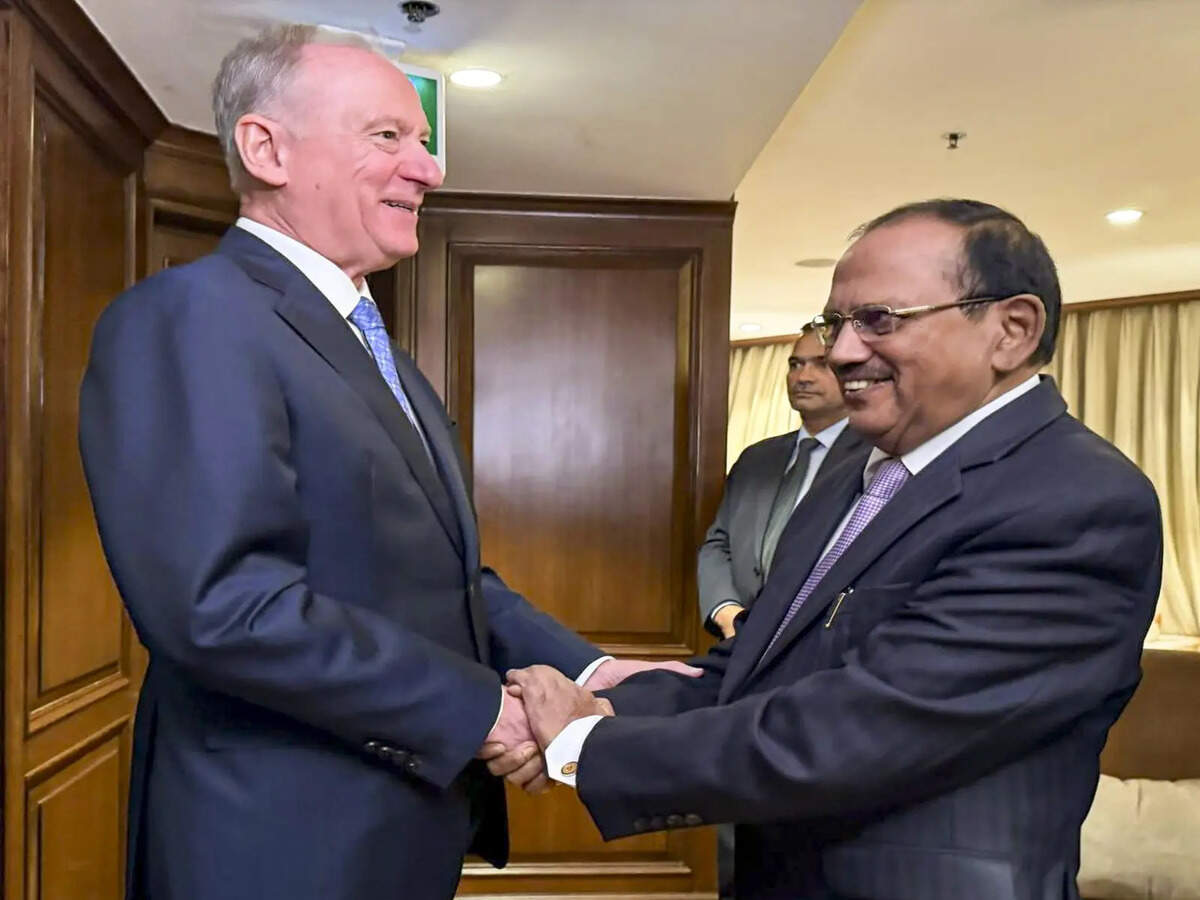
By K Raveendran An evolving convergence of political intent and economic pragmatism is giving fresh momentum to the India–Russia relationship, placing the forthcoming summit in New Delhi as a significant moment in a partnership that has already weathered decades of geopolitical shifts. The visit of President Vladimir Putin, framed within the terminology of a ‘Special […]
The article Delhi Summit To See A New Strategic Reset In India-Russia Partnership appeared first on Latest India news, analysis and reports on Newspack by India Press Agency).

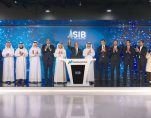
Arabian Post Staff -Dubai A US$500 million Sukuk issued by Sharjah Islamic Bank has begun trading on Nasdaq Dubai, strengthening the exchange’s position as a leading hub for Sharia-compliant debt instruments and marking another step in Sharjah’s broader capital-raising strategy. The exchange confirmed that the five-year issuance, structured under the lender’s US$3 billion Trust Certificate Issuance Programme, enhances the visibility of Gulf-based issuers seeking to tap international […]

HONG KONG SAR – Media OutReach Newswire – 28 November 2025 – HONMA Golf Limited (“HONMA”; together with its subsidiaries, the “Group”; HKEx stock code: 6858), one of the world’s most prestigious golf brands, announces its consolidated interim results for the six months ended 30 September 2025 (the “Period”). Financial Highlights In the face of a slowing global economy, heightened policy uncertainty and intensified competition across the […]

Greenlogue/AP A consortium comprising ACWA Power, Badeel and Saudi Aramco Power Company has completed the financial close on seven large-scale renewable energy projects totalling 15 gigawatts. The agreements signed with Saudi Power Procurement Company cover five solar photovoltaic plants and two wind power farms to be built across several provinces, representing one of the largest investments under the Kingdom’s National Renewable Energy Programme. The portfolio of projects […]

Abu Dhabi’s major energy players have agreed a US$1.9 billion transaction that hands over the power and water generation facilities of Emirates Global Aluminium at Al Taweelah to a joint venture between Abu Dhabi National Energy Company PJSC and DUBAL Holding LLC. The assets include a 3.1 gigawatt combined-cycle gas-fired plant and a desalination facility with 6.25 million imperial gallons per day capacity. Operational control will rest […]

US President Donald Trump announced that his administration will “permanently pause” migration from all so-called Third-World countries, declaring that current immigration flows have eroded national progress and vowing to revert admissions approved under his predecessor. The declaration came in a post on his social-media platform following a fatal shooting near the White House involving an Afghan national.

The measures outlined by Trump include revoking benefits for non-citizens, denaturalising certain migrants, and deporting those viewed as security risks or a burden to the state. He described the move as necessary to allow the US immigration system to “fully recover.” The policy lacks clarity on which countries fall under the Third-World classification and how the pause will be implemented.

This move marks the most sweeping immigration restriction since the start of his second term, which has already seen a broad tightening of refugee resettlement, expanded travel bans, and stricter visa controls. Since January, the administration has expanded vetting procedures and raised the administrative burden on legal immigration processes, affecting international students, skilled workers, and asylum seekers.

The freeze on migration follows a comprehensive review ordered by immigration authorities of all green cards issued to people from 19 countries flagged as “of concern.” That evaluation was initiated after the Washington shooting, with authorities signaling possible revocations. Government officials have described the overhaul as central to restoring order and safeguarding national security.

Critics warn the sweeping restrictions will hamper the United States’ ability to attract global talent and undercut its economic competitiveness. International students, skilled professionals, and refugees — all contributors to innovation and workforce growth — may now face steep hurdles, or clearance may be indefinitely delayed. Humanitarian organisations have expressed alarm over the impact on vulnerable populations seeking refuge and legal residency.

Multiply Media Group, a subsidiary of 2PointZero Group PJSC, has completed the full acquisition of London Lites, a prominent digital Out-of-Home operator in London, signalling a bold step in its UK expansion strategy. The acquisition, which transfers 100 per cent ownership to MMG, integrates more than 65 high-visibility digital screens across central London into the group’s portfolio under the Backlite UK brand. London Lites is recognised for […]

Arabian Post Staff -Dubai Alpha Dhabi Holding’s acquisition of an additional stake in NMDC Group has raised its total holding in the marine services and engineering firm to 76.68 per cent, consolidating its controlling position in one of the UAE’s largest dredging and EPC-contractors. The purchase involved 82.5 million shares — equivalent to 9.77 per cent of NMDC’s share capital — acquired from AD Ports Group at […]

SINGAPORE – Media OutReach Newswire – 28 November 2025 – As part of its commitment to enhancing community welfare in its operational areas, Asian Agri’s business unit PT Inti Indosawit Subur (PT IIS) has provided educational support and alternative economic assistance to two foster villages – Tri Mulya Jaya and Ukui Dua – in Ukui District, Pelalawan Regency, Riau. The assistance was officially handed over on 10 […]

GENE SKIN upholds the philosophy of “Creating Results with Care,” specializing in acne treatment, and has become a highly acclaimed medical skincare brand through its professionalism, reliability, and exceptional customer experience HONG KONG SAR – Media OutReach Newswire – 28 November 2025 – Medical skincare brand GENE SKIN Rejuvenation Centre, has been honoured with the “2025 Healthcare Professionals’ Favourite Health Brand Award”(2025醫護人員至愛健康品牌大獎) organized by the Primary Care […]

Kenya’s total exports during the second quarter of 2025 rose by 1.7 per cent to reach KSh 280.0 billion, while imports grew more sharply, pushing up the overall merchandise trade deficit. That dynamic contributed to a wider current account shortfall and signalled that economic headwinds could complicate the country’s external balance even as growth picks up. Export strength this quarter was driven largely by gains in coffee, […]

VISHNU RAJA
RYO YAMADA
HITORI GOTOH
IKUYO KITA