Just in:
Hong Kong mandates crypto transaction disclosures to tax authorities // Dubai boat show confirms international shipyard line-up for November // The “1st Greater Bay Area Health and Longevity Summit & Awards Ceremony” concludes successfully in Macao // APT29-linked campaign exploits outdated Apple and Android software // Trump’s Iran War Has A Share Of Contribution To His Midterm Debacle // Vance attributes Republican midterm defeats to Iran conflict // Millions Of Indians May Soon Be Deprived Of Government Assistance // Utilities pursue ₹1,992 cr in unpaid bills // CR Longdation Aethereal Cybersecurity × Global Cybersecurity Alliance (GCSA) Join Hands to Establish the “AI and Cybersecurity Research Centre” // Middle East governments assess Iran war after US vote // Fast Just Got Fastest: STING Energy Boost™ Celebrates Kimi Antonelli’s Formula 1® World Championship and the Fan Energy Behind It // OpenAI identifies 948 Linux privilege escalation flaws using AI // After Reaching 7 Million Users in the Philippines, Skyro Launches Transparent Cash Loans in Malaysia // Xi Jinping Preparing For A Trilateral Summit With Trump And Putin At APEC Summit On Nov 18-19 // Emirates Group records AED 4.1 billion half-year profit // Private varsities bill all set to face the axe // Ta’ziz finalises $1.39bn funding for Ruwais industrial facilities // Meraas showcases five residential zones at Dubai Design Week // Cloudflare unveils Zero Wire vulnerability intelligence service // Ousted top Kochi cop gets IG post //

News related to
growth

TAQA, the Abu Dhabi National Energy Company, has announced a significant acquisition aimed at expanding its global water platform. The company is set to acquire a 100% stake in GS Inima, a Spanish water infrastructure firm, for $1.2 billion. This strategic move will bolster TAQA’s existing water operations and position it as a leading player in the global water sector, reflecting the company’s ambition to diversify its portfolio and contribute to addressing the world’s growing water demands.

The acquisition will also align with TAQA’s sustainability goals, reinforcing its commitment to providing essential services in the water and energy sectors. With water scarcity becoming an increasingly urgent global issue, TAQA’s foray into water management is expected to play a pivotal role in meeting the needs of populations in water-stressed regions.

TAQA’s investment is seen as a response to the growing demand for sustainable water solutions, especially in the Middle East and North Africa, where the water scarcity issue is particularly pressing. The acquisition of GS Inima gives TAQA access to a portfolio of water treatment facilities, including desalination plants, water treatment plants, and wastewater management projects. These assets will allow TAQA to extend its reach in providing integrated solutions for water supply and wastewater treatment, addressing both operational and environmental challenges.

GS Inima, which has a proven track record in the management and operation of water infrastructure projects, will bring valuable expertise to TAQA. The Spanish company operates in various international markets, including Latin America, the Middle East, and Europe. Its portfolio includes some of the largest and most advanced desalination plants globally, complementing TAQA’s existing energy and water projects in the UAE and other regions.

For TAQA, the acquisition represents a strategic diversification into a critical infrastructure segment. The company has been shifting focus toward renewable energy and sustainable projects, reflecting broader trends in the energy sector. In line with the UAE’s commitment to sustainability, TAQA aims to contribute to global water security while also expanding its renewable energy footprint.

TAQA’s expansion into the water sector also serves as a response to market trends that indicate increasing investments in water infrastructure. According to industry experts, water scarcity is becoming a more pronounced challenge, particularly in urbanising and industrialising regions. The integration of water assets into TAQA’s broader portfolio enhances its ability to deliver sustainable solutions across both the energy and water sectors, offering customers integrated service offerings.

This acquisition also signals a shift in the regional market dynamics, where energy companies are increasingly seeking to tap into water management solutions. With over 50% of the world’s population living in water-scarce regions, the water market is expected to see continued growth. The UAE, known for its ambitious water desalination projects, stands to benefit from TAQA’s increased investment in water infrastructure, ensuring a more sustainable future for its rapidly growing population.

The integration of GS Inima into TAQA’s operations will also provide the company with a solid platform for further expansion. TAQA has been involved in several large-scale water and energy projects in the UAE, such as the development of renewable energy initiatives and large desalination plants. By merging with GS Inima, TAQA can leverage its experience to improve water management solutions worldwide and position itself as a leader in sustainable water resource management.


Dubai’s educational landscape is set for a major expansion, with 25 new institutions due to open for the 2025-26 academic year. This development will significantly enhance the city’s educational offerings, with a focus on early childhood education, primary and secondary schools, as well as higher education. The initiative underscores the city’s commitment to improving its education system while catering to its growing population and diverse expat community.

The plan includes 16 early childhood centres, six new schools, and three international universities. With these additions, the Emirate is strengthening its position as a global education hub. The new schools will offer a variety of curricula, catering to different international standards, while the universities are expected to provide high-quality degree programmes in multiple disciplines. The expansion aligns with Dubai’s strategic vision to position itself as a regional leader in education, attracting international students and families.

The increasing demand for high-quality education in Dubai is driven by a combination of factors. The city’s burgeoning population, especially among expatriates, has created a need for more educational institutions. According to the Knowledge and Human Development Authority, Dubai’s private schools have seen consistent growth over the past decade, with enrolment numbers steadily rising year after year. This demand for diverse and accessible education options has made the expansion of private institutions a top priority for the local government.

Dubai’s early childhood education market has been one of the fastest-growing sectors. The planned 16 new early childhood centres aim to address the gap in early education services, particularly in areas with high residential developments. These centres will cater to children from infancy to six years old, offering quality educational programmes designed to nurture cognitive, emotional, and social development. As more families choose Dubai as their home, there is an increasing need for flexible, high-standard childcare options.

The introduction of new international universities is part of Dubai’s broader strategy to attract higher education institutions from around the world. The city’s academic infrastructure has been steadily growing over the last two decades, with several global universities establishing campuses in Dubai Knowledge Park and Dubai Silicon Oasis. This expansion will further cement Dubai’s status as a destination for world-class higher education, offering a wide range of undergraduate and postgraduate programmes in fields such as technology, business, engineering, and healthcare.

The opening of these institutions also presents significant opportunities for local and international educators. With a large number of expat families residing in the city, the demand for skilled teachers across all levels of education remains high. This expansion will create numerous job opportunities for both local and international educators, particularly in the fields of STEM, which are seeing rising demand.

The 25 new institutions are expected to support Dubai’s broader economic development by equipping the workforce with critical skills needed for the city’s knowledge-driven economy. As Dubai continues to diversify its economy, education plays a crucial role in ensuring that its population is equipped with the expertise required for future industries, such as artificial intelligence, renewable energy, and fintech.

The city’s growth in education is not limited to the expansion of physical infrastructure. The KHDA is also investing in digital learning platforms, enhancing access to education through technology. The shift towards online learning, accelerated by the global pandemic, has influenced Dubai’s educational sector, with many institutions adopting hybrid models of teaching that combine traditional classroom learning with digital tools. These changes aim to make education more accessible and flexible for students of all ages.

Dubai’s vision for 2030 includes further investment in education, ensuring that it continues to attract families and professionals from around the world. As the city’s private education sector evolves, it is set to become an even more attractive option for expatriates seeking world-class education for their children, while also providing opportunities for students to pursue higher education without leaving the region.

Pepeto has crossed the $6 million milestone in presale funding, nearing the completion of stage 10 of its ongoing token sale. The project has raised significant attention in the cryptocurrency space due to its innovative features and growing investor confidence, having sold millions of its tokens thus far. With this latest achievement, the project continues to demonstrate its appeal to investors and enthusiasts in the blockchain and decentralized finance ecosystem.

The presale has proven to be a critical element in Pepeto’s funding strategy, propelling the project forward as it works towards achieving its long-term goals. Stage 10’s closure marks a pivotal point, as the team behind Pepeto prepares for the next phase. This substantial funding amount reflects not only the interest in Pepeto’s token but also the increasing importance of such projects within the broader cryptocurrency market.

Pepeto’s rise can be attributed to its unique positioning in the blockchain space, offering a platform that integrates various DeFi solutions and catering to both retail and institutional investors. As more tokens are sold during each stage, the market is beginning to recognise the value in Pepeto’s approach to decentralisation and smart contract utilisation. The project’s transparent presale structure has encouraged early participation, with tokens being sold in increments that give investors the opportunity to buy in at various price points.

The strategy has sparked considerable interest among investors, including those seeking to capitalise on the growing adoption of blockchain-based technologies. As of the close of stage 9, the project had already surpassed $5 million in funds, with a marked increase in engagement and buzz surrounding its future potential. With stage 10 expected to conclude shortly, the focus now shifts to how Pepeto will navigate the next stages of its development, including its full-scale launch and the introduction of its core platform features.

One of the key factors contributing to Pepeto’s momentum is its roadmap, which outlines a clear vision for the project’s growth. Investors have expressed confidence in the project’s ability to deliver on its promises, largely due to the team’s track record in the cryptocurrency space. The development of Pepeto has been closely watched, with industry experts highlighting its potential to drive further innovation within the DeFi sector.

Pepeto’s presale funding figures not only underscore the enthusiasm surrounding the project but also signal a shift in the market’s focus towards platforms offering a wide array of financial services. As decentralised finance continues to disrupt traditional banking and financial institutions, Pepeto’s platform aims to bridge the gap by providing users with accessible, transparent, and secure financial tools.

For the project’s backers, the successful fundraising through presale stages provides early access to what many believe could be a highly lucrative investment opportunity. By securing substantial funds before its full-scale launch, Pepeto aims to build a robust platform that can withstand the volatility of the cryptocurrency market and offer long-term value to its users.

Despite the success of its presale, Pepeto remains focused on developing its core infrastructure. This includes ensuring that the platform is scalable, secure, and capable of supporting a wide variety of financial transactions. With cryptocurrency adoption growing at a rapid pace, platforms like Pepeto are positioning themselves as leaders in the DeFi space, seeking to offer solutions that meet the needs of an increasingly sophisticated investor base.

The project has also been building strategic partnerships to enhance its ecosystem, further increasing its potential for success. With blockchain technology and cryptocurrencies becoming more mainstream, Pepeto’s team is working on ensuring the platform’s relevance across multiple sectors. These partnerships will play a crucial role in driving the adoption of Pepeto’s token and expanding its user base.

OKB, the native token of the OKX exchange, has surpassed the $200 mark, generating significant attention in the cryptocurrency market. This surge in price comes after the platform announced the burning of 65 million OKB tokens, a move that has impacted the token’s supply and price trajectory.

The token burn, part of a broader strategy by OKX to reduce the circulating supply, was confirmed by the exchange in its latest quarterly report. The reduction in the available supply has had an immediate effect on the price of OKB, driving it higher as investors react to the scarcity of the token. The burn, valued at over $1.3 billion at current prices, has sent a signal to the market that the platform is committed to managing the long-term sustainability and value of OKB.

In addition to the burning event, several factors are influencing OKB’s upward movement. The growing adoption of the OKX platform, as well as the increasing institutional interest in the wider cryptocurrency market, is contributing to a favourable market sentiment. OKX has also gained recognition for its transparent approach to tokenomics, including regular updates on its burn schedule and token supply adjustments.

The broader context of rising interest in decentralized finance and the increasing use of exchange-native tokens is also playing a role. Many traders and investors are turning to OKB not just as a utility token for the exchange but as an asset that holds value in its own right. The token’s recent price movement has been accompanied by increased trading volumes, further driving up the price.

Experts suggest that the token burn may have created a short-term supply shock, but it is the long-term market fundamentals that will determine OKB’s price stability. While the reduction in token supply tends to lead to a price increase, the overall health of the cryptocurrency market, the strength of OKX’s platform, and the evolving regulatory environment remain key factors in sustaining the current momentum.

The OKB burn is part of OKX’s ongoing efforts to create a deflationary model for the token, which has included previous burns as well as strategic buybacks. These measures are designed to reward holders by increasing the value of the token over time. However, critics argue that while token burns can create upward price pressure in the short term, they do not guarantee long-term price appreciation if demand for the token does not remain strong.

As OKB continues to perform well, some analysts are raising questions about the sustainability of the current rally. They point to potential challenges in the global crypto market, particularly with the tightening of regulations across major jurisdictions. Despite this, OKB has shown resilience, with its strong growth being bolstered by a series of partnerships and its increasing use in DeFi protocols.

OKX has not only focused on tokenomics but also on expanding its range of products and services. The exchange has been integrating its platform with various blockchain ecosystems and is promoting its suite of DeFi tools, which has helped boost OKB’s utility beyond just trading. The introduction of new features such as staking and yield farming for OKB holders is also enhancing its appeal to long-term investors.

Looking ahead, the next steps for OKX could include additional token burns, further integrations with DeFi, and possibly the release of new products aimed at attracting more users to the platform. Investors will be keen to see whether the momentum can be sustained or whether market conditions will pose challenges to OKB’s continued growth.

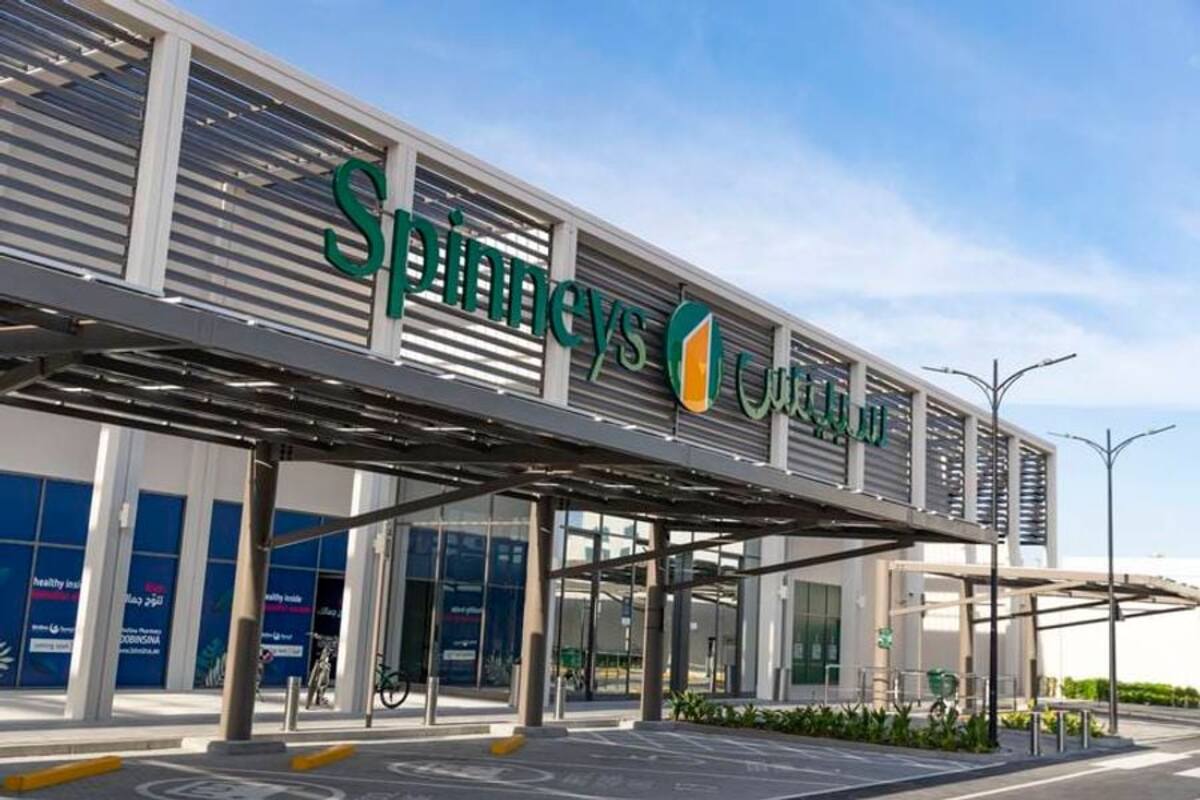
Supermarket operator Spinneys has confirmed its expansion into Kuwait through a strategic joint venture with retail powerhouse Alshaya Group. Under the agreement, Spinneys will retain a 51 per cent controlling stake and will take responsibility for running and managing all planned outlets. The rollout includes ten stores, with the first store slated to open in 2026—marking the brand’s arrival in its fourth Gulf Cooperation Council market after UAE, Saudi Arabia and Oman.

Spinneys has accelerated its regional expansion over the last 16 months, opening twelve new stores in the UAE and two in Saudi Arabia between April 2024 and August 2025. The move into Kuwait aligns with the company’s ambition to position itself as the region’s leading premium fresh-food grocer, with Alshaya’s extensive regional experience providing vital strategic support.

Sunil Kumar, chief executive of Spinneys, described Kuwait as “a high potential market” offering robust growth prospects, and emphasised that the partnership with Alshaya offers a “solid foundation for a successful entry and long-term scale”. John Hadden, chief executive of Alshaya Group, highlighted Kuwait’s dynamic consumer landscape and the local appetite for premium offerings. He said Spinneys’ brand and operational strengths are expected to resonate strongly with Kuwaiti consumers.

Kuwait stands as the GCC’s fourth-largest economy, with some of the region’s highest per-capita disposable incomes. Its affluent and discerning consumer base presents considerable opportunities for high-quality retail formats. This expansion is seen as the natural next phase in Spinneys’ growth strategy.

On the financial markets, Spinneys’ share price saw an immediate boost following the announcement, climbing approximately 3.1 per cent. The company, which went public via a Dubai listing in May 2024, currently operates 86 stores across three GCC countries, including those under its own brands and Waitrose and Al Fair franchises.

Alshaya Group, established in 1890 in Kuwait, is a leading retail franchise operator across the Middle East, North Africa, Türkiye and Europe. It manages nearly seventy international consumer brands and has diversified operations across sectors including fashion, food, health and beauty, pharmacy, home furnishings and leisure.

The joint venture allows Spinneys to capitalise on Alshaya’s deep-rooted regional network and operational expertise while delivering its premium fresh-food proposition to Kuwaiti customers. At the same time, Alshaya adds a trusted high-end grocery brand to its extensive retail portfolio, enabling both firms to strengthen their regional positioning.

KUALA LUMPUR, MALAYSIA – Media OutReach Newswire – 23 August 2025 – YTL Cement, in partnership with The Edge, successfully concluded its third annual sustainable construction symposium recently, bringing together over 200 industry leaders and players to explore the future of construction under the theme “Building Trends Redefined: The Next Level” which explored urban liveability, sustainable construction ambitions, and smart green technologies. (From left) Skidmore, Owings & […]

Wall Street surged on Friday as Federal Reserve Chair Jerome Powell’s address at the Jackson Hole symposium signposted a shift in policy direction, lifting the Dow to its highest closing level of 2025. The Dow climbed by around 1.9 per cent, the S&P 500 rose 1.5 per cent, and the Nasdaq jumped by roughly 1.9 per cent. This rally reversed a recent downturn and came amid rising […]

Advertisements

Asia-Pacific public cloud expenditure is set to more than double, expanding from approximately $53 billion in 2024 to reach an estimated $131 billion by 2029. That projection reflects a compound annual growth rate of about 19.8 per cent from 2025 to 2029, driven by surging demand for IaaS, PaaS and SaaS across key sectors such as finance, retail and telecommunications.

Cloud adoption is gaining speed as organisations across the region prioritise digital modernisation. Financial services, retailing and telecoms industries are leading investments, while government, e-commerce and public service sectors follow closely behind. E-governance programmes and the need for operational efficiency are central to this surge.

Artificial intelligence integration is playing a significant role in this expansion. Organisations are increasingly embedding AI and machine learning capabilities into cloud platforms, intensifying demand for managed and industry-specific cloud services.

Nevertheless, the transition is not without its obstacles. Legacy infrastructure and a shortage of skilled cloud professionals remain persistent hurdles. As a result, hybrid and multi-cloud approaches are becoming more common, enabling flexibility, improved interoperability and alignment with sovereign data regulations in markets like India, Singapore and Australia.

Global hyperscale providers are doubling down on infrastructure growth across the region. Amazon Web Services has unveiled multi-billion-dollar expansions in Australia and Taiwan, supplementing earlier investments in Singapore, Malaysia and Japan. AWS projects Asia-Pacific cloud spending at about $250 billion in 2025, largely fuelled by AI uptake and infrastructure renewal.

Microsoft Azure and Google Cloud continue their expansion as major contenders. Alibaba Cloud maintains leadership in China and across Asia-Pacific, operating terrain-wide with numerous regions and availability zones. Alibaba is forging ahead with new data centre investments in Malaysia, the Philippines and plans in Vietnam.

Regional cloud players such as Tencent Cloud and Huawei Cloud are also making notable strides. Tencent is reinforcing operations in Indonesia, Malaysia, Singapore and Thailand, investing heavily in AI-enabled services like digital IDs and secure payment systems— notably a $500 million commitment in Indonesia alongside GoTo and Alibaba. Huawei Cloud is growing its presence in Singapore, Bangkok and Jakarta. Local integrators and managed service providers— including Singtel’s services and Singapore’s ST Telemedia—are strengthening adoption by offering hybrid and tailored industry solutions.

Leveraging B2C and B2B Synergies to Capitalize on the Global K-Beauty Boom Results Highlights Revenue rose by 49.3% to US$243.93 million. Operating profit increased by 31.9% to US$18.68 million. Net profit grew by 26.7% to US$14.08 million. Business-to-Customer (B2C) YesStyle Platforms recorded revenue of US$164.86 million, up 31.7%, contributing 67.6% of the Group’s total revenue. Revenue of Business-to-Business (B2B) platform AsianBeautyWholesale surged by 110.9% to US$77.94 million, […]

Highlighting five years of success, the destination continues to elevate its appeal through a comprehensive marketing strategy and the ongoing addition of world-class luxury brands. BANGKOK, THAILAND – Media OutReach Newswire – 22 August 2025 – Siam Premium Outlets Bangkok, Thailand’s first and only premium outlet destination, proudly marks its 5th anniversary. The milestone highlights the success of its comprehensive business strategy that spans marketing, customer engagement […]

Abu Dhabi National Energy Company has secured a significant financial boost in the form of an AED 8.5 billion term loan aimed at enhancing liquidity and supporting its growth strategies. This loan agreement marks a strategic move by the company as it seeks to continue its expansion and strengthen its financial position. The loan facility, which has a two-year term, is denominated in UAE dirhams and comes […]

Greenlogue/AP Abu Dhabi Future Energy Company is poised to receive continued backing from the local government to fuel its expansion in the energy sector. As part of an ongoing commitment to achieve its ambitious target of 100 gigawatts in renewable energy capacity, the Abu Dhabi government will provide regular equity injections for brownfield projects. This financial support underscores the government’s confidence in Masdar’s role as a key […]

Saudi Aramco’s initial public offering has become one of the most talked-about events in global finance, with its ambitious approach to market entry setting a precedent for the world’s largest oil company. The IPO, which was launched in 2019, sought to achieve a staggering $2 trillion valuation, a figure that stirred controversy and scepticism within financial circles. But despite its high-profile marketing campaign and the sweeping promises […]

Amanat Holdings has achieved a significant financial return, posting a net cash gain of AED 294 million following the sale of North London Collegiate School’s real estate assets in Dubai. The deal, valued at AED 453 million, marks a successful exit from a property investment held since 2018. The company’s total investment in the Dubai asset amounted to AED 393 million, comprising an initial acquisition cost of […]

The first half of 2025 marked a significant surge in greenfield foreign direct investment into Saudi Arabia, with the United States leading the charge. American investors drove 61 projects, injecting $2.7 billion into the Kingdom’s economy, accounting for nearly a third of both the project count and total investment. This surge highlights the growing confidence of international investors in Saudi Arabia’s Vision 2030 economic reforms and its appeal as a business hub in the region.

According to a report by Emirates NBD, greenfield investments in Saudi Arabia showed a notable increase, both in terms of project volume and capital inflow. In total, 203 greenfield projects were launched in Saudi Arabia during the first half of 2025, marking a 30.1% year-on-year rise. These projects, spanning across various sectors, reflect the country’s strong development trajectory and its efforts to diversify away from oil reliance.

Egypt emerged as the second largest contributor to Saudi Arabia’s greenfield FDI, securing $1.81 billion through 11 projects. Many of these ventures were centered around real estate developments, capitalising on the Kingdom’s expanding urbanisation and demand for residential and commercial properties. Egypt’s growing involvement reflects deeper ties between the two nations, particularly in sectors related to infrastructure and housing.

China, a global FDI powerhouse, played a significant role as well, investing $858.3 million through 11 projects in Saudi Arabia. China’s investments in the Kingdom primarily focused on manufacturing, technology, and energy, complementing the Saudi government’s drive to expand its industrial base and modernise key sectors. Chinese companies are also playing a pivotal role in the development of high-tech infrastructure, which aligns with Saudi Arabia’s push towards a more diversified, knowledge-based economy.

France also made its presence felt, contributing $771.7 million through six greenfield projects. The French investments were primarily focused on technology, retail, and luxury goods, with several high-end brands expanding their operations within the Kingdom. France’s engagement is part of a broader European interest in tapping into Saudi Arabia’s expanding consumer market, particularly in areas linked to fashion, entertainment, and sustainable energy.

The UAE’s regional influence continued to grow, with 25 projects worth $205.3 million being launched in Saudi Arabia. These ventures spanned various industries, with a focus on hospitality, logistics, and real estate. The UAE’s investments underscore the close business ties between the two countries, with the Kingdom remaining a key destination for Emirati capital looking to expand its footprint in the region.

Riyadh, Saudi Arabia’s capital, was the top destination for greenfield FDI, attracting 100 projects valued at $2.3 billion. As the political, economic, and cultural centre of the country, Riyadh continues to benefit from the majority of investments, particularly in the areas of technology, infrastructure, and urban development. Dammam, home to one of the Kingdom’s key industrial hubs, secured 21 projects worth $1.28 billion, while Jeddah followed closely with 13 projects totalling $1.22 billion. These cities represent strategic focal points in Saudi Arabia’s ambitious plans for diversification, driven by growth in manufacturing, logistics, and energy.

Saudi Arabia’s overall greenfield FDI rose by 1.7% to $9.34 billion during the first half of 2025, reflecting the Kingdom’s position as an attractive investment destination. The growth is seen as a direct result of efforts to enhance the ease of doing business in the country and to create a more transparent regulatory environment. Initiatives like the National Industrial Development and Logistics Program and the Saudi Green Initiative have been instrumental in drawing foreign investments into the Kingdom.

A senior aide to Israeli Prime Minister Benjamin Netanyahu has been dispatched to the United Arab Emirates in a discreet diplomatic move aimed at resolving strains between the two nations. This development marks a critical step in addressing the ongoing challenges faced by the UAE-Israel relationship, particularly in the aftermath of regional shifts and political tensions.

The aide’s visit, which has been kept under wraps to avoid further complicating the delicate diplomatic situation, underscores Israel’s desire to reassert its relations with the UAE following some setbacks in the past year. While the specifics of the discussions remain largely confidential, sources suggest the key focus is on reaffirming the normalization of ties, which was first achieved through the Abraham Accords in 2020. These accords established full diplomatic relations between Israel and the UAE, a historic shift in the Middle East, and the Netanyahu administration has been under pressure to maintain the momentum of these agreements despite regional turbulence.

Diplomatic sources point to a combination of political disagreements, security concerns, and international pressures that have strained the UAE-Israel partnership. One of the main issues is the growing unease in the Gulf over Israel’s stance on Palestinian issues and its handling of tensions in Gaza. While the UAE has remained committed to the Abraham Accords, there has been mounting public and political disquiet over Israel’s domestic policies, especially in relation to its stance on Palestinian sovereignty and peace efforts.

Experts suggest that Netanyahu’s decision to send a trusted aide is a direct response to growing concerns in Abu Dhabi about Israel’s domestic trajectory and its regional posture. This diplomatic outreach is seen as a move to reassure the UAE that Israel remains committed to cooperation, particularly in areas such as trade, technology, and security, which have flourished since the signing of the Abraham Accords.

There is speculation that the UAE has been considering a recalibration of its foreign policy, especially with the changing dynamics in the broader Middle East. With the shifting alliances and new players emerging in the region, including the growing influence of China and Russia, the UAE finds itself needing to maintain a balance between its Western ties, particularly with the United States, and its more recent alignment with Israel.

The UAE-Israel relationship, though officially cordial, has been fraught with complexities. The leadership in Abu Dhabi has long prioritised stability and economic growth, factors which drove the decision to engage diplomatically with Israel. However, regional developments, including the ongoing situation in Gaza and the broader Israeli-Palestinian conflict, have put these relations to the test.

Israel’s efforts to build and sustain relationships with Gulf states have been a key feature of Netanyahu’s foreign policy. The normalization agreements brokered by the Trump administration in 2020 were seen as a major victory for Israel, but they have not been without their challenges. The UAE has been wary of the potential fallout from these ties, particularly in the Arab world, where public sentiment on Israel remains divided.

Despite these challenges, there is a shared interest in several areas. Both countries are looking to advance economic collaborations, particularly in the fields of technology, energy, and defence. Israeli businesses have already established a foothold in the UAE, with cooperation extending to key sectors such as cybersecurity and artificial intelligence. These partnerships are expected to grow further as both nations seek to capitalise on new opportunities.

Israel’s relationship with the UAE has also allowed for greater security cooperation, particularly in the context of regional threats posed by Iran. Both countries share concerns over Iran’s nuclear ambitions and its influence across the region. This shared security interest has provided a basis for increased intelligence-sharing and military coordination, despite the undercurrent of political tensions.

A landmark onchain gaming tournament has been launched by the Moonbeam Foundation and N3MUS, with Sao Mai Games also joining the initiative. The competition, named GLMillionaiRe, is set to capture the attention of competitive gamers and blockchain enthusiasts alike. Offering a significant 1,000,000 GLMR prize pool, the event aims to promote not just high-level gaming but also to attract new users to the Moonbeam ecosystem. The entry fee for participants is set at just 10 GLMR, ensuring accessibility for a wide array of players.

Moonbeam’s innovative approach to integrating blockchain into gaming is expected to be a major driver for the platform’s expansion. As a decentralised smart contract platform, Moonbeam allows developers to easily build and scale blockchain-based applications. With this tournament, Moonbeam is not only offering financial rewards but is also positioning itself as a hub for the next wave of blockchain gaming, an increasingly popular sector within the cryptocurrency and gaming industries.

N3MUS, known for its strategic partnerships in the blockchain and gaming space, has also played a key role in the development of this tournament. The company’s involvement in GLMillionaiRe reflects its ongoing commitment to bringing innovative projects to life. Their partnership with Moonbeam aims to offer players a seamless, high-performance gaming experience underpinned by blockchain technology, offering transparency, security, and decentralisation.

The 1,000,000 GLMR prize pool, which stands as one of the largest in onchain gaming tournaments, is expected to draw participants from across the globe. This event is particularly notable due to its emphasis on accessible entry, allowing both seasoned gamers and newcomers to compete on a level playing field. The inclusion of a relatively low entry fee serves as an invitation for new users to engage with the growing Moonbeam ecosystem while also presenting them with the potential for significant rewards.

The tournament will feature multiple rounds, each designed to test the skills, strategy, and adaptability of participants. Players will face off in various gaming challenges, each incorporating elements of blockchain technology such as smart contracts and decentralized applications. By incorporating onchain features, the tournament ensures that every aspect of gameplay, from registration to rewards distribution, operates transparently and securely, an increasingly important consideration for modern gamers.

Moonbeam’s ecosystem continues to expand rapidly as more developers and projects look to harness the capabilities of its interoperable blockchain. The foundation has been making strides in attracting major players in the blockchain and gaming sectors, with GLMillionaiRe serving as a prime example of its growth. By bridging the gap between gaming and decentralised finance, Moonbeam offers an ecosystem where players, developers, and investors can all engage meaningfully.

For N3MUS, this partnership marks another significant milestone in its mission to push the boundaries of what is possible within the blockchain and gaming realms. The company’s reputation for delivering cutting-edge gaming experiences ensures that GLMillionaiRe will be closely watched by both the gaming community and blockchain investors. As the tournament progresses, it is expected that the level of competition and interest will only increase, further solidifying the event’s status as one of the most ambitious in the space.

Sao Mai Games, a key player in the gaming development space, is providing the technical expertise and gaming content that will power the tournament. The involvement of Sao Mai Games ensures that the gaming experience for participants is smooth, immersive, and enjoyable, making the competition not only lucrative but also fun for all involved. As the tournament evolves, the partnership with Sao Mai Games will likely continue to shape the future of onchain gaming events.

The Kerala Cricket League 2025 has opened with a level of excitement unmatched by its debut season. With a surge in investment, enhanced infrastructure, and an increased focus on talent development, the league aims to set new standards for cricketing events in the region. The second edition promises to build on the success of its inaugural year, attracting attention from players, fans, and sponsors alike.

Significant investments have poured into the KCL, with record sponsorship deals announced just before the opening matches. A key development this year is the partnership with leading national and international brands, securing funding that has allowed for substantial improvements in the league’s infrastructure. This includes the refurbishment of stadiums, better broadcasting facilities, and a revamped player support system. These moves are expected to not only elevate the viewing experience but also improve the overall professionalism of the event.

The KCL 2025 has attracted top-tier players from across the country, with several notable names choosing to compete. This influx of skilled players is a direct result of the league’s growing reputation and its ability to offer more competitive playing conditions. Teams have also strengthened their squads by signing international talent, which further raises the bar for the competition. The league now boasts a mix of established stars and emerging talent, which promises an intriguing blend of experience and youthful energy.

The organisers have placed a significant focus on improving the player experience, with enhanced facilities both on and off the field. Newer, state-of-the-art training equipment has been provided, and support staff have been expanded to include specialists in fitness, mental conditioning, and nutrition. This holistic approach is designed to ensure that players perform at their peak throughout the tournament, something that will resonate in the increased quality of play seen on the field.

Another crucial aspect of KCL 2025 is the expanded media coverage, aimed at reaching a broader audience both locally and internationally. The league is focusing heavily on digital platforms, ensuring that matches are accessible to viewers across multiple devices. Live streaming, comprehensive match analysis, and interactive fan engagement activities are expected to create a more immersive experience. In this digital age, where cricket fans are more likely to follow the sport through online platforms, this move could see a significant increase in viewership.

The league’s commitment to making cricket more accessible at the grassroots level also stands out. KCL 2025 has introduced various community outreach programs designed to engage young players and nurture future talent. Local talent scouts have been employed to identify promising cricketers, with the aim of offering them opportunities to showcase their skills on a larger stage. This approach underscores the league’s long-term vision of fostering cricket at all levels, from amateur to professional.

Economic projections indicate that the league’s growth could have a significant positive impact on Kerala’s economy. Beyond cricket, the influx of sponsors, media, and fans into the region is expected to generate substantial revenue through tourism, hospitality, and local business activities. The regional government’s backing of KCL has been crucial in facilitating the league’s expansion and in positioning Kerala as a prime destination for top-tier sporting events.

The cryptocurrency market is witnessing a surge of activity, as Bitcoin Swift makes its way into Stage 6 of its development cycle, and Ethereum continues to hold steady above $3,100. Meanwhile, Bitcoin Hyper, a new player in the presale market, is igniting interest with its presale price hovering just above one cent. This confluence of developments signals a dynamic phase for blockchain technology and its associated assets.

Ethereum, the second-largest blockchain by market capitalisation, has remained resilient in a volatile market. With a focus on upcoming upgrades, such as Ethereum 2.0 and its scalability initiatives, Ethereum continues to attract investors seeking a robust and versatile platform for decentralised applications. Analysts note that Ethereum’s ability to maintain a strong position despite competition from emerging networks speaks volumes about its foundational role in the broader crypto ecosystem. The anticipation surrounding its future upgrades further fuels confidence in its long-term potential.

Bitcoin Swift, which recently entered Stage 6 of its development, is generating significant attention. The coin’s rapid ascent through its various stages has been marked by rising investor confidence, and as it advances to Stage 6, more attention is now being paid to its potential. Backed by a highly ambitious roadmap, BTC3 aims to position itself as a major player in the cryptocurrency space by offering a range of technological advancements, including faster transaction times and a more scalable consensus mechanism. BTC3’s move into Stage 6 marks a crucial point in its development, drawing in investors who see it as a promising competitor in the market.

Bitcoin Hyper, a new entrant in the crypto presale market, has also made waves due to its highly affordable presale price, which currently sits just above one cent. This has led to a significant uptick in investor interest, particularly among those looking for early-stage opportunities in a rapidly expanding market. Despite being in the early stages, Bitcoin Hyper’s project has attracted attention for its innovative features, including a focus on security and privacy for its users. Its low presale price and promising roadmap have set the stage for potential rapid growth.

The rapid growth of Bitcoin Swift and Ethereum has sparked discussions about the evolving competitive landscape within the blockchain sector. Many investors and developers are keen to see how these two will perform as blockchain technology matures. Ethereum’s scalability upgrades are expected to play a pivotal role in its ability to retain its market position and further challenge other blockchain platforms.

At the same time, Bitcoin Swift is looking to carve out its niche by providing solutions that are expected to address some of the scalability issues that have long plagued the cryptocurrency market. The growing demand for faster, more secure transactions is driving interest in Bitcoin Swift, with its features expected to position it as a key player in the crypto space.

Bitcoin Hyper, despite its early presale price, has set ambitious goals to stand out in a crowded marketplace. It is targeting markets where privacy and security are critical, making it an attractive proposition for those seeking a more secure and anonymous way to conduct transactions. Its early success in the presale market demonstrates investor confidence in the potential of the platform, even as it works through its development phases.

Ethereum’s continued dominance in the space is further solidified by its diverse range of use cases, from decentralised finance to non-fungible tokens. As Ethereum prepares to unveil key updates to its network, the platform is expected to enhance its ability to handle a growing number of transactions while reducing gas fees. These upgrades, particularly the Ethereum 2.0 transition, are expected to provide the blockchain with a much-needed scalability boost, keeping it competitive with newer entrants.

Despite the competition, Ethereum’s strong brand and extensive developer community offer it a distinct advantage over some of its rivals. Many blockchain developers are continuing to build on Ethereum due to its robust infrastructure, which supports decentralised applications, smart contracts, and DeFi protocols. As the network transitions to Ethereum 2.0, the platform is poised to capture a larger share of the blockchain market.

While Ethereum looks to expand its capabilities, Bitcoin Swift and Bitcoin Hyper are positioning themselves as innovative disruptors with distinct value propositions. Bitcoin Swift’s focus on transaction speed and scalability, coupled with Bitcoin Hyper’s privacy-first approach, offers compelling alternatives to Ethereum’s more open ecosystem.

The UAE government has unveiled a transformative public-private partnership framework aimed at boosting the national economy and attracting further investment. This new initiative aims to streamline and enhance the collaboration between the public and private sectors, providing a cohesive platform for businesses to engage with government projects more effectively. Under the new framework, the UAE seeks to build on its existing infrastructure while introducing new policies that […]

OpenAI has announced plans to establish its first office in New Delhi, marking a significant step in the company’s expanding global footprint. The move underscores the growing importance of India to the AI research and development community. It follows a recent surge in OpenAI’s user base in the country, where its language model, ChatGPT, has gained significant traction among businesses, developers, and students.

India’s burgeoning tech ecosystem, combined with its large, diverse user base, makes it an ideal location for OpenAI’s expansion efforts. As the company seeks to strengthen its presence in Asia, New Delhi was chosen due to its strategic positioning within the country’s technology and policy landscape. The office will serve as a key hub for local operations, focusing on developing partnerships with Indian firms and educational institutions, while also engaging with policymakers around AI regulation.

One of the driving factors behind OpenAI’s decision is India’s rapidly growing demand for advanced AI solutions. Indian businesses, particularly in sectors like healthcare, finance, and e-commerce, have increasingly turned to AI tools to enhance productivity and deliver personalised services. OpenAI’s language models, including ChatGPT, are already being integrated into a variety of applications across these industries, signalling a shift towards AI-driven business solutions.

The launch of a new, affordable subscription plan for ChatGPT earlier this week is also indicative of OpenAI’s commitment to making its technology more accessible. At just $4.60 per month, the plan is the most affordable option offered by the company thus far and is expected to further drive the adoption of its models in India. By reducing the cost barrier, OpenAI hopes to democratise access to its technology, allowing a wider range of users to benefit from its capabilities.

OpenAI’s arrival in India also comes at a time when the country is increasingly positioning itself as a leader in AI innovation. The Indian government has been exploring various initiatives to foster the development and responsible deployment of artificial intelligence, aiming to tap into its potential to fuel economic growth and tackle societal challenges. India’s National Strategy for Artificial Intelligence, announced in 2018, has laid out a roadmap for harnessing AI for public good, and OpenAI’s presence is expected to complement these efforts.

However, OpenAI’s expansion into the Indian market is not without its challenges. India’s regulatory environment surrounding AI is still evolving, with concerns around data privacy, ethics, and the potential for job displacement. OpenAI will likely have to navigate these regulatory hurdles as it looks to deepen its engagement with the country. While the Indian government has expressed support for AI innovation, it has also emphasised the need for safeguards to ensure that AI technologies are used responsibly and ethically.

Tens of thousands have taken to the streets of Cote d’Ivoire in a massive show of defiance against President Alassane Ouattara’s push for a fourth consecutive term. The protests, which began in the nation’s largest cities, have sparked intense debates over the future of democracy in a country that has long been a political bellwether in West Africa. The protests erupted after Ouattara, 83, announced his decision […]

Matein Khalid It is now all but certain that the Federal Reserve will cut the US overnight borrowing rate, currently 4.25 percent, by at least 25 basis points at its September 18 Federal Open Market Committee (FOMC) meeting. The labour market is losing momentum, while tariff-driven inflation has yet to show up in the Consumer Price Index. The Trump White House has ramped up pressure on Fed Chair […]

Implementing the Core Strategy of “Single Brand, Multi-Categories, Diversified Channels” | Excelling Through Professionalism, Strengthening Strategic Foundations FINANCIAL HIGHLIGHTS In the first half of the year, the Group recorded the following operating results: – Revenue rose by 3.3% to RMB14,817 million; gross profit margin declined by 0.4 percentage points to 50% – Net operating cash inflow was RMB2,411 million – Net profit attributable to equity holders was […]

VISHNU RAJA
RYO YAMADA
HITORI GOTOH
IKUYO KITA