News related to
growth

BEIJING, CHINA – Media OutReach Newswire – 18 June 2025 – The livestreaming-commerce model has taken the world by storm in recent years. In China, numerous enterprises are actively venturing into livestreaming e-commerce, including several airlines. In 2024, Hainan Airlines established HNA Preferred Business Co., Ltd., specializing in Internet livestreaming and sales. Notably, as early as 2020, the airline began piloting livestream sales on platforms like Ctrip, […]

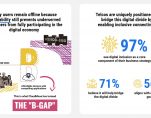
New research from CloudMosa shows digital inclusion is shifting from CSR to a core business strategy – and telcos stand to gain if they move quickly Majority (97%) of telco leaders say digital inclusion is now central to their business strategy, driven primarily by the need to bridge the digital divide (71%) With 92% of respondents seeing a strong alignment with government affordability initiatives as a key […]

Abu Dhabi’s state‑owned oil giant ADNOC has unveiled plans to escalate its U.S. energy investments six‑fold over the next decade, targeting a total of $440 billion. Speaking in Washington on 17 June, Sultan al‑Jaber, ADNOC Chief Executive and UAE Minister of Industry and Advanced Technology, declared that the American market is “not just a priority; it is an investment imperative” for the company’s global expansion.

Al‑Jaber underlined the urgency of the move, emphasising that artificial intelligence represents a “once‑in‑a‑generation investment opportunity.” He pointed out that the growth of data centres driven by AI will demand substantial power— “The next stage of evolution” in energy consumption, he said. The planned investments will span a wide spectrum: anchor stakes in the largest liquefied natural gas facility in Texas, petrochemical plants, and the deployment of 5.5 gigawatts of renewable energy paired with storage systems “from coast to coast”.

ADNOC’s international investment arm, XRG, is cementing its presence with a new Washington office, aimed at steering these high‑stakes ventures. XRG has already struck a deal with Occidental’s 1PointFive for a direct air capture project in Texas, with potential investment reaching $500 million. Additional widescale cooperation includes agreements to develop U.S. gas, LNG, specialty chemicals and energy infrastructure.

The announcement synchronises with a broader bilateral strategy: in March, senior UAE officials committed to a ten‑year, $1.4 trillion investment framework in the U.S., covering sectors such as AI, energy, semiconductors and manufacturing. As part of that pact, U.S. companies agreed to invest $60 billion in UAE energy assets. The XRG–Occidental partnership, as well as other collaborations involving ExxonMobil, Japanese firms Inpex and JODCO, is expected to expand capacity at Abu Dhabi’s major offshore oil field, Upper Zakum.

At the Atlantic Council Global Energy Forum in Washington, al‑Jaber addressed the broader challenge of powering AI, stating that U.S. energy infrastructure must undergo a “system‑wide shift” to keep pace. He highlighted the need to hyperscale energy supply—from gas, renewables with storage and nuclear—to meet the projected requirement of 50–150 GW of new capacity just in the next five years. He warned against prematurely retiring existing power plants, advocating instead for grid modernisation and rapid permitting for new infrastructure.

Environmental groups have voiced concern that the surge in AI‑driven energy demand could lead to rising carbon emissions unless clean energy is prioritised. In response, al‑Jaber suggested that AI could, in fact, offer solutions—optimising grid efficiency and managing load fluctuations, effectively “unlocking its own energy challenge”.

The energy‑AI summit ENACT, hosted by XRG and MGX alongside the Atlantic Council, gathered leading figures from across the energy, tech and finance sectors. Delegates, including representatives from Exxon, OpenAI and BP, discussed mid‑ and long‑term strategies to address the escalating power needs of hyperscale data centres.

These developments are set against a backdrop of rising instability in the Middle East, where al‑Jaber cautioned that energy remains a “cornerstone of peace, stability and prosperity,” signalling that the new chapter of collaboration aims to underpin global energy security.

For the U.S., the influx of investment promises a host of benefits: large‑scale infrastructure expansion, high‑task employment, and reinforced energy resilience. Projects under the UAE umbrella—from LNG plants to hydrogen and carbon capture initiatives—are poised to generate thousands of jobs, while U.S. energy firms gain access to new development avenues both at home and back in the Gulf.

Yet questions remain. Policy experts stress that realisation of al‑Jaber’s ambitious vision will depend heavily on ensuring timely regulatory approvals and creating an effective risk environment for private capital. Moreover, balancing fossil fuel commitments with the drive toward decarbonisation will require clear direction from both governments and industry stakeholders.


Vietnam leads Southeast Asia in financial confidence and readiness for major purchases, Visa survey With Visa Flex Credential, consumers can seamlessly choose how they pay, via credit, debit, and more, all on a single credential, redefining the future of payments HCMC, VIETNAM – Media OutReach Newswire – 17 June 2025 – Visa (NYSE: V), a global leader in digital payments, announced the launch of Visa Flex Credential, […]

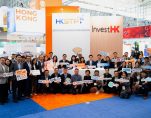
Seizing Global Business and Investment Opportunities for Sustainable Growth HONG KONG SAR – Media OutReach Newswire – 17 June 2025 – Hong Kong Science and Technology Parks Corporation (HKSTP), in collaboration with InvestHK, led 16 prominent life and health technology companies to BIO 2025, the world’s largest biotechnology event, held in Boston, USA, from June 16 to 19. This year marks the first time HKSTP joined forces […]

For decades, waterfront property in the Gulf region has been a byword for status and spectacle. From the palm-shaped islands of Dubai to the man-made canals of Lusail and the glistening marinas of Manama, waterfront developments have consistently defined the upper tier of the residential real estate market. They’ve also served as visual shorthand for national ambition and economic growth. But as Gulf cities mature — and […]

ISTANBUL, TURKEY – Media OutReach Newswire – 17 June 2025 – The report “Evolving Legacy: Decoding the Scientific Trajectory of Chinese Medicine” released today by Hong Kong Baptist University (HKBU) and Elsevier, reveals the growing impact of Chinese Medicine research on global healthcare and modern health challenges. In this context, “Chinese Medicine research” encompasses not only clinical practice, but also basic and translational science, AI-driven systems medicine, […]

Advertisements

Bitcoin.com has established its first Middle East and North Africa regional headquarters at Dubai’s DMCC Crypto Centre, signalling a strategic expansion in the emirate’s blockchain ecosystem. The move secures its place among over 650 companies specialising in blockchain infrastructure, decentralised finance, tokenisation and metaverse development within the DMCC’s Crypto Centre in Uptown Tower. Dubai’s position as a global cryptocurrency hub is underscored by the establishment of the […]

Markets across the Middle East are bracing for heightened turbulence as Israel and Iran exchange strikes, triggering volatility in equity capital markets and clouding the outlook for initial public offerings this year. Global equities have undergone vacillations following the escalation. Oil prices spiked more than 10% at one stage, driven by fears of supply disruptions through the Strait of Hormuz, before retreating as hopes of de‑escalation emerged. Despite […]

HostingJournalist.com has marked a notable achievement with the release of its 30,000th editorial news article, complemented by an archive of over 28,000 videos distributed across its platforms. This dual milestone affirms the outlet’s unwavering role as a leading source in cloud, hosting, and data‑centre reporting. Editor‑in‑Chief Koen Stegeman emphasised the milestone’s deeper meaning: “Reaching 30,000 published articles and 28,000 videos is more than just a numbers game.” […]

Dubai’s iconic Palazzo Versace Hotel is being offered at auction with an opening bid of approximately $163 million, a sharp reduction from its last estimated value above $380 million, signalling a major shift in the fortunes of the luxury hospitality landmark. A Swiss‑Italian financier, Christopher Aleo, is among a select group of potential buyers believed to be evaluating the purchase as online bidding gets underway. Union Properties, the Dubai‑based developer […]

Binghatti Holding Ltd has launched Binghatti Capital in the Dubai International Financial Centre, aiming to manage approximately $1 billion in Shariah-compliant private credit and real‑estate investments. Licensed by the Dubai Financial Services Authority to deal exclusively with professional clients, the firm marks Binghatti’s strategic pivot from pure property development to full-spectrum asset management.

The new entity will implement dual strategies: acquiring and selling off‑plan residential assets and developing residential projects; and providing private‑credit finance targeted at construction, property management firms and suppliers in the Dubai real‑estate supply chain. Beyond private funds, clients can access bespoke discretionary and non‑discretionary portfolio mandates tailored to their investment goals.

Executive Director Katralnada Binghatti described the move as “a strategic initiative to deepen Binghatti Holding’s investment footprint and enhance access to alternative capital,” underlining ambitions to drive high‑value, income‑generating growth and bolster Dubai’s appeal as a global investment destination. CEO Shehzad Janab added that the firm’s “inaugural suite of unique strategies represents a disciplined, well‑structured approach” designed for strong governance and long‑term resilience.

DIFC Authority’s Chief Business Development Officer, Salmaan Jaffery, welcomed the launch, noting that the centre, home to more than 46,000 financial professionals and over 400 wealth and asset managers, remains the region’s top asset-management hub. He said Binghatti’s addition would further reinforce DIFC’s financial ecosystem.

The launch reflects broader market trends in the Gulf, where firms like Amwal Capital Partners are expanding into private‑credit—a form of non‑bank lending offering direct finance to mid‑tier real‑estate developers and other asset‑backed borrowers. Dubai’s policy environment, characterised by robust infrastructure investment and tax incentives, has boosted demand for these private‑credit solutions.

Industry observers note the move signals a maturing of Dubai’s real‑estate landscape, with residential unit completions projected to exceed 243,000 by 2027, presenting ample opportunity for asset managers specialising in this market—particularly with Shariah‑compliant structures gaining traction among global and Gulf investors.

Binghatti’s pedigree in luxury development, seen in flagship schemes such as Binghatti Ghost in Al Jaddaf, complements its newfound investment ambitions. The firm’s announcement of more than 12 projects valued at $2.7 billion reinforces its market clout and provides a foundation for its asset‑management division.

By branching into private credit and real‑estate fund management, Binghatti aligns with Dubai’s economic diversification goals, channelling institutional capital into strategic sectors and reinforcing the emirate’s role as a conduit between East, West, and the Islamic finance community.

As the firm rolls out its Shariah‑compliant investment vehicles, its governance frameworks and active management approach will be key to winning trust among discerning professional clients. It will also test how effectively Binghatti can manage investor interests alongside its parent’s development pipeline.

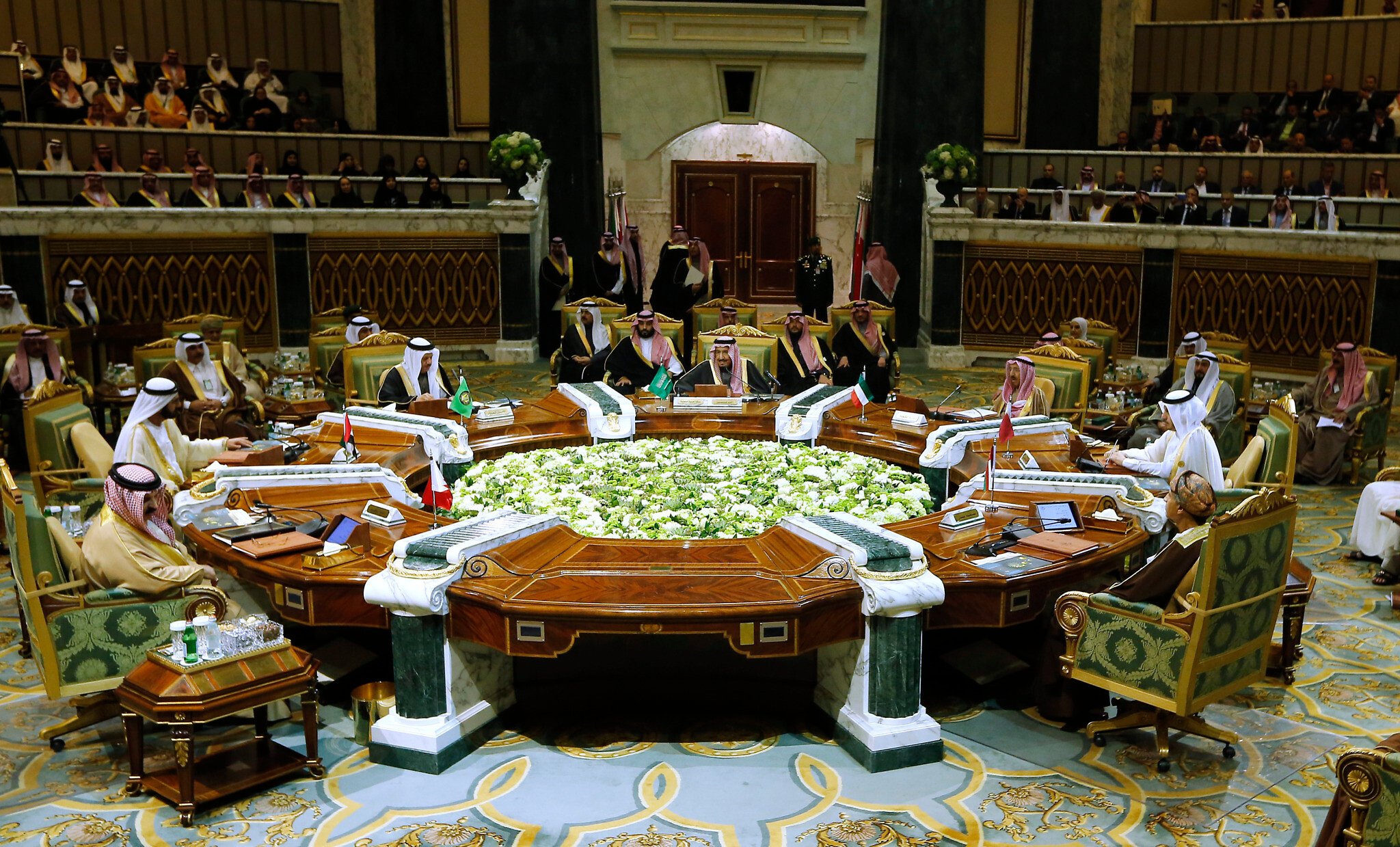
Gulf states have entered a heightened state of alert amid intensifying hostilities between Israel and Iran, as regional leaders warn the confrontation risks dragging the Gulf into a wider, destabilising war.

Leaders of the Gulf Cooperation Council convened an emergency ministers’ meeting chaired by Kuwaiti Foreign Minister Abdullah Al‑Yahya, with Secretary‑General Jassim Al‑Budaiwi declaring the situation had deteriorated into “extremely dangerous and unprecedented escalation,” and entering “full alert” mode to monitor environmental and radiological conditions across member states. He emphasised that continued military strikes, particularly near nuclear sites, would threaten regional infrastructure, health and economies.

Gulf diplomats have condemned the Israeli bombardment of Iranian territory and called on all parties to halt operations and return to dialogue. The council’s Emergency Management Centre is implementing precautionary measures across environmental and radiological sectors, reflecting concern over inbound radiological fallout.

Analysts from the Gulf warn that the strategic vulnerability of Gulf waterways such as the Strait of Hormuz and Bab al‑Mandab makes the region highly exposed to spill‑over from the Iran‑Israel clash. S&P Global Ratings has revised its assessment of regional sovereign risk higher, citing threats to oil exports, transport routes, tourism, capital flows and banking sector resilience in Gulf countries.

Commentators such as Abdulaziz Sager of the Gulf Research Center caution Gulf states are risking sovereignty, infrastructure and public trust unless the conflict is diplomatically defused. He urged activation of regional mediation channels to prevent Gulf countries from being drawn into military exchanges.

Gulf economists emphasise the economic ramifications: disruptions to global supply chains, escalated insurance costs, rising oil prices and capital flight could erode financial stability. While banks have adequate buffers, prolonged conflict could dent business confidence and growth across Gulf economies.

Diplomatic efforts are also underway within the Gulf. Oman and Qatar are spearheading ceasefire talks between Tehran and Washington as a pathway to stabilisation, with Iran open to rejoining nuclear discussions should Israeli strikes cease. Gulf leaders are leveraging their neutrality and communication channels with both Israel and Iran to broker a pause in hostilities.

Within Gulf societies, governments are working to reassure citizens. Public communications in Qatar confirm that radiation levels remain within safe thresholds, while Kuwait’s military affirms that missile trajectories affecting Iran and Israel pose no risk to its airspace.

The reaction within Iran’s sphere of influence appears measured. Unlike prior incidents, allied non‑state actors such as Hezbollah and Yemen’s Houthis have yet to launch retaliatory strikes, suggesting Iran is tempering its response amid Gulf diplomatic pressure.

US diplomacy remains a complex factor. Washington has escalated military readiness by dispatching aerial refuelling assets and an aircraft carrier strike group to the region, yet has stopped short of intervening directly. President Trump has verbalised support for diplomatic channels and warned against Iran acquiring nuclear arms, while signalling that Iran had expressed willingness to end hostilities.

Gulf monarchies are striving to balance neutrality and economic stability. They maintain diplomatic ties with both Iran and Israel while amplifying calls for restraint. Experts caution that escalatory miscalculations could shatter this delicate equilibrium, potentially sparking wider engagement and drawing Gulf states into direct confrontation.

Grayscale Investments LLC is a fund in the USA market.
The price is 82.83 USD currently with a change of -1.33 USD from the previous close.
The latest trade time is Monday, June 16, 17:15:21 +0530.

Grayscale Expands Bitcoin Holdings with $1.05 B Investment

Grayscale Investments has acquired an additional 10,100 BTC, spending approximately $1.05 billion at an average rate of $104,080 per coin, boosting its total holdings to 592,100 BTC, with an average acquisition price of roughly $70,666 per coin. This move aligns with the firm’s year-to-date BTC return, which sits at 19.1 per cent.

The company now holds Bitcoin valued at approximately $41.84 billion, underpinning its reputation as one of the world’s largest institutional holders. Market watchers have noted that Grayscale’s significant expansion at this price point reflects confidence in Bitcoin’s current valuation and medium‑term outlook, even amidst broader cryptocurrency volatility.

This accumulation comes as institutional appetite for Bitcoin evolves. Grayscale, which transformed its Bitcoin Trust into a spot ETF via its GBTC product, continues to command a substantial fee structure—1.5 per cent—that supports yearly revenues exceeding $268 million, despite competitors offering cheaper options. The premium yield underscores its established presence and the loyalty of seasoned investors bound by legacy holds, tax considerations and brand trust.

Earlier this year, Grayscale launched the Bitcoin Mini Trust with a far lower fee of 0.15 per cent, explicitly targeting cost-sensitive investors. The mini‑trust currently holds around 43,572 BTC under management. Despite attracting inflows, its impact on Grayscale’s total AUM remains modest relative to the flagship GBTC.

Analysts suggest that Grayscale’s dual‑product strategy allows it to hedge against fee‑driven outflows while maintaining revenue through GBTC’s premium fee structure. Its sizeable Bitcoin accumulation adds weight to this approach. As one strategist remarked, institutional investors often exhibit inertia from legacy holdings and taxable events, making high‑fee products persistent revenue generators.

This latest purchase follows Grayscale’s broader pattern of capitalising on dips in Bitcoin price, reinforcing its average cost basis. With Bitcoin hovering near $105,000, this strategic buy expands holdings while keeping average cost significantly lower, positioning the firm favourably for market swings.

The acquisition also contrasts with broader market behaviour. Other institutions, particularly newer spot ETFs like those from BlackRock and Fidelity, have recorded substantial inflows thanks to much lower fees—commonly around 0.25 per cent—but display less aggressive accumulation strategies. Their collective AUM exceeds $100 billion, yet individually their daily volume and yields trail Grayscale’s monumental revenue draw.

Grayscale’s current average buy price—$70,666—reveals a long‑term investment horizon and deep conviction in Bitcoin’s trajectory. This cost average gives Grayscale a comfortable buffer versus price dips, which in turn sustains its willingness to deepen its position at current price levels. As volatility returns to crypto markets, Grayscale’s scale and cost discipline may offer smoother entry and exit tactics.

Market responses to the latest move have been mixed. Proponents argue that institutional accumulation of this magnitude is bullish for sentiment and price stability. Critics caution that such centralised concentration exposes Grayscale to regulatory and enterprise risk.

Regulatory scrutiny remains a key consideration. As one of the first and largest Bitcoin spot ETPs in the US, Grayscale continues to navigate evolving SEC policies, compliance obligations and heightened operational transparency. Its ability to sustain growth depends on navigating these frameworks while differentiating GBTC and BTC in a crowded ETF market.

By Nantoo Banerjee With the country’s consumer price inflation rate hovering around 3.20 percent in the last two years, the Reserve Bank of India’s latest decision to cut the bank rate by 50 basis points, the third consecutive reduction since February this year, may be understandable. However, it seems to have come at the wrong […]


Chinese nuclear forces are expanding at a pace unmatched by other countries, with the Stockholm International Peace Research Institute reporting an annual increase of approximately 100 warheads since 2023. The nation now possesses at least 600 nuclear warheads and is constructing around 350 intercontinental ballistic missile silos—developments projected to put China on par with the United States and Russia in ICBM capability by the end of the decade.

SIPRI’s latest yearbook, issued on 16 June, emphasises that global nuclear arsenals are returning to growth after decades of contraction. The combined military stockpiles of nuclear warheads now total around 9,614, while approximately 2,100 warheads—mostly held by the United States and Russia—remain on high alert.

Although China’s nuclear stockpile remains modest compared to the U.S. and Russia—each holding over 5,000 warheads—the momentum behind its expansion marks a strategic shift. SIPRI forecasts that China could field up to 1,500 warheads by 2035, with its ICBM network rivalling that of the established nuclear powers by 2030. The rapid rise in Beijing’s deterrent capacity signals a deeper global arms competition, exacerbated by a breakdown in arms-control agreements.

China’s nuclear modernisation encompasses land-, sea-, and air-based delivery systems. The PLA Rocket Force has deployed a mix of silo-based and mobile ICBMs, including the potent DF-41 system capable of carrying multiple independently targetable re-entry vehicles. Simultaneously, China is advancing a nuclear triad, with bombers like the H‑6K equipped for long-range missions and an expanding fleet of Jin‑class ballistic missile submarines.

Pentagon estimates align with SIPRI’s findings. A U.S. Defence Department report placed China’s warhead count at over 600 and predicts over 1,000 operational warheads by 2030. Analysts note that while many of China’s warheads are stored separately from delivery systems, the growth in silo infrastructure indicates a potential shift towards higher operational readiness.

China maintains its nuclear policy centres on minimum deterrence and no‑first‑use. A spokesperson reaffirmed that its buildup is defensive and that global nuclear reductions should be led by the U.S. and Russia. Yet, the introduction of launch-on-warning capabilities, expansion of missile silos, and pairing of warheads with ICBMs suggest a more assertive posture.

The international ramifications are considerable. SIPRI warns that with diminishing arms controls and growing arsenals, the world faces a dangerous escalation. The concentration of high-alert warheads in U.S. and Russian hands, combined with China’s acceleration, elevates risk profiles significantly. Moreover, emerging technologies such as AI integration in nuclear command-and-control raise alarms about stability and inadvertent escalation.

China’s rise spurs debate among military analysts and policymakers. Supporters view the deepening triad and ICBM deployment as necessary to counter U.S. strategic capabilities. Critics argue that rapid armament undermines global non‑proliferation efforts and threatens to trigger competitive buildups among established nuclear powers. Calls for renewed arms control dialogues now include China, challenging historical norms where Beijing was often excluded from global negotiations.

Meanwhile, other nuclear-armed states—India, Pakistan, the UK, France, North Korea and Israel—continue modernisation programs. India and Pakistan are increasing their stockpiles; the UK has announced an expansion; North Korea is pursuing missile tests; and Israel maintains opacity under its policy of nuclear ambiguity.

Global security experts warn that the dismantling of arms-control institutions, such as the withdrawal from the INF Treaty and uncertainty around New START, has created a vacuum. Amid rising nuclear rhetoric, SIPRI urges urgent diplomatic engagement and the strengthening of verification and non‑proliferation regimes. As nuclear power parity becomes conceivable, the need for inclusive multilateral frameworks has grown acute.

Dodoma’s state leadership confirmed significant advancements in the Third National Five-Year Development Plan, registering strides in infrastructure, agriculture, energy, justice reform and foreign investment initiatives. In a parliamentary session, Planning and Investment Minister Professor Kitila Mkumbo detailed over 193 development schemes—among them 17 flagship mega-projects—now underway. Irrigation farming has expanded, with irrigated areas growing from approximately 695,000 ha in 2019/20 to 727,280 ha by 2022/23, driven by intensified use […]

Amazon Web Services has secured a landmark 20‑year power purchase agreement with Talen Energy, guaranteeing 1,920 MW of carbon‑free electricity from the Susquehanna nuclear plant in Pennsylvania. The contract, lasting until 2042 with extension options, positions nuclear energy as a pillar of Amazon’s strategy to meet surging demand from its AI and cloud operations. Talen will gradually ramp up delivery, starting with 840–1,200 MW by 2029 and reaching full […]

SINGAPORE – Media OutReach Newswire – 16 June 2025 – ST Telemedia Global Data Centres (STT GDC), a leading data centre service provider headquartered in Singapore, today published its 2024 Environmental, Social and Governance (ESG) report. The report details progress toward STT GDC’s ESG targets, as well as its three main ESG pillars – carbon-neutral data centre operations by 2030; a safe, secure, diverse and inclusive workplace; […]

Malé’s foreign exchange reserves have surged by more than $400 million, marking a notable strengthening of the nation’s external liquidity following a currency swap arrangement with the Reserve Bank of India. The Maldives Monetary Authority drew down the entire $400 million facility in October 2024, with the impact reflecting sharply in the country’s gross reserves, which rose to approximately $856 million by April 2025 from a low of $371 million earlier in the year.

Fitch Ratings has affirmed the Maldives’ Long‑Term Foreign‑Currency Issuer Default Rating at ‘CC’, citing the infusion from the RBI swap as a key factor in easing the country’s liquidity pressures. The agency also credited sustained tourism receipts and the implementation of the Foreign Currency Act, which compels tourism‑related businesses to convert a mandated portion of their monthly foreign‑currency revenues, for boosting reserves.

Despite the uplift in reserves, Fitch emphasised that gross holdings now cover just 1.5 months of external payments—well below the three‑and‑a‑half‑month median for comparable peers. Net reserves, after subtracting short‑term liabilities, remain critically thin at around $28 million. In its rating statement dated 12 June 2025, Fitch maintained the view that a sovereign default “remains a likely scenario within the foreseeable future” absent significant further support or reform.

The agency highlighted looming debt repayments of $688 million in the second half of 2025, rising to $1.1 billion in 2026, including bonds and sukuk. Policymakers in Malé are negotiating with external partners—including India, China, multilateral lenders and possibly the IMF—to secure deferments, fresh currency‑swap lines, or restructuring deals. Notwithstanding the swap, Fitch reiterated its concerns over persistent fiscal imbalance: the fiscal deficit is projected to widen to 14.5 per cent of GDP in 2025, public debt is set to reach 125 per cent of GDP by 2026, and important reforms—particularly in subsidy and healthcare spending—have been delayed on political grounds.

India formally welcomed the strengthening of Maldivian reserves, with the Indian High Commission in Malé posting on X that it “noted with satisfaction” the impact of the $400 million swap in easing external liquidity pressures. The move is part of broader bilateral economic cooperation anchored within the SAARC framework, signalling a continued role for India in supporting economic stability in Maldives.

Tourism continues to underpin the archipelago’s economy, with record visitor numbers bolstering inflows. Policymakers hope that the expansion of resort capacity and full operation of the new terminal at Velana International Airport will sustain growth and further cushion foreign currency earnings. Fitch projects GDP growth of around 4.8 per cent in 2025, increasing to 6.0 per cent in 2026 as tourism infrastructure develops.

The Foreign Currency Act, introduced last year as a fiscal measure, requires tourism businesses to sell at least 20 per cent of their monthly foreign exchange earnings to licensed banks. Separately, the MMA raised mandatory bank conversion thresholds from 60 per cent to 90 per cent, measures aimed at shoring up foreign‑exchange liquidity.

While the currency swap has delivered a temporary liquidity bridge, analysts caution that it falls short of addressing structural weaknesses. The MMA and government officials have underscored intentions to pursue fiscal consolidation and attract medium‑term financing. But Fitch has warned that absent sustained reserve accumulation, clear evidence of reform, and stronger fiscal discipline, the Maldives remains vulnerable to credit deterioration or a potential sovereign default.

India’s willingness to extend financial assistance underscores geopolitical and strategic interests. The inclusion of swap facilities, alongside ongoing debt negotiations with China and potential IMF engagement, may provide short‑term relief, but Maldives must improve its debt servicing capacity and rebuild buffers to avert future policy shocks.

Global economic momentum is set to falter, with the World Bank projecting growth of just 2.3 per cent in 2025—its weakest pace since 2008 outside explicit recessions. Elevated trade barriers, particularly rising US tariffs, and widespread policy uncertainty are identified as principal drags, causing forecast downgrades in roughly 70 per cent of the world’s economies. The Bank’s June Global Economic Prospects report indicates global trade growth will slow to 1.8 per cent in […]

Pi Network’s native token, PI, plunged to a low of approximately $0.40 following a sudden unlock and broader market sell‑off, but recent developments indicate a tentative rebound that may reshape its trajectory.

The token had tumbled roughly 35% over a short timeframe, bottoming out at $0.40 before rebounding near $0.60—marking a swift 40% recovery since June 13. Technical indicators show that PI found support at a critical $0.39 level, considered a “value area low,” which triggered aggressive buying and a solid recovery candle.

Market analysts attribute the initial crash to a dual catalyst: the unlocking of some 280 million tokens on 11 June and escalating geopolitical tensions affecting global cryptomarkets. The influx of new supply triggered panic selling, exacerbated by macro‑market uncertainty—echoing patterns seen in earlier altcoin sell‑offs amid the Israel‑Iran tensions.

Further pressure stemmed from technical sell signals. PI dipped beneath its value area low but recovered swiftly—reflecting a classic false breakdown scenario that often precedes rebounds in trader psychology. Analysts highlight the critical resistance zone between $0.65 and $0.80: clearing $0.65 could pave the way for a push to $0.80, but failure to hold above $0.61 risks another drop toward $0.57–$0.60.

Broader technical sentiment remains mixed. On one hand, bullish patterns suggest floor levels have been re‑established; on the other, indicators like MACD remain bearish with death crosses and moving averages still overhead—signalling ongoing downward bias unless momentum shifts. The Relative Strength Index hovering below neutral levels hints at entrenched selling pressure.

Longer‑term forecasts for PI vary widely. Some platforms model a gradual climb toward $2–5 by 2027–2028, potentially reaching $10 only in the 2030s, contingent on substantial ecosystem growth—particularly from apps, PiAds, verified users, and major exchange listings. For example, CoinCodex’s algorithm estimates a $10 target as far off as November 2045.

Real‑world applications and mainstream exchange listings are viewed as pivotal. A Binance listing, for instance, could trigger a rally toward $8–$10, but such speculation remains unverified. Conversely, persistent unlock schedules and wallet‑to‑exchange flows continue to weigh on sentiment.

Tokenomics pose another challenge. With a potential maximum supply reaching dozens of billions, PI requires sustained demand—via decentralised apps, micropayments, or adverts—to absorb incoming supply and sustain valuations.

Despite turbulence, the Pi ecosystem is forging ahead. The launch of a $100 million Pi Network Ventures fund aims to support startups across AI, gaming, fintech, and e‑commerce. Meanwhile, the core network continues onboarding users, though some report frustration over KYC bottlenecks, wallet migration issues, and delays in accessing the mainnet.

The community appears split. On‑chain revelations show leverage derivatives listings on platforms like Kraken Pro—a possible sign of institutional curiosity—while sentiment indicators reflect rising caution.

Short‑term outlook hinges on whether PI can maintain support above $0.61 and break through the $0.65 resistance. If momentum continues from the rebound, the token could extend toward $0.80 and potentially $1. Conversely, a failure to hold onto current gains might push it back toward the low‑$0.50s.

Though the narrative of PI reaching $10 persists—driven by long‑term believers—most analysts agree such futures rely on meaningful network adoption, ecosystem maturity, and clear-cut exchange integrations. For now, the market is focused on stabilising around the $0.60–$0.80 band and resolving token unlock uncertainties to foster a credible case for sustained growth.

Ajman has emerged as the host for the 58th Asian Fitness and Bodybuilding Championship, taking place from 15 to 17 June 2025 at the Emirates Hospitality Centre. The emirate, hosting the event for the first time, extends a formal welcome under the patronage of His Highness Sheikh Ammar bin Humaid Al Nuaimi, Crown Prince of Ajman and Chairman of the Executive Council, with the presence of Sheikh Abdulaziz bin Humaid Al Nuaimi, Chairman of the Ajman Department of Tourism Development.

Delegations from 23 nations across Asia will converge on Ajman this week, marking a notable heightening of the emirate’s stature within international sports circles. The Asian Bodybuilding and Fitness Federation’s congress also convened on 14 June, assembling leading officials and athletes to chart governance, standards and growth pathways for the sport across the continent.

IFBB President Dr Rafael Santonja expressed strong approval of Ajman’s preparations. He praised the local authorities’ logistical efforts and voiced confidence that the event will proceed in “the best possible manner,” reflecting meticulous planning.

By integrating top-tier competition with a high-level governance forum, Ajman seeks to project itself as a dynamic arena for Asia’s sporting peaks. The congress set the stage for the championships, drawing attention to the need for continuity between seasonally organised regional fests and global-level federation oversight.

Competitors span multiple divisions, including bodybuilding by height, men’s and women’s physique, fitness challenge categories, and adaptive contests such as wheelchair bodybuilding and para-bodybuilding. The comprehensive format reflects the IFBB’s commitment to expanding inclusivity, with winners across senior classes earning IFBB Pro Cards, enhancing the stakes for participants.

Logistics have been arranged to accommodate the influx of athletes, officials and support staff. Delegations arrived on 14 June, as confirmed by weigh-ins and registration hosted at the Bahi Ajman Palace Hotel. The adjacent Asian Federation congress was conducted at Ajman Saray Hotel. Recommended airports include Sharjah and Dubai, easing international access to the host emirate.

Entry structures show stringent anti-doping controls, with compliance to WADA standards in place. National federations have a stringent responsibility to vet athletes, especially those with past doping violations. Consent to drug testing was mandatory upon registration.

Registration fees include accommodation and meals from 14 to 18 June, with athletes opting for single or shared rooms at Bahi Ajman Palace Hotel. Crossover category participants incur a USD 100 surcharge.

The championship schedule unfolds across three days, with prejudging commencing on Day 2. Finals continue through Day 3 and Day 4 before closing events conclude on 17 June. Delegations depart on 18 June. This compact time-frame underscores an intention to deliver a high-impact, tightly controlled competition.

Ajman’s hosting aligns with a broader push to diversify its economy through sporting tourism and cultural diplomacy. The tourism authority unveiled the event’s logo and mascot—‘Mayed’—alongside traditional Emirati performances, highlighting the interplay between sporting and cultural platforms. The championship is expected to catalyse increased occupancy in the hospitality sector and heightened international visibility.

Preparatory logistics—hotel accommodations, venue readiness, anti-doping protocols, and athlete transport—underscore Ajman’s growing capacity to stage large-scale events. Federal backing ensures alignment with Wahid leadership’s vision to see the emirate emerge as a regional hub for international gatherings across sports, business, and tourism.

The intersection of high-performance sport, organisational governance and cultural presentation at Ajman’s inaugural hosting of the Asian Fitness and Bodybuilding Championship signals the emirate’s aspiration to position itself prominently on Asia’s event map.

Tencent is reportedly in discussions to acquire Nexon, the developer behind MapleStory and Dungeon & Fighter, in a deal that could exceed US$15 billion, signalling a strategic push into South Korea’s gaming and Web3 sectors.

Chinese tech conglomerate Tencent has approached the family of Nexon’s late founder Kim Jung‑ju, which controls a 44.4 per cent stake through NXC Corp, to explore acquiring a substantial portion or full control of the company. The proposed transaction, valued at around 20 trillion won, aims to secure Tencent long‑term rights to Nexon’s celebrated intellectual property while bolstering its position in South Korea’s lucrative gaming market.

Nexon, founded in Seoul in 1994 and now headquartered in Tokyo, is best known for its enduring franchises MapleStory and Dungeon & Fighter. The firm has been a pioneer in integrating games with Web3 technologies, launching a blockchain division dubbed NEXPACE and rolling out MapleStory Universe—complete with NFT item mechanics, token economies and a gasless transaction system on the Avalanche network. The NXPC token was listed on major crypto exchanges, reflecting deep commitment to a decentralised gaming strategy.

While Tencent had previously tried to acquire Nexon in 2019—efforts fell through over valuation disagreements—the company has since fortified its global gaming footprint with a US$1.3 billion investment in Ubisoft and a 10 per cent stake in South Korea’s SM Entertainment, a major K‑pop label. Its renewed interest in Nexon aligns with a broader ambition to dominate both blockchain and traditional gaming domains, despite sector‑wide funding slowdowns and reduced daily active user metrics in Web3 games.

Sources emphasise that while discussions are underway, no definitive agreement has been reached and terms remain fluid. The Kim family is reportedly consulting financial advisers on the potential sale. Part of the complexity stems from their decision last year to transfer shares to settle inheritance taxes, a move that added governmental and family stakeholders into the mix.

Nexon has seen its share price rise over 10 per cent in 2025, though it remains about 30 per cent below its 2021 peak. The Tokyo‑listed firm was valued at approximately US$15–16.6 billion, depending on market conditions.

Tencent’s remote stance with acquired studios suggests that any purchase may leave Nexon’s operational autonomy largely intact. But the deal could deliver Tencent stronger access to Western and Asian markets, reinforcing its Web3 and blockchain ambitions.

For Nexon, aligning with Tencent offers capital resources to scale blockchain gaming efforts and deepen development of blockchain-enabled platforms such as MapleStory Universe. Since launching MapleStory N in May 2025, the company has leveraged its Web3 unit’s Abu Dhabi‑based NEXPACE to expand global blockchain gaming operations.

With Tencent prioritising organic growth and strategic minority investments—such as expanding its blockchain infrastructure partnerships with TON Foundation and Chainbase—this potential acquisition represents one of its most ambitious M&A moves post‑2020 Chinese regulatory tightening.

Should negotiations succeed, Tencent would gain direct control over multiple high‑value IPs and a formidable presence in South Korea’s gaming ecosystem, presenting both strategic advantages and regulatory scrutiny across jurisdictions. The deal’s complexity—woven through family, government, and market dynamics—ensures that stakeholders across the industry are closely watching every development.

VISHNU RAJA
RYO YAMADA
HITORI GOTOH
IKUYO KITA