News related to
near

MACAU SAR – Media OutReach Newswire – 23 October 2024 – Galaxy Macau™ announced the completion of Raffles at Galaxy Macau today, officially opening the doors to the preeminent luxury hospitality experience of Raffles. A true standard-bearer of refinement, Raffles at Galaxy Macau is an all-suites property complemented by unparalleled guest services, a stellar line-up of world class dining establishments including Sushi Kissho; the first international restaurant […]

Partnership is unveiled at the Ascott Unlimited Global Marquee Event during ITB Asia 2024, capping off a year-long campaign celebrating Ascott’s 40th anniversary SINGAPORE – Media OutReach Newswire – 23 October 2024 – The Ascott Limited (Ascott), the lodging business unit wholly owned by CapitaLand Investment (CLI), is pleased to announce that Ascott China has entered a 50:50 joint venture with Jin Jiang Hotels (China Region) to […]

SYDNEY, AUSTRALIA – Media OutReach Newswire – 22 October 2024 – COSETTE, a leading retailer of luxury handbags and accessories, is pleased to announce the conclusion of a comprehensive, year-long investigation by NSW Fair Trading into the authenticity of goods supplied by COSETTE. The investigation has ended with no adverse findings or further action. COSETTE believes this vindicates our repeated statements on the quality and authenticity of […]

Global oil prices have started to recover after last week’s sharp decline, which saw a 7% loss driven by concerns over supply and demand dynamics. Factors such as higher output from major oil-producing nations and fears of slowing demand due to global economic uncertainty had sent prices tumbling. However, industry analysts now anticipate a gradual recovery, citing potential geopolitical risks and tightening supply measures from key producers like Saudi Arabia and Russia. Market participants are closely monitoring the evolving situation, especially with winter approaching, which traditionally bolsters demand.

Several contributing factors have influenced the market volatility. Last week’s sharp drop was linked to bearish demand signals, particularly from China, one of the largest importers of crude oil. China’s economic slowdown has continued to worry energy traders, as the country’s lower-than-expected industrial activity and economic data cast a shadow over oil demand projections.

Meanwhile, on the supply side, major oil exporters have maintained elevated production levels, adding to the downward pressure on prices. Saudi Arabia and Russia, both key members of the OPEC+ alliance, have previously agreed on voluntary cuts to manage the market, but production has remained higher than some traders anticipated. The United States, too, has seen an increase in shale production, further influencing the global oil supply glut.

Despite the recent pullback, market experts believe a rebound is on the horizon. Seasonal factors, including colder weather in the northern hemisphere, are likely to drive demand for heating oil, helping to support prices. In addition, geopolitical tensions in key energy regions, such as the Middle East, remain a wildcard that could lead to supply disruptions and drive prices higher in the near term. Any further developments in the Israel-Gaza conflict, for example, could ripple through the global energy markets, with potential repercussions for oil flows.

Energy traders have also been closely watching U.S. crude inventories, which play a crucial role in balancing global supply-demand. A significant drop in stockpiles could prompt oil prices to move upward. Additionally, the Federal Reserve’s approach to interest rates and inflation continues to impact broader market sentiment, including energy commodities.

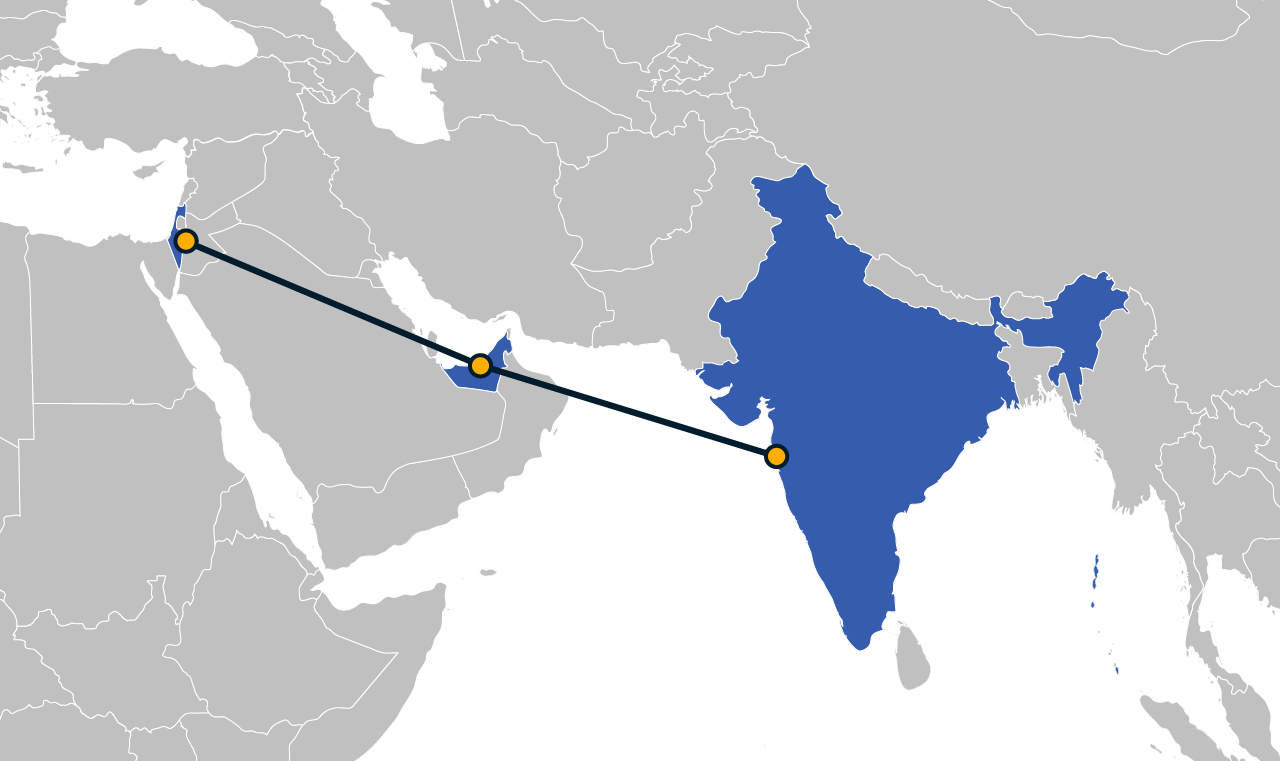
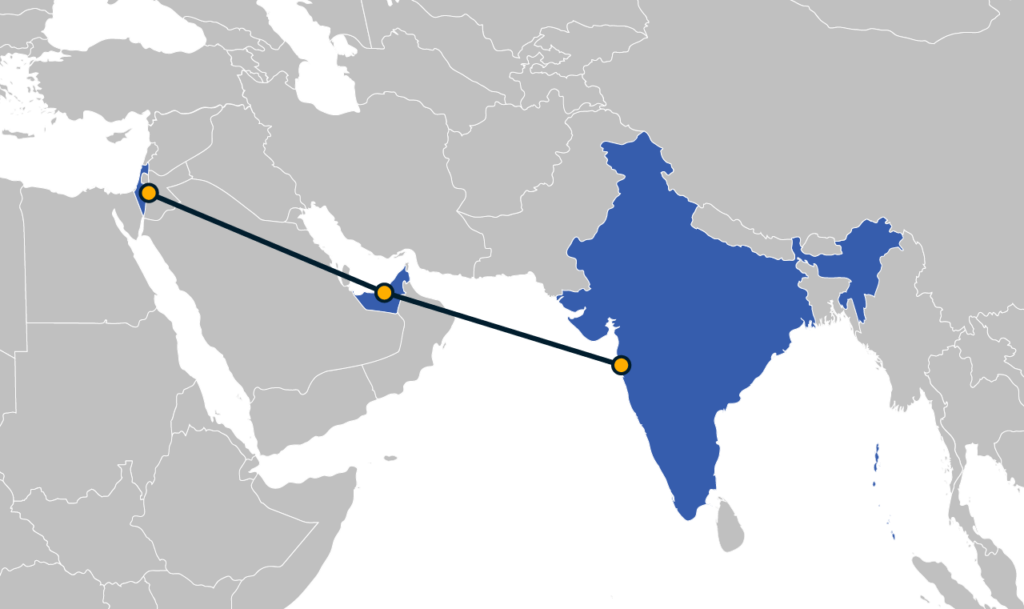
By Nantoo Banerjee It is good to note that the proposed India-UAE food corridor has already roped in a third partner, Israel. The project is expected to eventually involve the United States as well. The US was a key initiator of the historic four-nation I2U2 virtual summit in July 2022 bringing together leaders of India, […]

SINGAPORE – Media OutReach Newswire – 17 October 2024 – Akzo Nobel Paints (Singapore) Pte Ltd proudly introduces the new flagship Dulux Ambiance All AirClean, an innovative paint formulated with PureAir™ Technology to deliver cleaner indoor air. This breakthrough product represents AkzoNobel’s commitment to delivering solutions that can bring health and well-being advantages to its customers. Dulux Ambiance All AirClean Poor indoor air quality can arise from […]

KUALA LUMPUR, MALAYSIA – Media OutReach Newswire – 17 October 2024 – BRICS represents a formidable economic bloc that significantly influences global trade and geopolitics. In January, the alliance of Brazil, Russia, India, China, and South Africa formally welcomed Egypt, Ethiopia, Iran, and the United Arab Emirates into its fold. Recent discussions have focused on expanding BRICS to include nations like Malaysia and Indonesia, presenting these countries […]

Advertisements

LOS ANGELES/DNA, UNITED STATES – Newsaktuell – 18 October 2024 – With less than three weeks to go until the November 5 presidential election, a new analysis warns that declining democratic accountability in the US means the power of American people’s voice will be diminished. Two candidates for the US presidency. A person stops to watch a screen displaying the US Presidential debate between Vice President and […]

Masdar and Iberdrola have successfully completed the installation of the final turbine for the Baltic Eagle wind farm, a significant offshore renewable energy project located in the Baltic Sea. This marks a major milestone in the 476 MW venture, which is set to enhance Europe’s green energy portfolio. The project, a collaboration between the Abu Dhabi-based clean energy firm Masdar and Spain’s Iberdrola, is part of the […]

The upcoming BRICS summit in Kazan, Russia, is closely monitored for potential developments in economic cooperation and currency strategies. With the introduction of new members and the ongoing development of a BRICS currency, this gathering could mark a significant turning point in international finance. Will the summit unveil a new era of economic cooperation and bring about a new currency? Global broker Octa provides the analytics. The […]

BANGKOK, THAILAND – Media OutReach Newswire – 17 October 2024 – Dusit Hotels and Resorts, under Dusit International—one of Thailand’s leading hotel and property development companies—announces its return to India with the anticipated soft opening of dusitD2 Fagu. This luxurious retreat, set amidst the serene mountains of Fagu, near Shimla, is scheduled to open its doors in December 2024, offering an exceptional blend of Thai hospitality and […]

Nintendo has launched a significant early game update for its forthcoming title, “Super Mario Party Jamboree,” ahead of the highly anticipated release slated for later this week. This update aims to enhance player experience, addressing issues and incorporating feedback gathered during the game’s development phase. As the gaming community buzzes with excitement, this proactive approach by Nintendo signals its commitment to delivering a polished final product. The […]

Injective Protocol’s native token, INJ, has seen an impressive price surge of 18% as anticipation builds for its upcoming listing on the Bitfinex exchange. This increase highlights the growing interest and momentum surrounding the Injective project, which has garnered significant attention within the cryptocurrency community. Market analysts are closely monitoring this development, especially as INJ approaches the critical psychological level of $35.

The excitement surrounding the listing on Bitfinex, a leading cryptocurrency exchange known for its advanced trading features, has drawn considerable investor interest. The official announcement regarding the listing sparked a flurry of trading activity, contributing to the significant uptick in INJ’s price. As the exchange gears up for the token’s introduction, traders are eagerly speculating on the potential for further gains.

Injective Protocol is a decentralized exchange (DEX) that aims to enhance trading experiences by offering a unique layer-2 solution on the Cosmos blockchain. Its innovative technology facilitates faster transaction speeds and lower fees, making it an attractive option for traders seeking efficient decentralized trading solutions. The recent developments highlight Injective’s strategic positioning within the growing DeFi landscape.

Market analysts suggest that the price surge of INJ reflects broader trends within the cryptocurrency market, particularly the increasing adoption of DeFi protocols. The demand for decentralized trading solutions has surged as traders seek alternatives to traditional exchanges amid rising regulatory scrutiny. This trend positions Injective Protocol as a key player in the evolving crypto ecosystem.

The Cosmos Network, which serves as the foundation for Injective Protocol, has been instrumental in the project’s success. With its interchain communication capabilities, Cosmos enables seamless interaction between different blockchains, enhancing the overall user experience. This interoperability has attracted numerous projects and investors to the Cosmos ecosystem, further bolstering Injective’s growth prospects.

The INJ token’s recent price movement has prompted speculation about its potential trajectory in the near term. Many traders are eyeing the $35 mark as a crucial target, with some analysts predicting that sustained interest could propel the token even higher. However, market volatility remains a concern, and traders are advised to exercise caution amid fluctuating conditions.

In addition to the excitement surrounding its listing, Injective Protocol has been actively expanding its ecosystem through partnerships and collaborations. The project has forged strategic alliances with various blockchain projects and DeFi platforms, enhancing its visibility and reach. This expansion is expected to play a crucial role in driving user adoption and increasing liquidity within the Injective ecosystem.

The project has been focusing on enhancing its platform’s features to attract a broader user base. Recent upgrades have introduced new functionalities, including advanced trading options and improved user interfaces. These enhancements are designed to cater to the needs of both retail and institutional traders, positioning Injective as a versatile trading platform.

Community engagement also plays a significant role in the project’s growth. Injective Protocol has fostered a strong community of supporters who actively participate in discussions and contribute to the project’s development. This community-driven approach has created a sense of ownership among users, further fueling interest in the INJ token.

As the cryptocurrency market continues to evolve, the significance of governance and decentralization has gained prominence. Injective Protocol allows INJ token holders to participate in governance decisions, giving them a voice in the future direction of the platform. This emphasis on decentralization aligns with the core principles of the cryptocurrency movement and enhances user confidence in the project.

The current market conditions present both opportunities and challenges for cryptocurrency projects, including Injective Protocol. While the surge in INJ’s price reflects positive sentiment, it is essential for traders and investors to remain vigilant. The dynamic nature of the crypto market means that price fluctuations can occur rapidly, necessitating informed decision-making.

In the context of broader market trends, the performance of major cryptocurrencies such as Bitcoin and Ethereum can significantly influence altcoin prices, including INJ. The interconnectedness of the cryptocurrency market means that shifts in sentiment toward larger assets can have cascading effects on smaller tokens. As such, market participants are advised to monitor developments closely.

FTT, the native token of the defunct FTX exchange, has witnessed a significant overnight price surge, raising eyebrows and suspicions within the cryptocurrency community. Currently trading close to the $3 mark, the token has experienced an impressive rally of approximately 16%. This sudden surge comes in the context of a broader recovery in the cryptocurrency market, which has seen various altcoins gaining momentum. However, many analysts are cautioning that this rise may not be a straightforward bullish signal, but rather a potential setup for market manipulation orchestrated by larger investors, commonly referred to as “whales.”

The surge in FTT’s price has been attributed to several factors, including increased trading volumes and speculative interest from investors hoping to capitalize on the anticipated recovery of cryptocurrencies following a turbulent period. Market dynamics have seen FTT becoming a focal point for traders, particularly as interest in altcoins resurges. However, the sudden nature of the price movement has led some analysts to speculate about the underlying motives driving this activity. The price rally appears disconnected from any fundamental developments associated with FTX, especially given the ongoing legal proceedings and regulatory scrutiny surrounding the exchange’s collapse.

Whale activity in the cryptocurrency market is well-documented and often leads to drastic price fluctuations. These larger holders can significantly influence market prices through large buy or sell orders, leading to manipulation concerns among smaller investors. Experts suggest that the current spike in FTT’s price may be an orchestrated move to entice retail investors to enter the market, potentially leaving them vulnerable to losses once larger investors decide to offload their holdings at a profit. This tactic is not new; similar patterns have been observed in the past, where sudden price surges preceded sharp declines, raising alarms about the integrity of market movements.

Market analysts are also examining the overall trading patterns of FTT. The trading volume has seen a marked increase, suggesting heightened interest. Data indicates that this surge could be a strategic play by whales looking to manipulate sentiment around FTT. Analysts advise caution, highlighting the historical context of FTT’s price fluctuations, which have been marked by volatility since the collapse of FTX. The token was once a key player in the crypto landscape but has struggled to regain its footing in the wake of significant regulatory challenges and public scrutiny.

As FTT nears the critical $3 threshold, the cryptocurrency market is rife with speculation. Many traders are monitoring the situation closely, attempting to discern whether this price increase represents a genuine recovery or a setup for a potential downturn. This pivotal moment may act as a litmus test for investor sentiment and the broader market’s reaction to price manipulations. The fear of being caught in a “whale trap” is palpable, especially for new entrants in the market who may lack the experience to navigate these complex dynamics.

Investors are urged to remain vigilant and to conduct thorough research before making decisions related to FTT or any other tokens exhibiting similar price patterns. The implications of whale manipulation can be severe, leading to significant financial losses for unsuspecting investors. Many market participants are advocating for increased transparency and regulatory oversight in the cryptocurrency space to protect investors from these potentially harmful practices.

Despite the challenges, there remains a strong community of supporters rallying around FTT and its potential for a comeback. Some proponents argue that the current rally is indicative of a broader trend within the cryptocurrency sector, where tokens can rebound despite adverse conditions. This perspective emphasizes the possibility of recovery and growth, contingent on improved market conditions and regulatory clarity.

The development of decentralized finance (DeFi) protocols and growing adoption of cryptocurrencies by mainstream financial institutions may provide a foundation for a more stable future for tokens like FTT. As the crypto market evolves, the ability to mitigate manipulation risks through technological advancements and regulatory frameworks will be critical in shaping investor confidence.

Ardian, a global investment firm, is reportedly evaluating potential co-investment opportunities in the green hydrogen sector alongside two prominent players: Masdar and the Public Investment Fund (PIF) of Saudi Arabia. This collaborative venture could significantly impact the renewable energy landscape, reflecting a growing commitment to sustainable investments as nations strive to meet climate goals. The interest in green hydrogen arises from its potential to serve as a […]

HONG KONG SAR – Media OutReach Newswire – 16 October 2024 – Response to the Policy Address 2024/25 by KK Chiu, International Director, Chief Executive, Greater China of Cushman & Wakefield: Farewell to subdivided units and optimize the living environment We are pleased to see that the government’s taking proactive measures in housing supply and land policy to address the housing problem. The introduction of a rental […]

Yas Island and Saadiyat Island in Abu Dhabi have experienced a remarkable surge in visitor numbers and hotel occupancy this summer, reflecting the resilience and appeal of the emirate’s tourism sector. Various factors, including the easing of pandemic restrictions, a growing array of entertainment options, and strategic marketing campaigns, have collectively contributed to this impressive trend. Yas Island, renowned for its diverse attractions, has reported hotel occupancy […]

Bolt, a European ride-hailing platform, has made its entry into the UAE with a strategic partnership with Dubai Taxi Corporation (DTC). The move, which has already attracted attention, aims to provide ride-hailing services across Dubai, leveraging the extensive fleet and operational expertise of DTC. The partnership is expected to strengthen Dubai’s transportation infrastructure, offering commuters more ride options, and is in line with the city’s vision for […]

The International Monetary Fund (IMF) has projected that global public debt will exceed $100 trillion by the close of 2024, underscoring the growing fiscal challenges faced by both developed and developing economies. This daunting figure reflects the accumulation of government borrowing that has escalated in the wake of various economic crises, including the pandemic and the geopolitical tensions that have rattled markets in recent years. According to the IMF, the surge in debt levels poses significant risks to global financial stability, particularly as countries grapple with inflationary pressures and rising interest rates.

At the heart of this mounting debt crisis lies the legacy of the COVID-19 pandemic, which prompted unprecedented fiscal responses from governments worldwide. In an effort to cushion their economies from the devastating effects of lockdowns and health crises, many nations significantly expanded their borrowing. The IMF noted that while the stimulus measures were necessary at the time, they left many economies vulnerable to the long-term consequences of unsustainable debt levels.

Advanced economies, in particular, contributed heavily to the rise in global debt. The IMF’s report points to countries such as the United States, Japan, and members of the European Union, which implemented expansive fiscal policies during the pandemic to stabilize their economies. These nations are now facing the challenge of managing ballooning public debt while trying to rein in inflation and stabilize financial markets. The US, for instance, has seen its national debt soar to record levels, driven by pandemic-related spending and ongoing fiscal stimulus efforts. Similarly, Japan, which already had one of the world’s highest debt-to-GDP ratios, saw its debt levels climb further as the government introduced new stimulus packages.

Emerging markets and developing economies are also experiencing rising debt burdens, albeit under different circumstances. Many of these countries took on significant loans to finance pandemic recovery efforts, but they are now struggling to repay them as global interest rates rise. The IMF’s projections suggest that without substantial economic reforms or debt restructuring, many of these nations could face a debt crisis in the near future. This is particularly concerning for countries that rely heavily on external borrowing, as rising interest rates in advanced economies increase the cost of servicing their debt.

The IMF also highlighted the role of inflation in exacerbating the global debt challenge. Central banks across the world have raised interest rates in response to persistently high inflation, making it more expensive for governments to borrow and service existing debts. This has created a precarious situation where many countries are caught between the need to curb inflation and the necessity of financing their debt obligations. The IMF’s report warns that higher interest rates could lead to a sharp rise in debt servicing costs, further straining national budgets and potentially leading to cuts in public services or social programs.

The IMF’s latest projections come amid growing concerns about the global economy’s ability to sustain high levels of public debt. While debt accumulation was seen as a necessary response to the pandemic, there is now increasing pressure on governments to find ways to reduce their fiscal deficits and bring debt levels under control. For many countries, this will require difficult policy decisions, including potential cuts to public spending, tax increases, or reforms to entitlement programs.

Despite the challenges, the IMF has called for a balanced approach to managing public debt. The organization has urged governments to prioritize structural reforms that can boost economic growth, improve fiscal management, and ensure that debt levels remain sustainable over the long term. For advanced economies, this may involve scaling back pandemic-era stimulus measures and focusing on policies that enhance productivity and competitiveness. In contrast, emerging markets and developing economies may need to seek debt restructuring or relief from international creditors to avoid default.

The IMF’s report also emphasizes the importance of multilateral cooperation in addressing the global debt crisis. With debt levels rising across the board, the organization has stressed the need for coordinated efforts among governments, international financial institutions, and private sector lenders to find sustainable solutions. This could involve a combination of debt relief, restructuring, and financial assistance to help countries manage their debt burdens and avoid a broader economic crisis.

By Dr. Gyan Pathak “NPPA revises the ceiling prices of eight scheduled drugs to meet the twin objectives of availability and affordability,” reads the title of the press release published on the Press Information Bureau’s website pib.gov.in. The title reverberated the sole esoteric Modi Mantra of the ritual of the price rise, that no one […]

Authorities are investigating former mayor Alice Guo for her alleged connections to a cryptocurrency platform implicated in substantial customer asset theft and money laundering. Guo’s name has emerged in relation to the Atom Asset Exchange (AAX), which, during its operations in 2022, reportedly defrauded customers of millions of dollars, leaving many individuals financially devastated. The case has raised significant concerns about governance and regulatory oversight in the cryptocurrency sector in the Philippines.

Evidence suggests that Guo was more than just a figurehead in this scandal. She is believed to have been a key player in operations linked to AAX, which claimed to be a legitimate digital asset exchange. Investigators have uncovered documents that reveal significant irregularities in AAX’s dealings, prompting questions about Guo’s role in orchestrating fraudulent schemes designed to siphon off investor funds. Testimonies from affected customers have painted a grim picture, alleging that Guo and her associates operated with impunity while misleading users about the safety and liquidity of their investments.

The allegations extend beyond financial crimes, implicating Guo in the management of illegal gambling operations. Reports indicate that she was involved in orchestrating gambling activities that drew in nearly 1,000 workers. Disturbingly, many of these individuals were victims of human trafficking, coerced into work under dire circumstances. Guo reportedly owned a significant portion of the compound where these illicit activities occurred, with tunnels connecting her property to the gambling operations. This connection has led investigators to delve deeper into her potential complicity in facilitating these crimes, as well as her role in a network that allegedly exploits vulnerable populations.

Further complicating the investigation is speculation about Guo’s identity. While she has claimed to be a local resident, her fingerprints have reportedly matched those of Guo Hua Ping, a Chinese national known for connections to organized crime syndicates operating in Asia. Additionally, witnesses have pointed out her struggles with the local dialect, fueling doubts about her claimed identity. This raises significant implications about her background and whether her operations in the Philippines are part of a broader scheme linked to transnational crime.

If the charges against Guo are substantiated, she and any accomplices could face severe legal consequences, with potential sentences amounting to as much as 1,218 years in prison. Legal experts indicate that the severity of the charges reflects the gravity of the offenses, particularly given the scale of the operations and the number of victims involved. Prosecutors are expected to pursue a strong case, arguing that Guo’s actions not only harmed individual investors but also undermined trust in the financial system at large.

The fallout from these allegations has sparked a broader discussion about regulatory practices within the cryptocurrency industry in the Philippines. Advocates for reform are calling for stricter oversight and more robust consumer protections to prevent such occurrences in the future. The Philippine Securities and Exchange Commission (SEC) is reportedly reviewing its regulatory framework in light of these events, recognizing the urgent need for measures that can safeguard investors from fraudulent schemes.

Public response to Guo’s situation has been mixed, with many expressing outrage over her alleged actions while others are wary of jumping to conclusions before a formal judicial process unfolds. Advocates for victims of financial fraud have demanded accountability and transparency from both the regulatory authorities and the judicial system to ensure justice is served.

As the investigation progresses, it remains to be seen how these developments will affect the broader landscape of cryptocurrency regulation in the Philippines. Stakeholders are increasingly aware that the issues surrounding AAX and Guo are symptomatic of larger systemic problems within the industry, highlighting the need for comprehensive reforms that address the vulnerabilities exposed by this scandal.

SINGAPORE – Media OutReach Newswire – 15 October 2024 – During China’s 2024 National Day Golden Week, celebrated fashion brand GOELIA opened nine new stores in China and overseas focusing this time on Singapore, where three flagship stores were launched consecutively at Jewel Changi Airport and Orchard Road. In contrast to the general trend of closing physical stores mainly due to the economic downturn, GOELIA, strong of […]

A significant shift in global oil prices has occurred, triggered by reports that Israel will not target Iranian energy facilities during its ongoing military operations. The announcement has contributed to a notable decrease in crude oil prices, with Brent crude futures falling to approximately $83.50 per barrel, a drop of nearly 5%. West Texas Intermediate (WTI) also experienced a decline, trading around $78.50 per barrel. The news of a potential de-escalation of tensions has sparked optimism among traders and analysts, prompting discussions about the implications for oil supply and regional stability.

This development follows heightened concerns about the geopolitical landscape in the Middle East, particularly since the onset of hostilities involving Israel and Hamas. Market observers had speculated that any escalation involving Iran could disrupt oil supply chains, especially given Iran’s substantial role in the global oil market. The country, a member of the Organization of the Petroleum Exporting Countries (OPEC), has consistently been a significant player in oil production, with its output averaging around 3 million barrels per day prior to the imposition of sanctions.

Analysts have noted that the decision to refrain from targeting Iranian facilities could stabilize oil prices in the short term. Such stability is crucial, as fluctuations in oil prices often reflect broader economic sentiments and can influence inflation rates worldwide. The International Energy Agency (IEA) had previously warned that any conflict in the region could lead to a supply shock, resulting in further price surges. However, the latest assurances have alleviated some of these fears, allowing for a moment of respite in oil markets.

The interplay between Israel and Iran extends beyond military engagements, encompassing significant economic implications as well. Iran’s oil exports have faced restrictions due to sanctions imposed by Western nations, limiting its ability to engage in international trade. Despite these challenges, Iran has sought to bolster its oil exports through partnerships with countries such as China, which has emerged as a primary importer of Iranian crude.

This latest news has prompted reactions from various stakeholders in the oil market. Major oil companies are closely monitoring the situation, as any potential escalation could alter their operational strategies and long-term investment plans in the region. Executives from companies like BP and Shell have expressed cautious optimism, reiterating their commitment to maintaining stable supply chains while navigating geopolitical uncertainties.

While the immediate outlook appears more favorable for oil prices, analysts caution that the situation remains fluid. The potential for conflict in the Middle East has not dissipated, and other geopolitical factors could still influence market dynamics. For instance, the ongoing conflict in Ukraine and its ramifications for global energy supply also weigh heavily on market sentiment. European countries continue to seek alternatives to Russian gas, further complicating the energy landscape and contributing to price volatility.

Market analysts are keeping a close eye on OPEC’s strategies in response to shifting demand dynamics. The organization has historically played a critical role in managing oil supply to influence prices. The group is likely to convene in the coming weeks to assess the current situation and consider adjustments to their production quotas. OPEC’s decisions are crucial for maintaining market equilibrium, especially during times of uncertainty.

In the context of these developments, there has been a renewed focus on the importance of diversifying energy sources and enhancing energy security. Nations worldwide are increasingly exploring renewable energy options as part of their long-term strategies to reduce dependence on fossil fuels. This transition has been accelerated by rising global temperatures and the urgent need to address climate change, prompting many governments to invest in sustainable energy infrastructure.

Power outages persist across North Carolina in the wake of Hurricane Helene, which left a trail of devastation that has upended communities. In Buncombe County, more than 25,000 households have been left without electricity for three weeks, as severe flooding damaged critical infrastructure, slowing efforts to restore power. The statewide impact has been significant, with nearly 100,000 households still struggling with outages, as local utilities and government agencies work to rebuild in the aftermath of one of the worst hurricanes the state has experienced in recent history.

The storm made landfall with Category 4 intensity, bringing winds exceeding 130 mph and unleashing torrential rains that led to flash flooding in several regions. Rural and urban areas alike suffered widespread damage, with roads washed away, bridges collapsing, and homes submerged under several feet of water. Emergency services have been stretched thin, with thousands of rescue operations underway, especially in hard-hit areas like Asheville, where rivers swelled to dangerous levels, overwhelming the city’s flood defenses.

In Buncombe County, the power grid took a particularly hard hit due to the storm’s ferocity. Many of the county’s substations were submerged under floodwaters, making it difficult for utility crews to assess the extent of the damage. Roads leading to key infrastructure have been washed away or remain inaccessible due to debris, further delaying repair efforts. The combination of flood damage and fallen trees from the hurricane’s high winds has left electrical lines in disarray, forcing residents to endure an extended blackout.

Local officials have been working round-the-clock to mitigate the impact of the prolonged outages. However, challenges remain as access to remote areas continues to be obstructed. Governor Roy Cooper emphasized that while progress is being made, the scale of destruction is unprecedented, and recovery will take time. He urged residents to remain patient and assured that federal disaster relief funds would be allocated to expedite repairs. Meanwhile, the National Guard has been deployed to assist with clearing roadways and delivering essential supplies to isolated communities.

As temperatures dropped, concerns about the well-being of those without power have increased. Residents in Buncombe County, in particular, have voiced frustration as they continue to grapple with the lack of electricity, while others are facing challenges related to food preservation and heating. The disruption of public services has compounded the difficulties, with schools in the area remaining closed and businesses struggling to reopen without reliable access to power. Many families have been forced to relocate temporarily, seeking refuge in shelters set up by the Red Cross and local churches.

The hurricane also triggered a cascading effect on other vital services. Hospitals, nursing homes, and other critical care facilities have faced mounting pressure to maintain operations using backup generators, while others have been forced to transfer patients to unaffected regions. Water treatment plants were similarly overwhelmed, leading to boil-water advisories in several towns, as the risk of contamination rose due to floodwaters breaching sanitation systems.

The agricultural sector in North Carolina has also borne the brunt of the hurricane’s devastation. Farmers in the eastern part of the state reported catastrophic losses as fields were submerged and livestock perished in the floods. Early estimates suggest that the damage to crops, particularly soybeans, tobacco, and corn, could reach into the hundreds of millions of dollars. Livestock farmers have also struggled, with large numbers of cattle and poultry succumbing to the rising waters. Agricultural experts warn that the full scope of the damage may not be realized for several weeks, as fields remain waterlogged and the logistical challenges of restoring farming operations persist.

Environmental experts have raised concerns about the long-term impact of Hurricane Helene on North Carolina’s ecosystems. Flooding has resulted in large-scale soil erosion, while contaminants from industrial sites and agricultural runoffs have mixed with floodwaters, potentially causing lasting harm to water sources and habitats. The state’s fisheries, a key economic driver, could see prolonged disruptions as rivers and estuaries remain clouded with debris and pollutants, threatening aquatic life and commercial fishing operations.

Insurance companies are bracing for what is expected to be an unprecedented number of claims. Early projections indicate that Hurricane Helene may be one of the costliest storms in the state’s history, with damages potentially exceeding $10 billion. Insurers have been mobilizing teams of adjusters to assess the damage, but the sheer scale of destruction, combined with ongoing access issues, has slowed the process. Many homeowners, however, are discovering that their policies do not fully cover the extent of the damage caused by flooding, leaving them facing substantial out-of-pocket expenses for repairs.

Rebuilding efforts are now the primary focus for state and local authorities, as they work to restore power and infrastructure in the affected areas. Federal assistance has been crucial in these efforts, with the Federal Emergency Management Agency (FEMA) coordinating aid and providing financial support to expedite recovery. President Joe Biden, during a briefing, promised continued federal assistance to North Carolina, acknowledging the hurricane’s devastation and the long road to recovery.


VISHNU RAJA
RYO YAMADA
HITORI GOTOH
IKUYO KITA