News related to
near

La Liga, in collaboration with EA SPORTS, has initiated the ‘Next Gen Draft’ programme in the United Arab Emirates , aiming to unearth and nurture young football talent. This initiative, part of the broader EA SPORTS FC FUTURES social impact programme, seeks to identify promising players globally and provide them with advanced training opportunities.

The programme commenced with practical trials at the High Performance Centre in Dubai Sports City, involving approximately 200 players from various academies across the UAE. These trials are designed to assess technical skills, talent, and mindset, focusing on building athletes with strong personal values and sporting character. The selection process will culminate in eight standout players—four boys and four girls—who will be granted an intensive development and training programme in Madrid. There, they will visit clubs in the Spanish capital and gain firsthand exposure to the Spanish football scene, an experience designed to inspire emerging youth talent.

The UAE was chosen for these trials due to its regional significance and the presence of advanced football academies. This initiative follows previous rounds in the United States and South Africa, with future stages planned in Vietnam and Guatemala. The talent selection programme focuses on a range of attributes, including technical skills, talent, and a positive mindset, aiming to build athletes with strong personal values and sporting character.

La Liga’s commitment to developing football talent extends beyond the ‘Next Gen Draft’. The league has established the La Liga Academy in Dubai, offering young UAE players a professional football experience with top-tier training and development. The academy’s programmes are tailored to enhance individual technique, game tactics, and strategic understanding, providing a comprehensive football education for players aged 4 to 17.

HONG KONG SAR – Media OutReach Newswire – 27 March 2025 – Southa Hong Kong (Southa), a joint venture of Veolia Hong Kong & Macau, has released a white paper that offers practical strategies for optimizing building energy management and significantly reducing Hong Kong’s carbon footprint. With buildings responsible for 90% of the city’s electricity consumption and 60% of its carbon emissions, this timely resource provides building […]

Dubai’s ambitious Palm Jebel Ali project is witnessing a significant revival, positioning itself as a prime destination in the global luxury real estate market. Originally launched in 2002, the development faced delays due to the 2008 financial crisis but was revitalized in 2023. Today, it stands as a testament to Dubai’s resilience and vision for expansive waterfront living. Spanning approximately 147 million square feet—more than double the […]

Flowblade, the open-source video editor for Linux, has unveiled its latest version, 2.20, introducing significant enhancements aimed at refining the user experience. This update focuses on improved synchronization editing, the introduction of Sequence Link Container Clips, and the addition of keyframe animation presets. A notable advancement in this release is the overhaul of sync editing capabilities. Users now have access to new track sync actions, including the […]

Dubai-listed National Central Cooling Company PJSC, known as Tabreed, has obtained shareholder approval to issue up to $2 billion in additional non-convertible debt instruments, including bonds or sukuk. The authorization was granted during the company’s Annual General Assembly meeting held on Tuesday. This strategic move aims to bolster Tabreed’s financial flexibility and support its ongoing expansion initiatives. The planned debt issuance may occur in one or more […]

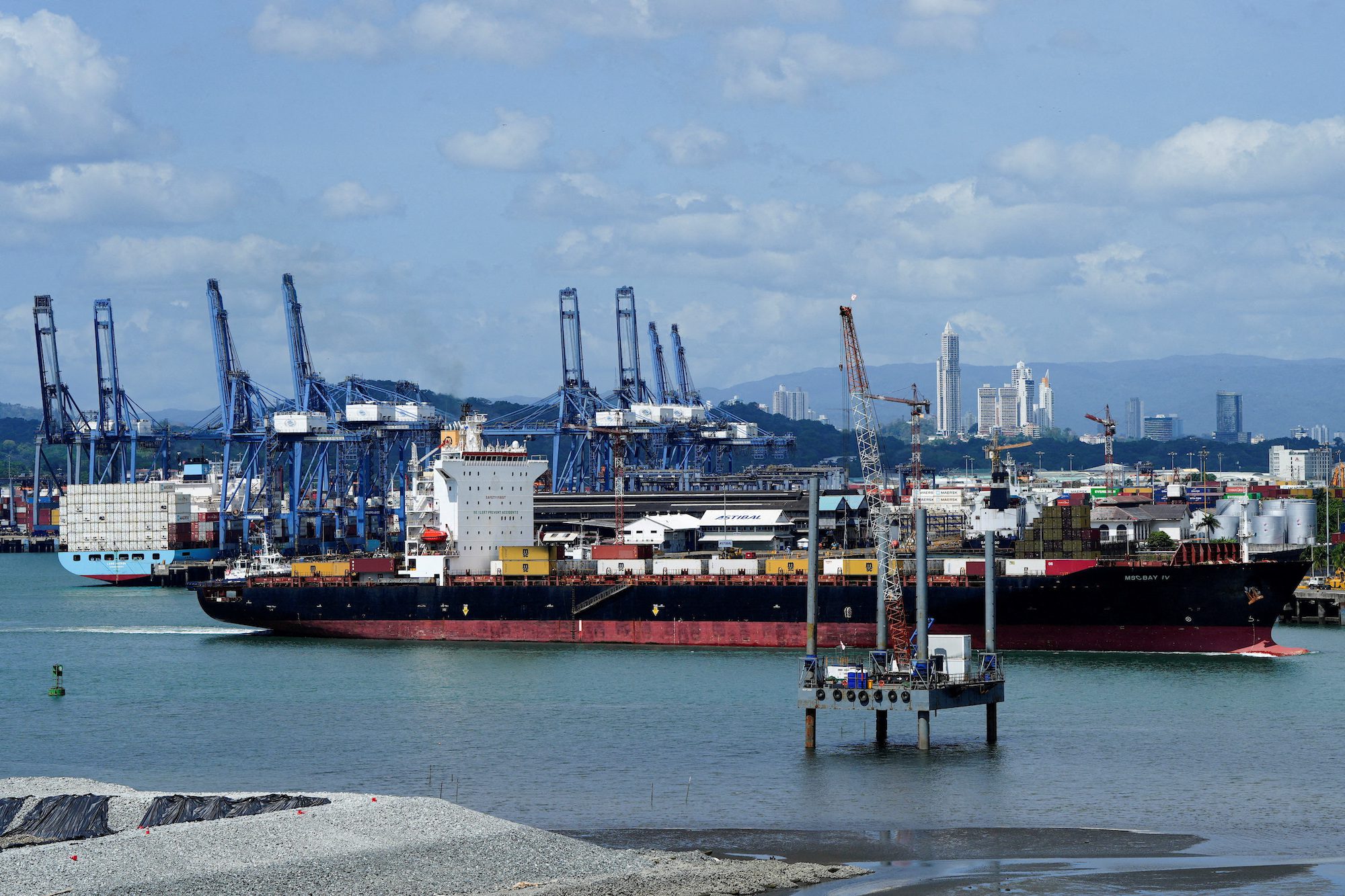
Chinese authorities have initiated a review of CK Hutchison Holdings Ltd.’s agreement to divest its port assets near the Panama Canal to a consortium led by BlackRock Inc., expressing dissatisfaction with the Hong Kong-based conglomerate’s decision.

The deal, valued at approximately $22.8 billion, encompasses the sale of 43 ports across 23 countries, notably including the Balboa and Cristobal terminals situated at either end of the Panama Canal. CK Hutchison asserts that the transaction is purely commercial and does not involve its port operations in Hong Kong or mainland China.

Beijing’s reaction has been notably severe. The Hong Kong and Macau Affairs Office, representing China’s central government, has publicly criticized the sale, describing it as a “betrayal of all Chinese people.” State-affiliated media have echoed this sentiment, labeling the move as “spineless” and accusing CK Hutchison of yielding to foreign pressure.

This development occurs amid heightened geopolitical tensions between China and the United States. U.S. President Donald Trump has lauded the acquisition, interpreting it as a strategic move to reclaim American influence over the Panama Canal, a vital maritime passage constructed by the U.S. in the early 20th century and transferred to Panamanian control in 1999.

In response to the sale, Chinese officials are contemplating the application of anti-monopoly laws to scrutinize the transaction further. Legal experts suggest that while Beijing’s jurisdiction over CK Hutchison’s overseas operations is limited, potential leverage could be exerted through the conglomerate’s substantial investments within China.

Hong Kong’s Chief Executive, John Lee, has also weighed in, denouncing coercive tactics by foreign governments without directly naming the United States or addressing the specifics of the port deal. He emphasized the importance of fair international trade practices and the need to resist external pressures.

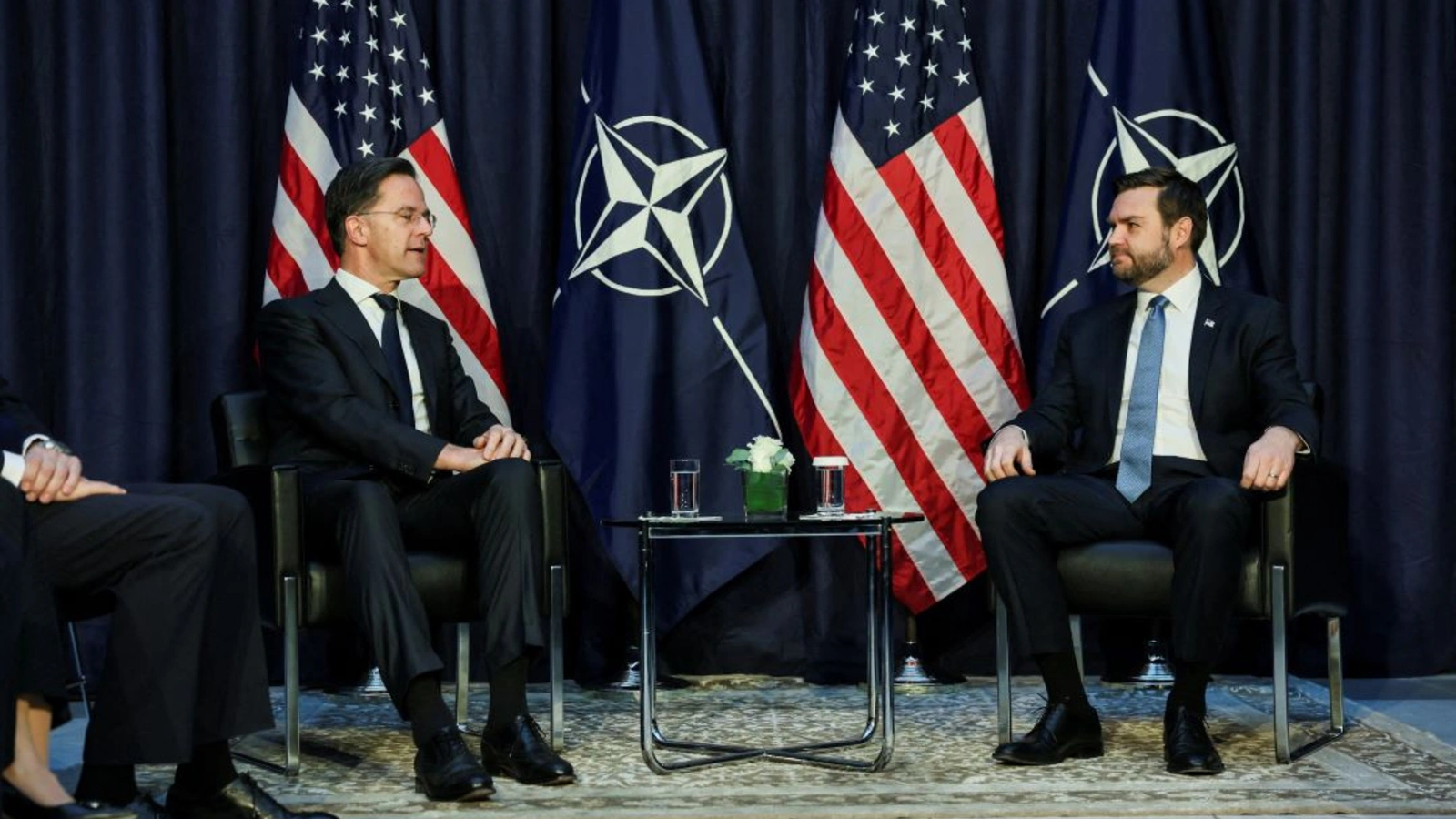
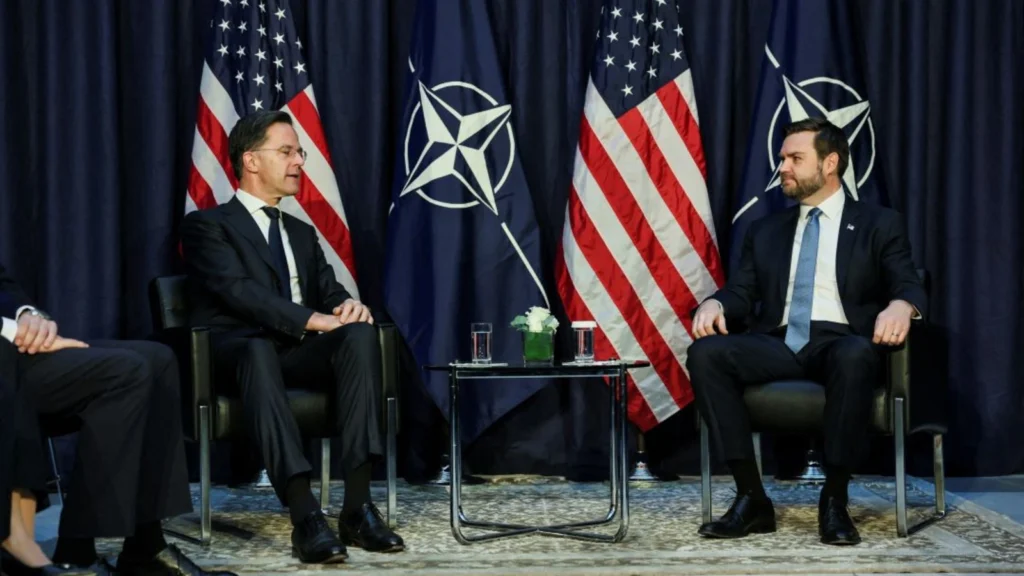
By Nitya Chakraborty Europe, which has always been vocal about its past history and civilization as well its contribution to the making of the modern world, has never faced such humiliation in the hands of its transatlantic ally the USA in the last eighty years since the end of the Second World War in 1945.The […]
Advertisements

A magnitude 6.7 earthquake occurred off the coast of New Zealand’s South Island on Tuesday afternoon, prompting authorities to assess potential tsunami risks. The tremor was recorded at 2:43 p.m. local time, with its epicenter approximately 160 kilometers northwest of the Snares Islands at a depth of 33 kilometers. The National Emergency Management Agency advised residents in the Southland and Fiordland regions to avoid coastal and marine […]

DE-CIX, a prominent global operator of Internet Exchanges , has inaugurated two new IXs in Brazil—DE-CIX São Paulo and DE-CIX Rio de Janeiro—marking a significant enhancement to the country’s digital connectivity landscape.

The launch event took place at Villaggio JK in São Paulo, attended by industry representatives and organizations from Brazil and beyond. These IXs, operated by DE-CIX Brazil, a wholly-owned subsidiary of the DE-CIX Group, are both carrier and data center neutral, ensuring broad accessibility for various network operators.

Strategically distributed across multiple data centers, DE-CIX São Paulo is housed in Elea Data Centers SPO1, Ascenty SP4, and Equinix SP4, while DE-CIX Rio de Janeiro operates from Elea Data Centers RJO1 and Equinix RJ2. This multi-location approach enhances redundancy and resilience for Brazilian network operators, addressing a critical need in the nation’s digital infrastructure.

A notable feature of these IXs is their interconnection from the outset, a first for Brazil. This setup facilitates both local and remote peering, allowing seamless data exchange within and between the two cities. Furthermore, DE-CIX Brazil integrates into the company’s global IX ecosystem, connecting with exchanges in New York, Lisbon, Madrid, Frankfurt, and beyond. This integration leverages both north-south and south-south Atlantic connectivity corridors, providing Brazilian customers with direct access to thousands of networks worldwide.

Ivo Ivanov, CEO of DE-CIX, emphasized the importance of this development: “With DE-CIX São Paulo and DE-CIX Rio de Janeiro open for business, customers can now benefit from a more resilient and globally integrated digital interconnection ecosystem in Brazil.” He highlighted the company’s commitment to enhancing local interconnection, attracting international participants, and strengthening the country’s digital infrastructure by offering high-performance, secure, and scalable interconnection services.

Brazil, as the second-largest market globally by network count, stands to gain significantly from these advancements. The growing digital economy demands state-of-the-art connectivity to ensure efficient local data exchange. The presence of DE-CIX in São Paulo and Rio de Janeiro is poised to play a crucial role in driving efficiency, performance, and innovation within the country’s digital economy.

The establishment of these IXs is expected to attract international players to the Brazilian market, fostering a more vibrant and competitive digital ecosystem. By providing SLA-backed, enterprise-grade interconnection solutions, DE-CIX addresses the increasing demand for reliable, high-speed connectivity essential for cloud computing, artificial intelligence, and content localization.

DE-CIX’s expansion into Brazil aligns with its broader strategy of enhancing global interconnection services. With operations in nearly 60 locations across Europe, Africa, the Americas, the Middle East, and Asia, DE-CIX connects thousands of network operators, Internet service providers, content providers, and enterprise networks from over 100 countries. The company’s Frankfurt exchange is among the largest globally, handling almost 45 exabytes of data annually as of 2024, with close to 1,100 connected networks.

The collaboration with local data centers underscores DE-CIX’s commitment to strengthening Brazil’s digital backbone. By integrating into DE-CIX’s global ecosystem, Brazilian businesses gain direct access to a vast array of networks, enhancing their connectivity strategies and supporting digital transformation initiatives.

Aspire partners with global top tier VCs to launch a programme to empower early stage founders with the knowledge, resources and investor connections to fundraise with confidence. SINGAPORE – Media OutReach Neswire – 25 March 2025 – Aspire, the all-in-one finance platform for modern businesses, today announces the launch of Aspire Ignite, a programme designed to help early stage startup founders overcome one of the biggest challenges […]

GUANGYUAN, CHINA – Media OutReach Newswire – 24 March 2025 – On March 12, marking the 47th Arbor Day of China, the “Shu Road Cuiyun Corridor Ancient Cypress Conservation Handover Ceremony” was held in Jian’ge County, Guangyuan City, Sichuan Province. More than a hundred town and township cadres, forest rangers and villagers witnessed this special handover event, who gathered to witness the transfer of responsibility for the […]

Strategy, formerly known as MicroStrategy, has significantly expanded its Bitcoin portfolio by acquiring 6,911 bitcoins between March 17 and March 23, 2025. The purchase, totaling approximately $584.1 million, was made at an average price of $84,529 per bitcoin. This acquisition elevates the company’s total holdings to 506,137 bitcoins, acquired at an aggregate purchase price of approximately $33.7 billion, averaging $66,608 per bitcoin.

This move underscores Strategy’s ongoing commitment to Bitcoin as a primary treasury reserve asset. The company’s aggressive accumulation strategy has positioned it as the largest corporate holder of Bitcoin, now controlling nearly 2.4% of the total 21 million bitcoins that will ever exist.

To finance this substantial acquisition, Strategy raised approximately $711.2 million through the issuance of 8.5 million shares of its 10.00% Series A Perpetual Strife Preferred Stock, priced at $85.00 per share. The offering was upsized due to strong investor demand, reflecting confidence in the company’s Bitcoin-focused strategy. The net proceeds from this offering were earmarked for general corporate purposes, including the acquisition of additional Bitcoin and working capital needs.

Michael Saylor, Strategy’s Executive Chairman, hinted at the impending Bitcoin purchase through a cryptic social media post featuring a Bitcoin price chart captioned “needs more orange.” This subtle indication preceded the official announcement of the acquisition, aligning with the company’s pattern of strategic and timely Bitcoin investments.

The company’s approach involves leveraging financial instruments to fund its Bitcoin acquisitions. The Series A Perpetual Strife Preferred Stock offers a fixed annual dividend of 10%, increasing by 1% per year if payments are deferred, capped at 18%. This structure is designed to attract fixed-income investors while providing Strategy with the necessary capital to continue its Bitcoin accumulation.

Despite the substantial investment in Bitcoin, Strategy’s stock experienced a decline of 6.8% to $274.13, amid a broader downturn in the cryptocurrency market. Bitcoin’s price decreased by 2.2% to $82,620 during the same period. This volatility highlights the inherent risks associated with the company’s Bitcoin-centric strategy, as its stock performance remains closely tied to fluctuations in the cryptocurrency market.

In the broader context, the cryptocurrency landscape is experiencing significant developments. President Donald Trump has pledged to transform the United States into the leading Bitcoin superpower and global cryptocurrency hub. In a pre-recorded address to the Blockworks Digital Assets Summit in New York, President Trump criticized previous administrations for their restrictive stance on crypto and announced plans to introduce clear regulations for stablecoins and market structures. These initiatives aim to stimulate investment and innovation in the crypto sector, potentially influencing corporate strategies like that of Strategy.

Imagine you’re preparing for an important event, let’s say a wedding. You have to prepare the location, invitations, menu, dress code, and all sorts of other details. But when you think about this day, there is one thing you can’t imagine it without. And, of course, these are flowers. There are many cultures, traditions and ceremonies in the world, but flowers are the main attribute of nearly […]

Six Greater China cities are ranked in the top 20 most expensive office fit out markets in Asia Pacific Hong Kong moves up four places to rank as fifth most expensive fit out market in Asia Pacific, remains most costly in Greater China HONG KONG SAR – Media OutReach Newswire – 24 March 2025 – The cost to fit out an office in key locations across Asia […]

SINGAPORE – Media OutReach Newswire – 24 March 2025 – The Work Project (TWP), the global luxury workspace provider, has marked its entry into the UK market with its first location to open at prime office tower, One Leadenhall, in the centre of the City of London. Leading APAC Flexible Workspace The Work Project to Open First UK Location Developed by Brookfield Properties, London’s new landmark skyscraper […]

The United Arab Emirates has announced an unprecedented commitment to invest $1.4 trillion in the United States over the next decade, marking a significant deepening of economic ties between the two nations. This ambitious investment framework aims to bolster key sectors of the U.S. economy, including artificial intelligence infrastructure, semiconductors, energy, and manufacturing. The announcement follows a series of high-level meetings in Washington, D.C., where UAE National […]

Royal Private Offices across the Gulf Cooperation Council nations have rapidly accumulated assets totaling approximately $500 billion, emerging as pivotal players in the region’s financial landscape. This substantial growth has been instrumental in the creation of new sovereign wealth funds , reshaping investment strategies and economic diversification efforts within the Gulf states.

A recent report by Deloitte highlights the significant influence of RPOs, noting their role in establishing additional or parallel entities in countries where sovereign funds already exist. This trend is particularly evident in the GCC, where new funds linked to specific individuals or extended families have emerged in recent years.

The GCC’s sovereign wealth funds currently manage assets estimated at $4.9 trillion, with projections suggesting this figure will surpass $5 trillion by early 2025 and could reach $7 trillion by 2030. The integration of RPOs into the financial ecosystem has not only expanded the asset base but also diversified investment portfolios, encompassing sectors such as technology, infrastructure, and renewable energy.

One notable development is the establishment of a $500 million family office in Hong Kong by Sheikh Ali Al Maktoum, a member of Dubai’s ruling family. This move underscores the strategic intent of Gulf royals to explore investment opportunities across Asia, focusing on sectors like artificial intelligence, construction, electric vehicles, tourism, and fintech.

The emergence of RPOs has also led to increased competition among GCC cities to attract global wealth managers. Both Dubai and Abu Dhabi are vying to become the region’s premier financial hubs, offering favorable business regulations, tax incentives, and access to substantial sovereign wealth. Abu Dhabi, for instance, is leveraging its sovereign wealth funds, which manage nearly $2 trillion, to boost non-oil growth and position itself alongside Dubai as a prominent financial center.

This competitive landscape has attracted numerous international finance and law firms to the Middle East. Prominent entities such as Marshall Wace, Rothschild, and Skadden have expanded their operations into the region, drawn by the burgeoning opportunities presented by RPOs and SWFs.

The strategic investments by RPOs are not confined to traditional sectors. Sheikh Tahnoun bin Zayed al Nahyan, the UAE’s national security adviser, controls an estimated $1.5 trillion in assets and is focusing on transforming Abu Dhabi into an artificial intelligence superpower. Through his control over tech conglomerate G42, Sheikh Tahnoun aims to position the UAE at the forefront of the global AI industry, reflecting the region’s ambition to lead in cutting-edge technologies.

The rise of RPOs has also influenced the asset management landscape. In 2024, major firms aggressively expanded in the Middle East to engage local investors, driven by sovereign wealth funds’ demand for local investment. This expansion reflects the growing appeal and strategic importance of the Middle East for global finance and legal entities.

European data center operator NorthC Group has officially inaugurated its latest facility in Winterthur, Switzerland, marking the company’s fourth data center in the country. This strategic expansion underscores NorthC’s commitment to providing regional data center services with global connectivity, catering to the escalating demand for secure and sustainable digital infrastructure. The Winterthur data center, strategically situated near the Turm Areal, encompasses approximately 1,100 square meters and boasts […]

Car wrapping  has experienced a growth in popularity as a method for improving the look of all cars and for providing protection to any original paint. Car wraps provide a truly special mix of customization and practicality in Dubai, a city known for its genuinely luxurious lifestyle and spectacularly stunning vehicles. A lot of people ask – what is the best car wrapping near me? This guide […]

By K Raveendran It would be an understatement that the discovery of a large stash of cash from the residence of Delhi High Court Justice Yashwant Varma has sent shockwaves. This unexpected incident has raised uncomfortable questions about corruption and integrity within the judiciary, often viewed as the guardian of justice and moral rectitude. While […]

The United Arab Emirates property market is witnessing a notable influx of foreign institutional investors, marking a significant shift from its earlier reputation as a speculative arena dominated by individual buyers. This transformation is attributed to a combination of regulatory reforms, economic diversification, and the nation’s robust infrastructure, collectively enhancing the market’s appeal to large-scale investors. Historically, the UAE’s real estate sector was perceived as volatile, with […]

Dubai is implementing significant regulatory reforms to enhance its status as a burgeoning hub for hedge funds. The Dubai Financial Services Authority is conducting a comprehensive review of existing regulations to eliminate unnecessary burdens and lower entry barriers for financial firms.

The DFSA has proposed reducing the minimum capital requirements for certain money managers, aligning more closely with European Union and United Kingdom standards. This marks one of the most substantial regulatory shifts in nearly two decades. Currently, Dubai hosts over 70 hedge funds, with a significant number managing assets exceeding $1 billion.

In addition to lowering capital thresholds, the DFSA is considering reducing the amount of emergency cash that firms are required to maintain. Furthermore, the authority may abolish rules necessitating regulatory approval for key personnel hires, shifting the responsibility of vetting to the companies themselves.

These proposed changes aim to minimize barriers to entry and foster a more conducive business environment for hedge funds. The DFSA emphasizes that these reforms will maintain compliance with international regulatory standards while promoting growth within the financial sector.

The Dubai International Financial Centre , established in 2004, operates as an independent jurisdiction within the United Arab Emirates, with its own legal and regulatory framework based on international standards and principles of common law. This unique environment has been instrumental in attracting global financial services and related industries to Dubai.

The DIFC does not impose any investment or leverage restrictions on hedge funds, providing managers with broad flexibility to design products that align with their strategies. Mandatory disclosures are required in the hedge fund’s prospectus, and specific rules relate to prime brokers, who must be eligible custodians authorized to provide custody services in the DIFC or recognized foreign entities.

Setting up a fund in the DIFC requires either establishing a domestic fund manager or licensing an existing fund manager from a recognized jurisdiction to act as the external fund manager of the DIFC fund. The base capital requirement for a Category 3C Fund Manager is $70,000, with actual capital required depending on the nature and scale of the business.

The DFSA’s commitment to promoting the development of the financial services industry in Dubai has garnered support from international bodies such as the Managed Funds Association . The MFA acknowledges that the new statutory objective will help the DFSA prioritize the growth of the financial services industry in Dubai, allowing alternative investment funds to better serve institutional investors in the region.

The evolving regulatory environment in the UAE is critical for hedge funds and alternative investment firms looking to thrive in the region. Understanding key regulatory trends, upcoming changes, and potential areas of focus provides valuable insights for those already regulated or exploring opportunities in the UAE’s dynamic financial landscape.

Coinbase Global Inc., the largest U.S.-based cryptocurrency exchange, is in advanced discussions to acquire Deribit, a leading platform for Bitcoin and Ether options trading. The potential acquisition has been communicated to regulators in Dubai, where Deribit holds a license.

Deribit, founded in 2016 and headquartered in the Netherlands, has established itself as a dominant force in the cryptocurrency options market, particularly for Bitcoin and Ether contracts. In 2024, the exchange’s options notional trading volume surged 99% year-over-year to $743 billion, with total trading volume nearing $1.2 trillion. This growth underscores the increasing adoption of options and futures among institutional traders seeking risk management tools and leverage in crypto markets.

The potential acquisition aligns with Coinbase’s strategic push to expand its institutional offerings and underscores the growing importance of derivatives in the digital asset space. By integrating Deribit’s robust derivatives platform, Coinbase aims to enhance its product suite for institutional clients and strengthen its position in the competitive cryptocurrency exchange landscape.

While Coinbase’s interest has progressed to advanced stages, it is noteworthy that Kraken, another major U.S. cryptocurrency exchange, has also been in talks with Deribit regarding a potential acquisition. Contrary to earlier reports suggesting that Kraken had withdrawn from negotiations, sources indicate that discussions between Kraken and Deribit are ongoing. This simultaneous interest from two prominent exchanges highlights Deribit’s significant value proposition in the crypto derivatives market.

Deribit’s valuation has been a focal point in these discussions. In January, reports estimated the company’s worth to be between $4 billion and $5 billion. However, with the recent surge in crypto market activity and the heightened interest from major exchanges, the valuation could potentially be higher. Despite the advanced nature of the talks, it remains unclear if Coinbase has reached a final agreement with Deribit, and the discussions may not necessarily result in a deal.

The potential acquisition has been communicated to regulators in Dubai, as Deribit holds a license in the city. This license would be transferred to the acquiring entity, in this case, Coinbase. This regulatory aspect adds a layer of complexity to the negotiations, as compliance with international financial regulations is paramount for both entities.

The cryptocurrency industry has witnessed a surge in mergers and acquisitions, reflecting a maturation of the market and a drive towards consolidation. Exchanges are increasingly seeking to diversify their offerings to cater to a broader clientele, particularly institutional investors who demand sophisticated trading instruments like options and futures. By potentially acquiring Deribit, Coinbase would not only expand its product offerings but also solidify its position as a comprehensive platform for various trading strategies.

For Deribit, integration with a major exchange like Coinbase could provide access to a wider user base and additional resources, potentially accelerating its growth and innovation in the derivatives market. However, such an acquisition would also entail significant integration efforts, including aligning technological infrastructures, compliance protocols, and corporate cultures.

Chinese financial experts have raised concerns that US dollar-pegged stablecoins may strengthen the dollar’s global dominance by linking international credit to virtual economies. They advocate for China to develop its own stablecoins to enhance the yuan’s international standing.

A recent opinion piece published in several Chinese outlets considers how China should respond to the proliferation of US dollar stablecoins. The article suggests that China’s central bank should consider issuing its own stablecoins to counter the influence of dollar-pegged digital currencies.

Wang Yongli, former Vice President of the Bank of China, analyzed the position of the U.S. dollar as the world’s dominant currency and its implications for China’s monetary strategy. He pointed out that many countries, including China, have sought to internationalize their currencies and reduce reliance on the dollar, but these efforts face significant challenges. Despite China being the world’s second-largest economy and the largest trading nation in goods, the RMB’s share in global payments remains low, only around 4%, compared to the dollar’s nearly 50%. The RMB’s share in global reserves is also minimal, at just over 2%, while the U.S. dollar, despite declining from its peak, still accounts for nearly 60%.

China has been proactive in developing its own central bank digital currency , known as the digital yuan or e-CNY. This initiative aims to modernize the country’s payment systems and promote the yuan’s international use. The digital yuan is currently being tested in various regions and sectors within China, with plans for broader implementation in the future.

The internationalization of the yuan faces challenges, particularly due to China’s stringent capital controls, which limit the currency’s convertibility. These controls are in place to maintain financial stability but hinder the yuan’s acceptance as a global currency. Additionally, geopolitical tensions and U.S. sanctions add complexity to China’s efforts to promote the yuan internationally.

In response to these challenges, Chinese researchers have proposed the idea of a common Asian digital currency. Such a currency could reduce the region’s reliance on the U.S. dollar and enhance financial cooperation among Asian countries. This proposal reflects a strategic move to counter the dollar’s dominance and promote regional financial stability.

The proliferation of US dollar stablecoins presents both opportunities and challenges for global financial systems. While they offer efficiency and accessibility in digital transactions, they also reinforce the dollar’s hegemony, potentially undermining other currencies. China’s consideration of its own stablecoins and the development of the digital yuan are strategic efforts to enhance the yuan’s global standing and mitigate the risks associated with dollar-dominated digital currencies.

VISHNU RAJA
RYO YAMADA
HITORI GOTOH
IKUYO KITA