News related to
near

GPT-5, the latest iteration of OpenAI’s language model, has been found vulnerable to a range of security breaches, according to recent findings by red team researchers. These researchers have demonstrated that sophisticated multi-turn attacks, dubbed “storytelling” attacks, can bypass prompt-level filters, rendering the model nearly unusable for enterprise applications. The attacks focus on exploiting systemic weaknesses within GPT-5’s defensive mechanisms. While OpenAI has made strides in bolstering […]

Oil prices ended the week with significant losses, influenced by the latest round of US tariffs and the mounting anticipation surrounding US-Russia discussions on a ceasefire for the ongoing Ukraine conflict. Both major oil benchmarks, Brent and West Texas Intermediate, saw considerable weekly declines, with Brent recording a 4.4 per cent drop and WTI losing over 5 per cent. On Friday, Brent crude, which represents the global […]

By Nitya Chakraborty The stage is finally set. U.S. President Donald Trump will be meeting the Russian President Vladimir Putin in Alaska in USA on August 15 to discuss the Ukraine war issue and bring about a settlement for facilitating a long term solution. If a framework of a solution is reached, President Putin will […]

Corporate treasuries and investment funds have made significant moves into Bitcoin this year, with a staggering 371,111 BTC purchased since January. This figure, more than three times the amount mined during the same period, signals the growing influence of institutional investors in the cryptocurrency market. These acquisitions come amid an evolving strategy pioneered by Michael Saylor, the founder of MicroStrategy, whose company continues to lead the pack in BTC purchases.

Saylor, an early advocate of Bitcoin, has been vocal about the digital asset’s potential as a hedge against inflation and a store of value, especially in an era of increasing economic uncertainty. MicroStrategy’s strategy of accumulating Bitcoin on its balance sheet has served as a model for other corporate investors looking to diversify their cash reserves. The company currently holds over 150,000 BTC, solidifying its position as the largest publicly traded corporate holder of Bitcoin.

This trend is not limited to MicroStrategy alone. A growing number of public companies have followed suit, with many purchasing Bitcoin as part of their long-term investment strategies. Among the most prominent in this movement are Tesla, which made a significant BTC purchase in early 2021, and Block, the payments company founded by Jack Dorsey. Both have maintained substantial Bitcoin holdings, and their actions continue to inspire others in the corporate sector to consider the digital asset as a viable alternative to traditional assets like cash or bonds.

The accumulation of Bitcoin by public companies and investment funds is also evidenced in the growth of Bitcoin-backed exchange-traded funds. Major ETFs have amassed nearly $151 billion worth of BTC, accounting for a significant 6.47% of the total circulating supply. This figure reflects the increasing mainstream acceptance of Bitcoin and the growing appetite for institutional investors to gain exposure to the cryptocurrency market without the direct complexities of buying and storing the digital asset.

The Bitcoin ETF market has rapidly matured, with various products offering different exposure options. Grayscale Bitcoin Trust and the Purpose Bitcoin ETF, for example, have emerged as key players, providing institutional and retail investors alike with a more accessible way to hold Bitcoin. These funds have not only bolstered institutional interest but also helped legitimize Bitcoin as an asset class in the eyes of traditional finance.

One of the key factors driving this wave of institutional adoption is the desire for better yield in an environment of low-interest rates and rising inflation. Bitcoin’s scarcity, with a maximum supply of 21 million coins, makes it an attractive proposition for funds and corporate treasuries looking for an alternative store of value. As inflation fears continue to loom, particularly in the wake of expansive monetary policies enacted during the COVID-19 pandemic, Bitcoin offers an attractive hedge against potential currency devaluation.

The maturity of the Bitcoin network and its increasing institutional infrastructure, including custodial services, derivatives markets, and improved regulatory clarity, have made it easier for large investors to enter the market with confidence. This growing institutional infrastructure is also helping reduce some of the risks traditionally associated with cryptocurrency investments, such as security concerns and price volatility.

However, not everyone is convinced of the long-term benefits of Bitcoin. Critics argue that the digital asset remains highly speculative, with no inherent value other than what investors are willing to pay. Regulatory uncertainty also continues to cast a shadow over the market, with governments worldwide scrutinizing the use of Bitcoin in financial systems and its role in money laundering and illicit activities.

KUALA LUMPUR, MALAYSIA – Media OutReach Newswire – 8 August 2025 – Octa Broker is providing an in-depth overview of the week’s key events and actionable insights to help traders navigate this high-stakes environment with confidence. July was a relatively quiet month for gold, at least by the recent standards. XAUUSD, the primary financial instrument for trading bullion, fluctuated in a very narrow 30-dollar range between roughly […]

Apprehension has returned to US stock markets, and the reasons are becoming increasingly difficult to ignore. Many asset allocators I speak with are questioning valuations that appear stretched and overly reliant on a handful of technology giants. Although the S&P 500 and the Nasdaq 100 reached fresh highs just last week, the rally already feels vulnerable. Outside the United States, sentiment is notably more optimistic. In Europe, […]

France is grappling with its most severe wildfire in decades, marking a stark return to the destructive forces of nature. The fire, which broke out in the southern regions, has already scorched thousands of hectares, making it the largest blaze since 1949. That year, devastating fires near Bordeaux claimed 82 lives and ravaged 50,000 hectares of land. This new disaster is showing no signs of slowing down, […]

Advertisements

Expands global presence, targeting 100 locations by end of year TOKYO, JAPAN – Media OutReach Newswire – 7 August 2025 – In an era of rapid technological advancement, industries worldwide are actively integrating cutting-edge technologies to drive business breakthroughs. Worldgate global Logistics Ltd (“Worldgate“, together with its subsidiaries, collectively the “Group”; HKEx: 8292) is pleased to announce that its interactive entertainment business, VSING (“the Company”) has formed […]

ADNOC Distribution has posted a robust 12% increase in net profit for the first half of 2025, reflecting solid growth across its key sectors. The UAE’s largest fuel distributor achieved its highest-ever fuel volumes during this period, with 7.62 billion litres sold, marking a 5.6% year-on-year rise. The company has shown a significant recovery from global market fluctuations, continuing to benefit from its diversified portfolio. The performance […]

Emaar Properties has reported a 33% year-on-year increase in net profit for the first half of 2025, reaching a total of AED 7.08 billion. The surge in profits is primarily attributed to the company’s strong performance in property sales, marking a significant rebound for the Dubai-based developer.

The company’s revenue for the period rose by 38% year-on-year, amounting to AED 19.8 billion. This growth was driven by notable gains across its diverse business segments, including development, retail, hospitality, and its expanding international operations. The company’s diversified portfolio helped strengthen its position amid global uncertainties, enabling it to capitalise on rising demand for both residential and commercial properties in Dubai.

Emaar’s property sales remained the cornerstone of its performance, with the developer reporting substantial activity across its developments. As a result, the company’s revenue backlog from property sales surged by 62% compared to the same period last year, reaching AED 146.3 billion by the end of June. This backlog indicates strong future earnings potential for the company, suggesting that the momentum in its core real estate business will continue into the second half of the year.

One of the key drivers behind this growth has been the high demand for residential properties, particularly in premium and luxury segments. The company’s flagship developments, such as the Burj Khalifa and Dubai Hills Estate, continue to attract significant interest from both domestic and international buyers. Additionally, the retail and hospitality arms of the business have been buoyed by the easing of pandemic-related restrictions and a return to normalcy in tourism, contributing further to the strong overall performance.

Internationally, Emaar has also been expanding its reach, with projects in markets such as Egypt, Saudi Arabia, and India. The company’s international ventures, which contribute a growing share of its revenues, have provided a hedge against the fluctuating dynamics of the UAE market, particularly in a post-pandemic environment where global markets remain unpredictable.

The hospitality division has also experienced a marked recovery, with hotel bookings returning to pre-pandemic levels. Dubai’s status as a leading tourist destination has supported Emaar’s hospitality segment, as international visitors continue to flock to the emirate. The company’s hotels, such as those in the Dubai Marina and Downtown Dubai areas, have benefitted from both business and leisure tourism, bolstering revenue streams.

Looking forward, Emaar’s robust financial performance for H1 2025 positions the company well to continue its growth trajectory. The record revenue backlog provides a strong pipeline for future sales, with developments expected to deliver significant returns as they near completion. As a key player in Dubai’s real estate market, Emaar’s performance is closely watched by investors, analysts, and stakeholders in the industry.

Dubai is poised to introduce a revolutionary autonomous parking system powered by artificial intelligence. Parkonic, the UAE’s top smart parking solutions provider, has entered a strategic collaboration with Salik Company, the toll gate operator, and Dubai Holding to launch this groundbreaking initiative. The new system is set to transform both on-street and off-street parking across some of the city’s most iconic neighbourhoods. The fully autonomous system will […]

Base Network, the layer-2 blockchain backed by Coinbase, has faced its first service interruption in over a year, halting its operations for 29 minutes due to a block production issue. This event marks a significant moment for the blockchain, which has enjoyed a relatively smooth run since its launch in 2023.

The disruption began shortly after 1:00 UTC, with users and developers quickly reporting that transactions were no longer being processed. Blockchain explorers confirmed the halt, with validators unable to produce new blocks for nearly half an hour. The Base Network team acknowledged the issue on its official communication channels, assuring users that the problem was being resolved.

This downtime is the first major service disruption for Base Network since its debut in 2023, a period during which the blockchain has attracted significant attention. It is part of a growing trend of scaling solutions in the Ethereum ecosystem, designed to reduce transaction costs and improve speed, all while leveraging the security of the Ethereum mainnet.

Base, developed by Coinbase, has rapidly gained traction among developers and users alike, particularly due to its integration with the broader Ethereum ecosystem. The blockchain’s promise of low-cost transactions and seamless scalability has made it an attractive option for decentralised finance applications and non-fungible token projects.

For many users and developers, the interruption comes as an unwelcome surprise, especially given the increasing reliance on the blockchain for transactions. The timing of the downtime was also notable, as it occurred during a busy period for crypto markets, leading to further frustration among traders who were unable to execute transactions on the network.

The interruption was linked to an issue with the block production process, which caused delays in adding new blocks to the chain. While Base Network is designed to function as a layer-2 solution, relying on Ethereum’s mainnet for security, the block production issue seems to have been specific to the protocol’s internal mechanics.

Following the disruption, Base Network’s team worked to identify the root cause and restore functionality as quickly as possible. They credited a swift response from the community of validators for preventing a longer service outage, highlighting the collaborative nature of the platform’s decentralised ecosystem.

Despite the temporary setback, Base Network’s broader goals remain intact. The platform is still one of the most anticipated and widely used layer-2 blockchains in the market. It continues to gain support, particularly with Coinbase’s backing, which has provided it with a degree of credibility and a strong user base.

Base Network’s performance is often compared to other layer-2 solutions in the Ethereum space, such as Arbitrum and Optimism. While these blockchains have had their share of issues, including downtime and network congestion, Base’s relatively short disruption marks a rare hiccup in its operation.

The broader implications of the downtime for the blockchain ecosystem remain to be seen, but it serves as a reminder of the ongoing challenges that even the most established projects face in maintaining uptime and reliability. For users, the incident underscores the importance of decentralised infrastructures that can respond quickly to unforeseen technical challenges.

Coinbase, which has long advocated for the benefits of blockchain technology and its potential to revolutionise various industries, will likely use this incident as a learning opportunity. It remains committed to improving the platform’s infrastructure to avoid such disruptions in the future, particularly as the demand for scalable solutions grows.

While the network’s downtime was brief, the event highlights the complexities of operating a layer-2 blockchain that interacts closely with the Ethereum mainnet. Base Network, like other blockchain projects, must navigate the technical and operational challenges of scaling while maintaining trust within the user community.

A remarkable discovery in palaeontology has emerged from the re-examination of a fossil originally unearthed over four decades ago in the Posidonia Shale of Germany. The fossil, which has long been a subject of scientific intrigue, has now been identified as belonging to a previously unknown species of long-necked marine reptile, Plesionectes longicollum. This breakthrough finding significantly alters the understanding of marine life during the Jurassic period, […]

The cost of purchasing homes in Abu Dhabi has surged, driven by a growing influx of high-net-worth individuals and a steady demand for prime residential properties. According to the latest data, residential real estate prices have soared by 17.3% in the second quarter of the year, marking a 31.3% increase since Q1 2020. This price hike has pushed the average price per square foot to AED 1,230, […]

Dubai’s tourism sector has shown impressive growth, with 9.88 million international visitors recorded in the first half of 2025, a significant achievement that underscores the city’s growing prominence on the global tourism map. Crown Prince Sheikh Hamdan bin Mohammed highlighted this milestone, attributing the success to the leadership and vision of Vice President and Ruler of Dubai, Sheikh Mohammed bin Rashid.

This surge in visitor numbers aligns with the ambitions outlined in the Dubai Economic Agenda D33, a strategic plan aiming to position the emirate among the world’s top three tourism destinations. Under this agenda, Dubai seeks to expand its appeal, diversify its tourism offerings, and enhance its global standing, with a clear goal of fostering sustained growth in the sector. The half-year figures reflect strong international interest and robust demand for Dubai’s varied tourism attractions, spanning luxury shopping, iconic architecture, and cultural experiences.

The Dubai government’s commitment to the tourism sector has been evident in a series of high-profile initiatives and investments designed to enhance the city’s appeal. From the development of world-class infrastructure to hosting global events such as Expo 2020 and numerous international conferences, Dubai has positioned itself as a key player in the competitive global tourism market. The city’s tourism recovery, which began after the pandemic, has been swift, drawing millions from across the globe, particularly from Asia, Europe, and the Middle East.

A significant driver of Dubai’s tourism growth is its extensive air connectivity, facilitated by Dubai International Airport, one of the busiest airports in the world. DXB has consistently served as a global hub for international travel, with Emirates airline offering seamless connections to key markets. The airport’s strategic location and connectivity have been instrumental in attracting a steady flow of travellers, particularly from Europe and Asia, who increasingly view Dubai as a prime destination for both business and leisure.

Dubai’s luxury sector, including five-star hotels and upscale shopping malls, has continued to thrive, attracting affluent tourists seeking high-end experiences. The city’s offerings have evolved, with a growing emphasis on experiential travel, which includes culinary tourism, wellness retreats, and adventure tourism. The government’s continued investment in cultural infrastructure, including the Louvre Abu Dhabi and Museum of the Future, enhances Dubai’s appeal to cultural tourists, complementing its already robust retail and entertainment scenes.

Dubai’s rise in the global tourism ranks is not merely the result of external factors, but the active cultivation of a highly attractive destination. The city is known for its safety, cleanliness, and well-organised tourism offerings, with services ranging from luxury experiences to budget-friendly options catering to diverse traveller needs. As tourism numbers continue to rise, Dubai is expected to further strengthen its position as a hub for international events, exhibitions, and conferences.

In line with its long-term goals, Dubai has introduced several initiatives aimed at increasing tourism numbers, such as the Dubai Tourism Strategy 2025, which includes a broader approach to tourism marketing. The strategy focuses on creating innovative marketing campaigns, expanding the city’s digital presence, and engaging with emerging travel trends such as eco-tourism and sustainable travel.

The city’s strategic location, combining Eastern and Western influences, has further cemented Dubai’s appeal as a cultural melting pot, drawing people from all corners of the world. Notable growth has been observed from markets in Asia, particularly China and India, with Dubai becoming an increasingly important destination for affluent travellers looking for luxury, leisure, and business opportunities in a safe and accessible environment.

Dubai’s status as a global financial and business centre has also contributed to the rise in international visits, particularly among business executives and entrepreneurs attending conferences and exhibitions. The emirate’s commitment to enhancing its business tourism infrastructure, including the expansion of its conference venues and the hosting of high-profile business events, is expected to contribute further to the sector’s growth.


Oil prices fell sharply after OPEC+ announced plans to raise its production output by 547,000 barrels per day, effective from September. The decision, which came in line with market expectations, has raised fresh concerns about the potential for a global oversupply, especially as fears mount over the long-term impact of economic challenges driven by the US-led trade war.

Brent crude dipped toward $69 per barrel, while West Texas Intermediate hovered near $67, reflecting a sharp pullback following the announcement. The decision to increase output marks a shift in OPEC+ strategy, after several months of production cuts aimed at stabilising oil prices during periods of uncertain demand. However, with global economic headwinds, particularly from trade tensions and slowing growth in major economies, questions are now being raised about whether this increase in supply could overwhelm demand.

Analysts have pointed out that the ongoing US-China trade conflict may be having a profound effect on global energy consumption. The trade war, which has led to tariffs and retaliatory measures between the two largest economies, continues to disrupt global supply chains and dampen business activity. Slower growth in industrial production and manufacturing in key markets has prompted concerns that energy demand could continue to weaken in the face of broader economic struggles.

The increase in production from OPEC+ countries, particularly from the likes of Saudi Arabia, Russia, and Iraq, comes at a critical juncture for global oil markets. While the move was made to ease rising prices and provide some breathing room for oil-dependent economies, the effect of this policy shift is complex. Economists argue that by adding more barrels to an already fragile market, OPEC+ could inadvertently drive down prices further, straining the economic recovery in various parts of the world.

For the time being, the immediate impact of the decision has been reflected in market reactions, with investors showing caution. Oil futures have displayed heightened volatility in response to these developments, as traders remain uncertain about how the oil market will balance the twin pressures of increased supply and potential demand weakness.

The decision was met with mixed reactions from within OPEC+ itself, with some members pushing for a more aggressive increase in output, while others expressed concerns about the potential for exacerbating the supply glut. The divergence of views within the coalition underscores the challenges facing the organisation as it attempts to navigate global economic headwinds. Some member states with economies heavily reliant on oil exports may welcome the production increase as a means to inject more revenue into their national coffers. However, the overall effect on oil prices may ultimately prove counterproductive, especially as the US energy sector continues to grow and exert pressure on global markets.

The decision by OPEC+ to increase output by this amount is also raising questions about the future of production cuts and supply management. The group has made strides to curtail output in recent years in a bid to boost prices, but with uncertainty surrounding demand forecasts, it remains to be seen whether these additional barrels will be absorbed by the market or contribute to further price erosion.

Some market watchers have speculated that the OPEC+ move could be an attempt to pre-emptively counterbalance a potential slowdown in demand as a result of ongoing geopolitical tensions. The trade war, for instance, has prompted governments to enact policies aimed at reducing energy consumption and shifting toward greener, more sustainable energy sources, all of which could place long-term downward pressure on fossil fuel consumption.

Amid these shifting dynamics, some experts are also questioning whether OPEC+ will be able to continue its production increase strategy without facing backlash from consumers and governments alike. With many nations already feeling the strain of high fuel prices, there is a growing sentiment that increasing output may not be the best course of action, particularly in light of concerns about the broader economic slowdown.

LUOYANG, CHINA – Media OutReach Newswire – 1 August 2025 – From July 23 to 27, the Shanghai Cooperation Organization Media and Think Tank Summit was held in Zhengzhou, Henan Province. On July 26, over 100 guests embarked on a field visit to Luoyang, immersing themselves in the vitality and pulse of this millennium-old ancient capital. Site Museum of Dingding Gate As a pivotal cradle of Chinese […]

SHANGHAI, CHINA – Media OutReach Newswire – 1 August 2025 – InMobi, a global leader in mobile advertising and AI-powered monetization, is taking center stage at ChinaJoy 2025, highlighting its unparalleled growth and unwavering commitment to the Chinese developer ecosystem. With over 80% penetration among China’s top 100 gaming publishers and near-complete publisher retention InMobi has acheived a two-fold increase in revenue for Chinese partners between H1 […]

HONG KONG SAR – Media OutReach Newswire – 1 August 2025 – Cushman & Wakefield, a leading global real estate services firm, today released its Life Sciences on the Chinese Mainland – Vital signs: Diagnosing trends in the life sciences real estate market on the Chinese mainland report. It is based on in-depth interview surveys we conducted on professionals active in the life sciences sector on the […]

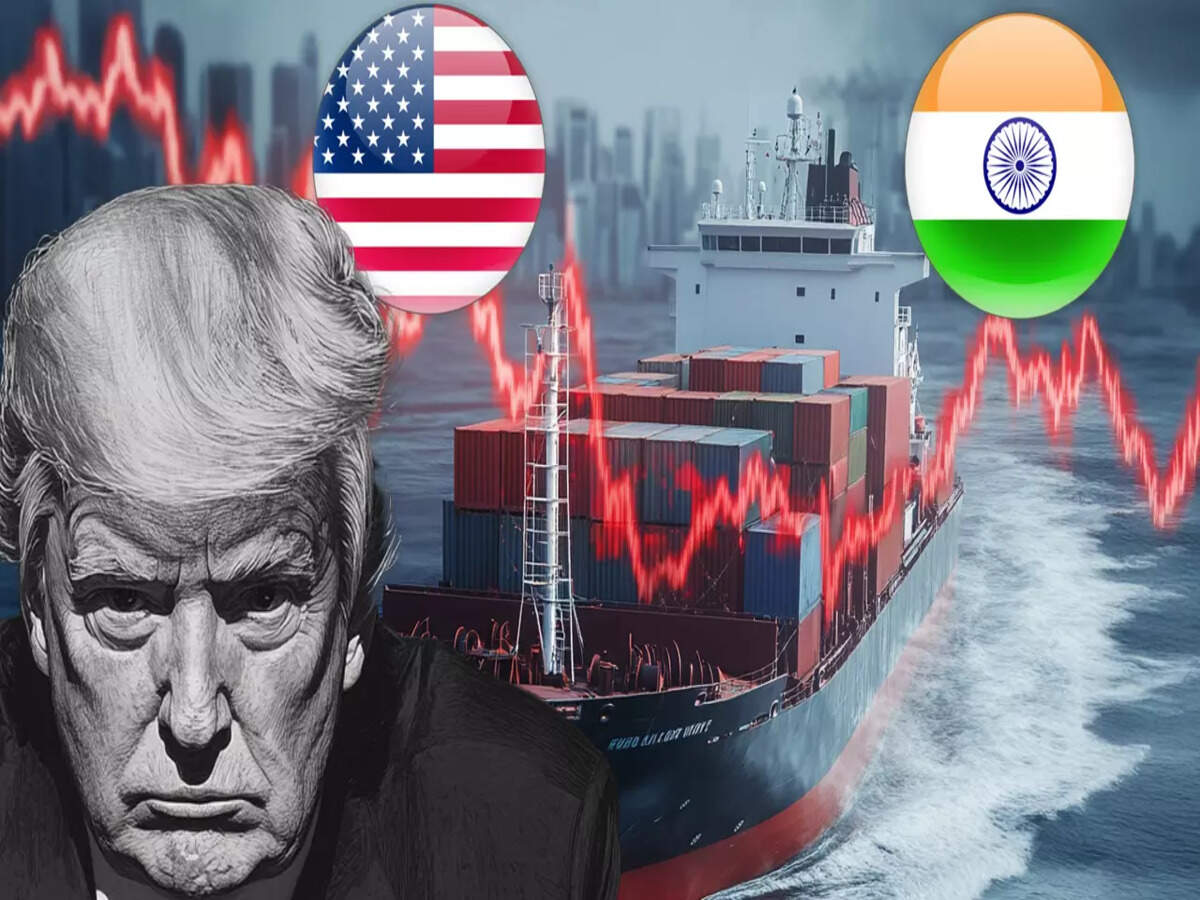
By Dr. Nilanjan Banik Before the August 1 deadline, the U.S. President Donald Trump decided to impose a 25% tariff on Indian exports. He also talked about an additional penalty on Indian exports, which could go up to100% as a surcharge, targeting countries that continue trading oil with Russia. Trump seems to care less about […]


Gulf nations now account for over half of global environmental, social, and governance sukuk issuances in the first half of 2025, underscoring their growing leadership in sustainable Islamic finance. Sukuk linked to ESG objectives saw a 12 per cent rise to approximately $50 billion outstanding globally in H1 2025, with Gulf Cooperation Council countries contributing the majority of this volume. Saudi Arabia and the UAE emerged as principal issuers, driving […]

Major Ethereum holders, often referred to as “whales,” have amassed more than 200,000 ETH in the past 48 hours, pushing their total accumulation to nearly 2 million ETH since the start of July, according to on-chain data firm Santiment. This sharp uptick in activity has caught the attention of market analysts, suggesting that large investors are showing increasing confidence in Ethereum’s long-term price trajectory.

The surge in whale accumulation comes as Ethereum has experienced notable price fluctuations. Following a period of volatility, Ethereum’s price appears to be stabilising, with these strategic accumulations indicating that whales foresee potential price growth. Data from Santiment reveals that these large holders, who hold a significant portion of the total ETH supply, have been acquiring tokens at a rapid pace. Their actions are seen as a signal of confidence in Ethereum’s future, particularly as the network continues to develop and mature.

Ethereum’s ongoing network upgrades, such as the transition to Ethereum 2.0, are likely a contributing factor to this growing bullish sentiment. The shift towards a Proof-of-Stake consensus mechanism has been a long-awaited move, expected to improve scalability, reduce energy consumption, and enhance security. The successful deployment of key upgrades has sparked renewed optimism in the community, particularly among institutional investors who are looking to gain exposure to Ethereum while aligning with broader trends in sustainability.

The shift in sentiment is also reflected in Ethereum’s growing adoption across various sectors. From decentralized finance to non-fungible tokens, Ethereum’s ecosystem continues to expand, driving demand for ETH. As the Ethereum network becomes increasingly entrenched in the broader financial landscape, it is likely that whales view this as a strong indicator of the asset’s potential for long-term appreciation.

The broader cryptocurrency market has been seeing a general trend of institutional involvement, with large-scale investors increasingly allocating capital towards digital assets. Ethereum, as the second-largest cryptocurrency by market capitalisation, stands as a prime target for these investors. The accumulation by whales, many of whom are institutional investors or wealthy individuals, underscores Ethereum’s growing position within the digital asset class.

Despite the positive sentiment surrounding Ethereum, the market remains volatile, with regulatory concerns and global economic factors continuing to influence price movements. However, the heavy accumulation by whales suggests that these investors are more focused on the long-term value proposition of Ethereum rather than short-term price swings. Many believe that as Ethereum’s use cases expand, its value will grow, potentially leading to greater market stability and increasing institutional adoption.

The increasing concentration of ETH in the hands of a few large holders has also raised questions about decentralisation and the potential risks of market manipulation. Critics argue that such accumulation could lead to a situation where a small group of investors has disproportionate control over Ethereum’s price. However, proponents of Ethereum argue that the network’s decentralisation mechanisms and the broader community’s engagement provide a counterbalance to this concentration of power.

The Ethereum Foundation and other key stakeholders have been working diligently to foster an environment that encourages decentralised participation. Community governance, a hallmark of Ethereum’s design, continues to evolve, with decisions about protocol upgrades being made through a collaborative process. As a result, the growing dominance of whales, while notable, is not seen as a fundamental threat to Ethereum’s decentralised nature.

With major upgrades and developments on the horizon, including the anticipated roll-out of sharding to further scale the network, Ethereum’s prospects remain positive. These technological advancements are expected to bolster Ethereum’s position as a leader in the blockchain space, potentially increasing demand for ETH from both institutional and retail investors.

South Africa’s trade proposal to the United States remains unaddressed with only four days left before a critical deadline. The proposal, submitted last month, aims to prevent the imposition of steep tariffs on South African goods, which could significantly affect the nation’s economy. As the deadline draws near, the lack of response from Washington has raised concerns among policymakers in Pretoria about the potential impact on exports […]

President Trump has sharply shortened his own deadline for punishing buyers of Russian oil, catching markets off guard and forcing investors to price in a risk that had previously been dismissed.  On Monday, standing beside UK Prime Minister Keir Starmer in Scotland, Trump announced that Moscow now has only 10 to 12 days to secure a peace deal over Ukraine.   If it doesn’t, he says he will […]

VISHNU RAJA
RYO YAMADA
HITORI GOTOH
IKUYO KITA