News related to
near

Saudi Arabia’s Public Investment Fund , managing assets totaling $925 billion, has imposed a one-year suspension on PricewaterhouseCoopers from securing advisory and consulting contracts. This directive, effective until February 2026, affects PwC’s operations within one of the world’s most lucrative markets. The firm’s auditing services, however, remain unaffected.

Executives across PIF and its over 100 subsidiaries received instructions to cease awarding consulting projects to PwC. The fund did not publicly disclose the reasons behind this decision, and representatives from both PIF and PwC declined to comment.

This development comes two years after PwC established its regional headquarters in Saudi Arabia, obtaining a license to operate within the kingdom. The firm employs more than 2,000 professionals across Riyadh, Jeddah, AlUla, Al Khobar, and Dhahran, with operations spanning over 20 locations in the Middle East.

PwC’s non-audit services in the region encompass mergers and acquisitions, tax advisory, and strategic consulting. The Middle East has been the fastest-growing geography within PwC UK, the corporate entity overseeing the firm’s activities in the region. In its most recent fiscal year, PwC reported revenues of £1.97 billion in the Middle East, marking a 26% increase from the previous year.

The PIF plays a pivotal role in Saudi Arabia’s Vision 2030, an ambitious initiative aimed at diversifying the economy away from oil dependence. The fund has been instrumental in launching nearly 100 affiliated companies, including the $1.5 trillion Neom project—a futuristic city on the kingdom’s west coast. Other significant projects under PIF’s purview involve developing historic sites like Diriyah and AlUla into global tourist destinations.

The Middle East represents one of the most profitable markets for global consulting firms, including McKinsey & Company and Boston Consulting Group. The PIF’s decision to suspend PwC’s advisory role may have implications for the consulting landscape in the region, given the fund’s substantial influence and investment activities.

This move aligns with a broader trend of fiscal prudence within Saudi Arabia. The kingdom has been recalibrating its ambitious Vision 2030 economic transformation plans, emphasizing financial transparency and ethical governance. Government departments have been instructed to reduce spending on consultants, and state-related entities are tightening their budgets. Some projects are being scaled back or phased over extended timelines to ensure economic stability.

PwC has not publicly commented on the suspension but is expected to address the concerns raised by PIF. Meanwhile, other consulting firms operating in the region may face closer scrutiny as Saudi Arabia reinforces its commitment to financial integrity and accountability.

DP World has achieved a significant milestone in 2024, processing a record 1.3 million vehicles across its Dubai terminals. This figure represents a 53.6% increase from the previous year and stands as the highest volume in the company’s history. The flagship Jebel Ali Port was pivotal in this achievement, managing nearly 960,000 units and reinforcing its status as the region’s premier automotive hub. The remaining vehicles were […]

By Nitya Chakraborty Democratic rights activist Jagdeep S. Chhokar in his recent piece in the news portal The Wire mentions of his four conclusions on the state of Indian polity in the present stage after the BJP sweep in Delhi assembly polls. His four concluding points are- first, the BJP is almost achieving an opposition-free […]

Bitcoin has experienced significant volatility, with its price surging to $87,000 before plummeting below $80,000. This dramatic fluctuation has led to over $800 million in liquidations within the past 24 hours, predominantly affecting long positions.

The cryptocurrency’s value reached a peak of $87,000, marking a substantial increase. However, this upward momentum was short-lived, as Bitcoin’s price swiftly declined, falling below the $80,000 threshold. This marks the first time since November 11 that Bitcoin has traded at such low levels.

The sharp downturn has resulted in extensive liquidations across the market. Data indicates that long positions worth over $800 million have been liquidated, accounting for more than 90% of all liquidations during this period. Notably, approximately 44% of these liquidations, valued at $371 million, occurred on the Bybit exchange.

Several factors have contributed to this heightened volatility. Uncertainties surrounding U.S. President Donald Trump’s tariff plans and cryptocurrency policies have created a climate of apprehension among investors. Additionally, a significant security breach involving the theft of $1.5 billion worth of Ether from the Bybit exchange has further eroded market confidence.

The broader economic landscape has also played a role in Bitcoin’s price movements. A sell-off in U.S. tech stocks has influenced investor sentiment, leading to a more cautious approach toward high-risk assets like cryptocurrencies. Since mid-December, Bitcoin’s market value has decreased by approximately 25%, down from its peak of $105,000.

Market analysts are closely monitoring key support levels to assess potential future movements. The $80,000 mark is considered a critical support level; a sustained decline below this threshold could signal further bearish trends. Conversely, if Bitcoin manages to stabilize above this level, it may indicate resilience and the potential for a rebound.

The recent volatility has also impacted other cryptocurrencies. Ether experienced a decline of nearly 6%, reaching its lowest level since January 2024. Similarly, XRP saw a significant drop, though it has shown signs of a slight recovery.

Dubai’s real estate market witnessed a 0.57% decline in property prices in January 2025, marking the first downturn since mid-2022. This shift suggests a potential stabilisation in a market that has seen consistent growth over the past two years.

According to Property Monitor’s latest report, the average price per square foot in January stood at AED 1,484 . Despite the price reduction, the month recorded 14,413 transactions, the highest-ever sales volume for January. However, this figure represents a 4.6% decrease compared to December 2024.

The median prices for different property types were reported as follows: apartments at AED 1,350,000, townhouses at AED 2,610,000, and villas at AED 6,915,888. These figures indicate a slight moderation in prices across various segments.

Industry experts attribute this price correction to several factors, including an increase in housing supply and a natural market adjustment following a prolonged period of rapid price escalation. The surge in property values over the past two years has been partly driven by an influx of high-net-worth individuals seeking luxury residences in Dubai.

In response to the growing demand, developers have accelerated construction projects. Notably, nearly 9,000 villas are slated for completion by the end of this year, with an additional 19,700 expected by 2025. This expansion aims to address the housing needs of a population projected to reach 5.8 million by 2040.

While the luxury segment has been a significant driver of the market, there are emerging concerns about affordability for middle-income residents. The rapid appreciation in property values has led to increased living costs, prompting discussions about sustainable growth and the necessity for diverse housing options.

SHANGHAI, CHINA – Media OutReach Newswire – 27 February 2025 – Chinese animated blockbuster Ne Zha 2 has taken Hong Kong by storm, topping the city’s box office charts for four consecutive days since its release. As of now, its cumulative earnings in Hong Kong have surpassed $2.07 million, securing its position as 2025’s highest-grossing film in the region. The premiere of the Chinese animated blockbuster “Ne […]

Singapore’s fintech investment recalibrated to US$1.3 billion in 2024, in line with global shifts toward sustainable growth. Crypto and blockchain investment increased 22 percent in H2’24 to US$267 million, driven by AI-integrated solutions. AI-powered fintech surged, with investment jumping from US$24 million in H1’24 to US$160 million in H2’24, reflecting demand for regtech and automation. H2’24 fintech deal value grew 41 percent, reflecting a shift toward high-value, […]

Advertisements

The financial fallout from FTX’s collapse has escalated, with bankruptcy-related expenses approaching $1 billion, positioning it among the most expensive corporate failures in U.S. history. Court records indicate that legal and advisory fees have reached approximately $948 million, with over $952 million in fees approved to date.

This figure significantly exceeds the combined bankruptcy costs of other notable cryptocurrency firms. For instance, Celsius Network’s proceedings have incurred $229 million in expenses, Genesis Global approximately $132 million, BlockFi around $81 million, and Voyager Digital about $60 million. Collectively, these four companies have amassed roughly $502 million in bankruptcy-related fees, just over half of FTX’s total.

In comparison to traditional financial sector bankruptcies, FTX’s costs are substantial but still fall short of the most expensive cases. The 2008 collapse of Lehman Brothers remains the costliest Chapter 11 case in U.S. history, with legal and professional fees totaling nearly $6 billion. Similarly, the restructuring of Puerto Rico’s public debt has surpassed $2 billion, marking it as the most expensive municipal bankruptcy in the nation.

The extensive fees associated with FTX’s bankruptcy are attributed to the complex nature of the case, involving multiple jurisdictions, a myriad of creditors, and intricate asset recovery efforts. The proceedings have engaged numerous law firms and financial consultants tasked with untangling the company’s finances and identifying assets to repay creditors.

Despite the high costs, there is an expectation that most creditors will receive full repayment, an uncommon outcome in corporate bankruptcy cases. This optimistic projection is based on the ongoing efforts to recover assets and the potential for future gains from the liquidation of FTX’s remaining holdings.

The FTX bankruptcy serves as a stark reminder of the potential risks and complexities inherent in the rapidly evolving cryptocurrency industry. As digital asset platforms continue to grow, the financial and legal ramifications of their failures are likely to have far-reaching implications for investors, regulators, and the broader financial system.

In the wake of FTX’s collapse, discussions have intensified regarding the need for more robust regulatory frameworks to oversee cryptocurrency exchanges and related entities. Policymakers and industry stakeholders are advocating for clearer guidelines to protect investors and ensure the stability of the financial system.

The unprecedented costs associated with FTX’s bankruptcy may prompt a reevaluation of risk management practices within the cryptocurrency sector. Companies operating in this space might face increased scrutiny and be required to implement more stringent compliance measures to prevent similar incidents in the future.

As the FTX case continues to unfold, it underscores the importance of due diligence and transparency in the cryptocurrency industry. Investors are urged to exercise caution and thoroughly assess the risks associated with digital asset investments.

The Trump administration has unveiled plans to close more than 110 Internal Revenue Service offices, many of which house taxpayer assistance centers, as part of a broader initiative to reduce the federal government’s footprint. This decision, outlined in a letter from the U.S. General Services Administration , comes during the peak of the tax filing season, which concludes on April 15.

This move follows the recent termination of approximately 7,000 probationary IRS employees, representing nearly 7% of the agency’s workforce. The layoffs predominantly affected the Small Business and Self-Employed division, with over 3,500 employees dismissed. These actions are part of the administration’s broader strategy to downsize federal operations and reduce government spending.

Elon Musk, appointed as the administration’s “downsizing czar,” has been instrumental in driving these cost-cutting measures. Musk’s objective is to slash $1 trillion from the current $6.7 trillion federal budget. In pursuit of this goal, agencies have been directed to submit plans by March 13 detailing further staffing reductions, with a focus on veteran civil servants in upcoming cuts.

The IRS had recently undergone improvements due to funding from the 2022 Inflation Reduction Act, which led to reduced customer-service wait times, simplified tax filings, and increased recovery of unpaid taxes from affluent individuals and corporations. However, the current layoffs and office closures have raised concerns about the agency’s capacity to maintain these advancements. Historically, reductions in IRS staffing have resulted in slower refunds and delayed responses to taxpayer inquiries.

Commerce Secretary Howard Lutnick has articulated the administration’s ambition to abolish the IRS entirely by augmenting tariff revenues. The strategy involves increasing tariffs to generate sufficient income, potentially replacing federal income taxes and shifting the tax burden to foreign entities. Lutnick estimates that aligning U.S. tariffs with those of other nations could yield $700 billion annually, contributing to deficit reduction and possibly lowering interest rates.

In addition to the IRS reductions, the administration has mandated the termination of numerous federal office leases through the GSA. This directive aims to further decrease the federal government’s physical presence and operational costs. Agencies are also facing freezes on foreign aid, cancellation of grants, and other austerity measures as part of the comprehensive downsizing effort.

Saudi Arabia’s Public Investment Fund is reportedly in preliminary discussions to acquire a stake in the aerostructures unit of Leonardo SpA, Italy’s prominent aerospace and defence company. This potential investment aligns with PIF’s strategic objective to diversify Saudi Arabia’s economy by expanding its footprint in the global aerospace sector. The aerostructures division of Leonardo is responsible for the design and manufacturing of critical components for both civil […]

OSU President Jayathi Murthy and OSU Foundation CEO Shawn Scoville meet alumni and future students in Bangkok BANGKOK, THAILAND – Media OutReach Newswire – 27 February 2025 – Oregon State University (OSU) President Professor Jayathi Y. Murthy met with OSU alumni and newly admitted students in Bangkok today, reinforcing the university’s commitment to world-class education, research excellence, and student success. Jayathi Y. Murthy, President of Oregon State […]

By Sushil Kutty External Affairs Minister S Jaishankar never seems to finish his thoughts. People might mistake him to be a hesitant hacker. But that isn’t the case. EAM Jaishankar is the second longest serving foreign minister after Jawaharlal Nehru, who kept the external affairs portfolio with him, for the entirety of his tenure as […]


Bitcoin miners’ share of total on-chain transaction volume has fallen to 2.4%, the lowest level since May 2023, according to data from IntoTheBlock. This decline suggests a significant shift in miner behavior and its potential impact on the broader cryptocurrency market. Historically, miners have contributed between 3% to 4% of Bitcoin’s on-chain volume. The recent drop to 2.4% indicates a notable reduction in their activity. Several factors […]

https://www.census.gov/foreign-trade/balance/c5700.htmlhttps://www.census.gov/foreign-trade/balance/c5700.htmlBy Dr. Nilanjan Banik The US-China trade war has been a focal point of economic discussions for a significant period, as the world’s two largest economies have imposed tariffs on each other’s goods. The Trump administration imposed 10% tariffs on Chinese imports, while China, in turn, levied 15% tariffs on US liquid natural gas (LNG) […]

Aimed at businesses of any size and at any sustainability stage, the partnership service has already engaged nearly 50 global partners since its soft launch HONG KONG SAR – Media OutReach Newswire – 25 February 2025 – The Mills Fabrica, a global collaborative hub propelling sustainability-focused innovations in the techstyle and agrifood sectors, today announces the launch of its partnership service, designed to help brands and organisations […]

Hasbro Inc. has reported a significant surge in its digital and licensed gaming segment, with revenues climbing 22% year-over-year to $471.7 million in 2024. A substantial portion of this growth is attributed to the mobile game Monopoly Go!, which alone contributed $112 million to the company’s coffers.

Monopoly Go!, developed by Scopely in collaboration with Hasbro, has emerged as a standout success in the mobile gaming arena. Launched in April 2023, the game has captivated a vast audience, blending classic Monopoly gameplay with engaging new features tailored for mobile users. By November 2023, the game had generated over $1 billion in revenue, solidifying its position as one of the most lucrative mobile game launches of the year. This momentum continued into 2024, with the game surpassing the $2 billion revenue mark by March.

The financial impact of Monopoly Go! on Hasbro’s earnings is noteworthy. In the fourth quarter of 2024 alone, the game contributed $38 million, averaging approximately $10 million per month. Hasbro’s CEO, Chris Cocks, expressed confidence in the game’s ongoing performance, stating, “We feel pretty confident in that $10 million number.”

Beyond Monopoly Go!, Hasbro’s digital gaming portfolio has shown resilience and growth. The company’s Wizards of the Coast and Digital Gaming division reported a 4% increase in revenue, reaching $1.51 billion in 2024. This uptick is partly due to the enduring popularity of titles like Magic: The Gathering and the unexpected success of Baldur’s Gate 3. The latter’s royalties nearly doubled initial forecasts, underscoring the game’s strong market reception.

Despite these digital successes, Hasbro faced challenges in other areas. The company’s overall revenue for 2024 stood at $4.13 billion, marking a 17% decline compared to the previous year. This downturn is attributed to various factors, including the sale of its eOne film and television business and a dip in demand for traditional toys such as Star Wars action figures and Nerf products.

In response to these challenges, Hasbro has unveiled a strategic plan titled “Playing to Win,” aiming to achieve $1 billion in cost savings and mid-single-digit compound annual revenue growth by 2027. This strategy focuses on meeting global consumer demand across various price points and enhancing engagement through online platforms. CFO Gina Goetter emphasized the company’s commitment to profitability, stating that Hasbro aims to emerge as “one of the most profitable toy and game companies globally.”

The company’s stock has reflected these developments, with shares rising over 11% following the announcement of the fourth-quarter results and the new strategic plan. This surge indicates investor confidence in Hasbro’s direction, particularly its emphasis on digital gaming and strategic cost management.

Careem, the region’s leading multi-service platform, has announced a partnership with Bustanica, the world’s largest vertical farm, to deliver fresh, pesticide-free produce directly to customers across the United Arab Emirates . This collaboration aims to enhance access to high-quality, locally grown vegetables, reinforcing the nation’s commitment to food security and sustainable agricultural practices.

Bustanica, a $40 million investment by Emirates Flight Catering and Crop One Holdings, operates a 330,000-square-foot facility near Al Maktoum International Airport in Dubai. Utilising advanced hydroponic technology, the farm produces over 1,000,000 kilograms of leafy greens annually, including lettuce, spinach, parsley, and kale. The innovative farming methods employed allow for cultivation without soil, natural sunlight, or pesticides, and use 95% less water than traditional agriculture.

Through this partnership, Careem’s customers can order Bustanica’s fresh produce via the Careem app, ensuring convenient access to nutritious greens harvested daily. The produce is grown in a controlled environment, free from pesticides, herbicides, and chemicals, guaranteeing high-quality, clean, and safe food options for consumers.

Bustanica’s facility operates on a continuous production cycle, driven by machine learning, artificial intelligence, and a team of experts in agronomy, engineering, horticulture, and plant science. This approach ensures a consistent supply of fresh produce, unaffected by external factors such as weather or pests. The closed-loop system employed in the farm recycles water, leading to significant conservation of resources—saving over 250 million litres annually compared to traditional farming methods.

The collaboration between Careem and Bustanica not only provides consumers with easy access to fresh, locally grown produce but also supports the UAE’s National Food Security Strategy 2051. This strategy emphasises sustainable food production through advanced technology and smart solutions, aiming to balance food security with resource conservation and economic diversification.

By integrating Bustanica’s produce into its delivery platform, Careem is contributing to the promotion of healthy eating habits and the reduction of the UAE’s reliance on imported foods. This initiative aligns with the global trend of adopting vertical farming and other innovative agricultural practices to address food security challenges, especially in regions with arid climates and limited arable land.

The partnership also highlights the role of technology in revolutionising the agriculture sector. Bustanica’s use of artificial intelligence and machine learning optimises growing conditions, enhances crop yields, and ensures the efficient use of resources. This model of farming presents a viable solution for sustainable food production in urban settings, reducing the carbon footprint associated with food transportation and promoting environmental conservation.

As the UAE prepares to host the COP28 summit, initiatives like the Careem-Bustanica partnership underscore the nation’s commitment to environmental sustainability and innovative solutions to global challenges. By investing in and supporting such projects, the UAE is positioning itself as a leader in sustainable agriculture and food security on the world stage.

Etihad Airways is set to announce the launch of an initial public offering worth $1 billion, sources have revealed. This marks a significant milestone in the aviation industry, as it would be the first public listing by a major Gulf airline in nearly two decades.

The airline, which is fully owned by Abu Dhabi’s sovereign wealth fund ADQ, intends to offer 20% of its business to the public, with the funds raised being allocated towards accelerating its expansion plans. The decision to go public highlights Etihad’s ambitions to position itself as a stronger player in the global airline industry.

The move also underscores the growing trend among Gulf-based companies to raise capital through IPOs, following a wave of high-profile listings in the region. The Middle East has witnessed a surge in IPO activity in recent years, driven by a desire for diversification and economic growth, in line with the region’s broader efforts to reduce reliance on oil revenues.

Etihad’s decision to open up its equity to public investors is part of a larger strategy aimed at enhancing its operational capabilities and competing more effectively with regional and international rivals. The airline’s plans include expanding its fleet, increasing flight frequencies, and potentially adding new routes to cater to growing demand in key global markets.

The IPO also reflects the broader changes taking place in the aviation sector, particularly in the Gulf region. Airlines in the region, such as Emirates and Qatar Airways, have been aggressively investing in their fleets and expanding their networks in a bid to capture more market share. Etihad’s move to become a publicly traded entity comes as the airline looks to consolidate its position as a leading regional carrier, competing with its peers.

Sources close to the matter suggest that Etihad’s management team is optimistic about the potential success of the IPO, given the ongoing recovery in the global travel industry following the challenges posed by the COVID-19 pandemic. The airline is reportedly confident that investors will be attracted to its growth prospects, as air travel demand rebounds and the aviation sector experiences a strong recovery.

The IPO will be managed by a consortium of financial institutions, which are expected to handle the share sale process. The precise timing of the launch is yet to be confirmed, but it is anticipated to take place in the coming days. As part of the offering, Etihad is likely to sell a portion of its shares to institutional investors, with a smaller portion allocated to retail investors.

Etihad Airways has faced a challenging few years as it navigated the impacts of the global pandemic, which resulted in a significant decline in air travel demand. However, the airline has implemented a series of cost-cutting measures and streamlined its operations in an effort to adapt to the changing market environment. These efforts, coupled with its focus on expanding its network and enhancing its product offering, have positioned Etihad for long-term growth.

Despite the challenges faced by the airline, Etihad has remained committed to its vision of becoming a global aviation leader. The airline’s investment in new technologies, customer service initiatives, and sustainability measures has helped bolster its reputation and attract a loyal customer base. By tapping into the capital markets, Etihad hopes to strengthen its financial position and continue to invest in its future growth.

The IPO is expected to be closely watched by market analysts, investors, and industry experts alike, as it could signal the beginning of a new era for Gulf airlines. If successful, Etihad’s IPO could set a precedent for other regional carriers considering similar moves. Airlines in the region are under increasing pressure to modernize their fleets, improve operational efficiencies, and adapt to changing consumer preferences.

Etihad’s decision to go public is part of the wider trend in the Gulf region, where state-owned companies are increasingly seeking to diversify their operations and raise funds to support growth initiatives. The UAE government has been actively encouraging the privatization of certain state-owned entities to promote economic development and attract foreign investment.

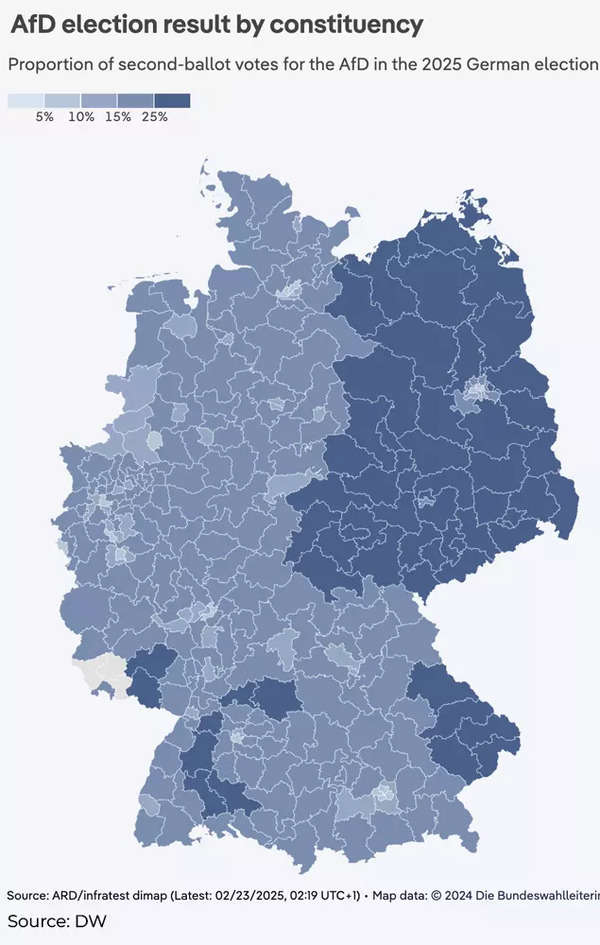
By Nitya Chakraborty The final results of Germany’s national elections held on February 23 are being debated intensively in the global media, especially in the European media about the upsurge of the far right party AFD which virtually doubled its voting percentage in the 2025 elections compared to the 2021 national elections. The ruling Social […]

Dovetail Games, renowned for its simulation titles, has unveiled a significant leadership change. Gemma Brown and Rob O’Farrell have been appointed as Co-Chief Executive Officers, succeeding Jon Rissik, who is stepping down after over 12 years of service.

Gemma Brown, previously the Chief Operating Officer, brings 12 years of experience within the company. Rob O’Farrell, formerly the Chief Development Officer, has dedicated 11 years to Dovetail Games. Their combined expertise is expected to provide continuity and drive the company’s future growth.

In a joint statement, Brown and O’Farrell expressed their commitment to the company’s community-centric approach: “We deeply believe in the unique model of our studio, which places the gaming community at the heart of everything we do.” They also praised the dedication of Dovetail’s teams, emphasizing their excitement to build a promising future together.

Geoffroy Sardin, Deputy CEO of Pullup Entertainment, the parent company of Dovetail Games, highlighted the significance of this leadership transition: “The appointment of Gemma and Rob is a pivotal moment for Dovetail Games and reflects Pullup Entertainment’s commitment to promoting exceptional internal talent.” Sardin believes their combined expertise will be instrumental in the studio’s future endeavors.

This leadership change comes nearly two years after Pullup Entertainment, formerly known as Focus Home Entertainment, acquired Dovetail Games in April 2023. The acquisition aimed to bolster Pullup’s portfolio in the simulation genre, with Dovetail Games being a prominent developer in this sector.

Under Rissik’s leadership, Dovetail Games expanded its reach in the simulation market, notably with the “Train Sim World” series. The latest installment, “Train Sim World 5,” was released recently, offering enhanced features and new routes for enthusiasts. The game has received positive feedback for its realistic gameplay and attention to detail.

Brown and O’Farrell have been integral to the development and success of these titles. As COO, Brown oversaw operational strategies, ensuring efficient processes and team coordination. O’Farrell, as CDO, led the development teams, focusing on innovation and quality in game design.

Their promotion to Co-CEOs is seen as a strategic move to maintain the company’s momentum and foster a collaborative leadership model. This approach aims to leverage their complementary skills and experiences, ensuring a balanced and comprehensive oversight of the company’s operations and creative direction.

The decision to appoint Co-CEOs is relatively uncommon in the gaming industry, where singular leadership is more typical. However, Dovetail Games’ choice reflects a growing trend among companies recognizing the benefits of shared leadership, especially in complex and rapidly evolving sectors like video game development.

Industry analysts suggest that this dual leadership could position Dovetail Games to better navigate the challenges of the gaming market, including technological advancements, shifting consumer preferences, and increased competition. By combining Brown’s operational acumen with O’Farrell’s development expertise, the company is poised to continue delivering high-quality simulation experiences to its audience.

As the gaming industry continues to evolve, Dovetail Games’ commitment to its community and innovative leadership structure may serve as a model for other companies seeking to adapt and thrive in this dynamic environment.

The transition is effective immediately, with Brown and O’Farrell already assuming their new roles. The company has not announced any other executive changes at this time.

A high-stakes civil trial commenced today in Mandan, North Dakota, as Energy Transfer, the developer behind the Dakota Access Pipeline, seeks $300 million in damages from environmental organization Greenpeace USA. The lawsuit alleges that Greenpeace engaged in defamation, trespassing, and incitement of criminal activities during the 2016-2017 protests against the pipeline’s construction. Energy Transfer contends that Greenpeace disseminated misleading information about the pipeline’s environmental impact and safety, […]

Shares of Japanese semiconductor equipment manufacturers experienced notable declines today following reports that the United States government is preparing to implement more stringent export controls targeting China’s semiconductor industry. This development has raised concerns about potential disruptions in the global technology supply chain and the financial health of key industry players.

Tokyo Electron Ltd., a leading Japanese semiconductor equipment maker, saw its stock price drop by as much as 4.4% during trading hours. Similarly, other prominent companies in the sector, such as Advantest Corp. and Lasertec Corp., also faced downward pressure on their share prices. These movements in the stock market reflect investor apprehension regarding the potential impact of the proposed U.S. export restrictions on these firms’ operations and revenues.

The proposed measures by the U.S. government aim to curb China’s access to advanced semiconductor technologies, thereby limiting its ability to develop cutting-edge technologies in areas like artificial intelligence and supercomputing. This initiative is part of a broader strategy to maintain technological superiority and address national security concerns. The new controls are expected to include restrictions on the export of certain semiconductor manufacturing equipment and high-performance computing chips to Chinese entities.

In response to these developments, Chinese technology companies are reportedly accelerating efforts to achieve self-sufficiency in semiconductor production. For instance, Huawei Technologies Co. has made significant progress in producing advanced artificial intelligence chips, with the yield of its Ascend 910C processors increasing to nearly 40%, up from 20% the previous year. This improvement underscores China’s determination to reduce reliance on foreign technology amid escalating trade tensions.

The potential implementation of stricter export controls has also prompted discussions among industry stakeholders and policymakers in Japan. Given the interconnected nature of the global semiconductor supply chain, Japanese companies play a crucial role in providing essential equipment and materials for chip production worldwide. The proposed U.S. measures could compel these firms to reassess their business strategies and explore alternative markets to mitigate potential losses resulting from reduced access to the Chinese market.

Stellar’s native cryptocurrency, XLM, is confronting a significant downturn, with technical analyses indicating a potential 35% price drop. Currently trading at approximately $0.298598, XLM has experienced a downward trajectory, influenced by prevailing bearish market sentiments and specific chart patterns.

Technical indicators have identified the formation of a ‘death cross’ on XLM’s daily chart, where the 50-day moving average crosses below the 200-day moving average. This pattern is traditionally viewed as a strong bearish signal, suggesting potential for further declines. Analysts project that if this trend persists, XLM’s price could descend to around $0.22, marking a 35% decrease from its current value.

Further compounding the bearish outlook, the Relative Strength Index for XLM has fallen below the neutral 50.00 threshold, indicating increased selling pressure. The RSI’s decline reflects a shift towards bearish momentum, raising concerns among investors about the cryptocurrency’s near-term performance.

Market sentiment surrounding XLM has also been adversely affected by a broader decline in the cryptocurrency sector. Over the past week, XLM’s price has decreased by approximately 9.74%, aligning with a general downturn observed across various digital assets. This trend suggests that macroeconomic factors and investor caution are contributing to the current market dynamics.

Despite the prevailing bearish indicators, some analysts advise caution before making definitive conclusions about XLM’s future trajectory. While technical patterns like the death cross and declining RSI provide insights into potential trends, they do not guarantee specific outcomes. Investors are encouraged to consider a range of factors, including market volatility and external economic influences, when evaluating their positions in XLM.

In response to the current market conditions, some investors are exploring alternative cryptocurrencies that may offer resilience against the downturn affecting XLM. Assets such as Chainlink and Dogecoin have demonstrated relative stability, prompting market participants to diversify their portfolios in an effort to mitigate potential losses associated with XLM’s decline.

Bitcoin’s value has dropped sharply, leading to over $950 million in liquidations within a 24-hour span, with the majority coming from long positions. The cryptocurrency, which had briefly surpassed $96,000, fell below $91,000 during this period, causing significant turbulence in the market.

The latest downturn in Bitcoin’s price highlights the ongoing volatility of the cryptocurrency market, where large price swings can lead to massive liquidations, especially for investors holding leveraged positions. The $800 million liquidated from long positions underscores the growing risks associated with leveraged trading, as investors who had bet on the currency’s continued rise were caught off guard by the sharp decline.

This price movement came after Bitcoin had reached a significant high, fuelling bullish sentiment across the market. However, the sudden reversal left many traders exposed. Data indicates that liquidations in both futures and margin trading were largely driven by highly leveraged positions, which automatically close out when prices move against the trader’s position. The cryptocurrency’s sudden dip has served as a stark reminder of how quickly market sentiment can shift, particularly for those with large, leveraged bets.

The extent of the liquidation has drawn attention to the role of leveraged trading in amplifying price movements. When Bitcoin’s price surged past the $96,000 mark, many saw it as a sign of continued growth. As more traders entered the market, both retail and institutional, the likelihood of liquidation spikes increased, particularly when the market moved in the opposite direction. Analysts suggest that the cascading liquidations may have exacerbated the drop, as automated sell-offs added downward pressure to the market.

This volatile period is not an isolated incident but part of a broader pattern seen in the cryptocurrency market. Bitcoin, along with other major digital currencies, has witnessed significant fluctuations over the past year, with periods of sharp gains followed by equally dramatic losses. These erratic movements are a result of various factors, including shifting investor sentiment, regulatory concerns, and the broader economic climate, all of which contribute to the unpredictability of the market.

In the wake of the liquidation event, industry experts have called for greater caution in the trading of highly volatile assets like Bitcoin. While the cryptocurrency has demonstrated the potential for substantial profits, the risk of large losses remains ever-present. Investors, particularly those engaging in leveraged trading, are urged to exercise caution, as the market’s unpredictability makes it challenging to accurately forecast future price movements.

Despite the challenges posed by such volatility, Bitcoin’s fundamental role in the wider cryptocurrency ecosystem remains intact. Its status as the leading digital currency continues to attract significant attention from both institutional and retail investors. The fluctuating price of Bitcoin is often seen as a reflection of the growing pains of a maturing market, as it strives for greater stability and legitimacy within the global financial landscape.

The impact of this latest price drop extends beyond just those directly involved in Bitcoin trading. It also affects the broader cryptocurrency ecosystem, as other digital currencies often follow Bitcoin’s lead in terms of price movements. Altcoins such as Ethereum and Litecoin, for instance, have also seen significant declines following Bitcoin’s drop. The interconnectedness of these digital assets means that fluctuations in Bitcoin’s value can ripple through the entire market, leading to a wave of liquidations and losses across various cryptocurrencies.

As the dust settles, it remains to be seen how the market will recover from the latest downturn. Some experts predict a rebound in Bitcoin’s value, while others are cautious about the cryptocurrency’s near-term outlook. Regardless of the direction Bitcoin takes, the market’s volatility continues to challenge investors and analysts alike, with price swings showing no signs of slowing down.

The latest developments also shine a spotlight on the regulatory environment surrounding cryptocurrency markets. As governments around the world seek to establish clearer frameworks for digital asset trading, the need for robust risk management practices becomes more pressing. Many traders are calling for increased transparency in the market, which they believe could help mitigate the effects of such volatile swings. However, the decentralized nature of cryptocurrencies presents a challenge to regulators, who are still grappling with how best to approach these digital assets.

VISHNU RAJA
RYO YAMADA
HITORI GOTOH
IKUYO KITA