News related to
near

Video-sharing platform Rumble has announced its intent to diversify its financial strategy by allocating up to $20 million of its excess cash reserves into Bitcoin. The move underscores the company’s commitment to adopting innovative measures while showcasing confidence in the potential of cryptocurrency as a store of value.

The decision reflects an emerging trend among technology firms leveraging digital currencies to hedge against inflation and enhance liquidity options. Rumble’s leadership emphasized that this strategic pivot aligns with its broader goals of decentralization and financial autonomy, mirroring the platform’s ethos of providing an independent content space.

Rumble, headquartered in Longboat Key, Florida, has seen significant growth in its user base, fueled by increasing demand for platforms that prioritize free expression. The company’s trajectory, bolstered by its public listing in September 2022, has positioned it as a formidable competitor to mainstream platforms. Its diversification into Bitcoin suggests a dual focus on strengthening its financial health while aligning with digital innovation trends that resonate with its user demographic.

This move follows a pattern of corporations exploring Bitcoin as a treasury asset. Notable companies such as MicroStrategy and Tesla have similarly invested significant portions of their reserves into the cryptocurrency, citing its scarcity and long-term value prospects. MicroStrategy, a pioneer in this domain, holds the largest corporate Bitcoin reserve, totaling over 150,000 BTC. Rumble’s initiative, while smaller in scale, signals its belief in Bitcoin’s stability despite the volatile nature of the crypto market.

Cryptocurrency markets have seen heightened activity over the past year, with Bitcoin experiencing a resurgence following regulatory clarity and institutional interest. Rumble’s planned acquisition comes at a time when the digital currency hovers near its highest price levels for the year, fueled by speculation surrounding Bitcoin exchange-traded funds (ETFs) and increased blockchain adoption. The timing of the investment could enable Rumble to capitalize on potential upward trends, although it also entails risks inherent to market fluctuations.

Analysts have noted that this decision aligns with Rumble’s brand identity as a disruptor in the digital media space. By embracing Bitcoin, the company reaffirms its stance against conventional norms, appealing to its core audience that values independence and alternative approaches. Some market observers believe this move could further attract creators and viewers who support decentralized solutions across various domains, including finance.

Despite the optimism surrounding cryptocurrency investments, critics caution against potential challenges, particularly given Bitcoin’s history of price volatility. Skeptics argue that while Bitcoin has demonstrated resilience, its correlation with broader market dynamics and regulatory pressures could pose risks to companies holding it as a financial asset. Rumble’s decision to allocate a portion of its reserves rather than a full-scale commitment appears to reflect a balanced approach, mitigating exposure while allowing for potential gains.

The announcement also reflects broader conversations about the role of digital assets in corporate finance. As businesses explore innovative strategies to manage reserves, Bitcoin’s prominence as a viable alternative asset class continues to gain traction. Advocates of Bitcoin argue that its deflationary design and finite supply make it an ideal hedge against economic uncertainties, a sentiment echoed by Rumble’s leadership.

Exploring the Unique Characteristics of Tsuen Wan and Sha Tau Kok and Presenting Hong Kong’s Diverse Tourism Experience HONG KONG SAR – Media OutReach Newswire – 25 November 2024 – “Design District Hong Kong” (#ddHK) creative tourism project, organised by the Tourism Commission of Hong Kong, is set to return from 12 December 2024 to 14 February 2025, bringing visitors from around the world to explore the […]

Mercedes-Benz has announced an ambitious plan to introduce solar paint technology in its electric vehicles (EVs), a development that could revolutionize the way electric cars harness energy. This cutting-edge technology would allow the vehicle’s paint to absorb solar energy, even when the car is stationary or turned off. The solar paint will feed the collected energy into the car’s battery, enhancing the vehicle’s efficiency and extending its range.

This move represents a significant leap in the automotive industry’s ongoing quest to make electric vehicles more sustainable and self-sufficient. Mercedes-Benz is one of the first manufacturers to actively explore solar paint, a technology that has the potential to change the way electric vehicles interact with their environment. According to company sources, the solar paint is designed to be permanently active, continuously converting sunlight into energy as long as the vehicle is exposed to light.

This development is part of the broader trend within the automotive sector to improve EV energy management. While many electric vehicles already use regenerative braking and solar panels to boost performance, the solar paint goes a step further by leveraging the vehicle’s entire surface for energy absorption. The paint could contribute a significant amount of power to the car’s battery, although experts note that it may not fully replace the need for traditional charging methods.

Mercedes-Benz is collaborating with a variety of tech companies and research institutions to refine the technology. The company has stated that the solar paint would be applied to key areas of the vehicle, such as the roof, hood, and even the doors. The solar cells embedded in the paint would be able to absorb sunlight and convert it into usable electricity. The energy harvested would be stored in the vehicle’s battery, where it could be used to power systems like air conditioning, entertainment, and lighting, without drawing power from the main battery pack.

While solar panels on cars are not new, the integration of solar paint introduces a new level of efficiency. Traditional solar panels are often bulky and expensive, and they require a significant amount of space on the vehicle. Solar paint, however, is lightweight and can be applied to nearly any surface of the car, making it far less intrusive and more versatile. This means that the entire car could potentially act as a solar energy collector, even in areas where traditional panels might not fit or be effective.

Experts predict that the solar paint technology could be particularly beneficial for electric vehicles used in regions with high levels of sunlight. Vehicles in such areas could potentially accumulate enough energy during the day to extend their driving range or power essential systems without needing to rely as much on external charging. For example, an EV parked outdoors for several hours could accumulate enough energy from the solar paint to keep the cabin cool or power electronics while the engine is off.

However, there are challenges that still need to be addressed before solar paint can become a mainstream feature in the automotive market. One of the primary concerns is the efficiency of the solar paint. While solar panels on rooftops typically have an efficiency rate of around 15-20%, solar paint has much lower energy conversion rates. This means that while solar paint can contribute to a car’s energy supply, it may not be enough to power the vehicle independently. Mercedes-Benz has emphasized that the paint is not intended to replace conventional charging methods, but rather to complement them by providing a supplementary energy source.

The financial and technological viability of solar paint also remains uncertain. Integrating solar technology into a vehicle’s paint job will require significant investment in research, development, and production processes. There are also questions about the longevity and durability of solar paint, as the paint would need to withstand wear and tear from exposure to the elements, road debris, and washing.

Despite these obstacles, the solar paint project aligns with Mercedes-Benz’s broader sustainability goals. The company has been at the forefront of eco-friendly initiatives, such as its ambitious plans to go carbon neutral by 2039. The solar paint fits into this strategy by offering a new way to reduce the carbon footprint of electric vehicles and make them more energy-efficient. As the automotive industry looks to reduce its dependence on fossil fuels, innovations like solar paint could play a critical role in the transition to a more sustainable future.

In addition to its practical applications, solar paint technology is also a potential game-changer for the automotive design industry. As automakers explore ways to incorporate renewable energy solutions into vehicle production, solar paint could offer a more aesthetically pleasing alternative to traditional solar panels. The paint can be seamlessly integrated into the vehicle’s design, without sacrificing the car’s appearance or aerodynamics.

Mercedes-Benz’s commitment to solar paint is part of its broader strategy to remain a leader in the growing electric vehicle market. The company has already made significant strides with its EQ electric lineup, which includes a variety of vehicles designed to meet the needs of eco-conscious consumers. The introduction of solar paint would further solidify Mercedes-Benz’s position as an innovator in the field, as the company continues to explore new ways to reduce the environmental impact of transportation.

El Salvador’s pioneering embrace of cryptocurrency has taken another bold step, with President Nayib Bukele proposing a plan to rent out the country’s volcanoes for Bitcoin mining. The initiative aims to leverage El Salvador’s abundant geothermal energy, which is already powering its own mining operations. Since adopting Bitcoin as legal tender in 2021, the nation has positioned itself at the forefront of cryptocurrency innovation, combining digital finance with renewable energy.

The country’s current geothermal-powered Bitcoin mining facility, located near the Tecapa volcano, has generated approximately 474 Bitcoin (valued at $29 million) using clean energy sources. This operation, managed by a state-owned geothermal plant, employs 300 mining processors and utilizes 1.5 megawatts of energy—just a fraction of the plant’s 102-megawatt capacity. The potential scalability of this model has prompted discussions on how other volcanoes in the country could be similarly utilized.

President Bukele’s proposal highlights a strategy to monetize unused geothermal resources while addressing global concerns about the environmental footprint of cryptocurrency mining. The use of renewable energy is an essential component of this vision, positioning El Salvador as a global leader in sustainable digital asset practices. This is particularly significant given the scrutiny Bitcoin mining faces due to its traditionally high energy consumption and carbon emissions.

El Salvador has continued to expand its Bitcoin-related endeavors despite challenges. The legalization of Bitcoin as tender initially drew widespread criticism from international financial institutions, with concerns about economic volatility and potential misuse. The country’s strategy, however, has persisted, with daily Bitcoin purchases by the government adding to its growing reserves, now estimated at 5,750 BTC (approximately $354 million). The administration has framed this as a move toward economic sovereignty and technological advancement.

The economic viability of cryptocurrency mining, combined with geothermal energy, has prompted interest from both domestic stakeholders and international observers. Geothermal energy, a consistent and renewable power source, provides a distinct advantage, as it is less susceptible to the fluctuations seen in other renewable energy forms like solar or wind. For El Salvador, where over 20 volcanoes contribute to a substantial geothermal energy potential, this resource could become a cornerstone of its energy strategy.

As the government looks to scale its operations, the proposed renting of geothermal sites could attract private and international investments. By offering ready access to clean energy and potentially favorable regulatory conditions, the country is positioning itself as an attractive hub for crypto mining. This vision, however, is not without its risks. The volatility of Bitcoin prices and external regulatory pressures continue to pose challenges. Critics have also questioned the long-term benefits of prioritizing Bitcoin over broader economic reforms, especially in a country where poverty and economic disparity remain pressing concerns.

Despite these criticisms, President Bukele has doubled down on the Bitcoin agenda, reinforcing his commitment through policies and public declarations. The initiative is also gaining traction among his supporters, a key factor in his successful 2024 re-election campaign. For Bukele, Bitcoin is not merely a financial tool but a symbol of El Salvador’s innovation and resilience on the global stage.

Decentralized exchanges on Solana achieved a groundbreaking milestone, with their collective trade volume reaching $109.8 billion in November. This figure nearly doubles the $55 billion recorded on Ethereum-based DEXs during the same period, showcasing a remarkable surge in activity on Solana’s blockchain. The network’s user-friendly structure, low transaction fees, and a recent memecoin trading frenzy contributed significantly to this growth.

A significant share of this volume was driven by Solana’s decentralized exchanges, notably Raydium, Orca, and Aerodrome Finance. Raydium alone registered an impressive $4.2 billion in 24-hour trade activity, overshadowing Ethereum’s leading DEX, Uniswap, which managed $1.52 billion in the same timeframe. Orca and Aerodrome Finance also contributed significantly, with volumes exceeding $1 billion each, reflecting the ecosystem’s increasing traction among traders seeking efficiency and cost-effectiveness.

The momentum of Solana’s ecosystem is reflected in its address activity, which is on track to surpass October’s record of 123 million unique active addresses. This growth underscores the network’s growing appeal as a scalable alternative to Ethereum for decentralized finance (DeFi) and other blockchain applications.

The rising trade volume also benefited Solana’s native token, SOL, which has rallied by 18% over the past week, pushing its market capitalization to approximately $116 billion. This price movement signals renewed investor confidence in Solana’s potential as a major player in the crypto space, even as Ethereum retains a larger market share in the broader DeFi sector.

Experts attribute Solana’s success to its emphasis on enhancing user experience and its focus on creating accessible blockchain applications. Unlike Ethereum’s infrastructure-centric development approach, Solana prioritizes building applications that deliver tangible value to end users, making it a preferred choice for developers and traders.

The value of virtual land tokens, such as The Sandbox (SAND) and Decentraland (MANA), is showing promising signs of recovery, as both assets have experienced notable price surges in recent weeks. While these tokens had been overshadowed by the rise of memecoins, there is now an increasing sense of optimism surrounding the future of metaverse-related assets.

For a long period, the NFT market, as part of the broader crypto landscape, struggled to maintain a sustained focus from investors, especially with rising interest in memecoins and other segments like DeFi and gaming. However, a recent resurgence in investor interest seems to be pushing the boundaries for tokens like SAND and MANA, which have seen impressive price movements.

SAND, which is associated with The Sandbox, a prominent player in the metaverse space, recently surged past the $0.96 mark, peaking as high as $1.12. Meanwhile, Decentraland’s MANA has climbed from lows of $0.6 to highs above $1.30, marking significant growth. Despite these advancements, both tokens face the challenge of sustaining momentum and surpassing critical resistance levels.

The renewed price movements in these tokens are being fueled by several factors, including renewed investor confidence and the broader crypto market’s performance, which has shown recovery signs after a period of stagnation. As these projects continue to develop and enhance their virtual worlds, there is potential for the market to become more mainstream, bringing in new investors.

However, the price increases have not come without caution. Analysts note that while the upward trend is positive, both SAND and MANA still face significant hurdles. Specifically, for sustained price growth, they must break above key resistance levels. For MANA, surpassing the $1.48 mark is crucial to further validating the bullish trend, and similarly, SAND needs to push past the $1.80 resistance to trigger further upward momentum.

Despite this cautious outlook, the growing interest in the metaverse and virtual assets suggests that if these tokens can maintain or exceed their current levels, they could very well reach the $1 threshold or even higher in the near future. Additionally, emerging partnerships and platform upgrades within these ecosystems could catalyze further growth.

Eastern Europe is quickly becoming a popular destination for ski enthusiasts seeking a thrilling adventure without the hefty price tag associated with more established resorts in the Alps. Ski resorts in countries like Poland, Slovakia, and Bulgaria are gaining attention as affordable alternatives to the high-end ski destinations in Western Europe. These lesser-known mountains provide an exhilarating experience with much lower costs, making them an attractive option for budget-conscious travelers looking for a mix of adventure and value.

The snow-capped peaks of Eastern Europe offer a diverse range of ski options that rival some of the world’s most renowned destinations. With hundreds of miles of ski slopes, well-developed infrastructure, and stunning views, these regions are poised to capitalize on the growing trend of alternative winter sports destinations. Skiers can expect varied terrain suitable for all levels of expertise, from beginner slopes to challenging off-piste runs. The range of facilities is comparable to those in the Alps, but at a fraction of the cost.

In Bulgaria, the Bansko ski resort has become a standout location, renowned for its mix of traditional culture and modern amenities. Located in the Pirin Mountains, Bansko offers over 70 kilometers of ski slopes, making it one of the largest ski areas in the Balkans. What sets it apart is its exceptional value proposition, offering ski passes, accommodations, and meals that are significantly cheaper than similar services in the Alps. The resort is known for its friendly atmosphere, combining Eastern European hospitality with high-quality ski runs. Visitors are often drawn to the lively après-ski scene, which blends cultural authenticity with vibrant nightlife. Bansko’s reputation has grown steadily over the past decade, attracting both seasoned skiers and newcomers alike.

Neighboring Romania also presents enticing options for winter sports enthusiasts, with its Carpathian Mountains offering a variety of resorts that appeal to different tastes and budgets. Poiana Brașov, for example, is one of the country’s premier ski resorts. It boasts more than 24 kilometers of well-maintained slopes, snowboarding parks, and modern cable cars, all set against a dramatic backdrop of dense forests and medieval villages. Poiana Brașov is renowned for being both a family-friendly destination and a location that provides quality skiing without breaking the bank.

Poland is another Eastern European country with an emerging ski scene. Zakopane, situated at the foot of the Tatra Mountains, has long been a favorite for Polish tourists and is gaining recognition on the international stage. Zakopane offers over 40 kilometers of skiing terrain and a lively après-ski culture that is distinctly Polish. The town is particularly appealing for its picturesque charm, offering a combination of rustic wooden cottages and modern ski resorts. Zakopane’s affordable prices, particularly in comparison to neighboring Austria and Slovakia, have made it a rising star in the Eastern European ski market.

Slovakia, with its well-maintained ski resorts such as Jasná in the Low Tatras, is another destination that offers great value. Jasná, the largest ski resort in Slovakia, is renowned for its high-standard facilities, extensive terrain, and affordability. It has rapidly become a popular choice for those looking to experience skiing in the heart of Europe, offering nearly 50 kilometers of ski slopes and a range of winter activities for visitors of all levels. The resort’s modern amenities and beautiful setting in the Low Tatras National Park make it an attractive alternative to some of the more expensive Alpine resorts.

Despite the increasing competition from other countries, these Eastern European destinations retain a unique advantage: their affordability. In many of these regions, the cost of accommodation, food, and lift passes is significantly lower than in Western European ski resorts. For example, the cost of a ski pass in Bansko can be less than half of what visitors would pay at popular Alpine resorts like Chamonix or Zermatt. Similarly, lodging and dining options in countries such as Romania and Poland are often considerably cheaper, making it easier for families and smaller groups to enjoy a ski holiday without the financial strain that typically comes with top-tier Alpine resorts.

Beyond their affordability, these resorts also offer a different cultural experience that sets them apart from the traditional Alpine destinations. Skiers in Eastern Europe can expect a blend of history, culture, and scenic beauty that is unique to this region. Traditional cuisine, charming villages, and centuries-old castles add a distinctive charm to the ski experience. Eastern European resorts are also known for their hospitality, with smaller crowds and a more relaxed atmosphere than the sometimes over-crowded slopes in Western Europe.

Advertisements

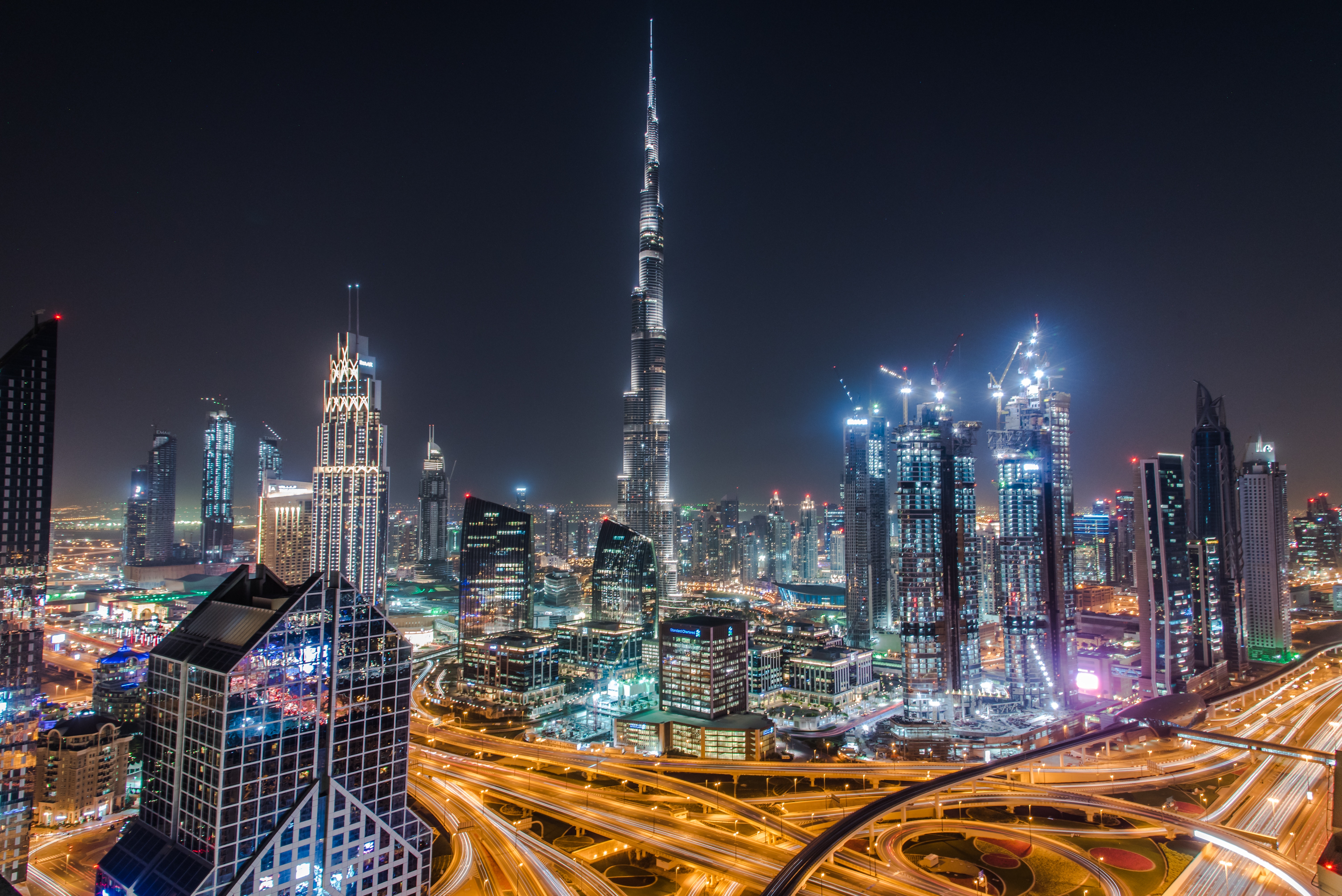
Dubai has emerged as the epicenter for global futurism with the launch of the third edition of the Dubai Future Forum, a major event held at the city’s Museum of the Future. This year’s forum is expected to attract over 2,500 prominent experts, policymakers, and innovators from nearly 100 countries. Organized by the Dubai Future Foundation (DFF), the event stands as a significant gathering aimed at exploring cutting-edge technologies and visions for the future.

The two-day forum, which kicked off with high anticipation, brings together more than 150 thought leaders, industry pioneers, and visionaries. With over 70 scheduled sessions, it is poised to be the largest event of its kind, drawing international attention as a hub for foresight and innovation. The forum’s scope extends across multiple sectors, including artificial intelligence, robotics, sustainable development, healthcare, and more, focusing on how emerging technologies are reshaping the world.

A key feature of the forum is the diversity of participants, including leading academic institutions, top governmental figures, as well as major players from global industries. These individuals are sharing knowledge and discussing transformative trends, challenges, and solutions that are shaping the future of societies and economies worldwide. The Dubai Future Forum aims to serve not just as a meeting point for experts, but as a dynamic platform for the exchange of ideas that could drive future global policies and technological advancements.

A focal point for this year’s event is the ongoing developments in AI and its application across industries. Leading experts are set to explore the ethical, economic, and societal implications of AI, especially in areas such as automation and decision-making. Discussions around the role of AI in global governance, data privacy, and its integration into both public and private sectors will likely dominate much of the debate. Industry giants are also highlighting the increasing reliance on data-driven decision-making and machine learning models, with implications for both business practices and public policy.

Sustainability remains a pivotal topic, with the forum showcasing various initiatives aimed at tackling climate change, resource depletion, and environmental degradation. Speakers from both the private sector and international environmental organizations will delve into innovative solutions that use technology to combat ecological challenges. This includes advancements in green energy, circular economy principles, and smart cities, all of which will be central to the conversations.

The Dubai Future Forum also offers a unique opportunity for participants to engage with various forms of immersive technologies such as virtual reality (VR) and augmented reality (AR). These tools, frequently used in industries like gaming and entertainment, are now being explored for their potential applications in education, healthcare, and even urban planning. Experts are showcasing how these technologies can reshape the learning experience, improve healthcare delivery, and contribute to smarter urban environments.

Another important aspect of the forum is the representation of younger generations in the discussions about the future. The Dubai Future Foundation has made an intentional effort to include youth leaders and young entrepreneurs who are shaping the next wave of innovation. Their involvement underscores the importance of engaging younger voices in the conversation about technological advancements and their impact on society.

In addition to the scheduled sessions and talks, the forum also features an exhibition area, where startups, innovators, and corporations present their latest projects and prototypes. These exhibitions serve as a live demonstration of how businesses are pushing the boundaries of innovation to create real-world solutions to future challenges. Entrepreneurs are highlighting breakthrough technologies in fields like biotechnology, space exploration, and autonomous vehicles, showcasing the practical applications of futuristic concepts.

The Dubai Future Forum aligns with the UAE’s broader vision to position itself as a global leader in technological innovation and a hub for future-oriented thinking. The country’s investments in the future, such as the establishment of the Museum of the Future itself, reflect a strategic commitment to shaping global technological trends and fostering the development of transformative solutions.

Bitcoin’s price experienced a sharp dip over the weekend, falling from $98,500 to $95,500 by Sunday, leading to significant volatility across the cryptocurrency market. This decline triggered a wave of liquidations, totaling over $500 million, as futures positions, particularly those linked to smaller altcoins and midcap cryptocurrencies, were abruptly closed out.

The pullback, although noticeable, did not shake long-term investor sentiment, as many market analysts continue to hold a positive outlook for Bitcoin’s future price trajectory. Despite the drop, experts maintain their expectation that Bitcoin could reach $100,000 in the near future, supported by ongoing institutional interest, potential regulatory clarity, and upcoming developments within the blockchain ecosystem.

XRP and Dogecoin were among the hardest hit during the weekend’s turbulence. XRP, facing legal challenges in the U.S., saw a significant decrease in value, which compounded with broader market losses. Dogecoin, popular for its meme-driven momentum, also took a substantial hit, as speculative trading took a backseat to more fundamental concerns over the broader crypto market outlook.

The spike in liquidations was primarily driven by leveraged positions within futures markets. Traders who had bet on price increases found themselves caught in a cascade of automatic sell-offs as Bitcoin’s decline spooked the market. Smaller altcoins, which often experience more volatile price movements than Bitcoin, were particularly susceptible to this market-wide pullback, leading to larger-than-usual liquidation events.

Bitcoin’s price, despite the weekend’s decline, is still far from the sharp corrections seen in past market cycles. The overall market sentiment remains cautiously optimistic, with many investors looking toward the potential for future catalysts to propel Bitcoin higher. Key factors driving this optimism include expectations of increased institutional adoption, blockchain infrastructure upgrades, and regulatory clarity in major markets.

The general consensus within the industry is that Bitcoin’s price movements, while volatile, do not indicate a fundamental shift in investor confidence. Many analysts argue that the pullback could actually provide an opportunity for new investors to enter the market at lower levels, positioning themselves for a potential rally once the market stabilizes. The price drop is viewed by some as a healthy correction after months of strong upward momentum, allowing the market to recalibrate before any further upward movement.

For smaller altcoins, however, the weekend liquidation event served as a stark reminder of the risks associated with highly leveraged positions in more speculative assets. As Bitcoin’s price corrected, altcoins like Solana, Cardano, and Polkadot also experienced sharp losses, though none to the extent of the leading cryptocurrencies. The widespread impact on midcap altcoins further highlights the fragility of these markets, particularly when liquidity dries up and risk aversion sets in.

Despite the market-wide pullback, Bitcoin’s fundamentals remain strong, with the cryptocurrency continuing to be viewed as a hedge against inflation and a potential store of value in the long term. Institutional interest has steadily increased, with major financial players like BlackRock and Fidelity continuing to push for Bitcoin ETFs and other financial products linked to the digital asset. This institutional push has not only brought new capital into the market but also legitimized Bitcoin in the eyes of traditional investors.

In addition to institutional adoption, the continued growth of decentralized finance (DeFi) platforms and blockchain technology is expected to further bolster Bitcoin’s value proposition. With more businesses adopting blockchain for a range of applications, including supply chain management, healthcare, and financial services, Bitcoin is increasingly being seen as an essential part of the broader blockchain ecosystem.

Though market corrections are inevitable in any asset class, Bitcoin’s established position as the leader in the cryptocurrency space ensures that its price movements remain closely watched by both retail and institutional investors alike. While volatility remains a characteristic of the crypto market, the long-term outlook for Bitcoin and major altcoins is driven by fundamental trends that support sustained growth over time.

The ongoing battle for market dominance between Bitcoin and Ethereum, along with the rise of other blockchain protocols, also plays a crucial role in shaping the broader crypto landscape. Analysts argue that while Bitcoin remains the undisputed leader in terms of market capitalization, Ethereum’s advancements in smart contract capabilities and its transition to Ethereum 2.0 have sparked renewed interest in altcoins. Ethereum’s ability to facilitate decentralized applications (dApps) and execute smart contracts gives it a technological edge over Bitcoin in some areas, although Bitcoin’s brand recognition and security features are expected to keep it ahead in terms of value.

Elon Musk and Jeff Bezos have become embroiled in a public spat over claims involving stock predictions tied to the 2024 U.S. presidential election. The conflict centers on Musk’s assertion that Bezos had advised people to sell stock in Tesla and SpaceX, speculating that Donald Trump would lose the upcoming election. Bezos has firmly rejected the accusations, labeling them as “100% not true.”

Musk, known for his outspoken commentary and influence across industries, made these claims during an appearance on a podcast, alleging that Bezos had encouraged investors to offload Tesla and SpaceX shares, based on his belief that Trump’s re-election bid would falter. The remarks have raised eyebrows, especially given the ongoing political climate and the volatility surrounding tech stocks and the stock market in general.

The controversy gained traction quickly, with Musk’s comments drawing attention from tech industry insiders, political analysts, and investors alike. Musk’s public persona often intertwines with his ventures in both technology and space exploration, creating a unique intersection where his statements on politics and business are heavily scrutinized. While some critics see his accusations as part of a broader tension with Bezos, others have raised questions about the implications such claims might have for investor sentiment.

Bezos, for his part, has vehemently denied the allegations. The Amazon founder, whose wealth and influence are often discussed in parallel with Musk’s, responded to the accusation through a spokesperson, who conveyed his strong disagreement with Musk’s narrative. “This is 100% not true,” the statement read, emphasizing Bezos’s position and distancing him from any involvement in discussions about selling stock based on political outcomes.

The timing of Musk’s claims is crucial, as both Tesla and SpaceX are closely linked to political developments in the United States. Tesla, a global leader in electric vehicles, has been a major topic of debate in the context of environmental policy and government incentives. SpaceX, a private space exploration company, often finds itself at the crossroads of technology and political agendas, with government contracts and space policy significantly impacting its operations.

Musk’s connection to Trump has long been a subject of interest. Musk has publicly supported Trump at various points during the former president’s tenure, even receiving praise from Trump himself. However, Musk’s ties to Bezos, who has had a more neutral stance in the political realm, have often been less clear-cut. Bezos, through his ownership of The Washington Post, has been seen as more directly involved in political discourse, and his views on policy have sometimes diverged from Musk’s, especially when it comes to environmental regulations and government subsidies for private companies.

Investors in both Tesla and SpaceX, two companies that Musk and Bezos are closely linked with, were quick to react to the public dispute. Stock prices of Tesla saw some fluctuations following Musk’s comments, although they remained relatively stable in the face of the accusations. SpaceX, being a privately held company, was not directly impacted in terms of stock price. However, analysts have noted that any potential friction between the two billionaires could lead to long-term repercussions, not just for their companies but for the wider tech and space industries.

The rift between Musk and Bezos could have broader implications beyond their personal feud. The public nature of their disagreement highlights the intersection of politics, business, and media in an era of increased polarization. Both men have significant influence over public perception, and their comments often carry weight far beyond the immediate context. Musk, who frequently uses Twitter to communicate with millions of followers, has been known to influence markets and public opinion with his words, while Bezos has a more traditional media influence through his ownership of The Washington Post and his broader media endeavors.

The stakes of the 2024 U.S. presidential election also contribute to the intensity of the dispute. As the election draws nearer, the rhetoric surrounding Trump’s potential victory or defeat will become increasingly important for business leaders, investors, and policymakers. Both Musk and Bezos have positioned themselves as influential figures in the U.S. economy, and their views on political outcomes may influence broader business strategies and investment patterns.

While both billionaires have become prominent figures in the public sphere, their relationship has never been without tension. Their rivalry has been marked by competition across multiple sectors, from space exploration to electric vehicles. Musk’s SpaceX competes directly with Bezos’s Blue Origin, a private space exploration venture, for government contracts and commercial partnerships. Tesla and Amazon also operate in parallel sectors, with Tesla’s electric vehicles posing a challenge to Amazon’s ambitions in sustainable energy and transportation.

Global leaders converge in Singapore to mark new era of growth and collaboration SINGAPORE – Media OutReach Newswire – 25 November 2024 – Forvis Mazars, the global professional services network, celebrated the new network formation in Asia-Pacific (APAC) on 30 October 2024 in Singapore. The event brought together key global and regional leaders, including Hérve Hélias, Chair of the Forvis Mazars Global Network Executive Board, and Matt […]

HONG KONG SAR – Media OutReach Newswire – 22 November 2024 – The spirit of Christmas has come alive at Pacific Place and Starstreet Precinct! Welcome to ChristmasVille, the tranquil village that bursts into life every Christmas, igniting your inner holiday spirit. From today to 2 January, join our larger-than-life monsters from the village as they take you on a stroll through their beautiful evergreen cove and […]

By Satyaki Chakraborty The sweeping victory of the Trinamool Congress candidates in the by polls held to the six assembly constituencies in Bengal on November 20, has surpassed even the wildest expectations of the TMC leadership. Out of the six seats, one Madarihat seat was with the BJP while the other five seats were with […]

Germany’s economy is grappling with a series of compounding challenges that threaten its status as Europe’s economic powerhouse. The country’s industrial base, particularly its automotive sector, is seeing significant job cuts, while rising energy costs and technological stagnation continue to erode its competitive edge. Once a symbol of robust economic strength, Germany is now on the verge of a potential crisis, with experts warning of the looming risk of deindustrialization and a surge in corporate defaults by 2025.

Central to this economic downturn is the energy crisis, which has been exacerbated by skyrocketing gas prices. Germany, heavily reliant on energy-intensive industries such as manufacturing, faces a growing concern as high energy costs have started to undermine industrial productivity. The country’s industrial sector, contributing nearly 20% to its GDP, is particularly vulnerable. Rising gas prices, coupled with the shift away from Russian energy supplies, have created an economic strain that is felt across factories and production lines. As energy costs spiral, businesses are forced to scale back operations, further accelerating the decline of what was once a thriving industrial landscape.

The automotive sector, a cornerstone of the German economy, has been one of the hardest hit. For over six years, Germany’s automotive industry, which employs millions, has been undergoing deep restructuring. Global supply chain disruptions, shifting consumer preferences toward electric vehicles, and fierce competition from both established and emerging markets have led to mass layoffs and the closure of plants. These challenges are compounded by Germany’s slow adoption of new technologies and innovation, which has left it trailing behind rivals in the electric vehicle race. As the country struggles to modernize its industries, the fear of deindustrialization looms large.

Compounding these difficulties, Germany’s economic infrastructure is burdened by what many see as a technological gap. While countries like the United States and China race ahead with innovations in artificial intelligence, automation, and green energy solutions, Germany has been slow to modernize its industrial base. The country’s failure to adapt quickly to technological advancements has hindered its ability to stay competitive on the global stage. This technological lag, combined with a shrinking labor force due to demographic shifts, is intensifying concerns about Germany’s long-term economic health.

Adding to the uncertainty, the Bundesbank has issued a stark warning about the growing risk of corporate defaults by 2025. The central bank’s report highlights the increasing financial strain on German companies, particularly those in the industrial sector. Many businesses are struggling to cope with rising costs, shrinking profit margins, and a challenging global economic environment. While the government has taken steps to address the energy crisis and provide financial relief to struggling sectors, it is unclear whether these measures will be enough to stave off further economic deterioration.

The political landscape in Germany has also been shaken by the economic downturn. Chancellor Olaf Scholz’s government is under mounting pressure to deliver solutions that can halt the economic slide. However, efforts to provide targeted subsidies to businesses, incentivize green energy projects, and streamline bureaucratic processes have not yet resulted in significant economic recovery. Meanwhile, public dissatisfaction is rising, with growing concerns about the future of jobs in industries that are shrinking or facing automation. As Germany’s economy continues to falter, political leaders are scrambling to find viable solutions to avert a deeper crisis.

Economists are divided on the best path forward for Germany. Some argue that the country must prioritize technological innovation and investment in green industries to regain its competitive advantage. Others emphasize the importance of rethinking the country’s energy policy to ensure a more secure and sustainable energy future. Still, others believe that structural reforms in the labor market and regulatory environment are critical to addressing Germany’s economic malaise.

Despite the severity of the situation, Germany is not without its assets. The country’s strong financial sector, high-quality workforce, and reputation for producing world-class engineering and technology still offer a foundation for recovery. However, experts warn that Germany must act swiftly and decisively to avoid a full-blown economic collapse. The risk of deindustrialization, which threatens to hollow out the country’s manufacturing base, remains a critical concern. As companies continue to grapple with high energy costs and rising competition from low-cost markets, Germany’s once-dominant position in global manufacturing is increasingly under threat.

SYDNEY, AUSTRALIA – Media OutReach Newswire – 22 November 2024 – The global cryptocurrency market is growing, with nearly 600 million participants and a market cap of $3.2 trillion, reflecting a 121.1% increase over the past year. However, newcomers face challenges such as complex registration, KYC processes, and the need to understand concepts like wallets, gas fees, and cross-chain transactions, making it difficult for many to fully […]

HANOI, VIETNAM – Media OutReach Newswire – 22 November 2024 – By capitalizing on its first-mover advantage, Vincom Retail has had a profound impact on Vietnamese leisure culture. Over the past two decades, the company has demonstrated significant growth through a tripartite strategy: expanding its footprint, diversifying its retail real estate formats to cater to a wide range of consumer needs, and continuously pioneering to stay ahead. […]

HONG KONG SAR – Media OutReach Newswire – 22 November 2024 – Minsuzenraku, Taiwan’s highly Omakase sought-after no-menu teppanyaki restaurant, announces its expansion to Hong Kong with a new location opening this December. This marks the LEDODO Group’s second direct-operated venture in Hong Kong, following the successful launch of “Rododo Hot Pot” in Causeway Bay last July. Located on the 23rd floor of Heng Huan · Tin […]

Collect FunStamps on the New 7-Eleven App and Redeem for FREE HONG KONG SAR – Media OutReach Newswire – 21 November 2024 – Christmas is just around the corner and 7-Eleven is inviting all of your favourite Pixar pals to celebrate with you! 10 beloved characters – including Joy, Sadness, Anger, Disgust, Mike, Sulley, Buzz Lightyear, Lotso, Alien and Woody – are here to spread cheer with […]

Featuring Hong Kong’s first ink art carnival InkFinity Fair with a blend of interactive games and art engagements HONG KONG SAR – Media OutReach Newswire – 21 November 2024 – UOB Art Academy and UOB Hong Kong are pleased to announce the return of the “UOB Art in Ink Festival” (Festival), Hong Kong’s premier ink art celebration, running from 13 to 29 December 2024 at the West […]

OPPO Find X8 and Find X8 Pro launched in global markets Find X8 Series delivers ultra-grade cameras, performance and battery life ColorOS 15 debuts on Find X8 Series with cutting-edge OPPO AI JAKARTA, INDONESIA – Media OutReach Newswire – 21 November 2024 – OPPO, the world’s leading smart device brand, today announced the global availability of its Find X8 and Find X8 Pro flagship smartphones. Each delivers […]

A new study by Salesforce underscores the growing importance of AI agents in restoring consumer trust, revealing significant opportunities for brands to regain loyalty through transparency and personalization. According to the research, nearly 60% of consumers express concerns about how businesses handle their personal data, highlighting a crucial area for improvement in building stronger relationships. The study finds that companies investing in AI-powered customer service and communication […]

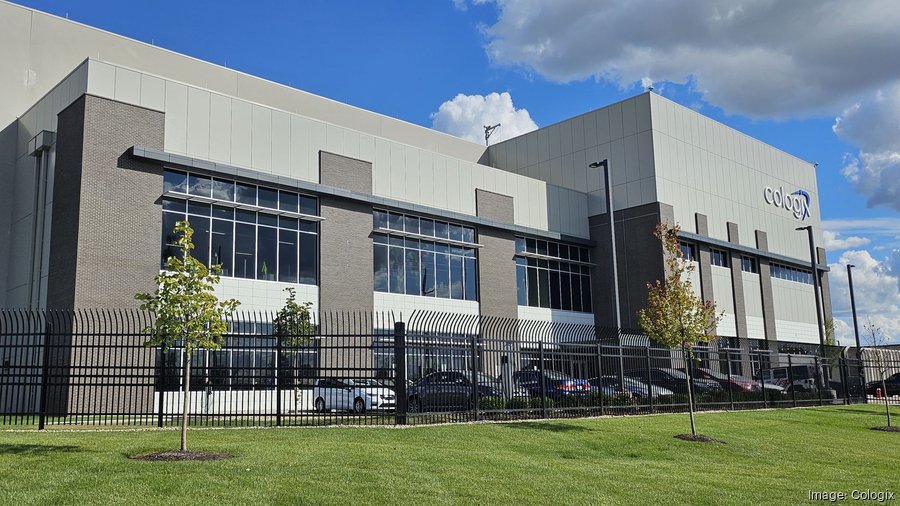
Cologix, a leading provider of network-neutral interconnection and hyperscale edge data centers across North America, has announced a $7 billion investment to build an advanced AI-ready data center campus in Central Ohio. This major development marks a significant step toward enhancing the region’s digital infrastructure, catering to the rising demand for high-performance computing needed by artificial intelligence (AI) technologies.

The company plans to establish the expansive campus near Johnstown, Ohio, strategically positioning it within the region’s burgeoning tech ecosystem. The decision to invest in this project comes at a time when the demand for AI services, cloud computing, and data storage is reaching unprecedented levels. According to Cologix, the facility will be designed to meet the growing needs of businesses operating at the forefront of digital transformation, including AI-driven enterprises.

A key element of the investment will be the development of state-of-the-art data center facilities capable of handling vast amounts of computational power. The campus will feature cutting-edge infrastructure, including high-density compute facilities, advanced cooling solutions, and secure power systems to support AI applications. As AI technologies demand more robust and efficient computing resources, the facility is expected to become a vital component of the region’s technological landscape.

Cologix’s decision to choose Central Ohio as the site for its new AI-ready data center campus comes amidst a broader push by the state to foster its tech industry. The Ohio government has been actively working to attract technology investments, with initiatives aimed at developing infrastructure to support the evolving needs of the digital economy. Cologix’s project aligns with these efforts, positioning Ohio as a key player in the nation’s rapidly expanding tech ecosystem.

The new facility will cater to the needs of a wide range of industries, from cloud service providers to content delivery networks and enterprise customers who are increasingly adopting AI solutions. This includes the growing demand for infrastructure that can support machine learning, large-scale data processing, and the development of sophisticated AI models. The move also supports the broader trend of tech companies seeking to establish AI-optimized environments to accelerate their research and development efforts.

The data center campus will be designed with scalability in mind, allowing for rapid expansion as demand for AI infrastructure continues to rise. This forward-thinking approach is particularly important in the context of AI’s rapid evolution, which requires facilities that can accommodate new technological advancements and the increasing computational requirements of AI models. Cologix’s investment is seen as a response to these trends, signaling the company’s commitment to providing cutting-edge infrastructure for AI-driven enterprises.

The Ohio campus is also expected to bring significant economic benefits to the local community. The development of the data center will create thousands of construction jobs in the short term, followed by long-term employment opportunities once the facility is operational. The presence of a major tech infrastructure hub in the region could also spur additional investments in the local economy, particularly in related sectors such as telecommunications, cybersecurity, and AI research.

Cologix has been expanding its presence across North America, with a focus on providing interconnection services that enable seamless communication between networks, cloud platforms, and other digital infrastructure. The company’s data centers are known for their reliability, security, and scalability, making them ideal for hosting AI applications that demand high levels of performance and uptime.

AI is increasingly seen as a transformative force across industries, driving innovations in healthcare, finance, logistics, and beyond. As businesses continue to integrate AI into their operations, the need for specialized data center facilities that can support these technologies will only grow. Cologix’s investment in Ohio reflects this demand, positioning the company as a key player in the development of AI-optimized infrastructure.

The $7 billion investment also reflects Cologix’s commitment to sustainability, with the company emphasizing its plans to incorporate green energy solutions and environmentally friendly practices into the design and operation of the new data center. This commitment to sustainability aligns with broader trends in the tech industry, where companies are under increasing pressure to reduce their environmental impact while maintaining the high levels of performance required by AI applications.

The rise of stablecoin adoption in Africa has sparked a surge of digital economic activity, with US-based crypto startups leading the charge. This financial shift is largely driven by increasing demand for stable, blockchain-backed currencies that offer a hedge against inflation and volatility, a feature that aligns with the continent’s unique economic challenges. Stablecoins have become a critical tool in enhancing financial inclusion, particularly for underserved populations and markets traditionally excluded from the global financial system.

Several US companies are at the forefront of this movement, offering accessible platforms that enable seamless cryptocurrency transactions across the continent. For example, companies like Yellow Card and other crypto exchange platforms have seen exponential growth in the region, facilitating cross-border payments and enabling users to store wealth in a more stable digital format compared to local currencies that are susceptible to inflation.

Between 2021 and 2022, Africa witnessed a staggering 1200% surge in cryptocurrency adoption, with stablecoins playing a pivotal role in this transformation. As the most widely used digital assets in many African nations, stablecoins provide a vital service by offering an alternative to traditional financial systems that many Africans find inaccessible. These cryptocurrencies are typically pegged to stable assets, like the US dollar, which helps shield users from currency devaluation. They have proven particularly useful for businesses and individuals looking to avoid the risks associated with rapidly fluctuating fiat currencies.

One of the key drivers behind the adoption of stablecoins in Africa is their use in remittances. With millions of Africans living abroad, remittances from the diaspora constitute a significant portion of the continent’s GDP. Traditional money transfer services often charge high fees and can be slow. However, stablecoins allow for nearly instant transfers with minimal fees, making them an appealing alternative for both senders and recipients.

The push for adoption is also supported by local cryptocurrency exchanges, like Yellow Card, which provide users with easy access to stablecoins. According to industry leaders, platforms that embrace stablecoins are able to tap into the growing demand for faster, cheaper, and more reliable digital payments. Furthermore, the integration of blockchain networks like Solana has also helped in reducing transaction fees and increasing the speed of transfers, making stablecoins even more accessible.

Despite the optimism, challenges remain, particularly regarding regulatory frameworks. While some African governments have embraced digital currencies and cryptocurrencies, others have imposed restrictions, complicating the regulatory environment. This has led to a fragmented landscape where the adoption of stablecoins varies significantly across countries. Some countries, such as Nigeria and South Africa, have shown proactive engagement, creating pilot projects and regulations that balance innovation with consumer protection. However, the lack of standardized regulations across the continent continues to pose a challenge.

Education also plays a crucial role in ensuring the success of stablecoin adoption. Many African users are still unfamiliar with how cryptocurrencies work, and a lack of awareness can be a barrier to widespread adoption. To address this, companies like Yellow Card have launched educational initiatives, such as the Yellow Card Academy, which provides free resources to help users understand digital currencies and blockchain technology. These programs aim to foster greater trust in stablecoins and expand the knowledge base, empowering individuals to make informed decisions about their finances.

Highlights of FY24/25 Half-Year Results Group sales US$1,854 million – down 4% compared to first half of the prior financial year Gross profit US$438 million or 23.6% of sales (compared to US$430 million or 22.2% of sales in the first half of the prior financial year) Adjusted EBITA US$177 million or 9.5% of sales (compared to US$180 million or 9.3% of sales in the first half of […]

VISHNU RAJA
RYO YAMADA
HITORI GOTOH
IKUYO KITA