News related to
near

Coinbase Global Inc., the largest U.S.-based cryptocurrency exchange, is in advanced discussions to acquire Deribit, a leading platform for Bitcoin and Ether options trading. The potential acquisition has been communicated to regulators in Dubai, where Deribit holds a license.

Deribit, founded in 2016 and headquartered in the Netherlands, has established itself as a dominant force in the cryptocurrency options market, particularly for Bitcoin and Ether contracts. In 2024, the exchange’s options notional trading volume surged 99% year-over-year to $743 billion, with total trading volume nearing $1.2 trillion. This growth underscores the increasing adoption of options and futures among institutional traders seeking risk management tools and leverage in crypto markets.

The potential acquisition aligns with Coinbase’s strategic push to expand its institutional offerings and underscores the growing importance of derivatives in the digital asset space. By integrating Deribit’s robust derivatives platform, Coinbase aims to enhance its product suite for institutional clients and strengthen its position in the competitive cryptocurrency exchange landscape.

While Coinbase’s interest has progressed to advanced stages, it is noteworthy that Kraken, another major U.S. cryptocurrency exchange, has also been in talks with Deribit regarding a potential acquisition. Contrary to earlier reports suggesting that Kraken had withdrawn from negotiations, sources indicate that discussions between Kraken and Deribit are ongoing. This simultaneous interest from two prominent exchanges highlights Deribit’s significant value proposition in the crypto derivatives market.

Deribit’s valuation has been a focal point in these discussions. In January, reports estimated the company’s worth to be between $4 billion and $5 billion. However, with the recent surge in crypto market activity and the heightened interest from major exchanges, the valuation could potentially be higher. Despite the advanced nature of the talks, it remains unclear if Coinbase has reached a final agreement with Deribit, and the discussions may not necessarily result in a deal.

The potential acquisition has been communicated to regulators in Dubai, as Deribit holds a license in the city. This license would be transferred to the acquiring entity, in this case, Coinbase. This regulatory aspect adds a layer of complexity to the negotiations, as compliance with international financial regulations is paramount for both entities.

The cryptocurrency industry has witnessed a surge in mergers and acquisitions, reflecting a maturation of the market and a drive towards consolidation. Exchanges are increasingly seeking to diversify their offerings to cater to a broader clientele, particularly institutional investors who demand sophisticated trading instruments like options and futures. By potentially acquiring Deribit, Coinbase would not only expand its product offerings but also solidify its position as a comprehensive platform for various trading strategies.

For Deribit, integration with a major exchange like Coinbase could provide access to a wider user base and additional resources, potentially accelerating its growth and innovation in the derivatives market. However, such an acquisition would also entail significant integration efforts, including aligning technological infrastructures, compliance protocols, and corporate cultures.

Chinese financial experts have raised concerns that US dollar-pegged stablecoins may strengthen the dollar’s global dominance by linking international credit to virtual economies. They advocate for China to develop its own stablecoins to enhance the yuan’s international standing.

A recent opinion piece published in several Chinese outlets considers how China should respond to the proliferation of US dollar stablecoins. The article suggests that China’s central bank should consider issuing its own stablecoins to counter the influence of dollar-pegged digital currencies.

Wang Yongli, former Vice President of the Bank of China, analyzed the position of the U.S. dollar as the world’s dominant currency and its implications for China’s monetary strategy. He pointed out that many countries, including China, have sought to internationalize their currencies and reduce reliance on the dollar, but these efforts face significant challenges. Despite China being the world’s second-largest economy and the largest trading nation in goods, the RMB’s share in global payments remains low, only around 4%, compared to the dollar’s nearly 50%. The RMB’s share in global reserves is also minimal, at just over 2%, while the U.S. dollar, despite declining from its peak, still accounts for nearly 60%.

China has been proactive in developing its own central bank digital currency , known as the digital yuan or e-CNY. This initiative aims to modernize the country’s payment systems and promote the yuan’s international use. The digital yuan is currently being tested in various regions and sectors within China, with plans for broader implementation in the future.

The internationalization of the yuan faces challenges, particularly due to China’s stringent capital controls, which limit the currency’s convertibility. These controls are in place to maintain financial stability but hinder the yuan’s acceptance as a global currency. Additionally, geopolitical tensions and U.S. sanctions add complexity to China’s efforts to promote the yuan internationally.

In response to these challenges, Chinese researchers have proposed the idea of a common Asian digital currency. Such a currency could reduce the region’s reliance on the U.S. dollar and enhance financial cooperation among Asian countries. This proposal reflects a strategic move to counter the dollar’s dominance and promote regional financial stability.

The proliferation of US dollar stablecoins presents both opportunities and challenges for global financial systems. While they offer efficiency and accessibility in digital transactions, they also reinforce the dollar’s hegemony, potentially undermining other currencies. China’s consideration of its own stablecoins and the development of the digital yuan are strategic efforts to enhance the yuan’s global standing and mitigate the risks associated with dollar-dominated digital currencies.

A major fire at an electrical substation in Hayes, west London, has led to the complete closure of Heathrow Airport, causing widespread disruption to global air travel. The blaze resulted in a significant power outage, prompting airport authorities to suspend all operations until midnight on 21 March. The incident began when a fire broke out at the North Hyde substation, approximately 1.5 miles from Heathrow. Emergency services, […]

Ripple Labs has achieved a significant legal victory as the U.S. Securities and Exchange Commission officially dropped its lawsuit against the company. This development has not only propelled XRP’s market performance but also opened the door for future financial products centered around the cryptocurrency.

The SEC’s decision to withdraw its case concludes a four-year legal battle that began in December 2020, when the agency accused Ripple of conducting unregistered securities sales totaling $1.3 billion. Ripple’s CEO, Brad Garlinghouse, announced the resolution, marking a pivotal moment for the company and the broader cryptocurrency industry. He described the SEC’s move as a “resounding victory” and a “long overdue surrender” by the regulator.

The immediate market reaction to the news was pronounced. XRP’s price surged by approximately 13%, reaching nearly $2.56. This surge solidified XRP’s position as the third-largest cryptocurrency by market capitalization, trailing only Bitcoin and Ethereum. The broader cryptocurrency market also experienced positive momentum, with Bitcoin rising 2.2% to $84,096 and Ethereum increasing 6.6% to $2,031.

Beyond the immediate market implications, Ripple’s legal victory has broader significance for the cryptocurrency industry. The case had been closely watched as a potential precedent for how digital assets might be regulated in the United States. The SEC’s decision to drop the lawsuit may signal a more favorable regulatory environment for cryptocurrencies, encouraging further institutional adoption and investment.

In the aftermath of the legal resolution, Ripple’s CEO, Brad Garlinghouse, expressed optimism about the company’s future prospects. He anticipates the launch of an XRP exchange-traded fund by the end of 2025, reflecting growing investor interest and potential regulatory acceptance. Garlinghouse stated, “I have immense confidence in the ETFs. I think there are 11 different filings pending with the SEC to launch XRP ETFs. I think those will be live in the second half of this year.”

The potential approval of an XRP ETF would represent a significant milestone for Ripple and the broader cryptocurrency market. ETFs provide investors with a regulated and accessible means to gain exposure to digital assets, potentially attracting a broader investor base. Several applications for XRP ETFs are currently under review by the SEC, including proposals for spot, leveraged, and inverse ETFs. Notably, asset management firm Franklin Templeton has recently joined the list of applicants, underscoring the growing institutional interest in XRP.

The resolution of Ripple’s legal challenges and the anticipated launch of an XRP ETF come at a time of increasing mainstream acceptance of cryptocurrencies. Major financial institutions are exploring digital asset offerings, and regulatory clarity is gradually improving. Ripple’s recent developments position the company to capitalize on these trends and potentially expand its influence within the financial sector.

However, challenges remain. The cryptocurrency industry continues to navigate a complex regulatory landscape, and the approval of an XRP ETF is contingent upon the SEC’s assessment of market stability, investor protection, and other factors. Additionally, the volatility inherent in cryptocurrency markets poses risks that both investors and regulators must consider.

Despite these challenges, Ripple’s recent achievements have bolstered confidence among its stakeholders. The company’s proactive engagement with regulators and commitment to compliance have been pivotal in resolving legal disputes and paving the way for future innovations. As the industry evolves, Ripple’s experience underscores the importance of collaboration between regulators and cryptocurrency firms to foster a sustainable and inclusive financial ecosystem.

Ethereum’s decentralized finance ecosystem has experienced a substantial contraction, with total value locked plummeting by $29 billion over the past 30 days. This decline has raised concerns about Ethereum’s dominance in the DeFi landscape, especially as rival blockchains gain traction.

As of March 19, Ethereum’s TVL stands at $89 billion, down from $118 billion recorded on February 19, marking a 25% reduction in total deposits within its DeFi platforms. This downturn coincides with a surge in the Bitcoin to Ethereum ratio, which has reached an all-time high. Currently, with Bitcoin trading at $83,000 and Ethereum at $1,900, one BTC can now purchase over 44 ETH, reflecting a 30% increase from the 1:33 ratio observed on February 25.

Several factors have contributed to this sharp devaluation. The introduction of new trade tariff policies has unsettled global markets, prompting crypto investors to seek safety in Bitcoin over Ethereum. Additionally, Ethereum’s ongoing network scalability issues and unsuccessful updates have dampened investor confidence. Historical data indicates that Ethereum’s devaluation has accelerated post-Merge, with multiple failed network upgrades pushing ETH supply above pre-Merge levels.

The Ethereum Foundation attempted to regain control by reshuffling leadership in February, but investor sentiment remains bleak following the disappointing Pectra and Hoodi updates. This has led to a massive capital outflow from Ethereum’s DeFi ecosystem, with TVL dropping from $118 billion on February 19 to $89 billion on March 19, marking a $29 billion capital loss within a month—a 25% decline in total deposits across Ethereum DeFi.

The declining on-chain statistics align with lower demand for leveraged longs in ETH futures. The premium of these futures over spot markets has dropped below the 5% neutral level to only 3%—the lowest in over a year—indicating diminished trading confidence.

Ethereum’s decentralized exchange volumes have seen a significant decline, with volumes decreasing approximately 30% over the last week. Specific protocols within the Ethereum network have exhibited notable drops in activity, with the Maverick Protocol experiencing an 85% reduction and Dodo’s volume decreasing by 45%.

Despite these challenges, Ethereum maintains its leadership in total value locked, currently at $47.2 billion. However, a 9% weekly drop has significantly narrowed the gap with competitors. In contrast, BNB Chain’s deposits increased by 6% in the past week, while Ethereum’s key DeFi projects saw major losses, including an 11% drop in Stargate Finance’s TVL, a 9% decline in Maker’s deposits, and a 6% reduction in Spark Finance.

The $29 billion drop in Ethereum’s DeFi TVL, coupled with continued scalability struggles and external economic pressures, heightens bearish risks. As liquidity diminishes in the DeFi ecosystem, ETH coins previously locked in smart contracts are entering the short-term market supply. If capital outflows persist, ETH could face further downward pressure, potentially retesting the $1,500 support zone. Additionally, with Bitcoin’s dominance widening, ETH risks losing more market share in the near term, especially if upcoming economic policies do not meet market expectations.

The declining interest in Ethereum-based exchange-traded funds further exacerbates the situation. Over the past seven days, these digital assets have suffered cumulative outflows of $265.4 million, reflecting diminished institutional interest.

In response to these challenges, Ethereum’s developers are under increasing pressure to address scalability issues and restore investor confidence. The upcoming Hoodi update is anticipated to tackle some of these concerns, but its success remains uncertain. Meanwhile, competitors like Solana and BNB Chain are capitalizing on Ethereum’s setbacks, attracting users and liquidity with their own DeFi offerings.

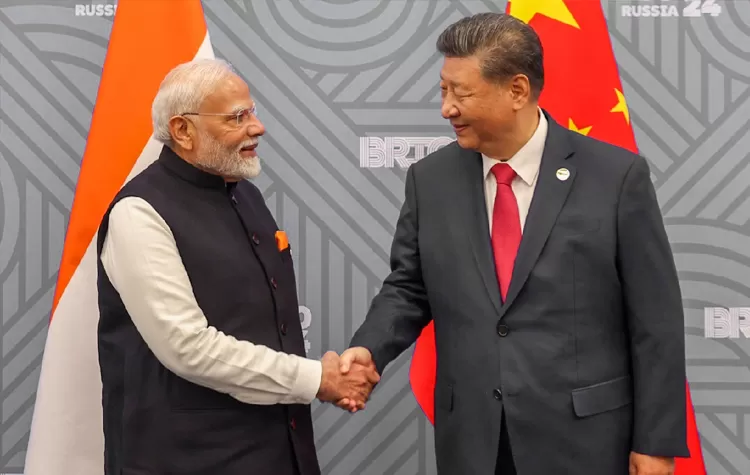
By Nitya Chakraborty Narendra Modi has been heading the Indian government as the Prime Minister since 2014. He has made so far many observations about the delicate India-China relations in the last nearly eleven years, but his observations on this issue made to the American journalist cum researcher Lex Fridman in his podcast released on […]

American publicly traded Bitcoin mining companies have reached an unprecedented milestone, now controlling approximately 30% of the total global Bitcoin network hashrate. This significant increase underscores the growing influence of U.S.-based miners in the cryptocurrency ecosystem.

The hashrate, representing the total computational power used to mine and process transactions on the Bitcoin network, serves as a critical indicator of the network’s security and efficiency. As of mid-March, the Bitcoin network’s hashrate averaged 811 exahashes per second , reflecting a 2 EH/s increase in the first two weeks of the month. Notably, U.S.-listed miners have maintained their share at around 30% during this period.

This expansion is particularly remarkable considering that just over a year ago, these companies accounted for approximately 20% of the network’s hashrate. The rapid growth can be attributed to several factors:

– Access to Capital: Being publicly listed provides these miners with enhanced access to capital markets, enabling substantial investments in infrastructure and expansion.

– Availability of Resources: The United States offers abundant land and relatively affordable energy resources, essential for the energy-intensive process of Bitcoin mining.

– Aggressive Expansion Strategies: Companies such as IREN , CleanSpark, Riot Platforms, and MARA Holdings have been actively scaling their operations, deploying new mining rigs, and increasing their computational capacities.

IREN, in particular, has been at the forefront of this expansion. Despite reporting a loss of $51.7 million in the first quarter of 2025, the company has ambitious plans to boost its mining power to 50 EH/s in the coming months. This strategy reflects a broader trend among U.S.-listed miners to reinvest earnings into scaling operations, thereby increasing their share of the network hashrate.

However, this rapid expansion has not been without challenges. The average price of Bitcoin declined by approximately 10% in early March, pressuring mining economics. Additionally, the increase in network hashrate has led to heightened competition among miners, further squeezing profit margins. Some companies have responded by stockpiling Bitcoin to navigate these profit squeezes, leveraging the cryptocurrency’s price appreciation to bolster their balance sheets.

MARA Holdings exemplifies this trend. The company recently expanded its capacity by acquiring data centers in Ohio, adding a total of 372 megawatts of compute capacity. This acquisition brings MARA’s total nameplate capacity to nearly 1.5 gigawatts, positioning it as one of the largest players in the industry. Despite these advancements, MARA reported widening net losses of $124.8 million in the third quarter, highlighting the financial pressures faced by miners amid fluctuating Bitcoin prices and rising operational costs.

The consolidation of hashrate among U.S.-listed miners has broader implications for the Bitcoin network. While increased hashrate enhances network security by making it more resistant to attacks, the concentration of mining power raises concerns about decentralization—a core principle of the Bitcoin ethos. Industry stakeholders continue to debate the balance between operational efficiency and maintaining a decentralized network structure.

Advertisements

The consulting industry in the Gulf Cooperation Council is projected to reach a valuation exceeding $8 billion this year, marking a 12% growth compared to the previous year. This expansion, while robust, indicates a slight deceleration from the 13% growth observed in 2024, reflecting a trend of tightening public expenditure across the region. Saudi Arabia, the largest economy within the GCC, has been a significant contributor to […]

Abu Dhabi’s renewable energy company, Masdar, is nearing a $200 million agreement to acquire a 49.9% stake in a 450-megawatt solar portfolio managed by Spanish utility Endesa. This strategic move aims to bolster Masdar’s presence in Spain, aligning with its ambition to achieve 100 gigawatts of global renewable energy capacity by 2030. A Masdar spokesperson commented on the company’s expansion goals, stating that they are actively exploring […]

Wizz Air Abu Dhabi has announced the inauguration of a direct flight service connecting Abu Dhabi to Beirut, commencing on June 4, 2025. This development is seen as a strategic move to capitalize on Lebanon’s burgeoning tourism sector following a prolonged period of conflict.

The ultra-low-cost carrier will operate three weekly flights to the Lebanese capital, with fares starting at 359 AED. This initiative underscores the airline’s commitment to expanding its network in the Middle East, aiming to cater to both the visiting friends and relatives segment and leisure travelers. The introduction of this route is anticipated to enhance connectivity between the UAE and Lebanon, facilitating increased tourism and business exchanges.

The decision to launch this route aligns with Lebanon’s efforts to rejuvenate its tourism industry, which has been severely impacted by the 14-month conflict between Israel and Hezbollah. The ceasefire agreement, effective since November 27, 2024, has ushered in a period of relative stability, prompting optimism among stakeholders in the tourism sector. However, challenges persist, particularly in regions near the southern border, where access to certain tourism projects remains restricted due to security concerns.

The World Bank estimates that Lebanon requires approximately $11 billion for reconstruction and recovery following the extensive damages incurred during the conflict. Despite these challenges, there is a palpable sense of hope as displaced residents begin to return, and businesses, including those in the tourism sector, initiate rebuilding efforts. The resumption of international flights, such as Wizz Air Abu Dhabi’s new route, is expected to play a pivotal role in this recovery process by boosting tourist arrivals and stimulating economic activity.

Johan Eidhagen, Managing Director of Wizz Air Abu Dhabi, expressed enthusiasm about the new route, stating that it reflects the airline’s strategy to expand its network and offer affordable travel options to emerging destinations. He emphasized the potential of Beirut as a vibrant city with rich cultural heritage, making it an attractive destination for travelers from the UAE and beyond.

The Lebanese government has also been proactive in its efforts to revitalize the tourism industry. Initiatives include infrastructure development, promotional campaigns targeting international markets, and collaborations with airlines to enhance accessibility. The introduction of Wizz Air Abu Dhabi’s flights is expected to complement these efforts by providing a cost-effective travel option, thereby attracting a broader demographic of tourists.

However, the path to full recovery is fraught with challenges. The lingering effects of the conflict, coupled with economic constraints, necessitate concerted efforts from both the public and private sectors. Ensuring the safety and security of tourists, rebuilding damaged infrastructure, and restoring confidence among international travelers are critical components of this recovery strategy. The collaboration between airlines like Wizz Air Abu Dhabi and Lebanese authorities signifies a positive step towards achieving these objectives.

Raydium, a leading decentralized exchange and automated market maker on the Solana blockchain, has announced the launch of LaunchLab, a new token launchpad platform. This development positions Raydium in direct competition with Pump.fun, a prominent memecoin launchpad that has significantly influenced Raydium’s revenue streams.

LaunchLab is designed to emulate and enhance the functionalities of Pump.fun, offering token creators a platform to introduce new tokens with various bonding curves—linear, exponential, and logarithmic—that align token prices with market demand. Additionally, LaunchLab allows third-party user interfaces to set their own fees, providing greater flexibility for developers and users alike.

The introduction of LaunchLab comes on the heels of reports that Pump.fun is developing its own AMM, signaling a shift away from its reliance on Raydium’s infrastructure. This move by Pump.fun could potentially divert liquidity and trading volume from Raydium, prompting the DEX to innovate and retain its market position.

Pump.fun has been a significant contributor to Raydium’s revenue, with memecoins launched on Pump.fun accounting for approximately 41% of Raydium’s swap fee revenue over the past 30 days. The platform’s model involves depositing liquidity into Raydium’s trading pools once a token reaches a market capitalization of $69,000, thereby integrating with Raydium’s AMM.

The potential migration of tokens from Pump.fun to its own AMM has raised concerns about a possible decline in Raydium’s revenue. In February, Raydium’s native token, RAY, experienced a 25% decline, reflecting investor apprehension about future revenue streams. Despite this downturn, Raydium maintains a robust financial position, with approximately $168 million on its balance sheet, enabling it to invest in new initiatives like LaunchLab.

Raydium’s core contributor, known pseudonymously as Infra, stated that the development of LaunchLab began several months ago but was initially shelved to avoid direct competition with other platforms. However, the evolving landscape, particularly Pump.fun’s move towards establishing its own AMM, necessitated Raydium’s proactive response. Infra emphasized that LaunchLab is not intended to replace Pump.fun but to serve as an alternative for teams seeking to leverage Raydium’s AMM v4 for pool migrations.

The memecoin market has experienced fluctuations, with a notable decline in investor interest. Pump.fun’s graduation rate—the percentage of tokens successfully transitioning from incubation to full tradability on a Solana DEX—has fallen below 1% since mid-February. This decline reflects growing caution among investors regarding high-risk memecoin investments.

Despite these challenges, Raydium’s RAY token has shown resilience. Following the announcement of LaunchLab, RAY surged approximately 28%, rising from $1.60 to $2.00. This uptick indicates renewed investor confidence in Raydium’s strategic direction and its ability to adapt to market dynamics.

The launch of LaunchLab signifies a pivotal moment in the Solana ecosystem, potentially intensifying competition among token launchpads. As both Raydium and Pump.fun vie for prominence, the Solana community may witness accelerated innovation, offering users diverse options for token creation and trading. This competitive landscape could lead to more robust and user-centric platforms, benefiting the broader cryptocurrency market.

However, challenges persist. The declining interest in memecoins poses a risk to platforms heavily reliant on such tokens for revenue. Raydium’s strategic move to launch LaunchLab may mitigate potential revenue losses from Pump.fun’s shift towards its own AMM, but the platform must continue to innovate and adapt to maintain its market share.

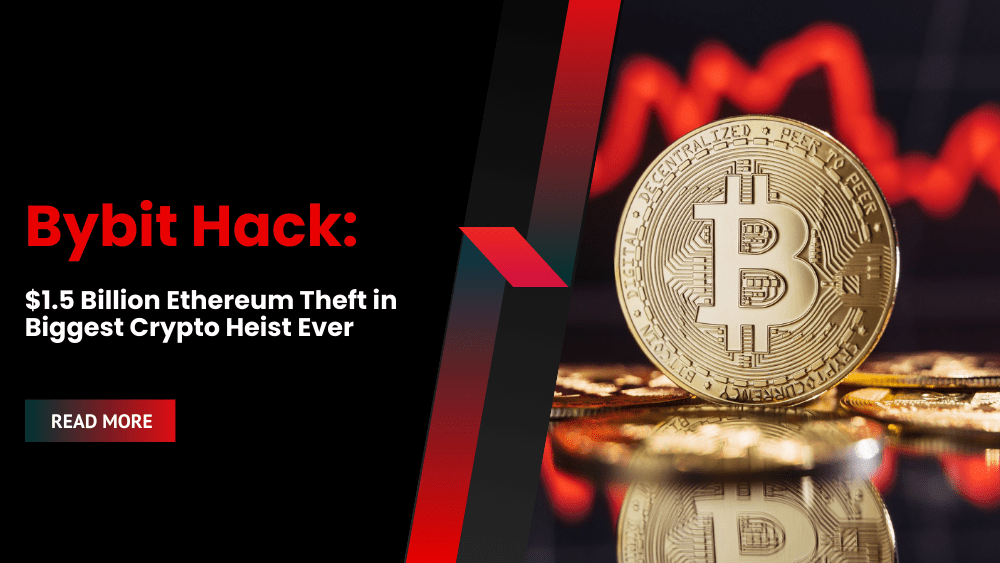
On 21 February 2025, Bybit, one of the world’s leading cryptocurrency exchanges, suffered a monumental security breach resulting in the theft of approximately 400,000 Ether tokens, valued at $1.5 billion. This incident has been identified as the largest cryptocurrency heist to date, surpassing previous records and sending shockwaves throughout the digital asset community.

The breach occurred during a routine transfer from Bybit’s cold wallet to a warm wallet—a standard procedure intended to ensure liquidity for daily operations. Attackers exploited this process by intercepting the transfer, redirecting the substantial sum to unknown addresses. Initial investigations have traced the hack to the Lazarus Group, a cybercrime organization associated with North Korea, notorious for orchestrating similar high-profile cyberattacks in the past.

In the immediate aftermath, Bybit’s market share plummeted from nearly 20% to a mere 5% by 2 March 2025, as users and traders sought more secure platforms. Binance emerged as a primary beneficiary during this period, with its market dominance soaring to 62% as traders migrated their assets. Other major exchanges, such as OKX and Coinbase, also experienced minor increases in market share, reflecting a broader redistribution of trading activity.

Bybit’s swift crisis response played a crucial role in stabilizing the situation. Unlike many exchanges that suspend withdrawals during security breaches, Bybit maintained operational status, allowing users to access their funds. This decision, coupled with consistent updates, helped maintain confidence and prevent mass withdrawals. The exchange also secured emergency funding from firms including Galaxy Digital, FalconX, and Wintermute, replenishing its reserves within 72 hours. By 9 March 2025, Bybit’s market share had rebounded to 9.04%. However, the exchange still faces significant reputational damage and lingering trust issues, raising doubts about its ability to fully regain its pre-hack position.

The incident has sparked discussions about the inherent vulnerabilities within the cryptocurrency ecosystem. While technological defenses continue to advance, this breach underscores that human error remains a critical weak point. INSEAD’s Ben Charoenwong emphasized that human failings, rather than technical glitches, are often the most significant factors in such incidents. He highlighted that a barrier to effective security is the reluctance to acknowledge ownership and responsibility for vulnerable systems.

The Bybit hack serves as a stark reminder of the importance of robust security protocols and the need for continuous vigilance in the rapidly evolving digital asset landscape. As the industry grapples with the implications of this unprecedented breach, stakeholders are urged to reassess their security measures, prioritize transparency, and foster a culture of accountability to safeguard against future threats.

HONG KONG SAR – Media OutReach Newswire – 18 March 2025 – The William SD Louey Educational Foundation is proud to announce a collaboration with Suicide Prevention Services (SPS) aimed at tackling the mental health challenges faced by young men aged 15–25 in Hong Kong. The initiative features five key opinion leaders (‘KOLs’) and comes at a critical time when youth mental health issues are on the […]

Strategy, formerly known as MicroStrategy, has further solidified its position as a leading corporate investor in Bitcoin by acquiring an additional 130 BTC between March 10 and March 16, 2025. This purchase, amounting to approximately $10.7 million, was executed at an average price of $82,981 per Bitcoin. Consequently, the company’s total Bitcoin holdings have reached 499,226 BTC, acquired at an aggregate cost of $33.1 billion, reflecting an average purchase price of $66,360 per Bitcoin.

This strategic move aligns with Strategy’s aggressive investment approach under the leadership of Executive Chairman Michael Saylor. The firm has consistently leveraged financial instruments to bolster its Bitcoin reserves, including a recent announcement of a $21 billion “at-the-market” offering of convertible perpetual preferred stock. This initiative aims to raise capital for additional Bitcoin acquisitions, potentially increasing the company’s holdings by up to 262,500 BTC, thereby encompassing approximately 3.6% of the total Bitcoin supply.

However, Strategy’s bold strategy has not been without challenges. The company’s stock experienced a significant decline of nearly 17% following the announcement of its new cryptocurrency acquisition plan. This drop reflects investor apprehension regarding the sustainability and risks associated with such an aggressive investment approach.

The broader cryptocurrency market has also exhibited volatility. Bitcoin’s price recently fell by 4.2%, settling around $79,500, contributing to a 12% decline over the past week. This downturn followed President Donald Trump’s announcement of a strategic Bitcoin reserve, which clarified that only Bitcoin already held by the government through asset forfeitures would be included, with no new purchases planned. This revelation tempered market expectations, leading to a price correction.

HONG KONG SAR – Media OutReach Newswire – 17 March 2025 – Mr Albert Wong, CEO of Hong Kong Science and Technology Parks Corporation (HKSTP), led a delegation on a highly successful European Innovation Mixer tour in March, engaging with over 1,000 students and innovation and technology (I&T) talents, encouraging them to pursue opportunities in Hong Kong. The delegation also secured over 1,000 business collaboration opportunities, further […]

Tesla, once the unchallenged leader in the electric vehicle market, is experiencing significant headwinds as sales decline and competitors gain ground. In January 2025, Tesla’s European sales plummeted by 45% compared to the same month in 2024, with only 9,913 units sold, down from 18,121. Germany, a pivotal market for Tesla, witnessed a staggering 76% decrease in sales, with only 1,429 vehicles sold in February 2025. This […]

Thailand’s Most Trusted Developer Capitalizes On Surging Pattaya And Tourist Destination Demand PATTAYA, THAILAND – Media OutReach Newswire – 17 March 2025 – Sansiri Public Company Limited, Thailand’s leading developer with a 40-year track record widely regarded as Thailand’s most trusted fully integrated real estate developer among both Thai and international clients, announces surpassing all records with the successful real-time global online booking launch of ‘PTY Residence […]

Artificial intelligence search tools, once hailed as the future of information retrieval, are now under scrutiny for their alarming inaccuracy. A comprehensive study by the Tow Center for Digital Journalism at Columbia University reveals that these AI-driven search engines frequently provide incorrect information, raising concerns about their reliability. The study evaluated eight prominent AI search tools, including OpenAI’s ChatGPT Search, Google’s Gemini, Perplexity, DeepSeek Search, Grok-2 Search, […]

Gold prices in the United Arab Emirates have surged to unprecedented levels, reflecting a global trend driven by economic uncertainties and market dynamics. As of March 16, 2025, the price of 24-karat gold in Dubai stands at AED 360.31 per gram, while 22-karat gold is priced at AED 330.29 per gram.

This surge aligns with global movements, as gold prices worldwide have breached the $3,000 per ounce mark for the first time. On March 14, 2025, gold peaked at $3,000.87 per ounce before settling at $2,994.50. This milestone reflects a consistent rally, with prices up 3.1% over the past week and nearly 14% since the beginning of the year.

Several factors have contributed to this historic rise. Escalating trade tensions, particularly between the United States and the European Union, have heightened economic uncertainty, prompting investors to seek refuge in safe-haven assets like gold. Additionally, expectations of monetary policy easing by the Federal Reserve have bolstered gold’s appeal. Investors anticipate potential interest rate cuts to counteract slowing economic growth, further enhancing gold’s attractiveness as a non-yielding asset.

Central banks, notably China’s, have been increasing their gold reserves, providing additional support to prices. This trend underscores a strategic move to diversify reserves amid global economic uncertainties. Goldman Sachs has adjusted its year-end gold price forecast to $3,100 per ounce, highlighting sustained central bank demand and favorable market conditions.

In the UAE, the gold market has experienced significant activity. The Dubai Gold and Jewellery Group reported that the price of 24-karat gold reached AED 360.31 per gram, marking a substantial increase from previous levels. This surge has impacted both retailers and consumers, with many investors considering gold as a hedge against inflation and currency fluctuations.

The local jewellery market has felt the effects of rising gold prices. Retailers have observed shifts in consumer behaviour, with some buyers opting for lighter pieces or postponing purchases. However, others view the current prices as a worthwhile investment, anticipating further appreciation in value.

Saudi Arabia, historically a lucrative market for international consulting firms, is undergoing a notable transformation in its approach to external advisory services. The kingdom’s government is reassessing its reliance on foreign consultants, leading to a slowdown in contract awards and prompting firms to relocate staff to other regions, including Doha. This shift reflects a broader trend within the consulting industry, which is grappling with various challenges worldwide. […]

By Tajul Islam On January 20, 2025, US President Donald Trump issued an executive order suspending all USAID and State Department-funded projects, totaling $60 billion, for 90 days. This decision was framed as a reassessment of foreign aid effectiveness and its alignment with the administration’s strategic priorities. The abrupt termination of nearly 10,000 foreign aid grants and contracts has sent economic and humanitarian shockwaves through countries in […]

A U.S. court has approved Three Arrows Capital’s request to raise its claim against FTX to $1.53 billion. This decision allows the embattled hedge fund to pursue a larger share in the bankruptcy proceedings of the collapsed cryptocurrency exchange, FTX. The court’s approval comes after 3AC, which held significant assets in FTX, revised its initial claim to reflect a more substantial financial stake.

As of June 12, 2022, 3AC reportedly held assets valued at $1.53 billion in FTX, a cryptocurrency exchange that has since spiraled into bankruptcy. However, a rapid series of transactions between the two parties led to the liquidation of a significant portion of these assets. Just days after 3AC held the assets, they were sold off to cover a $1.3 billion debt owed to FTX, leaving 3AC with a significantly reduced amount.

Initially, 3AC had filed a claim for $120 million in June 2023, which represented the remaining value of its assets at the time. The claim was based on 3AC’s holdings of FTX’s native FTT tokens and other crypto assets tied to the exchange, which were initially valued higher. However, in light of further analysis and unfolding details, the claim has now been revised upwards, with 3AC seeking $1.53 billion in total.

The court’s ruling allows 3AC to officially revise the terms of its claim, which will impact how the proceedings in FTX’s bankruptcy case unfold. With a claim now nearly ten times larger than originally filed, 3AC’s request highlights the complexity of the ongoing bankruptcy proceedings and the intricate relationships between major crypto players.

The revised claim is rooted in the volatile collapse of FTX, which saw assets across the crypto sector lose significant value. The turmoil within the digital currency market has also raised questions regarding asset valuations and the interlinked financial risks faced by companies involved in the cryptocurrency ecosystem. The asset liquidation that occurred between 3AC and FTX highlights the systemic risks that crypto exchanges, funds, and investors face during such crises.

The U.S. court’s approval comes amid continuing investigations into FTX’s operations, with authorities scrutinising the events leading to the exchange’s downfall. FTX founder Sam Bankman-Fried faces multiple charges related to fraud and mismanagement, and the ongoing legal proceedings have drawn attention to the broader impact on investors and creditors. The case of 3AC is just one of many high-profile claims emerging from the aftermath of FTX’s bankruptcy, but its size and prominence underscore the potential consequences for other creditors.

For 3AC, the court’s approval marks a critical development as the firm continues its restructuring efforts in the wake of its own collapse. Three Arrows Capital had once been a prominent player in the cryptocurrency hedge fund space, but it has faced significant financial setbacks following its exposure to failing crypto assets. The fund’s involvement in the FTX debacle further complicates its ongoing recovery, with large sums of money at stake.

3AC’s strategy to pursue a larger claim indicates its ongoing efforts to secure as much compensation as possible through FTX’s bankruptcy process. Given the scale of its claim, 3AC may also seek to negotiate its position with other creditors involved in the bankruptcy, all of whom are competing for a share of the limited remaining assets.

The approval also raises broader questions about the future of cryptocurrency regulation, as both the U.S. and international regulators examine the collapse of FTX and its ramifications. The FTX debacle has drawn scrutiny from lawmakers and regulatory bodies, with calls for more stringent oversight of the cryptocurrency industry. As the fallout from the collapse continues to unfold, many expect further legal challenges and claims from other investors and entities that were involved in the exchange’s operations.

By P. Sudhir The US President Donald Trump, in his first address to the US Congress following his election, has threatened to impose tariffs on countries that he considers are taking advantage of US trade policies. In his list is India, along with Canada, Mexico, China, Brazil and the European Union. Trump has repeatedly named […]

Swiss private equity firm Partners Group has finalized an agreement to acquire Australian data center operator GreenSquare Data Centers , committing up to AU$1.2 billion to establish a next-generation data center platform across Australia. GreenSquareDC, established in October 2022, is actively developing a data center in Belmont, Perth. The four-story facility is set to offer 68,000 square meters of gross floor area on a 38,000-square-meter site, with […]

VISHNU RAJA
RYO YAMADA
HITORI GOTOH
IKUYO KITA