News related to
near

Claudia, a newly released open‑source graphical user interface for Anthropic’s Claude Code, brings a visually intuitive layer to the traditionally command‑line driven tool. Developed by YC‑backed Asterisk, this desktop application enables developers to manage projects, run interactive AI agents, and track progress—all through a local, privacy‑focused interface. The interface addresses growing frustrations among developers using Claude Code’s text‑only environment. Asterisk’s design employs Tauri for cross‑platform deployment, along […]

BANGKOK, THAILAND – Media OutReach Newswire – 28 June 2025 – Green SM, Southeast Asia’s first all-electric ride-hailing platform, developed by Vietnam’s Green and Smart Mobility Joint Stock Company (GSM), has been awarded Green Leadership at the prestigious Asia Responsible Enterprise Awards (AREA) 2025 held in Bangkok. The recognition celebrates Green SM’s pioneering role in shaping a sustainable transportation ecosystem in Vietnam and expanding its green mobility […]

Trade between the European Union and the East African Community reached €7.7 billion in 2024, marking a robust surge in economic engagement. Data from the EAC Secretariat and the European Commission reveal that Kenya led this growth, accounting for 43 per cent of total EAC trade with Europe. Kenya’s ascent to prominence has been propelled by its position as the region’s primary link to European markets. Under the Economic Partnership […]

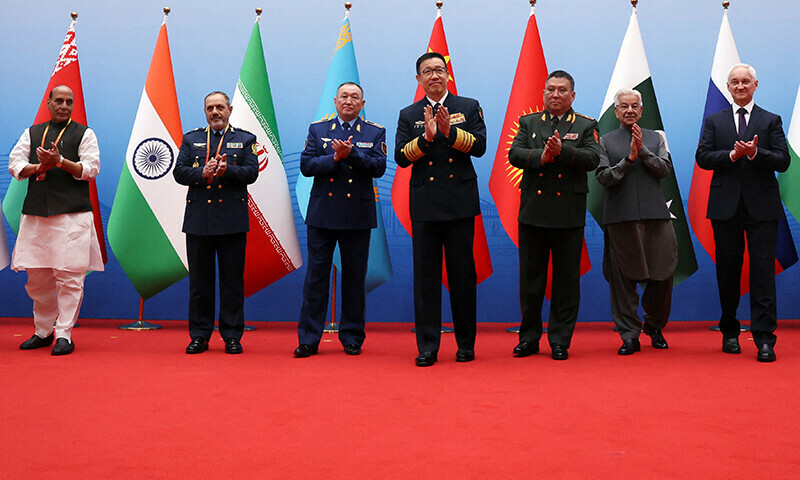
By Nitya Chakraborty India’s total diplomatic isolation was in show in the Shanghai Cooperation Organisation (SCO)’s defence ministers meet in Qingdao city in China on June 25 and 26 when a joint statement was prepared calling upon the members to jointly fight terror but there was no mention of Pahalgam killings on April 22 while […]

The Central Bank of the UAE expanded its gold reserves by 19.3 per cent in the first quarter of 2025, adding AED 4.444 billion to bring the total to AED 27.425 billion as of 31 March, up from AED 22.981 billion at the close of 2024. The bank’s latest statistical bulletin also reveals marked increases across demand, savings and time deposits, alongside robust payment-system activity. Heightened global market unpredictability and a strategic emphasis on diversifying […]

OVHcloud posted €271.9 million in revenue for its third quarter of fiscal 2025, representing organic growth of 9.3%, and confirmed its projection to exceed €1 billion in annual revenue. The Paris‑listed cloud provider attributed the Q3 gains to sustained demand for its Public Cloud arm, which grew 17.2% year‑on‑year to €53.6 million, and a revival in Private Cloud, with new customer intake climbing over 25% in its bare‑metal offering. Web […]

Santos has granted a six‑week exclusive due‑diligence period to a consortium led by Abu Dhabi’s National Oil Company, signalling serious progress towards its A$36.5 billion takeover proposal.

The consortium, comprising ADNOC’s investment arm XRG, Abu Dhabi Development Holding Company and private equity investor Carlyle, has placed an all‑cash offer of A$8.89 per share—representing a roughly 28 per cent premium on Santos’s previous closing price. Santos’s board is prepared to endorse the deal, pending satisfactory outcomes from due diligence, no better competing bids and approval by an independent fairness expert.

Should the offer proceed, it would mark Australia’s largest-ever all‑cash corporate takeover and rank among the top three transactions nationally—holding an enterprise value near A$36.4 billion.

The acquisition targets Santos’s LNG assets, including Australia’s Gladstone and Darwin facilities, plus substantial interests in Papua New Guinea’s LNG project and the forthcoming Papua LNG development. XRG aims to build an integrated gas and LNG portfolio capable of delivering 20–25 million tonnes annually by 2035.

Adhering to regulatory requirements, the consortium has signed confidentiality agreements and secured exclusive negotiating rights for this due‑diligence phase.

Santos’s management is forecasting a binding scheme implementation agreement before enabling a shareholder vote needing at least 75 per cent support, as per Australian scheme‑of‑arrangement rules. Shareholder approval will depend on a legal and financial assessment of the offer’s fairness.

While the consortium has pledged to maintain Santos’s Adelaide headquarters, preserve local employment, and continue momentum on major projects like the Barossa LNG development and Moomba carbon‑capture initiative, significant regulatory scrutiny lies ahead.

National oversight will involve multiple bodies: Australia’s Foreign Investment Review Board, ACCC, ASIC, and National Offshore Petroleum Titles Administrator; Papua New Guinea’s Securities and Competition commissions; and the US Committee on Foreign Investment due to Santos’s cross-border interests.

Analysts caution that the central risk is FIRB rejection, given Santos’s control over critical gas infrastructure. Potential remedies, like spinning off assets, may invite legal and decommissioning complexities.

South Australian state officials, including Premier Peter Malinauskas and Energy Minister Tom Koutsantonis, have highlighted the importance of protecting domestic jobs, the company’s base, and energy security—leveraging recent legislative powers to oversee licence transfers.

The political backdrop complicates matters, with Treasurer Jim Chalmers in caretaker mode ahead of a potential election. His decision will pivot on FIRB advice and the national interest implications.

Santos has endured pressures in recent years, including a near‑16 per cent drop in annual profit and a 41 per cent dividend cut in 2024. It also abandoned merger negotiations with Woodside that would have created an A$80 billion energy entity.

The consortium’s revised offer follows an initial A$8.00 bid in March, raised to A$8.60 later that month, and now stands at A$8.89—reflecting sustained negotiations and valuation uplifts. Should the agreement proceed, final receipt of regulatory and shareholder clearances could extend into early 2026.

This transaction underscores ADNOC’s growing appetite for strategic LNG assets in the Asia‑Pacific region and exemplifies broader Middle Eastern investment trends in global energy infrastructure. The outcome will influence the balance of power in Australia’s evolving LNG market and set significant precedents for future foreign investment decisions.

Advertisements

Dubai’s Roads and Transport Authority has completed a trio of targeted road improvements in Business Bay, seeking to significantly enhance traffic flow, safety, and capacity in the high-density mixed-use district. The works — spanning arterial streets, service roads and bridge access — are part of a wider strategic plan to upgrade Dubai’s road network in line with growing urban demands. At the heart of the project is […]

Dubai has been chosen to host SIBOS in 2029, affirming its standing as a global nexus in financial services. The selection reflects growing confidence in its role as a strategic bridge in international banking, marking the beginning of SWIFT’s new hosting rotation featuring emerging financial hubs.

SWIFT—holder of SIBOS, an annual forum for payments, securities, cash management and trade—has scheduled the conference in Frankfurt, Miami, Singapore, and Paris, with Dubai confirmed for 2029. This shift inaugurates a four-year rotation that now includes key regions such as the Middle East, Africa, Latin America and Asia, signalling intent to broaden engagement beyond traditional centres.

This move underscores Dubai’s appeal, anchored in the growth of DIFC, which now hosts nearly 7,000 firms, including the region’s fintech core. SWIFT’s Rosemary Stone emphasised that expanding SIBOS to diverse locations will lend fresh perspectives vital amid accelerating technological shifts and growing fragmentation risks. SWIFT saw record traffic last year, and the conference consistently draws over 10,000 delegates.

UAE Banks Federation and supporting bodies—including DIFC, DWTC, DET and CBUAE—have been credited for bringing SIBOS back to the UAE after its inaugural MENA appearance in 2013. UBF chairman Abdulaziz Al‑Ghurair highlighted that hosting SIBOS 2029 recognises the UAE’s leadership in digital payments innovation and its dedication to payment security and efficiency under CBUAE guidance.

UBF director‑general Jamal Saleh noted that the federation’s National SWIFT User Group, launched in 2021, along with the region’s first SWIFT training centre, have built a strong skill base in payments protocols. He said the bid award demonstrates “global recognition of the UAE’s achievements in payments using advanced technologies under CBUAE’s guidance”.

DIFC’s rapid development since 2004 has turned Dubai into SWIFT’s “Gateway to Africa”, strategically connecting Europe, Asia and Africa. This position enhances Dubai’s role within SWIFT’s network of over 11,500 institutions across more than 200 countries.

Planners are expected to leverage SIBOS’s platform to demonstrate regional innovations, including national payment system strategies, fintech growth, and cyber‑security frameworks. The event offers a showcase for the UAE’s ambitions to expand financial inclusion, digital infrastructure, and regulatory maturity.

The SIBOS win also supports the federal strategy unveiled by the Central Bank in 2019 to enhance customer experience through secure, innovative payment mechanisms. Observers suggest the conference will spotlight initiatives such as real‑time payment, cross‑border settlement solutions, and cloud‑based financial services.

By setting 2029 in Dubai, SWIFT signals that emerging financial ecosystems are not only capable but essential hosts. The planned rotation to include regions beyond the traditional triad marks a pivot in SWIFT’s approach, prioritising breadth of perspective as the global banking system navigates fragmentation.

UBF and its partners have committed to delivering a polished event, guided by rising standards in event production and stakeholder integration. With backing from SWIFT, CBUAE and government tourism authorities, organisers expect delegates to gain both technical insights and policy‑driven dialogue on future‑proofing global finance.

NVIDIA Corp is a equity in the USA market. The price is 154.31 USD currently with a change of 6.45 USD from the previous close. The latest trade time is Thursday, June 26, 17:06:55 +0530. Nvidia Surpasses Microsoft to Reclaim Global Valuation Crown Nvidia has overtaken Microsoft to retake its position as the world’s most valuable publicly traded company, with a market capitalisation reaching approximately $3.77 trillion. The […]

Continued Gross Profit Margin and Net Operating Cash Flow improvements albeit difficult market conditions HONG KONG SAR – Media OutReach Newswire – 26 June 2025 – HONMA Golf Limited (“HONMA”; together with its subsidiaries, the “Group”; HKEx stock code: 6858), one of the world’s most prestigious golf brands, announces its consolidated annual results for the year ended 31 March 2025 (the “Period”). Financial Highlights Due to economic […]

U.S. lawmakers have advanced the GENIUS Act, a federal bill setting strict requirements for stablecoin issuers that could significantly challenge Tether’s dominance. The legislation mandates full backing with cash or U.S. Treasuries, monthly audits by registered firms, transparency of reserves, anti-money laundering safeguards and U.S. registration for issuers with over $10 billion in circulation. Circle’s USDC stands to gain, while Tether’s model faces serious scrutiny if it intends to access U.S. markets.

Tether currently holds approximately $155 billion in USDT tokens, backed in part by volatile assets such as Bitcoin and gold—as well as commercial paper and loans. It discloses reserves via quarterly attestations, though it has never undergone a full independent audit, despite promises since 2017. In contrast, the GENIUS Act requires liquidity in U.S.-based financial institutions and audited transparency certified by company executives, holding them personally liable.

Experts warn that Tether now faces a strategic choice: overhaul its reserve holdings, comply with audits and potentially register under U.S. regulations—or abandon ambitions in the U.S. and pivot towards offshore markets. After relocating its corporate headquarters to El Salvador, Tether appears poised to leverage regulatory gaps via reciprocal agreements—though critics argue this is unlikely to satisfy U.S. authorities.

Steve Gannon, a lawyer specialising in digital assets, suggested that Tether is unlikely to enter U.S. markets until regulations are finalised, as adaptation would require extensive investment in compliance infrastructure. CoinDesk analysis emphasises that foreign issuers could qualify only if regulated by approved jurisdictions and maintain U.S.-based reserves, with oversight from the Office of the Comptroller of the Currency.

By contrast, Circle is well-positioned. USDC is fully backed by cash and Treasury bills, audited monthly and issued by a U.S.-based firm. Following the Senate’s approval of the GENIUS Act, Circle’s share price surged, reflecting investor confidence in its compliance-readiness.

The GENIUS Act also seeks to tighten anti-money laundering and counter-terror financing protocols by integrating stablecoins under the Bank Secrecy Act, with monthly certifications and criminal penalties for lapses. It includes explicit restrictions on stablecoin issuance by lawmakers and their families.

Critics have flagged potential loopholes, warning that offshore entities like Tether could continue servicing U.S. customers through decentralised exchanges—sidestepping rigorous Elm Salvador or other offshore jurisdictions. The Senate bill also bans stablecoins from offering interest, limiting yield-bearing models favoured by some existing issuers.

On financial markets, increased demand from compliant issuers is expected to boost U.S. Treasury purchases. Currently, around $200 billion of assets backing stablecoins are held in Treasuries and repos. Even a modest uptick in USDC issuance could drive multibillion-dollar incremental purchases. A recent study found Tether holds nearly 1.6% of all U.S. Treasury bills, contributing to yield compression equivalent to tens of billions in annual government savings.

Yet uncertainty remains. The GENIUS Act must clear the House and be signed into law, with possible amendments—especially regarding foreign issuance pressures and scope of AML provisions. Senate Banking Committee Democrats have warned of national security risks if the bill doesn’t close offshore loopholes, fearing illicit finance actors could exploit weakly regulated channels.

Tether’s CEO Paolo Ardoino has signalled exploration of a U.S.-compliant stablecoin variant, which would align reserves and governance with federal standards. However, no official timeline has been provided.

Stablecoin proponents say the GENIUS Act brings much‑needed clarity, potentially paving the way for mainstream adoption and institutional participation. Yet critics fear regulatory shortcuts may invite private stablecoins into a system without equal access for central bank digital currencies.

The stakes are high. Tether’s strategic response will shape the competitive landscape. Will it meet U.S. standards or cede space to compliant rivals like Circle? The passage of the GENIUS Act may mark a turning point in crypto policy and redefine stablecoin leadership.

Dutch courts are set to rule on a class‑action lawsuit brought by Stichting Massaschade & Consument, which claims Sony has leveraged its dominance in the PlayStation ecosystem to impose inflated digital pricing, burdening an estimated 1.7 million gamers and costing consumers at least €435 million since 2013. At the heart of the case is the allegation that digital editions of games—often bought via diskless PS5 consoles—are around 47 per cent […]

Beirut’s landscape, battered by the 14‑month Hezbollah–Israel war, is set for a critical transformation as the World Bank green‑lights a US$250 million financing package to support urgent restoration and rubble management. Dubbed the Lebanon Emergency Assistance Project, this initiative marks the initial phase of a US$1 billion, government‑led framework aimed at breathing life back into vital public infrastructure and essential services.

Damage and needs assessments conducted between 8 October 2023 and 20 December 2024 estimate total conflict losses at US$7.2 billion, with an overarching reconstruction requirement of US$11 billion. Of this, approximately US$1.1 billion pertains to infrastructure across transport, water, energy, municipal services, education and healthcare – the precise sectors that LEAP will target for immediate interventions.

Jean‑Christophe Carret, the World Bank’s Middle East director, described LEAP’s design as “a credible vehicle for development partners to align their support, alongside continued progress on the Government’s reform agenda, and maximise collective impact in support of Lebanon’s recovery and long‑term reconstruction”. The financing will fund rapid repairs to lifeline services, sustainable clearance of rubble prioritising recycling, and initial design and environmental studies for longer‑term rebuilding.

By adopting a data‑driven, area‑based prioritisation endorsed by the Council of Ministers, LEAP aims to balance speed with social and economic impact in the worst‑affected regions. To ensure accountability and effective delivery, Lebanon has initiated reforms within the Council for Development and Reconstruction, including the appointment of a fully functional board and streamlined processes consistent with international emergency‑response standards.

Operational oversight will be bolstered by an international private‑sector engineering firm, responsible for compliance monitoring across technical, environmental, fiduciary and AML/CFT requirements. Implementation rests under the strategic guidance of the Prime Minister’s Office, with the Ministry of Public Works and Transport leading execution and the Ministry of Environment overseeing social and environmental safeguards, especially debris handling.

Prime Minister Nawaf Salam welcomed the funding as “a key step in reconstruction… reinforcing recovery efforts within a state‑led framework and paving the way for much‑needed additional financing”.

The World Bank has previously confirmed that this initial contribution is part of a US$1 billion scalable fund, with $250 million already committed and plans for donor contributions to fill the remaining $750 million. Lebanon has already secured preliminary approval to raise the World Bank loan to $400 million, signalling growing momentum for the broader rehabilitation agenda.

LEAP emerges at a juncture when Lebanon, in the grip of one of its most severe financial crises in modern history, is balancing a recovery from war with deep‑rooted economic collapse. Nearly three‑quarters of its population live in poverty, the currency has collapsed by over 90 % since 2019, and public services have all but collapsed. The project’s prioritisation of transparency, environmental best practice, and governance reform offers a fresh test of Lebanon’s capacity to channel international finance into tangible, equitable recovery.

Meanwhile, the World Bank is coordinating with multilateral and bilateral donors, aligning its initial funding with evolving Lebanese reforms. The ultimate success of LEAP depends not only on reconstruction dollars, but on effective institutional stewardship—a challenge Lebanon’s government has pledged to embrace.

Denmark’s Ministry for Digital Affairs has begun replacing Microsoft Office 365 with LibreOffice and is exploring wider adoption of Linux, citing a strategic imperative to reduce dependency on foreign software providers. Caroline Stage Olsen, Minister for Digital Affairs, stated that nearly half the ministry’s staff will complete the switch this summer, with full implementation scheduled by autumn. While Windows remains in use, Office products are being phased […]

Greenlogue/AP A newly released global analysis reveals that funding for climate adaptation in the world’s most hazard-prone nations has dropped sharply, leaving them dangerously exposed to floods, heatwaves and storms. The Climate Risk Index 2025, based on data spanning 1993 to 2022 from EM-DAT, the World Bank and IMF, found that more than 765,000 people died and nearly US$4.2 trillion was lost in direct economic damage due to […]

Senegal’s public debt rose sharply to unsustainable levels by the end of March 2025, the finance ministry disclosed, underscoring an ongoing struggle between escalating expenditures and faltering revenue streams. Debt servicing costs soared by nearly 24 per cent during the first quarter of 2025, adding to a 44.5 per cent rise already tallied in the final quarter of 2024—bringing repayments to approximately US $1.4 billion last quarter. Two-thirds of […]

Over 500 Premium Global Products Now Available for Convenient Home Shopping HONG KONG SAR – Media OutReach Newswire – 25 June 2025 – Best Mart 360 Holdings Limited (“Best Mart 360” or the “Company”, together with its subsidiaries, the “Group”; stock code: 2360.HK), a leading leisure food retailer in Hong Kong, is excited to announce that its flagship retail brand, “Best Mart 360˚ ” and its global […]

Void, a Y Combinator‑backed, open‑source AI code editor, has entered beta testing, promising developers full control over their code and data while delivering advanced AI capabilities. Launched this month, it positions itself as a credible contender to proprietary rivals like Cursor and GitHub Copilot. Developers can now choose whether to host models locally via tools like Ollama and LM Studio, or connect directly to APIs for Claude, […]

Jasper County authorities in Texas executed a search warrant to physically open a Bitcoin ATM on June 16, retrieving approximately $32,000 in cash—$25,000 of which a local family had deposited after falling prey to a scammer posing as a government official. Sheriff Chuck Havard authorised the operation after tracing funds to an ATM operated by Bitcoin Depot.

Law enforcement agents secured the warrant following a police report that fraudulent calls threatened the family with fines unless they paid via the kiosk. Deputies pulled cash from the machine using a power‑cutting tool, recovering a surplus in addition to the family’s deposit.

The sheriff defended his actions: “When thieves, low‑lifes and scammers attempt to take advantage of the citizens of Jasper County, we will work swiftly and utilise every resource at our disposal to protect our citizens and their property at all costs”. He also warned that cryptocurrency‑based fraud cases are notoriously complex and that the perpetrator remains unidentified.

The incident has sparked debate across digital‑currency communities. Some critics argue that damaging ATM infrastructure and seizing funds from an operator may undermine property rights, asserting that the ATM itself—provided by a third party—was collateral damage in the scam. One Redditor remarked:

“Sounds like maybe government employees destroyed an innocent third party’s property and stole his money.”

This episode highlights a concerning rise in crypto‑ATM scams. The FBI logged nearly 11,000 complaints totaling over $246 million in losses tied to such ATMs in 2024—a 31 percent increase from the previous year—with many victims aged over 60. Citing the surge in fraud, Spokane, Washington, enacted a ban on crypto‑ATMs on June 18, and Australia imposed tighter transaction caps earlier this month.

Bitcoin Depot, the ATM’s operator, confirmed it works closely with law‑enforcement agencies under AML and KYC protocols, but typically does not supervise cash retrieval directly from kiosks. The nature of cryptocurrency—its decentralisation and pseudonymity—adds obstacles to tracking illicit transfers and returning funds to victims.

Although the seized amount exceeds the family’s loss, victims must navigate legal processes to claim reimbursement, and success often depends on tracing crypto to identifiable exchanges. Past efforts, such as the U.S. Department of Justice recovering $2.3 million from the Colonial Pipeline ransomware attack, show that fund recovery is complex and rare.

Industry observers say the operation may set a legal precedent for law enforcement intervention in crypto‑ATM fraud. However, critics caution against the public destruction of third‑party property without clear evidence of complicity, warning it could erode trust in digital‑currency infrastructure.

Amid growing consumer vulnerabilities, experts call for enhanced public education, robust regulation, and strengthened compliance from ATM operators. Proposed measures include mandatory transaction limits, stricter licensing, real‑time fraud monitoring, and clearer cooperation channels with enforcement agencies.

Federal and state authorities are also considering new legislation targeting crypto‑ATM fraud. The Crypto ATM Fraud Prevention Act, if passed, would require improved operator oversight and clearer protocols for law‑enforcement response. Meanwhile, states like North Dakota and Nebraska have already introduced licensing and transaction‑cap laws.

As this case advances, Jasper County officials and Bitcoin Depot are expected to coordinate further to identify the scammer and determine rightful ownership of the recovered assets. The outcome of this operation may shape future legal and regulatory standards governing crypto‑ATM responses to fraud.

A six-month-old San Francisco‑based venture, Thinking Machines Lab, has secured a staggering $2 billion seed round, propelling its valuation to at least $10 billion. Led by Andreessen Horowitz with participation from Conviction Partners and reportedly the government of Albania, this marks one of the largest initial funding rounds in Silicon Valley history. Founded in February 2025 by former OpenAI chief technology officer Mira Murati, the company has assembled a formidable […]

BEIJING, CHINA – Media OutReach Newswire – 24 June 2025 – On June 19, the 3rd Wave Music Awards – Honor Ceremony concluded splendidly at the Beijing Performing Arts Center. Initiated by the Wave Music Committee and hosetd by the Tencent Music Entertainment Group (TME), this year’s Awards upheld the principle of “Jointly Establishing Artistic and Aesthetic Standards for the Music Industry,” with work quality as the […]

Polymarket, the world’s largest blockchain-based prediction market platform, is on the verge of completing a funding round exceeding $200 million that would value the company at over $1 billion. The strategic investment reflects growing investor confidence in forecasting platforms as tools for real-time insights and market intelligence.

The company, founded in 2020 by Shayne Coplan and headquartered in New York, has previously secured $70 million across Series A and B rounds led by General Catalyst, Founders Fund, alongside participation from Ethereum co-founder Vitalik Buterin. That capital helped Polymarket scale its operations offshore, particularly following regulatory setbacks in the United States, where it withdrew services under pressure from the Commodity Futures Trading Commission.

Sources indicate the new investment round will build on these foundations, raising upwards of $200 million and propelling Polymarket into unicorn status with a valuation north of $1 billion. Those close to the transaction describe a diverse syndicate of venture capital firms, strategic investors and high-profile figures from the crypto and financial sectors, though official names are yet to be disclosed.

Polymarket’s appeal lies in its novel combination of decentralised finance, crowd-sourced wisdom and smart contract automation. The platform allows participants to trade on real-world events—ranging from elections and policy outcomes to entertainment and economic indicators—by buying and selling shares reflective of outcome probabilities. Transactions occur using USDC on Polygon, ensuring on-chain settlement and transparency.

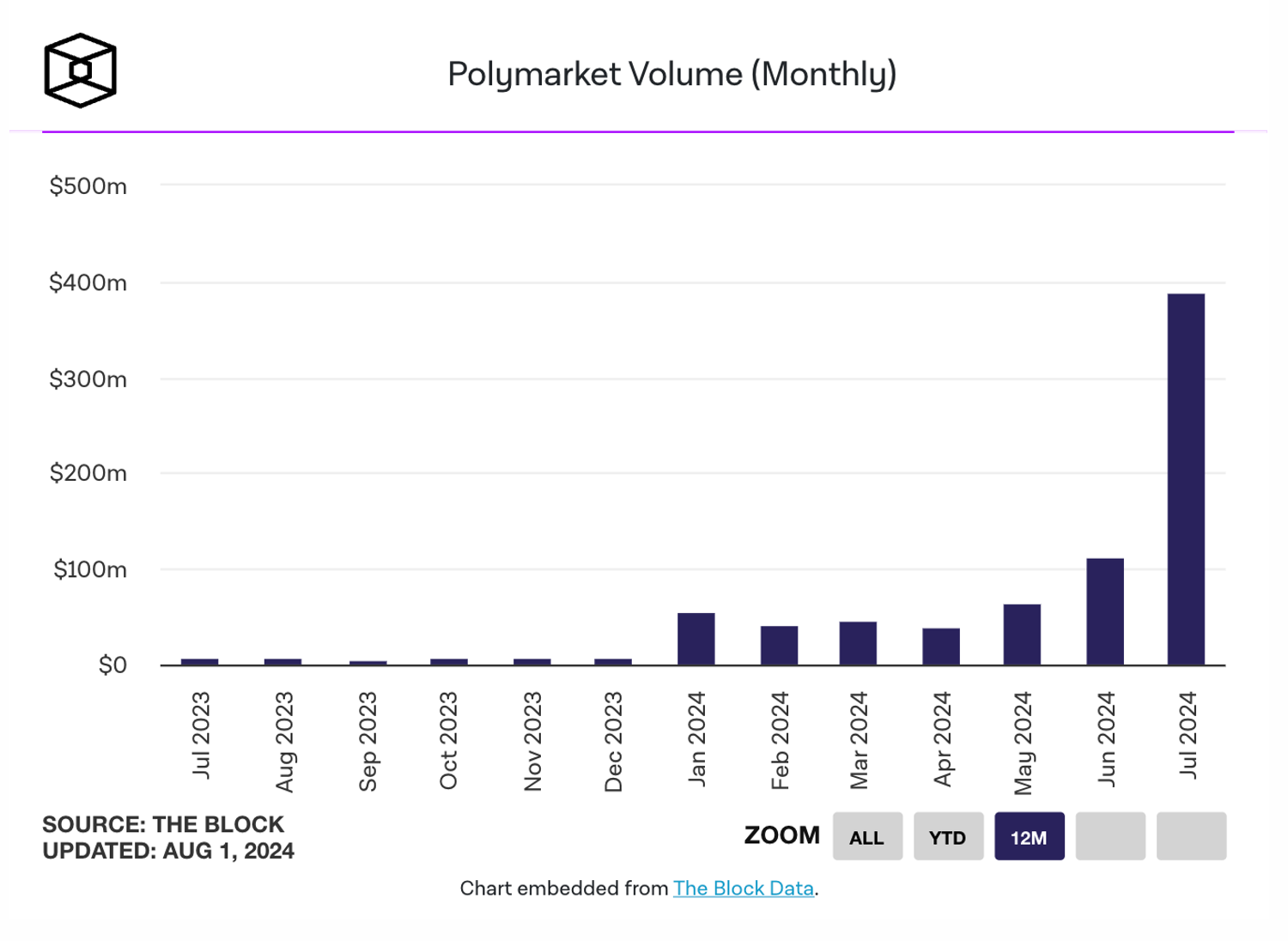
Trading volumes attest to the platform’s influence. In August 2024 alone, Polymarket processed approximately $472 million in trades, with political markets—especially those related to the US presidential election—accounting for nearly $1 billion in wagers by November 2024. Peter Thiel’s Founders Fund highlighted its trust in Polymarket’s market intelligence: “checking Polymarket when breaking news happens has become a habit”.

That compelling performance comes amid regulatory headwinds. Polymarket has barred US users since reaching a settlement with the CFTC in early 2022, which included a US$1.4 million fine and the appointment of former CFTC chairman J. Christopher Giancarlo to its advisory board. These changes aimed to address compliance concerns as the platform expanded internationally. More recently, the FBI reportedly raided Coplan’s home in autumn 2024 as part of an investigation into whether US-based activity violated these agreements.

Despite these challenges, Polymarket has continued to deepen its appeal. Ethereum co-founder Vitalik Buterin has publicly supported the broader application of prediction markets, terming them pioneers in “Info Finance,” an area he believes can enhance journalism, governance and scientific transparency. Polymarket’s data is now cited within Bloomberg’s Terminal services, offering institutional investors fresh analytical layers based on global betting dynamics.

The potential $200 million funding round is expected to include an allocation of token warrants enabling investors to participate in a future token issuance by Polymarket. Earlier reporting by CoinDesk and The Defiant in late 2024 highlighted a $50 million interim funding plan tied to a utility token offering, intended to integrate with or supplant the UMA oracle dispute-resolution system. That mechanism would allow users—or token holders—to validate market outcomes, an evolution that could expand Polymarket’s governance and on-chain autonomy.

Market observers view this token strategy as a logical advancement. Rising volumes and user engagement on election forecasts have revealed limitations in relying solely on external oracles; introducing a native token could decentralise verification and cement Polymarket’s position in the governance of its own markets.

Emerging trends suggest Polymarket is transitioning from an insurgent, crypto-native prediction exchange to a mainstream information infrastructure. Its user base now spans political analysts, financial professionals and retail traders. The recent partnership with X integrates Polymarket’s probabilistic feeds into social media dynamics, allowing users to access market sentiment in real-time alongside breaking news.

Yet questions over regulatory alignment remain. The CFTC is reportedly examining off-shore platforms that permit US bettor access, and lawmakers are considering broader prohibitions on event-based derivatives. The fallout from the 2024 FBI inquiry adds a layer of legal uncertainty, even as Polymarket navigates regulatory environments in Europe and Asia, where its platform has faced access restrictions from gambling regulators in Belgium, Poland, Singapore and France.

As Polymarket nears completion of its landmark funding round, it stands at a crossroads defined by opportunity and scrutiny. A valuation exceeding $1 billion would underscore investor conviction in its model, but unlocking the full potential of prediction markets may depend as much on regulatory clarity as on capital infusion.


Japan’s Financial Services Agency has unveiled plans to amend the Financial Instruments and Exchange Act, bringing cryptocurrencies under securities‑style regulation and opening the door to Bitcoin spot ETFs. The proposals also aim to replace the current progressive tax on crypto gains—ranging up to 55 per cent—with a uniform 20 per cent levy.

The agency’s discussion paper, released on 10 April by its digital policy division, outlines regulatory changes including classification of crypto into “Type 1” and “Type 2”, with insider‑trading rules to follow much like those in equity markets.

Behind the latest move is a growing consensus among Japan’s mainstream political and financial circles. The governing Liberal Democratic Party has actively backed the 20 per cent tax proposal, offering parity with capital‑gains treatment on stocks and bonds. It has also pushed to align tax on derivatives and crypto‑to‑crypto swaps accordingly.

Parliament is expected to review legislative amendments in early 2026, with the FSA targeting a policy direction announcement by mid‑2025.

Analysts note the regulatory upgrade could unlock institutional entry. While crypto ETFs have been launched in the US, Europe and Hong Kong, Japanese regulators have remained notably cautious. Under the proposed amendments, crypto-like instruments would qualify as financial instruments, subject to disclosure, custody, and market‑abuse safeguards.

This shift marks a departure from the current regime under the Payment Services Act, where digital assets are categorised alongside payments rather than securities. The FSA’s plan would position crypto within a legal framework better suited to large-scale trading activities.

Tax treatment has been a central barrier. Gains on crypto are now taxed as “miscellaneous” income—reaching rates as high as 55 per cent—while ETFs qualify as capital gains taxed around 20 per cent. The new flat rate would remove current inequities and possibly stimulate market growth.

Participants in the Japanese financial industry, including SBI and Franklin Templeton, are reportedly making strategic preparations. SBI has already collaborated with both US and UK asset managers to launch crypto‑related products, anticipating that regulatory approval will soon follow.

Despite these signals, caution persists. The Ministry of Finance remains cautious, wary of crypto’s volatility and adverse events such as the collapse of Mt. Gox and DMM Wallet, which led to extensive losses. The FSA itself is said to proceed methodically, emphasising investor protection above all.

To ensure granularity, the FSA’s discussion paper recommends dividing tokens into two regulatory categories: Type 1 assets—used in fundraising or business operations—and Type 2 assets, which include decentralised tokens like Bitcoin and Ethereum with no single issuer. This structure supports tailored oversight, including anti‑insider trading provisions.

Industry reactions reflect a mix of anticipation and prudence. Proponents argue that clearer classification and tax certainty would attract both retail and institutional investors. They point to the global momentum behind crypto ETFs and the relative tax efficiency such structures bring. Opponents, however, urge regulators to remain vigilant to market manipulation and developing infrastructure risks.

Global comparisons place Japan near the frontier of regulatory maturity. Countries such as the United States have delayed crypto classification under securities law even as they approved Bitcoin ETFs. The EU’s MiCA and Hong Kong’s licensing framework signal increased global regulatory alignment. Japan’s proposed amendments would signal competitive parity in Asia‑Pacific markets.

As Japan prepares to table the bill in parliament in 2026, attention will centre on implementation details. These include ETF approval timelines, disclosure requirements for exchanges and custodians, and whether the flat‑tax rate will apply retroactively or to future accruals only.

VISHNU RAJA
RYO YAMADA
HITORI GOTOH
IKUYO KITA