News related to
near

By Nantoo Banerjee With Indian Rupee (INR) dwindling almost daily against US Dollar (USD), it is good the Union Budget for 2025-26 has stopped repeating on making the Indian economy a $5-trillion GDP to become the world’s third largest by the end of this year or anytime too soon. The budget also provides no indication […]

Shiba Inu and Dogecoin , prominent meme-based cryptocurrencies, are experiencing significant downturns in their market performance. SHIB has declined by over 35% from its December high, currently trading at approximately $0.00002150. Similarly, DOGE is teetering near $0.0251, with forecasts suggesting a potential drop below $0.007.

Analysts attribute SHIB’s decline to a substantial decrease in its burn rate. Recent data indicates that only 8.73 million SHIB tokens were burned in the last 24 hours, marking a 71% drop from the previous day. This reduction in token burns could negatively impact SHIB’s value, as burning tokens is a strategy used to decrease supply and potentially increase demand.

The Shibarium ecosystem’s performance also plays a crucial role in SHIB’s valuation. The number of active accounts on Shibarium has fallen to just 1,250, and the average transaction fee has declined to 0.00023 BONE, down from December’s peak of 0.00045. This decrease in activity and fees may further contribute to SHIB’s price decline.

In the case of DOGE, the cryptocurrency is facing similar challenges. Currently trading at approximately $0.257777, DOGE has seen an intraday high of $0.259452 and a low of $0.247624. Market analysts predict that if the downward trend continues, DOGE could fall below the $0.007 threshold, raising concerns among investors.

HONG KONG SAR – Media OutReach Newswire – 11 February 2025 – On January 23, 2025, 50 selected children and youth with disabilities from under-privileged families in Hong Kong will experience flying and embark on a three-day, two-night trip to Taiwan from February 21 to 23 in 2025. “Dreamer’s Journey 2025” allows 40 disabled children who have never flown before and their families, along with 10 disabled […]

SINGAPORE – Media OutReach Newswire – 10 February 2025 – Special Minds is proud to introduce a new platform in Singapore that offers a much-needed solution for families with children and youths who have special or learning needs. As the country’s first platform dedicated to 1:1 special needs matching, Special Minds provides home-based services tailored to each child’s unique requirements. For parents and caregivers, this means that […]

By Nitya Chakraborty The victory of the BJP in the Delhi assembly elections defeating the ruling Aam Aadmi Party (AAP) convincingly is certainly a jolt to the opposition INDIA bloc, but it does not mean the end of AAP, or the final tolls for the INDIA bloc, as some commentators in the national media and […]

Gmail users are facing an unprecedented wave of sophisticated phishing attacks powered by artificial intelligence , prompting the Federal Bureau of Investigation to issue a stark warning: exercise extreme caution and avoid clicking on unsolicited links. These AI-enhanced scams have become increasingly convincing, making them more challenging to detect and posing significant risks to personal and financial information. The FBI’s advisory highlights that legitimate customer support or […]

BlackRock Inc., the world’s largest asset manager, is preparing to launch a Bitcoin Exchange-Traded Product in Europe, with plans to domicile the fund in Switzerland. The company could begin marketing the ETP as early as this month, according to sources familiar with the matter. This initiative marks BlackRock’s first crypto-linked ETP outside the United States.

The move comes in response to growing demand from both institutional and retail investors seeking exposure to digital assets. BlackRock’s U.S.-based iShares Bitcoin ETF , launched in January 2024, has accumulated nearly $60 billion in assets under management, reflecting significant investor interest in cryptocurrency-linked investment products.

In anticipation of this European expansion, BlackRock has established a Zurich-based entity, iShares Digital Assets AG, to focus on digital asset offerings. This strategic decision underscores the firm’s commitment to meeting the evolving needs of investors in the digital asset space.

However, the European market presents distinct regulatory challenges. The forthcoming Markets in Crypto-Assets Regulation in the European Union is set to introduce stringent requirements for crypto businesses, potentially making operations more complex compared to the U.S. market. Despite these hurdles, BlackRock’s decision to proceed indicates confidence in navigating the regulatory landscape and capitalizing on the growing appetite for cryptocurrency investments in Europe.

Industry analysts note that BlackRock’s entry into the European crypto ETP market could intensify competition among providers. Existing firms have already begun implementing measures such as fee waivers to attract investors. The fee structure of BlackRock’s new ETP remains undisclosed, but it is expected to play a crucial role in the product’s competitiveness and appeal to investors.

The success of BlackRock’s U.S. Bitcoin ETF has been attributed to increased participation from institutional investors, including sovereign wealth funds. Larry Fink, BlackRock’s CEO, has highlighted the potential for Bitcoin’s value to rise substantially if large-scale institutional investments continue. He suggests that even a modest allocation of 2% to 5% of assets by these investors could drive Bitcoin’s price significantly higher.

Advertisements

Bitcoin has experienced a significant surge, approaching the $100,000 mark. As of February 10, 2025, Bitcoin is trading at $97,605, reflecting an increase of $636, or approximately 0.66%, from the previous close. The day’s trading range saw a high of $97,937 and a low of $94,747.

Ethereum, the second-largest cryptocurrency by market capitalization, is currently priced at $2,645.11, marking a slight decrease of $12.46, or 0.47%, from its prior close. Throughout the day, Ethereum’s price fluctuated between a high of $2,668.35 and a low of $2,541.34.

Solana has demonstrated notable growth, with its price reaching $204.14, an uptick of $2.40, or 1.19%. The day’s trading for Solana recorded a peak at $205.63 and a trough at $194.02.

XRP is currently valued at $2.43, experiencing a decline of $0.04, or 1.62%, from the previous close. The cryptocurrency’s intraday high was $2.47, with a low of $2.32.

The cryptocurrency market has been experiencing heightened volatility, influenced by various factors including geopolitical tensions and regulatory developments. Notably, recent policy decisions, such as the imposition of new tariffs by the U.S. on imports from Canada, Mexico, and China, have led to significant market reactions. These tariffs resulted in a substantial liquidation in the crypto market, amounting to $2 billion, with Bitcoin experiencing a 7.5% decline to $91,969, and Ethereum dropping by 20.1% to $2,510.

Despite these fluctuations, institutional interest in cryptocurrencies remains strong. Strategy Inc., formerly known as MicroStrategy, has raised an additional $584 million through the sale of preferred stock to further its $42 billion cryptocurrency acquisition plan. The company has acquired a total of 218,887 bitcoins between October 31 and January 26, underscoring the growing institutional adoption of digital assets.

SHANGHAI, CHINA – Media OutReach Newswire – 10 February 2025 – Artyzen Hospitality Group (AHG), a wholly owned subsidiary of Shun Tak Holdings Limited (HKSE: 242) today announced a management agreement with Xi’an Yang’s Real Estate Development Co., Ltd. (Xi’an Yang’s Real Estate) to open its first Artyzen Hotels and Resorts luxury lifestyle hotel in Xi’an, China. This marks AHG’s debut in China’s ancient capital and the […]

BANGKOK, THAILAND – Media OutReach Newswire – 6 February 2025 – The Ministry of Higher Education, Science, Research, and Innovation (MHESI), through the National Innovation Agency (Public Organisation) or NIA, has revealed an overview of Thailand’s startup growth for 2024. The data shows a consistent upward trajectory, with a cumulative growth rate of 3.3% since 2021, reinforcing Thailand’s position as one of the world’s most startup-friendly hubs. […]

HOHHOT, CHINA – Media OutReach Newswire – 6 February 2025 – At 57, Wang Fei is hailed as the “King of Sunflower Seeds” in his hometown of Bayannur, in northern China. A farmer drives a harvester to harvest sunflower seeds in a field in Linhe District of Bayannur, north China’s Inner Mongolia Autonomous Region The title reflects not only his passion for the crunchy snack but also […]

By Dr. Gyan Pathak Despite political setback in Delhi Vidhan Sabha election and loss of power to BJP, Aam Aadmi Party (AAP) will remain a political force of reckoning. AAP’s huge voter support base is intact, and election result shows that the BJP could win by only about a small margin of about 2.26 per […]
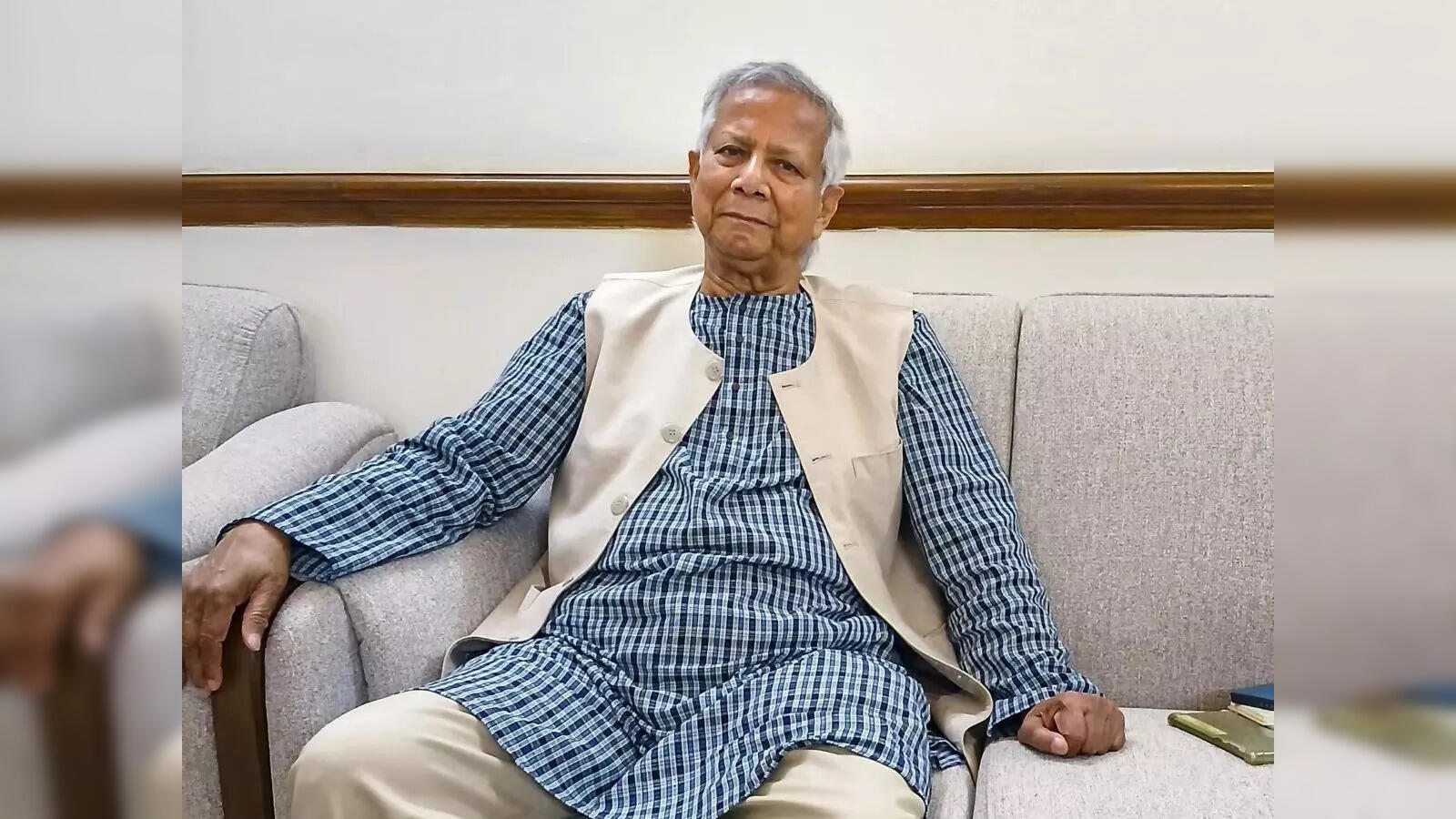
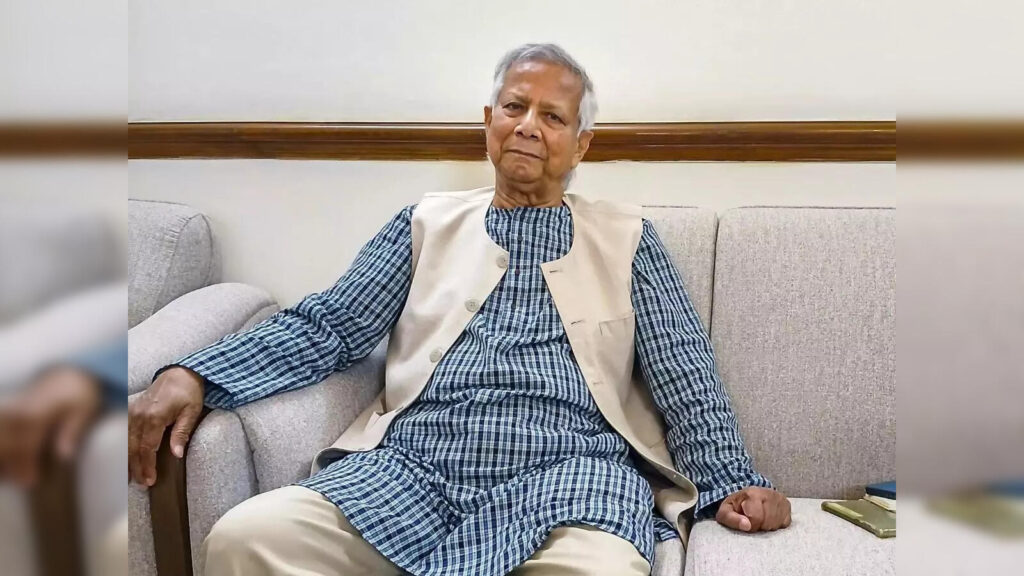
By Nitya Chakraborty Exactly six months have passed since the installation of the interim government in Bangladesh on August 8, headed by Dr. Mohammad Yunus, three days after the ouster of the Awami League government led by former Prime Minister Sheikh Hasina. Hasina, daughter of the founder of the present Bangladesh, the late Sheikh Mujibur […]

BANGKOK, THAILAND – Media OutReach Newswire – 7 February 2025 – This Valentine’s Day, couples can treat themselves to an unforgettable experience at two of Thailand’s most romantic destinations: Amari Phuket and Amari Vogue Krabi. With their exclusive Valentine’s offers, these stunning beachfront resorts promise to deliver the ultimate romantic getaway. Amari Phuket: Nestled on the serene shores of Patong Beach, Amari Phuket offers couples an enchanting […]

iCare Eyecare’s Mission: Keep your eyes, sharpen your edge, and promote your wellness HONG KONG SAR – Media OutReach Newswire – 7 February 2025 – With the rise of digital media, screen devices have become an integral part of everybody’s life, and e-learning is an inevitable trend in school. However, this has posed unprecedented challenges to the visual health of everyone, especially children. According to a recent […]

VinFast is redefining the EV market with industry-leading warranties, including a 10-year/200,000-kilometer vehicle warranty and unlimited mileage battery coverage, easing consumer doubts and building trust. MANILA, PHILIPPINES – Media OutReach Newswire – 6 February 2025 – Just a few years ago, car warranties were predictable: a standard three years or nearly 60,000 kilometers—whichever came first. It didn’t matter whether the vehicle was a luxury sedan or a […]

Tesla and SpaceX CEO Elon Musk’s ambitious “buyout” offer, made available to employees, has seen an overwhelming response as the deadline draws near. By Wednesday, more than 40,000 employees from a mix of industries had expressed interest in the scheme. The initiative, which provides employees with the opportunity to exit their respective positions in exchange for a generous severance package, is creating a ripple effect across the corporate landscape.

Musk, known for his unorthodox management style, initially pitched the buyout programme with the goal of reducing costs and restructuring his growing empire. The offer, which includes a lump-sum severance and additional benefits, was extended to both salaried and hourly employees. However, it also comes with the stipulation that interested parties must leave by the end of February, with a severance package set to be paid out through September.

Industry observers have expressed mixed reactions to Musk’s strategy. On one hand, it could be a calculated move to reduce headcount while offering an attractive exit for employees seeking a change. On the other hand, the rapid sign-up rates have sparked concerns over potential long-term impacts on talent retention within Musk’s companies.

The initial wave of interest is largely attributed to the promise of a significant payout, which is perceived as a rare opportunity for employees to leave with financial security. While some see this as a chance to pursue personal or entrepreneurial goals, others have raised questions about the longer-term implications for Musk’s companies, particularly in light of the growing demands on SpaceX’s staffing and Tesla’s continued expansion.

The offer also reflects broader trends within corporate restructuring and employee turnover. Many companies are increasingly offering severance packages as part of cost-cutting measures, especially as the global economy faces uncertainty. These buyout schemes are seen by some as a win-win: employees get a financial cushion, while companies streamline their workforce to navigate economic pressures.

Though the buyout offer has been met with a high level of interest, particularly among those seeking a fresh start or financial independence, it is also revealing deeper issues within Musk’s companies. Employees have voiced concerns about the overall work environment, including high stress, long hours, and the fast-paced nature of the job. These concerns have contributed to the attractiveness of the buyout, especially among those who feel they may be reaching a breaking point.

Despite the swelling numbers of employees seeking to leave, Musk’s companies are not facing an immediate staffing crisis. Experts suggest that many of those opting for the buyout may not represent critical roles, and the company could ultimately come out ahead by shedding positions that are not central to its operations. Furthermore, it allows Musk to consolidate control and reduce costs, which is a common goal for companies seeking to increase profitability.

However, the growing popularity of the buyout scheme highlights a significant shift in employee-employer dynamics. With workers increasingly looking for work-life balance and more control over their professional futures, companies are being forced to reconsider their relationship with staff. Musk’s initiative could be seen as an attempt to meet this demand by offering a financial exit, but it may also be indicative of the pressures faced by employees in high-performance environments like those at Tesla and SpaceX.

The ultimate success of the buyout offer will likely hinge on its ability to balance financial incentives with long-term strategic goals. While Musk is not new to bold business strategies, this offer marks a critical juncture for the companies he leads. Employees’ decision to accept or decline the buyout will shape the future direction of Tesla, SpaceX, and other ventures under Musk’s control.

As the deadline for the buyout scheme approaches, Musk will likely face tough decisions regarding the impact on his companies. If more employees continue to sign up, the effect on organisational structure and morale could become a pressing concern. Conversely, if a smaller pool of workers leaves, Musk could be seen as having succeeded in streamlining operations without sacrificing too much talent.

Vietjet Aviation Joint Stock Company has reported unprecedented financial performance for 2024, marking its most successful year since the onset of the COVID-19 pandemic. The airline’s consolidated revenue reached approximately 52.2 trillion VND , reflecting a 19% increase compared to the previous year. Consolidated after-tax profit stood at 1.4 trillion VND , a significant rise of 564% year-over-year.

Throughout 2024, Vietjet transported over 19.6 million passengers across 104,000 flights, achieving year-over-year increases of more than 6% in passenger numbers and 2% in flight operations. The airline’s fleet of 85 aircraft maintained an average seat utilization rate of 87% and a technical reliability rate of 99.7%. Cargo operations also saw substantial growth, with a total volume of 88,964 tons transported, marking a 73% increase from the previous year and capturing over 10% of the freight market share among Vietnamese airlines.

As of September 30, 2024, Vietjet’s total assets were valued at nearly 94 trillion VND . The company’s debt-to-equity ratio was reported at 2.25, and its liquidity ratio stood at 1.4, both considered safe levels within the aviation industry. Cash, bank deposits, and cash equivalents totaled nearly 3,997 billion VND , ensuring sufficient liquidity and working capital.

In the first nine months of 2024, Vietjet paid nearly 5.56 trillion VND in direct and indirect taxes and fees, underscoring its role as a significant contributor to economic growth, trade, and tourism.

The airline expanded its network to 155 routes, comprising 43 domestic and 112 international destinations. New direct routes were launched, including Da Nang to Ahmedabad and Xi’an to Ho Chi Minh City, with increased frequencies on existing routes such as Ho Chi Minh City to Perth, as well as other regional destinations like South Korea, Japan, and Hong Kong.

In line with its fleet expansion strategy, Vietjet and Airbus signed a contract for 20 new-generation wide-body A330neo aircraft, valued at US$7.4 billion. Additionally, the airline partnered with Rolls-Royce for the supply of 40 Trent 7000 engines and TotalCare services for the A330neo aircraft. A comprehensive service agreement was also signed with Lufthansa Technik, a leading provider of aircraft maintenance services.

Vietjet has been actively pursuing the research, development, and use of sustainable aviation fuel in collaboration with international partners, as part of its commitment to environmental, social, and governance goals. The airline continues to innovate consumer services on its e-commerce platform, prioritizing technology-driven solutions for a seamless passenger experience.

Bain Capital is in the final stages of negotiations to acquire Mitsubishi Chemical Group’s pharmaceutical subsidiary, Mitsubishi Tanabe Pharma, for over 500 billion yen . This move aligns with Mitsubishi Chemical’s strategy to streamline its operations and concentrate on core sectors such as vehicle electrification, semiconductor manufacturing, and food production.

Established over 90 years ago in Osaka, Mitsubishi Tanabe Pharma specializes in developing treatments for central nervous system disorders, immuno-inflammation, and oncology. The company has a global presence, with operations spanning multiple continents. Notably, its drug Radicava, used in the treatment of amyotrophic lateral sclerosis , has been a significant contributor to its revenue growth.

In the first half of the fiscal year ending March 2025, Mitsubishi Chemical’s pharmaceutical segment reported a 6% increase in sales revenue, reaching 232.5 billion yen, and a 28% rise in core operating income to 41.4 billion yen. Despite these positive figures, Mitsubishi Chemical has been reassessing its business portfolio to focus on areas with higher growth potential. The potential divestiture of its pharmaceutical unit is part of this broader strategy.

Bain Capital has been granted preferential negotiation rights, indicating its position as the leading candidate to finalize the acquisition. This development follows earlier reports that both Bain Capital and Blackstone were among the final bidders for Mitsubishi Tanabe Pharma, with valuations estimated between $3 billion and $3.5 billion. Local private equity firm Japan Industrial Partners was also reported to be in the bidding process.

This prospective acquisition is part of a broader trend of increased mergers and acquisitions activity in Japan. Bain Capital has been particularly active in the Japanese market, having previously led the acquisition of Kioxia Holdings, a prominent chipmaker. The firm’s interest in Mitsubishi Tanabe Pharma underscores its strategy to invest in sectors with strong growth prospects and innovative capabilities.

Mitsubishi Chemical has not provided specific comments on the ongoing negotiations but has stated that it is continuously reviewing its business portfolio, considering all options, including potential divestitures, to optimize its operations and focus on strategic areas. The company aims to better align its resources and capabilities to meet evolving market demands and technological advancements.

The surge in gold prices has sparked a corresponding rise in gold-backed cryptocurrencies, which have gained significant traction in the wake of global economic uncertainties and a prolonged trade war. The value of gold has climbed nearly 10% this year, reaching new heights as investors look for stable assets amidst volatile market conditions, while most major cryptocurrencies have struggled to maintain positive momentum.

Gold-backed digital currencies, which are pegged to the price of gold, have become increasingly popular as both a hedge against inflation and a secure store of value. These cryptocurrencies provide investors with the benefits of blockchain technology, offering fast, secure transactions and lower fees, while still being tied to the tangible value of gold. As the price of gold breaks records, these digital assets have seen a sharp rise in value, attracting attention from institutional investors who are traditionally more risk-averse and have historically favoured physical gold for their portfolios.

The economic backdrop fueling this surge is primarily the ongoing trade tensions between major global economies. With trade disputes, particularly between the United States and China, showing no signs of abating, the global economy faces mounting pressure. These trade conflicts have led to fears of inflation and slower growth, pushing investors to seek refuge in traditional safe-haven assets like gold. As a result, the demand for gold-backed cryptocurrencies has risen, with investors increasingly willing to embrace digital assets that offer stability amid uncertain times.

Gold-backed cryptocurrencies differ from typical cryptocurrencies such as Bitcoin and Ethereum, which are not directly tied to any physical asset. Instead, the value of gold-backed tokens is directly correlated to the price of gold, which has proven to be a reliable store of value for centuries. This connection appeals to investors who seek the benefits of cryptocurrency without the volatility associated with unbacked tokens.

Several platforms have emerged in recent years offering gold-backed digital currencies, and their growth is being driven by the increasing adoption of blockchain technology across multiple sectors. These platforms typically work by holding physical gold reserves in vaults and issuing tokens that represent ownership of a specific amount of gold. Investors can trade these tokens on various exchanges, and they can also redeem them for physical gold if desired. This hybrid approach offers a unique combination of traditional financial instruments and the advantages of digital currencies.

Notably, the surge in gold prices has been driven by several factors, including concerns over inflation, geopolitical tensions, and the economic fallout from the ongoing trade war. As central banks continue to print money to stimulate economies, the fear of inflation has grown, leading to greater demand for gold as a hedge. In times of economic instability, gold has historically served as a safe-haven asset, with its value often rising when other markets falter. With the US dollar weakening and bond yields remaining low, gold’s appeal as an investment has only increased.

Meanwhile, the trade war, which has disrupted global supply chains and created uncertainty in the markets, has further compounded these concerns. Both the US and China have imposed tariffs on each other’s goods, resulting in higher prices for consumers and reduced global trade. This ongoing uncertainty has prompted many investors to turn to assets like gold-backed cryptocurrencies, which offer the potential for stability in an unpredictable economic environment.

One of the key advantages of gold-backed cryptocurrencies is their ability to provide exposure to the price of gold without the need for physical ownership or storage. Traditional gold investors often face challenges related to the high costs of securing and storing physical gold. By contrast, digital currencies offer a more accessible and efficient way to invest in gold. As more investors seek to diversify their portfolios, gold-backed tokens provide an attractive option for those looking to capitalise on the price of gold while avoiding some of the logistical issues associated with owning physical gold.

Despite the growth of gold-backed cryptocurrencies, challenges remain. The volatility of the broader cryptocurrency market can still affect the price of gold-backed tokens, and there are concerns around regulation and the potential for government crackdowns on digital currencies. While some countries have embraced blockchain technology and cryptocurrency as part of their financial systems, others remain cautious or outright hostile to the sector. This regulatory uncertainty could pose a risk to the long-term growth of gold-backed cryptocurrencies, as potential investors weigh the risks of government intervention and the stability of the market.

By K Raveendran OPEC+ is once again at the centre of a global energy crisis as it grapples with a new challenge posed by President Donald Trump’s tariffs on major crude oil suppliers. The tariffs, which include a 10 percent levy on Canadian oil and 25 percent on US imports into Canada in retaliation, threaten […]

Cryptocurrency markets began the day with a notable lack of movement, as trading volumes dropped by nearly 30%, marking a period of consolidation. Amid this trend, both bullish and bearish forces have remained active, but the lack of significant price fluctuations points to a potential for range-bound consolidation in the coming period. As major assets like Bitcoin, Ethereum, and XRP continue to experience subdued movement, two particular blockchain projects—Solana and SUI—stand out as they face pivotal moments in their market trajectories.

Solana, once considered one of the leading contenders in the blockchain space, is encountering a crucial juncture. The network, which rose to prominence with its promise of fast transaction speeds and low fees, has seen its price experience a steady decline. As the broader market grapples with low liquidity, Solana’s ability to maintain relevance is being tested. Despite an initial surge fueled by optimism regarding its scalability and unique consensus mechanism, Solana now faces concerns over network outages and heightened competition from other smart contract platforms, including Ethereum and newer contenders such as Avalanche and SUI.

Recent updates from Solana Labs highlight ongoing improvements to the network, including enhancements to decentralisation and transaction throughput. However, these developments have not been enough to stem the downward price pressure that has plagued SOL for months. The volatility seen in its earlier days is now replaced by uncertainty. While Solana remains a top-tier blockchain in terms of market capitalization, many analysts are watching closely to determine whether the project can sustain its position or if it risks falling into the shadows of more dominant platforms.

At the same time, the SUI network—launched with the backing of former Meta engineers—has been positioning itself as a potential long-term winner in the smart contract ecosystem. While it is still in its infancy compared to more established blockchains, SUI has garnered attention for its innovative approach to scalability. Its unique Move programming language, designed to offer flexibility and efficiency in asset management, could differentiate it from competitors.

However, SUI is still in a critical phase where the market must confirm whether it can deliver on its promise. Despite some initial interest, the lack of a clear price surge has left many investors on edge, waiting for concrete signs of bullish momentum. The current market conditions, combined with the cautious stance of many institutional investors, have led to a stagnation in SUI’s growth. Many analysts are closely observing SUI’s ability to break through its resistance levels, which could indicate the start of a more pronounced rally.

As Solana faces its critical point, SUI’s development remains a topic of growing importance in the crypto space. The two projects, while vastly different in terms of their technology and goals, both embody the shifting dynamics of blockchain development. Solana’s struggle to regain its former strength is tempered by the rising expectations around SUI, which is yet to prove itself on a large scale.

The outlook for Solana hinges significantly on its ability to address its scalability issues while maintaining a stable, decentralized network. With its price below key support levels, market watchers have been closely monitoring for any signs of recovery. Some experts argue that Solana might need to focus on strengthening its developer ecosystem, as many of the more successful blockchain platforms owe their success to vibrant communities and continuous innovation.

On the other hand, SUI’s success is largely dependent on its ability to convince both developers and users of its scalability and security advantages. Although SUI’s underlying technology is promising, many in the industry remain sceptical about whether it can achieve significant adoption and whether its distinct approach to data handling will stand the test of time.

The broader market environment plays a crucial role in shaping the trajectories of both networks. If the overall crypto market begins to recover, both Solana and SUI could stand to benefit. However, the current market sentiment remains cautious, as traders wait for more definitive signals. The drop in trading volume indicates that many are waiting for a trigger that might set off the next phase of market activity, whether it’s a bullish breakout or another downtrend.

As it stands, the near-term outlook for Solana is one of continued consolidation, with a focus on whether its core development team can introduce updates capable of restoring confidence in the network. For SUI, the situation is somewhat different; it still has to prove itself in terms of user adoption and building out its ecosystem. While the blockchain space is rife with competition, SUI’s innovative features may yet allow it to carve out a significant position if the market sees an influx of interest in its offerings.

El Salvador has made another significant acquisition of Bitcoin, despite the ongoing market volatility. The country’s Bitcoin holdings have now reached 6,068 BTC after a recent purchase of 12 BTC. This decision aligns with the nation’s unwavering commitment to embracing digital currencies, even as Bitcoin prices hover below the $100,000 mark.

This latest move is part of El Salvador’s broader strategy to integrate Bitcoin into its financial system. Despite facing ongoing pressure from international financial institutions, including the International Monetary Fund , the Central American country remains resolute in its belief in the potential of Bitcoin to transform its economy. El Salvador’s Bitcoin Office confirmed the purchase, citing favourable market conditions as the reason behind the acquisition.

The government of El Salvador, led by President Nayib Bukele, first made headlines in 2021 when it became the first country in the world to adopt Bitcoin as legal tender. At the time, the move was seen as a bold experiment, with critics questioning the wisdom of using a volatile digital asset in place of traditional currency. However, the government has continued to push forward with its plan to boost financial inclusion, foster innovation, and attract international investment through its Bitcoin-centric policies.

El Salvador’s Bitcoin purchases have often been timed when prices dip, allowing the government to accumulate more BTC at lower rates. The purchase of 12 additional Bitcoin came when the cryptocurrency’s value fell below $100,000 per coin, enabling the country to capitalise on a potential bargain. This strategic approach has raised both eyebrows and praise. Supporters argue that El Salvador is positioning itself to reap long-term benefits from Bitcoin’s volatility, while critics remain skeptical of the country’s reliance on an asset known for its price fluctuations.

The IMF has expressed concerns about the risks associated with El Salvador’s Bitcoin strategy. As part of its agreement for a $1.4 billion loan to El Salvador, the IMF requested adjustments to the country’s Bitcoin laws. While the government has complied with some of the IMF’s requirements, including regulatory changes, it has made it clear that it will not backtrack on its Bitcoin plans. The government views the digital asset as a tool for economic empowerment and financial independence, especially for the unbanked population, which constitutes a large portion of El Salvador’s citizens.

The IMF’s concerns are not without merit. Bitcoin’s extreme price volatility poses a significant risk to countries like El Salvador, whose economic stability is already precarious. Critics argue that Bitcoin’s erratic swings could undermine the country’s efforts to maintain fiscal discipline and attract foreign investment. Moreover, the Bitcoin market is still in its infancy, with questions about its scalability and long-term sustainability looming over the industry.

Despite these concerns, El Salvador has taken proactive steps to mitigate the risks associated with Bitcoin. The government has established a “Bitcoin Trust,” designed to safeguard the country’s Bitcoin holdings and prevent potential market crashes from impacting the nation’s finances. This trust acts as a financial buffer, enabling the government to liquidate some of its Bitcoin holdings if necessary, without triggering market panic. Additionally, El Salvador has launched Bitcoin-backed bonds, which aim to raise funds for infrastructure development and pay off existing debt. This innovative financial tool is expected to generate significant capital for the government, further solidifying its commitment to Bitcoin as a core component of its economic strategy.

While Bitcoin continues to be a cornerstone of El Salvador’s economic vision, the country has also sought to diversify its digital currency initiatives. In 2022, the government introduced a “Bitcoin City,” a special economic zone designed to attract global investors and foster blockchain innovation. The city will be powered by geothermal energy from nearby volcanoes, a feature that sets it apart from other cryptocurrency hubs worldwide. El Salvador’s efforts to promote Bitcoin as a central piece of its economic development have attracted attention from cryptocurrency enthusiasts and blockchain technology companies looking to establish a presence in the region.

The nation’s Bitcoin experiment has already had a significant impact on its financial system. According to the government, Bitcoin has provided millions of citizens with access to financial services for the first time. With a large percentage of the population lacking access to traditional banking services, Bitcoin’s digital nature offers an alternative to the conventional banking system. By using a mobile app, citizens can send and receive Bitcoin, facilitating faster and cheaper cross-border payments, and providing a sense of financial independence. This has proven to be especially important in a country where remittances from abroad account for a large portion of GDP.

However, despite the positive outcomes, the implementation of Bitcoin in everyday life has not been without its challenges. Volatility remains a significant obstacle, with many Salvadorans still wary of the risks associated with using Bitcoin for day-to-day transactions. The government has attempted to address these concerns by integrating Bitcoin with the country’s existing payment system, making it easier for businesses to accept the digital currency. The government also launched a Bitcoin wallet called “Chivo,” which allows citizens to convert Bitcoin into US dollars instantly, providing a safety net against price fluctuations.


Dan Houser, co-founder of Rockstar Games and a pivotal figure behind the Grand Theft Auto series, has announced his latest endeavor: an original story-driven action-comedy adventure game set in the “Absurdaverse.” This project marks a significant step for Houser’s new media company, Absurd Ventures, which he established after departing Rockstar in 2020. Absurd Ventures, headquartered in Santa Monica, California, aims to craft narrative worlds across various mediums, […]

VISHNU RAJA
RYO YAMADA
HITORI GOTOH
IKUYO KITA