News related to
platform

The Academy will offer programmes with cross-cultural industry experiences to empower students and executives for success in the global business arena. MUMBAI, INDIA – Media OutReach Newswire – 15 October 2024 – The Singapore University of Social Sciences (SUSS) and Think Education Advisory Services LLP (TE) today launched the SUSS Success Academy in Mumbai, creating new learning experiences and real-world training opportunities for students in Singapore and […]

KUALA LUMPUR, MALAYSIA – Media OutReach Newswire – 15 October 2024 – While gold and silver often move in tandem, their relationship can sometimes be complicated. Despite sharing similar characteristics and applications, differences in underlying demand and supply dynamics can lead to occasional divergences. Octa broker discovers the nuances behind the gold-silver correlation and explores potential trading opportunities with the gold-silver ratio. The positive correlation between gold […]

Authorities are investigating former mayor Alice Guo for her alleged connections to a cryptocurrency platform implicated in substantial customer asset theft and money laundering. Guo’s name has emerged in relation to the Atom Asset Exchange (AAX), which, during its operations in 2022, reportedly defrauded customers of millions of dollars, leaving many individuals financially devastated. The case has raised significant concerns about governance and regulatory oversight in the cryptocurrency sector in the Philippines.

Evidence suggests that Guo was more than just a figurehead in this scandal. She is believed to have been a key player in operations linked to AAX, which claimed to be a legitimate digital asset exchange. Investigators have uncovered documents that reveal significant irregularities in AAX’s dealings, prompting questions about Guo’s role in orchestrating fraudulent schemes designed to siphon off investor funds. Testimonies from affected customers have painted a grim picture, alleging that Guo and her associates operated with impunity while misleading users about the safety and liquidity of their investments.

The allegations extend beyond financial crimes, implicating Guo in the management of illegal gambling operations. Reports indicate that she was involved in orchestrating gambling activities that drew in nearly 1,000 workers. Disturbingly, many of these individuals were victims of human trafficking, coerced into work under dire circumstances. Guo reportedly owned a significant portion of the compound where these illicit activities occurred, with tunnels connecting her property to the gambling operations. This connection has led investigators to delve deeper into her potential complicity in facilitating these crimes, as well as her role in a network that allegedly exploits vulnerable populations.

Further complicating the investigation is speculation about Guo’s identity. While she has claimed to be a local resident, her fingerprints have reportedly matched those of Guo Hua Ping, a Chinese national known for connections to organized crime syndicates operating in Asia. Additionally, witnesses have pointed out her struggles with the local dialect, fueling doubts about her claimed identity. This raises significant implications about her background and whether her operations in the Philippines are part of a broader scheme linked to transnational crime.

If the charges against Guo are substantiated, she and any accomplices could face severe legal consequences, with potential sentences amounting to as much as 1,218 years in prison. Legal experts indicate that the severity of the charges reflects the gravity of the offenses, particularly given the scale of the operations and the number of victims involved. Prosecutors are expected to pursue a strong case, arguing that Guo’s actions not only harmed individual investors but also undermined trust in the financial system at large.

The fallout from these allegations has sparked a broader discussion about regulatory practices within the cryptocurrency industry in the Philippines. Advocates for reform are calling for stricter oversight and more robust consumer protections to prevent such occurrences in the future. The Philippine Securities and Exchange Commission (SEC) is reportedly reviewing its regulatory framework in light of these events, recognizing the urgent need for measures that can safeguard investors from fraudulent schemes.

Public response to Guo’s situation has been mixed, with many expressing outrage over her alleged actions while others are wary of jumping to conclusions before a formal judicial process unfolds. Advocates for victims of financial fraud have demanded accountability and transparency from both the regulatory authorities and the judicial system to ensure justice is served.

As the investigation progresses, it remains to be seen how these developments will affect the broader landscape of cryptocurrency regulation in the Philippines. Stakeholders are increasingly aware that the issues surrounding AAX and Guo are symptomatic of larger systemic problems within the industry, highlighting the need for comprehensive reforms that address the vulnerabilities exposed by this scandal.

Kelix Bio, a Mubadala-backed pharmaceutical company, is moving to acquire four major assets from Yas Holding’s GlobalOne Healthcare Holding (GHH) in a strategic deal that could reshape the regional healthcare landscape. The acquisition, targeting prominent pharmaceutical firms in the Middle East and Africa, is part of Kelix Bio’s broader expansion strategy aimed at strengthening its presence in emerging markets. The transaction underscores the growing interest of regional […]

Nintendo and Game Freak have confirmed a significant data breach affecting the Pokémon franchise. The breach, which reportedly occurred earlier this year, compromised the personal information of both current and former employees, leading to widespread concern within the gaming industry. In a formal apology published on Game Freak’s official website, the developer studio acknowledged unauthorized access to its server, stating that sensitive data had been exposed. The […]

SINGAPORE – Media OutReach Newswire – 15 October 2024 – Chevron Singapore, which operates the retail brand Caltex, has announced the launch of the refreshed CaltexGO mobile app, designed to enhance customer convenience and engagement across all Caltex stations nationwide. This latest iteration of Singapore’s first mobile fuel payment app underscores Caltex’s commitment to innovation and delivering exceptional customer experiences. The refreshed CaltexGO mobile app (Credit – […]

International Conference on The Science behind skincare, Skin Analysis & Skincare Knowledge HONG KONG SAR – Media OutReach Newswire – 14 October 2024 – The International Skin Health Foundation successfully held its Opening Ceremony and its annual thematic event, “Caring for Skin, Health and Beauty”, at the Hilton Garden Inn in Mong Kok, Hong Kong. The Inauguration Ceremony featured opening speeches by Professor Zheng Zhizhong, Chairman of […]

Advertisements

Hong Kong’s premier electronics showcase has drawn significant attention to the future of mobility this year. The Hong Kong Applied Science and Technology Research Institute (ASTRI) presented its latest advancements in smart mobility, a key highlight of the 44th HKTDC Hong Kong Electronics Fair (Autumn Edition). From October 13 to 16, 2024, the event at the Hong Kong Convention and Exhibition Centre (HKCEC) provided ASTRI with a prominent platform to demonstrate innovations aimed at transforming transportation systems.

At the core of ASTRI’s presentation is Cellular Vehicle-to-Everything (C-V2X) technology, which plays a pivotal role in enhancing the safety and efficiency of autonomous vehicles. C-V2X enables direct communication between vehicles, infrastructure, and other road users, fostering a safer driving environment and contributing to the development of fully autonomous transportation. This technology is seen as a critical enabler for the future of smart cities, where connected and autonomous vehicles (CAVs) will play an integral role.

ASTRI’s showcase focused on how C-V2X can reshape urban mobility by enhancing vehicle communication, reducing traffic congestion, and minimizing accidents. The technology also has potential implications for fleet management and logistics, making it a versatile tool for various sectors. Attendees at the fair had the opportunity to experience live demonstrations of these capabilities, which underscored the institute’s commitment to developing solutions that align with the global shift towards smart city infrastructure.

ASTRI’s participation at the fair extended beyond its exhibits. The institute also hosted a seminar titled “Navigating Tomorrow: How Connected Autonomous Vehicles Reshape Industries.” The session explored the broader implications of CAV technology, emphasizing its potential to revolutionize industries such as transportation, logistics, and even consumer behavior. ASTRI’s experts discussed the potential of C-V2X to improve traffic flow, enhance public transportation systems, and promote greener urban environments by reducing emissions through optimized driving patterns.

The Hong Kong Electronics Fair is one of the largest gatherings of tech innovators and industry leaders, providing an ideal venue for ASTRI to connect with stakeholders across the technology and automotive sectors. This year’s edition featured a broad spectrum of technologies, from consumer electronics to industrial solutions, highlighting the growing importance of smart mobility solutions in the broader technology landscape. ASTRI’s display, positioned at booth CH-J04 in the Convention Hall, attracted significant attention from both local and international attendees, including representatives from the automotive and telecommunications industries, government bodies, and academic institutions.

ASTRI’s commitment to fostering innovation in smart mobility is part of a larger strategy to position Hong Kong as a leader in smart city development. The institute has been actively collaborating with local and international partners to advance research in autonomous driving, intelligent transportation systems, and vehicle communication technologies. Its C-V2X solutions are part of a broader portfolio of technologies that aim to make urban environments more sustainable and livable.

As the demand for smart city technologies continues to grow, ASTRI’s contributions to the development of C-V2X and other smart mobility solutions are likely to play a critical role in shaping the future of transportation in Hong Kong and beyond. The institute’s focus on practical, scalable solutions ensures that its innovations are well-positioned to meet the needs of cities looking to integrate autonomous vehicles into their transportation networks.

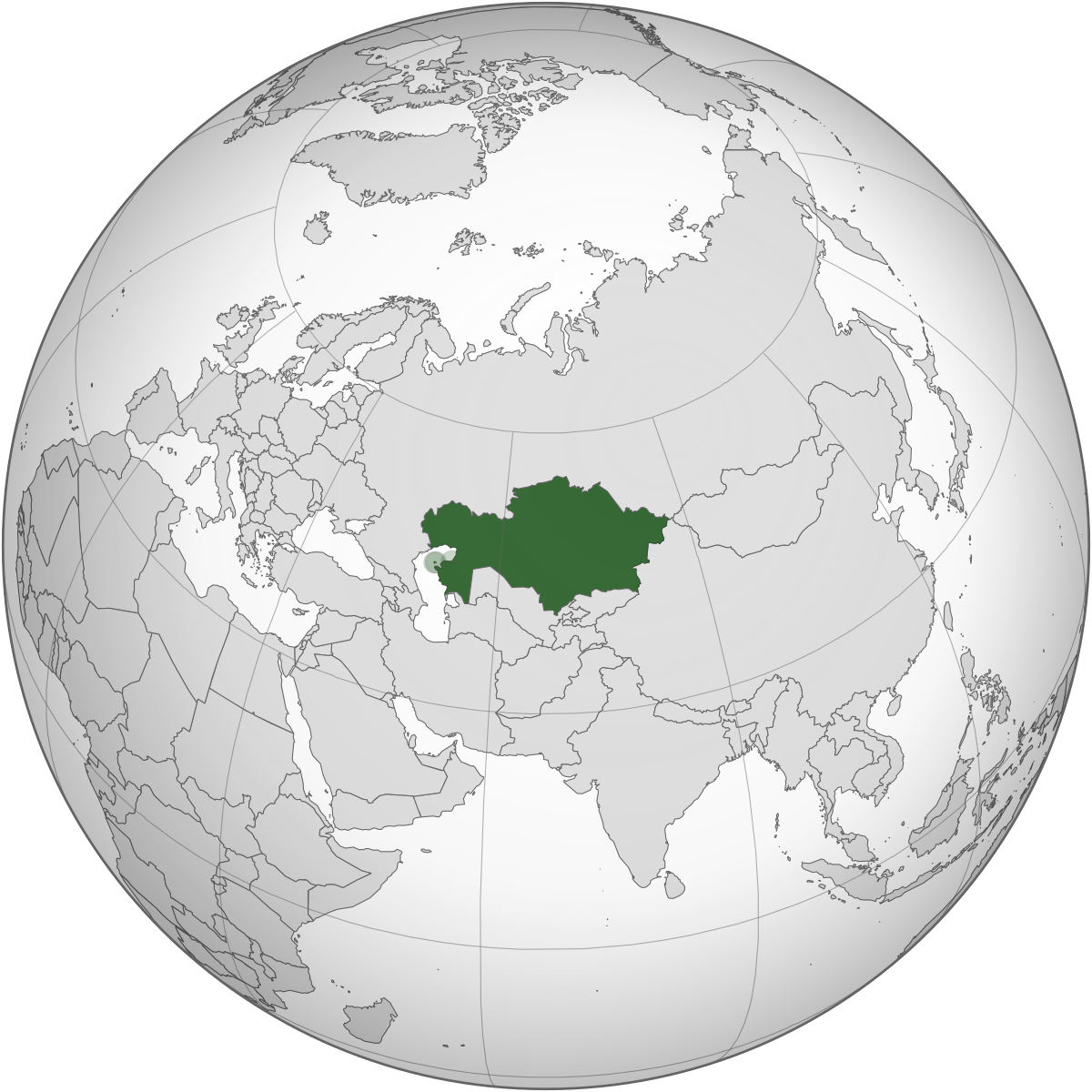
Telegram has announced plans to establish an office in Kazakhstan as part of efforts to comply with the country’s regulatory framework. The decision comes following an agreement between the Kazakh government and the messaging app to streamline content regulation and address the challenges posed by illegal and unauthorized channels. This move marks a significant step in the platform’s attempt to align itself with local laws while maintaining its global presence.

Kazakhstan, like many other nations, has been tightening control over digital platforms, pushing for increased cooperation with technology firms to regulate the spread of harmful content. Authorities in Kazakhstan have raised concerns over the use of messaging platforms like Telegram for illegal activities, including the distribution of extremist materials, drug trafficking, and unauthorized protests. In response, Telegram has agreed to assist the government in swiftly removing such content and blocking unauthorized channels that violate local laws.

As part of this effort, Telegram will establish a physical presence in the country, a development welcomed by the Kazakh government, which seeks to increase oversight of online activities within its borders. By working closely with the government, Telegram aims to ensure that it adheres to Kazakhstan’s regulatory requirements while providing a secure platform for its users.

Kazakh officials view this partnership as a critical tool for maintaining public safety and curbing the misuse of digital platforms for illegal activities. Digital transformation is a key focus for Kazakhstan, and controlling harmful content is essential to ensuring that technological advances benefit society without compromising national security. Telegram’s willingness to engage with the government is seen as a positive step towards building a safer online environment.

The Kazakh government has previously faced challenges in managing online content, particularly on platforms like Telegram that prioritize privacy and encryption. While these features are vital for safeguarding personal communications, they have also made it difficult for authorities to monitor illegal activities. By establishing a local office, Telegram is expected to enhance its response to the government’s concerns and provide a more effective mechanism for dealing with illegal content.

Telegram has a reputation for maintaining a strong commitment to user privacy and freedom of speech, which has often led to tensions with governments attempting to impose stricter regulations. However, the company has demonstrated flexibility in adapting to local laws in various countries where it operates. Its decision to open an office in Kazakhstan follows similar moves in other regions where governments have demanded more accountability from tech firms.

In Kazakhstan, the focus will likely remain on curbing extremist content and illegal activities while balancing the need for user privacy. Telegram’s encryption services have attracted millions of users worldwide, and any measures introduced in Kazakhstan will need to respect the platform’s core principles of secure communication.

The Kazakh government’s collaboration with Telegram comes amid broader efforts to modernize its digital landscape. As part of its digitalization strategy, the country has been promoting the development of online services and communication platforms, aiming to boost economic growth through technological innovation. Ensuring that these platforms operate within a clear regulatory framework is seen as crucial for the success of this strategy.

Telegram’s willingness to cooperate with Kazakhstan’s regulatory bodies is likely influenced by its desire to maintain access to the growing user base in the country. Central Asia has become an important market for tech companies, and securing compliance with local regulations is essential for maintaining long-term growth in the region. As part of this process, the Kazakh government has signaled that it will continue to engage with global tech firms, encouraging them to contribute to the country’s digital transformation while adhering to local laws.

The partnership between Telegram and the Kazakh government may also serve as a model for other nations in the region, where concerns over online safety and content regulation are rising. Governments across Central Asia have been exploring ways to manage the impact of social media and messaging platforms, which have increasingly become central to public discourse. By working with Telegram, Kazakhstan may set a precedent for regulatory cooperation that other countries could follow.

At the same time, Telegram’s decision to open an office in Kazakhstan could raise questions about how the company balances regulatory compliance with its commitment to user privacy and free expression. Critics of increased government regulation often argue that such measures could infringe on civil liberties and limit open communication. As Telegram navigates these challenges, it will need to carefully manage its relationship with the government while continuing to protect the privacy of its users.

Telegram founder Pavel Durov has long emphasized the importance of privacy and security in digital communications, and the platform’s encryption services remain a key feature. However, as the company expands its global operations, it is also facing increasing pressure to cooperate with governments to prevent misuse of the platform. Kazakhstan’s regulatory demands reflect broader global trends, where governments are seeking more control over online content while balancing the need for secure communication tools.

The cryptocurrency market has seen a surge in the meme coin sector as Bitcoin edges closer to the $65,000 mark. This bullish sentiment has reverberated through the market, driving significant interest in meme tokens. Among the key players, MOG and Cat in a Dogs World (MEW) have caught the eye of investors with their sharp price increases and growing market caps. As the meme coin market pushes toward a $53 billion valuation, the potential for these tokens to hit all-time highs has become a hot topic of debate.

Meme coins, once considered a niche within the broader cryptocurrency landscape, have matured into a formidable asset class. Dogecoin and Shiba Inu set the precedent for meme coins, creating widespread adoption and community engagement. MOG, a new entrant into this space, has already made waves with a significant 10x price increase since its launch. Similarly, MEW has capitalized on the current market momentum, drawing attention due to its unique approach and steady price growth.

MOG, which markets itself as a token for the meme-obsessed generation, has leveraged social media virality to attract new users. Its developers have implemented innovative tokenomics, including staking rewards and burning mechanisms that contribute to its deflationary supply model. This has resonated with investors looking for high-risk, high-reward opportunities in the volatile cryptocurrency sector. MOG’s sudden price surge is also driven by speculative buying, with rumors circulating about potential listings on major exchanges.

Meanwhile, MEW, a relatively new meme coin with a doge-based theme, has captured the imagination of its growing community. Built with a focus on decentralized finance (DeFi) applications, MEW offers its holders the opportunity to earn rewards through various staking programs. The project’s roadmap outlines ambitious plans for expanding its ecosystem, including collaborations with other DeFi projects and the introduction of non-fungible tokens (NFTs). With its current growth trajectory, MEW appears well-positioned to capitalize on the meme coin mania, potentially reaching new all-time highs in the coming weeks.

As Bitcoin continues to rally, the correlation between its price movements and meme coin performance has become evident. Historically, when Bitcoin experiences a significant price surge, meme coins tend to follow, driven by retail investors looking for more affordable alternatives to the blue-chip cryptocurrencies. This trend is evident in the current market as MOG and MEW show signs of breaking through their resistance levels. However, the speculative nature of meme coins also means that they are prone to sudden and dramatic price swings.

The broader meme coin market has seen several tokens enter the limelight. Coins like Shiba Shootout and Sponge V2 have also posted impressive gains, highlighting the widespread appeal of these humorous yet often lucrative digital assets. Shiba Shootout, for example, has embraced gamification by offering its holders the ability to participate in Wild West-themed battles, staking tokens to earn rewards. Sponge V2, on the other hand, has focused on play-to-earn (P2E) mechanics, allowing users to earn tokens by participating in a racing game, which has helped boost its popularity.

As the market continues to evolve, meme coins are no longer just jokes or speculative assets; they are becoming integral parts of the broader cryptocurrency ecosystem. The increasing integration of DeFi, NFTs, and play-to-earn mechanics into meme coins has given them additional utility beyond mere speculation. For example, MOG’s ability to offer staking rewards through a decentralized platform has made it more appealing to long-term investors, rather than just day traders. MEW’s upcoming NFT marketplace launch could also drive further adoption as NFTs remain a hot trend in the crypto space.

While the future of meme coins is uncertain, their impact on the market cannot be ignored. The question now is whether MOG and MEW, alongside other trending tokens, can sustain their growth and reach new all-time highs. Analysts are divided on this issue, with some pointing to the inherent volatility of meme coins as a red flag. However, others believe that the combination of community engagement, innovative use cases, and market conditions could propel these tokens to unprecedented levels.

A wave of technological innovation is transforming how blue-collar workers are recruited, trained, and compensated. Employers are increasingly relying on digital platforms and AI-driven systems to streamline the recruitment process, ensuring greater transparency in job requirements, fairer wage practices, and opportunities for skills development. This shift is being driven by several factors, including the rise of automation, artificial intelligence (AI), and the growing gig economy.

Automation is having a profound impact on industries that traditionally employ blue-collar workers. Sectors such as manufacturing, logistics, and construction are seeing a growing reliance on robots and machine learning systems to complete tasks that were once performed manually. While this raises concerns about job displacement, it also opens up opportunities for workers to retrain and upskill to fill new roles that are emerging as a result of this technological evolution.

A significant aspect of this transition is the increased focus on transparency in hiring practices. With platforms that utilize AI to match workers with jobs based on their skills and experience, companies are able to provide clear, detailed information about job expectations, wages, and work conditions. This reduces the risk of exploitation and ensures that workers are fairly compensated for their labor. Moreover, these platforms often incorporate review systems that allow employees to rate their employers, fostering a more transparent and accountable work environment.

The tech-driven changes in the recruitment landscape are also influencing how blue-collar workers are compensated. Traditionally, wages in blue-collar industries have been subject to regional disparities and opaque practices. However, with the rise of digital platforms that track and compare wages across regions and industries, workers are better equipped to negotiate fair wages. This is particularly important as labor shortages in sectors like construction and logistics are forcing employers to compete for skilled workers.

Tech companies are now offering innovative upskilling opportunities for workers. Platforms that combine online training with practical, on-the-job experience are becoming more widespread. These platforms are helping workers acquire the skills needed to operate advanced machinery, understand AI-driven processes, or take on supervisory roles in increasingly automated workplaces. For example, companies like Generation have already helped thousands of workers transition into new roles through targeted training programs that align with market demand.

However, challenges remain. While technology is making the hiring process more efficient, it has also raised concerns about the gig economy’s impact on workers’ rights and job security. Gig platforms often classify workers as independent contractors, leaving them without access to benefits like healthcare and job protection. As the blue-collar sector continues to adopt gig-like models of work, these concerns are likely to become more pressing.

The implementation of these technologies is not uniform across regions. In countries such as the United States and parts of Europe, large companies are at the forefront of adopting AI-driven recruitment and upskilling systems. However, in other regions, especially in developing economies, the pace of technological adoption in blue-collar recruitment remains slower. This could potentially widen the gap between workers in different parts of the world, both in terms of wages and access to job opportunities.

Offering a fresh perspective in the realm of code editing, the Kate editor from KDE is gaining traction among developers seeking an efficient and customizable solution. Its recent updates and features position it as a compelling alternative to traditional text editors and integrated development environments (IDEs). This revitalized interest in Kate reflects a broader trend within the tech community towards open-source tools that prioritize user control and […]

A new report from Bitpanda indicates a growing interest in cryptocurrency investments among Italians, with nearly 9% of the population engaging in digital currencies. The trend is particularly pronounced among younger demographics, where investment rates reach 16% among Millennials and 13% among Generation Z. This increase reflects a broader shift towards digital assets as traditional investment methods face challenges in a rapidly changing economic landscape.

The Bitpanda report highlights that Italians are increasingly turning to cryptocurrencies as an alternative investment strategy, motivated by factors such as potential high returns and the appeal of decentralized finance. Younger generations, in particular, have embraced this trend, leveraging technology and social media to explore and understand digital currencies. Their familiarity with online platforms positions them uniquely to navigate the complexities of cryptocurrency markets.

The rise of virtual currencies in Italy is mirrored by broader trends across Europe, where more individuals are considering cryptocurrencies as part of their financial portfolios. Factors contributing to this trend include the impact of the COVID-19 pandemic on financial behaviors, economic uncertainty, and a desire for diversification in investment strategies. As the financial landscape evolves, cryptocurrencies are gaining traction not only as speculative assets but also as a legitimate means of wealth preservation.

Italy’s regulatory framework for cryptocurrencies remains under development, which presents both challenges and opportunities for investors. While the government is working towards establishing clearer guidelines to protect consumers and regulate the market, the current lack of comprehensive regulation allows for greater experimentation and engagement from individual investors. However, this also raises concerns about the risks associated with investing in a volatile market.

Key players in Italy’s cryptocurrency landscape include exchanges, fintech companies, and advocacy groups pushing for a more supportive regulatory environment. These organizations play a crucial role in educating potential investors and promoting best practices for safe trading. Additionally, the rise of decentralized finance (DeFi) platforms has opened new avenues for investment and has contributed to the increasing interest among Italians.

The enthusiasm for cryptocurrencies is not confined to Italy. Across Europe, many countries report similar patterns, with youth populations particularly eager to explore digital currencies. Reports suggest that this demographic sees cryptocurrencies as an innovative tool for financial empowerment, diverging from traditional banking systems and investing norms. Educational initiatives and community-building efforts are essential in fostering informed investment practices and mitigating risks associated with cryptocurrency investments.

Challenges remain, particularly concerning security and the volatility of digital currencies. Investors face the risk of scams, hacks, and rapid market fluctuations, which can lead to significant financial losses. As interest in cryptocurrencies grows, so does the need for robust educational resources and protective measures to safeguard investors. Awareness campaigns focusing on risk management and secure trading practices are vital to ensure that individuals can engage with cryptocurrency markets responsibly.

Social media plays a significant role in shaping perceptions of cryptocurrencies among young investors. Platforms such as Twitter, Reddit, and TikTok have become hotbeds for cryptocurrency discussions, where trends can rapidly shift based on influencer endorsements and viral content. This phenomenon underscores the need for critical evaluation of the information being shared online, as not all sources offer sound investment advice.

The Italian government’s approach to cryptocurrency regulation is evolving, with ongoing discussions about how to balance innovation with consumer protection. As European Union regulators work to establish a cohesive regulatory framework for digital assets, Italy will likely continue to refine its own policies to align with broader EU standards. This alignment could enhance investor confidence and promote a safer trading environment.

Investments in cryptocurrency are also reshaping financial literacy initiatives in Italy. Educational institutions and organizations are beginning to incorporate digital finance into their curricula, reflecting the need for future generations to understand and engage with the evolving financial landscape. As more individuals express interest in cryptocurrencies, there is a growing recognition that education will play a critical role in fostering informed investors.

The cryptocurrency market opened the week on a buoyant note, with Bitcoin soaring above $64,000, reflecting a robust demand from investors. This bullish sentiment extends beyond Bitcoin, with several major cryptocurrencies experiencing notable gains. In particular, memecoins captured significant attention over the weekend, driving trading volumes and investor interest.

Bitcoin’s recent ascent is attributed to various factors, including a wave of institutional investments and ongoing enthusiasm around cryptocurrency adoption. Many analysts highlight the role of exchange-traded funds (ETFs) in boosting market confidence, as institutional players increasingly seek exposure to digital assets. Bitcoin’s price spike comes amid a broader narrative of technological advancements within the blockchain ecosystem, which continues to capture the imagination of retail and institutional investors alike.

Ethereum, the second-largest cryptocurrency by market capitalization, also benefited from Bitcoin’s rally, rising over 5% in value. The upward momentum is attributed to several developments, including the upcoming Ethereum upgrade, which aims to improve network scalability and reduce gas fees. As Ethereum transitions to a proof-of-stake model, many analysts anticipate further institutional interest, given the platform’s essential role in decentralized finance (DeFi) and non-fungible tokens (NFTs).

Meanwhile, the excitement surrounding memecoins—typically inspired by internet memes and social media trends—has significantly influenced market dynamics. Tokens like Dogecoin and Shiba Inu witnessed substantial trading volumes as retail investors flocked to these assets, drawn by their perceived potential for high returns. Social media platforms played a pivotal role in amplifying this trend, with influencers and dedicated communities rallying support for these tokens. The continued engagement of these communities indicates a shift in trading patterns, where retail sentiment increasingly shapes market movements.

China’s latest stimulus announcements, while generating initial optimism, fell short of expectations, impacting broader market sentiments. The country’s efforts to stabilize its economy amid challenges posed by global supply chain disruptions and regulatory crackdowns have elicited mixed reactions from traders. Despite the lackluster stimulus measures, market participants remain hopeful, buoyed by Bitcoin’s upward trajectory and the resilience demonstrated by major cryptocurrencies.

Investors are closely monitoring regulatory developments in various jurisdictions as they navigate the evolving landscape of digital assets. The introduction of clearer regulations in regions such as Europe and the United States has fostered a more secure environment for institutional investments. However, uncertainty remains, particularly in regions where regulatory frameworks are still taking shape.

The recent performance of cryptocurrencies is also influenced by macroeconomic factors, including inflation concerns and shifts in monetary policy. Central banks’ responses to inflationary pressures may significantly impact investor sentiment, with many viewing cryptocurrencies as a hedge against traditional market volatility. As Bitcoin approaches all-time highs, discussions around its role as a digital store of value continue to gain traction among institutional investors.

Emerging trends within the cryptocurrency space, such as the growing popularity of decentralized finance applications, are further contributing to Bitcoin’s appeal. DeFi platforms have gained substantial traction, offering innovative financial services outside traditional banking systems. This trend aligns with a broader movement towards financial inclusivity, where individuals seek alternatives to conventional finance.

As Bitcoin maintains its upward momentum, analysts are keenly observing key price levels that may serve as psychological barriers. The $70,000 mark has become a focal point, with investors speculating on whether Bitcoin can sustain its rally and surpass this threshold. Historical price action suggests that breaking through significant resistance levels often leads to further price discovery, a phenomenon that many traders are keen to capitalize on.

Market sentiment remains a crucial driver of cryptocurrency prices, with investor behavior often influenced by social media trends and news cycles. The ability of key influencers to sway market dynamics underscores the importance of community engagement within the cryptocurrency ecosystem. This trend has been particularly evident with memecoins, where social media platforms act as catalysts for rapid price fluctuations.

The interplay between technological advancements and regulatory developments will continue to shape the cryptocurrency landscape as investors seek to navigate the complexities of digital assets. Institutions are increasingly recognizing the importance of blockchain technology, leading to heightened investment in research and development. This recognition of the underlying technology’s potential may spur further innovation and drive the next wave of adoption across various industries.

Minister of Investment Khalid Al-Falih revealed plans for the management of four Saudi airports by the private sector starting in 2025. Speaking at the inaugural Global Logistics Forum held at the King Abdullah Financial Center in Riyadh, Al-Falih emphasized the initiative’s potential to enhance operational efficiency and boost the nation’s logistics and transport sectors. This announcement is part of a broader strategy aimed at transforming Saudi Arabia […]

An initial public offering (IPO) by a leading Saudi human resource firm has garnered significant attention, with the offering fully subscribed within the first hour of trading. This surge in interest reflects growing investor confidence in the burgeoning Saudi market, driven by economic reforms and diversification efforts as outlined in the Vision 2030 initiative. The firm, which specializes in workforce management and recruitment services, has positioned itself […]

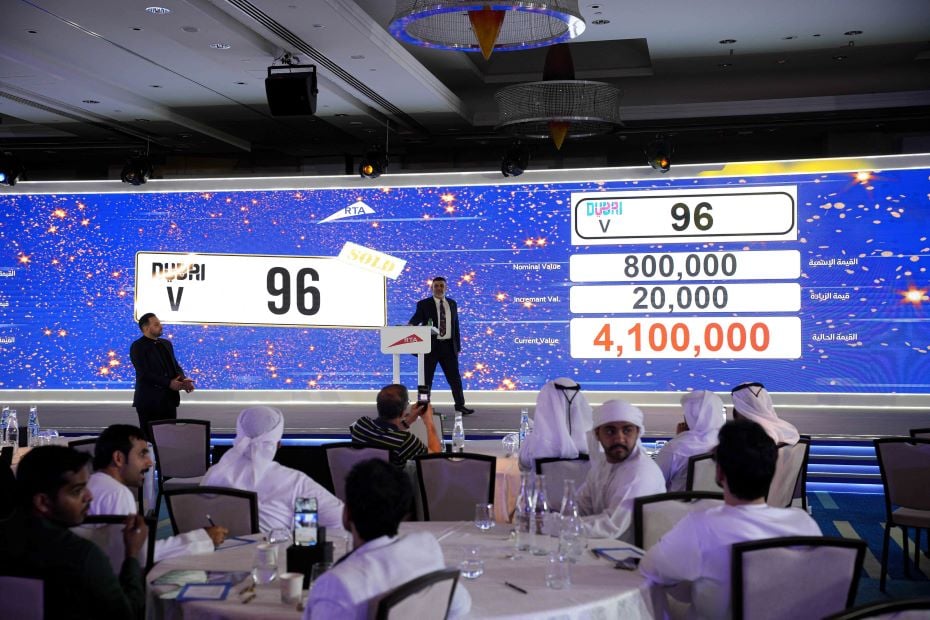
A recent auction for premium vehicle number plates in Dubai has attracted significant attention, culminating in a remarkable total of Dhs69.1 million in bids. The event, which marks the 116th edition of this popular auction, featured a collection of 90 exclusive plates, appealing to collectors and automobile enthusiasts alike. The plates ranged from two to five-digit combinations, showcasing a variety of unique and desirable options for bidders.

The Dubai Roads and Transport Authority (RTA) organized the auction, emphasizing its ongoing commitment to providing a platform for individuals to acquire distinctive vehicle registration numbers. The auction attracted a diverse group of participants, from seasoned collectors to first-time bidders, all vying for the chance to own these sought-after plates.

Notably, plate number “55” emerged as the highest-selling item, fetching Dhs10.1 million, underscoring the continued popularity and value of unique registration numbers in the emirate. Other notable sales included the plate “21,” which sold for Dhs8.5 million, and the plate “3,” purchased for Dhs8 million. These figures highlight the competitive nature of the bidding process, where individuals are willing to invest substantial sums for a coveted piece of identity on their vehicles.

The auction not only reflects the financial investment involved but also symbolizes the status associated with owning a unique plate number in Dubai’s luxury market. Plates with fewer digits are often perceived as more prestigious, leading to higher bids as participants seek to showcase their wealth and exclusivity.

The success of this auction is part of a broader trend within the region, where personalized vehicle registration numbers have become increasingly popular. Collectors often see these plates as both status symbols and investment opportunities, with many expecting their values to appreciate over time. This trend aligns with the luxurious lifestyle that many residents of Dubai embody, where unique possessions are a reflection of personal branding and social standing.

As Dubai continues to develop as a global hub for luxury goods and experiences, the demand for premium registration plates is expected to grow. The RTA has responded to this trend by regularly organizing auctions, providing a consistent opportunity for buyers to engage in this unique market. The authority’s efforts also include enhancing the overall experience for bidders, ensuring that each auction event is well-organized and transparent.

The vibrant atmosphere of the auction attracted media coverage, drawing in spectators who were eager to witness the bidding frenzy. Live updates and commentary provided a dynamic backdrop to the proceedings, heightening the excitement as bids escalated in real time. The combination of a lively audience and enthusiastic bidders created an electric environment that showcased the allure of premium plates.

The auction also serves as a reminder of Dubai’s position as a leading destination for luxury and extravagance. With an ever-expanding population of affluent residents and a growing number of international visitors, the demand for premium vehicle registration plates is likely to continue its upward trajectory. This market segment reflects the city’s broader economic landscape, characterized by opulence and a penchant for unique personal expression.

As the bidding wars unfolded, the auction featured a mix of familiar faces and newcomers eager to make their mark in the world of premium plates. Some participants shared their motivations for bidding, expressing a passion for collecting unique registration numbers while others highlighted the importance of these plates as investment assets.

The influence of social media cannot be overlooked in shaping perceptions around premium plates. Many bidders leverage platforms to showcase their new acquisitions, turning these plates into symbols of success that are often shared within their networks. This trend not only fuels competition but also raises awareness about the auction events, attracting a wider audience and increasing participation.

Looking ahead, the RTA plans to continue hosting such auctions, with the potential for expanding the offerings to include even more exclusive items. Participants are eager to see what unique combinations will be available in future events, and the authority is committed to maintaining high standards in both the quality of the plates offered and the overall auction experience.

HANGZHOU, CHINA – Media OutReach Newswire – 14 October 2024 – Taobao and Tmall Group (“TTG”), Alibaba Group’s domestic commerce business, is kicking off its 16th 11.11 Global Shopping Festival (“11.11” or “Festival”) today by putting users first with unprecedented shopping incentives. TTG will offer RMB30 billion ( ~US$4.2 billion) worth of vouchers and red packets in anticipation of the record-high volume of users participating in this […]

Turn all your year-end vacation dreams you have into reality – from destinations to experiences to events and festivals SINGAPORE – Media OutReach Newswire – 9 October 2024 – Festival-based tourism is on the rise globally, and high enthusiasm is expected for travels around major festivals in both Singapore and international destinations. From October 10-13, Traveloka’s 10.10 Travel Fest will provide bigger and more exciting discounts up […]

Dubai’s reputation as a global hub for blockchain innovation solidified further as industry leaders from across the globe gathered for the Future Blockchain Summit 2024. The summit, which runs from October 13 to 16 at Dubai Harbour, features cutting-edge discussions and presentations from experts in blockchain, crypto, NFTs, Web 3.0, and more, signaling a key moment in the advancement of the digital economy.

The Future Blockchain Summit, now in its sixth edition, has evolved into a premier platform for fostering collaborations between governments, enterprises, and startups. It continues to align with Dubai’s ambitious blockchain and digital transformation goals. The event promises to showcase transformative technologies that could redefine financial services, supply chains, healthcare, and governance.

Key highlights of the 2024 edition include insights from a diverse array of speakers, including thought leaders from both the public and private sectors. Major players in the blockchain space, such as Ethereum co-founder Vitalik Buterin and representatives from global blockchain firms, are expected to provide critical analysis on the evolution of decentralized systems, and the road ahead for mainstream blockchain adoption.

Dubai’s focus on blockchain technology is part of a broader strategic vision that began with the Dubai Blockchain Strategy and the Emirates Blockchain Strategy. This framework aims to digitize key government services using blockchain by 2025. The event’s organizers have highlighted the importance of this convergence, noting how governments and enterprises worldwide are increasingly exploring the potential of blockchain to drive efficiency, transparency, and trust in digital transactions.

This year’s summit emphasizes the practical applications of blockchain and its ability to disrupt industries beyond cryptocurrency. With the integration of NFTs, the Metaverse, and Web 3.0 technologies into the mainstream, blockchain is being recognized for its broader implications. During the summit, new solutions and case studies will be shared, shedding light on how blockchain can facilitate digital ownership, secure identity management, and more transparent business operations.

Beyond the focus on blockchain applications, the summit is expected to stimulate dialogue on regulation and sustainability. Policymakers and regulators are anticipated to discuss the creation of balanced frameworks that encourage innovation while ensuring the safety of participants in the digital space. Dubai, in particular, has been a key player in fostering a progressive regulatory environment that has attracted blockchain firms from around the globe.

Among the prominent names attending the event are representatives from DMCC (Dubai Multi Commodities Centre), a key participant in the event. DMCC has been instrumental in supporting blockchain enterprises through its crypto center and blockchain-related initiatives, further solidifying Dubai’s status as a hub for blockchain businesses. DMCC’s representatives will present their insights at the summit, discussing how the organization supports blockchain development within its award-winning free zone community.

The summit also offers opportunities for startups, with several exhibitions and networking events designed to connect emerging firms with potential investors. Several blockchain startups are expected to showcase their innovations, with a particular focus on solving industry-specific challenges through decentralized technologies.

This year, Dubai aims to further its vision as a “Smart City” by emphasizing the integration of blockchain into smart infrastructure projects. These initiatives aim to streamline everything from real estate transactions to cross-border payments. The event underscores how blockchain can enhance operational efficiency, promote transparency in government processes, and provide secure, tamper-proof records.

Notable discussions on the agenda include the future of decentralized finance (DeFi), which is gaining traction as a legitimate alternative to traditional banking. DeFi uses blockchain to eliminate intermediaries in financial transactions, potentially lowering costs and improving access to banking services in underserved markets. Additionally, the summit will explore the impact of blockchain on sustainable practices, particularly in the energy sector.

Dubai’s strategic importance in the global blockchain community is reflected in its hosting of this key event. As the blockchain industry continues to expand, the city is positioning itself as a leader in shaping the future of digital assets and decentralized technologies. The Future Blockchain Summit 2024 is expected to serve as a catalyst for further growth and collaboration within the blockchain ecosystem, helping to propel the technology toward mainstream adoption across industries.


DUBAI, UAE – Media OutReach Newswire – 10 October 2024 – JustMarkets, a global leader in trading, has successfully completed its participation in Forex Expo Dubai 2024, one of the largest and most prestigious events in the online trading industry. The event was held during 7-8th October and attracted more than 20,000 visitors, more than 200 exhibitors and 5,000 Forex companies. JustMarkets had its own stand at […]

WordPress.org has taken steps to assert control over a plugin developed by WP Engine, following a series of disputes between the two entities. The conflict, which started with criticisms from WordPress founder Matt Mullenweg, centers on trademark infringements and accusations of profiteering by WP Engine. The decision to restrict WP Engine customers from accessing updates and plugins has left many concerned about security vulnerabilities. Both parties have engaged in cease-and-desist actions, escalating tensions that have drawn widespread attention within the WordPress community.

The friction between Automattic, the company behind WordPress, and WP Engine has been intensifying over the past months. Mullenweg’s remarks at WordCamp USA sparked a broader debate, as he labeled WP Engine a “cancer to WordPress” and criticized the company’s lack of contributions to the open-source ecosystem. He accused WP Engine of placing commercial interests ahead of community welfare, despite the company generating substantial revenues from WordPress users.

In response to Mullenweg’s comments, WP Engine issued a legal warning, demanding the retraction of statements made by Mullenweg and Automattic. This led to a standoff, with both sides trading legal threats over the use of WordPress and WooCommerce trademarks. Mullenweg defended his stance by pointing out WP Engine’s continuous violation of the WordPress Trademark Policy, which prohibits using the “WordPress” name in product or service titles.

One of the key flashpoints in this confrontation has been the alleged impact on WP Engine customers. WordPress.org temporarily blocked WP Engine users from updating or installing plugins and themes, which raised concerns about site security and performance. WP Engine acknowledged these issues, assuring customers that efforts were underway to address the problem and restore plugin functionality.

The dispute highlights broader issues about control within the WordPress ecosystem. While WordPress prides itself on being open-source and community-driven, Mullenweg’s actions against WP Engine are being viewed by some as a move toward greater centralization. His criticism of WP Engine’s proprietary systems, which control various aspects of the WordPress experience for their customers, points to a deeper concern about third-party entities monopolizing certain elements of the open-source platform.

The signing of the memorandum between Bpifrance, Sawari Ventures, and Flat6Labs took place within the framework of the FrancoTech exhibition for Francophonie and Innovation at Station F in Paris, alongside the Francophonie Summit CAIRO, EGYPT – EQS Newswire – 10 October 2024 – During the FrancoTech exhibition held on October 3 and 4, 2024, at Station F in Paris, alongside the Francophonie Summit, Bpifrance, Sawari Ventures, and […]

A video that recently resurfaced online has reignited concerns over the alleged tampering of Amul ice cream, sparking a wave of misinformation and public debate. The Gujarat Cooperative Milk Marketing Federation (GCMMF), which oversees the Amul brand, has swiftly denied any wrongdoing, reaffirming its commitment to maintaining the highest standards of product quality.

The video, originally circulated years ago, made its way back onto social media, accusing Amul of using non-vegetarian ingredients in its ice cream, particularly an emulsifier labeled as E-471, which the rumors claimed was derived from animal fat. This allegation triggered alarm among various communities, as Amul is widely known and trusted as a brand that delivers purely vegetarian products.

To quell the situation, R S Sodhi, Managing Director of GCMMF, issued an official statement through both video and print channels, dismissing the claims as false and malicious. Sodhi clarified that the emulsifier in question is derived from 100% plant-based oils, such as those from soybean, sunflower, or palm, which are commonly used in the food industry. He emphasized that Amul’s products adhere to strict vegetarian sourcing, aligning with the trust placed in the brand by millions of consumers across the country.

The controversy over the emulsifier is not new. Various food products globally use E-471, which can be derived from either plant or animal sources. The persistence of these rumors, despite clarification, appears to be part of a targeted misinformation campaign, with vested interests aiming to damage the reputation of one of India’s most beloved dairy brands. The swift public relations response by Amul underscores the company’s proactive stance in maintaining consumer trust and protecting its brand integrity.

The original video that caused the uproar showed alleged tampering of Amul’s ice cream packaging and implied that animal-based ingredients were being used, which stirred strong reactions, particularly among those adhering to vegetarian or religious dietary restrictions. However, GCMMF countered the claims, explaining that all processes in its manufacturing chain are transparent, strictly regulated, and in line with the company’s commitment to high-quality dairy production.

Social media platforms have played a central role in the spread of these allegations, prompting a range of reactions from consumers. While some voiced concerns about product safety, others came to the defense of the brand, highlighting their long-standing loyalty to Amul and dismissing the video as another attempt to mislead the public. Various users have expressed their unwavering trust in Amul, calling it a cornerstone of the Indian dairy industry. Many pointed out that Amul, as a cooperative, represents the interests of millions of farmers, making it an ethical brand focused on delivering value to both producers and consumers.

The controversy has led to renewed discussions about how easily misinformation spreads on social media, and the role of companies in actively addressing public concerns. Amul’s rapid response has been seen as a strategic effort to maintain consumer confidence amid growing digital challenges. Sodhi also urged the public to be cautious about believing unverified information circulating online, stressing the importance of relying on credible sources for product information.

VISHNU RAJA
RYO YAMADA
HITORI GOTOH
IKUYO KITA