News related to
platform

In a strategic move that could reshape the Middle East’s food delivery landscape, Talabat, a leading online food ordering company, has acquired InstaShop, an online grocery delivery platform. This acquisition underscores a growing trend towards consolidation in the region’s delivery sector, aiming to enhance operational efficiencies and expand market reach. Talabat, established in Kuwait in 2004, has evolved into a dominant player across the Middle East, operating […]

Saudi Arabia has announced the establishment of the Saudi Investment Marketing Authority, a strategic initiative aimed at bolstering the nation’s attractiveness to international investors. This decision was ratified during a Cabinet meeting chaired by Crown Prince Mohammed bin Salman, underscoring the Kingdom’s commitment to economic diversification and global competitiveness.

Investment Minister Khalid Al-Falih expressed gratitude to King Salman and Crown Prince Mohammed bin Salman for their continued support, highlighting the authority’s pivotal role in advancing the objectives of Vision 2030. This initiative seeks to diversify the economy, enhance global competitiveness, and foster a sustainable economic environment. Al-Falih emphasized that the new authority would serve as a cornerstone in promoting investment opportunities both domestically and internationally, collaborating with various sectors to showcase the Kingdom’s competitive advantages and investor incentives.

The Saudi Investment Marketing Authority is tasked with marketing investment prospects within and beyond the Kingdom, working in partnership with leading entities across diverse sectors. By adopting advanced technologies and strategies in investment marketing, the authority aims to stimulate foreign direct investment inflows, bolster national investments, and support local investors. These efforts are anticipated to drive economic growth, generate quality employment opportunities, and enhance innovation and knowledge transfer, thereby contributing to the sustainability and competitiveness of the Saudi economy.

The establishment of this authority aligns with the broader goals of Vision 2030, reflecting a qualitative transformation towards a more diversified and sustainable economy. By leveraging Saudi Arabia’s strategic location, business-friendly regulations, and world-class infrastructure, the authority aims to position the Kingdom as a premier investment hub on the global stage.

In recent years, Saudi Arabia has witnessed a significant uptick in foreign direct investment, surpassing the targets set by the National Investment Strategy for 2023 by 16%. This positive trend underscores the Kingdom’s growing appeal to global investors and the effectiveness of its ongoing economic reforms. The creation of the Saudi Investment Marketing Authority is expected to further amplify these efforts, providing a structured and focused approach to investment promotion and facilitation.

The authority’s mandate includes the utilization of advanced marketing strategies, comprehensive market analysis, and the establishment of international partnerships to attract global investors. By harnessing digital platforms and innovative marketing techniques, the authority aims to effectively communicate the advantages of investing in Saudi Arabia, thereby enhancing the Kingdom’s visibility and appeal in the global investment landscape.

A widespread outage on Sunday left Mastercard users across the globe unable to complete purchases and online payments, causing significant inconvenience and prompting a flurry of complaints on social media platforms. The disruption began on the morning of March 9, with Downdetector, a website that monitors service interruptions, recording over 500 reports of issues. Users from countries including Ukraine, Japan, Australia, and the United States reported problems […]

Dubai’s Roads and Transport Authority has launched the next-generation 360 Services Policy, aiming to revolutionise customer experience by delivering integrated, seamless, and proactive digital services without necessitating in-person visits. This initiative is a significant stride in RTA’s ongoing digital transformation, transitioning services to self-service models accessible through shared digital platforms like the “Dubai Now” app. His Excellency Mattar Al Tayer, Director General and Chairman of the Board […]

UAE-based healthcare payment solutions provider Klaim has successfully secured $10 million in Series A equity funding, supplemented by an additional $16 million financing fund, to drive its regional expansion and transform the healthcare financial landscape in the Middle East and North Africa region. Founded in 2019, Klaim has rapidly positioned itself as an innovative force in the fintech sector, offering a cutting-edge payment platform that leverages artificial […]

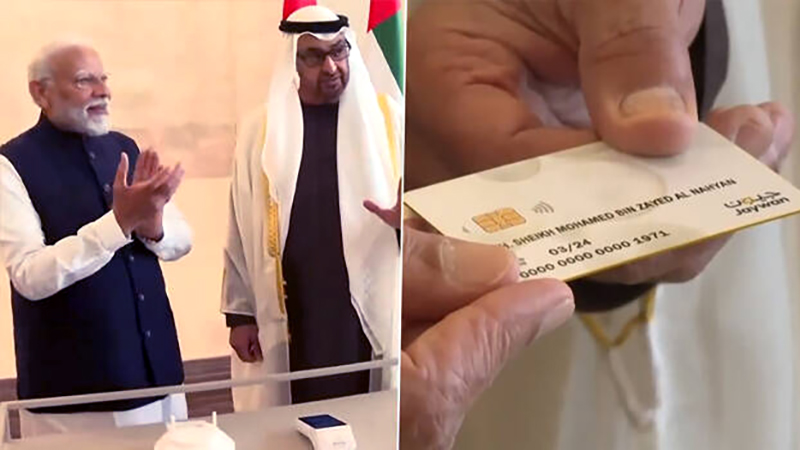
The United Arab Emirates has introduced the Jaywan co-badge card, a significant advancement in the nation’s payment infrastructure, enabling residents to conduct transactions seamlessly both domestically and in over 180 countries worldwide.

Al Etihad Payments , a subsidiary of the Central Bank of the UAE , in collaboration with UnionPay International , has launched the “UnionPay – Jaywan” co-badge card. This initiative integrates the Jaywan domestic payment network with UnionPay’s extensive global reach, offering cardholders a unified payment solution.

Domestically, transactions made with the co-badge card are processed through the Jaywan network, ensuring efficient and secure payments within the UAE. For international transactions, the card leverages UnionPay’s global network, facilitating payments in over 180 countries and regions. This dual functionality provides UAE residents with a versatile payment method, catering to both local and international needs.

H.E. Saif Humaid Al Dhaheri, Assistant Governor for Banking Operations and Support Services at the CBUAE and Chairman of AEP, emphasized the strategic importance of this collaboration. He noted that integrating the Jaywan and UnionPay networks aligns with the UAE’s commitment to innovative and efficient payment solutions, offering consumers a premium card that facilitates seamless transactions both within and beyond the UAE.

Larry Wang, CEO of UnionPay International, highlighted the mutual benefits of the partnership, underscoring its role in enhancing payment convenience and security for UAE residents. He also pointed out that this collaboration strengthens the economic and financial ties between China and the UAE, fostering greater cooperation between the two nations.

The Jaywan co-badge card is part of a broader initiative to modernize the UAE’s payment infrastructure. AEP has established partnerships with other international payment networks, including Discover, Mastercard, and Visa, to expand the global usability of Jaywan cards. These collaborations aim to provide consumers and businesses with secure, efficient, and innovative payment solutions, reduce transaction costs by offering effective local alternatives, and support economic growth by stimulating innovation in the payments sector.

In addition to enhancing payment accessibility, the co-badge card initiative supports the UAE’s goal of increasing financial inclusion. By offering a secure and efficient payment alternative, the Jaywan card caters to diverse consumer needs, promoting e-commerce and providing financial services that meet the requirements of various segments of society.

The infrastructure for the Jaywan card has been prepared to operate both locally and globally. This readiness aligns with the UAE’s digital transformation strategy, aiming to strengthen the country’s position as a leading global hub for digital payments. The Jaywan scheme offers consumers and businesses a secure, efficient, and innovative payment solution, supporting economic growth and financial inclusion.

The Jaywan cards will be available in debit, prepaid, and credit variants and can be used across ATMs, point-of-sale terminals, and e-commerce platforms. This versatility ensures that cardholders have multiple options for managing their finances, whether they are conducting everyday transactions or making larger purchases.

To further enhance the user experience, AEP has signed a Memorandum of Understanding with Samsung Gulf Electronics to enable Jaywan cards to be integrated into the Samsung Wallet. This integration allows users to make payments seamlessly via their smartphones, reflecting the UAE’s commitment to adopting advanced technologies in the financial sector.

The rollout of the Jaywan co-badge card is expected to commence in the near future, with widespread availability across the UAE’s financial institutions. This development signifies a transformative milestone in the UAE’s evolving payments landscape, providing residents with a payment solution that is both locally rooted and globally connected.

The introduction of the Jaywan co-badge card underscores the UAE’s dedication to fostering a robust and inclusive payment ecosystem. By integrating domestic and international payment networks, the UAE is enhancing the convenience and security of payments for its residents, ensuring a seamless payment experience regardless of location.

Spain’s second-largest bank, Banco Bilbao Vizcaya Argentaria , has officially received regulatory approval to offer Bitcoin and Ethereum trading services. This approval comes as the European Union’s Markets in Crypto-Assets regulation fully takes effect, marking a significant step forward for both the banking sector and cryptocurrency adoption within the region.

The move represents a landmark shift for BBVA, as it expands its portfolio of services to include cryptocurrencies. This decision aligns with the bank’s ongoing strategy to adapt to digital finance, meeting growing consumer demand for digital assets. With the MiCA regulation now operational, BBVA is positioning itself to take advantage of new opportunities in an increasingly digital economy.

The MiCA regulation, a major component of the EU’s broader digital finance strategy, aims to create a comprehensive framework for cryptocurrency markets across member states. The regulation provides clarity on legal aspects such as licensing, consumer protection, and financial stability, establishing a uniform approach to crypto assets across the EU. Its implementation signals a major regulatory shift that is set to influence financial institutions throughout the region.

BBVA’s approval is part of a broader trend in Europe where traditional banks are gradually integrating cryptocurrencies into their services. This comes at a time when the European crypto market is maturing, with increased institutional involvement and more regulatory oversight. The move not only represents an opportunity for the bank but also signals increasing mainstream acceptance of digital currencies.

BBVA’s entry into cryptocurrency trading follows a series of pilot programs that tested various blockchain-based solutions. The bank had already ventured into the crypto space in 2021, offering a limited range of services for clients in Switzerland, where cryptocurrency regulation is more permissive. Now, with MiCA regulation fully in place across the EU, BBVA’s decision to expand its crypto offerings into Spain is seen as a natural progression.

The decision by BBVA also highlights the growing importance of regulatory frameworks for the cryptocurrency sector. MiCA aims to ensure that the crypto market operates in a transparent, secure, and consumer-friendly manner, which has been a concern for both regulators and market participants. By adhering to these regulations, BBVA is positioning itself as a leader in responsibly integrating cryptocurrency trading into its offerings.

Other financial institutions in Europe are also taking steps to integrate digital assets into their portfolios. For instance, major banks like Deutsche Bank and Barclays are experimenting with blockchain technologies and exploring potential cryptocurrency-related services. However, BBVA stands out due to its proactive approach in securing regulatory approval and expanding its services at a time when cryptocurrency markets are still evolving.

The move comes as institutional interest in cryptocurrencies continues to rise. More investors, from hedge funds to family offices, are seeking exposure to digital assets, and this trend is expected to continue in the coming years. With its new offering, BBVA aims to cater to both retail and institutional clients, providing them with a secure and regulated platform to trade popular cryptocurrencies like Bitcoin and Ethereum.

As part of its offering, BBVA plans to integrate crypto trading into its existing digital banking services, allowing customers to manage their cryptocurrency investments alongside traditional assets. This seamless integration could offer a competitive advantage, as more banks are starting to see the benefit of combining traditional financial services with digital assets.

While some European banks are cautious about entering the cryptocurrency market, BBVA’s strategy reflects a more optimistic outlook on the long-term potential of digital currencies. The bank’s leadership has signalled that its move into the cryptocurrency sector is part of its broader strategy to embrace innovation and meet the evolving needs of its customers.

The success of BBVA’s crypto offering will depend not only on its ability to navigate regulatory frameworks but also on how well it can address concerns related to security, volatility, and customer education. As cryptocurrency markets continue to evolve, banks like BBVA will need to remain agile, adapting to both regulatory changes and shifting customer expectations.

The impact of BBVA’s decision could also ripple through the broader financial industry, pushing other institutions to consider their own approaches to cryptocurrency and blockchain technology. As more banks integrate digital currencies into their offerings, the financial services landscape could become increasingly intertwined with the cryptocurrency sector, challenging traditional business models and introducing new opportunities for growth and innovation.

Despite the promise, challenges remain. Cryptocurrency markets are still highly volatile, and many investors view digital assets as speculative. While the MiCA regulation aims to address some of these concerns, there are still risks associated with investing in crypto. BBVA’s ability to mitigate these risks through effective risk management strategies will be closely watched by both regulators and investors.

Advertisements

SINGAPORE – Media OutReach Newswire – 10 March 2025 – Temus, a Singapore-based digital transformation consultancy, has become the first OutSystems Premier Partner in Singapore. This milestone underscores Temus’ deep expertise in AI-powered low-code development and commitment to accelerating digital transformation for businesses, even more so as low-code platforms gain momentum in Singapore’s digital ecosystem. From left: Wong Seok Ling, Managing Director, Cloud, Applications & Platform (Low-Code), […]

Octa, a global contract-for-difference broker established in 2011, has been honoured with the ‘Best Use of AI in Fintech 2025’ award by Global Business Magazine. This accolade highlights Octa’s commitment to integrating artificial intelligence into its proprietary trading platform, OctaTrader, enhancing user experience and trading efficiency. The award recognises OctaTrader’s suite of AI-driven tools, notably the AI Pattern Recognition feature and OctaVision. The AI Pattern Recognition tool […]

Catalonia has solidified its position as a prominent biotechnology hub, with Barcelona at its epicenter, fostering innovation and attracting global attention. The region’s strategic investments and collaborative initiatives have propelled its life sciences sector to new heights.

A cornerstone of this success is the Parc Científic de Barcelona , established in 1997 by the University of Barcelona. As Spain’s first scientific park, the PCB was designed to enhance research, knowledge transfer, and innovation across public and private sectors. In 2002, it launched the country’s inaugural bioincubator, providing infrastructure and support to startups and spin-offs. Over the years, the PCB has integrated esteemed research institutes such as the Institute of Molecular Biology of Barcelona , the Institute for Research in Biomedicine , the National Center for Genomic Analysis , and the Institute for Bioengineering of Catalonia . The park also hosts private enterprises like Qiagen and Evonik. In 2019, the PCB expanded by adding ten new laboratories, increasing its area by over 600 square meters, and anticipates full occupancy by 2025.

The National Center for Genomic Analysis , located within the PCB, plays a pivotal role in large-scale genome projects, collaborating with researchers both locally and internationally. Equipped with advanced sequencing systems and a robust computing infrastructure, CNAG can sequence over 10,000 gigabases daily, equivalent to 100 human genomes every 24 hours. Established in 2009 through a collaboration between the Spanish Ministry of Science and Innovation and the Catalan Government, CNAG has positioned itself among Europe’s top sequencing centers.

Another significant contributor is the Institute for Bioengineering of Catalonia , which focuses on interdisciplinary research in bioengineering and nanomedicine. IBEC’s research encompasses areas such as regenerative therapies, future medicine, and active aging. The institute manages a Nanotechnology Platform, offering services in nanofabrication, manipulation, and characterization, and was the first in Southern Europe to acquire a 3D bioprinter suitable for industrial manufacturing.

The Barcelona Biomedical Research Park further enriches the region’s research landscape. This conglomerate of six public research centers, located adjacent to Hospital del Mar, employs approximately 1,400 professionals, making it one of Southern Europe’s largest biomedical research clusters. Founded through a collaboration between the Government of Catalonia, the Barcelona City Council, and Pompeu Fabra University, the PRBB aims to generate new knowledge in health and life sciences, facilitating technology transfer and providing training to research staff.

In a move to centralize and enhance its operations, Spanish pharmaceutical company Grifols announced plans to invest €360 million in constructing a new industrial plant in Barcelona for its engineering department. Scheduled to commence next year, with completion expected by the decade’s end, this initiative underscores Barcelona’s appeal as a strategic location for biotech investments.

The city’s commitment to innovation is further exemplified by the Barcelona New Economy Week . The fifth edition of BNEW attracted 12,746 professionals, offering 140 hours of content across 100 panels, sessions, and debates. The event focused on seven key sectors: Digital Industry, Mobility, Sustainability, Aviation, Talent, Health, and Experience, highlighting the region’s dedication to fostering dialogue and collaboration in emerging industries.

Addressing pressing health challenges, Barcelona launched the HUB Alzheimer Barcelona, a collaborative effort involving the Pasqual Maragall Foundation, the Barcelona City Council, four public hospitals, and specialized institutions. This initiative aims to accelerate Alzheimer’s research, fostering innovation and cooperation between public and private sectors in combating this neurodegenerative disease.

Ras Al Khaimah has successfully issued a $1 billion sukuk, marking its return to the international debt capital markets after a decade. The 10-year senior unsecured sukuk, priced at a profit rate of 5.038%, attracted substantial global investor interest, with orders exceeding the offering by 4.4 times. This significant demand underscores the emirate’s strong creditworthiness and economic stability.

The sukuk was issued under Ras Al Khaimah’s $2 billion Trust Certificate Issuance Programme through RAK Capital, a special purpose vehicle affiliated with the government. The transaction launched with an initial pricing guidance of 10-year US Treasury plus 120 basis points . Robust investor appetite allowed the government to tighten the final pricing by 40 bps to 10-year US Treasury plus 80 bps.

The issuance garnered interest from a geographically diverse investor base. Approximately 57.8% of subscriptions originated from the MENA region, 35% from the UK and continental Europe, and 7.2% from Asia and other regions. This widespread participation reflects global confidence in Ras Al Khaimah’s fiscal management and economic prospects.

Prior to the issuance, both S&P Global Ratings and Fitch affirmed their ratings for RAK Capital’s sukuk programme at ‘A’ and ‘A+’, respectively, each with a stable outlook. These affirmations align with the credit agencies’ ratings for the Government of Ras Al Khaimah, further bolstering investor confidence.

The sukuk structure aligns with recent Shari’a developments set by the UAE Central Bank Higher Shari’a Authority, including a government decree ensuring the enforceability of real estate ijara assets. This adherence to Shari’a-compliant structures highlights the emirate’s commitment to ethical financing practices.

The government expressed satisfaction with the overwhelming response from global investors. A spokesperson highlighted that the high oversubscription and the negative new issue concession of -10 bps underscore Ras Al Khaimah’s strong credit standing and the investor community’s confidence in the emirate’s growth trajectory.

Citi and Emirates NBD Capital acted as structuring advisors for the issuance. Joint global coordinators included Abu Dhabi Commercial Bank, Citi, Emirates NBD Capital, First Abu Dhabi Bank, RAKBANK, and Standard Chartered Bank. Their collaboration played a pivotal role in the successful execution of the sukuk offering.

Ras Al Khaimah has maintained credit ratings in the ‘A’ range from Fitch and S&P for 15 years. Known for its diversified economy and strategic location, the emirate continues to attract investment across multiple sectors. This sukuk issuance not only reinforces Ras Al Khaimah’s presence in the international debt markets but also showcases its commitment to sustainable economic development.

The successful sukuk issuance is expected to have positive implications for the emirate’s future projects and initiatives. The raised capital will likely be allocated to infrastructure development, public services, and other strategic sectors, further enhancing Ras Al Khaimah’s economic landscape. Investors’ strong interest indicates a robust appetite for Shari’a-compliant financial instruments and confidence in the emirate’s fiscal policies.

The global investor community’s response to Ras Al Khaimah’s sukuk issuance reflects a broader trend of increasing interest in Middle Eastern debt instruments. The region’s economic resilience and strategic initiatives have positioned it as an attractive destination for international investors seeking diversification and stable returns.

Ras Al Khaimah’s return to the international debt capital markets after a decade signifies its strategic approach to leveraging global financial platforms. The successful sukuk issuance not only provides the emirate with the necessary capital for its developmental projects but also enhances its reputation in the global financial community.

The emirate’s adherence to Shari’a-compliant structures and alignment with international best practices demonstrate its commitment to ethical and sustainable financing. This approach not only attracts a broader investor base but also reinforces Ras Al Khaimah’s position as a forward-thinking and responsible issuer in the global financial markets.

The collaboration with leading financial institutions as structuring advisors and joint global coordinators underscores the emirate’s dedication to ensuring the sukuk issuance’s success. Such partnerships are crucial in navigating the complexities of international debt markets and achieving favorable outcomes for all stakeholders involved.

Ras Al Khaimah’s strategic initiatives and prudent fiscal management have positioned it favorably in the eyes of international investors. The successful sukuk issuance serves as a testament to the emirate’s robust economic fundamentals and its commitment to fostering a conducive environment for investment and growth.

The emirate’s diversified economy, encompassing sectors such as tourism, manufacturing, and services, continues to thrive. The capital raised through the sukuk issuance is expected to further bolster these sectors, driving sustainable economic growth and enhancing the quality of life for its residents.

The positive reception of Ras Al Khaimah’s sukuk issuance by the global investor community highlights the emirate’s strong credit profile and the effectiveness of its economic policies. As Ras Al Khaimah continues to implement strategic initiatives and invest in key sectors, it is well-positioned to maintain its upward trajectory in the global economic landscape.

The successful execution of the sukuk issuance also reflects the emirate’s ability to adapt to evolving market conditions and investor preferences. By aligning its financial instruments with Shari’a principles and international standards, Ras Al Khaimah demonstrates its commitment to meeting the diverse needs of investors while ensuring compliance with ethical financing practices.

Blockchain analytics firm Arkham Intelligence has introduced a new tagging system designed to track cryptocurrency transactions of prominent figures in the digital asset space. This feature, termed the “Key Opinion Leader” tag, enables users to monitor the wallet activities of influencers boasting over 100,000 followers on the platform X .

As of March 8, Arkham has cataloged approximately 950 wallet addresses associated with these high-profile individuals. Noteworthy figures identified include Ethereum co-founder Vitalik Buterin, crypto entrepreneur Justin Sun, Binance founder Changpeng Zhao, Yearn Finance co-founder Andre Cronje, and U.S. President Donald Trump.

The primary objective of this initiative is to enhance transparency within the cryptocurrency ecosystem. By allowing users to observe the digital asset movements of influential personalities, Arkham aims to shed light on potential market trends and provide insights into the holdings and transactions of these key players.

In the past, Arkham has provided valuable insights into the activities of major crypto figures. For instance, the platform tracked Vitalik Buterin’s liquidation of $2.5 million worth of meme coins, which were subsequently directed to his biotech charity, Kanro. Additionally, in May 2024, Arkham identified a wallet linked to Donald Trump, revealing holdings exceeding $10 million, primarily comprising MAGA and ETH tokens.

Under the newly introduced KOL tag, several prominent figures and their crypto holdings have been highlighted:

– Justin Sun: The founder of Tron leads the list with nearly 4 million followers on X. One of his wallets holds over $590 million in digital assets, with approximately $435 million in Tron .

– Vitalik Buterin: With around 5.7 million followers, Buterin’s wallet contains roughly $523 million in Ethereum.

– Hong Qi Yu: The CEO of Tokenize Xchange has over 723,000 followers and holds $28.31 million in digital assets.

– Arthur Hayes: The co-founder of BitMEX possesses $18.32 million in assets and has 640,000 followers.

– Dinghua Xiao: With 235,000 followers, Xiao’s wallet holds $12.33 million in cryptocurrencies.

– Murad Mahmudov: Known as “Muststopmurad” on X, he has 718,300 followers and $5.27 million in digital assets.

The introduction of the KOL tag comes amid growing concerns about the reliability of influencer-backed tokens. Research indicates that 76% of such tokens fail to deliver, with their value plummeting by more than 90% within just three months. This has raised alarms about misleading endorsements and the potential for pump-and-dump schemes within the crypto community.

By offering this tracking feature, Arkham provides investors with the tools to scrutinize whether influencers genuinely back the tokens they promote or if their endorsements are merely paid advertising. This level of transparency could help distinguish genuine endorsements from deceptive promotions, thereby fostering a more informed and secure investment environment.

The crypto community has responded with mixed reactions to this development. Some users commend the move towards greater transparency, while others express concerns about privacy and the potential misuse of such information. One user commented, “Biggest scammer on top! Now everyone can watch your wallets. But they should know y’all have multiple ones.”

DP World and the Saudi Ports Authority have inaugurated the advanced South Container Terminal at Jeddah Islamic Port, marking a significant milestone in Saudi Arabia’s ambition to become a global trade hub. The SAR 3 billion project has more than doubled the terminal’s capacity from 1.8 million to 4 million twenty-foot equivalent units , with plans to further expand to 5 million TEUs.

The three-year development has transformed the South Container Terminal into one of the region’s most advanced and sustainable facilities. Enhancements include the introduction of automated and electrified yard cranes, and the number of quay cranes is set to increase from 14 to 17 by the end of 2025, eventually reaching 22 as capacity expands. These upgrades enable the terminal to accommodate ultra-large container vessels, significantly boosting its operational efficiency.

The inauguration ceremony was attended by prominent figures, including the Saudi Minister of Transport and Logistic Services, Engineer Saleh bin Nasser Al-Jasser, and DP World Group Chairman and CEO, Sultan Ahmed bin Sulayem. Their presence underscored the project’s importance to the Kingdom’s Vision 2030 strategy, which aims to enhance trade connectivity and diversify the economy.

Sultan Ahmed bin Sulayem remarked, “Today marks a significant milestone in our long-term strategic investment in Jeddah Islamic Port. This expansion builds on our 25-year legacy in Jeddah and reinforces our commitment to driving trade growth in the region. With this modernised terminal, we are enhancing efficiency, improving supply chain resilience, and creating new trade opportunities for the Kingdom and beyond for decades to come.”

Technological advancements have been a cornerstone of the terminal’s modernization. The implementation of smart systems has reduced gate transaction times from two minutes to just 10 seconds. Additionally, Internet of Things -enabled cargo tracking and artificial intelligence -powered cargo tallying systems have been introduced to enhance operational accuracy and efficiency.

In response to the growing demand for perishable goods, the terminal’s capacity for refrigerated containers has been expanded from 1,200 to 2,340 units. A state-of-the-art facility capable of inspecting up to 75 reefers simultaneously is also under development, positioning it as the largest port-centric facility of its kind in the Kingdom.

Environmental sustainability is a key focus of the terminal’s operations. DP World has committed to reducing CO₂ emissions at the South Container Terminal by 50% over the next five years. Initiatives to achieve this goal include the electrification of yard cranes and trucks, installation of solar panels, exploration of floating solar platforms, and the incorporation of green building designs alongside water recycling systems.

Adjacent to the terminal, DP World is investing in the 415,000 square metre Jeddah Logistics Park, the largest integrated facility of its kind in the Kingdom. Scheduled for completion in the second quarter of 2026, the park will offer state-of-the-art warehousing, distribution, and freight forwarding services. Its integration with the terminal is expected to streamline cargo transfers and enhance overall efficiency, further solidifying Jeddah’s position as a key hub connecting trade routes across Asia, Africa, and Europe.

The South Container Terminal’s strategic location on the Red Sea positions it as a pivotal point for international trade. It serves as a major hub for trade between East and West and is a crucial gateway for Hajj and Umrah pilgrims. The terminal’s modernization aligns with Saudi Arabia’s Vision 2030 objectives, aiming to transform the Kingdom into a global logistics center.

The terminal’s infrastructure now boasts a quay length of 2,150 meters, including a deep-water quay with an 18-meter depth, allowing it to accommodate ultra-large container vessels. The planned increase in the number of quay cranes to 17 by the end of 2025, and eventually to 22, will further enhance its capacity and operational capabilities.

KUALA LUMPUR, MALAYSIA – Media OutReach Newswire – 9 March 2025 – In 2025, global markets are navigating a phase of economic uncertainty as potential inflationary pressures induced by trade tariffs, shifting central bank policy, and geopolitical risk shape trading conditions. Traders who integrate fundamental analysis into their strategies can navigate these uncertainties more effectively, positioning themselves ahead of major market movements. Kar Yong Ang, a financial […]

Biconomy.com, a leading digital asset trading platform, has officially listed the native token of the BlackFort Exchange Network, BXN, effective from 26 February 2025. This strategic move offers traders additional opportunities and underscores Biconomy’s commitment to supporting innovative blockchain projects.

BlackFort Exchange Network distinguishes itself as a next-generation blockchain ecosystem, featuring a standalone, independent Layer-1 blockchain compatible with Ethereum. At its core is BXN, the native utility token that fuels various functionalities within the network. BlackFort’s blockchain is engineered to meet the essential demands of modern blockchain technology while introducing groundbreaking innovations.

The BXN token serves multiple practical purposes within the BlackFort ecosystem:

– Transaction Fees: BXN is utilized to cover transaction costs on the BlackFort blockchain, ensuring smooth and economical operations.

– Governance: Token holders have the ability to participate in governance decisions, influencing the future direction of the BlackFort network.

– Staking: Users can stake BXN to promote network security and receive rewards, encouraging active participation and network stability.

By listing BXN, Biconomy.com reinforces its dedication to providing users with access to cutting-edge and promising blockchain ventures. The platform’s strong liquidity, ease of use, and security enable traders to confidently interact with BXN. This listing supports the growth and adoption of the BlackFort ecosystem and expands the range of assets available on Biconomy.com.

Microsoft has entered into a strategic collaboration with the Government of Kuwait to establish an Azure cloud region within the country, aiming to accelerate Kuwait’s digital transformation and bolster its position as a regional technology hub. This initiative is set to provide advanced cloud services, enhance data residency, and stimulate the development of smart infrastructure across various sectors.

The partnership aligns with Kuwait’s Vision 2035, a national development plan that seeks to diversify the economy and reduce dependence on oil revenues by fostering a knowledge-based economy. By integrating Microsoft’s AI capabilities into the Azure cloud platform, the collaboration aims to drive innovation in key industries, including finance, healthcare, and education.

Kuwait has been proactive in adopting cutting-edge technologies to modernize its infrastructure and services. Notably, the country was the first in the region to implement 5G technology and currently boasts one of the highest 5G penetration rates globally. This existing technological foundation positions Kuwait favorably for the integration of advanced cloud services and AI solutions.

The establishment of a local Azure cloud region is expected to address critical concerns regarding data residency and security. By ensuring that data remains within national borders, the initiative aims to comply with local regulatory requirements and build trust among businesses and consumers. This move is anticipated to encourage more organizations to migrate to cloud platforms, thereby enhancing operational efficiency and scalability.

In the financial sector, the collaboration is poised to introduce AI-driven analytics and automation, enabling institutions to offer personalized services and improve risk management. The healthcare industry stands to benefit from enhanced data management systems, telemedicine capabilities, and predictive analytics for patient care. Educational institutions are expected to leverage cloud-based tools to facilitate remote learning and collaboration, aligning with global trends in digital education.

Microsoft’s investment in Kuwait extends beyond infrastructure development; the company plans to launch initiatives aimed at enhancing digital literacy and skills among the Kuwaiti workforce. These programs are designed to equip professionals with the competencies required to thrive in an AI-driven economy, thereby supporting the nation’s broader employment and economic diversification goals.

The Kuwaiti government has demonstrated a commitment to fostering innovation through various initiatives. For instance, the Insurance Regulatory Unit established IruSoft, an insurance regulatory platform designed for licensing, supervision, and inspection of the insurance sector. This platform introduced unique supervision-technology , insurance-technology , and regulatory-technology automated modules, reducing the resources required to ensure fairness, transparency, and competition in the sector. The implementation of such platforms reflects Kuwait’s dedication to integrating technology into governance and regulatory frameworks.

The collaboration with Microsoft also underscores Kuwait’s active participation in international digital initiatives. As a member of the Digital Cooperation Organization , Kuwait engages with other nations to promote digital prosperity and inclusive growth of the digital economy. The DCO focuses on fostering cooperation in areas such as digital innovation and governance, aligning with Kuwait’s objectives of leveraging technology for sustainable development.

The anticipated launch of the Azure cloud region is expected to attract global technology companies and startups to Kuwait, creating a vibrant ecosystem for innovation. This influx of technology enterprises is likely to generate employment opportunities, stimulate local entrepreneurship, and position Kuwait as a competitive player in the global digital economy.

The collaboration is set to enhance public sector services by enabling the development of smart city initiatives, improving urban planning, and delivering citizen-centric services. The integration of AI and cloud technologies can lead to more efficient public transportation systems, energy management, and public safety measures, thereby improving the quality of life for residents.

The educational sector is poised to undergo significant transformation through this partnership. By integrating cloud services into curricula and administrative operations, educational institutions can offer personalized learning experiences, streamline management processes, and facilitate research collaborations. This technological integration is expected to produce a generation of digitally adept graduates, ready to contribute to various sectors of the economy.

In the realm of healthcare, the Azure cloud region is anticipated to support the development of telemedicine services, electronic health records, and AI-driven diagnostic tools. These advancements can lead to improved patient outcomes, increased access to healthcare services, and optimized operational efficiencies within medical institutions.

The financial industry is also set to benefit from enhanced security measures, compliance solutions, and data analytics capabilities provided by the Azure platform. Financial institutions can leverage these tools to detect and prevent fraud, assess credit risks more accurately, and offer tailored financial products to customers.

Microsoft’s collaboration with Kuwait signifies a pivotal step in the nation’s journey towards digital transformation. By harnessing the power of AI and cloud computing, Kuwait aims to diversify its economy, enhance public services, and improve the overall standard of living for its citizens. This initiative reflects a broader trend in the region, where countries are increasingly investing in technology to drive sustainable development and global competitiveness.


Saudi National Bank has successfully issued a $750 million five-year Formosa bond, attracting an order book totaling $1.1 billion, including $121 million from joint lead managers. The bond, priced at the Secured Overnight Financing Rate plus 120 basis points, is scheduled to be listed on the Taipei Exchange on 17th March. Crédit Agricole CIB and KGI Securities Co Ltd served as joint managers, with HSBC acting as the lead manager.

Formosa bonds are debt instruments issued in Taiwan but denominated in foreign currencies, typically targeting international investors seeking exposure to foreign issuers. This issuance marks SNB’s second foray into the Formosa market, following its inaugural $500 million five-year senior unsecured floating-rate note bond in July 2024. That initial issuance was part of SNB’s $5 billion Euro Medium Term Note Programme and was notable for being the first by a Saudi bank in the Taiwanese market.

The latest bond issuance underscores SNB’s strategic efforts to diversify its funding sources and strengthen its presence in international capital markets. The oversubscription by $350 million indicates robust investor confidence in SNB’s creditworthiness and the economic stability of Saudi Arabia. This confidence is further bolstered by the bank’s proactive engagement with a broad set of top-tier international investors, reflecting the strong appeal of SNB’s credit profile to the global investor community.

In the broader context, Gulf Cooperation Council banks have been increasingly tapping into the Formosa bond market to diversify their funding bases and access competitive pricing. For instance, Qatar National Bank Group, the region’s largest bank, completed a $1 billion five-year Formosa bond issuance under its Euro Medium Term Note Programme in the first half of 2024. This trend highlights the growing significance of the Formosa market as an attractive platform for Middle Eastern banks seeking to broaden their investor base and secure favorable funding terms.

SNB’s successful bond issuance aligns with Saudi Arabia’s Vision 2030 initiatives, which aim to diversify the Kingdom’s economy and reduce its dependence on oil revenues. By accessing international capital markets and engaging with a diverse range of investors, SNB is contributing to the development of a more resilient and diversified financial sector in Saudi Arabia.

The choice of SOFR as the benchmark rate for the bond pricing reflects a broader shift in global financial markets toward alternative reference rates, following the phase-out of the London Interbank Offered Rate . SOFR, based on overnight transactions in the U.S. Treasury repurchase market, is considered a more robust and reliable benchmark, aligning with international best practices.

KUALA LUMPUR, MALAYSIA – Media OutReach Newswire – 8 March 2025 – OctaTrader, Octa broker’s proprietary trading platform, was recently awarded for the ‘Best Use of AI in Fintech 2025’ by Global Business Magazine. This award gives due credit to OctaTrader’s diverse suite of AI-powered features, including one of its most powerful tools, the recently released AI Pattern Recognition. The Global Business Magazine award Octa, a global […]

Matein Khalid There is no doubt in my mind that the epic US equities bull market is now over since the S&P 500 index broke its 200 day moving average while I was at the wonderful StanChart suhoor with so many old pals from the 1990’s Al Mankhool salad days when the Mexican food at Zodiac/Bordertown in the Imperial Suites provided the hottest salsa (mirchi) in Rolla […]

Samsung Gulf Electronics has formalised a strategic partnership with e& UAE, the telecommunications division of the global technology conglomerate e&, by signing a Memorandum of Understanding at the Mobile World Congress in Barcelona, Spain. This collaboration aims to harness artificial intelligence to enhance customer experiences and drive digital transformation across the United Arab Emirates. The agreement outlines several key initiatives, including the development of AI-powered connectivity solutions […]

SpaceX’s ambitious Starship program encountered a significant setback as its eighth test flight ended in failure. The spacecraft disintegrated minutes after launch from Boca Chica, Texas, scattering debris over the Caribbean. This incident marks the second failure for the Starship vehicle within a span of six weeks, raising concerns about the program’s trajectory and safety protocols. The test flight commenced at 5:30 p.m. CST, with the Super […]

DuckDuckGo, the search engine renowned for its commitment to user privacy, has introduced a suite of artificial intelligence tools aimed at enhancing user experience while maintaining strict privacy standards. These developments mark a significant step in the company’s efforts to integrate advanced AI functionalities without compromising its foundational principles. The company has officially launched Duck.ai, an AI chatbot designed to provide users with conversational interactions. This feature […]

Superstate Services, a prominent tokenized asset manager, has secured its registration as a transfer agent with the U.S. Securities and Exchange Commission . This marks a significant milestone for the company, which plans to enhance its support for tokenized securities, starting with two of its own investment funds. The move positions Superstate at the forefront of the rapidly expanding market for digital assets, signalling its intent to expand its services to a broader range of issuers as the market matures.

Tokenized securities, which represent ownership in real-world assets through blockchain technology, have gained increasing attention as the financial industry seeks innovative ways to streamline operations and democratise access to investment opportunities. The registration with the SEC allows Superstate to operate legally in the United States, providing a secure and compliant platform for transferring and managing tokenized assets.

The firm’s entry into the transfer agent space comes as the digital securities market shows significant growth. Blockchain technology offers new efficiencies and transparency, which appeal to investors looking for safer and more transparent financial markets. As a registered transfer agent, Superstate will be responsible for managing shareholder records, overseeing securities transfers, and ensuring compliance with regulatory standards – all crucial tasks in the management of tokenized securities.

Superstate’s decision to focus initially on supporting its own funds aligns with the company’s strategic approach to entering the market. By concentrating on a controlled set of assets, Superstate aims to fine-tune its operations and build a reputation for reliability and security in a space that is still developing. However, the firm’s long-term ambitions are more expansive. It plans to extend its services to other issuers as the broader market for tokenized securities continues to evolve.

As the market for tokenized assets grows, there is a pressing need for regulatory clarity and standardisation. The SEC’s increased focus on digital assets and tokenisation has provided a foundation for firms like Superstate to operate within a legally recognised framework. Superstate’s ability to navigate this regulatory landscape positions it as a leader in the space, setting a precedent for other companies looking to register as transfer agents for tokenized securities.

One of the driving forces behind the rise of tokenized securities is the potential for fractional ownership. By digitising assets, such as real estate or private equity, tokenisation allows for smaller, more affordable investments, broadening access to traditionally illiquid markets. This democratisation of investment is one of the key advantages that blockchain technology offers, and it has drawn the attention of institutional investors and regulators alike.

The market for tokenized securities is still in its infancy, and there are hurdles to overcome, including addressing concerns about security, market manipulation, and investor protection. Superstate’s registration with the SEC reflects the increasing regulatory scrutiny of the sector, which aims to protect investors while enabling innovation. The company’s move to operate within the bounds of this regulatory framework demonstrates its commitment to transparency and compliance.

Superstate’s work as a transfer agent also positions it as a critical player in the infrastructure of the tokenized securities market. Transfer agents play an essential role in ensuring the integrity of financial transactions, including the smooth transfer of ownership in securities. In the world of tokenized assets, where transactions can be processed quickly and across borders, this function becomes even more vital.

As the demand for tokenized assets rises, the need for reliable intermediaries who can navigate complex legal and regulatory frameworks will continue to grow. Superstate’s move to expand its services beyond its own funds could mark the beginning of a new era in which traditional financial structures and blockchain technology coexist to reshape the future of investing.

The decision to register with the SEC also serves as a validation of the potential for tokenized assets in mainstream finance. While many in the financial industry have been cautious about the broader adoption of blockchain technologies, the actions of firms like Superstate show that tokenisation is moving from a speculative niche to a more established part of the financial landscape.

Looking ahead, Superstate’s position as a registered transfer agent provides a foundation for further growth in the tokenized asset management space. The firm is poised to leverage its expertise in tokenisation and asset management to support a wider range of clients, potentially including large financial institutions and high-net-worth individuals seeking exposure to tokenised assets.

Tether, the issuer of the USDT stablecoin, has frozen approximately $27 million linked to the Russian cryptocurrency exchange Garantex. This decisive move has led Garantex to suspend its trading and withdrawal services, marking a significant escalation in the enforcement of international sanctions against Russia.

Garantex announced the suspension on its official Telegram channel, stating, “Tether has entered the war against the Russian crypto market and blocked our wallets worth more than 2.5 billion rubles.” The exchange, previously sanctioned by both the United States and the European Union, has been accused of facilitating transactions that circumvent international financial restrictions.

The European Union included Garantex in its 16th sanctions package against Russia on 24 February 2025, accusing the crypto exchange of being closely associated with EU-sanctioned Russian banks and responsible for circumventing EU sanctions. This marked the first time the EU directly sanctioned a cryptocurrency exchange, highlighting the bloc’s commitment to closing loopholes in the enforcement of financial restrictions.

Tether’s action to freeze the USDT assets underscores the increasing scrutiny on cryptocurrency platforms that are perceived to be aiding sanctioned entities. Stablecoins like USDT are often used to facilitate transactions in the digital asset space due to their peg to traditional currencies, making them a focal point in the enforcement of financial sanctions.

The implications of Tether’s freeze are profound for Garantex’s users, who now face uncertainties regarding their assets on the platform. This development also sends a clear message to other cryptocurrency exchanges operating in jurisdictions with lax regulatory oversight: compliance with international sanctions is imperative, and failure to do so can result in significant operational disruptions.

The broader cryptocurrency market is likely to feel the ripple effects of this incident. Regulatory bodies worldwide may intensify their oversight of digital asset platforms to ensure adherence to international financial norms. Exchanges may need to bolster their compliance mechanisms to avoid similar punitive actions, potentially leading to a more regulated and transparent cryptocurrency ecosystem.

VISHNU RAJA
RYO YAMADA
HITORI GOTOH
IKUYO KITA