News related to
platform

SINGAPORE – Media OutReach Newswire – 17 December 2024 – FBS, a leading global broker, has just launched its promotional campaign Happy New Trade. The promo is designed to help traders turn their New Year’s resolutions into reality. Running until January 26, 2025, the campaign offers participants the chance to achieve more, with exclusive rewards and thrilling opportunities waiting at every level. The Happy New Trade promo […]

Telegram has taken a significant step into the world of non-fungible tokens (NFTs) by launching a new feature that allows users to trade digital stickers. The messaging platform’s latest initiative, in collaboration with the TON blockchain, introduces the “Sticker Shop” mini-app. This shop will enable Telegram users to purchase exclusive, limited edition NFT stickers using Telegram Stars, a virtual currency tied to Toncoin (TON).

The Sticker Shop allows creators to upload their own digital sticker packs and monetize their artwork by selling them as NFTs. Users can browse the store, buy, and trade these stickers with ease, making this a novel way for creators to gain recognition and profit from their digital creations. Telegram has built this feature around Toncoin, leveraging the TON blockchain to provide a secure and decentralized method for transactions.

The new mini-app aims to merge the growing NFT market with Telegram’s massive user base, which exceeds 700 million monthly active users. Telegram has been steadily expanding its platform with additional features, including payments and bots, and this new offering represents a significant push into the world of blockchain and digital art. The Sticker Shop not only enhances user engagement but also offers a new revenue stream for both Telegram and creators.

Toncoin, a cryptocurrency originally developed by Telegram’s parent company, has been central to the platform’s ambitions in the decentralized finance space. By integrating TON into the Sticker Shop, Telegram seeks to promote the adoption of its blockchain. Toncoin’s role in the system is pivotal, as it underpins all transactions within the Sticker Shop, including the purchase of the NFT stickers.

Telegram’s expansion into NFTs follows broader trends in social media and digital platforms, where companies are increasingly exploring ways to incorporate blockchain technology to offer new features. Major platforms like Twitter and Instagram have already integrated NFTs into their systems, capitalizing on the growing demand for digital assets. However, Telegram’s move is particularly significant given the platform’s focus on privacy and decentralization. This approach aligns with the ethos of blockchain technology, offering a unique blend of both features.

For users, the Sticker Shop promises to be a fun and interactive way to engage with digital art, adding value to stickers that have long been a central part of the Telegram experience. The platform has become known for its vibrant and creative communities, with stickers playing a key role in personalizing conversations. With this new feature, Telegram is tapping into the trend of digital ownership, where users can not only use these stickers in chats but also potentially sell or trade them, further enhancing the sense of ownership.

As Telegram continues to build its ecosystem, the inclusion of NFT capabilities creates a seamless integration with its existing infrastructure. Telegram Stars, the virtual currency within the platform, will allow users to make quick transactions without needing to rely on external crypto wallets or exchanges. This seamless integration lowers the barrier to entry for users who might be unfamiliar with cryptocurrency, thus broadening the appeal of NFTs beyond the crypto-savvy audience.

The focus on limited edition NFT stickers adds an element of rarity and exclusivity to the stickers, similar to how NFTs in other markets have gained value due to their scarcity. By allowing only a limited number of stickers to be sold, creators can cultivate a sense of urgency among buyers, driving demand and increasing the potential for higher prices on the secondary market. This mirrors trends seen in other NFT-based platforms, where the rarity of digital items drives up their perceived value.

The move is not just about providing a platform for creators but also positioning Telegram as a key player in the growing NFT market. The digital sticker economy has already proven to be lucrative for creators, with some stickers fetching high prices due to their uniqueness and the communities that develop around them. By offering a dedicated space for NFTs, Telegram gives these creators the tools to directly monetize their work while reaching a large, engaged audience.

Telegram’s decision to build its Sticker Shop using the TON blockchain also offers a glimpse into the broader strategy of the company. Telegram has consistently pushed for decentralization in its services, and by supporting blockchain technology, the company reinforces its commitment to privacy and data security. Unlike many other tech giants, Telegram has avoided traditional monetization strategies, such as data mining, and instead focuses on offering value-added services like the Sticker Shop to generate revenue. This commitment to a decentralized and user-centric model sets Telegram apart from other social media platforms, many of which have been criticized for exploiting user data.

Despite Telegram’s massive user base, it will face competition from other platforms already capitalizing on the NFT boom. While Telegram’s integration with Toncoin provides a unique selling point, platforms like Twitter and Instagram have already made substantial strides in the NFT space. However, Telegram’s established position as a communications tool could give it an edge in attracting a broader audience to the NFT market. By combining social interaction with digital ownership, Telegram offers a distinct value proposition for both users and creators.


Bybit, a prominent cryptocurrency exchange, has announced it will cease offering withdrawal and custody services to users in France beginning January 8, 2025. This decision follows shifting regulatory frameworks in the country, pushing Bybit to re-evaluate its operations within France. The exchange has instructed users to withdraw their assets before this deadline, as it will no longer support transactions for French accounts once the cut-off date passes.

The move comes as part of broader changes within the European Union, where regulators have heightened scrutiny of cryptocurrency platforms. France, in particular, has taken a strong stance on ensuring that cryptocurrency exchanges operate in compliance with strict financial regulations, especially concerning anti-money laundering (AML) and customer protection laws. Bybit’s decision underscores the increasing pressure on non-EU entities to adhere to local laws governing digital asset markets.

French users of Bybit will be required to withdraw all assets from their accounts by the specified date. For accounts holding a balance of 10 USDC or less, a fee of 10 USDC will be applied to cover the administrative costs of transferring these small amounts. Accounts with higher balances will be seamlessly transferred to Coinhouse, a regulated cryptocurrency platform operating within France. Coinhouse will act as the custodian for Bybit’s former French clients, allowing them to continue trading and managing their assets within a legally compliant ecosystem.

This announcement reflects Bybit’s response to the evolving regulatory environment in Europe, where several nations are enhancing regulations to address risks associated with cryptocurrency trading. While Bybit has complied with local regulations in many jurisdictions globally, this move highlights how stricter national regulations can affect the operations of international exchanges.

Coinhouse, which is well-regarded within the French cryptocurrency market, is licensed by France’s Financial Markets Authority (AMF). It provides a more secure and legally compliant platform for users, ensuring that they can continue to access their assets in a fully regulated environment. Bybit’s choice to transfer its users’ assets to Coinhouse reflects a practical approach to ensuring that customers are not left without support during the transition.

This shift follows a broader trend among cryptocurrency exchanges that are adjusting their operations to meet regional regulatory requirements. Over the past year, many exchanges have had to reassess their activities in response to regulatory pressures from governments and financial authorities worldwide. This trend has led to some exchanges scaling back their services or withdrawing entirely from certain markets.

France’s tightening regulations have been a significant factor in prompting Bybit to halt its services. The French government has been proactive in regulating the cryptocurrency sector, aiming to safeguard consumers and prevent illegal activities such as money laundering. With the implementation of the European Union’s Markets in Crypto-Assets (MiCA) regulation, which aims to create a unified regulatory framework for digital assets across the EU, exchanges like Bybit are finding it increasingly difficult to navigate the local requirements without substantial adjustments to their operations.

Bybit’s cessation of services for French users is not an isolated incident. Other major exchanges have made similar decisions in recent years, particularly as regulatory scrutiny on the cryptocurrency industry intensifies. As cryptocurrency trading becomes more mainstream, the need for a clear regulatory framework becomes more urgent. The increasing pressure from regulators highlights the balancing act exchanges must perform between complying with local laws and maintaining their global operations.

For Bybit, this decision marks a shift in its operations in France and could set a precedent for how the exchange navigates other regulatory environments in the future. The company has not made any comments about whether similar actions will be taken in other European countries. However, it is clear that the regulatory landscape in France is playing a significant role in shaping the future of the exchange’s presence in the region.

Zand, a prominent player in the digital finance sector, has been strengthening its custody services with advanced security protocols aimed at protecting client assets. This move highlights the increasing importance of safeguarding digital assets amid growing concerns about cyber threats in the evolving financial landscape.

The company has invested significantly in both technology and expert security teams to fortify its custodial framework, ensuring that it remains at the forefront of security in digital asset management. Zand’s approach combines state-of-the-art encryption methods, multi-layered security systems, and a continuous audit process to maintain asset integrity. These measures are intended to offer clients a high level of confidence in the safety of their holdings, even as global attention on cybersecurity intensifies.

A key component of Zand’s security architecture is its reliance on encryption technologies, which serve as the first line of defense against unauthorized access. The encryption processes are designed to ensure that sensitive data, such as private keys and transaction details, are only accessible to the rightful owners. These measures are backed by continuous real-time monitoring systems that detect and respond to any potential breaches, ensuring that the platform remains secure at all times.

Zand employs a robust audit process, working with third-party security firms to conduct regular evaluations of its systems. This independent verification ensures that the company’s security protocols are effective and compliant with the latest industry standards. The constant review of its custodial operations reflects the company’s commitment to transparency and operational integrity.

Zand’s security framework also includes a dedicated team of cybersecurity experts who provide ongoing oversight. These professionals are tasked with identifying vulnerabilities and responding to emerging threats in real time. By employing a proactive approach, Zand ensures that any potential risks are mitigated before they can affect clients’ assets.

In the rapidly expanding world of digital finance, the need for secure custodial services has never been more crucial. With the rise in cyberattacks targeting financial institutions and digital platforms, companies like Zand are under increasing pressure to adopt advanced security measures. As digital assets gain popularity among both individual investors and institutional players, the stakes are high. Any breach in security could undermine trust in digital finance platforms, making robust security a top priority for companies operating in this space.

Zand’s emphasis on continuous audits and expert oversight sets it apart from many of its competitors, who may not invest as heavily in regular system evaluations or specialized security teams. This distinction has made Zand a trusted name for those seeking secure storage and management of their digital assets.

Despite the sophisticated security mechanisms, Zand is not resting on its laurels. The company continues to evolve its systems to stay ahead of emerging threats in the cybersecurity landscape. As cybercriminals become more sophisticated, financial institutions must adapt rapidly to counteract new forms of attacks, which range from phishing schemes to more complex forms of hacking and fraud.

As part of its commitment to staying at the cutting edge of security, Zand has also begun exploring the integration of blockchain-based solutions for asset management. The decentralized nature of blockchain offers an additional layer of security, as it makes it harder for attackers to alter or corrupt data. By incorporating these technologies into its existing security framework, Zand aims to offer clients an even more resilient solution to protect their assets.

Zand’s efforts reflect broader trends within the financial services industry, where the demand for secure and efficient digital asset management continues to rise. The growing involvement of institutional investors in the digital finance space has placed increased pressure on custodians to adopt best practices in security. These investors require assurance that their assets are being managed by platforms with stringent controls in place, and Zand’s comprehensive approach to security meets these high expectations.

The company has also worked to ensure that its custodial services are user-friendly, allowing both novice and experienced investors to manage their digital assets with ease. By prioritizing security without compromising on accessibility, Zand is positioning itself as a leading player in the evolving digital finance sector.

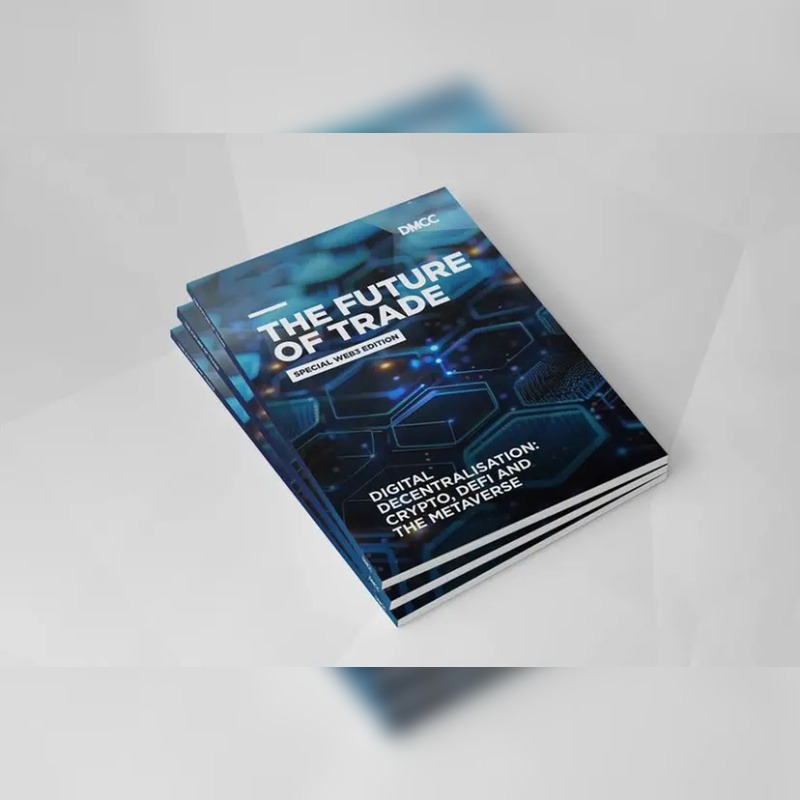
The Dubai Multi Commodities Centre (DMCC) has launched the DMCC Crypto Centre Metaverse, a digital twin of its physical Crypto Centre, developed in collaboration with Infinite Reality, a leader in immersive technologies. This initiative aims to enhance engagement within Dubai’s burgeoning Web3 ecosystem.

The metaverse platform offers users an interactive digital experience, featuring gamified zones and a trading game designed to educate participants about cryptocurrency markets. Belal Jassoma, Director of Ecosystems for DMCC, highlighted the significance of this development, noting that the global metaverse market is projected to exceed USD 3.1 trillion by 2030. He stated, “In launching the DMCC Crypto Centre Metaverse, we are not only providing a cutting-edge digital experience for our ecosystem members but also demonstrating a real pragmatic use case of next-gen technology at the intersection of blockchain and AI.”

This launch aligns with the UAE government’s Dubai Metaverse Strategy, which seeks to position the Emirate among the top 10 metaverse economies globally and establish Dubai as a leading hub for immersive technologies. The strategy underscores the government’s commitment to fostering innovation and integrating advanced technologies into various sectors.

The DMCC Crypto Centre, located in the Uptown Tower, serves as a hub for over 600 crypto firms, providing infrastructure and services to support the growth of startups and established companies in the crypto and blockchain sectors. The introduction of its metaverse counterpart is expected to further enhance collaboration and innovation within the community.

Dubai’s commitment to becoming a global leader in Web3 and blockchain technologies is evident through various initiatives. In October 2024, Sui, a prominent blockchain platform, launched ‘SuiHub Dubai,’ its first global hub aimed at driving Web3 innovation. SuiHub Dubai provides Web3 startup founders with access to workshops, technical support, community-driven events, resources, funding, and technical expertise, ensuring they have the support needed to launch and scale their projects using Sui’s blockchain infrastructure.

The Dubai International Financial Centre (DIFC) has been instrumental in fostering innovation within the financial sector. In January 2023, DIFC launched a metaverse platform as part of the Dubai Metaverse Strategy, providing startups with training, workshops, and networking opportunities. The platform focuses on policy development, legal frameworks, and digital identity, contributing to the broader adoption of metaverse technologies.

The UAE’s proactive approach to embracing advanced technologies has attracted global attention. The implementation of an Innovation Testing License provides a regulatory sandbox that allows companies to test new technologies and business models in a controlled environment. This initiative encourages innovation and enables regulatory bodies to better understand the risks associated with digital assets and new financial technologies.

The Dubai AI Campus, a dedicated ecosystem for AI and Web3 innovation, offers state-of-the-art physical and digital infrastructure to support the growth of these technologies. Located in the heart of Dubai, the campus provides an environment conducive to research, development, and collaboration among industry players.

The DMCC’s latest initiative is expected to play a pivotal role in attracting more businesses and talent to Dubai’s crypto and blockchain sectors. By providing a virtual environment that mirrors its physical counterpart, the DMCC Crypto Centre Metaverse offers companies the opportunity to engage with the ecosystem remotely, facilitating global collaboration and innovation.

The UAE-China Investment Summit, hosted by HSBC in collaboration with Abu Dhabi Global Market (ADGM) during Abu Dhabi Finance Week (ADFW), concluded with a strong call to enhance economic relations and build strategic partnerships between the United Arab Emirates and China.

Commemorating 40 years of economic partnership, the summit convened senior political and economic experts, investors, and business leaders to explore cooperation in trade, investment, sustainable finance, innovation, technology, and infrastructure development.

Salem Mohammed Al Darei, CEO of ADGM, highlighted the summit as a significant milestone in diplomatic relations, providing a platform to explore opportunities in trade, investment, and cultural exchange. He emphasized Abu Dhabi’s role as the “capital of capital” and ADGM’s position as the region’s fastest-growing international financial center.

Zhang Yiming, China’s Ambassador to the UAE, remarked on the four-decade-long diplomatic ties, built on shared aspirations and purposeful cooperation. He noted that the summit reflects a commitment to exploring new opportunities and fostering sustainable economic growth benefiting both nations.

Mohammed Abdulrahman Al Marzouqi, CEO of HSBC Bank Middle East in the UAE, underscored the bank’s role in promoting bilateral investments. He noted that non-oil trade between the UAE and China reached $81 billion in 2023, with expectations for significant growth as Abu Dhabi’s transformation accelerates and China strengthens its global leadership in trade, renewable energy, and innovation.

The summit featured discussions, presentations of investment opportunities, and exclusive networking sessions, reinforcing its status as a key event of Abu Dhabi Finance Week. Both nations expressed a commitment to accelerating growth in priority sectors, including renewable energy and digital transformation.

The UAE holds a pivotal position as China’s largest trading partner in the Middle East, serving as a gateway for Chinese firms seeking to expand in the region. The summit’s emphasis on strategic partnerships aims to leverage this position, fostering mutual investments and driving sustainable growth.

The U.S. Securities and Exchange Commission (SEC) has issued a Wells Notice to CyberKongz, a prominent non-fungible token (NFT) platform known for its gaming integrations. This notice indicates that the SEC is considering enforcement action against the company, primarily concerning the issuance and sale of its ERC-20 tokens in conjunction with blockchain-based games.

CyberKongz disclosed that initial contact with the SEC occurred two years ago, during which the regulatory body expressed concerns over the platform’s token-related activities. The SEC’s current stance suggests that any ERC-20 token associated with a blockchain game may need to be registered as a security, a position that could have significant implications for the broader Web3 gaming industry.

In response, CyberKongz has expressed its intention to challenge the SEC’s position, emphasizing the potential impact on innovation within the Web3 gaming sector. The company stated, “We hope that the new administration puts an end to this unjustness on our industry, but until then we will fight for NFT projects on all chains.”

The SEC’s scrutiny appears to focus on the “sale” of Genesis Kongz NFTs in April 2021. However, CyberKongz maintains that this event was a contract migration rather than a primary sale, suggesting a misunderstanding by the regulatory body.

The issuance of a Wells Notice grants CyberKongz a 30-day period to respond before the SEC decides on formal enforcement action. This development has sparked concern within the NFT and blockchain gaming communities, as it may set a precedent affecting other projects operating in similar domains.

Industry figures have voiced support for CyberKongz. Jihoz Zirlin, co-founder of Axie Infinity, expressed confidence that future administrative changes will cease the current regulatory pressures on the industry.

CyberKongz is renowned for its randomly generated two- and three-dimensional social avatars, which are utilized in games such as “Play & Kollect” and “Adventure Runs” on the Ronin blockchain. Despite the regulatory challenges, the market value of CyberKongz NFTs has shown resilience, with the average floor price rising by 11.7% over the past 24 hours to 6.69 Ether (approximately $26,900).

Advertisements

Vantage Data Centers, a leading global provider of hyperscale data center campuses, has secured a €1.4 billion ($1.5 billion) investment to bolster its operations across Europe, the Middle East, and Africa (EMEA). This substantial capital infusion comes from GIC, a prominent global investor, and MEAG, the asset manager for Munich Re Group. The transaction marks GIC’s inaugural investment in Vantage’s EMEA platform and signifies an expansion of […]

The UAE’s payment industry is on track for significant growth, projected to reach a value of $27.3 billion by 2028. This surge reflects the country’s increasing digital transformation, with innovative payment technologies gaining traction across multiple sectors. The shift toward a cashless economy and the growing demand for online and mobile payment solutions are key drivers behind this expansion. The shift to digital payments has been accelerated […]

Abu Dhabi-based energy group XRG has entered into a strategic partnership with BP to establish a joint venture aimed at developing a state-of-the-art natural gas platform. The move marks a significant step in the region’s ongoing efforts to expand its energy infrastructure while aligning with global trends towards cleaner energy solutions. This collaboration highlights both companies’ shared commitment to innovating within the natural gas sector, one of […]

Nokia has been selected by Nscale, a leading AI-focused hyperscaler, to provide an advanced IP network solution for Nscale’s new data center in Stavanger, Norway. This facility, powered entirely by renewable energy and optimized for energy-efficient cooling, is set to deliver cutting-edge AI services, including Graphics Processing Unit as a Service (GPUaaS), a domain where Nscale holds a prominent position. The escalating global demand for AI-driven applications […]

Crusoe, a vertically integrated provider of artificial intelligence (AI) infrastructure, has successfully closed a $600 million Series D funding round, elevating its valuation to $2.8 billion. The investment was led by Founders Fund, with participation from notable investors including Fidelity, Long Journey Ventures, Mubadala, NVIDIA, Ribbit Capital, and Valor Equity Partners. Peter Thiel, Partner at Founders Fund, emphasized the significance of this investment, stating, “The biggest risk […]

HO CHI MINH CITY, VIETNAM – Media OutReach Newswire – 16 December 2024 – Visa, a global leader in digital payments, convened the Digital Future Forum 2024 in Hanoi, showcasing the latest payment trends and innovations shaping Vietnam’s digital landscape. This forum, part of Visa’s annual client appreciation event, underscored Visa’s commitment to driving Vietnam’s digital transformation, with a focus on AI’s role in enhancing security and […]

A New Chapter for Aesthetic Medicine and Surgery in Hong Kong Connecting the Future: Bridging the Worlds of Aesthetic Medicine, Skin Health Management, Surgical Treatments & Anti-aging in The Greater Bay Area HONG KONG SAR – Media OutReach Newswire – 16 December 2024 – Organized by the Allied Health Society for Asia Pacific and Deltus, Aesthetic Medicine & Surgery Conference & Exhibition (AMSC) Hong Kong was held […]

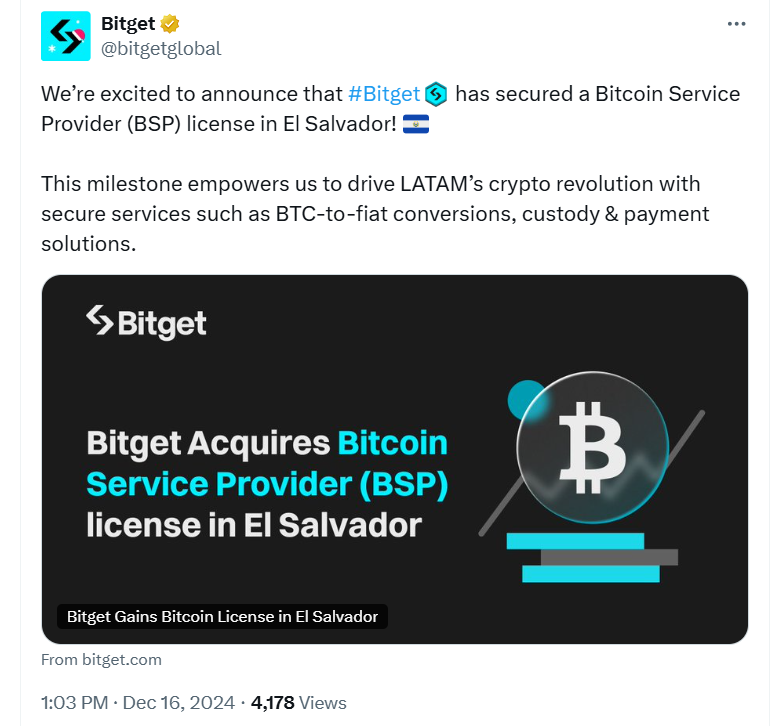
Bitget has received the coveted Bitcoin Service Provider (BSP) license from El Salvador’s Central Reserve Bank, marking a significant step in its global expansion strategy. This authorization allows the platform to offer a range of Bitcoin-related services, including exchanges, payments, and custody solutions, in the Central American nation known for its embrace of cryptocurrency.

The license represents a notable achievement for Bitget, signaling its commitment to adhering to regulatory frameworks in its pursuit of a stronger foothold in Latin America. El Salvador, which made Bitcoin legal tender in 2021, has positioned itself as a hub for crypto innovation, drawing interest from international players eager to tap into its growing digital economy.

Bitget’s decision to prioritize regulatory compliance aligns with its broader mission to establish trust and credibility in the global crypto space. By securing this license, the platform gains access to a burgeoning market while demonstrating its capability to meet the rigorous standards set by El Salvador’s financial authorities. This development underscores the firm’s ambition to build a robust presence in the region, leveraging the country’s pro-Bitcoin stance as a springboard for further growth.

El Salvador’s adoption of Bitcoin as legal tender has attracted significant attention, both for its groundbreaking approach and the challenges associated with integrating digital assets into a traditional economy. The move has created opportunities for companies like Bitget to introduce innovative solutions tailored to the unique needs of the Salvadoran market. By offering services such as secure custodial options and seamless payment integrations, Bitget aims to contribute to the local crypto ecosystem’s development while addressing concerns around security and accessibility.

Bitget’s license acquisition comes at a time when Latin America is experiencing an uptick in cryptocurrency adoption, driven by economic instability, high inflation rates, and limited access to traditional banking services. In this context, Bitcoin and other digital assets are increasingly seen as viable alternatives for financial inclusion. The platform’s expansion into El Salvador is expected to capitalize on these trends, providing users with reliable and regulated avenues for engaging with digital currencies.

Beyond its operations in El Salvador, Bitget has indicated plans to deepen its engagement with the wider Latin American region. Countries such as Brazil, Argentina, and Colombia have shown growing interest in blockchain technology, creating a fertile ground for companies looking to expand their footprint. By obtaining regulatory approvals and investing in localized solutions, Bitget aims to position itself as a leader in the regional crypto market.

El Salvador’s proactive stance on Bitcoin regulation has set it apart from many other nations, where digital assets remain subject to varying degrees of scrutiny and uncertainty. The BSP license issued to Bitget highlights the government’s willingness to work with private sector entities in fostering a dynamic and well-regulated crypto environment. This approach not only enhances the appeal of the Salvadoran market but also sets a precedent for other countries seeking to balance innovation with regulatory oversight.

As part of its expansion strategy, Bitget plans to introduce educational initiatives aimed at increasing awareness and understanding of cryptocurrencies among Salvadorans. These efforts are expected to complement the government’s existing programs and facilitate broader adoption of digital assets across diverse demographics. The company’s emphasis on education reflects its recognition of the need to address skepticism and build confidence among users new to the crypto space.

Bitget’s move also reflects broader industry trends, as major crypto firms increasingly seek to align with regulatory frameworks to ensure long-term sustainability. The BSP license not only enhances Bitget’s credibility but also serves as a testament to its operational rigor and strategic vision. By adhering to the highest standards of compliance, the platform positions itself to attract a diverse user base while mitigating risks associated with the volatile nature of the cryptocurrency market.

The crypto industry, while growing rapidly, remains a highly competitive field where job opportunities are often limited relative to the number of aspiring candidates. Despite a surge in cryptocurrency and blockchain-related innovations, many still struggle to land full-time roles due to the industry’s relatively small size compared to more established sectors.

To succeed in this competitive environment, candidates need to go beyond possessing the right knowledge, skills, and enthusiasm. Preparation and organization are paramount in securing a crypto job. Aspiring crypto professionals must focus on understanding the fundamental concepts of cryptocurrencies and blockchain technology, staying informed about trends such as decentralized finance (DeFi) and emerging blockchain platforms.

Building specialized skills, such as proficiency in blockchain programming languages (Solidity, Python), smart contract development, and cybersecurity, is also crucial. Industry certifications, like Certified Blockchain Developer (CBD), can boost a candidate’s credentials, enhancing their attractiveness to employersking plays a significant role in the crypto industry. Engaging in crypto communities, attending industry events, and participating in hackathons are ways to expand one’s professional network. This not only opens up job opportunities but also provides a platform to showcase one’s skills and gain practical experience. For example, contributing to open-source projects or building a personal portfolio can demonstrate expertise and enthusiasm to potential employers .

With rms and social media channels acting as critical gateways to job opportunities, candidates need to customize their resumes and cover letters for each application. Researching the company and understanding its products, services, and recent developments is essential to show genuine interest during interviews. This effort can set candidates apart in a crowded job market where everyone else may have similar technical skills.

The Roads and Transport Authority (RTA) of Dubai has officially launched the ‘Logisty’ platform, a major technological initiative aimed at enhancing the efficiency of freight transport across the region. The platform, designed to streamline logistics operations, will serve as a pivotal tool for both local businesses and international traders, helping to optimize the movement of goods in and out of Dubai. With logistics playing a key role […]

Bitcoin has surged above $106,000, marking a notable milestone for the cryptocurrency as investors and analysts increasingly focus on its strategic role in future financial reserves. This rise reflects a broader shift in market sentiment, driven by growing institutional interest and increasing speculation around Bitcoin’s potential to become a key asset in global financial systems. As central banks, corporations, and financial institutions explore digital assets, Bitcoin’s price surge signals a pivot toward its establishment as a store of value.

Several factors have contributed to this dramatic price increase, but perhaps the most pivotal is the anticipation that Bitcoin will become a reserve asset for institutional investors and even central banks. As nations and large financial entities explore the possibility of holding Bitcoin in their reserves, it is positioning itself as a digital alternative to traditional assets like gold. Analysts view Bitcoin’s growth as part of a larger trend, where digital currencies are gaining acceptance amid growing concerns over inflation, currency debasement, and geopolitical risks.

Bitcoin’s performance, which has fluctuated significantly in recent months, now suggests a major shift in investor confidence. On platforms such as the Chicago Mercantile Exchange (CME), institutional interest in Bitcoin has been at an all-time high. Meanwhile, global financial institutions are increasingly analyzing the asset’s potential within their investment portfolios. Many are viewing Bitcoin not just as a speculative asset, but as a hedge against traditional financial risks, particularly in light of the ongoing turbulence in global markets. This shift in perception is underscored by statements from prominent market players, who indicate that Bitcoin could become a key part of diversified investment strategies moving forward.

Meanwhile, Bitcoin’s increasing adoption by large corporations has helped elevate its status. Companies like Tesla, MicroStrategy, and Block (formerly Square) have all made substantial Bitcoin purchases in recent years, contributing to the growing acceptance of the cryptocurrency as a legitimate investment. These moves are part of a larger trend in which major companies, especially in technology and finance, are increasingly embracing Bitcoin. Tesla’s CEO, Elon Musk, has notably been vocal about Bitcoin’s potential as a store of value, further fueling optimism in the market.

Bitcoin’s price surge also coincides with broader changes in global monetary policies. Amid inflationary pressures and low-interest rates in major economies, many investors are turning to digital assets as an alternative to traditional stocks and bonds. The growing acceptance of Bitcoin by governments and businesses as a viable asset class is helping drive the latest surge in its price. Notably, countries like El Salvador have already taken steps to recognize Bitcoin as legal tender, setting a precedent for other nations to follow suit.

Market participants also point to the increasing regulatory clarity surrounding Bitcoin and other cryptocurrencies. Countries such as the United States, with ongoing discussions in Congress, are exploring frameworks that could provide more stability and legitimacy to the cryptocurrency market. This evolving regulatory landscape is seen as a key factor in institutional investors’ willingness to adopt Bitcoin as part of their portfolios. While some concerns remain regarding how global regulators will handle cryptocurrencies in the long term, the current trend points toward greater integration of Bitcoin into the mainstream financial system.

As Bitcoin’s price climbs, so too does the debate over its environmental impact. Critics have long raised concerns about the high energy consumption required to mine Bitcoin. Despite this, Bitcoin’s advocates argue that advancements in sustainable mining technology and increasing use of renewable energy sources are addressing these issues. The rise of Bitcoin ETFs and other investment products also reflects a more mainstream acceptance of Bitcoin as an asset class. These products allow investors to gain exposure to Bitcoin without directly holding the cryptocurrency, expanding its appeal to a wider range of market participants.

The surging price has drawn the attention of both retail and institutional investors, who are looking to capitalize on Bitcoin’s new role in the global economy. However, while the optimism surrounding Bitcoin remains high, analysts warn that its volatility remains a significant risk. Prices can fluctuate dramatically in a short time frame, and this uncertainty continues to make Bitcoin a speculative investment for many. Nonetheless, with its growing acceptance among institutional investors, Bitcoin’s evolution from a niche asset to a more mainstream store of value seems increasingly likely.

The broader cryptocurrency market has also benefited from Bitcoin’s price movement, with altcoins like Ethereum seeing significant gains in recent weeks. Many investors view Bitcoin as a bellwether for the overall health of the digital asset market, and its rise has had a ripple effect across the industry. Ethereum, which has long been seen as the second-largest cryptocurrency by market capitalization, has also seen its price surge as more investors look for alternative digital assets with the potential for similar growth.

The cryptocurrency landscape is abuzz with the rise of a new meme coin that could soon join the ranks of the most explosive digital assets in the market. Catslap ($SLAP), a new feline-themed meme coin, has caught the attention of crypto enthusiasts with its impressive lineup of developments aimed at propelling the token to new heights. Riding on the success of previous meme coins like Popcat, which saw explosive gains in 2021, $SLAP is positioning itself as the next big player in the meme coin space, with forecasts suggesting it could experience gains as high as 700x in the coming year.

At the core of the latest buzz surrounding $SLAP is its innovative approach to building community engagement and boosting its market presence. The token has launched a series of initiatives designed to foster a dedicated user base and encourage participation, including a comprehensive Zealy social quests campaign. This initiative allows users to earn rewards and further engage with the $SLAP community, while simultaneously boosting the coin’s visibility across various social media platforms. The campaign’s success is critical, as it has the potential to accelerate the coin’s adoption among mainstream crypto investors.

Adding fuel to the fire is the coin’s airdrop event, designed to distribute tokens to new users, as well as those who have already shown interest in $SLAP. Airdrops have become a common tactic for crypto projects to create buzz and incentivize investment, and $SLAP’s airdrop is no exception. The campaign has already sparked excitement within the cryptocurrency ecosystem, as investors eagerly anticipate the distribution of tokens, hoping to capitalize on the anticipated surge in value.

The meme coin’s growth potential has also been bolstered by a growing online community that backs the project. Communities built around meme coins often play a significant role in their success, and $SLAP has quickly developed a dedicated following across platforms like Twitter, Telegram, and Reddit. As a result, the coin has generated significant buzz, with many hoping that it will follow in the footsteps of other meme-based tokens such as Dogecoin and Shiba Inu, which have both achieved substantial returns for early investors.

Cryptocurrency analysts have been keeping a close eye on $SLAP, with many seeing the coin as a potential powerhouse in the coming months. Some analysts predict that the coin could mirror the success of Popcat, a meme coin that took the crypto world by storm in 2021 and achieved astronomical gains. If $SLAP can capture the same level of attention and investor interest, it could see its value increase exponentially, making it a prime investment opportunity for those seeking high-risk, high-reward ventures.

The rise of meme coins has been one of the defining trends in the cryptocurrency world, particularly over the past few years. Coins like Dogecoin and Shiba Inu have shown that with the right amount of social media buzz and community support, meme coins can achieve massive growth. As more investors seek out the next big opportunity in the meme coin space, $SLAP is well-positioned to ride the wave of growing interest in this niche segment of the market.

However, as with all investments, there are risks involved. The volatility of meme coins is well-documented, and while the potential for massive returns exists, so too does the possibility of rapid losses. Critics argue that the hype surrounding meme coins can lead to unsustainable price surges, followed by sharp declines. For investors considering $SLAP, it is important to approach the coin with caution and an understanding of the risks associated with speculative digital assets.

Despite the risks, $SLAP’s developers have made strides to create a coin that offers more than just speculative trading opportunities. The team behind the project has emphasized its commitment to building a sustainable ecosystem, with plans for further utility integration and partnerships with other blockchain projects. By focusing on long-term growth and real-world use cases, $SLAP aims to differentiate itself from the typical meme coin, which often relies solely on hype and social media buzz for its value.

In addition to its marketing and community-building efforts, $SLAP is also exploring partnerships with other crypto projects to expand its utility and increase its market presence. Collaborations with decentralized finance (DeFi) protocols and non-fungible token (NFT) projects could provide $SLAP with additional use cases, helping to cement its place in the broader cryptocurrency ecosystem.

The Sharjah Roads and Transport Authority (SRTA) has launched an interactive initiative at Zahia City Center to strengthen public understanding of its road and transport services. This three-day event is designed to foster greater community engagement while showcasing the Authority’s focus on sustainable infrastructure and improved public transportation systems.

Visitors to the platform are being introduced to SRTA’s latest technological solutions and future projects aimed at enhancing urban mobility across the emirate. Through engaging displays and interactive tools, attendees can explore how SRTA’s initiatives contribute to better connectivity, reduced environmental impact, and overall quality of life.

Highlighting the Authority’s dedication to innovation, the platform showcases a variety of ongoing projects and services. This includes plans for road network expansion, public transit enhancements, and the introduction of environmentally friendly transport options. Officials have emphasized that the event provides a direct avenue for the public to voice concerns, suggest improvements, and gain insights into how SRTA is shaping the region’s transport infrastructure.

The event also features demonstrations of smart transportation tools, such as mobile applications that provide real-time updates on bus schedules, parking availability, and route planning. These technologies reflect SRTA’s commitment to integrating digital advancements to address urban transport challenges efficiently.

A key feature of the initiative is its focus on sustainability. SRTA has underlined its efforts to align with global environmental goals, introducing measures such as energy-efficient street lighting and plans to transition to electric buses. The platform also educates visitors on how these projects contribute to reducing carbon emissions and promoting eco-conscious travel options within Sharjah.

Transport experts attending the event praised the initiative as a step forward in addressing the growing demands of an expanding population. They noted that effective public engagement plays a critical role in the successful implementation of large-scale transport projects. By providing an opportunity for the community to interact with officials, SRTA ensures its services align with the needs and expectations of its residents.

The event comes as Sharjah continues to expand its infrastructure to accommodate economic growth and urbanization. Strategic plans to enhance connectivity between key industrial, commercial, and residential hubs are underway, supported by a combination of government funding and private sector collaboration. These efforts are expected to boost the emirate’s competitiveness as a leading destination for investment and tourism.

Among the highlights at Zahia City Center are detailed presentations on SRTA’s upcoming projects, including new road networks and transit corridors. These developments are expected to ease congestion, improve safety, and shorten travel times for commuters. Officials at the event reiterated the Authority’s mission to create a transport system that is accessible, inclusive, and sustainable for all segments of society.

The Authority’s efforts have also drawn attention for their emphasis on technology-driven solutions. SRTA’s adoption of artificial intelligence in traffic management, such as adaptive signal control systems and predictive maintenance for infrastructure, showcases its forward-thinking approach to addressing urban transport challenges.

HANOI, VIETNAM – Media OutReach Newswire – 11 December 2024 – On December 10, 2024, Eximbank proudly joined hands with Visa to officially launch the Visa Direct service, a transformative step in redefining cross-border financial transactions. Held at Eximbank’s Head Office, this prestigious event brought together Eximbank’s leadership, Visa representatives, and distinguished guests to celebrate this innovative milestone. Visa Direct offers an exceptional opportunity for Eximbank customers, […]

Faber-Castell champions creativity and sustainability among young Malaysians, empowering environmental awareness and advocacy through art. The Young Artist Award workshops saw a record-breaking four-year high in participation, reaching 77,000 students and 3,456 teachers across Malaysia. PETALING JAYA, MALAYSIA – Media OutReach Newswire – 12 December 2024 – Faber-Castell Malaysia, a renowned advocate for learning and creativity, has successfully concluded the fourth year of its Young Artist Award […]

MACAU SAR – Media OutReach Newswire – 12 December 2024 – The University of Macau (UM) has made significant progress in establishing itself as a leading research hub in the Asia-Pacific region. Since relocating to the Hengqin campus in 2014, UM has enhanced its innovative research capabilities by expanding research facilities, establishing a strategic research layout, developing national and regional research platforms, promoting industry-academia collaboration, and recruiting […]

Unveiling Next Year’s Theme – Education: A Shared Future for All HONG KONG SAR – Media OutReach Newswire – 13 December 2024 – The 14th Learning & Teaching Expo 2024 successfully concludes today. This year’s theme, Shaping Education for a World of Change, marks the largest edition in the event’s history. The Expo united government officials, education experts, industry leaders, exhibitors, and educators from across the globe, […]

VISHNU RAJA
RYO YAMADA
HITORI GOTOH
IKUYO KITA