Just in:
Kochi police detain two actors over bid to honey trap doctor // The “1st Greater Bay Area Health and Longevity Summit & Awards Ceremony” concludes successfully in Macao // Asia Left Behind: Ten international companies have yet to report delivering on their cage-free egg pledges across the region // Ousted top Kochi cop gets IG post // Trump’s Iran War Has A Share Of Contribution To His Midterm Debacle // Miss Universe Hong Kong Jen Zhou Departs for Puerto Rico to Compete in the 75th Miss Universe World Final // OpenAI identifies 948 Linux privilege escalation flaws using AI // Xi Jinping Preparing For A Trilateral Summit With Trump And Putin At APEC Summit On Nov 18-19 // TVM –Mangaluru Vande Bharat claims top spot // OpenAI abandons secrecy agreements for future data centres // Dubai details five-year visa benefits for returning visitors // Meraas showcases five residential zones at Dubai Design Week // Technology shares plunge as Nasdaq enters correction // UK air traffic outage inflicted £33m financial losses // Millions Of Indians May Soon Be Deprived Of Government Assistance // e-Crime Bureau Signs Cybersecurity Partnership With Smart Africa, Reinforcing Its Global Expansion // Emaar approves Development buyout ahead of planned delisting // Emirates Group records AED 4.1 billion half-year profit // Dubai boat show confirms international shipyard line-up for November // Geely’s i-HEV Intelligent Hybrid Technology Offers a New Direction Vision for Gasoline-Powered Vehicles //

News related to
platform

Winner for Best Deal of the Year Winner for Valuation Team of the Year HONG KONG SAR – Media OutReach Newswire – 28 October 2024 – Cushman & Wakefield, a leading global real estate services firm, has again been recognized for its leading professional service excellence at the Royal Institution of Chartered Surveyors (RICS) Awards in Hong Kong. The firm was awarded with wins in the Best […]

A remarkable milestone occurred on October 26 when Base achieved a record in stablecoin trading volume, momentarily eclipsing major blockchain platforms such as Solana, Ethereum, and Tron. The platform accounted for an impressive 30.06% of the total stablecoin volume, marking a significant shift in the landscape of digital asset trading.

Base, a layer-2 solution built on the Ethereum blockchain, has gained traction for its scalability and low transaction fees, making it an attractive option for traders and developers alike. The recent surge in stablecoin activity can be attributed to a confluence of factors, including growing interest in decentralized finance (DeFi) and the increasing acceptance of cryptocurrencies by mainstream financial institutions.

Alongside the stablecoin volume milestone, Base also set a new benchmark in daily transactions, recording 5.6 million transactions on the same day. This figure represents a notable 20% increase from the previous month, underscoring the growing engagement of users with the platform. The impressive transaction volume reflects not only heightened trading activity but also a broader trend toward the adoption of blockchain technology.

Several key players have contributed to Base’s success in the stablecoin market. The integration of various decentralized applications (dApps) on its platform has enhanced user experience and attracted a diverse range of users. Developers are increasingly building on Base due to its compatibility with Ethereum, allowing for seamless integration of existing Ethereum-based dApps while benefiting from lower gas fees and faster processing times.

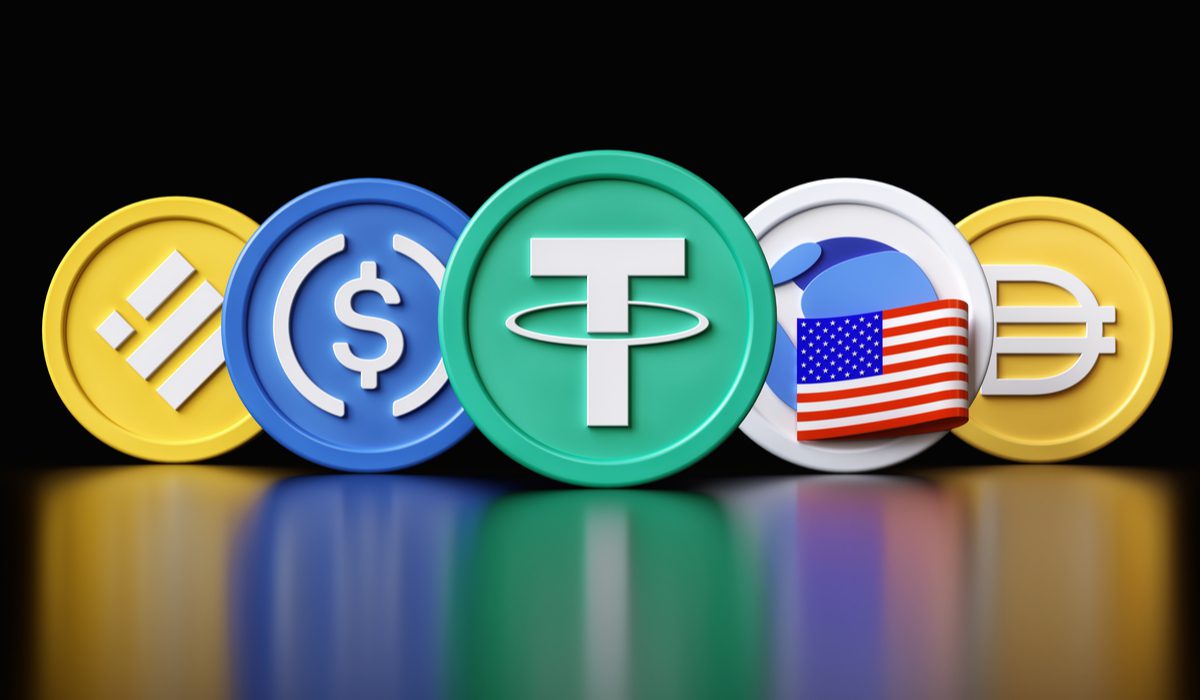
The momentum gained by Base comes in the context of an evolving stablecoin landscape. Traditional stablecoins like Tether (USDT) and USD Coin (USDC) continue to dominate, yet alternative stablecoins and newer entrants are making significant inroads. This shift illustrates the dynamic nature of the cryptocurrency market and highlights Base’s ability to position itself as a formidable player amid these changes.

Partnerships with financial institutions have played a crucial role in Base’s ascent. Collaborations with firms that support crypto transactions have bolstered user confidence and expanded the platform’s reach. As institutional adoption of cryptocurrencies continues to grow, platforms like Base are well-positioned to capitalize on the increased demand for efficient, reliable trading environments.

The surge in daily transactions can also be linked to the rising popularity of yield farming and liquidity provision within the DeFi space. Users are incentivized to engage with platforms that offer competitive yields, prompting a surge in transaction volume as liquidity pools are funded and manipulated to optimize returns. This trend reflects a broader shift toward decentralized financial services, where users can take greater control of their assets without intermediaries.

Market analysts observe that Base’s focus on user experience has been instrumental in its growth. Simplifying the process of trading and providing users with intuitive interfaces has lowered barriers to entry for newcomers to the crypto space. Educational initiatives and community engagement have also played a role in fostering a sense of trust and loyalty among users, which is vital in an industry often marred by volatility and uncertainty.

The competitive landscape for stablecoins and blockchain platforms remains fierce. As Base continues to expand its user base and enhance its offerings, attention must be paid to regulatory developments that could impact the broader market. The regulatory environment for cryptocurrencies and stablecoins is evolving, with various jurisdictions exploring frameworks that could affect operations and user engagement. This regulatory scrutiny emphasizes the importance of compliance and the need for platforms like Base to adapt to changing legal landscapes.

Innovative features are also on the horizon for Base as it looks to maintain its growth trajectory. Enhancements to its infrastructure, including scalability improvements and security measures, are in development to ensure that the platform can handle increasing transaction volumes without compromising performance. Continued investment in technology will be crucial for sustaining user trust and engagement, particularly as competitors vie for market share.

Global IT spending is projected to reach an impressive $5.74 trillion by 2025, reflecting a robust growth rate of 9.3% compared to 2024. This remarkable surge is primarily fueled by escalating investments in generative artificial intelligence (GenAI) technologies and the expanding data center infrastructure required to support these advancements. According to industry analysis, the demand for GenAI applications is reshaping the IT landscape, prompting organizations across various […]

Inflows into digital assets reached $901 million this month, culminating in a remarkable $27 billion year-to-date total, signaling a substantial shift in market sentiment. The surge in inflows is largely attributed to increasing political optimism within the United States, which has invigorated investor confidence in the sector. Notably, the U.S. recorded the largest inflows, totaling $906 million, while Canada, Brazil, and Hong Kong faced slight outflows, highlighting a regional divergence in market dynamics.

Bitcoin emerged as the standout performer this month, drawing an impressive $920 million in inflows, a stark contrast to Ethereum, which witnessed $35 million in outflows. This pronounced divergence indicates a growing preference among investors for Bitcoin, reinforcing its dominance in the digital asset landscape. Solana also attracted attention, garnering $10.8 million in inflows, while blockchain equities gained $12.2 million, reflecting a broader appetite for diversified investments within the crypto ecosystem.

The influx of capital into digital assets aligns with a backdrop of significant political developments in the U.S., including legislative efforts aimed at regulating the cryptocurrency sector. Increased regulatory clarity is seen as a key factor fostering a more secure investment environment, encouraging institutional investors to re-enter the market. This positive sentiment is underscored by discussions surrounding potential regulatory frameworks that could facilitate mainstream adoption of digital currencies.

Analysts highlight the role of political stability in shaping market trends. The Biden administration’s focus on creating a more structured regulatory environment for cryptocurrencies is viewed favorably by investors, contributing to the bullish outlook for digital assets. The prospect of clearer regulations is particularly appealing to institutional investors who have previously been cautious due to the lack of defined guidelines.

As capital flows into digital assets, the implications for traditional financial markets are becoming increasingly pronounced. Financial institutions are taking note of this trend, with several firms beginning to incorporate cryptocurrencies into their portfolios. This shift could signify a broader acceptance of digital assets as a legitimate asset class, potentially reshaping investment strategies across various sectors.

In terms of market performance, Bitcoin’s continued ascent underscores its status as the flagship cryptocurrency. The asset’s ability to attract significant inflows, even amid fluctuating market conditions, reinforces its position as a safe haven for investors seeking refuge from economic uncertainty. Conversely, Ethereum’s outflows may suggest a reassessment of its value proposition, prompting investors to seek alternative avenues within the crypto space.

Emerging trends in the digital asset sector are also evident in the increasing interest in decentralized finance (DeFi) projects. These platforms, which leverage blockchain technology to provide financial services without traditional intermediaries, are gaining traction among investors seeking higher yields and innovative solutions. The continued growth of DeFi is likely to further diversify the landscape of digital assets, attracting a broader range of participants to the market.

The integration of cryptocurrencies into mainstream financial systems is progressing. Major payment processors and financial institutions are exploring ways to facilitate cryptocurrency transactions, enhancing accessibility for everyday consumers. This shift could pave the way for increased adoption, as consumers become more comfortable using digital assets for transactions.

Internationally, the divergence in inflows among different countries illustrates the varying levels of acceptance and regulatory approaches to digital assets. While the U.S. leads in inflows, the outflows in Canada, Brazil, and Hong Kong signal the need for these regions to adapt to changing market conditions. Investors in these areas may be looking for clarity on regulatory measures before committing significant capital to digital assets.

As the market evolves, key players in the digital asset space are adapting their strategies to align with changing investor sentiments. Institutional players, in particular, are refining their approaches to capitalize on the growing demand for cryptocurrencies. The ongoing competition among asset managers to offer crypto-related products reflects a broader trend toward integrating digital assets into traditional investment frameworks.

Looking ahead, the trajectory of digital asset inflows will likely be influenced by ongoing political developments and regulatory updates. As policymakers continue to grapple with the implications of cryptocurrency adoption, the market will respond to both domestic and international regulatory signals. Investors are expected to remain vigilant, monitoring these developments closely as they navigate the evolving landscape of digital assets.

A significant transformation is underway in Saudi Arabia as a growing number of start-ups are choosing the kingdom as their base, marking it as a crucial destination for entrepreneurs. This influx stems from the nation’s strategic investments and reforms aimed at diversifying its economy beyond oil dependence. The Vision 2030 initiative has played a pivotal role in shaping a conducive environment for innovation and entrepreneurship, facilitating the kingdom’s emergence as a vibrant start-up ecosystem.

Investment in technology and innovation has surged, with the government introducing various initiatives to encourage entrepreneurial activities. The Saudi Arabian government has allocated substantial funding to support start-ups through entities like the Public Investment Fund (PIF) and initiatives such as the Saudi Venture Capital Company. This funding is complemented by a supportive regulatory framework, designed to simplify processes for new businesses, making it easier for both local and foreign entrepreneurs to establish their ventures in the kingdom.

The burgeoning tech sector in Saudi Arabia is drawing attention not just locally but globally. The kingdom has become increasingly attractive to international investors looking for opportunities in fast-growing markets. Notably, the start-up scene has expanded in sectors like fintech, e-commerce, health tech, and logistics. Reports indicate that Saudi Arabia’s start-up ecosystem raised around $1.1 billion in funding in 2023 alone, with numerous investment rounds capturing significant amounts for emerging companies. This financial influx is crucial as it allows entrepreneurs to scale their businesses and tap into new markets.

Major international companies are increasingly establishing their operations in Saudi Arabia. Global tech giants like Amazon and Microsoft have expanded their presence in the region, contributing to a thriving tech environment. Their involvement not only brings investment but also fosters a culture of innovation by creating partnerships with local start-ups and providing mentorship opportunities.

Networking events and incubators have also proliferated, serving as platforms for entrepreneurs to connect with potential investors, mentors, and peers. Initiatives like the Misk Innovation program and the Saudi Startups Network have emerged as significant players in facilitating the growth of start-ups by providing essential resources, training, and networking opportunities. These networks enhance collaboration among entrepreneurs, allowing them to share knowledge, insights, and experiences.

The cultural shift towards entrepreneurship is also evident in the changing perceptions among Saudi youth. With a large proportion of the population being young and tech-savvy, there is a growing eagerness to embrace entrepreneurship as a viable career path. Educational institutions are adapting their curricula to emphasize entrepreneurship and innovation, equipping students with the skills necessary to navigate the challenges of starting and running a business.

However, challenges persist for start-ups operating in the kingdom. While the regulatory environment has improved, issues related to bureaucracy and access to financing still exist. Entrepreneurs often face hurdles in navigating the legal landscape, which can impede their ability to establish and scale their businesses. Additionally, there is a need for greater access to venture capital, as many start-ups struggle to secure funding beyond initial rounds.

Despite these challenges, the outlook remains positive as the Saudi government continues to implement reforms aimed at enhancing the business climate. The Kingdom is actively working to promote a knowledge-based economy by fostering innovation and entrepreneurship through policies that encourage research and development. Collaboration with educational institutions and private sectors is crucial in creating a robust ecosystem that supports start-ups and nurtures talent.

Saudi Arabia’s geographical location presents a strategic advantage, offering easy access to regional and international markets. Its proximity to other Middle Eastern and North African countries positions it as a gateway for start-ups aiming to expand their reach beyond local borders. As logistics and transportation networks improve, the kingdom is likely to become a vital hub for companies looking to serve a broader audience.

Lulu Group International, the UAE-based retail giant, has unveiled the price range for its initial public offering (IPO), setting the stage for a significant financial maneuver aimed at bolstering its market position. The company, known for its extensive network of hypermarkets and supermarkets across the Middle East and beyond, is targeting a price range between AED 2.30 and AED 2.70 per share. This pricing strategy could raise […]

HONG KONG SAR – Media OutReach Newswire – 24 October 2024 – HKFindLawyer.com has officially launched a new AI legal judgment tool designed to provide citizens with a convenient way to determine whether their actions violate the law. This tool can not only answer specific legal questions but also analyze users’ situations based on current Hong Kong laws to determine whether their actions constitute a crime. The […]

Advertisements

Celebrate in Pure Magic, from October to December 2024 BANGKOK, THAILAND – Media OutReach Newswire – 24 October 2024 – Bangkok is set to become the ultimate destination for world-class year-end celebrations as ONESIAM, which encompasses extraordinary experiences across five of the city’s top experiential destinations, transforms Bangkok into a vibrant hub of grand celebrations. Under the banner of “The Magical Celebration,” this three-month festivity invites visitors […]

In collaboration with the National University of Laos, ASEAN Foundation and SAP conclude the ASEAN Data Science Explorers 2024 Regional Finals in Vientiane, Lao PDR. VIENTIANE, LAOS – Media OutReach Newswire – 23 October 2024 – The ASEAN Foundation, in collaboration with SAP, successfully concluded the eighth ASEAN Data Science Explorers (ASEAN DSE) 2024 Regional Finals in Vientiane, Lao PDR. Twenty students from secondary and tertiary institutions […]

SINGAPORE – Media OutReach Newswire – 24 October 2024 – Senoko Energy, one of Singapore’s largest energy companies, and Gentari, a clean energy solutions provider, have signed a Memorandum of Understanding (MoU) to embark on a collaborative effort to explore the importation of hydrogen gas from Malaysia to Singapore. Senoko Energy and Gentari Collaborate to Enhance Sustainable Energy Solutions in Singapore with Hydrogen Following the MoU, both […]

Record breaking forum with over 2,600 participants and 150,000 online visits, facilitated over 350 fundraising matches HONG KONG SAR – Media OutReach Newswire – 26 October 2024 – The annual Cyberport Venture Capital Forum 2024 concluded yesterday. The two-day forum, themed Innovation Challenger: Building New Venture Visions, brought together international venture capital experts, investors, and representatives from the Cyberport start-up community. Alongside the main event were the […]

Pioneering AI-Driven Smart Manufacturing, Vision-Based Security, Multi-Modal AI Autonomous Virtual Patrol and City-Scale Digital Twins SINGAPORE – Media OutReach Newswire – 25 October 2024 – VIZZIO Technologies, POLYTRON.AI, and Foxconn Industrial Internet (Fii), have once again joined forces to launch Vietnam’s first World Economic Forum (WEF) Lighthouse Factory. This new facility, located at Fii’s Bắc Giang plant in Vietnam, is a beacon of smart manufacturing, incorporating cutting-edge […]

Over 700 exhibitors from 17 countries and regions to participate from 6-8 November at the Hong Kong Convention and Exhibition Centre Exhibition reflects four prominent market trends: technology, lifestyle, functionality and sustainability Concurrent Hong Kong International Optometric Symposium to explore latest breakthroughs in myopia control and prevention Finalists of the 24th Hong Kong Eyewear Design Competition to be unveiled HONG KONG SAR – Media OutReach Newswire – […]

BEIJING, CHINA – Media OutReach Newswire – 25 October 2024 – As night falls, the outdoor theater at the south gate of Beijing Olympic Green dazzles with vibrant colors, quietly unveiling a feast of light and shadow. On the night of October 18, the 2024 Beijing Chaoyang International Light Festival officially kicked off, offering residents and visitors a fantastical journey through light and shadow with a series […]

KUALA LUMPUR, MALAYSIA – Media OutReach Newswire – 25 October 2024 – In trading, as in many other spheres of life, minor incremental changes lead to substantial differences. In many cases, traders don’t have to come up with innovative approaches to improve their financial outcomes. It may suffice for them to apply the everyday life hacks they have used for ages in their trading. Octa, a global […]

Google has unveiled its watermarked technology for detecting AI-generated text, making it available to the public as open source. This initiative responds to the increasing challenges posed by the proliferation of AI-generated content, which has sparked concerns regarding misinformation and the authenticity of written communication. By equipping individuals and organizations with tools to identify AI-generated text, Google aims to bolster the integrity of online discourse and facilitate […]

Connectbase, a global marketplace facilitating connectivity transactions, has completed the strategic acquisition of Network Capacity Solutions (NCS), renowned for its innovative data center and network inventory software. This acquisition aims to enhance Connectbase’s ability to provide seamless connectivity solutions across a growing global network. The integration of NCS’s software solutions is expected to enable Connectbase to offer enhanced inventory management, network visibility, and improved capacity planning for […]

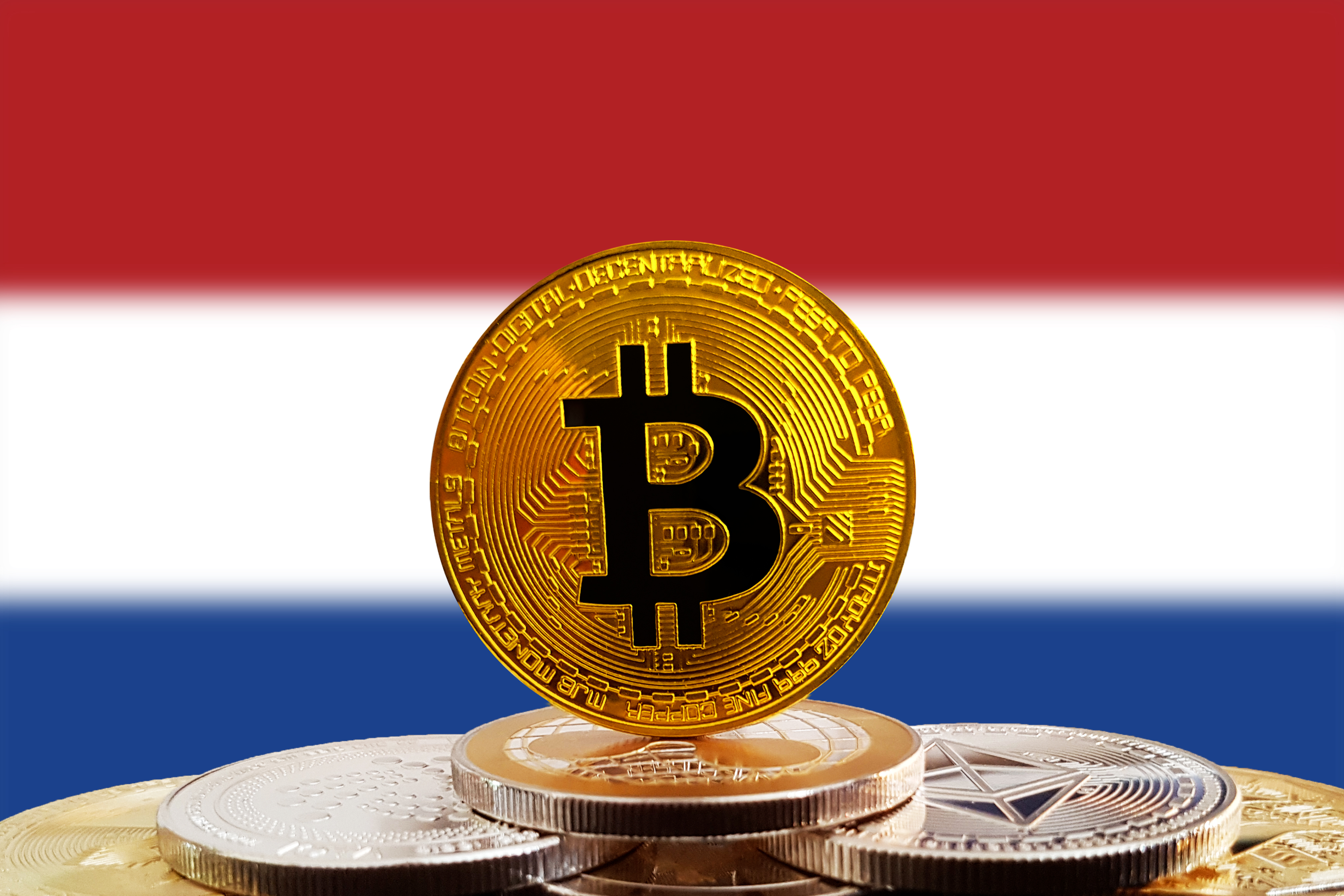
The Netherlands has introduced a draft bill requiring cryptocurrency service providers to report detailed client information to tax authorities, marking a significant alignment with the EU’s tax and transparency goals for digital assets. The proposal aims to close existing tax loopholes in cryptocurrency transactions, ensuring that individuals and companies report taxable income generated through digital assets, with authorities seeking to curb tax evasion effectively across Europe.

Central to this legislation is the adherence to DAC8, the EU’s eighth Directive on Administrative Cooperation, which mandates crypto-asset providers to share user transaction data with local tax bodies. DAC8, recently ratified by the European Council, is set to be implemented across the European Union by January 2026. The new rules are part of the EU’s extensive drive to regulate the crypto space, with a focus on enhancing tax compliance and preventing digital assets from serving as havens for illicit transactions.

In alignment with the DAC8 standards, the Dutch bill specifies that service providers, including exchanges, brokers, and wallet providers, must report all transactions involving Dutch residents to national tax agencies. This includes recording details of transaction amounts, dates, market values, and fees, ensuring that the Dutch authorities have a comprehensive view of all crypto-related activities. Additionally, the Netherlands intends to comply with the Organisation for Economic Co-operation and Development’s (OECD) Crypto-Asset Reporting Framework (CARF), which expands the scope of data sharing to include non-EU jurisdictions, such as the United States and the United Kingdom. CARF seeks to standardize crypto-asset reporting, aiming to make it more challenging for users to transfer assets across borders to evade tax responsibilities.

The Dutch Ministry of Finance anticipates that these measures will substantially increase transparency within the crypto sector, which has previously posed challenges for tax authorities due to the ease of transferring assets across platforms and borders. The Ministry asserts that these steps are essential to creating a fair tax landscape, ensuring that all income, including that derived from cryptocurrencies, is accurately declared and taxed. Proponents of the bill also believe it will aid in reducing financial crimes linked to crypto, aligning with similar EU initiatives like the Markets in Crypto-Assets Regulation (MiCA), which further addresses regulatory oversight in the sector.

As the Netherlands opens this proposal to public feedback, debate around user privacy concerns and the potential regulatory burden on crypto providers is already emerging. Critics argue that requiring such comprehensive data collection risks overreach and could dissuade crypto firms from operating in the Netherlands or the EU altogether. Concerns also extend to data protection issues, as the expansive data-sharing requirements could expose users to breaches and misuse if adequate safeguards are not put in place. Additionally, some crypto advocates argue that stricter regulations may push users towards decentralized platforms that operate outside the purview of centralized tax authorities, which could undermine the very goal of transparency.

Despite these reservations, the Netherlands and other EU states are prioritizing tax compliance to counter potential losses in tax revenue associated with the expanding crypto market. Studies by EU agencies suggest that by reducing tax evasion in crypto transactions, member states could collectively enhance tax revenues by over €1 billion annually. For countries with rapidly growing crypto sectors, this potential revenue increase is particularly enticing as they contend with budgetary pressures and demands for greater public services.

Dubai Chamber of Commerce has inaugurated the Korean Business Council to bolster economic ties and foster collaboration between businesses in Dubai and the Republic of Korea. This initiative is part of Dubai Chamber’s ongoing efforts to diversify its economic partnerships and attract foreign investment. The council’s establishment comes at a time when both regions seek to enhance their bilateral trade relations, with an eye on creating sustainable business opportunities.

The inaugural annual general meeting of the Korean Business Council took place in Dubai, featuring prominent business leaders, government officials, and representatives from various sectors. This gathering provided a platform for discussions on enhancing trade and investment flows between Dubai and South Korea. Key participants included senior officials from Dubai Chambers, members of the diplomatic community, and representatives from South Korean firms operating in the UAE.

During the meeting, chamber officials emphasized the significance of the council in facilitating dialogue and collaboration. The council aims to serve as a vital link between the two regions, fostering partnerships across various sectors, including technology, renewable energy, tourism, and healthcare. By leveraging the strengths of both economies, the Korean Business Council intends to create a synergistic environment conducive to business growth and innovation.

The UAE is already a significant trading partner for South Korea in the Middle East. In 2023, bilateral trade between the two nations reached approximately $15 billion, with South Korea exporting goods such as machinery, electronics, and automobiles. The establishment of the Korean Business Council is expected to further stimulate this trade and attract South Korean companies to invest in Dubai’s growing market.

South Korea’s Ministry of Trade, Industry, and Energy has expressed support for the initiative, recognizing the strategic importance of strengthening economic relations with the UAE. South Korea’s trade envoy to the UAE highlighted the country’s commitment to fostering business collaborations and creating a more robust economic framework for bilateral trade.

The new council will offer various services to its members, including market research, networking opportunities, and access to resources that can assist in navigating the Dubai business landscape. By providing a platform for collaboration and knowledge-sharing, the council aims to empower businesses to expand their reach and enhance their competitiveness in the region.

The council is expected to play a pivotal role in attracting South Korean investment into Dubai’s rapidly developing sectors. As Dubai continues to position itself as a global business hub, the Korean Business Council will facilitate opportunities for South Korean firms looking to establish or expand their operations in the region.

With its strategic location, favorable business environment, and established infrastructure, Dubai has become an attractive destination for South Korean companies. Numerous South Korean enterprises have already made significant investments in sectors such as construction, hospitality, and technology, underscoring the potential for further collaboration.

The Korean Business Council will also focus on promoting cultural exchanges between the two regions. Cultural ties are essential in fostering mutual understanding and trust, which can enhance business interactions. Events showcasing Korean culture, technology, and innovation are expected to be organized to facilitate this cultural exchange, enabling Dubai businesses to gain insights into South Korea’s advancements in various industries.

The council’s establishment aligns with the UAE’s Vision 2021, which aims to position the nation as a global economic leader and a hub for trade and investment. By enhancing relationships with key markets like South Korea, Dubai is making strategic moves to achieve its economic diversification goals.

In addition to economic benefits, the council is poised to contribute to the broader goal of sustainable development. As both regions prioritize sustainability and innovation, the council will encourage cooperation in sectors such as renewable energy and environmental technology. Collaborative initiatives in these areas can lead to significant advancements, addressing pressing global challenges while promoting economic growth.

As the Korean Business Council embarks on its journey, its success will rely on the active participation of its members and the commitment to fostering a dynamic and collaborative business environment. The council’s leadership has expressed enthusiasm for creating a vibrant network of businesses that can thrive in Dubai’s competitive landscape.

Engaging with local stakeholders and participating in trade missions and exhibitions will be crucial in building relationships and expanding business opportunities. By connecting South Korean and Dubai-based companies, the council aims to unlock the potential for innovative partnerships that can drive economic growth.


Rene Haas, CEO of Arm Holdings, emphasizes the profound impact of artificial intelligence on the automotive industry, noting that the advent of smart vehicles will significantly transform transportation dynamics. During a recent industry event, Haas articulated a clear vision of a future where intelligent cars will redefine mobility, driven by advanced AI technologies that enhance performance, safety, and user experience. This evolution in smart vehicles is anticipated to accelerate rapidly, indicating a shift not only in how cars operate but also in how they integrate with broader urban ecosystems.

Arm Holdings, known for its semiconductor technology and microprocessor designs, plays a pivotal role in this transformation. The company’s innovations are critical to enabling the next generation of smart cars, which rely on intricate AI systems for tasks such as navigation, environmental sensing, and real-time decision-making. With the growing emphasis on connectivity and automation, vehicles are evolving into complex data-driven platforms. Haas remarked that the integration of AI in automotive technology is not merely a trend but a fundamental shift that will enhance safety and performance.

The growing trend of smart vehicles is underscored by major automotive manufacturers investing heavily in AI and machine learning technologies. Companies like Tesla, Ford, and General Motors are leading the charge, developing AI systems capable of processing vast amounts of data from sensors and cameras to navigate complex environments. As vehicles become increasingly autonomous, the reliance on sophisticated algorithms for safe operation is more critical than ever. Analysts predict that the global autonomous vehicle market could reach a valuation of over $500 billion by 2026, underscoring the industry’s shift towards smarter, AI-enabled transportation.

Regulatory bodies are also adapting to the rise of smart vehicles. Governments worldwide are creating frameworks that promote innovation while ensuring public safety. For instance, the U.S. Department of Transportation has issued guidelines for the testing and deployment of automated vehicles, encouraging manufacturers to implement robust safety measures. This regulatory environment is essential for fostering trust in new technologies and ensuring that advancements in AI do not compromise safety standards.

One of the significant challenges faced in this rapidly evolving landscape is data privacy and security. As vehicles become more connected, they generate extensive amounts of data, raising concerns about how this information is collected, stored, and utilized. Industry stakeholders, including Arm Holdings, are prioritizing the development of secure systems to protect consumer data while maximizing the potential of AI. Haas highlighted the importance of building trust with consumers, stating that secure technology must go hand in hand with innovation to facilitate widespread adoption.

Emerging technologies, such as edge computing and 5G connectivity, are enhancing the capabilities of smart vehicles. Edge computing allows data processing to occur closer to the source, enabling faster responses to dynamic driving conditions. Coupled with the low-latency benefits of 5G, these technologies facilitate seamless communication between vehicles, infrastructure, and cloud-based services, significantly improving the overall driving experience. Experts believe that such advancements will not only enhance the functionality of smart vehicles but also pave the way for new business models within the automotive industry.

In addition to safety and efficiency, sustainability is becoming a critical focus for the automotive sector. The integration of AI is facilitating the development of electric vehicles and hybrid models, which contribute to reducing carbon footprints. Companies are leveraging AI to optimize energy consumption and improve battery management systems, ensuring that smart vehicles are not only technologically advanced but also environmentally friendly. This aligns with broader global initiatives aimed at combating climate change and promoting sustainable practices.

Consumer demand for smart vehicles is on the rise, driven by a desire for enhanced convenience, safety, and connectivity. Market research indicates that modern consumers are increasingly inclined to purchase vehicles equipped with advanced technologies, including AI-powered features such as adaptive cruise control, lane-keeping assistance, and automated parking. This shift in consumer preferences is prompting automakers to prioritize the integration of AI and connectivity into their offerings.

The decentralized social network Bluesky has successfully closed a $15 million Series A funding round, emphasizing its commitment to a crypto-free platform despite the surge of interest in blockchain technologies. Led by Blockchain Capital, this investment marks a significant milestone for Bluesky, which was initially founded by Jack Dorsey, the co-founder of Twitter. The funding aims to bolster Bluesky’s development as it prepares to introduce new features, including micropayments for content creators, a move seen as essential in the evolving landscape of social media monetization.

Bluesky has positioned itself uniquely in the crowded social media marketplace, promising to uphold user data privacy and to foster a platform free from the pitfalls associated with crypto integrations. By steering clear of cryptocurrencies and blockchain technologies, the platform seeks to attract a user base wary of the volatility and speculation often linked to these digital assets. Dorsey, who has long advocated for a more decentralized internet, appears to be following through on his vision, prioritizing user experience and security over potential profit from crypto integrations.

The decision to avoid integrating cryptocurrencies is particularly noteworthy given the broader trend of platforms adopting blockchain and crypto solutions to engage users and enhance monetization strategies. Bluesky’s strategy is seen as a counterpoint to many of its competitors, which have begun exploring various forms of digital currency, NFTs, and blockchain-based functionalities. As platforms like Twitter, Facebook, and others delve into the complexities of crypto, Bluesky’s approach reflects a deliberate choice to differentiate itself in a fast-evolving digital landscape.

Investors have shown strong confidence in Bluesky’s vision, viewing its commitment to a clear business model without the complications associated with crypto as a positive signal. Blockchain Capital’s leadership in the funding round underscores the interest in projects that emphasize foundational internet principles, such as decentralization and user empowerment, while deliberately avoiding the hype surrounding cryptocurrencies.

Bluesky’s plans to implement micropayments for creators signal a focus on rewarding content producers directly, which aligns with emerging trends in social media platforms seeking to foster more meaningful engagement. This feature will allow users to support creators financially without the complex integrations often associated with crypto. Instead of tokenization, the platform aims to streamline the payment process, facilitating direct financial transactions that prioritize creator autonomy and sustainability.

As the platform continues to develop, it remains attentive to user feedback and the shifting dynamics within the social media landscape. The commitment to avoid integrating NFTs and crypto tokens allows Bluesky to maintain a straightforward user experience that prioritizes engagement over speculation. This approach not only appeals to a diverse user base but also opens the door for partnerships and collaborations with brands and content creators interested in a transparent monetization model.

The growth of decentralized platforms like Bluesky signals a shift in how social media is perceived and utilized. The emphasis on user control over data and content aligns with a broader trend toward decentralization, which advocates for greater transparency and user empowerment. Bluesky’s funding success indicates that investors are eager to support ventures that prioritize these values in an age where traditional social media platforms face increasing scrutiny regarding data privacy, content moderation, and user trust.

As the platform progresses toward its rollout of micropayments and other user-focused features, the tech industry will closely watch Bluesky’s developments. The absence of crypto integration positions the platform as a potentially safer and more user-friendly alternative in a crowded market.

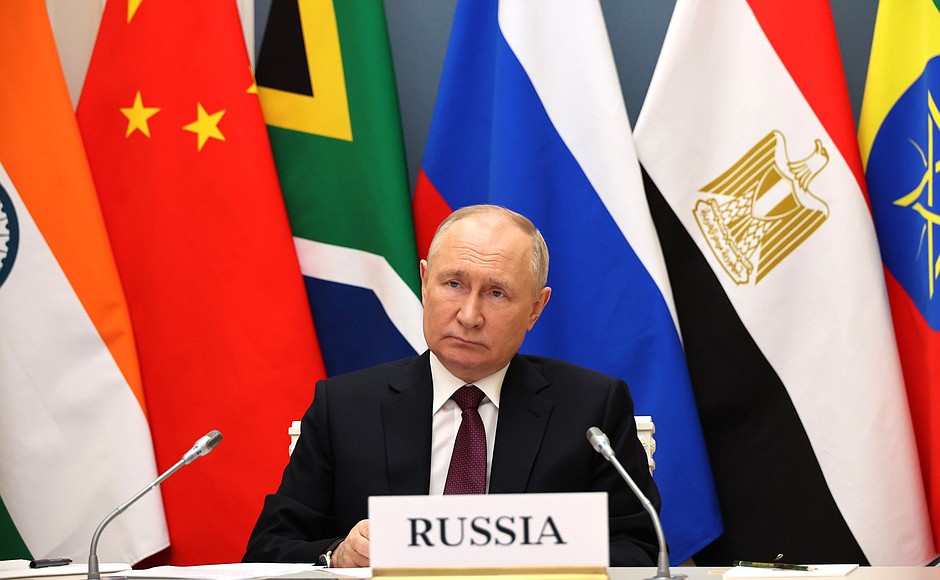
Amid rising geopolitical tensions and ongoing economic sanctions from Western nations, Russia has intensified its push for a clearing and depository system among BRICS nations—an alliance comprising Brazil, Russia, India, China, and South Africa. This initiative aims to facilitate intra-BRICS trade and investment by creating alternative mechanisms that would reduce reliance on Western financial systems, particularly the U.S. dollar.

The call for such a system has gained momentum during discussions at the BRICS summit held in Johannesburg earlier this year, where leaders explored strategies to enhance economic collaboration and safeguard member countries from external economic pressures. Russian President Vladimir Putin, emphasizing the need for financial sovereignty, outlined how a dedicated clearing system would not only streamline trade among BRICS nations but also insulate them from unpredictable sanctions imposed by Western governments.

The financial architecture proposed includes a shared clearing platform that would allow member states to transact in their local currencies. This system is expected to alleviate the costs associated with currency conversion and reduce exposure to fluctuations in the dollar’s value. The depository system would enable BRICS countries to hold reserves and facilitate investments without the involvement of Western banking systems, which often serve as gatekeepers for international trade and finance.

As part of this initiative, the Russian government has engaged with various BRICS member states to discuss technical and regulatory frameworks necessary for establishing this new financial infrastructure. Recent engagements include high-level talks with Chinese and Indian officials, where they explored the operational aspects of the proposed clearinghouse. Both countries have expressed interest, seeing the potential benefits of minimizing their dollar dependency amid geopolitical tensions with the West.

Analysts note that this initiative comes at a time when BRICS countries are seeking to redefine their positions in global trade and finance. The bloc has increasingly advocated for a multipolar world order, aiming to challenge the dominance of the United States and its allies in international financial institutions. The proposed clearing and depository system aligns with these aspirations, reflecting a broader trend of economic diversification and regional integration among non-Western nations.

While the technical implementation of this system remains in preliminary discussions, there are significant challenges to overcome. These include the establishment of common regulatory standards, addressing concerns about currency stability among member states, and ensuring the system’s resilience against external shocks. Moreover, skepticism persists regarding the political will of member nations to fully commit to this initiative, particularly given the varying degrees of economic interdependence and political alignment among them.

Experts predict that the success of the BRICS clearing and depository system will hinge on several factors, including the resolution of these technical challenges and the ongoing commitment of member states to foster economic collaboration. The establishment of a robust framework that can operate independently of Western financial institutions will require significant investments in infrastructure and regulatory harmonization.

In parallel to these discussions, Brazil and China have initiated bilateral agreements to promote trade in their local currencies, signaling a growing trend among BRICS nations to seek alternatives to the dollar. This move underscores the urgency felt by member states to enhance their economic resilience and foster greater autonomy in global markets.

The backdrop of escalating tensions between Russia and Western nations adds a layer of urgency to these discussions. Sanctions targeting Russia have intensified following its military actions in Ukraine, prompting a reevaluation of its economic relationships globally. Russia’s outreach to BRICS allies is not merely strategic; it is also a pragmatic response to the constraints imposed by Western financial measures.

While the BRICS clearing system remains in its conceptual phase, the desire among member nations for a more independent financial architecture reflects a significant shift in global economic dynamics. As emerging economies seek to forge stronger ties and reduce their vulnerabilities, the success of this initiative could have profound implications for the future of international trade and finance.

Several countries, including South Africa and India, have indicated their support for exploring mechanisms to facilitate trade in local currencies. Such support could provide the momentum needed to advance the technical discussions into actionable plans. If successful, this could mark a pivotal moment for BRICS as it seeks to position itself as a counterbalance to Western hegemony in global economic governance.

BANGKOK, THAILAND – Media OutReach Newswire – 25 October 2024 – Central Department Store, under Central Retail, continues to create moments of happiness that make customers’ hearts bloom. In collaboration with exclusive partners — Mastercard, Central The 1 Credit Card, CardX Credit Card, KBank Credit Card, UOB Credit Card, and Samsung Galaxy — Central celebrates its grand 77th anniversary by launching the mega campaign ‘Central 77th Anniversary […]

SINGAPORE – Media OutReach Newswire – 25 October 2024 – AIMX Singapore (AIMX SG) will return for its second edition at the Singapore Week of Innovation & Technology (SWITCH) 2024. The 3-day conference and exhibition will take place from 28-30 October at the Sands Expo and Convention Centre, and convene a global audience of AI practitioners, business leaders, Chief Technology Officers (CTOs), and the broader tech community […]

VISHNU RAJA
RYO YAMADA
HITORI GOTOH
IKUYO KITA