News related to
platform

The highly anticipated launch of Pi Network’s open mainnet on 20 February 2025 led to a dramatic 65% decline in the value of its native cryptocurrency, Pi Coin , within 24 hours. Initially trading at $1.97 upon its debut, Pi Coin’s price plummeted to $0.64 by the following day, raising concerns among investors and market analysts.

Pi Network, a blockchain project that enables users to mine Pi Coins via mobile devices, transitioned from its enclosed mainnet phase—active since December 2021—to an open mainnet on 20 February. This shift allowed users to transfer and trade their Pi Coins on various cryptocurrency exchanges. Major platforms such as OKX, Bitget, and MEXC promptly listed the token, facilitating its entry into the broader crypto market.

Despite the initial enthusiasm, the market response was swift and severe. The coin’s value experienced a sharp decline, dropping from a peak of $1.97 to $0.64 within a day. Analysts attribute this rapid depreciation to several factors, including mass sell-offs by early adopters, limited initial liquidity, and broader market uncertainties.

Mass sell-offs by early adopters significantly contributed to the downward pressure on Pi Coin’s price. Many users, having accumulated Pi during the network’s development phase, opted to liquidate their holdings upon gaining the ability to trade, leading to an oversupply in the market. This influx of sell orders overwhelmed the available buy orders, exacerbating the price decline.

The limited initial liquidity on exchanges further intensified the situation. As Pi Coin became tradable, the market struggled to absorb the high volume of sell orders due to insufficient liquidity. This imbalance between supply and demand accelerated the price drop, as buyers were unable to match the selling pressure.

Broader market uncertainties also played a role in the coin’s performance. The cryptocurrency market is known for its volatility, and new entrants often face skepticism from investors. Concerns regarding the project’s legitimacy emerged, particularly after Bybit CEO Ben Zhou publicly questioned Pi Network’s credibility. Citing a 2023 warning from Chinese authorities that labeled the project a “scam” targeting the elderly, Zhou challenged the Pi Network team to address these allegations. He stated that Bybit had no plans to list Pi Coin, further influencing market sentiment.

The Pi Network community expressed mixed reactions to the coin’s market debut. While some members remained optimistic about the project’s long-term potential, others voiced concerns over the immediate price volatility and the project’s overall transparency. The sudden price drop prompted discussions about the need for clear communication from the Pi Network team regarding their roadmap and measures to ensure investor confidence.

The U.S. Senate has confirmed Kash Patel as the new Director of the Federal Bureau of Investigation with a narrow 51-49 vote. Patel, a long-time adviser to President Donald Trump, is set to lead the nation’s premier law enforcement agency, succeeding Christopher Wray, who resigned prior to the completion of his term.

Patel’s confirmation has been met with significant debate, primarily due to his close ties to President Trump and his previous criticisms of the FBI. Democratic senators have expressed concerns that his appointment could lead to the politicization of the bureau. Senator Dick Durbin highlighted Patel’s past statements and actions, suggesting they might compromise the FBI’s impartiality.

Adding to the controversy are Patel’s financial disclosures, which reveal substantial investments in the cryptocurrency sector. According to official filings, Patel holds up to $115,000 in Bitcoin and has invested between $50,001 and $100,000 in Core Scientific, a prominent Bitcoin mining company. These holdings have raised questions about potential conflicts of interest, especially given the FBI’s role in regulating and investigating cryptocurrency-related activities.

During his confirmation hearing, Patel addressed these concerns, stating that his investments are part of a diversified portfolio and asserting that they would not influence his duties as FBI Director. He emphasized his commitment to maintaining the bureau’s integrity and impartiality.

Republican senators have largely supported Patel’s appointment, viewing his leadership as an opportunity to reform the FBI and address perceived biases within the agency. Senator Chuck Grassley expressed confidence in Patel’s ability to restore public trust and ensure the bureau operates without political influence.

Patel’s professional background includes roles as a public defender, a trial attorney at the Department of Justice, and various positions during President Trump’s first term. His supporters cite this experience as evidence of his qualifications to lead the FBI.

However, critics remain skeptical. Concerns have been raised about Patel’s previous appearances on platforms known for promoting conspiracy theories and his past statements regarding internal FBI matters. Some former Justice Department officials have publicly opposed his nomination, suggesting that his leadership could undermine the bureau’s mission and integrity.

As Patel assumes his new role, he faces the immediate challenge of addressing internal morale within the FBI and external perceptions of the bureau’s impartiality. His approach to handling his cryptocurrency investments and potential conflicts of interest will be closely scrutinized by both lawmakers and the public.

The confirmation of Kash Patel marks a significant moment for the FBI, as the agency navigates complex political dynamics and emerging technological challenges. How Patel balances his personal investments with his professional responsibilities will play a crucial role in shaping the bureau’s future direction and public perception.

In the coming weeks, all eyes will be on Director Patel as he outlines his vision for the FBI and addresses the myriad issues facing the agency. His actions and decisions will be pivotal in determining the bureau’s trajectory during his tenure.

As the FBI embarks on this new chapter under Patel’s leadership, the interplay between personal interests and public duty will be a focal point of discussion and analysis among policymakers, law enforcement professionals, and the American public.

The Senate’s confirmation of Kash Patel as FBI Director underscores the deep divisions within the political landscape and highlights the ongoing debates surrounding the role of personal investments in public service. Patel’s tenure will undoubtedly be closely monitored as he steps into this critical position at a pivotal time for the nation.

As Director Patel begins his term, the balance between innovation in financial sectors and the ethical obligations of public office holders will remain a topic of significant importance and scrutiny.

The coming months will reveal how Patel navigates these challenges and whether his leadership will bring the reforms and renewed trust that his supporters anticipate. The outcomes of his decisions will have lasting implications for the FBI and its role in upholding justice and security in the United States.

Director Patel’s approach to his new role will be instrumental in shaping the future of the FBI and its relationship with both the government and the public it serves. His ability to address internal and external concerns will define his legacy and the bureau’s path forward.

As the nation watches, Director Patel’s actions will speak to his commitment to justice, integrity, and the principles that underpin the Federal Bureau of Investigation. The challenges ahead are significant, but so too are the opportunities for positive change under his leadership.

In this critical period, the direction set by Director Patel will influence not only the FBI’s operations but also the broader discourse on ethics, governance, and public trust in federal institutions. His tenure promises to be a defining chapter in the bureau’s storied history.

As Director Patel takes the helm, the interplay between his personal financial interests and his public responsibilities will be a key area of focus, with implications that extend beyond the FBI to the broader landscape of public service ethics.

The path Director Patel charts in addressing these complex issues will be closely observed, setting precedents for future leaders and shaping the narrative of accountability and transparency in government roles.

In navigating the responsibilities of his position, Director Patel’s decisions will resonate through the corridors of power, influencing policy, public perception, and the very fabric of the nation’s approach to law enforcement and justice.

As the FBI enters this new era under Director Patel, the balance he strikes between personal interests and public duty will serve as a barometer for the agency’s commitment to its foundational values and its adaptability in a rapidly evolving societal landscape.

The tenure of Director Patel is poised to be a transformative period for the FBI, with his leadership style and ethical considerations setting the tone for the agency’s future and its role in safeguarding the nation’s security and upholding the rule of law.


Cryptocurrency exchange Kraken has announced plans to delist five stablecoins for users in the European Economic Area to align with the European Union’s Markets in Crypto-Assets regulations. The affected stablecoins are Tether , PayPal USD , Tether EURt , TrueUSD , and TerraUSD Classic . The delisting process will occur in phases, culminating in the full removal of these assets by 31 March 2025.

The MiCA regulations, which came into full effect on 30 December 2024, establish a comprehensive legal framework for crypto-assets within the EU. These regulations introduce stringent requirements for stablecoin issuers, including the necessity for asset-backed reserves and adherence to operational standards. Algorithmic stablecoins, such as TerraUSD Classic, are explicitly prohibited under MiCA due to their lack of traditional asset backing.

Kraken’s decision to delist these stablecoins reflects its commitment to regulatory compliance within the EEA. The exchange has outlined a phased approach to minimize disruption for its users. Spot trading for the affected assets will cease on 24 March 2025, at 12:00 PM UTC, with all open orders being closed at that time. Users holding these stablecoins are advised to convert or withdraw their assets before 31 March 2025, after which any remaining balances will be automatically converted into a compliant equivalent stablecoin.

This move by Kraken is part of a broader trend among cryptocurrency exchanges adjusting their offerings to meet the new regulatory standards set by MiCA. Other major platforms, such as Crypto.com and Coinbase, have also taken steps to delist non-compliant stablecoins within the EU market. These actions underscore the significant impact MiCA is having on the operational strategies of crypto service providers in the region.

The delisting of Tether’s USDT is particularly noteworthy, given its status as one of the most widely used stablecoins globally. Tether has faced scrutiny over its reserve practices and transparency, and its decision not to comply with MiCA’s stringent requirements has led to its removal from several European platforms. In contrast, competitors like Circle’s USD Coin have chosen to align with the new regulations, potentially positioning themselves more favorably within the EU market.

The implementation of MiCA aims to enhance consumer protection and market integrity within the European crypto-asset space. By enforcing strict compliance standards, the EU seeks to create a more secure and transparent environment for both investors and service providers. However, these regulations also present challenges for existing crypto businesses, particularly those operating with models that do not meet the new compliance criteria.

Kava, a prominent player in decentralized finance , has unveiled the world’s largest decentralized artificial intelligence model, powered by DeepSeek R1. This significant development was announced at Consensus Hong Kong on February 20, 2025, marking a pivotal moment in the convergence of AI and blockchain technologies. The integration of DeepSeek R1 into Kava’s platform aims to democratize access to advanced AI capabilities within the Web3 ecosystem. By […]

Dara Holdings, the family office of Saudi billionaire Lubna Olayan, has significantly increased its investments in female-led startups across the United Arab Emirates since mid-2024. This strategic move aims to address the gender financing disparity prevalent in the region’s traditionally male-dominated business landscape. In February 2025, Dara Holdings participated in a $10 million seed funding round for qeen.ai, a Dubai-based artificial intelligence startup co-founded by former Google […]

Choosing an appropriate counseling center is a pivotal decision for individuals seeking mental health support. The right environment not only provides professional assistance but also fosters a sense of safety and trust, essential for effective therapy. Counseling centers offer a structured setting where licensed professionals address various mental health concerns, including anxiety, depression, and stress-related issues. These centers are staffed by trained therapists who employ evidence-based approaches […]

Dubai-based Dubizzle Group has acquired Egypt’s leading online car marketplace, Hatla2ee, in a strategic move to enhance its footprint in the Middle East and North Africa’s automotive sector. This acquisition aims to integrate Dubizzle’s advanced technology with Hatla2ee’s established platform, offering an improved experience for car buyers and sellers across Egypt. Founded in 2016 by CEO Samy Swellam, Hatla2ee has become a prominent platform in Egypt for […]

Advertisements

Lambda, a prominent AI infrastructure provider, has raised $480 million in a Series D funding round, elevating its total equity capital to $863 million. The investment aims to accelerate the expansion of Lambda’s Cloud platform, Model Inference API, and Chat AI Assistant. The funding round was co-led by Andra Capital and SGW, with participation from notable investors including Andrej Karpathy, ARK Invest, Fincadia Advisors, G Squared, In-Q-Tel […]

Solana , once a darling of the cryptocurrency world, is currently navigating a series of challenges that have significantly impacted its market performance. Over the past month, SOL’s value has plummeted by more than 40%, a decline attributed to a confluence of factors including meme coin scams, impending token unlocks, and a general downturn in trading volumes.

A notable incident exacerbating Solana’s woes involves the LIBRA token, which garnered attention after promotion by Argentine President Javier Milei. Following his endorsement, the token’s value surged, only to collapse shortly thereafter. Blockchain analysis firms Chainalysis and Nansen reported that approximately $99 million worth of cryptocurrency was withdrawn by wallets linked to LIBRA’s creator, leading to significant investor losses and a federal investigation into Milei’s involvement. This scandal not only undermined confidence in the LIBRA token but also cast a shadow over the Solana network, which hosted the token.

The proliferation of meme coins on the Solana blockchain has further strained its reputation. Platforms like Pump.fun have facilitated the creation of numerous meme coins, leading to network saturation and an influx of speculative assets. This environment has been fertile ground for scams, with the LIBRA incident serving as a prime example. The rapid rise and fall of such tokens have left many investors wary, contributing to a decline in trust and participation within the Solana ecosystem.

Adding to the downward pressure on SOL’s price is the scheduled release of over 15 million SOL tokens, valued at more than $2.5 billion, set for March 1. This significant token unlock has raised concerns about potential sell-offs, as investors anticipate increased supply in the market. The combination of these factors has led to a 19% decrease in Solana’s decentralized finance total value locked and a notable contraction in decentralized exchange trading volumes, indicating waning network engagement.

In stark contrast, Rollblock is experiencing a surge in user adoption and market interest. Rollblock, operating within the GambleFi sector, has introduced a deflationary revenue-sharing model that has captivated investors. The platform allocates up to 30% of its profits to buy back RBLK tokens from the open market. Of these repurchased tokens, 60% are permanently burned, reducing the overall supply and creating scarcity, while the remaining 40% are distributed as staking rewards, offering up to 30% annual percentage yield to long-term holders. This mechanism not only incentivizes holding but also fosters a sustainable increase in token value.

Rollblock’s ecosystem is further bolstered by its efficient transaction processes, allowing instant deposits and withdrawals in major cryptocurrencies such as Bitcoin, Ethereum, and Solana. This user-friendly approach has attracted a diverse investor base, including significant interest from holders of other cryptocurrencies like Polkadot. During its presale phase, RBLK’s price experienced a remarkable 420% increase, with the project raising over $10 million and attracting more than 45,000 investors.

The contrasting trajectories of Solana and Rollblock underscore the dynamic and rapidly evolving nature of the cryptocurrency landscape. While Solana grapples with challenges stemming from meme coin scams and market saturation, Rollblock’s innovative approach and robust ecosystem have positioned it as a promising contender in the crypto space.

The cryptocurrency market of 2025 is witnessing a surge in presale activities, with two projects, PEPETO and Solaxy, capturing significant attention. PEPETO, an Ethereum-based memecoin, has achieved a remarkable milestone by surpassing $5 million in its presale phase, indicating robust investor interest. In contrast, Solaxy, a Layer 2 blockchain solution enhancing Solana and Ethereum compatibility, is nearing the completion of its presale, aiming to address scalability issues within these networks.

PEPETO’s success can be attributed to its unique features that resonate with the crypto community. The project offers a zero-fee trading platform, a cross-chain bridge facilitating seamless transactions across multiple blockchains, and a staking mechanism with an annual percentage yield of 348%. These incentives have led to over 24 trillion tokens being staked, representing approximately 5% of the total supply. The project’s emphasis on usability and accessibility has fostered a strong grassroots following, distinguishing it from other memecoins that rely heavily on influencer-driven hype.

Solaxy, on the other hand, focuses on enhancing blockchain efficiency by providing a scalable Layer 2 solution compatible with both Solana and Ethereum networks. The project has allocated 30% of its total SOLX supply for ongoing development and 10% for liquidity upon listing on decentralized and centralized exchanges. Additionally, Solaxy offers a staking yield of up to 214%, appealing to investors seeking passive income opportunities. The project’s recent audit by Coinsult has reinforced trust in its smart contract infrastructure, positioning it as a promising player in the Layer 2 blockchain sector.

The cryptocurrency market is witnessing significant activity as Shiba Inu reports a 588% surge in its token burn rate, coinciding with XYZVerse’s initiative to eliminate one billion of its own tokens. These substantial reductions in token supplies have ignited discussions about potential supply shocks and their implications for market dynamics.

Shiba Inu’s recent increase in burn rate has led to the destruction of over 15 million SHIB tokens in a single transaction, with a total of approximately 81.9 million tokens burned over the past week. This aggressive reduction strategy aims to decrease the circulating supply, potentially enhancing the token’s value by increasing scarcity.

In parallel, XYZVerse has announced a strategic move to burn one billion of its tokens. This decision reflects a growing trend among cryptocurrency projects to implement token burns as a mechanism to manage supply and influence market value. The combined effect of these burn initiatives by SHIB and XYZVerse has prompted analysts to consider the possibility of a supply shock, which could lead to increased demand and potential price appreciation for the remaining tokens.

Despite these developments, Ethereum , the second-largest cryptocurrency by market capitalization, continues to experience subdued trading activity. ETH has been consolidating above the key $2,500 support level, reflecting market indecision and low trading volumes. This sideways movement indicates an equilibrium state, with buyers and sellers awaiting a decisive breakout to determine the next trend.

Market analysts suggest that Ethereum’s current consolidation phase is a classic example of market indecision. The two-week-long price range has resulted in liquidity being stacked on both sides of the market, with participants awaiting a clear directional move. A breakout above the $2,800 resistance level could signal renewed bullish interest, while a breakdown below $2,640 may indicate further bearish momentum.

Adding to the complexity, the balance of Ether on exchanges has reached record lows, with over $1 billion worth of ETH exiting trading platforms within a 24-hour period. This trend suggests increased accumulation by investors, potentially supporting a price recovery. However, the overall market sentiment remains cautious, as participants assess the broader economic landscape and its impact on cryptocurrency valuations.

Rabdan Academy, a prominent institution specializing in safety, security, defence, emergency preparedness, and crisis management, has formalized a training agreement with INTERPOL. This collaboration aims to bolster cooperation in research, training, and the exchange of expertise between the two entities.

With the signing of this agreement, Rabdan Academy officially joins the INTERPOL Global Academy Network, a consortium dedicated to elevating training standards for law enforcement agencies worldwide through collaborative efforts and knowledge sharing among leading institutions.

The partnership outlines a framework for both organizations to identify and develop joint training activities and projects. These initiatives will encompass courses, seminars, conferences, curricula development, study tours, and train-the-trainer programs, all designed to enhance the capabilities of law enforcement personnel globally.

His Excellency James Anthony Morse, President of Rabdan Academy, emphasized the strategic importance of this alliance, stating that it aligns with the Academy’s mission to develop specialized skills and capabilities in relevant fields. He highlighted that collaboration with key international and local partners is essential for achieving this goal.

INTERPOL’s Secretary General, His Excellency Valdecy Urquiza, underscored the value of partnering with esteemed academic institutions like Rabdan Academy. He noted that such collaborations are vital for developing comprehensive global training methodologies and standards for law enforcement, benefiting INTERPOL’s member countries and enhancing the effectiveness of the Global Academy Network.

The agreement includes commitments to jointly develop training materials and curricula, exchange academic and training resources, and share expertise and faculty members. This cooperative approach aims to create robust training opportunities and foster applied research on topics pertinent to law enforcement.

Students at Rabdan Academy will gain access to courses and training tools from the INTERPOL Virtual Academy, enriching their proficiency in international policing. Additionally, Rabdan Academy’s training programs will receive accreditation from INTERPOL, ensuring they meet global standards of excellence.

This partnership was formalized during the International Defence Exhibition 2025, where Rabdan Academy is actively participating as an exhibitor. IDEX 2025 serves as a platform for showcasing the latest advancements in defence technology and fostering collaborations among global security stakeholders.

Rabdan Academy’s involvement in IDEX 2025 underscores its commitment to shaping the future of defence and security. The Academy is showcasing its specialized programs in safety, security, and crisis management, highlighting its role as a hub of expertise that brings together policymakers, defence leaders, and global experts to address evolving security challenges.

In addition to its partnership with INTERPOL, Rabdan Academy is set to announce new global collaborations aimed at strengthening its leadership in security and defence education. These initiatives reflect the Academy’s dedication to fostering expertise and cooperation to enhance global security efforts.

The INTERPOL Global Academy Network, established in 2019, is a collective of trusted law enforcement education institutions committed to providing a unified approach to law enforcement training. Rabdan Academy’s inclusion in this network signifies a significant step toward enhancing the quality and reach of specialized training programs for law enforcement professionals worldwide.

Through this partnership, both Rabdan Academy and INTERPOL aim to address contemporary challenges in law enforcement by leveraging their combined expertise and resources. The collaborative efforts are expected to result in the development of innovative training solutions that are responsive to the dynamic nature of global security threats.

As part of the agreement, there will be a concerted focus on applied research, enabling both institutions to contribute to the body of knowledge in law enforcement practices. This research component is poised to inform policy decisions and operational strategies, thereby enhancing the effectiveness of law enforcement agencies across different jurisdictions.

QuadReal Property Group and T5 Data Centers have announced an expansion of their joint data center platform, increasing its valuation to $8 billion. This strategic move aims to address the surging demand for cloud and AI infrastructure by developing an additional 5 gigawatts of data center capacity across the United States. Established in 2019, the partnership between QuadReal and T5 has successfully developed state-of-the-art data center facilities […]

Volvo has unveiled its latest electric luxury sedan, the ES90, which is set to redefine automotive computing power and safety standards. Equipped with a dual NVIDIA DRIVE AGX Orin supercomputer configuration, the ES90 boasts the capability to perform 508 trillion operations per second, positioning it as the most computationally advanced vehicle in Volvo’s lineup. This monumental processing capacity enhances the vehicle’s artificial intelligence-based safety features, sensor integration, […]

World Liberty Financial, the cryptocurrency venture backed by U.S. President Donald Trump, has made a significant investment in the decentralized finance sector by purchasing 547,990 SEI tokens for $125,000 USDC. This strategic move has led to a notable increase in SEI’s market value, reflecting the growing influence of institutional investments in the cryptocurrency landscape.

The acquisition, executed on February 20, 2025, saw World Liberty Financial acquiring SEI tokens at an average price of $0.228 per token. This transaction was conducted on the Ethereum network, underscoring the platform’s continued prominence in facilitating significant cryptocurrency trades. Following the purchase, SEI’s price experienced an immediate surge, climbing approximately 12% to reach $0.24. This uptick highlights the market’s responsiveness to substantial investments from prominent entities.

World Liberty Financial’s portfolio, now valued at $117.052 million, reflects a 6.439% decrease in profit and loss, amounting to a $56.522 million loss. Despite this downturn, the firm continues to diversify its holdings, with recent acquisitions including 52.07 Wrapped Bitcoin worth $5 million and 2.53 million MOVE tokens valued at $1.14 million. These investments align with the company’s broader strategy to strengthen its position within the DeFi sector.

In addition to World Liberty Financial’s activities, notable movements have been observed among cryptocurrency whales. Two newly created multi-signature wallets, linked to the same creator, have collectively spent $20 million USDC to acquire 400 million WLFI tokens over the past two days. This substantial accumulation indicates a growing confidence among large-scale investors in the potential of WLFI tokens.

The SEI token, designed to enhance decentralized trading experiences, has garnered increased attention due to these high-profile investments. Market analysts suggest that such institutional interest could signal the onset of a bullish trend for SEI, as well as for the broader DeFi ecosystem. The infusion of capital from entities like World Liberty Financial is perceived as a vote of confidence in the viability and future growth of decentralized financial platforms.

World Liberty Financial’s strategic moves are not occurring in isolation. The cryptocurrency market as a whole has been experiencing a resurgence, with various tokens witnessing upward trajectories. The involvement of influential figures and substantial financial commitments are contributing to a renewed optimism within the crypto community.

However, these developments also prompt discussions about the potential implications of such concentrated investments. While the immediate market reactions are positive, questions arise regarding the long-term effects on market stability and the decentralization ethos that underpins the cryptocurrency space. The actions of large entities can significantly sway token valuations, which may lead to increased volatility and influence over decentralized networks.

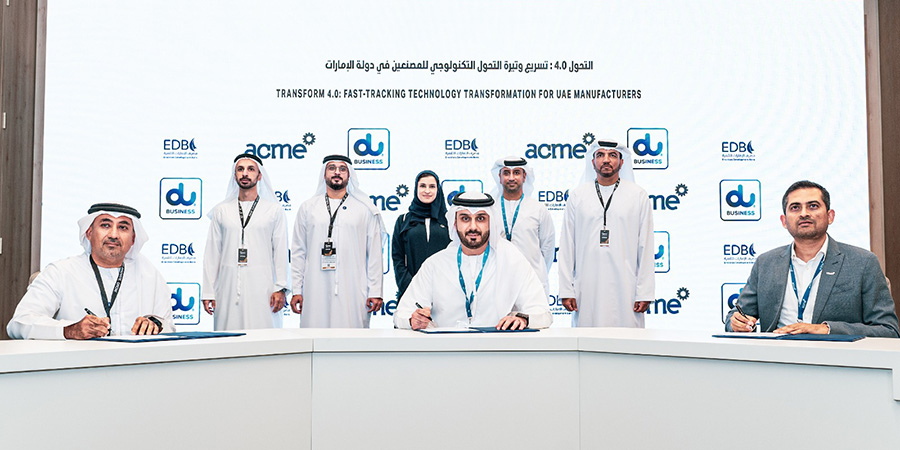
The EDGE Group’s Learning & Innovation Factory and the Ministry of Industry and Advanced Technology have formalised a partnership to accelerate the UAE’s industrial evolution. This collaboration, sealed during the International Defence Exhibition and Conference 2025 at the Abu Dhabi National Exhibition Centre, aims to advance the nation’s Industry 4.0 agenda under the Operation 300bn strategy.

The Memorandum of Understanding was signed by Fatma Essa Al Mheiri, Acting Director of the Technology Adoption and Development Department at MoIAT, and Ahmed Al Khoori, EDGE’s Senior Vice President of Strategy & Excellence. The ceremony was attended by Salama Alawadhi, Assistant Under-Secretary for the Industrial Development Sector at MoIAT, and Hamad Al Marar, EDGE’s Managing Director and Chief Executive Officer.

Under this agreement, LIF will serve as the strategic partner and executor of MoIAT’s Transform 4.0 programme. This initiative is designed to promote the adoption of advanced technologies and establish cutting-edge smart manufacturing facilities across the UAE. The programme’s objective is to support 100 high-potential manufacturers in their digitalisation efforts, fostering a network of Industry 4.0 lighthouses that exemplify excellence in smart manufacturing.

This partnership aligns with the UAE’s broader vision to enhance industrial competitiveness through technological innovation. Launched in 2021, Operation 300bn is a comprehensive 10-year strategy aiming to increase the industrial sector’s contribution to the nation’s GDP from AED 133 billion to AED 300 billion by 2031. The strategy focuses on creating an attractive business environment for investors, supporting the growth of national industries, and stimulating innovation through the adoption of advanced technologies.

The collaboration between EDGE and MoIAT is not their first joint endeavour. In August 2022, both entities signed an MoU to establish the UAE’s first Industry 4.0 Enablement Centre. This centre focuses on raising awareness about Industry 4.0 technologies, upskilling manufacturers through specialised training, and providing a testbed for piloting innovative solutions. The centre’s initiatives aim to enhance factory processes and operations, empowering industry leaders to leverage Fourth Industrial Revolution technologies for improved efficiency and competitiveness.

The UAE’s commitment to industrial advancement is further demonstrated by the Emirates Development Bank’s role in Operation 300bn. EDB has allocated AED 30 billion to support priority industrial sectors over five years, aiming to finance 13,500 small and medium-sized enterprises and create thousands of job opportunities. This financial support underscores the nation’s dedication to fostering a robust and sustainable industrial ecosystem.

The EDGE Group, a prominent technology conglomerate, continues to play a pivotal role in the UAE’s industrial transformation. By collaborating with MoIAT, EDGE leverages its expertise in advanced technology and innovation to drive the nation’s Industry 4.0 agenda forward. The Learning & Innovation Factory serves as a hub for advanced upskilling and technology-driven solutions, enhancing manufacturing excellence and fostering a culture of continuous improvement.

The International Defence Exhibition and Conference 2025 provided an ideal platform for this significant partnership. As one of the largest defence exhibitions globally, IDEX showcases the latest innovations and technologies, facilitating collaborations that drive industrial and technological advancements. The signing of the MoU at this event highlights the strategic importance of the defence sector in the UAE’s broader industrial strategy.

The UAE’s industrial strategy, Operation 300bn, is built upon six primary objectives: creating an attractive business environment for investors, supporting the growth of national industries, stimulating innovation through advanced technology adoption, enhancing the competitiveness of UAE products, ensuring sustainable economic growth, and promoting responsible consumption and production. The partnership between EDGE and MoIAT directly contributes to these objectives by facilitating the digital transformation of the manufacturing sector and promoting the adoption of Industry 4.0 technologies.

The Saudi Red Sea Authority has formalised a partnership with the Ministry of Municipalities and Housing through a memorandum of understanding aimed at advancing the development and management of marinas along the Red Sea coastline. This strategic alliance encompasses the creation of marine vessel maintenance centres, enhancement of beach facilities, and the promotion of coastal tourism destinations, all in alignment with the objectives of Saudi Vision 2030.

The MoU was signed by SRSA’s Chief Executive Officer, Mohammed Al-Nasser, and the Deputy Minister for Licensing and Project Coordination, Mohammed Al-Mulhim. This collaboration underscores SRSA’s commitment to establishing comprehensive regulations and operational standards for marinas, overseeing their development, and ensuring environmental safeguards in marine tourism zones. A key focus is to attract a diverse range of visitors and expand the coastal tourism sector.

Central to the agreement is the utilisation of the Balady platform for processing applications related to the establishment, development, and operation of both onshore and offshore marinas within the designated areas. These facilities will be constructed in accordance with the Saudi Building Code and the approved Marina Planning and Design Code. The partnership also addresses the licensing procedures for commercial operations and the specific requirements for constructing marine fuel stations.

Beyond marina development, the MoU outlines plans for the creation and licensing of marine vessel repair and maintenance centres, providing a regulatory framework for their operations. Additionally, there is a concerted effort to develop and manage beach areas within the specified regions, which includes issuing necessary construction and commercial permits.

The collaboration extends into technological integration, with both entities aiming to enhance coastal monitoring systems and promote coastal tourism destinations. This involves identifying investment opportunities and mapping both tangible and intangible assets along the Red Sea shoreline. A significant aspect of the partnership is the development of policies and initiatives designed to bolster the local workforce in the municipal, housing, and coastal tourism sectors. The agreement also emphasises the advancement of smart marina initiatives, contributing to the development of sustainable coastal cities and improving the overall quality of life.

This MoU is a testament to SRSA’s ongoing efforts to expand strategic partnerships, share expertise, and adopt best practices to fulfil its mission of enhancing coastal tourism. These initiatives are in direct support of the broader goals outlined in Saudi Vision 2030, aiming to create a dynamic and sustainable tourism industry.

Established in November 2021, the Saudi Red Sea Authority serves as the regulatory body for marine and navigational tourism activities within Saudi Arabia’s Red Sea domain. Its responsibilities include issuing necessary licences and permits, formulating policies, and identifying areas suitable for marine tourism, all while ensuring the protection of the marine environment. The authority plays a pivotal role in promoting investment opportunities and enhancing human capital through targeted training programmes.

The European Central Bank has unveiled a comprehensive strategy to incorporate distributed ledger technology into its central bank settlement processes. This initiative aims to modernise Europe’s financial infrastructure by enhancing efficiency and security in transaction settlements.

In the initial phase, the ECB plans to develop a platform that links DLT-based transactions with its existing TARGET Services. TARGET is the Eurosystem’s real-time gross settlement system, facilitating the seamless flow of cash, securities, and collateral across Europe. By creating an interoperability link between DLT platforms and TARGET Services, the ECB seeks to enable the settlement of DLT-recorded transactions in central bank money. This approach ensures that innovative DLT systems can integrate smoothly with established financial infrastructures, maintaining stability while embracing technological advancements.

The subsequent phase involves exploring a more integrated, long-term solution for settling DLT-based transactions directly in central bank money. This comprehensive approach will consider the potential for international operations, including foreign exchange settlements. By delving into these possibilities, the ECB aims to position itself at the forefront of financial innovation, ensuring that Europe’s payment systems remain competitive and resilient in a rapidly evolving global landscape.

Piero Cipollone, a member of the ECB’s Executive Board, emphasised the significance of this development, stating, “This is an important contribution to enhancing European financial market efficiency through innovation.” His remarks underscore the ECB’s commitment to leveraging cutting-edge technologies to bolster the efficiency and security of Europe’s financial markets.

The ECB’s decision to expand its DLT initiatives follows a series of exploratory projects and consultations. In December 2024, the Eurosystem invited market participants to engage in trials examining the potential use of DLT for wholesale central bank money settlement. These trials, conducted between May and November 2024, provided valuable insights into how DLT platforms could interact with existing financial infrastructures. The positive outcomes of these experiments have informed the ECB’s current strategy, highlighting the practical viability of integrating DLT into central bank operations.

The ECB’s approach aligns with broader global trends, as central banks worldwide explore the potential of digital currencies and blockchain technologies. The Bank of England, for instance, has been investigating the development of a wholesale central bank digital currency aimed at facilitating large transactions between banks. Such initiatives reflect a growing recognition of the transformative potential of DLT and digital currencies in enhancing the efficiency and security of financial systems.

However, the ECB’s plans are not without challenges. The integration of DLT into existing financial infrastructures requires careful consideration of technical, regulatory, and security aspects. Ensuring interoperability between traditional systems and innovative DLT platforms is paramount to prevent fragmentation and maintain the integrity of the financial ecosystem. Additionally, the ECB must navigate potential concerns related to data privacy, cybersecurity, and the legal frameworks governing digital transactions.

The ECB has not yet announced a specific timeline for the implementation of the interoperability link with TARGET Services. A detailed schedule will be provided in due course, reflecting the ECB’s commitment to a meticulous and consultative approach. This cautious progression ensures that all stakeholders, including financial institutions, regulators, and the broader public, are adequately prepared for the forthcoming changes.

In parallel with its DLT initiatives, the ECB continues to advance its work on the digital euro. This project aims to provide a secure and efficient digital payment instrument, complementing cash and existing electronic payment methods. The digital euro is envisioned to enhance the accessibility and inclusivity of digital payments, ensuring that all segments of society can benefit from the digitalisation of the economy. The ECB’s efforts in this domain are part of a broader strategy to future-proof Europe’s financial system, ensuring it remains robust and competitive in the face of technological advancements and shifting consumer preferences.

Zain KSA and Dell Technologies have entered into a strategic partnership aimed at revolutionising Saudi Arabia’s cloud ecosystem. The collaboration seeks to position Zain KSA as the premier provider of seamless cloud solutions for businesses across the Kingdom.

The Memorandum of Understanding was formalised during the LEAP 2025 technology conference in Riyadh. The agreement was signed by Mohamed Talaat, Vice President for Saudi Arabia and Egypt at Dell Technologies, and Fahad Alsahmah, Chief Business Officer at Zain KSA. This partnership is set to leverage Dell’s extensive expertise in Infrastructure-as-a-Service , Software-as-a-Service , and Anything-as-a-Service models to enhance Zain KSA’s cloud offerings.

Under the terms of the MoU, Zain KSA will utilise Dell’s advanced cloud solutions to develop an open cloud architecture. This architecture is designed to provide businesses with unparalleled flexibility and choice in managing their cloud requirements. The automated platform will enable customers to seamlessly onboard, access services, and manage invoicing through a user-friendly interface. This initiative aims to simplify cloud adoption for enterprises of all sizes, thereby accelerating digital transformation efforts within the region.

Fahad Alsahmah expressed enthusiasm about the collaboration, stating, “By leveraging Dell’s technical expertise, we are poised to create a transformative platform that streamlines cloud adoption for businesses. This unified marketplace will grant access to premier cloud solutions from leading providers, empowering enterprises to manage their cloud services with ease and advance their digital transformation journeys.”

Mohamed Talaat highlighted Dell’s commitment to supporting innovation and digitalisation in Saudi Arabia. He remarked, “Our profound understanding of cloud technologies, coupled with our consultancy prowess, positions us to furnish Zain KSA with a cutting-edge cloud platform. We are eager to collaborate closely with Zain KSA to define and establish a comprehensive framework for these transformative technological solutions.”

This partnership aligns with Saudi Arabia’s Vision 2030 objectives, which emphasise the importance of digital transformation and technological innovation. By enhancing the cloud infrastructure, Zain KSA and Dell Technologies aim to provide businesses with the tools necessary to navigate multi-cloud environments effectively. This will enable organisations to bolster their digital strategies, optimise operational efficiency, and reduce costs through a flexible, pay-as-you-go model.

The introduction of Zain Multi Cloud, as part of this collaboration, signifies a significant advancement in Saudi Arabia’s cloud services landscape. This unified platform integrates public, private, and hybrid cloud environments, offering businesses a centralised system to manage their diverse cloud needs. Compatibility with leading cloud providers—including Alibaba Cloud, Google Cloud, Microsoft Azure, AWS, Oracle Cloud, Huawei Cloud, and Zain Cloud—ensures that enterprises can select services that best align with their specific requirements.

The user-centric design of the platform features an intuitive control panel, simplifying the management process and strengthening governance over cloud infrastructures. This approach not only enhances the user experience but also reinforces security and compliance measures, which are critical in today’s rapidly evolving digital landscape.

As cloud computing becomes increasingly integral to the strategic operations of both public and private sectors, this partnership is poised to play a pivotal role in driving the Kingdom’s digital economy forward. By providing robust, scalable, and efficient cloud solutions, Zain KSA and Dell Technologies are set to empower businesses to innovate and thrive in an increasingly competitive market.

British asset management firm Abrdn is in advanced discussions with CITIC Bank to establish a joint venture in China, aiming to strengthen its presence in the world’s second-largest economy. This strategic move comes as relations between the United Kingdom and China show signs of improvement, contrasting with the trend of Western financial institutions scaling back operations in the region due to economic and geopolitical concerns.

According to individuals familiar with the matter, Abrdn intends to hold a majority stake in the proposed venture, with the remaining shares owned by CITIC Bank’s subsidiary, CITIC Wealth. CITIC Wealth, as of the end of last year, manages assets totaling 2 trillion yuan , positioning it as China’s third-largest bank-owned wealth management entity.

The collaboration between Abrdn and CITIC Bank has been under discussion for the past couple of years, focusing on either establishing a new venture within mainland China or Abrdn acquiring a stake in CITIC Wealth. These negotiations gained momentum following the recent resumption of high-level economic and financial dialogues between China and the UK, which had been on hold for nearly six years.

This development is particularly noteworthy given the backdrop of several Western financial institutions reevaluating their strategies in China. Concerns over the health of the Chinese economy and escalating tensions between Beijing and Washington have led some firms to reduce their workforce or halt expansion plans in the region. In contrast, Abrdn’s initiative reflects a strategic decision to deepen its engagement with the Chinese market, leveraging the extensive client base and local expertise of CITIC Wealth.

The timing of this potential partnership aligns with broader efforts to enhance financial cooperation between the UK and China. Both governments have recently committed to exploring the feasibility of establishing exchange-traded fund and wealth management connect schemes, aiming to link their capital markets more closely. These initiatives are part of a concerted effort to strengthen financial services relations and improve economic ties between the two nations.

While official comments from Abrdn and CITIC Bank are yet to be made, the proposed joint venture signifies a strategic alignment that could offer mutual benefits. For Abrdn, gaining a majority stake in a Chinese asset management entity provides a platform to tap into the growing wealth management market in China. For CITIC Bank, partnering with an established international asset manager like Abrdn could enhance its product offerings and global reach.

SINGAPORE – Media OutReach Newswire – 21 February 2025 – Lussocitta, a luxury bag retailer based in Singapore, announces its partnership with iShopChangi, Changi Airport’s online shopping platform. This collaboration makes Lussocitta the sole multi-brand seller on the platform, offering a selection of brand-name bags at competitive prices, with added customer benefits. Lussocitta is partnering with iShopChangi Exclusive Offerings on iShopChangi Founded in 2009, Lussocitta has built […]

Sharjah and Neuchâtel have embarked on a collaborative venture to enhance manufacturing and innovation sectors. A business roundtable, organised by Invest in Sharjah in partnership with the Consulate General of the UAE in Geneva, served as the platform for this initiative. The event aimed to explore synergies and establish robust economic ties between the UAE and Switzerland.

The roundtable witnessed the participation of key stakeholders from both regions, including government officials, industry leaders, and representatives from academic institutions. Discussions centred on potential partnerships, knowledge exchange, and investment opportunities in advanced manufacturing technologies and innovative solutions.

Switzerland, renowned for its precision engineering and technological advancements, presents a valuable model for Sharjah’s burgeoning industrial sector. Conversely, Sharjah offers a strategic gateway to Middle Eastern markets, providing Swiss enterprises with avenues for expansion and collaboration.

The UAE and Switzerland have a history of strong bilateral relations, with the UAE being Switzerland’s most significant trading partner in the Middle East. The annual trade volume between the two nations stands at approximately CHF 15 billion, encompassing sectors such as precious metals, jewellery, and pharmaceuticals. This collaboration seeks to build upon existing ties, fostering economic growth and technological innovation.

Invest in Sharjah, the investment promotion agency of the emirate, has been instrumental in facilitating such international partnerships. By organising events like the business roundtable, the agency aims to position Sharjah as a hub for innovation and industry, attracting foreign investments and fostering a conducive environment for business growth.

The Consulate General of the UAE in Geneva has also played a pivotal role in bridging the gap between Emirati and Swiss entities. Through diplomatic channels and economic forums, the consulate strives to enhance mutual understanding and cooperation, paving the way for successful collaborations.

Participants at the roundtable expressed optimism about the prospects of this partnership. They highlighted the complementary strengths of Sharjah and Neuchâtel, emphasising that combined efforts could lead to significant advancements in manufacturing processes and innovative practices.

This initiative aligns with the UAE’s broader vision of economic diversification and technological advancement. By leveraging international collaborations, the nation aims to reduce its reliance on traditional industries, embracing a knowledge-based economy driven by innovation and sustainability.

As Sharjah and Neuchâtel embark on this collaborative journey, both regions anticipate a fruitful exchange of ideas, resources, and technologies. This partnership not only strengthens economic ties but also fosters cultural and academic exchanges, enriching the social fabric of both communities.

The Abu Dhabi Investment Office has entered into a strategic partnership with China’s leading financial information services provider, Wind Information, to enhance investment intelligence and deepen economic relations between Abu Dhabi and China. This collaboration was formalized during the Abu Dhabi Investment Forum held in Shanghai, underscoring Abu Dhabi’s commitment to strengthening its economic connections with China’s financial sector.

As part of the agreement, Wind Information will serve as ADIO’s preferred knowledge partner in China, offering investors improved access to the dynamic investment landscapes of both regions. The partnership aims to facilitate the exchange of financial market intelligence and investment insights, providing Chinese investors and family offices with comprehensive research and analysis on key market opportunities. Wind Information will actively link ADIO with prominent investors and financial institutions in China, while ADIO will assist Abu Dhabi-based investors in exploring prospects within the Chinese market. Additionally, both organizations plan to co-host investment forums in the UAE and China to promote opportunities and strengthen bilateral ties.

His Excellency Badr Al Olama, Director-General of ADIO, emphasized the significance of this partnership, stating that it reinforces Abu Dhabi’s dedication to enhancing economic ties with China and creating a seamless investment ecosystem. He highlighted that by providing access to market data and financial insights, Abu Dhabi ensures an environment where investors can thrive, make informed decisions, and contribute to the sustainable growth of both economies.

Li Zhou, Co-Founder of Wind Information, expressed commitment to connecting capital markets and investment opportunities between China and the world. He noted that the collaboration with ADIO would empower investors with data-driven insights, enhancing the investment corridor between China and the UAE.

In a related development, ADIO has also signed a strategic partnership with Fosun International Limited, a global innovation-driven consumer group, to expedite the expansion of Fosun’s subsidiaries into Abu Dhabi and the broader Middle East. This agreement, announced at the same forum in Shanghai, aims to strengthen economic ties and reinforce Abu Dhabi’s position as a global investment hub.

Under this partnership, ADIO will offer tailored investor support, streamlined market access, and strategic guidance to accelerate Fosun’s presence in key growth sectors within Abu Dhabi, including wealth management, fintech, premium residential real estate, and healthcare innovation. Fosun International, with a revenue of approximately $13.4 billion in the first half of 2024 and a global workforce exceeding 110,000 employees, operates across various industries such as pharmaceuticals, healthcare, tourism, insurance, financial services, and intelligent manufacturing. By establishing Abu Dhabi as a regional gateway to the Middle East, Africa, and Southeast Asia, Fosun aims to leverage the emirate’s dynamic business ecosystem and substantial investor base.

ADIO has entered into a strategic partnership with Hejun Group, one of China’s leading consulting firms, to accelerate Chinese investment in Abu Dhabi. This agreement, also announced at the Abu Dhabi Investment Forum in Shanghai, paves the way for high-growth enterprises to expand into Abu Dhabi’s thriving business environment.

Hejun Group, operating both consulting and capital activities under Hejun Capital, manages more than $2 billion in cumulative assets. The firm will introduce Abu Dhabi’s investment opportunities to its network of over 2,000 publicly listed companies and leading private enterprises in China. ADIO will provide dedicated support to these Chinese companies, facilitating their business setup and long-term growth in Abu Dhabi.

The Abu Dhabi Investment Forum in Shanghai, organized by ADIO in partnership with Abu Dhabi Global Market , served as a platform for in-depth discussions on investment opportunities in Abu Dhabi. The forum, themed “Invest with Abu Dhabi,” brought together business leaders and investors to explore the emirate’s growth potential. As one of the fastest-growing economies in the Middle East and North Africa, Abu Dhabi has increasingly become a key destination for international investments.

During the forum, participants engaged in discussions on Abu Dhabi’s role as a global financial, trade, and technology hub. Experts analyzed the emirate’s economic competitiveness and highlighted its strategic position in global capital flows, emphasizing its stable economic environment, flexible regulatory framework, and well-developed financial infrastructure, which make it an attractive destination for investors worldwide.

The discussions also addressed Abu Dhabi’s expanding role in facilitating international trade and strengthening global supply chains. Participants explored the emirate’s rapid advancements in technological innovation, particularly in financial technology, artificial intelligence, blockchain, and digital transformation.

The U.S. Securities and Exchange Commission has officially withdrawn its appeal against a federal court ruling that invalidated its attempt to broaden the definition of “dealer” to encompass decentralized finance platforms and crypto liquidity providers. This move marks a significant shift in the regulatory landscape for the cryptocurrency industry.

In a filing submitted to the Fifth Circuit Court of Appeals on February 19, the SEC requested the voluntary dismissal of its appeal, a motion that faced no opposition. This decision effectively concludes the legal battle initiated by crypto advocacy groups, including the Blockchain Association and the Crypto Freedom Alliance of Texas, which challenged the SEC’s proposed rule change.

The contested rule, introduced in February 2024, sought to mandate that all crypto liquidity providers and automated market makers with over $50 million in capital register as dealers with the SEC. Critics argued that this expansion of the “dealer” definition would impose onerous regulatory requirements on DeFi protocols, many of which operate without centralized control and would struggle to comply with traditional Know Your Customer and Anti-Money Laundering regulations.

In November 2024, U.S. District Judge Reed O’Connor of the Northern District of Texas ruled against the SEC, stating that the agency had “exceeded its statutory authority” by attempting to enforce such a broad definition. The SEC’s recent decision to abandon its appeal upholds this ruling, preventing the implementation of the controversial dealer rule.

Kristin Smith, CEO of the Blockchain Association, lauded the SEC’s withdrawal as a decisive victory for the crypto industry. In a statement, she emphasized that the rule represented an “unlawful power grab” and that its defeat allows the industry to “breathe a sigh of relief.”

This development coincides with significant leadership changes within the SEC. Former Chair Gary Gensler, known for his stringent regulatory stance on cryptocurrencies, stepped down in January 2025 as President Donald Trump assumed office. Under the interim leadership of Acting Chair Mark Uyeda, the SEC has demonstrated a shift toward a more collaborative approach to crypto regulation.

One of Uyeda’s initial actions was the establishment of a Crypto Task Force, led by Commissioner Hester Peirce, who is recognized for her crypto-friendly views. The task force’s mandate includes developing a comprehensive regulatory framework for digital assets, aiming to provide clarity and support for innovation within the industry.

The SEC has also paused or delayed several enforcement actions against crypto firms that were initiated during Gensler’s tenure. These moves suggest a reevaluation of the agency’s approach to cryptocurrency regulation, potentially fostering a more conducive environment for industry growth.

Industry stakeholders view the SEC’s withdrawal of the dealer rule appeal as indicative of this evolving regulatory philosophy. By choosing not to pursue further legal action, the SEC appears to acknowledge the unique operational structures of DeFi platforms and the challenges of applying traditional regulatory frameworks to decentralized systems.

The original dealer rule aimed to address concerns about market stability and investor protection by bringing significant crypto market participants under the SEC’s regulatory umbrella. However, opponents contended that the rule failed to consider the decentralized nature of many crypto entities, rendering compliance both impractical and potentially stifling to innovation.

The legal challenge, initiated in April 2024, argued that the SEC’s rulemaking was “arbitrary and capricious,” lacking a clear statutory basis. Judge O’Connor’s ruling in favor of the plaintiffs underscored the necessity for regulatory agencies to operate within the bounds of their designated authority, especially when addressing emerging technologies and markets.

As the SEC recalibrates its approach under new leadership, the crypto industry remains attentive to how future regulations will balance oversight with the need to support technological advancement. The formation of the Crypto Task Force and the dismissal of the dealer rule appeal suggest a potential for more nuanced and informed policymaking that considers the distinct characteristics of digital assets and decentralized platforms.

VISHNU RAJA
RYO YAMADA
HITORI GOTOH
IKUYO KITA