News related to
platform

As 2025 unfolds, entrepreneurs are strategically positioning themselves to harness emerging trends across various sectors. Key areas such as artificial intelligence , sustainability, and remote work are at the forefront, offering a plethora of innovative business opportunities. The AI industry is witnessing significant advancements, with startups like Figure AI leading the charge. The company is reportedly in discussions to secure $1.5 billion in new funding, potentially elevating […]

By K Raveendran The Indo-US joint declaration presents a striking imbalance, appearing more as a dictated statement than a mutually crafted agreement. The document is overwhelmingly skewed in favour of the United States, particularly in the domain of defence procurement, where it reads less like a diplomatic understanding and more like a sales pitch for […]

Aston Martin Aramco Formula One Team has entered into a groundbreaking multi-year sponsorship agreement with cryptocurrency exchange platform Coinbase, marking a significant milestone in the integration of digital finance within elite motorsport. This partnership is distinguished by its financial arrangement: the entire sponsorship fee will be transacted in USD Coin , a stablecoin pegged 1:1 to the U.S. dollar.

This collaboration represents the first instance of a Formula One team publicly announcing the full payment of a partnership using a stablecoin. By embracing USDC for this transaction, Aston Martin signals a forward-thinking approach to financial operations, highlighting the efficiency and global reach of cryptocurrency in high-stakes industries.

Jefferson Slack, Managing Director of Commercial at Aston Martin Aramco, expressed confidence in the alliance, stating, “This partnership shows the trust and confidence we place in Coinbase’s expertise as a leader in digital finance. By transacting this deal fully in USDC, we’re signaling our commitment to innovation, building a sustainable, forward-thinking relationship with Coinbase.”

Coinbase’s branding will feature prominently on Aston Martin’s AMR25 race cars, specifically on the halo and rear-wing end plates, as well as on the racing suits of drivers Fernando Alonso and Lance Stroll throughout the upcoming Formula One season. This visibility aligns with Coinbase’s strategy to expand its global presence and promote the adoption of digital currencies across diverse audiences.

Gary Sun, Vice President of Marketing at Coinbase, highlighted the significance of this venture: “This is a huge moment for Coinbase, marking the first time we’ve invested in a sports partnership entirely in cryptocurrency. It’s also our debut in Formula One, and we’re thrilled to align with a sport that values pushing boundaries with transformative ideas and technology.”

The decision to utilize USDC for the sponsorship underscores the practical benefits of stablecoins in large-scale transactions, offering stability, reduced transaction costs, and seamless cross-border payments. While Coinbase remains open to transacting in various cryptocurrencies based on partner preferences, the selection of USDC for this deal reflects its suitability for substantial financial agreements.

This partnership emerges amidst a growing trend of cryptocurrency integration within Formula One. In June 2021, Crypto.com secured a multi-year deal with Formula One, later expanding its involvement with a significant nine-year, $100 million agreement in 2022, which included naming rights to the Miami Grand Prix. Individual teams have also embraced the crypto movement; for instance, Red Bull Racing has collaborated with platforms like Bybit and Mysten Labs to enhance fan engagement through blockchain technology.

Aston Martin’s alliance with Coinbase not only enhances the team’s financial portfolio but also paves the way for innovative, blockchain-based fan engagement initiatives. As the season progresses, supporters can anticipate unique on-chain experiences designed to deepen their connection with the team and the sport.

The cryptocurrency market has witnessed a remarkable development with DOGEN, a meme-inspired token on the Solana blockchain, experiencing an unprecedented 500% surge in value. This rapid ascent has positioned DOGEN as a formidable contender among meme coins, drawing significant attention from investors and enthusiasts alike.

Initially launched at a modest price of $0.0003 during its presale phase, DOGEN’s value has escalated to $0.0019 by the conclusion of its 13-stage presale. This trajectory not only signifies a 500% increase but also underscores the growing investor confidence in the token’s potential. Analysts have noted that such a meteoric rise is indicative of strong market momentum and a robust community backing.

The success of DOGEN can be attributed to its strategic positioning within the Solana ecosystem. Solana’s blockchain offers high transaction speeds and low fees, creating an ideal environment for meme coins to thrive. The network’s scalability has attracted a plethora of meme-inspired tokens, with DOGEN emerging as a standout due to its impressive growth metrics.

Market data reveals that the Solana meme coin sector boasts a market capitalization of approximately $17.8 billion, with a 24-hour trading volume reaching $8.14 billion. Within this vibrant ecosystem, DOGEN has distinguished itself, not only through its price appreciation but also by fostering a community-centric approach. The token’s official channels report a burgeoning community of over 30,000 followers on platforms like X , reflecting a strong and engaged user base.

The broader cryptocurrency landscape has also been influenced by recent political developments. The inauguration of President Donald Trump has led to a surge in interest for meme coins, particularly those associated with his brand. Tokens such as $TRUMP and $MELANIA experienced rapid value increases, with $TRUMP’s market capitalization peaking at $15 billion before stabilizing around $7 billion. This phenomenon has contributed to heightened activity on platforms like the Solana network, which had previously faced challenges related to low user engagement.

A federal judge in Washington, D.C., has approved a 60-day halt to the U.S. Securities and Exchange Commission’s civil lawsuit against Binance, the world’s largest cryptocurrency exchange. This decision follows a joint motion by both parties, aiming to allow time for the SEC’s newly established crypto task force to potentially influence the case’s resolution.

The lawsuit, initiated by the SEC in June 2023, accuses Binance and its founder, Changpeng Zhao, of multiple violations, including artificially inflating trading volumes, diverting customer funds, and misleading investors about regulatory oversight. These allegations have been a significant point of contention between the regulatory body and the crypto exchange.

The recent establishment of the SEC’s crypto task force, led by Commissioner Hester Peirce, known for her supportive stance on digital assets, signifies a potential shift in the agency’s approach to cryptocurrency regulation. This development comes under the administration of President Donald Trump, who has expressed intentions to position the United States as a global hub for the crypto industry. The nomination of Paul Atkins, a pro-crypto attorney, as the new SEC chair further underscores this directional change, although his confirmation by Congress is still pending.

In their joint motion, the SEC and Binance highlighted that the task force’s work “may impact and facilitate the potential resolution of this case.” They proposed to submit a joint status report at the end of the 60-day period to inform the court about the case’s status and the necessity of extending the stay.

This pause in legal proceedings reflects a broader trend within the SEC, as the agency reassesses its regulatory framework concerning digital assets. Under the previous leadership of Gary Gensler, the SEC adopted a stringent stance towards cryptocurrency platforms, leading to multiple lawsuits and enforcement actions. The current shift suggests a more collaborative approach, aiming to develop clear guidelines that balance investor protection with industry innovation.

Binance has welcomed this development, reiterating its commitment to compliance and regulation. A spokesperson for the company stated, “The SEC’s case has always been without merit, and we are eager to put this behind us and to continue our focus on keeping Binance the most secure, licensed, and trusted exchange in the world.”

South Korea’s prominent cryptocurrency exchange, Bithumb, has expanded its offerings by incorporating Thena into its Korean Won trading market. Trading commenced at 4 PM KST on February 14, 2025, providing users with a new asset in their investment portfolios.

Deposits and withdrawals for Thena were enabled within three hours following the announcement. Bithumb supports transactions exclusively through the BNB Smart Chain for this asset, explicitly stating that deposits from other networks are not accepted. The initial base price for Thena was established at 1,019 KRW, with a requirement of 15 deposit confirmations to ensure transaction security.

To maintain a stable trading environment during the initial phase, Bithumb implemented temporary restrictions. For the first five minutes post-launch, buying orders were prohibited. Additionally, selling orders faced constraints if the price deviated beyond -10% or +100% of the standard price during this period. Automated trading features, such as stop-loss or take-profit orders, were activated only after the first successful trade.

Thena operates as a community-driven decentralized exchange, utilizing a self-optimizing ve3,3 model to cater to the liquidity needs of BNB Chain projects. This listing on Bithumb signifies a strategic move to enhance Thena’s accessibility and liquidity within the South Korean market.

Zed, the innovative code editor developed by Zed Industries, has unveiled a groundbreaking feature designed to enhance developer productivity: Edit Prediction. This tool anticipates a programmer’s subsequent edits, allowing for seamless code writing and reducing manual input. The feature is powered by Zeta, Zed’s newly introduced open-source language model. Edit Prediction operates by suggesting the next logical code insertion as developers type. By pressing the ‘tab’ key, […]

Advertisements

Brazil is set to host the BRICS leaders’ summit in Rio de Janeiro on 6th and 7th July 2025, as announced by Foreign Minister Mauro Vieira. This gathering will bring together heads of state from Brazil, Russia, India, China, South Africa, and other partner nations, marking a significant event in international diplomacy. Assuming the rotating presidency of BRICS on 1st January 2025, Brazil has been actively preparing […]

Pump.fun, a prominent Solana-based memecoin launchpad, has introduced a mobile application for iOS and Android devices, aiming to enhance user accessibility in the burgeoning memecoin market. This development coincides with a significant increase in token creation, with over 600,000 new tokens launched in January 2025, raising concerns about potential liquidity fragmentation within the cryptocurrency ecosystem.

The newly launched Pump.fun app enables users to create, launch, and trade memecoins directly from their mobile devices, streamlining the process for both novice and experienced traders. This initiative reflects the platform’s commitment to adapting to the evolving needs of its user base and capitalizing on the growing interest in memecoins.

However, the rapid proliferation of new tokens has prompted industry experts to voice concerns about market liquidity. Bobby Ong, Chief Operating Officer of CoinGecko, highlighted the potential risks associated with the surge in token issuance, noting that an excessive number of tokens could dilute trader attention and liquidity, potentially hindering significant price movements in alternative cryptocurrencies.

The ease of token creation facilitated by platforms like Pump.fun has democratized access to the cryptocurrency market, enabling a diverse range of individuals to participate in token generation. While this inclusivity fosters innovation, it also raises questions about the sustainability and quality of the tokens being introduced.

In addition to operational challenges, Pump.fun is currently navigating legal complexities. The platform faces a proposed class-action lawsuit alleging violations of U.S. securities laws, underscoring the regulatory scrutiny that accompanies the rapid expansion of the memecoin sector. Despite these hurdles, the company remains focused on its mission to provide a user-friendly platform for memecoin enthusiasts.

The memecoin phenomenon has been characterized by speculative trading and high volatility, with tokens often experiencing rapid price fluctuations. This environment has attracted a wide array of participants, from casual investors to those engaging in high-risk trading strategies. The introduction of mobile applications like Pump.fun’s is poised to further amplify this trend by making memecoin trading more accessible to a broader audience.

Market analysts caution that the influx of new tokens, while indicative of a vibrant and innovative ecosystem, may lead to challenges such as liquidity fragmentation. This occurs when the market’s liquidity is spread thinly across a multitude of tokens, potentially resulting in decreased trading volumes and increased volatility for individual assets. Such conditions could make it more difficult for traders to execute large orders without significantly impacting token prices.

The memecoin market’s rapid expansion has also drawn attention from regulatory bodies worldwide. The lack of clear guidelines and oversight in this nascent sector poses risks for investors, particularly concerning the potential for fraudulent schemes and market manipulation. As platforms like Pump.fun continue to lower the barriers to entry for token creation and trading, the call for comprehensive regulatory frameworks becomes increasingly pertinent.

Telegram Messenger has solidified its commitment to blockchain technology by designating The Open Network as its exclusive blockchain infrastructure. This strategic move aims to seamlessly transition Telegram’s vast user base into the Web3 ecosystem, leveraging TON’s capabilities to enhance user experience and engagement.

As part of this partnership, Telegram’s Mini App ecosystem will now operate solely on the TON blockchain. This integration allows developers to create decentralized applications within Telegram, offering users access to blockchain-based services without leaving the app. With over 950 million monthly active users, Telegram’s adoption of TON provides a significant boost to the blockchain’s visibility and utility.

To ensure a unified user experience, Telegram has mandated that all third-party crypto wallets and Mini Apps integrate with TON Connect, the standard wallet connection protocol for the TON ecosystem. Wallets that fail to comply with this requirement face suspension from the platform. This directive underscores Telegram’s dedication to creating a cohesive and secure environment for its users to explore Web3 applications.

The collaboration between Telegram and TON is poised to redefine how users interact with blockchain technology. By embedding Web3 functionalities directly into the messaging platform, Telegram is lowering the barrier to entry for users unfamiliar with decentralized technologies. This approach not only enhances user engagement but also positions Telegram as a pioneer in integrating blockchain solutions into mainstream applications.

In addition to the technical integration, Telegram is exploring innovative ways to monetize its traffic within the Web3 framework. The focus is on the gaming sector, aiming to develop consumer-oriented mini apps that operate without relying on token issuance. Telegram’s group and channel features serve as effective tools for Web3 projects to build communities and engage users. Furthermore, the platform’s advertising capabilities and push notifications assist users in discovering new Web3 applications, fostering a dynamic ecosystem of decentralized services.

The transition from Web2 to Web3 represents a significant shift in the digital landscape, emphasizing decentralization, user ownership, and enhanced security. Telegram’s strategic partnership with TON exemplifies a proactive approach to this evolution, providing users with a seamless pathway to engage with blockchain technology. By integrating Web3 features into a familiar platform, Telegram is not only enhancing its service offerings but also contributing to the broader adoption of decentralized technologies.

Lexus has introduced the LX 700h, marking a significant advancement in its luxury SUV lineup. This model features a newly developed hybrid system, combining a 3.4-litre twin-turbocharged V6 engine with an electric motor, delivering a total output of 457 horsepower and 583 lb-ft of torque. This powertrain not only enhances performance but also offers an improved fuel economy, with an EPA-estimated combined rating of 20 miles per […]

Elon Musk’s Department of Government Efficiency has commenced significant layoffs within the U.S. federal workforce, issuing termination notices to over a dozen employees at the U.S. Digital Service . This action aligns with President Donald Trump’s directive to streamline government operations and reduce expenditures. The layoffs have sparked nationwide protests, with demonstrators targeting Tesla showrooms to express their dissent against Musk’s cost-cutting measures and perceived influence over […]

Microsoft’s Azure cloud computing platform, once a beacon of rapid expansion, is encountering a deceleration in growth and internal challenges. In the second quarter of fiscal year 2025, Azure reported a 31% revenue increase, a decline from the previous quarter’s 34% growth and below analysts’ expectations. This slowdown has raised concerns about Azure’s ability to maintain its competitive edge in the cloud computing market. Despite the deceleration, […]

The advent of open-source large language models has democratized chatbot development, enabling developers to create sophisticated conversational agents without relying on costly API tokens. One such model, Falcon LLM, has emerged as a powerful tool in this domain. Falcon LLM, developed by the Technology Innovation Institute in Abu Dhabi, offers a range of models, including the Falcon 7B and Falcon 40B, with 7 billion and 40 billion […]

In a significant shift, openSUSE Tumbleweed has transitioned from AppArmor to Security-Enhanced Linux as its default Mandatory Access Control system for new installations. This change, effective from snapshot 20250211, aims to enhance system security by confining more services by default. Announced on the openSUSE Factory mailing list, the decision aligns with efforts to increase SELinux adoption within both SUSE and openSUSE communities. Cathy Hu, SELinux Security Engineer, […]

In 2021, Shiba Inu astonished the cryptocurrency world with an unprecedented surge, transforming from a meme-inspired token into a lucrative investment for early adopters. Now, analysts are turning their attention to FloppyPepe , a new meme coin that exhibits a pattern reminiscent of SHIB’s explosive growth. With its innovative AI-driven meme technology and a burgeoning community economy, FPPE is being hailed by crypto experts as the next significant contender in the market.

Shiba Inu’s ascent in 2021 was nothing short of remarkable. Launched as a playful homage to the Shiba Inu dog breed, the token experienced a meteoric rise, delivering substantial returns to those who invested early. This phenomenon underscored the potential for meme coins to generate significant financial gains, despite their whimsical origins.

FloppyPepe, inspired by the popular internet meme character Pepe the Frog, has recently captured the attention of the cryptocurrency community. Analysts have observed that FPPE’s growth trajectory mirrors the early stages of SHIB’s ascent, suggesting the potential for a similar surge. The coin’s unique selling proposition lies in its integration of artificial intelligence to generate memes, fostering increased user engagement and community participation.

The fusion of AI technology with meme culture distinguishes FPPE from its predecessors. By leveraging machine learning algorithms, the platform can create and disseminate memes rapidly, keeping the community engaged and attracting new users. This technological innovation not only enhances the user experience but also contributes to the token’s value proposition, as a vibrant and active community is often a key driver of a cryptocurrency’s success.

The community economy surrounding FPPE plays a crucial role in its potential for growth. A dedicated and expanding user base can lead to increased demand for the token, driving up its value. The developers have implemented mechanisms to reward active participants, incentivizing engagement and fostering a sense of ownership among users. This approach has been effective in building a loyal community, which is essential for the long-term sustainability of any cryptocurrency.

Crypto experts have noted that the combination of innovative technology and a strong community foundation positions FPPE as a promising candidate for substantial growth. While the cryptocurrency market is inherently volatile and unpredictable, the parallels between FPPE’s current trajectory and SHIB’s past performance have generated optimism among investors and analysts alike.

American University of Sharjah has celebrated its 25th annual Global Day, a vibrant two-day event that showcased the rich tapestry of cultures represented within its community. The festivities, aligning with the UAE’s designation of 2025 as the “Year of Community,” underscored the university’s commitment to fostering global understanding and inclusivity.

Her Excellency Sheikha Bodour bint Sultan Al Qasimi, President of AUS, inaugurated the event, emphasizing the institution’s role as a nexus for cultural engagement and international collaboration. This year’s theme, “Bridging Cultures: Building Communities,” resonated throughout the campus, highlighting the transformative power of cultural exchange in nurturing a sense of belonging among the university’s diverse populace.

The celebration saw participation from 36 cultural clubs, marking a significant increase of nearly 25 percent compared to the previous year. These student-led groups transformed the campus into a global stage, offering immersive experiences that spanned history, art, and cuisine. Attendees had the opportunity to traverse various pavilions, each meticulously curated to represent the unique traditions of the 90 nationalities present at AUS.

Venues such as the Main Auditorium and Plaza were abuzz with dynamic performances, interactive activities, and exhibitions. Traditional dances, musical performances, and art displays provided a sensory journey through different cultures, fostering an environment of mutual respect and appreciation.

In her opening remarks, Sheikha Bodour highlighted the importance of such events in promoting dialogue and understanding. “Our diversity is our strength,” she stated. “By coming together to celebrate our unique heritages, we build bridges that connect us and fortify the fabric of our community.”

Students, faculty, and visitors expressed enthusiasm for the event, noting its role in enhancing cross-cultural interactions. “Global Day is a testament to AUS’s dedication to embracing diversity,” said Ahmed Khan, a third-year engineering student. “It offers us a platform to share our traditions and learn from others, enriching our university experience.”

The event also featured culinary delights from around the world, with food stalls offering traditional dishes prepared by students and local chefs. This gastronomic exploration allowed attendees to savor flavors from different continents, further enhancing the multicultural ambiance.

Workshops and seminars were conducted alongside the festivities, focusing on topics such as intercultural communication, global citizenship, and the role of youth in fostering inclusive societies. These sessions aimed to equip participants with the knowledge and skills necessary to navigate and contribute positively to an increasingly interconnected world.

Etihad Salam Telecom Company has announced a strategic partnership with Genesys to revolutionise customer service across Saudi Arabia. This collaboration aims to integrate advanced technologies into Etihad Salam’s offerings, enhancing both customer interactions and operational efficiency.

The partnership focuses on implementing a comprehensive telecommunications solution that combines advanced Session Initiation Protocol trunk services with sophisticated call centre platforms. By leveraging artificial intelligence, automation, and cloud-based technologies, the initiative seeks to transform traditional customer service models, providing more personalised and efficient experiences.

Eng. Amjad Arab, Chief Wholesale and Partnerships Officer at Etihad Salam, highlighted the significance of this alliance: “Our mission is to provide robust, innovative solutions that support the rapid expansion of digital content and seamless technology experiences. Collaborating with Genesys allows us to offer enriched connectivity services and bring content closer to end-users, ultimately empowering businesses to thrive in an increasingly digital landscape.”

This development comes at a time when Saudi Arabia’s information and communication technology sector is experiencing substantial growth. Projections indicate that the sector will reach a valuation of USD 82.51 billion by 2030. The partnership between Etihad Salam and Genesys is poised to contribute significantly to this growth by introducing cutting-edge customer service solutions that align with the Kingdom’s digital transformation goals.

In addition to this collaboration, Etihad Salam has been actively engaging in other strategic partnerships to bolster the nation’s digital infrastructure. Recently, the company strengthened its alliance with center3, a subsidiary of the stc Group, to enhance network resilience and connectivity. This joint effort aims to deliver unparalleled digital infrastructure, benefiting businesses, cloud providers, and content creators alike.

Etihad Salam has partnered with ServiceNow to support the burgeoning small and medium-sized enterprise sector in Saudi Arabia. With the SME sector witnessing a 60% year-on-year growth and over 135,000 new registrations in the last quarter, this collaboration aims to provide tailored solutions that address the unique needs of these businesses. By combining Etihad Salam’s connectivity and managed services with ServiceNow’s expertise in automating administrative processes, the partnership seeks to facilitate agile business setups and operations.

Exotel, a prominent cloud-based customer engagement platform, has entered into a strategic partnership with Knowmax, an AI-driven knowledge management provider, aiming to revolutionize customer experience operations. This collaboration seeks to enhance query resolution efficiency and bolster agent productivity by integrating Exotel’s communication solutions with Knowmax’s intelligent knowledge management system. The alliance is poised to offer enterprises seamless access to actionable insights, thereby optimizing customer interactions across various […]

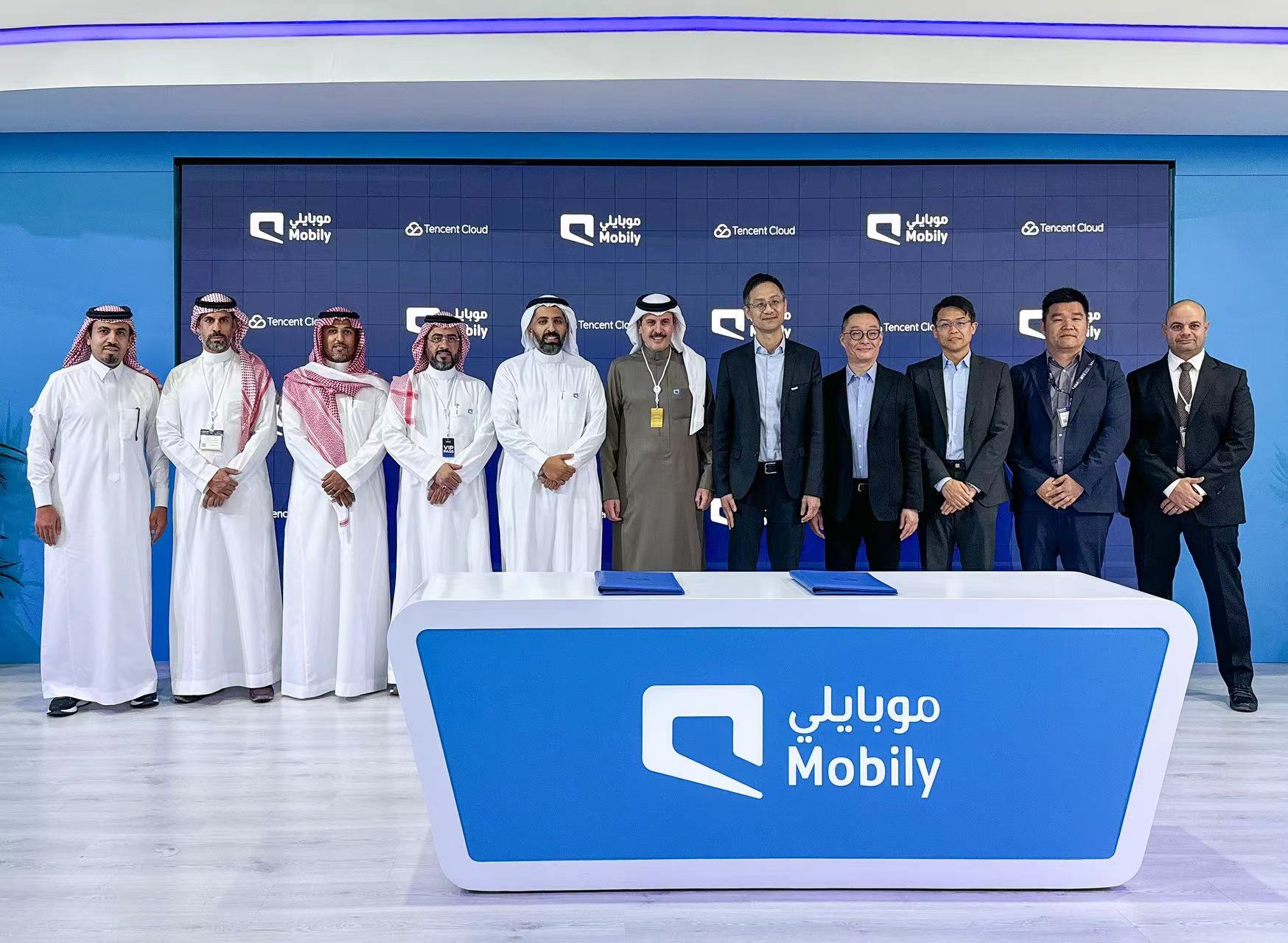
Tencent Cloud has unveiled plans to launch its inaugural Middle East Cloud Region in Saudi Arabia, marking a pivotal expansion in the company’s global infrastructure. Announced at the LEAP 2025 technology summit in Riyadh, the new cloud region will encompass two availability zones, each designed with full redundancy to ensure robust and reliable services. This development is slated to become operational by 2025, aligning with Saudi Arabia’s ambitious Vision 2030 objectives to foster digital transformation and economic diversification.

The strategic move includes an investment exceeding $150 million over the forthcoming years, underscoring Tencent Cloud’s commitment to bolstering the Kingdom’s burgeoning digital economy. Dan Hu, Vice President of Tencent Cloud International for the Middle East and North Africa, emphasized the significance of this initiative, stating, “We’re excited to have grown alongside the Kingdom of Saudi Arabia and look forward to ramping up cloud support for the Middle East. The new Cloud Region strengthens our ability to support the country’s digital transformation journey.”

This expansion will integrate Saudi Arabia into Tencent Cloud’s extensive global network, which currently comprises over 50 availability zones across 21 regions. The new infrastructure is poised to deliver a comprehensive suite of advanced cloud services, including artificial intelligence capabilities, data analytics, and digital media solutions. These offerings are tailored to meet the diverse needs of industries such as finance, gaming, media, and e-commerce within the region.

Saudi Arabia’s cloud computing market is experiencing rapid growth, driven by the government’s proactive digital initiatives and the private sector’s increasing adoption of cloud technologies. Projections indicate that annual spending on public cloud services in the Kingdom is expected to reach $2.5 billion by 2026, reflecting a compound annual growth rate of 25%. This surge is attributed to the nation’s focus on emerging technologies, including AI, cloud computing, and the Internet of Things , as integral components of its Vision 2030 plan.

The LEAP 2025 summit, where Tencent Cloud’s announcement was made, has emerged as a significant platform for technological collaboration and investment in Saudi Arabia. The event witnessed the Kingdom securing $14.9 billion in new investments aimed at advancing its digital infrastructure and AI capabilities. Notably, global cloud service providers are increasingly recognizing the potential of the Saudi market. For instance, Amazon Web Services has partnered with stc Group to accelerate cloud adoption and AI-driven innovation across various sectors, including healthcare, finance, and education.

Tencent Cloud’s entry into the Middle East market is anticipated to intensify competition among cloud service providers, offering businesses in the region a broader array of options to enhance their digital operations. The establishment of local data centers is particularly advantageous, as it addresses data residency requirements and reduces latency, thereby improving the performance of cloud-based applications and services.

In addition to infrastructure development, Tencent Cloud is expected to collaborate with local enterprises and governmental bodies to provide training and support, fostering a skilled workforce adept in cloud technologies. This initiative aligns with Saudi Arabia’s broader goals of nurturing innovation and entrepreneurship, ultimately contributing to a diversified and knowledge-based economy.

The Middle East’s strategic importance in the global technology landscape is increasingly evident, with countries like Saudi Arabia investing heavily in digital transformation. Tencent Cloud’s expansion into the region not only signifies confidence in the local market’s potential but also reinforces the Kingdom’s position as a burgeoning hub for technological advancement and innovation.

As the cloud computing landscape in Saudi Arabia continues to evolve, the presence of global players like Tencent Cloud is poised to accelerate the adoption of cutting-edge technologies. This development is expected to drive economic growth, enhance competitiveness, and pave the way for new business models and opportunities within the region.


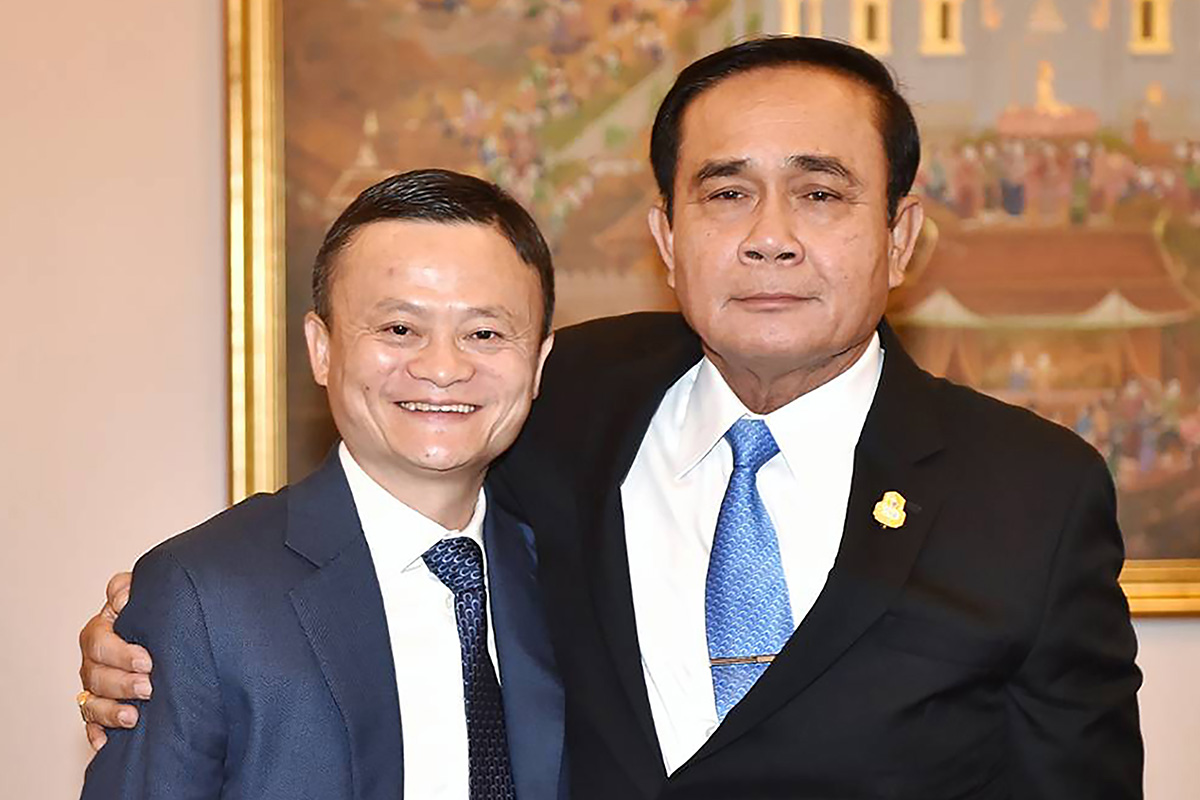
Alibaba Cloud has inaugurated its second data center in Thailand, aiming to meet the growing demand for cloud computing services and support the country’s digital transformation initiatives. This development aligns with Thailand’s strategic efforts to enhance its digital economy and infrastructure.

The new facility is designed to provide advanced cloud services, including support for artificial intelligence applications, to businesses and government agencies across Thailand. By expanding its data center footprint, Alibaba Cloud seeks to offer more robust and reliable services, catering to the increasing needs of enterprises adopting digital technologies.

Thailand has been actively pursuing a comprehensive digital transformation strategy, encapsulated in policies like “Thailand 4.0” and the “National Digital Economy and Society Development Plan.” These initiatives focus on building high-capacity digital infrastructure, promoting e-government solutions, and fostering innovation and technology adoption across various sectors. The government’s commitment is further evidenced by the approval of the national AI strategy and action plan , which aims to drive AI development and integration throughout the country.

The establishment of Alibaba Cloud’s second data center is poised to bolster these governmental efforts by providing the necessary infrastructure to support AI and other emerging technologies. This move is expected to enhance the competitiveness of Thai businesses, particularly small and medium-sized enterprises , by offering scalable and secure cloud solutions that facilitate innovation and efficiency.

In addition to infrastructure development, Thailand is focusing on digital skills enhancement and inclusivity. The government has launched initiatives to train individuals through community digital centers, aiming to bridge the digital divide and ensure that the benefits of digital transformation are accessible to all segments of the population. These efforts are crucial in creating a digitally literate workforce capable of leveraging new technologies to drive economic growth.

The collaboration between global technology providers like Alibaba Cloud and the Thai government signifies a strategic partnership that leverages international expertise to accelerate national digital goals. Such alliances are instrumental in positioning Thailand as a regional digital hub, attracting further investments, and fostering a vibrant ecosystem of innovation and technological advancement.

As Thailand continues to implement its digital economy strategies, the expansion of cloud infrastructure by industry leaders like Alibaba Cloud will play a pivotal role in supporting the nation’s objectives. This development not only addresses the immediate needs for advanced computing resources but also lays the foundation for sustainable digital growth in the years to come.

The integration of enhanced cloud services is anticipated to have a transformative impact on various sectors, including finance, healthcare, education, and manufacturing. By providing scalable and efficient cloud solutions, businesses can innovate more rapidly, improve operational efficiencies, and deliver better services to their customers. Moreover, the availability of local data centers ensures compliance with data sovereignty requirements, which is a critical consideration for many organizations.

In the financial sector, for instance, banks and fintech companies can leverage cloud-based AI analytics to offer personalized services and detect fraudulent activities more effectively. The healthcare industry can utilize cloud platforms to manage patient data securely and deploy telemedicine solutions, expanding access to medical services, especially in remote areas. Educational institutions can adopt e-learning platforms hosted on the cloud, providing students with flexible and interactive learning experiences. Manufacturers can implement IoT solutions to monitor production lines in real-time, enhancing productivity and reducing downtime.

New simple, powerful, affordable block storage systems power critical applications SINGAPORE – Media OutReach Newswire – 12 February 2025 – NetApp® (NASDAQ: NTAP), the intelligent data infrastructure company, today announced updates to its enterprise storage portfolio, expanding the NetApp ASA A-Series with new systems designed to accelerate and consolidate block workloads for organizations of any size. Alongside the announcement of new cyber resiliency capabilities, these systems enable […]

Etihad Salam Telecom Company has entered into a strategic partnership with Genesys, aiming to revolutionise customer experience across Saudi Arabia. This collaboration seeks to integrate advanced technologies into Etihad Salam’s service offerings, enhancing customer interactions and operational efficiency.

The partnership focuses on leveraging Genesys’s expertise in cloud and artificial intelligence solutions to transform Etihad Salam’s customer service platforms. By adopting these technologies, Etihad Salam aims to provide more personalised and efficient services, aligning with the Kingdom’s Vision 2030 objectives of digital transformation and improved quality of life.

Eng. Amjad Arab, Chief Wholesale and Partnerships Officer at Etihad Salam Telecom Company, emphasised the significance of this alliance: “Our mission is to provide robust, innovative solutions that support the rapid expansion of digital content and seamless technology experiences. We are excited to work together to offer enriched connectivity services and bring content closer to end-users, ultimately empowering businesses to thrive in an increasingly digital landscape.”

This partnership is part of a series of strategic initiatives by Etihad Salam to enhance its service offerings and infrastructure. In collaboration with center3, a subsidiary of stc Group, Etihad Salam is working to bolster Saudi Arabia’s digital infrastructure. This joint effort aims to improve network resilience, enhance connectivity, and provide scalable solutions, thereby enriching the digital ecosystem and supporting the nation’s burgeoning ICT sector, projected to reach USD 82.51 billion by 2030.

The Etihad Salam-center3 partnership focuses on three critical areas: expanding network reach and reliability through shared connectivity services; utilising center3’s carrier-neutral data centres to enhance enterprise solutions; and integrating Etihad Salam’s extensive network with center3’s internet exchanges. This comprehensive approach is designed to accelerate innovation in cloud data management and internet connectivity, providing businesses with the tools needed to thrive in a digital-first world.

In another strategic move, Etihad Salam has partnered with ServiceNow to support the growth of small and medium-sized enterprises in Saudi Arabia. This collaboration aims to offer tailored solutions that address the unique needs of SMEs, facilitating agile business setups and streamlined operations. By combining Etihad Salam’s connectivity and managed services with ServiceNow’s expertise in automating HR, administrative, and management processes, the partnership seeks to provide SMEs with comprehensive tools to navigate the complexities of the digital age.

OpenAI has firmly declined a $97.4 billion acquisition proposal from a consortium led by Elon Musk, stating unequivocally that the organization is not for sale. The board’s unanimous decision underscores OpenAI’s commitment to its mission of developing artificial general intelligence for the benefit of all humanity. Elon Musk, who co-founded OpenAI in 2015 alongside CEO Sam Altman, has been vocal in his opposition to the company’s shift […]

VISHNU RAJA
RYO YAMADA
HITORI GOTOH
IKUYO KITA