News related to
platform

MSB, Backbase and SmartOSC announce partnership in signing ceremony HANOI, VIETNAM – Media OutReach Newswire – 15 November 2024 – Backbase, creator of the Engagement Banking Platform, today announces that Maritime Commercial Joint Stock Bank (MSB), has made a strategic investment in the Backbase Engagement Banking Platform, with local implementation support from Backbase’s partner, SmartOSC, a premium digital enabler. This milestone marks a pivotal step in MSB’s […]

HO CHI MINH CITY, VIETNAM – Media OutReach Newswire – 15 November 2024 – Cake by VPBank (Cake), Vietnam’s largest digital bank by user base, revenue and product variety, announced the launch of its first fully cloud-based Card Management System (CMS) in collaboration with Visa. The new cloud-based CMS utilizes Visa Cloud Connect on Google Cloud infrastructure as its access model to the Visa network. This innovative […]

HONG KONG SAR – Media OutReach Newswire – 16 November 2024 – Hong Kong Accident Lawyers proudly announces the launch of the comprehensive “Hong Kong Traffic Black Spots Database“, aimed at providing drivers and the public with vital data on accident-prone locations across Hong Kong. This platform categorizes traffic black spots by region, including New Territories, Kowloon, Hong Kong Island, and outlying islands, enabling drivers to identify […]

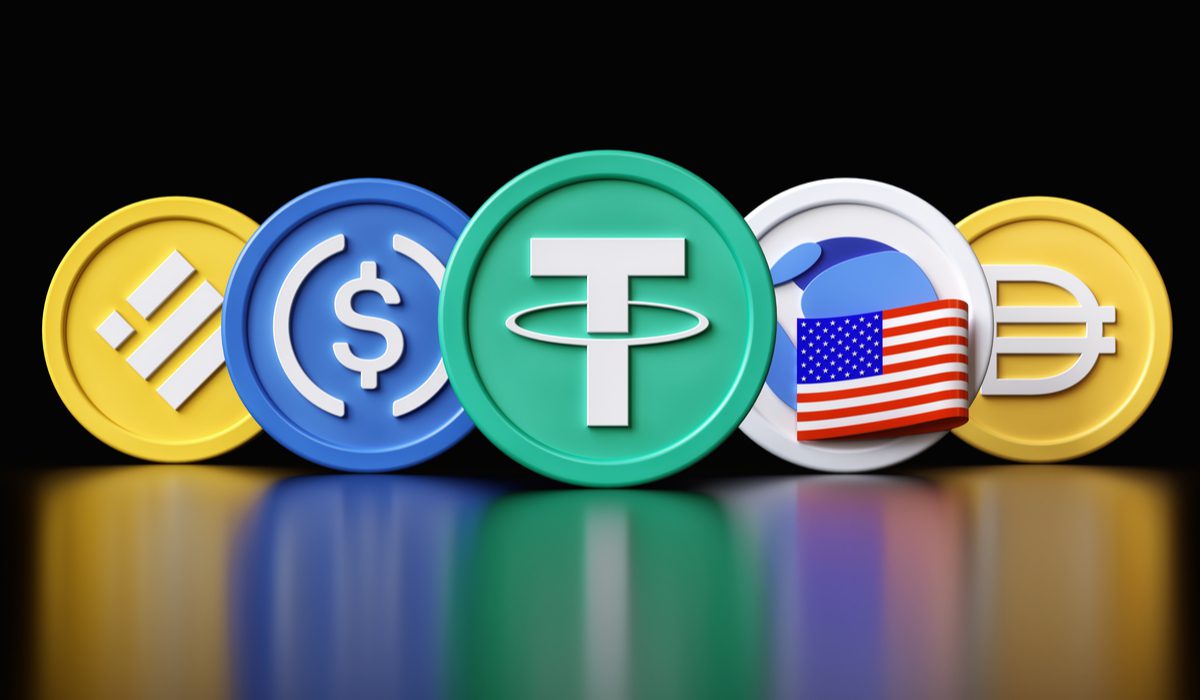
The surge in stablecoin transactions has brought the digital asset market to a pivotal moment, with adjusted on-chain volumes edging close to those of Visa, a global payment giant. Stablecoins, valued for their pegged nature to fiat currencies, have reached a circulation supply exceeding $150 billion, supported by an ecosystem of 27.5 million monthly active users. However, a nuanced examination reveals that this rapid growth masks complexities and operational challenges within the sector.

A significant portion of stablecoin activity is driven by large-scale traders and automated bots, as noted in a detailed study conducted by Visa in collaboration with Allium Labs. The findings highlighted that while on-chain stablecoin transactions surpassed $2.2 trillion in April alone, only $149 billion represented organic payment activities originating from genuine users. This discrepancy raises questions about the utility and adoption of stablecoins as mainstream payment instruments.

The competitive landscape within the stablecoin market has also intensified. Circle’s USDC has outperformed Tether’s USDT in transaction volumes, signifying shifting user preferences and adoption trends. On-chain analyses have further confirmed that the overall stablecoin transaction volume has exceeded Visa’s average monthly transaction values for 2023. Despite these milestones, experts underscore that stablecoin networks remain in a nascent phase of development.

Challenges, including double-counting during cross-chain transactions, contribute to inflated transaction figures. For instance, transferring $100 of USDC to another stablecoin on decentralized platforms such as Uniswap is recorded as $200 in on-chain activity. These anomalies underscore the need for more precise tracking mechanisms to evaluate the actual usage of stablecoins effectively.

Industry leaders, including Visa, are closely monitoring this evolution. Analysts forecast that the total value of circulating stablecoins could reach $2.8 trillion by 2028, marking an 18-fold increase from current levels. However, the pathway to achieving this growth depends on addressing critical infrastructural and regulatory hurdles. Observations from payments platforms such as Airwallex emphasize the importance of refining existing systems to improve the efficiency of stablecoin networks.

Glassnode’s analysis of stablecoin velocity, which measures the speed at which value circulates within networks, shows that only 20% of the total supply is transacted daily. Such metrics illustrate the limited penetration of stablecoins into broader economic activities despite their expanding market capitalization.

HEFEI, CHINA – Media OutReach Newswire – 15 November 2024 – On November 15, the 2024 China Huangshan Book Fair commenced in Hefei, Anhui Province. This year’s event highlights its focus on “thematic development, internationalization, digitalization, and lifestyle integration,” featuring a diverse array of cultural activities, including themed exhibitions and sales of publications, industry forums, reading promotion initiatives, cultural livestreams, digital experiences, and project discussions. The fair […]

As the cryptocurrency market experiences continued volatility, a new wave of digital assets has caught the attention of investors looking for potential winners in the next bull run. Among the notable projects gaining traction are AurealOne (DLUME), DexBoss (DEBO), 5thScape (5SCAPE), Arbitrum (ARB), Immutable X (IMX), Chainlink (LINK), and VeChain (VET). These tokens are not only driving innovation in blockchain and decentralized finance (DeFi) but also positioning themselves at the forefront of the expanding digital economy.

AurealOne (DLUME) has rapidly emerged as a promising contender within the decentralized finance space. Built on the Ethereum blockchain, AurealOne’s primary focus is to create a seamless integration between traditional finance and blockchain technologies. Its utility token, DLUME, facilitates fast, low-cost transactions and offers liquidity options that appeal to investors seeking a robust alternative to traditional financial systems. This combination of ease-of-use, scalability, and long-term sustainability has made AurealOne a standout project in the DeFi ecosystem. Experts predict that AurealOne will play a key role in bridging the gap between institutional investors and the growing crypto market.

Similarly, DexBoss (DEBO) is aiming to make a significant impact within the decentralized exchange (DEX) market. The platform focuses on offering innovative solutions for decentralized trading, providing liquidity to users through automated market-making (AMM) protocols. DexBoss stands out due to its emphasis on user experience and security. The platform leverages advanced encryption protocols, ensuring that user funds and transactions are safeguarded from potential vulnerabilities. As the decentralized finance landscape continues to evolve, DexBoss is positioned to become a major player due to its commitment to offering efficient and secure trading solutions.

5thScape (5SCAPE) represents another important project within the DeFi sphere. 5thScape focuses on the development of decentralized applications (dApps) and its potential to power a new generation of blockchain-based platforms. The platform aims to increase interoperability between various blockchains, offering a solution to one of the key limitations faced by many decentralized applications today: the lack of cross-chain compatibility. With a focus on scalability and decentralized governance, 5thScape’s token 5SCAPE is gaining attention as a long-term investment. Industry experts predict significant growth for 5thScape as it continues to enhance its technology and attract developers to build on its ecosystem.

On the layer-2 scaling front, Arbitrum (ARB) has emerged as a leading contender in the race to enhance Ethereum’s scalability. Arbitrum leverages an optimistic rollup technology that significantly increases transaction throughput while reducing gas fees. By optimizing Ethereum’s existing infrastructure, Arbitrum has the potential to make decentralized applications more accessible and efficient. As Ethereum continues to be the dominant smart contract platform, layer-2 solutions like Arbitrum are vital for improving the network’s capacity and maintaining its competitive edge.

Immutable X (IMX) has also garnered significant attention due to its focus on the growing non-fungible token (NFT) market. Immutable X offers a layer-2 solution for NFTs, providing faster, more affordable minting and trading while maintaining the security and decentralization that Ethereum is known for. Immutable X aims to be the go-to platform for large-scale NFT applications by addressing key issues in the NFT space, such as high gas fees and slow transaction times. With the rise of NFT-based gaming and digital collectibles, Immutable X is set to be a major player in the sector, offering a scalable and eco-friendly solution for the growing demand in digital assets.

Chainlink (LINK), long regarded as one of the most reliable decentralized oracle networks, continues to solidify its position as an essential part of the blockchain infrastructure. Chainlink provides real-world data to smart contracts on any blockchain, bridging the gap between the digital and physical worlds. The network’s decentralized oracles ensure that smart contracts can operate without relying on a single source of truth, which adds a layer of trust and security to decentralized applications. As more enterprises and DeFi protocols look to integrate smart contracts into their operations, Chainlink is expected to maintain its crucial role in the ecosystem, further increasing demand for LINK tokens.

VeChain (VET) stands out in the blockchain space due to its focus on supply chain management and enterprise solutions. By leveraging blockchain technology, VeChain enables businesses to track products through their entire lifecycle, from production to delivery. The platform provides an immutable, transparent record of transactions that can be used to verify the authenticity and quality of products. As supply chain issues continue to be a global challenge, VeChain’s innovative approach to enhancing efficiency, transparency, and accountability in logistics has earned it recognition across various industries. VeChain’s growing partnerships with major corporations suggest that it has the potential to become a leading force in enterprise blockchain applications.

What makes these projects especially attractive is their ability to innovate beyond the basic principles of cryptocurrency. They are not merely digital assets; each project represents a unique contribution to the blockchain ecosystem, whether through scaling solutions, NFTs, or enterprise applications. Their development is centered around providing tangible solutions to real-world problems, such as high transaction fees, slow processing times, and lack of interoperability between blockchains.

Blockchain networks witnessed a surge in on-chain transactions during the week of the U.S. elections, with total transactions reaching an unprecedented 172 million, according to data from Dune Analytics. This marked the highest on-chain transaction count recorded in a single week, reflecting a significant uptick in activity across various blockchain platforms.

Among the major blockchain networks, Solana led the charge with 106.6 million transactions, a substantial portion of the total transaction volume. The surge in Solana’s activity is particularly notable as it surpassed its competitors by a wide margin. Following Solana, Tron registered 14.7 million transactions, while Binance’s BNB chain saw 12.1 million. Polygon and Ethereum experienced smaller but still notable transaction volumes, with Polygon handling 6.56 million transactions and Ethereum 6.55 million. Arbitrum, a layer-2 solution built on Ethereum, also recorded a considerable 5.7 million transactions, and Bitcoin, the largest cryptocurrency by market capitalization, accounted for 3.2 million.

The timing of this surge coincides with a high level of public and financial market attention surrounding the U.S. elections, which could have driven increased activity across various blockchain applications, particularly in decentralized finance (DeFi) platforms and other cryptocurrency-based services. It is possible that the surge was fueled by both speculative trading and a growing interest in blockchain technology as a means of securing financial transactions during a period of heightened geopolitical uncertainty.

Blockchain networks, known for their decentralized nature and transparent transaction records, have been increasingly viewed as a viable alternative to traditional financial systems, especially during times of political or economic instability. As a result, many investors and users may have turned to blockchain platforms for executing transactions with greater security, speed, and anonymity, which are some of the advantages offered by these networks.

While Solana’s dominant position in this surge is notable, it highlights a trend that has been growing over the past several months. Solana has been gaining traction as a faster, lower-cost alternative to Ethereum, attracting developers and users seeking to leverage its benefits in decentralized applications (dApps), non-fungible tokens (NFTs), and DeFi projects. Its high transaction volume during this period is a testament to its increasing popularity in the blockchain space.

Meanwhile, Tron, which has long been known for its focus on supporting decentralized applications and facilitating fast and low-cost transactions, also saw a significant increase in activity. The network’s positioning as a platform for entertainment, gaming, and DeFi applications may have driven a surge in user engagement during a time when many sectors, particularly those related to gaming and entertainment, were experiencing a boom in online activity.

Despite the dominance of Solana and Tron, the BNB chain, which is tied to Binance, the world’s largest cryptocurrency exchange by trading volume, also registered strong performance. BNB’s rise in transactions can be attributed to the continued expansion of the Binance ecosystem, with Binance Smart Chain (BSC) facilitating a wide range of decentralized finance products and services that attract both retail and institutional users. Binance’s ecosystem has been consistently growing in prominence, with many projects and tokens opting to build on BNB due to its low fees and fast processing speeds.

Ethereum, which has historically been the dominant blockchain for decentralized applications, including DeFi and NFTs, recorded 6.55 million transactions during the election week. Ethereum’s lower transaction volume compared to its competitors during this period is partly due to the high gas fees and scalability concerns that have plagued the network in recent months. However, the launch of Ethereum 2.0 and the ongoing improvements to its scalability through sharding and layer-2 solutions are expected to mitigate these issues and possibly lead to a resurgence in Ethereum’s transaction volume in the future.

Arbitrum, which has gained significant attention as a layer-2 scaling solution for Ethereum, also saw a notable increase in transaction activity. This could be attributed to the growing adoption of layer-2 technologies, which aim to address Ethereum’s scalability issues by processing transactions off-chain while still ensuring security and decentralization. Arbitrum’s success in handling 5.7 million transactions during this period highlights its growing role in the broader Ethereum ecosystem and the increasing reliance on layer-2 solutions to improve transaction speeds and lower costs.

Bitcoin, often seen as a store of value rather than a network for daily transactions, accounted for 3.2 million transactions during the election week. While this represents a smaller portion of the overall transaction volume, it is still a significant figure for the Bitcoin network, which tends to see lower transaction volume compared to other platforms that are more tailored to smart contracts and decentralized applications. Bitcoin’s activity during this period may have been driven by both market speculation and the ongoing institutional interest in the cryptocurrency as a hedge against inflation and geopolitical risk.

The surge in blockchain transactions also points to the broader trend of increased institutional involvement in the blockchain and cryptocurrency sectors. As more financial institutions, corporations, and governments explore the potential of blockchain technology for use in areas like supply chain management, finance, and voting systems, it is likely that the volume of on-chain transactions will continue to rise. Additionally, the growing interest in tokenized assets, digital currencies, and decentralized governance models is further pushing the adoption of blockchain networks across various industries.


Advertisements

Nigeria’s ongoing economic challenges, exacerbated by a cash shortage, have led to an increased reliance on Point of Sale (POS) agents for daily financial transactions. Amid a surge in the use of POS terminals for basic banking needs, the debate over their role in Nigeria’s financial ecosystem has intensified. While these agents serve as a crucial bridge for unbanked and underbanked populations, questions are emerging about their […]

LOS ANGELES, USA – Media OutReach Newswire – 15 November 2024 – Livestreaming platform Bigo Live is set to bring Season 3 of its talent competition, BIGO’s Most Talented, to a thrilling conclusion with the Grand Finale on October 16 in Los Angeles. This innovative virtual talent show blends the competitive excitement of traditional reality TV with the interactivity of live streaming, using engagement as a unique […]

Viu, the pan-regional OTT video streaming service operated by PCCW, has expanded its offerings in the UAE by introducing a new benefit for its Viu Premium subscribers. As part of this initiative, new subscribers to the Viu Premium service will receive a complimentary Careem Plus subscription, enhancing their streaming experience with added value.

The partnership between Viu and Careem, the popular ride-hailing and services platform, brings together two prominent players in the region’s digital landscape. Careem Plus offers a variety of perks, including discounts on rides, food delivery, and more. This collaboration aims to not only strengthen Viu’s position in the competitive streaming market but also provide a broader suite of benefits for consumers.

This move follows a series of efforts by Viu to maintain its relevance in the increasingly crowded OTT sector. Viu has been expanding its content library and services across the Middle East and North Africa (MENA) region, targeting a growing base of digital-first consumers who are looking for diverse entertainment options. By offering added value through the Careem Plus subscription, Viu seeks to differentiate itself from other streaming platforms operating in the UAE and the larger Gulf region.

The strategy also aligns with broader regional trends, where OTT platforms are increasingly bundling services to offer more comprehensive packages. The integration of third-party services, such as ride-hailing or food delivery, has become a key strategy for service providers to boost customer loyalty and enhance user experience. This type of cross-sector partnership is growing in popularity, as it creates a more holistic ecosystem for consumers, blending entertainment with convenience.

For Careem, the collaboration with Viu allows the company to tap into the expanding base of Viu subscribers, potentially increasing its reach in the UAE. Careem’s move to offer exclusive perks to Viu Premium subscribers further underscores the platform’s efforts to enhance its value proposition, especially as it continues to evolve beyond its original ride-hailing model. The company, which has expanded into services like food delivery and digital payment solutions, has long been striving to position itself as an all-in-one lifestyle app in the region.

Viu’s premium service offers a wide range of on-demand content, including popular Arabic, Asian, and international shows, as well as movies and exclusive originals. With the addition of the Careem Plus subscription, Viu is aiming to elevate its value offering and cater to a broader audience who may be interested in both entertainment and lifestyle services. The initiative also highlights a broader trend in the OTT space, where platforms are looking for innovative ways to keep their customers engaged and retain their subscriptions in an environment where consumer loyalty is hard to maintain.

The UAE market, known for its high smartphone penetration and advanced digital infrastructure, has seen a rapid increase in the adoption of OTT services over the past few years. The shift toward on-demand entertainment, accelerated by the global pandemic, has contributed to the growth of digital streaming platforms. However, the competition remains fierce, with global players like Netflix, Amazon Prime, and regional services such as OSN and Shahid vying for consumer attention.

Viu, which operates in 16 markets across the Asia-Pacific and MENA regions, faces increasing competition in the UAE and wider MENA market, where local and international content providers are aggressively pursuing market share. By introducing perks such as the Careem Plus subscription, Viu hopes to add a layer of convenience that appeals to the diverse and digitally savvy consumers of the UAE, who are accustomed to seamless, multifaceted services.

The Viu-Careem collaboration also highlights a shift in the region’s approach to digital services, with companies moving toward integrated digital ecosystems. By bundling various services under one umbrella, companies are encouraging consumer stickiness. For instance, Viu subscribers can now enjoy discounts on Careem rides or deliveries, while Careem users can benefit from entertainment options from Viu. This model may set a new precedent for future partnerships in the region, where the boundary between entertainment, travel, and lifestyle services continues to blur.

The promotion is available to new Viu Premium subscribers in the UAE, with terms and conditions applicable to the complimentary Careem Plus subscription. The launch comes at a time when many OTT platforms are re-evaluating their strategies to stay competitive. As subscription fatigue sets in among users who are overwhelmed by an abundance of platforms, value-added features like the Careem Plus subscription can help sway potential customers toward Viu’s premium offering.

HONG KONG SAR – Media OutReach Newswire – 15 November 2024 – The Elite Programme of Hong Kong Science and Technology Parks Corporation (HKSTP) aims to nurture both local and international tech ventures with high growth potential. With 24 companies currently active in the programme, including 13 home-grown companies and 11 from overseas, the Elite companies span across different industries, including AI & robotics, life and health […]

Shaping Responsible Supply Chains for a Sustainable Future HONG KONG SAR – Media OutReach Newswire – 14 November 2024 – Organised by amfori, a leading global business association for sustainable trade, its highly anticipated flagship event “amfori Asia Sustainability Summit” was concluded with great success yesterday at Hotel ICON in Hong Kong SAR, China. Attracting over a hundred participants from across Asia, this event highlighted the significant […]

HONG KONG SAR – Media OutReach Newswire – 14 November 2024 – OneConnect Financial Technology Co., Ltd (“OneConnect” or the “Company”, NYSE: OCFT, HKSE: 6638), a business technology service provider for financial institutions, announced its results for the first three quarters ending September 30, 2024. 2024 is a pivotal year for OneConnect as it advanced the second phase of its strategy, focusing on “product upgrades, deepening customer […]

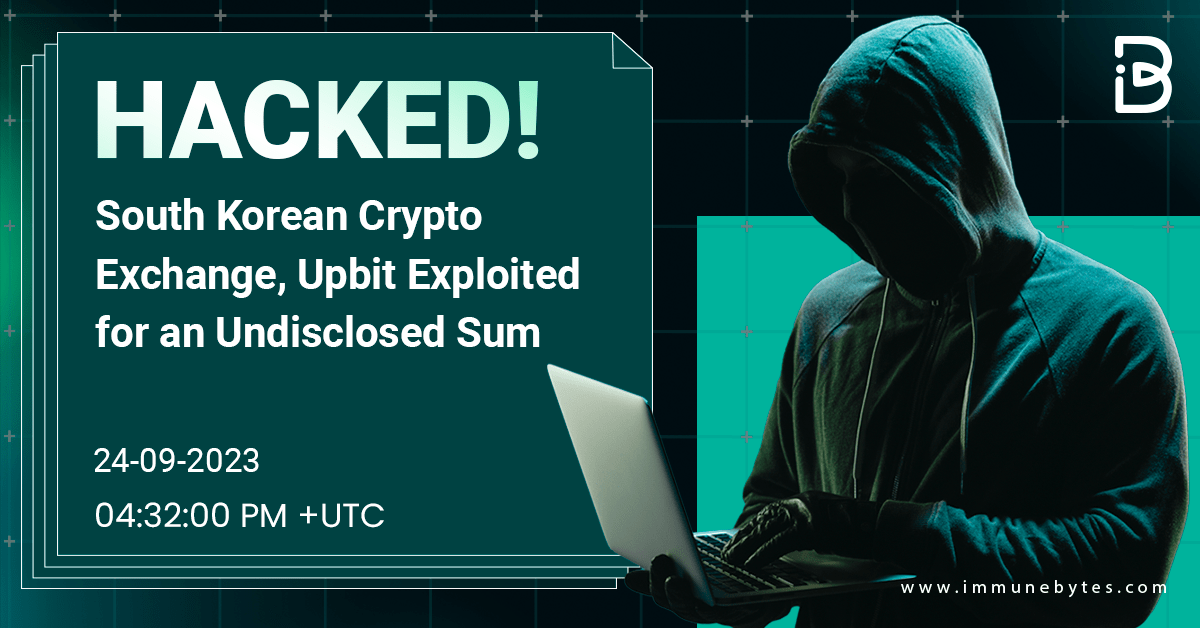
South Korea’s leading cryptocurrency exchange, Upbit, has come under intense scrutiny from the Financial Intelligence Unit (FIU) for allegedly failing to comply with key regulatory requirements related to Know Your Customer (KYC) processes. The FIU’s investigation uncovered a substantial number of potential KYC violations — estimated to involve up to 600,000 accounts. This review emerged as Upbit sought to renew its operational license, underscoring the growing regulatory pressures on South Korea’s crypto sector, especially as authorities tighten measures to combat money laundering and financial misconduct.

Regulatory authorities cited Upbit for allegedly neglecting to fully verify user identities, a fundamental requirement under South Korea’s Anti-Money Laundering (AML) regulations. Financial authorities in the country mandate that crypto exchanges like Upbit maintain strict KYC protocols to ensure that only legitimate transactions are processed, preventing criminal activities such as money laundering and fraud. This emphasis on KYC compliance follows a broader trend across South Korea’s financial ecosystem, where regulators increasingly demand transparency and rigorous operational standards in the virtual asset industry.

Upbit’s case highlights a significant challenge in balancing rapid growth in digital asset trading with compliance requirements. Industry analysts suggest that the reported KYC gaps could subject the exchange to hefty fines, potentially reaching millions of dollars if the FIU determines Upbit to be in severe violation. Legal experts in South Korea have indicated that the FIU may not only impose financial penalties but could also consider suspending Upbit’s operational license, depending on the severity and scale of the regulatory breach. This uncertainty could undermine investor confidence, as Upbit remains one of the most widely used cryptocurrency platforms in South Korea, holding significant sway in the country’s burgeoning crypto market.

While Upbit is not the only exchange in the regulatory spotlight, its high user volume and dominant market share make it a focal point for South Korea’s crypto regulations. In response to the FIU’s findings, Upbit has reportedly initiated efforts to improve its KYC protocols, though details on specific changes remain scarce. Observers believe that if Upbit fails to align its practices with the FIU’s expectations, it could face not only fines but also tighter regulatory controls that may restrict its operational flexibility.

The broader regulatory context in South Korea has grown notably stringent, particularly since the implementation of the Special Financial Transactions Information Act, which mandates full customer verification and reporting by virtual asset service providers (VASPs). This legislative framework, revised in 2021, was designed to safeguard the financial market from illicit activities. Exchanges now face a dual mandate: complying with both domestic laws and international standards set by bodies such as the Financial Action Task Force (FATF). Compliance has thus become a critical factor for the survival of crypto exchanges, as non-compliance risks both financial penalties and operational restrictions.

South Korea’s Financial Services Commission (FSC) has recently rolled out additional reforms aimed at curbing speculative trading and protecting users. In parallel, exchanges are required to notify users about upcoming verification mandates and transaction limits, effectively mandating them to educate users on compliance-related matters. The FSC’s initiatives underscore an intensifying crackdown on crypto firms that fail to abide by the stringent regulations, with an emphasis on maintaining robust security, transparency, and accountability within the industry.

Analysts contend that Upbit’s case could serve as a precedent for how South Korea’s FIU and FSC handle compliance violations in the crypto sector. Should the FIU penalize Upbit, other exchanges may face similar actions, potentially resulting in a ripple effect across the industry. Smaller platforms, in particular, might struggle to meet the financial and operational demands of these regulations, potentially leading to market consolidation where only the most compliant firms thrive. This increased regulatory pressure could ultimately reduce the number of exchanges in the market, affecting competitive dynamics and user access.

As the FIU’s review progresses, experts anticipate potential repercussions for the domestic crypto ecosystem. The growing regulatory focus on KYC compliance may compel exchanges to invest heavily in identity verification technologies and adopt advanced monitoring systems. In this climate, adherence to compliance standards will likely determine the longevity and credibility of cryptocurrency exchanges operating within South Korea.

UAE investors have seen their wealth soar following a remarkable surge in Bitcoin prices, attributed to the political and economic shifts following Donald Trump’s victory in the US election. The cryptocurrency, which had been volatile in the years preceding the win, experienced unprecedented growth as markets reacted to the shifting political landscape, with many investors in the UAE now seeing significant returns on their investments.

Bitcoin’s price surged sharply after the US election results were confirmed, with many financial analysts predicting the trend would continue as uncertainty around Trump’s policies drove investors toward assets perceived as safer or potentially more profitable. The volatile nature of cryptocurrencies makes them an attractive option for those willing to accept the risks for the potential rewards. For investors in the UAE, Bitcoin presented a new opportunity, and many took advantage of the fluctuating prices in anticipation of future growth.

Several prominent cryptocurrency investment platforms have seen increased activity in the UAE, with more people turning to Bitcoin as a hedge against inflation and political instability. The surge in Bitcoin’s value has not only been a boon for individual investors but also for cryptocurrency trading platforms and firms offering Bitcoin-based investment products. Several such platforms reported a spike in sign-ups and transactions in the wake of Trump’s election win, which, combined with the global economic uncertainty that followed, has sparked an interest in digital currencies as an alternative to traditional investments.

In Dubai, where many investors have a global outlook, Bitcoin is quickly becoming a key component of wealth management strategies. The local cryptocurrency market has witnessed a rise in demand for both Bitcoin and other digital assets. Investors are diversifying their portfolios with more aggressive positions in cryptocurrency, banking on the potential for continued growth amid the global economic challenges. Some have even opened Bitcoin-specific funds, offering high-risk, high-reward opportunities to those seeking to capitalize on the digital currency’s upward trajectory.

A key factor contributing to this wave of Bitcoin investment is the cryptocurrency’s appeal as an alternative store of value. With concerns around traditional financial systems, particularly in the Middle East, many are seeking to protect their wealth by investing in assets that are decentralized and not subject to the fluctuations of regional currencies or government policies. Bitcoin, with its promise of independence from state-controlled monetary systems, offers a solution that is increasingly attractive to investors in the UAE.

The global appeal of Bitcoin, combined with its growing legitimacy, has made it a more palatable option for UAE investors, many of whom are looking to broaden their financial horizons. The UAE’s status as a financial hub with a progressive regulatory environment for cryptocurrencies has further contributed to the growing interest. While cryptocurrencies remain largely unregulated in many parts of the world, the UAE has been one of the leading countries in the region to introduce frameworks aimed at fostering innovation while protecting investors.

The surge in Bitcoin prices has also prompted a flurry of interest from young, tech-savvy investors in the UAE. As more millennials and Gen Z individuals enter the investment landscape, they are increasingly looking toward digital currencies as a means of growing their wealth. The UAE has one of the highest concentrations of cryptocurrency holders in the Middle East, with a growing number of younger investors taking positions in Bitcoin as part of a broader trend of tech-driven financial strategies.

While the surge in Bitcoin’s price has created substantial wealth for some investors, the cryptocurrency market remains highly volatile, and many caution against overexposure. Financial advisors emphasize the importance of diversifying portfolios, as the rapid rise in Bitcoin’s value could be followed by equally dramatic declines. Investors are urged to remain cautious, keeping in mind that the cryptocurrency market’s unpredictability makes it unsuitable for all types of investors.

The geopolitical factors that contributed to Bitcoin’s rise are also critical to understanding the broader trends at play. Following Trump’s win, the global economy experienced shifts in trade relations and economic policies, which, in turn, affected investor behavior. As Bitcoin’s value continues to fluctuate in response to these political developments, the currency remains a speculative asset. However, for many in the UAE, the rewards have been substantial, allowing some to realize returns on their investments that were previously unimaginable.

The Saudi Public Investment Fund (PIF), a major sovereign wealth fund under the Saudi government, has executed a notable transaction by divesting over $1 billion worth of shares in the Saudi Telecom Company (STC). This decision aligns with the PIF’s strategy to rebalance its investment portfolio, shedding portions of domestic holdings to fund international acquisitions and domestic development initiatives, particularly in high-growth sectors outside of oil.

This strategic move involved the sale of a 4% stake in STC through a secondary share placement. A major player in the Saudi economy, STC is considered a blue-chip stock on the Saudi exchange, Tadawul, where it holds a considerable influence on market performance. The transaction came after months of market speculation about potential PIF divestitures, spurred by the Fund’s stated ambition to optimize capital flows toward diverse global and domestic investments, potentially in technology and renewables, where PIF sees long-term growth opportunities.

The secondary share placement, conducted through a structured auction, attracted significant interest from both institutional and retail investors in Saudi Arabia and abroad. Market analysts report that this interest underlines the strong international appetite for shares in Saudi Arabia’s robust telecom sector, a pivotal component of the Vision 2030 economic reform plan. Under this framework, which aims to reduce Saudi Arabia’s dependency on oil revenue, sectors like technology and telecommunications are prioritized for growth.

Prior to the sale, PIF held a 64% stake in STC, which translates to substantial influence over the company’s strategic direction. By reducing its stake by 4%, PIF remains the controlling shareholder while monetizing a portion of its holdings, a strategy that reflects the Fund’s ongoing recalibration toward agile capital allocation. PIF’s latest divestiture follows a similar move in 2021 when it sold a 6% stake in STC, raising approximately $3.2 billion, a transaction that bolstered its financial flexibility for reinvestment.

Market observers suggest that this sale is likely to bolster investor confidence in Saudi corporate equities, given PIF’s role in maintaining liquidity and investor interest in Tadawul-listed firms. As PIF diversifies its holdings, the Fund has attracted global interest for its capacity to influence capital flow into emerging market sectors and sustainable development projects, often supported by Saudi state-owned enterprises and investments from foreign sovereign funds.

The timing of this transaction aligns with PIF’s mandate to sustain a diversified portfolio that supports domestic projects like the Red Sea tourism initiative, NEOM, and Qiddiya, in addition to investments in international tech and innovation enterprises. Analysts point out that the sale proceeds may be allocated toward similar domestic mega-projects or invested abroad to capture strategic returns from fast-growing sectors such as artificial intelligence, energy storage, and automation. A notable aspect of PIF’s recent portfolio strategy includes collaborations with international technology firms, signaling an interest in assets that foster cross-border digital infrastructure.

The shift also reflects STC’s own strategic trajectory, as the company continues to expand its service offerings, venturing into digital services and content creation. As part of the broader telecom transformation in Saudi Arabia, STC aims to tap into areas like cloud services, cybersecurity, and data management, all seen as integral to supporting Saudi Arabia’s growing digital economy. PIF’s partial divestment does not signify a reduction in STC’s importance but rather indicates the Fund’s confidence in STC’s operational independence and market resilience.

For international investors, this transaction highlights STC’s status as a critical component of Saudi Arabia’s evolving economic structure. The company remains positioned as a cornerstone of Saudi Arabia’s Vision 2030, which emphasizes developing sectors like entertainment, tourism, and technology. Analysts suggest that, by divesting a stake in STC, PIF frees up capital that can be redirected to reinforce these high-growth industries, underpinning Saudi Arabia’s long-term economic diversification efforts.

Following the transaction, STC’s stock initially witnessed moderate fluctuations, reflecting standard market responses to significant share movements. Market analysts anticipate that, in the near term, STC’s stock price may stabilize, buoyed by investor confidence in its fundamentals. Observers also emphasize that the transaction reflects positively on the Saudi stock exchange, underscoring Tadawul’s growing role as a hub for institutional and foreign investors seeking exposure to Middle Eastern equities.

STC, on its part, remains committed to its expansion strategy, which involves fortifying its digital platforms and expanding telecommunications infrastructure. These initiatives align with the demands of a more digitally interconnected society and the anticipated increase in data consumption across Saudi Arabia, partly driven by high smartphone penetration and rising demand for e-government services. Industry insiders point out that STC’s ongoing investment in 5G infrastructure and data centers positions it well to capture market share in the expanding Gulf tech landscape.

SHANGHAI, CHINA – Media OutReach Newswire – 14 November 2024 – HonKuwa Pharmaceutical Co., Ltd., Japan, made a significant debut at the 7th China International Import Expo (CIIE), presenting two new products—a plaster and a gel—designed to invigorate blood circulation, alleviate pain, and promote muscle and joint health. Both products are formulated with extracts from mint and traditional Chinese herbal ingredients, crafted to be non-allergenic. They provide […]

KUALA LUMPUR, MALAYSIA – Media OutReach Newswire – 14 November 2024 – Adding exotic currency pairs to a portfolio is a popular way to get exposed to a wider variety of assets. These pairs, which include currencies from emerging markets or smaller economies, offer unique opportunities due to their volatility and potential for high returns. For traders in regions like India and Southeast Asia, exotic pairs can […]

KUALA LUMPUR, MALAYSIA – Media OutReach Newswire – 12 November 2024 – The recent U.S. presidential election and subsequent economic events have significantly impacted the Malaysian Ringgit (MYR), with the USDMYR exchange rate reaching a three-month high on Monday. Octa Broker’s financial market analyst, Kar Yong Ang, explains the reasons for the recent weakness in the Malaysian ringgit and provides short-term exchange rate projections. It has been […]

BEIJING, CHINA – Media OutReach Newswire – 13 November 2024 – The first-ever Global Alliance Against Hunger and Poverty will be officially launched at the upcoming 19th G20 Summit in Rio de Janeiro, marking a further step towards the goal of eliminating extreme hunger worldwide by the United Nations’ 2030 deadline. The nascent initiative was pre-launched by Brazilian President Luiz Inacio Lula da Silva at the Ministerial […]

Revolut has officially launched its crypto trading platform, Revolut X, in 30 additional European countries. The expansion marks a significant milestone for the financial technology company, which is targeting experienced traders seeking advanced features in cryptocurrency trading. The new rollout is designed to bolster the platform’s presence in Europe, tapping into an increasing demand for more sophisticated trading tools.

The platform, which first launched in the UK and Europe, offers a comprehensive suite of crypto trading features tailored to individuals with a higher level of expertise in the digital assets space. Revolut X includes a range of tools such as real-time market data, advanced charting, and analysis capabilities that are expected to appeal to traders with more in-depth knowledge of the volatile cryptocurrency market.

Revolut, known for its wide array of financial services, had previously made moves in the cryptocurrency market by offering a simpler, more beginner-friendly crypto service through its primary app. The launch of Revolut X in these new markets is part of the company’s strategy to differentiate itself in an increasingly competitive space dominated by established players such as Binance, Kraken, and Coinbase.

The 30 new countries added to Revolut X’s reach include several key European markets, notably in the EU and surrounding regions. These markets represent some of the most active areas for cryptocurrency adoption, with high levels of market penetration and investor interest. For Revolut, this is a calculated move aimed at capturing more of the trading segment from other platforms that cater to more advanced users.

Industry experts suggest that Revolut’s expansion into these markets comes at a time when crypto trading is gaining momentum across Europe. Regulatory frameworks in many EU nations are becoming more favorable, with clearer rules providing a safer environment for traders. This is seen as a major advantage for platforms like Revolut X, which seeks to build trust and legitimacy in a market that has faced scrutiny in recent years due to concerns over security and market manipulation.

With the introduction of advanced trading features, Revolut X also aims to address the growing demand for decentralized finance (DeFi) and other innovative financial products. As more traders seek out opportunities in non-fungible tokens (NFTs), decentralized exchanges (DEXs), and other blockchain-based assets, Revolut is positioning itself as a key player in these evolving markets.

The cryptocurrency sector in Europe has shown considerable growth, with increasing institutional interest and more retail investors participating in crypto markets. Several nations, particularly Germany, France, and the Netherlands, have already seen a rise in retail investment, and there is an ongoing effort within the European Union to establish clearer regulatory standards for digital assets. This regulatory clarity, along with the expanding acceptance of crypto in traditional financial systems, provides a supportive backdrop for Revolut’s expansion.

However, Revolut’s venture into the cryptocurrency space has not been without challenges. Despite the company’s large customer base and technological edge, it faces stiff competition from other financial technology companies and crypto-native platforms that are already well-established in European markets. Furthermore, cryptocurrency trading remains a high-risk venture for many traders, with concerns over market volatility, regulatory changes, and technological risks such as hacking and fraud.

For Revolut, the strategic move to expand Revolut X to 30 new markets is aimed at capitalizing on the increasing adoption of cryptocurrencies and positioning itself as a serious player in the crypto trading sphere. It also aligns with the company’s broader goal of diversifying its service offerings to encompass a wider array of financial products. This includes plans to broaden access to traditional banking, investment options, and more advanced trading tools. As the market matures and regulatory clarity continues to evolve, Revolut’s early investments into crypto trading could prove to be a significant growth area in its future.

The introduction of Revolut X in these 30 countries also signals a shift in the company’s overall business strategy. By targeting more experienced traders, Revolut is moving away from its initial focus on mainstream consumers and expanding into a niche that has shown higher profitability. This move reflects broader trends in the financial industry, where firms are seeking to capture more sophisticated users who are looking for advanced trading features and greater customization in their investment strategies.

KUALA LUMPUR, MALAYSIA – Media OutReach Newswire – 13 November 2024 – As China solidifies its influence across Southeast Asia, it becomes the region’s largest trading partner and a crucial investor in areas like infrastructure, technology, and renewable energy. This release explores how China’s expanding economic reach shapes Southeast Asian markets, from Indonesia’s booming coal exports to Vietnam’s tech transformation, and provides a glimpse into future growth […]

SINGAPORE – Media OutReach Newswire – 12 November 2024 – Leading digital asset exchange, Coinut, is proud to announce the launch of Wrapped Litecoin ($WLTC) today, November 12. This groundbreaking development integrates Litecoin into the vibrant world of decentralized finance (DeFi) via the Ethereum network. An ERC-20 token, $WLTC acts as a simple bridge between the Litecoin and Ethereum ecosystems. As the oldest surviving altcoin, Litecoin’s 13 […]

Providing a snapshot of the SaloneSatellite Collection and showcasing the talents of emerging international designers at the West Kowloon Cultural District until 21 November HONG KONG SAR – Media OutReach Newswire – 12 November 2024 – The much-anticipated ‘SaloneSatellite Permanent Collection 1998-2024’ Exhibition makes its official debut in Hong Kong today, showcasing more than 100 innovative award-winning works by talented international designers at the Arts Pavilion of […]

VISHNU RAJA
RYO YAMADA
HITORI GOTOH
IKUYO KITA