News related to
platform

Steady Final Dividend of HK$0.02 Per Share Dividend Payout Ratio was Approximately 35% (RMB’ million) For the year ended 31 December 2024 2023 Change (%) Revenue 322.3 262.6 +23% Operating profit 96.6 67.6 +43% Profit attributable to shareholders 106.6 62.4 +71% Basic earnings per share (RMB) 0.054 0.034 +59% Final dividend per share (HKD) 0.02 0.01 +100% HONG KONG SAR – Media OutReach Newswire – 26 March […]

South Korea’s Financial Intelligence Unit has directed Google to restrict domestic access to 17 unregistered cryptocurrency exchange applications on the Google Play Store. Effective March 25, users in South Korea are unable to install or update apps from platforms including KuCoin, MEXC, Phemex, Poloniex, and BitMart.

The FIU’s action targets foreign virtual asset service providers operating without proper registration, as mandated by the Act on Reporting and Using Specified Financial Transaction Information. This legislation requires all VASPs conducting business in South Korea to register with the authorities to ensure compliance with anti-money laundering and know-your-customer regulations.

The 17 affected exchanges are KuCoin, MEXC, Phemex, XT, Bitrue, CoinW, CoinEx, ZoomEX, Poloniex, BTCC, DigiFinex, Pionex, Blofin, Apex Pro, CoinCatch, WEEX, and BitMart. Users attempting to access these platforms via their mobile applications will encounter restrictions, preventing new installations and updates.

The FIU has been actively identifying and addressing unregistered foreign exchanges targeting South Korean investors. In 2022, the agency identified 16 such operators, followed by six more in 2023. The current enforcement action reflects the government’s commitment to safeguarding its financial system from potential risks associated with unregulated cryptocurrency trading.

Operators of unregistered exchanges face legal consequences, including up to five years in prison or fines of up to 50 million won . The FIU is collaborating with Apple Korea and the Korea Communications Standards Commission to extend these restrictions to the Apple App Store and to block associated websites, further curbing access to unregistered platforms.

This crackdown is part of South Korea’s ongoing efforts to balance innovation in the cryptocurrency sector with the need for regulatory oversight. By targeting unregistered exchanges, the government aims to protect investors and maintain the integrity of its financial system.

Leading Education Experts Gather to Shape Conversations Around Global Education for the Next Generation MACAU SAR – Media OutReach Newswire – 26 March 2025 – Galaxy Macau™, in collaboration with South China Morning Post Learn (SCMP Learn), proudly hosted a landmark educational seminar—entitled “Galaxy Macau Presents Parents’ Talk: Pathways to World-Class Education” on the afternoon of the 23rd at the Galaxy International Convention Center (GICC). Attracting over […]

HONG KONG SAR – Media OutReach Newswire – 26 March 2025 – The Institute of ESG & Benchmark (IESGB) is proud to announce the launch of the fifth edition of the ESG Achievement Awards 2024/2025, a prestigious platform dedicated to recognising and celebrating excellence in environmental, social, and governance (ESG) practices. Building on its legacy of honouring trailblazers in sustainability, this year’s awards will shine a spotlight […]

Chinese artificial intelligence firm DeepSeek has unveiled its latest large language model, DeepSeek-V3-0324, on the AI development platform Hugging Face. This release signifies a notable advancement in AI performance, particularly in reasoning and coding abilities. The DeepSeek-V3-0324 model demonstrates significant improvements over its predecessor, DeepSeek-V3, across various benchmarks. In the MMLU-Pro assessment, which evaluates understanding across multiple subjects, the model’s score increased from 75.9 to 81.2. Similarly, […]

The U.S. Securities and Exchange Commission has officially concluded its investigation into Immutable, a prominent player in the Web3 gaming sector, without finding any wrongdoing or pursuing enforcement actions. This development follows the Wells notice issued to Immutable in November 2024, which had signaled potential enforcement proceedings.

Robbie Ferguson, co-founder and president of Immutable, expressed satisfaction with the SEC’s decision, stating, “We are pleased the SEC has concluded its inquiry. This marks a significant milestone for the crypto industry and gaming as we advance towards a future with regulatory clarity.”

The SEC’s investigation was primarily focused on the 2021 “listing and private sales” of Immutable’s native token, IMX. The issuance of the Wells notice had raised concerns within the company and the broader cryptocurrency community about potential regulatory repercussions.

The closure of this investigation is seen as part of a broader shift in the SEC’s approach to cryptocurrency regulation under Acting Chair Mark Uyeda. The commission has recently ended probes into several crypto entities, including Gemini, Robinhood, OpenSea, Yuga Labs, and Ripple. This shift includes the establishment of a Crypto Task Force led by Commissioner Hester Peirce, aiming to develop comprehensive regulatory frameworks for digital assets.

Industry observers view the SEC’s decision as a positive signal for the Web3 gaming sector. Regulatory clarity is anticipated to encourage further innovation and investment in blockchain-based gaming platforms. Immutable has been at the forefront of integrating blockchain technology into gaming, offering solutions that enable true digital ownership for players.

In the wake of the SEC’s announcement, the IMX token experienced a notable surge in value. Market data indicates that IMX’s price increased by approximately 15%, reflecting investor optimism and confidence in Immutable’s future prospects.

While the SEC has closed its investigation into Immutable, other crypto firms continue to navigate regulatory challenges. Companies such as Unicoin and Crypto.com are still under scrutiny, highlighting the evolving and complex landscape of cryptocurrency regulation.

The Ministry of Electronics and Information Technology is set to host the Nano Electronics Roadshow and Conference on Semiconductor Ecosystem in India on March 27, 2025, at the National Science Seminar Complex, Indian Institute of Science Bengaluru. This initiative aims to unite key stakeholders from government, industry, academia, strategic sectors, startups, and the venture capital ecosystem to foster innovation and collaboration within the semiconductor domain.

Organized by MeitY’s Nanotechnology Initiatives Division in collaboration with premier institutions including IISc Bengaluru, IIT Bombay, IIT Madras, IIT Delhi, IIT Kharagpur, and IIT Guwahati, the event underscores the government’s commitment to advancing the semiconductor industry. Shri S. Krishnan, Secretary of MeitY, will lead the conference, highlighting the pivotal role of nanoelectronics in shaping the future of technology.

The conference will serve as a platform to showcase cutting-edge innovations in nanoelectronics, featuring pioneering research and ambitious startups poised to become significant players in the industry. Attendees can anticipate in-depth discussions on breakthroughs in quantum technology, neuromorphic computing, artificial intelligence, information technology, and indigenous advancements in nanoelectronics.

India’s semiconductor market is on a trajectory of significant growth. According to the India Electronics and Semiconductor Association , the market is projected to expand from $52 billion in 2024 to $103.4 billion by 2030. This growth is driven by increasing demand across various sectors, including consumer electronics, automotive, and telecommunications. The government’s proactive initiatives, such as the $10 billion incentive package to attract semiconductor investments, further bolster this upward trend.

In alignment with these efforts, several semiconductor manufacturing units have been approved, with construction expected to commence within the next 100 days. These developments are poised to enhance India’s manufacturing capabilities and reduce dependency on imports.

Advertisements

CoreSky, a platform dedicated to the incubation of meme coins, has successfully raised $15 million in a Series A funding round. This infusion of capital aims to accelerate the development of its platform, which facilitates user engagement in the early stages of meme token creation.

The funding round was led by Tido Capital, with participation from WAGMI Ventures, CoPilot Ventures Studio, Web3vision, and Parallel Ventures. This investment brings CoreSky’s total funding to $21 million; however, the company’s valuation remains undisclosed.

CoreSky’s platform introduces a community-driven approach to meme coin development. By enabling user voting, it gauges public opinion during the initial phases of a meme token’s lifecycle. This mechanism aims to foster fair distribution and grassroots involvement, addressing challenges often associated with the meme coin market.

Netflix has expanded its high dynamic range offerings by integrating HDR10+ support into its streaming platform. This advancement aims to deliver improved picture quality, featuring enhanced clarity and more vibrant colours for viewers with compatible devices. Previously, Netflix’s HDR content was predominantly available in Dolby Vision, a format not supported by Samsung televisions. This limitation meant that Samsung users were restricted to the standard HDR10 format, which […]

The Abu Dhabi Investment Authority , through a wholly owned subsidiary, has agreed to acquire a significant minority stake in European Camping Group , a leading provider of outdoor accommodation in Europe. PAI Partners, the France-based private equity firm, will retain its majority shareholding in ECG following the completion of this transaction, which is subject to customary regulatory approvals.

Established as a prominent entity in the outdoor hospitality sector, ECG operates an extensive portfolio of 4- and 5-star campsites across prime tourist destinations in Europe. The group has been instrumental in elevating the camping experience by offering high-end facilities and services, catering to a diverse clientele seeking quality outdoor lodging options.

PAI Partners initially invested in ECG in 2021 and has since played a pivotal role in the company’s expansion and enhancement initiatives. In 2023, PAI Partners reinforced its commitment to ECG by facilitating the acquisition of Vacanceselect, a move that solidified ECG’s position as a pan-European platform in the outdoor accommodation sector. This strategic acquisition expanded ECG’s footprint and diversified its service offerings, aligning with the evolving preferences of modern travelers.

The entry of ADIA as a significant minority stakeholder is poised to further bolster ECG’s growth trajectory. ADIA’s investment is expected to provide additional capital and strategic support, enabling ECG to explore new opportunities and strengthen its market presence. This collaboration underscores the attractiveness of the outdoor hospitality industry to global investors, reflecting confidence in its resilience and potential for sustained growth.

The outdoor accommodation sector has witnessed a surge in demand, driven by travelers’ increasing inclination towards nature-centric and socially distanced vacation options. ECG’s commitment to offering premium camping experiences has positioned it well to capitalize on these trends, making it an appealing prospect for investors like ADIA.

While the financial specifics of the transaction have not been publicly disclosed, the partnership between ADIA and PAI Partners signifies a strategic alignment aimed at leveraging ECG’s established market position and operational expertise. The infusion of resources and insights from ADIA is anticipated to accelerate ECG’s initiatives in enhancing guest experiences, expanding its campsite network, and integrating innovative technologies to meet the evolving demands of the hospitality industry.

A technical issue within Google Maps has resulted in the inadvertent deletion of some users’ Timeline data, with recovery options limited to those who had previously enabled encrypted backups. Google acknowledged the problem, stating that users without encrypted backups will be unable to recover their lost data. Genevieve Park, a Google spokesperson, confirmed the issue, noting that while most users with backups can restore their information, those […]

Linux Kernel 6.14 has been officially released, bringing notable performance improvements and expanded hardware support for AMD, Intel, and RISC-V architectures. This update introduces several key enhancements aimed at optimizing system efficiency and broadening compatibility with emerging technologies. A significant addition in this release is the introduction of the AMDXDNA driver, which supports AMD’s Neural Processing Units . These NPUs, integrated into AMD client CPUs, are designed […]

The Washington Nationals have entered into a partnership with TicketOS, designating the company as their Official Corporate Ticket Management Partner. This collaboration aims to streamline the ticket management process for the Nationals’ Premium Partners, offering a more efficient and integrated experience. TicketOS specializes in providing advanced ticket management solutions tailored for corporate clients. By integrating with the Nationals’ existing ticketing platform and Tickets.com, TicketOS enables businesses to […]

Oracle Corporation has announced the general availability of its Exadata Database Service on Exascale Infrastructure within the Oracle Database@Azure platform. This development aims to provide customers with enhanced scalability, cost-efficiency, and performance for their database workloads. The Exascale deployment option introduces a multitenant, hyper-elastic intelligent data architecture that delivers the advantages of Oracle Exadata in a cloud environment. By eliminating the need for dedicated database and storage […]

Tata Communications has unveiled Tata Communications Vayu, a next-generation cloud fabric designed to address the escalating challenges faced by enterprises in managing multi-cloud environments, rising costs, and the growing demands of artificial intelligence infrastructure. This integrated solution aims to simplify cloud operations, reduce expenses, and foster scalable innovation for businesses navigating the complexities of the digital era.

Vayu integrates Infrastructure as a Service , Platform as a Service , AI platforms, security, and cloud connectivity into a unified ecosystem. This consolidation eliminates management complexities, reduces operational costs, and enables enterprises to scale seamlessly without vendor lock-in. The platform’s transparent pricing model and built-in financial operations automation promise cost savings of up to 30%, with reductions of 15-25% compared to major cloud service providers, and notably, without data egress charges or hidden fees.

To support the increasing adoption of AI applications, Vayu offers on-demand access to high-performance NVIDIA GPUs, facilitating AI model training, fine-tuning, and deployment without substantial infrastructure investments. The inclusion of an AI Studio—comprising an AI workbench, model garden, and responsible AI frameworks—further accelerates innovation by providing essential tools for enterprises to develop and implement AI solutions effectively.

The platform’s PaaS services simplify application deployment through serverless computing, auto-scaling, and managed databases. Integrated DevOps tools, API management, and microservices architecture automate workflows, enabling rapid innovation without the burden of infrastructure management. This vendor-agnostic approach ensures cross-platform interoperability, allowing businesses to operate across various cloud environments, including on-premises, multi-tenant, edge, public, or private clouds.

Security remains a cornerstone of Vayu, featuring a zero-trust security framework, advanced identity and access controls, and compliance with key regulations such as the Digital Personal Data Protection Rules 2025, Reserve Bank of India , Securities and Exchange Board of India , Insurance Regulatory and Development Authority of India , and the Ministry of Electronics and Information Technology . Data encryption both at rest and in transit ensures protection against evolving cyber threats, providing enterprises with confidence in their data security.

Sustainability is also a key focus for Vayu, offering carbon-neutral cloud options and energy-efficient data centres. Tata Communications plans to implement direct liquid cooling technology to optimise heat management for high-performance computing, aligning with environmental, social, and governance goals while delivering superior cloud performance.

A.S. Lakshminarayanan, Managing Director and CEO of Tata Communications, highlighted the platform’s significance: “As the digital era accelerates, the need for enterprise cloud and AI solutions that balance performance, cost, and sustainability has never been greater. Tata Communications Vayu is more than a product—it will pioneer a new way forward for businesses to integrate, uncomplicate, and innovate.”

Bhaskar Gorti, Executive Vice President of Cloud and Cybersecurity Services at Tata Communications, emphasised the transformative nature of Vayu: “Tata Communications Vayu signifies a transformational shift. Enterprises today need more than just basic cloud services, and our latest offering is the beginning of a new chapter in cloud evolution—one where technology is no longer an obstacle but an enabler of limitless possibilities.”

The introduction of Vayu positions Tata Communications to compete directly with established cloud service providers such as Google Cloud, Microsoft Azure, and Amazon Web Services . By focusing on cross-platform interoperability, cost predictability, and leveraging its own network infrastructure, Tata Communications aims to differentiate itself in the competitive cloud market. The platform’s emphasis on reducing cloud expenditure by 15-25%, coupled with the absence of data egress charges, presents a compelling value proposition for enterprises seeking efficient and flexible cloud solutions.

Industry analysts note that the Indian public cloud services market is projected to reach $24.2 billion by 2028, growing at a compound annual growth rate of 23.8% from 2023 to 2028. This growth is driven by factors such as digital transformation initiatives, a preference for as-a-service models, and the increasing adoption of AI technologies. Tata Communications’ strategic focus on large enterprises, startups, and academic institutions positions Vayu to capitalise on this expanding market by providing tailored solutions that address the unique needs of these segments.


Aspire partners with global top tier VCs to launch a programme to empower early stage founders with the knowledge, resources and investor connections to fundraise with confidence. SINGAPORE – Media OutReach Neswire – 25 March 2025 – Aspire, the all-in-one finance platform for modern businesses, today announces the launch of Aspire Ignite, a programme designed to help early stage startup founders overcome one of the biggest challenges […]

The European Union is considering the development of a Linux-based operating system tailored for use across its public sector institutions. This initiative aims to reduce reliance on proprietary software, enhance digital sovereignty, and ensure compliance with data protection regulations. The proposed system, referred to as “EU OS,” is envisioned as a Fedora-based Linux distribution featuring the KDE Plasma desktop environment. According to the project’s documentation, EU OS […]

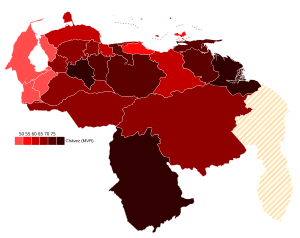
President Donald Trump has declared that, effective April 2, the United States will impose a 25% tariff on all imports from countries purchasing oil or gas from Venezuela. This measure, announced via his Truth Social platform, is aimed at penalizing nations that continue energy trade with Venezuela, which the administration accuses of covertly sending violent criminals into the U.S.

The President’s decision introduces a “secondary tariff” targeting nations engaging in energy transactions with Venezuela. He asserted that Venezuela has “purposefully and deceitfully” sent “tens of thousands” of high-level criminals, including members of the Tren de Aragua gang, into the United States. This gang has been designated as a Foreign Terrorist Organization by the U.S. government.

The impending tariffs are set to affect major importers of Venezuelan oil, notably China and India. India’s significant corporations, such as Reliance Industries Limited and Indian Oil Corporation , which have resumed importing Venezuelan crude following the easing of previous U.S. sanctions, may now face substantial economic repercussions.

This development marks a significant escalation in the U.S.’s economic measures against Venezuela. In August 2017, the Trump administration imposed sanctions targeting Venezuela’s petroleum industry by restricting the trading of Venezuelan bonds in U.S. markets. Further sanctions in January 2019 aimed to pressure President Nicolás Maduro to resign, freezing $7 billion of PDVSA’s U.S. assets and preventing U.S. firms from exporting naphtha to Venezuela.

The President’s announcement has already influenced global oil markets, with Brent crude prices rising by 1% following the news. This surge reflects concerns over potential disruptions in the global oil supply chain and the broader implications of the new tariffs.

The administration’s stance is that these measures are necessary to protect national security and address the alleged threats posed by Venezuela. However, critics argue that such broad tariffs could strain diplomatic relations and have unintended economic consequences for U.S. allies. The lack of detailed implementation plans has also raised questions about the practical enforcement of these tariffs and their impact on ongoing energy contracts.

By Nitya Chakraborty Is the Bangladesh Army going to take over control of their politically turbulent country, either from front or behind, to precipitate the holding of early elections? This question is being raised by the seasoned political observers in Dhaka, as the whole of last week was dominated by highly controversial posts on Facebook, […]

Managing a Linux system can be a complex endeavor, especially for those new to the platform. Linux-Assistant emerges as a comprehensive solution, designed to simplify and enhance the user experience by automating routine tasks and providing valuable insights into system performance. Linux-Assistant offers a suite of features aimed at both novice and seasoned users. It provides real-time monitoring of system resources, including CPU usage, memory consumption, and […]

The U.S. Department of the Treasury has lifted sanctions against Tornado Cash, a cryptocurrency mixer previously accused of facilitating extensive money laundering activities, including transactions linked to North Korean cybercriminals. This decision follows a series of legal challenges questioning the Treasury’s authority to impose such sanctions on decentralized software protocols.

In August 2022, the Treasury’s Office of Foreign Assets Control sanctioned Tornado Cash, alleging its involvement in laundering over $7 billion since its inception in 2019. Notably, OFAC claimed that the North Korean hacking group Lazarus utilized the platform to launder more than $455 million. The sanctions marked a significant move by the U.S. government to regulate the use of cryptocurrency mixers, which are designed to obfuscate transaction trails on blockchain networks.

The sanctions faced immediate opposition from various quarters of the cryptocurrency community. Six users of Tornado Cash, with financial backing from the cryptocurrency exchange Coinbase, filed a lawsuit challenging OFAC’s action. They argued that sanctioning open-source, self-executing software exceeded the agency’s statutory authority under the International Emergency Economic Powers Act . The plaintiffs contended that the immutable smart contracts constituting Tornado Cash could not be considered property subject to sanctions.

In November 2024, the U.S. Court of Appeals for the Fifth Circuit ruled in favor of the plaintiffs, stating that OFAC had overstepped its authority. The court held that the smart contracts underlying Tornado Cash were not property and, therefore, not subject to sanctions under IEEPA. This ruling underscored the challenges regulators face when applying traditional legal frameworks to decentralized technologies.

Following the court’s decision, the Treasury conducted a review of the legal and policy issues surrounding the use of sanctions in the context of evolving technologies. On March 21, 2025, the Treasury announced the removal of Tornado Cash and associated Ethereum wallet addresses from the Specially Designated Nationals list. In a statement, Treasury Secretary Scott Bessent emphasized the department’s commitment to combating illicit activities in the digital asset space while acknowledging the need to adapt regulatory approaches to technological advancements.

Despite the delisting, the Treasury reiterated its concerns about North Korea’s state-sponsored hacking and money laundering campaigns. The department stressed the importance of securing the digital asset industry from abuse by illicit actors to maintain U.S. leadership in financial innovation and inclusion. The Treasury also indicated that it would continue to monitor transactions that could benefit malicious cyber actors or the North Korean regime.

The legal proceedings against individuals associated with Tornado Cash have also been noteworthy. In 2023, two co-founders of Tornado Cash were charged with facilitating over $1 billion in money laundering, including transactions linked to the Lazarus Group. One of the co-founders, Roman Storm, is awaiting trial and has denied any criminal activity. Additionally, in May 2024, developer Alexey Pertsev was sentenced to five years and four months in prison in the Netherlands for money laundering related to his involvement with Tornado Cash.

The removal of sanctions against Tornado Cash has elicited varied reactions from the cryptocurrency community and regulatory observers. Proponents of decentralized technologies view the court’s decision and subsequent delisting as a victory for open-source software development and financial privacy. They argue that sanctioning code rather than individuals or entities sets a concerning precedent for technological innovation.

Conversely, critics express apprehension that the delisting could embolden malicious actors to exploit similar platforms for illicit purposes. They emphasize the necessity for regulatory frameworks that effectively address the misuse of privacy-enhancing technologies without stifling innovation. The case of Tornado Cash highlights the complexities regulators face in balancing the promotion of technological advancement with the imperative to prevent criminal exploitation of emerging technologies.

The Treasury’s decision to lift sanctions against Tornado Cash underscores the dynamic nature of regulatory approaches to decentralized technologies. As the digital asset landscape continues to evolve, regulatory bodies worldwide are grappling with the challenge of applying existing legal frameworks to novel technological constructs. The outcome of the Tornado Cash case may serve as a reference point for future policy discussions on regulating decentralized platforms and the broader implications for financial privacy and security.

In the wake of the delisting, stakeholders in the cryptocurrency industry are closely monitoring potential regulatory responses and the development of new guidelines tailored to address the unique attributes of decentralized technologies. The balance between fostering innovation and ensuring robust safeguards against illicit activities remains a central theme in the ongoing discourse on cryptocurrency regulation.

Ripple Labs has secured a significant legal victory as the U.S. Securities and Exchange Commission officially dropped its lawsuit against the company, concluding a four-year legal battle that has had profound implications for the cryptocurrency industry. Ripple’s CEO, Brad Garlinghouse, announced the development, marking a pivotal moment for both the company and the broader digital asset market.

The SEC initiated legal proceedings against Ripple in December 2020, alleging that the company’s sale of its native cryptocurrency, XRP, constituted an unregistered securities offering. This action cast a shadow over XRP and raised concerns about the regulatory status of similar digital assets. However, the SEC’s decision to dismiss the case signifies a notable shift in the regulatory landscape, potentially setting a precedent for how cryptocurrencies are classified and regulated in the United States.

In response to the news, XRP experienced a notable price surge. The cryptocurrency’s value increased by approximately 8%, reaching $2.56, as investors reacted positively to the resolution of the legal uncertainty that had long surrounded Ripple and its digital token. This price movement reflects renewed investor confidence and suggests a more favorable outlook for XRP’s future.

The conclusion of the lawsuit comes amid broader regulatory developments under President Donald Trump’s administration, which has adopted a more accommodating stance toward the cryptocurrency industry. The administration’s efforts to ease regulatory pressures have included the dismissal of multiple lawsuits against crypto companies and the establishment of a task force aimed at fostering innovation within the digital asset space. These measures underscore a strategic shift toward embracing the potential of cryptocurrencies and blockchain technology within the U.S. financial system.

President Trump’s engagement with the cryptocurrency sector was further highlighted by his recent address at the Digital Asset Summit 2025, where he acknowledged the growing importance of digital assets in the global economy. This marked the first time a sitting U.S. president has spoken at a cryptocurrency conference, signaling a significant endorsement of the industry’s legitimacy and potential. During his speech, President Trump emphasized his administration’s commitment to positioning the United States as a leader in the crypto space, advocating for legislative reforms to support the growth of crypto institutions and the broader adoption of digital assets.

The resolution of the Ripple lawsuit is expected to have far-reaching implications for the cryptocurrency market. By clarifying the regulatory status of XRP, the decision may influence how other digital assets are perceived and regulated, potentially paving the way for increased institutional investment and mainstream adoption. Market analysts suggest that this outcome could serve as a catalyst for further innovation and growth within the crypto industry, as regulatory clarity is often cited as a critical factor for broader acceptance and integration of digital assets into traditional financial systems.

Despite the positive developments, some analysts caution that the cryptocurrency market remains inherently volatile. While the dismissal of the SEC’s case against Ripple removes a significant overhang, investors are advised to remain vigilant and consider the inherent risks associated with digital asset investments. Market dynamics can be influenced by various factors, including regulatory changes, technological advancements, and macroeconomic trends, all of which can contribute to price fluctuations and investment risks.

Ripple’s legal victory also has implications for other cryptocurrency platforms and tokens facing regulatory scrutiny. The outcome of this case may serve as a reference point for future legal interpretations and enforcement actions by regulatory bodies, potentially influencing the development of more comprehensive and clear regulatory frameworks for the cryptocurrency industry. This could lead to a more predictable and stable environment for both crypto companies and investors, fostering greater confidence and participation in the digital asset market.

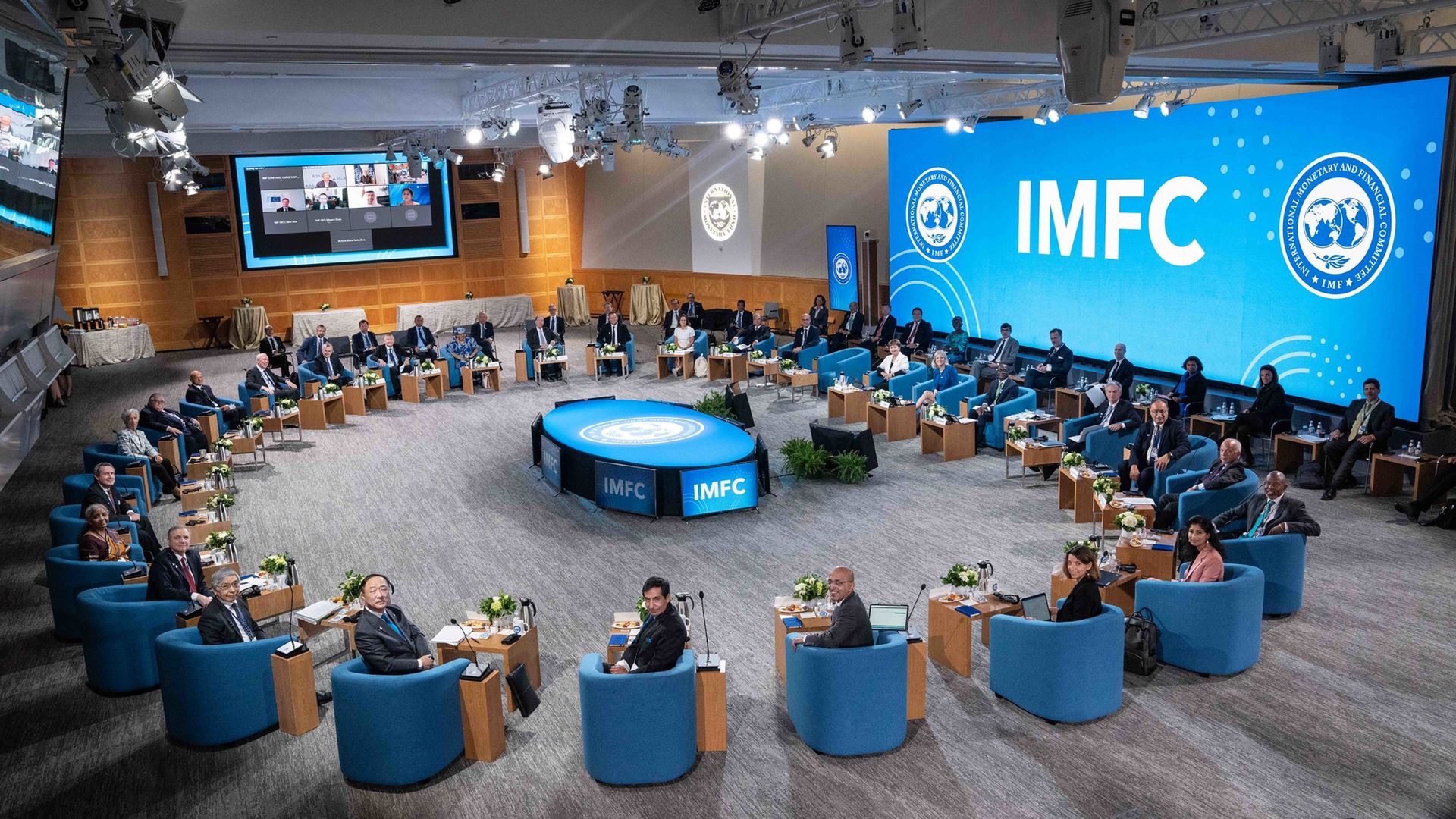
The International Monetary Fund has officially incorporated Bitcoin and other cryptocurrencies into its global economic statistics, reflecting their growing significance in the financial landscape. The IMF’s Balance of Payments Manual, Seventh Edition , released on March 20, 2025, provides detailed guidance on the classification and treatment of digital assets, marking a pivotal shift in international financial reporting standards.

In this updated manual, the IMF categorizes digital assets into two primary types: fungible and non-fungible tokens. Fungible tokens, such as Bitcoin, are further divided based on the presence or absence of corresponding liabilities. Cryptocurrencies like Bitcoin, which do not have associated liabilities and function as mediums of exchange, are classified as non-produced nonfinancial assets. These assets are recorded separately in the capital account, acknowledging their unique nature and economic role.

Conversely, digital assets with corresponding liabilities, such as certain stablecoins, are treated as financial instruments. This distinction underscores the IMF’s effort to accurately reflect the economic realities of various digital assets within the global financial system.

The BPM7 also addresses the classification of tokens tied to specific platforms. For instance, cryptocurrencies like Ethereum and Solana, which are integral to their respective platforms, may be treated akin to equity holdings in the financial account. This approach aligns with traditional financial principles, where ownership of platform-specific tokens is comparable to holding equity in a company.

The IMF recognizes activities such as staking and mining, which are essential for validating cryptocurrency transactions, as income-generating services. Rewards from these activities are treated similarly to dividends and are recorded as income, depending on the size and purpose of the holdings. This recognition reflects the growing economic impact of digital assets and adds visibility to related services in macroeconomic statistics.

The inclusion of cryptocurrencies in the IMF’s standards signifies a broader trend of acknowledging the role of decentralized digital currencies in the financial system. By treating cryptocurrencies as non-produced assets, the IMF acknowledges their unique characteristics and the need for specialized economic analysis.

This development is expected to enhance transparency and provide a more comprehensive view of global economic activities. It also highlights the IMF’s commitment to staying abreast of technological advancements and their impact on the global economy. As cryptocurrencies continue to evolve, this recognition by the IMF sets a precedent for other international organizations and governments to follow suit, potentially leading to more standardized and regulated approaches to digital currencies.

The IMF’s updated framework also addresses the complexity of staking and crypto yields, noting that rewards from holding tokens could be treated like equity dividends and recorded as income, based on the size and purpose of the holdings. Notably, this update helps countries better track the economic impact of digital assets. The IMF now treats activities like mining or staking, which help validate crypto transactions, as services. These will be included in computer services exports and imports.

Abu Dhabi-based renewable energy company Masdar is exploring the acquisition of a stake in TotalEnergies’ renewable energy assets in Portugal, according to sources familiar with the matter. This potential investment underscores Masdar’s strategic expansion into the European renewable energy market as it strives to achieve a global renewable energy capacity of 100 gigawatts by 2030.

The discussions involve Masdar potentially leveraging Saeta Yield, a green energy company it acquired from Brookfield Renewable for $1.4 billion in September 2024, to facilitate the deal. Saeta Yield’s portfolio includes 745 megawatts of operational wind assets and a 1.6 GW development pipeline across Spain and Portugal, positioning it as a significant player in the Iberian renewable energy sector.

TotalEnergies currently operates approximately 600 MW of installed renewable capacity in Portugal, predominantly in wind energy, with additional solar and hydroelectric assets. The valuation of wind assets per megawatt is currently higher than that of solar, making this an attractive investment opportunity for Masdar. TotalEnergies has not commented on the potential stake sale.

Masdar’s interest in TotalEnergies’ assets aligns with its broader strategy to expand its presence in the Iberian Peninsula. In addition to the Saeta Yield acquisition, Masdar secured a minority stake in a 2 GW solar portfolio controlled by Spanish utility Endesa. The company is also in negotiations with Endesa to further expand their partnership, reflecting its commitment to the European renewable energy market.

These strategic moves are part of Masdar’s ambitious plan to scale up its renewable energy capacity globally. The company’s goal of reaching 100 GW by 2030 is supported by investments in various markets, with a significant focus on Europe. The acquisition of stakes in established renewable assets, such as those owned by TotalEnergies and Endesa, provides Masdar with a robust platform to achieve its expansion objectives.

The potential deal with TotalEnergies would not only enhance Masdar’s asset base but also strengthen its operational capabilities in managing wind energy projects. This is particularly pertinent given the higher valuation and demand for wind assets in the current market. By integrating TotalEnergies’ Portuguese assets, Masdar could optimize its portfolio and enhance its competitive position in the European renewable energy sector.

Masdar’s strategic acquisitions and partnerships in the Iberian Peninsula reflect a calculated approach to establishing a strong foothold in a region with abundant renewable energy resources. The company’s investments are aligned with the European Union’s commitment to increasing renewable energy production, offering Masdar opportunities for growth and collaboration within the European market.

As the global energy landscape shifts towards sustainable sources, Masdar’s proactive expansion into established and emerging renewable energy markets positions it as a key player in the transition to clean energy. The company’s strategic investments in Europe, particularly in the Iberian Peninsula, demonstrate its commitment to contributing to global renewable energy targets and addressing climate change challenges.

VISHNU RAJA
RYO YAMADA
HITORI GOTOH
IKUYO KITA