Just in:
CR Longdation Aethereal Cybersecurity × Global Cybersecurity Alliance (GCSA) Join Hands to Establish the “AI and Cybersecurity Research Centre” // OpenAI identifies 948 Linux privilege escalation flaws using AI // Hong Kong mandates crypto transaction disclosures to tax authorities // Utilities pursue ₹1,992 cr in unpaid bills // Burying Head In “India Made Poverty Reduction” Data Is Dangerous // Oil and chip shares retreat after Democratic victories // Cloudflare unveils Zero Wire vulnerability intelligence service // Ta’ziz finalises $1.39bn funding for Ruwais industrial facilities // Democrats capture Senate majority with seven Republican seats // AI trust gap reveals distinct retail priorities: Divergent paths to consumer growth in Hong Kong and the GBA // As AI Reshapes Education, Singapore Convenes Global Dialogue on the Future of Early Childhood Education // SC to examine students’ exam plea today // Dubai boat show confirms international shipyard line-up for November // Pinarayi faults UDF over mounting road crashes // xCube Access Welcomes Entrust Capital Limited  Expanding Access to Professional Portfolio Management // APT29-linked campaign exploits outdated Apple and Android software // Vance attributes Republican midterm defeats to Iran conflict // BJP’s Aggressive Response Exposes Anxiety Over Opposition Unity // After Reaching 7 Million Users in the Philippines, Skyro Launches Transparent Cash Loans in Malaysia // Arrow Electronics showcases technologies advancing intelligent robotics, mobility and digital infrastructure //

News related to
platform

M42, a leading healthcare technology company based in Abu Dhabi, is revolutionizing the healthcare sector by integrating advanced artificial intelligence and digital solutions to enhance patient care and operational efficiency. The company has recently introduced Med42, an open-access Clinical Large Language Model comprising 70 billion parameters. This generative AI model is designed to significantly impact patient care outcomes by improving diagnostic accuracy and physician productivity.

Dr. Maaz Shaikh, Vice President of Product Management at M42, emphasizes that AI is reshaping the healthcare industry by advancing diagnostics, optimizing administrative workflows, and offering personalized treatment options. Despite these advancements, challenges such as sustainability concerns and labor shortages persist.

To address these challenges and accelerate growth, M42 has restructured its operations into four strategic platforms: Genomics, National Programs, Biobank, and Data Services. This new structure aims to focus on strategic priorities and drive innovation in global healthcare.

M42’s commitment to innovation is further demonstrated through its partnerships and initiatives. The company has collaborated with Uzbekistan’s Ministry of Health on the Uzbek Genome Program, aiming to expand its genomics footprint and contribute to global genomic diversity.

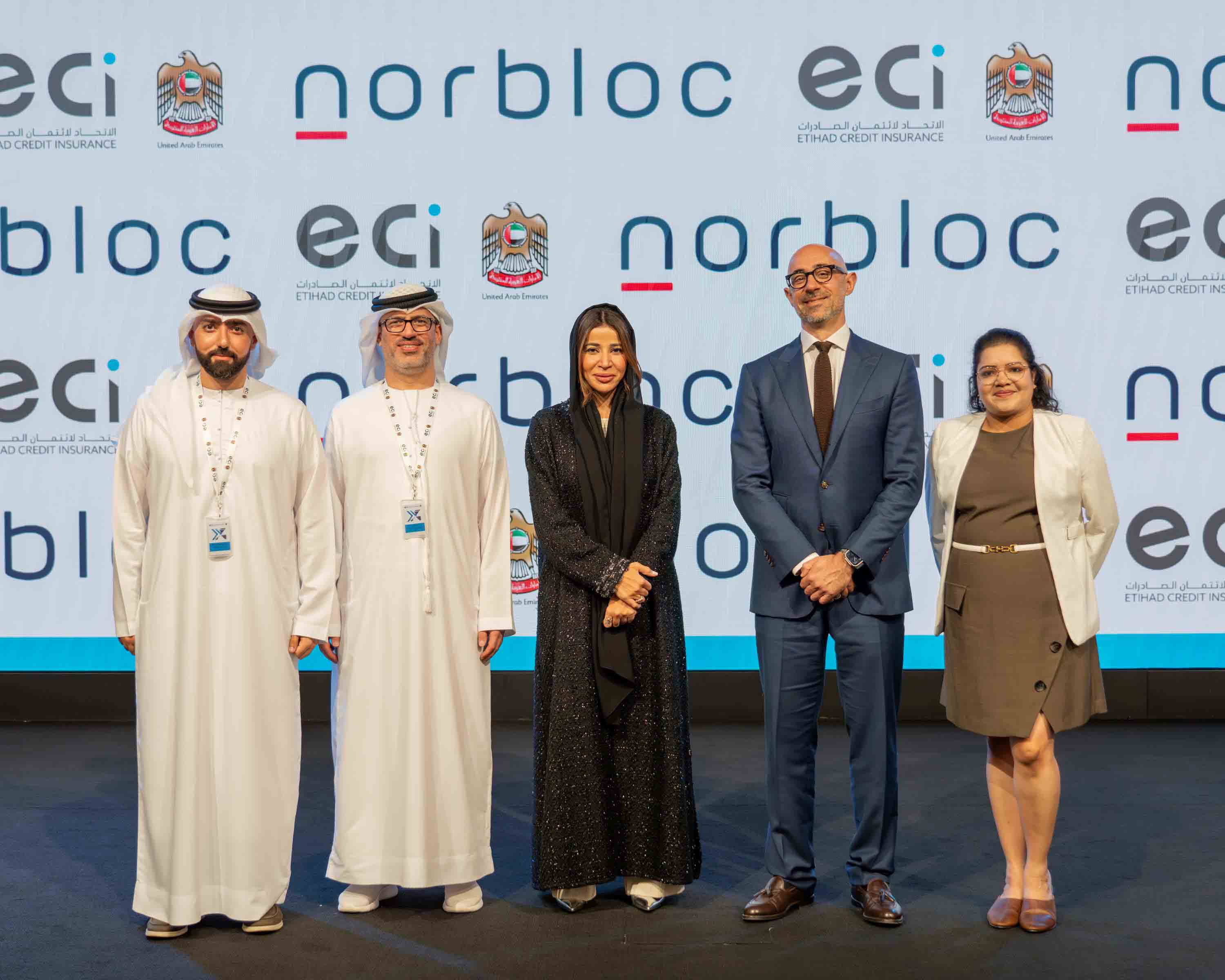
Etihad Credit Insurance , a prominent UAE Federal export credit company, has joined the Know Your Customer Blockchain Platform, marking a milestone for the country’s insurance sector. The partnership, aimed at enhancing the efficiency of customer identity verification, places ECI at the forefront of adopting blockchain technology within the financial industry.

This move reflects a broader trend in the UAE’s ongoing efforts to modernize its financial and insurance sectors. By integrating blockchain-based solutions, ECI joins several other entities striving to increase transparency, reduce fraud, and improve operational efficiency. The KYC Blockchain Platform itself, led by the Dubai Department of Economy and Tourism , represents a key innovation within the region’s fintech ecosystem.

Blockchain’s decentralized nature offers significant advantages for KYC processes. Traditionally, verifying customer identities involves complex, time-consuming procedures that are susceptible to human error and fraud. The adoption of blockchain ensures secure, immutable records, allowing for smoother and faster transactions. By participating in this platform, ECI aims to streamline its own compliance procedures, reducing the need for manual checks and minimizing risks associated with identity theft.

The KYC Blockchain Platform has already gained traction with a growing number of financial institutions and government entities looking to optimize their services. For ECI, the decision to integrate blockchain into its operations comes at a time when trust in digital solutions is paramount. In particular, the move is expected to strengthen the company’s ability to offer enhanced trade credit services, which are crucial for UAE-based businesses involved in international trade.

ECI’s commitment to embracing blockchain technology aligns with the UAE government’s broader push to position the nation as a leader in digital innovation. The country’s strategic focus on blockchain as a key enabler of economic growth is evident in its continued investment in the technology. By incorporating blockchain solutions into its operations, ECI not only aims to simplify its compliance processes but also to contribute to the larger goal of building a more secure and transparent digital economy in the UAE.

Blockchain’s integration into the KYC platform also paves the way for greater collaboration between public and private sectors. Government institutions have been proactive in creating the necessary infrastructure to support blockchain adoption. The Dubai Department of Economy and Tourism’s leadership in this initiative highlights the UAE’s determination to become a global blockchain hub, with numerous projects already underway to explore its applications in diverse sectors such as finance, healthcare, and logistics.

As the UAE continues to embrace new technologies, the success of the KYC Blockchain Platform could serve as a model for other nations aiming to digitize their financial and regulatory systems. The platform’s design, which facilitates secure and real-time sharing of customer information between institutions, addresses one of the most pressing challenges in the global financial sector: the need for robust and efficient identity verification.

The integration of blockchain into KYC processes also aligns with the UAE’s commitment to compliance with global anti-money laundering standards. As the international financial landscape becomes more interconnected, regulatory bodies around the world are increasingly requiring organizations to meet stringent customer verification and monitoring obligations. Blockchain technology’s ability to ensure data accuracy, security, and accessibility provides institutions with the tools they need to comply with these regulations more effectively.

For ECI, this integration represents more than just a technological upgrade. It is part of a larger strategy to remain competitive in an evolving financial environment. The company’s ability to leverage blockchain for more efficient KYC processes enhances its appeal to both local and international businesses. As the UAE’s trade and export sectors grow, having a streamlined and secure system for verifying customers’ identities will be a critical differentiator for businesses operating within the region.

The ECI’s blockchain initiative also promises to have broader implications for the insurance industry in the UAE and beyond. Insurance companies have long faced challenges related to fraud and regulatory compliance. With blockchain’s potential to offer transparent and tamper-proof records, the platform could drive significant changes in how insurers conduct their operations. Moreover, it could encourage more insurers to explore blockchain solutions, further accelerating the sector’s digital transformation.

This development positions ECI as a trailblazer within the UAE’s rapidly expanding blockchain ecosystem. As more companies begin to realize the benefits of blockchain for KYC and other operations, the region could see even greater adoption of this technology. By taking this bold step, ECI not only enhances its own operational capabilities but also contributes to shaping the future of blockchain in the global financial services landscape.

In January 2025, the cryptocurrency market witnessed a significant shift as investors moved away from meme-based tokens like Pepe, Dogwifhat, Pengu, and Floki Inu, which experienced declines exceeding 35%, towards decentralized finance tokens such as Remittix. This transition underscores a growing preference for assets with practical applications over speculative investments.

Pepe saw its price drop to $1.034e-09 USD, marking a 0.16% decrease from the previous close, with an intraday high of $1.229e-09 USD and a low of $9.6939e-10 USD. Similarly, Pudgy Penguins declined by 0.15%, closing at $0.01193705 USD, fluctuating between an intraday high of $0.01408057 USD and a low of $0.01010095 USD. Floki Inu also faced a downturn, with its price decreasing by 0.24% to $0.00009045 USD, reaching an intraday high of $0.00011882 USD and a low of $0.00007839 USD.

In contrast, Remittix , a DeFi token, has garnered significant attention for its innovative PayFi solution, which integrates blockchain technology with local banking networks to enhance cross-border payments. The platform supports over 50 cryptocurrency pairs and allows conversion into more than 30 fiat currencies, offering same-day processing without hidden fees. This practical application has attracted investors seeking assets with tangible utility.

YugabyteDB has announced a major update to its platform, enhancing compatibility with PostgreSQL 15 features. This development, currently available as a tech preview, offers a significant boost for users of the open-source distributed SQL database. By introducing support for PostgreSQL 15, YugabyteDB aims to deliver increased flexibility, reliability, and scalability for organizations running PostgreSQL workloads. The latest enhancements mark a crucial step in YugabyteDB’s mission to improve […]

Downloading TikTok videos without the watermark has become a desire for many users who want to share or repurpose the content. Snaptik has emerged as a popular platform that enables users to easily download TikTok videos without the watermark, offering a solution to an issue that many face when saving videos from the social media app. TikTok, one of the leading platforms for short-form video content, has […]

Dubai International Chamber has successfully attracted 207 new companies in 2024, marking a significant 56% rise compared to the previous year. This surge reflects the chamber’s strategic initiatives to strengthen Dubai’s position as a global business hub and enhance its appeal to international enterprises. The chamber’s efforts have also led to an influx of 182 delegations, comprising over 500 international participants, aimed at fostering new partnerships and exploring investment opportunities.

The Dubai International Chamber has long been a key player in the emirate’s ambitious economic strategy, which is focused on diversifying the economy and establishing Dubai as a center of trade, innovation, and global commerce. Through various initiatives, including business matchmaking events, networking platforms, and bilateral talks, the chamber has facilitated connections between Dubai-based businesses and international counterparts.

One of the driving factors behind the chamber’s success is Dubai’s robust economic framework, which includes pro-business policies, tax incentives, and state-of-the-art infrastructure. These factors continue to attract both new businesses and foreign investors, making the city an ideal location for expansion and growth in diverse sectors, including technology, finance, trade, and manufacturing.

The influx of companies is a reflection of Dubai’s global stature and economic resilience, which were put to the test during the global challenges of the past few years. In particular, sectors like fintech, renewable energy, and tourism have seen significant growth, aligning with Dubai’s broader economic objectives. By attracting a diverse range of companies, Dubai International Chamber is helping to strengthen not only the local economy but also regional and global trade networks.

The 56% increase in new businesses in 2024 comes as part of Dubai’s ongoing efforts to create a business-friendly environment. The Dubai International Chamber, under the direction of Dubai Chamber of Commerce, has consistently worked to provide valuable support for companies looking to establish a presence in the emirate. Services offered by the chamber include assistance with legal, regulatory, and logistical challenges, as well as facilitating access to Dubai’s world-class infrastructure and market opportunities.

The chamber’s strong push to engage international delegations has also proven successful. By hosting 182 delegations, the chamber has facilitated critical discussions that focus on international cooperation, investment, and trade partnerships. With over 500 participants in these delegations, Dubai has further cemented its role as a major gateway for global commerce.

The year 2024 also marked an expansion in Dubai’s global network, with significant engagement in the Middle East, Asia, Europe, and Africa. International companies are increasingly looking to Dubai as a springboard for their regional expansion, thanks to its strategic location, modern infrastructure, and well-established business ecosystem.

Dubai’s approach to international partnerships has resonated with companies seeking to tap into the growing markets of the Gulf Cooperation Council region and beyond. Dubai’s free zones, which offer tax exemptions, 100% foreign ownership, and simplified regulatory procedures, continue to be a major draw for foreign businesses.

According to experts, Dubai’s integration into global trade networks has been instrumental in boosting investor confidence. The city has long been recognized for its stability, high quality of life, and ease of doing business, factors that are particularly appealing to multinational companies.

As businesses from a variety of sectors choose Dubai as their base for expansion, the city has positioned itself as a leader in key industries such as technology, fintech, logistics, and sustainability. This is further evidenced by the growing number of tech startups, venture capital investments, and global corporations establishing operations in Dubai.

The Dubai International Chamber’s growing prominence highlights the city’s pivotal role in driving economic growth and fostering international collaboration. As part of its mission, the chamber is committed to ensuring that Dubai remains a global business hub that attracts investment, supports entrepreneurship, and provides companies with the resources needed to thrive in the global market.

Grayscale, a major player in the cryptocurrency investment space, has debuted its Bitcoin Miners ETF on the New York Stock Exchange Arca on January 30, 2025. The fund targets a niche segment of the market by offering investors a focused approach to Bitcoin mining companies, allowing them to gain exposure to the rapidly growing sector.

The new exchange-traded fund is designed to track the performance of a basket of global Bitcoin miners, including prominent players such as Marathon Holdings, Riot Platforms, and Core Scientific. These companies are central to the Bitcoin mining ecosystem, responsible for securing and validating transactions on the blockchain. By offering a financial product that represents these mining firms, Grayscale aims to provide investors with an alternative way to participate in the cryptocurrency industry without the complexities of directly purchasing and holding Bitcoin itself.

The Grayscale Bitcoin Miners ETF is passively managed, meaning it will replicate the performance of an underlying index, rather than being actively overseen by portfolio managers. This approach allows the fund to provide a straightforward, low-cost means for investors to gain exposure to the performance of mining firms tied to Bitcoin’s value, rather than the cryptocurrency directly. The ETF’s strategy is to offer “targeted, pure-play exposure” to Bitcoin mining operations, making it an attractive investment for those looking to capitalize on the booming demand for Bitcoin while avoiding the volatility associated with directly investing in the digital asset.

Bitcoin mining has become a highly lucrative industry in the past decade, with the increasing demand for the cryptocurrency driving the need for more mining infrastructure. Companies involved in Bitcoin mining operate large-scale data centers, using specialized hardware to perform the computational tasks necessary to add new blocks to the Bitcoin blockchain. As the network becomes more complex and competitive, these firms are under constant pressure to improve efficiency and reduce costs, making them subject to the fluctuations in Bitcoin’s price.

The launch of the Grayscale Bitcoin Miners ETF comes amid a wave of interest in Bitcoin and cryptocurrency-related financial products. Institutional investors have been increasingly looking for ways to gain exposure to the cryptocurrency market, and exchange-traded funds are one of the most popular tools. ETFs offer liquidity, transparency, and ease of trading, making them an appealing choice for those interested in cryptocurrencies but wary of the risks associated with directly holding digital assets.

One of the major benefits of investing in a Bitcoin miners-focused ETF is that it provides diversification. Rather than betting on the volatile price of Bitcoin itself, investors can gain exposure to the performance of the mining companies, which are influenced by a range of factors beyond just Bitcoin’s price. These include operational efficiency, energy costs, and regulatory considerations, which can create opportunities for investors looking to reduce risk while still gaining exposure to the broader cryptocurrency market.

The launch of this ETF also marks a significant milestone for Grayscale, a company known for its prominent digital asset investment products, including the Grayscale Bitcoin Trust . Grayscale has long been a leader in the cryptocurrency investment space, and this latest product further solidifies its position in the growing market for crypto-related financial products.

The introduction of the Bitcoin Miners ETF could also have broader implications for the cryptocurrency market. It may serve as an indicator of increased institutional confidence in the Bitcoin mining sector, which has often been criticized for its environmental impact due to the high energy consumption of mining operations. With the ETF offering a more traditional financial structure, it could help bring Bitcoin mining into the mainstream and open the door for further innovation and investment in this space.

Despite the potential for growth, the Bitcoin mining industry is not without its challenges. The sector faces regulatory scrutiny in several countries, and many governments are considering imposing taxes or other restrictions on mining operations due to concerns over their environmental footprint. Additionally, the price of Bitcoin remains highly volatile, which can have a direct impact on the profitability of mining operations. As a result, the Grayscale Bitcoin Miners ETF will likely see fluctuations in performance as these external factors come into play.

The success of the ETF will largely depend on how well Bitcoin’s price performs over the long term, as mining companies tend to thrive when Bitcoin prices rise. However, even in times of market downturns, these companies can sometimes continue to operate profitably by optimizing their operations and lowering costs.

Advertisements

DP World, a prominent global leader in end-to-end supply chain solutions, has made history with the launch of the Middle East and North Africa’s first-ever corporate Blue Bond listing on Nasdaq Dubai. The $100 million bond, which is part of the company’s $10 billion Global Medium-Term Note Programme, signals a significant milestone in the region’s growing commitment to sustainable finance. The issuance, with a coupon rate of […]

KUALA LUMPUR, MALAYSIA – Media OutReach Newswire – 31 January 2025 – Memecoins were on the rise in 2024. Their overall market capitalisation increased from $20 billion last January up to $120 billion in December 2024. Such coins as DOGE, PEPE, or SHIB have thrived, primarily driven by community support and innovative strategies. Some experts have even acknowledged meme coins as a viable crypto trend. TRUMP, a […]

American creators like Taylor Breanna, Alexis Elise Scott received major awards at the BIGO Awards Gala in Singapore. With over 1000 guests in attendance, this year’s gala highlights Bigo Live’s top priority of ensuring user safety while fostering freedom and innovation in content creation, offering content creators and viewers a diverse and harmonious experience. LOS ANGELES, US – Media OutReach Newswire – 30 January 2025 – American […]

With the theme “Resource Wealth. Energy Access. Investment Opportunities” the two-day summit will explore what this means for private sector opportunities in depth ARUSHA, Tanzania – EQS Newswire – 30 January 2025 – The expansion of the East African regional energy sector is happening right now and is set for future growth. This was the clear message from the East Africa Energy Cooperation Summit (EA-ECS) as the […]

Blockchain technology is increasingly intersecting with renewable energy initiatives, offering transformative solutions that enhance transparency, efficiency, and accessibility in the energy market. This convergence is fostering a new era of decentralized energy systems, where consumers and producers engage in more direct and efficient transactions. UrbanChain, established in 2017 and based in Manchester Science Park, has developed a green energy marketplace that utilizes artificial intelligence and distributed ledger […]

The Debian Publicity Team has announced its decision to discontinue its presence on X/Twitter, citing concerns related to the platform’s alignment with the project’s values and commitment to diversity. This move reflects a broader evaluation of the channels through which Debian communicates with its community and the public.

In a message to the Debian community, the Publicity Team emphasized the importance of ensuring that their communication platforms uphold the principles of inclusivity and respect that are central to Debian’s mission. The team expressed apprehension that continued engagement on X/Twitter might compromise these values, leading to the decision to step away from the platform.

This decision comes amid a series of organizational changes within the Debian Publicity Team. In September 2023, Laura Arjona Reina stepped down from her role, with Anupa Ann Joseph and Donald Norwood being appointed as new members. Further restructuring occurred in November 2023, welcoming Jean-Pierre and Joost van Baal-Ilić to the team. These appointments were part of ongoing efforts to strengthen the team’s capacity to manage Debian’s official communications across various channels.

The Publicity Team is responsible for moderating news and announcements across all official Debian resources, including mailing lists, the “Bits from Debian” blog, and social media platforms. Their duties also encompass maintaining the news section of the English version of the Debian website and serving as the official contact point for press inquiries.

LinkedIn, the professional networking platform owned by Microsoft, is confronting a class-action lawsuit filed in a California federal court. The suit alleges that LinkedIn unlawfully shared private messages from its Premium subscribers with third parties to train artificial intelligence models without obtaining proper user consent. The legal action seeks $1,000 per user for violations of the Stored Communications Act, along with additional damages for breach of contract […]

As the cryptocurrency landscape evolves, investors are closely monitoring projects with the potential to outperform established coins in the first quarter of 2025. Among these, Lightchain AI has garnered significant attention for its innovative approach to integrating artificial intelligence with blockchain technology.

Lightchain AI distinguishes itself through its Proof of Intelligence consensus mechanism and the Artificial Intelligence Virtual Machine . The PoI system rewards nodes for executing AI-specific tasks, such as model training and inference, thereby enhancing both network security and advancing AI capabilities. The AIVM provides a dedicated environment for running AI workloads, positioning Lightchain AI as a versatile platform for industries including healthcare, finance, and supply chain management. During its presale phase, Lightchain AI raised over $8 million, with tokens priced at $0.004875 each. Analysts predict that by the end of Q1 2025, the token could reach values between $0.15 and $0.20, contingent on adoption rates and ecosystem development.

In addition to Lightchain AI, other cryptocurrencies are anticipated to perform well in early 2025. Ethereum , the leading platform for decentralized applications and decentralized finance , is expected to benefit from the increasing adoption of Layer 2 scaling solutions like Arbitrum and Optimism. These solutions aim to enhance transaction throughput and reduce fees, thereby improving user experience. Price forecasts for Ethereum suggest it could reach between $5,000 and $6,000 in the first quarter, driven by the growing popularity of DeFi platforms and non-fungible tokens .

Cardano , recognized for its research-driven approach and commitment to scalability, is also on investors’ radars. The platform’s focus on sustainability and decentralized governance has attracted a dedicated community. With the anticipated launch of enhanced DeFi capabilities in early 2025, Cardano’s utility is expected to increase. Analysts project that ADA could trade between $1.50 and $2.50 during this period, with potential for higher gains if its ecosystem achieves significant adoption.

The broader cryptocurrency market is experiencing a surge in interest, partly due to favorable regulatory developments. The current U.S. administration has signaled a more crypto-friendly stance, with proposals to appoint pro-crypto figures to key regulatory positions. This shift is expected to provide greater clarity and support for the industry, potentially leading to increased institutional investment and mainstream adoption.

xJar Protocol has launched a decentralized finance platform on the BNB Chain, offering users a guaranteed 1% daily return on their BNB investments. This initiative aims to provide a sustainable and transparent investment opportunity within the DeFi ecosystem.

The platform operates through a fully automated system, utilizing smart contracts to ensure daily returns without the need for manual intervention. This approach eliminates traditional intermediaries, allowing for direct and efficient transactions. The smart contracts are designed to be transparent and trustless, providing users with real-time transaction tracking and verification.

Key features of the xJar Protocol include a multi-level referral system to encourage community growth, fully audited smart contracts to ensure security, and a minimal entry barrier with competitive gas fees. The protocol’s design focuses on sustainability, with a mathematically balanced reward structure to maintain consistent returns.

The platform’s security measures are robust, incorporating multiple independent security audits, real-time transaction monitoring, and automated threat detection. These measures are intended to protect user funds and maintain the integrity of the system.

Floki is embarking on a strategic collaboration with CoinGecko to bolster its market presence through an extensive three-month marketing campaign, set to begin on January 31, 2025. CoinGecko, a prominent cryptocurrency data aggregator, offers a vast and influential platform that is poised to amplify Floki’s visibility in the competitive landscape of digital finance. The initiative marks a crucial phase in Floki’s growth strategy, particularly its push to increase the adoption of its Trading Bot platform.

The collaboration with CoinGecko, a leader in providing real-time market data, news, and insights on cryptocurrencies, positions Floki to tap into a highly engaged and data-driven audience. With CoinGecko’s extensive reach across the cryptocurrency space, this partnership is expected to offer Floki a unique opportunity to elevate its Trading Bot offerings to a broader and more targeted user base. CoinGecko’s platform attracts millions of monthly visitors, primarily traders and investors looking for reliable data to inform their decisions. By aligning with CoinGecko, Floki is setting the stage to amplify its message to this crucial demographic.

The Trading Bot platform, which forms a central component of Floki’s ecosystem, aims to streamline and automate trading strategies for both novice and experienced cryptocurrency traders. The bot is designed to execute trades based on user-defined parameters, removing much of the complexity and emotional decision-making associated with manual trading. Floki’s initiative with CoinGecko intends to underscore the effectiveness and reliability of this technology in navigating the volatility of the crypto markets.

This collaboration is particularly significant for Floki, which has been seeking ways to differentiate itself in a crowded and competitive field. Cryptocurrency trading bots have gained popularity as a tool to automate strategies, but the space is increasingly populated with numerous offerings. Floki’s partnership with CoinGecko represents an effort to gain a competitive edge by aligning with an industry leader, thereby positioning its platform as a trusted and cutting-edge solution.

In addition to promoting the Trading Bot, the three-month campaign will focus on increasing awareness of Floki’s broader ecosystem, including its growing suite of products and services. The partnership aims to highlight Floki’s commitment to technological innovation and customer-centric solutions within the crypto industry.

CoinGecko’s role in this collaboration extends beyond just marketing. With its robust data aggregation capabilities, the platform will provide Floki with valuable insights into user engagement and market trends. This data will allow Floki to fine-tune its campaign in real time, ensuring it resonates with the right audience. By utilizing CoinGecko’s tools, Floki aims to optimize its outreach efforts, making them more effective and targeted.

Floki’s marketing campaign will also incorporate various promotional strategies, including digital advertisements, sponsored content, and social media engagement, all tailored to highlight the advantages of its Trading Bot. As part of the collaboration, CoinGecko will feature Floki on its platform, providing additional exposure and direct access to CoinGecko’s vast user base. The campaign will also leverage CoinGecko’s strong presence on platforms like Twitter and Telegram, where cryptocurrency discussions are particularly active, ensuring that Floki’s message reaches a highly engaged community of potential users.

One of the key aspects of this partnership is Floki’s ability to leverage CoinGecko’s extensive network of partnerships within the cryptocurrency ecosystem. Through its established relationships with other major players in the crypto space, CoinGecko can introduce Floki to new audiences and potential collaborators. This expansion of Floki’s network is seen as a pivotal step in its ongoing efforts to enhance its reputation as a trustworthy and innovative player in the market.

The cryptocurrency landscape continues to evolve rapidly, with new players entering the market and innovations occurring almost daily. Floki’s partnership with CoinGecko is a strategic move that aims to capitalize on the growing interest in automated trading tools. By providing a reliable and effective solution for crypto traders, Floki hopes to carve out a larger share of the market and build long-term brand recognition.

As Floki and CoinGecko move forward with the marketing campaign, industry experts will be closely monitoring its impact on Floki’s user acquisition and market positioning. The results of this campaign could serve as a blueprint for other cryptocurrency platforms looking to enhance their visibility through strategic partnerships with data aggregators.

For Floki, this collaboration comes at a time when the cryptocurrency market is experiencing increased scrutiny from regulators and heightened competition. To succeed, the company will need to differentiate itself not only through its marketing efforts but also by delivering on the promises of its products. The success of the Trading Bot platform will largely depend on its ability to provide consistent results in an environment where volatility and risk are ever-present.

Samsung has launched an innovative experiential space at Dubai Festival City, offering customers an exclusive opportunity to explore the capabilities of its latest Galaxy S25 Series. The pop-up space is designed to highlight the enhanced artificial intelligence features integrated into the new devices, which promise to revolutionize user experience with a focus on personalization and smarter interactions. The Galaxy S25 Series, unveiled as part of Samsung’s commitment […]

XRP’s price surge in 2025 has brought attention to the asset’s growing dominance on centralized exchange platforms, with more than 23% of the total circulating supply concentrated in the hands of just 11 exchanges. This significant shift raises concerns about liquidity and market control, particularly as XRP edges closer to its historic highs. As the cryptocurrency continues to see rising demand, a closer look at its distribution and trading volumes reveals the intricate relationship between exchange platforms and the price movement of the digital asset.

Data from prominent blockchain analysis firms show that XRP, with over 57 billion tokens in circulation, has seen a substantial amount of its supply centralized in the portfolios of top exchanges. The concentration of this cryptocurrency in a few hands is a critical factor in understanding its volatile price fluctuations. As the supply becomes more concentrated, it gives these platforms an increased influence over the market, potentially leading to artificial price movements or market manipulation concerns. This shift highlights the growing power of centralized entities within the largely decentralized cryptocurrency landscape.

The leading exchanges holding the bulk of XRP tokens include major players such as Binance, Coinbase, and Kraken, all of which are involved in substantial XRP trading volumes. With these platforms holding large percentages of the total supply, their actions—whether it be large-scale buying or selling—have the ability to drastically impact XRP’s price. The trend reflects a broader shift in cryptocurrency trading, where institutional involvement and the growing consolidation of supply on fewer exchanges are altering the dynamics of market liquidity and price stability.

The significant concentration of XRP on centralized exchanges has sparked debates about the risks and benefits of such an arrangement. Proponents argue that centralized exchanges provide the necessary infrastructure for retail investors to access and trade XRP, facilitating broader adoption. They also highlight that these platforms typically offer more robust security features, which may attract a broader base of traders seeking stability in the sometimes volatile world of cryptocurrencies. Furthermore, centralized exchanges can often offer quicker trade execution, which is vital for users seeking to capitalize on XRP’s price movements.

However, critics of the centralization trend express concerns about the potential for market manipulation. When large portions of a cryptocurrency’s supply are held on a limited number of exchanges, it increases the risk of coordinated actions that can influence the price, creating an uneven playing field for smaller investors. These exchanges, by virtue of their size and control over supply, have the ability to move the market by either buying or selling large quantities of tokens, which could lead to artificial inflation or deflation of XRP’s price.

The reliance on centralized exchanges raises questions about decentralization, a core value within the cryptocurrency community. While XRP itself is often viewed as a decentralized asset, its increasing concentration in the hands of centralized players seems at odds with the ethos that many in the cryptocurrency world champion. The trend challenges the notion that digital currencies should be accessible and controlled by individuals rather than large institutional players.

The increase in centralized exchange holdings of XRP coincides with a broader trend in the cryptocurrency market, where the role of institutional investors and exchanges has become more pronounced. In particular, the rise of institutional investment products like ETFs and futures contracts has contributed to the growing presence of centralized entities in the digital asset space. These developments suggest that the market may be moving toward greater institutional control, further distancing itself from the decentralized vision that once defined cryptocurrencies.

As XRP continues to attract attention from institutional investors, its price has experienced significant fluctuations. The cryptocurrency market, known for its volatility, is deeply influenced by factors such as regulatory developments, technological advancements, and large transactions by institutional traders. XRP’s price surge in 2025 can be attributed to multiple factors, including increased interest from retail investors, positive regulatory developments, and a more favorable market environment for cryptocurrencies as a whole. However, the dominance of centralized exchanges raises questions about the long-term sustainability of these price gains.

While XRP’s price may be reaching new heights, analysts are also focused on the underlying risks associated with the growing concentration of the asset in centralized platforms. As exchanges continue to hold more of the circulating supply, the potential for large price swings increases, particularly if these platforms decide to shift large amounts of XRP or if regulatory actions cause market disruptions. The market remains highly sensitive to external factors, with price movements often reflecting shifts in investor sentiment, technological advancements, and regulatory changes.

Transak, a Web3 payment infrastructure provider, has partnered with Uranium.io, a blockchain-based uranium trading marketplace, to allow retail investors to purchase tokenized uranium using cryptocurrency. This innovative move significantly lowers the barriers to entry for uranium investments, allowing crypto users to access the market for as little as $10, a stark contrast to the previous minimum investment of $4.2 million required for over-the-counter uranium trades.

The partnership is poised to transform the way investors approach the commodity sector, specifically the uranium market, by leveraging blockchain technology. Tokenization, a process that converts physical assets into digital tokens, has been gaining traction across various industries, including real estate, fine art, and now, commodities like uranium. This collaboration between Transak and Uranium.io provides a simplified and accessible way for retail investors to buy tokenized uranium and trade it on a decentralized marketplace.

The decision to lower the minimum investment requirement is a strategic move aimed at democratizing access to a market that was once largely restricted to institutional investors and high-net-worth individuals. The ability to invest in uranium using cryptocurrencies like Bitcoin or Ethereum opens up a new avenue for crypto enthusiasts to diversify their portfolios. Uranium.io’s blockchain-based platform facilitates this process, offering a secure and transparent trading environment for both new and experienced investors.

Uranium.io, the world’s first blockchain-based uranium trading marketplace, has been at the forefront of bringing traditional commodities onto the blockchain. By tokenizing uranium, the platform aims to increase liquidity and accessibility within an otherwise opaque and illiquid market. Historically, uranium trading has been dominated by large-scale transactions, with over-the-counter trades involving millions of dollars in capital. The lack of transparency and the high financial threshold meant that retail investors were largely excluded from the market. However, tokenization allows for fractional ownership of uranium, enabling smaller-scale investments.

Through the integration with Transak, a company known for simplifying cryptocurrency payments, users can now purchase tokenized uranium in smaller amounts, enabling more people to participate. Transak’s seamless integration with various cryptocurrencies, coupled with the ability to purchase tokenized uranium, simplifies the process for users who are already familiar with crypto-based transactions. The platform supports a variety of cryptocurrencies, making it easy for users to buy tokenized uranium using their preferred digital assets.

The move towards tokenized uranium comes at a time when the commodity has gained attention due to its critical role in the global energy transition. Uranium is a key component in nuclear energy production, which has seen a resurgence as nations seek to reduce their carbon footprints and meet energy demands. As the world turns towards cleaner energy solutions, uranium’s role in powering nuclear reactors becomes increasingly important. By enabling wider access to uranium trading, the Transak-Uranium.io partnership could help facilitate investments in the sector at a time of growing demand.

The flexibility and accessibility of blockchain technology have made tokenization a powerful tool for unlocking value in traditionally illiquid markets. With the tokenization of uranium, the asset can be traded more efficiently, enabling investors to take advantage of price fluctuations and market trends in real-time. This also brings increased transparency to the uranium market, as blockchain provides an immutable ledger of transactions that can be publicly verified.

This partnership could also pave the way for other commodity markets to explore tokenization as a method of broadening access to retail investors. As the crypto ecosystem continues to expand, industries like energy, mining, and agriculture may follow suit by adopting blockchain technology to enable fractional ownership and trading of physical assets. For now, the tokenized uranium market offers a promising glimpse into the future of commodity trading.

For many investors, the tokenization of uranium is an opportunity to capitalize on the commodity’s potential growth. With the energy crisis and the global push for sustainability, uranium’s value is likely to increase as more countries invest in nuclear power. Tokenized uranium offers investors a way to gain exposure to the uranium market without having to deal with the complexities of traditional trading methods, such as securing physical uranium or navigating over-the-counter markets.

The growth of decentralized finance and the rise of blockchain-based platforms for commodity trading are part of a larger trend in which the traditional financial system is being redefined. Investors are increasingly looking for alternative investment opportunities that offer greater flexibility, transparency, and lower entry barriers. The Transak-Uranium.io partnership aligns with this trend, offering a new way to access an asset class that was previously difficult to reach.

Despite the advantages that tokenized uranium offers, there are still challenges to overcome. The regulatory landscape for tokenized commodities is evolving, and there is a need for greater clarity on how tokenized assets are classified and taxed. Additionally, the volatility of cryptocurrency markets presents risks for investors who may not be accustomed to the price swings of digital assets. However, for those willing to embrace these risks, the potential rewards could be substantial.

A new digital token, WallitIQ , has captured the attention of analysts and investors, with predictions suggesting it could achieve a massive 50,000% rally by mid-2025, eclipsing the popular cryptocurrency Dogecoin . The bold projections, which draw parallels between WLTQ and the early success of Dogecoin, have set the stage for what could become one of the most significant DeFi market shifts in the coming years.

WallitIQ, currently priced at approximately $0.0420 per token, has generated a considerable amount of buzz in cryptocurrency communities. Analysts are noting the token’s potential for rapid growth, especially in light of the ongoing boom in decentralized finance projects. Unlike Dogecoin, which initially gained popularity as a meme coin, WallitIQ is positioning itself as a functional asset within the expanding DeFi ecosystem, offering utilities that could drive its value through real-world adoption.

What differentiates WallitIQ from Dogecoin, and why are experts so optimistic? The DeFi sector, which WallitIQ is part of, has been on an upward trajectory, fueled by decentralized exchanges , yield farming, and liquidity pools. DeFi has redefined how digital assets are utilized, allowing for more utility and, by extension, more growth potential for tokens like WallitIQ. In contrast, Dogecoin, though immensely popular, remains limited in terms of real-world use cases outside of speculative trading and social media-driven movements.

The high expectations surrounding WallitIQ stem from its innovative features and its backing by a team of blockchain experts who have managed to secure strong partnerships within the DeFi space. This network of relationships could contribute significantly to the token’s adoption, boosting its value through greater use within decentralized applications and services. These developments are crucial, as cryptocurrencies with tangible applications tend to experience more sustained growth than those reliant solely on speculative interest.

The rise of WallitIQ has coincided with a growing interest in alternative cryptocurrencies to traditional tokens like Bitcoin and Ethereum. As investors look for new opportunities in the ever-evolving crypto space, many are turning their focus to promising altcoins, with WallitIQ being a prominent contender. The token’s relatively low price point also makes it an attractive option for those looking to capitalize on a potential long-term gain, especially given the expected surge in value predicted by leading market analysts.

Industry experts point to several factors that may contribute to WallitIQ’s rapid ascension. One of the most critical factors is the growing focus on token utility and the integration of real-world applications. WallitIQ’s team has reportedly been in talks with various companies across different sectors to integrate their token into products and services, potentially increasing its demand. This type of strategic partnership has been key to the success of other DeFi tokens, setting a strong precedent for WallitIQ’s potential growth.

The broader trend of increasing institutional interest in DeFi projects cannot be ignored. With major financial institutions and venture capital firms showing greater willingness to invest in decentralized finance, the influx of capital into promising projects like WallitIQ could drive its value to new heights. Unlike Dogecoin, which largely relies on community sentiment and social media trends, WallitIQ’s strong backing and institutional interest set it apart in a rapidly maturing market.

Despite the optimism surrounding WallitIQ, experts acknowledge that the cryptocurrency market remains volatile, and predictions of 50,000% returns should be viewed with caution. Historical trends show that while some tokens have achieved significant growth, the crypto market is still highly speculative and unpredictable. Investors are advised to consider the risks involved before diving into projects that promise astronomical returns.

However, the overarching trend of DeFi and the increasing acceptance of blockchain-based financial systems suggest that WallitIQ is well-positioned to capture a larger share of the market. As more individuals and institutions turn to decentralized platforms for their financial needs, WallitIQ’s utility could play a significant role in driving its value beyond even the most optimistic projections.

At the heart of WallitIQ’s anticipated growth is its potential to carve out a niche within the DeFi space that not only challenges Dogecoin’s dominance but offers a more robust, practical alternative for investors seeking tokens with long-term viability. If the predictions hold true, WallitIQ could soon become one of the most talked-about tokens in the cryptocurrency world, outpacing even the established giants of the market.

MANTRA, a blockchain platform for tokenizing real-world assets , has finalized a significant $1 billion agreement with DAMAC Group, a leading investment conglomerate in the UAE. This strategic partnership, announced on January 9, focuses on the tokenization of various assets within the Middle East region, bringing blockchain innovation into a thriving market.

The agreement underscores MANTRA’s commitment to expanding the use of decentralized finance solutions for asset management, leveraging blockchain’s potential to revolutionize traditional industries. DAMAC, known for its prominent presence in the real estate sector, will collaborate with MANTRA to tokenize a range of physical and financial assets, making them accessible through the blockchain.

DAMAC Group, founded by billionaire Hussain Sajwani in the early 2000s, has diversified its investments into several sectors, including real estate, hospitality, and entertainment. The company’s high-profile developments include luxury residential towers and resorts, which have shaped Dubai’s skyline. With a reputation for delivering upscale properties, DAMAC has long been recognized as one of the most influential developers in the region. By embracing blockchain technology, the firm seeks to modernize asset management and broaden the scope of its investment strategies.

MANTRA, on the other hand, has been gaining traction in the blockchain space for its unique approach to tokenizing real-world assets, including properties, commodities, and financial instruments. The platform’s capabilities allow users to invest in traditional assets using blockchain technology, enhancing liquidity and enabling fractional ownership. This process democratizes access to high-value assets, which was previously out of reach for smaller investors.

The partnership’s centerpiece is the tokenization of real estate assets, one of the most significant areas of focus. By converting physical properties into digital tokens, MANTRA and DAMAC aim to make real estate investment more inclusive and accessible. Investors can now trade or hold fractional ownership of properties without the traditional barriers of entry, such as the need for large capital investments or navigating complex ownership structures.

For DAMAC Group, this partnership represents an opportunity to broaden its investor base, reaching not only institutional investors but also individuals seeking exposure to high-end real estate. The ability to tokenize properties provides greater flexibility in managing assets and allows for more efficient transactions, as blockchain technology ensures transparency and reduces the need for intermediaries.

On a broader scale, the partnership aligns with global trends in digital finance, where the tokenization of real-world assets is seen as the next frontier for blockchain technology. While still a relatively new concept, the market for tokenized assets is rapidly growing, driven by increasing demand for alternative investment opportunities and the potential for blockchain to streamline asset trading.

The collaboration is also expected to have a broader economic impact in the UAE. The country has positioned itself as a global hub for technology and innovation, with several initiatives promoting the adoption of blockchain and other emerging technologies. This agreement between MANTRA and DAMAC highlights the UAE’s continued efforts to integrate cutting-edge technologies into traditional industries such as real estate.

Tokenization has the potential to address several challenges in the real estate sector, including illiquidity, high transaction costs, and the complexity of cross-border investments. Blockchain’s decentralized nature provides enhanced security and reduces the risks typically associated with traditional financial systems. Through tokenization, investors can gain access to a much broader array of real estate opportunities, including properties that were once considered inaccessible due to geographic or financial constraints.

The agreement between MANTRA and DAMAC could pave the way for future collaborations with other players in the real estate and investment sectors, both in the UAE and beyond. With the rise of digital assets, there is an increasing need for traditional businesses to adapt to the changing landscape of finance. Blockchain and tokenization offer a solution that meets this need, providing greater transparency, security, and efficiency in asset transactions.

The tokenization of RWAs is not just limited to real estate. Other sectors, including commodities, art, and even intellectual property, are beginning to explore how blockchain can enhance their operations. This trend is expected to accelerate in the coming years, as more businesses realize the potential benefits of tokenizing their assets. In this context, the MANTRA-DAMAC partnership could serve as a model for other companies looking to tap into the growing market for blockchain-based asset management.

As the global economy continues to evolve, so too does the role of blockchain in reshaping traditional industries. The MANTRA-DAMAC collaboration is a clear example of how blockchain technology can be leveraged to unlock new opportunities, reduce friction in asset transactions, and foster a more inclusive financial ecosystem. The success of this partnership will likely have far-reaching implications for the future of asset tokenization, setting the stage for further innovation in the years ahead.


HSBC is focusing on enhancing its presence in Asia, leveraging strong growth from its Middle East and North Africa investment banking operations. By capitalizing on the economic momentum in the MENA region, the banking giant seeks to extend its influence in Asia, where it has a long-established footprint. The move is seen as a strategic effort to position HSBC as a leading financial institution in both regions, […]

Nice One, a rising star in Saudi Arabia’s beauty and e-commerce sectors, made a remarkable debut on the Riyadh stock exchange this January, reflecting the ongoing boom in IPO activity across multiple industries in the Kingdom. The IPO raised an impressive $320 million, a significant milestone for the company, which saw its stock price soar by 30% on its first trading day—the maximum allowed by the exchange.

Shares of Nice One were initially priced at 35 riyals per unit, marking a strong start for the company. As the market opened, the price quickly rose to a high of SAR 64.50, before stabilizing at SAR 55.70 by the close of Wednesday’s trading session. This surge not only underscored investor confidence in the company but also highlighted the growing demand for opportunities in the region’s burgeoning beauty and e-commerce markets.

For the broader Saudi economy, Nice One’s IPO serves as a testament to the Kingdom’s strategic push to diversify its economy away from oil dependency and build up other sectors such as technology, retail, and digital services. This wave of IPOs, particularly in non-energy sectors, aligns with Saudi Vision 2030, an ambitious plan to reshape the country’s economic landscape and foster growth in new industries.

Nice One’s debut has caught the attention of investors and analysts alike, with many viewing it as a potential model for other startups within the beauty and e-commerce space. The company’s rapid rise, spurred by the increasing popularity of online retail in the Kingdom, highlights the shifting consumer behavior in Saudi Arabia, particularly among younger generations who are eager to embrace digital and mobile-first shopping experiences.

The beauty and e-commerce sectors have experienced significant growth in recent years, particularly as digital transformation has accelerated across the region. Online shopping platforms, like Nice One, have become increasingly popular as consumers seek convenience, variety, and competitive pricing. This shift in buying habits has been particularly pronounced during the COVID-19 pandemic, which further propelled the growth of e-commerce, with many consumers opting for home delivery and digital shopping solutions.

Nice One’s success also reflects the growing appeal of online beauty products in the Saudi market. The beauty industry in the region has become a major player in the global market, driven by an increasingly affluent and brand-conscious population. Saudi Arabia is home to a young, tech-savvy demographic, with high disposable incomes and a keen interest in beauty and wellness products. This has created an attractive market for local and international brands looking to expand their presence in the Middle East.

The company’s strong performance is expected to encourage other players in the e-commerce and beauty sectors to follow suit. Analysts predict that as Saudi Arabia’s stock market continues to liberalize and attract international investment, more companies within high-growth industries will consider IPOs as a means to raise capital and gain exposure on a regional or global scale.

It’s worth noting that the success of Nice One’s IPO is also closely tied to Saudi Arabia’s wider push to strengthen its capital markets. The Tadawul exchange, the largest in the Arab world, has become a focal point for IPO activity. As part of its ongoing reforms, the government has introduced initiatives designed to make the stock market more attractive to both local and international investors, including new regulations and incentives for IPO listings.

Beyond the financial impact, Nice One’s IPO also holds significance for the future of the Saudi retail and digital landscape. The company’s strong debut is a clear indicator that there is substantial growth potential in Saudi Arabia’s beauty and e-commerce markets, which have gained increasing traction both within the Kingdom and across the wider Middle East region. This sets the stage for further investment and innovation, as more companies within these sectors look to scale and capture a larger share of the market.

With a price jump of 30% on its debut, Nice One’s IPO is being seen as a benchmark for other companies that are eyeing expansion in the highly competitive beauty and e-commerce space. It serves as a signal to the market that there is a strong appetite for well-positioned companies in high-growth industries. The success of Nice One could pave the way for more consumer-focused businesses to consider listing on Tadawul, further diversifying the Kingdom’s economy.

Looking forward, the focus will be on how Nice One navigates its post-IPO growth phase. While the early performance of its stock has been promising, the company will need to demonstrate its ability to scale and maintain investor confidence. This will require continued innovation, strategic expansion, and effective management of the rapidly evolving beauty and e-commerce landscape.

VISHNU RAJA
RYO YAMADA
HITORI GOTOH
IKUYO KITA
Just in:
Asia Left Behind: Ten international companies have yet to report delivering on their cage-free egg pledges across the region // ADIA and partners establish $1.4 billion aviation venture // Anthropic to prohibit persistent abuse of Claude chatbot // U.S. Mid Term Result Is A Clear Verdict Against Trump’s Authoritarianism // Hong Kong mandates crypto transaction disclosures to tax authorities // After Reaching 7 Million Users in the Philippines, Skyro Launches Transparent Cash Loans in Malaysia // Govt opposes Arlekar’s PSC action // SC to examine students’ exam plea today // CR Longdation Aethereal Cybersecurity × Global Cybersecurity Alliance (GCSA) Join Hands to Establish the “AI and Cybersecurity Research Centre” // Dubai boat show confirms international shipyard line-up for November // Burying Head In “India Made Poverty Reduction” Data Is Dangerous // OpenAI identifies 948 Linux privilege escalation flaws using AI // APT29-linked campaign exploits outdated Apple and Android software // Cloudflare unveils Zero Wire vulnerability intelligence service // Ta’ziz finalises $1.39bn funding for Ruwais industrial facilities // Middle East governments assess Iran war after US vote // Emirates Group records AED 4.1 billion half-year profit // Arrow Electronics showcases technologies advancing intelligent robotics, mobility and digital infrastructure // xCube Access Welcomes Entrust Capital Limited  Expanding Access to Professional Portfolio Management // AI trust gap reveals distinct retail priorities: Divergent paths to consumer growth in Hong Kong and the GBA //