News related to
platform

Abu Dhabi is hosting an event that has gathered leading experts, researchers, and companies to focus on the future of open-source AI technologies. The Open-Source AI Summit, organized by the Technology Innovation Institute (TII), is bringing together prominent voices from academia and the tech industry to discuss the most pressing issues facing artificial intelligence today. The event highlights the crucial role of open-source development in shaping the trajectory of AI across sectors, including healthcare, data infrastructure, and generative models.

The summit is set to provide a platform for exploring new algorithms, ethical frameworks, and cutting-edge technologies aimed at improving AI systems’ transparency and usability. The discussions will address the challenges and potential benefits of open-source contributions to the rapidly growing field of AI. A major theme of the event is how open-source AI could democratize access to powerful technologies, fostering a more inclusive approach to innovation.

Experts at the summit, including Michal Valko, Principal Llama Engineer at Meta Paris, are pushing forward the theoretical foundations of machine learning. Valko’s focus on reinforcement learning from human feedback (RLHF) is among the key topics, as it offers insights into aligning AI behaviors with human values. This approach, which combines human preference models with reinforcement learning, has gained significant traction for refining AI models like large language models (LLMs).

In parallel, Dr. June Paik, Founder and CEO of FuriosaAI, is presenting her company’s work on AI chips designed to improve energy efficiency and performance, particularly in data centers managing the growing demand for deep learning inference. The shift towards hardware specifically built for AI is another cornerstone of the discussions, addressing the challenges posed by energy consumption and scalability in AI applications.

The event is also delving into the role of AI in conversational technologies. Dr. Neil Zeghidour, co-founder of Kyutai, is showcasing their advancements in creating Moshi, the world’s first full-duplex speech-to-speech system that allows AI to engage in natural, real-time conversations with human-like emotions. This breakthrough represents a significant leap forward in human-AI interaction, promising enhanced experiences in customer service, healthcare, and education.

The diverse perspectives presented at the summit underline the importance of collaboration between open-source communities, corporations, and government institutions. Many of the featured technologies, from generative AI to AI-powered hardware, are set to play an integral role in shaping industries over the next decade. Open-source AI, with its focus on collaboration and accessibility, is positioned as a transformative force, promising to create more robust and adaptable systems.

The summit also emphasizes the role of regulatory frameworks in the future of open-source AI. With the rapid rise of generative models like ChatGPT, discussions have intensified about the need for effective governance to ensure these technologies are developed responsibly and ethically. As some experts argue for tighter regulations to manage the risks associated with AI, others emphasize the need to keep open-source AI development flexible and adaptable to meet emerging challenges.


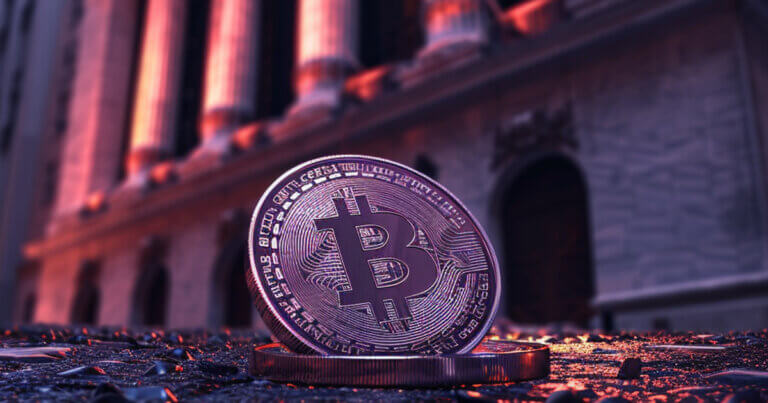
Trezor, a leading hardware wallet provider, has reported an unprecedented 600% increase in weekly wallet sales, underscoring the escalating demand for self-custody solutions among cryptocurrency investors. This surge coincides with Bitcoin’s remarkable rally, approaching its record high of $99,600, driven by significant market developments and shifting investor behavior.

The cryptocurrency market has seen heightened activity as Bitcoin prepares for its fourth halving event, anticipated in April 2024. This event, which reduces the block reward miners receive, historically triggers supply shocks that contribute to price surges. Alongside this technical catalyst, enhanced regulatory clarity in the United States has bolstered confidence among institutional and retail investors. The recent approval of spot Bitcoin exchange-traded funds (ETFs) by regulatory authorities has further legitimized Bitcoin as an asset class.

Market trends indicate a substantial withdrawal of Bitcoin from centralized exchanges, with approximately 427,000 BTC removed in 2024 alone. This trend reflects a growing preference for self-custody amid concerns over the security of funds held on exchanges. The collapse of prominent cryptocurrency platforms in prior years has heightened awareness of the risks associated with centralized custodians, driving investors toward more secure storage options such as hardware wallets.

Trezor’s sales figures highlight the growing emphasis on decentralized ownership and asset security. The company’s wallets offer offline storage, safeguarding assets from hacking attempts and cyber threats. This surge in demand aligns with the broader industry shift toward empowering users to take control of their financial assets.

Bitcoin’s rally has also been fueled by its role as a hedge against inflation and economic uncertainty. As traditional financial systems face challenges, Bitcoin’s fixed supply and decentralized nature have attracted investors seeking alternative stores of value. This sentiment is echoed by major institutional players, including MicroStrategy, which continues to accumulate Bitcoin as a strategic reserve asset. MicroStrategy’s holdings, currently exceeding 150,000 BTC, signify the growing institutional adoption of cryptocurrency.

The geopolitical landscape has further underscored Bitcoin’s appeal. In regions experiencing economic instability or strict capital controls, Bitcoin has emerged as a viable tool for financial inclusion and wealth preservation. Countries such as El Salvador have embraced Bitcoin as legal tender, setting a precedent for its potential integration into national economies.

Bitwise Asset Management has renamed its European exchange-traded product to “Bitwise Physical XRP ETP” (Ticker: GXRP) in a move underscoring Ripple’s growing investment in XRP’s evolving ecosystem. This strategic rebranding aligns with Ripple’s focus on expanding the utility of XRP across diverse financial sectors, responding to rising demand from institutional players and cross-border payment markets.

The product, initially launched to provide streamlined exposure to XRP for European investors, has seen significant growth in traction. Bitwise aims to strengthen its foothold by aligning more closely with Ripple’s broader strategic initiatives. Ripple has confirmed its intention to channel investments into the product, emphasizing its confidence in the token’s versatility in decentralized finance and its increasing adoption in global remittance networks.

Market analysts point to Ripple’s ongoing efforts to cement XRP as a pivotal tool for institutional DeFi applications, with tokenization becoming a major driver. XRP’s utility in facilitating cost-effective and fast international money transfers remains a core pillar, but its applications are expanding into emerging sectors. Ripple has actively pursued partnerships and technological advancements to bolster XRP’s presence in these innovative spaces.

The rebranding comes at a critical time for Bitwise and Ripple as they navigate the rapidly evolving regulatory landscape surrounding digital assets. Ripple’s landmark partial court victory earlier this year marked a turning point for XRP’s classification, with the ruling differentiating between institutional and retail sales. This decision provided much-needed clarity for XRP’s future within the financial ecosystem, encouraging institutional confidence in Ripple’s offerings.

Bitwise Physical XRP ETP targets sophisticated European investors, offering a secure and regulated avenue for exposure to XRP. The renamed product reflects a commitment to transparency and adaptability amid growing scrutiny of the cryptocurrency industry. With regulatory agencies in Europe tightening oversight, such measures are essential for maintaining investor trust.

Ripple’s Chief Executive Officer, Brad Garlinghouse, has been vocal about the company’s ambition to lead innovation in digital finance. The investment into GXRP underscores Ripple’s strategy to promote the adoption of XRP as a foundational technology for financial institutions. The token’s role in facilitating liquidity and improving the efficiency of financial systems remains a focal point for the company.

The global push for tokenization, where real-world assets like real estate or art are represented on the blockchain, is another area where Ripple sees significant potential. By leveraging XRP as a medium for these digital representations, Ripple aims to tap into an emerging multi-trillion-dollar market. The company has outlined plans to integrate XRP into tokenization platforms, fostering interoperability and efficiency in asset transfers.

XRP’s appeal to financial institutions also lies in its scalability and environmental sustainability. Unlike Bitcoin, which relies on energy-intensive mining, XRP operates on a consensus ledger mechanism, ensuring lower energy consumption and faster transaction speeds. This makes it particularly attractive for institutions aligning their operations with global sustainability goals.

Bitwise’s decision to rebrand the product also reflects growing interest in Europe, where cryptocurrency adoption is gaining momentum. European regulatory frameworks, particularly the Markets in Crypto-Assets (MiCA) regulation, have provided clearer guidelines for the operation of digital assets, enabling innovative products like GXRP to flourish.

Ripple has been proactive in building partnerships within the European Union, with initiatives aimed at enhancing financial inclusion and enabling seamless money transfers across borders. These efforts have positioned XRP as a leading contender in the global payments sector, rivaling traditional systems like SWIFT.

The decentralized finance ecosystem, another area of Ripple’s interest, continues to attract institutional attention. XRP’s integration into DeFi platforms aims to provide institutions with reliable tools for liquidity provisioning, yield generation, and risk management. Ripple’s investments in research and development are geared towards optimizing these functionalities.

While the broader cryptocurrency market has faced headwinds, XRP has demonstrated resilience. Market data indicates a steady uptick in transaction volumes and liquidity metrics, highlighting confidence among users and institutions. Analysts suggest that Ripple’s strategic investments, such as those in GXRP, are likely to sustain this momentum.

HONG KONG SAR – Media OutReach Newswire – 27 November 2024 – Hong Kong Design Centre (HKDC) strongly supports the four major directions, six major principles and a total of 71 initiatives set out in the ‘Blueprint for Arts and Culture and Creative Industries Development’ announced by the Culture, Sports and Tourism Bureau, in particular, the promotion of profound traditional Chinese culture and the development of cultural […]

SINGAPORE – Media OutReach Newswire – 26 November 2024 – On October 4, 2024, Airple, a leader in air conditioning installation, repair, and aircon servicing, launched its innovative new website and mobile app, marking a significant milestone in the digitisation of aircon maintenance in Singapore. With its advanced real-time tracking and predictive maintenance capabilities, Airple aims to redefine the standard for convenience and efficiency in aircon care. […]

Understood. I will craft the requested news report adhering to the guidelines. Please allow me some time to ensure thorough research and fact-checking for accuracy.

A federal judge ruled against the U.S. Treasury Department’s decision to sanction Tornado Cash, citing the decentralized nature of the protocol. The court determined that Tornado Cash’s immutable smart contracts, being autonomous and ownerless, do not qualify as “property,” a key criterion for applying sanctions. The decision follows months of legal challenges arguing that such sanctions overreach legal boundaries.

Tornado Cash, an open-source cryptocurrency mixer operating on Ethereum, was initially sanctioned by the Office of Foreign Assets Control (OFAC) in 2022. The sanctions were aimed at curbing alleged misuse by entities such as the Lazarus Group, a North Korean cybercrime organization implicated in laundering over $1 billion through the platform. OFAC’s move faced sharp criticism from privacy advocates and developers, who argued that sanctioning a decentralized protocol set a dangerous precedent for open-source technology.

This legal outcome challenges the government’s ability to regulate decentralized tools in cryptocurrency ecosystems. It underscores the difficulty of applying traditional legal frameworks to technologies designed to operate independently of centralized control. Despite the ruling, Tornado Cash remains at the center of debates over its role in facilitating financial privacy versus enabling illicit activities.

The Justice Department is separately pursuing criminal charges against Tornado Cash cofounders Roman Storm and Roman Semenov. Both face allegations of conspiracy to launder money and operate an unlicensed money-transmitting business. Prosecutors claim their actions contributed to sanctions violations, including facilitating transactions for banned entities like the Lazarus Group. While Storm has been arrested, Semenov’s location remains undisclosed.

The ruling does not eliminate scrutiny of Tornado Cash or its developers, as the court acknowledged the legitimate concerns of law enforcement. However, the judgment has been celebrated as a victory for decentralization and the principles of blockchain autonomy, raising questions about how governments can enforce laws in the age of decentralized finance. The case is likely to influence regulatory approaches to cryptocurrency in the United States and beyond.

Kraken, one of the world’s largest cryptocurrency exchanges, has confirmed it will close its NFT marketplace by February 27, 2025. The move comes as the platform prepares to focus on its blockchain technology, with the marketplace halting new listings effective immediately. Users will retain the ability to withdraw NFTs to their wallets until the final closure date.

The decision follows a broader trend of declining activity in the NFT market. Despite significant growth in 2021 and early 2022, global NFT sales volumes have shown a steady decline in the last year, leading several platforms to reevaluate their strategies. Kraken’s pivot aligns with its goal to enhance its DeFi offerings and expand its blockchain ecosystem. The forthcoming blockchain, expected to launch in early 2025, will enable decentralized app development without requiring intermediary services, marking a shift in Kraken’s operational focus.

Unlike similar efforts by competitors like Binance and Coinbase, Kraken has announced it will not introduce a native token for its blockchain, opting instead to prioritize stability and user functionality. This strategy aims to differentiate Kraken’s blockchain in a highly competitive market while minimizing speculative volatility.

Advertisements

HONG KONG SAR – Media OutReach Newswire – 26 November 2024 – Coda Bridge, a pioneering Hong Kong-based blockchain platform provider known for its charity project that leverages blockchain technology to ensure accurate tracking of charitable donations, is pleased to announce its expansion into Singapore in collaboration with StraitsX. The upcoming collaboration aims to leverage blockchain technology and smart contract programming to issue Purpose Bound Money (PBM) […]

Donald Trump’s history of appointing controversial figures to key government roles continues to draw scrutiny, as allegations of sexual misconduct and complicity against several of his picks have resurfaced. Critics argue that these choices reflect a disregard for ethical concerns, further polarizing the political landscape.

Elon Musk, CEO of SpaceX and Tesla, has been enlisted by Trump to contribute to a proposed Department of Government Efficiency. Musk faces a lawsuit filed by eight former SpaceX employees, accusing him of tolerating sexual harassment within the company. The lawsuit claims Musk fostered an environment rife with inappropriate conduct, including explicit imagery and degrading commentary about women and the LGBTQ+ community. Musk has denied these allegations, responding with characteristic deflection on his social media platform, X, which he owns.

Linda McMahon, another Trump appointee and the former head of the Small Business Administration, has been linked to allegations stemming from her tenure at World Wrestling Entertainment (WWE). A lawsuit alleges a culture of sexual abuse within the organization during her leadership. McMahon has avoided direct comment on the claims, which have drawn renewed attention through a recent documentary series.

The nomination of Matt Gaetz, a former Congressman, to serve as attorney general was short-lived, as he withdrew amid public backlash and allegations of sexual misconduct. Accusations include involvement with sex trafficking, with court documents indicating testimony from multiple witnesses about his alleged relationships with minors. Although Gaetz denies these claims, they have significantly tainted his political career and credibility.

These allegations add to the already divisive reputation of Trump’s leadership style, where loyalty and alignment with his agenda often appear to outweigh considerations of character or public accountability. Legal experts and watchdog groups have raised concerns about the broader implications of such appointments, arguing that they undermine public trust in governance.

Evision, a subsidiary of e&, has introduced the All Women’s Sports Network (AWSN), a dedicated platform to amplify the achievements and visibility of female athletes and leagues across various disciplines. This initiative aims to bridge the coverage gap in sports broadcasting, traditionally dominated by male-focused events, and features live telecasts of major competitions such as UEFA Women’s Soccer, FIBA Women’s Basketball, the Women’s Football Alliance, and the Women’s National Basketball League.

The venture is poised to redefine sports broadcasting by ensuring a spotlight on women’s sports, a domain often sidelined despite its growing popularity and influence. AWSN will not only provide a stage for high-profile events but also explore grassroots sports, creating a comprehensive ecosystem that celebrates female athletes globally. The platform reflects the increasing demand for diverse sports content and the changing perception of women’s sports as a critical cultural and commercial segment.

The UAE’s small and medium-sized enterprises (SMEs), which make up over 90% of the country’s businesses, are witnessing an influx of transformative mergers and acquisitions (M&A) activity. This surge, prompted by a combination of government initiatives and the rise of digital solutions, is expected to redefine the sector’s growth trajectory. As part of its economic diversification strategy, the UAE has been fostering the expansion of SMEs, and […]

Dubai is a global icon of rapid urban transformation, evolving from a quiet desert town into a bustling international metropolis in just a few decades. Behind this remarkable growth lies a network of services enabling the city’s expansion and mobility. Among these, moving companies in Dubai are key players, ensuring seamless transitions for residents, businesses, and global professionals. The Unprecedented Growth of Dubai Population Growth and Urban […]

The Guangdong-Hong Kong-Macao Greater Bay Area Listed Companies Summit 2024 Unveils the “Hong Kong—Best Headquarters Choice for Greater Bay Area Listed Companies” Initiative Empowering Mainland Enterprises to Leverage Hong Kong for IPOs and International Growth HONG KONG SAR – Media OutReach Newswire – 26 November 2024 – On November 25, the “Guangdong-Hong Kong-Macao Greater Bay Area Listed Companies Summit 2024,” hosted by the Greater Bay Area Association […]

Suriname’s presidential candidate Maya Parbhoe has unveiled a groundbreaking strategy to transform the nation’s financial system by adopting Bitcoin as its primary currency, seeking to make Suriname a global pioneer in cryptocurrency-based governance. If elected, Parbhoe plans to declare Bitcoin as legal tender immediately and phase out the Suriname dollar (SRD), positioning the nation at the forefront of decentralized economic reform.

This initiative, inspired by El Salvador’s trailblazing adoption of Bitcoin, represents a broader ambition to overhaul the country’s financial framework and diminish reliance on international financial institutions, including the International Monetary Fund (IMF). Parbhoe envisions Bitcoin as not just a currency but a foundation for economic sovereignty and a shield against corruption.

Parbhoe’s proposal to introduce Bitcoin as legal tender hinges on its expedited implementation. The executive order required for this change, she asserts, could bypass legislative hurdles, ensuring rapid adoption. This measure would follow her inauguration, signaling the start of a comprehensive economic transition designed to dismantle existing financial hierarchies and empower local populations. With Bitcoin replacing the SRD as the national currency, Suriname could set an unprecedented example of large-scale cryptocurrency integration.

To facilitate this transition, Parbhoe has assembled a specialized economic advisory group, including Austrian economist Philip Baggis, who has extensive experience in decentralized financial systems. The advisory panel is drafting a roadmap to ensure a structured shift to Bitcoin while addressing potential legal and logistical challenges. This transformation, estimated to take two to three years, would also involve public education initiatives to familiarize citizens with cryptocurrency usage.

The candidate’s campaign has gained international attention, particularly among the global cryptocurrency community. A crowdfunding effort on Geyser, a platform tailored for Bitcoin projects, has so far raised approximately $45,000. This support has not only fueled her political campaign but also enabled local development projects, including technology centers and community food initiatives, reinforcing her image as a reformist leader.

Suriname’s modest economy and relatively small population provide an environment conducive to such a bold financial experiment. Parbhoe believes that adopting Bitcoin will allow the nation to bypass conventional financial constraints, reduce dependency on volatile currency exchange rates, and attract foreign investment. The revenue from oil reserves, projected to rise significantly by 2028, is another pillar of her strategy, aimed at repaying external debts and ensuring financial autonomy.

Critics, however, caution against the risks associated with volatile cryptocurrency markets and the social upheaval that could accompany such a sweeping economic change. Skeptics argue that a lack of infrastructure and widespread understanding of Bitcoin could create barriers to implementation, potentially alienating sections of the population and disrupting everyday transactions.

HONG KONG SAR – Media OutReach Newswire – 26 November 2024 – Is Hong Kong back to normal? It’s a question that continues to be asked of people who live in Hong Kong, and to those who visit Hong Kong. It assumes that the city has not been itself in recent years. However, Hong Kong has always been a vibrant and entrepreneurial city with unique quirks and […]

Fragment, a platform built on blockchain technology, has introduced a Know-Your-Customer (KYC) requirement for its services, including the purchase of Telegram usernames, anonymous phone numbers, premium subscriptions, and in-app currency “stars.” This new policy is aimed at increasing user security and compliance with international regulations as cryptocurrency-related platforms face growing scrutiny.

Fragment operates primarily through the TON blockchain, a platform used by various applications, including Telegram. With the integration of blockchain-based phone numbers, users could previously access Telegram without the need for a traditional SIM card, offering a higher degree of anonymity, the platform has now shifted its stance, requiring users to verify their identities to maintain the integrity and security of transactions.

This move aligns with broader trends in the digital and cryptocurrency sectors, where regulatory bodies are imposing stricter rules on platforms that allow for pseudonymous transactions. By requiring KYC, Fragment aims to prevent misuse of its services for illegal activities, such as money laundering and fraud, which have been concerns for many blockchain and crypto platforms. Moreover, the introduction of KYC adds a layer of accountability, ensuring that individuals engaging with its services are properly identified.

The KYC procedure involves submitting personal identification details, which will be verified by third-party services before users can engage in the platform’s transactions. This includes purchasing or transferring usernames, anonymous phone numbers, and the stars used within Telegram’s premium features. It’s a significant shift from the platform’s previous operational model, which emphasized privacy and decentralization.

Telegram’s adoption of blockchain-based phone numbers through Fragment has been a pivotal feature in enhancing user privacy, allowing users to operate without a SIM card or a traditional phone number. This feature appeals to privacy-conscious users, including those in countries with high surveillance. The “No-SIM sign-up” option has been welcomed as a major privacy boost for Telegram users【9†source, Fragment’s introduction of KYC now places its future use under greater regulatory oversight, signaling a change in how blockchain services are operating amid increasing pressure from governments to tighten security and oversight.

The move to KYC also affects the sale of digital assets like usernames and other unique identifiers, which can be valuable on platforms like Telegram. Previously, these digital assets could be bought or sold with relative anonymity, but now users will have to provide personal details, adding a layer of verification that may deter some users who prioritize complete privacy.

By implementing these measures, Fragment is positioning itself as a more compliant entity within the blockchain ecosystem, signaling its readiness to adapt to global standards of financial regulation. While the KYC policy may reduce the anonymity of some users, it may also provide additional security and legal protection for those engaging in transactions on the platform. This move might pave the way for other similar services to adopt stricter compliance measures as blockchain-related industries mature and face greater regulatory scrutiny.

Video-sharing platform Rumble has announced its intent to diversify its financial strategy by allocating up to $20 million of its excess cash reserves into Bitcoin. The move underscores the company’s commitment to adopting innovative measures while showcasing confidence in the potential of cryptocurrency as a store of value.

The decision reflects an emerging trend among technology firms leveraging digital currencies to hedge against inflation and enhance liquidity options. Rumble’s leadership emphasized that this strategic pivot aligns with its broader goals of decentralization and financial autonomy, mirroring the platform’s ethos of providing an independent content space.

Rumble, headquartered in Longboat Key, Florida, has seen significant growth in its user base, fueled by increasing demand for platforms that prioritize free expression. The company’s trajectory, bolstered by its public listing in September 2022, has positioned it as a formidable competitor to mainstream platforms. Its diversification into Bitcoin suggests a dual focus on strengthening its financial health while aligning with digital innovation trends that resonate with its user demographic.

This move follows a pattern of corporations exploring Bitcoin as a treasury asset. Notable companies such as MicroStrategy and Tesla have similarly invested significant portions of their reserves into the cryptocurrency, citing its scarcity and long-term value prospects. MicroStrategy, a pioneer in this domain, holds the largest corporate Bitcoin reserve, totaling over 150,000 BTC. Rumble’s initiative, while smaller in scale, signals its belief in Bitcoin’s stability despite the volatile nature of the crypto market.

Cryptocurrency markets have seen heightened activity over the past year, with Bitcoin experiencing a resurgence following regulatory clarity and institutional interest. Rumble’s planned acquisition comes at a time when the digital currency hovers near its highest price levels for the year, fueled by speculation surrounding Bitcoin exchange-traded funds (ETFs) and increased blockchain adoption. The timing of the investment could enable Rumble to capitalize on potential upward trends, although it also entails risks inherent to market fluctuations.

Analysts have noted that this decision aligns with Rumble’s brand identity as a disruptor in the digital media space. By embracing Bitcoin, the company reaffirms its stance against conventional norms, appealing to its core audience that values independence and alternative approaches. Some market observers believe this move could further attract creators and viewers who support decentralized solutions across various domains, including finance.

Despite the optimism surrounding cryptocurrency investments, critics caution against potential challenges, particularly given Bitcoin’s history of price volatility. Skeptics argue that while Bitcoin has demonstrated resilience, its correlation with broader market dynamics and regulatory pressures could pose risks to companies holding it as a financial asset. Rumble’s decision to allocate a portion of its reserves rather than a full-scale commitment appears to reflect a balanced approach, mitigating exposure while allowing for potential gains.

The announcement also reflects broader conversations about the role of digital assets in corporate finance. As businesses explore innovative strategies to manage reserves, Bitcoin’s prominence as a viable alternative asset class continues to gain traction. Advocates of Bitcoin argue that its deflationary design and finite supply make it an ideal hedge against economic uncertainties, a sentiment echoed by Rumble’s leadership.

A Collaborative Platform Showcasing Scalable and Affordable Solutions for Climate Action, With a Focus on the Global South BAKU, AZERBAIJAN – Media OutReach Newswire – 25 November 2024 – The Biosphere 3 Solutions Pavilion stood out at the UN Climate Change Conference (COP29) as a beacon of innovation and collaboration. Hosted in the Blue Zone, the pavilion presented cutting-edge solutions that address energy equity, decarbonization, and sustainability […]

UAE’s eCommerce Market is expected to reach $11.01 billion in 2024. With the rise of eCommerce, events like Cyber Monday are gaining traction. Cyber Monday is an online shopping event that occurs on the Monday after the Thanksgiving holiday in the US. Let’s understand more about Cyber Monday and the year’s biggest furniture sale. The Origin of Cyber Monday Cyber Monday began in the USA in 2005. […]

Microsoft confirmed that it is investigating disruptions to its Microsoft 365 suite, primarily impacting Teams and Exchange services. The issue has drawn global attention, with users reporting difficulties in accessing key functionalities, including the Teams calendar and Exchange Online. Downdetector, a platform that tracks service outages, logged a surge of complaints about these issues, suggesting widespread impact. The company acknowledged the situation early Monday, notifying users through […]

“Engineered for Sustainability: Hong Kong’s Contribution to United Nations Sustainable Development Goals” Showcasing over 40 Sustainable Engineering Projects HONG KONG SAR – Media OutReach Newswire – 25 November 2024 – The Hong Kong Institution of Engineers (“HKIE”) launched an eBook, Engineered for Sustainability: Hong Kong’s Contribution to United Nations Sustainable Development Goals, which introduces Hong Kong engineering industry’s progress towards achieving the United Nations Sustainable Development Goals […]

Binance has experienced a remarkable surge in stablecoin inflows, with a staggering $10.2 billion flowing into its platform over the past 30 days. This influx highlights the growing importance of stablecoins in cryptocurrency trading and the pivotal role Binance continues to play in this sector.

The surge is primarily driven by traders’ increasing reliance on stablecoins, particularly USDT (Tether) and USDC (USD Coin), to engage in various trading activities such as spot trading, futures, and decentralized finance (DeFi) opportunities within Binance’s extensive ecosystem. The trend signals a shift in trading behavior, with stablecoins now playing an even more prominent role in the daily operations of cryptocurrency markets.

Stablecoins are digital currencies pegged to stable assets like the US dollar, designed to reduce the volatility typically associated with cryptocurrencies like Bitcoin or Ethereum. Their use has grown significantly in recent years as traders and investors seek ways to navigate the fluctuating crypto market while maintaining liquidity and minimizing exposure to market swings. USDT, in particular, has remained the most widely used stablecoin, providing liquidity for a range of trading strategies.

The inflow of such a large volume of stablecoins into Binance further cements its status as a dominant force in the global cryptocurrency ecosystem. Binance’s platform, known for its wide range of services, including spot trading, futures contracts, and DeFi offerings, continues to attract traders looking to capitalize on the benefits of stablecoins. With a user-friendly interface and comprehensive suite of tools, Binance is able to support a variety of trading strategies, from the most basic to complex DeFi protocols.

A significant portion of the stablecoin influx is linked to the growing popularity of decentralized finance (DeFi) projects. DeFi has emerged as one of the most transformative aspects of the crypto space, offering users the ability to trade, borrow, lend, and invest in decentralized markets, often without the need for traditional financial intermediaries. Binance’s DeFi offerings, including decentralized exchanges (DEXs) and lending platforms, have attracted a significant amount of stablecoin liquidity, enabling users to leverage their holdings for greater financial returns.

The stablecoin influx has also been bolstered by Binance’s ability to cater to traders across various regions, providing a platform with global reach. Traders from regions with unstable fiat currencies have increasingly turned to stablecoins as a safe haven, further fueling the demand for USDT and USDC. This shift is reflected in the trading volumes across Binance’s multiple markets, which have seen a significant rise as stablecoins are increasingly used to hedge against currency fluctuations and store value in a more stable form.

Another factor contributing to this trend is the growing adoption of stablecoins by institutional investors. As more hedge funds, family offices, and institutional investors enter the cryptocurrency space, stablecoins have become a preferred medium for large-scale transactions. These investors are attracted to stablecoins’ ability to offer a low-risk, high-liquidity option for large transactions, and Binance is positioning itself as a key player in this market.

Binance’s ability to process such a large volume of stablecoin inflows also speaks to the efficiency of its platform. With advanced liquidity management systems and robust risk controls, Binance can handle vast amounts of capital without significant slippage or disruptions to the market. This is particularly important in the volatile world of cryptocurrency trading, where even small disruptions can have ripple effects across the entire ecosystem.

Despite the positive momentum, some concerns have emerged about the regulatory landscape surrounding stablecoins. As regulators around the world begin to pay closer attention to the growing use of stablecoins, questions about their long-term stability and regulatory treatment are gaining prominence. The U.S. Securities and Exchange Commission (SEC) and other global financial authorities have expressed interest in introducing stricter regulations for stablecoins, which could affect their use in platforms like Binance. However, for now, stablecoins continue to play a critical role in the global crypto trading ecosystem.

Binance’s dominance in the stablecoin space may not go uncontested. Other cryptocurrency exchanges, such as Coinbase, Kraken, and Gemini, are also seeing growth in stablecoin inflows, though none have matched Binance’s sheer volume. The competition among exchanges is likely to intensify as the market for stablecoins continues to expand, with firms racing to offer the best products and services to attract traders.

Binance has maintained its edge in this competitive environment through continuous innovation. Recent updates to its platform, such as the introduction of new trading pairs and features tailored to DeFi users, have enhanced its appeal. Additionally, Binance has introduced a series of initiatives aimed at increasing the accessibility of stablecoins, including support for a wider range of fiat currencies and the integration of various blockchain networks. This flexibility has allowed Binance to remain a leader in stablecoin trading, even as the landscape evolves.

The value of virtual land tokens, such as The Sandbox (SAND) and Decentraland (MANA), is showing promising signs of recovery, as both assets have experienced notable price surges in recent weeks. While these tokens had been overshadowed by the rise of memecoins, there is now an increasing sense of optimism surrounding the future of metaverse-related assets.

For a long period, the NFT market, as part of the broader crypto landscape, struggled to maintain a sustained focus from investors, especially with rising interest in memecoins and other segments like DeFi and gaming. However, a recent resurgence in investor interest seems to be pushing the boundaries for tokens like SAND and MANA, which have seen impressive price movements.

SAND, which is associated with The Sandbox, a prominent player in the metaverse space, recently surged past the $0.96 mark, peaking as high as $1.12. Meanwhile, Decentraland’s MANA has climbed from lows of $0.6 to highs above $1.30, marking significant growth. Despite these advancements, both tokens face the challenge of sustaining momentum and surpassing critical resistance levels.

The renewed price movements in these tokens are being fueled by several factors, including renewed investor confidence and the broader crypto market’s performance, which has shown recovery signs after a period of stagnation. As these projects continue to develop and enhance their virtual worlds, there is potential for the market to become more mainstream, bringing in new investors.

However, the price increases have not come without caution. Analysts note that while the upward trend is positive, both SAND and MANA still face significant hurdles. Specifically, for sustained price growth, they must break above key resistance levels. For MANA, surpassing the $1.48 mark is crucial to further validating the bullish trend, and similarly, SAND needs to push past the $1.80 resistance to trigger further upward momentum.

Despite this cautious outlook, the growing interest in the metaverse and virtual assets suggests that if these tokens can maintain or exceed their current levels, they could very well reach the $1 threshold or even higher in the near future. Additionally, emerging partnerships and platform upgrades within these ecosystems could catalyze further growth.

Upbit, South Korea’s largest cryptocurrency exchange, witnessed a significant surge in its trading activity over the weekend, reaching a trading volume of $14 billion on both Saturday and Sunday. This level of activity equaled the entire trading volume of the country’s stock market during the same period, marking a pivotal moment for the digital asset exchange.

The surge in trading on Upbit highlights the growing demand for cryptocurrency trading in South Korea, a nation that has become one of the most active markets for digital currencies. The figures underscore the increasing role of cryptocurrency exchanges in global financial markets and the rapid integration of digital assets into mainstream financial systems.

Upbit’s performance is indicative of a broader trend in the cryptocurrency industry. As more institutional investors and individual traders turn to digital currencies, the trading volumes of leading exchanges like Upbit have soared. On any given day, Upbit processes billions in trades, and its weekend performance stands as a testament to the exchange’s dominance in the Korean crypto space.

The exchange’s success is driven by a variety of factors, including a robust user base, the increasing adoption of digital currencies, and South Korea’s generally favorable regulatory environment for crypto trading. Despite some regulatory hurdles, the country remains one of the most crypto-friendly nations globally, with clear guidelines for cryptocurrency exchanges and market participants. This environment has fostered the growth of exchanges like Upbit, which have capitalized on the rising demand for crypto trading.

Over the last few years, Upbit has expanded its offerings, including trading services for a wide variety of cryptocurrencies, from established coins like Bitcoin and Ethereum to lesser-known altcoins. This extensive selection has attracted a broad range of users, from novice traders to seasoned investors, all eager to capitalize on the growing interest in digital assets.

In addition to its diverse range of cryptocurrencies, Upbit has invested heavily in user experience and security. The platform has implemented a range of measures to protect users’ funds, including robust encryption, two-factor authentication, and a dedicated security team that monitors transactions in real-time. These efforts have helped Upbit maintain its reputation as one of the safest and most reliable exchanges in the region.

While Upbit’s success is undeniable, it is also part of a larger global trend that sees cryptocurrencies increasingly viewed as a store of value, an investment vehicle, and even a hedge against inflation. The volatility of the digital asset market has drawn significant attention from both retail and institutional investors, many of whom see crypto assets as a way to diversify their portfolios.

The increased trading volume on Upbit also reflects a broader shift in the financial markets. With global economic uncertainty and concerns about inflation, many investors have turned to alternative assets like cryptocurrencies as a way to safeguard their wealth. The rapid rise in demand for digital currencies in markets like South Korea has encouraged exchanges to innovate and adapt to a rapidly changing landscape.

Upbit’s performance is also a response to the intensifying competition in the global cryptocurrency exchange market. While the exchange is the largest in South Korea, it faces stiff competition from global players like Binance, Coinbase, and Kraken. These exchanges are also vying for market share in Asia, and their presence has raised the stakes for Upbit.

As cryptocurrency trading continues to grow, exchanges like Upbit are expected to face greater scrutiny from regulators around the world. South Korea, while known for its crypto-friendly approach, has been tightening its regulatory stance in recent months. Authorities have imposed stricter measures on crypto exchanges to curb illegal activities, such as money laundering and market manipulation. These developments have spurred concerns among exchanges about potential regulations that could impact their operations.

Despite these challenges, Upbit continues to perform well, maintaining its position as South Korea’s leading exchange. The platform’s ability to withstand regulatory pressures and continue to grow its user base speaks to its resilience and adaptability in a dynamic market.

VISHNU RAJA
RYO YAMADA
HITORI GOTOH
IKUYO KITA