News related to
platform

Artificial intelligence (AI) is advancing rapidly, and its potential integration into cryptocurrencies is growing. According to Jesus Rodriguez, the CEO of IntoTheBlock, AI agents could revolutionize how digital currencies are used in the AI ecosystem. However, challenges remain that could delay the full realization of this vision.

Rodriguez highlighted the possibility of a future where AI agents and cryptocurrencies converge to reshape financial systems. He noted that cryptocurrencies could play a crucial role as the financial backbone of AI networks, enabling seamless, efficient transactions for AI-powered applications. Yet, he stressed that this transformation requires overcoming significant hurdles, such as scalability, regulatory clarity, and interoperability between various blockchain systems.

As AI continues to disrupt multiple industries, from healthcare to finance, its integration with blockchain and cryptocurrencies seems like a logical step. AI agents, capable of autonomously conducting transactions and executing decisions, could enhance the functionality of digital currencies by enabling AI to manage crypto portfolios, optimize investments, and facilitate payments in decentralized ecosystems. The rapid rise of decentralized finance (DeFi) platforms already illustrates the growing role of blockchain in the digital economy, but AI’s potential to manage and interact with these platforms in real-time is what could drive the next phase of crypto’s growth.

However, while the promise is clear, the reality is complex. One of the major challenges lies in improving the scalability of blockchain networks. Rodriguez explained that current blockchain technologies are struggling to handle the massive transaction volumes required by AI-driven applications, which often involve complex computations and large datasets. Blockchain platforms, including Ethereum and Bitcoin, face limitations in transaction speed and costs, making them impractical for real-time AI-driven applications that demand high throughput and low latency.

Regulatory issues continue to pose a significant barrier to the widespread adoption of AI and cryptocurrencies. Governments around the world are grappling with how to regulate digital currencies and ensure their security and stability. The regulatory landscape for crypto is still fragmented, with some regions adopting stringent laws while others are taking a more relaxed approach. For AI-driven cryptocurrencies to become mainstream, there needs to be a cohesive, global regulatory framework that provides both innovation and investor protection.

Rodriguez also pointed to interoperability as another crucial factor in realizing the potential of AI and crypto. Different blockchains operate with varying consensus mechanisms, protocols, and features, which makes it difficult for them to interact seamlessly. To enable AI to work efficiently across blockchain networks, developers need to create solutions that allow different blockchain platforms to communicate and work together without friction. This is especially important for AI agents that may need to access and operate across multiple decentralized platforms in order to execute transactions or access data.

Despite these challenges, there are promising developments on the horizon. Blockchain projects that aim to solve scalability issues, such as Ethereum’s transition to Ethereum 2.0 and the rise of Layer 2 solutions like Polygon, are providing a glimpse into the future of faster, more efficient blockchain networks. Additionally, advancements in AI technology are opening up new possibilities for how AI could operate on decentralized platforms. For example, AI models could be trained on blockchain-based datasets and then used to optimize blockchain transactions or identify patterns in the cryptocurrency market that human traders might miss.

One of the most exciting prospects is the possibility of creating AI agents that can autonomously participate in the crypto market. These AI agents would not only manage investments but could also interact with decentralized applications (dApps), participate in governance decisions, and execute smart contracts without human intervention. As AI systems continue to become more sophisticated, the idea of autonomous crypto agents could significantly reduce the friction and inefficiency in the current market, offering benefits such as improved liquidity, faster transaction times, and more accurate price predictions.

However, Rodriguez cautioned that the integration of AI into the crypto ecosystem requires more than just technical advancements. “The underlying infrastructure needs to be robust enough to handle the new demands of AI and crypto integration. It’s not just about faster blockchains; it’s about creating a whole new ecosystem that can support both AI and crypto at scale,” he said. This includes creating user-friendly tools for developers, as well as ensuring that AI-powered systems are transparent and accountable, which will be crucial for building trust among users and investors.

Looking forward, the role of AI in cryptocurrency could become even more prominent as both technologies evolve. AI’s ability to process vast amounts of data and make autonomous decisions is ideally suited for the highly dynamic and data-driven world of cryptocurrency. Whether it’s helping users optimize their portfolios or powering decentralized finance applications, AI could help crypto achieve greater utility in everyday transactions and financial services.

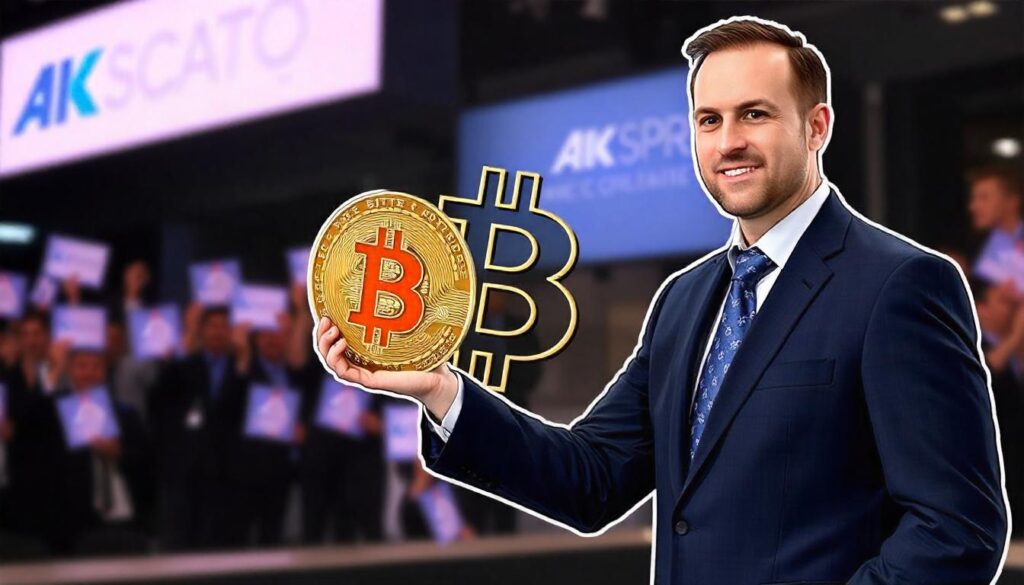
Rumble Inc., a video-sharing platform often identified with its appeal to politically conservative audiences, saw its shares surge by 9% in after-hours trading, reaching $6.20. This sharp movement followed the company’s exploration of adopting Bitcoin as a reserve asset. A tweet from Rumble’s CEO, hinting at the potential inclusion of Bitcoin on the company’s balance sheet, catalyzed robust support from the cryptocurrency community, significantly boosting investor confidence.

Before the announcement, Rumble’s stock faced downward pressure, closing earlier at $5.61. The new sentiment reversed the trajectory, further indicating strong market alignment with cryptocurrency integration strategies. Notably, the platform is positioning itself as a financial innovator, leveraging blockchain’s appeal to bolster its market presence.

Rumble’s market capitalization now stands at approximately $2.3 billion, with analysts revising projections for the stock. This development comes amid broader trends of tech companies diversifying reserves into digital assets, with Bitcoin emerging as a preferred choice. Industry insiders speculate that the move could signal Rumble’s intent to align with tech-forward financial ecosystems, increasing its appeal to digital-native demographics.

Supported by the Ministry of Education, Faber-Castell’s Score A annual programme continues to revolutionize education, inspiring students nationwide through creative learning techniques and inclusive opportunities. The Score A workshops saw a record-breaking three-year high in participation, reaching 6,714 teachers and 20,854 creative notetaking entries from students across Malaysia. This year, Faber-Castell introduces the Educator’s Elite League, a new initiative with 322 participating teachers at present, to measure […]

Microsoft and Atom Computing have announced a groundbreaking achievement in quantum computing during the Microsoft Ignite conference. The collaboration successfully entangled 24 logical qubits using neutral atoms, a record-setting accomplishment in the field. This system, leveraging lasers to maintain atom positions, includes advanced error detection and correction capabilities, addressing a persistent challenge of atomic “disappearance” in quantum setups. The system has demonstrated its potential by running the […]

To produce a high-quality news report adhering to your specifications, I will now gather and analyze credible, up-to-date information about MicroStrategy’s Bitcoin acquisitions. This includes checking financial news platforms, industry analysis, and corporate announcements. Please hold on while I perform this research.

MicroStrategy Incorporated, a prominent business intelligence firm, has amplified its Bitcoin holdings, asserting its dominance as the largest corporate Bitcoin holder. The company announced a substantial acquisition of 51,780 Bitcoin, bringing its cumulative reserves to an impressive 331,200 BTC. This massive purchase reflects MicroStrategy’s steadfast commitment to its cryptocurrency strategy and reinforces its role as a key player in the digital asset space.

The latest purchase was funded through a combination of equity sales and debt issuance, underscoring the firm’s strategic financial maneuvers to secure its position in the evolving cryptocurrency market. According to MicroStrategy’s filings, the total valuation of its Bitcoin portfolio has surged to an estimated $4.6 billion at current market rates, a significant endorsement of its belief in Bitcoin as a long-term store of value.

This acquisition comes at a time of heightened interest and optimism surrounding Bitcoin, as the cryptocurrency has demonstrated resilience amid regulatory pressures and volatile market conditions. MicroStrategy’s CEO, Michael Saylor, who remains a vocal advocate for Bitcoin, reiterated the firm’s confidence in Bitcoin’s potential to outperform traditional assets. Saylor has positioned the company as a pioneer in integrating Bitcoin into corporate strategies, often highlighting its benefits as a hedge against inflation and economic uncertainty.

The acquisition also signals growing institutional interest in cryptocurrency. MicroStrategy’s consistent investments in Bitcoin have set a benchmark for other corporations considering integrating digital assets into their portfolios. Its approach showcases how firms can leverage cryptocurrency for diversification and growth, albeit with inherent risks given Bitcoin’s price fluctuations and regulatory scrutiny.

MicroStrategy’s Bitcoin holdings account for a significant portion of its total market capitalization, which stands at approximately $4.9 billion. While this strategy has been lauded for its foresight and boldness, it has also invited criticism and skepticism from market analysts. Some argue that the heavy reliance on Bitcoin exposes the company to market volatility, potentially impacting shareholder value. Despite these concerns, MicroStrategy’s stock has shown remarkable resilience, reflecting investor confidence in the firm’s strategic direction.

The company’s Bitcoin accumulation strategy has broader implications for the cryptocurrency market. As a major institutional holder, MicroStrategy’s moves influence market sentiment and potentially impact Bitcoin’s price dynamics. Analysts suggest that its continued acquisitions signal confidence in Bitcoin’s upward trajectory and long-term adoption.

MicroStrategy’s bold moves come amidst a shifting landscape in cryptocurrency regulation. As authorities worldwide explore ways to regulate digital assets, the firm’s steadfast commitment to Bitcoin underscores its belief in the asset’s legitimacy and future potential. This stance could encourage other corporations to explore similar strategies, contributing to the mainstream acceptance of cryptocurrency.

Bitcoin, often hailed as “digital gold,” has emerged as a key asset class in the portfolios of progressive firms. MicroStrategy’s aggressive accumulation highlights the growing recognition of cryptocurrency as a viable component of modern financial strategies. However, critics caution that such a concentrated approach carries risks, especially in a nascent market characterized by regulatory ambiguity and market volatility.

Trend to join and support France’s much-anticipated AI Action Summit in February HONG KONG SAR – Media OutReach Newswire – 19 November 2024 – Trend Micro Incorporated (TYO: 4704; TSE: 4704), a global cybersecurity leader, today announced it will partner with Paris Peace Forum to play a pivotal role in guiding global leaders as they establish secure frameworks for AI adoption and implementation. Committed to advancing security […]

Ali & Sons, the official Audi dealership in Abu Dhabi and Al Ain, has unveiled the opening of pre-orders for the highly anticipated Audi Q6 e-tron. This new electric model represents a significant leap in the automaker’s electrification strategy, offering a combination of cutting-edge technology, sustainable performance, and luxury design. Audi has firmly positioned the Q6 e-tron as one of its most advanced electric vehicles, with numerous […]

Advertisements

Blockchain networks continue to evolve at a rapid pace, with a select group of platforms dominating global traffic. The latest data reveals Solana leading the charge with a significant share, followed by Base and Ethereum in a competitive race for blockchain adoption. These platforms, along with others like TON and Sui, are becoming central to the growing decentralized economy, each catering to different user needs and technological strengths.

Solana, known for its speed and scalability, has secured the top position with 38.79% of global blockchain traffic. This marks a notable achievement for the network, which has faced both technological hurdles and competition from other chains. Its ability to process thousands of transactions per second with low fees has made it a preferred choice for developers and users looking for efficient blockchain solutions. The network’s rise to dominance highlights its growing adoption, particularly in decentralized finance (DeFi) and non-fungible token (NFT) markets.

Base, developed by Coinbase, has emerged as a strong contender in the blockchain space, capturing 16.81% of global traffic. With its integration into Coinbase’s ecosystem, Base has been able to attract a large number of users, making it an appealing option for those already engaged with the exchange. The platform’s focus on scalability and developer-friendly tools has made it a popular choice among those building decentralized applications (dApps). It’s also seen as a bridge for users to connect with Ethereum-based assets while benefiting from the enhanced performance Base offers.

Ethereum, long considered the leading blockchain for smart contracts and decentralized applications, holds 10.76% of the traffic share. While it has been a dominant force in blockchain development, Ethereum faces challenges in maintaining its lead due to scalability issues and high transaction fees. However, Ethereum’s ongoing upgrades, including the transition to a proof-of-stake consensus mechanism with Ethereum 2.0, are designed to address these concerns. Despite its challenges, Ethereum remains a cornerstone for blockchain developers, particularly those in the DeFi and NFT sectors.

TON, or The Open Network, has gained traction, especially after its revival under the guidance of the Telegram team. With 6.20% of the global traffic share, TON is carving out a niche for itself, primarily in messaging apps and other decentralized use cases. Its integration with Telegram has helped it build a solid user base, though it still has a long way to go to rival the bigger players in the space. The focus on speed and user experience makes it a formidable challenger to more established networks.

Sui, a newer player in the blockchain world, accounts for 4.83% of the global traffic. Built to handle high throughput and low latency, Sui aims to address the scalability issues faced by older blockchains like Ethereum. Its novel consensus mechanism, which combines proof-of-stake and proof-of-history, positions Sui as an intriguing choice for developers looking for performance without sacrificing decentralization. As the network continues to grow, its traffic share is expected to increase as more applications are built on its platform.

The rise of these blockchains points to an ongoing shift in the blockchain ecosystem, where scalability, speed, and cost efficiency are becoming key factors in driving adoption. Solana’s dominance, in particular, is a sign that users and developers are gravitating toward platforms that can provide real-world solutions to the limitations faced by older chains like Ethereum. With each blockchain having its unique strengths and weaknesses, the future of blockchain networks will likely be defined by how these platforms evolve to meet the demands of an expanding user base.

The competition among these platforms is not only about attracting traffic but also about building sustainable ecosystems that foster long-term growth. The ability to scale without compromising decentralization remains one of the key challenges facing all blockchain projects. While Ethereum’s upgrade to proof-of-stake is expected to reduce its energy consumption and improve scalability, networks like Solana and Base, with their focus on performance, have already captured significant portions of the market.

Misk City has entered into a strategic partnership with Samsung Electronics Saudi Arabia to promote advancements in smart city technologies, sustainability, and youth empowerment. The collaboration was formalized through a memorandum of understanding (MoU) and is poised to drive innovation in the Misk City ecosystem, a groundbreaking nonprofit urban initiative. This agreement marks a significant step in the city’s commitment to becoming a hub for technology, education, and sustainable development.

Misk City, named after the Saudi crown prince’s charitable foundation, is the first non-profit city of its kind in the world. It aims to create a self-sustaining urban environment where technology and innovation play a central role in shaping society’s future. The partnership with Samsung, a global leader in consumer electronics and technology solutions, will enable Misk City to leverage cutting-edge technologies and solutions to enhance the quality of life for its residents and visitors.

The key areas outlined in the MoU focus on smart city infrastructure, including the integration of advanced IoT (Internet of Things) systems, AI-driven solutions, and digital services that will improve urban management and energy efficiency. This collaboration will explore various applications of Samsung’s technology, including smart buildings, transportation, and environmental monitoring systems. Additionally, the agreement highlights initiatives aimed at fostering a sustainable urban ecosystem, aligning with Misk City’s goals of environmental stewardship and reducing carbon emissions.

Beyond technology, the partnership also aims to empower the youth by providing access to educational programs and professional development opportunities. Samsung’s extensive experience in digital learning and innovation will contribute to the creation of training platforms, workshops, and incubators within Misk City, designed to cultivate a new generation of skilled professionals in fields such as artificial intelligence, robotics, and renewable energy.

The agreement reflects a broader trend within Saudi Arabia to invest in innovation-driven urban development. Misk City’s model, which combines sustainability with cutting-edge technology, is in line with the country’s Vision 2030, which seeks to diversify the economy and reduce its dependency on oil. By positioning itself at the intersection of technology and social development, Misk City aims to be a key player in the kingdom’s push for economic transformation.

Samsung’s role in this project highlights the company’s ongoing commitment to supporting smart city projects globally. The company’s innovative solutions, such as 5G networks, smart appliances, and digital signage, will be integrated into Misk City’s infrastructure. These advancements will allow for greater connectivity and efficiency, furthering the city’s mission to provide a seamless, high-tech living environment.

Misk City’s collaboration with Samsung also provides an opportunity to explore advancements in sustainability. With global attention on climate change and environmental conservation, the partnership will focus on implementing sustainable energy solutions such as solar power, waste management, and water conservation technologies. This move aligns with Misk City’s vision of creating a green, eco-friendly urban space that is self-sustaining and energy-efficient.

The strategic importance of the partnership extends beyond technology and sustainability. It also underscores the growing importance of public-private collaborations in shaping the future of cities. As the world shifts toward a more interconnected, technology-driven future, the synergy between Misk City and Samsung represents a model for how urban development can be reimagined to meet the challenges of the 21st century.

The partnership is expected to play a pivotal role in positioning Misk City as a global leader in innovation and sustainability. By harnessing Samsung’s technological expertise and aligning it with the city’s long-term goals, Misk City will be able to provide a living laboratory for emerging technologies and urban planning strategies. This collaboration is not only a key milestone in Misk City’s development but also a significant contribution to Saudi Arabia’s broader efforts to redefine urbanization in a way that is sustainable, tech-driven, and inclusive.

The MoU was signed in a ceremony attended by senior executives from both Samsung and Misk City, with discussions centered on how the partnership can evolve over the coming years. Both parties expressed their commitment to the partnership and emphasized the importance of collaboration in realizing the ambitious goals set for Misk City.

Linux Kernel 6.12 has marked a significant step in operating system development with the introduction of real-time computing capabilities and foundational support for the Raspberry Pi 5 platform. This release is set to reshape the landscape of embedded systems and computing performance.

Trump Media and Technology Group (TMTG), the parent company behind Truth Social, is reportedly closing in on an all-stock acquisition of Bakkt, a cryptocurrency trading platform owned by Intercontinental Exchange (ICE). This potential deal could significantly reshape TMTG’s expansion into the digital finance space, following Bakkt’s struggles to reach profitability.

Founded in 2018, Bakkt aimed to integrate crypto assets into mainstream financial systems but has faced challenges in monetizing its business model. Despite notable innovations, such as the acquisition of Apex Crypto in 2023 to expand its services, Bakkt has remained under pressure to prove its value to investorsTG, which has already ventured into digital media and alternative social platforms, this move signifies a strategic effort to diversify its business model. As the company struggles to build a profitable and sustainable media empire, acquiring a crypto platform like Bakkt could offer new revenue streams and technology that align with its broader digital media ambitions.

Bakkt’s reputation as a prominent player in the crypto market has been marred by challenges related to customer acquisition and market volatility, which have impacted its overall valuation. The company’s struggle to deliver consistent profits has made it a prime target for restructuring or acquisition【8†sourcebid for Bakkt could serve as a strategic leverage point to tap into the rapidly growing cryptocurrency sector while transforming Bakkt’s technology into a more profitable asset under new leadership.

10 Singapore Companies to be Assessed for the Inaugural Influential Brands Sustainability Awards in March 2025 SINGAPORE – Media OutReach Newswire – 19 November 2024 – Global ESG Monitor (GEM), a Think Tank for Corporate Sustainability, provides analysed, scored and comparable sustainability reporting data across 70 industries based on the latest reporting periods. Influential Brands is Asia’s premier platform for celebrating business excellence whilst Mileage Communications is […]

Binance, one of the largest cryptocurrency exchanges globally, has clarified that its BFUSD token, which promises an annual yield of 19.55%, is not a stablecoin. The clarification comes amid growing confusion in the market, as some users and analysts initially viewed the token as a stablecoin-like product due to its name and yield structure. The exchange emphasized that BFUSD, while offering rewards similar to stablecoins, does not adhere to the same mechanisms that define stablecoins, such as being pegged to a fiat currency like the US dollar.

The announcement follows a wave of interest in the cryptocurrency sector for yield-bearing assets, particularly those offering high returns. Stablecoins have long been popular due to their stability, but products like BFUSD, which offer significant yield rewards, blur the lines between traditional stablecoins and newer crypto-based financial instruments. Binance’s clarification aims to set the record straight, distinguishing BFUSD as a token that is tied to a different set of protocols and risks than those typically associated with stablecoins.

Binance described BFUSD as a reward-bearing token linked to specific yield-bearing programs rather than a stable asset designed to maintain a fixed value. This key distinction has been crucial for the platform, which operates in a heavily regulated environment where clarity around financial products is critical. Stablecoins are often seen as tools for hedging against volatility in the cryptocurrency market, but BFUSD’s appeal lies in its potential for returns rather than its stability.

The clarification from Binance also reflects the broader trend of exchanges and crypto platforms developing novel financial products to cater to the growing demand for decentralized finance (DeFi) solutions. As traditional financial instruments like savings accounts and bonds offer diminishing returns, cryptocurrency yield products, which often exceed traditional rates, are becoming increasingly attractive to investors. However, these products are not without risk. The lack of a clear regulatory framework for yield-bearing tokens like BFUSD makes it essential for users to understand the nature of these assets.

Binance has assured users that BFUSD is based on blockchain technology and a set of decentralized finance protocols that facilitate the generation of yield. The exchange outlined that these protocols rely on complex mechanisms within the crypto ecosystem, which do not guarantee the same level of stability that is associated with traditional stablecoins. This includes exposure to the volatility of the crypto market, as well as the underlying protocols used to generate the returns promised to investors.

Despite its high yield offering, BFUSD does not carry the same regulatory oversight that governs traditional stablecoins such as Tether (USDT) or USD Coin (USDC), which are pegged 1:1 to the US dollar. These stablecoins are regulated in various jurisdictions and are subject to strict auditing and reserve requirements. BFUSD, on the other hand, does not adhere to these mechanisms and instead operates within the parameters of the decentralized finance space, where yield-bearing tokens are more speculative and subject to market forces.

In the wake of Binance’s clarification, some users have expressed concern over the risks associated with BFUSD. While the 19.55% annual yield is significantly higher than the returns offered by traditional financial products, the volatility of cryptocurrency markets means that investors could face potential losses if the market takes a downturn. For Binance, the challenge will be in educating its users about the risks and rewards of investing in a token like BFUSD, which offers high returns but is not backed by the same guarantees as a stablecoin.

The clarification also comes as Binance faces increasing scrutiny from regulators around the world. As governments and financial authorities look to tighten regulations on cryptocurrency exchanges and products, companies like Binance are under pressure to provide clear, transparent information to users. Misunderstandings around products like BFUSD could lead to regulatory issues or customer dissatisfaction, prompting the exchange to take proactive steps to avoid confusion and maintain compliance with existing rules.

Binance has continued to expand its offerings in the yield-bearing space, with BFUSD being one of several products aimed at providing higher returns to crypto investors. The company has also been involved in developing new liquidity solutions and supporting decentralized applications (dApps) that provide alternative financial services outside the traditional banking system. These efforts align with the broader trend of DeFi platforms disrupting traditional finance by offering new ways to earn income and engage with digital assets.

The openEuler Summit 2024, held in Beijing, concluded with a series of groundbreaking announcements that underscored the growing momentum of open-source collaboration globally. Hosted by the OpenAtom Foundation, the event brought together key contributors, industry leaders, and developers to celebrate achievements and unveil initiatives aimed at enhancing the ecosystem of the openEuler operating system, which has become a critical platform for innovation in cloud, edge, and server […]

Morpheus, a decentralized artificial intelligence platform, has officially gone live on the Arbitrum mainnet. This project aims to redefine the intersection of AI and blockchain technology by addressing challenges such as centralization, censorship, and data monopolization in the AI sector.

The initiative operates without a central authority, emphasizing community-driven development. Its foundation paper, released under the pseudonyms Morpheus, Trinity, and Neo, highlighted its commitment to a decentralized approach. The platform enables peer-to-peer interactions among “Smart Agents,” AI-driven entities designed to execute smart contracts autonomously. These agents function within an ecosystem supported by the MOR token, which facilitates transactions, staking, and resource access across the network.

Morpheus distinguishes itself by incorporating advanced cryptographic techniques like Fully Homomorphic Encryption to secure user data during computations, ensuring privacy. The MOR token, launched earlier this year, serves as the backbone of the platform. With a capped supply of 42 million tokens, it incentivizes community participation and funds AI projects within the ecosystem.

BlackRock, the world’s largest asset manager, has secured a commercial license to operate in Abu Dhabi, signaling its increased focus on the Middle Eastern market. The move positions BlackRock to further engage with the region’s wealth management firms, sovereign wealth funds, and investment vehicles, as the global financial giant seeks to deepen its footprint in a rapidly evolving financial hub. This expansion aligns with Abu Dhabi’s growing […]

Small and medium-sized enterprises (SMEs) in Abu Dhabi have become a crucial driver of the emirate’s economy, contributing 42.8% to the non-oil gross domestic product (GDP), according to the latest data from government sources and economic reports. This surge underscores the growing significance of the private sector, as the region diversifies its economy away from oil dependence. The contribution of SMEs is seen as a pivotal element […]

Survey discovers 85% Shopee Affiliates promote local brands more than half of the time, with high local audience engagement rates the key to success KUALA LUMPUR, MALAYSIA – Media OutReach Newswire – 18 November 2024 – While excitement lingers among shoppers and local sellers after Shopee’s 11.11 Big Sale, Shopee Affiliates continue to drive engagement towards local sellers across Malaysia. In fact, 97% of affiliates expressed strong […]

Saudi Arabia is set to host the 16th session of the United Nations Convention to Combat Desertification (UNCCD COP16) in Riyadh, marking the first time this global conference is held in the Middle East. Scheduled for December 2-13, 2024, the event will convene representatives from 197 parties, including world leaders, policymakers, and environmental advocates, making it the largest multilateral gathering ever hosted in the kingdom. This milestone […]

SINGAPORE – Media OutReach Newswire – 18 November 2024 – The esteemed Golden Bull Award, a hallmark of excellence and leadership in the business community, proudly unveils its latest cohort of honorees—20 exemplary Singaporean businesses that capture the diverse and dynamic spirit of the nation’s SMEs. This year’s award celebrates these organisations for their outstanding performance, pioneering innovation, and unwavering resilience in navigating challenges. These honorees were […]

SHENZHEN, CHINA – Media OutReach Newswire – 18 November 2024 – On November 6, 2024, the Establishment Agreement of the International Mangrove Center was officially signed in Shenzhen, Guangdong. Representatives from the first batch of 18 member countries jointly signed the agreement and unveiled the International Mangrove Center. China will use this platform to deepen communication and cooperation with all members, promote global joint actions for mangrove […]

The Delhi High Court has directed summons to be issued to individuals accused of making defamatory edits to the Wikipedia page of Asian News International (ANI). This follows ANI’s legal action alleging that Wikipedia allowed its platform to host and publish harmful statements against the organization. The court has mandated the summons to be served through all possible methods, including email addresses provided confidentially by Wikipedia.

During the proceedings, the Wikimedia Foundation assured the court of its compliance in safeguarding the identities of the users involved by submitting the data in a sealed cover. The court required this submission to ensure privacy while progressing with the defamation suit. Justice Subramonium Prasad presided over the matter, emphasizing adherence to the terms agreed upon by both ANI and Wikipedia in a prior Division Bench consent order.

ANI had initially approached the court in July, seeking disclosure of the identities of three individuals responsible for the contentious edits. The case gained momentum after ANI claimed that Wikipedia had failed to comply with a court directive to remove defamatory content and provide necessary information about the editors. This led to a contempt of court notice being issued against Wikipedia, with the platform’s representative summoned to appear in court in October.

Subsequent appeals by Wikipedia to the Division Bench resulted in an agreement. Wikipedia committed to serving legal notices to the users without compromising their anonymity. This arrangement allowed the legal process to advance while protecting user privacy, a key point argued by Wikipedia’s counsel throughout the hearings.

The defamation case has drawn attention to the accountability of online platforms for user-generated content. ANI’s legal team contends that platforms like Wikipedia must act swiftly to address defamatory content, particularly when notified. On the other hand, Wikipedia’s defense centers on the balance between user privacy and legal obligations, highlighting the complexities faced by platforms in moderating content in a vast, collaborative environment.

Elon Musk has revealed a concept video of “Terminus,” a proposed city on Mars designed to support human life and sustainable living on the Red Planet. The video, shared via SpaceX’s official platforms, offers a glimpse into Musk’s long-standing vision of interplanetary colonization. The concept, described as futuristic and ambitious, features advanced technologies that would enable the city to function in the harsh Martian environment. The video […]

The Al Ain Book Festival 2024 launched this week, bringing together literary enthusiasts, authors, publishers, and cultural figures from around the world. Held at the Al Ain Convention Centre, the event promises a series of engaging discussions, workshops, and book exhibitions aimed at promoting reading and encouraging creative exchanges in the literary world.

The festival, now in its 12th edition, is a cornerstone of the UAE’s rich cultural landscape, reflecting its commitment to supporting the arts and literature. It draws attention to a growing national interest in fostering a literary environment that aligns with the country’s Vision 2030 initiatives. The UAE has long championed the promotion of knowledge and culture, making the Al Ain Book Festival a significant event for intellectuals and cultural figures across the Middle East and beyond.

A variety of activities is set to unfold throughout the festival, including book signings, panel discussions, and performances by local and international authors. Organizers have emphasized the importance of creating an inclusive space for both seasoned authors and newcomers to share their perspectives on current global trends in literature and storytelling. Among the festival’s primary objectives is to foster a deeper connection between local audiences and global literary movements.

As a growing international platform, the Al Ain Book Festival also showcases the UAE’s role as a bridge between Eastern and Western literary traditions. The festival’s theme this year centers on “Innovating Tradition,” reflecting the evolving nature of literature in a rapidly changing world. This theme resonates with the ongoing cultural shift seen in various media and publishing channels, including the rise of digital publishing, podcasts, and multimedia storytelling.

The opening day highlighted some of the festival’s major attractions, including the participation of prominent authors such as novelist and essayist Dr. Maha Al-Fahim, whose works explore the intersection of personal identity and societal change. Her recent work on cultural transitions in the Arab world has been a focal point of many academic discussions. Also, the event sees participation from acclaimed international authors, with discussions on themes ranging from contemporary fiction to non-fiction, and an exploration of how traditional forms of storytelling are being reshaped by technology.

Emerging trends in global literature are central to this year’s programming, with a focus on works that challenge conventional narratives, particularly regarding gender, race, and global migration. At the heart of these discussions is the rise of diverse voices within the literary world, marking a shift from historical literary canons toward a more inclusive and multifaceted approach to writing and storytelling. The festival’s organizers are keen to promote dialogue about the global influences on literature, and many panels are centered around how regional narratives blend with global themes.

Another notable development this year is the festival’s expanded outreach through digital platforms, allowing virtual participation for international attendees. With digital media becoming an integral part of the literary world, the festival embraces hybrid events, making it accessible to a wider audience globally. This approach has received positive feedback from both exhibitors and attendees, who recognize the importance of adapting to new methods of engagement in a post-pandemic world.

The event also emphasizes the role of publishing in shaping cultural conversations. UAE-based publishers are showcasing their latest works, while international publishers are promoting books that address a range of social issues. This presents an opportunity for publishers and authors to connect, share experiences, and discuss future trends in the global book market. Industry experts are discussing the challenges and opportunities within the publishing sector, including the impact of digital transformation and the growing demand for content across various media.

The festival has become a key event for nurturing local talent. Emirati authors, whose works have garnered attention for their unique perspectives on history, society, and culture, continue to have an increasingly significant presence at the festival. They use the platform to reach a broader audience, seeking to preserve and promote their cultural narratives while engaging with the global literary community.

An important aspect of the Al Ain Book Festival is its educational outreach. Schools and universities across the region are encouraged to bring students to the event, fostering early engagement with literature and learning. Educational workshops designed for young people are held throughout the festival, encouraging them to express their creativity and explore their literary interests. This initiative reflects the festival’s ongoing commitment to cultivating a new generation of readers and writers.

Keynote speeches and discussions also delve into the challenges faced by the modern publishing industry. Themes of copyright protection, digital piracy, and the economic viability of print publishing in an increasingly digital world have been discussed in-depth by panelists. These discussions emphasize the need for adapting traditional business models to stay relevant in a fast-changing global market.

The festival is not just an academic event but also a celebration of the arts. Cultural performances, including poetry readings, music inspired by literary themes, and live art installations, add to the dynamic nature of the festival. This integration of different forms of artistic expression reflects the growing convergence between literature, music, and visual arts in today’s cultural scene.

VISHNU RAJA
RYO YAMADA
HITORI GOTOH
IKUYO KITA