News related to
political

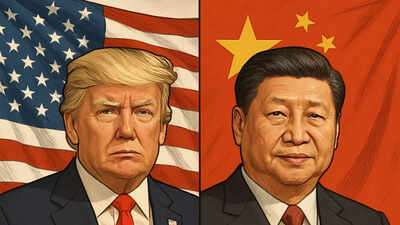
By K Raveendran There are increasing signals that Trump’s weaponised tariffs will most likely be his nemesis. A US court of appeals has thrown out his tariffs against other nations, ruling that he exceeded his authority in declaring an emergency to justify the draconian measures. The development is more than a legal setback; it strikes […]
By Nitya Chakraborty The tariff war declared by the United States President Donald Trump against India by imposing a total duty of 50 per cent on Indian exports to the USA effective August 27 this year, is having its impact on the economic relations between the two powerful economies of Asia , China and India. […]

World Liberty Financial’s WLFI token is set to begin trading on the Ethereum mainnet on 1 September 2025, with only 20 per cent of the total supply unlocked for early supporters, while the remaining 80 per cent remains under community‑governance lock. Funding rounds have raised up to $2.26 billion, including significant equity backing from ALT5 Sigma, attributing a paper valuation—and potential risk—for retail traders.

Trading commences at 12:00 UTC on 1 September, when presale participants can claim and exchange the portion of tokens unlocked by activating the audited “Lockbox” smart contract. A week‑long activation window began on 25 August to prepare wallets. The initial release affects only a fraction of the total supply; community votes will determine release schedules for the locked remainder.

Pre‑launch futures activity offers a stark view of market sentiment. WLFI perpetual contracts debuted around $0.42, implying a fully diluted valuation of $40 billion. However, futures prices plunged 44 per cent shortly after, collapsing from $0.44 to below $0.25 and slashing the FDV to $24 billion, amid heavy shorting and a sharply negative funding rate of around ‑35 per cent.

Tokenomics reveal a further concentration of risk: insiders—including the Trump family—hold a vast share of true control. Estimates suggest between 75 per cent and over 80 per cent of the supply remains allocated to founders, team members, and affiliated entities, with release terms opaque and subject to governance decisions.

The project has drawn intense scrutiny for its centralised structure and ethical implications. Reuters reported that the Trump family raised approximately $550 million through WLFI token sales and now claims around 75 per cent of net revenue. That level of control starkly contrasts with the decentralised ideals usually associated with DeFi. Commentary in outlets such as The New Yorker emphasises how such arrangements echo a “raffle-ticket” model, whereby early purchasers gain governance power and speculative upside while insiders benefit disproportionately, fuelling concerns about influence‑peddling and conflicts of interest.

Further fuelling caution, benzinga commentary and crypto analysts warn that the small circulatable portion at launch, paired with concentrated insider holdings, could make WLFI’s valuation look inflated on paper—yet leave retail investors exposed if token dumps or sell pressure emerge post‑launch.

Pending regulatory clarity also looms large. With USD1 stablecoin already launched and tied to WLFI’s ecosystem, the project’s compliance with securities laws remains under question, especially given public funds, centralised control, and political ties.

Experts urge prospective investors to proceed with caution. The disparity between locked and unlocked supply, the volatility seen in derivatives markets, and the centralisation of control combine to form a high-risk scenario reminiscent of past politically affiliated crypto launches. While some anticipate short-term rallies driven by hype and governance claims, the sustainability and fairness of WLFI’s structure remain deeply uncertain.

A vibrant showcase of Malaysia’s artistic heritage opened at Abu Dhabi’s Cultural Foundation on 26 August 2025, when the Embassy of Malaysia in the United Arab Emirates inaugurated its first-ever cultural exhibition, “To Know Malaysia Is To Love Malaysia: Highlights from the AFK Collection.” The six-month-long presentation occupies a prestigious place in Abu Dhabi’s cultural calendar and signals a renewed focus on cross-cultural engagement.

Ambassadors accredited to the UAE, business leaders, members of the Malaysian community and cultural and media figures attended the reception. Emirati journalist Dr Jamal Al Majaida was among those present as the exhibition was unveiled. The Ambassador of Malaysia to the UAE, H E Tengku Sirajuzzaman Bin Tengku Mohamed Ariffin, described art and culture as “a vital window into Malaysia’s history and diverse heritage, which blends Asian and Islamic civilisations.” He emphasised that the relationship between the two nations extends beyond politics and economics into the realm of cultural dialogue.

A rare array of works from the AFK Collection—an internationally recognised private collection dedicated to Malaysian art—is on display. It spans classical and Islamic‑inspired pieces to bold contemporary creations, offering a panoramic view of Malaysia’s vibrant creative traditions. The exhibition, running from April through to September at the Cultural Foundation, was introduced in April with similarly enthusiastic reception.

The initiative has infused Abu Dhabi’s cultural scene with fresh momentum. Guests lauded the exhibition’s curation and the uniqueness of its pieces, observing that such events foster mutual understanding and strengthen cultural ties. Members of the Malaysian community voiced pride in seeing their heritage celebrated prominently, and many expressed hope that the exhibition evolves into an annual fixture.

Beyond its individual appeal, the exhibition intersects with broader initiatives to highlight Malaysia’s narratives on the global stage. Curators have framed the AFK Collection as offering insight into the country’s cultural shifts, overlooked histories and political movements, positioning the show as more than an art display—but a medium of storytelling and creative diplomacy.

Federal Reserve governor Lisa Cook has filed a lawsuit in Washington’s federal district court challenging President Donald Trump’s bid to remove her from the Fed’s Board of Governors. The suit argues Trump lacked legal authority under the Federal Reserve Act to dismiss her “for cause,” citing mortgage‐fraud allegations tied to applications in 2021—claims she denies and which preceded her nomination and Senate confirmation in 2022. Cook also contends […]

Greenlogue/AP Negotiations in Geneva over a global plastics treaty collapsed amid sharp disagreement on key issues, leaving hopes of a legally binding agreement in limbo. Delegates from 183 countries failed to reach consensus, marking a second missed opportunity to finalise the world’s first treaty to curb plastic pollution. Opening with high expectations, the Intergovernmental Negotiating Committee aimed to build on prior progress and resolve enduring disputes. This […]

By T N Ashok NEW YORK: Trump’s 50% tariffs on Indian exports took effect from Wednesday as there has been no resolution to the dispute over Russian oil buys in by India. In a move that has stunned global markets and rattled one of America’s most strategically important partnerships, President Donald Trump on Wednesday imposed […]
Advertisements

Proposed an interim dividend of HK11.0 cents per share Highlights: Revenue increased to approximately HK$1,436.6 million. Gross profit increased to approximately HK$518.2 million. Profit attributable to owners of the Company amounted to approximately HK$120.7 million. As at 30 June 2025, the Group operated a total of 178 chain retail stores Basic earnings per share was approximately HK12.1 cents. The Board recommended the payment of interim dividend of […]

A surge of enthusiasm from the United Arab Emirates’ retail investors is bolstering domestic stock markets, signalling growing public confidence in the country’s economic trajectory. Data from the latest edition of the UAE Retail Investor Beat, conducted between 10 and 21 July 2025, shows that 85 per cent of people taking investment decisions are now allocated to UAE-listed equities, with 39 per cent invested in Abu Dhabi shares, 28 per cent in Dubai, and 18 per cent holding positions in both platforms.

Investor confidence appears grounded. Currently, 63 per cent report being “very confident” in the UAE’s economic performance, while a further 29 per cent describe themselves as “somewhat confident.” When looking ahead, 59 per cent express strong confidence in the long-term performance of locally listed stocks, with an additional 32 per cent somewhat confident. Investors remain optimistic about the near future: 48 per cent anticipate substantial gains over the next 12 months, while 34 per cent expect steady growth. On a regional scale, 58 per cent believe the Middle East will generate the highest returns over the next five years, ahead of the United States at 50 per cent.

Sectoral preferences reveal clear priorities. Real estate leads with 55 per cent of investors expressing confidence, followed by technology at 48 per cent, and both financial services and energy at 37 per cent each.

George Naddaf, managing director of eToro MENA, framed these findings in the context of market performance: the Dubai Financial Market and Abu Dhabi Securities Exchange are among the top-performing exchanges globally, outperforming the S&P 500 by a wide margin. He credits sustained earnings, robust macroeconomic conditions, and supportive government measures for underpinning investor sentiment and reinforcing preference for local opportunities.

Despite this supportive sentiment, geopolitical risks remain front of mind. Nine‑tenths of respondents expect tariffs and trade disputes to exert meaningful pressure on their portfolios over the next six months, and 89 per cent have either adjusted or intend to adjust investment strategies in response. More than half—53 per cent—are tilting further towards UAE equities, while 51 per cent are increasing exposure to commodities. Gold and precious metals are viewed as the most resilient asset class by 49 per cent of investors; cryptocurrency ranks second at 45 per cent and is already the most held class, with 54 per cent ownership.

Naddaf described this as a “disciplined, dual-track approach,” combining reinforcement in domestic equities with defensive hedges in commodities.

Capital commitment remains strong. Sixty‑five per cent of UAE retail investors have already stepped up contributions in past months, while 76 per cent anticipate further increases in the coming three months.

President Samia Suluhu Hassan has secured her place on the presidential ballot for the general election slated for 29 October 2025, following approval from the Independent National Electoral Commission alongside her running mate, Emmanuel Nchimbi. At the same time, key opposition contenders—including Luhaga Mpina of ACT‑Wazalendo and the CHADEMA party—have been excluded, drawing sharp criticism from opposition groups and advocates for democratic integrity. Electoral authorities barred Luhaga […]

Bitcoin remains anchored just above the $113,000 mark and Ethereum hovers near $4,600, as markets digest fresh signals from the Federal Reserve and institutional interest.

Bitcoin has regained footing near $113,000 following a textbook flash crash over the weekend triggered by a whale’s sell‑off of 24,000 BTC, which sparked over $800 million in forced liquidations across crypto markets. Market behaviour since suggests cautious optimism, with support holding firm at around $110,000—analysts now eye this level as a critical foundation for recovery.

On chart terms, traders are watching a breakout above the $115,000 resistance zone. A sustained move beyond $115K could see Bitcoin rally toward $120,000, buoyed by renewed ETF inflows and reduced leverage. Conversely, failure to hold above $110,000 risks a slide toward $108,000 or even $105,000.

Ethereum stands out, gaining about 4 % to trade at approximately $4,589—just shy of its all‑time high—on robust demand and ETF inflows. Meanwhile, the broader crypto market cap has rebounded, edging closer to the $4 trillion mark as 90 of the top 100 coins turn green.

Federal Reserve developments continue to underpin sentiment. A dovish tone from Federal Reserve Chair Jerome Powell at the Jackson Hole symposium earlier this week spurred a surge, lifting Bitcoin to over $124,000—even as markets reeled from that upward spike and a swift correction. Powell’s comment that rate cuts could be on the table by next month reignited risk appetite, adding tailwind to cryptocurrencies and related equity names.

Amid the tumult, technical indicators signal mixed outlooks. Bitcoin’s MACD remains below neutral—suggesting recovery would require improving sentiment —while certain charts hint at a potential bull trap, as the latest price peak was not confirmed by a rise in RSI, pointing to possible fading buying momentum.

Institutional engagement stays strong, underlined by steady ETF inflows. On a single day, Bitcoin and Ethereum ETFs recorded inflows of $88.2 million and $455 million respectively—action that reinforces the plausibility of a rally toward $120,000 should momentum endure.

However, geopolitical and policy risks are never far off. Pressure on the Federal Reserve—particularly from U. S. political manoeuvres—could destabilise markets. Some analysts warn that if Bitcoin fails to reclaim the $111K–$112K zone, further decline toward $100K cannot be ruled out.

Paragraf has clinched a $55 million Series C financing round, anchored by a $35 million injection from Mubadala Investment Company—the sovereign wealth fund of Abu Dhabi—earning Mubadala a 12.8 per cent equity stake in the UK-based firm. The deal, formally approved under the National Security and Investment Act, will underpin Paragraf’s bid to scale up production of graphene-based semiconductors and pursue global expansion plans. Leading the company’s development, co‑founder […]

Asian equity markets wavered sharply as Nvidia’s impressive financial performance clashed with deepening concerns over its operations in China, exposing investor nerves across the region. Nvidia delivered a commanding second‑quarter performance, posting a 56 per cent year‑on‑year revenue surge to approximately $46.7 billion and a 59 per cent rise in net income to around $26.4 billion. Despite exceeding expectations and charting strong growth, its shares slid about 3 per cent in after‑hours trading, as the forecast for […]

Global stock markets are basking in record highs, but the mood beneath the surface is far from confident. This isn’t a calm, sustainable rally. It’s one built on fragile assumptions, stretched valuations, and dangerous complacency. The higher equities climb, the more brutal the eventual reckoning could be. This summer has rewarded investors handsomely. The S&P 500 and FTSE 100 broke into new territory just over a week […]

By K Raveendran The oil market has by now mastered the skill to absorb shocks, even when they appear designed to disrupt trade flows and destabilise long-term patterns. Rather than creating turbulence, as many initially feared, the global oil market has taken the imposition of punitive tariffs by the United States on India’s Russian oil […]

By Tajul Islam When Bangladesh’s students took to the streets last year, their demands were clear: dismantle the structures of fascism, restore democracy, and build a government that put the people before politics. Their movement culminated in a historic moment on August 8, when Nobel laureate and Grameen Bank founder Dr. Muhammad Yunus was sworn in as Chief Advisor to the interim government. The appointment followed the […]

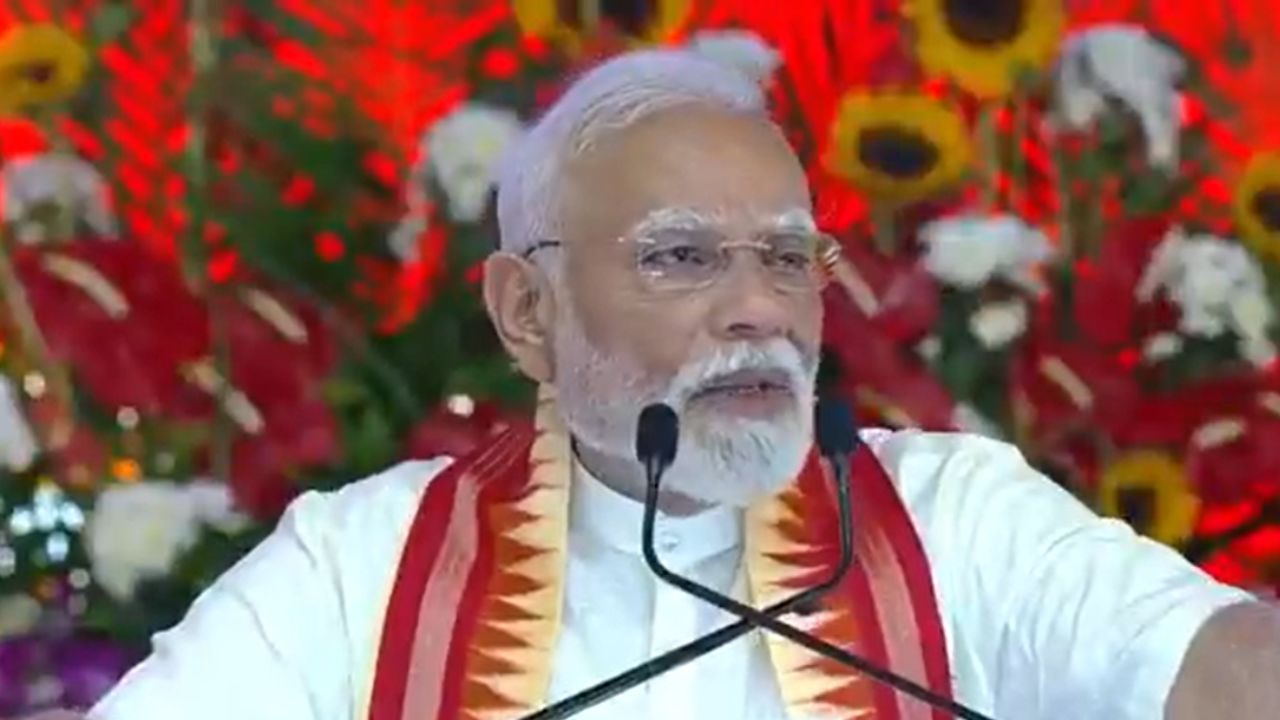
By Nitya Chakraborty Prime Minister Narendra Modi will be facing his major test in diplomacy at the coming summit of the Shanghai Cooperation Organisation (SCO) to be held in Tianjin in China on August 31 and September 1 this year. The SCO meet will be hosted by Chinese President Xi Jinping and will be attended […]

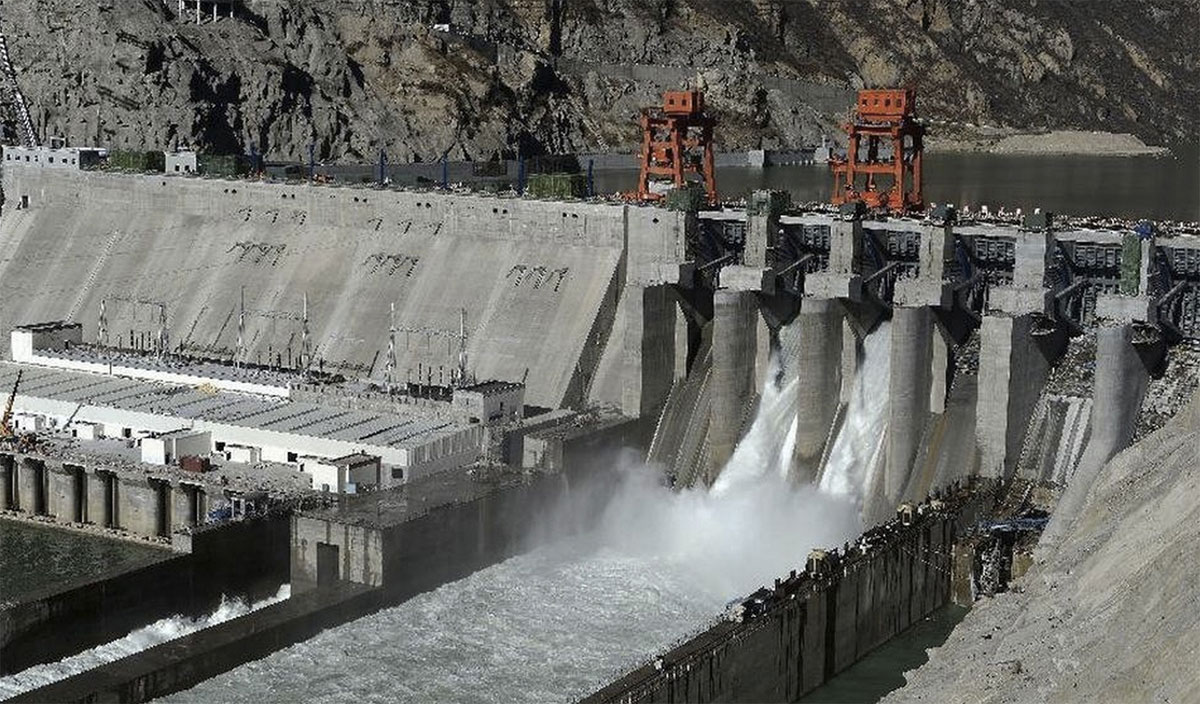
China has officially launched the construction of a massive hydropower project along the Yarlung Tsangpo river, known as the Brahmaputra in India. This new initiative, expected to be one of the largest of its kind globally, has ignited significant debate over its environmental, geopolitical, and economic implications. The hydropower station is a crucial part of China’s long-term strategy to increase its control over water resources in the region and boost its energy supply.

Located in Tibet, the project is designed to harness the Yarlung Tsangpo’s potential as a major energy source. The proposed mega-dam is anticipated to produce electricity on an unprecedented scale, contributing to China’s ambitious goal of transitioning to cleaner energy. However, experts warn that the dam could have wide-ranging effects on the downstream nations—particularly India and Bangladesh—which rely on the river for water and agricultural needs.

The Yarlung Tsangpo originates in the Tibetan Plateau before flowing southward into India and Bangladesh, making it a critical water source for millions of people. The river’s significance has led to increasing tensions between China and its neighbours. India, for instance, has raised concerns over Beijing’s unilateral control over the river’s upstream resources, which could result in reduced water flow for Indian states like Arunachal Pradesh and Assam. This could severely impact agriculture, water supply, and biodiversity in the region.

China, on the other hand, justifies the project as an essential component of its energy diversification plan and a step towards ensuring a sustainable future. The dam is expected to meet growing energy demands, particularly in Tibet and other western provinces. The country has already constructed several smaller dams on the river, and the new project will dwarf them in terms of capacity. However, this unprecedented scale has raised alarms among environmental groups who argue that the dam could lead to severe ecological disruption.

One major concern is the impact on the fragile ecosystem surrounding the Yarlung Tsangpo, which is home to a variety of endangered species, including the Tibetan antelope and snow leopard. The dam will alter the flow of the river, potentially threatening the habitats of these species and disrupting the delicate balance of the ecosystem. Further, large-scale water diversion for hydropower could lead to changes in sediment flow, which may erode downstream landscapes, damage fertile agricultural land, and affect the livelihoods of millions of people.

Experts also warn that the construction of the dam could have a devastating impact on the lower riparian states in South Asia. Bangladesh, for example, is already grappling with water scarcity issues, and any reduction in the flow of the Brahmaputra could worsen the country’s challenges. Furthermore, the dam’s potential to alter seasonal flooding patterns could increase the likelihood of both droughts and devastating floods in the region, exacerbating the socio-economic instability of affected areas.

The project has raised diplomatic tensions between China and India. Relations between the two countries have been strained in recent years, with territorial disputes and military standoffs adding to the complexity of the situation. The Yarlung Tsangpo project further complicates these dynamics, with India voicing concerns over China’s increasing control over vital river systems. Although Beijing claims that the project will not harm neighbouring countries, it has not provided detailed assessments of the dam’s potential downstream effects, leaving a sense of uncertainty and mistrust.

China’s actions have triggered calls for international cooperation and regulation regarding transboundary rivers. Critics argue that there is a need for a multilateral framework to manage shared water resources, particularly in areas like the Himalayas, where multiple countries depend on rivers originating in one nation. The lack of transparency around the environmental impact assessments for such large-scale projects has also raised concerns within the global community, with some advocating for stronger environmental safeguards.

The US government has secured a 10% stake in Intel, a move that has sparked significant debate within the business and investment community. This unprecedented acquisition, part of the Biden administration’s push to strengthen domestic semiconductor manufacturing, could reshape the company’s relationship with investors and international stakeholders. Intel executives have raised concerns, warning that this direct involvement by the government might lead to complications in global markets, […]

The United States government is considering reallocating up to $2 billion originally designated for semiconductor manufacturing under the CHIPS Act to fund initiatives related to mineral production. This potential move reflects a growing focus on securing critical minerals, particularly rare earth elements, that are vital to numerous industries, including technology and defence. The proposal has been met with mixed reactions from industry experts and lawmakers. On one […]

By Nantoo Banerjee Notwithstanding India’s current trade tariff spat with the United States, India should apply caution to further open up imports from China with which it already suffers from massive trade deficits – nearly $100 billion last year when China had severely cut down imports from India. The latter should also avoid the Chinese […]

Santos Ltd. has extended the exclusivity period for its proposed $18.7 billion acquisition by an Abu Dhabi-led consortium until September 19. The move marks the second extension for the deal, which is being led by the Abu Dhabi National Oil Company subsidiary, XRG, along with the Abu Dhabi Development Holding Company.

The extension, announced in a regulatory filing on Monday, follows a series of negotiations between the Australian oil and gas giant and the Abu Dhabi-based investors. Santos, Australia’s second-largest oil and gas producer, initially entered into exclusive talks with the consortium earlier this year. The deal is seen as one of the most significant energy sector transactions in the region, reflecting growing interest in Australia’s energy assets.

The consortium, led by ADNOC, has been vying to secure a controlling stake in Santos as part of its broader strategy to expand its oil and gas footprint internationally. While the negotiations have faced delays, the extended exclusivity period is intended to allow both sides to finalise terms and address regulatory requirements.

The decision to extend the exclusivity period underscores the complexity of the deal, which involves multiple stakeholders with differing interests. Industry experts have noted that the timeframe is critical for both ADNOC and Santos to iron out key details related to financing, regulatory approvals, and future operational integration.

Santos, for its part, has stated that the extension will allow for continued discussions regarding the offer’s terms. The company has also reiterated that the proposed acquisition remains subject to the successful completion of due diligence and other customary closing conditions.

While the deal’s original timeline was set to expire in mid-August, the extension provides additional time to navigate hurdles such as securing clearance from Australian competition authorities and finalising financing arrangements. The Australian government’s scrutiny of foreign acquisitions in the country’s critical infrastructure sector has been a key point of discussion.

The potential takeover has already attracted attention from various industry analysts, with many viewing it as part of a wider trend of increased mergers and acquisitions within the energy sector. Experts argue that the deal could reshape the Australian energy landscape by consolidating assets under a state-backed entity like ADNOC, which has a track record of making strategic investments in key oil and gas markets.

Santos’ strategic positioning in the market and its substantial reserves of gas have made it an attractive target for investors seeking to capitalise on the rising demand for energy. The company has significant operations in Queensland, Western Australia, and Papua New Guinea, all of which have been integral to ADNOC’s interests in securing a foothold in the Pacific region.

The proposal is expected to significantly impact the Australian energy sector, not only in terms of market share but also in the broader geopolitical context. As part of ADNOC’s strategy to diversify its global energy portfolio, the acquisition could also have implications for Australia’s relationship with key energy partners, particularly in the Asia-Pacific region.

The consortium’s interest in Santos is also aligned with ADNOC’s broader goals of expanding its footprint in the global natural gas market. With natural gas demand projected to grow in the coming decades, ADNOC sees the acquisition as a means to secure long-term assets that can ensure the UAE’s energy dominance on the global stage.

The deal’s implications, however, are still unfolding, as both parties continue to navigate regulatory processes and market conditions. The extension of the exclusivity period provides both sides the necessary time to address any outstanding issues before a final agreement is reached.

The GCC debt capital market is gearing up for a surge of new issuances following an active start to the year, despite a quiet period during the early days of August. With the market showing strong resilience, experts predict that the second half of the year could bring new opportunities for issuers, albeit under certain market conditions.

The first half of 2025 witnessed robust activity in the debt market, with significant bond and sukuk issuances across the Gulf Cooperation Council region. Several large corporations, sovereigns, and financial institutions took advantage of favourable conditions, including low interest rates, to raise funds and meet liquidity needs. This rush of issuances demonstrates the ongoing demand for GCC debt despite global economic uncertainties.

Victor Mourad, Co-Head of CEEMEA Debt Financing at Citi, highlighted the market’s performance, noting that the first half was particularly strong. “We had a phenomenal first half,” Mourad said. “The pipeline in the second half could be smaller, unless a drop in rates sparks a pre-funding strategy toward year-end, pulling transactions planned for early 2026 into November.” He pointed out that the timing of issuances would depend on a combination of factors, particularly the interest rate environment.

The market cooled off in the first three weeks of August, a period traditionally marked by lower activity, as many market players take a break before gearing up for the final months of the year. However, Mourad remains optimistic, suggesting that a rate reduction in the coming months could lead to a wave of issuances in the final quarter, as companies and governments look to lock in favourable terms before rates climb again.

Issuers are likely to adopt a strategic approach in the second half, with many considering early funding to avoid higher borrowing costs in 2026. A drop in rates could accelerate this strategy, as issuers push forward deals planned for the following year. It remains to be seen whether this shift in strategy will materialise, but the potential for an uptick in transactions towards the year-end remains high.

Investors will also play a key role in shaping the market dynamics. With yields on GCC bonds still appealing compared to those in other regions, demand for debt from the Gulf is expected to remain strong. The relatively stable economic backdrop, coupled with favourable oil prices, offers an attractive investment proposition for global investors looking for higher returns in a low-interest-rate environment.

Another crucial factor influencing the market will be the sovereign debt landscape across the GCC countries. Governments have continued to implement fiscal reforms and drive diversification efforts, which have bolstered the creditworthiness of the region’s sovereign issuers. As a result, GCC sovereign bonds have become a key asset class for international investors, offering a blend of safety and yield in uncertain times.

Corporate issuers in the region have also adapted to the shifting dynamics. Many have been tapping into the capital markets to fund expansion plans and refinance maturing debt, while also benefitting from government-backed stimulus packages. These initiatives have helped to stabilise the regional economy and offer liquidity to businesses during challenging periods.

However, challenges remain for certain sectors, particularly those heavily reliant on global supply chains or exposed to geopolitical risks. Tensions in the wider Middle East region could create volatility, which might impact investor sentiment. As the global economy continues to grapple with inflationary pressures and tightening monetary policies, GCC issuers will need to balance their strategies carefully to ensure they remain attractive to both local and international investors.

HSBC Holdings Plc’s Swiss private banking division is severing ties with numerous high-net-worth individuals from the Middle East, a move aimed at reducing exposure to high-risk clients. This decision, which impacts more than 1,000 clients from countries including Saudi Arabia, Lebanon, Qatar, and Egypt, comes as part of the bank’s strategy to streamline its wealth management business and comply with evolving global financial regulations.

The clients affected are those with substantial assets, some exceeding $100 million, who will no longer be able to maintain accounts with HSBC’s Swiss arm. The bank’s decision reflects growing scrutiny over financial institutions’ relationships with clients deemed risky due to their geopolitical associations, business dealings, or regulatory concerns.

HSBC’s Swiss private banking unit, once a lucrative segment for the bank, has been subject to increasing pressure, particularly after several international regulatory challenges over the years. The Swiss division had long been a hub for wealth management services, catering to high-net-worth individuals seeking to safeguard and grow their assets. However, with stricter global regulations targeting the private banking sector, particularly surrounding anti-money laundering practices and financial transparency, HSBC has been forced to reassess its client base.

The bank’s decision to end these relationships comes as part of a broader push by financial institutions to reduce their exposure to high-risk clients. Over the past several years, there has been an uptick in global regulatory pressure aimed at preventing money laundering and promoting transparency, especially for private banks handling large sums of money. This has led some banks to adopt more stringent vetting procedures for clients, scrutinising not only their financial standing but also their backgrounds and business affiliations.

HSBC’s move aligns with the ongoing trend within the banking sector to de-risk their portfolios and distance themselves from controversial clients. Wealthy individuals from certain regions, particularly those in the Middle East, have increasingly come under the microscope due to political and legal concerns. For instance, clients who are heavily tied to governments or businesses with unclear or controversial financial practices have raised alarms for regulatory bodies.

In the case of HSBC, the bank is reportedly working to ensure that the wealth management division in Switzerland only maintains relationships with clients who meet its revised risk criteria. The bank’s decision, while part of an ongoing strategy to refine its client list, has caused concern among those impacted, who now face limited options for managing their wealth within Switzerland’s historically secure banking environment.

For many of the clients affected, the closure of their accounts represents a significant shift, as Swiss private banking has long been considered a safe haven for those seeking discretion, financial stability, and robust wealth management services. Some clients have expressed frustration over the decision, noting that their wealth and business activities have been fully transparent and compliant with international laws.

The Swiss banking landscape, however, is changing. With growing demands for increased transparency and a crackdown on illegal financial activities, institutions such as HSBC are recalibrating their approach to international wealth management. As financial regulations continue to tighten globally, private banks are expected to adopt more stringent policies regarding the kinds of clients they choose to serve.

HSBC’s move could set a precedent for other global financial institutions to follow. The bank’s focus on reducing its exposure to high-risk individuals in the Middle East highlights the changing nature of international banking. Other banks with significant wealth management operations, particularly in regions with unstable political environments or controversial business practices, may follow suit in an effort to mitigate risks and align with global financial regulations.


VISHNU RAJA
RYO YAMADA
HITORI GOTOH
IKUYO KITA