News related to
pursue

By Sushil Kutty External Affairs Minister S Jaishankar never seems to finish his thoughts. People might mistake him to be a hesitant hacker. But that isn’t the case. EAM Jaishankar is the second longest serving foreign minister after Jawaharlal Nehru, who kept the external affairs portfolio with him, for the entirety of his tenure as […]

In an unprecedented cyberattack, cryptocurrency exchange Bybit has suffered a $1.5 billion theft, marking the largest crypto heist to date. The U.S. Federal Bureau of Investigation has intensified its search for Park Jin Hyok, a North Korean hacker linked to the Lazarus Group, suspected of orchestrating this massive breach.

Bybit reported that during a routine transfer between digital wallets, an attacker manipulated the process, diverting approximately $1.5 billion worth of Ethereum to an unidentified address. CEO Ben Zhou assured customers that their remaining assets are secure, though withdrawal requests may experience delays. Zhou emphasized the company’s financial resilience, stating that Bybit can absorb the loss and remain solvent even if the stolen funds are not recovered.

The FBI has identified the Lazarus Group, also known as APT38, as the entity responsible for this theft. This group, comprising North Korean state-sponsored cyber actors, has a notorious history of high-profile cybercrimes. Park Jin Hyok, a key member, is allegedly involved in several significant cyber intrusions, including the 2014 Sony Pictures hack and the 2017 WannaCry ransomware attack. The FBI’s wanted list describes Park as a state-sponsored programmer involved in some of the costliest computer intrusions in history.

In response to the breach, Bybit has taken swift measures to mitigate the impact. The company conducted a fresh audit and restored its reserves to a 1:1 ratio within 72 hours of the incident. Blockchain analytics firm Lookonchain reported that Bybit purchased approximately 266,700 ETH, equivalent to $742 million, over two days to replenish its reserves. Zhou confirmed this development, stating that Bybit has fully closed the Ethereum gap caused by the hack.

The cryptocurrency community has been closely monitoring the movement of the stolen funds. Analysts have noted that the hackers face challenges in liquidating the stolen Ethereum due to potential blacklisting by major stablecoin issuers like Circle and Tether. This situation has led to discussions about the possible bullish impact on Ethereum’s price, as the removal of a significant amount of ETH from circulation could affect market dynamics.

This incident has raised concerns about the security of cryptocurrency exchanges and the broader implications for the market. Following the hack, major cryptocurrencies experienced declines. Bitcoin’s price dropped by 0.4% to $95,822, while Ethereum’s price decreased by 4% to $2,698. These downturns are attributed to a combination of the Bybit hack and broader macroeconomic and geopolitical events.

The Bybit heist surpasses previous major cryptocurrency thefts, including the $610 million Poly Network hack in 2021 and the $540 million Ronin Network breach in 2022. These recurring incidents underscore the persistent security challenges within the cryptocurrency industry. In 2024 alone, over $2 billion was lost to hacking, marking the fourth consecutive year of billion-dollar thefts in the sector.

The FBI’s pursuit of Park Jin Hyok and the Lazarus Group highlights the ongoing efforts to combat state-sponsored cybercrimes. The agency has previously linked the group to various cyberattacks, including the $41 million theft from Stake.com in 2023. These actions are part of a broader strategy to hold malicious cyber actors accountable and prevent future incidents.

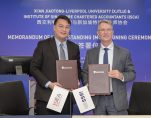
SINGAPORE – Media OutReach Newswire – 24 February 2025 – The Institute of Singapore Chartered Accountants (ISCA) has signed a Memorandum of Understanding (MOU) with Xi’an Jiaotong-Liverpool University (XJTLU) in Suzhou, China, to establish pathways for students in China to pursue the Singapore Chartered Accountant Qualification (SCAQ). The newly-formed partnership marks the first collaboration with a university in China for ISCA, since the launch of its first […]

National Central Cooling Company PJSC , a prominent district cooling provider in the United Arab Emirates, has mandated several banks to arrange a five-year, Regulation S, dollar-denominated benchmark green sukuk. This strategic move aims to bolster Tabreed’s financial position and support its ongoing sustainability initiatives.

The consortium of banks includes Citigroup and Standard Chartered Bank as Joint Global Coordinators. Additionally, Citigroup, Emirates NBD Capital, First Abu Dhabi Bank, HSBC, and Standard Chartered Bank have been appointed as Joint Lead Managers and Joint Bookrunners. Abu Dhabi Commercial Bank will serve as Co-Manager for the issuance. Notably, Citigroup, First Abu Dhabi Bank, and Standard Chartered are also acting as Joint Green Structurers, underscoring the green credentials of the sukuk.

This forthcoming green sukuk is part of Tabreed’s broader strategy to refinance existing debt and invest in environmentally sustainable projects. The company has previously issued two $500 million fixed-income instruments: a sukuk in October 2018 and a bond in October 2020. These issuances were supported by Tabreed’s strong credit quality and consistent revenue streams. In line with its commitment to maintaining an optimal debt structure, Tabreed has implemented a conservative debt policy to preserve its investment-grade status, currently rated Baa3 by Moody’s and BBB by Fitch.

In 2022, Tabreed established a Green Finance Framework to align its financing activities with its sustainability objectives. This framework adheres to the Green Bond Principles 2021 and the Green Loan Principles 2021, ensuring that funds raised are allocated to projects with clear environmental benefits. Eligible projects under this framework include investments in energy-efficient district cooling systems, sustainable water and wastewater management, green buildings, and renewable energy initiatives. The framework has received a Second Party Opinion from Sustainalytics, confirming its alignment with the aforementioned principles.

The proceeds from the upcoming green sukuk will be utilized to refinance Tabreed’s existing debt, including the $500 million sukuk issued in 2018, which is due to mature in October 2025. This refinancing effort is part of Tabreed’s proactive approach to debt management, aiming to reduce financing costs and extend debt maturities. Earlier, the company announced plans to issue green bonds or sukuk to refinance $1.2 billion in debt, reflecting its commitment to sustainable financing practices.

Tabreed’s financial performance has remained robust, with the company reporting increased revenue and profits for the year 2024. The company’s revenue reached AED 2.434 billion, with a net profit before tax of AED 624 million, representing a 4% increase over the previous year. Earnings before interest, taxes, depreciation, and amortization also saw a 5% year-on-year increase, amounting to AED 1.252 billion, with an improved margin of 51%. These financial metrics underscore Tabreed’s strong operational performance and prudent financial management.

The decision to issue a green sukuk aligns with the UAE’s broader sustainability goals and the global trend towards green financing. Green sukuk, Islamic bonds specifically earmarked for environmentally friendly projects, have gained traction in recent years as investors increasingly prioritize sustainable investments. By tapping into this growing market, Tabreed not only reinforces its commitment to environmental stewardship but also appeals to a broader base of socially responsible investors.

Tabreed’s leadership in the district cooling sector is complemented by its dedication to innovation and sustainability. The company’s investments in energy-efficient cooling solutions contribute significantly to reducing greenhouse gas emissions and promoting energy conservation in the region. As urbanization and demand for cooling services continue to rise, Tabreed’s sustainable practices position it well to meet these challenges while supporting the UAE’s vision for a greener future.

The successful issuance of the green sukuk will further enhance Tabreed’s financial flexibility, enabling the company to pursue strategic growth opportunities and invest in cutting-edge technologies. Moreover, it sets a benchmark for other companies in the region to adopt sustainable financing mechanisms, fostering a culture of environmental responsibility within the corporate sector.

SINGAPORE – Media OutReach Newswire – 24 February 2025 – British Council Singapore celebrated the achievements of exceptional UK alumni at the Study UK Alumni Awards 2025, held at The Fullerton Hotel Singapore, on 20 February. This flagship event honours individuals who have leveraged their UK education to make significant contributions to their professions, communities and societies. British Council Singapore Honours Outstanding UK Alumni at the Study […]

A series of explosions on three parked buses in Bat Yam, a suburb south of Tel Aviv, has prompted Israeli authorities to launch an intensive security operation in the West Bank. The blasts, which occurred on Thursday evening, resulted in no casualties but have raised significant concerns about a resurgence of coordinated militant attacks within the country. The incidents involved three empty buses that exploded almost simultaneously […]

QuadReal Property Group and T5 Data Centers have announced an expansion of their joint data center platform, increasing its valuation to $8 billion. This strategic move aims to address the surging demand for cloud and AI infrastructure by developing an additional 5 gigawatts of data center capacity across the United States. Established in 2019, the partnership between QuadReal and T5 has successfully developed state-of-the-art data center facilities […]

Advertisements

President Donald Trump is actively promoting U.S. liquefied natural gas exports to Asian nations, aiming to strengthen economic ties and reduce their dependence on Middle Eastern and Russian energy sources. In a strategic move, Trump and Japanese Prime Minister Shigeru Ishiba have discussed Japan’s potential involvement in an Alaskan LNG project, highlighting the benefits of a direct energy route that bypasses traditional, and often volatile, sea lanes.

The administration’s focus is not solely on Japan. Other Asian countries, including South Korea and Taiwan, are also considering increased imports of U.S. LNG. This initiative is designed to enhance energy security across the region and diminish the influence of China and Russia. Trump’s energy advisor, Doug Burgum, emphasized the strategic advantages of these partnerships, noting that they offer a more stable and secure energy supply chain for U.S. allies in Asia.

In line with this strategy, Sentinel Midstream is advancing its deepwater oil export project, Texas GulfLink. Located approximately 30.5 miles off the coast of Freeport, Texas, the facility aims to fully load supertankers with up to 2 million barrels of oil per day. This capability is currently unique to the Louisiana Offshore Oil Port. Sentinel’s CEO, Jeff Ballard, expressed optimism about the project’s progress, citing the administration’s expedited approval processes as a significant factor in moving forward.

Despite initial market fluctuations following discussions between Trump and Russian President Vladimir Putin regarding the Ukraine conflict, energy markets remain cautious. The anticipated peace has not materialized, and experts suggest that if a resolution were imminent, a more substantial decline in oil and gas prices would be evident. This uncertainty underscores the importance of diversifying energy sources and reducing reliance on regions prone to geopolitical tensions.

Taiwan’s National Security Council head, Joseph Wu, highlighted the robust support from the U.S., noting that Taiwan is exploring increased purchases of American LNG. This move aims to balance trade and address criticisms from Trump regarding trade imbalances and the semiconductor industry’s dynamics. Wu emphasized Taiwan’s transparency in international business and expressed interest in future Alaskan LNG productions due to their quality and logistical advantages.

Denmark’s Prime Minister, Mette Frederiksen, shared insights into a recent intense conversation with President Trump concerning his renewed interest in acquiring Greenland. This discussion has added complexity to U.S.-Denmark relations, especially in the context of global security challenges posed by nations like Russia, Iran, and North Korea. Frederiksen underscored the necessity for Europe to bolster its defense investments and the importance of U.S.-Europe cooperation in addressing these global threats.

Cheniere Energy, a leading U.S. LNG exporter, plans to expand its capacity under the current administration. CEO Jack Fusco announced intentions to pursue new regulatory permits, aligning with Trump’s agenda to boost the U.S. energy sector. This expansion is poised to meet the growing demand from Asian markets seeking reliable and diversified energy sources.

The administration has also established a council dedicated to achieving “energy dominance,” focusing on increasing natural gas exports and offshore drilling. This initiative aims to capitalize on the U.S.’s abundant energy resources, providing allies with alternative energy options and reducing global dependence on adversarial nations.

The significance of U.S. LNG in global energy dynamics is multifaceted. It not only offers economic benefits but also plays a crucial role in the global energy transition. By providing a stable and cleaner energy source, U.S. LNG supports efforts to reduce carbon emissions and offers countries an opportunity to diversify their energy portfolios.

The U.S. Securities and Exchange Commission has officially withdrawn its appeal against a federal court ruling that invalidated its attempt to broaden the definition of “dealer” to encompass decentralized finance platforms and crypto liquidity providers. This move marks a significant shift in the regulatory landscape for the cryptocurrency industry.

In a filing submitted to the Fifth Circuit Court of Appeals on February 19, the SEC requested the voluntary dismissal of its appeal, a motion that faced no opposition. This decision effectively concludes the legal battle initiated by crypto advocacy groups, including the Blockchain Association and the Crypto Freedom Alliance of Texas, which challenged the SEC’s proposed rule change.

The contested rule, introduced in February 2024, sought to mandate that all crypto liquidity providers and automated market makers with over $50 million in capital register as dealers with the SEC. Critics argued that this expansion of the “dealer” definition would impose onerous regulatory requirements on DeFi protocols, many of which operate without centralized control and would struggle to comply with traditional Know Your Customer and Anti-Money Laundering regulations.

In November 2024, U.S. District Judge Reed O’Connor of the Northern District of Texas ruled against the SEC, stating that the agency had “exceeded its statutory authority” by attempting to enforce such a broad definition. The SEC’s recent decision to abandon its appeal upholds this ruling, preventing the implementation of the controversial dealer rule.

Kristin Smith, CEO of the Blockchain Association, lauded the SEC’s withdrawal as a decisive victory for the crypto industry. In a statement, she emphasized that the rule represented an “unlawful power grab” and that its defeat allows the industry to “breathe a sigh of relief.”

This development coincides with significant leadership changes within the SEC. Former Chair Gary Gensler, known for his stringent regulatory stance on cryptocurrencies, stepped down in January 2025 as President Donald Trump assumed office. Under the interim leadership of Acting Chair Mark Uyeda, the SEC has demonstrated a shift toward a more collaborative approach to crypto regulation.

One of Uyeda’s initial actions was the establishment of a Crypto Task Force, led by Commissioner Hester Peirce, who is recognized for her crypto-friendly views. The task force’s mandate includes developing a comprehensive regulatory framework for digital assets, aiming to provide clarity and support for innovation within the industry.

The SEC has also paused or delayed several enforcement actions against crypto firms that were initiated during Gensler’s tenure. These moves suggest a reevaluation of the agency’s approach to cryptocurrency regulation, potentially fostering a more conducive environment for industry growth.

Industry stakeholders view the SEC’s withdrawal of the dealer rule appeal as indicative of this evolving regulatory philosophy. By choosing not to pursue further legal action, the SEC appears to acknowledge the unique operational structures of DeFi platforms and the challenges of applying traditional regulatory frameworks to decentralized systems.

The original dealer rule aimed to address concerns about market stability and investor protection by bringing significant crypto market participants under the SEC’s regulatory umbrella. However, opponents contended that the rule failed to consider the decentralized nature of many crypto entities, rendering compliance both impractical and potentially stifling to innovation.

The legal challenge, initiated in April 2024, argued that the SEC’s rulemaking was “arbitrary and capricious,” lacking a clear statutory basis. Judge O’Connor’s ruling in favor of the plaintiffs underscored the necessity for regulatory agencies to operate within the bounds of their designated authority, especially when addressing emerging technologies and markets.

As the SEC recalibrates its approach under new leadership, the crypto industry remains attentive to how future regulations will balance oversight with the need to support technological advancement. The formation of the Crypto Task Force and the dismissal of the dealer rule appeal suggest a potential for more nuanced and informed policymaking that considers the distinct characteristics of digital assets and decentralized platforms.

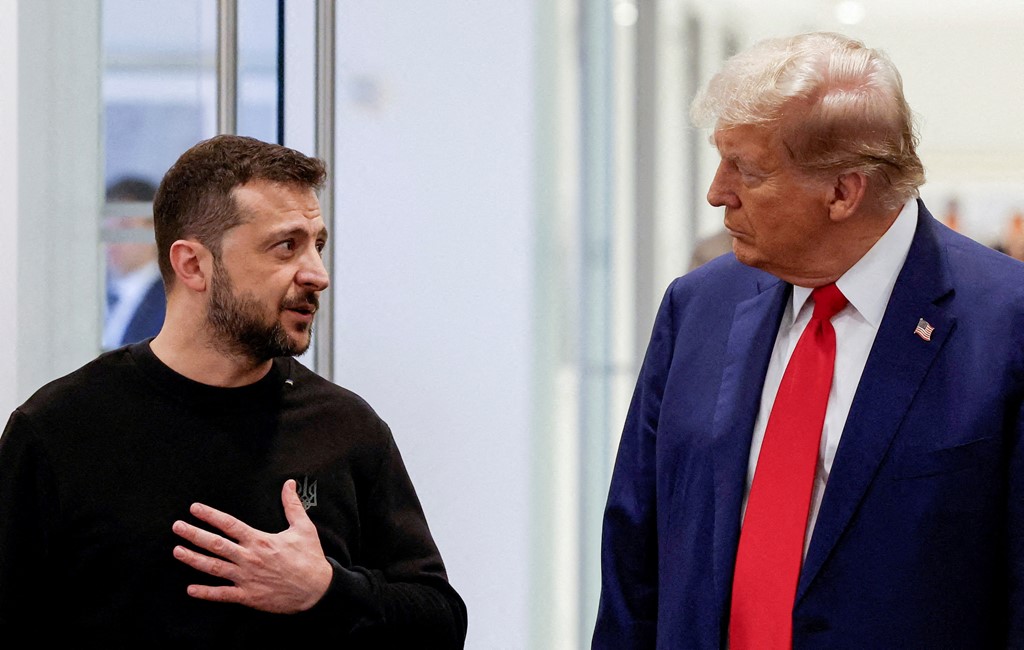
By Ben Chacko LONDON: Donald Trump’s demand for a $500 billion “payback deal” forcing Ukraine to hand over control of its natural resources has been exposed by the Telegraph. As the newspaper’s columnist Ambrose Evans-Pritchard notes, proposed terms amount to a more punitive reparations package than was imposed on Germany after World War I. Not […]
By M. A. Hossain & Vishakhajha For decades, U.S. alliances have been the backbone of global stability, fostering economic cooperation and collective security. NATO, economic partnerships with European and Asian allies, and engagement in international organizations have cemented America’s leadership in world affairs. However, under Trump’s second term Presidency, these traditional alliances came under significant […]
By Anjan Roy Russian president, Vladimir Putin, has already achieved a very big objective of his diplomacy — isolating Europe from the United States. Now with the US President’s latest statement from his clubhouse, Donald Trump seems to have dumped the traditional diplomatic tie up between Western Europe and America. India must take lesson — […]
By Ben Chacko LONDON: The geopolitics of Europe are moving. The least we should demand of our elected representatives in Parliament is a frank discussion of that. We have been denied one. When Russia launched its illegal invasion of Ukraine in February 2022, Labour MPs who signed a Stop the War Coalition statement condemning that […]

Tesla Inc. has made a significant move towards entering the Indian market, as evidenced by a surge in job openings across key locations like Mumbai and Delhi. The company is currently seeking to fill 13 roles, spanning customer-facing and back-end positions, marking a clear commitment to establishing a foothold in India’s growing electric vehicle sector.

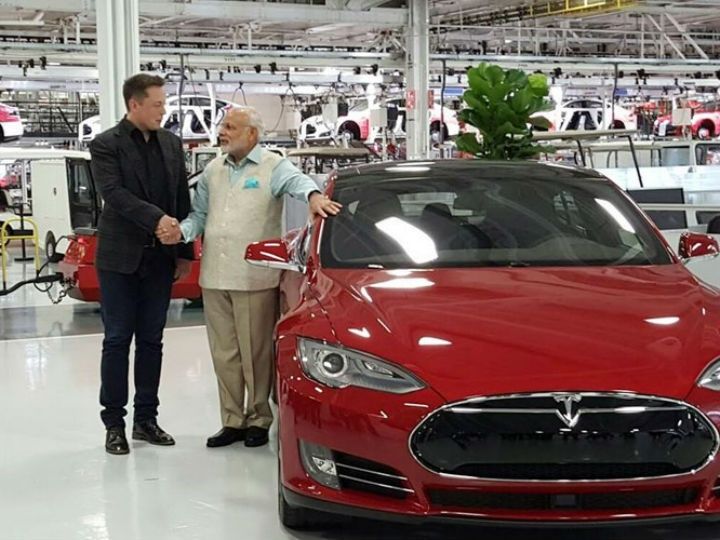
The announcement comes after Elon Musk’s high-profile meeting with Prime Minister Narendra Modi, a discussion that appears to have catalysed Tesla’s decision to pursue expansion in the region. The timing of this strategic move is especially relevant given the recent developments in India’s trade policies, with the government reducing import duties on luxury cars, a measure that could provide Tesla with a more favourable environment for operations.

India’s electric vehicle market, while still in its infancy compared to China’s, is poised for considerable growth. The country’s rapid urbanisation, increased government focus on sustainability, and rising interest in eco-friendly transportation solutions position it as a key player in the global EV landscape. Tesla, with its reputation for high-performance, premium EVs, stands to benefit from these trends.

Tesla’s recruitment efforts are seen as an indication of the company’s intention to tap into the vast potential of India’s automotive sector. The roles available span various areas, including technical support and operations, aimed at building the company’s infrastructure in the region. This is not the first time Tesla has shown interest in India; however, the recent policy changes have provided a more favourable environment for international companies looking to expand their operations.

Prime Minister Modi’s engagement with Elon Musk is likely to have been a pivotal factor in advancing Tesla’s plans for India. During the meeting, both parties discussed ways to enhance cooperation, particularly in sectors such as renewable energy and electric vehicles. Tesla’s entry into India aligns with the government’s push to reduce carbon emissions and transition towards sustainable energy solutions.

The reduction in import duties on luxury vehicles is a significant policy shift that could greatly benefit Tesla’s plans. Previously, India imposed high import duties on foreign-made vehicles, making it challenging for companies like Tesla to price their products competitively in the local market. The recent reduction, part of a broader effort to stimulate the EV sector, is seen as a move to attract global automakers. Tesla, which manufactures its vehicles primarily in the United States, is expected to benefit from these lower tariffs, potentially making its vehicles more affordable for Indian consumers.

India’s EV market, while smaller than China’s, is growing at a rapid pace. The country’s government has set ambitious targets for electric vehicle adoption, with a focus on reducing air pollution and decreasing dependence on imported oil. The Indian government has also introduced several incentives to promote the sale and manufacturing of electric vehicles, including subsidies for EV buyers and manufacturers, as well as tax exemptions for charging infrastructure.

Despite these encouraging trends, Tesla will face stiff competition in the Indian market. Homegrown automakers, such as Tata Motors and Mahindra & Mahindra, have already established themselves as key players in the EV sector, offering affordable electric cars that cater to Indian consumers’ needs. Additionally, the infrastructure for electric vehicles in India remains underdeveloped in many regions, with limited charging stations and a lack of widespread awareness among consumers about EV technology.

Nevertheless, Tesla’s brand recognition and technological expertise are expected to give it an edge in the Indian market. The company’s high-performance vehicles, coupled with its focus on sustainable energy solutions, could appeal to India’s growing middle and upper classes, who are increasingly concerned with environmental issues. Additionally, Tesla’s potential to create local manufacturing jobs and contribute to India’s green energy goals may help the company secure government support.

Tesla’s entry into India also signals the increasing importance of emerging markets in the global automotive industry. As more companies look to expand beyond their traditional markets in North America and Europe, countries like India and China are becoming central to the automotive industry’s future growth. India, with its large population, growing middle class, and rising environmental awareness, presents a significant opportunity for Tesla to expand its global footprint.


PNC Investments, the parent company of Sobha Realty, has hinted at a potential new sukuk issuance rather than tapping into its existing bond when it matures in 2028. Nikunj Patel, the company’s Chief Financial Officer, addressed this in a global investor call last week, suggesting that the firm may opt for a fresh issuance based on its expanding operations and land acquisitions. Sobha Realty, known for its […]

Argentine President Javier Milei is under judicial investigation following his endorsement of the cryptocurrency $LIBRA, which experienced a dramatic collapse shortly after his promotion. Federal Judge María Servini de Cubría has initiated a probe into allegations of fraud and misconduct associated with the digital currency’s rapid devaluation.

The controversy erupted when President Milei shared a post on social media platform X, highlighting $LIBRA as a promising investment opportunity. The cryptocurrency’s value surged to nearly $5 per token, attracting a substantial number of investors. However, within hours, the token’s price plummeted below $1, leading to significant financial losses for many. In response to the backlash, Milei deleted his original post and has since denied any wrongdoing. He stated, “I did not promote that. What I did, I spread the word.” He emphasized that his intention was to inform the public about potential financial tools, not to endorse them.

The fallout from the $LIBRA incident has been extensive. The Argentine fintech chamber described the situation as a potential “rug pull,” a term used to denote a fraudulent scheme where developers abandon a project and abscond with investors’ funds. The opposition, particularly the Peronist bloc, has seized upon the scandal, with some legislators calling for impeachment proceedings against President Milei. They accuse him of leveraging his position to promote a volatile financial product without adequate oversight.

Financial markets have also reacted negatively to the turmoil. The S&P Merval index experienced a decline of nearly 4.7%, and government bonds saw a decrease of approximately 0.5%. Economists attribute this downturn to the political instability spurred by the cryptocurrency debacle. Despite these challenges, ongoing negotiations with the International Monetary Fund for a new credit agreement remain active. Economy Minister Luis Caputo has reassured stakeholders that the $LIBRA controversy will not impede discussions with the IMF.

Further complicating matters, one of $LIBRA’s creators, American entrepreneur Hayden Mark Davis, characterized the cryptocurrency as an “experiment” that did not yield the desired results. Davis’s admission has intensified scrutiny of the project’s legitimacy and the due diligence conducted prior to its promotion. Legal experts suggest that if the investigation reveals intentional deception, both civil and criminal charges could be pursued against those involved.

By Ruth Milkman LONDON: Michael Burawoy had three lifelong passions. The first was English football, specifically Manchester United, the team he supported from childhood and to which he remained loyal for the rest of his life. The other two were Marxism and sociology, into which he poured his prodigious energies for over half a century. […]
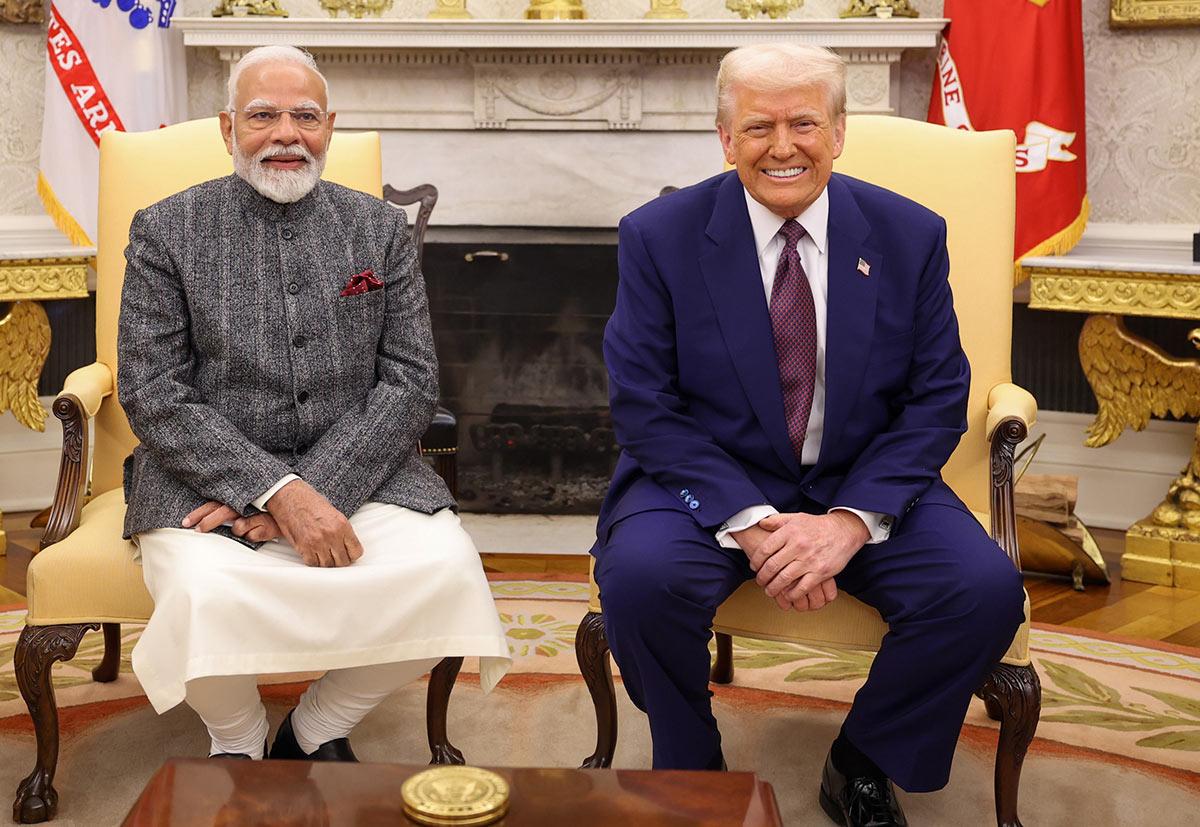
By K Raveendran The Indo-US joint declaration presents a striking imbalance, appearing more as a dictated statement than a mutually crafted agreement. The document is overwhelmingly skewed in favour of the United States, particularly in the domain of defence procurement, where it reads less like a diplomatic understanding and more like a sales pitch for […]


Cullman High School seniors Nora Sheffield and Elianna Hollis have been distinguished as National Merit Finalists, a prestigious recognition awarded to high-achieving students across the United States. This accolade underscores their exceptional academic performance and dedication.

The National Merit Scholarship Program annually identifies and honors students who demonstrate outstanding academic abilities. Out of approximately 1.3 million entrants, only about 15,000 advance to the Finalist stage, representing less than 1% of U.S. high school seniors. These students are now eligible for various National Merit Scholarships, which will be awarded based on their abilities, skills, and accomplishments.

Principal Allison Tuggle of Cullman High School expressed immense pride in Sheffield and Hollis’s achievements. “This incredible achievement is a testament to their hard work, dedication, and academic excellence,” Tuggle stated. “Reaching this level of distinction is no small feat, and it reflects not only their academic prowess but also their commitment to personal growth and excellence.”

The journey to becoming a National Merit Finalist begins with the Preliminary SAT/National Merit Scholarship Qualifying Test , which serves as an initial screening for program entrants. Students who score in the top percentile are designated as Semifinalists and must then fulfill several requirements to advance to the Finalist stage. These include maintaining an outstanding academic record, securing a recommendation from a school official, writing a personal essay, and achieving SAT or ACT scores that confirm their earlier performance.

In addition to Sheffield and Hollis, St. Bernard Preparatory School’s senior Willa Smith has also been named a National Merit Finalist. Headmaster Phuong Nguyen announced Smith’s accomplishment during a gathering in the school’s dining hall, highlighting the significance of her achievement. “Out of 3.6 million students who took the PSAT/NMSQT, Willa is among the 15,000 students nationwide who have advanced to Finalist standing,” Nguyen remarked. “This distinction not only recognizes her exceptional academic ability but also qualifies her for National Merit Scholarship opportunities.”

Smith’s peers, faculty, and family celebrated her success with a congratulatory event, acknowledging her hard work and dedication. She plans to attend the University of Alabama in Tuscaloosa, aiming to further her education and pursue her academic interests.

The National Merit Scholarship Corporation is a not-for-profit organization established in 1955 to conduct the National Merit Scholarship Program. Its mission is to recognize and honor academically talented students and to encourage the pursuit of academic excellence at all levels of education. Each year, the NMSC awards approximately 7,500 National Merit Scholarships, worth more than $30 million, to deserving students.

The recognition of Sheffield, Hollis, and Smith as National Merit Finalists brings pride not only to their respective schools but also to the broader Cullman community. Their achievements serve as an inspiration to fellow students, exemplifying the rewards of dedication, hard work, and a commitment to academic excellence.

As these students advance in the National Merit Scholarship competition, they embody the values of perseverance and intellectual curiosity. Their successes reflect the supportive educational environments fostered by Cullman High School and St. Bernard Preparatory School, institutions committed to nurturing the potential of their students.

The National Merit Scholarship winners are slated to be announced between April and July 2025. These scholarships are awarded based on a comprehensive evaluation of the Finalists’ academic records, the rigor of the courses taken, leadership roles, contributions to school and community activities, and other significant accomplishments.

The OBS Studio development team has issued a formal request to the Fedora Project, demanding the removal of all OBS branding from Fedora’s Flatpak distribution. This action stems from concerns over a malfunctioning OBS Studio Flatpak package maintained by Fedora, which has led to user confusion and misdirected complaints toward the official OBS team. Approximately three weeks ago, OBS Studio’s lead developer, Joel Bethke, highlighted issues with […]

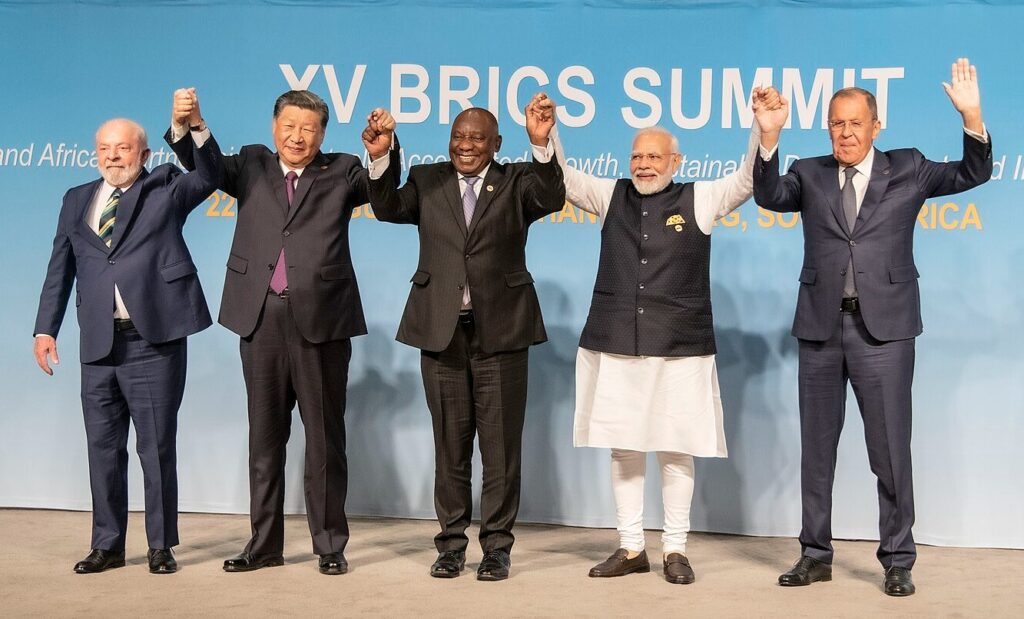
Brazil is set to host the BRICS leaders’ summit in Rio de Janeiro on 6th and 7th July 2025, as announced by Foreign Minister Mauro Vieira. This gathering will bring together heads of state from Brazil, Russia, India, China, South Africa, and other partner nations, marking a significant event in international diplomacy. Assuming the rotating presidency of BRICS on 1st January 2025, Brazil has been actively preparing […]

TAIPEI, TAIWAN – Media OutReach Newswire – 12 February 2025 – Global fashion and music icon Tia Lee (Lee Yu Fen) recently appeared on the cover of ELLE Singapore, celebrating her journey as an artist, changemaker, and advocate for female empowerment. In the accompanying interview, Tia shared her gratitude for the remarkable 174 million views amassed on YouTube since the release of “Goodbye Princess”. Global fashion icon […]

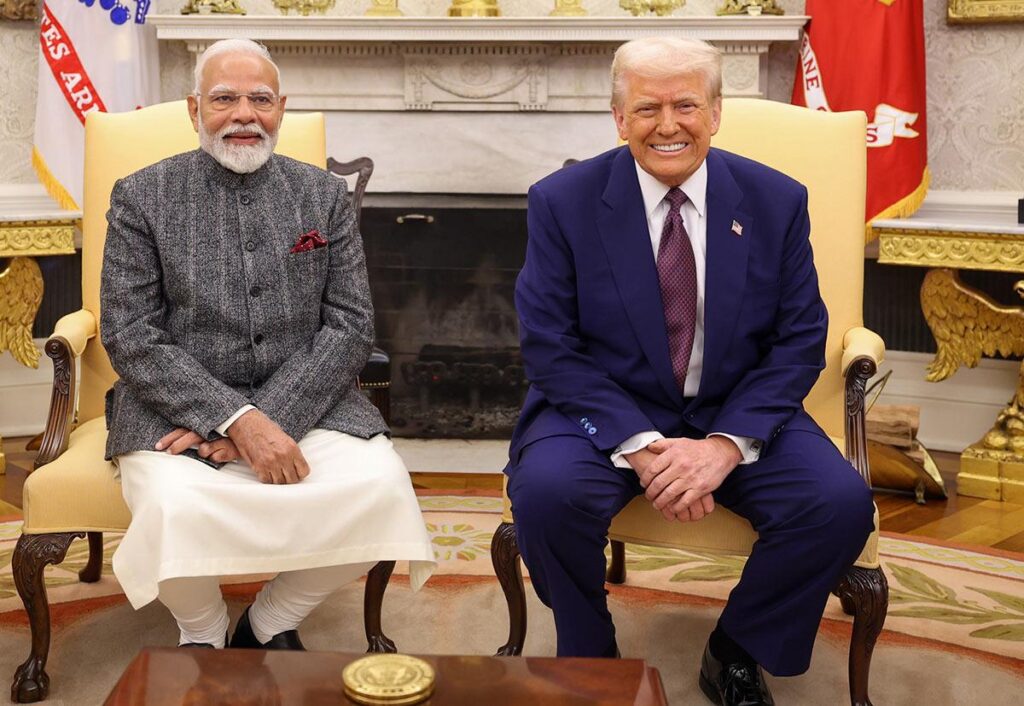
By T N Ashok WASHINGTON: Indian Prime Minister Narendra Modi’s visit the United States is more significant than ever at a time when the geo-political situation is fast changing, and new leaders take over in many countries. Modi’s scheduled meeting with US President Donald Trump on Thursday in White House offered positive results for the […]

Lior Div, the Chief Executive Officer of cybersecurity firm Cybereason Inc., has filed a lawsuit against former U.S. Treasury Secretary Steven Mnuchin and the SoftBank Vision Fund, alleging that their financial maneuvers have jeopardized the company’s financial stability. The legal action centers on claims that the investment strategies employed by Mnuchin’s Liberty Strategic Capital and the SoftBank Vision Fund have placed Cybereason at risk of insolvency.

In 2021, Cybereason secured a $275 million investment led by Liberty Strategic Capital, Mnuchin’s private equity firm. This funding round was intended to bolster the company’s position in the cybersecurity market, with plans to expand its workforce and pursue acquisitions in the Extended Detection and Response and cloud security sectors. The investment was seen as a strategic move to enhance Cybereason’s capabilities in combating sophisticated cyber threats.

However, the lawsuit contends that the terms of the investment and subsequent financial decisions have adversely affected Cybereason’s financial health. Specific details of the alleged detrimental actions have not been disclosed publicly, but the legal filing suggests that the strategies implemented by Mnuchin and the SoftBank Vision Fund have led to significant financial strain on the company.

Cybereason, founded in 2012 by Lior Div, Yonatan Striem-Amit, and Yossi Naar, has been recognized for its innovative approach to cybersecurity, particularly in delivering proactive threat detection and response solutions. The company has previously attracted substantial investments, including a $59 million Series C funding round led by SoftBank in 2015, which facilitated its expansion into the Japanese market.

The involvement of high-profile investors such as Mnuchin and the SoftBank Vision Fund was initially perceived as a vote of confidence in Cybereason’s technology and market potential. Mnuchin, upon leading the 2021 investment, expressed enthusiasm about partnering with Cybereason to defend critical information networks against the growing danger of cyberattacks.

The current legal dispute raises questions about the dynamics between startup companies and their investors, particularly concerning the influence of investment terms on a company’s operational autonomy and financial well-being. The outcome of this lawsuit could have broader implications for the venture capital landscape, especially in the technology sector, where substantial investments are often accompanied by strategic control exerted by investors.

VISHNU RAJA
RYO YAMADA
HITORI GOTOH
IKUYO KITA