DAVIS, US – Media OutReach Newswire – 9 October 2026 – BINGXUE, a mass-market tea beverage brand from Shandong, has opened its first U.S. store in Davis, California. After expanding into Southeast Asia, Central Asia, Africa, and other international markets, the brand has officially entered North America, marking another milestone in its global expansion. Backed by years of investment in supply chain capabilities, international compliance, and overseas store operations, BINGXUE is accelerating its international expansion and bringing Chinese tea beverages to consumers around the world.
BINGXUE Opens First U.S. Store in Davis, California: Shandong’s First Mass-Market Tea Beverage Brand Enters North America
On October 2, BINGXUE officially opened its first U.S. store in Davis, California, drawing strong foot traffic and sustained crowds throughout the day. From the moment the store opened, large numbers of local consumers gathered to explore the brand and line up for their favorite products. The line stretched more than 50 meters along the street, creating a striking new consumer destination in the neighborhood. Several signature soft serve and beverage products sold out within half a day, while customer traffic remained consistently high throughout the day, with staff working at full capacity to serve customers. According to store data, more than 1,000 beverages were sold on opening day, quickly generating strong consumer interest in the local market. The store quickly became a popular new destination in Davis, with many local residents sharing their visits on social media and generating widespread local buzz.
The grand opening also received significant attention and support from local government and business representatives. Davis Mayor Donna Neville attended the ribbon-cutting ceremony in person, joining the BINGXUE team to mark the official opening of the brand’s first North American store. Following the ceremony, Mayor Neville visited the store to learn more about BINGXUE’s ingredient standards, product portfolio, and global supply chain, and sampled several of the brand’s signature tea beverages. The beverages were well received for their quality and refreshing flavors, further strengthening BINGXUE’s connection with the local community and highlighting its growing presence in the market. The warm and engaging exchange throughout the event helped bring the brand closer to the local community and support its deeper integration into the North American market.
Representatives from the local chamber of commerce also attended the grand opening to congratulate the BINGXUE team and engaged in in-depth discussions with the brand on topics including localized operations, integration into the local business community, and opportunities for community collaboration. The recognition and welcome from the local business community provide a strong foundation for BINGXUE to establish a long-term presence in California.
This achievement reflects the brand’s long-term investment in supply chain development, compliance systems, and product localization. Although its first U.S. store opened only this year, BINGXUE began preparing for FDA requirements related to relevant ingredients three years ago, while its supply chain planning started even earlier. The company has spent years preparing its ingredients, certifications, production processes, and compliance systems for the U.S. market. The launch of its first store was therefore the result of long-term planning rather than a short-term market test.
Founded in Shandong in 2014, BINGXUE began its international expansion in 2023. In just three years, the brand has entered 18 countries and regions, with more than 5,000 contracted stores worldwide. Of these, more than 2,000 are overseas, with over 1,500 overseas stores already in operation, while the overseas store closure rate remains below 1%. From Southeast Asia to North America, BINGXUE continues to expand its global footprint.
BINGXUE’s global expansion strategy did not begin simply with opening stores overseas. It began with the long-term development of its brand, supply chain, and international compliance capabilities. BINGXUE is the first Shandong-based tea beverage brand to enter the U.S. market. Its ability to establish a presence in one of the world’s most competitive consumer markets, with stringent market-entry requirements, demonstrates the strength of its broader business and operational capabilities.
On the product side, BINGXUE offers a diversified portfolio spanning fresh fruit teas, milk teas, signature soft serve, yogurt smoothies, and other categories to cater to different tastes and consumption occasions. According to research by Champ Consulting, BINGXUE’s matcha soft serve ranks No. 1 globally in sales.
In terms of store experience, BINGXUE’s new 8.0 store format enhances customer engagement through a five-senses approach and premium aesthetics, while maintaining the same pricing structure and continuing its positioning of “premium experience at accessible prices.” The choice of Davis for its first U.S. store was not a simple replication of its domestic model, but a decision based on the city’s university ecosystem and young consumer base, supported by localized adjustments.
Many may ask why BINGXUE chose Davis rather than a major city such as Los Angeles or San Francisco for its first U.S. store. The answer lies in the character of the city itself.
Davis is one of the birthplaces of the U.S. “Farm-to-Fork” movement, where local ingredients and sustainable agriculture are deeply embedded in everyday life. UC Davis is consistently recognized as a leading institution in agriculture and food science. This strong emphasis on ingredients closely aligns with BINGXUE’s “Global Flavors Season” concept, which explores source regions and local flavors.
As a classic college town, Davis has a large student and university-affiliated population, while its diverse and open-minded community provides a strong audience for new-style tea beverages. Rather than competing for traffic in a major metropolitan market, BINGXUE positioned its first store close to consumers who value ingredients and are willing to try new products. In Davis’s competitive tea beverage market, the brand has also differentiated itself through accessible pricing and distinctive flavors that resonate with local consumers.
Successful international expansion for a tea beverage brand depends on far more than store operations. It requires an integrated system covering ingredients, production, certification, warehousing, logistics, and training. BINGXUE established its own factory as early as 2018. In August 2026, the BINGXUE Industrial Park officially opened in Qihe, Shandong, with a total investment of RMB 660 million, integrating manufacturing, R&D, training, and supply chain operations.
The industrial park includes production facilities covering key product categories such as powdered beverages, juices and jams, tea, and dairy products, supported by an R&D center and business training system. Together, these capabilities form an integrated chain spanning raw-material production, product development, staff training, warehousing, logistics, and store operations. More than 80% of BINGXUE’s raw materials are currently supplied by its own factories.
The company has also established a three-tier logistics network consisting of central warehouses, regional warehouses, and partner warehouses, supporting stores worldwide through domestic warehousing, overseas warehouses, and localized production.
Meanwhile, to meet food safety and production requirements across different countries and regions, BINGXUE has continued to strengthen its international compliance capabilities and has obtained six international certifications and related qualifications, including Halal, ISO 22000, HACCP, and FDA-related certifications and approvals. From factories to overseas warehouses, and from ingredient certification to store training, BINGXUE is gradually converting years of industrial investment into overseas operating capabilities.
For BINGXUE, international expansion also means building a supply chain capable of supporting operations across different markets. The company has taken a more asset-intensive approach, building the infrastructure and capabilities needed to support its expansion into the U.S. market.
The first U.S. store is only the beginning. A second U.S. location is already in development and is expected to open on Oxnard Boulevard in California. As Jiang Huabei, founder and general manager of BINGXUE, said, “The overseas market offers greater room for growth than the domestic market. If you decide to enter it, the goal should not be simply to test the waters, but to build for the long term, develop the market thoroughly, and meet unmet consumer needs.”
Going forward, BINGXUE will continue to build on its supply chain capabilities, focus on product development, and strengthen localized operations as it steadily advances toward its goal of reaching 10,000 stores worldwide within three years. With its entry into North America, BINGXUE is bringing Chinese tea beverages to more consumers around the world and opening a new chapter in the international expansion of Chinese tea culture.
Hashtag: #BINGXUE
The issuer is solely responsible for the content of this announcement.
Abu Dhabi has launched a new artificial intelligence training programme targeting 20,000 government employees this year, advancing its Dh13 billion strategy to establish the world’s first fully AI-native government by 2027. The Department of Government Enablement announced the AiNative programme on October 7, partnering with OpenAI, Microsoft and Mohamed bin Zayed University of Artificial Intelligence to develop practical AI capabilities across the public sector and eventually among […]
India has demonstrated a 5.56-kilometre quantum key distribution link through open air, establishing a new domestic benchmark for secure optical communications and advancing preparations for satellite-based quantum networks.
The successful field trial, conducted by QNu Labs, the Bhaskaracharya National Institute for Space Applications and Geo-informatics (BISAG-N) and IIT Gandhinagar, established a quantum communication channel between two facilities in Gandhinagar, Gujarat.
The Ministry of Electronics and Information Technology announced the achievement on October 3, confirming that the experiment took place overnight on September 27–28. The system generated secure cryptographic keys at 230–260 bits per second while maintaining a quantum bit error rate below five per cent.
The participating institutions also demonstrated successful encryption and decryption of test messages using the generated keys, establishing that the experimental quantum channel could operate alongside conventional communications infrastructure.
The achievement represents India’s first publicly announced free-space quantum key distribution demonstration at this distance. Unlike fibre-based systems, the technology transmits quantum signals through the atmosphere, allowing secure key exchange without a continuous physical cable between communicating locations.
QNu Labs deployed its Armos quantum key distribution equipment alongside a pointing, acquisition and tracking system designed to maintain optical alignment between transmitting and receiving terminals.
The experiment used a 1,550-nanometre optical channel and a differential phase shift decoy protocol. Precise alignment was essential because atmospheric disturbances and small movements can disrupt the transmission of weak quantum signals across extended distances.
The reported error rate provided an important indication of transmission quality, while the secure key generation rate demonstrated the system’s ability to produce cryptographic material for practical encryption applications.
The generated keys were integrated into BISAG-N’s Vedic Kavach platform, which incorporates post-quantum cryptography and quantum random number generation. This arrangement combined hardware-based quantum key distribution with software-based cryptographic protection.
Researchers demonstrated the transmission of 256-bit encryption keys through an interface conforming to the ETSI GS QKD 014 specification, enabling a test message to be encrypted, transmitted and decrypted successfully.
The hybrid architecture is intended to maintain cryptographic protection when the quantum channel becomes temporarily unavailable. Post-quantum cryptography uses mathematical algorithms designed to resist attacks from sufficiently powerful quantum computers, while quantum key distribution relies on the properties of quantum states to reveal potential interception.
The two approaches address different security requirements and can operate together, although neither eliminates every vulnerability associated with communication networks, including compromised devices or implementation weaknesses.
Sunil Gupta, co-founder and chief executive of QNu Labs, said quantum security would become meaningful at scale only when technologies moved beyond controlled laboratories and operated across actual communications infrastructure.
He said the field trial demonstrated that quantum key distribution, supported by precise optical tracking, could function across a multi-kilometre atmospheric link while integrating with a post-quantum security layer.
Vinay Thakur, director-general of BISAG-N, highlighted the integration of Vedic Kavach with quantum key distribution as evidence that complementary security technologies could address evolving protection requirements.
The demonstration also has implications for India’s proposed satellite quantum communication capabilities. Satellite-to-ground systems require quantum signals to pass through atmospheric conditions, making terrestrial free-space experiments useful for evaluating optical transmission and tracking technologies.
However, the Gandhinagar experiment did not establish a satellite connection or demonstrate operational performance across orbital distances. Such applications require additional testing involving moving platforms, longer optical paths and changing atmospheric conditions.
The achievement contributes to technical work associated with India’s National Quantum Mission, which includes developing secure quantum communications and supporting technologies for terrestrial and space applications.
Manish Tripathi, who oversees the Interdisciplinary School of Technology and Future at IIT Gandhinagar, described the experiment as a valuable field environment bringing together academic research, domestic technology development and practical testing.
The participating organisations have not announced a timetable for commercial deployment or a subsequent satellite demonstration based on the trial.
The reported performance figures describe the conditions achieved during the September experiment rather than guaranteed operating rates under different weather conditions or across other locations.
BISAG-N contributed its Vedic Kavach encryption environment, IIT Gandhinagar provided the academic testing setting, and QNu Labs supplied the quantum distribution equipment and optical tracking technology used in the demonstration.
Protection for ageing parents up to age 100 against conditions such as dementia, with maximum entry age at 80* and no medical underwriting required
Lifetime protection for the child, covering death, terminal illness, total and permanent disability, with optional crisis care add-ons
SINGAPORE – Media OutReach Newswire – 8 October 2026 – Prudential Singapore (“Prudential”) has launched PRUActive Family Care (PAFC), a whole-of-life protection plan designed for Singaporeans caring for multiple generations. The plan enables caregivers to provide protection for both their child and ageing parents under a single policy.
PAFC provides lifetime protection for the caregiver’s child, as the life assured, covering death, terminal illness, total and permanent disability (TPD). It also offers critical illness add-ons that cover 182 conditions including juvenile conditions and mental illness.
The plan also includes Parent Guard Benefit that provides protection for the caregiver’s ageing parents up to age 100, without the need for medical underwriting. It offers financial and income support when a parent is diagnosed with specified age-related conditions, including Alzheimer’s disease, Dementia, Parkinson’s disease and Progressive Supranuclear Palsy.
Often, older adults may find it challenging to get insurance coverage due to health-related underwriting requirements. By including protection for parents under the caregiver’s policy, PAFC helps families address the protection gap.
The launch of PAFC comes as Singapore has become a super-aged society as the proportion of citizens aged 65 and above was at 21.4 per cent in 2026, an increase from 13.7 per cent in 2016. By 2035, more than one in four citizens is expected to be aged 65 and above1. As such, there will be an increasing number of people taking on caregiving responsibilities.
Mr Manu Tandon, Chief Health & Protection Officer of Prudential Singapore, said: “As Singapore’s population ages and families become smaller, many caregivers in the “sandwiched generation” are caring for their ageing parents while raising their young children. These caregivers can face significant financial and emotional stress as they need to fund their children’s education, meet their parents’ healthcare needs – particularly when ongoing care is required – and save for their own retirement.”
Prudential’s recent research2 also highlights the financial challenges many caregivers face. Nearly three in four Singaporeans (72 per cent) cited financial support as the most important form of assistance for caregivers, yet only 13 per cent believed their household would have enough savings if a caregiver had to stop working to provide care.
Added Mr Tandon: “PRUActive Family Care helps families prepare for rising caregiving demands with protection for both parents and child under one plan, while safeguarding the caregiver’s financial future. Importantly, the Parent Guard Benefit extends protection to the caregiver’s ageing parents without underwriting required, who may otherwise find it difficult to obtain coverage.”
Supporting the Needs of the Multigenerational Families by Protecting Ageing Parents
Reflecting the diverse needs of caregivers, PRUActive Family Care offers flexibility for individuals with or without children. It allows the caregiver (the policyowner) or their child to be the life assured, with the option to enhance the life assured’s coverage by up to five times through the Multiplier Benefit. In addition, the Parent Guard Benefit provides coverage for both parents of the caregiver.
The Parent Guard Benefit offers the following financial and income support3:
Diagnosis Support: 20 per cent sum assured (SA) upon parent’s diagnosis of covered conditions (Alzheimer’s disease, Dementia, Parkinson’s disease and Progressive Supranuclear Palsy)
Income Support: Up to 5 years upon parent undergoing the first treatment due to the diagnosis of the covered condition
Accidental Fracture Hospital Income: Upon parent’s hospitalisation due to an Accidental Bone Fracture, a daily income of $150 will be paid for up to 10 days. This is an additional benefit that does not reduce the Parent Guard Sum Assured (SA).
Family Support: Up to 8 per cent of SA upon parent’s death
Up to two parents can be included in the plan, with entry up to age 80* and coverage to age 100. Benefits are payable for eligible diagnoses in any of 13 recognised countries**.
Supporting Recovery and Rehabilitation
Beyond financial protection, PAFC is a holistic plan that provides value-added service to support recovery long after treatment or hospitalisation. The caregiver (policyholder), his/her child and parents, can tap on the recovery and rehabilitation services including physiotherapy, chiropractic care, osteopathy and traditional Chinese medicine, and home care and medical services.
With ageing, the risk of developing health conditions increases. In Singapore, an estimated 72,000 people were living with dementia in 2023, and the Ministry of Health projects this figure could rise to 135,000 by 2030 (Source: Ministry of Health Parliamentary QA, 4 November 2025)
This protection is especially relevant as about 90 to 100 new cases of childhood cancer are detected each year in Singapore among children under the age of 15 (Source: Singhealth website, 5 October 2026)
1 in 3 adolescents aged 10–18 experience symptoms of anxiety, depression and loneliness (Source: Youth Epidemiology and Resilience (YEAR) Study, National University of Singapore, 2024)
** Diagnosis must be provided by a registered medical practitioner in one of the following: Singapore, Australia, Brunei Darussalam, Canada, China (limited to class 3 hospitals in designated cities), Hong Kong, Macau, Malaysia, New Zealand, Taiwan, United Arab Emirates (Abu Dhabi and Dubai), United Kingdom, United States
The issuer is solely responsible for the content of this announcement.
About Prudential Assurance Company Singapore (Pte) Ltd (Prudential Singapore)
Prudential Assurance Company Singapore (Pte) Ltd is one of the top life and health insurance companies in Singapore, serving the financial and protection needs of the country’s citizens for 95 years. As at 31 December 2025, it has S$66.3 billion funds under management. The company has an AA Financial Strength Rating from leading credit rating agency Standard & Poor’s and delivers a suite of well-rounded product offerings in Protection, Savings and Investment through multiple distribution channels including a network of 5,400 financial representatives.
Hackers have compromised hundreds of GitHub repositories by inserting malicious automation workflows designed to steal SSH keys, cloud credentials and access tokens, with security researchers confirming the theft of 26 secrets from 13 repositories. Cybersecurity company GitGuardian identified 772 affected public repositories belonging to 373 users and organisations during an attack campaign spanning August 31 to September 30. The malicious workflows targeted 2,577 secrets, although the overwhelming […]
Cyber attackers are embedding concealed instructions for artificial intelligence assistants inside phishing emails, creating messages designed to deceive both human recipients and the AI systems that read, summarise or act on their inboxes. Barracuda Research said on Wednesday it had analysed a phishing campaign combining conventional social engineering with hidden prompt injections. The finding illustrates how attackers are adapting email fraud to workplaces where AI assistants increasingly […]
We’re heading into earnings season again in Corporate America, and S&P 500 earnings are forecast to climb 27% in the third quarter, and for the first time since 2021, every single sector is expected to grow its profits. For two years sceptics have argued the AI boom is a narrow bet on a handful of technology companies. These numbers point to an investment wave now feeding profits […]
Ghana’s annual inflation could slow to between 4.1 per cent and 4.4 per cent in September, Databank Research has projected, as improved supplies of key food staples are expected to reverse part of August’s price pressure. The forecast would mark a renewed decline from the 5.0 per cent recorded in August, when headline inflation increased from 4.6 per cent in July. Databank said a late-season improvement in […]
Arabian Post Staff -Dubai Deutsche Bank has made three key appointments in its Dubai office as the German lender broadens investment banking coverage across the Middle East and seeks to capture growing capital-markets and institutional-client business. Ilya Korobov has relocated from London to Dubai as a director of debt capital markets for Central and Eastern Europe, the Middle East and Africa. He joined Deutsche Bank in November […]
Anthropic has expanded access to Claude’s most capable cybersecurity models, allowing vetted defenders and authorised red teams to work with fewer automated restrictions under a redesigned verification programme. The AI company said its expanded Cyber Verification Program, announced on October 6, combines its previous verification scheme with Project Glasswing, a controlled-access initiative created for organisations protecting critical software. The new structure divides access into Defense, Red Team […]
Cybersecurity researchers have uncovered a human-operated phishing platform that impersonates advertising products linked to ChatGPT, Claude, Gemini and other artificial intelligence brands, using convincing fake browser windows to steal account credentials and multifactor authentication codes. Researchers Oleg Zaytsev and Ofek Ronen at browser security company Island disclosed the operation on October 6 after tracking a network of sites pitched to advertising professionals as tools for campaign optimisation, […]
Meta says its Muse Spark artificial intelligence models helped mathematicians produce answers to five previously open research questions using the standard Meta AI chat interface, highlighting a new form of collaboration between general-purpose AI and expert researchers. The company published six mathematics papers on October 2 covering probability, differential equations, group theory, optimisation, arithmetic physics and non-associative algebra. Five present answers to questions Meta described as previously […]
A security investigation has raised fresh concerns over enterprise AI governance after finding more than 13,000 internal images publicly accessible on GitHub, allegedly posted through coding-agent workflows that operated beyond normal corporate approval and monitoring. Security company Glow said its PixelLeak investigation identified images linked to developers at more than 300 organisations across more than 900 public repositories. The material included customer billing records, internal financial systems, […]
Arabian Post Staff -Dubai ADNOC has agreed to supply Thailand’s Gulf Group with approximately two million tonnes of liquefied natural gas under a multi-year contract, with deliveries scheduled to begin in 2027. The Sales and Purchase Agreement expands a commercial relationship established through the companies’ first LNG supply deal in 2025 and gives ADNOC Trading a larger direct role in supplying the Asian market. Neither company disclosed […]
US$10 Billion in Venture Capital Convenes to Meet Hong Kong Start-ups; Government, Business and Young Professionals Explore Opportunities in the New Economy
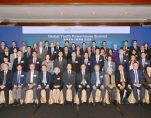
HONG KONG SAR – Media OutReach Newswire – 7 October 2026 – The Global Youth Powerhouse Summit 2026, organised by Hong Kong Youth Professional Global Advocacy, was held on 5 October at the Conrad Hong Kong. Now in its third edition, the Summit coincides with the release of the Hong Kong Special Administrative Region’s First Five-Year Plan for Economic and Social Development (2026–2030) and the latest Policy Address, which together set a clear blueprint for the city’s future. Anchored on these core themes and conducted entirely in English, the full-day programme focused on artificial intelligence, geopolitics, Hong Kong as an education hub, capital markets, life and health technology, and start-up financing. Government and business leaders, corporate representatives and young professionals were invited to examine Hong Kong’s strategic opportunities in the new economic landscape.
The Global Youth Powerhouse Summit 2026 brings together more than 600 young professionals, government and business leaders and corporate representatives
The Summit aims to connect young professionals with international resources, enabling participants to engage directly with industry leaders, grasp developments at the frontier of industry, and look ahead to the opportunities and challenges arising from artificial intelligence and Greater Bay Area integration. Previous editions have drawn a strong response. Across three editions, the Summit has attracted more than thousands of in-person participants and about 17,000 online participants from over 30 countries and regions, with social media reach exceeding 50 million.
This year’s Summit was the largest yet, bringing together more than 600 young professionals, government and business leaders and corporate representatives. Participants from over 60 countries and regions joined online. More than 30 distinguished speakers and moderators were invited, including officials of the Hong Kong Special Administrative Region Government and representatives of leading local and international organisations such as Huawei, the Alibaba Hong Kong Entrepreneurs Fund, Hong Kong Exchanges and Clearing Limited, Bullish and Endowus. In addition, consular representatives from up to 20 countries attended the Summit.
The Chief Executive of the Hong Kong Special Administrative Region, Mr John Lee, GBM, SBS, PDSM, PMSM, delivered a pre-recorded video speech, encouraging young professionals to seize the opportunities of the times and inject fresh momentum into Hong Kong’s high-quality development. He said: “For our young people, I firmly believe that your opportunities ahead outweigh the difficulties. The HKSAR Government will join hands with all sectors to build platforms for you to thrive in Hong Kong, in our country, and in the global arena.”
The Deputy Secretary for Justice of the Hong Kong Special Administrative Region, Dr Cheung Kwok-kwan, SBS, JP, delivered an opening keynote entitled “Opportunities for the Professional Development of Young People”, and stressed: “As the saying goes, ‘Change is the only constant’—or as our Cantopop classic famously put it, ‘變幻原是永恆’. Today, we no longer measure change in years or decades, but in months and days. For our young professionals, this fast-paced era unlocks unprecedented career horizons. By accelerating Greater Bay Area integration through our new GBA Task Force and empowering you to act as the ultimate ‘super-connectors’ and ‘super value-adders’ helping Mainland enterprises go global, we are turning rapid change into your greatest professional advantage.”
Dr Kevin Lau, MH, Founding Convenor of Hong Kong Youth Professional Global Advocacy, said: “This is more than a high-level forum. It marks a milestone in the maturing of our network of young professionals. This afternoon, venture funds managing an estimated US$10 billion in assets gathered in the room — and what they are looking at is Hong Kong’s next generation. In life and health technology, our core belief is clear: artificial intelligence can assist imaging and diagnosis, but a physician’s care, and the warmth of a human hand, can never be replaced by technology.”
Other distinguished guests included Mr Kevin Choi, JP, Permanent Secretary for Innovation, Technology and Industry; Professor Frederick Ma, GBS, JP, Chairman of the Hong Kong Trade Development Council; Ms Bonnie Y Chan, JP, Chief Executive Officer of Hong Kong Exchanges and Clearing Limited; and Mr James Chau, President of the China-United States Exchange Foundation and World Health Organization Goodwill Ambassador for Sustainable Development Goals. Mr Bryan Che, Chief Strategy Officer of Huawei, and Ms Cindy Chow, Executive Director and Chief Executive Officer of the Alibaba Hong Kong Entrepreneurs Fund, also attended in person to exchange views with young professionals.
Panel discussions
Artificial intelligence: from first-time users to advanced users The opening session began with remarks by Mr Kevin Choi, JP, Permanent Secretary for Innovation, Technology and Industry, and was moderated by Ms Stephaine Chan, Director of the Office of the Vice Chairman of Esquel Group. Panellists included Ms Ilaria Chan, Chair of the Tech For Good Institute; Mr Bryan Che, Chief Strategy Officer of Huawei; and Ms Cindy Chow, Executive Director and Chief Executive Officer of the Alibaba Hong Kong Entrepreneurs Fund. The discussion focused on whether small and medium-sized enterprises, non-governmental organisations and schools can genuinely put artificial intelligence to use, and on the talent, trust and practical-application issues Hong Kong faces in driving “AI for all”.
Mr Kevin Choi, JP mentioned: “Every major technology shift brings uncertainty. Our theme today from entry-level shock to AI-powered users building the next talent leader.”
Ms Stephaine Chan said: “Every AI conversation ends in the same place, right? More investment, better people, better models and stronger policy.”
Ms Ilaria Chan said: “These days, Al is so powerful that they can scan the Internet and social media and find vulnerable young people or old people. They can find it instantly and have a very sophisticated way to trick them and fraud them from scamming.”
Mr Bryan Che: “One of the opportunities of Al is because the interface is much more natural for most people to interact with. On one sense, it’s a lot easier for everyone to get started.”
Ms Cindy Chow said: “So I guess some of the most damaging thing is not allowing people to use or not, you know, really have the attitude to embrace all this new technology, what this new technology has to bring to you.”
Geopolitics: the super-connector This session was moderated by Mr James Chau, President of the China-United States Exchange Foundation and World Health Organization Goodwill Ambassador for Sustainable Development Goals. Speakers included Ms Ilaria Chan, Chair of the Tech For Good Institute; Ms Ellana Lee, Senior Vice President, Managing Editor, Asia Pacific, and Global Head of Productions at CNN; and Professor Frederick Ma, GBS, JP, Chairman of the Hong Kong Trade Development Council.
Mr James Chau said: “Against this backdrop, we often hear Hong Kong described as a super connector, typically framed in terms of trade volumes, capital markets and logistics but I think that these connections that we’re speaking of really only become very valuable and we understand and recognize the human bonds that pin these together.”
Professor Frederick Ma , GBS, JP said: “We are part of China. And yet we are under one country 2 systems connected to the rest of the world. That is the power of Hong Kong.”
Ms Ellana Lee said: “We made a very strategic decision when the times were tough to stay and remain in Hong Kong. I think that has and you know, we make these decisions not just out of a whim, but we are very calculative on why we need to stay. I have 8 cities across Asia Pacific. Hong Kong happens to be the hub for Asia Pacific. And there’s it boils down to four major reasons.”
Ms IIaria Chan: “Simple of how tech is helping people, there is an organization, WHO care for children that was founded 20 years ago that helps orphans in developing China back then Vietnam, Thailand now in Africa, Middle East to find loving permanent homes. But their bottleneck is how they train social workers and governments on how to take care of orphan welfare. Now this year we’ve actually been launching an online product that is able to scale these bottlenecks, especially in areas that are underfunded. This is a great example of Al tech.”
Education: Hong Kong as Asia’s education hub This session was co-moderated by Mrs Jennifer Yu Cheng, JP, Founder of the Future Leaders Foundation, and Ms Jennifer Ma, Founder of JM Edu Consulting. Speakers included Ms Maggie Chau, School Partnership Advisor at the Academy for Educational Development and Innovation of The Education University of Hong Kong; Mr Dion CHEN, MH, Vice-Chairman of the Hong Kong Direct Subsidy Scheme Schools Council; and Professor Charles Ng Wang-Wai, Vice-President for Institutional Advancement of The Hong Kong University of Science and Technology.
Mrs Jennifer Yu Cheng, JP said: “An education hub is more than a place with excellent institutions. It is a place that students and families choose, where young people flourish, and connects education with research, innovation, careers and a wider community.”
Professor Charles Ng said: “With our national policy. And I think we should do better to support this great initiatives and thinking back actually 2023 and home government already in in the government policy in October, if I remember correctly to start to increase the local student quota from 20% to 40%.”
Ms Jennifer Ma said: “As a consultant we need demand to meet supply and we are definitely seeing the demand for Hong Kong education at K12 level…….The advocacy for Hong Kong to be the gateway for China Resources and talents to leave China and go into international arenas. But at the same time, we also see a lot of international people interested in what’s happening in mainland, and therefore Hong Kong is a great gateway. So, with that global education, global education philosophy, that means they really appreciate Hong Kong trilingual education by cultural mindset.”
Mr Dion CHEN, MH mentioned: “In 2026, a lot of DSS schools will work very hard to try to welcome and also promote welcome to Hong Kong and also promote Hong Kong’s education to the students in different countries.”
Ms Maggie Chau said: “Maggie: I can see that all the universities are actually implementing AI in their curriculum. Talking about teacher education, the programs we offer, I mean, not just The Education University of Hong Kong, the programs we offer in all universities implement Al in the curriculum in a way that we draw attention to the use of Al is it has to be ethical.”
Capital markets: AI listings, asset tokenisation and the new economy This session was moderated by Ms Emily CHAN Tan, a former CNBC anchor. Speakers included Ms Bonnie Y Chan, JP; Ms Clara CHAN Ka Chai, Chief Executive Officer of the Hong Kong Investment Corporation Limited; Mr Michael Lau, Senior Vice President and Head of Group Business Development at Bullish and Chairman of Consensus; and Mr Samuel RHEE, Co-founder, Chairman and Group Chief Investment Officer of Endowus.
Ms Clara CHAN Ka Chai said: “We always say that from zero to 1 is the most challenging part. So, the patients in terms of having staying power is the core, but it has to go in hand with other qualities like being proactive, being professional.”
Mr Michael Lau said: “I think it’s an interesting proposition to consider that these types of companies that are so capital. I would start looking beyond the current horizon of where we are to see where it could go next. And so I do think that there is a demand looking to that future where this idea of a tokenized capital market could be quite interesting.”
Mr Samuel RHEE mentioned: “First of all, maybe we just take a step back and just try to understand all of the capital markets, not just equities.”
Ms Bonnie Y Chan, JP said: “I want to point out one thing. I mean, we are operating a stock exchange and I think capital markets at the end of the day, the basic function is to match capital with opportunity. So what I’m very focused on is that I’m not just focused on technology or AI.”
Ms Emily CHAN Tan said: “We are not just witnessing a cyclical recovery, but also some would call this the threshold of a capital markets renaissance.”
Life and health technology: building a health-industry hub This session was moderated by Professor Lo Yuk-lam, BBS, Founding President of the Hong Kong Biotechnology Organisation. Speakers included Professor LI King-Chuen, Founding Dean of the School of Medicine at The Hong Kong University of Science and Technology; Dr Sarah SALVILLA, Director of Health and Strategic Partnerships at FWD Group; and Professor Anthony Wu Ting-yuk, GBS, JP, former Chairman of the Hospital Authority and Non-executive Chairman of Trinity Medical Group. The discussion focused on how AI in healthcare can strengthen the competitiveness of Hong Kong’s health industry.
Professor Lo Yuk-lam, BBS said: “Building HK’s holistic wellness hub, this year marks a defining moment for HK. With the release of our first ever five year plan and their chief executive policy address just a few weeks ago, our city’s road map for healthcare and biotechnology knowledge has never been clearer or more ambitious.”
Professor Anthony Wu Ting-yuk, GBS, JP said: “Every country every city is trying to recruit more talent and I think Hong Kong is an ideal position to attract talents.”
Professor LI King-Chuen said: “Our education system will be individualized. And we will do the factual knowledge transfer through mostly self-directed learning. So we guide them, we build an AI system with prescribed information.”
Dr Sarah SALVILLA said: “Prevention for sure in terms of how do we educate people to be much more proactive in their everyday lives, yes you know, kind of the lifestyle things.”
Start-up pitching: connecting with capital The closing session was moderated by business journalist Ms Elaine Yu, with Mr LU Chin Yung, Senior Vice President (Start-ups) of the Sector Specialist Group at Invest Hong Kong. Representatives of 11 venture funds were present, including the Alibaba Hong Kong Entrepreneurs Fund, Clee Capital, Click Ventures, GT Healthcare Capital Partners, Gobi Partners GBA, HKSTP Ventures, MindWorks Capital, Ryoden Medical Holdings, Seveno Capital, Verge HealthTech Fund and W2 Venture Partners. Together, the funds manage an estimated US$10 billion, have invested in more than 600 start-ups across more than 30 economies, and have backed at least nine unicorns, including Airwallex, Animoca Brands, Prenetics and GoGoX. Start-ups taking part in the pitching session included CELLmeric, Entoptica, PointFit, Syngular, Kodifly, AilsynBio, EveryBaby, A-grade, Orimmune Biotech, Nordia Biotech, Oncolmmu Nostics Limited, The Harbour School (THS), VisionBridge, Eden’s Garden, and CARE CONNECT.
Ms Elaine Yu said: “We have 15 startups and I think a group of students as well, very precocious students WHO are already thinking of ideas, real businesses with commercial viability at the cutting edge of science, research, healthcare and so forth. So, this should be a fun dynamic session.”
Mr LU Chin Yung pointed out: “Hong Kong is great in a lot of rankings in the world and this is not given, this is hard earned by your parents, by some of you sitting here. But as a young founder in Hong Kong, if you come to Hong Kong, you get to enjoy all this very safe environment. You have efficiency and then you also have a very clean government. This one I can say for sure. Yeah. And and all this, it helps the the founders to focus on your business, focus on grow, growing instead of you have to deal with many, many things.”
The Summit closed amid lively exchange. Hong Kong Youth Professional Global Advocacy said it will continue to build the Summit into a platform for dialogue between young professionals and leading figures in government and business, helping Hong Kong’s young talent seize the opportunities of the new economy.
Vice-Chairman, Hong Kong Direct Subsidy Scheme Schools Council
Mrs Carrie Cheng, JP
Founder, Future Leaders Foundation
Dr Cheung Kwok-kwan, SBS, JP
Deputy Secretary for Justice, Hong Kong Special Administrative Region
Mr Kevin Choi, JP
Permanent Secretary for Innovation, Technology and Industry
Ms Cindy Chow
Executive Director and Chief Executive Officer, Alibaba Hong Kong Entrepreneurs Fund
Dr Kevin Lau, MH
Founding Convenor, Hong Kong Youth Professional Global Advocacy
Mr Lau Tak-ho
Senior Vice President and Head of Group Business Development, Bullish, and Chairman, Consensus
Ms Ellana Lee
Senior Vice President, Managing Editor, Asia Pacific, and Global Head of Productions, CNN
Professor King Li
Founding Dean, School of Medicine, The Hong Kong University of Science and Technology
Professor Lo Yuk-lam, BBS
Founding President, Hong Kong Biotechnology Organisation
Mr Raymond Lui
Senior Vice President (Start-ups), Sector Specialist Group, Invest Hong Kong
Ms Michelle Ma
Founder, JM Edu Consulting
Professor Frederick Ma, GBS, JP
Chairman, Hong Kong Trade Development Council
Professor Charles Ng
Vice-President for Institutional Advancement, The Hong Kong University of Science and Technology
Mr Samuel Rhee
Co-founder, Chairman and Group Chief Investment Officer, Endowus
Dr Sit Wai-nga
Director, Health and Strategic Partnerships, FWD Group
Professor Anthony Wu, GBS, JP
Former Chairman, Hospital Authority, and Non-executive Chairman, 全仁醫療集團
Ms Elaine Yu
Business Journalist
Ms Jeanne Cheng, JP
District Officer (Central and Western)
Dr Elsie Leung, GBM, JP
Former Secretary for Justice, Hong Kong Special Administrative Region
Professor Teresa Cheng, GBM, GBS, SC, JP
Secretary-General, International Organization for Mediation, and former Secretary for Justice
The Hon Tommy Cheung, GBM, GBS, JP
Non-official Member, Executive Council
The Hon Dr Lam Ching-choi, GBS, JP
Non-official Member, Executive Council
The Hon Chan Hoi-fung, BBS, MH, JP
Legislative Council Member
The Hon Chan Kin-por, GBM, GBS, JP
Non-official Member, Executive Council
The Hon Nixie Lam
Legislative Council Member
Mr Andrew Yao, SBS, JP
Hong Kong Deputy to the 14th National People’s Congress
Professor Herman Hu, GBS, JP
Hong Kong Deputy to the 14th National People’s Congress
Mr Gordon Lam
Hong Kong Deputy to the 14th National People’s Congress
Mr Chan Chung-ni, SBS, JP
Hong Kong Deputy to the 14th National People’s Congress
Mr Ho Hon-kuen, BBS, MH
Hong Kong Member, 14th National Committee of the Chinese People’s Political Consultative Conference
Mr Tu Haiming, BBS
Hong Kong Member, 14th National Committee of the Chinese People’s Political Consultative Conference
Mr Kung Wing-tak
Hong Kong Member, 14th National Committee of the Chinese People’s Political Consultative Conference
Dr Lo Kam-wing, BBS, JP
Hong Kong Member, 14th National Committee of the Chinese People’s Political Consultative Conference, and President, The Chinese Manufacturers’ Association of Hong Kong
Mr Li Tai-chong, SBS, OM, JP
Member, National Committee of the Chinese People’s Political Consultative Conference
The Hon Lam Wai-chuen
Legislative Council Member
The Hon Lau Man-kwan, JP
Legislative Council Member
The Hon Chong Ho-fung
Legislative Council Member
The Hon Lee Kwong-yu, MH
Legislative Council Member
The Hon Leung Tsz-wing, MH
Legislative Council Member
Mr Ng Yuk-yeung
Hong Kong Member, 14th National Committee of the Chinese People’s Political Consultative Conference
The Hon Fong Kwok-shan
Legislative Council Member
The Hon Lau Ka-keung, BBS, MH, JP
Legislative Council Member
The Hon Revd Canon Peter Koon, SBS, JP
Legislative Council Member
Mr Pablo Macedo Riba
Consul General of Mexico in Hong Kong
Dr Esteban Ramírez González
Consul General of Mexico in Hong Kong
Mr Alberto Martínez
Representative, Consulate General of Spain in Hong Kong
Ms Silvia Civera
Representative, Consulate General of Spain in Hong Kong
Mr Javier Sampedro
Commercial Representative, Consulate General of Spain in Hong Kong
Mr Juha Niemi
Consul General of Finland in Hong Kong and Macao
Mr O’Brien Ernesto Guerra Córdova
Consul General of Venezuela in Hong Kong
Mr Ammala Saenchonghack
Consul General of the Lao People’s Democratic Republic in Hong Kong
Mr Riaz Ahmed Shaikh
Consul General of Pakistan in Hong Kong
Mr Yos Sokhemrin
Consul General of Cambodia in Hong Kong
Mr Maurits Ter Kulve
Consul General of the Netherlands in Hong Kong
Ms Lim Kim Suan
Consul General of Brunei Darussalam in Hong Kong
Mr Hassan Doutaghi
Consul General of Iran in Hong Kong
Mr Ali Abdulla Al-Hitmi
Deputy Consul General of Qatar in Hong Kong
Ms Helen Silvester
British Council
Mr Wilhelm Brauner
Belgium-Luxembourg Chamber of Commerce
Professor Sin Kuen-fung, MH
Co-Executive Director, Academy for Educational Development and Innovation, The Education University of Hong Kong
Mr Lam Siu-hong, JP
Commissioner for Youth, Home and Youth Affairs Bureau
Mr Arnold Lau
Assistant Director-General, Invest Hong Kong
Professor James Dai
Associate Dean of Students, The Hong Kong Polytechnic University
Dr Chan Pui-yin
Vice-President, Hong Kong Medical Association
Ms Cecilia Ho
Chief Executive, Lee Hysan Foundation
Mr Quentin Merour
Consulate General of France in Hong Kong
Ms Christine Ma Lau
Founder and Principal, JEMS Character Academy
Ms Agnes Chan, BBS
Senior Advisor, Office of the Chairman, Greater China, EY
Ms Melissa Pang, BBS, MH, JP
Former President, The Law Society of Hong Kong, and Member, National Committee of the Chinese People’s Political Consultative Conference
Mr Patrick Yeung
Chief Executive Officer, Hong Kong General Chamber of Commerce
Ms Kimberly Kwok
Founder, Mighty Oaks
Mr Larry Chiang
Founder and Chief Executive Officer, International Finance Capital Group Limited
Ms Sophia Kao, GBS, JP
Former Chairperson, Women’s Commission, and founding Chairperson, Financial Reporting Council
Ms Marie Mercy
Consulate General of France in Hong Kong
Mr Peter Shum
Deputy Chairman of Federation of Hong Kong Industries
Mr Daryl Lin
JCI Hong Kong
Mr Jacky Chung
Hong Kong Trade Development Council (represented by Mr Andrew Chui)
Mr Silas Chu
Hong Kong Trade Development Council
Mr Lot Chan
Assistant Director of Health (Preparatory Office for Centre for Medical Products Regulation)
Dr Jeff Lee
Head of the Health Informatics and Technology Office
The issuer is solely responsible for the content of this announcement.
Hong Kong Youth Professional Global Advocacy
Hong Kong Youth Professional Global Advocacy is a community organisation founded in 2023 by young professionals in Hong Kong. It seeks to serve as a bridge between Hong Kong and the world, uniting Hong Kong young people globally through a range of exchange activities and cultivating an overseas youth network that supports “Hong Kong opportunities”. The organisation brings together more than 120 young professionals across finance, real estate, building surveying, manufacturing, environmental protection, healthcare, law, accounting and technology, and works closely with professional bodies, industry associations and the media. Through monthly salons and online exchanges with the Greater Bay Area, Southeast Asia and countries along the Belt and Road, it promotes understanding of the development of the Hong Kong Special Administrative Region and the Chinese Mainland, explores opportunities for collaboration, and ultimately aims to build a stronger network of professional youth and deepen exchange and cooperation with young people around the world.
Grade A Office Availability Rate Drops Further, High Street Leasing Activities Focus on Kowloon
Residential Market: Market sentiment turned more cautious in Q3, with total residential transaction numbers slipping by 40% q-o-q and 21% y-o-y to record around 13,240 cases. Home prices softened by 0.8% between July and August, yet, supported by stronger 1H performance, still recorded a cumulative rise of 7% in the first eight months of 2026.
Grade A Office Market: Citywide net absorption reached 412,400 sq ft in Q3, mainly driven by expansion activities by the banking, financial services and insurance (BFSI) sector. Rents in Greater Central continued to pick up, while rental level declines in non-core submarkets narrowed. The overall office market rental level is expected to rise by +5% to +7% in 2026.
Retail Market: Overall retail sales growth remained resilient on the back of growing tourist arrivals and stronger economic fundamentals supporting local consumption sentiment. The overall high street vacancy rate remained broadly stable in Q3, with leasing activities concentrated in Mongkok and Tsimshatsui.
HONG KONG SAR – Media OutReach Newswire – 5 October 2026 – Global real estate services firm Cushman & Wakefield today held its Hong Kong Property Markets Q3 2026 Review andOutlook press conference. The Hong Kong residential market entered a consolidation phase in Q3 amid a shift in the U.S. Federal Reserve’s interest rate outlook, increased stock market volatility, and tighter cross-border capital controls in the Chinese mainland. Against this backdrop, residential transaction numbers dropped by 40% q-o-q to record around 13,240 cases in Q3, while home prices declined by 0.8% during July and August. In the Grade A office market, the total new leased area for Q3 reached 1.4 million sq ft, the highest quarterly level since 2019, supported by expansion activities from the BFSI sector. Citywide net absorption reached +412,400 sq ft for the quarter, bringing the overall availability rate to trend further downward, while YTD rental growth recorded +6.1%. In the retail sector, total retail sales remained resilient in Q3. The overall high street vacancy rate remained broadly stable during the quarter, chiefly supported by more active leasing commitments in Mongkok. Leasing activity in Hong Kong Island districts moderated somewhat.
Grade A office leasing market:BSFI expansion demand fuels leasing momentum
The Q3 2026 period marked another active quarter for Hong Kong’s Grade A office market. Total new leased area reached 1.4 million sq ft in Q3, the highest quarterly level since 2019. The banking, financial services, and insurance (BFSI) sector, and consumer products / manufacturing sectors, were the key demand drivers, with BFSI occupiers largely expansion-led. Citywide net absorption reached +412,400 sq ft in the quarter. This performance helped pull down the overall availability rate 0.4 percentage point q-o-q to 19.1%. Core district rents continued to outperform non-core areas. Greater Central rents continued to climb by a further 3.0% q-o-q in Q3, while non-core area rental level declines further narrowed. Rents in Hong Kong East and Hong Kong South edged up slightly in Q3. The overall citywide rental level rose by 1.7% q-o-q in Q3, bringing YTD rental growth to +6.1%.
John Siu, Managing Director, Hong Kong, Cushman & Wakefield,said, “Rents in Greater Central grew by 13% YTD, reflecting strong demand for prime offices. However, mid-priced Grade A offices, particularly those with net effective rents of around HK$45-60 psf, are expected to continue facing headwinds, as abundant existing space and forthcoming supply across multiple submarkets within this price range is likely to sustain intense competition.”
Siu added, “Looking ahead, positive market momentum is likely to partly offset the scheduled 1.2 million sq ft of new supply in Q4, keeping the availability rate broadly stable at 19% to 20% at the year-end. With a decelerating supply pipeline beyond 2026, availability may have passed its cyclical peak in 2025, but non-core areas will continue to face absorption pressure. Full-year rental growth in Greater Central is now projected to grow by +12% to +14%, supporting the citywide Grade A office rental level to rise by +5% to +7% in 2026.”
Retail leasing market: Retail sales growth remains resilient, with Mongkok leading high street leasing activities
Hong Kong retail sales growth remained resilient in Q3, driven by growing tourist arrivals and stronger economic fundamentals supporting local consumption sentiment. The city’s overall retail sales for the January to August 2026 period reached HK$266 billion, up 8.5% y-o-y. Among key retail categories, the Jewellery & Watches sector recorded the strongest performance, recording y-o-y sales growth of 22.6%. Other sectors, such as Medicines & Cosmetics (+5.0%) and Fashion & Accessories (+3.2%), recorded more modest low single-digit growth.
The overall high street vacancy rate remained broadly stable at 5.4% in Q3, chiefly supported by more active leasing commitments in Mongkok, with the district’s vacancy rate dropping to 4.8% from 8.6% in Q2. In Tsimshatsui, although the vacancy rate moved up to 9.5%, notable new transactions were also recorded during the quarter. On Hong Kong Island, vacancy rates in Causeway Bay and Central increased in Q3, rising to 5.1% and 1.4%, respectively, after remaining at 0% for two consecutive quarters. With prime retail spaces in both districts fully occupied in previous quarters, leasing activity moderated in Q3.
High street retail rents in both Causeway Bay and Tsimshatsui remained unchanged in the quarter. In Mongkok, stronger leasing momentum supported a 0.4% q-o-q rise in rental levels. As for Tsimshatsui, a slowdown in the luxury segment combined with relatively high vacancy weighed on the district’s rental performance, resulting in a fall of 1.1% q-o-q. In the F&B sector, rents remained under pressure amid high availability, dropping within a 1% range q-o-q across the four key districts.
John Siu commented, “We have observed stronger leasing demand from Japanese, South Korean and Thai brands in recent months. Looking at the first-stores recorded so far this year, approximately 36% originated from Japan, South Korea and Thailand, similar to the share accounted for by Chinese mainland brands, while exceeding the 29% recorded for 2025 full-year. We expect this trend to continue through the remainder of the year. Looking ahead, the Hong Kong retail market is expected to remain supported by resilient local consumption resulting from stronger economic fundamentals, together with greater tourist spending underpinned by a stronger RMB, and a pipeline of planned mega-events. These factors will bring continued momentum to the city’s retail market. We also expect local and non-local retailers to remain selective, with demand focused on well-located retail spaces in core districts offering attractive rental packages. In turn, the city’s retail market is likely to maintain a gradual recovery trajectory. We forecast high street retail rents in Causeway Bay and Central to pick up by 2% to 3% y-o-y in 2026, with Tsimshatsui and Mongkok recording modest rental growth of 1% to 2% y-o-y.”
Residential Market: Home prices consolidate as transaction numbers cool in Q3, rate hikes remain key
The Hong Kong residential market consolidated somewhat in Q3 following the strong momentum recorded in 1H. After the sustained release of purchasing power over the past year, coupled with the shift of the U.S. Federal Reserve rate direction, increased stock market volatility and heightened uncertainties, some prospective buyers reverted to a wait-and-see stance. This resulted in a noticeable slowdown in transaction activity from July onwards. The monthly transaction number, which averaged more than 7,000 cases in Q2, fell back to around 4,000 deals between July and September. A total of 13,242 residential transactions were recorded in Q3, down 40% q-o-q, bringing cumulative transactions to reach 54,052 cases for the first nine months of the year, representing an 18% increase y-o-y.
Edgar Lai, Senior Director, Valuation and Consultancy Services, Hong Kong, Cushman & Wakefield, commented, “Housing price growth momentum decelerated in Q3 2026. Rating and Valuation Department data suggests that the overall residential price index softened by 0.8% in the two months from July to August, yet still achieved 7.0% growth for the first eight months of 2026. Meanwhile, our Cushman & Wakefield mid-and-small size units price index shows that home prices mildly dropped 0.1% q-o-q, yet still registering a cumulative increase of 7.7% year to date. Our tracking of popular housing estates shows that prices softened in Q3 across different market segments. Prices at City One Shatin, representing the mass market, declined by 5.7% q-o-q, while prices at Taikoo Shing, representing the mid-market, dropped by 0.6% q-o-q. Residence Bel-Air, representing the luxury segment, retreated by 3.8% q-o-q. Following the sustained release of purchasing power over the past year, coupled with tighter cross-border capital controls from the Chinese mainland, and the U.S. Fed rate hike of 0.25% in September, our September Verbal Enquiry Index declined by 35% compared with the peak seen in May.”
Rosanna Tang, Deputy Managing Director, Head of Research, Hong Kong, Cushman & Wakefield, added, “The city’s residential market consolidated in Q3, with monthly transactions retreating to around 4,000 cases. The slowdown reflects a more cautious stance among homebuyers amid shifting interest rate expectations and heightened external uncertainties. Looking ahead, the frequency and pace of rate hikes, together with whether local banks will follow suit, will be the key factors affecting homebuyers’ purchasing decisions and affordability. Given the slower pace of transactions in Q3, we have revised our full-year residential transaction forecast to around 67,000 to 68,000 cases.
“As for pricing, should the U.S. Fed rate further increase in Q4, the residential market is expected to remain in a consolidation phase, with 2026 annual home prices likely to fluctuate in a narrow range near +7%. The rental market, however, will be more resilient underpinned by rental demand brought by the inflow of talent, non-local students, and new entrants to the city. With rental growth of 4.9% recorded in the first eight months of the year, we project a 5% to 7% y-o-y increase for the full year of 2026.”
Hashtag: #CWK
The issuer is solely responsible for the content of this announcement.
About Cushman & Wakefield
Cushman & Wakefield (NYSE: CWK) is a leading global commercial real estate services firm for property owners and occupiers with approximately 53,000 employees in nearly 350 offices and 60 countries. In Greater China, a network of 23 offices serves local markets across the region. In 2025, the firm reported revenue of $10.3 billion across its core services of Valuation, Consulting, Project & Development Services, Capital Markets, Project & Occupier Services, Industrial & Logistics, Retail, and others. Built around the belief that Better never settles, the firm receives numerous industry and business accolades for its award-winning culture. For additional information, visit www.cushmanwakefield.com.hk or follow us on LinkedIn (https://www.linkedin.com/company/cushman-&-wakefield-greater-china).
Arabian Post Staff -Dubai Rasmal Ventures and Türkiye’s Bilişim Vadisi have signed a three-year cooperation agreement aimed at creating a structured route for startups, investors and companies between Türkiye and Gulf markets. The memorandum of understanding, signed in Istanbul, covers joint innovation programmes, investor and business-to-business matchmaking, knowledge exchange, capacity building and the movement of startups, specialists and networks between the two regions. The partnership also involves […]
Slovenia’s. si internet domain has recorded an extraordinary registration surge after US President Donald Trump moved to replace “artificial intelligence” with “super intelligence”, turning the country-code suffix into a sought-after shorthand for the technology sector. Register. si, Slovenia’s national domain registry, recorded 46,066 new. si domains in September, compared with 3,515 in August. Its published statistics showed more than 250,000. si domains registered by early October, a […]
Tectonic stress on two major Southern California fault systems has climbed to exceptional levels, with researchers identifying Cajon Pass as a critical junction that could permit a future rupture to propagate between the San Andreas and San Jacinto faults. A peer-reviewed study published in the Journal of Geophysical Research: Solid Earth found that modelled stress on several fault segments around the pass is at or above the […]
Coinbase has expanded Coinbase for Agents to US stocks and exchange-traded funds while activating x402 micropayments, allowing artificial-intelligence agents to trade across more asset classes and buy data or services needed to inform their actions. The September 22 expansion extends a platform launched in June that connected AI agents directly to customers’ Coinbase accounts for trading, payments and automated financial workflows. Coinbase said its Model Context Protocol, […]
SHENZHEN, CHINA – Media OutReach Newswire – 3 October 2026 – Huawei hosted an international media roundtable today featuring Richard Yu, Executive Director, Chairman of the Investment Review Board, and Chairman of the Board of Directors of the Consumer BG. Yu shared comprehensive insights into Huawei’s consumer business and HarmonyOS ecosystem.
Richard Yu joined Huawei in 1993, working on early developments like the first-generation program-controlled switch and participating in the establishment of Huawei’s wireless communications business, which started with GSM. Over the past decade, Yu has led Huawei’s consumer business with the vision to deliver a seamless AI life experience to all consumers across five key scenarios: HIMA-powered Smart Travel, HarmonyOS Office, Smart Home, Fitness & Health, and Entertainment, which he said is also the long-term strategy for Huawei’s consumer business over the next 10 years.
Between 2007 and 2025, Huawei invested more than CNY1.8 trillion into R&D shifting from roughly 10% of annual revenue in early years to over 20% recently. Huawei has continued to increase investment into the core technologies of the ICT domain and basic research, which has translated into robust core capabilities, extensive intellectual property, and a vast patent portfolio, and helped with achieving a series of breakthroughs in technological innovation.
The Mate 90 series smartphones Huawei just launched come with the latest Kirin 9050 Pro chip. The overall device performance is 31% higher than the previous generation. The Balong modem, image sensor processor (ISP), mobile security processor (MSP), Lingxi CPU, Maleoon GPU, and the NPU that adopts Huawei’s Da Vinci architecture for AI processing are all designed by Huawei. They offer higher energy efficiency and deliver much-improved overall system-level performance.
Even though Yu admitted that Huawei has limited access to advanced semiconductor processes, Huawei recently made a new breakthrough in the semiconductor domain – the LogicFolding technology under the Tau Scaling Law. Unveiled by He Tingbo, head of Huawei’s Semiconductor Business Department this May, this technology vertically stacks the logic layers of chips and restructures the circuit layout through inter-layer high-density interconnect to shorten critical paths and reduce latency. This technology was adopted on Kirin 9050 Pro chip, which shows very strong AI processing power. The Mate 90 series powered by this chip can run a 30B MoE on-device AI model.
In the AI domain, Yu talked about the Ascend compute foundation that Huawei provides, by remarking Huawei’s large models called openPangu, AI capabilities for intelligent driving, and HarmonyOS Celia, which is similar to Gemini in the Google Android ecosystem. Huawei is also using AI to improve the O&M of communications network equipment. By combining AI computing power with domestic open-source large models, Huawei’s vision is to help enterprises and industries around the world to become more productive and bringing more convenience to everyone.
In the past years, Huawei has launched a broad series of products and solutions, including smartphones, PCs, tablets, wearables, TWS audio products, Smart TVs, home routers, smart home control solutions, as well as intelligent electric vehicles together with partners. Underlying these products and solutions are Huawei’s chip hardware platform and HarmonyOS – another OS ecosystem after iOS from Apple and Android from Google that Huawei developed to support all the smart devices and smart hardware across all scenarios.
Development of HarmonyOS began in 2019. Before that, Huawei was a major contributor to the Android community as well as the entire Android ecosystem. Now, more than 90 million devices, including smartphones, PCs, and tablets, currently run on HarmonyOS 6 and HarmonyOS 7. This figure is expected to hit the 100 million mark by the end of this year. The number of apps and services in the HarmonyOS ecosystem has already exceeded 450,000. Its global registered developer count has reached 11 million, and Huawei now has over 23,000 app innovation partners. Expressing his special thanks to all partners and developers for their trust and support, Yu also pointed out that Huawei is considering gradually bringing HarmonyOS to the global market in the future.
Globalization is another topic of the conversation. Yu mentioned that Huawei had very good collaboration with many companies from the US, Europe, Japan, South Korea, and Taiwan, delivering huge business value and benefits to those partners. When it comes to the difficulties that Huawei overcame since 2019, Yu said that relying on homegrown technologies and capabilities, Huawei gradually designed its own operating system and developed basic tools and software by themselves, putting a domestic supply chain in place. In 2023, Huawei started to manufacture the chips used by smartphones domestically again. With these chips and HarmonyOS, and by relying on China’s domestic supply chain, materials, and process nodes, Huawei has basically gotten rid of the dependence on US technologies.
While Huawei’s global market share was once No. 1, nowadays it only sells several million units of smartphones outside China every year. However, Yu revealed that Huawei is trying to return to the overseas market step by step.
Taking wearables as an example, Huawei is No. 1 in terms of the market share both in China and globally. Other innovative products such as TWS earphones, are also growing fast and have reached No. 1 in many countries. While Huawei’s tablet and PC business was greatly affected after it was denied access to Windows and Intel x86 chips, the HarmonyOS-based tablets are now performing strongly. Another example would be CPE, which is a mobile router that provides connectivity to the unconnected in remote and rural areas. These products are also very well received across many regions outside China, helping more people connect to the rest of the world and live better lives.
Question: Both the Huawei XT 2 and the two most advanced models of the Mate 90 series use a LogicFolding chip. Will LogicFolding chips be used for more phones in the future? We understand that Huawei’s chip production capacity is still limited. Huawei has launched SuperPoDs, and AI infrastructure is a huge business. They are both very important in China. How do you secure a larger share of the chip supply internally?
Richard Yu: We started introducing the chip that adopts the LogicFolding technology powered by the Tau Scaling Law to the Mate XT 2 tri-fold phone. To answer your question, yes, more of our phones will definitely use these LogicFolding chips in the future.
Currently, the production capacity for advanced semiconductors in China still cannot meet the rapidly growing demand. Huawei’s Ascend chips for the AI domain also use such capacity. But we have developed a requirement plan, which also covers the chip requirements of smartphones.
The sharp price increase for memory components over the past two years has somewhat limited the smartphone sales volume. Even though the production capacity remains tight right now, generally it is sufficient to meet our market shipment needs.
We hope that production capacity will ramp up in China’s semiconductor industry so that we can manufacture more advanced products for consumers in the Chinese market as well as the overseas market in the future.
A newly public PlayStation 5 jailbreak called Relapse has opened kernel-level access on consoles running system software 7.00 through 13.60, including the PS5 Pro, while Sony’s newer 14.00 firmware falls outside the exploit’s stated range. The open-source project, published by developer ntfargo with credits to a wider group of console-security researchers, combines a browser-stage JavaScriptCore memory-corruption technique with a kernel use-after-free race. Its documentation says the chain […]
Google executive James Manyika has said artificial intelligence companies cannot be solely responsible for policing systems, arguing that regulation and public oversight are necessary alongside industry safeguards. Manyika, Google’s senior vice-president for Research, Labs, Technology & Society, said responsibility for managing AI’s risks must be shared among developers, governments and society. His comments come as debate intensifies in the United States over whether voluntary commitments by leading […]
Artificial intelligence companies are putting friendly faces on increasingly powerful software, turning personal agents into rounded, wide-eyed characters as the industry tries to make autonomous technology feel approachable. OpenAI this week unveiled Dots, persistent AI agents with their own cloud computers and access to connected apps. Users can personalise the agents, including giving them names, while OpenAI is positioning them as assistants capable of carrying out extended […]








 https://www.prudential.com.sg/
 https://sg.linkedin.com/company/prudential-assurance-company-singapore
 https://www.facebook.com/PrudentialSingapore/
 https://www.instagram.com/prudentialsingapore/?hl=en