OpenAI chief Sam Altman, Anthropic chief Dario Amodei and xAI owner Elon Musk have publicly backed a slower pace for frontier artificial intelligence development, an unusual alignment among fierce rivals as safety concerns intensify and Altman says OpenAI will not pursue a stock-market listing in 2026. The convergence followed an essay by Amodei calling for the industry to “pace the frontier” rather than continue scaling advanced models […]
The UAE Cyber Security Council and Fortinet have launched a cybersecurity internship programme aimed at developing Emirati talent through structured training, practical experience and industry mentorship. The programme is the first project of its kind under the council’s Cyberani Practical Training Initiative, which was created with the Ministry of Higher Education and Scientific Research to prepare university students for cybersecurity careers. Fortinet is participating as a technology […]
Security specialists from the United States and China have proposed a set of nuclear-style safeguards for military artificial intelligence, including red lines around nuclear command systems, mandatory human control over major cyber operations and a dedicated bilateral crisis hotline. The proposals were published on September 9 by Melanie Sisson, a senior fellow at the Brookings Institution, and Tianjiao Jiang, an associate professor at Fudan University. Both participate […]
A newly identified phishing kit called GhostCode is exploiting Microsoft Entra device-code authentication to register attacker-controlled devices, allowing access to persist even after stolen tokens are revoked, security researchers have found. eSentire’s Threat Response Unit said it detected the active campaign in late August, with operators using business-email social engineering rather than conventional fake login pages. Attackers posed as procurement staff from legitimate organisations, including BJ’s Wholesale […]
The model supports multimodal inputs including text, images and video, and generates high-fidelity 1080p videos of 5 to 20 seconds with natively synchronized audio
BEIJING, CHINA – Media OutReach Newswire – 17 September 2026 – HiDream.ai, an AI company specializing in foundation models and generative AI, announced the launch of HiDream-O1-Video-1.0, or HiDream V1, its native omnimodal video generation model.
Designed around a deeper understanding of creative intent and real-world physics, HiDream V1 supports multimodal inputs including text, images and video. It can generate high-fidelity 1080p videos ranging from 5 to 20 seconds, with enhanced narrative planning, character consistency, physical plausibility and audiovisual synchronization.
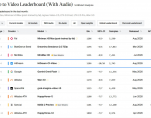
In its debut on two independent international benchmarks, HiDream V1 ranked No. 4 globally on the Artificial Analysis Image to Video Leaderboard (With Audio) and No. 8 on the Arena.ai Image-to-Video leaderboard, placing it among the world’s leading video generation models.
A Strong Debut on Two International AI Benchmarks
Artificial Analysis independently evaluates leading AI models through standardized and reproducible benchmark testing. Arena.ai uses anonymous head-to-head comparisons and user voting to assess model outputs. Together, the two platforms provide third-party perspectives on model performance based on both standardized testing and real-world user preferences.
HiDream V1’s results demonstrate its competitiveness across key dimensions including visual quality, prompt adherence, motion quality, narrative coherence and audiovisual coordination.
The global AI video generation market has become increasingly competitive, with models developed by Chinese teams—including Seedance and MiniMax H3—maintaining strong positions on international leaderboards. HiDream V1’s top-tier debut further expands China’s presence among the world’s leading video generation models.
“The next generation of video models will not be defined solely by higher resolution or longer duration,” said Yao Ting, Chief Technology Officer of HiDream.ai. “What matters is whether a model can genuinely understand a creator’s intent and how objects, actions and sounds interact in the real world. HiDream V1 was designed from the outset to represent text, video and audio within a unified framework. Our goal is to move video generation beyond simply looking sharp and moving smoothly toward understanding instructions, sustaining coherent performances and keeping sound aligned with visuals. Its performance on two independent international benchmarks provides encouraging validation of our native omnimodal approach.”
Upgrades in Visual Fidelity, Narrative Coherence and Character Consistency HiDream V1 introduces broad improvements in high-fidelity rendering, narrative continuity and character consistency. Rather than optimizing only for the quality of individual frames, the model is designed to maintain coherence across an entire video sequence.
Once characters, emotions, motivations and physical rules are placed within a continuous sequence, each element can affect the others. HiDream therefore uses a technical framework built around three stages: planning first, followed by joint generation, and then alignment through multimodal reward signals.
Under this approach, the model first plans the narrative and character states at a global level. It then jointly constrains visuals, movement and semantics during generation, before using multimodal reward signals to align visual quality, continuity and physical plausibility.
Native Omnimodal Architecture for Better Intent and Physics Understanding The central challenge in AI video generation is shifting from the quality of individual frames to a broader understanding of complex instructions, continuous motion and the rules governing the physical world.
User prompts often contain multiple layers of information, including characters, actions, settings, camera directions, dialogue and sound. To handle these requirements more effectively, HiDream V1 incorporates multimodal intent understanding and planning. Before generation begins, the model structures the user’s request across elements such as shot duration, setting, character state, movement, facial expression, composition, camera motion, dialogue and ambient sound.
Through this “understand, plan and generate” workflow, HiDream V1 plans narrative development and character states at a global level, while coordinating visuals, motion, semantics and audio during generation. This is designed to improve content completeness, character consistency and continuity between shots.
Physical reasoning is another core capability of HiDream V1. The model incorporates factors such as gravity, inertia, collisions, deformation, materials, lighting and spatial continuity into the generation process. As a result, object movement, character actions and environmental responses can more closely reflect the behavior of the real world.
This approach moves video generation beyond reproducing visual appearances and toward modeling how a dynamic world operates over time.
Content-Adaptive Video Duration Most current video generation models require users to specify a fixed duration in advance, forcing the content to fit within a predetermined time window. This can lead to unnecessary pauses after an action has ended or the use of slow motion to fill the remaining time.
HiDream V1 instead incorporates duration into its narrative planning process. Within a range of 5 to 20 seconds, the model can determine an appropriate video length based on how an event unfolds, how long an action takes to complete and the pacing required by the content.
The capability is not simply a matter of adding or removing frames. It is designed to make duration serve the narrative, producing more natural pacing and more complete sequences. Users can focus on describing the event and intended outcome, while the model plans the corresponding temporal structure.
Joint Modeling of Text, Video and Audio
Conventional AI video generation systems often follow a staged workflow in which visuals are generated first and sound is added afterward. This can lead to mismatches between lip movements, physical actions, ambient sound and sound effects.
HiDream V1 uses a native omnimodal architecture to jointly model text, video and audio signals. The three modalities constrain and inform one another within a single generation process. Visual motion influences sound timing, dialogue and sound effects contribute to the emotional tone of a scene, and text conditions guide the generation process throughout.
This unified approach is designed to improve synchronization across character performance, environmental changes and physical actions.
During post-training, HiDream uses Diffusion Reinforcement Learning and a multimodal reward model aligned with human perception and aesthetic preferences. Generated content is evaluated across multiple dimensions, including visual quality, semantics, motion, physical plausibility and sound, helping improve overall consistency and realism.
Completing HiDream’s Native Omnimodal World Model Portfolio HiDream V1 is not a standalone model. It is a core component of HiDream’s native omnimodal world model strategy.
Built on a unified UiT, or Unified Transformer, foundation, the company’s portfolio now comprises four major model families:
HiDream-O1-Image, for image understanding and generation;
HiDream-O1-Video, for dynamic content generation and temporal storytelling;
HiDream-O1-World, for 3D environment simulation and real-time interaction; and
HiDream-O1-Embodied, for spatial reasoning, action planning and feedback in embodied AI.
Rather than operating as four separate technology stacks, the models are designed to evolve from the same unified architecture. Together, they cover spatial understanding, temporal modeling, 3D interaction and embodied action, creating an integrated system for perceiving, understanding, generating, interacting with and acting upon the physical world.
HiDream’s models have previously achieved leading results on several independent benchmarks. HiDream-O1-Image 1.5, the commercial version of the company’s image model, ranked No. 2 globally and No. 1 among Chinese models on the Artificial Analysis text-to-image leaderboard, while its open-source edition also reached No. 2. HiDream-O1-World ranked No. 1 overall on WBench, a benchmark for interactive world models. HiDream-O1-Embodied achieved first-place results in the disturbance adaptation and spatial reasoning categories of RoboColiseum.
“We are not building four isolated model product lines,” said Dr. Mei Tao, founder and CEO of HiDream.ai. “We are building a native omnimodal system that shares a unified technical foundation and continues to evolve toward a deeper understanding of the real world. Competition among the next generation of foundation models will depend not only on improvements in individual capabilities, but also on whether different modalities can understand, generate and interact within a unified architecture.”
From understanding and generating the world to simulating and acting within it, the launch of HiDream V1 completes a key part of HiDream’s native omnimodal world model portfolio.
HiDream Completes Series C+ Financing
Alongside the launch of HiDream V1, HiDream announced the completion of a Series C+ financing round backed by New Micro Capital, Jiaozi Capital and ICBC Capital. The proceeds will support native omnimodal model research and development, product iteration, AI computing infrastructure and the expansion of industry applications.
New Micro Capital was jointly established by Shanghai New Micro Technology Group, Shanghai Science and Technology Venture Capital Group and its management team. The firm manages nearly RMB 10 billion in assets.
As the corporate venture capital arm of New Micro Technology Group, New Micro Capital is expanding its investments in artificial intelligence. Drawing on the group’s industrial capabilities in specialty integrated-circuit manufacturing, it seeks to advance collaboration across AI infrastructure, model technologies and end-user applications.
Jiaozi Capital is a wholly owned state-backed equity investment platform under Chengdu Jiaozi Financial Holding Group. The firm focuses on artificial intelligence and other strategic technology sectors, using long-term capital and industrial resources to accelerate technology commercialization and ecosystem development.
With the launch of HiDream V1, HiDream’s native omnimodal world model strategy is moving from a technical roadmap toward an integrated system supported by a unified foundation, a coordinated model portfolio and deployable product capabilities.
Availability
HiDream V1 is currently in internal testing and is expected to become available in the near future. Users can learn more at: https://hiharness.ai/
Hashtag: #HiDreamAI
The issuer is solely responsible for the content of this announcement.
About HiDream.ai
HiDream.ai is an artificial intelligence company focused on generative AI and native omnimodal world models. Built on its unified UiT architecture, the company’s model portfolio spans image generation, video generation, interactive world simulation and embodied intelligence. HiDream aims to develop AI systems capable of understanding, generating, simulating and acting upon the real world.
Leaderboard disclaimer: Rankings cited in this release reflect publicly available results at the time of publication and may change as participating models, evaluation data or platform methodologies are updated.
Arabian Post Staff -Dubai International visitor spending in the Middle East is forecast to rise by US$116 billion, or 57%, between 2025 and 2030, signalling a sharp expansion in tourism revenues despite near-term geopolitical disruption. The projection comes from the ATM Travel Trends Report 2026, produced by Arabian Travel Market with Tourism Economics, an Oxford Economics company, and presented at Arabian Travel Market in Dubai. The report […]
Two security flaws in TP-Link Tapo cameras can let attackers bypass authentication, gain administrator access and potentially view live video or stored recordings, security researchers have disclosed. Cybersecurity company OPSWAT said the vulnerabilities, tracked as CVE-2026-15315 and CVE-2026-15316, were identified during research into the Tapo C200 security camera. TP-Link has issued firmware fixes for affected models and urged users to install the latest available updates. The more […]
Blockstream has refused to pay a ransom for nearly 600 bitcoin still controlled by the actors behind the $320 million exploit of its Liquid Network, saying it will pursue recovery through law enforcement, exchanges and forensic specialists if the funds are not returned. The Bitcoin infrastructure company said on September 11 that it had engaged with those responsible in an effort to recover user assets but would […]
Arabian Post Staff -Dubai The UAE has ranked first in a new global tax optimisation index assessing 48 jurisdictions for internationally mobile individuals, driven by its lack of personal income, wealth and inheritance taxes and a 5 per cent value-added tax. The study by Global Citizen Solutions’ Global Intelligence Unit gave the UAE a composite score of 82.7 out of 100, narrowly ahead of Antigua and Barbuda […]
Houthi forces in Yemen are experimenting with advanced maritime weapons, including possible “loitering torpedoes”, as evidence points to efforts to expand their arsenal and reduce dependence on imported systems. Conflict Armament Research said investigators had identified navigation modules and propellers that could be used in such torpedoes, technology it has not documented in the possession of any other armed group. The organisation said the components could allow […]
The UAE has highlighted an artificial intelligence system developed by GenBio AI with contributions from Mohamed bin Zayed University of Artificial Intelligence researchers that can simulate human cellular responses to drugs and other interventions. The UAE Embassy in Washington drew attention on Wednesday to AIDO Cell, a virtual-cell “world model” designed to represent biological activity across multiple levels, from DNA and RNA through proteins and whole-cell behaviour. […]
Greenlogue/AP Aldar Properties and Mubadala Investment Company have jointly acquired Masdar City Square for Dh918 million, expanding their income-generating real estate portfolio in Abu Dhabi’s Masdar City to Dh4.7 billion. The acquisition was completed through the real estate joint venture established by the two Abu Dhabi groups in 2024. Masdar City Square comprises more than 47,000 square metres of net leasable space across seven office buildings and […]
More than 11.6 million cryptocurrency tokens stopped trading in 2025, an unprecedented annual total that accounted for 86.3% of all failures recorded by CoinGecko’s GeckoTerminal dataset between mid-2021 and the end of last year. The figure marks a steep acceleration from 2024, when 1,382,010 projects were classified as failed, and highlights the fragile economics of a market flooded with easily created tokens, particularly meme coins. CoinGecko counted […]
HONG KONG SAR – Media OutReach Newswire – 16 September 2026 – Hong Kong’s Chief Executive, John Lee, today (September 16) announced his fifth Policy Address, putting forward a series of measures to create development opportunities and enhance the well-being of the people.
“This year marks the opening year of the National 15th Five-Year Plan. In the thick of accelerating global changes not seen in a century, the vibrant momentum driven by our country’s robust strength, enormous market and high-quality development presents Hong Kong with boundless opportunities. We will better develop our economy and boost social well-being, starting a bright new chapter for Hong Kong,” Mr Lee said.
Entitled “A Strategic Vision for a Bright New Era, Driving Reform and Boosting Development, Unleashing Opportunities and Enhancing Livelihood”, the Policy Address takes the First Five-Year Plan for Economic and Social Development of the Hong Kong Special Administrative Region (2026-2030) (Hong Kong’s First Five-Year Plan) as its blueprint, and proposes numerous key measures focusing on five major development opportunities to advance high-quality development.
To attract and retain high-calibre talent, the Hong Kong Special Administrative Region (HKSAR) Government will expedite the development of the Northern Metropolis University Town to strengthen the city’s position as an international education hub. The HKSAR Government will also increase the research postgraduate places by around 30 per cent and the quota for government scholarships by 200, and establish five new major academies for training international talent: the International Clinical Trial Academy, Maritime Academy, Hong Kong International Legal Talents Training Academy, Hong Kong Intellectual Property Academy and Hong Kong International Academy of Policing.
To promote industry development, the Policy Address proposes to accelerate development of an international gold trading market and to explore a proposal to provide tax concessions for qualifying activities within the gold and commodity trading ecosystem. The HKSAR Government will also announce details of the new Renminbi-denominated and physically settled gold futures contracts; explore the possibility of increasing the Exchange Fund’s gold holdings, and gradually transfer its physical gold holdings to designated vaults appointed by the Hong Kong Precious Metals Central Clearing Company Limited.
A number of policies are proposed to promote industry development, including introducing specialty insurance (e.g. commodity, commercial aerospace, etc.); injecting funding into the Artificial Intelligence Subsidy Scheme to support the development of the intelligent computing industry; accelerating the adoption of medical innovation and industry chain development to enable the public to benefit from better and newer drugs; and fostering a new economic landscape for the low-altitude and emerging industries, such as commercial aerospace.
The Government is developing six special industry parks, including the Loop Hong Kong Park, San Tin Technopole, Hung Shui Kiu Industry Park, Sandy Ridge Data Facility Cluster and Hung Shui Kiu/Ha Tsuen modern logistics cluster. Land is also earmarked for building an advanced construction industry park to increase investment opportunities for enterprises.
To attract enterprises to establish a foothold in Hong Kong, tax concessions will be granted on the basis of the value brought by enterprises, instead of solely considering the industry sector. The Government will introduce an amendment bill this year, providing preferential tax rates of 5 per cent, or half-rate, for selected enterprises operating in key sectors such as finance, advanced manufacturing, innovation and technology, as well as research and development, headquarters activities and logistics and supply chain management.
The HKSAR Government will fully support the work of the International Organization for Mediation headquartered in Hong Kong, and build a global capital of mediation. It will also drive the establishment of the International Institute for the Unification of Private Law in Hong Kong, support the Judiciary to advance the development of the International Commercial Court, and establish the “Strategy Committee on Intellectual Property Trading Development” to assist the Government in formulating strategies and support measures for the promotion of intellectual property trading.
Regarding international co-operation, two United Nations (UN) organisations, the centre of excellence on global advanced manufacturing and the Office on Drugs and Crime’s GlobE Network Asia Pacific Regional Bureau, will establish their presence in Hong Kong respectively. Elsewhere, the new WestK Performing Arts Centre, scheduled to open next year, will feature four performance venues built to the highest international theatre standards, while Asian and international sports associations will be encouraged to establish a presence in Hong Kong.
“Today, Hong Kong is at a critical juncture in advancing from stability to prosperity. We are fully aware that formulating a comprehensive, strategic roadmap is integral to our long-term development. The Government has been persistent in mapping our way by driving development through reform. The primary goal of our policies is to enable economic development that can benefit the people of Hong Kong, and meet their aspirations for a better life,” Mr Lee said.
Response by KK Chiu, International Director, Chief Executive, Greater China, Cushman & Wakefield:
Optimising the Housing Ladder and Improving Living Conditions
We welcome the Government’s commitment to increase housing supply, shorten the Composite Waiting Time for public rental housing and further strengthen the housing ladder. The adoption of a long-term housing supply framework comprising 40% public rental housing, 30% subsidised sale housing and 30% private housing, together with the delivery of approximately 196,000 public housing units over the next five years, will provide a clearer housing and homeownership pathway for different income groups.
We believe that increasing the supply of subsidised sale housing and enhancing the housing ladder will help more public housing tenants progress towards homeownership, accelerate housing mobility and enable families with genuine housing needs to gain access to public housing more quickly.
We support the Government’s efforts to increase public housing supply, continue the Light Public Housing programme and implement the Basic Housing Units regime in an orderly manner to phase out substandard subdivided units. This approach is consistent with our long-held view that increasing housing supply is the fundamental solution to improving inadequate housing conditions. With the Government targeting the resolution of substandard subdivided units in domestic buildings by 2030, we expect living conditions for grassroots households to improve progressively.
Urban Renewal Incentives
We support the Government’s more flexible approach to urban renewal, including transferable plot ratio arrangements and measures to unlock redevelopment potential. These initiatives will help enhance market participation, accelerate renewal in areas with pressing redevelopment needs and contribute to overall housing supply growth. We recommend the Government provide clearer guidance on application requirements and further streamline cross-departmental approval procedures to facilitate implementation.
Advancing the Yacht Economy
We welcome the Government’s continued efforts to promote the yacht economy. Beyond increasing marina berth supply and enhancing supporting infrastructure, we believe it is equally important to further facilitate cross-boundary initiatives, allowing greater mobility of yachts within the Greater Bay Area and fostering regional collaboration.
As more superyachts and high-net-worth visitors arrive in Hong Kong, demand is expected to rise across luxury tourism, hospitality, food and beverage, retail, marine services and waterfront commercial facilities, helping unlock the economic potential of Hong Kong’s coastline and island resources. At the same time, Hong Kong has the potential to develop a more comprehensive marine industry ecosystem encompassing yacht repair and maintenance, refitting services and specialised professional services. The development of a holistic marine services value chain will further strengthen Hong Kong’s competitiveness as a regional and international yachting hub.
Response by John Siu, Managing Director, Hong Kong, Cushman & Wakefield:
Planning Ahead for AI and Data Centre Infrastructure
We welcome the Government’s commitment to accelerate the development of the Sandy Ridge Data Facility Cluster, which is expected to provide computing power equivalent to 36 times Hong Kong’s current capacity by 2032, alongside a HK$1 billion injection into the Artificial Intelligence Subsidy Scheme. These initiatives will provide important support for the development of Hong Kong’s artificial intelligence and data centre sectors, further strengthening the city’s position as a regional digital and innovation hub.
However, with rapid advancements in artificial intelligence, large language models and cloud computing, demand for computing power is expected to grow significantly in the coming years. We believe that, in addition to planning data centre sites, the Government should proactively review long-term requirements for power supply, electricity grid capacity and related infrastructure. As AI adoption becomes more widespread, access to reliable power and supporting infrastructure will be a key factor in maintaining Hong Kong’s competitiveness as a technology and data centre hub.
We support the Government’s stated direction of pursuing “high-efficiency computing power, stable electricity supply and low-carbon transition”. Looking ahead, we recommend that the Government regularly review future demand for land, power supply and supporting infrastructure arising from the growth of artificial intelligence and data centre activities, particularly within the Northern Metropolis and other strategic development areas. A coordinated approach to computing, energy and digital infrastructure planning will help attract more data centre operators and technology companies to Hong Kong, while supporting the city’s long-term development as a regional hub for data and artificial intelligence.
Response to the Budget 2026/2027 by Rosanna Tang,Deputy Managing Director, Head of Research, Hong Kong, Cushman & Wakefield:
Clear Industry Positioning for the University Towns
We welcome the Government’s efforts under Hong Kong’s First Five-Year Plan to further define the positioning of the three university towns in the Northern Metropolis University Town, and are encouraged by its strategy to promote synergy among the university towns, the San Tin Technopole and surrounding industry parks. As the only city in the world with five universities ranked among the global top 100, Hong Kong possesses a strong foundation in higher education and research. At the same time, the San Tin Technopole is set to become a key innovation and technology hub. The complementary strengths of these two pillars, both geographically and strategically, provide a solid foundation for building a globally competitive innovation ecosystem in Hong Kong.
We are particularly encouraged by the Government’s emphasis on integrated industry-academia-research collaboration. The university towns should not be viewed merely as educational developments, but as strategic platforms for research commercialisation, international talent attraction and the cultivation of emerging industries. Closer collaboration among universities, research institutes, innovation and technology enterprises and industry parks will help establish a complete innovation value chain covering talent development, scientific research, technology transfer and industrial implementation.
In addition, the Plan proposes approximately 300 hectares of educational facilities as the core of the university towns, connected with adjacent strategic industry areas, distinctive conservation areas, sports and cultural facilities, and surrounding communities, bringing the overall development footprint to more than 1,000 hectares. Such a large-scale integrated education and industry development model is rare in Hong Kong’s urban planning history and clearly demonstrates the Government’s long-term vision of creating a knowledge-based city cluster and an international education hub in the Northern Metropolis.
Attracting Signature Industry Projects and Anchor Institutions to Enhance the Northern Metropolis’ Global Appeal
We welcome the Government’s efforts to establish differentiated industry positioning through the three university towns, while integrating key development nodes such as the San Tin Technopole, the Hong Kong Park of the Hetao Shenzhen-Hong Kong Science and Technology Innovation Co-operation Zone, the Hung Shui Kiu Industry Park and Ta Kwu Ling. This provides a clearer direction for industrial development in the Northern Metropolis and helps address long-standing market concerns regarding overlapping functions and unclear district positioning.
As highlighted in our previous research, we believe the next critical stage for the Northern Metropolis will be its ability to attract influential anchor institutions and leading enterprises. By bringing together universities, research institutes and industry leaders, Hong Kong can foster the clustering of businesses, talent and capital, gradually forming industry clusters with scale and international competitiveness. Hong Kong should also capitalise on its common law system, international financial centre status, intellectual property protection framework and global talent network by focusing on high value-added segments such as research and testing, intellectual property management, fundraising and listing activities, and international accreditation services. This will help Hong Kong establish an irreplaceable role within the Greater Bay Area industrial value chain.
Beyond strategic industries, we believe the Northern Metropolis could also explore internationally recognised and iconic industry projects to further enhance its global profile and attractiveness. For example, the Government may consider developing initiatives around new energy vehicles, smart mobility and advanced technologies, while exploring the feasibility of internationally recognised racing events, testing facilities or technology R&D platforms, such as those associated with Formula One. By leveraging motorsport-related economic activities and innovation-led development, Hong Kong could attract international automotive manufacturers, mobility technology companies and research institutions to establish regional headquarters, R&D centres or testing facilities in the city. This would in turn support the growth of engineering, intelligent transport, advanced manufacturing, tourism, hospitality, retail and convention and exhibition industries, further enriching the Northern Metropolis industrial ecosystem.
Accelerating Land Supply While Advancing Industries and Infrastructure in Parallel
We note that Hong Kong’s First Five-Year Plan proposes a significant acceleration in land and housing supply within the Northern Metropolis. Residential completions are expected to increase substantially from approximately 11,000 units during 2021/22 to 2025/26 to around 70,000 units during 2026/27 to 2030/31. Over the same period, the supply of “spade-ready sites” will rise from approximately 120 hectares to around 900 hectares, representing an increase of around 7.5 times. These figures demonstrate that the Northern Metropolis is transitioning from a planning and land formation phase to a new stage characterised by large-scale development, industrial implementation and population intake.
However, we believe the success of the Northern Metropolis should not be measured solely by the volume of land or housing delivered. As substantial residential, innovation and technology, and industrial sites come on stream, the focus should gradually shift from land supply to city-building. The Government should ensure the coordinated delivery of railway and cross-boundary infrastructure networks, industry parks, commercial facilities, public services and community amenities, while accelerating the introduction of leading enterprises and strategic industries to create sufficient, high-quality employment opportunities and achieve a genuine jobs-housing balance.
In particular, we believe the Northern Metropolis should be driven by industry-led development, with the San Tin Technopole, the Hetao Shenzhen-Hong Kong Science and Technology Innovation Co-operation Zone, the university towns and major industry parks serving as key growth engines. This would create a virtuous cycle in which industry attracts population, population supports consumption, and consumption drives urban development. Only through the coordinated growth of industry, talent, infrastructure and communities can the Northern Metropolis evolve from a large-scale land development project into a modern metropolitan district integrating industry, education, living and international exchange.
Response by Tom Ko, Executive Director, Head of Capital Markets, Hong Kong of Cushman & Wakefield:
New Opportunities for Student Accommodation Market
We welcome the Government’s initiatives to deepen Hong Kong’s development as an international hub for post-secondary education through the “Hong Kong: Your World-class Campus” campaign, expanded global student recruitment efforts and the extension of the Immigration Arrangements for Non-local Graduates pilot arrangement to graduates from Greater Bay Area campuses of Hong Kong universities. These initiatives will further enhance Hong Kong’s attractiveness to overseas students and talent while reinforcing the “Study in Hong Kong” brand.
We are encouraged by the continued progress of the Hostels in the City Scheme. The scheme has already received 41 confirmed applications, providing approximately 10,800 bed spaces and demonstrating strong market confidence in the long-term growth of Hong Kong’s education sector.
The scheme has opened up a new supply channel for converting commercial buildings into student accommodation. At a time when hotel conversion opportunities are becoming more limited as tourism continues to recover, it provides an alternative pathway for investors while helping unlock the value of underutilised commercial assets and meet rising demand for student housing. As the Government prepares to tender the first dedicated student hostel site, we believe purpose-built student accommodation will gradually emerge as a distinct and scalable asset class within Hong Kong’s real estate market.
To further increase supply, we recommend that the Government continue reviewing and refining approval procedures for student hostel conversions. Greater flexibility and streamlined processes, while maintaining appropriate safety and operating standards, would encourage wider market participation and support Hong Kong’s ambition to become a leading international education destination.
The issuer is solely responsible for the content of this announcement.
About Cushman & Wakefield
Cushman & Wakefield (NYSE: CWK) is a leading global commercial real estate services firm for occupiers and investors with approximately 53,000 employees in over 350 offices and nearly 60 countries. In Greater China, a network of 23 offices serves local markets across the region. In 2025, the firm reported revenue of $10.3 billion across its core services of Valuation, Consulting, Project & Development Services, Capital Markets, Project & Occupier Services, Industrial & Logistics, Retail, and others. Built around the belief that Better never settles, the firm receives numerous industry and business accolades for its award-winning culture. For additional information, visit www.cushmanwakefield.com.hk or follow us on LinkedIn (www.linkedin.com/company/cushman-&-wakefield-greater-china).
South Korea will not slow its artificial intelligence drive, Deputy Prime Minister and Science and ICT Minister Bae Kyung-hoon said on Wednesday, arguing that the country must pair rapid development with stronger safeguards rather than curb the technology’s advance.
Bae said South Korea was still trying to close the gap with leading AI powers while creating new markets, making its position different from countries or companies at the technological frontier. “We cannot afford to slow down AI right now,” he wrote on social media, describing the government’s approach as one of “speed responsibility” rather than speed control.
His remarks place Seoul firmly on the acceleration side of a widening debate over whether developers should moderate the pace of capable AI systems. Anthropic chief executive Dario Amodei has called for a slowdown in frontier model development to allow more time for safety work, while OpenAI chief executive Sam Altman and other technology leaders have voiced support for stronger precautions as capabilities advance.
Bae said South Korea should continue expanding research, industrial adoption and home-grown model development while strengthening protections against deepfakes, cyber threats and privacy violations. Faster progress, he said, required safety and trust measures to move at the same pace rather than follow after deployment.
The minister pointed to a broader technology agenda that includes sovereign foundation models, systems capable of processing vision and language, and models able to interact with physical environments. He said the country also needed to prepare for AI becoming deeply embedded across industries and everyday life.
The government has made domestic foundation-model development a central part of its ambition to place South Korea among the world’s top three AI powers. The Ministry of Science and ICT has been running a sovereign AI foundation model programme intended to improve domestic capabilities and reduce dependence on foreign technology.
Three teams led by Upstage, SK Telecom and LG AI Research advanced after the programme’s second-stage evaluation this year. The ministry has said models developed under the initiative were built with comparatively limited resources but were released as open source as part of an effort to expand the domestic AI ecosystem.
Bae indicated that further details on the next phase of the foundation-model programme would be announced after ongoing reviews. His comments also referenced government work on security-focused AI models and frontier systems, alongside an “AI for All” initiative intended to spread adoption across the economy.
The policy push is being developed alongside South Korea’s AI Basic Act, which establishes rules covering both the development of artificial intelligence and the creation of a framework for trust. The law’s stated purpose includes protecting rights and human dignity while supporting quality of life and national competitiveness.
That legal structure gives Seoul a basis for pursuing faster adoption without presenting safety as a separate objective. Bae said competitiveness and sustainability were linked, arguing that development speed and safeguards should advance together.
The global dispute has intensified as leading executives and policymakers weigh the economic benefits of faster AI deployment against concerns over misuse and loss of control. Amodei has proposed independent safety evaluators, coordination among major laboratories and greater international cooperation, while Nvidia chief executive Jensen Huang has argued against slowing technological progress and favours advancing safety alongside innovation.
European Commission President Ursula von der Leyen on Wednesday backed calls for greater caution and said frontier AI laboratories would be invited for talks on managing risks. Meta chief executive Mark Zuckerberg, by contrast, said AI companies already had strong incentives to build systems safely and did not require an industry-wide slowdown.
Bae’s intervention highlights the competitive pressures facing countries outside the United States and China, where most frontier AI investment and model development remains concentrated. South Korea has strong semiconductor and technology industries, but its government has acknowledged the need to strengthen domestic models, computing capacity and commercial adoption to narrow the gap.
Cybersecurity shares surged to the top of the S&P 500 on Monday as investors shifted towards digital-defence companies after fresh warnings about the risks of rapidly advancing artificial intelligence unsettled the broader technology trade. CrowdStrike jumped 13.8 per cent to a record closing high of $235.38, while Palo Alto Networks gained 13.1 per cent and Fortinet rose about 9 per cent. The gains stood out in a […]
China has pushed back against calls from leading US technology figures to slow frontier artificial intelligence development, sharpening differences over safety, access to advanced chips and technological competition before President Donald Trump and President Xi Jinping meet in Washington next week.
Foreign Ministry spokesman Guo Jiakun said on Monday that artificial intelligence was a consequential technology for humanity and should be developed openly and inclusively. Asked about calls from Dario Amodei, Sam Altman and Elon Musk for companies to slow frontier development, Guo warned that “fear-mongering, confrontation and vicious competition” would hinder sound global AI governance.
The response came as Washington’s debate over AI safety widened into a strategic argument about China. Anthropic chief executive Amodei has urged tougher safeguards for advanced systems and has argued that a Chinese lead in frontier AI could create national security risks for the United States. OpenAI chief executive Altman and Musk have also called for stronger precautions as systems become more capable.
Trump, however, has resisted proposals that could materially slow US development. He said this week that America already had tools to police the industry and stressed the importance of maintaining leadership over China. House Speaker Mike Johnson similarly rejected a moratorium, saying any pause could hand Beijing a competitive advantage and create national security risks.
The dispute places AI governance among the issues likely to shadow the Trump-Xi meeting scheduled for September 24 in Washington. The leaders are also expected to confront trade disputes, semiconductor restrictions and China’s controls on rare-earth exports, all of which affect the broader contest over computing capacity and advanced manufacturing.
Treasury Secretary Scott Bessent is due to meet Vice-Premier He Lifeng before the summit.
China has presented a different framework for AI governance, emphasising access, development and multilateral rules while opposing measures it regards as technological containment. At the BRICS summit this month, Xi proposed an open-source and inclusive AI initiative and said China would help establish a BRICS AI open-source community and digital ecosystem platform.
Beijing has nevertheless acknowledged the risks posed by increasingly powerful systems. Chinese officials have called for stronger global governance and risk awareness, while arguing that safety should not become a justification for blocking technological diffusion. The government has also supported the establishment of the World Artificial Intelligence Cooperation Organization, whose founding agreement was signed in Shanghai in July by 29 countries.
The argument over safety is closely linked to semiconductor controls. Washington has maintained restrictions on the export of advanced computing technology to China, although the Commerce Department in January shifted applications for Nvidia H200, AMD MI325X and comparable chips to case-by-case review under specified security conditions. Beijing has repeatedly criticised US technology restrictions as discriminatory and has threatened countermeasures when Chinese companies are targeted.
China’s Commerce Ministry last week also challenged a US cybersecurity advisory accusing China-based AI companies of using distillation campaigns against American models. The ministry said China was prepared for an intergovernmental AI dialogue with the United States but would respond if Washington used such allegations to suppress Chinese firms.
That exchange underscored the difficulty of separating AI safety from the strategic rivalry. US officials and technology executives increasingly frame advanced models as both commercial assets and national security capabilities, while China portrays broad restrictions as attempts to preserve US dominance.
There are areas of overlap. Both governments have said advanced AI presents risks requiring governance, and the two sides have agreed to launch an intergovernmental dialogue on the technology. Informal discussions among researchers and policy specialists have also continued, though official positions remain far apart on access to chips, model controls and the balance between safety and development.
The September 24 summit follows Trump’s May visit to China, when the two leaders agreed to pursue what the White House described as strategic stability and set up new bilateral trade and investment mechanisms. Artificial intelligence was not the centrepiece of those agreements, but it has since moved higher on the bilateral agenda as concerns over model capabilities, export controls and industrial competition have intensified.
Launched in H1 2026, Heavy Weight Express service saw a 16% increase in Weight per Day growth for the region (excluding China)
High-value, technology-related cargo, engineering & manufacturing, and automotive are the biggest drivers, making up two-thirds of the total weight of heavyweight segment
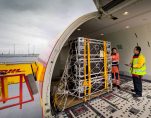
SINGAPORE – Media OutReach Newswire – 16 September 2026 – Following DHL Express’s introduction of Heavy Weight Express (HWX) this year, DHL Express recorded a 16% growth in its Time Definite International Weight per Day in Asia Pacific (excluding China) between January and July2026. This reflects how DHL’s Smart Industrial Growth Strategy is yielding positive outcomes as businesses are moving heavier, critical components, machinery, and industrial equipment across borders.
DHL Express heavy weight cargo
The heavyweight market has been gaining traction in recent years. Industry research shows that an estimated 10.2 million tons of heavyweight shipments¹ are being moved in Asia Pacific (excluding China) each year. Many companies have spent years reducing inventory and improving efficiency across their supply chains. However, companies today operate in a far less predictable environment marked by trade disruptions, manufacturing bottlenecks, and fluctuating demand. The rise in heavyweight shipment volumes mirrors a shift in how businesses are managing supply chain risks, as they increasingly turn to express logistics not only to handle sudden shifts in demand but also to have greater agility, certainty and control over timelines.
“Behind the numbers is a simple reality: Businesses are shipping heavy when timing matters and when it’s critical,” said Ken Lee, CEO for Asia Pacific, DHL Express. “As companies continue to navigate a complex landscape where uncertainty has become the norm, speed and reliability have also become part of the business decision. Customers are making deliberate decisions on what they ship through our network. Our Heavy Weight Express solution helps companies avoid downtime, protect working capital and keep operations moving when supply chains don’t go exactly as planned.”
Technology, Engineering & Manufacturing, and Automotive top Asia Pacific’s heavyweight contributors
Across the region, high-value, technology-related cargo, such as computer chips and semiconductors, accounts for the largest share of DHL Express’s heavyweight segment at over 34%, driven by rapid investment in data centers to support the growing demandfor computing capacity, data storage, cloud services, as well as artificial intelligence. This has fueled demand for technology-related shipments, from semiconductors and servers to cooling systems and electrical infrastructure. However, a data center crunch is creating supply chain bottlenecks as demand for semiconductor manufacturing outpaces infrastructure supply. As a result, express logistics services are urgently activated to move critical components quickly and efficiently, helping to keep projects on schedule.
The other main contributors to the heavyweight segment are businesses in engineering & manufacturing as well as the automotive industry.
Automotive is the fastest growing sector
HWX service is also gaining strong momentum in the automotive sector, with its shipment weight increasing at a rate of nearly 20%. As the leading export region for this sector, Asia Pacific is also seeing a surge in Asian automotive brands, particularly Electric Vehicle (EV) manufacturers from China and Southeast Asia. As these brands expand into new markets, they are also moving vehicle parts sourced from different suppliers and manufacturers across borders. This has created the appetite for expedited shipments to keep production running. In this sector, a single late or failed shipment could instantly cost automotive manufacturers millions of dollars.
Asia affirms role as a vital trading hub
In Asia Pacific (excluding China), the fastest growth in heavyweight shipments for the first seven months of the year came from India, the Philippines, Vietnam, Japan and Hong Kong. These markets reflect two of the region’s strongest trade corridors – Southeast Asia’s firm role as a manufacturing and sourcing base, and North Asia’s strategic position as a hub for high-value technology, industrial and automotive supply chains. Additionally, India, the Philippines, and Vietnam are also recognized as key markets of the geographic tailwinds initiative.
“As companies continue to manufacture out of Asia, balancing project timelines and building more resilient and agile supply chains become a priority. To maintain production continuity and ensure certainty, they are consolidating goods into heavier shipments. These non-negotiable conditions are also “urgency drivers” that put us at an advantage to help deliver our customers’ shipments at a definite time,” said Ken Lee, CEO for Asia Pacific, DHL Express.
In recent years, DHL Express has added several new infrastructures across the region, including an expanded global hub in Hong Kong, facilities near Cebu and Manila airports, gateway at Christchurch airport, Hanoi gateway near Noi Bai airport, as well as Delhi gateway, culminating in approximately 1,000 facilities in the Asia Pacific region. This is further supported by a robust aviation network of around 810 flights per day.
The issuer is solely responsible for the content of this announcement.
DHL – The logistics company for the world
DHL is the leading global brand in the logistics industry. Our DHL divisions offer an unrivaled portfolio of logistics services ranging from national and international parcel delivery, e-commerce shipping and fulfillment solutions, international express, road, air and ocean transport to industrial supply chain management. With approximately 389,000 employees in more than 220 countries and territories worldwide, DHL connects people and businesses securely and reliably, enabling global sustainable trade flows. With specialized solutions for growth markets and industries including technology, life sciences and healthcare, engineering, manufacturing & energy, auto-mobility and retail, DHL is decisively positioned as “The logistics company for the world”.
DHL is part of DHL Group. The Group generated revenues of approximately 82.9 billion euros in 2025. With sustainable business practices and a commitment to society and the environment, the Group makes a positive contribution to the world. DHL Group aims to achieve net-zero emissions logistics by 2050.
SWISS REJU Introduces AI Algo Slimming and MedTech from Silicon Valley
HONG KONG SAR – Media OutReach Newswire – 16 September 2026 – Premier Hong Kong body-sculpting and wellness boutique SWISS REJU has added another prestigious accolade to its portfolio, shining brightly at the HK01 Health Easy Awards ceremony. Hosted by leading media platform HK01, the landmark industry event—featuring the “Health Industry Trends Symposium and HK01 Healthy Easy Awards”—was successfully held at The Ritz-Carlton, ICC, Hong Kong, drawing industry leaders for an evening of high-level exchange and celebration. The event opened with a keynote address by Dr. Ko Wing-man, a widely respected member of the Executive Council. SWISS REJU was honored to attend and was officially named the winner of the HK01 “Exquisite Body-Sculpting Reputable Brand Award.” The event paid tribute to Hong Kong’s most exceptional wellness brands. SWISS REJU is deeply honored to receive authoritative recognition at this highly credible awards ceremony.
SWISS REJU Wins “Exquisite Body-Sculpting Reputable Brand Award” from HK01, Following Exceptional User Reviews
The rigorous and meticulous evaluation mechanism of the Healthy Easy Awards combines months of authentic user voting with expert panel reviews, reflecting genuine client feedback alongside professional evaluation. This year’s winner’s circle featured an elite lineup of premier brands and institutions, including St. Paul’s Hospital, Hong Kong Baptist Hospital East Kowloon Medical Centre, iHerb, Nestlé ThickenUp, and Yakult. Each winning brand demonstrated professional excellence, standing out as an industry leader. Through ethical business practices and exceptional QCAC management, SWISS REJU K-Lipolysis® was likewise awarded the “Exquisite Body-Sculpting Reputable Brand Award.”
SWISS REJU extends its sincere gratitude for the glowing user reviews and expert support, remaining steadfast in its mission to advance Hong Kong’s wellness industry. This marks SWISS REJU’s third consecutive year receiving a major annual award from HK01. Coupled with earlier honors—including the Cosmopolitan Best of the Best Award, the Sunday More Hong Kong No.1 Best Body Contouring Treatment, and the JESSICA Annual Best AI Slimming Award—this also represents the 15th major annual accolade SWISS REJU has earned from prominent organizations. Achieving excellence across numerous voting polls, backed by the endorsement of industry experts, stands as a testament to the exceptional reputation of SWISS REJU’s signature K-Lipolysis body contouring program.
Celebrating a Decade of Excellence: SWISS REJU Marks 10 Years of Unrivaled Brand Prestige “The HK01 Reputable Brand Award is a tremendous encouragement,” stated the brand spokesperson. “To be recognized as a premier, high-reputation brand among over 8,000 beauty and wellness enterprises in Hong Kong is a major encouragement. We remain firmly committed to our core values, continuing to deliver reliable, trusted body contouring, and advanced wellness services.”
Having operated in Central for nearly a decade, SWISS REJU has witnessed the rise of standardized, ethical business practices in Hong Kong, actively supporting the industry’s ongoing reform and optimization. Today’s consumers increasingly gravitate toward high-transparency, stable operations, and high-reputation brands offering flexible installment options. As public awareness grows, discerning clients prefer equipment and technologies backed by rigorous certifications, such as the U.S. FDA, EU MDR / Medical CE, and Hong Kong Department of Health MDACS. This is why SWISS REJU has consistently invested millions to introduce genuine, top-tier technologies, including BTL EXION, INDIBA, WINBACK, NeoCare Elite, ATP LIPO X, Lumenis Pollogen DMA, and VIORA Reaction. This strong technical advantage paired with nearly a decade of distinguished reputation, has established an extraordinary level of client trust.
Unveiling the All-New SWISS REJU AI Weight-Loss Algorithm X Silicon Valley Health Tech This year’s seminar centered on advanced weight management and cross-border collaboration. SWISS REJU has long believed that the aesthetic and body-sculpting industry in Hong Kong can more proactively embrace its role as an international technological bridge. Consequently, the brand has taken the lead in introducing cutting-edge nutritional science and longevity research from Silicon Valley, combining advanced research with high-tech instrumentation to elevate the overall efficacy of K-Lipolysis program.
The pioneering AI Algo Slimming introduced by SWISS REJU utilizes artificial intelligence to automatically calculate energy output, dynamically mapping the optimal energy pathway every second to enhance efficacy and safety. By integrating Silicon Valley advanced health and nutritional management, SWISS REJU stands among the pioneering advanced body-sculpting brands in Hong Kong to champion Silicon Valley biohacking preventive medicine and longevity technology. This elevates the scientific standard of Hong Kong’s wellness sector, delivering a state-of-the-art body contouring and health experience for clients across Hong Kong and the the Greater Bay Area.
HONG KONG SAR – Media OutReach Newswire – 15 September 2026 – The Hong Kong University of Science and Technology (HKUST) welcomed H.E.Mr. Abdulla Nigmatovich ARIPOV,Prime Minister of the Republic of Uzbekistan, for an official campus visit on September 10, 2026, making HKUST the sole university included in his Hong Kong itinerary. The high-level visit underscored the growing partnership between Uzbekistan and HKUST, with a particular focus on advancing collaboration in higher education, research, innovation, and talent development.
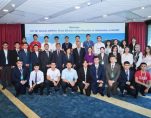
H.E. Mr. Abdulla Nigmatovich ARIPOV, Prime Minister of the Republic of Uzbekistan (seventh right, middle row); Dr. CHOI Yuk-Lin, Secretary for Education of the HKSAR Government (seventh left, middle row); Prof. Harry SHUM, Council Chairman of HKUST (sixth left, middle row); and Prof. Nancy IP, President of HKUST (sixth right, middle row), pose for a photo with students from Uzbekistan during the Prime Minister’s official visit to HKUST.
The Uzbek delegation of 24 members was warmly received by Dr. CHOI Yuk-Lin, Secretary for Education of the HKSAR Government; Prof. Harry SHUM, Council Chairman of HKUST; Prof. Nancy IP, President of HKUST, and senior university leaders.
In a high-level meeting with the University’s leadership, Prime Minister Aripov engaged in in-depth discussions on higher education development, artificial intelligence (AI), technological innovation, talent cultivation, research commercialization, and opportunities for closer collaboration between Uzbekistan and HKUST. The exchange also explored pathways for strengthening academic partnerships, expanding student and faculty mobility, and supporting Uzbekistan’s ambitions in developing a knowledge-based economy and emerging technology sectors.
Prime Minister Aripov said, “We are deeply impressed by HKUST’s achievements and its ability to translate cutting-edge research and innovation into practical industrial applications. With over 7,000 Uzbek students pursuing higher education across China, we see tremendous potential to strengthen our academic ties with Hong Kong and prioritize HKUST as a key destination for our students. As both Uzbekistan and HKUST mark their 35th anniversaries, establishing this partnership presents a symbolic and meaningful opportunity to expand educational excellence and global reach together.”
Prof. Shum said, “We are deeply honored to welcome Prime Minister Aripov and the distinguished Uzbek delegation to HKUST during the Belt and Road Summit. As a young, globally minded university celebrating our 35th anniversary, HKUST serves as a vital super-connector—bringing together diverse talent from over 80 nationalities. Building on our foundation with the El-Yurt Umidi Foundation, this visit marks a pivotal step in deepening ties between Hong Kong and Central Asia, opening up new horizons for collaborative growth and youth development along the Belt and Road.”
President Ip added, “We were delighted to engage in a highly productive and forward-looking dialogue with Prime Minister Aripov and his delegation. Uzbekistan’s strategic priorities in AI, robotics, fintech, and cybersecurity align closely with HKUST’s research strengths and advanced facilities. AI and medical science, in particular, offer promising areas for collaboration and could serve as important starting points for future joint initiatives. Beyond educational exchanges, we see tremendous opportunities to deepen cooperation in research, innovation, talent development, and knowledge transfer. We look forward to visiting Uzbekistan and working closely with our partners to co-create impactful solutions, nurture future-ready talent, and contribute to sustainable economic and technological development.”
HKUST also signed a Memorandum of Understanding (MOU) with the Ministry of Higher Education, Science and Innovation of the Republic of Uzbekistan. The agreement establishes a framework for educational collaboration and promotes excellence and innovation in teaching, learning, and research. Witnessed by Prime Minister Aripov, Dr. Choi, and Prof. Shum, the MOU was signed by President Ip and Mr. Salomov Uktam RAHIMOVICH, Deputy Minister of Higher Education, Science and Innovation of the Republic of Uzbekistan.
The Prime Minister and his delegation toured the HKUST Von Neumann Institute, where they learned about the University’s world-leading research and innovation capabilities in AI. The delegation was introduced to HKUST’s latest advancements in next-generation multimodal AI systems, robotic intelligence technologies, AI-driven 3D understanding and generation, and large-scale healthcare models, as well as their potential applications in addressing societal and industrial challenges. During the visit, the delegation met with 31 Uzbek students studying in Hong Kong, including 14 undergraduates currently enrolled at HKUST, to learn about their academic experiences and life in the city.
The issuer is solely responsible for the content of this announcement.
About The Hong Kong University of Science and Technology
The Hong Kong University of Science and Technology (HKUST) (https://hkust.edu.hk/) is a world-class university renowned for its innovative education, research excellence, and impactful knowledge transfer. Adopting a holistic and interdisciplinary approach to education, HKUST was ranked 33rd globally and 6th in Asia in the QS World University Rankings 2027 and QS Asia University Rankings 2026, respectively. It was also ranked 20th worldwide in the Times Higher Education Sustainability Impact Ratings 2026, placing first among universities in Hong Kong and the Chinese Mainland for the third consecutive year. Eleven HKUST subjects were ranked among the world’s top 50 in the QS World University Rankings by Subject 2026. In addition, HKUST’s Computer Science discipline, which encompasses areas such as artificial intelligence and machine learning, was ranked No. 1 in Hong Kong for the tenth consecutive year in the Times Higher Education World University Rankings by Subject 2026. Its graduates are highly competitive, consistently ranking among the world’s top 30 most sought-after employees. In research and entrepreneurship, more than 80% of HKUST’s research was rated “world-leading” or “internationally excellent” in the University Grants Committee’s Research Assessment Exercise 2020. As of July 2026, HKUST members had founded more than 2,000 active start-ups, including 11 unicorns and 22 successful exits through initial public offerings (IPOs) or mergers and acquisitions (M&A).
Djibouti has joined the Artemis Accords, becoming the 72nd country and eighth African nation to endorse the US-led principles for peaceful, transparent and coordinated civil space exploration. Djibouti’s ambassador to the United States, Mohamed Siad Douale, signed the accords on behalf of his government at NASA Headquarters in Washington on Monday, September 14. NASA Deputy Administrator Matt Anderson hosted the ceremony, which was also attended by US […]
WRISE Prestige records over300% revenue growth in HK since end-2024, expands to more than 400 IWCs and advances a new professional standard combining human expertise, independence and AI
Assets under management increased by 927%, revenue grew by 301% and the number of clients increased by 382% compared with the end of 2024.
WRISE Prestige’s network has expanded to more than 400 Independent Wealth Consultants (IWCs) in Hong Kong.
The broader WRISE ecosystem has added capabilities spanning family office and wealth planning, corporate advisory, trust and legacy planning, structured products, international insurance and AI labs, while the IWC proposition evolves from Independent Wealth Consultant to Intelligent Wealth Consultant.
HONG KONG SAR – Media OutReach Newswire – 15 September 2026 – WRISE Prestige, a core business of WRISE Group serving affluent and high-net-worth clients through a network of wealth consultants, is set to celebrate its second anniversary in Hong Kong on 16 September, marking two years of rapid growth and the next chapter in its approach to wealth advisory.
Since the end of 2024, WRISE Prestige in Hong Kong has recorded 927% growth in assets under management (AUM), 301% growth in revenue and a 382% increase in the number of clients. Its Hong Kong network has also grown to more than 400 IWCs, reflecting rising demand for independent, people-led advice and broader access to integrated wealth solutions.
Two Years of Growth and an Expanding Wealth Ecosystem
Over the past two years, WRISE Prestige has broadened its role within the WRISE ecosystem, connecting clients with capabilities across different aspects of wealth and advisory. These include WRISE Capital for corporate finance and advisory services, WRISE Private for family office solutions and sophisticated wealth planning, and WRISE Master Trust for wealth structuring and legacy planning.
WRISE Prestige has broadened its solution capabilities in parallel, expanding its insurance spectrum from local offerings to Bermuda solutions and connecting clients with investment, banking, protection, trust and corporate advisory resources.
Client demand has become increasingly diverse, spanning liquidity, income, diversification, downside management, succession and cross-jurisdictional wealth planning. Structured products may be considered as part of client solutions where suitable, depending on risk tolerance and circumstances, illustrating the need for tailored risk-return outcomes rather than one-size-fits-all distribution.
The Group’s expanding regional footprint, including presences in Taipei, Shenzhen, Changsha, Chengdu, Wuxi and Vancouver, further strengthens WRISE Prestige’s ability to connect clients and wealth consultants with capabilities across markets.
From Independent Wealth Consultant to Intelligent Wealth Consultant
The evolution comes as Hong Kong’s wealth management industry reaches a new scale. According to the Securities and Futures Commission, AUM in Hong Kong’s private banking and private wealth management business rose 24% year-on-year to HK$12.9 trillion at the end of 2025.[1]
As wealth grows, the needs behind it are becoming increasingly complex. Clients require holistic advice connecting investments and protection with family governance, business interests, succession and intergenerational planning. They increasingly value sound judgement, independence, expertise, trust and connectivity to a wider wealth ecosystem.
WRISE Prestige believes this is expanding the role of the wealth consultant. Building on the foundations of independent wealth advisory, the IWC approach puts the individual at the centre, considering their family, business, aspirations, risks and legacy, while drawing on a broader ecosystem to address wealth more holistically. Within this approach, independence refers to an open-architecture model that gives wealth consultants the flexibility to consider solutions from a broad range of financial institutions and providers, rather than being tied to a single institution or product. This approach does not imply the absence of conflicts of interest; any applicable conflicts are managed and disclosed in accordance with relevant policies and regulatory requirements.
IWC is now entering its next chapter, evolving from Independent Wealth Consultant to Intelligent Wealth Consultant. The new proposition builds on the open-architecture approach, trusted human relationships and professional expertise that have defined IWC, while bringing together the research, analytical and efficiency capabilities of AI.
Technology can enhance how wealth consultants analyse information, generate insights and serve clients, while human judgement, accountability and relationships remain at the heart of wealth advice. The goal is not to replace wealth consultants with AI, but to empower them with greater capabilities to support better-informed, more holistic wealth decisions.
As part of this evolution, WRISE Prestige is also strengthening the professional development pathway for its IWC network through QLC, a structured professional assessment covering four specialist areas relevant to the evolving needs of high-net-worth clients: Family Office, Trust, Offshore Insurance and Advanced Investment. IWCs who complete the QLC examination will earn the designation of IWC-Certified, establishing a common foundation of professional knowledge and standards across the network. Following certification, IWCs can continue to develop through pathways recognising both professional expertise and business performance.
Henry Shin, CEO of WRISE Prestige Hong Kong, said: “The wealth management industry has continuously evolved, from traditional institution-led models, to the emergence of independent financial advice, and now towards a new generation of wealth advisory. We believe the next stage of this evolution is intelligence.
Intelligent Wealth Consultant brings together the independence and trust that have always been fundamental to wealth advice with professional expertise, human judgement, and the insights and analytical capabilities of artificial intelligence. This is not about replacing the human element with technology, but about empowering our consultants with technology to deliver deeper insights and help clients make more informed and holistic wealth decisions.
At WRISE Prestige, we aspire to take this evolution one step further, not simply to witness the transformation of our industry, but to work alongside the industry in helping shape best practices for the next generation of wealth advisory.”
Building the Next Chapter of Wealth Advisory
Looking ahead, WRISE Prestige expects wealth management to become more connected, technology-enabled and accessible. Its focus will remain on combining technology with human judgement and relationships, using technology to improve connectivity, insight and scalability while maintaining appropriate professional and regulatory standards.
Over the next two to three years, WRISE Prestige plans to expand its business-to-business capabilities and advance an Open-EAM architecture that connects IWCs, external asset manager partners and clients through the broader WRISE ecosystem. The architecture is intended to make it easier for wealth consultants and partners to access specialist capabilities across wealth management, banking, investments, protection, trust and corporate advisory services, supported by technology and the WRISE platform.
Through this approach, WRISE Prestige aims to create greater connectivity and scale for wealth consultants, more integrated choices for clients, and a stronger professional ecosystem for Hong Kong and the region. Its ambition for the next chapter is not only to grow its own platform, but also to contribute to the continued development of wealth advisory across the industry.
Hashtag: #WRISEGroup
The issuer is solely responsible for the content of this announcement.
About WRISE
WRISE is one of Asia’s fastest-growing financial firms, driven by strategic acquisitions of companies with deep expertise and solid foundations. With a strong presence across key financial hubs including Singapore, Hong Kong, Dubai, Tokyo, Shanghai, Shenzhen, Changsha, Chengdu, Wuxi, Taipei and Vancouver, WRISE is home to one of the largest networks of independent qualified advisors. With over 600 employees located globally, supported by an ecosystem of over 200 financial intermediaries and access to eight booking centres worldwide, WRISE ensures unparalleled service and expertise in navigating today’s financial landscape.
WRISE Group of companies include WRISE Wealth Management (Singapore), WRISE Wealth Management (Hong Kong), WRISE Wealth Management Middle East Ltd (DIFC, regulated by the DFSA), WRISE Prestige (Hong Kong), WRISE Prestige Securities (Hong Kong), WRISE Prestige Asset Management (Hong Kong), WRISE Capital (Hong Kong), WRISE Financial Services (Hong Kong), and affiliates including WeWrise Services.
Arabian Post Staff -Dubai Saudi Arabia has identified about 114 million tonnes of mineralised ore containing rare earth elements and promising uranium concentrations at the Jabal Sayid project in Madinah, Energy Minister Prince Abdulaziz bin Salman has announced. Prince Abdulaziz disclosed the estimate on Monday during the 70th General Conference of the International Atomic Energy Agency in Vienna, placing the find at the centre of Riyadh’s drive […]






 https://www.brandhk.gov.hk/
 https://www.linkedin.com/company/brand-hong-kong/
 https://x.com/Brand_HK/
 https://www.facebook.com/brandhk.isd
 https://www.instagram.com/brandhongkong