KUALA LUMPUR, MALAYSIA – Media OutReach Newswire – 2 May 2026 – Building on its remarkable success in Singapore and Indonesia, Petite Fleur is thrilled to announce its expansion into Malaysia with the launch of Petite Fleur KL.
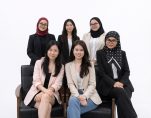
Petite Fleur KL Team
This strategic growth marks a significant milestone in the company’s long-term vision to establish itself as the leading florist in the Asia-Pacific region. By bringing its renowned craftsmanship, unique floral designs, and premium floral arrangements to customers in Kuala Lumpur, Petite Fleur is poised to deliver the same quality service that has made it a trusted name in Singapore and Indonesia.
Petite Fleur KL aims to captivate customers in Malaysia with its signature floral artistry, featuring luxury flower arrangements, preserved flowers, and balloon flower bouquets. Specially curated to suit local preferences, the collection combines an enchanting blend of tradition and contemporary elegance in Kuala Lumpur. This expansion reflects the brand’s mission to spread joy through flowers while strengthening its reputation as a leading online florist in Singapore and beyond.
Filling a Gap in the Market
Market research has highlighted a growing demand for premium, same-day flower delivery services in Kuala Lumpur. With this valuable insight, Petite Fleur KL is committed to providing fresh, handcrafted floral arrangements tailored to every occasion, from celebrations and anniversaries to heartfelt gestures. With a seamless online experience, the brand extends its hallmark reliability and quality—renowned in Singapore and Indonesia—to customers in Malaysia. By doing so, the brand sets a new standard for premium floral services in the region.
A Vision for the Future
Patricia, the visionary owner of Petite Fleur, sees this expansion as a pivotal step toward becoming the leading florist in Asia Pacific. “Our goal is to create everlasting memories with every bouquet we deliver,” Patricia shared. “With fresh flower gifts and bespoke floral arrangements, tapping into Malaysia’s market allows us to reach more customers while deepening our connection to diverse cultures and preferences.”
This expansion allows the brand to better serve its international corporate clients, who can now place orders with the same trusted florist in Indonesia, Singapore, and Malaysia. Employees also benefit from the company’s growth, gaining valuable experience by working with colleagues from diverse cultural backgrounds. This fosters an inclusive and dynamic workplace.
Although still in its early stages, Patricia is confident in the brand’s potential. She plans to expand into more markets within the next two years. This regional approach sets Petite Fleur apart from competitors focused on a single market, ensuring continued success across Southeast Asia. Hashtag: #petitefleurmy #petitefleurkl #floristkl #floristsg #flowerdeliverykl #flowerdeliverymalaysia
The issuer is solely responsible for the content of this announcement.
Petite Fleur KL
Petite Fleur is a trusted name in Singapore, known for its premium flower bouquets and fast, reliable same-day flower delivery services.
With a keen eye for detail and a deep passion for spreading love, Petite Fleur crafts unique floral arrangements that captivate and inspire, turning every occasion into a memorable moment.
The brand continues expanding its reach and now offers exceptional services across Singapore, Indonesia, and Malaysia. Discover more about their exquisite offerings at Petite Fleur now!
More than 30,000 Facebook accounts have been compromised in a large phishing operation that exploited trusted internet services to make fraudulent messages appear legitimate, sharpening concerns over how cybercriminals are turning mainstream cloud tools into delivery channels for account theft. Cybersecurity researchers have identified the campaign as AccountDumpling, a Vietnamese-linked operation aimed largely at Facebook Business users, page administrators and account operators. The attackers used Google […]
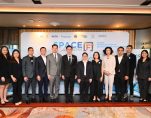
BANGKOK, THAILAND – Media OutReach Newswire – 1 May 2026 – Prof. Dr. Yodchanan Wongsawat, Deputy Prime Minister and Minister of Higher Education, Science, Research and Innovation (MHESI), led the National Innovation Agency (Public Organization) or NIA, along with Thai Union Group PCL, Mahidol University, and leading corporate partners including Thai Beverage PLC, Nestlé (Thai) Ltd., and new partner Foodland Ventures from Taiwan, to launch “SPACE-F Year 7”. This is Thailand’s first global foodtech startup incubator and accelerator program, continuing the success of solving food industry challenges through sustainable innovation.
SPACE-F Batch 7
Prof. Dr. Yodchanan spoke about elevating “SPACE-F Batch 7” to the policy level and building awareness, stating that MHESI aims to present food innovation products from the startups in this batch at the upcoming Cabinet meeting. This will allow the Prime Minister to taste them, raising awareness that FoodTech is the nation’s new future. The products will be presented to the Cabinet in the next two weeks.
Regarding the core concept of combining technology with “Thai taste,” Prof. Dr. Yodchanan emphasized that no matter how advanced the technology is, it must maintain the “Nice taste of Thailand.” He cited a “high-tech omelet” he previously tasted as an example, noting that there is still room for improvement to make it taste closer to an authentic Thai omelet so that the technology can truly win over consumers’ hearts.
The MHESI Minister continued that regarding food innovation under the Wellness Economy, this year focuses on using the Wellness Economy as a New Growth Engine. This is not limited strictly to food but includes AI, ICT, and software, aiming to push Thailand into a global Wellness Tourism Hub with support from the BOI in connecting investment opportunities.
Prof. Dr. Yodchanan further stated that regarding the use of biodiversity and quality ingredients (Biodiversity & GI), startups will be encouraged to utilize Thailand’s rich biodiversity and GI products as substitutes for imported raw materials. This will help reduce costs and create a unique identity.
“As for connecting the ‘Thinker’ with the ‘Doer,’ this program emphasizes linking startups with large industrial corporations and investors. This helps startups in the Accelerator group advance toward Series A or B funding, while helping the Incubator group learn business and pitching experiences from their seniors to cross the business ‘Death Valley.’ Furthermore, regarding food and nutrition security in the era of war: in the current global conditions facing wartime situations, Food Security and Nutrition Security are vital. This program is an opportunity for startups to create innovations that help solve problems for the whole world, with the government working closely with SPACE-F to create new services and products,” the MHESI Minister said.
However, “SPACE-F Batch 7” features 20 participating startups from 10 countries, focusing on the Proof of Concept (POC) strategy to ensure they can tangibly grow toward commercialization on an international scale.
Dr. Krithpaka Boonfueng, Executive Director of the National Innovation Agency (NIA), stated that NIA aims to strengthen the potential of startups and innovative entrepreneurs to overcome business crises and grow commercially in a tangible way. Over the past 6 years, the SPACE-F program has concretely reinforced its role as a regional food innovation hub by incubating and accelerating over 100 startups from 18 countries worldwide, generating a total funding value of over 5.1 billion THB. For the SPACE-F Year 7 program, it marks another major milestone of leapfrog growth, setting a new international record with an all-time high of 204 applicants, continuously increasing from 156 in Cohort 6 and 148 in Cohort 2, reflecting the confidence of global startups in the program’s potential. Concurrently, the program has significantly expanded its international reach, with applicants from 57 countries worldwide, up from 34 countries in the previous cohort, affirming that SPACE-F is a truly global platform connecting and driving world food innovation.
“The SPACE-F program is considered a vital mechanism in driving the development of a strong and comprehensive foodtech startup ecosystem by systematically connecting knowledge, technology, and the industrial sector together. Particularly, it provides opportunities for startups to co-develop and test real products (Proof of Concept: POC) with large corporate partners, as well as access expert networks and world-class infrastructure. This includes testing protein innovations focused on appearance, freshness, and taste with Thai Union; developing modern health and nutrition solutions with ThaiBev and Nestlé; utilizing deep-tech research laboratories from Mahidol University; and enhancing fundraising capabilities from Foodland Ventures, which plays a crucial role in reducing business risks and effectively increasing the chances of commercialization. For SPACE-F Year 7, it aims to elevate startup development through 2 main programs: the Incubator Program, which focuses on laying business foundations and developing prototypes into market-ready products, and the Accelerator Program, which focuses on accelerating business expansion through connections with strategic partners and investors. This covers 7 key areas of the food industry: 1) Personalized Nutrition, 2) Future Protein, 3) Circular Food Systems, 4) Smart Manufacturing, 5) Sustainable Production, 6) Food Safety, and 7) Novel Consumer Experience, to build high-potential startups capable of developing quality new products that directly meet market demands, ready to compete and grow sustainably on the global stage.”
Ms. Sirichit Jiraruangkiat, Senior Director – Group Innovation at Thai Union Group PCL, revealed, “As a co-founding partner of the SPACE-F program, Thai Union Group PCL continues to drive the development of Thailand’s foodtech startup ecosystem. We aim to support breakthrough growth by promoting the development and testing of innovations at the industrial level, particularly through the Proof of Concept (POC) process, to elevate the standards of future protein products to compete internationally. Thai Union prioritizes the application of modern food production and preservation technologies, covering everything from maintaining product quality and freshness and developing appealing appearances to sensory research to create textures and flavors that effectively meet the demands of global consumers. Simultaneously, the SPACE-F program remains committed to a ‘No Equity Taken’ approach, allowing startups to retain full ownership of their innovations, maintain business agility, and grow independently and sustainably in the long term.”
Assoc. Prof. Dr. Pasit Pakawatpanurut, Deputy Dean for Research and Innovation, Faculty of Science, Mahidol University, further added, “With expertise in food science, nutrition, biotechnology, and related fields, Mahidol University serves as an academic powerhouse and innovation infrastructure, providing startups with access to advanced laboratories, pilot plants, and modern research equipment. They also receive in-depth consultation from a team of expert researchers to successfully transition research into products that truly meet global market demands (Lab-to-Market). This collaboration is therefore a key mechanism in driving sustainable food innovation and enhancing Thailand’s competitiveness as a global foodtech hub. Mahidol University’s involvement in the SPACE-F program also plays a vital role in strengthening the country’s foodtech startup ecosystem in the long run.”
In addition, another key partner is Thai Beverage Public Company Limited, which places great importance on continuous research and development, believing it to be essential for startups. As a sponsor of the SPACE-F program, they are pleased to be part of an ecosystem that enhances the potential of foodtech startups and provides business and technological guidance to help startups discover solutions that truly meet the needs of the global food market.
Ms. Jenica Conde Cruz, Business Manager – Cereal Partners Worldwide & Incubator at Nestlé (Thai) Ltd., also stated, “Nestlé, a global leader in food and beverages, plays a vital role as a strategic partner of the SPACE-F program. We aim to elevate foodtech startups through the transfer of Research & Development (R&D) knowledge and product development experience under the ‘Good food, Good life’ concept. Nestlé also provides in-depth consultation to support the development of products that meet Nutrition, Health, and Wellness needs, while promoting the use of innovation to tackle global food industry challenges. In parallel, Nestlé also drives the development of innovations that align with sustainability goals by opening opportunities for startups to learn together with experts from our global research center network, in areas of food preservation technology, eco-friendly packaging, and responsible sourcing.”
Victor Chen, CEO of Foodland Ventures Co. closed with, “Foodland Ventures, a leading Venture Capital firm and Accelerator from Taiwan, has joined as a strategic partner in the SPACE-F program to push foodtech startups to expand their businesses into international markets. We aim to act as a bridge connecting innovation from Taiwan with food industry networks in Thailand and Southeast Asia. With expertise in key technologies such as Restaurant Automation, Alternative Protein, and Smart Supply Chain, Foodland Ventures is ready to support startups through access to the Taiwanese market and resources, providing investment and business strategy consultation, and connecting them with the industrial sector to test solutions in real-world environments. This collaboration marks a significant step in building a ‘FoodTech Corridor’ between Thailand and Taiwan to elevate startup potential and drive the food industry toward a sustainable global future.”
The “SPACE-F Year 7” program also introduced 20 startups from 10 countries worldwide: South Korea, Spain, Canada, USA/Argentina, Australia, Singapore, UK, Saudi Arabia, Taiwan, and Thailand, selected for this year’s program. All will have the opportunity to co-develop and test real innovations with leading industry partners, covering product development, industrial-level testing, and commercialization in the real market
Such collaboration is a key highlight of the program, providing startups the opportunity to test technology and innovations in real-world environments, reducing development limitations, and increasing the chances of creating business models that accurately meet market demands.
10 FoodTech Startups Joining the Accelerator Program
Terra Bioindustries Inc (Canada): Upcycles agricultural and food industry waste into high-value ingredients such as sugar, protein, and fiber for use in the food, biotech, and chemical industries.
Nucaps (Spain): Develops functional protein ingredients using microencapsulation technology to wrap active substances and probiotics, enhancing nutritional value, reducing costs, and improving taste to effectively promote consumer health.
BeNatureBioLab (South Korea): Develops functional ingredients using nano and microencapsulation technology from natural proteins to wrap active substances and probiotics, increasing the stability, absorption, and efficiency of substances in food, supplements, and health products.
Kinava (South Korea): Converts food waste into biofertilizer, biochar, and biogas within hours using HydroThermal Carbonization (HTC) technology, which reduces odor, energy use, and emissions.
ComexSoft (Spain): A near real-time market intelligence platform that collects and organizes retail data, matching similar products specifically developed for accurate decision-making.
PROTINOS (Thailand): High-protein noodles made from egg whites and soybeans containing complete essential amino acids, created using enzyme incubation techniques, serving as food to help care for and protect health.
SicPama (South Korea): A QR ordering and payment platform with a CRM system that links social media with actual service usage and repeat visits, helping restaurants measure returns and increase revenue.
Nourish Ingredients (Australia): High-performance animal-free fats created via precision fermentation to solve the taste and texture issues of plant-based alternative foods by mimicking the key fats found in meat and dairy products.
Kresko RNAtech (USA/Argentina): Nutrients from biological RNA found in natural foods, developed by AI and biotechnology to be more stable and better absorbed, for use in dietary supplements and health products.
Agrifreeze (Singapore): Develops freezing technology using Electromagnetic Fields (EMF) to control the formation of small ice crystals, reducing food damage and maintaining quality close to fresh products.
10 FoodTech Startups Joining the Incubator Program
Eatwellconcept (Thailand): An AI-powered personalized therapeutic diet platform for NCD patients, offering real-time nutritional guidance by dietitians to improve health and quality of life.
AmaranthLab (UK): Protein ingredients from amaranth for GLP-1 (Glucagon-Like Peptide-1) nutrition to control blood sugar levels and satiety, for use in various functional food products.
Openfarming (Saudi Arabia): An AI operating system for food distributors that converts orders from multiple channels into real-time data, enabling automated demand forecasting and dynamic inventory management without changing existing workflows.
Zuppar Reborn (Thailand): Biodegradable fruit and bakery stickers made from pineapple waste, replacing plastic labels with an alternative that can decompose into fertilizer.
VeriPura (Thailand/Singapore): An AI and Blockchain platform for automated document management and product traceability, making food exports to Europe easier and more compliant with regulations (EU).
YiXingYuan (Taiwan): A modular small-scale fruit processing factory (Factory-in-a-box) utilizing High Voltage Electric Field (HVEF) technology to process fruits directly at the source, preserving product quality while reducing energy use, costs, and spoilage.
JOLA (Thailand): Vitamin-infused jelly pet food that develops DIY treat products, such as jellies for dogs and cats, focusing on natural ingredients, good nutrition, and creating a shared experience between owners and pets.
UPLI (UK): A precision fermentation platform to create functional proteins with characteristics similar to human breast milk, used to increase nutritional value in food at an industrial scale.
Emerald Plast (Thailand): Biodegradable food materials and packaging made from starch and bioplastics to replace traditional plastics, reducing environmental impact and enhancing sustainability image.
Squizify (Thailand): A digital food safety platform integrating software and IoT devices to automatically track, monitor, and manage food business standards, complete with real-time data analysis.
A new botnet campaign is turning poorly secured Jenkins servers into attack nodes aimed at online game infrastructure, including Valve Source Engine servers used for titles such as Counter-Strike and Team Fortress 2. The activity shows how a single exposed continuous integration system can be repurposed to generate UDP, TCP and application-layer floods against multiplayer platforms. Cybersecurity researchers observed the activity on March 18, 2026, after a […]
Apple is turning restraint into a strategic advantage as rivals pour record sums into artificial intelligence infrastructure, betting that a narrower, device-centred approach can protect margins while keeping investors focused on earnings rather than data-centre bills. The iPhone maker’s latest quarterly performance has strengthened that argument. Apple reported March-quarter revenue of $111.2 billion, up 17 per cent from a year earlier, with diluted earnings per share rising […]
Wireshark has issued version 4.6.5 after a large batch of security flaws was identified across its packet dissection engine, protocol parsers and file-handling components, underscoring the risk faced by administrators and security teams using the tool to inspect untrusted network traffic. The release fixes more than 40 vulnerabilities, including several flaws that may allow arbitrary code execution when malformed packets, crafted trace files or malicious configuration profiles […]
MCP’s rapid rise as the preferred bridge between AI assistants and external tools is running into a harder test inside production software teams: whether convenience justifies the security, reliability and governance risks now surfacing around the protocol. Model Context Protocol, introduced by Anthropic in November 2024 and later moved into broader open governance under the Linux Foundation’s Agentic AI Foundation, was designed to solve a real engineering […]
A malicious npm dependency slipped into an AI-assisted crypto trading project has exposed how automated coding tools can be manipulated into importing software that steals credentials, wallet data and source code. The campaign, named PromptMink by security researchers, centres on the npm package @validate-sdk/v2, which presents itself as a utility for hashing, validation, encoding, decoding and random generation. Its actual function is to harvest secrets from infected […]
Cyber literacy has become the leading global people risk as employers confront ransomware, AI-enabled fraud, technology skills gaps and fragile workforce readiness, Marsh’s 2026 People Risks survey has found. The report, based on views from 4,517 human resources and risk professionals across 26 markets and 12 industries, places inadequate cyber threat literacy at the top of the global risk list. Technology skills shortages, including cyber and artificial […]
SINGAPORE – Media OutReach Newswire – 30 April 2026 – AI for Global Civilization: China-Singapore Dialogue was held in Singapore on April 28. The event gathered around 100 participants, including experts, scholars, and representatives from Chinese and Singaporean academic institutions, cultural organizations, as well as technology and cultural enterprises. Participants engaged in in-depth discussions on China-Singapore digital industry cooperation and how digital and intelligent technologies empower inter-civilizational mutual learning. They also jointly showcased innovative achievements and frontier practices of both sides in the integrated field of culture and technology.
Event Highlights
Opening remarks were delivered by Yuan Lin, Executive Assistant to the President of the Academy of Contemporary China and World Studies, and Wang Donghai, Associate Director of NUS Enterprise. Keynote speeches were delivered by Cai Yiyu, Professor at Nanyang Technological University; Director of the Computer-Aided Engineering Labs and The Strategic Research Program on Virtual Reality; Co-President of Association of Global Technomics Education and Exchange; Cui Kai, Director of the Digital Culture Promotion Department, Center for International Cultural Communication, China International Communications Group (CICG); and Yang Jianwei, Visiting Professor at the National University of Singapore.
Yuan Lin stated that the rapid development of artificial intelligence technology has injected new momentum into China-Singapore cultural exchanges. He stressed the importance of innovating cultural expression forms empowered by digital intelligence, upholding a correct value orientation in technological application, deepening people-to-people exchanges enabled by smart technologies, and actively exploring the profound value of intelligent technologies in advancing cross-cultural understanding.
Wang Donghai pointed out that it is essential to prioritize the integration of technological applications with social needs. Leveraging cutting-edge technologies such as artificial intelligence to build bridges for civilizational exchange helps enhance cross-cultural understanding, enabling technology to better serve humanity and drive social progress.
Cai Yiyu noted that Singapore is forging ahead in cutting-edge fields including semiconductors, aerospace and artificial intelligence, opening up broad prospects for bilateral cooperation between China and Singapore. He emphasized that digital and intelligent technologies can be harnessed to revitalize and inherit traditional culture via youthful, trendy formats, thereby further deepening scientific, technological and people-to-people exchanges between the two countries.
Cui Kai stated that intelligent imaging technology is profoundly reshaping the logic of cross-cultural narrative. Digital content creation is not merely about keeping pace with technological advancement; more importantly, it should take emotional resonance as the bond to break down cultural barriers, foster in-depth empathy, mutual learning and appreciation among global civilizations, and enable more outstanding civilizational achievements to be seen, understood and respected worldwide.
Yang Jianwei noted that artificial intelligence is becoming an important vehicle for inter-civilizational mutual learning, while cultural differences remain a core obstacle to cross-cultural communication. He advocated for the innovative and rational use of artificial intelligence in the future to eliminate prejudices and enhance civilizational understanding through technological power.
In the Case Sharing Session, guest speakers included Lisa Meng, Head of Singapore of Tencent Cloud International; Koh Chin Yee, Managing Director of Singapore Eye; Bai Yu, Director and Partner of LAiPIC; Hu Chengchen, Founder & CEO of ClariPpi (Singapore); Jane Zhao, SVP and Head of Global Business at Mininglamp Technology; and Jerry Tuo, AI Technology Director of Red Fun Planet. They delivered insightful presentations on the application prospects of artificial intelligence in content production as well as inter-civilizational mutual learning and exchange.
The participating guests agreed that artificial intelligence has brought revolutionary changes to the intelligent production, targeted communication and immersive presentation of cultural content. China and Singapore boast strong complementarity in digital infrastructure and cultural resources. Going forward, the two sides may deepen cooperation in joint research and development and scenario-based application, develop benchmark cultural-technology products and integrated solutions tailored for Southeast Asia, and jointly advance the high-quality development of the digital cultural industry.
This event was jointly hosted by the Academy of Contemporary China and World Studies and the Center for International Cultural Communication,CICG, with Nanyang Technological University and other cultural and business exchange institutions participating as supporting partners.
Hashtag: #ACCWS
The issuer is solely responsible for the content of this announcement.
By Nitya Chakraborty Just two weeks before the scheduled summit of U.S President Donald Trump with the Chinese President Xi Jinping in Beijing on May 14-15, the report of the World Intellectual Property Organisation (WIPO) on the status of AI related applications, has unnerved the U.S. administration as the latest Chinese supremacy in robot related […]
Having led 100+ Hong Kong tech firms to SE Asia over the past year, accelerating global expansion through strategic collaboration
HONG KONG SAR – Media OutReach Newswire – 30 April 2026 – Hong Kong Science and Technology Parks Corporation continues to deepen its innovation and technology (I&T) collaboration with Southeast Asia, actively playing an orchestrating role in supporting Hong Kong’s tech firms go global. HKSTP debuted as an official exhibitor at Southeast Asia’s largest public safety conference, Milipol TechX Summit 2026 (MTX 2026). Under the theme “Supercharging Innovation for Our Safer Tomorrow”, MTX 2026 is a strategic platform to advance business opportunities through government-backed collaboration. HKSTP showcased 10 park companies presenting breakthrough public safety solutions and signed a Memorandum of Understanding (MoU) with Singapore’s TechX Ventures (TechX, a private subsidiary by the HTX – Home Team Science and Technology Agency of Singapore) — HKSTP’s first MoU signed with an organization in Southeast Asia — establishing a structured framework to advance cross-border innovation partnerships focused on practical applications in public safety.
HKSTP debuted as an official exhibitor at Southeast Asia’s largest public safety conference, Milipol TechX Summit 2026 (MTX 2026). Eric Or, Chief Ecosystem Development Officer and Gladys Oon, Director of Partnerships and Account Management of HKSTP, officiated the opening of HKSTP Pavilion.
Singapore and Hong Kong share a substantive relationship, grounded in regular high-level engagement. These include the Prime Minister of Singapore’s official visit to Hong Kong last month, during which he met with the Chief Executive of the Hong Kong Special Administrative Region and visited the Hong Kong Park of the Hetao Shenzhen-Hong Kong Science and Technology Innovation Co-operation Zone (the Hong Kong Park in the Loop). The I&T connection also features HKSTP-led delegations to Singapore platforms such as Singapore Week of Innovation and Technology (SWITCH) and SLINGSHOT 2025, etc. Over the past year, more than 100 HKSTP park companies explored Southeast Asian opportunities, securing over HK$25 million in confirmed business deals with additional potential contracts exceeding HK$20 million directly supported by HKSTP.
Eric Or, Chief Ecosystem Development Officer, HKSTP, said, “At HKSTP, we enable innovators to solve real public safety challenges where trust and demonstrated results matter most. Collaborating with TechX and Singapore’s Public Safety ecosystem gives ventures faster access to decision-makers, enables solution testing in operational environments, and supports scaling validated technologies across Asia.”
Eric Chua, Chief Executive Officer, TechX Ventures said: “SPINN District was designed to be more than a startup village — it is a proving ground where bold founders showcase innovations that matter. Seeing HKSTP’s park companies engage meaningfully with the global public safety ecosystem at MTX 2026 reflects exactly the kind of cross-border momentum we built this platform for. This MoU marks the beginning of something lasting: a structured pipeline that turns innovation into operational impact, as we work together to build a safer world.”
The collaboration between HKSTP and TechX is aimed to establish a comprehensive framework to identify, co-create, and validate operational public safety solutions. Under the partnership, HKSTP and its counterparts will move from identified needs to real deployment through annual solution scouting visits to Hong Kong Science Park, funding of around HK$600,000 (S$100,000) per company for proof-of-concept trials with Singapore Public Safety experts, and an ongoing exchange of challenges and insights. This demand-led model accelerates problem-solution fit and reinforces HKSTP’s leadership in regional safety technology collaboration.
The HKSTP Pavilion, themed “Hong Kong’s Technology for Public Safety and Security — Global Application and Global Impact,” featured 10 park companies showcasing solutions proven in deployments across Hong Kong enforcement departments, the Greater Bay Area, and Singapore-related projects. Cutting-edge public safety technologies were showcased across AI-Driven & Robotics, Network & Communications Infrastructure, and Drones, Unmanned Aerial Vehicle (UAV) & Low-altitude Economy (LAE). MTX is the largest public safety conference in Southeast Asia, the HKSTP pavilion is strategically positioned within the startup-centric SPINN District, effectively facilitated targeted engagements, secured curated matching opportunities with Singapore government agencies for each participating company, and advanced pilot projects and partnerships.
Park companies eSIX and Weitu AI participated in the signature global innovation challenge Dimension X Cohort 6 and the inaugural cohort of the In-Beta tech verification capability programme organized by Hatch, the innovation centre of Singapore’s HTX, achieving significant success. These companies were the only Hong Kong representatives selected for the programmes, underscoring the global competitiveness and real-world impact of Hong Kong’s innovation ecosystem. eSIX, which delivers patented high-speed networking for Industrial IoT and 5G-enabled remote machine control, was awarded a place at Dimension X. The company received S$100,000 in prize money to complete a four-month proof-of-concept and was invited to showcase its solutions. Weitu AI, which provides world-leading multimodal video understanding for fast, accurate analysis across industries was awarded a place at In-Beta, received S$30,000 in prize money with opportunities to verify their promising tech through rapid experimentation and onsite demo.
Building on existing engagement across the region, HKSTP will continue to strengthen collaboration with regional partners, expand support for park companies, and promote technology‑driven solutions that enhance safety and resilience. The initiative reflects HKSTP’s ongoing commitment to fostering sustained innovation and regional cooperation.
Hashtag: #HKSTP
The issuer is solely responsible for the content of this announcement.
About Hong Kong Science and Technology Parks Corporation
Hong Kong Science and Technology Parks Corporation (HKSTP), established in 2001, has built a thriving innovation and technology (I&T) ecosystem in Hong Kong, supporting 12 unicorns, nurturing over 17,000 research talents, and hosting more than 2,500 technology companies from 26 countries and regions specializing in biomedicine, AI and robotics, fintech, and smart city development. HKSTP is dedicated to positioning Hong Kong as an international I&T hub.
To align with Hong Kong’s future development, HKSTP is committed to attracting and cultivating I&T talent, accelerating the commercialization of innovative outcomes, and providing comprehensive support for technology companies and professionals on their innovation journey. Its vibrant I&T ecosystem continues to grow, encompassing Hong Kong Science Park in Pak Shek Kok, InnoCentre in Kowloon Tong, and three InnoParks in Tai Po, Yuen Long, and Tseung Kwan O. These facilities drive advancements in applied technology, focusing on industries such as advanced manufacturing, micro- electronics, and biotechnology, steering Hong Kong toward new industrialization.
Hong Kong Science Park Shenzhen Branch, located in Futian, Shenzhen, leverages the strategic advantage of “support of the Motherland, connecting to the world.” It serves as a bridge for “bringing in and going global,” actively fostering cross-border I&T collaboration. The Shenzhen Branch supports global technology companies and professionals by providing research and collaboration spaces, with a focus on enterprises in seven key sectors: Medtech, big data and AI, robotics, new materials, microelectronics, fintech, and sustainable development.
HKSTP is dedicated to advancing Hong Kong’s I&T development by providing research infrastructure, startup and enterprise support services, professional investment and business expertise, fostering partnership networks, and attracting top talent. These efforts drive innovation as a new engine for economic growth for Hong Kong.
More information about HKSTP is available at www.hkstp.org.
About TechX Ventures
TechX Ventures is a wholly owned subsidiary of Singapore’s Home Team Science & Technology Agency (HTX) that operates at the intersection of government mandate and entrepreneurial drive. TechX serves as the engine behind a thriving innovation ecosystem where cutting-edge science and technology are put to work protecting people.
At the heart of it, TechX is established to connect global innovators and partners in advancing public safety innovation. Guided by our Safer World philosophy — the belief that progress means nothing if it doesn’t safeguard public safety — TechX approaches safety not as a sector, but as a shared mission. This conviction shapes every partnership forged, every programme designed, and every measure of success. Safety, at TechX, is our purpose.
TechX delivers its mission through two core areas of expertise: to build and to connect. TechX designs and develops innovation initiatives and programmes alongside partners from across the globe, including flagship platforms such as HTX’s Innovation Centre, Hatch — a structured innovation centre that gives frontier deep-tech a clear pathway to validate and deploy solutions for real public safety challenges. TechX also bridges industry, startups, and government agencies into a global network, producing landmark events such as Millipol TechX, and bringing international communities like DEF CON® to Singapore for the first time.
With active partnerships spanning over 30 ecosystems globally — from Hong Kong to South Korea, and the United States, TechX sits at the heart of a growing worldwide alliance united by one ambition: Bringing Together a Safer World.
A hardcoded API key embedded in ClickUp’s public website exposed 959 corporate and government email addresses and more than 3,000 internal feature flags for over a year, intensifying scrutiny of security controls at widely used software-as-a-service platforms. The exposure was tied to a production JavaScript bundle that loaded before authentication, allowing anyone inspecting the page source to extract a third-party SDK token and send an unauthenticated request […]
Vect 2.0 has emerged as a fast-evolving ransomware-as-a-service operation capable of striking Windows, Linux and VMware ESXi systems, raising concern among security teams responsible for hybrid corporate networks and virtualised infrastructure. The group’s latest tooling marks a shift from single-platform extortion campaigns towards attacks designed to spread across workstations, servers and hypervisors. That matters because ESXi environments often host multiple virtual machines on a single physical server, […]
Business-to-business marketing teams are entering 2026 with a sharper problem than ranking on search results pages: how to make their brands visible inside AI-generated answers that buyers increasingly use before visiting a supplier’s website. Mark Lydon, senior content marketing manager, has framed the shift as a move from search engine optimisation to answer engine optimisation, reflecting a wider change in how procurement teams, technology buyers and enterprise […]
Google has withdrawn from a $100 million US Department of Defense contest to build voice-controlled technology for autonomous drone swarms, stepping away after its proposal had advanced in the competition and reopening questions over how far major AI companies are willing to go in military work. The company notified the government on 11 February 2026 that it would not continue in the challenge, only weeks after submitting […]
Security researchers have identified a 2005-era malware framework that appears to have targeted high-precision engineering software, raising new questions about covert attempts to disrupt Iran’s nuclear programme before Stuxnet became the defining case of cyber sabotage. The malware, tracked as Fast16, was analysed by SentinelOne researchers Vitaly Kamluk and Juan Andrés Guerrero-Saade, who found that its core components pre-date the earliest known Stuxnet operations by at least […]
Annual Linkflow Capital research finds SME credit conditions thawed modestly in 2025, with SME borrowing rate declining to an average of 8.18% from a high of 8.47% the preceding year. Bank disbursement times stretched to 33 days on average, against just 7 days for non-bank funders, reshaping where SMEs source credit.
SINGAPORE – Media Outreach Newswire – 29 April 2026 – Singapore’s SMEs experienced their first easing in borrowing costs in three years, with average unsecured lending rates falling to 8.18% per annum in 2025 from a multi-year high of 8.47% in 2024, according to Linkflow Capital’s latest SME Financing Accessibility Survey. Larger loan approvals above $500,000, which had disappeared entirely in 2024, also returned to form 5% of approvals in 2025.
The recovery, however, was uneven. Bank loan processing times stretched to 33 days on average, up from 22 days in 2024, while non-bank funders disbursed approved cases in just 7 days. The widening gap reshaped lender competition through the year.
Key findings from the 2025 survey:
Borrowing costs eased modestly: Average SME loan interest rate fell 29 basis points to 8.18% per annum but remain stubbornly high against the backdrop of a significant decline in benchmark 3-month SORA rate throughout 2025.
Larger loans returned: Approvals above $500K returned to 5% of approved loan dollar volume in 2025 after disappearing entirely in 2024. Loans in the $300K–$500K bracket also expanded from 3% to 7%.
Loan approval rate recovered to 74%, up from 70% in 2024 (a 5-year low).
Foreign banks extended their market share of loan origination within our platform: Foreign lenders grew their share of approved loan dollar volume to 38% in 2025, up from 26% in 2024 and 19% in 2023, while local banks fell to 46% (from 59%). Digital banks recovered modestly to 11% (from 8%).
Credit-related rejections nearly tripled: Among unsuccessful applicants, those rejected due to adverse personal credit records jumped from 3% in 2024 to 11% in 2025, signalling rising personal credit stress among SME owners.
“2025 was the year SME credit conditions began to thaw after the 2024 squeeze, but the recovery was uneven,” said Benjamin Teo, spokesperson for Linkflow Capital. “Banks gradually reopened to larger loans, yet took meaningfully longer to process applications. Some SMEs facing immediate cash flow pressure turned to non-bank funders for speed, even at higher costs.”
A new and more severe headwind for 2026
Linkflow Capital flagged the Middle East conflict which began in February 2026 as the most consequential macroeconomic event facing Singapore SMEs in the year ahead. The conflict has elevated freight, energy and shipping costs through Iran’s intermittent disruption of the Strait of Hormuz.
“Singapore SMEs entered 2026 facing a potential macro shock with the Middle East conflict,” Teo said. “The inflationary price pressures feed directly into SME operating costs through fuel, freight, and energy. We expect credit conditions to re-tighten, and the modest 2025 thaw could partially reverse if the conflict escalates.”
The issuer is solely responsible for the content of this announcement.
Linkflow Capital
Founded in 2012, Linkflow Capital is a leading SME loan consultancy in Singapore. Through its loan comparison portal and advisory services, Linkflow Capital assists SMEs in navigating the financing landscape and securing funding solutions from an extensive network of banks and financial institutions.
Hugging Face’s LeRobot robotics framework is facing scrutiny after disclosure of a critical remote code execution vulnerability that could allow unauthenticated attackers to run arbitrary commands on affected systems through exposed inference services. The flaw, tracked as CVE-2026-25874, affects LeRobot versions up to 0.5.1 and carries a critical CVSS 4.0 score of 9.3. The issue centres on unsafe deserialisation in the framework’s asynchronous inference pipeline, where Python’s […]
HONG KONG SAR – Media OutReach Newswire – 28 April 2026 – Phancy Group Co., Ltd. (Stock Code: 6682.HK), a leading Artificial General Intelligence (AGI) company, today announced the launch of PhanthyModel, a powerful new AI tool built specifically for scientists, engineers, and developers.
By enabling AI to train and refine models, PhanthyModel tackles one of the biggest pain points in complex modeling: the long hours and heavy reliance on expert experience. The launch marks a significant step forward in the Company’s push toward “AI autonomous evolution.”
In research and industrial settings, modeling is a critical step for predicting outcomes, simulating experiments, and analyzing data. Traditionally, building a model often takes experts five to six hours or more to complete a single project. With PhanthyModel’s end‑to‑end automation, the same work can now be completed in about 10 minutes.
This innovation represents a fundamental shift in how AI works: moving from a passive assistant to an active collaborator that continuously learns and improves through real-world use. For organizations in scientific research, engineering, manufacturing, and data analysis, PhanthyModel significantly lowers the barriers to advanced modeling, accelerates experimentation and R&D cycles, and helps turn innovative ideas into reality much faster.
Hashtag: #Phancygroup
The issuer is solely responsible for the content of this announcement.
About Phancy Group
Phancy Group (6682.HK) is a leading full-stack AI cloud services platform, providing comprehensive solutions for the AI 2.0 era. Its offerings include SageAIOS, HAMi vGPU, and ModelHub XC, delivering efficient and scalable AI infrastructure with end-to-end capabilities. The Company provides a complete solution from heterogeneous compute resource management and optimization to the deployment of intelligent agent models. These solutions empower digital transformation across a wide range of industries, supporting the Company’s vision of building a large-scale and efficient “Token Factory.”
Guided by the mission of “AI for Everyone” and positioned as the “Navigator of AI,” Phancy Group is committed to becoming a global leader in general-purpose artificial intelligence.
Agentic Mobile Protocol (AMP) is the world’s first agentic payment framework designed for mobile interfaces, including digital wallets, super apps, and wearable devices.
Fully open-sourced, the protocol enables LLMs, platforms and merchants’ seamless agentic connection to 4.4 billion digital wallet users worldwide through simple and secure integration.
KUALA LUMPUR, MALAYSIA – Media OutReach Newswire – 28 April 2026 – Ant International is introducing the Agentic Mobile Protocol (AMP) for the agentic commerce industry to enable secure, AIOps-native agentic payment connection to mobile services including digital wallets, banking apps, super apps, and mobile portals from phones to wearable devices.
Ant International launches Agentic Mobile Protocol (AMP), the world’s first agentic payment framework designed for mobile interfaces, including digital wallets, super apps, and wearable devices.
“We are deeply grateful for partners, acquirers and developers who contributed to this project. An agentic protocol for mobile commerce that ensures superior efficiency and security results will be key for businesses large and small expanding into the world’s fastest growing markets. We look forward to expanding our multi-layered partnerships to enable real-world successes of AI commerce,” said Jiang-Ming Yang, Chief Innovation Officer, Ant International.
Wallets and mobile payment key driver for agentic commerce
The global agentic commerce market could reach around USD 28 billion by 2030 with a 46% CAGR as the industry fast-forwards from pilot AI agent programs to full-scale autonomous transaction systems[1]. The number of global digital wallet users reached 4.4 billion in 2025, and is expected to exceed 6 billion – over 75% of the global population – by 2030[2].
While the new payment rails are positioned to become a primary interface for AI commerce, current AI payments protocols are designed largely for card rails. Merchants and digital wallets need to be able to offer smooth payment experience, authenticate trusted agents and verify credentials without disruption, as well as seamlessly handle post-checkout settlement and transaction management tasks in a mobile- and AI-native environment.
With the Agentic Mobile Protocol, merchants – LLMs, AI platforms, merchants with self-developed agents, and agent builders – and digital wallets can embed agentic payment functionality directly into their workflows, eliminating the need for system overhauls.
Ant International has open-sourced the AMP to help establish a universal, auditable standard to ensure that AI agents can transact securely and seamlessly across any global platform.
The AMP framework features:
A superior agentic checkout experience through:
Faster agent integration: reducing the number of steps required to link a payment agent to a digital wallet by 50% compared to traditional card-binding methods.
Money-back guarantee: every agent-initiated transaction is backed by a money-back guarantee mechanism for payment partners in cases of account takeovers.
Cross-device compatibility: payment agents can work on mobile interfaces across smartphones, smartwatches, AR glasses and in-car systems, a capability absent in card-based systems.
A more efficient and secure trust architecture for agent delegation to ensure secure and precise delegation of payment authority to AI agents — whether it is ordering coffee, booking a ride, or planning a trip – with full visibility and the ability to revoke or modify tasks at any time.
A high-frequency agent-to-agent (A2A) settlement mechanism enables automated, ultra-small transactions between AI agents. It’s capable of handling nano-transactions as small as $0.000001 between agents with real-time accounting and clearing. A2A settlement is crucial to agentic economy, which requires the capacity to process high-frequency, sub-cent agent transactions that traditional payment rails cannot support.
A full-spectrum Know Your Agent (KYA) framework establishes an agent’s digital identity and certifies its authorised capabilities. The proprietary Agent Trust Rating mechanism offers an additional layer of protection, a dynamic risk-management tool that determines whether an agent is trustworthy and controls the level of autonomy.
A 40 member-strong wallet ecosystem in cross-sector coordination
Ant International is working with wallet partners of Alipay+, the company’s global wallet gateway, to implement the AMP. Alipay+ now connects over 40 digital wallet partners, covering 1.8 billion user accounts and 150 million merchants globally.
Building on this payment partnership network that spans wallets, acquirers, super apps and cards, Ant International is among the first partners of Mastercard and Visa to pilot card-based transaction capabilities for AI agents, while collaborating with Google on its protocols for agentic commerce and payments.
The issuer is solely responsible for the content of this announcement.
About Ant International
Ant International is a leading global digital payment, digitisation and financial technology provider. Through collaboration across the private and public sectors, our unified techfin platform supports financial institutions and merchants of all sizes to achieve inclusive growth through a comprehensive range of cutting-edge digital payment and financial services solutions. To learn more, please visit https://www.ant-intl.com/
Abu Dhabi Investment Authority has taken part in a capital raise by TeraHop, a Singapore- and Thailand-based supplier of high-speed optical transceivers used in data centres, strengthening its exposure to one of the most critical layers of artificial intelligence infrastructure. The investment was made through a wholly owned ADIA subsidiary. The value of the Abu Dhabi investor’s participation was not disclosed. TeraHop, a subsidiary of Zhongji Innolight, […]
SINGAPORE – Media OutReach Newswire – 28 April 2026 – Each year, thousands of Singaporean men complete their National Service (NS) and transition into higher education, typically after a gap of up to two years from formal academic study. The transition back to academic life presents adjustment challenges. After two years in a highly structured and regimented environment, many returning students must readjust to self-directed learning, academic rigour, and independent time management.
A research paper done by higher education academia indicates transition, particularly after a break from formal education, can influence students’ academic performance, particularly as they rebuild study habits and self-directed learning.
A National Transition with Growing Relevance
As Singapore continues to emphasise lifelong learning and workforce readiness, the NS-to-university transition is increasingly viewed as a critical phase in the education journey. National policies allow some flexibility, such as disruption schemes that enable eligible servicemen to begin university alongside their academic cohort. However, most students still enter university after completing NS, requiring them to re-engage with academic learning after a prolonged hiatus. This has prompted educators to call for stronger institutional support to help students bridge the gap effectively.
Recognising the challenges faced by students transitioning from National Service back into academic life, the Singapore Institute of Management (SIM) provides a range of structured academic and student support services to facilitate reintegration. Through refresher workshop and learning support initiatives, students are introduced to university expectations, including academic writing, study strategies, and independent learning skills.
The SIM Student Learning Centre provides academic support and enriching learning experiences for all students. It is staffed by a dedicated team of senior students with strong proficiency in academic writing, who regularly conduct workshops on study skills and university life, sharing practical insights with their juniors. In addition, the Peer‑Assisted Learning (PAL) Programme, established in 2013, continues to run today. Under this programme, high‑performing students are trained as subject leaders to facilitate group learning sessions, supporting collaborative learning and helping participants improve their academic performance.
In addition, SIM provides holistic student support through its Student Wellness Centre and Student Care services, which offer counselling, stress management programmes, and peer support initiatives to help students adjust to academic and personal challenges. These services are designed to support students in managing the transition to university life and maintaining overall well-being.
Complementing its academic and personal support structures, SIM promotes a vibrant campus culture through student communities and peer networks that strengthen social integration and contribute to student resilience and success. The institution further supports employability by providing facilities and career-related resources that help students build connections and prepare for the workforce.
Together, these initiatives form a comprehensive support ecosystem that helps students returning from NS rebuild academic confidence, adapt to self-directed learning, and progress successfully in their higher education journey.
Preparing Students for Academic and Career Readiness
The transition from NS to university involves not only academic adjustment but also broader behavioural and social adaptation. By combining structured support, flexible learning pathways and applied education, SIM aims to support students in rebuilding academic confidence and sustaining long-term learning success. As Singapore continues to strengthen its education to employment pathways, supporting students through key transition phases such as NS to higher education will remain an important focus for institutions and policymakers alike.
Richardson, M., Abraham, C., & Bond, R. (2012). Psychological correlates of university students’ academic performance: A systematic review. Psychological Bulletin. – https://psycnet.apa.org/doi/10.1037/a0026838
The issuer is solely responsible for the content of this announcement.
About SIM Global Education
SIM Global Education (SIM GE) is a leading private education institution in Singapore and the region. We offer more than 140 academic programmes ranging from diplomas and graduate diploma programmes to bachelor’s and master’s degree programmes with some of the world’s most reputable universities from Australia, Canada, Europe, United Kingdom, and the United States. SIM GE’s cohort is made up of 17,000 full- and part-time students and adult learners, of which approximately 41% are international students hailing from over 50 countries.
SIM GE’s holistic learning approach and culturally diverse learning environment aim to equip students with knowledge, industry skills and employability competencies, as well as a global perspective to succeed as future leaders in a fast-changing, technologically driven world.
For more information on SIM Global Education, visit www.sim.edu.sg
OpenClaw has issued security updates for three vulnerabilities in its autonomous AI agent framework, warning administrators that older npm package versions could expose systems to policy bypasses, unauthorised configuration changes and API credential leakage. The flaws affect versions released before 2026.4.20, with one issue limited to versions between 2026.4.5 and 2026.4.20. The patched version tightens how the framework handles trusted operator settings, bundled tools and workspace environment […]



 https://petitefleurmy.com/
 https://www.facebook.com/p/Petite-Fleur-Kuala-Lumpur-61569399891773/
 https://www.instagram.com/petitefleur_kl/











 https://sg.linkedin.com/company/linkflow-capital-pte-ltd