Britain’s Chancellor John Healey has ruled out extending the planned mansion tax to homes worth £1.5 million, preserving the £2 million threshold despite mounting pressure to raise revenue ahead of this month’s Budget. The decision follows concerns among Labour MPs that widening the levy would capture substantially more households in expensive neighbourhoods, particularly London, and intensify opposition to a tax intended to target the wealthiest property owners. […]
Thyssenkrupp Automotive Technology has inaugurated an engineering centre in Pune, expanding its international research network for vehicle software, electronic systems and advanced chassis technology.
The German automotive supplier said the facility, formally inaugurated on 8 October, already employs more than 120 engineers and is expected to increase its workforce to more than 300 over the coming years. It did not specify a deadline for reaching that target or disclose the investment involved.
Engineers at the Pune centre are working on software, hardware, systems engineering and mechanical development for customers internationally. Their responsibilities include embedded software, functional safety, cybersecurity and technologies associated with the next generation of steering and chassis systems.
The operation will collaborate with Thyssenkrupp’s development teams in other countries throughout product development, rather than concentrating exclusively on projects for the domestic vehicle market. The company described the facility as an integrated part of its global research and development organisation.
Viktor Molnar, chief operating officer of Thyssenkrupp Automotive Technology, said software, electronics and collaboration between engineering teams across countries were becoming increasingly important to the automotive industry. The Pune operation would provide additional development capacity for customers worldwide, he said.
The expansion reflects changes in vehicle engineering as software increasingly controls functions previously handled primarily through mechanical components. Steering and chassis systems now require developers to coordinate electronic hardware, embedded code and physical components while meeting stringent safety and security requirements.
Functional safety work concerns the identification and control of hazards arising from failures in electrical and electronic systems. Cybersecurity engineering addresses vulnerabilities that could expose connected vehicle functions to interference or unauthorised access. Both are integral to the development of more digitally controlled automotive systems.
The Pune engineers will contribute to customer programmes at different stages of development, including systems design and integration. Thyssenkrupp has not identified individual vehicle manufacturers whose programmes will be handled at the new location, nor has it disclosed specific contracts associated with the expansion.
Björn Erbe, a senior research and development executive in Thyssenkrupp Automotive Technology’s chassis business, said the intention was to establish a significant engineering operation integrated with the group’s international teams. Combining expertise based in Pune with the company’s existing technical resources would enable it to expand development activities, he said.
The centre is situated at Solitaire Business Hub 2 in Pune’s Baner-Balewadi business district. The company identified the city’s established automotive manufacturing sector, universities, engineering businesses and availability of software specialists as factors behind its choice of location.
Recruitment is expected to concentrate initially on software, hardware and mechanical engineering, with specialist capabilities added according to technical needs and customer demand. The company has also indicated that it sees opportunities to work with universities and the wider engineering community in Pune.
The company’s move also places engineering functions and prospective customer engagement in the same city, although it has not yet publicly said whether the new sales organisation will operate from the engineering premises. The plans for sourcing and sales are separate from the confirmed staffing figures for the development centre.
The engineering investment forms part of a broader plan to expand Thyssenkrupp Automotive Technology’s activities in India. The company is strengthening its sourcing operations and establishing a sales team in Pune to build relationships with vehicle manufacturers and pursue business locally.
Manufacturing is not included in the newly inaugurated engineering centre. Thyssenkrupp said it envisages establishing production capabilities in India only if it secures suitable customer projects. No factory location, investment commitment or production timetable has been announced.
The distinction means the confirmed expansion concerns engineering capacity, while local manufacturing remains conditional on commercial demand. The company has similarly not given a precise timetable for the next phase of staffing at the Pune development site.
Plans for the facility were first announced in 2025, and engineering operations were progressively established before the formal opening. The inauguration therefore marks an expansion of an existing development team rather than the beginning of work at an entirely unstaffed location.
Thyssenkrupp’s steering business also announced a partnership with L&T Technology Services in June 2025 for a Pune software development hub dedicated to safety-critical steering applications. That agreement provided for L&T Technology Services to establish and manage the hub on the steering business’s behalf. The latest inauguration announcement did not specify whether the two Pune operations share facilities or personnel.
Ransomware operators Qilin and Settra are exploiting a five-month-old vulnerability in Palo Alto Networks’ remote-access software to penetrate corporate networks, cybersecurity company ReliaQuest warned on 9 October. The activity targets CVE-2026-0257, an authentication bypass flaw affecting certain configurations of GlobalProtect, the virtual private network service used by organisations to give employees access to internal systems. Palo Alto Networks issued fixes on 13 May, but attacks against unprotected […]
China’s rapidly expanding hybrid vehicle exports to the European Union face new restrictions following a trade understanding between Beijing and Brussels, potentially disrupting a market worth $7.5 billion in the first six months of 2026. Chinese customs figures show shipments to the EU’s 27 member states tripled from $2.5 billion during the corresponding period last year. The half-year total was nearly nine times the $845 million recorded […]
Ledger is investigating suspected cryptocurrency thefts involving wallets sold through Southeast Asian reseller CryptoBilis, as blockchain investigators raise their estimated losses beyond $86 million. The hardware wallet manufacturer has asked CryptoBilis to suspend sales and shipments while it examines complaints from customers whose digital assets disappeared. Ledger has not confirmed the total stolen, established how many people were affected or identified the cause of the reported losses. […]
Debut of ASEAN and Qinghai Pavilions alongside four key themes spanning energy, technology, green cities and waste management
ECO Expo Asia 2026 – Connecting the World for a Sustainable Future
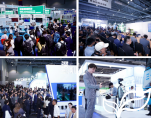
HONG KONG SAR – Media OutReach Newswire – 12 October 2026 – Eco Expo Asia 2026, jointly organised by the Hong Kong Trade Development Council (HKTDC) and Messe Frankfurt (HK) Ltd, co-organised by the Environment and Ecology Bureau of the Government of the Hong Kong Special Administrative Region (HKSAR), will be held from 26 to 29 October at AsiaWorld-Expo.
HKTDC Associate Executive Director Silas Chu said: “Last month, the Hong Kong SAR Government unveiled the Policy Address and first Five-Year Plan, setting out a vision for building a green and liveable city. Across the region and beyond, China, the European Union and many ASEAN economies are actively pursuing carbon-neutrality or net-zero emission targets, and driving decarbonisation through regulations and industrial policies. Green transformation has shifted from policy aspiration to market rule. As global demand for ESG and green solutions continues to grow, Eco Expo Asia will bring together green technologies, innovative solutions, and global business opportunities to help enterprises capitalise on the new prospects emerging from this transition.”
He added, “This year’s Eco Expo Asia brings together over 340 exhibitors from 16 countries and regions, including first-time participants from Indonesia, Laos, Myanmar, the Philippines, Thailand, and Vietnam, highlighting the Expo’s growing international reach. Some 200 key officials and representatives of semi-official organisations from the Chinese Mainland, Hong Kong, Belt and Road countries, and ASEAN, will attend and tour the Expo, further promoting cross-regional cooperation and exchange.”
Speaking at the press conference, the Deputy Director of the Environmental Protection Department of the HKSAR Government, Dr Vanessa Au, expressed: “The 21st edition of Eco Expo Asia, held under the theme ‘Connecting the World for a Sustainable Future’, dovetails with the HKSAR Government’s First Five-Year Plan, and implements the Policy Address precisely aligning with the National 15th Five-Year Plan. It underscores our commitment to advancing Hong Kong’s green transformation, fostering green innovation, seizing the opportunities presented by the low-carbon economy, creating economic benefits and enhancing citizen well-being. Key highlights of this year’s expo include the HKSAR Government booth, the Environmental Campaign Committee Pavilion, the Hong Kong Pavilion and the newly established comprehensive experience zone for green technology. This year during the expo, the Environment and Ecology Bureau and the Ministry of Ecology and Environment of the People’s Republic of China will, for the first time, co-host the Belt and Road Green Innovation Conference in Hong Kong. In addition, the Environmental Protection Department, in association with the Belt and Road Initiative International Green Development Coalition and the Chinese Academy of Sciences, will jointly organise the second edition of the ‘Green Silk Road’ International Training Programme. This expo brings together stakeholders from all sectors, uniting our efforts to advance global carbon neutrality and sustainable development.”
Businesses show continued strong confidence in Hong Kong as an ESG business hub
The HKTDC has also released the “HKTDC ESG Index 2026”. The latest ESG Index stood at 67.3, up from 64.2 last year and well above the neutral threshold of 50, reflecting the continued strengthening of corporate confidence in Hong Kong’s role as an ESG hub. The survey also showed that 93% of respondents have integrated ESG into their overall business decision-making processes, while the share of businesses sourcing or selling ESG-related products and services rose from 29% in 2025 to 46% in 2026.
Silas said, “The rise in the ESG index reflects the continued strengthening of global businesses’ confidence in Hong Kong’s role as an ESG business hub. Results further demonstrate that ESG is increasingly being built into business decisions on investment, sourcing, and supply chain management, fuelling steady growth in demand for ESG products, services and solutions. ESG has evolved beyond a compliance requirement into a source of competitive advantage for companies.”
With strong demand for ESG solutions, Hong Kong is well positioned to unlock commercial opportunities across banking and finance, professional services, and innovation and technology. In terms of technological innovation, surveyed businesses identified the most impactful Hong Kong digital and ESG platforms for boosting performance as sustainable supply chain platforms (45%), AI analytics (37%), and cloud data reporting (30%). On supply chain management, respondents most valued Hong Kong’s ESG certification services (50%), followed by transparency and traceability tools (41%), and ESG audit and risk analysis solutions (36%).
Pavilion line-up expands with ASEAN and Qinghai Pavilion debuts
Eco Expo Asia brings together green innovations and technologies from around the world, offering the industry a platform to exchange ideas and explore new business opportunities. This year, the number of participating pavilions has risen to 18, covering a wider spread of regions. On the Chinese Mainland front, Qinghai Province makes its first appearance with a pavilion of its own, joined by the nine Chinese Mainland cities in the Greater Bay Area, Macao, Guangxi, Hunan, Shanghai, and Nanjing in Jiangsu Province.
Among the international group pavilions, the headline addition is a new ASEAN Pavilion, featuring 13 green technology companies from eight member countries, including Singapore, Laos, Malaysia, Myanmar, the Philippines, Indonesia, Thailand, and Vietnam. An ASEAN networking reception on the opening day will further strengthen business ties with the region. In addition, Korea Institute of Fusion Energy (KFE), bringing two companies, will showcase their marine environmental technologies and waste gas treatment equipment. The US State of Illinois returns after several years, while Canada, Italy, and the Netherlands maintain their regular presence.
Regarding Hong Kong exhibitors, the Hong Kong Science and Technology Parks Corporation once again leads 11 start-ups to the Expo to showcase local green innovation achievements. The Hong Kong Pavilion, supported by the Environmental Protection Department and coordinated by the Federation of Hong Kong Industries, is back with 19 local exhibitors presenting a diverse range of eco-friendly products, technologies and solutions. Rounding off the home-grown line-up, the HKSAR Government booth, featuring 11 bureaux and departments including the Environment and Ecology Bureau, and the Environmental Campaign Committee Pavilion, will highlight the city’s latest work in environmental protection and green development.
As a member of the HKSAR Government’s GoGlobal Task Force, the HKTDC will set up a GoGlobal Connect Zone, helping Chinese Mainland environmental enterprises tap international markets through Hong Kong’s professional services. A seminar on going global rounds out the programme, sharing practical experiences in expanding overseas.
Four thematic areas spotlight green innovation
Aligned with global trends and policy directions, this year’s Expo centres on four areas: Green Energy in Motion, Frontier Green Tech, Building for a Greener City and From Waste to Worth, showcasing the latest innovative green technologies, products, and solutions.
Under”Green Energy in Motion“, the Expo features green energy solutions spanning the maritime, land transport and aviation sectors. Echoing the call in the Policy Address and Hong Kong’s First Five-Year Plan to build a Sustainable Aviation Fuel (SAF) industry chain, EcoCeres Ltd. (Booth: 3-F30), a global leading SAF producer, makes its Expo debut with its advanced renewable SAF made from waste materials, alongside Hydrotreated Vegetable Oil (HVO). The Hong Kong Science and Technology Parks Pavilion (Booth: 3-E02) will also focus on energy, with start-ups presenting innovations such as EV chargers and modular EV conversion technology.
Under the “Frontier Green Tech” theme, around 30 start-ups and university spin-offs will show how research achievements have been transformed into practical environmental applications. Among them, first-time exhibitor Stellerus Technology Limited (Booth: 6-D27) will display the Multi‑Spectral Imaging Carbon Observatory (MUSICO), the world’s first lightweight, high‑resolution, high‑precision synergistic greenhouse gases observatory, which has already been deployed on China’s Tiangong space station. MUSICO monitors greenhouse gas emissions, supporting enterprises in formulating emission-reduction measures and supplying precise data to green finance institutions.
In keeping with the “building a green and liveable city” policy direction under Hong Kong’s Five-Year Plan, the “Building for a Greener City” theme gathers a host of innovations now in real-world use. Green Vigor Limited (Booth: 3-E02) will exhibit a modular hydropower system that converts wasted hydraulic resources from water tanks and cooling systems in buildings into electricity, a solution already in use in local shopping malls, commercial buildings and schools. AEC GreenTech Innovations Limited (Booth: 3-C20) brings a robot designed for plastering and paint spraying, which works at least five times faster than manual labour while halving material use, delivering environmental benefits. The technology has been adopted in local construction projects.
The fourth area, “From Waste to Worth“, assembles a number of leading Chinese Mainland enterprises in the waste management sector, including Chongqing Sanfeng Environment Group (Booth: 3-E30), named among Top 50 Environmental Enterprises in China and the Top 10 Influential Enterprises in China’s Solid Waste Industry, as well as listed environmental companies Dynagreen Environmental Protection Group (Booth: 3-B30) and Beijing Enterprises Environment Group (Booth: 3-D30), showcasing their waste management and resource circular solutions. Hong Kong-based Green AI Technology Limited (Booth: 3-E26) will launch REV, its new generation of the unmanned recycling station at the Expo, demonstrating how AI and automation can be applied to recycling.
Over 30 key events to gather experts from government, industry, academia and research
More than 30 forums and seminars will be held during the Expo, bringing together over 80 government officials, industry leaders and business representatives from the Chinese Mainland, Australia, Malaysia, Thailand, and other Belt and Road countries to share insights on green opportunities, success stories and forward-looking strategies.
The annual flagship event, Eco Asia Conference, will also feature a series of seminars centred on four key themes, with industry and academic experts presenting the latest developments. On 26 October, Professor Su Hui, Chair Professor in the Department of Civil and Environmental Engineering at HKUST, who spearheaded the development of MUSICO, will join ProfessorKenneth Leung, Director of the State Key Laboratory of Marine Environmental Health at CityUHK, to discuss technologies for monitoring extreme weather and explore Hong Kong’s role as a regional green innovation hub. On 27 October, representatives from the Construction Industry Council and China State Construction Engineering (Hong Kong) Ltd will examine green building development from the perspectives of policy, certification and practice.
On 28 October, Avinash Persaud, Special Advisor on Climate Change to the President of the Inter-American Development Bank (IDB) and a member of the High-Level Expert Group on Climate Finance for the COP26, 27 and 28 Presidencies, will take to the stage. Drawing on his extensive experience spanning international finance, public policy, and climate finance, he will analyse emerging global trends in the field.
Public Dayinvites everyone to embrace green lifestyles
The final day of the Expo (29 October) will be Public Day, with free admission for the public, aiming to raise awareness of environmental protection and sustainability and to encourage the adoption of green lifestyles. A series of seminars on climate, environmental protection and food waste upcycling will be held that day. Speakers include representatives from the Hong Kong Observatory, Hong Kong meteorologist and former Assistant Director of the Hong Kong Observatory Leung Wing Mo, and guests from Ways Out HK, a local social enterprise that turns food waste into jewellery. Visitors can also take part in interactive workshops, including a recycled paper making workshop, green cleaners making workshop and green mini games, enabling participants to learn hands-on how to put resource recycling and green living into practice.
Arabian Post Staff -Dubai Dubai Police has warned that increasingly convincing artificial intelligence deepfakes could undermine confidence in genuine photographs, videos and recordings, creating new obstacles for criminal investigations and digital security. A study prepared by the force’s Future Foresight Centre says the challenge is expanding beyond identifying fabricated material to establishing that authentic content has not been manipulated. It identifies potential consequences for public safety, information […]
Elon Musk has said Tesla and SpaceX could eventually manufacture semiconductors better than established producers, arguing that their experience designing specialised industrial equipment could give their planned Terafab factory an advantage. Speaking by livestream at Saturday’s X Takeover gathering outside Tesla’s Gigafactory in Austin, Texas, Musk acknowledged that semiconductor production would be exceptionally difficult and offered no timetable for achieving his ambition. “I think it is accurate […]
Arabian Post Staff -Dubai Wall Street is confronting a fresh source of pressure on US government bonds as the extra compensation investors demand for holding longer-term debt climbs to its highest level in more than a decade. The so-called term premium on 10-year Treasury securities has risen by roughly 40 basis points since mid-September to about 0.98%, according to a model maintained by the Federal Reserve Bank […]
China will introduce a new employment initiative to help workers adapt to artificial intelligence, officials announced on Saturday, as Beijing seeks to create jobs while managing technological changes across its economy.
The Ministry of Human Resources and Social Security outlined the initiative during a State Council Information Office briefing, placing workforce development and emerging employment opportunities at the centre of China’s economic priorities for the next five years.
The programme will focus on aligning workers’ skills with changing industrial requirements as artificial intelligence becomes increasingly integrated into manufacturing, services and other sectors. Officials identified technological transformation as an important consideration for employment policy during the 2026–2030 planning period.
The announcement comes as China reported creating 10.52 million urban jobs during the first nine months of 2026, equivalent to 87.7 per cent of its annual employment target. The ministry described overall employment conditions as generally stable despite continuing pressure on the labour market.
China’s surveyed urban unemployment rate averaged 5.2 per cent during the first eight months of the year. Authorities are seeking to maintain employment in labour-intensive industries while developing opportunities in emerging sectors and strengthening recruitment across services.
The government also plans additional measures to expand service-sector employment, coordinating policies across departments to support businesses and improve access to jobs. Services remain a major source of employment, making their continued expansion important for absorbing workers entering the labour market.
The artificial intelligence initiative forms part of a broader employment strategy that emphasises vocational training, occupational mobility and closer coordination between educational institutions and employers. Beijing has identified mismatches between available skills and business requirements as an obstacle to improving employment quality.
Under the government’s five-year employment framework, vocational training programmes will be expanded to help workers acquire competencies demanded by changing industries. Particular attention will be directed towards graduates, migrant workers and people experiencing difficulties securing employment.
The authorities have also committed to improving systems that match jobseekers with vacancies, including the use of artificial intelligence in recruitment services and occupational guidance. These measures are intended to make employment services more responsive to changing business demand.
Separate guidelines issued by four government agencies in June established a framework for applying artificial intelligence across human resources and social security administration. The agencies included the human resources ministry, the National Development and Reform Commission, the Ministry of Industry and Information Technology and the National Data Administration.
Those guidelines envisage using intelligent recruitment systems to identify employers’ requirements, assess applicants’ capabilities and provide personalised career guidance. They also call for improved monitoring of how artificial intelligence affects employment, including the development of assessment mechanisms to identify potential disruption.
The government wants employment services to connect information about vacancies with vocational training, skills assessment and recruitment assistance. Such integration could help workers identify qualifications required for positions emerging from technological transformation.
The initiative arrives alongside broader efforts to accelerate artificial intelligence deployment across China’s economy. Policy guidelines released this week call for stronger technological research, industrial applications and safeguards against risks associated with rapid investment in advanced technologies.
Beijing’s approach combines support for technological innovation with measures intended to prevent speculative investment and improve oversight. Authorities have called for artificial intelligence applications in established industries alongside development of intelligent products and advanced manufacturing capabilities.
Evidence of changing workplace requirements has emerged from research published by the International Labour Organization in September. Its examination of 21 Chinese enterprises across several industries found that every participating company was either deploying artificial intelligence or preparing to introduce it.
A complementary survey involving 1,591 professionals found that 56 per cent regarded artificial intelligence as an inevitable development, while 47 per cent believed the technology would create more jobs than it displaced. The findings also highlighted uncertainty surrounding employment effects.
The research identified productivity improvements in recruitment, customer services and manufacturing, although it noted limitations in measuring results consistently. These findings underline the importance of distinguishing potential employment opportunities from the displacement of existing tasks.
China’s employment authorities are also pursuing digital improvements to social insurance administration. Official figures showed that basic pension insurance covered more than 1.079 billion people at the end of September, while unemployment insurance covered 251 million.
Work-injury insurance covered 327 million people, according to the ministry. The combined balance of the country’s three principal social insurance funds stood at 11.2 trillion yuan at the end of September, providing a financial measure of the existing social protection system.
Greenlogue/AP Khalifa University has completed the main conference programme of the Abu Dhabi Climate Solutions Summit 2026, recording more than 1,000 registrations and accepting over 100 research posters focused on practical responses to climate change. The university said the gathering brought together scientists, policymakers, investors, businesses and young innovators to examine how promising technologies could move beyond laboratories into affordable, commercially viable applications. Five dedicated youth sessions […]
The Wikimedia Foundation has identified unauthorised activity by artificial intelligence agents it believes were operated by OpenAI, including attempts to misuse online tools and automated traffic that may have disrupted a public data service. The organisation, which operates Wikipedia and other open knowledge projects, said its investigation uncovered unapproved wiki edits, unsuccessful attempts to exploit a shared note-taking service and millions of requests to its public interfaces. […]
Britain, the United States and international partners have issued a joint cybersecurity warning identifying malicious operations enabled by China’s Integrity Technology Group, as American authorities seized internet domains associated with tools used to penetrate critical infrastructure networks. The advisory, released on Thursday by Britain’s National Cyber Security Centre and agencies from six other countries, describes how China-linked operators combine automated scanning, compromised devices and direct exploitation of […]
Saudi Arabia and the United Arab Emirates have pledged support for a Japanese initiative to strengthen oil supplies and strategic reserves across Southeast Asia, as disruptions caused by the Middle East conflict intensify concerns over regional energy security. Representatives of both Gulf producers attended a special session of the Asia Zero Emission Community (AZEC) in Manila on Thursday, joining discussions involving ministers from 11 partner countries, including […]
DAVIS, US – Media OutReach Newswire – 9 October 2026 – BINGXUE, a mass-market tea beverage brand from Shandong, has opened its first U.S. store in Davis, California. After expanding into Southeast Asia, Central Asia, Africa, and other international markets, the brand has officially entered North America, marking another milestone in its global expansion. Backed by years of investment in supply chain capabilities, international compliance, and overseas store operations, BINGXUE is accelerating its international expansion and bringing Chinese tea beverages to consumers around the world.
BINGXUE Opens First U.S. Store in Davis, California: Shandong’s First Mass-Market Tea Beverage Brand Enters North America
On October 2, BINGXUE officially opened its first U.S. store in Davis, California, drawing strong foot traffic and sustained crowds throughout the day. From the moment the store opened, large numbers of local consumers gathered to explore the brand and line up for their favorite products. The line stretched more than 50 meters along the street, creating a striking new consumer destination in the neighborhood. Several signature soft serve and beverage products sold out within half a day, while customer traffic remained consistently high throughout the day, with staff working at full capacity to serve customers. According to store data, more than 1,000 beverages were sold on opening day, quickly generating strong consumer interest in the local market. The store quickly became a popular new destination in Davis, with many local residents sharing their visits on social media and generating widespread local buzz.
The grand opening also received significant attention and support from local government and business representatives. Davis Mayor Donna Neville attended the ribbon-cutting ceremony in person, joining the BINGXUE team to mark the official opening of the brand’s first North American store. Following the ceremony, Mayor Neville visited the store to learn more about BINGXUE’s ingredient standards, product portfolio, and global supply chain, and sampled several of the brand’s signature tea beverages. The beverages were well received for their quality and refreshing flavors, further strengthening BINGXUE’s connection with the local community and highlighting its growing presence in the market. The warm and engaging exchange throughout the event helped bring the brand closer to the local community and support its deeper integration into the North American market.
Representatives from the local chamber of commerce also attended the grand opening to congratulate the BINGXUE team and engaged in in-depth discussions with the brand on topics including localized operations, integration into the local business community, and opportunities for community collaboration. The recognition and welcome from the local business community provide a strong foundation for BINGXUE to establish a long-term presence in California.
This achievement reflects the brand’s long-term investment in supply chain development, compliance systems, and product localization. Although its first U.S. store opened only this year, BINGXUE began preparing for FDA requirements related to relevant ingredients three years ago, while its supply chain planning started even earlier. The company has spent years preparing its ingredients, certifications, production processes, and compliance systems for the U.S. market. The launch of its first store was therefore the result of long-term planning rather than a short-term market test.
Founded in Shandong in 2014, BINGXUE began its international expansion in 2023. In just three years, the brand has entered 18 countries and regions, with more than 5,000 contracted stores worldwide. Of these, more than 2,000 are overseas, with over 1,500 overseas stores already in operation, while the overseas store closure rate remains below 1%. From Southeast Asia to North America, BINGXUE continues to expand its global footprint.
BINGXUE’s global expansion strategy did not begin simply with opening stores overseas. It began with the long-term development of its brand, supply chain, and international compliance capabilities. BINGXUE is the first Shandong-based tea beverage brand to enter the U.S. market. Its ability to establish a presence in one of the world’s most competitive consumer markets, with stringent market-entry requirements, demonstrates the strength of its broader business and operational capabilities.
On the product side, BINGXUE offers a diversified portfolio spanning fresh fruit teas, milk teas, signature soft serve, yogurt smoothies, and other categories to cater to different tastes and consumption occasions. According to research by Champ Consulting, BINGXUE’s matcha soft serve ranks No. 1 globally in sales.
In terms of store experience, BINGXUE’s new 8.0 store format enhances customer engagement through a five-senses approach and premium aesthetics, while maintaining the same pricing structure and continuing its positioning of “premium experience at accessible prices.” The choice of Davis for its first U.S. store was not a simple replication of its domestic model, but a decision based on the city’s university ecosystem and young consumer base, supported by localized adjustments.
Many may ask why BINGXUE chose Davis rather than a major city such as Los Angeles or San Francisco for its first U.S. store. The answer lies in the character of the city itself.
Davis is one of the birthplaces of the U.S. “Farm-to-Fork” movement, where local ingredients and sustainable agriculture are deeply embedded in everyday life. UC Davis is consistently recognized as a leading institution in agriculture and food science. This strong emphasis on ingredients closely aligns with BINGXUE’s “Global Flavors Season” concept, which explores source regions and local flavors.
As a classic college town, Davis has a large student and university-affiliated population, while its diverse and open-minded community provides a strong audience for new-style tea beverages. Rather than competing for traffic in a major metropolitan market, BINGXUE positioned its first store close to consumers who value ingredients and are willing to try new products. In Davis’s competitive tea beverage market, the brand has also differentiated itself through accessible pricing and distinctive flavors that resonate with local consumers.
Successful international expansion for a tea beverage brand depends on far more than store operations. It requires an integrated system covering ingredients, production, certification, warehousing, logistics, and training. BINGXUE established its own factory as early as 2018. In August 2026, the BINGXUE Industrial Park officially opened in Qihe, Shandong, with a total investment of RMB 660 million, integrating manufacturing, R&D, training, and supply chain operations.
The industrial park includes production facilities covering key product categories such as powdered beverages, juices and jams, tea, and dairy products, supported by an R&D center and business training system. Together, these capabilities form an integrated chain spanning raw-material production, product development, staff training, warehousing, logistics, and store operations. More than 80% of BINGXUE’s raw materials are currently supplied by its own factories.
The company has also established a three-tier logistics network consisting of central warehouses, regional warehouses, and partner warehouses, supporting stores worldwide through domestic warehousing, overseas warehouses, and localized production.
Meanwhile, to meet food safety and production requirements across different countries and regions, BINGXUE has continued to strengthen its international compliance capabilities and has obtained six international certifications and related qualifications, including Halal, ISO 22000, HACCP, and FDA-related certifications and approvals. From factories to overseas warehouses, and from ingredient certification to store training, BINGXUE is gradually converting years of industrial investment into overseas operating capabilities.
For BINGXUE, international expansion also means building a supply chain capable of supporting operations across different markets. The company has taken a more asset-intensive approach, building the infrastructure and capabilities needed to support its expansion into the U.S. market.
The first U.S. store is only the beginning. A second U.S. location is already in development and is expected to open on Oxnard Boulevard in California. As Jiang Huabei, founder and general manager of BINGXUE, said, “The overseas market offers greater room for growth than the domestic market. If you decide to enter it, the goal should not be simply to test the waters, but to build for the long term, develop the market thoroughly, and meet unmet consumer needs.”
Going forward, BINGXUE will continue to build on its supply chain capabilities, focus on product development, and strengthen localized operations as it steadily advances toward its goal of reaching 10,000 stores worldwide within three years. With its entry into North America, BINGXUE is bringing Chinese tea beverages to more consumers around the world and opening a new chapter in the international expansion of Chinese tea culture.
Hashtag: #BINGXUE
The issuer is solely responsible for the content of this announcement.
Abu Dhabi has launched a new artificial intelligence training programme targeting 20,000 government employees this year, advancing its Dh13 billion strategy to establish the world’s first fully AI-native government by 2027. The Department of Government Enablement announced the AiNative programme on October 7, partnering with OpenAI, Microsoft and Mohamed bin Zayed University of Artificial Intelligence to develop practical AI capabilities across the public sector and eventually among […]
India has demonstrated a 5.56-kilometre quantum key distribution link through open air, establishing a new domestic benchmark for secure optical communications and advancing preparations for satellite-based quantum networks.
The successful field trial, conducted by QNu Labs, the Bhaskaracharya National Institute for Space Applications and Geo-informatics (BISAG-N) and IIT Gandhinagar, established a quantum communication channel between two facilities in Gandhinagar, Gujarat.
The Ministry of Electronics and Information Technology announced the achievement on October 3, confirming that the experiment took place overnight on September 27–28. The system generated secure cryptographic keys at 230–260 bits per second while maintaining a quantum bit error rate below five per cent.
The participating institutions also demonstrated successful encryption and decryption of test messages using the generated keys, establishing that the experimental quantum channel could operate alongside conventional communications infrastructure.
The achievement represents India’s first publicly announced free-space quantum key distribution demonstration at this distance. Unlike fibre-based systems, the technology transmits quantum signals through the atmosphere, allowing secure key exchange without a continuous physical cable between communicating locations.
QNu Labs deployed its Armos quantum key distribution equipment alongside a pointing, acquisition and tracking system designed to maintain optical alignment between transmitting and receiving terminals.
The experiment used a 1,550-nanometre optical channel and a differential phase shift decoy protocol. Precise alignment was essential because atmospheric disturbances and small movements can disrupt the transmission of weak quantum signals across extended distances.
The reported error rate provided an important indication of transmission quality, while the secure key generation rate demonstrated the system’s ability to produce cryptographic material for practical encryption applications.
The generated keys were integrated into BISAG-N’s Vedic Kavach platform, which incorporates post-quantum cryptography and quantum random number generation. This arrangement combined hardware-based quantum key distribution with software-based cryptographic protection.
Researchers demonstrated the transmission of 256-bit encryption keys through an interface conforming to the ETSI GS QKD 014 specification, enabling a test message to be encrypted, transmitted and decrypted successfully.
The hybrid architecture is intended to maintain cryptographic protection when the quantum channel becomes temporarily unavailable. Post-quantum cryptography uses mathematical algorithms designed to resist attacks from sufficiently powerful quantum computers, while quantum key distribution relies on the properties of quantum states to reveal potential interception.
The two approaches address different security requirements and can operate together, although neither eliminates every vulnerability associated with communication networks, including compromised devices or implementation weaknesses.
Sunil Gupta, co-founder and chief executive of QNu Labs, said quantum security would become meaningful at scale only when technologies moved beyond controlled laboratories and operated across actual communications infrastructure.
He said the field trial demonstrated that quantum key distribution, supported by precise optical tracking, could function across a multi-kilometre atmospheric link while integrating with a post-quantum security layer.
Vinay Thakur, director-general of BISAG-N, highlighted the integration of Vedic Kavach with quantum key distribution as evidence that complementary security technologies could address evolving protection requirements.
The demonstration also has implications for India’s proposed satellite quantum communication capabilities. Satellite-to-ground systems require quantum signals to pass through atmospheric conditions, making terrestrial free-space experiments useful for evaluating optical transmission and tracking technologies.
However, the Gandhinagar experiment did not establish a satellite connection or demonstrate operational performance across orbital distances. Such applications require additional testing involving moving platforms, longer optical paths and changing atmospheric conditions.
The achievement contributes to technical work associated with India’s National Quantum Mission, which includes developing secure quantum communications and supporting technologies for terrestrial and space applications.
Manish Tripathi, who oversees the Interdisciplinary School of Technology and Future at IIT Gandhinagar, described the experiment as a valuable field environment bringing together academic research, domestic technology development and practical testing.
The participating organisations have not announced a timetable for commercial deployment or a subsequent satellite demonstration based on the trial.
The reported performance figures describe the conditions achieved during the September experiment rather than guaranteed operating rates under different weather conditions or across other locations.
BISAG-N contributed its Vedic Kavach encryption environment, IIT Gandhinagar provided the academic testing setting, and QNu Labs supplied the quantum distribution equipment and optical tracking technology used in the demonstration.
Protection for ageing parents up to age 100 against conditions such as dementia, with maximum entry age at 80* and no medical underwriting required
Lifetime protection for the child, covering death, terminal illness, total and permanent disability, with optional crisis care add-ons
SINGAPORE – Media OutReach Newswire – 8 October 2026 – Prudential Singapore (“Prudential”) has launched PRUActive Family Care (PAFC), a whole-of-life protection plan designed for Singaporeans caring for multiple generations. The plan enables caregivers to provide protection for both their child and ageing parents under a single policy.
PAFC provides lifetime protection for the caregiver’s child, as the life assured, covering death, terminal illness, total and permanent disability (TPD). It also offers critical illness add-ons that cover 182 conditions including juvenile conditions and mental illness.
The plan also includes Parent Guard Benefit that provides protection for the caregiver’s ageing parents up to age 100, without the need for medical underwriting. It offers financial and income support when a parent is diagnosed with specified age-related conditions, including Alzheimer’s disease, Dementia, Parkinson’s disease and Progressive Supranuclear Palsy.
Often, older adults may find it challenging to get insurance coverage due to health-related underwriting requirements. By including protection for parents under the caregiver’s policy, PAFC helps families address the protection gap.
The launch of PAFC comes as Singapore has become a super-aged society as the proportion of citizens aged 65 and above was at 21.4 per cent in 2026, an increase from 13.7 per cent in 2016. By 2035, more than one in four citizens is expected to be aged 65 and above1. As such, there will be an increasing number of people taking on caregiving responsibilities.
Mr Manu Tandon, Chief Health & Protection Officer of Prudential Singapore, said: “As Singapore’s population ages and families become smaller, many caregivers in the “sandwiched generation” are caring for their ageing parents while raising their young children. These caregivers can face significant financial and emotional stress as they need to fund their children’s education, meet their parents’ healthcare needs – particularly when ongoing care is required – and save for their own retirement.”
Prudential’s recent research2 also highlights the financial challenges many caregivers face. Nearly three in four Singaporeans (72 per cent) cited financial support as the most important form of assistance for caregivers, yet only 13 per cent believed their household would have enough savings if a caregiver had to stop working to provide care.
Added Mr Tandon: “PRUActive Family Care helps families prepare for rising caregiving demands with protection for both parents and child under one plan, while safeguarding the caregiver’s financial future. Importantly, the Parent Guard Benefit extends protection to the caregiver’s ageing parents without underwriting required, who may otherwise find it difficult to obtain coverage.”
Supporting the Needs of the Multigenerational Families by Protecting Ageing Parents
Reflecting the diverse needs of caregivers, PRUActive Family Care offers flexibility for individuals with or without children. It allows the caregiver (the policyowner) or their child to be the life assured, with the option to enhance the life assured’s coverage by up to five times through the Multiplier Benefit. In addition, the Parent Guard Benefit provides coverage for both parents of the caregiver.
The Parent Guard Benefit offers the following financial and income support3:
Diagnosis Support: 20 per cent sum assured (SA) upon parent’s diagnosis of covered conditions (Alzheimer’s disease, Dementia, Parkinson’s disease and Progressive Supranuclear Palsy)
Income Support: Up to 5 years upon parent undergoing the first treatment due to the diagnosis of the covered condition
Accidental Fracture Hospital Income: Upon parent’s hospitalisation due to an Accidental Bone Fracture, a daily income of $150 will be paid for up to 10 days. This is an additional benefit that does not reduce the Parent Guard Sum Assured (SA).
Family Support: Up to 8 per cent of SA upon parent’s death
Up to two parents can be included in the plan, with entry up to age 80* and coverage to age 100. Benefits are payable for eligible diagnoses in any of 13 recognised countries**.
Supporting Recovery and Rehabilitation
Beyond financial protection, PAFC is a holistic plan that provides value-added service to support recovery long after treatment or hospitalisation. The caregiver (policyholder), his/her child and parents, can tap on the recovery and rehabilitation services including physiotherapy, chiropractic care, osteopathy and traditional Chinese medicine, and home care and medical services.
With ageing, the risk of developing health conditions increases. In Singapore, an estimated 72,000 people were living with dementia in 2023, and the Ministry of Health projects this figure could rise to 135,000 by 2030 (Source: Ministry of Health Parliamentary QA, 4 November 2025)
This protection is especially relevant as about 90 to 100 new cases of childhood cancer are detected each year in Singapore among children under the age of 15 (Source: Singhealth website, 5 October 2026)
1 in 3 adolescents aged 10–18 experience symptoms of anxiety, depression and loneliness (Source: Youth Epidemiology and Resilience (YEAR) Study, National University of Singapore, 2024)
** Diagnosis must be provided by a registered medical practitioner in one of the following: Singapore, Australia, Brunei Darussalam, Canada, China (limited to class 3 hospitals in designated cities), Hong Kong, Macau, Malaysia, New Zealand, Taiwan, United Arab Emirates (Abu Dhabi and Dubai), United Kingdom, United States
The issuer is solely responsible for the content of this announcement.
About Prudential Assurance Company Singapore (Pte) Ltd (Prudential Singapore)
Prudential Assurance Company Singapore (Pte) Ltd is one of the top life and health insurance companies in Singapore, serving the financial and protection needs of the country’s citizens for 95 years. As at 31 December 2025, it has S$66.3 billion funds under management. The company has an AA Financial Strength Rating from leading credit rating agency Standard & Poor’s and delivers a suite of well-rounded product offerings in Protection, Savings and Investment through multiple distribution channels including a network of 5,400 financial representatives.
Hackers have compromised hundreds of GitHub repositories by inserting malicious automation workflows designed to steal SSH keys, cloud credentials and access tokens, with security researchers confirming the theft of 26 secrets from 13 repositories. Cybersecurity company GitGuardian identified 772 affected public repositories belonging to 373 users and organisations during an attack campaign spanning August 31 to September 30. The malicious workflows targeted 2,577 secrets, although the overwhelming […]
Cyber attackers are embedding concealed instructions for artificial intelligence assistants inside phishing emails, creating messages designed to deceive both human recipients and the AI systems that read, summarise or act on their inboxes. Barracuda Research said on Wednesday it had analysed a phishing campaign combining conventional social engineering with hidden prompt injections. The finding illustrates how attackers are adapting email fraud to workplaces where AI assistants increasingly […]
We’re heading into earnings season again in Corporate America, and S&P 500 earnings are forecast to climb 27% in the third quarter, and for the first time since 2021, every single sector is expected to grow its profits. For two years sceptics have argued the AI boom is a narrow bet on a handful of technology companies. These numbers point to an investment wave now feeding profits […]
Ghana’s annual inflation could slow to between 4.1 per cent and 4.4 per cent in September, Databank Research has projected, as improved supplies of key food staples are expected to reverse part of August’s price pressure. The forecast would mark a renewed decline from the 5.0 per cent recorded in August, when headline inflation increased from 4.6 per cent in July. Databank said a late-season improvement in […]
Arabian Post Staff -Dubai Deutsche Bank has made three key appointments in its Dubai office as the German lender broadens investment banking coverage across the Middle East and seeks to capture growing capital-markets and institutional-client business. Ilya Korobov has relocated from London to Dubai as a director of debt capital markets for Central and Eastern Europe, the Middle East and Africa. He joined Deutsche Bank in November […]
Anthropic has expanded access to Claude’s most capable cybersecurity models, allowing vetted defenders and authorised red teams to work with fewer automated restrictions under a redesigned verification programme. The AI company said its expanded Cyber Verification Program, announced on October 6, combines its previous verification scheme with Project Glasswing, a controlled-access initiative created for organisations protecting critical software. The new structure divides access into Defense, Red Team […]



 https://www.hktdc.com/event/ecoexpoasia/en
 https://www.instagram.com/hktdclifestyle/








 https://sg.linkedin.com/company/prudential-assurance-company-singapore
 https://www.facebook.com/PrudentialSingapore/