Qatar Science & Technology Park has launched a $30 million Tech Venture Fund to back early-stage deeptech companies headquartered in Qatar, positioning the initiative as a new capital channel for founders working in artificial intelligence, robotics, biotechnology, advanced materials and clean technology. The fund, unveiled by the Qatar Foundation member in Doha, will invest in startups with measurable social or climate impact and will operate alongside a […]
Tesla’s robotaxi programme is facing renewed scrutiny after crash data filed with the National Highway Traffic Safety Administration showed that its self-driving ride-hailing service remains a limited and closely monitored operation, despite repeated claims that autonomy would soon become a central pillar of the company’s growth. The disclosures show 17 reported incidents involving Tesla robotaxis between July 2025 and March 2026, most of them low-speed crashes in […]
Jeff Fowler has signalled a major step forward for Sonic the Hedgehog 4, confirming that filming has wrapped and offering fans an early glimpse of Metal Sonic, the robotic rival whose arrival is expected to reshape the next chapter of Paramount’s fast-growing video game film franchise. The director, who has steered all three previous Sonic the Hedgehog films, marked the end of principal photography with a production […]
HKUST Led Project Marks Hong Kong’s First Scientific Payload on the National Space Station
HONG KONG SAR – Media OutReach Newswire – 13 May 2026 – The world’s first lightweight, high‑resolution, high‑precision synergistic observatory for carbon dioxide (CO₂) and methane (CH₄) emission point sources – named “MUSICO”, Multi‑Spectral Imaging Carbon Observatory, led by The Hong Kong University of Science and Technology (HKUST) – was successfully launched aboard the Tianzhou‑10 cargo spacecraft on May 11 and has arrived at China’s Tiangong Space Station. This is not only Hong Kong’s first scientific payload deployed on the national space station, but also a historic breakthrough for the city in the development of high‑end aerospace instruments. The project fully demonstrates Hong Kong’s strong capability to build national‑level cutting-edge scientific payloads, to participate in long‑term space station missions, and to play a key role in addressing global climate change while serving the nation’s strategic “carbon peak and carbon neutrality” goals.
The project is led by an interdisciplinary research team from HKUST, comprising experts from the Department of Civil and Environmental Engineering, the Division of Emerging Interdisciplinary Areas, the Division of Environment and Sustainability, the Department of Computer Science and Engineering, and the Division of Public Policy. In late 2024, the project received formal approval from the Technology and Engineering Center for Space Utilization of the Chinese Academy of Sciences (CSU.CAS), the general research center for the Space Utilization System. It is jointly developed with the CAS Changchun Institute of Optics, Fine Mechanics and Physics, and funded by the Special Call (Aerospace Technology) of the Innovation and Technology Support Program under the Innovation and Technology Commission of the HKSAR Government.
MUSICO is a lightweight, high‑resolution, high‑precision greenhouse gas point‑source detection payload capable of accurately measuring CO₂ and CH₄ — two major greenhouse gases — from space. Smaller than a domestic washing machine, the instrument maintains extra-high spectral resolution and one hundred‑meter spatial resolution. By analyzing intensity changes of sunlight over specific spectral bands as it passes through the atmosphere and reflects off the Earth’s surface, MUSICO identifies gas‑specific absorption features to determine gas concentrations and pinpoint individual emission sources, enabling effective monitoring of key facilities such as power plants and landfills.
Prof. SUN Dong, Secretary for Innovation, Technology and Industry of the HKSAR Government, remarked, “This HKUST led project represents Hong Kong’s first scientific payload aboard the Tiangong Space Station, a major milestone for Hong Kong in the nation’s space missions. The national 15th Five Year Plan identifies accelerating green and low carbon transition, building a space powerhouse, and achieving carbon peak as key priorities. The successful deployment of a payload autonomously developed by a Hong Kong research team on Tiangong powerfully demonstrates that Hong Kong scientists possess top tier research and technology translation capabilities in frontier fields such as aerospace technology and green low carbon science, providing the nation with high quality, verifiable scientific data to accelerate the realization of the dual carbon goals.”
Prof. Nancy IP, President of HKUST, said, “We are deeply honored that our HKUST research team can participate in scientific missions on the national space station, and we sincerely thank the nation and the HKSAR Government for their long‑standing trust and support. This project not only highlights HKUST’s accumulated strengths in aerospace engineering, satellite remote sensing, and environmental engineering, but also proves that Hong Kong’s research capabilities can make substantial contributions on the nation’s highest‑level aerospace platforms. As the world’s first lightweight high‑precision greenhouse gas point‑source detection payload, MUSICO will continue to operate on the national space station, providing autonomous, controllable, high‑reliability CO₂ and CH₄ emission monitoring data that directly support the nation’s dual‑carbon goals and provide scientific backing for the ‘Beautiful China’ initiative and global climate governance.”
President Ip added, “In recent years, HKUST has been deepening its efforts in deep‑space exploration and low‑orbit satellite technology — following the successful launch of Hong Kong’s first higher‑education satellite in 2023, we are now actively participating in the nation’s Chang’e‑8 lunar exploration mission. Looking ahead, HKUST will continue to leverage its strengths in artificial intelligence, robotics, and materials science to accelerate the translation of space‑related technologies and nurture high‑end talent, contributing to the nation’s accelerated drive to build a space powerhouse and achieve green, low‑carbon, high‑quality development.”
Prof. SU Hui, Project Lead, Chair Professor of the Department of Civil and Environmental Engineering and Global STEM Professor at HKUST, said, “The development of MUSICO involved overcoming multiple critical technical challenges — namely, how to achieve high spectral resolution, fine spatial resolution, and synergistic multi‑gas observation under strict size and weight constraints. The team conducted extensive testing and optimization in optical design, precision manufacturing, and system integration to ensure the instrument can deliver reliable, accurate greenhouse gas data over long periods under high‑speed operation and extreme space environments. Successfully integrating these key technologies into a lightweight payload represents a landmark engineering and scientific achievement, demonstrating that the technology has reached internationally advanced standards.”
Prof. ZHANG Limin, Co‑Project Lead, National Engineer Awardee and Head of the Department of Civil and Environmental Engineering at HKUST, emphasized, “MUSICO’s observational coverage spans most land and ocean areas across low‑to‑mid‑latitude regions, providing consistent and comparable greenhouse gas monitoring data for different regions. The project’s results will be shared with government agencies and research institutions, supporting scientific research and practical applications in the Guangdong‑Hong Kong‑Macao Greater Bay Area and in other parts of China. They will also provide a scientific basis for cross‑regional climate research and emission reduction efforts along the Belt and Road, contributing to the global response to climate change. This is both a vivid example of HKUST’s research strength serving national strategy and a concrete practice of Hong Kong’s research capabilities contributing to global climate governance.”
The research project is co‑led by Prof. SU Hui, Chair Professor of the Department of Civil and Environmental Engineering and Global STEM Professor at HKUST, and Prof. ZHANG Limin, Chair Professor and Head of the same department. Prof. ZHAI Chengxing, Associate Professor of the Division of Emerging Interdisciplinary Areas serves as the mission system engineer. Other team members include: Senior Scientific Officer Dr. RONG Pingping, Prof. ZHANG Jize, and Prof. WANG Zhe from HKUST’s Department of Civil and Environmental Engineering; Prof. NING Zhi, Prof. SHI Xiaoming, and Prof. GU Dasa from the Division of Environment and Sustainability; Prof. MA Xiaojuan from the Department of Computer Science and Engineering; Prof. ZHU Pengyu from the Division of Public Policy; Prof. GAO Meng from Hong Kong Baptist University; and Prof. LI Jia from Lingnan University.
The project has also garnered strong industry support, including funding from HKUST-incubated startup Stellerus Technology Limited. Meanwhile, CLP Power Hong Kong Limited will collaborate with the project team to explore leveraging the data collected by MUSICO to complement its relevant assessments.
Hashtag: #HKUST
The issuer is solely responsible for the content of this announcement.
World-First Innovations Showcase Hong Kong’s Thriving Life and Health Tech Ecosystem from Bench to Bedside
HONG KONG SAR – Media OutReach Newswire – 12 May 2026 – Hong Kong Science and Technology Parks Corporation (HKSTP) joined alongside 38 Park companies in the two flagship events of the 5th International Healthcare Week — the Hong Kong International Medical and Healthcare Fair (“Medical Fair”) and the Asia Summit on Global Health (“ASGH”), held from 11 – 13 May. Showcasing at these premier medical innovation and technology (I&T) events, HKSTP is demonstrating its pivotal role in nurturing and supporting the growth of biotechnology enterprises. During ASGH, HKSTP also hosted a dedicated investor pitch session, providing Park companies with an exclusive stage to connect directly with global capital and pursue fundraising opportunities.
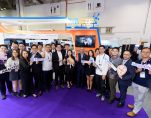
HKSTP joined Medical Fair and Asia Summit on Global Health with 38 Park companies, comprehensively demonstrating the diverse strengths of Hong Kong’s life and health technology sector as it progresses from R&D to commercial application.
Over 30 Market-Ready Solutions across Four Key Industry Focus
On the opening day of the Medical Fair, the HKSTP pavilion drew numerous industry professionals, investors and professional buyers, who gathered to explore Hong Kong’s latest I&T achievements and actively discuss collaboration opportunities. Participating companies span four critical areas — health monitoring, surgical assistance, precision medicine, rehabilitation training — comprehensively demonstrating the diverse strengths of Hong Kong’s life and health technology sector as it progresses from research and development (R&D) to commercial application.
Mr Terry Wong, CEO of HKSTP, said: “HKSTP has always been a steadfast partner to tech ventures, building a vibrant and well-established ecosystem for biotech companies ranging from start-ups with early-stage innovation to experienced innovators with market-ready solutions. To meet their diverse needs, we offer end-to-end support from R&D to clinical applications, including lab facilities, funding connections and market expansion. Our presence at this event fully reflects the innovative vitality and strength of Hong Kong’s life and health tech ecosystem. We hope to showcase Hong Kong’s cutting-edge medical R&D achievements to the international community, while delivering a clear message: Hong Kong is not only a top-tier scientific research base, but also the strongest springboard for technology enterprises to go global. By uniting forces across all sectors, we will further solidify Hong Kong’s leadership as an international health tech hub.”
Park company Highlights:
Endovision offers an intestinal endoscopic imaging system that leverages AI and real-time imaging to assist physicians in conducting more precise examinations. The solution has already obtained EU Medical Device Regulation (MDR) certification.
Mirror Caring presents SyncKnee, a smart wearable solution integrating flexible sensors, embedded systems and AI analytics to deliver real-time monitoring of knee joint health and data-driven insights.
Voice Empowerment Technology features a customised “AI Voice Reconstruction Tool” designed to enhance the efficiency of speech therapy services, offering breakthrough communication support for patients with aphasia and speech disorders.
“World-First” Cutting-Edge Medical Technologies Take Centre Stage
This year, HKSTP has also set up a dedicated exhibition zone at the Asia Summit on Global Health (ASGH), spotlighting a range of groundbreaking biomedical solutions, including several “world-first” innovations:
Agilis Robotics: The world’s first robotic-assisted “En Bloc Transurethral Resection of Bladder Tumour”, achieving precise tumour resection margins and offering a minimally invasive surgical option with faster recovery for early-stage cancer patients.
GenEditBio: The world’s first in vivo genome editing therapy (often referred to as “DNA surgery”) targeting corneal dystrophy, with Phase I clinical trials expected to commence this year, aiming to improve patients’ quality of life.
Meta Pharmaceuticals: The world’s first oral inhibitor for treating autoimmune diseases such as inflammatory bowel disease and multiple sclerosis, enhancing medication convenience and delivering safer, more effective anti-inflammatory therapy.
Dedicated Investor Pitch Session: Connecting Global Capital to Accelerate Enterprise Growth
For early-stage biotech companies, funding is crucial to sustaining research and achieving breakthroughs. To this end, HKSTP is fulfilling its role as a “super-connector” by hosting the “Life and Health Technology Innovation Pitch” at ASGH, to bridge between Park companies and the global market and deepen international partnerships.
HKSTP hosted the “Life and Health Technology Innovation Pitch” session, providing Park companies with an exclusive stage to connect directly with 12 global investors and pursue fundraising opportunities.
The pitch session bought together 12 leading global investors from the UK, the US, Singapore, Canada and beyond, creating a top-tier platform for fundraising and business matching, and accelerating the translation of life and health tech innovations. Ten Park companies with breakthrough technologies took the stage to attract international capital, further showcase their innovative solutions and advance to the next stage of growth and global expansion.
Event Details: Hong Kong International Medical and Healthcare Fair (Medical Fair) Date: 11–13 May 2026 Venue: Hong Kong Convention and Exhibition Centre, Hall 3DE HKSTP Booth: 3E-E06
Asia Summit on Global Health (ASGH) Date: 11–12 May 2026 Venue: Hong Kong Convention and Exhibition Centre, Hall 3FG HKSTP Booth: 3F-A11 Hashtag: #HKSTP
The issuer is solely responsible for the content of this announcement.
About Hong Kong Science and Technology Parks Corporation
Hong Kong Science and Technology Parks Corporation (HKSTP) was established in 2001 to create a thriving I&T ecosystem grooming 13 unicorns, more than 17,000 research professionals and over 2,500 technology companies from 26 countries and regions focused on developing healthtech, AI and robotics, fintech and smart city technologies, etc.
Our growing innovation ecosystem offers comprehensive support to attract and nurture talent, accelerate and commercialise innovation for technology ventures, with the I&T journey built around our key locations of Hong Kong Science Park in Pak Shek Kok, InnoCentre in Kowloon Tong and three modern InnoParks in Tai Po, Tseung Kwan O and Yuen Long realising a vision of new industrialisation for Hong Kong, where sectors including advanced manufacturing, micro-electronics and biotechnology are being reimagined.
Hong Kong Science Park Shenzhen Branch in Futian, Shenzhen plays positive roles in connecting the world and the mainland with our proximity, strengthening cross-border exchange to bring advantages in attracting global talent and allowing possibilities for the development of technology companies in seven key areas: Medtech, big data and AI, robotics, new materials, microelectronics, fintech and sustainability, with both dry and wet laboratories, co-working space, conference and exhibition facilities, and more.
Through our R&D infrastructure, startup support and enterprise services, commercialisation and investment expertise, partnership networks and talent traction, HKSTP continues to contribute in establishing I&T as a pillar of growth for Hong Kong.
More information about HKSTP is available at www.hkstp.org.
Arabian Post Staff -Dubai e& and Qualcomm Technologies have deepened their technology partnership with a plan to develop AI-powered autonomous systems for robotics, drones and other physical platforms across the UAE, placing edge computing and intelligent connectivity at the centre of the country’s next phase of industrial digitalisation. Central to the collaboration is a Next-Gen Autonomous Management Platform for Physical AI, designed to combine e&’s connectivity infrastructure […]
SpaceX has moved closer to a vast semiconductor manufacturing project in Texas that could require as much as $119 billion if fully built, placing Elon Musk’s companies at the centre of a high-stakes push to secure advanced chips for artificial intelligence, robotics, vehicles and space-based computing. Filings in Grimes County show Space Exploration Technologies Corp. is seeking a property tax abatement for a proposed facility at the […]
China’s push into humanoid robots is emerging as a new test of its ability to convert industrial policy, supply-chain depth and scale manufacturing into export power, with Morgan Stanley research arguing that the sector could help lift the country’s share of global manufacturing by the end of the decade.
Economists led by Chetan Ahya have drawn a parallel with electric vehicles, where early policy support, component localisation and aggressive production expansion turned China from a fast follower into the world’s dominant exporter. Their research projects China’s share of global manufacturing could rise to 16.5 per cent by 2030, from about 15 per cent now, as advanced automation and embodied artificial intelligence move from demonstration projects into factory and logistics use.
The bullish case rests on China’s widening lead in humanoid robot production. Industry estimates show the country produced about 12,800 humanoid robots in 2025, close to 90 per cent of global output, though the market remains tiny compared with conventional industrial robotics. China also remains the world’s largest industrial robot market, accounting for more than half of global factory robot installations in 2024, with an operational stock above 2 million units.
That foundation matters because humanoid robots require the same manufacturing strengths that supported China’s rise in solar panels, batteries and electric vehicles: precision motors, sensors, actuators, batteries, control systems, machine vision and low-cost assembly. Local companies are building ecosystems around these components, while provincial governments are offering subsidies, industrial parks and procurement support to accelerate commercial deployment.
Beijing has identified humanoid robots as a strategic industry, setting targets for mass production and global leadership while integrating robotics into wider plans for artificial intelligence and advanced manufacturing. The 15th Five-Year Plan framework is expected to place AI-powered robots near the centre of industrial upgrading, although large-scale commercialisation is more likely toward the later part of the plan period than immediately.
The sector’s momentum has drawn major private capital. Start-ups such as Unitree, UBTech, AgiBot and Fourier Intelligence have moved quickly from stage demonstrations to pilot factory and warehouse deployments. Linkerbot, a fast-growing maker of dexterous robotic hands, is seeking a valuation of about $6 billion after building a strong position in high-degree-of-freedom robotic hands used in humanoids and industrial systems. Its modular products point to an important feature of the market: some of the earliest profits may come from components rather than complete humanoid machines.
Automakers and electronics groups are also moving into the field. Xpeng has said humanoid robotics could become a long-term investment area alongside electric vehicles, while other manufacturers are testing robots for inspection, sorting, materials handling and repetitive shop-floor tasks. The logic is clear. China faces an ageing workforce, rising labour costs in coastal manufacturing hubs and growing pressure from tariff barriers. A successful humanoid robotics industry could help preserve competitiveness even as low-cost labour advantages fade.
The export implications are broader than robot sales. If humanoids improve productivity in Chinese factories, they could lower production costs across electronics, machinery, appliances and consumer goods. That would reinforce the country’s position in global supply chains at a time when the United States, Europe and several Asian economies are trying to reduce dependence on Chinese manufacturing. It could also create a new export category in robots, components, software and maintenance services.
Yet the constraints remain substantial. Humanoid robots are still expensive, often have limited battery life and struggle with unstructured environments. Many can perform scripted tasks in controlled settings but fall short when asked to handle the speed, judgement and dexterity of human workers. Even executives in China’s robotics industry acknowledge that factory humanoids remain less efficient than people in many jobs. Safety certification, liability rules, data protection and workplace integration will also affect adoption.
Dependence on high-end chips and advanced software ecosystems is another weakness. US restrictions on AI semiconductors have pushed Chinese firms to localise more hardware, but training and deploying capable embodied AI systems remains compute-intensive. Without steady access to cutting-edge chips, progress may be uneven, particularly in models that require real-time perception, movement planning and continuous learning.
Google Home is being reshaped into a more conversational smart home platform as Google rolls out Gemini 3.1 for its connected-home assistant, alongside camera, automation and notification upgrades aimed at making household devices faster and easier to manage. The update marks another step in Google’s attempt to replace the older Google Assistant experience on compatible speakers and displays with Gemini for Home, an AI-driven system designed to […]
MUMBAI, INDIA – Media OutReach Newswire – 5 May 2026 – ECOVACS Robotics, a global leader in home service robotics, is raising comfort this season with its Summer Holiday Campaign, bringing smarter, faster, and hands-free cleaning to Indian homes. Convenient, effortless and designed for modern city hustlers, their all-in-one solutions empower consumers to come home to spotless spaces without lifting a finger.
ECOVACS is rolling out limited-time, high-impact deals on Amazon India from 8th to 13th May, with discounts of up to 75%, making this the perfect moment for first-time consumers to switch from manual to intelligent cleaning and upgrade their routines with cutting-edge technology. ECOVACS’ entry-level range makes that transition seamless.
From everyday dust to hard-to-reach corners and even windows, ECOVACS Robotics cleaning solutions deliver full-home coverage, blending intelligent technology with powerful performance and seamless automation to take the stress out of summer cleaning.
The DEEBOT N50 Pro OMNI brings this vision to life with a powerful combination of vacuuming and intelligent mopping, effortlessly tackling dust, debris, and pet hair across all floor types. With up to 300 minutes of runtime, anti-hair tangle technology, and intuitive app-enabled controls, users can easily customize schedules, zones, and cleaning modes right from their smartphones or wearable devices—making smart living feel truly effortless.
Enhancing this experience further is the All-in-One OMNI Station, which streamlines maintenance with automated mop washing and drying, auto-refill, and dust emptying—delivering a hygienic, hands-free cleaning routine that keeps your home consistently fresh with minimal effort.
For homes with more compact layouts, the DEEBOT MINI is also part of the lineup. Designed to take up less space while still offering the All-in-One OMNI Station and a hands-free cleaning experience, this is another ideal choice for users seeking efficiency without compromising on performance.
As modern homes face rising levels of dust and pollution, maintaining cleanliness in homes goes beyond just floors. Windows, constantly exposed to outdoor dust and changing weather conditions, require equal attention to keep living spaces truly spotless. ECOVACS’ WINBOT robotic window cleaners address this by effectively removing dust, rain stains, and pollution buildup, leaving windows crystal-clear and helping your home shine from the inside out.
Beyond windows, the WINBOT MINI is also designed to clean a wide range of glass surfaces, including glass panels, balcony glass, and shower screens — ensuring comprehensive coverage across vertical spaces in the home.
Its compact and slim design enables it to access and clean areas that are often difficult to reach, such as narrow windows, spaces behind grills or railings, and other tight or confined surfaces. This makes it a practical solution for urban homes where accessibility can be a challenge.
Explore ECOVACS’ Summer Holiday deals to unlock special, limited-time pricing. Make the switch smarter this summer—to faster, easier, and more effective deep cleaning—at your fingertips. Visit ECOVACS’ official marketplace to grab these can’t-miss deals!
Hashtag: #ECOVACS
The issuer is solely responsible for the content of this announcement.
Auto China 2026 closed in Beijing on Sunday after setting new benchmarks for scale, attendance and vehicle premieres, reinforcing China’s position as the central battleground for electric vehicles, intelligent driving and next-generation automotive supply chains.
The 19th Beijing International Automotive Exhibition, held from April 24 to May 3, brought together nearly 1,000 companies from 26 countries and regions across two venues for the first time. Its 380,000 square metres of exhibition space, spread across 17 halls at the China International Exhibition Center in Shunyi and the Capital International Convention and Exhibition Center, made it the largest edition in the event’s history.
Organisers recorded 1.28 million visitors, including about 65,000 overseas attendees, underlining the show’s growing appeal beyond China’s domestic market. A total of 1,451 vehicles were displayed, including 181 world premieres and 71 concept cars, placing the event among the most active global platforms for new model launches.
The numbers told only part of the story. Auto China 2026 was dominated by a clear shift from conventional vehicle launches to software-defined mobility, artificial intelligence, battery breakthroughs and advanced driver assistance. Carmakers used the show not merely to present new models, but to demonstrate how quickly vehicles are becoming technology platforms.
China’s home-grown manufacturers were at the centre of the exhibition’s momentum. BYD, XPeng, Nio, Geely, Chery, Dongfeng and Huawei-linked brands showcased vehicles and systems aimed at defending their lead in the world’s largest car market while accelerating overseas expansion. Their focus was sharply aligned with consumer demand for longer range, faster charging, smarter cabins and more automated driving functions.
BYD highlighted fast-charging and low-temperature battery performance, including technology designed to charge under conditions as cold as minus 30 degrees Celsius. CATL drew attention with new battery systems promising ultra-fast charging and longer driving ranges, including a version of its Shenxing battery that can charge from 10 per cent to 98 per cent in about six and a half minutes. These advances added further pressure on global rivals still working to close gaps in battery cost, charging speed and supply-chain depth.
Huawei’s presence illustrated the growing power of technology suppliers inside the automotive ecosystem. Its intelligent driving systems, HarmonyOS cockpit technology and vehicle partnerships featured prominently across several brands. The company’s Qiankun advanced driving system was presented as part of a broader push into AI-assisted mobility, with claims of stronger collision avoidance and more natural in-car interaction.
XPeng used the event to promote intelligent driving features that can detect when a driver is unable to control the vehicle, pull over automatically and alert emergency services. Nio displayed its three brands, Nio, Onvo and Firefly, together at the same booth, signalling a wider product strategy covering premium, family and mass-market electric segments.
Foreign automakers also used Beijing to reset their China strategies. Volkswagen introduced China-focused electric models and AI-driven cockpit features developed with local partners, including XPeng and Horizon Robotics. BMW, Mercedes-Benz and Toyota presented products tailored to a market where customers increasingly expect high-end digital functions even in mid-priced vehicles.
The competitive pressure remains intense. China’s passenger car sales fell sharply in the first quarter from a year earlier, reflecting weaker subsidy support, cautious consumers and price competition across the sector. Exports, however, continued to expand strongly as China-made vehicles gained ground in Europe, Southeast Asia, Latin America and other growth markets.
That divergence shaped much of the discussion around the exhibition. Domestic demand is tougher, margins are thinner and consolidation risks are rising, yet China’s automakers and suppliers are moving faster on product cycles than many overseas competitors. More than 80 new models were launched in China in March alone, a pace that underscores the speed of iteration in the market.
Auto China 2026 also showed that global expansion is entering a new phase. Chinese manufacturers are no longer relying only on exports. Several are building or planning overseas production bases to reduce tariff exposure, ease regulatory concerns and strengthen local market access. Hungary, Turkey, Southeast Asia and Latin America have emerged as important destinations for investment.
Arabian Post Staff -Dubai OPAQUE has acquired cryptographic AI technologies developed in Abu Dhabi, expanding its confidential AI platform into model training, agentic workflows and post-quantum protection for enterprises handling highly sensitive data. The deal links OPAQUE, a San Francisco-headquartered confidential AI company founded by researchers from UC Berkeley’s RISELab, with the Technology Innovation Institute, the applied research arm of Abu Dhabi’s Advanced Technology Research Council. The […]
Asian equities advanced sharply on Monday as artificial intelligence-linked chipmakers in South Korea and Taiwan drove regional benchmarks back towards record territory, erasing the losses triggered by the Iran war and restoring investor appetite for technology-heavy markets.
The MSCI Asia Pacific Index rose as much as 2.3 per cent on May 4, its strongest intraday gain since April 8, while the MSCI Asia Pacific excluding Japan Index climbed as much as 2.9 per cent. Benchmarks in South Korea and Taiwan, both heavily exposed to the semiconductor supply chain, gained more than 4 per cent each as investors moved back into companies seen as central to the global AI build-out.
The rally was led by the region’s dominant AI hardware suppliers, including Taiwan Semiconductor Manufacturing Co, Samsung Electronics and SK Hynix. These companies sit at crucial points of the AI infrastructure chain, from advanced foundry production to high-bandwidth memory chips used in data centres and graphics processors. Strong earnings from US technology groups have reinforced expectations that capital spending on AI servers, accelerators and cloud infrastructure will remain elevated through 2026.
TSMC has become the clearest symbol of that shift. The world’s largest contract chipmaker posted a 58 per cent jump in first-quarter net profit to a record level, supported by demand for AI processors, and guided second-quarter revenue to $39 billion to $40.2 billion. Its first-quarter revenue rose 35 per cent from a year earlier to about $35.7 billion, underlining the scale of orders tied to advanced computing.
Samsung’s semiconductor division also delivered a major earnings rebound, reporting 53.7 trillion won in operating profit for the first quarter on 81.7 trillion won in revenue. The group said memory sales were lifted by AI-related demand and tight supply, even as its mobile and display businesses faced margin pressure from higher component costs.
SK Hynix has benefited from its strong position in high-bandwidth memory, a category that has become central to AI accelerator performance. Demand from data centre operators and chip designers has pushed memory makers into long-term supply arrangements, with shortages expected to extend into 2027 as customers reserve capacity years ahead.
Taiwan’s broader market has also gained from the AI trade. The island’s economy expanded 13.69 per cent in the first quarter, its fastest annual pace in nearly four decades, supported by a surge in exports tied to AI hardware. Taiwan has overtaken Canada to become the world’s sixth-largest stock market by value, helped by TSMC’s rise and investor demand for companies embedded in advanced chip manufacturing.
Investor confidence has been strengthened by Nvidia’s expanding Asian supply chain. Its partners now span foundries, memory suppliers, electronics assemblers and companies linked to robotics and so-called physical AI. The shift has widened the rally beyond a handful of chip names, lifting component makers and specialist suppliers that provide substrates, packaging, power management and memory-related technologies.
The rebound also reflects a broader reassessment of geopolitical risk. The Iran war initially prompted investors to cut exposure to export-oriented and energy-importing markets, particularly those vulnerable to shipping disruptions and higher fuel costs. Yet the scale of AI-related earnings growth has helped offset those concerns, with funds favouring economies that are directly tied to semiconductor demand and less dependent on domestic consumption.
South Korea’s Kospi has been one of the year’s standout performers, supported by Samsung, SK Hynix and other technology exporters. Taiwan’s Taiex has also outperformed as investors price in continued demand for advanced nodes, AI servers and high-performance computing. The concentration of gains, however, has increased concerns that regional indices are becoming more dependent on a narrow set of semiconductor companies.
Valuations remain a key risk. Share prices in several AI-linked companies have risen faster than earnings forecasts, leaving markets exposed to any slowdown in capital expenditure by US cloud providers or delays in chip production. Memory supply shortages may support pricing in the near term, but they could also raise costs for downstream electronics makers and intensify competition among suppliers expanding capacity.
Currency movements have added another layer to the market response. A weaker won has supported earnings translation for South Korean exporters, while Taiwan’s market has drawn stronger foreign inflows on expectations that AI-linked exports will keep growth elevated. Japan’s yen strengthened during Monday’s regional trading, reflecting a mix of safe-haven demand and shifting expectations around monetary policy.
By Nitya Chakraborty Just two weeks before the scheduled summit of U.S President Donald Trump with the Chinese President Xi Jinping in Beijing on May 14-15, the report of the World Intellectual Property Organisation (WIPO) on the status of AI related applications, has unnerved the U.S. administration as the latest Chinese supremacy in robot related […]
With Leisure Plus, Redefining Hong Kong’s Bathroom Experience Through AI Smart Toilets and Bathroom Cabinets for a New Era of Intelligent Living
HONG KONG SAR – Media OutReach Newswire – 30 April 2026 – As urban life in Hong Kong places growing emphasis on efficiency, health and space utilisation, a truly future-facing bathroom brand has officially arrived. Leisure Plus Building Products Company Limited, which has been rooted in Hong Kong for nearly three decades, has officially announced its appointment as the Hong Kong sole agent for global bathroom leader JOMOO. Together, the two companies are bringing world-renowned premium smart bathroom products to the Hong Kong market, using JOMOO’s leading AI-powered digital technology to deliver innovative bathroom solutions tailored to the city’s unique living environment. This partnership not only marks the arrival of a heavyweight international brand in Hong Kong’s bathroom market, but also signals a new AI-driven era for local homes and commercial spaces.
For Hong Kong people, the bathroom has never been a purely functional space. Within a limited footprint, it carries cleansing, grooming, care, storage, and the rhythm of how each day begins and ends. Space is compact, humidity is high, storage must be efficient, and expectations for the user experience keep rising. JOMOO’s arrival in Hong Kong answers the city’s pursuit of efficiency, comfort, health and aesthetics with world-leading AI bathroom technology. The brand is also introducing several smart toilets and innovative bathroom mirror cabinets for their Hong Kong debut, showing how bathroom AI can move from concept into daily life and become a real part of improving everyday living.
Leisure Plus Building Products said: “Bringing JOMOO to Hong Kong reflects Leisure Plus’s deep insight into the future of living. We see Hong Kong’s premium bathroom market moving beyond traditional hardware into a new stage that combines smart technology, health management, space integration and sensory experience. By partnering with JOMOO, Leisure Plus is bringing globally leading AI smart bathroom technology to Hong Kong, not only adding an international-calibre brand to the market, but also redefining daily life through technology, enabling the bathroom to evolve from a single-function space into a core living space that delivers comfort, efficiency and wellness value.”
JOMOO: Reshaping the Bathroom Experience with AI and Unrivalled Global Leadership
Founded in 1990, JOMOO has long ranked No.1 in China’s bathroom industry and among the world’s top three. With technology-driven bathroom living at its core, the brand combines R&D, intelligent manufacturing and innovative design, and is committed to redefining premium living through AI. As the pioneer behind the “AI BATH” scene-based brand, JOMOO breaks away from conventional product thinking with pioneering motorised flip-and-discharge cleansing technology that significantly improves performance while achieving library-level quietness. Combined with AI robotic self-cleaning and contact-free health sensing technologies, it deeply integrates artificial intelligence, biosensing and everyday bathroom use, delivering more proactive and thoughtful health support for users.
In this high-profile move into Hong Kong, JOMOO is guided by the strategy “Tech Bathroom, Global JOMOO”, bringing not only products but also a lifestyle upgrade powered by AI. Tailored to Hong Kong’s compact and humid living environment, the brand offers smart, space-saving and health-enhancing bathroom solutions, helping lift the overall standard of bathroom living in the city.
From Smart Toilets to Bathroom Cabinets: A Powerful New AI Bathroom Lineup Arrives in Hong Kong
G06 and G08 Smart Digital Toilets
In Hong Kong’s space-constrained homes, bathroom spaces often face multiple challenges, including limited room, humidity and restricted functionality. Tailored specifically for Hong Kong homes, JOMOO is introducing two flagship smart toilets and one smart bathroom cabinet that use AI-powered digital technology to resolve the tension between space and functionality in one stroke, bringing consumers a world-leading premium smart bathroom experience. The G06 Smart Digital Toilet is an entry choice that balances intelligence, comfort and practicality, while the G08 Smart Digital Toilet comes with an upgraded digital display and a more comprehensive smart feature set, taking comfort, convenience and technology to a new level.
To address the common problem of compact bathrooms in Hong Kong, both products are equipped with features such as “triple foot-sensing control”, “smart wireless control” and “auto-flush on departure”. Users do not need to twist sideways or make unnecessary movements, and can enjoy a freer, smoother toilet experience even in narrower bathroom spaces. With an IPX4 water-resistance rating, the products also handle Hong Kong’s humid environment with ease, delivering reassurance and durability in everyday use.
Product highlights: – Triple foot-sensing control with automatic lid opening for elegant use even in narrow spaces – AI smart temperature sensing and adjustment for lasting comfort – High-definition digital display showing water and seat temperature at a glance – Multiple cleansing modes with antibacterial nozzle and warm-air drying system – Soft-glow night light and backup flushing during power outages – IPX4 high-efficiency water resistance for humid environments
Pricing: – G06 Smart Digital Toilet: Original price HK$5,980; promotional price HK$4,980
– G08 Smart Digital Toilet: Original price HK$8,580; promotional price HK$5,980
Revolutionary Smart Bathroom Cabinet: VERA Jinci Series
Addressing the core issue of limited bathroom space in Hong Kong’s mainstream residential developments, JOMOO will soon launch the suspended VERA Jinci Series Smart Bathroom Cabinet. Powered by AI technology, it integrates three major functions – beauty-product preservation, dedicated wash care, and smart mirror features – so that every inch of space delivers greater value and daily routines become more precise, smoother and more relaxed, completely reinventing the bathroom experience.
Product highlights: – 998x532x1900mm suspended golden-ratio structure with zero hygiene blind spots – Built-in cosmetics fridge with AI-controlled constant temperature and humidity for skincare freshness – Built-in 0.8kg mini drum washer with six cleansing modes tailored for small items – Mirror with touch-control natural-light ambience and one-touch defogging – High colour-rendering mirror for true-to-tone makeup application – Moisture-resistant eco solid-wood body suited to Hong Kong’s maritime climate
The VERA Jinci Series Smart Bathroom Cabinet is scheduled to officially launch in Hong Kong in mid-2026. Consumers will be able to experience its intelligent features firsthand at JOMOO’s Hong Kong experience store. (Price to be announced)
The issuer is solely responsible for the content of this announcement.
About Leisure Plus Building Products Company Limited
Established in 1997, Leisure Plus specialises in building products and design solutions for developers, architects and designers. Its services cover the supply of bathroom and kitchen equipment, design consultancy, logistics, technical support and installation. Since entering Mainland China in 2003, the company has established subsidiaries in Shanghai and Hubei and participated in a number of landmark projects, including Vanke Zhongxing Road No.1, Shanghai Sheshan Shimao InterContinental Hotel and Wuhan Tianhe Airport Terminal 3. This sole-agency partnership with JOMOO reflects Leisure Plus’s forward-looking vision: embracing the smart home wave, understanding Hong Kong people’s living needs, and combining its extensive project experience with world-class smart bathroom technology to further enhance living quality and health experiences. (Website: https://leisureplushk.com/)
About JOMOO
Founded in 1990, JOMOO is an international fully integrated enterprise centred on smart digital bathroom solutions, firmly holding a leading global position as “No.1 in China, Top 3 in the World”. The brand has been jointly certified by Frost & Sullivan and Euromonitor as both the “World’s No.1 Smart Toilet Brand by Sales Volume” and the “No.1 Smart Toilet Brand in China”. It operates 16 R&D centres and 15 green lights-out factories worldwide, has accumulated more than 20,000 patents, and invests over 10% of annual sales revenue in R&D, continuously driving the intelligent transformation of the global bathroom industry. Its design strength has earned repeated international recognition, including the Red Dot: Best of the Best and the iF Design Award. JOMOO products are sold in more than 120 countries and regions and are installed in over 300 global landmark projects, including Emirates Palace Abu Dhabi, Burj Al Arab Dubai, The Peninsula Hong Kong and Beijing National Stadium (Bird’s Nest). JOMOO’s arrival in Hong Kong not only expands its global footprint, but also brings the market a new bathroom benchmark defined by technology, scenario-driven design and premium lifestyle quality. (Website: https://www.ejomoo.com.hk/)
Having led 100+ Hong Kong tech firms to SE Asia over the past year, accelerating global expansion through strategic collaboration
HONG KONG SAR – Media OutReach Newswire – 30 April 2026 – Hong Kong Science and Technology Parks Corporation continues to deepen its innovation and technology (I&T) collaboration with Southeast Asia, actively playing an orchestrating role in supporting Hong Kong’s tech firms go global. HKSTP debuted as an official exhibitor at Southeast Asia’s largest public safety conference, Milipol TechX Summit 2026 (MTX 2026). Under the theme “Supercharging Innovation for Our Safer Tomorrow”, MTX 2026 is a strategic platform to advance business opportunities through government-backed collaboration. HKSTP showcased 10 park companies presenting breakthrough public safety solutions and signed a Memorandum of Understanding (MoU) with Singapore’s TechX Ventures (TechX, a private subsidiary by the HTX – Home Team Science and Technology Agency of Singapore) — HKSTP’s first MoU signed with an organization in Southeast Asia — establishing a structured framework to advance cross-border innovation partnerships focused on practical applications in public safety.
HKSTP debuted as an official exhibitor at Southeast Asia’s largest public safety conference, Milipol TechX Summit 2026 (MTX 2026). Eric Or, Chief Ecosystem Development Officer and Gladys Oon, Director of Partnerships and Account Management of HKSTP, officiated the opening of HKSTP Pavilion.
Singapore and Hong Kong share a substantive relationship, grounded in regular high-level engagement. These include the Prime Minister of Singapore’s official visit to Hong Kong last month, during which he met with the Chief Executive of the Hong Kong Special Administrative Region and visited the Hong Kong Park of the Hetao Shenzhen-Hong Kong Science and Technology Innovation Co-operation Zone (the Hong Kong Park in the Loop). The I&T connection also features HKSTP-led delegations to Singapore platforms such as Singapore Week of Innovation and Technology (SWITCH) and SLINGSHOT 2025, etc. Over the past year, more than 100 HKSTP park companies explored Southeast Asian opportunities, securing over HK$25 million in confirmed business deals with additional potential contracts exceeding HK$20 million directly supported by HKSTP.
Eric Or, Chief Ecosystem Development Officer, HKSTP, said, “At HKSTP, we enable innovators to solve real public safety challenges where trust and demonstrated results matter most. Collaborating with TechX and Singapore’s Public Safety ecosystem gives ventures faster access to decision-makers, enables solution testing in operational environments, and supports scaling validated technologies across Asia.”
Eric Chua, Chief Executive Officer, TechX Ventures said: “SPINN District was designed to be more than a startup village — it is a proving ground where bold founders showcase innovations that matter. Seeing HKSTP’s park companies engage meaningfully with the global public safety ecosystem at MTX 2026 reflects exactly the kind of cross-border momentum we built this platform for. This MoU marks the beginning of something lasting: a structured pipeline that turns innovation into operational impact, as we work together to build a safer world.”
The collaboration between HKSTP and TechX is aimed to establish a comprehensive framework to identify, co-create, and validate operational public safety solutions. Under the partnership, HKSTP and its counterparts will move from identified needs to real deployment through annual solution scouting visits to Hong Kong Science Park, funding of around HK$600,000 (S$100,000) per company for proof-of-concept trials with Singapore Public Safety experts, and an ongoing exchange of challenges and insights. This demand-led model accelerates problem-solution fit and reinforces HKSTP’s leadership in regional safety technology collaboration.
The HKSTP Pavilion, themed “Hong Kong’s Technology for Public Safety and Security — Global Application and Global Impact,” featured 10 park companies showcasing solutions proven in deployments across Hong Kong enforcement departments, the Greater Bay Area, and Singapore-related projects. Cutting-edge public safety technologies were showcased across AI-Driven & Robotics, Network & Communications Infrastructure, and Drones, Unmanned Aerial Vehicle (UAV) & Low-altitude Economy (LAE). MTX is the largest public safety conference in Southeast Asia, the HKSTP pavilion is strategically positioned within the startup-centric SPINN District, effectively facilitated targeted engagements, secured curated matching opportunities with Singapore government agencies for each participating company, and advanced pilot projects and partnerships.
Park companies eSIX and Weitu AI participated in the signature global innovation challenge Dimension X Cohort 6 and the inaugural cohort of the In-Beta tech verification capability programme organized by Hatch, the innovation centre of Singapore’s HTX, achieving significant success. These companies were the only Hong Kong representatives selected for the programmes, underscoring the global competitiveness and real-world impact of Hong Kong’s innovation ecosystem. eSIX, which delivers patented high-speed networking for Industrial IoT and 5G-enabled remote machine control, was awarded a place at Dimension X. The company received S$100,000 in prize money to complete a four-month proof-of-concept and was invited to showcase its solutions. Weitu AI, which provides world-leading multimodal video understanding for fast, accurate analysis across industries was awarded a place at In-Beta, received S$30,000 in prize money with opportunities to verify their promising tech through rapid experimentation and onsite demo.
Building on existing engagement across the region, HKSTP will continue to strengthen collaboration with regional partners, expand support for park companies, and promote technology‑driven solutions that enhance safety and resilience. The initiative reflects HKSTP’s ongoing commitment to fostering sustained innovation and regional cooperation.
Hashtag: #HKSTP
The issuer is solely responsible for the content of this announcement.
About Hong Kong Science and Technology Parks Corporation
Hong Kong Science and Technology Parks Corporation (HKSTP), established in 2001, has built a thriving innovation and technology (I&T) ecosystem in Hong Kong, supporting 12 unicorns, nurturing over 17,000 research talents, and hosting more than 2,500 technology companies from 26 countries and regions specializing in biomedicine, AI and robotics, fintech, and smart city development. HKSTP is dedicated to positioning Hong Kong as an international I&T hub.
To align with Hong Kong’s future development, HKSTP is committed to attracting and cultivating I&T talent, accelerating the commercialization of innovative outcomes, and providing comprehensive support for technology companies and professionals on their innovation journey. Its vibrant I&T ecosystem continues to grow, encompassing Hong Kong Science Park in Pak Shek Kok, InnoCentre in Kowloon Tong, and three InnoParks in Tai Po, Yuen Long, and Tseung Kwan O. These facilities drive advancements in applied technology, focusing on industries such as advanced manufacturing, micro- electronics, and biotechnology, steering Hong Kong toward new industrialization.
Hong Kong Science Park Shenzhen Branch, located in Futian, Shenzhen, leverages the strategic advantage of “support of the Motherland, connecting to the world.” It serves as a bridge for “bringing in and going global,” actively fostering cross-border I&T collaboration. The Shenzhen Branch supports global technology companies and professionals by providing research and collaboration spaces, with a focus on enterprises in seven key sectors: Medtech, big data and AI, robotics, new materials, microelectronics, fintech, and sustainable development.
HKSTP is dedicated to advancing Hong Kong’s I&T development by providing research infrastructure, startup and enterprise support services, professional investment and business expertise, fostering partnership networks, and attracting top talent. These efforts drive innovation as a new engine for economic growth for Hong Kong.
More information about HKSTP is available at www.hkstp.org.
About TechX Ventures
TechX Ventures is a wholly owned subsidiary of Singapore’s Home Team Science & Technology Agency (HTX) that operates at the intersection of government mandate and entrepreneurial drive. TechX serves as the engine behind a thriving innovation ecosystem where cutting-edge science and technology are put to work protecting people.
At the heart of it, TechX is established to connect global innovators and partners in advancing public safety innovation. Guided by our Safer World philosophy — the belief that progress means nothing if it doesn’t safeguard public safety — TechX approaches safety not as a sector, but as a shared mission. This conviction shapes every partnership forged, every programme designed, and every measure of success. Safety, at TechX, is our purpose.
TechX delivers its mission through two core areas of expertise: to build and to connect. TechX designs and develops innovation initiatives and programmes alongside partners from across the globe, including flagship platforms such as HTX’s Innovation Centre, Hatch — a structured innovation centre that gives frontier deep-tech a clear pathway to validate and deploy solutions for real public safety challenges. TechX also bridges industry, startups, and government agencies into a global network, producing landmark events such as Millipol TechX, and bringing international communities like DEF CON® to Singapore for the first time.
With active partnerships spanning over 30 ecosystems globally — from Hong Kong to South Korea, and the United States, TechX sits at the heart of a growing worldwide alliance united by one ambition: Bringing Together a Safer World.
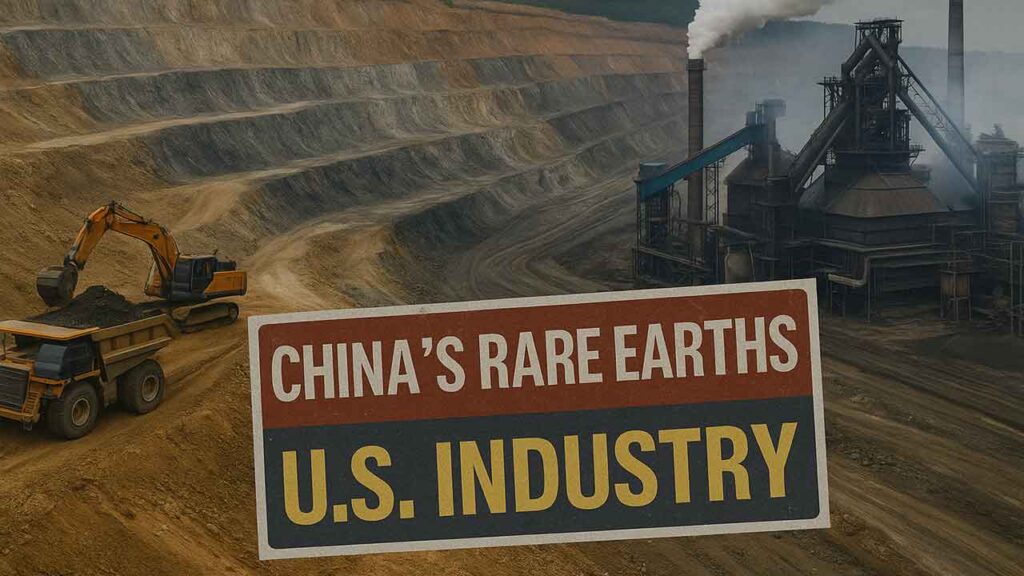
Beijing’s move to sharpen penalties for unauthorised rare earth production sent shares of major producers higher, as investors assessed a tougher enforcement regime that could curb illegal supply and reinforce China’s control over a sector central to clean energy, defence and advanced manufacturing.
China’s Ministry of Industry and Information Technology has opened public consultation on detailed penalty benchmarks under the Rare Earth Management Regulations, setting out how authorities should punish breaches involving mining, smelting, separation, product circulation and data reporting. The draft rules target companies and individuals that exceed state production quotas, operate without approval, process illicit raw materials, falsify traceability data or obstruct inspections.
The consultation runs until 28 May, adding another layer to a regulatory structure that took effect on 1 October 2024. The framework places rare earth mining, smelting and separation under a “total control” system, giving Beijing formal authority to set production limits and police flows across the supply chain. The new penalty table is designed to narrow discretion in enforcement by grading violations according to value, volume, frequency and consequences.
Rare earth-linked equities climbed in Shanghai and Shenzhen after the announcement. China Northern Rare Earth, China Rare Earth Resources and Technology, Huahong Technology and other names tied to mining, processing and permanent magnets moved sharply higher during Wednesday trading. The rare earth permanent magnet segment also advanced, helped by firmer prices for praseodymium-neodymium products and stronger first-quarter earnings from leading producers.
Investors read the draft as a supply-side signal. Stricter penalties could reduce unapproved output that has historically weighed on pricing during periods of weak demand. For larger quota-holding groups, tighter enforcement may support margins by giving compliant producers a stronger position in pricing and procurement. China Northern Rare Earth reported a first-quarter net profit of about 918 million yuan, more than double the level a year earlier, helped by higher average prices for core rare earth products. China Rare Earth Resources and Technology also posted a sharp rise in quarterly profit as prices for selected products improved.
The proposed penalties are substantial. Unauthorised smelting and separation, misuse of rare earth mineral products by recycling or comprehensive utilisation companies, and trading in illegal rare earth products can lead to confiscation of products, unlawful income and related equipment. Fines may reach five to 10 times unlawful gains, while cases with no gain or gains below defined thresholds can still attract penalties running into millions of yuan. Serious breaches can result in business licence revocation.
Traceability is a central element of the enforcement push. Companies that fail to record, upload or maintain data on product flows face fines and possible suspension if they refuse to rectify violations. The system is intended to make it harder for illegal ore, semi-processed products or recycled materials to enter formal supply chains undetected. It also strengthens the state’s ability to align domestic output with industrial policy, export controls and strategic stockpiling objectives.
Rare earths comprise 17 elements used in permanent magnets, electric vehicles, wind turbines, smartphones, robotics, missile guidance systems, radar, drones and precision equipment. China accounts for roughly 70 per cent of global rare earth mining and an even larger share of processing, refining and magnet manufacturing. That position gives Beijing significant influence over a supply chain that remains difficult and costly for other economies to replicate.
The policy shift comes against a backdrop of heightened competition over critical minerals. Export controls introduced in 2025 placed rare earth materials and related technologies at the centre of trade negotiations and industrial security planning. Licensing delays and tighter availability of high-performance magnets have already affected downstream manufacturers, particularly in automotive, electronics and defence-linked industries.
Western governments and companies are trying to build alternative supply chains, but progress remains uneven. Mining projects in the United States, Brazil, Australia, Greenland and parts of Africa have attracted capital, while magnet-making and separation capacity outside China remains limited. Processing is the central bottleneck, requiring specialised technology, environmental safeguards and long approval timelines. New ventures can take years to move from exploration to commercial output, leaving buyers exposed to Chinese policy decisions.
Environmental enforcement is also part of the equation. Illegal mining and poorly controlled processing have caused soil, water and radioactive waste concerns in several producing regions. Tougher penalties can be framed not only as an industrial strategy but also as an attempt to reduce pollution, consolidate smaller operators and push production towards state-backed or better-capitalised firms.
Hugging Face’s LeRobot robotics framework is facing scrutiny after disclosure of a critical remote code execution vulnerability that could allow unauthenticated attackers to run arbitrary commands on affected systems through exposed inference services. The flaw, tracked as CVE-2026-25874, affects LeRobot versions up to 0.5.1 and carries a critical CVSS 4.0 score of 9.3. The issue centres on unsafe deserialisation in the framework’s asynchronous inference pipeline, where Python’s […]
CNTXT AI has launched Munsit Emirati TTS, a native Arabic text-to-speech model designed to produce real-time, human-like speech in the UAE dialect for enterprise and consumer applications. The Abu Dhabi-based artificial intelligence company is positioning the system as a response to a long-running weakness in global voice technology: the inability of many speech engines to capture Arabic dialects with natural rhythm, pronunciation and cultural nuance. The […]
Joining Forces to Build a New Regional Value Chain and Drive Industrial Upgrading across ASEAN
HONG KONG SAR – Media OutReach Newswire – 21 April 2026 – Hong Kong has long maintained a robust bilateral relationship with Malaysia. As ASEAN’s third-largest economy, Malaysia possesses strong manufacturing and service sectors and stands as Hong Kong’s eighth-largest trading partner. Amidst the global restructuring of supply chains, Hong Kong leverages its unique position as an international innovation and technology centre anchored by its regional connectivity while remaining integrated with the world. It serves as a vital springboard and strategic hub for Malaysian enterprises expanding into regional markets and for emerging firms seeking to go global. The Hong Kong Productivity Council (HKPC) and the Federation of Malaysian Manufacturing (FMM) have signed a Memorandum of Understanding (MoU), marking the establishment of a deep strategic partnership. By integrating the resource advantages of both regions, the collaboration will provide technological innovation and market expansion support for enterprises in Hong Kong and Malaysia, optimising global supply chain layouts and helping Hong Kong better implement the “Bringing in and Going Global” strategy to seize regional development opportunities within ASEAN.
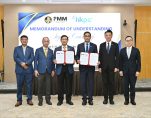
The Hong Kong Productivity Council and the Federation of Malaysian Manufacturing signed a Memorandum of Understanding, marking the establishment of a deep strategic partnership and integration of the resource advantages of both regions.
The signing ceremony of the MoU took place in Kuala Lumpur, Malaysia on April 20, 2026. Witnessed by Mr Jacob Lee Chor Kok, President of FMM; Tan Sri Dato’ (Dr) Soh Thian Lai, President Emeritus of FMM; Mr Owin Fung Ho Yin, Director of the Hong Kong Economic and Trade Office in Kuala Lumpur; and Hon Sunny Tan, Chairman of HKPC, the MoU was signed by Datuk Dr Yeoh Oon Tean, CEO of FMM, and Mr Mohamed D. BUTT, Executive Director of HKPC. This collaboration will facilitate the development of a new value chain connecting Hong Kong, Malaysia and ASEAN, driving new industrialisation in both regions while accelerating industrial upgrading and technological application.
Hon Sunny Tan, Chairman of HKPC, said, “Under the national 15th Five-Year Plan, Hong Kong has become a vital platform for enterprises to go global. Malaysia maintains robust ties with the Asian region, as well as the global industrial and trade markets. The signing of this MoU between HKPC and FMM marks a key milestone in the collaboration on industrial modernisation. We are committed to technological innovation, with a focus on enhancing expertise in automation, Industry 4.0, AI, and robotics, and actively building business matching platforms to facilitate business opportunities and expand our scope of cooperation. This not only deepens the partnership between the two organisations, but also establishes a strategic hub connecting Hong Kong with the ASEAN market. Hong Kong will fully leverage its ‘Bringing in and Going Global’, helping Malaysian enterprises precisely connect with the vast regional and global market while supporting Hong Kong companies in rooting themselves in ASEAN, co-creating a resilient and innovative cross-border value chain.”
Mr Jacob Lee Chor Kok, President of FMM, stated, “This MoU is just the beginning with our roadmap including joint technical training, workshops, technology visits and pilot projects to provide our members with first-hand exposure to the latest manufacturing innovations. We envision a future where Malaysian and Hong Kong companies collaborate on research and development (R&D), pilot new technologies and co-create solutions for emerging challenges”
Six Key Areas to Empower New Regional Industrial Upgrading HKPC and FMM will launch comprehensive cooperation to help enterprises transform technological empowerment into competitive advantage in today’s dynamic market. The two parties will focus on Smart Manufacturing & Industry 4.0, AI & Robotics Innovation, Digital Transformation & Cybersecurity, Cross-border Business Ecosystems and Talent Development.
This collaboration integrates FMM’s extensive supply chain network of over 4,000 member enterprises with HKPC’s profound R&D capabilities in product innovation and technology transfer. Through organising delegations, professional training, business matching, and technical seminars, we will assist enterprises in precisely mastering cutting-edge technologies and market trends. Furthermore, by promoting reciprocal visits between enterprises in both regions, we aim to foster mutual economic and trade empowerment. This synergy not only strengthens corporate resilience against supply chain risks but also ensures that enterprises from both regions secure a proactive position in global supply chain competition, co-creating a distinct competitive advantage.
Hashtag: #HKPC
The issuer is solely responsible for the content of this announcement.
Arabian Post Staff -Dubai Dubai International Financial Centre has unveiled plans to remake itself as what it describes as the world’s first AI-native financial centre, tying the ambition to a projected $3.5 billion contribution to Dubai’s economy and the creation of 25,000 jobs as artificial intelligence is woven into regulation, operations, talent development and the district’s built environment. The move marks a step beyond the common industry […]
SINGAPORE – Media OutReach Newswire – 13 March 2026 – ECOVACS Robotics, a global leader in home service robotics, is bringing its global “ECOVACS, Created for Ease” brand idea to the APAC region with a local twist: “Always in Your Corner”. With this, ECOVACS is underscoring its commitment to understanding and meeting the unique needs of users in the APAC region.
“ECOVACS, Created for Ease” reflects the brand’s ongoing commitment to leverage service robotics to create a world of ease for users by relieving them of household tasks. For users in the APAC region, ECOVACS knows that “ease” is not simply about doing less. It means easing the mind and letting go of mental burdens. To bring ease to APAC users, technology must not demand attention. It should be “Always in Your Corner” – quietly helping users to keep their daily life on track.
“Always in Your Corner” for APAC’s Unsung Heroes
“Always in Your Corner” represents how ECOVACS’ diversified full-scenario home service robotics ecosystem is designed to help ease the burdens faced by users in the APAC region and empower them to enjoy a more effortless modern lifestyle. For example, many in the APAC region are part of the so-called “sandwich generation”. They are the quiet backbones of their households, juggling career demands while also taking care of children and aging parents. Whether it’s helping a child with their homework or taking dad to his doctor’s appointment, these everyday heroes are always in someone else’s corner. ECOVACS believes they also deserve to have someone in their corner, to help ease their burdens.
For the past 20 years, ECOVACS has been driven by a fearless spirit of innovation to solve complex challenges and continuously advance the user experience. The pioneering intelligent technologies in the ECOVACS DEEBOT robotic vacuums and WINBOT robotic window cleaners, such as the OMNI Station, OZMO ROLLER technology, and PowerBoost technology have set new industry benchmarks and become the hidden heroes for every home, designed to help users clean every corner of their home with minimal effort.
Enabling Village Partnership in Singapore
Now ECOVACS is bringing this same innovation spirit to help ease the burdens faced by caregivers in the APAC region. As part of its brand campaign, ECOVACS is planning to cooperate with select like-minded local partners across the region, such as Enabling Village in Singapore. Enabling Village is an integrated community space that aims to empower caregivers for people with disabilities by providing them with resources to manage their responsibilities and enhance their quality of life. ECOVACS will provide Enabling Village caregivers with DEEBOT robotic vacuum cleaners to help ease their burdens and enable them to spend more time on themselves.
“Caring for a child with special needs requires lots of time and patience. And it can be challenging to find moments when I can focus on myself,” says Yvette Wang. “I’m grateful to ECOVACS and their efforts to assist caregivers. With their DEEBOT robotic vacuum I now have one less thing to manage, as I can leave DEEBOT to take care of our floors, and itself.”
To commemorate their partnership, ECOVACS and Enabling Village have invited Yvette’s son, artist @Eli_lailai, to specially design some exclusive merchandise. This collaboration was made possible through I’mable Collective, an initiative by SG Enable that supports and empowers persons with disabilities by providing training and employment opportunities within the creative sector.
An Ecosystem that Empowers Ease
ECOVACS’ efforts to continually strengthen its leadership in service robotics are rooted in its deep understanding of users’ needs. Its regionally tailored brand idea “Created for Ease – Always in Your Corner” reflects the brand’s desire to tailor its mission of ‘Robotics for All’ to shape a better future for users in the APAC region with robots that can seamlessly serve every home, everywhere.
The industry-leading cleaning technologies pioneered by ECOVACS demonstrate its dedication to reducing human effort while maximizing cleaning precision and efficiency, all with the aim of offering dependable cleaning experiences tailored to the needs of today’s households. ECOVACS’ service robots offer users more ease by bringing efficient, effortless cleaning to every corner of their household.
“Always in Your Corner” reflects how ECOVACS’ home service robotics ecosystem is designed for users in the APAC region – to support their full-home scenarios, from floors to windows. The ECOVACS DEEBOT robotic vacuums and WINBOT robotic window cleaners are built to handle what must be done — quietly, consistently, and intelligently. They don’t just clean, they leave users with less to manage.
Amplifying a Message of Care
ECOVACS will extend the impact of this brand campaign across multiple touchpoints in key APAC markets, including Singapore, Australia, Vietnam, India, Thailand, Malaysia and Indonesia. Through localized partnerships, integrated brand storytelling, and community engagement, ECOVACS aims to honor caregivers as well as those across the region who are seeking a less stressful and more balanced life.
Intelligent. Innovative. Intuitive.
From its DEEBOT family of robotic vacuum cleaners to its WINBOT family of robotic window cleaners, all of ECOVACS’ innovations are backed by its well-established vertically integrated supply chain and independently developed technologies spanning batteries, AI, motors, transmission components and more.
Today, ECOVACS serves over 38 million households across nearly 180 markets worldwide. Its mission — “Robotics for All” — reflects a long-term commitment to making intelligent service robotics accessible, reliable, and seamlessly integrated into everyday life.
“Created for Ease” is not only about cleaning better. It’s about living lighter and reducing what needs your attention – so that you can focus on what truly matters. And in doing so, ECOVACS is always in your corner.
Hashtag: #ECOVACS
The issuer is solely responsible for the content of this announcement.
About ECOVACS ROBOTICS
Founded in 2006, ECOVACS ROBOTICS is a global leader in home service robotics with a diverse portfolio of products encompassing robotic vacuum cleaners and robotic window cleaners. With its expansion into robotic lawn mowers, commercial cleaning robots and robotic pool cleaners, ECOVACS solidified its position as a multi-category leader in home service robotics.
Guided by the mission “Robotics for All”, ECOVACS continues to advance technology and enhance the user experience to make life smarter and more stylish for consumers worldwide. With sales subsidiaries in Germany, the United States, Japan, and Singapore, ECOVACS products reach nearly 180 major markets and serve over 38 million households globally.
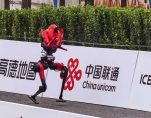
BEIJING, CHINA – Media OutReach Newswire – 20 April 2026 – China Unicom and Huawei capped off a series of successful 5G-A GigaUplink deployments by guaranteeing the premium connectivity at the Beijing E-Town Half-Marathon and Humanoid Robot Half-Marathon, where human and robot runners competed alongside through the E-Town in Daxing District. This marks the two companies’ latest landmark showcase for sports events, combining 5G-A and AI to provide fast uplink with huge capacity and low latency for event organization and media services, digital engagement, and humanoid participation.
China Unicom 5G-A empowering robots to sprint across the finish line
China Unicom Delivered a Masterclass in Connected Marathon Events
Marathon events typically feature high-density crowds with an extensive demand for uploads. China Unicom and Huawei turned to 5G-A 3CC on 3.5 GHz and 2.1 GHz for the event, ensuring an uplink fulfillment at 20 Mbps surpassing 99.6%, along with a peak speed of field-tested 677 Mbps. This impressive uplink performance provided consistent and reliable support for 4K/8K broadcasting and real-time collection and editing while also enabling fans to share and stream smoothly.
Such unrivalled experience is underpinned not only by high-quality networks but also flexible operations. China Unicom and Huawei used intelligent base stations to build 5G-A intelligent, elastic channels for the event. This facilitated differentiated scheduling for livestreaming, voice and video calling, and short videos to ensure smooth experiences for fans even at heavy-traffic moments.
China Unicom 5G-A GigaUplink networks integral to the success of E-Town Humanoid Robot Half-Marathon
5G-A GigaUplink Takes Embodied AI to New Heights
In a global first, the E-Town half-marathon features a pioneering format that sees human and robot runners compete simultaneously. The humanoid robots were divided into an autonomous navigation group and a remote-control group, running on the same course and evaluated using mixed timing methods. Each humanoid robot requires approximately 10 Mbps uplink for video uploads, environment sensing, gait control, and autonomous navigation. Dedicated uplink slices were reserved to ensure a positioning accuracy of up to sub-decimeter level and an average end-to-end latency of less than 30 ms throughout the racing course, which provided strong support for the video uploads, obstacle avoidance, cornering, and sprinting of humanoid robots. While offering technical upgrades to sports events, this promoted the adoption of humanoid robots on a large scale.
Qin Yang, Deputy General Manager of China Unicom in Beijing spoke proudly of the excellent connections his company provided for the 2025 World Humanoid Robot Games as a global strategic partner and the 2026 Beijing E-Town Half-Marathon event as the exclusive official communications sponsor. “5G-A and AI are essential digital infrastructure, enabling us to bring embodied AI to sports. Given the new dynamics of AI development, we will double down on our priorities over connectivity, computing power, services, and security to sharpen our competitive edges as a preferred telecom partner for intelligent sports and a core enabler for intelligent industry transformation. Moving forward, we will accelerate our innovation-driven push to strengthen our digital infrastructure and drive the high-quality growth of embodied AI in China and beyond.”
Samuel Chen, Vice President of Huawei’s Wireless Network Business Marketing, said this humanoid robot half-marathon offers a good example of deepening integration between mobile technology and embodied intelligence. “Beyond redefining connectivity for sports, it has shown us what intelligent production and life will look like in future. We are always dedicated to building excellent 5G-A networks together with operators based on user-centered innovation to ensure GigaUplink, low latency, and high reliability for differentiated mobile AI services. This will enable us to continuously drive the high-quality growth of the digital economy.” Hashtag: #Huawei #ChinaUnicom
The issuer is solely responsible for the content of this announcement.
Medical robots are moving from specialist showcases into mainstream care, changing how operations are performed, how scans are read and how hospitals manage overstretched staff. The shift is being driven by better imaging, faster computing, advances in minimally invasive surgery and growing pressure on health systems to cut delays, improve precision and reduce administrative burden. At the same time, regulators and clinicians are warning that the rush […]



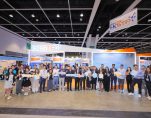


 www.hkstp.org