A subscription-based Android malware operation is targeting bank customers across India, allowing criminals to create fraudulent applications that intercept security codes, steal financial credentials and divert verification calls. Cybersecurity company CloudSEK identified the operation, named MR ROBOT, in an investigation published on 28 October. Its findings show that one affiliate controlled 153 compromised devices and intercepted 5,407 text messages, offering a documented glimpse of how the criminal […]
Arabian Post Staff -Dubai BYD has designated the Gulf Cooperation Council its leading international expansion priority, announcing plans for additional investment, a regional spare-parts hub and broader technology operations beyond vehicle sales. Executive vice-president Stella Li said the Chinese automotive group intends to strengthen its dealership network and after-sales services while exploring opportunities in battery storage, autonomous driving and robotics across Gulf markets. “The GCC is my […]
Britain’s competition regulator has launched an investigation into Meta Platforms over proposed commercial terms that could allow the technology company to use publishers’ website content for its own products, including artificial intelligence services. The Competition and Markets Authority announced the investigation on Friday, saying it would examine whether Meta was abusing a dominant market position by imposing unfair conditions on publishers, advertisers and other businesses using its […]
Arabian Post Staff -Dubai The United Arab Emirates and Canada have signed a Comprehensive Economic Partnership Agreement to lower trade barriers and encourage bilateral investment. The agreement was signed in Ottawa on 27 October by UAE Minister of Foreign Trade Dr Thani bin Ahmed Al Zeyoudi and Canada’s Minister of International Trade Maninder Sidhu. Abu Dhabi Crown Prince Sheikh Khaled bin Mohamed bin Zayed Al Nahyan and […]
A UAE business delegation led by Foreign Trade Ministry Undersecretary Fahad Al Gergawi held talks with Russian companies at the Russian Industrialist International Forum and Exhibition in St Petersburg, seeking opportunities for investment, technology partnerships and industrial cooperation. The delegation attended the 30th edition of the forum, held from October 22 to 24, with support from the Russia-UAE Business Council and coordination with the UAE Embassy in […]
New capital positions the robotics and industrial automation group to expand hardware automation across KitchenBASE sites in Hong Kong, Singapore, Taiwan, Japan, Korea, and Australia
HONG KONG SAR – Media OutReach Newswire – 27 October 2026 – Six markets across Asia-Pacific stand to gain from a $1.7 billion investment into Atoms, the robotics and industrial automation group founded by Uber co-founder Travis Kalanick. Andreessen Horowitz (a16z) led the round, joined by Uber, Bain Capital, Fifth Wall, and other institutional investors. The result strengthens a group that includes KitchenBASE, a commercial kitchen network spanning six of the most active food markets in the region.
New Capital, New Capability
The a16z-led round also adds Ben Horowitz, co-founder of the firm, to the Atoms board. This positions the group to push harder into robotics across food, mining, and transport. Within Atoms Food, KitchenBASE sits alongside hardware projects such as automated bowl-builders and order conveyance robots built to cut labour friction inside commercial kitchens. Fresh capital gives these projects more room to develop, with knock-on gains for the KitchenBASE network across Hong Kong, Singapore, Taiwan, Japan, Korea, and Australia.
A Boost for Regional Operators
For operators across Asia-Pacific, the benefits are practical. KitchenBASE facilities come licensed and ready-to-fit, and this lets food businesses move in under flexible contracts without the capital outlay of a traditional lease.
Brands that want to test a single market or push into several at once find a foothold in high-demand delivery zones across all six markets. New investment from Atoms in hardware automation and physical workflow management is expected to further sharpen efficiency and reliability, giving KitchenBASE operators a faster path to scale.
Hashtag: #ATOMS
The issuer is solely responsible for the content of this announcement.
About Atoms
Atoms is an industrial automation and robotics company founded by Travis Kalanick. Atoms Food includes KitchenBASE alongside food-tech hardware projects. Autonomous haulage and machine systems sit under Atoms Mining. Robotic wheelbases and autonomous movement systems for heavy industry fall under Atoms Transport.
About KitchenBASE
KitchenBASE is the food infrastructure arm behind six brands trading across Asia-Pacific. Formally known as Freshlane in Hong Kong, Smart City Kitchens in Singapore, KitchenNow in Taiwan, KitchenBASE in Japan, Kitchen Valley in Korea, and Chef Collective in Australia. Each brand equips food businesses with licensed kitchen space built for speed to market, so operators can rely on a steady base to launch, test, and expand.
The Mosprom Export Support Center arranged a series of meetings between Moscow industrial companies and potential clients in Manama. The parties to the talks discussed joint projects in construction, IT and telecoms, as well as supplies of sweet goods to the local market. This was reported by Maksim Liksutov, Deputy Mayor of Moscow for Transport and Industry. “The capital is a confident leader among Russian regions in […]
300+ AI Applications Delivering Surges in Core Metrics and Annual Cost Reduction of Over CNY100 Million (Approx. US$15 Million)
NANJING, CHINA – Media OutReach Newswire – 26 October 2026 – Nanjing Iron & Steel Co., Ltd. (NISCO) has worked with Huawei and ecosystem partners to commercially deploy the world’s first steel model powered by swarm intelligence—the YuanYe Steel Large Model (YuanYe)—across multiple scenarios at scale. This helps NISCO transition its core operations from relying on experience to being powered by data and intelligence collaboration.
NISCO’s intelligent operations center that covers the widest business range in the industry and uses 5-dimensional digital twins to deliver integrated production and operations management across spaces, boundaries, organizations, and equipment
As a traditional manufacturer navigating the challenges of transformation and cost efficiency, NISCO has built a robust digital and intelligent foundation by adopting industry-leading products including Ascend, Kunpeng, Huawei Cloud Stack, and Pangu models. By embedding AI into every core stage of production—ironmaking, steelmaking, rolling, and quality inspection—NISCO is forging green and high-end AI-powered super steel plants.
Unlike general-purpose monolithic models, YuanYe innovatively fuses multiple AI models with the steel industry’s metallurgical mechanism models to create a dual-drive, multi-model cluster architecture. This architecture features a “right brain” for probabilistic computing and a “left brain” for precise and scientific decision-making. Powered by massive amounts of sensing data aggregated from millions of operational technology (OT) data points across 26 business domains, NISCO has achieved real-time digital twin mapping within its intelligent operations center, laying solid data and scenario foundations for YuanYe. This enables the entire steelmaking process to become not only visible, but also capable of precise control and intelligent assessment. Now 100% of NISCO’s key equipment is connected and digitally controlled and its new product R&D cycles have been shortened by 50%, reducing annual costs by over CNY100 million (approx. US$15 million).
As the model continues to iterate, NISCO had launched 25 business agents by October 2026. These agents cover a wide range of scenarios, from visual quality inspection and process optimization to production scheduling and operations management, setting a new benchmark for digital and intelligent steel transformation.
NISCO’s hot-rolling production line in its heavy plate plant
Breakthroughs in four core scenarios: YuanYe redefines traditional operations for significant safety, efficiency, and quality gains
In the ironmaking stage, AI makes traditionally invisible blast furnaces transparent. YuanYe leverages blast furnaces’ internal sensor data and metallurgical mechanism analysis to perform real-time dynamic simulations of the ironmaking process. Assisted by furnace temperature prediction and health diagnosis models, furnace operators can predict temperatures and identify issues two hours in advance, with over 90% accuracy. This shifts furnace operations from reactive post-event remediation to proactive pre-control, increasing prime-grade molten iron yield by over 10% while significantly cutting unit energy consumption.
In the rolling stage, AI drives precise predictions and codifies expert experience to enhance the operational stability of steel rolling and secure leadership in product quality. To tackle the highly dynamic and complex operating conditions during the rolling process, YuanYe’s rolling-force prediction model achieves millisecond-level response, narrowing the thickness tolerance to ±0.2 mm and reducing the steel thickness deviation to 1.9% to reach a world-leading standard. The rolling-force hit rate has jumped from 88% to 98%, supporting a steady annual output of over 2.5 million tons of steel plates and increasing the overall yield rate by 0.5%. Enhanced dimensional precision and physical-chemical stability allow NISCO’s products to meet demanding steel specifications across diverse applications, ranging from mega stadiums and oil pipelines to 10,000-ton cruise ships and LNG storage tanks.
In quality inspection, the synergy between robots and AI models serves as a discerning “eagle eye”, doubling metallographic inspection efficiency. During metallographic inspection for finished steel, the integrated smart metallographic inspection system built on YuanYe has achieved full-process automation, covering sample grinding and polishing, image acquisition, and smart grading. Inspection accuracy has risen to over 95%, while per-sample inspection time has been shortened from 10 minutes down to 3–5 minutes. This 80% increase in overall inspection efficiency frees human operators to focus on anomaly analysis and high-level decision-making.
In the energy and environmental control stage, NISCO leverages the YuanYe architecture to develop the S-Link Intelligent Agent for Gas and Flue Gas Sulfur Control. Integrating 602 process parameters alongside multi-modal image and knowledge capabilities, the agent achieves a smart closed loop across source prediction, process optimization, and end-of-pipe compliance. By combining mechanism inversion with time-series forecasting, it issues precise sulfur-risk warnings one hour in advance, achieving a sulfur prediction accuracy of over 95%. Operational optimization algorithms then calculate the optimal gas blending scheme within seconds. Finally, game-theoretic models dynamically allocate emission quotas, slashing natural gas co-firing consumption by nearly 50%. This has reduced downtime caused by emission exceedance by over 25%, and delivered more than CNY600,000 (approx. US$90,000) in annual economic benefits—securing both environmental compliance and drastic cost reduction.
From automating labor to empowering people: Defining a new paradigm of inclusive AI
Li Jinyan, General Manager of the Digital and Intelligent Integrated Development Department and Director of the AI Research Institute at NISCO, said: “Digital and intelligent transformation is inherently human-centric. Its purpose is not to replace people, but to unleash human potential. Our goal is to lift employees out of the endless sea of data, empowering them to direct their creative energy toward work of higher value.” To date, NISCO has deployed over 300 AI models across its plants, alongside more than 1,000 low-code agents and lightweight applications built independently by frontline employees.
As Cheng Yongfu, Senior Industrial Solution Expert at Huawei’s Steel & Non-ferrous BU, noted: “The real value of industrial AI can only be realized when it expands from single-point applications to comprehensive integration with production, operations, and management, which can unlock sustained, scalable empowerment.”
Looking ahead, as model deployment expands and computing demands continue to grow, NISCO will team up with Huawei and other partners to explore the construction of dedicated data centers for smart steel plants. Centered on the AI-native three-tier architecture (AI-native OS, AI-native factory, and AI-native enterprise) and powered by the YuanYe model, NISCO is accelerating high-quality steel development, aiming to provide a replicable and scalable benchmark for the digital and intelligent transformation of the global steel and manufacturing industries.
Hashtag: #Huawei #NISCO
The issuer is solely responsible for the content of this announcement.
Britain has committed £100 million to establish an artificial intelligence biosecurity laboratory, supported by OpenAI, Anthropic and Google DeepMind, to strengthen defences against biological threats. The AI Biosecurity Lab will use advanced models to identify emerging dangers, improve disease surveillance and accelerate development of vaccines and treatments, the government announced on Saturday. OpenAI and Anthropic have pledged up to £200 million in computing resources, model credits and […]
Exploring Emerging Opportunities in AI, Smart Supply Chain Management, ESG and Sustainability
Free Admission Open for Public Registration Now
HONG KONG SAR – Media OutReach Newswire – 24 October 2026 – Amid the reshaping of global supply chains, the rapid advancement of artificial intelligence (AI) technologies, and the rise of emerging industries such as the low-altitude economy, the logistics industry is entering a new wave of smart transformation. Organised by the Hong Kong Productivity Council (HKPC) and funded by the Logistics Promotion Funding Scheme (LPFS) under the Maritime and Aviation Training Fund of the Transport and Logistics Bureau of the HKSAR Government, LogTech Expo 2026 will take place on 29 October(Thursday) at the InnoCentre in Kowloon Tong. Under the theme “Smart-Driven Transformation, Leading the Future of Logistics”, the Expo will bring together more than 50 logistics, supply chain and innovation and technology enterprises, alongside logistics industry leaders and experts, to share insights through a series of forums and discussions. The event will provide a one-stop platform for the industry to stay abreast of the latest logistics technology trends and developments. Admission is free, and online registration is now open.
As one of the major annual events in Hong Kong’s logistics technology sector, the Expo will feature the latest applications and achievements in smart logistics. From AI and big data analytics, smart warehousing and robotics, and automated supply chain management systems, to cross-border e-commerce logistics, green logistics, new energy transportation and drone delivery solutions, visitors will be able to experience first-hand how technology is reshaping logistics operations and helping enterprises enhance efficiency and competitiveness.
Renowned Enterprises and Organisations Showcase the Entire Smart Logistics Value Chain This year’s Expo will bring together renowned brands and organisations from the logistics and technology sectors, including SF Supply Chain, Hong Kong Customs and Excise Department, Hongkong Post, Auto-ID Technology, HSM Industrial Solution, Tradelink, GS1 Hong Kong, ShipAny and Axis Communications, showcasing innovative solutions that support digital transformation and intelligent operations across the logistics industry. Visitors can explore the following technology zones:
AI and Data Applications Zone: Leveraging AI, big data and automation technologies to enhance logistics planning and operational efficiency;
Smart Warehousing and Robotics Zone: Showcasing intelligent sorting systems, automated warehousing and robotics solutions;
Smart Supply Chain and Digital Platform Zone: Featuring WMS, TMS and digital supply chain management systems;
Cross-border E-commerce and Delivery Zone: Showcasing innovative models in global fulfilment and smart delivery;
ESG and Green Logistics Zone: Focusing on new energy transportation, carbon reduction technologies and sustainable logistics development;
Low-Altitude Economy Zone: Exploring emerging applications such as drones and last-mile delivery solutions.
Visitors will not only be able to learn how innovative technologies are applied in real-world business scenarios but also engage directly with solution providers and industry experts to explore opportunities for collaboration and transformation.
10 Thematic Seminars and Sharing Sessions Focus on the Future of Logistics In addition to the exhibition, the Expo will feature 10 thematic forums and technical sharing sessions covering key industry topics including AI, supply chain digitalisation, cross-border e-commerce, the low-altitude economy and logistics innovation.
The opening seminar, “Smart Tools for Logistics: Practical AI Applications and Insights”, will be moderated by Ryan IP, Vice President and Executive Director of the Public Policy Institute of Our Hong Kong Foundation, and feature a panel comprising Professor Kee-hung LAI, Head of the Department of Logistics and Maritime Studies and Chair Professor of Shipping and Logistics at The Hong Kong Polytechnic University; Sunny HO, MH, JP, FCILT, Executive Director of the Hong Kong Shippers’ Council; Keno Tai-yip CHEUNG, President of The Chartered Institute of Logistics and Transport in Hong Kong; and Suki CHEUNG Shuk-ming, Chief Executive Officer of MG Ship. Together, they will discuss how AI can enhance logistics operational efficiency, drive supply chain digitalisation, and support Hong Kong’s development as a smart logistics hub.
In addition, experts from organisations including Profit Sky International Industrial, ShipAny, Tradelink, Axis Communications and GS1 Hong Kong will share real-life business cases, enabling visitors to gain deeper insights into digital twins, cross-border e-commerce, supply chain visibility and AI applications in logistics.
Promoting Cross-sector Collaboration to Shape the Future of Logistics The Expo is supported by more than 20 industry organisations, including the Airport Authority Hong Kong, Cathay Cargo, Hong Kong Shippers’ Council, Hong Kong Logistics Association, Chartered Institute of Logistics and Transport in Hong Kong, Cyberport and the Logistics and Supply Chain MultiTech R&D Centre. It serves as an effective platform for industry exchange and business matching, fostering innovative collaboration and industry upgrading.
Admission is free. Logistics practitioners, supply chain professionals, manufacturers, e-commerce businesses, technology solution providers, academics, and members of the public interested in the development of logistics technology are welcome to attend.
The issuer is solely responsible for the content of this announcement.
About the Hong Kong Productivity Council
The Hong Kong Productivity Council (HKPC) is a statutory body established in 1967, dedicated to enhancing the productivity and competitiveness of Hong Kong enterprises through world-class applied R&D, innovative technology services, and integrated manufacturing solutions. As a market-oriented, international R&D organisation, HKPC leverages its deep expertise and extensive industry experience in key areas such as AI, advanced manufacturing, life and health technology, green technology and new energy to drive new industrialisation and support the growth of emerging and future industries.
HKPC focuses on addressing businesses challenges and industrial technology needs, promoting the full integration between technological and industrial innovation. Through technology transfer, product innovation, intellectual property protection and commercialisation of R&D outcomes, the Council fosters collaboration with the local business community as well as top global R&D institutions, delivering added value to industries and advancing the development of new productive forces. HKPC’s world-class R&D achievements have been widely recognised over the years, winning an array of local and overseas accolades, reinforcing Hong Kong’s role as an international innovation and technology centre and a smart city.
To help enterprises capitalise on Hong Kong’s strengths in international connectivity to expand into global markets, HKPC offers comprehensive overseas expansion services tailored to critical areas including product development, technology, manufacturing, and management, enabling businesses to successfully go global from Hong Kong.
HKPC is also committed to providing timely and practical support to SMEs and startups with timely and practical, assisting them in accessing Government funding programmes. Through its FutureSkills training initiatives, HKPC helps both industry and academia stay ahead in latest digital and STEM technologies, nurturing a future-ready talent pool for Hong Kong.
For more information, please visit HKPC’s website: www.hkpc.org/en.
The partnership pairs LeapThought’s own AI with Google Cloud’s Gemini models and sovereign Cloud offering, giving infrastructure owners control of their data and connected intelligence across the full project and asset lifecycle.
SINGAPORE – Media OutReach Newswire – 23 October 2026 – LeapThought and Google Cloud today announced a strategic partnership to bring sovereign, domain-native AI to the owners and operators of critical building infrastructure, giving them control of their data and sharper decision-making across the full value chain, from delivery through operations.
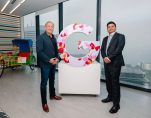
Ratnakar Garikipati, Founder, Chair, and CEO of LeapThought, alongside Rahul Sharma, Google Cloud Managing Director, APAC Public Sector. The partnership combines LeapThought’s specialized AI with Google Cloud’s Gemini models and sovereign infrastructure to deliver secure data control and end-to-end intelligence for infrastructure assets.
The partnership has two priorities. The first is value chain integration, which connects everyone involved in delivering and running an asset — owners, operators, developers, consultants, contractors, and suppliers — on one governed platform. The second is security and sovereignty: owners can keep control of their data, within compliant, standardized frameworks that can be repeated from one program to the next.
FULCRUMHQ, LeapThought’s globally recognized Integrated Digital Delivery (IDD) platform, gives infrastructure owners the option to run on Google Cloud, including Google’s sovereign, air-gapped solutions for defense, public sector, and private sector environments requiring high security. At its core is GENIEHQ, LeapThought’s own Industrial AI, embedded directly into the platform and built to reason over the structured and unstructured data that defines a capital program — BIM models, GIS and geospatial data, ERP financials, schedules, contracts, reality capture, telemetry, and data from field robotics and sensors. The partnership pairs GENIEHQ with Google Cloud’s Gemini models, giving owners and their delivery teams natural-language access to that data across a project and a portfolio.
The partnership delivers on these two priorities as follows:
1. Value Chain Integration: One Governed Record, Natural-Language Insight
Major capital and building infrastructure programs span owners, operators, developers, consultants, contractors, and suppliers — each typically working in separate systems, with design, construction, and operational data fragmented across handovers. LeapThought’s FULCRUMHQ platform brings this information together into a single governed record that follows an asset from design through operation, giving owners a consistent view across their portfolio, not just a single project.
By running FULCRUMHQ — and the GENIEHQ Industrial AI embedded within it — on Google Cloud, and integrating LeapThought’s proprietary data architecture with Google’s Gemini models, the partnership enables:
Interactive Model and Portfolio Querying: Combining GENIEHQ’s deep understanding of project and portfolio data with the multimodal capabilities of Gemini, owners, engineers, project managers, and field teams can ask complex, plain-language questions directly against BIM models and portfolio data — instead of manually clicking through complex 3D CAD/BIM model trees or running predefined filter scripts — such as identifying clash detections, extracting exact material quantities, verifying regulatory code compliance, or surfacing risk trends across a program (e.g., “Show me all fire-rated doors on Level 3 that don’t match the latest spec,” or “Which contractors across our portfolio have the highest rate of non- conforming work this quarter”).
Global Scale and Reliability: Google Cloud provides the high-performance compute and elastic scalability needed to process compute-intense multi-gigabyte 3D models and point-cloud datasets, across a single project or an entire portfolio, in real time.
2. Security and Sovereignty: Full Control on Google Cloud’s Sovereign Solutions
For critical civil assets, defense installations, public sector agencies, and private sector owners where data cannot traverse the public cloud, LeapThought gives owners the choice to deploy on Google Cloud’s data residency solutions, including Google Cloud Data Boundary, Google Cloud Dedicated, and Google Distributed Cloud. In these environments, GENIEHQ, LeapThought’s Industrial AI embedded within FULCRUMHQ, runs alongside Gemini locally, within the owner’s chosen security boundary, ensuring zero cross-boundary exposure or unauthorized external telemetry.
“The value of an asset now lies as much in the intelligence around it as in its physical form. That intelligence belongs to the owner, and it must be secure, sovereign, and shared across the whole value chain. Demand for this is growing quickly, in Asia and around the world, and that is what brought us and Google Cloud together. We’re starting from Singapore and building toward a standard for critical infrastructure everywhere,” said Ratnakar Garikipati, Founder, Chairman, and CEO of LeapThought.
“Public sector and critical infrastructure agencies manage some of the most intricate engineering and regulatory datasets in the world. The partnership between Google Cloud and LeapThought enables project teams and portfolio owners to quickly surface actionable insights directly from complex BIM models and program data using everyday language. Combined with Google’s sovereign, air-gapped solutions, we’re providing agencies with the option to modernize project workflows while maintaining strict data governance, residency, and operational sovereignty,” said Rahul Sharma, Managing Director, APAC Public Sector, Google Cloud.
Hashtag: #LeapThought
The issuer is solely responsible for the content of this announcement.
About LeapThought
LeapThought is a US technology company that builds software connecting people, data, and AI across the infrastructure lifecycle. It is headquartered in Bellevue, Washington, has its Asia headquarters in Singapore, and operates across the United States, Brazil, Singapore, and New Zealand. Its FULCRUMHQ platform and embedded GENIEHQ Industrial AI serve public agencies, developers, consultants, contractors, and universities and institutes of higher learning. Clients include Singapore’s Land Transport Authority, Building and Construction Authority, and JTC. The company was founded and led by Ratnakar Garikipati.
SoftBank Group shares fell sharply on Thursday, bringing the Japanese investment company’s market value close to half its June peak as investors questioned the cost of financing its expanding artificial intelligence commitments. The stock dropped more than 5% in Tokyo trading, extending a retreat that has accompanied broader selling across Asian technology markets. The decline has put renewed attention on SoftBank’s reliance on borrowing and the uncertain […]
Arabian Post Staff -Dubai BlackRock has launched a robotics-focused exchange-traded fund, widening its artificial intelligence investment range as investors become more selective about exposure to the technology. The iShares Future Robotics and Related Technologies Active ETF began trading on NYSE Arca on Wednesday, 21 October, under the ticker RBTX. The fund seeks investments across businesses developing, supplying and deploying intelligent machines that automate physical tasks, including operations […]
TONGXIANG, CHINA – Media OutReach Newswire – 20 October 2026 – The 2026 World Internet Conference Wuzhen Summit will open on Nov. 2, bringing technology leaders, researchers and companies to the historic water town as Tongxiang firms expand AI applications from commercial cleaning and autonomous delivery to industrial control and data-center cooling.
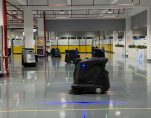
The CenoBot S5 autonomous cleaning robot undergoes real-world testing at a demonstration site in Tongxiang.
For Tongxiang, long associated with the annual internet conference, the summit is also a chance to demonstrate how local companies are commercializing AI technologies for customers at home and abroad.
Ahead of the event, reporters visited seven Tongxiang-based companies working in robotics, intelligent vehicles, synthetic data, industrial automation, logistics and computing infrastructure.
Singapore Changi Airport earlier this year placed a fourth order for commercial cleaning robots from CenoBots, a Tongxiang-based company whose machines are used in airports, supermarkets, hospitals, factories and warehouses.
CenoBots has sold products in more than 40 countries and regions. Its customers include Changi Airport, British retailer Tesco, the University of Minnesota and pharmaceutical company Novo Nordisk. This year, the company supplied about 600 autonomous cleaning robots for Tesco Express stores across the United Kingdom.
“Cleaning robots are appearing in more and more settings,” said Shen Jizhong, CenoBots’ co-founder and vice president. “It is much like electric vehicles becoming a familiar sight on the roads — a trend that is gathering pace.”
The company’s machines are adapted to different settings. Hospital robots must move through busy corridors without disrupting patient care, while those used in supermarkets navigate around shoppers and carts. Factory robots operate near forklifts, and airport models must handle both fine debris in carpeted areas and small obstacles on smooth floors.
CenoBots continues to refine its robots through real-world testing, focusing on reliable operation and consistent cleaning performance across diverse environments. The company has expanded its research, development and production facilities in Tongxiang from approximately 3,000 square meters in its early years to more than 20,000 square meters. Local malls, hospitals and sports venues have also served as long-term testing sites.
While CenoBots focuses on service robots, TEEMO is developing the vehicle platforms that support autonomous mobility. The company makes drive-by-wire skateboard chassis and core components for autonomous vehicles used in last-mile delivery, patrols and logistics.
Its standardized chassis can be equipped with different vehicle bodies and hardware for specific uses. One of TEEMO’s strategic customers, autonomous delivery-vehicle maker Zelos, was selected for all lots in China Post’s centralized procurement program for 7,000 autonomous delivery vehicles.
TEEMO’s customers already span the United States, the Middle East, India and Russia, said Zhang Yongjian, the company’s director of operations.
“In some overseas markets, distances are long, populations are dispersed and last-mile delivery is difficult to staff,” Zhang said. “Autonomous delivery vehicles have strong potential there, and overseas business will become an important growth driver for us.”
Other Tongxiang companies are concentrating on the data and perception systems that allow machines to function in physical environments.
Dayan Technology, founded in Tongxiang in May 2025, provides synthetic-data and toolchain services for autonomous-driving and humanoid-robotics companies. It combines real-world data collection, digital twins and simulated training environments to help developers train robots before they are deployed.
Its wearable devices record human movement and interactions with objects. A haptic glove uses liquid-metal and pressure sensors to capture hand gestures, finger movements and contact force. A multi-camera headset records a user’s visual field, body posture, hand movements and the position of nearby objects.
Dayan said its tactile-perception model can process touch signals in milliseconds. The technology is intended to help robots do more than identify objects visually: They can learn how firmly to grip an item, recognize when it is slipping and apply force without causing damage.
Freetech Intelligent Factory
Freetech is applying related sensing and decision-making capabilities to intelligent driving. The company develops intelligent-driving systems and 4D imaging radar for passenger and commercial vehicles, and said its technology has been selected for hundreds of vehicle programs.
Its ODIN AI platform supports products at different levels of driving automation. The radar is designed to complement cameras in heavy rain, fog, darkness and abrupt changes in light, including when vehicles enter or leave tunnels.
At its intelligent-manufacturing base in Wuzhen, Freetech is also using AI in production. An in-house system reads customer orders and calculates the components and materials needed for each production line before manufacturing begins. The company said the system has increased overall efficiency by more than 20%.
“Transportation combined with a specialized function will be an important direction for the future,” said Dr. Zhang Lin, Freetech’s founder and CEO.
Freetech sees potential applications beyond passenger vehicles, including robots, elder-care vehicles, mining equipment and agricultural machinery.
Beyond mobility, Tongxiang firms are using AI to address the complexity of industrial operations. Founded in 2019, Shuhan Technologies provides on-premises industrial AI for chemical plants, energy facilities and wastewater-treatment systems. Its AI-driven control layer continuously ingests data from central control systems and field sensors, identifies dynamic conditions and autonomously adjusts operating parameters in real time.
“Fundamentally, all industrial process challenges can be framed as control and optimization problems,” said Zhai Zhengjun, Shuhan’s Chief Technology Officer.
At a coal chemical plant with annual capacity of 1.2 million metric tons, Shuhan said its system reduced raw-material consumption by 6%. The company estimated that the deployment generated more than 176 million yuan, or about $26 million, in annualized economic benefits and reduced carbon emissions by more than 500,000 metric tons.
SENAD is targeting bottlenecks in logistics operations, including loading, unloading, sorting and pallet handling. It develops autonomous loading and unloading robots, as well as a multimodal logistics model called Robot Insight, for sectors including beverages, tobacco, consumer goods, pharmaceuticals and logistics.
Tongxiang’s AI sector also includes companies addressing the infrastructure needed to run increasingly powerful computing systems. SynthCool is tackling a basic constraint of the AI boom: heat.
SynthCool develops two-phase liquid-cooling systems to address the heat generated by increasingly powerful processors. Inadequate cooling can trigger thermal throttling, reducing performance and energy efficiency.
“Heat dissipation is infrastructure,” said Zhu Zhijiang, SynthCool’s general manager.
SynthCool’s two-phase cooling technology uses the latent heat of vaporization to remove heat from processors. The cooling fluid absorbs heat and boils into vapor, which is then condensed back into liquid and recirculated.
Depending on ambient conditions and system design, two-phase cooling can also support free cooling and reduce reliance on compressor-based refrigeration. Waste heat may be recovered where temperatures and local demand make reuse practical.
According to SynthCool, its technology supports heat dissipation of more than 3,000 watts per chip and heat flux above 250 watts per square centimeter. Under comparable cooling requirements, the system requires approximately one-third of the flow needed by conventional single-phase water-cooled cold plates, helping reduce piping requirements and pumping demand.
SynthCool’s portfolio includes two-phase direct-to-chip and immersion cooling solutions, along with distribution units and control systems for AI data centers.
Hashtag: #Tongxiang
The issuer is solely responsible for the content of this announcement.
Tesla has demonstrated a redesigned Roadster climbing an inverted ramp, flipping through the air and landing on its wheels during a presentation led by Elon Musk at a SpaceX facility in Texas. The driverless prototype completed the manoeuvre on 15 October before an audience of invited guests, with Tesla broadcasting the demonstration online. Its ability to remain attached to the curved structure while upside down and then […]
OpenAI chief executive Sam Altman expects the company to demonstrate a humanoid robot in 2027, confirming an expansion into machines that could eventually compete with products developed by robotics businesses it previously supported. Altman outlined the timetable in a September interview, describing an impressive demonstration next year while cautioning that robots operating routinely in public spaces would take several more years. His remarks establish a development target […]
Signing of strategic collaboration agreement deepens collaboration on PCIM Asia Shanghai, opening international opportunities for microelectronics companies
HONG KONG SAR – Media OutReach Newswire – 19 October 2026 – From efficient power supply for artificial intelligence (AI) data centres to precision control in smart robotics, power electronics is enabling the next wave of industrial innovation. Hong Kong Science and Technology Parks Corporation (HKSTP) and PCM Asia Shanghai signed a strategic collaboration agreement at Hong Kong Science Park to strengthen their collaboration on PCIM Asia Shanghai, Asia’s premier exhibition for power electronics exhibition.
Together, the two organisations also co-hosted the “Power Electronics Innovation Across Asia” seminar, bringing together international technology companies, academics from local universities, innovators and investors to explore advances in power electronics and power semiconductors, as well as trends and opportunities shaping Asia’s industrial future.
Deepening Cross-Boundary Collaboration to Expand International Market Access
The partnership aims to extend professional exchange into sustained collaboration across the innovation and technology (I&T) ecosystem. By combining the corporate networks, industry platforms, and regional strengths of HKSTP and PCIM Asia Shanghai, the partnership will foster knowledge exchange and industry collaboration across power electronics, semiconductors, electrification and renewable energy.
Through annual cross-boundary exchange activities, coordination meetings, and showcasing opportunities for start-ups, innovative solutions and ecosystem participants, the two parties plan to raise the international profile of emerging technologies and ventures, and help companies to build vital market connections.
The collaboration will also strengthen Hong Kong’s role as a hub for strategic partnerships and bring together international research institutions, integrated circuit (IC) design houses, technology developers and investors, while providing access to the manufacturing capabilities in the Greater Bay Area (GBA) and the Chinese Mainland, driving technologies from R&D, device design and prototyping, and pilot production to market adoption.
Mr Terry Wong, Chief Executive Officer of HKSTP, said: “We are entering an era where AI is ubiquitous, embedded in vehicles, factories, power grids, communications networks and smart devices. None of these systems can function without efficient power conversion, power control and power management. That is why power electronics is becoming one of the most important enabling technologies of the next industrial era. With Hong Kong’s strengths in design-led electronics and the manufacturing capabilities of the Greater Bay Area, HKSTP provides an end-to-end pathway from research and prototyping to pilot production, manufacturing and market adoption. Through our partnership with Messe Frankfurt on PCIM Asia, we can help innovators raise their international profile, connect with new partners and expand into global markets. Together, we aim to build Hong Kong into a leading centre for research, design and system integration in power semiconductors, and strengthen its role as a regional gateway for global power microelectronics collaboration.”
Mr. Richard Li, Executive Director of Messe Frankfurt (HK) Ltd cum Chairperson of the Board of Management, Guangzhou Guangya Messe Frankfurt Co Ltd, said, ‘With 25 years of history, the PCIM Asia series of events has consistently brought together power electronics companies, engineers, and researchers from Asia and around the world. After having held in Shanghai and Shenzhen, PCIM Asia has built a professional exchange platform focusing on power semiconductors, intelligent motion control, renewable energy, and energy management. Meanwhile, Hong Kong possesses outstanding R&D capabilities and global business network, backed by the robust manufacturing base of the Guangdong-Hong Kong-Macao Greater Bay Area. HKSTP has attracted over 300 micro-e companies and has been equipped with comprehensive infrastructure for R&D, prototyping and pilot production. Leveraging Messe Frankfurt’s global exhibition resources as well as the local industrial ecosystem of HKSTP, this strategic collaboration aims to connect Hong Kong’s research capabilities with the Asian power electronics industry. It will elevate the industry exposure of the city’s innovative technologies, and promote long-term sustainable partnerships among industry partners in the Chinese mainland, Hong Kong, and the world”
Connecting Research with Industry Needs in AI and Advanced Energy Applications
The event attracted representatives from industry, academia and the wider I&T ecosystem. Through keynote presentations, expert discussions, technology demonstrations, company pitches and talent networking session, the event explored opportunities to bring power electronics innovations to market.
Experts from international technology leaders, including Mitsubishi Electric, Infineon Technologies, Bosch, STMicroelectronics, Murata, SMC and Vtech, as well as scholars from four local universities discussed AI data centre power supply, smart robotics and advanced energy applications. Discussions focused on translating power semiconductor and intelligent control technologies into integrated, market-ready solutions.
On-site showcases featured gallium nitride (GaN) motor drives, silicon carbide (SiC) chips and power modules, and advanced packaging solutions for AI data centres, intelligent robots and energy systems. The exhibits highlighted how microelectronics can improve energy efficiency and support emerging industries, while creating opportunities for researchers, technology companies and industry partners to collaborate.
Strengthening the Pathway from Research to Pilot Production
HKSTP is home to more than 300 microelectronics companies. Its facilities—including the Hardware Lab, Sensor Packaging and Integration Lab, Heterogeneous Integration Lab and Pilot-Scale Manufacturing Lab—support companies across design, prototyping, and trial production.
Located at the Microelectronics Centre in Yuen Long InnoPark within the Northern Metropolis, the Hong Kong Microelectronics Research and Development Institute (MRDI) supports semiconductor product development and trial production through its pilot lines, helping accelerate the translation of research into practical applications.
HKSTP is also advancing the Microelectronics Centre expansion project (MECX), which will provide approximately 7,500 square metres of additional floor space to attract and support companies across the semiconductor value chain, fostering industry clustering and collaboration.
Hashtag: #HKSTP #PCM
The issuer is solely responsible for the content of this announcement.
Technology companies, start-ups and financial technology ventures could help lift India-UAE bilateral trade to $200 billion, a diplomat told a Dubai forum, identifying opportunities beyond established trade.
Vishnu Vardhan Reddy, Consul General of India in Dubai and the Northern Emirates, said innovation, renewable energy, defence and space technology could contribute to the next phase of economic expansion. He was addressing the Innovators and Investors Series organised by the Indian People’s Forum on October 16.
The proposal comes as both governments pursue a target of $200 billion in bilateral trade by 2032. Trade reached $101.25 billion during India’s 2025-26 financial year, exceeding $100 billion for a second consecutive year, according to official figures.
Reddy urged businesses and investors to establish partnerships capable of taking emerging enterprises into international markets. Investment in technology businesses, he argued, could create additional commercial activity while linking the UAE’s capital providers with enterprises developing products and services in India.
His remarks were an assessment, not a new government commitment or forecast backed by contracts. Achieving the target would require substantial expansion across multiple sectors, including those already accounting for the largest share of bilateral commerce. The $200 billion figure is a bilateral merchandise trade ambition, not a valuation of technology investments or start-up fundraising.
India’s exports to the UAE totalled approximately $37.36 billion in 2025-26, while imports were about $63.89 billion. The UAE remained India’s third-largest trading partner and second-largest export destination. India was the UAE’s second-largest trading partner, according to diplomatic trade data.
The technology emphasis follows a September meeting of the UAE-India High Level Joint Task Force on Investments, where officials agreed to advance work on local-currency settlement, payment-system integration and central-bank digital currencies. Those initiatives are intended to make financial transactions and cross-border commerce more efficient. Officials also discussed cooperation in financial infrastructure, an area where payment interoperability could lower friction for businesses operating in both markets.
The task force also examined investment proposals involving manufacturing, food processing and logistics. Projects discussed included an integrated aluminium complex proposed for Odisha, a food park in Gujarat and opportunities for aviation and logistics development at Dholera.
At the Dubai forum, speakers called for greater participation by UAE investors in start-ups seeking financing, commercial partnerships and access to international customers. The gathering connected entrepreneurs with businesses and potential financial backers.
Two enterprises, JE Plus Healthcare and University Living, presented their business models. JE Plus Healthcare focuses on distribution and logistics for healthcare products, while University Living provides accommodation services for students studying away from home. Both were seeking investment to expand their operations. Their presentations illustrated the range of businesses seeking support, from physical supply chains to digital services for international customers.
Actor and investor Vivek Oberoi told participants that unsuccessful investments were part of entrepreneurship and that investors needed to recognise the lessons associated with business failures. He said he had invested in 35 companies, with mixed results across his portfolio.
Jitendra Vaidya, national president of the Indian People’s Forum, said stronger two-way investment could support commercial ties between the countries. The organisation’s business representatives encouraged investors to examine opportunities in technology, artificial intelligence, machine learning and robotics.
Mahesh Advani, convenor of the forum’s business council, urged UAE investors to consider start-up financing. Piyush Jhunjhunwala, co-convenor of its business and professional council, identified technology-led businesses as a potential destination for private capital.
Figures circulated at the event described a substantial start-up and venture investment ecosystem in India, including companies operating in financial services and advanced technology. However, the figures covered different categories of businesses and financing activity, making direct comparisons difficult without consistent definitions and reporting periods.
The bilateral trade framework rests on the Comprehensive Economic Partnership Agreement, which entered into force in May 2022. It reduced trade barriers across numerous product categories and provided a platform for wider business cooperation. Trade volumes nevertheless remain sensitive to energy prices, demand conditions and changes in the composition of imports and exports.
Government initiatives now include Bharat Mart, intended to support access to markets, and a Virtual Trade Corridor designed to simplify trade processes. Both form part of efforts to improve the movement of goods and information between the two economies.
The Dubai forum was organised by the Indian People’s Forum, a community organisation that also conducts business and professional networking activities in the UAE.
Arabian Post Staff -Dubai Etisalat has completed its first procurement contract evaluation using agentic artificial intelligence operating within its private cloud, marking a new deployment of automated decision support in the UAE telecommunications group’s internal operations. The Abu Dhabi-based company announced the milestone on Tuesday, saying the system can analyse information, assist contract assessments and automate parts of complex purchasing workflows. It plans to extend the technology […]
Debut of ASEAN and Qinghai Pavilions alongside four key themes spanning energy, technology, green cities and waste management
ECO Expo Asia 2026 – Connecting the World for a Sustainable Future
HONG KONG SAR – Media OutReach Newswire – 12 October 2026 – Eco Expo Asia 2026, jointly organised by the Hong Kong Trade Development Council (HKTDC) and Messe Frankfurt (HK) Ltd, co-organised by the Environment and Ecology Bureau of the Government of the Hong Kong Special Administrative Region (HKSAR), will be held from 26 to 29 October at AsiaWorld-Expo.
HKTDC Associate Executive Director Silas Chu said: “Last month, the Hong Kong SAR Government unveiled the Policy Address and first Five-Year Plan, setting out a vision for building a green and liveable city. Across the region and beyond, China, the European Union and many ASEAN economies are actively pursuing carbon-neutrality or net-zero emission targets, and driving decarbonisation through regulations and industrial policies. Green transformation has shifted from policy aspiration to market rule. As global demand for ESG and green solutions continues to grow, Eco Expo Asia will bring together green technologies, innovative solutions, and global business opportunities to help enterprises capitalise on the new prospects emerging from this transition.”
He added, “This year’s Eco Expo Asia brings together over 340 exhibitors from 16 countries and regions, including first-time participants from Indonesia, Laos, Myanmar, the Philippines, Thailand, and Vietnam, highlighting the Expo’s growing international reach. Some 200 key officials and representatives of semi-official organisations from the Chinese Mainland, Hong Kong, Belt and Road countries, and ASEAN, will attend and tour the Expo, further promoting cross-regional cooperation and exchange.”
Speaking at the press conference, the Deputy Director of the Environmental Protection Department of the HKSAR Government, Dr Vanessa Au, expressed: “The 21st edition of Eco Expo Asia, held under the theme ‘Connecting the World for a Sustainable Future’, dovetails with the HKSAR Government’s First Five-Year Plan, and implements the Policy Address precisely aligning with the National 15th Five-Year Plan. It underscores our commitment to advancing Hong Kong’s green transformation, fostering green innovation, seizing the opportunities presented by the low-carbon economy, creating economic benefits and enhancing citizen well-being. Key highlights of this year’s expo include the HKSAR Government booth, the Environmental Campaign Committee Pavilion, the Hong Kong Pavilion and the newly established comprehensive experience zone for green technology. This year during the expo, the Environment and Ecology Bureau and the Ministry of Ecology and Environment of the People’s Republic of China will, for the first time, co-host the Belt and Road Green Innovation Conference in Hong Kong. In addition, the Environmental Protection Department, in association with the Belt and Road Initiative International Green Development Coalition and the Chinese Academy of Sciences, will jointly organise the second edition of the ‘Green Silk Road’ International Training Programme. This expo brings together stakeholders from all sectors, uniting our efforts to advance global carbon neutrality and sustainable development.”
Businesses show continued strong confidence in Hong Kong as an ESG business hub
The HKTDC has also released the “HKTDC ESG Index 2026”. The latest ESG Index stood at 67.3, up from 64.2 last year and well above the neutral threshold of 50, reflecting the continued strengthening of corporate confidence in Hong Kong’s role as an ESG hub. The survey also showed that 93% of respondents have integrated ESG into their overall business decision-making processes, while the share of businesses sourcing or selling ESG-related products and services rose from 29% in 2025 to 46% in 2026.
Silas said, “The rise in the ESG index reflects the continued strengthening of global businesses’ confidence in Hong Kong’s role as an ESG business hub. Results further demonstrate that ESG is increasingly being built into business decisions on investment, sourcing, and supply chain management, fuelling steady growth in demand for ESG products, services and solutions. ESG has evolved beyond a compliance requirement into a source of competitive advantage for companies.”
With strong demand for ESG solutions, Hong Kong is well positioned to unlock commercial opportunities across banking and finance, professional services, and innovation and technology. In terms of technological innovation, surveyed businesses identified the most impactful Hong Kong digital and ESG platforms for boosting performance as sustainable supply chain platforms (45%), AI analytics (37%), and cloud data reporting (30%). On supply chain management, respondents most valued Hong Kong’s ESG certification services (50%), followed by transparency and traceability tools (41%), and ESG audit and risk analysis solutions (36%).
Pavilion line-up expands with ASEAN and Qinghai Pavilion debuts
Eco Expo Asia brings together green innovations and technologies from around the world, offering the industry a platform to exchange ideas and explore new business opportunities. This year, the number of participating pavilions has risen to 18, covering a wider spread of regions. On the Chinese Mainland front, Qinghai Province makes its first appearance with a pavilion of its own, joined by the nine Chinese Mainland cities in the Greater Bay Area, Macao, Guangxi, Hunan, Shanghai, and Nanjing in Jiangsu Province.
Among the international group pavilions, the headline addition is a new ASEAN Pavilion, featuring 13 green technology companies from eight member countries, including Singapore, Laos, Malaysia, Myanmar, the Philippines, Indonesia, Thailand, and Vietnam. An ASEAN networking reception on the opening day will further strengthen business ties with the region. In addition, Korea Institute of Fusion Energy (KFE), bringing two companies, will showcase their marine environmental technologies and waste gas treatment equipment. The US State of Illinois returns after several years, while Canada, Italy, and the Netherlands maintain their regular presence.
Regarding Hong Kong exhibitors, the Hong Kong Science and Technology Parks Corporation once again leads 11 start-ups to the Expo to showcase local green innovation achievements. The Hong Kong Pavilion, supported by the Environmental Protection Department and coordinated by the Federation of Hong Kong Industries, is back with 19 local exhibitors presenting a diverse range of eco-friendly products, technologies and solutions. Rounding off the home-grown line-up, the HKSAR Government booth, featuring 11 bureaux and departments including the Environment and Ecology Bureau, and the Environmental Campaign Committee Pavilion, will highlight the city’s latest work in environmental protection and green development.
As a member of the HKSAR Government’s GoGlobal Task Force, the HKTDC will set up a GoGlobal Connect Zone, helping Chinese Mainland environmental enterprises tap international markets through Hong Kong’s professional services. A seminar on going global rounds out the programme, sharing practical experiences in expanding overseas.
Four thematic areas spotlight green innovation
Aligned with global trends and policy directions, this year’s Expo centres on four areas: Green Energy in Motion, Frontier Green Tech, Building for a Greener City and From Waste to Worth, showcasing the latest innovative green technologies, products, and solutions.
Under”Green Energy in Motion“, the Expo features green energy solutions spanning the maritime, land transport and aviation sectors. Echoing the call in the Policy Address and Hong Kong’s First Five-Year Plan to build a Sustainable Aviation Fuel (SAF) industry chain, EcoCeres Ltd. (Booth: 3-F30), a global leading SAF producer, makes its Expo debut with its advanced renewable SAF made from waste materials, alongside Hydrotreated Vegetable Oil (HVO). The Hong Kong Science and Technology Parks Pavilion (Booth: 3-E02) will also focus on energy, with start-ups presenting innovations such as EV chargers and modular EV conversion technology.
Under the “Frontier Green Tech” theme, around 30 start-ups and university spin-offs will show how research achievements have been transformed into practical environmental applications. Among them, first-time exhibitor Stellerus Technology Limited (Booth: 6-D27) will display the Multi‑Spectral Imaging Carbon Observatory (MUSICO), the world’s first lightweight, high‑resolution, high‑precision synergistic greenhouse gases observatory, which has already been deployed on China’s Tiangong space station. MUSICO monitors greenhouse gas emissions, supporting enterprises in formulating emission-reduction measures and supplying precise data to green finance institutions.
In keeping with the “building a green and liveable city” policy direction under Hong Kong’s Five-Year Plan, the “Building for a Greener City” theme gathers a host of innovations now in real-world use. Green Vigor Limited (Booth: 3-E02) will exhibit a modular hydropower system that converts wasted hydraulic resources from water tanks and cooling systems in buildings into electricity, a solution already in use in local shopping malls, commercial buildings and schools. AEC GreenTech Innovations Limited (Booth: 3-C20) brings a robot designed for plastering and paint spraying, which works at least five times faster than manual labour while halving material use, delivering environmental benefits. The technology has been adopted in local construction projects.
The fourth area, “From Waste to Worth“, assembles a number of leading Chinese Mainland enterprises in the waste management sector, including Chongqing Sanfeng Environment Group (Booth: 3-E30), named among Top 50 Environmental Enterprises in China and the Top 10 Influential Enterprises in China’s Solid Waste Industry, as well as listed environmental companies Dynagreen Environmental Protection Group (Booth: 3-B30) and Beijing Enterprises Environment Group (Booth: 3-D30), showcasing their waste management and resource circular solutions. Hong Kong-based Green AI Technology Limited (Booth: 3-E26) will launch REV, its new generation of the unmanned recycling station at the Expo, demonstrating how AI and automation can be applied to recycling.
Over 30 key events to gather experts from government, industry, academia and research
More than 30 forums and seminars will be held during the Expo, bringing together over 80 government officials, industry leaders and business representatives from the Chinese Mainland, Australia, Malaysia, Thailand, and other Belt and Road countries to share insights on green opportunities, success stories and forward-looking strategies.
The annual flagship event, Eco Asia Conference, will also feature a series of seminars centred on four key themes, with industry and academic experts presenting the latest developments. On 26 October, Professor Su Hui, Chair Professor in the Department of Civil and Environmental Engineering at HKUST, who spearheaded the development of MUSICO, will join ProfessorKenneth Leung, Director of the State Key Laboratory of Marine Environmental Health at CityUHK, to discuss technologies for monitoring extreme weather and explore Hong Kong’s role as a regional green innovation hub. On 27 October, representatives from the Construction Industry Council and China State Construction Engineering (Hong Kong) Ltd will examine green building development from the perspectives of policy, certification and practice.
On 28 October, Avinash Persaud, Special Advisor on Climate Change to the President of the Inter-American Development Bank (IDB) and a member of the High-Level Expert Group on Climate Finance for the COP26, 27 and 28 Presidencies, will take to the stage. Drawing on his extensive experience spanning international finance, public policy, and climate finance, he will analyse emerging global trends in the field.
Public Dayinvites everyone to embrace green lifestyles
The final day of the Expo (29 October) will be Public Day, with free admission for the public, aiming to raise awareness of environmental protection and sustainability and to encourage the adoption of green lifestyles. A series of seminars on climate, environmental protection and food waste upcycling will be held that day. Speakers include representatives from the Hong Kong Observatory, Hong Kong meteorologist and former Assistant Director of the Hong Kong Observatory Leung Wing Mo, and guests from Ways Out HK, a local social enterprise that turns food waste into jewellery. Visitors can also take part in interactive workshops, including a recycled paper making workshop, green cleaners making workshop and green mini games, enabling participants to learn hands-on how to put resource recycling and green living into practice.
Elon Musk has said Tesla and SpaceX could eventually manufacture semiconductors better than established producers, arguing that their experience designing specialised industrial equipment could give their planned Terafab factory an advantage. Speaking by livestream at Saturday’s X Takeover gathering outside Tesla’s Gigafactory in Austin, Texas, Musk acknowledged that semiconductor production would be exceptionally difficult and offered no timetable for achieving his ambition. “I think it is accurate […]
Arabian Post Staff -Dubai SoftBank Group chief executive Masayoshi Son is seeking up to $100 billion from Gulf investors for a proposed fund that would acquire businesses and transform their operations using artificial intelligence. The fundraising discussions are at an early stage, with senior figures in the United Arab Emirates among those approached. No commitments or final agreements have been announced, and there is no assurance that […]
China’s DEEP Robotics has tested waterproof humanoid robots at busy intersections in Hangzhou, deploying machines to direct traffic, identify road violations and assist tourists during persistent rainfall. The trials, conducted during the National Day holiday in early October, involved several DR02 humanoid robots operating across Xihu District in eastern China’s Zhejiang province. The company said the exercise examined whether autonomous machines could undertake routine roadside duties while […]
BANGKOK, THAILAND – Media OutReach Newswire – 5 October 2026 – The Long-Term Resident (LTR) visa has attracted 12,010 high-potential foreigners to Thailand in four years, generating approximately USD 1.28 billion (THB 43 billion) in economic value, according to the Board of Investment (BOI). The visa is a key mechanism for attracting executives and highly skilled personnel for future industries while increasing purchasing power and stimulating domestic spending and economic activity. A new online system now links services from four government agencies in an integrated process.
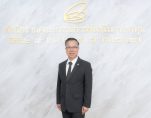
Mr. Narit Therdsteerasukdi, Secretary General of the Thailand Board of Investment (BOI)
Introduced in September 2022 to attract high-potential foreigners to reside and conduct economic activities in Thailand, the LTR visa program has generated an average economic value of more than USD 107,000 (THB 3.6 million) per recipient, according to BOI data. The calculation covers visa fees, spending in Thailand by visa holders, direct investment, and tax revenue from highly skilled professionals.
Amid intensifying global competition for highly skilled personnel, the LTR visa is an important mechanism for bringing global talent into Thailand. This is particularly relevant as the country prepares for a new wave of investment in advanced-technology industries, including semiconductors and advanced electronics, digital technology and AI, humanoid robotics, aviation, and biotechnology.
“The LTR visa is a strategic pillar to attract global talent as Thailand absorbs a new wave of advanced technology investments,” said Narit Therdsteerasukdi, Secretary General of the Board of Investment. “Drawing top-tier executives and technical specialists from around the world is vital to strengthening our national competitiveness and securing technology transfers from international partners.”
Approved LTR visa recipients primarily come from leading economies. The United States accounts for the largest group, with more than 2,400 approvals, followed by Japan with more than 1,300 and the United Kingdom with more than 1,000. Japanese nationals comprise a notable share of the specialist bracket, aligning with Japan’s heavy footprint in Thailand’s automotive and precision-electronics supply networks.
The 12,010 approved LTR visa recipients fall into five categories: 1,779 Highly-Skilled Professionals; 1,043 Work-from-Thailand Professionals, who work from Thailand for overseas employers; 737 Wealthy Global Citizens; 4,561 Wealthy Pensioners; and 3,891 Dependents of recipients in the first four categories.
Among recipients in the Highly-Skilled Professionals and Work-from-Thailand Professionals categories, 54% hold executive-level positions and 36% are professionals in various fields; the remainder are at the technical level. Applicants in each category must meet specific criteria, such as requirements relating to assets, income, investment evidence, work experience, and health insurance, and undergo rigorous checks by the relevant agencies.
To handle rising application volumes and remove long-standing administrative bottlenecks, the BOI rolled out an integrated digital processing portal in September 2026. The platform centralizes review procedures across four primary state bodies: the Department of Consular Affairs, the Immigration Bureau, the Department of Employment, and the Revenue Department.
Complementing the portal, the Thailand Investment and Expat Services Center (TIESC), a one-stop service center, is located on floors 6-7 of the Parade Zone at One Bangkok. “The center is intended to strengthen Thailand’s competitiveness in continuously attracting high-potential talent from around the world,” said Mr. Narit.
In addition to attracting foreign talent through the LTR visa, BOI also facilitates visas and work permits for executives and personnel working in BOI-promoted businesses through the BOI Visa, and offers the Smart Visa for startups. BOI also supports the skills development of Thai personnel through the Skill Bridge measure, and helps Thai entrepreneurs adopt modern technology to enhance their competitiveness through the Business Transformation measure. These measures work hand in hand to attract international experts, develop Thai personnel, and upgrade Thai businesses, strengthening Thailand’s readiness for the transition to a new economy driven by technology and innovation.
Note: Currency conversions are based on the Bank of Thailand’s average selling rate of approximately 1 USD = 33.6 THB.
The issuer is solely responsible for the content of this announcement.
Thailand Board of Investment (BOI)
Established in 1966, the Office of the Board of Investment (BOI) has played an important role for more than 60 years in promoting value-creating investment by both foreign and Thai investors, strengthening competitiveness and supporting Thailand’s sustainable economic restructuring toward the new economy.



 Atoms
 Travis Kalanick












 https://www.instagram.com/hktdclifestyle/