News related to
robot

  • A native world model built from the ground up for embodied intelligence, Kairos 3.0-4B delivers exceptional physics-consistent deep understanding and cross-embodiment generalization, enabling a single “brain” to drive robots of multiple form factors.
  • Kairos 3.0-4B leverages a unified “multi-modal understanding-generation-prediction” architecture for physical-level deep understanding, long-horizon dynamic interaction, precise action control, and long-horizon interaction — 7-minute coherent interaction videos set a new industry benchmark.
  • As a lightweight 4B-parameter model, Kairos 3.0-4B outperforms mainstream embodied world models while delivering industry-leading inference efficiency. It achieves real-time edge generation on the THOR platform with a1:1.5 ratio of generation time to video duration, leading performance across both cloud and edge environments.
  • Kairos 3.0-4B achieves top-ranking accuracy across multiple authoritative benchmarks. Furthermore, leveraging model capabilities and inference tooling, its inference speed is 72 times faster than Cosmos 2.5, setting a new global performance record for embodied world models.

SHANGHAI, CHINA – Media OutReach Newswire – 13 March 2026 – ACE ROBOTICS announced the open-source release of Kairos 3.0-4B, the industry’s first native world model for embodied intelligence to realize unified “multi-modal understanding-generation-prediction” within a single architecture. As the technical cornerstone of the company’s “Human-Centric” ACE Embodied Intelligence R&D Paradigm, Kairos 3.0-4B is designed from the ground up for real-world robotic operation — integrating physical laws, human behavior, and real robot actions to deliver physics-consistent deep understanding of the real world.

The prevailing approach to embodied world models has largely involved retrofitting general-purpose large language or vision models with motion interfaces. Kairos 3.0-4B takes a fundamentally different path. Rather than appending motion capabilities onto existing model architectures, it is built from the architectural level around the fundamental physical and causal laws that govern real-world environments, constructing a unified world-understanding framework capable of cross-embodiment generalization. By embedding causal reasoning chains directly into its decision-making process, the model transcends behavioral imitation and achieves what ACE ROBOTICS defines as physical-level deep understanding — enabling robots to not only know what to do, but to understand why. Its core breakthrough lies in the deep integration of three categories of data: real robot interaction data, structured human behavioral data, and chain-of-thought reasoning data, effectively breaking down multi-source data barriers and significantly improving the reuse efficiency of real-world data.

A landmark achievement of this release is Kairos 3.0-4B’s real-time edge deployment capability. Deployed on the NVIDIA Jetson Thor T5000 platform at 517 TFLOPs, it is the world’s first embodied world model to achieve real-time generation on edge hardware — achieving a 1.5x faster-than-real-time generation speed on the THOR platform — and the first capable of directly driving physical robot bodies for real-world task execution through native edge deployment. The model issues full-body control commands spanning upper limbs, fingers, and lower limbs without intermediate control layers, enabling robots to move from “capable of performing” to genuinely “capable of working.”

Kairos 3.0-4B also delivers a breakthrough in long-horizon interaction. By combining its unified architecture with Agent-based hierarchical planning and a self-reflective iterative optimization mechanism, the model generates coherent future-state predictions up to 7 minutes in length while maintaining full scene coherence and physical fidelity throughout — setting a new industry benchmark for long-horizon embodied interaction and opening new pathways for embodied intelligence training and deployment.

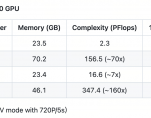
On the A800 GPU benchmark, Kairos 3.0-4B’s inference speed surpasses NVIDIA Cosmos 2.5 by 72 times, setting a new global performance record for embodied world models. This performance is delivered with a lightweight footprint of just 4B parameters and 23.5GB of VRAM — a fraction of Cosmos 2.5’s 70.2GB requirement — demonstrating that efficiency and capability need not be in tension and fundamentally challenging the assumption that larger parameters are a prerequisite for superior performance. The model has also achieved top rankings across three authoritative global benchmarks: PAI-Bench-robot, co-developed by Georgia Tech and CMU; WorldModelBench-robot TI2V, introduced at CVPR 2025; and NVIDIA GEAR Lab’s DreamGen Bench, outperforming all evaluated models on physical consistency and instruction-following metrics.

In A800 GPU benchmarks, Kairos 3.0-4B achieves order-of-magnitude breakthroughs in compute efficiency and inference speed

Supporting seamless cross-embodiment deployment across single-arm, dual-arm, and dexterous hand configurations with no additional per-embodiment training required, Kairos 3.0-4B is compatible with major hardware platforms including Agilex PIPER, Unitree G1, and Galaxy G1. Kairos 3.0-4B is now available on Github (https://github.com/kairos-agi/kairos-sensenova) and Hugging Face (https://huggingface.co/kairos-agi/kairos-sensenova-common).

Hashtag: #ACEROBOTICS


The issuer is solely responsible for the content of this announcement.

About ACE ROBOTICS – Equipping robots with intelligent “brains” and engaging “souls”

ACE ROBOTICS is a pioneering robotics company dedicated to advancing the field of embodied intelligence. Founded by SenseTime co-founder Wang Xiaogang, the company has brought together a team of young, globally scarce AI scientists and industry experts to focus on embodied intelligence. Through breakthrough technological innovations and deep insights into embodied intelligence scenarios, we aim to empower robots with the ability to autonomously understand and explore the physical world, thereby accelerating their commercial implementation.

The company pioneered the ACE R&D paradigm and built a vision-based “environmental data engine, real-world cognition, embodied interaction generalization” technology chain. Using full spatiotemporal and multi-perspective environmental capture as its engine, along with Kairos 3.0 – China’s first open-source and commercially applicable world model – plus the Embodied Foundation Model as its technical backbone, ACE ROBOTICS addresses core industry challenges such as data scarcity, common sense gaps, poor generalization, and limited versatility. Simultaneously, the company unveiled its flagship A1 Embodied Super Brain Module, accelerating the large-scale commercial deployment of embodied intelligence across diverse scenarios.

ACE ROBOTICS is both a technology pioneer and an ecosystem builder. Through strategic cooperation with top hardware manufacturers, cloud service providers, and vertical scenario partners, we have broken through the “model-hardware-scenario” industrial deadlock, providing standardized and customized solutions that are driving the development of China’s embodied intelligence industry.

  • Strategic Investment of S$3-5 billion in Singapore to advance AI-ready data centre developments, supporting over 2 GW of AI-ready capacity globally, and driving technological innovation with international ecosystem partners.
  • First-mover advantage as one of Asia Pacific’s top three hyperscale data centre developers, with proven track record delivering large-scale campus developments in Malaysia, Thailand and India, supporting regional AI and cloud demand.
  • Pioneering sustainable energy solutions, including Singapore’s first floating hydrogen power generation model leveraging the nation’s strengths in maritime transport, port infrastructure and global energy supply chains and research into nuclear energy as a future clean power source for data centres.
  • Building an integrated innovation ecosystem in Singapore through partnerships with universities, research institutions and global technology companies, while supporting job creation and talent development initiatives for around 3,000 students and professionals.

SINGAPORE – Media OutReach Newswire – 12 March 2026 – Bridge Data Centres (BDC), a Singapore-headquartered digital infrastructure platform backed by Bain Capital, has announced ambitious plans to invest S$3-5 billion in Singapore to advance next-generation digital infrastructure and strengthen the country’s position as a leading AI and cloud hub in Asia Pacific.

BDC had announced its new strategic brand identity in early 2026 that reflects the Company’s position of being a leading hyperscale and AI-infrastructure builder with a growing network of mega-campus developments in Asia Pacific. With close to a decade of experience developing high quality data centres, BDC’s new brand identity reflects BDC’s reputation as platform built on disciplined execution, certainty of delivery, and the ability to scale with customers.

As AI and high-density workloads accelerate across Asia Pacific, customers are looking for partners who can offer world-class capabilities and local agility, provide bespoke solutions at scale, and deliver and operate with a proven track record.

With Singapore serving as its global headquarters, BDC is uniquely positioned to support hyperscale customers and global technology companies seeking high-performance, sustainable and scalable data centre platforms across Asia Pacific, while enabling global technology companies to establish and expand their presence in Singapore as they develop AI and digital capabilities in the region.

Over the past decade, BDC has established itself as one of Asia Pacific’s leading digital infrastructure developers and operators. The Company currently operates and develops hyperscale campuses across Malaysia, Thailand and India.

Building on strong relationships with global hyperscale customers and ecosystem partners, BDC is on track to expand its regional capacity to approximately 2 GW by 2030.

By deepening its investments in Singapore, BDC aims to support customers seeking world-class digital infrastructure expertise, strong technology partnerships and integrated energy solutions that enable the sustainable growth of AI workloads.

First-mover advantage

BDC is among the first data centre developers to foray into Malaysia, where the Company has several large-scale data centre campuses – both operational and under development.

BDC’s flagship MY06 campus is the Company’s first project in Johor, as well as the state’s first hyperscale data centre development. In addition, BDC is the first data centre developer in Southeast Asia to adopt a build-to-suit (BTS) model for hyperscale data centre construction. BDC was also among the first hyperscale operators in the region to deploy advanced liquid cooling technologies at scale, including cold plate liquid cooling, to support high-density and AI-driven workloads. BDC’s suite of sustainability initiatives at MY06 enabled the facility to achieve an annualised Power Usage Effectiveness (PUE) of below 1.2.

BDC is also the first in Southeast Asia to incorporate Prefabricated, Prefinished Volumetric Construction (PPVC) construction, an innovative method that assembles large building sections off site. This enabled BDC to complete MY06 within eight months, which is 40 per cent faster than traditional methods, while reducing on-site dust, waste and noise. This strategy is one of BDC’s key competitive advantages to support the growing needs of hyperscale customers in the region, including Singapore, who need to rapidly scale to meet increasing demand for more capacity to power AI-workloads.

BDC has built Malaysia’s first large-scale Water Treatment Plant (WTP) to treat effluent and convert it into high grade effluent water to cool its upcoming 400MW campus in Ulu Tiram, Johor. The WTP applies advanced Membrane Bioreactor (MBR) and Reverse Osmosis (RO) technologies to deliver superior water recovery and quality. Since commencing operations in 2025, the WTP has been significantly reducing reliance on potable water. It further strengthens the long-term resilience of BDC’s operations and supports Johor’s broader environmental agenda.

The WTP has also attracted interest from regional public agencies. In 2025, BDC hosted a technical visit by representatives from PUB, Singapore’s National Water Agency, who were presented with an overview of the plant’s design and its use of advanced membrane technologies for sustainable water reuse in data centre operations.

BDC’s MY-06 Campus (Building 1) has achieved Singapore’s BCA Green Mark Platinum Award granted under the BCA-IMDA Green Mark International for Data Centres 2024 (GMDC: 2024) framework. The BCA Green Mark Award recognises developers, building owners and individuals who have made outstanding achievements in environmental sustainability in the built environment. BDC is the first data centre operator to achieve this recognition for a facility based outside of Singapore. Beyond project certification, BDC has also signed a Memorandum of Understanding with BCA International (BCAI) to support the international adoption of Singapore’s Green Mark standards in global data centre developments. Through this partnership, BDC will promote Singapore’s sustainable building standards globally while reinforcing the country’s position as a leading AI and green digital infrastructure hub in the region.

These capabilities are aligned with Singapore’s Green Data Centre (DC) Roadmap, which emphasises energy efficiency, sustainable resource use and the integration of green energy to support the growth of digital infrastructure. BDC’s experience in delivering high-efficiency campuses positions it well to contribute to these objectives through practical, deployable solutions.

Pioneering energy solutions

As AI workloads drive the rapid expansion of digital infrastructure, energy resilience, data security and sustainability are becoming increasingly important. BDC is advancing a range of initiatives to explore alternative energy pathways and strengthen long-term power strategies.

A key collaboration is with Concord New Energy (CNE), where the partners are jointly developing Singapore’s first floating hydrogen power generation solution tailored for next-generation AI digital infrastructure, marking a significant milestone in advancing low-carbon energy pathways for the data centre sector.

BDC and CNE will also collaborate with Nanyang Technological University (NTU) to support the development of Singapore’s hydrogen ecosystem, accelerating research, engineering and the deployment of scalable clean energy technologies for digital infrastructure applications.

In addition, BDC is working with Singapore’s Agency for Science, Technology and Research Institute of High Performance Computing (A*STAR IHPC) and HY to evaluate the potential of nuclear energy as a long-term clean power source for data centres.

BDC’s alliance with A*STAR IHPC and HY will leverage advanced modelling and engineering expertise to explore innovative low-carbon energy pathways that will support Singapore’s sustainable digital growth while reinforcing the nation’s position as a trusted global technology hub.

BDC has also established partnerships with global leaders in energy and energy storage technologies, including CATL, EcoCeres, SK Innovation. Through these collaborations, the partners will jointly explore the establishment of innovation and research platforms to advance the development and pilot deployment of clean energy solutions such as hydrogen and biomass energy, as well as next-generation energy storage technologies designed for tropical climates. These initiatives aim to enhance thermal management, improve safety performance and increase the power density of data centre energy storage systems.

These collaborations and pilot initiatives will also contribute to talent development and workforce capability building in Singapore’s digital infrastructure and energy sectors. Through joint research programmes, technology pilots and knowledge exchange with universities, research institutions and industry partners, BDC aims to support the development of specialised expertise in areas such as advanced energy systems, sustainable data centre design, and next-generation cooling and energy storage technologies.

The initiatives are also expected to create high-value job opportunities in Singapore, spanning engineering, energy systems research, digital infrastructure operations and advanced technology development. By nurturing local talent and strengthening cross-disciplinary capabilities, these efforts will help build a robust talent pipeline to support Singapore’s growing AI and digital infrastructure ecosystem.

These partnerships represent a strategic step in BDC’s long-term roadmap to diversify power sourcing pathways, enhance energy security, and future-proof its Singapore data centre portfolio amid evolving grid constraints and decarbonisation dynamics. They also reinforce Singapore’s position as a regional hub for AI-ready digital infrastructure, while supporting the nation’s broader ambitions in sustainable energy innovation and green economic growth. Furthermore, these advancements accelerate Singapore’s ambition to achieve its net zero emissions goal by 2050.

Advancing technology and ecosystem growth

BDC is also pushing the envelope in innovative and sustainable cooling solutions through collaborations with ecosystem technology partners such as Vertiv, Terahop and Teracule, which are subsidiaries of Zhongji Innolight, as well as Delta Electronics and Supermicro.

Many of these partners are established leaders in data centre cooling, power systems and high-performance computing infrastructure, and are active participants in the broader AI infrastructure ecosystem, working closely with leading chipmakers to support next-generation compute environments.

Through its collaboration with Teracule and Terahop, the subsidiaries of Zhongji Innolight, BDC is exploring opportunities to jointly develop next-generation liquid cooling modules and high-performance optical connectivity solutions tailored for AI data centre environments. By combining Innolight’s expertise in optical modules and high-speed interconnect technologies with BDC’s experience in hyperscale data centre design and operations, the partners aim to advance integrated solutions that enhance thermal efficiency, data transmission performance and system reliability for high-density AI workloads.

The collaboration will also explore the establishment of joint research and development initiatives in Singapore, bringing together industry, academia and research institutions to support innovation in AI infrastructure technologies. Through this industry–academia-research collaboration model, the partners aim to accelerate the development and commercialisation of advanced cooling and connectivity technologies while contributing to Singapore’s broader push to strengthen research, talent development and innovation within the digital infrastructure ecosystem.

Together, these alliances focus on the development of advanced liquid cooling architectures, high-density GPU cooling solutions, and energy-optimised HVAC systems designed to support increasingly compute-intensive workloads. These technologies are critical in enabling the efficient operation of AI infrastructure, particularly as rack densities and thermal loads continue to rise in next-generation data centre environments.

Driving regional connectivity

As a Singapore-headquartered digital infrastructure platform, BDC continues to strengthen Singapore’s position as a regional hub for digital infrastructure and AI-driven innovation. With its highly developed connectivity ecosystem, robust regulatory environment and strong international network links, Singapore plays a central role in enabling the growth of the digital economy across Asia Pacific.

In this context, Singapore serves as one of the primary regional hubs, supporting high-value and latency-sensitive digital services such as edge computing deployments, international data traffic management and regional digital service platforms.

To support the burgeoning demand for AI and cloud computing across the region, complementary infrastructure resources across Asia Pacific can help provide additional capacity for compute-intensive workloads, including AI inference, machine learning and large-scale data processing. This cross-border model enables Singapore to remain the connectivity and innovation anchor of the ASEAN digital ecosystem, while regional infrastructure supports the scaling of digital capacity.

BDC’s collaborations with ecosystem partners, including major telecommunications companies and global technology firms, also help expand connectivity networks beyond Asia Pacific, further reinforcing Singapore’s role as a key regional interconnection hub.

One such ecosystem partner is Zenlayer, a leading global edge cloud and connectivity provider with a well-established customer base across Asia Pacific, North America and Europe. Through this partnership, BDC continues to strengthen its regional and international network connectivity anchored in Singapore.

This expanded network reach supports low-latency cross-border digital infrastructure integration, enabling hyperscalers to scale efficiently across markets while leveraging Singapore as one of the core regional gateways for digital services.

Catalysing Singapore’s AI-driven digital growth

Looking ahead, BDC will continue to leverage its operating model as a glocal platform, combining regional scale with deep local execution capabilities to expand across Asia Pacific. The Company’s strategy focuses on connecting key economic corridors, developing high-density, utility-integrated campuses, and working with ecosystem partners to align digital infrastructure growth with evolving energy pathways.

Anchored in Singapore as its strategic regional hub, BDC’s investments and partnerships contribute to the development of a robust digital infrastructure ecosystem that supports AI-driven workloads and cross-border connectivity.

BDC is also adopting an industry–academia–research collaboration mode, bringing together industry partners, universities and research institutes to accelerate innovation in AI infrastructure, advanced cooling technologies and sustainable energy systems. This integrated approach supports the development of new technologies while nurturing local talent and strengthening Singapore’s innovation ecosystem.

BDC’s initiatives in hydrogen, low-carbon power solutions and energy storage further contribute to the growth of Singapore’s green economy, catalysing investment in sustainable energy infrastructure and support the transition towards lower-carbon digital operations.

BDC’s efforts support the creation of high-value jobs and the development of specialised technical expertise in Singapore, spanning engineering, digital infrastructure and advanced energy systems. In addition, BDC will work with universities, research institutes and industry partners to support talent development initiatives, including internships, training programmes and collaborative research opportunities, contributing to the development of a strong local talent pipeline for Singapore’s AI and digital infrastructure ecosystem.

Collectively, these contributions reinforce Singapore’s position as a leading AI and digital infrastructure hub in Asia Pacific, underpinned by resilient, efficient and sustainable infrastructure.
Hashtag: #BridgeDataCentres #Singapore

The issuer is solely responsible for the content of this announcement.

Bridge Data Centres

Bridge Data Centres (BDC) is a Singapore-headquartered hyperscale data centre provider delivering high-performance, next-ready infrastructure across Asia Pacific. Backed by Bain Capital, BDC operates in Malaysia, Thailand, India, and other high-growth markets, with the capability to deliver up to 3 gigawatts (GW) of capacity globally by 2030 through partnerships with sister platforms in Europe and the United States.


Autonomous delivery robots are beginning to move beyond pavements and into urban streets, as robotics company Coco Robotics deploys a faster generation of machines guided by mapping technology originally developed for the global mobile game Pokémon GO. The company says its latest machine, known as Coco 2, can travel at speeds of up to 13 miles per hour while navigating city roads and bicycle lanes where local […]

Arabian Post Staff -Dubai UAE-based venture capital firm Shorooq has joined a $1.03 billion funding round for French artificial intelligence startup AMI Labs, a company founded by prominent AI researcher Yann LeCun, as investors intensify backing for technologies designed to give machines a deeper understanding of the physical world. The financing round also drew participation from technology and investment heavyweights including Nvidia, Temasek and entrepreneur Mark Cuban, […]

Engineering group ABB has committed about $75 million to expand manufacturing and research operations across five locations in India, a move aimed at strengthening production for sectors such as renewable energy, metro rail systems and data centres. The investment reflects rising demand for advanced electrification and automation technologies as infrastructure projects accelerate and digital capacity expands across the country.

ABB said the spending will upgrade and enlarge facilities that produce critical components including switchgear, power distribution equipment and industrial automation systems. The programme is also designed to expand research and development capabilities to support innovation in energy efficiency, smart grid technologies and digitalised industrial processes. Executives say the initiative forms part of a broader strategy to align manufacturing capacity with growing infrastructure investment and the rapid expansion of power-intensive industries.

The company’s expansion covers five manufacturing and engineering sites located in Karnataka, Maharashtra and Gujarat. Upgrades will introduce new automated production lines, enhanced testing laboratories and expanded engineering facilities aimed at designing solutions for electrification, transport networks and digital infrastructure. ABB expects the additional capacity to support large-scale projects ranging from metro rail electrification to the growing network of data centres serving cloud computing and artificial intelligence services.

Demand for equipment linked to renewable energy projects has surged as the country accelerates plans to increase solar and wind generation capacity. Grid-integration technologies, power converters and control systems have become essential as utilities manage fluctuating renewable output while maintaining grid stability. ABB’s investment is intended to strengthen its ability to deliver these solutions domestically while also supporting export markets in Asia, the Middle East and Africa.

Metro rail expansion has emerged as another driver for advanced electrification equipment. Urban transport networks in cities such as Bengaluru, Mumbai, Delhi and Hyderabad are undergoing continuous expansion to address congestion and improve mobility. These projects require reliable power distribution systems, signalling integration and energy-efficient traction equipment. ABB’s manufacturing expansion is expected to help supply such components more efficiently while shortening delivery timelines for large infrastructure contracts.

Data centres represent one of the fastest-growing infrastructure segments globally, and the country has become a major destination for cloud and digital-service investments. Technology companies and telecommunications providers are building large facilities to manage the surge in online services, financial technology platforms and artificial intelligence workloads. These facilities require high-capacity electrical systems, uninterrupted power supplies and advanced cooling solutions, areas where ABB has been expanding product development.

Company officials say the investment will also strengthen collaboration between manufacturing units and engineering teams to accelerate product innovation. Expanded research facilities are expected to focus on digital monitoring systems, predictive maintenance tools and power-management technologies designed to improve energy efficiency across industrial operations. Such innovations are increasingly sought by infrastructure operators attempting to reduce energy consumption and operating costs.

Global industrial groups have been increasing investment in advanced manufacturing and engineering capabilities across the country as infrastructure development gathers pace. Government programmes encouraging domestic manufacturing, combined with demand for electrification technologies, have attracted multinational companies seeking to expand local production while integrating global supply chains. ABB has maintained a presence in the market for more than a century and operates multiple technology centres focused on electrification, robotics and automation.

Industry analysts say electrification and digital automation are becoming central to infrastructure planning as cities grow and industries transition towards cleaner energy systems. Equipment that supports smart grids, energy-efficient manufacturing and automated transport networks is expected to see strong demand over the coming decade. Companies able to integrate digital monitoring with hardware solutions are viewed as particularly well positioned in this evolving landscape.

ABB’s strategy places emphasis on combining electrical equipment with digital analytics to monitor power usage and equipment performance in real time. Sensors, connected control systems and artificial intelligence-based monitoring platforms are increasingly embedded within infrastructure networks. Such technologies allow operators to detect equipment failures early, optimise energy consumption and reduce downtime in critical facilities such as metro systems and data centres.

Arabian Post Staff -Dubai Apple appears poised to expand its smart home ambitions with a new device widely referred to as the “HomePad”, a screen-equipped hub designed to place voice control, automation and communication at the centre of connected households. Industry leaks and supply-chain reports indicate that the product will feature a roughly seven-inch display powered by an A18-series processor, combining elements of the HomePod speaker with […]

Huawei has presented a new blueprint for transforming broadband infrastructure with artificial intelligence, unveiling an upgraded fibre access architecture aimed at helping internet service providers manage surging data demand and increasingly complex digital services. The proposal, introduced during Mobile World Congress Barcelona 2026, centres on Huawei’s Next Generation Fiber Access Network, or FAN, which integrates AI tools with all-optical broadband systems. Company executives said the architecture is […]

Advertisements

Senior hardware executive Caitlin Kalinowski has resigned from OpenAI, citing ethical concerns over the company’s agreement to provide artificial intelligence capabilities to the United States Department of Defense, a move that has triggered debate within the technology sector about the role of AI in military and surveillance systems. Kalinowski, who led OpenAI’s robotics and consumer hardware initiatives, announced her decision in a public statement, saying the partnership […]

Arabian Post Staff -Dubai United Arab Emirates and Japan have agreed on the final provisions of a Comprehensive Economic Partnership Agreement, marking a significant step toward expanding trade and investment ties between the Gulf state and Asia’s third-largest economy. The agreement, the first such partnership Japan has concluded with an Arab country, aims to reduce tariffs, ease market access and deepen cooperation across sectors ranging from energy […]

Barcelona set the stage for a decisive shift in telecoms strategy as leading network vendors and chipmakers used Mobile World Congress 2026 to outline how artificial intelligence will be embedded at the core of 6G systems, signalling a move beyond incremental 5G upgrades towards a fully software-defined, AI-native architecture. Executives from Nokia, Ericsson and Intel presented live demonstrations, new research partnerships and early field deployments aimed at […]

Arabian Post Staff -Dubai Barcelona set the stage for what could be a defining moment in mobile innovation as Honor unveiled its Robot Phone at the Mobile World Congress 2026, positioning the device as a radical departure from conventional smartphones. Described by the company as a “new species of smartphone,” the Robot Phone blends advanced imaging, motion intelligence and interactive AI to create a device that not […]

Huawei is set to announce an open-source project centred on its A2A-T software, a move designed to accelerate the adoption of agent-to-agent communication standards across enterprise and industrial ecosystems. The Shenzhen-based technology group has indicated that the A2A-T framework will be made available to developers and research institutions under an open governance model, allowing external contributors to refine and extend the protocol stack. The initiative is positioned […]

SINGAPORE – Media OutReach Newswire – 27 February 2026 – DEEBOT T90 PRO OMNI features a suite of fully upgraded technologies that deliver a truly hands-free and ultra-powerful experience, setting a new standard in the mid-range robotic vacuum market. Integrating advanced innovations such as OZMO ROLLER 3.0 and PowerBoost Technology within an exclusive minimalist Nordic design, the T90 PRO OMNI offers a top-of-the-line, premium floor cleaning experience and delivers the best value in its class.

OMNI Station features Fresh-flow Power Washing and Dirty Water Box Auto-Cleaning so users no longer have to clean the machine manually. AGENT YIKO uses intelligent scene recognition to detect cleaning zones and avoid pets while cleaning.

ECOVACS ROBOTICS, a pioneer in service robotics, introduces the DEEBOT T90 PRO OMNI – an all-new generation of hands-free, ultra-powerful robotic cleaning built on fully upgraded technologies. Powered by the new OZMO ROLLER 3.0 Instant Self-Washing Mopping Technology and PowerBoost Technology with Perpetual Runtime, the T90 PRO OMNI ensures spotless results with zero interruptions, creating a daily life with a calm, Nordic-inspired aesthetic that naturally blends into your home and daily life.

Elevated mopping performance with the new OZMO ROLLER 3.0 Instant Self-Washing Mopping Technology. TruEdge 3.0 Extreme Edge Cleaning that reaches into hard to clean edges while protecting furniture.

With the DEEBOT T90 PRO OMNI, ECOVACS redefines what mid-range robotic vacuum cleaners can achieve. This new addition brings together premium cleaning performance, long-lasting reliability, and a seamless design that effortlessly fits into contemporary homes. Delivering top-tier results with class-leading value, the T90 PRO OMNI sets a new benchmark for what consumers can expect from the mid-range segment.
Spotless Cleaning, Perpetual Runtime

The DEEBOT T90 PRO OMNI elevates mopping performance with the fully upgraded OZMO ROLLER 3.0 Instant Self-Washing Mopping Technology. A 50% longer 27-cm roller covers more floor area in each pass, while a high-performance pressurized water pump feeds 16-nozzle 32-way precision nozzles to tackle stubborn messes. The roller spins at up to 200 RPM to prevent streaks and secondary contamination, keeping floors consistently spotless with no manual scrubbing required.

Equipped with the revolutionary PowerBoost Technology that redefines intelligent charging for robotic vacuum cleaners, the DEEBOT T90 PRO OMNI showcases ECOVACS’ latest leap in cleaning efficiency through ultra-fast energy boosts and non-stop cleaning freedom. A self-optimizing algorithm dynamically reserves power to prioritize full-space completion, enabling 10% battery power​ to be restored in three minutes during routine mop cleaning intervals, and up to 500 m² can be cleaned in a single run without interruption. This intelligence-driven, perpetual operation ensures that even large homes stay clean in a single cycle – no need to worry about a low battery or incomplete tasks.

Total Home Coverage, Unstoppable Clean

The fully upgraded TruEdge 3.0 Extreme Edge Cleaning ensures edge-to-edge cleanliness. Its 1.5 cm air-cushion suspended roller adapts in real time to glide smoothly along walls, while a protective felt strip prevents scratches to furniture and baseboards. Two soft rubber edge-gliding wheels and a fixed side brush further extend cleaning reach, capturing hidden debris that typical vacuums leave behind.
When facing impassable obstacles, the TruePass Adaptive 4-Wheel-Drive Climbing System gives the DEEBOT T90 PRO OMNI unmatched mobility. Two auxiliary levering wheels deploy automatically when needed, using soft rubber gripping teeth to climb single steps up to 2.4 cm and consecutive steps up to 4 cm. This ensures the robot cleans seamlessly across uneven surfaces without missing rooms or getting stuck.
The all-new ZeroTangle 4.0, with lateral airflow channels, and a reinforced wide-span dual-bearing structure, captures dust and hair efficiently without tangling. This reduces maintenance and keeps suction strong and stable, giving users a smooth, quiet, and worry-free cleaning experience every day.
Elegant Design Meets Effortless Maintenance

Understanding consumers’ desire for both style and convenience, ECOVACS designed the DEEBOT T90 PRO OMNI with a refined, minimalist aesthetic inspired by Nordic design. Its monochromatic point-cloud texture and fabric-like finish offer a warm, premium appearance while ensuring durability and easy upkeep, effortlessly complementing any home interior.
To make cleaning truly hands-free, the OMNI Station features Fresh-flow Power Washing and Dirty Water Box Auto-Cleaning. Fresh-flow Power Washing uses a new high-pressure direct pump to deliver heated water (up to 75°C) through 16 nozzles, saturating and deep-cleaning the mop roller for maximum cleanness. The self-cleaning wastewater system — with a 5,000 RPM propeller, straight-down drainage, a dual-layer scraping mechanism, and an independent sediment trough — removes dirt quickly to eliminate odors and prevent contamination. Users can enjoy a consistently fresh cleaning experience without touching dirty components.

An AI-Powered Experience that Truly Understands You and Your Home

With AGENT YIKO, the DEEBOT T90 PRO OMNI becomes more than a cleaning device — it is an intelligent home companion. Using intelligent scene recognition, AGENT YIKO identifies room types, floor materials, and pet zones, then automatically generates adaptive cleaning plans based on your habits and living space. It adjusts suction, water flow, and route planning in real time to deliver optimal results with zero management.
For pet families, the T90 PRO OMNI offers a gentle yet smart cleaning experience. It can sense and avoid pets while they roam. Users can set customized pet activity zones, so the robot focuses where it’s needed most, keeping both floors and furry friends happy.

Whether you’re at home or away, you can count on a spotless space, a healthier environment, and a cleaning experience that fits naturally into your lifestyle.


DEEBOT T90 PRO OMNI and DEEBOT mini 2 Debut at the Singapore IT Show 2026

Marking their first public showcase in Singapore, the DEEBOT T90 PRO OMNI and the DEEBOT mini 2 will officially debut at the Singapore IT Show 2026, taking place from 12 to 15 March 2026. Visitors to the show will be among the first in Singapore to experience ECOVACS’ latest DEEBOT T90 PRO OMNI launch in person, with live demonstrations highlighting its upgraded OZMO ROLLER 3.0 Instant Self-Washing Mopping Technology and PowerBoost Technology with Perpetual Runtime, as well as the refined Nordic-inspired design.

Consumers will also be able to experience the new ultra-compact DEEBOT mini 2, for those seeking a powerful cleaning solution without compromising on space. With a diameter of just 28.6 cm – smaller than a sheet of A4 paper – the DEEBOT mini 2 is designed for small apartments, from compact studios to two-bedroom homes. Despite its size, the DEEBOT mini 2 is equipped with advanced technologies like TrueMapping 2.0 and TrueDetect 3D, to plan cleaning routes and detect different surfaces, providing up to 91% whole-home cleaning coverage. It effortlessly navigates tight corners and hard-to-reach areas, offering 100% edge and corner coverage. Whether it’s under coffee tables, between furniture legs, or in narrow hallways, the DEEBOT mini 2 ensures that no spot is left behind.

The showcase underscores ECOVACS’ commitment to bringing intelligent, hands-free home cleaning innovations closer to local consumers through immersive, hands-on experiences.

Pricing and Availability

The DEEBOT T90 PRO OMNI and DEEBOT mini 2 will be available in Singapore from 8PM on 2 March 2026 via the ECOVACS official webstore, NTUC FairPrice webstore, Shopee, Lazada, and TikTok Shop.

The DEEBOT T90 PRO OMNI will be offered at a pre-sale price of S$1,199 (U.P. $1,899). Purchases made on the official webstore, Fairprice Online, Shopee, Lazada, and Tiktok will include a Tineco iCarpet Spot Cleaner worth S$379, while stocks last.

The DEEBOT mini 2 will be offered at a pre-sale price of S$599 (U.P. $749). Purchases made on the official webstore, Fairprice Online, Shopee, Lazada, and Tiktok will include an accessories pack worth S$48.90, while stocks last.

Hashtag: #ECOVACS

The issuer is solely responsible for the content of this announcement.

About ECOVACS ROBOTICS:

Founded in 2006, ECOVACS ROBOTICS is a global leader in home service robotics with a diverse portfolio of products encompassing robotic vacuum cleaners and robotic window cleaners. With its expansion into robotic lawn mowers, commercial cleaning robots and robotic pool cleaners, ECOVACS solidified its position as a multi-category leader in home service robotics.

Guided by the mission “Robotics for All”, ECOVACS continues to advance technology and enhance the user experience to make life smarter and more stylish for consumers worldwide. With sales subsidiaries in Germany, the United States, Japan, and Singapore, ECOVACS products reach nearly 180 major markets and serve over 38 million households globally.

A testament to this market leadership, ECOVACS ROBOTICS has ranked first in China’s robotic vacuum cleaner market by share for ten consecutive years (2015-2024).

HONG KONG SAR – Media OutReach Newswire – 26 February 2026 – Fast-tracking innovation and technology (I&T) development is a core feature of the 2026-27 Budget, unveiled yesterday (February 25) by Paul Chan, Financial Secretary of the Hong Kong Special Administrative Region (HKSAR).

Mr Chan said Hong Kong would be stepping up support measures such as computing power, land and capital, to enhance the city’s influence as a global source of original innovation.”Hong Kong’s strengths in innovative scientific research and commercialisation of research outcomes lie in our internationalised qualities, strong research capabilities, support of financial sector and a rich pool of high-calibre talents,” Mr Chan said.

He added that the Government is pressing ahead with the industrialisation of artificial intelligence (AI) and deepening its integration across various industries, while encouraging wider AI application, referred to as AI+, with an initial focus on life and health technology and embodied AI.

HKSAR’s Financial Secretary, Paul Chan, sets out strategies to propel Hong Kong’s innovation and technology development

“I will establish and chair the Committee on AI+ and Industry Development Strategy to formulate strategies and create favourable conditions for AI to empower the transformation and development of industries,” Mr Chan said.

“We are making proactive efforts to align with the National AI+ Initiative by promoting ‘industries for AI’ and ‘AI for industries’ through application.”

The Financial Secretary highlighted that the Hong Kong Artificial Intelligence Research and Development Institute Company Limited will come into operation in the second half of this year, to promote AI+ development and transformation of R&D outcomes and advise the Government on relevant matters.

Professor Sun Dong, Secretary for Innovation, Technology and Industry, echoed the need for holistic development of AI+ development. “When you talk about AI, you cannot just talk about AI research, or just talk about the infrastructure, we have to do it together. Actually, that is what we have been doing in the past three years. Everything is very important.”

Central to the Government’s efforts in promoting I&T is the San Tin Technopole area in the Northern Metropolis development.

“The San Tin Technopole will provide a large piece of land which can help accelerate the commercialisation of R&D results and provide industrial space for prototyping, pilot and mass production,” Mr Chan said. He proposed injecting $10 billion (US$1.28 billion) as initial capital to take forward the development, while leveraging market resources to accelerate the progress.

Mr Chan also earmarked $10 billion (US$1.28 billion) to accelerate the development of the Hetao Hong Kong Park by engaging the market to speed up the disposal of the remaining land parcels under Phase 1 development, providing key infrastructure, further strengthening support to start-ups and establishing a venture fund.

Mr Chan set aside about $220 million (US$28 million) to establish in Hong Kong the first national manufacturing innovation centre outside the Chinese Mainland. This, he said, reflects the Government’s commitment to implementing the Co-operation Agreement on the Development of New Quality Productive Forces and the Promotion of New Industrialisation signed with the Ministry of Industry and Information Technology to promote industrial collaboration.

image-1.jpeg

The Budget also sets out support measures for various technology-related emerging industries. Among them is the aerospace industry. The Office for Attracting Strategic Enterprises will take the lead to identify aerospace enterprises to develop in Hong Kong. Also, the Hong Kong Exchanges and Clearing Limited would review the relevant listing requirements to facilitate and attract the listing of aerospace enterprises in Hong Kong.

Noting that low earth orbit satellites can support the development of high-end industries, Mr Chan said the Government would proactively expand telecommunications infrastructure, streamline the relevant licensing regime and promote future 6G applications.

Meanwhile, the $10 billion (US$1.28 billion) Innovation and Technology Industry-Oriented Fund, introduced by the Government to channel market capital to invest in emerging fields of strategic importance, such as life and health technology, AI and robotics, as well as future industries, is expected to commence operation within this year.

“The key is to popularise the understanding and use of AI by all levels of society,” Mr Chan said.

Hashtag: #HongKong #BrandHongKong #Budget #Innovation #Technology #AI


The issuer is solely responsible for the content of this announcement.

Wayve has secured more than $1bn in fresh capital as it accelerates plans to bring fully autonomous vehicles to public roads in Britain, marking one of the largest single funding rounds for a European artificial intelligence company. The London-based start-up said it had raised $1.05bn in a round led by Japan’s SoftBank Group, with participation from Nvidia and Microsoft. The deal values the company at about $11bn, […]

Arabian Post Staff -Dubai   UAE has emerged as the fastest-growing market worldwide for artificial intelligence hiring, with demand for AI specialists accelerating sharply over the past year as Gulf economies deepen their technology push. New data from the RemotePass 2025 Hiring Report shows AI-related recruitment in the UAE climbed from 32 per cent of total tech hiring in 2023–24 to 48 per cent in 2024–25, marking […]

Tesla, the electric vehicle and autonomous technology company led by Elon Musk, has escalated its long-running dispute with California regulators by filing a lawsuit aimed at overturning a key regulatory ruling that found its marketing of advanced driver-assistance systems misled consumers. The legal action targets a decision by the California Department of Motor Vehicles that determined the company’s use of the terms “Autopilot” and “Full Self-Driving” violated […]

China’s electric vehicle industry has recorded more than 146,000 battery swaps in a single day, marking a milestone for a technology long promoted as a faster alternative to conventional charging. The figure, disclosed by industry participants, underscores the scale at which battery-swapping networks are now operating across major cities and highways, led by companies including Nio and battery giant CATL.

Battery swapping allows drivers to exchange a depleted battery for a fully charged one in a matter of minutes at automated stations. Proponents argue that the process reduces waiting times, eases pressure on charging grids and addresses consumer concerns over driving range. The single-day tally reflects the rapid build-out of swapping infrastructure, particularly in urban clusters where electric vehicle adoption has surged.

Nio, one of the most prominent advocates of the model, has invested heavily in automated swap stations capable of completing a battery exchange in roughly three to five minutes. The company has deployed thousands of such stations nationwide, positioning the service as a core part of its premium brand offering. CATL, the world’s largest electric vehicle battery manufacturer, has also entered the segment, unveiling standardised battery packs and modular swap solutions aimed at broader industry adoption.

The record comes as authorities continue to encourage innovation in electric mobility as part of wider decarbonisation efforts. China remains the world’s largest market for electric vehicles, accounting for more than half of global sales. According to industry data, new energy vehicles — which include battery-electric and plug-in hybrid models — have steadily expanded their share of total car sales, supported by policy incentives, local government backing and a dense manufacturing ecosystem.

Supporters of battery swapping argue that the model can complement fast-charging networks rather than replace them. While high-powered chargers have improved, recharging times can still extend beyond 20 minutes depending on capacity and grid availability. Swapping offers a predictable and shorter turnaround, which fleet operators such as ride-hailing and logistics companies view as critical to maintaining vehicle utilisation rates.

Industry analysts note that standardisation has historically been a barrier to wider adoption. Different vehicle platforms often require unique battery configurations, complicating interoperability. CATL has sought to address this by promoting unified battery specifications that could be shared across brands. If widely adopted, such standardisation could lower infrastructure costs and accelerate rollout beyond premium segments.

Nio has expanded partnerships with other manufacturers to open its swapping network to additional vehicle models. The company has also integrated digital systems to allow drivers to locate stations, reserve slots and monitor battery health. Executives argue that separating vehicle ownership from battery ownership — through subscription-style battery leasing — reduces upfront purchase prices and mitigates concerns over long-term battery degradation.

However, sceptics question whether the economics can be sustained at scale. Building and maintaining automated swap stations requires substantial capital expenditure. Each site houses multiple battery packs, robotic handling systems and grid connections capable of recharging stored units. Critics argue that fast-charging networks, which rely on increasingly powerful chargers, may offer a more straightforward path to expansion without the need for physical battery inventories.

Grid management is another factor shaping the debate. Swapping stations can recharge batteries during off-peak hours and potentially provide energy storage services to the grid. By smoothing demand, operators may reduce strain during peak periods. Analysts suggest that such integration could become more valuable as renewable energy capacity grows and grid balancing becomes more complex.

Beyond domestic deployment, Chinese firms have signalled ambitions to export swapping technology. Pilot projects have been announced in parts of Europe and Asia, though regulatory frameworks and consumer preferences vary widely. In markets where home charging is common and long-distance travel patterns differ, adoption may face distinct challenges. Even so, global interest in reducing charging bottlenecks has prompted automakers and policymakers to monitor developments closely.

Competition within China’s electric vehicle market remains intense. Dozens of manufacturers are vying for market share amid price competition and rapid technological upgrades. Infrastructure innovation has become a key differentiator. Companies capable of offering integrated ecosystems — spanning vehicle, battery, software and energy services — are viewed as better positioned to secure customer loyalty in a crowded field.

The 146,000-swap benchmark illustrates how quickly usage volumes can scale once infrastructure density reaches critical mass. Urban corridors linking major economic centres have seen particularly high utilisation rates, with drivers opting for swaps during peak commuting hours. Fleet operators report that predictable turnaround times improve route planning and asset productivity.

By Nantoo Banerjee The global AI impact summit 2026 in Delhi, last week, couldn’t have come at a more appropriate time when the world continues to be somewhat skeptical about adoption of Artificial Intelligence (AI), its limitations and potential consequences. Thanks to the pioneering effort by firms such as Nvidia, Microsoft, Google, Amazon, Meta and […]

The article India Should Adopt ‘Trustworthy’ AI Tools To Stay Safe And Transparent appeared first on Latest India news, analysis and reports on Newspack by India Press Agency).

A research team at Korea University has unveiled a prosthetic hand that can detach from a wearer’s wrist and crawl across surfaces to retrieve objects, marking a striking advance in modular assistive robotics. The 256-gram device combines gripping capability with independent locomotion and is controlled wirelessly through muscle signals, offering a glimpse of how future prosthetics could move beyond the limits of the human arm. Developed by […]

Arabian Post Staff -Dubai Dubai Electricity and Water Authority has opened discussions with a visiting United States delegation to expand cooperation in sustainable power, hydrogen and advanced energy technologies, underscoring Dubai’s ambition to position itself at the forefront of the global energy transition. Saeed Mohammed Al Tayer, Managing Director and Chief Executive of DEWA, held talks in Dubai with Robert Hertzberg, senior fellow at Mission Possible Partnership […]

Mayo Clinic Platform is positioning the Gulf as a proving ground for a new generation of data-driven healthcare, with its chief operating officer Maneesh Goyal outlining plans to expand the organisation’s digital ecosystem and deploy two flagship offerings, Orchestrate and Insights, across the region. Speaking on the sidelines of World Health Expo Dubai 2026, Goyal said the future of medicine will be shaped less by individual hospitals […]

JOHOR BAHRU, MALAYSIA – Media OutReach Newswire – 20 February 2026 – Columbia Asia Hospital Tebrau is advancing patient-centred knee care by offering a full continuum of treatment for osteoarthritis, ranging from Hyaluronic Acid (HA) injections to state-of-the-art robotic-assisted total knee replacement (TKR).

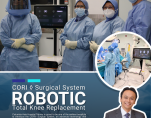
Columbia Asia Hospital Tebrau Poster Hospital [TKR]

“Our knees are subjected to wear and tear over time due to aging, injuries, and repetitive stress,” said Dr Hazli Sufian, Consultant Orthopedic Surgeon with Special Interest in Arthroplasty at Columbia Asia Hospital Tebrau. “While HA injections can help relieve pain and improve mobility in early-stage osteoarthritis, advanced cases often require knee replacement surgery for long-term relief and function.”

Dr Hazli and his surgical team have replaced conventional techniques with the CORI® robotic-assisted system by Smith+Nephew, an advanced technology designed to enhance precision and personalise knee replacement procedures.

“The CORI® system allows surgeons to capture patient-specific anatomical data in real time, enabling more precise bone preparation and soft tissue balancing,” Dr Hazli explained. “This contributes to improved joint stability, better alignment, and more natural knee movement after surgery.”

Beyond surgical precision, robotic-assisted technology improves the overall patient experience. The personalised approach can lead to reduced tissue disruption, less post-operative pain, and lower risk of complications. Many patients also benefit from enhanced mobility, greater confidence in joint function, and a potentially faster return to daily activities and rehabilitation.

By tailoring each procedure to the patient’s unique anatomy, the CORI® system supports predictable outcomes and consistent surgical results, which are key to long-term patient satisfaction.

Dr James Chong, CEO of Columbia Asia Hospital Tebrau, said the introduction of robotic-assisted knee replacement reflects the hospital’s commitment to advancing patient-centred care through innovation.

“Our investment in robotic-assisted surgery enhances not only surgical precision but also the overall patient journey—from pre-operative planning and intra-operative accuracy to post-operative recovery and rehabilitation,” he said. “This technology allows us to deliver high-quality outcomes while improving comfort, confidence, and experience for our patients.”

Hashtag: #ColumbiaAsiaHospitalTebrau #RightHereForYou #MalaysiaPRAwards2025 #PRCA #HealthcareExcellence #TeamTebrau #CommunityCare #HospitalCommunications #AwardWinningTeam #TotalKneeReplacement #RoboticTotalKneeReplacement


The issuer is solely responsible for the content of this announcement.

About Columbia Asia Hospital Tebrau

Columbia Asia Hospital Tebrau is dedicated to serving the healthcare needs of the Johor community with compassion, professionalism, and clinical excellence. Equipped with advanced medical technology—including a Cardiac Catheterization Laboratory, Mammography services, a 128-slice CT Scan, and a 1.5 Tesla MRI—the hospital delivers comprehensive diagnostic and treatment capabilities to support timely and accurate clinical decision-making.

The hospital offers a broad range of medical specialties, including Cardiology, Nephrology, Internal Medicine, Maternal Fetal Medicine, Ear, Nose & Throat (ENT), General Surgery, Obstetrics & Gynecology (O&G), Respiratory Medicine, Orthopaedics, and Dermatology. A fully operational 24/7 Emergency Room, supported by on-call Emergency Physicians, ensures that patients receive immediate and appropriate care at any time of the day.

At the core of Columbia Asia Hospital Tebrau’s philosophy is a strong commitment to personalized, patient-centred care—ensuring that every individual feels heard, supported, and well cared for throughout their healthcare journey.

Looking ahead over the next five years, Columbia Asia Hospital Tebrau will align its strategic direction with Rancangan Malaysia Ke-13 (RMK-13), with a focused emphasis on addressing Non-Communicable Diseases (NCDs). In particular, the hospital will strengthen its efforts in obesity management through integrated, multidisciplinary care models encompassing prevention, early intervention, medical management, surgical intervention and long-term follow-up. This reflects a proactive approach to tackling one of the most pressing public health challenges affecting the Johor community.

In parallel, the hospital has advanced its surgical capabilities through the adoption of robotic-assisted surgery. This investment is aimed at enhancing surgical precision, improving clinical outcomes, reducing recovery times, and elevating overall patient experience, in line with global best practices.

To meet the growing healthcare demands of Johor, Columbia Asia Hospital Tebrau is also planning for future expansion, including the addition of more inpatient beds. This expansion will enable the hospital to better serve the increasing needs of the community while maintaining high standards of safety, quality, and accessibility in care delivery.

Through strategic alignment, technological advancement, and capacity expansion, Columbia Asia Hospital Tebrau remains committed to supporting the long-term health and well-being of the Johorean population.

About Columbia Asia

For 30 years, Columbia Asia Group of hospitals has been at the forefront of quality healthcare in the private healthcare industry. Established in 1996, it has evolved from its first hospital in Shah Alam to its latest in Penang, to date. As an international healthcare provider, its services span across 19 hospitals in the region; 13 in Malaysia, five in Indonesia, and one in Vietnam. Through the years, the company strategy has always been about making private healthcare accessible to all, hence its hospitals are strategically located in densely populated areas. Under the umbrella of private healthcare company, Asia OneHealthcare, the Columbia Asia group has expanded its reach to bring not just world-class, but also effective healthcare, closer to home.

Through the years, Columbia Asia’s emphasis has consistently been about early detection of diseases. This is carried out by way of advanced technology for precise diagnostics, resulting in minimally invasive procedures. To fulfil the typical healthcare needs of communities, Columbia Asia offers core disciplines such as obstetrics & gynecology, pediatrics, and general surgery. Today, it also provides tertiary healthcare addressing more complex fields of medicine such as neurosurgery, cardiac disease treatments, and integrated cancer care.

As it approaches a new decade, Columbia Asia continues to expand; adopting cutting-edge technology to meet the ever-increasing needs of today’s discerning customers. Upholding strict clinical governance, medical ethics and acknowledged by the Malaysian Society for Quality in Health, Columbia Asia continues to deliver excellent patient outcomes in a safe and trusted environment.

Columbia Asia. Right Here For You.

China has unveiled an artificial intelligence-powered vehicle inspection system capable of scanning more than 1,000 functions within three hours, a move officials say could reshape quality control standards across the automotive sector and accelerate the country’s push towards smart manufacturing. Developed as part of a broader national drive to integrate advanced computing into industrial processes, the system combines machine vision, real-time diagnostics and automated performance testing to […]

VISHNU RAJA
RYO YAMADA
HITORI GOTOH
IKUYO KITA