Abu Dhabi Investment Authority has joined a large group of cornerstone investors in Luxshare Precision Industry’s Hong Kong share sale, giving the Apple supplier stronger institutional backing as it seeks to raise up to $3.1 billion in what could become the city’s biggest listing of 2026. The Shenzhen-listed manufacturer is offering 383.5 million H-shares at a maximum price of HK$63.28 each, with trading expected to begin on […]
ZHONGSHAN, CHINA – Media OutReach Newswire – 1 July 2026 – As 2026 marks the 160th anniversary of the birth of Dr. Sun Yat-sen, the 6th Cross-Strait Sun Yat-sen Forum was held in Zhongshan, Guangdong Province—the hometown of the great pioneer—from June 27 to 29 under the theme “Carrying Forward Dr. Sun Yat-sen’s Spirit of Endeavor and Working Together for the Great Rejuvenation of the Chinese Nation”. This year’s forum was the largest in its history, attracting the broadest participation from Taiwan compatriots and the highest proportion of young participants to date. Around 2,000 representatives from across the Chinese mainland, Taiwan, Hong Kong, and Macao attended the event. Centered on cultural heritage and driven by economic and trade cooperation, the forum established a multi-level platform for cross-strait exchanges and collaboration while fostering broader consensus on integrated cross-strait development.
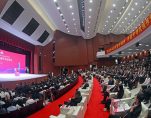
At the 6th Cross-Strait Sun Yat-sen Forum open ceremony
Distinguished guests from both sides of the Taiwan Strait attended the opening ceremony and noted in their remarks that Dr. Sun Yat-sen is a revered national pioneer shared by compatriots on both sides of the Strait. His vision of rejuvenating China remains a common spiritual legacy, and people across the Strait should carry forward his ideals and work hand in hand toward national rejuvenation. During the opening ceremony, Zhongshan Municipal People’s Government and the Association of Taiwan Investment Enterprises on the Mainland signed the Strategic Framework Agreement on Deepening Zhongshan–Taiwan Economic and Trade Cooperation to Promote Integrated Development, laying a solid institutional foundation for long-term industrial cooperation across the Strait.
A series of cultural exchange activities also took place throughout the forum. Participants enjoyed an evening tour of the century-old Sunwen West Road Arcade Pedestrian Street, immersing themselves in Zhongshan’s rich historical heritage and the vibrant cultural and tourism scene of the Guangdong-Hong Kong-Macao Greater Bay Area. They also visited the Museum of Dr. Sun Yat-sen, where they studied revolutionary historical archives, bowed before Dr. Sun’s bronze statue to pay homage, and gained a deeper appreciation of his enduring ideals of “All Under Heaven Belong to the People” and “Revitalize China”. Many participants remarked that these activities provided an excellent platform for sustained exchanges among young people across the Strait and that their shared cultural roots and common heritage form a solid foundation for advancing cross-strait spiritual integration.
To further strengthen cross-strait economic cooperation and advance industrial integration between Shenzhen and Zhongshan, the forum also featured the “Taiwan Businesses Gather in Zhongshan, Industries Glow in the Greater Bay Area” 2026 Guangdong-Taiwan Economic and Trade Exchange Conference and Investment Promotion Event Celebrating the Second Anniversary of the Shenzhen-Zhongshan Link. A total of 19 industrial projects were signed during the event. The first group comprised seven Taiwan-invested projects spanning semiconductor supporting industries, electronic components, smart home products, high-end fitness equipment, and medical devices. The second and third groups included 12 Shenzhen-Zhongshan collaborative projects covering new energy vehicle components, industrial robotics, memory chip packaging, advanced specialty materials, and integrated cultural, tourism, and commercial developments.
During the investment promotion event, Taiwan business representatives spoke highly of Zhongshan’s business environment. Zhang Congyuan, Chairman of Huali Industrial Group, which has operated in Zhongshan for more than two decades, praised the city’s enterprise service philosophy of “staying out of businesses’ way when everything runs smoothly while providing prompt support whenever needed”. He noted that this business-friendly environment has helped the company grow into one of the world’s leading manufacturers of athletic footwear.
Guo Wenhai, secretary of the CPC Zhongshan Municipal Committee, extended a sincere invitation to Taiwan businesses and entrepreneurs to invest and establish operations in Zhongshan. He emphasized that the city offers not only strong industrial infrastructure but also high-quality government services. Zhongshan will continue to provide proactive, efficient, and dedicated support for businesses while continuously improving both its hard and soft investment environment. Leveraging the opportunities created by the Shenzhen-Zhongshan Link, the city aims to create broader prospects for cooperation and shared growth for enterprises from both sides of the Taiwan Strait.
Participants and Taiwan business representatives agreed that, taking the 160th anniversary of Dr. Sun Yat-sen’s birth as an important milestone, this year’s forum created new channels for both cultural exchanges and industrial cooperation across the Strait. Looking ahead, Zhongshan will continue to organize regular initiatives, including entrepreneurship support programs for young people from Taiwan, youth exchange activities, and Guangdong-Taiwan industrial matchmaking events. By carrying forward Dr. Sun Yat-sen’s spirit, embracing the opportunities of the Greater Bay Area, and strengthening both economic cooperation and people-to-people ties, the city will continue to contribute to a new chapter of integrated cross-strait development.
Abu Dhabi Investment Authority has emerged as a cornerstone investor in Luxshare Precision Industry’s planned $3.1 billion Hong Kong listing, giving the Apple supplier heavyweight backing as the city’s equity market stages its strongest first-half fundraising run in five years. The Shenzhen-listed electronics manufacturer opened the Hong Kong public offer on Tuesday, seeking to sell 383.5 million H shares at a maximum price of HK$63.28 each. At […]
China widened its export-control campaign against Japan by placing 40 more entities under restrictions, intensifying a political and security feud with Prime Minister Sanae Takaichi’s government over defence policy, Taiwan and the use of critical dual-use technologies. The measures announced on Monday add 20 entities to a restricted export list and place another 20 on a watch list, tightening Beijing’s scrutiny of Chinese-origin goods, software and technology […]
BINZHOU, CHINA – Media OutReach Newswire – 29 June 2026 – Recently, the Ministry of Industry and Information Technology and the Ministry of Finance jointly released the list of China’s third batch of pilot cities for the new technological transformation of the manufacturing sector. Binzhou City in Shandong Province has successfully been selected and is eligible for up to 300 million yuan in national fiscal incentives.
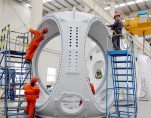
Wind Power Industry
Along the banks of the Yellow River, Binzhou in Shandong Province is witnessing a surge in industrial development. In the smart workshops of Weiqiao Pioneering Group, robotic arms move with precision and agility; at the command center of Chambroad Holdings, data from pipelines spanning thousands of miles updates in real time; at the port terminals, high-end aluminum products and fine chemical goods are continuously loaded onto vessels, setting sail for global markets.
This industrial hub boasts 37 out of the country’s 41 industrial categories, forming six trillion-yuan-level industrial clusters, including high-end aluminum, fine chemicals, and smart textiles. A total of 82 products rank among the top in China or hold leading global market shares. Binzhou has been listed among China’s Top 100 Advanced Manufacturing Cities for four consecutive years.
Weiqiao Textile Green Smart Manufacturing Plant
In 2025, the industrial enterprises above designated size in Binzhou achieved operating revenue exceeding RMB 1.06 trillion, crossing the trillion threshold for the second consecutive year. Total profits reached RMB 77.73 billion, with a profit margin of 7.3%, both ranking first in Shandong Province. Value-added industrial output above designated size accounted for 38.9% of the city’s GDP growth, cementing industry as a key pillar of economic development.
Binzhou’s transformation has been driven by extending technological upgrading from individual enterprises to entire industrial chains. From 2023 to 2025, three clusters, i.e., lightweight aluminum new materials, intelligent textiles, and functional nutritional products, were successively selected as provincial-level advanced manufacturing clusters. The proportion of R&D investment in GDP has remained the highest in Shandong for five consecutive years. Six national-level excellent smart factories, 32 provincial-level advanced smart factories, and 66 green factories above the provincial level have taken root here, turning intelligent manufacturing and green transformation from blueprints into reality.
From an industrial city to an intelligent manufacturing powerhouse, Binzhou is steadily advancing on the path of new industrialization with practical actions, writing a new chapter of high-quality development.
Hashtag: #BinzhouInformationOffice
The issuer is solely responsible for the content of this announcement.
HANOI, VIETNAM – Media OutReach Newswire – 27 June 2026 – Vinmec Healthcare System today officially launched its nationwide network of High-Tech Robotic Surgery Centers, marking a major milestone in the advancement of surgical innovation in Vietnam. Beyond investing in some of the world’s most advanced robotic surgical platforms, Vinmec is pioneering the country’s first integrated robotic surgery ecosystem, connecting multiple specialties, hospitals and global technology partners to expand access to cutting-edge surgical care for patients nationwide.
The official inauguration of the nation’s first high-tech robotic surgery network, an integrated ecosystem designed to redefine surgical standards in Vietnam.
The defining feature of the new network is Vietnam’s first and only multi-connected robotic surgery ecosystem. Rather than deploying standalone robotic systems, Vinmec has established an integrated operating platform that brings together multiple world-leading robotic technologies across its hospital network. Vinmec Times City International Hospital serves as the clinical coordination hub, linking robotic surgery centers at Vinmec Smart City, Vinmec Da Nang, Vinmec Central Park, Vinmec Can Tho and other Vinmec hospitals throughout the country.
For general surgery, Vinmec operates three of the world’s leading robotic surgery platforms: Da Vinci Xi at Vinmec Times City, Hugo RAS at Vinmec Da Nang and Vinmec Central Park, and Toumai MT-1000 at Vinmec Smart City and Vinmec Can Tho. Together, these technologies enable surgeons to access deep anatomical structures, perform highly precise procedures within confined surgical spaces, and select the most appropriate platform based on each patient’s condition. Notably, the Toumai MT-1000 also introduces the capability for 5G-enabled remote robotic surgery, laying the foundation for future models of connected healthcare delivery.
In orthopedic surgery, Vinmec has deployed a comprehensive portfolio of next-generation joint replacement robots, including ROSA at Vinmec Smart City, MISSO at Vinmec Times City and Vinmec Can Tho, and CORI across Vinmec Ocean Park 2, Hai Phong, Da Nang, Central Park, Phu Quoc and Nha Trang. These technologies enable personalized surgical planning based on each patient’s anatomy while supporting millimeter-level precision in implant positioning and joint balancing, helping optimize clinical outcomes and accelerate postoperative recovery.
For neurosurgery and spine surgery, Vinmec has integrated the StealthStation S8, Mazor X Stealth Edition robotic guidance system and the O-arm with StealthStation O2 imaging platform at Vinmec Smart City and Vinmec Da Nang. This advanced technology suite provides real-time navigation, intraoperative imaging and continuous surgical verification, enabling surgeons to accurately access complex anatomical structures while improving procedural safety and reducing the risk of complications.
Complementing its advanced technology ecosystem, Vinmec is also the first healthcare provider in Vietnam to develop a “3-in-1” robotic surgery model built on Personalization, Automation and Standardization. Every patient receives an individualized treatment plan through preoperative 3D reconstruction and surgical simulation, benefits from AI-enabled robotic assistance during surgery, and is treated according to internationally recognized standards in clinical practice, education and research.
Technology delivers value only when placed in the hands of highly skilled professionals. To operate this large-scale robotic surgery ecosystem, Vinmec has developed a multidisciplinary team of specialists who have undergone rigorous training, competency assessments and international robotic surgery certification programs. Their expertise forms the foundation for delivering safe, high-quality and consistently effective surgical care.
Alongside the launch of the robotic surgery network, Vinmec also announced the establishment of the Robotic Surgery Patient Support Fund, backed by nearly VND 300 billion in funding from Vingroup. The fund is expected to reduce financial barriers and expand patient access to advanced robotic surgery, particularly for those facing financial hardship.
At the event, Prof. Tran Van Thuan, MD, PhD, Deputy Minister of Health, remarked: “I highly appreciate Vinmec’s vision of not only investing in advanced medical equipment but also building a comprehensive ecosystem encompassing clinical care, medical education, scientific research, technology transfer, and international collaboration.” The Deputy Minister also acknowledged the humanitarian value of the Robotic Surgery Patient Support Fund, which helps expand access to advanced surgical technologies for eligible patients.
Speaking at the launch ceremony, Prof. Tran Trung Dung, MD, PhD, Chief Executive Officer of Vinmec Healthcare System, said:
“Our High-Tech Robotic Surgery Network is built on a model of multidimensional connectivity connecting experts, hospitals and the world’s leading technology partners within a single integrated ecosystem. Our goal is to provide patients in Vietnam with access to the most advanced surgical innovations while progressively positioning Vietnam as a regional destination for high-tech healthcare and precision surgery.”
According to Assoc. Prof. Pham Van Binh, MD, PhD, Director of the Vinmec High-Tech Robotic Surgery Network, the true strength of the centers lies not only in their advanced robotic systems but also in their ability to transform technology into sustainable clinical excellence.
“Our vision extends beyond building a treatment center. We are establishing an academic institution for robotic surgery that integrates clinical practice, academic training, scientific research and technology transfer, bringing together leading robotic surgeons from Vietnam and around the world.”
The launch of Vinmec’s High-Tech Robotic Surgery Network represents not only a significant milestone in the healthcare system’s development but also an important step forward in accelerating Vietnam’s transition toward an era of precision, personalized and technology-driven surgery. By bringing world-class surgical innovation closer to patients, Vinmec is laying the foundation for Vietnam to emerge as a new regional hub for robotic surgery and advanced medical treatment in Southeast Asia.
Hashtag: #Vinmec
The issuer is solely responsible for the content of this announcement.
BRUSSELS, BELGIUM / PARIS, FRANCE – Media OutReach Newswire – 26 June 2026 – As artificial intelligence reshapes global power dynamics, European and Chinese leaders are warning that the EU and China must move beyond zero-sum competition to harness their complementary strengths in AI governance and industrial application.
The consensus emerged during the 12th CEIBS Europe Forum, a flagship dialogue held across Paris (22 June) and Brussels (24 June) bringing together policymakers, industry executives, and academics.
Addressing the forums, former President of the European Council Charles Michel stressed that AI is no longer merely a technological issue, but a matter of “sovereignty, leadership, and power.” He identified semiconductors, data infrastructure, and regulatory policy as the core variables shaping future international relations. While acknowledging intensifying global competition, Michel called for “responsible collaboration,” noting that Europe’s mature approach to corporate governance and data security could confer distinct long-term resilience.
The events highlighted a clear strategic divergence in global AI: the US leads in frontier investment, China excels in large-scale application and open-source models, while Europe dominates in regulatory frameworks. “The more intense the competition becomes, the more important dialogue and cooperation are,” noted CEIBS President Wang Hong, highlighting the need to balance global AI governance.
Other speakers included Chinese Ambassador to the EU Cai Run and Chinese Minister to France Chen Li.
Industry panels featuring executives from Siemens, EDF, and leading robotics firms reinforced this pragmatic approach. Across sectors like energy, healthcare, and advanced manufacturing, experts agreed that AI acts as an enabler rather than a replacement for human expertise. However, they cautioned that AI’s massive energy demands present a critical challenge—and a prime opportunity for joint Sino-European innovation in grid technology and renewables.
Concluding the Brussels summit, CEIBS Co-President (European) Frank Bournois encapsulated the sentiment of both cities: “Competition is natural, but insufficient. The real formula we need is unity and trust.”
Arabian Post Staff -Dubai ADNOC Drilling has delivered AD-300, its first AI-enabled automated walking island rig, nearly three months ahead of schedule, advancing Abu Dhabi’s push to use robotics, data systems and lower-emission power options in offshore oilfield development. The rig is the first of six next-generation island units covered by a $1.54 billion drilling services programme awarded by ADNOC Offshore across 2024 and 2025. Its early […]
Cornell University undergraduates have won the grand prize at The Farm Robotics Challenge with an autonomous robot that kills weeds using targeted electric shocks, strengthening investor interest in farm automation as growers look for alternatives to herbicides, fuel-heavy machinery and costly manual labour. The winning project, developed by Rootline Robotics, beat 95 other teams in the 2026 competition, which drew entries from 13 countries and spanned schools, […]
41 local tech firms, institutes and university spin-offs head to San Diego to forge global partnerships, reinforcing the city’s status as international healthcare innovation hub
HONG KONG SAR/SAN DIEGO, UNITED STATES – Media OutReach Newswire – 24 June 2026 – Hong Kong Science and Technology Parks Corporation (HKSTP), in collaboration with InvestHK as co-organiser, the Hong Kong Trade Development Council (HKTDC) as supporting organisation, and five renowned local universities – The University of Hong Kong, The Chinese University of Hong Kong, The Hong Kong University of Science and Technology, The Hong Kong Polytechnic University and City University of Hong Kong – to form the city’s largest-ever delegation of life and health technology innovators to the BIO International Convention 2026 (BIO 2026) in San Diego, from June 22 to 25.
In collaboration with InvestHK and HKTDC, HKSTP led a delegation of 41 park companies, institutes and spin-offs from five renowned local universities to showcase the Hong Kong’s life and health technology innovations at BIO 2026 in San Diego.
Building on last year’s momentum, the 2026 Hong Kong delegation doubled the size of the Hong Kong Pavilion, expanding to a record of 41 organisations from HKSTP, including partner companies, research institutes, and for the first time with top five universities spin-offs. This landmark presence showcased Hong Kong’s deep strength across AI-enabled biotech, therapeutics, diagnostics, and pharma innovation, with potential outstanding “First-in-Class” and “Best-in-Class” assets. The delegation underscores the city’s leading role as Asia’s largest and the world’s second largest fundraising hub for the biotechnology sector.
Mr. Terry Wong, CEO of HKSTP, said, “BIO 2026 is a premier platform to showcase Hong Kong’s groundbreaking innovation, deepen partnerships, and open new pathways into global healthcare markets. As a super-connector, Hong Kong is uniquely positioned to bridge global innovators with opportunities across Asia and beyond. With strong R&D capabilities backed by world-class universities—five ranked among the QS Top 100, including two with medical schools now placed in the global top 20—Hong Kong’s biotech and medical research excellence is increasingly recognised worldwide. As the city’s innovation ecosystem orchestrator, HKSTP brings together talent, capital, research institutions, clinical partners, and industry leaders to accelerate the journey from discovery to impact. We will continue to empower life and health technology ventures, translating innovation breakthroughs into life-changing solutions that benefit communities around the world.”
HKSTP and Park Companies Advanced in Cross-border Innovation and Market Expansion
A key highlight of BIO 2026 is witnessing the signing of three major strategic partnerships:
LabCentral — HKSTP signed an MOU with one of the largest global non–profit biotech incubators, supporting life sciences startups with high-impact lab infrastructure and scientific community programmes. The collaboration will deepen ties between the U.S. and Hong Kong life sciences ecosystems through startup support, ecosystem engagement, and co-developed programmes, events and strategic initiatives. It will also help connect startups, investors, corporate partners and research institutions, creating stronger pathways for cross-border innovation and commercialisation.
Immuno Cure – the developer of the first-in-human novel therapeutic HIV vaccine ICVAX – announced its collaboration with OPIS, an international Contract Research Organization (CRO), at BIO 2026. Leveraging OPIS’s full-service, multi-country clinical trial expertise and regulatory knowledge, the partnership will support overseas clinical trial execution and establish a global framework to prepare for international expansion.
Zhaoke Ophthalmology signed an MOU with Laboratório Teuto, the first company to produce generic medicines and OTCs (Over the Counter – Prescription Exempt Medicines) in Brazil, to explore cross-border cooperation in ophthalmology. This is Zhaoke’s first strategic MOU in Brazil market. Leveraging its innovative pipeline and Teuto’s commercial network in Brazil, the partnership aims to bring advanced eye care treatments to Latin American patients while demonstrating the globalisation of Hong Kong-born biotech innovation.
Beyond the BIO 2026 Hong Kong Pavilion, HKSTP CEO Mr Terry Wong attended the “Translating Innovation Across Borders: Creating Global Gateways for Biotech Startups” panel sharing session. Mr. Wong shared his insights on cutting-edge biotech trends, Hong Kong’s strengths on life and health tech development, and HKSTP’s role in building a global bridge for nurturing global startup expansion, sustainable innovation and collaboration.
Furthermore, HKSTP and five Hong Kong university delegates visited the Salk Institute, home to six Nobel Laureates during BIO 2026 to explore partnerships and shape global biotech momentum through collaborative platforms. HKSTP, in collaboration with InvestHK as co-organiser, HKTDC as the supporting organisation, and powered by the Hong Kong Economic and Trade Office in San Francisco, hosted a Global Mixer during the exhibition. Industry leaders, incubators, and venture capital firms – including Bayer Pharmaceuticals, Johnson & Johnson Innovation, LabCentral, Roche, Simcere Pharmaceutical, and T.Rx Capital – were invited to join the judging panel for startup pitching sessions. The Pavilion also featured executive sharing and curated networking events for commercialisation, licensing, partnerships, investment and international market expansion.
Global recognition at Biomedical Pitch Competition
In the lead-up to BIO 2026, HKSTP actively drove engagement across the biotech sector and co-organised the 2026 Biomedical Pitch Competition with the Boston Capital Investment Club in Boston on May 23 and 24. Competing against around 170 biotechnology companies worldwide, HKSTP park company Meta Pharmaceuticals (HK) Limited won Third Place for its next-generation autoimmune therapeutics. The recognition underscores the strength of Hong Kong’s biotech pipeline and HKSTP’s commitment to translational medicine, commercialisation and globally scalable healthcare solutions.
HK’s biotech ecosystem rises to another level
Hong Kong continues to expand its global healthcare footprint as the world’s second-largest biotech fundraising hub. As Hong Kong’s flagship innovation and technology ecosystem, HKSTP is home to more than 300 life and health technology companies and helps innovators turn pioneering ideas into real-world impact. Its ecosystem connects capital, talent, infrastructure and market access across the biotech innovation journey.
Hashtag: #HKSTP
The issuer is solely responsible for the content of this announcement.
Hong Kong Science and Technology Parks Corporation
Hong Kong Science and Technology Parks Corporation (HKSTP) was established in 2001 to create a thriving I&T ecosystem grooming 13 unicorns, more than 17,000 research professionals and over 2,500 technology companies from 26 countries and regions focused on developing healthtech, AI and robotics, fintech and smart city technologies, etc.
Our growing innovation ecosystem offers comprehensive support to attract and nurture talent, accelerate and commercialise innovation for technology ventures, with the I&T journey built around our key locations of Hong Kong Science Park in Pak Shek Kok, InnoCentre in Kowloon Tong and three modern InnoParks in Tai Po, Tseung Kwan O and Yuen Long realising a vision of new industrialisation for Hong Kong, where sectors including advanced manufacturing, micro-electronics and biotechnology are being reimagined.
Hong Kong Science Park Shenzhen Branch in Futian, Shenzhen plays positive roles in connecting the world and the mainland with our proximity, strengthening cross-border exchange to bring advantages in attracting global talent and allowing possibilities for the development of technology companies in seven key areas: Medtech, big data and AI, robotics, new materials, microelectronics, fintech and sustainability, with both dry and wet laboratories, co-working space, conference and exhibition facilities, and more.
Through our R&D infrastructure, startup support and enterprise services, commercialisation and investment expertise, partnership networks and talent traction, HKSTP continues to contribute in establishing I&T as a pillar of growth for Hong Kong.
More information about HKSTP is available at www.hkstp.org.
Alibaba Group Holding has asked a US federal court to remove it from a Pentagon blacklist that identifies the e-commerce and cloud computing group as a company supporting China’s military, escalating a legal fight over Washington’s widening use of national security powers against large Chinese technology businesses. The case, filed in San Jose, California, challenges the Department of Defense’s decision to place Alibaba on its Section 1260H […]
BANGKOK, THAILAND – Media OutReach Newswire – 23 June 2026 – Prime Minister Anutin Charnvirakul formally launched Thailand FastPass at Government House, mobilizing over USD 21 billion (approximately 700 billion baht) in strategic high-tech investment. The program integrates eight government agencies to cut regulatory approval timelines by up to 50 percent, accelerating approved investments from license to operating factory.
FastPass targets high-value sectors including advanced electronics, aerospace technology, precision machinery and automation systems, and recycled plastics.
By coordinating eight key government agencies—including Thailand’s Board of Investment (BOI), the Department of Industrial Works, the Customs Department, the Office of Natural Resources and Environmental Policy and Planning (ONEP), the Industrial Estate Authority of Thailand (IEAT), the Energy Regulatory Commission, the Metropolitan Electricity Authority, and the Provincial Electricity Authority—the initiative removes historical friction in permitting, environmental approvals, and infrastructure connectivity.
At the ceremony, the eight agencies formalized their coordination by signing a memorandum of understanding (MOU) committing to reduce approval and licensing timelines by 20 to 50 percent across key investment milestones, including factory permits, free-zone processing, environmental impact assessments, and power grid connections.
The ceremony drew more than 300 attendees, including foreign diplomats, international chambers of commerce, and multinational executives.
“In today’s global economy, speed is the ultimate competitive differentiator,” said Mr. Anutin Charnvirakul, Prime Minister of Thailand. “The Thai government is shifting from regulator to active business facilitator. By removing regulatory hurdles, increasing speed, and ensuring policy transparency, we are driving physical investments that will generate next-generation employment and secure Thailand’s long-term regional competitiveness.”
The push to turn approved projects into physical factories follows a historic surge in investment applications. BOI received a record USD 54.5 billion (approximately 1.8 trillion baht) in investment applications in 2025. Momentum has carried into 2026, with first-quarter applications already exceeding USD 30.3 billion (approximately 1 trillion baht).
The USD 21 billion total spans two FastPass cohorts. In the first phase, FastPass resolved regulatory bottlenecks for 76 previously approved projects valued at over USD 14.4 billion (approximately 474 billion baht). Today’s ceremony launched the second cohort: 25 projects from 23 companies worth USD 6.7 billion (approximately 223 billion baht), each receiving a formal Thailand FastPass certificate.
“We are focusing heavily on ‘realized investment’ entering the actual economy,” said Mr. Ekniti Nitithanprapas, Deputy Prime Minister and Minister of Finance. “The FastPass mechanism is designed to deliver immediate, concrete economic results in the short term, while laying down long-term structural benefits that will distribute wealth across our broader economy. These 25 pilot projects from 23 companies are projected to generate over 13,000 high-skilled jobs. Combined with the 76 projects cleared under FastPass in the preceding phase, total investment mobilized by the program exceeds 700 billion baht.”
This mechanism converts corporate capital into domestic benefits across five key dimensions: driving investment-led GDP growth, generating high-skilled careers, transferring technical know-how, integrating local SMEs, and creating localized economic multipliers within regional communities.
“The FastPass program fundamentally changes how Thailand works with global investors,” said Mr. Narit Therdsteerasukdi, Secretary-General of the BOI. “We put eight agencies into one pipeline. Permit timelines that once stretched for months can now be cut by up to half. That gets factories built, creates high-skilled jobs, and pulls Thai suppliers into global supply chains.”
Global corporations participating in the FastPass program cited Thailand’s strategic location, modern infrastructure, robust supply chains, skilled workforce, and favorable investment policies as the key drivers for their expansion.
“Thailand possesses the talent, infrastructure, and policy support necessary for next-generation industries,” said Mr. Simon Gwozdz, CEO of Equatorial Space (Thailand) Co., Ltd., a developer of low-Earth orbit space launch vehicles. “The BOI’s one-stop coordination significantly reduces regulatory complexity.”
“The availability of raw materials, infrastructure, and proactive government support were critical in our decision to anchor our regional operations here,” said Mr. Donald Carpenter, CFO of U.S.-based PureCycle Technologies, Inc. “The FastPass mechanism directly improves our operational efficiency.”
“The speed of obtaining factory licenses under the scheme has accelerated our operational readiness, creating a smoother path to scale,” said Mr. Larry Foo of SAM Precision (Thailand), a Malaysia-based manufacturer of precision components for the semiconductor industry.
“The depth of Thailand’s electronics supply chain and supportive state policies were critical to our investment decision,” said Mr. Kris Leetavorn, Director of Advanced Connection Technology, a high-density printed circuit board (PCB) manufacturer. “The FastPass program drastically simplifies state coordination, allowing us to hit aggressive deployment timelines.”
To demonstrate Thailand’s readiness for advanced industries, the government showcased technologies currently being deployed or manufactured in Thailand, including humanoid robotics, LiDAR sensor systems, aerospace technology, and advanced electronics.
“Thailand FastPass proves what is possible when all agencies move in the same direction—approved investments actually get built,” Mr. Narit concluded. “The world is reshuffling supply chains. Investors need clarity and speed. Thailand is ready to deliver both. We will keep expanding FastPass to cover more permits and more strategic industries, creating quality jobs, strengthening supply chains, and raising Thailand’s long-term competitiveness.”
USD conversion based on a reference exchange rate of approximately 33 baht per USD (Bank of Thailand, June 2026).
The issuer is solely responsible for the content of this announcement.
Thailand Board of Investment
Established in 1966, the Office of the Board of Investment (BOI) has continuously played an essential role for over 60 years in promoting value-adding investment for the country, from both foreign and Thai investors, to enhance national competitiveness and drive sustained economic growth and long-term national competitiveness.
Investment Services Center, PR Section, The Office of the Board of Investment (BOI)
Harnessing Innovative Technologies to Drive Cultural Mobility and Foster Global Exchange
HONG KONG SAR – Media OutReach Newswire – 16 June 2026 – The Hong Kong University of Science and Technology (HKUST), in collaboration with the Center for Metaverse and Computational Creativity at HKUST(Guangzhou), presents the SURREALITY Mixed Reality (MR) × Artificial Intelligence (AI) Digital Art Cross-City Exhibition. As part of HKUST’s 35th-anniversary celebrations, an exclusive media preview of the world’s first large-scale, cross-regional MR × AI digital art exhibition was held at the University’s Clear Water Bay campus.
Showcasing selected works by renowned international and Chinese Mainland digital artists, as well as faculty and students from both campuses, the exhibition integrates creativity with Virtual Reality (VR), MR, and AI technologies. It transforms the campus into a global hub for arts innovation and technological excellence.
The exhibition will open at HKUST(GZ) tomorrow and run through July 31, 2026, before returning to Hong Kong for public engagement. This exhibition exemplifies HKUST’s visionary commitment to driving cultural mobility and fostering international exchange through innovative technologies.
Prof. Nancy IP, President of HKUST, remarked, “This event signifies a major milestone for HKUST in its pursuit of integrating technology, humanities, and cross-regional innovation. The national 15th Five-Year Plan released this year explicitly supports Hong Kong in deepening its development as the East-meets-West centre for international cultural exchange. In 2024, the HKSAR Government also introduced the Blueprint for Arts and Culture and Creative Industries Development, outlining plans to develop diverse arts and culture industries with an international perspective, and to establish international platforms that foster East-meets-West arts and cultural exchanges. Local universities play a pivotal role in advancing these initiatives.”
“HKUST’s Strategic Plan 2031 identifies the integration of innovation and the humanities as a key direction for the University’s future development. In line with this vision, we established Hong Kong’s first Division of Arts and Machine Creativity, which is committed to creating an innovative platform that fosters the fusion of technology and art while nurturing a new generation of creative talent with strong interdisciplinary perspectives. Hosting initiatives such as SURREALITY and the HKUST AI Film Festival exemplifies this direction and is poised to develop into prominent international platforms that fosters arts and cultural exchanges between China and the rest of the world,” she added.
Prof. Lionel NI Ming-Shuan, President of HKUST(GZ), stated, “‘SURREALITY’ is not only the world’s first large-scale MR × AI art exhibition, but also a powerful showcase of the strengths of HKUST and HKUST(GZ) in interdisciplinary studies and computational creativity. As a flagship initiative under the ‘One HKUST, Complementary Campuses’ framework, the two campuses have welcomed artists and young creators from 23 countries and regions, redefining the boundaries of knowledge production and artistic expression through the seamless fusion of the virtual and the real. At a time when the nation is strategically advancing future industries and the Greater Bay Area is accelerating the development of new quality productive forces, the digital ‘Portal’ connecting Clear Water Bay and Nansha represents far more than a technological breakthrough—it embodies a forward-looking model of educational collaboration, where engineering converges with aesthetics, algorithms with poetry, and global vision with local engagement. At thirty-five years old, HKUST remains youthful and dynamic. Guided by this founding aspiration, HKUST(GZ) will continue to advance in step with HKUST, writing a new chapter of integrated innovation and talent development in the Greater Bay Area.”
SURREALITY showcases the integration of AI-generated artworks with the physical campus environment, creating an immersive experience through spatial computing and real-time rendering technologies. Across the two campuses, nearly 50 works by more than 70 digital artists from the United States, Germany, Russia, Australia, Bolivia, Singapore, Korea, the Chinese Mainland, and Hong Kong are featured. Presented in innovative and striking forms, these exceptional works from around the world highlight HKUST’s strong commitment to advancing interdisciplinary integration.
Today, 19 selected works premiered at the Clear Water Bay campus, where MR-enhanced creations transform the HKUST campus into an immersive, technology-driven art space. By wearing MR headsets, visitors can freely explore three exhibition areas: Living Currents, Future Fables, andBeyond Mind. Several projects created by HKUST(GZ) faculty and students stand out as highlights, with The Gate—built on a metaverse concept—emerging as the centerpiece of the exhibition. As the armillary sphere slowly turns and the portal comes into view, visitors can step inside and instantly traverse the virtual spaces of both campuses, experiencing a groundbreaking sense of cross‑campus, seamless connectivity that embodies the vision of “One HKUST, Complementary Campuses.” Another featured work, Kunpeng, symbolizes a spirit of boundless freedom. A giant fish leaps from the nearby Port Shelter in Sai Kung and transforms into a soaring roc that ascends powerfully into the sky. Its majestic presence delivers a striking visual spectacle. The piece The Twinworld Tree creates a dynamic living system formed by the World Tree and virtual life, symbolizing the interdependence of all things, like the tides.
The exhibition also features an MR recreation of a classic work—GFP Bunny, created by internationally acclaimed contemporary artist, Prof. Eduardo KAC, who is also Professor of Art and Technology Studies at the School of the Art Institute of Chicago. Since its debut, this piece has sparked global reflection on genetic modification, bioethics, and the boundaries of art. Mr. ZHANG Yishuai, a PhD student in the Thrust of Computational Media and Arts at HKUST(GZ) and a computational artist, presents Echoes of Earth 2.0, offering a forward-looking perspective on AI and interstellar civilizations. This work enriches the exhibition with a visionary reflection on humanity’s aspirations for the future.
Several VR digital art pieces are also on display, including Astra, created by Ms. Eliza MCNITT— Venice Immersive Grand Prize winner and renowned American writer and director—which offers visitors a unique journey of exploration into the universe. Mr. Benedict YU, a VR visual artist from Singapore, presents Mother’s Body Remembers, utilizing LiDAR to capture movements and combining VR with tactile interaction to rekindle visitors’ memories of family connections. The HKUST XRIM Lab‘s work, Unfolding Touch, enables a soft-robot-mediated handshake between the Clear Water Bay and Guangzhou campuses, integrating sensing and tactile replication to create a shared touch experience across distance. Other works include My Flower, which invites viewers to experience the daily challenges faced by people with Alzheimer’s disease. A short animation, The Cat Ghost, which narrates the relationship between ancient Chinese people and cats from the Western world, is also screened.
Prof. Pan HUI, Chair Professor of Emerging Interdisciplinary Areas at HKUST, Acting Head and Chair Professor of the Thrust of Computational Media and Arts, and Director of the Center for Metaverse and Computational Creativity at HKUST(GZ), introduced the core concept of “SURREALITY.” He explained that as technologies such as AI, spatial computing, and MR rapidly evolve, digital worlds are transcending screens into real spaces and becoming deeply integrated into people’s daily life. SURREALITY explores a new form of reality that may emerge in the future—a scenario where the virtual and the physical are no longer distinctly separate but collectively form the environments in which we perceive, interact, and live. Through artistic creation and immersive experiences, the exhibition offers audiences a glimpse into this transformative vision, prompting reflection on how technology is reshaping humanity’s understanding of reality.
The exhibited works come from numerous internationally renowned artists, showcasing the remarkable fusion of creative arts and digital technology. Several prominent participating artists also joined today’s event to introduce their works, fostering cross-regional cultural and arts exchanges. They include Prof. Benjamin SEIDE, media artist, VFX expert, and Associate Professor in the School of Art, Design and Media at Nanyang Technological University; Ms. Katerina SEMENKO, a Russian conceptual phygital artist and International Design Award recipient; and Dr. Adam NASH, an Australian digital virtual artist and Honorary Fellow of RMIT University. Hashtag: #HKUST #HKUST(GZ)
The issuer is solely responsible for the content of this announcement.
About The Hong Kong University of Science and Technology
The Hong Kong University of Science and Technology (HKUST) (https://hkust.edu.hk/) is a world-class university known for its innovative education, research excellence, and impactful knowledge transfer. With a holistic and interdisciplinary pedagogy approach, HKUST was ranked 6th in the QS Asia University Rankings 2026, 3rd in the Times Higher Education’s Young University Rankings 2024, and 19th globally and 1st in Hong Kong in the Times Higher Education’s Impact Rankings 2025. Eleven HKUST subjects were ranked among the world’s top 50 in the QS World University Rankings by Subject 2026. In addition, in the Times Higher Education World University Rankings by Subject 2026, HKUST’s Computer Science discipline which encompasses areas such as artificial intelligence and machine learning, has been ranked No. 1 in Hong Kong for ten consecutive years. Our graduates are highly competitive, consistently ranking among the world’s top 30 most sought-after employees. In terms of research and entrepreneurship, over 80% of our work was rated “internationally excellent” or “world leading” in the Research Assessment Exercise 2020 of the Hong Kong’s University Grants Committee. As of May 2026, HKUST members have founded over 1,900 active start-ups, including 11 Unicorns and 22 exits (IPO or M&A).
Dubai WoodShow 2026 will open on June 22 with smart manufacturing technologies at the centre of a wider industry shift towards automated, data-led and materials-efficient production. The 22nd edition of the trade exhibition will run until June 24 at Dubai World Trade Centre, occupying Halls 6, 7 and 8 for a business-to-business audience spanning timber suppliers, machinery makers, furniture producers, fit-out contractors, architects, interior designers and building […]
SHANGHAI, CHINA – Media OutReach Newswire – 15 June 2026 – ACE ROBOTICS today announced that its open-source Kairos world model has achieved leading results across four global embodied-intelligence benchmarks: RoboTwin 2.0, LIBERO-Plus, WorldModelBench Robot and DreamGen. Kairos ranked first among evaluated world models and vision-language-action (VLA) systems on these benchmarks’ public leaderboards as of 12 June 2026, leading across the core capabilities of embodied intelligence, including complex robotic manipulation, scene-level generalization, physical-world modeling and zero-shot transfer. The project is openly available on GitHub, Hugging Face and ModelScope, giving researchers and developers a public reference point for the model, benchmark results and technical materials.
Tops Four Leading Benchmarks in World Generation & Prediction
Embodied intelligence faces a fundamental challenge: generalization. A robot must operate reliably in environments it has never seen, adapting to new lighting, layouts, objects, embodiments and noisy real-world conditions. While VLA models have become a prevailing approach by directly mapping perception and language inputs to robot actions, ACE ROBOTICS believes world models offer a more scalable path by explicitly learning the underlying dynamics of the physical world and predicting how environments evolve. Kairos is designed to validate that approach.
Leading scene-level generalization on LIBERO-Plus
One of Kairos’ most significant results comes from LIBERO-Plus, a scene-level generalization benchmark proposed by the Shanghai Innovation Institute with Fudan University, Tongji University and the National University of Singapore. It evaluates robustness under seven real-world variables: camera angle, robot embodiment, language instruction, lighting, background, sensor noise and spatial layout.
Kairos achieved an overall score of 89.0, ranking first among all evaluated world models and VLA systems. It surpassed leading VLA models including ACoT-VLA (88.0), Pi 0.5 (85.7) and ProGAL-VLA (85.5), as well as the Being-H0.7 world model (84.8). It also showed strong environmental robustness, with near-ceiling performance on lighting (97.7), noise (96.8) and background (95.8), and ranked highly on camera angle and language instruction.
According to ACE ROBOTICS, this marks the first time a world-model approach has outperformed leading VLA systems on LIBERO-Plus for scene-level generalization, pointing to a path where robots adapt to homes, factories, retail spaces and other environments with far less environment-specific retraining.
A compact model with strong physical modeling efficiency
On WorldModelBench Robot, a physical-modeling benchmark proposed by researchers from UC Berkeley, UC San Diego, NVIDIA and MIT, Kairos-4B achieved an overall score of 9.30, ranking first on the benchmark. With only 4 billion parameters, it outperformed larger systems including 28-billion-parameter Lingbot, 16-billion-parameter Cosmos 3, 14-billion-parameter Abot-PhysWorld and 5-billion-parameter Wan 2.2, setting a new record for parameter efficiency in embodied world models.
Kairos matched the top instruction-following score (2.36) of the 16-billion-parameter Cosmos 3 with about one quarter of the parameters, a fourfold efficiency gain. It scored 4.96 on physics adherence, with perfect marks on Newtonian mechanics and gravity, and a perfect score on temporal quality, reflecting strong temporal consistency and visual continuity over long horizons.
A unified architecture, not a modular pipeline
ACE ROBOTICS attributes Kairos’ performance to its native unified “multi-modal understanding-generation-prediction” architecture. Unlike modular approaches that stitch together separate components for world understanding, generation and prediction, Kairos integrates these within a single backbone that shares one global world state, reducing the information loss and coordination latency between modules for more consistent physical modeling, stronger long-horizon prediction and more reliable action planning.
ACE ROBOTICS first introduced this architecture in December 2025, and the broader industry is now converging on a similar path: NVIDIA’s Cosmos 3.0, introduced in 2026, adopts a comparable single-system design that brings vision reasoning, world generation and action prediction into one architecture. Built on this foundation, Kairos-4B is, in ACE ROBOTICS’ description, the first embodied world model able to drive a physical robot directly on-device, closing the perception-to-action loop without intermediate translation latency.
Leading on synthetic data transfer and complex robot manipulation
Kairos also ranked first on DreamGen Bench, a benchmark led by NVIDIA with the University of Washington, UC Berkeley and UCLA that measures how well synthetic data generated by world models transfers to unseen objects, behaviors and environments, a key predictor of downstream robot-training value. Kairos ranked first on both average physics adherence (AVG_PA 0.538) and overall average score (AVG_Score 0.618), and led globally on new-behavior execution and new-environment adaptation.
On RoboTwin 2.0, a demanding dual-arm manipulation benchmark proposed by Shanghai Jiao Tong University and the University of Hong Kong with Shanghai AI Laboratory, Kairos scored 96.1% — a state-of-the-art result on the benchmark’s public leaderboard as of 12 June 2026. Across the benchmark’s 50 complex two-arm tasks it scored 96.9% in clean scenarios and 95.2% in randomized scenarios, ahead of VLA models such as G0.5 (93.2) and starVLA (88.3) and world models including AIM (93.1), Fast-WAM (91.8) and MotuBrain (96.0).
From benchmark leadership to commercial deployment
Together, these results validate Kairos’ technical direction across the core dimensions of embodied intelligence, from physical-rule understanding and zero-shot generalization to environmental robustness and fine-grained dual-arm manipulation, supporting ACE ROBOTICS’ aim to move robots beyond task imitation toward physical-world understanding, long-horizon reasoning and real-world execution.
The results come as ACE ROBOTICS accelerates commercialization. The company says it has raised several hundred million U.S. dollars across financing rounds in the first half of 2026, including a recent Angel+ round backed by investors such as Geely Capital, Dachen Caizhi, Shenzhen Capital Group and the Shanghai Sci-Tech Innovation Fund, with existing shareholder SenseTime’s Guoxiang Capital increasing its stake. The proceeds will support continued world-model research and integrated hardware-software solutions for sectors including smart retail, security and inspection, tourism and hospitality.
“Embodied intelligence is the next era of AI, and a world model is the key to unlocking it,” said Wang Xiaogang, Chairman of ACE ROBOTICS. “Our mission is to give every robot a capable brain.”
The issuer is solely responsible for the content of this announcement.
About ACE ROBOTICS – Equipping robots with intelligent “brains” and engaging “souls”
ACE ROBOTICS is a pioneering robotics company dedicated to advancing the field of embodied intelligence. Through breakthrough technological innovations and deep insights into embodied intelligence scenarios, we aim to empower robots with the ability to autonomously understand and explore the physical world, thereby accelerating their commercial implementation.
The company pioneered the ACE R&D paradigm and built a vision-based “environmental data engine, real-world cognition, embodied interaction generalization” technology chain. Using full spatiotemporal and multi-perspective environmental capture as its engine, along with Kairos 3.0 – China’s first open-source and commercially applicable world model – plus the Embodied Foundation Model as its technical backbone, ACE ROBOTICS addresses core industry challenges such as data scarcity, common sense gaps, poor generalization, and limited versatility. Simultaneously, the company unveiled its flagship A1 Embodied Super Brain Module, accelerating the large-scale commercial deployment of embodied intelligence across diverse scenarios.
ACE ROBOTICS is both a technology pioneer and an ecosystem builder. Through strategic cooperation with top hardware manufacturers, cloud service providers, and vertical scenario partners, we have broken through the “model-hardware-scenario” industrial deadlock, providing standardized and customized solutions that are driving the development of China’s embodied intelligence industry.
Arabian Post Staff -Dubai Dubai Future Foundation has graduated 160 students from the second cohort of the Dubai TKS – Knowledge Society programme, marking a sharp expansion of the emirate’s effort to build early-stage talent in artificial intelligence, robotics, climate technology, biotechnology and advanced computing. The students, aged 13 to 17 and drawn from a range of nationalities, completed the 10-month programme at a ceremony held at […]
Advanced Micro Devices is extending its x86 challenge beyond data centres and personal computers, using its Ryzen AI Embedded processor portfolio to target cars, robots, medical systems and industrial machines as edge devices demand more local artificial intelligence computing. The move puts AMD more directly against Arm-based suppliers that have built strong positions in embedded and automotive systems through power-efficient designs, licensing flexibility and broad developer ecosystems. […]
Shin-Etsu Chemical plans to build a new rare-earth refining facility in Fukui Prefecture as Japan accelerates efforts to protect critical mineral supply chains from disruption caused by China’s export controls.
The project marks the company’s first new rare-earth refining facility since 2008 and comes as demand for high-performance magnets rises across electric vehicles, hard disk drives, robotics, wind power systems, defence equipment and advanced electronics. The investment is expected to exceed ¥35 billion, with ¥17.5 billion to be covered by government subsidy support, although the final cost and production schedule have not yet been fixed.
The new facility is intended to reinforce supplies for Shin-Etsu’s rare-earth magnet business and strengthen access to raw materials used in neodymium-based magnets. Heavy rare earths such as dysprosium, terbium and yttrium are particularly important because they improve magnet performance in high-temperature and high-stress applications, including vehicle motors and precision industrial systems.
Shin-Etsu already operates rare-earth refining facilities in Japan and has long been one of the country’s most important producers in the sector. Its rare-earth operations are centred in Fukui Prefecture, where it smelts materials and manufactures magnets at its plant in Echizen. The company says it works from raw materials through production to provide stable quality and supply, while also pursuing recycling and resource diversification.
The planned expansion reflects a broader shift in Japan’s industrial policy after months of tightening access to critical minerals. Chinese shipments of several heavy rare earths and gallium to Japan have been severely restricted since late 2025, heightening concerns among manufacturers that depend on these materials for magnets, semiconductors and other precision components. China continues to dominate mining, separation and refining capacity across the rare-earth value chain, giving Beijing considerable leverage over downstream industries.
Japan remains the largest rare-earth magnet producer outside China, but its manufacturers are still exposed to bottlenecks in the supply of heavy rare earths. The country has built stockpiles, backed overseas projects and encouraged recycling since the 2010 rare-earth shock, when diplomatic tensions with China exposed the risk of overdependence on one supplier. Those measures have improved resilience, but they have not removed the vulnerability.
The latest project is significant because it targets refining and processing rather than simply raw-material procurement. Mining deposits alone do not solve the supply challenge; rare earths require complex separation, purification and alloy processing before they can be turned into magnets. China’s advantage lies not only in reserves but also in decades of accumulated processing capacity, cost efficiency and industrial integration.
Shin-Etsu’s move also fits into a wider network of partnerships being pursued by Japan with Australia, France and the United States. Tokyo has backed alternative producers, supported offtake arrangements and encouraged private-sector investment in midstream processing. Australia-based Lynas has become a key non-China supplier, but output of heavy rare earths remains far below the volumes needed to replace Chinese supply in full.
The pressure is not limited to Japan. Manufacturers in the United States and Europe have faced similar supply uncertainty as export licensing delays affect rare earths used in aerospace, defence, clean energy and electronics. Companies exposed to the restrictions are searching for alternative suppliers, but industry executives warn that rebuilding a fully independent supply chain will take years.
For Shin-Etsu, the business case rests on both security and demand. Permanent magnets are central to electrification and digital infrastructure. Electric vehicles require compact, powerful motors; data centres and hard disk drives depend on precision magnetic components; wind turbines need high-strength magnets to improve efficiency. Demand growth has made the magnet supply chain a strategic concern for governments as well as manufacturers.
The company’s project is unlikely to eliminate Japan’s reliance on imported feedstock, especially for heavy rare earths where global non-China supply remains thin. It could, however, give domestic manufacturers greater control over processing, quality assurance and emergency production planning. That matters for customers in sectors where delivery delays can disrupt production lines and where material specifications are tightly controlled.
The government subsidy underscores how rare earths have moved from a specialist materials issue to a national industrial priority. Public support reduces the financial burden on companies undertaking technically demanding projects with long payback periods. It also signals that Tokyo is prepared to use industrial policy to keep strategic capabilities onshore.
Chinese investors shut out of SpaceX’s planned blockbuster share sale are turning to indirect routes, fuelling speculative demand for offshore vehicles, supplier stocks and domestic space-sector names as Elon Musk’s rocket company prepares for one of the largest market debuts on record. Underwriters handling the offering have been told not to accept orders from investors in mainland China and Hong Kong, with the restriction linked to US […]
Intel has used Computex 2026 to present a broader artificial intelligence strategy built around rack-scale systems, new Xeon data-centre processors and industry partnerships aimed at the fast-expanding market for inference and agentic AI workloads. The announcements in Taipei marked a deliberate shift in emphasis for the company, from selling individual chips to supplying integrated platforms that combine processors, accelerators, networking and software. Intel’s pitch rests on the […]
Matein Khalid Only after I tried to read the 277-page SpaceX IPO filing did I grasp the truth of Winston Churchill’s observation that his sceptred isle and America were two countries separated by a common language. For my Brit friends and editors, SpaceX is a rocket launch, satellite and AI business. In the legal gobbledygook of SEC/Wall Street, American lingo, SpaceX is history’s first “orbital infrastructure conglomerate”. […]
Nvidia has signed a wide set of artificial intelligence and data centre agreements with major South Korean companies, placing the country at the centre of its next phase of AI infrastructure expansion across Asia.
The agreements involve SK Telecom, SK Hynix, Naver, Doosan Group, LG Group, Hyundai Motor Group and continued discussions with Samsung Electronics, linking Nvidia’s graphics processors, AI factory architecture and robotics platforms with South Korea’s strengths in memory chips, telecoms, manufacturing, cloud services and industrial automation.
The deals were unveiled during Nvidia chief executive Jensen Huang’s Seoul visit, which has underlined how South Korea is moving from being a supplier of critical memory chips to a broader AI infrastructure hub. The push comes as governments and large companies seek sovereign computing capacity, tighter control over data, and dedicated facilities capable of training and running advanced AI models.
SK Telecom plans to build a gigawatt-scale AI cloud in South Korea using Nvidia’s DSX platform, with the first AI factory expected to come online in 2027. The infrastructure is designed to support enterprise AI, robotics, industrial automation and agentic AI services, using SK Telecom’s network, data centre and corporate technology base.
Naver, one of South Korea’s leading internet and cloud companies, is expanding its sovereign AI infrastructure with Nvidia, starting with 55 megawatts of capacity and a plan to move towards gigawatt scale. The collaboration is aimed at serving businesses, public-sector users and industries seeking locally controlled AI platforms.
SK Hynix, already a key supplier of high-bandwidth memory for Nvidia’s AI accelerators, has entered a multi-year technology partnership to develop next-generation memory for global AI data centres. The agreement strengthens the role of high-bandwidth memory as one of the most important bottlenecks in the AI hardware supply chain, with demand rising sharply as large models require faster data movement between processors and memory.
Samsung Electronics remains part of the wider conversation around next-generation foundry and memory cooperation. Its semiconductor leadership held talks with Nvidia on advanced chip manufacturing and future high-bandwidth memory, including technologies beyond the current HBM4 generation. Samsung is also involved in manufacturing AI accelerator chips for other customers, keeping it central to Nvidia’s broader supply chain calculations even as SK Hynix maintains a strong position in premium memory.
Doosan Group’s cooperation with Nvidia extends the agreements beyond data centres into physical AI. Doosan Robotics is working with Nvidia’s simulation, robotics and on-device AI platforms to develop an agentic robot operating system, while Doosan Enerbility is expected to support power infrastructure for AI factories. Doosan Corporation’s electronics materials unit is also positioned to support next-generation data centre hardware through advanced materials used in AI accelerators.
LG Group is working with Nvidia on an AI factory focused on physical AI, mobility and data centre technologies. The partnership is expected to support LG’s work in robotics, autonomous driving, smart manufacturing and GPU cloud services, giving the conglomerate a platform for applying AI across consumer electronics, industrial systems and vehicle technologies.
Hyundai Motor Group’s cooperation with Nvidia is centred on mobility, manufacturing and robotics, including support for Hyundai’s AI Valley project in Saemangeum. The group’s ownership of Boston Dynamics gives it a strong position in humanoid and industrial robotics, while Nvidia’s platforms can support simulation, model training and factory deployment.
South Korea’s national AI strategy gives the corporate agreements wider significance. The country had already announced plans to secure more than 260,000 Nvidia GPUs, with more than 50,000 intended for public AI infrastructure and the rest allocated to major companies including Samsung, SK Group, Hyundai Motor Group and Naver. The latest agreements suggest that those commitments are moving into more defined industrial projects.
The expansion also reflects a shift in Nvidia’s business model. The company is no longer selling chips only as components; it is promoting full-stack AI factories that combine processors, networking, software, reference architecture and operations. That approach gives Nvidia deeper influence over how data centres are designed and operated, while offering partners faster deployment at a time when AI capacity remains constrained.
South Korea’s Science and ICT Ministry is also seeking priority access to Nvidia’s Vera Rubin GPUs, amid expectations that next-generation chip supply could face delays. The effort shows how advanced AI processors have become strategic assets for countries competing in model development, cloud infrastructure and industrial automation.
The agreements carry risks as well as opportunity. AI factories require vast power supplies, expensive cooling systems and long-term commitments from corporate customers. Heavy dependence on one US chip supplier may also raise questions over supply security and bargaining power, even for a country with world-class semiconductor companies.
For Nvidia, the South Korean partnerships strengthen memory access, broaden its AI factory customer base and create new demand in robotics, cloud services and industrial AI. For South Korean companies, the deals offer a faster route into high-value AI infrastructure at a time when global competition is shifting from model development to the computing systems needed to run them at scale.
Access to finance for industrial startups is becoming a sharper policy test for the UAE as high-growth manufacturing ventures confront longer revenue cycles, heavier capital needs and risk profiles that often sit outside conventional lending models. Shaker Zainal, head of the Mohammed Bin Rashid Innovation Fund, has placed the financing gap for industrial startups within a wider challenge of alignment between founders, banks, government-backed platforms and ecosystem […]
Spearheads Cross-border Tech Collaboration Leveraging Hong Kong’s Role as Superconnector
HONG KONG SAR – Media OutReach Newswire – 8 June 2026 – The Hong Kong Polytechnic University (PolyU) is set to make its debut at Paris-based Viva Technology 2026 (VivaTech), Europe’s flagship premier event dedicated to technological innovation and startup collaboration. PolyU’s first-ever participation at the prestigious tech summit which is composed of a startup exhibition and two insight-packed seminars, will be led by Prof. Christopher CHAO, PolyU’s Senior Vice President (Research and Innovation), and Prof. Zijian ZHENG, Vice President (Knowledge Transfer). This milestone underscores the University’s expanded global outreach and strengthened engagement with European markets.
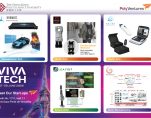
The Hong Kong Polytechnic University will showcase five promising PolyU startups at Paris-based VivaTech 2026. Visitors are welcome to interact with these innovative ventures and join its insight-packed seminars.
During this year’s event scheduled from 17 to 20 June 2026 at Paris Expo Porte de Versailles, PolyU will showcase its achievements at the Hong Kong Tech Pavilion organised by the Hong Kong Trade Development Council (HKTDC). Located at Booth 1C11, Hall 7.1, the University will present five outstanding PolyU-nurtured startups across high-growth tech domains, including AI and Robotics, Health Tech, Sustainable and Climate Tech, and FinTech. For more information about these innovative ventures, please check out the event’s online leaflet.
As Europe’s most influential innovation gathering, VivaTech brings together global visionaries, startup founders, industry leaders, investors and corporate innovators, providing as a pivotal platform for cross-border collaboration and technological knowledge exchange. PolyU’s participation at VivaTech further extends its global innovation footprint into Europe, and connects the University and its startups with international investment and market resources.
In addition to the exhibition, PolyU will host an exclusive thematic session on-site and engage in high-level industry dialogues to deepen collaboration between Europe and Hong Kong. On 18 June, PolyU will stage a dedicated seminar titled “Breaking Barriers with Autonomous Systems: Transforming Industries with AI Innovation”, where Prof. Chao will deliver the opening remarks, and Prof. Zheng will share his insight on how Hong Kong is scaling innovation as a leading AI hub, driving technological advancement and fostering global collaboration. Meanwhile, the five PolyU startups will share about their journeys in innovation and entrepreneurial endeavours.
On 19 June, Prof. Chao will participate as a distinguished speaker in the Executive Dialogue during the HKTDC-hosted Hong Kong Seminar-cum-Networking Reception. Centred on the theme “Talent & Infrastructure Powering the Hong Kong Tech Leadership and Global Collaboration”, the high-level seminar also features distinguished leaders representing the forefront of Hong Kong’s innovation and technology ecosystem. Prof. Chao will engage in in-depth topics such as how to attract and nurture global talent, and how academia-driven initiatives can drive technological synergies between Hong Kong and Europe.
For full details of PolyU’s participation at VivaTech 2026, please visit the webpage of PolyU’s Knowledge Transfer and Entrepreneurship Office.
Hashtag: #PolyU
The issuer is solely responsible for the content of this announcement.












 www.hkstp.org







 https://www.linkedin.com/company/acerobotics/posts/?feedView=all&viewAsMember=true%EF%BD%9C
 https://x.com/ace_robotics