News related to
security

Insurer to provide basic fire insurance coverage starting 16 August 2024 SINGAPORE – Media OutReach Newswire – 16 August 2024 – Etiqa Insurance Singapore, a leading life and general insurer in Singapore, has been appointed as the official fire insurer for the Housing and Development Board’s (HDB) Fire Insurance Scheme. This significant appointment marks a pivotal moment in Etiqa’s commitment to safeguarding owners against financial losses arising […]

Magnom Properties, a subsidiary of Saudi Arabia’s Rawabi Holding, has unveiled ambitious plans to construct a hydrogen-powered skyscraper in Egypt’s new administrative capital. The 50-story tower, named the Forbes International Tower, is set to be a landmark in the business district of the capital, which is designed to accommodate over six million people. This project underscores Saudi Arabia’s growing influence in the region’s real estate sector and […]

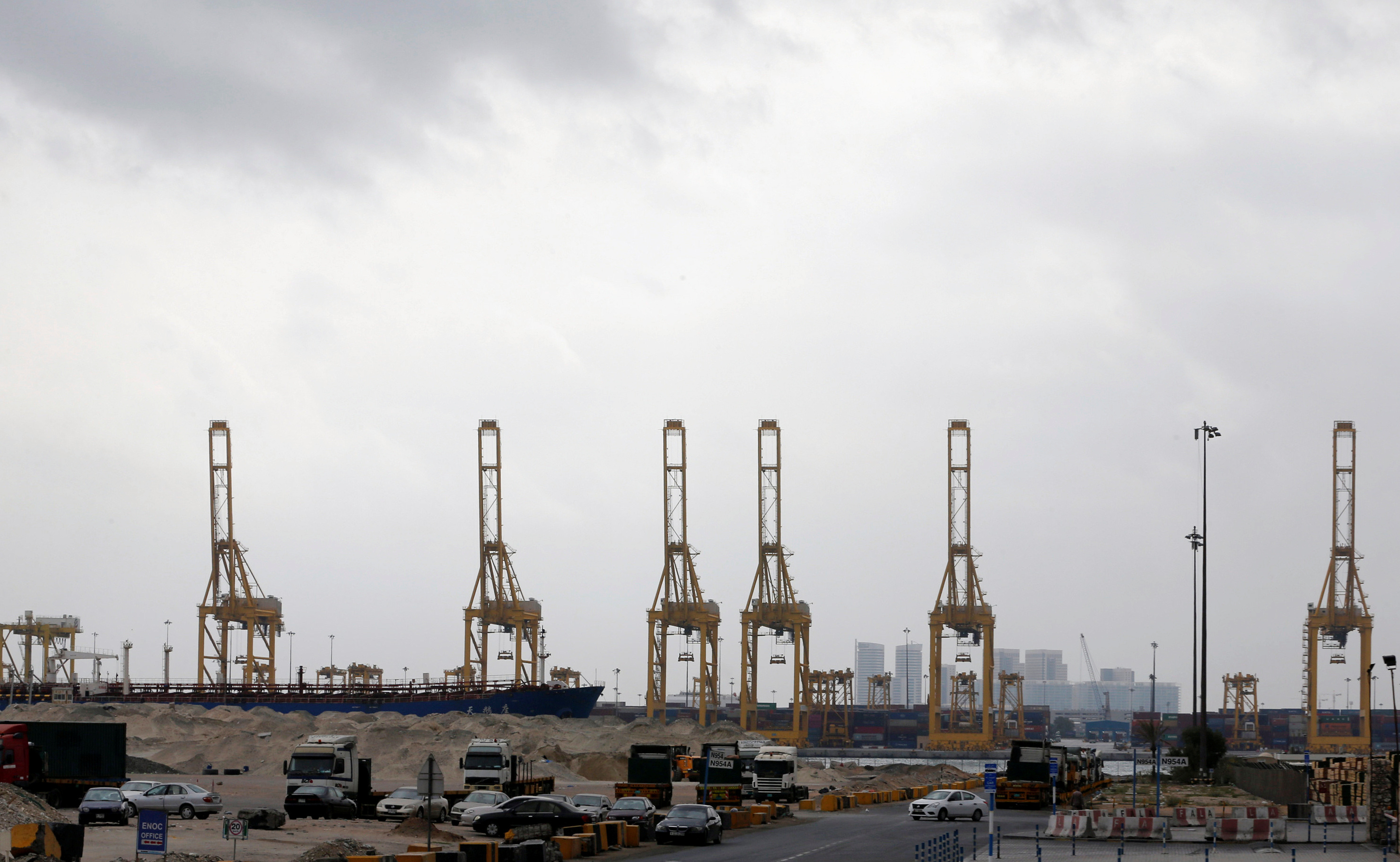
Dubai-based logistics giant DP World reported a significant decline in net profit for the first half of the year, attributing the downturn to disruptions along key shipping routes in the Red Sea. The company’s profit dropped by 59%, a stark contrast to its robust performance in previous periods.

The slowdown in global trade, coupled with geopolitical tensions affecting major maritime corridors, has had a severe impact on DP World’s operations. Shipping volumes through the Red Sea, a vital artery for international trade, have been notably reduced due to security concerns and logistical challenges. This decline has directly affected the company’s revenue, which saw a steep drop, leading to a corresponding decrease in profitability.

According to industry experts, the situation in the Red Sea is a significant concern for global trade, given the strategic importance of the region. The Red Sea serves as a crucial link between Europe, Asia, and Africa, and any disruption in this area can have widespread repercussions. The rise in piracy, ongoing conflicts, and political instability in adjacent regions have exacerbated the difficulties faced by shipping companies operating in these waters.

DP World has been striving to mitigate these challenges by diversifying its operations and seeking new revenue streams. The company has made significant investments in emerging markets and has expanded its presence in regions less affected by the current geopolitical tensions. However, these efforts have not yet fully compensated for the losses incurred due to the situation in the Red Sea.

The logistics giant’s management remains cautiously optimistic about the future, emphasizing that the current downturn is largely due to external factors beyond the company’s control. They have expressed confidence that once stability returns to the Red Sea region, DP World’s performance will rebound. In the meantime, the company is focusing on optimizing its operations and reducing costs to weather the downturn.

Despite the challenges, DP World continues to play a vital role in global trade. The company manages ports, terminals, and logistics operations across six continents, making it a key player in the international supply chain. Its extensive network of assets and strategic locations has allowed it to maintain a significant market share, even in the face of adverse conditions.

Market analysts note that while the company’s short-term prospects may be uncertain, its long-term outlook remains strong. DP World’s ability to adapt to changing market conditions, coupled with its ongoing investments in technology and infrastructure, positions it well for future growth. The company has also been exploring new business opportunities in the digital logistics space, which could provide additional revenue streams in the coming years.

In the broader context, the challenges faced by DP World highlight the vulnerability of global trade to geopolitical risks. As international tensions rise, the stability of key shipping routes like the Red Sea becomes increasingly critical. Companies operating in the logistics sector must remain vigilant and adaptable, ready to respond to sudden changes in the global landscape.

DP World’s experience serves as a reminder of the interconnected nature of global trade. Disruptions in one region can have far-reaching effects, impacting companies and economies around the world. As the situation in the Red Sea evolves, the global logistics industry will be closely monitoring developments, with the hope that stability can be restored and trade flows can return to normal levels.

DP World’s next steps will be crucial in determining its future trajectory. The company’s ability to navigate the challenges posed by the current geopolitical environment will be a key factor in its ability to recover and thrive in the long term. For now, the focus remains on managing the immediate impact of the Red Sea disruptions while preparing for future opportunities in a rapidly changing global market.


Negotiations to address the ongoing conflict between Israel and Gaza are gaining momentum as high-level talks are scheduled to commence in Doha. The planned discussions, involving representatives from the United Nations, the United States, and Qatar, aim to broker a ceasefire agreement to halt the escalating violence in the region. The announcement comes amidst mounting international pressure for a resolution to the hostilities that have resulted in […]

Partnership will empower Prudential’s 15,000 employees to use AI to better serve its customers, with end-to-end support from Google Cloud New ‘AI Lab’ will initially focus on use cases that deliver better healthcare experiences and operational excellence HONG KONG SAR – Media OutReach Newswire – 15 August 2024 – Prudential plc (Prudential) and Google Cloud today announced an expanded strategic partnership to build innovative AI-powered products and […]

Canonical, the company behind Ubuntu, is taking significant steps to keep its popular Linux distribution at the forefront of innovation by integrating the latest Linux kernel versions into future releases. This move is expected to bring enhanced hardware support, security improvements, and new features to millions of Ubuntu users worldwide. Mark Shuttleworth, the founder of Canonical, emphasized the importance of keeping Ubuntu in sync with the latest […]

SINGAPORE – Media OutReach Newswire – 14 August 2024 – AtkinsRéalis Group Inc. (TSX: ATRL), a world-class engineering services and nuclear company with offices around the world, has been awarded the project management services contract by Singapore GP Pte Ltd (SGP) for the Formula 1 Singapore Grand Prix, a leading motor racing event which is part of the International Automobile Federation’s (FIA) series of the Formula One […]

Advertisements

A turbulent financial landscape and rising global tensions have cast a shadow over Japan’s upcoming prime ministerial race, setting the stage for an exceptionally uncertain political environment. The current administration, led by Prime Minister Fumio Kishida, is grappling with escalating inflation, unpredictable financial markets, and a deteriorating security climate. As Japan prepares for a potential change in leadership, these challenges are likely to shape the political discourse […]

By Nitya Chakraborty Eight days have passed since the ouster of   from power in Bangladesh on August 5 following the mass upsurge led by the students and other opposition parties against the 15 year rule of the Awami League Government led by her. Much has been written about the developments that led to her fall […]
Tensions in Lebanon have escalated, posing significant obstacles for the United States envoy tasked with preventing further conflict. Amidst heightened concerns of an impending war, Western nations are intensifying their diplomatic engagement to de-escalate the situation. Several senior officials from the Biden administration are slated to visit the Middle East this week as part of a broader strategy to address the crisis.

Lebanon is experiencing a period of increased instability, marked by political and economic strife, alongside frequent clashes between various factions. The United Nations and various international organizations have voiced alarm over the potential for broader regional conflict if these issues are not addressed swiftly and effectively. The US envoy, aiming to mitigate these risks, faces a complex landscape fraught with deep-seated tensions and a volatile political environment.

Efforts by the United States to stabilize the region include high-level discussions with key Lebanese political figures and other stakeholders. The envoy’s role is critical in navigating the intricate web of alliances and conflicts that characterize Lebanon’s current situation. The US is seeking to leverage its influence to foster dialogue and reduce hostilities, with a focus on preventing the escalation of violence that could have far-reaching consequences for the region.

The Biden administration’s approach involves coordinated diplomatic efforts with allied nations and regional partners. The upcoming visits by senior officials are part of a concerted strategy to demonstrate solidarity with Lebanon and to push for immediate actions that could ease tensions. These visits are expected to involve discussions on economic support, security cooperation, and political reforms aimed at stabilizing the country.

The situation in Lebanon is complicated by the involvement of various regional powers and non-state actors, each with their own interests and agendas. This complexity makes the envoy’s task particularly challenging, as they must navigate a multifaceted conflict environment while attempting to build consensus among diverse and often conflicting parties.

Recent developments have underscored the urgency of the situation. Reports indicate increasing skirmishes and a deterioration in humanitarian conditions, which further complicate efforts to negotiate a peaceful resolution. The international community is closely monitoring the situation, with many expressing support for diplomatic solutions while emphasizing the need for timely and effective intervention.

The US diplomatic push is also supported by broader Western efforts to address the crisis. European nations, alongside the US, are working on various fronts to provide humanitarian aid and support peacekeeping initiatives. These actions reflect a unified stance on the need to prevent further escalation and to support Lebanon in its path towards stability and recovery.

As the envoy continues their mission, the effectiveness of their efforts will likely hinge on the ability to address both immediate concerns and long-term structural issues contributing to Lebanon’s instability. The international community remains hopeful that with sustained diplomatic engagement and support, it will be possible to avert a full-scale conflict and foster a more stable and peaceful environment in Lebanon.

The evolving situation in Lebanon highlights the complex interplay of regional dynamics and the critical importance of international diplomatic efforts in addressing such crises. The coming weeks will be crucial in determining the trajectory of the conflict and the potential for a peaceful resolution.

Arabian Post Staff Telegram, launched in 2013 as a straightforward messaging app, has grown into a platform used by nearly one billion people worldwide, becoming a key player in the messaging industry. Initially seen as a competitor to apps like WhatsApp, Telegram has consistently distinguished itself by introducing innovative features that cater to a wide array of users. One of the most significant factors contributing to Telegram’s […]

Palestinian President Mahmoud Abbas met with Russian President Vladimir Putin in Moscow to address the ongoing conflict in Gaza and broader issues affecting the Palestinian territories. The meeting highlighted Abbas’s call for increased international support for Palestinian statehood and urgent action to alleviate the humanitarian crisis in Gaza.

The discussion comes amid escalating violence in Gaza and the West Bank, with significant casualties reported in recent weeks. Abbas and Putin explored various measures to de-escalate the situation and pave the way for renewed peace efforts. Abbas emphasized the dire humanitarian conditions in Gaza, where continuous airstrikes and blockades have exacerbated the suffering of civilians.

During the meeting, Abbas reiterated his call for the establishment of an independent Palestinian state, asserting that a two-state solution remains the most viable path to peace. He also voiced concerns about ongoing violence in East Jerusalem and the West Bank, which has further complicated efforts to achieve stability and security in the region.

Putin’s response to Abbas’s proposals was notably diplomatic. He reaffirmed Russia’s support for a two-state solution and expressed concern over the humanitarian situation in Gaza. However, he also stressed the need for a balanced approach to addressing both Palestinian and Israeli concerns. The Russian leader emphasized the importance of direct negotiations between the conflicting parties, highlighting Russia’s role in facilitating dialogue.

The meeting also touched upon the international community’s role in resolving the conflict. Abbas urged greater involvement from global powers and regional stakeholders to pressure Israel into halting its military operations and committing to peace talks. He specifically called for the lifting of the blockade on Gaza, which he argued is a significant barrier to alleviating the humanitarian crisis.

The discussion on Gaza coincides with a broader international discourse on the conflict. Various international organizations and governments have expressed growing alarm over the situation, with some calling for sanctions or other measures against Israel to pressure it into compliance with international law.

In addition to discussing the immediate conflict, Abbas and Putin addressed the ongoing international legal efforts concerning allegations of genocide and war crimes. Abbas has been vocal about the need for accountability and justice, advocating for international legal bodies to address alleged violations by Israel. This aspect of the discussion underscores the broader context of the conflict, where legal and humanitarian concerns intertwine with geopolitical considerations.

Abbas’s visit to Moscow also serves as a strategic move to bolster Palestinian diplomatic efforts. By engaging with major international players like Russia, Abbas aims to garner broader support and exert pressure on other key actors to address the Palestinian cause. The interaction with Putin represents an attempt to leverage Russia’s position in the global arena to further the Palestinian agenda.

The meeting between Abbas and Putin reflects ongoing international efforts to address the complexities of the Israeli-Palestinian conflict. As the situation in Gaza remains dire and violence continues in the West Bank and East Jerusalem, the international community remains divided on the most effective strategies to achieve a lasting resolution. The discussions between Abbas and Putin highlight the urgent need for comprehensive and sustained diplomatic efforts to address the myriad issues at the heart of the conflict.

A significant $20 billion arms deal between the United States and Israel has been approved by the US government, marking a pivotal moment in the ongoing military alliance between the two nations. The approval, confirmed by US Secretary of State Antony Blinken, includes advanced fighter jets, missile defense systems, and various military equipment, underscoring the deepening security cooperation amid heightened regional tensions.

The arms package is one of the largest in history, signaling the US’s commitment to bolstering Israel’s military capabilities. This deal is seen as crucial for maintaining Israel’s qualitative military edge in the Middle East, particularly in light of evolving threats from neighboring countries and non-state actors.

According to the US Department of Defense, the arms deal encompasses a wide range of military hardware, including the state-of-the-art F-35 fighter jets, precision-guided munitions, and advanced missile defense systems such as the Iron Dome, David’s Sling, and Arrow systems. The inclusion of these technologies is expected to significantly enhance Israel’s air defense and offensive capabilities, allowing it to respond more effectively to threats in a volatile region.

The timing of this deal is particularly noteworthy as it comes amid growing concerns over Iran’s military activities in the region. US officials have indicated that the arms package is intended not only to strengthen Israel’s defense capabilities but also to deter potential aggressors. The sale has been described as part of a broader strategy to ensure stability in the Middle East by supporting allies that share common security interests with the United States.

Israel has long been a key partner of the US in the Middle East, with both nations sharing intelligence and conducting joint military exercises. The approval of this arms deal reaffirms the US’s unwavering support for Israel’s security needs. In a statement, Blinken emphasized that the sale aligns with US foreign policy objectives and will contribute to Israel’s ability to defend itself against various threats.

The arms deal has drawn attention from various quarters, with some expressing concern over its potential impact on the region’s already fragile security situation. Critics argue that such a massive influx of weapons could exacerbate tensions, particularly with Iran, which views US military support for Israel as a direct threat to its own security. However, supporters of the deal maintain that a stronger Israel serves as a stabilizing force in the Middle East, deterring aggression and ensuring that US interests in the region are protected.

The approval process for the arms deal involved extensive consultations with Congress, where bipartisan support for Israel’s security is strong. While there were some concerns raised about the potential for increased regional instability, the overall consensus was that the benefits of strengthening Israel’s defense outweighed the risks. The deal is also seen as a continuation of the Abraham Accords, which have led to the normalization of relations between Israel and several Arab nations, further integrating Israel into the region’s security architecture.

The arms package is expected to be delivered over several years, with the first shipments slated to arrive in Israel within the next few months. Israeli defense officials have welcomed the approval, noting that the new equipment will enhance the country’s deterrence capabilities and provide a critical edge in addressing both current and future security challenges.

As the deal moves forward, there will likely be continued debate over its implications for the region. However, the US government’s decision to approve such a substantial military sale underscores its ongoing commitment to Israel’s security, reflecting a long-standing strategic partnership that remains a cornerstone of US foreign policy in the Middle East.

The $20 billion arms package marks a significant development in the US-Israel relationship, reinforcing the military bond between the two nations while also raising important questions about the future of security and stability in the Middle East.

The Sharjah Finance Department has officially opened its Cyber Defence Centre, marking a significant advancement in the region’s approach to cybersecurity. The state-of-the-art facility, unveiled on Monday, is designed to bolster the department’s ability to protect its digital infrastructure and safeguard sensitive financial information. The new centre represents a major investment in the Sharjah government’s commitment to cybersecurity. It aims to provide advanced protection against an increasing […]

Moscow’s Patriot Expo and Kubinka Air Base have become the center of attention as the 10th International Military-Technical Forum, known as Army-2024, kicked off. Organized by the Russian Ministry of Defence, this prestigious event has attracted military delegations from 83 countries, with high-ranking officials from 39 nations, including defense ministers and chiefs of general staff, leading their respective teams. The forum, which spans over 340,000 square meters, […]

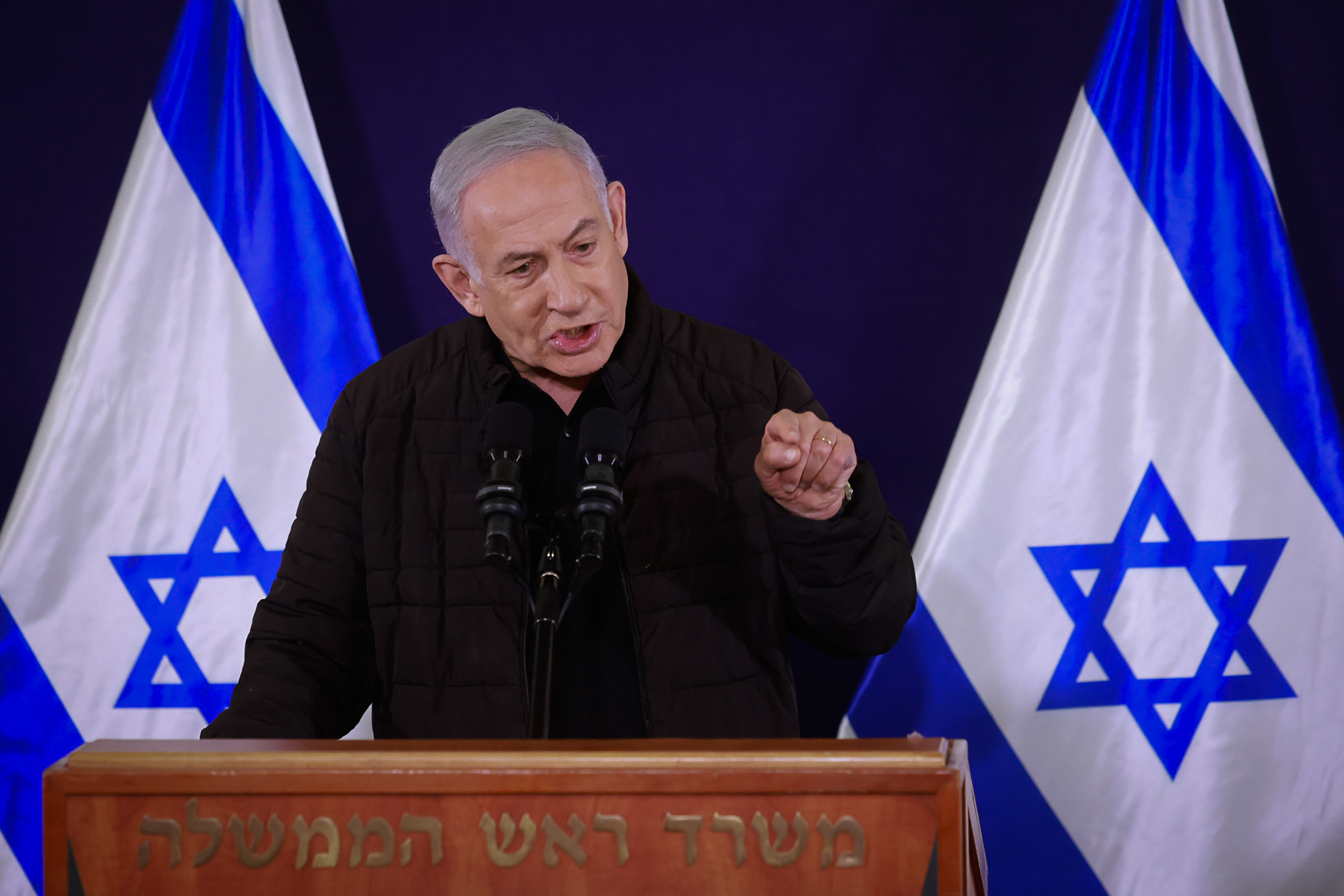
Israeli Prime Minister Benjamin Netanyahu has sharply criticized Defense Minister Yoav Gallant, accusing him of undermining negotiations related to the hostage crisis in Gaza. This development has heightened tensions within Israel’s political and military circles as the country grapples with ongoing conflict and diplomatic pressures.

The friction between Netanyahu and Gallant emerged after a series of public statements and internal disagreements regarding the handling of hostages held by Hamas. Netanyahu’s office has expressed strong dissatisfaction with Gallant’s approach, alleging that the defense minister’s actions jeopardized sensitive negotiations aimed at securing the release of hostages.

The criticism comes at a time when Israel is facing intense international scrutiny and pressure to resolve the crisis. With the situation in Gaza remaining volatile, Israel’s leadership is under increased pressure to manage both domestic and international concerns effectively. The Netanyahu-Gallant dispute highlights the challenges faced by the Israeli government in maintaining a unified front while navigating complex diplomatic and security issues.

In recent days, leaders from France, Germany, and Britain have voiced strong warnings to Iran against taking any retaliatory action against Israel. This international stance underscores the global concern over the escalation of conflict in the region and the potential for broader implications if tensions continue to rise.

The conflict has prompted widespread calls for restraint and diplomatic resolution from the international community, emphasizing the need for careful management of the situation to prevent further escalation. As Israel continues to address the multifaceted challenges posed by the ongoing conflict and internal disagreements, the outcome of this political rift could have significant implications for both domestic policy and international relations.

The global landscape for the wealthy elite is shifting rapidly, with Europe at the forefront of a dramatic reconfiguration. Recent political changes and tax reforms across the continent have triggered a wave of concern among high-net-worth individuals (HNWIs), prompting many to reassess their financial futures. From the UK to France to Norway and beyond, the allure of traditional financial hubs is being challenged by emerging destinations that […]

The UAE government has introduced amendments to its employment regulations through a newly issued Federal Decree-Law, marking a significant shift in the legal framework governing employment relationships across the country. This development is part of the UAE’s ongoing efforts to enhance labor market flexibility and align its labor laws with international standards. The amendments focus on several key areas, including employment contracts, workplace policies, and workers’ rights. […]

Safeguarding AI and business resilience with NVIDIA NIM HONG KONG SAR – Media OutReach Newswire – 12 August 2024 – Trend Micro Incorporated (TYO: 4704; TSE: 4704) has launched multiple efforts to shape the future of AI implementation by enterprises and governments. The new solution, included in Trend Micro’s Vision One™ Sovereign Private Cloud — powered by NVIDIA NIM microservices, part of the NVIDIA AI Enterprise software […]

A violent altercation between devotees and flower sellers at a temple in Bihar, India, has resulted in at least seven fatalities and over 35 injuries. The confrontation occurred during a religious festival, escalating into a stampede that caused the casualties. Authorities are investigating the circumstances leading to the incident, which has shocked the local community and prompted a call for increased security at religious events.

The altercation began when a dispute over the sale of flowers led to a physical fight. As tensions rose, the crowd surged uncontrollably, creating a stampede that trapped and crushed several individuals. Emergency services arrived at the scene to assist the injured and recover the deceased. Local hospitals are treating the wounded, some of whom are in critical condition.

Eyewitnesses reported that the chaotic environment made it difficult for people to escape the stampede. The temple premises, crowded with devotees attending the festival, became a scene of panic and disorder. The local police have detained several individuals for questioning, and an investigation is underway to determine the exact cause of the altercation and the failures in crowd management.

Authorities are facing scrutiny over their preparedness and response to the incident. There have been calls for better safety measures at public gatherings, especially in densely populated areas. Officials are reviewing security protocols and considering additional regulations to prevent such tragedies in the future.

This incident has not only highlighted the dangers associated with large-scale religious events but also underscored the need for improved crowd control and emergency preparedness. The community is mourning the loss of lives and grappling with the impact of the violence on their festival celebrations.

Thailand’s Securities and Exchange Commission (SEC) has introduced a groundbreaking regulatory sandbox designed to facilitate the development and testing of digital asset services. This initiative is set to enable exchanges, brokers, fund managers, and custodians to explore and refine their offerings in a controlled, real-world environment. The regulatory sandbox will allow participants to test their cryptocurrency and blockchain technologies under regulatory oversight. By providing a structured framework, […]

Arabian Post Staff LPL Financial has launched its highly anticipated Focus 2024 conference in San Diego, attracting nearly 9,000 financial advisors from across the United States. The annual event, recognized as one of the largest gatherings in the financial advisory industry, serves as a pivotal forum for professionals to share strategies, insights, and best practices aimed at enhancing client service and business growth. The conference, which kicked […]

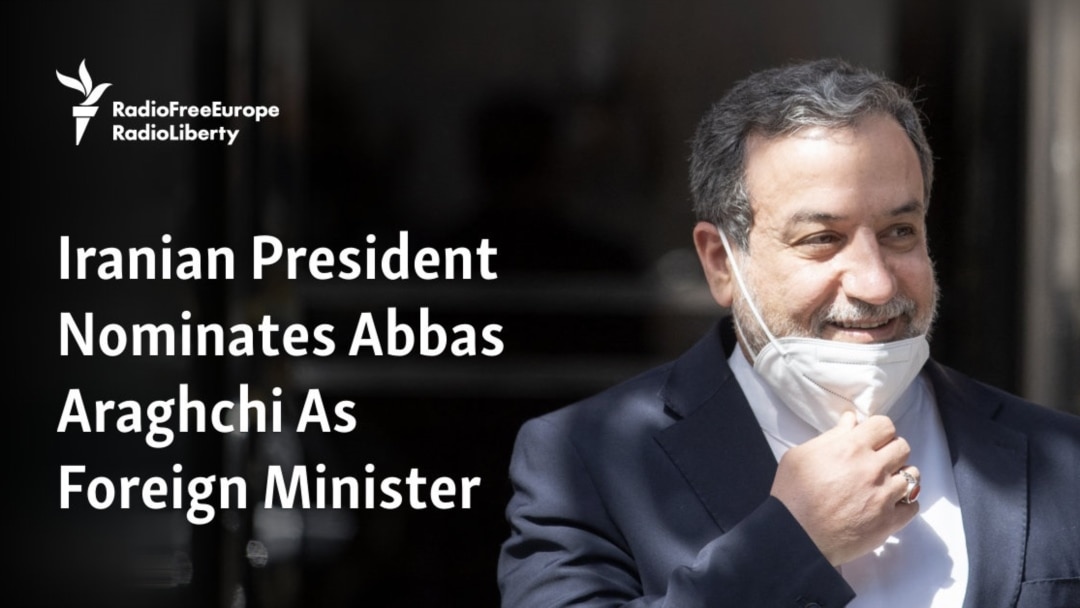
Iran’s President Masoud Pezeshkian has nominated Abbas Araghchi, a seasoned diplomat and former nuclear negotiator, as the country’s new foreign minister. This decision marks a significant step in shaping the country’s foreign policy under Pezeshkian, who took office following the death of his hardline predecessor, Ebrahim Raisi.

Araghchi, known for his pivotal role in the negotiations leading to the 2015 nuclear deal, is widely regarded as a pragmatic figure within the Iranian political landscape. His nomination suggests a possible recalibration of Iran’s diplomatic strategy, focusing on re-engagement with global powers and regional stability, amidst a tense international environment.

This nomination comes at a critical juncture for Iran, as Pezeshkian’s administration seeks to navigate the complex interplay between reformist aspirations and the conservative establishment’s expectations. Araghchi’s experience in diplomacy, particularly his familiarity with the nuances of nuclear negotiations, positions him as a key player in advancing Iran’s international agenda while balancing internal pressures.

The nomination of Araghchi has drawn varied reactions domestically and internationally. Reformist circles view this as a positive move towards moderation, while conservatives remain cautious, emphasizing the need to safeguard national interests. The international community, particularly signatories of the 2015 nuclear agreement, is closely watching this development, as it could signal Tehran’s approach to reviving talks and easing tensions in the region.

Pezeshkian’s administration, despite its reformist leanings, is expected to maintain continuity in several aspects of Iran’s foreign policy, particularly its stance on nuclear issues. However, with Araghchi at the helm of the Foreign Ministry, there may be a renewed focus on diplomacy as a means of addressing the country’s economic challenges and breaking the impasse in nuclear negotiations.

This move by Pezeshkian underscores his administration’s intent to steer the country towards a more balanced foreign policy, one that neither alienates the conservative base nor overlooks the demand for reforms among the populace. Araghchi’s potential confirmation by the Iranian parliament could set the stage for significant diplomatic activity, as Iran seeks to reassert its position on the global stage while managing the expectations of various internal factions.

The international community is expected to engage closely with Araghchi, given his extensive background in diplomacy and negotiations. His appointment could pave the way for a more constructive dialogue between Tehran and the West, especially concerning the future of the nuclear agreement and regional security issues.

As Iran continues to navigate its domestic and international challenges, the role of the Foreign Ministry under Araghchi will be crucial in shaping the country’s future, balancing between reformist ambitions and the conservative establishment’s expectations.

Ukrainian forces have launched a surprise offensive into Russia’s Kursk region, heightening geopolitical tensions and prompting immediate evacuations. This move, confirmed by Ukrainian President Volodymyr Zelenskyy, marks a significant escalation in the conflict between the two nations. The attack on Kursk, a key border area in Russia, has been described by Zelenskyy as a strategic action designed to apply “necessary pressure” on Russia. This development follows a […]

VISHNU RAJA
RYO YAMADA
HITORI GOTOH
IKUYO KITA