News related to
security

The United Nations human rights office has released a disturbing report detailing severe mistreatment of Palestinian detainees held by Israeli authorities. The report, unveiled on Wednesday, outlines extensive human rights violations, including physical and psychological abuse, endured by Palestinians in detention.

According to the UN, the report is based on testimonies from former detainees, human rights organizations, and independent investigations. It highlights cases of physical violence, including beatings and harsh interrogations, as well as inadequate medical care. The UN’s findings are drawn from a variety of sources, including interviews with detainees who have been released, and an analysis of medical records and other evidence.

The document underscores systemic issues within the detention system, pointing to a lack of oversight and accountability. The UN report criticizes the conditions in which detainees are held, citing overcrowding, poor sanitation, and insufficient access to basic necessities. It also notes instances of psychological abuse, including threats and humiliation during interrogations.

Human rights advocates have long raised concerns about the treatment of Palestinian detainees, but this report provides a comprehensive overview of the extent and nature of the mistreatment. The UN’s findings are expected to prompt calls for international intervention and reforms within the Israeli detention system.

The Israeli government has responded to the report, defending its detention practices as necessary for national security. Israeli officials argue that the measures taken are within the bounds of international law and are crucial for maintaining security. They have also criticized the UN report, alleging bias and a lack of consideration for the broader context of security challenges faced by Israel.

The report also touches on the broader implications of these practices for the peace process and human rights in the region. Critics argue that the ongoing mistreatment of detainees undermines efforts to achieve a peaceful resolution to the Israeli-Palestinian conflict and damages the credibility of human rights standards in the region.

International reactions to the report have varied. Some human rights organizations have called for immediate action and an independent investigation into the allegations, while others emphasize the need for a balanced approach that considers security concerns alongside human rights.

The UN’s findings contribute to the ongoing debate about the Israeli-Palestinian conflict and the treatment of detainees. The report serves as a critical reminder of the importance of human rights and the need for accountability in conflict situations. The situation remains fluid, and further developments are anticipated as the international community responds to the UN’s revelations and calls for reform.

The issue of detainee mistreatment is part of a larger discourse on human rights in the region, which continues to evolve as new reports and investigations emerge. The UN’s latest report adds to a growing body of evidence and highlights the urgent need for attention and action on this critical issue.
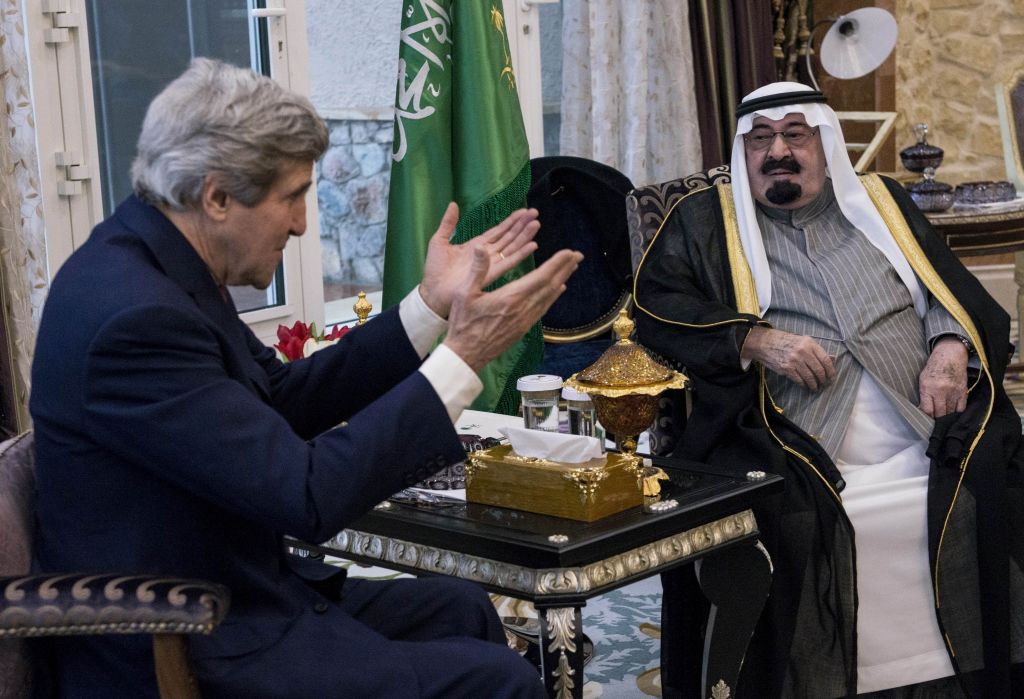
Sheikh Abdullah bin Zayed Al Nahyan, the Deputy Prime Minister and Minister of Foreign Affairs of the United Arab Emirates, held a significant meeting with Iran’s newly inaugurated President Masoud Pezeshkian. This high-profile discussion, which took place in Tehran, focused on enhancing regional peace and stability amid shifting geopolitical dynamics.

The meeting between Sheikh Abdullah and President Pezeshkian marks a notable moment in UAE-Iran relations, reflecting a mutual interest in addressing long-standing regional tensions. Sheikh Abdullah’s visit underscores the UAE’s commitment to fostering dialogue and cooperation with its neighbors in the Middle East. The talks are seen as a crucial step towards building bridges and finding common ground on issues that impact the stability of the region.

During the meeting, both leaders emphasized the importance of collaborative efforts to tackle pressing challenges, including security concerns and economic development. They expressed a shared vision for a peaceful and prosperous region, with an emphasis on resolving conflicts through diplomatic means rather than confrontational approaches.

The UAE has consistently sought to play a mediating role in regional conflicts, advocating for dialogue and engagement as pathways to resolution. Sheikh Abdullah’s discussions with President Pezeshkian are part of a broader strategy to strengthen bilateral ties and encourage a cooperative atmosphere in the Gulf and beyond. This approach aligns with the UAE’s broader foreign policy objectives of promoting stability and fostering economic partnerships.

Iran, under President Pezeshkian’s leadership, has also indicated a willingness to engage more constructively with its regional neighbors. The new administration has expressed a commitment to addressing various regional issues through diplomatic channels, aiming to improve relations with Gulf countries and other key stakeholders. This shift is expected to influence regional dynamics positively, potentially leading to more collaborative efforts on shared challenges.

The discussions between Sheikh Abdullah and President Pezeshkian are particularly timely given the current geopolitical landscape. With ongoing tensions in the Middle East and evolving alliances, the UAE and Iran’s dialogue could serve as a catalyst for broader regional cooperation. Both leaders have recognized the necessity of finding common ground and working together to address issues that affect the stability and prosperity of their respective countries and the broader region.

This meeting also reflects a broader trend of increased diplomatic engagement in the Middle East, as nations seek to navigate complex regional relationships and emerging global challenges. Sheikh Abdullah’s visit and the ensuing discussions signify a proactive approach by the UAE to strengthen ties with Iran and other neighboring countries, contributing to a more stable and interconnected regional environment.

The UAE’s efforts to engage with Iran and other regional actors underscore its strategic interest in fostering a stable and cooperative Middle East. By prioritizing dialogue and mutual understanding, the UAE aims to enhance its role as a key player in regional diplomacy and contribute to a more harmonious geopolitical landscape.

As the UAE and Iran continue their diplomatic engagement, the outcomes of these discussions will be closely watched by other nations and stakeholders in the region. The success of this dialogue could pave the way for further collaboration and mutual understanding, setting a positive precedent for future interactions among regional powers.

MUSCAT, OMAN – Media OutReach Newswire – 31 July 2024 – VinFast Auto, the global electric vehicle (“EV“) manufacturer and Bahwan Automobiles and Trading LLC (“BAT“) proudly announces the grand opening of its first Middle East showroom in the Sultanate of Oman, marking a significant milestone in its expansion into the Middle East market. Mr. Ta Xuan Hien, CEO of VinFast Middle East (4th from the left), […]

BANGKOK, THAILAND – Media OutReach Newswire – 31 July 2024 – ONYX Hospitality Group, a renowned leader in hotel management, is proud to announce the opening of Shama Suasana Johor Bahru, marking the debut of the first Shama hotel and serviced apartment in Malaysia. This milestone expansion further strengthens the Shama brand’s presence in Southeast Asia, and is particularly significant as it makes Malaysia the first country, […]

A high-level meeting between Egypt’s Foreign Minister Badr Abdelatty and Iran’s new President Masoud Pezeshkian has marked a significant step towards normalizing relations between the two countries. The encounter took place on the sidelines of Pezeshkian’s inauguration, symbolizing a potential thaw in diplomatic ties that have been strained for decades.

The diplomatic engagement follows months of behind-the-scenes negotiations aimed at easing long-standing tensions. Abdelatty’s attendance at the inauguration is seen as a strategic move to open new channels of communication and cooperation between Cairo and Tehran. This development comes amid broader regional efforts to stabilize the Middle East and foster collaborative relationships among key players.

Egypt and Iran, both influential countries in the region, have historically had a contentious relationship, primarily due to differing political ideologies and alliances. The Egyptian government has maintained close ties with Saudi Arabia and the United States, both of which have had adversarial stances towards Iran. Conversely, Iran’s alliances with non-state actors and its involvement in regional conflicts have further complicated relations.

The meeting between Abdelatty and Pezeshkian is part of a larger trend of rapprochement in the region. The recent reconciliation between Saudi Arabia and Iran, brokered by China, has set a precedent for other nations to follow. This shift is driven by the realization that regional stability and economic development are interlinked and can be better achieved through dialogue rather than confrontation.

Observers note that while the meeting is a positive step, significant challenges remain. The diplomatic normalization process will require addressing contentious issues such as Iran’s nuclear program, its influence in Iraq, Syria, and Lebanon, and its support for groups that Egypt and its allies consider destabilizing. Additionally, Egypt’s strategic partnerships with countries opposing Iran’s regional policies could complicate the normalization efforts.

However, both countries have shown a willingness to engage in dialogue. Abdelatty emphasized the importance of cooperation in areas such as trade, tourism, and cultural exchanges, which could serve as a foundation for rebuilding trust and fostering mutual benefits. Pezeshkian, on his part, expressed optimism about the future of bilateral relations, highlighting the potential for collaboration in addressing regional security challenges and economic opportunities.

Analysts believe that successful normalization between Egypt and Iran could have far-reaching implications for the region. Improved relations could lead to increased economic cooperation, contributing to regional stability and development. It could also pave the way for more comprehensive diplomatic efforts to resolve ongoing conflicts in the Middle East.

The international community is closely monitoring these developments, recognizing the significant impact they could have on global geopolitics. The United States and European Union have expressed cautious optimism, hoping that this rapprochement could lead to broader stability in the region. China, having played a crucial role in the Saudi-Iran reconciliation, has also shown interest in supporting Egypt-Iran normalization efforts, viewing it as a part of its broader strategy to enhance its influence in the Middle East.

The path to normalization is expected to be gradual and fraught with challenges. Both Egypt and Iran will need to navigate a complex web of regional alliances and domestic political considerations. Nonetheless, the willingness to engage in high-level dialogue signifies a noteworthy shift in their approach to regional diplomacy.

As the process unfolds, it will be essential for both nations to maintain a focus on mutual interests and the broader goal of regional stability. The potential benefits of normalized relations are substantial, offering a new chapter of cooperation and development in a region long marred by conflict and division.

Israeli airstrikes on a Beirut suburb have intensified the search for senior Hezbollah commander Fouad Shukr, whose whereabouts remain uncertain following the attack. The residential building targeted was reportedly a key location for Hezbollah operations, raising concerns about Shukr’s status and potential casualties among his associates.

The airstrike occurred in the densely populated southern suburbs of Beirut, a region heavily influenced by Hezbollah. The Israeli government has not confirmed the specific targets of the strike but has maintained that the operation was a response to ongoing threats from Hezbollah. The Lebanese authorities have launched a search and rescue operation, sifting through the rubble of the destroyed building in hopes of locating survivors or recovering bodies.

Fouad Shukr, a high-ranking figure within Hezbollah, has been a subject of international attention due to his alleged involvement in various military and strategic operations. The attack has prompted Hezbollah to accuse Israel of aggression and to call for an immediate response. The group has mobilized its members in the area, and tensions are high as both sides brace for possible further escalations.

Local reports suggest that the building was used by Hezbollah for military purposes, including arms storage and strategic planning. This has led to speculations about the significance of the strike and whether it was part of a broader Israeli strategy to disrupt Hezbollah’s operational capabilities. The attack’s impact on the broader regional dynamics is yet to be fully understood, but it has already heightened security concerns in Lebanon and among international observers.

Lebanese rescue teams are working tirelessly, and international organizations have expressed concern about the humanitarian impact of the airstrikes. The focus is on providing aid to those affected by the explosion and addressing the needs of families displaced by the attack.

Hezbollah’s reaction has been swift, with the organization issuing statements condemning the Israeli actions and vowing retaliation. The group’s leaders have criticized the international community for not intervening and have called for solidarity from other nations sympathetic to their cause.

The situation remains fluid, with rescue operations ongoing and the possibility of additional strikes looming. The international community continues to monitor the developments closely, as the conflict between Israel and Hezbollah threatens to escalate further. The fate of Fouad Shukr remains a critical concern, with implications for both Hezbollah’s internal dynamics and the broader geopolitical landscape in the region.

The next steps for both Hezbollah and Israeli forces will be closely watched, as the aftermath of the strike unfolds and the international community responds to the evolving situation. The ongoing conflict underscores the volatility of the region and the challenges faced by all parties involved in seeking a resolution to the long-standing hostilities.

M A Hossain After a recent rocket attack on a soccer field in the Israeli-controlled Golan Heights, the question of whether the Middle East is on the verge of an all-out war has captured global attention. This attack, which resulted in the death of 12 people amid the ongoing Gaza conflict, has escalated tensions to a critical level. In response, Israeli forces carried out a drone strike […]

Advertisements

Closing the ‘B-Gap’ – How CloudMosa and HMD have cracked getting the next billion people online through a new cloud solution delivered on affordable devices CloudMosa unveils new cloud-driven technology that makes internet and modern app experiences accessible on low-cost feature phones, piloting with HMD’s Nokia 110 4G (2023) and 106 4G (2023) devices Opening significant business expansion and spectrum migration opportunities for telecom carriers, manufacturers, and […]

Amid intensified hostilities in Gaza, over 200,000 individuals have been displaced, according to the UN Office for the Coordination of Humanitarian Affairs (OCHA). This surge in displacement stems from ongoing bombardments, with Israeli military operations significantly impacting northern Gaza. Eastern Gaza City, particularly the Shujaiya district, has seen around 84,000 people forced to flee due to heavy fighting. The violence has disrupted essential services, cutting off access […]

A series of U.S. airstrikes targeted facilities used by Iran-backed militia groups in Iraq, following a surge in attacks on American forces in the region. The strikes were conducted in response to ballistic missile attacks that wounded several U.S. soldiers.

The targeted facilities, operated by the Hezbollah Brigades, included a headquarters, storage areas, and training sites for rockets, missiles, and unmanned aerial vehicles (UAVs). These strikes mark the latest escalation in the ongoing conflict between U.S. forces and Iran-backed militias, which have conducted over 150 attacks on U.S. bases in Iraq and Syria since October 2023.

U.S. Secretary of Defense Lloyd Austin described the strikes as “necessary” and “proportionate,” aimed at deterring further attacks on U.S. and coalition personnel. The Hezbollah Brigades, designated as a Foreign Terrorist Organization by the U.S., have vowed to continue their assaults. Their spokesperson, Jaafar al-Husseini, affirmed their commitment to targeting U.S. strongholds.

The airstrikes resulted in the death of Ali Subieh, a fighter with the Hezbollah Brigades, as confirmed by the group on its Telegram channel. This development underscores the persistent volatility in the region, with Iran-backed groups maintaining their offensive stance despite significant losses.

The conflict has intensified since the onset of the Israel-Hamas war in October 2023, which has indirectly fueled militia activities against U.S. interests. The U.S. response, involving precision strikes on militia assets, aims to mitigate threats and stabilize the security situation for American and allied forces.

Hezbollah Brigades, a prominent Shia militia in Iraq, receives extensive support from Iran’s Qods Force, including training, funding, and weaponry. Founded by Abu Mahdi al-Muhandis and closely allied with the late Qassem Soleimani, the group has been a significant adversary for U.S. forces in the region. The persistent threat posed by these militias necessitates ongoing vigilance and strategic countermeasures by the U.S. military.

By Arun Srivastava Only six months back, Indians, especially the bourgeoning middle class endorsing the jibes of Narendra Modi against Rahul Gandhi, who preferred to address him “Pappu”, “Shehenshah” and a “part-time politician”, are now looking towards him with hope. Not only the common people and the politically conscious, but also the policy decision-makers and […]

TEHRAN, 30th July, 2024 – H.H. Sheikh Abdullah bin Zayed Al Nahyan, UAE Deputy Prime Minister and Minister of Foreign Affairs, met with Iranian Foreign Minister Hossein Amir-Abdollahian. This high-level meeting follows President Ebrahim Raisi’s nomination of Amir-Abdollahian for approval by the Iranian parliament. The discussions between the two diplomats focused on enhancing bilateral relations and addressing key regional issues. The meeting marks a significant diplomatic moment, […]

Tensions between Israel and Lebanon have escalated with both nations filing formal complaints with the United Nations Security Council. This development underscores the rising risk of military conflict in the region, driven by a series of recent confrontations and ongoing disputes.

Israel’s complaint accuses Lebanon of violating international norms by allowing Hezbollah, a militant group, to launch attacks from Lebanese territory. According to Israeli officials, these actions have resulted in significant damage to Israeli infrastructure and civilian areas. The Israeli government claims that Hezbollah’s aggressive actions not only breach Lebanese sovereignty but also threaten regional stability.

Conversely, Lebanon’s complaint highlights Israeli military operations within Lebanese airspace and territory. Lebanese authorities argue that Israel’s frequent incursions and airstrikes violate Lebanon’s sovereignty and have caused considerable harm to both military and civilian targets. The Lebanese government asserts that these actions are unjustified and exacerbate the already volatile situation in the region.

The exchange of complaints follows a series of border skirmishes and heightened rhetoric from both sides. The recent military exchanges have intensified fears of a broader conflict, with both nations mobilizing forces and preparing for possible escalation. The UN Security Council is now faced with the challenge of addressing these grievances and finding a pathway to de-escalate the situation.

The international community has expressed concern over the potential for a larger-scale conflict, emphasizing the need for diplomatic solutions and dialogue. Various nations and organizations have called for restraint and urged both Israel and Lebanon to engage in negotiations to prevent further violence.

Hezbollah’s role in the conflict remains a central issue, as the group’s operations are a significant point of contention between the two countries. The organization, which is backed by Iran, has a history of hostility toward Israel and has been involved in numerous clashes with Israeli forces over the years.

The situation is further complicated by the broader regional dynamics, including the influence of Iran and the ongoing civil conflict in Syria. These factors contribute to the complexity of the Israeli-Lebanese relations and the challenges in addressing the current disputes.

As the UN Security Council considers the complaints, there is a pressing need for effective mediation to address the underlying issues and prevent further escalation. The international body will likely seek to facilitate dialogue between the two nations and work towards a peaceful resolution to the ongoing tensions.

The outcome of the UN Security Council’s deliberations could significantly impact the trajectory of Israeli-Lebanese relations and the stability of the region. Both countries’ actions and the international response will be closely watched as efforts to de-escalate the situation continue.

Cybersecurity Experts Bolster Digital Transformation, Strengthen Corporate Defenses TAIPEI, TAIWAN – Media OutReach Newswire – 30 July 2024 – In response to global supply chain changes, Malaysia has become a top choice for international manufacturers, promoting digital transformation across various industries. However, with the advancement of digitalization, cybersecurity risks have also increased, leading many international corporations to demand more robust supply chain cybersecurity. As a high-tech stronghold, […]

Passenger traffic at Qatar’s Hamad International Airport has surged by 25% in the first half of 2024, signaling a robust recovery in international travel and highlighting the airport’s strategic importance as a global aviation hub. This significant increase, reported by the Qatar Civil Aviation Authority (CAA), is largely attributed to the easing of pandemic-related restrictions and the increasing demand for international travel. The surge in passenger numbers […]

Bybit, a leading global cryptocurrency exchange, has unveiled its latest innovation—the Digital Rupee (eRupee) payment method. This new feature, designed for users transacting in Indian Rupees (INR), is now fully operational on the platform. Bybit’s move aims to enhance transaction security and convenience, aligning with the growing trend of integrating digital currencies into mainstream financial systems. The eRupee, a wallet-based mobile payment solution, allows for seamless and […]

Dutch Prime Minister Mark Rutte has lauded the United Arab Emirates for its effective measures against transnational organized crime, following the recent capture and extradition of a high-profile Dutch fugitive. The fugitive, whose arrest was made by Dubai police, has been a significant target in the Netherlands for his involvement in major criminal activities. The arrest, executed by Dubai’s law enforcement, represents a significant collaborative success between […]

Armenia and Turkey are poised to engage in significant negotiations aimed at normalizing relations, with Armenian representative Ruben Rubinyan and Turkish special envoy Serdar Kilic scheduled to meet at the border. The upcoming talks signify a pivotal moment in the diplomatic efforts between the two nations, reflecting a mutual interest in addressing long-standing issues and advancing cooperation.

The meeting, which will take place at the Armenia-Turkey border, is part of ongoing diplomatic efforts to mend ties that have been historically strained. Both sides have expressed a commitment to addressing contentious issues through dialogue, marking a notable step in efforts to overcome decades of tension. This development follows a series of preliminary discussions and confidence-building measures designed to lay the groundwork for more comprehensive negotiations.

Rubinyan and Kilic, key figures in their respective governments, have been central to the dialogue process. Their engagement represents a significant commitment to addressing bilateral concerns, which include historical grievances and regional security issues. The talks aim to tackle these challenges head-on, fostering an environment conducive to lasting resolution and mutual understanding.

The Armenian-Turkish relationship has been fraught with historical disputes, including disagreements over the recognition of the Armenian Genocide and territorial issues. However, the current diplomatic efforts reflect a willingness on both sides to move beyond past conflicts and explore opportunities for cooperation. This shift in approach highlights the evolving geopolitical landscape and the potential for positive change in regional dynamics.

The normalization talks come amid a broader context of shifting alliances and geopolitical realignments in the region. Both Armenia and Turkey have demonstrated a readiness to engage in dialogue as a means of addressing complex issues and promoting stability. The discussions at the border are expected to cover a range of topics, including economic cooperation, regional security, and cultural exchanges, with the aim of building a foundation for long-term collaboration.

International observers and stakeholders are closely monitoring the talks, recognizing their potential impact on regional stability and relations between the two countries. The successful resolution of outstanding issues could pave the way for enhanced diplomatic and economic ties, contributing to a more stable and cooperative regional environment.

As the meeting approaches, both Armenia and Turkey have expressed optimism about the prospects for productive discussions. The engagement of Rubinyan and Kilic underscores the seriousness with which both nations are approaching the normalization process. The outcome of the talks will likely influence the trajectory of future relations and the broader regional landscape.

The negotiations represent a critical juncture in Armenian-Turkish relations, with the potential to redefine historical narratives and open new avenues for collaboration. The outcome of the talks will be closely watched by international observers and could have far-reaching implications for regional diplomacy and stability.

HANOI, VIETNAM – Media OutReach Newswire – 30 July 2024 – Viet Nam and India have considerable agricultural development, with similar agricultural, forestry and fishery export figures, over US$50 billion annually. However, agricultural trade between the two nations remains low, achieving less than US$2 billion annually, indicating ample growth space. The state visit of the Vietnamese Prime Minister to India from July 30 to August 1, 2024 […]

KuCoin, a prominent global cryptocurrency exchange, has introduced GemSlot, an innovative feature designed to reward users with free tokens. This new offering enhances user engagement by enabling participants to earn tokens while exploring the latest projects on KuCoin’s platform. GemSlot operates by allowing users to complete various tasks that lead to token redemption. Tasks include activities like staking, participating in promotions, or engaging with new projects listed […]

Bitcoin’s value has dropped to $66,000 following a notable influx of Bitcoin transactions linked to the Silk Road, a dark web marketplace. This significant movement has triggered a ripple effect across the cryptocurrency market, impacting major assets, including Solana (SOL), which has seen the most substantial losses among leading cryptocurrencies. The Silk Road’s stash of Bitcoin, seized by law enforcement in 2013, has re-entered the market, causing […]

Arabian Post Staff The launch of DEEP’s new platform promises a significant shift in how digital health metrics are evaluated and utilized. This advanced system aims to offer precise, real-time data on various health parameters, addressing a gap in current health monitoring technologies. DEEP, a cutting-edge health technology company, has introduced a platform designed to revolutionize the measurement of health through digital means. The platform integrates a […]

Violent protests erupted across Venezuela on Tuesday, with significant unrest reported in major cities including Caracas. The turmoil follows the opposition’s rejection of President Nicolás Maduro’s claimed victory in the presidential elections. Demonstrators have taken to the streets, expressing widespread dissatisfaction with the election results, which they argue were marred by irregularities and lack of transparency.

The opposition coalition, which had been critical of Maduro’s administration, contends that the election process was flawed. They have pointed to numerous reports of alleged voter suppression, irregularities at polling stations, and discrepancies in vote counting. This has fueled a wave of protests, with citizens voicing their frustration over what they describe as a fraudulent electoral process.

Security forces have responded with force, deploying tear gas and rubber bullets to disperse the crowds. Reports indicate that clashes between protesters and police have resulted in several injuries and arrests. The situation has prompted international concern, with various organizations calling for restraint and urging the Venezuelan government to address the opposition’s claims.

The unrest comes at a time when Venezuela is grappling with severe economic challenges. The country has been in a prolonged economic crisis, with hyperinflation and shortages of basic goods significantly impacting the daily lives of its citizens. The political instability exacerbates these difficulties, further straining the nation’s social and economic fabric.

Amidst the chaos, some sectors have reported that businesses are shuttering their doors and public services are being disrupted. The impact on everyday life is becoming increasingly evident as the protests continue. The government has vowed to restore order and has accused the opposition of inciting violence and undermining national stability.

International observers have been calling for a thorough investigation into the allegations of election irregularities. The opposition’s calls for transparency and electoral reform have gained support from various global actors who advocate for democratic processes and human rights.

The situation remains fluid, with ongoing demonstrations and confrontations expected to continue. As the crisis unfolds, the international community is closely monitoring the developments, hoping for a peaceful resolution that addresses the concerns of all parties involved and restores stability to Venezuela.

The outcome of this crisis could have profound implications for Venezuela’s future, impacting its political landscape and economic recovery. As the country navigates through this turbulent period, the focus will be on how both the government and opposition handle the escalating tensions and whether any substantive reforms or agreements can be reached to resolve the conflict.

Israel has issued a stern warning to Hezbollah, promising severe repercussions following a deadly attack in the Golan Heights. Tensions escalated after Hezbollah launched a multi-drone assault on an Israeli military outpost in the region, an incident the militant group claimed responsibility for but later denied initiating. The Israeli Defense Forces (IDF) reported the drone strike on the Golan Heights, an area Israel has controlled since the […]

VISHNU RAJA
RYO YAMADA
HITORI GOTOH
IKUYO KITA