Just in:
Geely’s i-HEV Intelligent Hybrid Technology Offers a New Direction for Gasoline-Powered Vehicles // TVM –Mangaluru Vande Bharat claims top spot // Dubai details five-year visa benefits for returning visitors // Millions Of Indians May Soon Be Deprived Of Government Assistance // Elephant calf on death line airlifted for treatment in Gujarat // Excise chief shunted out in bar licence dispute // Microfinance case trouble for Vellappally // Oil advances towards $100 as tanker attacks persist // Battle Uttar Pradesh Will Be Tougher For Yogi Than Expected // Emaar approves Development buyout ahead of planned delisting // Miss Universe Hong Kong Jen Zhou Departs for Puerto Rico to Compete in the 75th Miss Universe World Final // Private varsities bill all set to face the axe // Technology shares plunge as Nasdaq enters correction // Ningbo Consensus on Collaborative Development released at 2026 Global Mayors Dialogue · Ningbo // Xi Jinping Preparing For A Trilateral Summit With Trump And Putin At APEC Summit On Nov 18-19 // CR Longdation Aethereal Cybersecurity × Global Cybersecurity Alliance (GCSA) Join Hands to Establish the “AI and Cybersecurity Research Centre” // Democrats Gearing Up For 2028 Presidential Elections To Gain Full Power // Ousted top Kochi cop gets IG post // The “1st Greater Bay Area Health and Longevity Summit & Awards Ceremony” concludes successfully in Macao // Beyond the exhibition floor: How robots, AI and networks are moving into the real world //

News related to
security

Bitcoin balances on cryptocurrency exchanges have reached a strikingly low level of 2.27 million BTC, the lowest since December 3, 2023. This trend underscores a clear shift among Bitcoin holders, moving assets off exchanges, signaling a preference for long-term storage over active trading.

This reduction in Bitcoin exchange reserves has been attributed to multiple factors. First, heightened regulatory scrutiny in major markets has made some investors wary of holding assets on exchanges. Events such as enforcement actions by financial authorities against prominent crypto platforms have heightened concerns over counterparty risks. Furthermore, technical vulnerabilities exposed in various exchange systems have prompted caution among users.

Another key factor influencing this behavior is the growing adoption of decentralized finance (DeFi) and self-custody solutions. Hardware wallets and other non-custodial storage options provide enhanced control and security for users, aligning with the ethos of decentralization that Bitcoin advocates champion. Institutional investors have also mirrored this trend, with significant transfers of Bitcoin to cold storage wallets indicating an alignment with long-term investment strategies.

Bitcoin’s scarcity narrative plays an essential role in this shift. By holding Bitcoin in wallets outside exchanges, investors signal confidence in its value appreciation potential. This behavior aligns with the prevailing sentiment that Bitcoin functions as a “digital gold,” a hedge against inflation and economic uncertainty.

On the trading side, lower exchange balances have introduced shifts in liquidity dynamics. Market analysts suggest that reduced availability of Bitcoin on trading platforms could increase price volatility. With fewer coins readily accessible for buying and selling, even modest market orders might cause outsized price swings. This phenomenon is compounded by increasing activity in derivatives markets, where investors speculate on price movements without immediate changes in Bitcoin spot holdings.

Meanwhile, Bitcoin’s price movement has displayed resilience. Despite fluctuations in macroeconomic conditions and interest rate policies affecting global financial markets, Bitcoin’s price has remained relatively stable compared to earlier periods of intense volatility. Industry experts believe this reflects maturing market conditions and growing participation by institutional investors who tend to adopt longer-term horizons.

The trends in Bitcoin custody and trading practices are part of a broader evolution in the cryptocurrency space. As traditional finance firms integrate blockchain-based assets into their portfolios, the convergence of decentralized principles with established financial practices is reshaping market dynamics. For Bitcoin, this means an increasingly nuanced ecosystem where retail and institutional participants redefine engagement rules.
Coinbase, one of the world’s largest cryptocurrency exchanges, has officially withdrawn its pre-application to enter Turkey’s highly competitive cryptocurrency market. This marks a significant shift in the company’s strategy, as it had initially expressed strong intentions to expand into the Turkish market, a region that has seen growing interest in digital assets amid economic volatility.

The decision to withdraw follows a series of regulatory hurdles and growing challenges within the Turkish crypto landscape. While Turkey has long been a fertile ground for cryptocurrency adoption, especially as citizens seek alternatives to the national currency amidst inflationary pressures, the government’s regulatory stance on digital assets has been evolving. Authorities in Turkey have yet to formalize comprehensive rules for cryptocurrency exchanges, leaving many firms cautious about fully committing to the market.

This move by Coinbase is a noteworthy development, particularly as Turkey’s cryptocurrency market continues to attract international players. While Coinbase steps back, other exchanges like Bitfinex and OKX remain in the race to establish their presence. These platforms are among the remaining applicants vying for regulatory approval to offer custody services in Turkey, signaling a competitive shift as major players navigate the evolving regulatory environment.

The regulatory framework for cryptocurrency exchanges in Turkey has been under close scrutiny for some time. The country introduced a series of measures to monitor and control the crypto sector, particularly focusing on anti-money laundering (AML) and combating the financing of terrorism (CFT). These measures have raised concerns among some international companies about the compliance and operational challenges associated with entering the Turkish market.

For Coinbase, which has faced increasing regulatory scrutiny in its home market of the United States, the decision to withdraw its pre-application could signal a shift in its global expansion strategy. While Turkey remains an attractive market due to its tech-savvy population and growing cryptocurrency adoption, the complexities surrounding compliance and local regulations might have led to Coinbase reassessing the potential risks.

On the other hand, Bitfinex and OKX are pushing ahead with their applications, signaling confidence in the Turkish market despite the regulatory uncertainties. These exchanges are known for their established presence in various global markets and have experience navigating complex regulatory landscapes. Bitfinex, for instance, has already secured regulatory approvals in several jurisdictions and is hoping to build on this momentum to gain entry into Turkey. Similarly, OKX, a major player in the crypto trading world, has been actively expanding its global footprint and sees Turkey as a strategic location to broaden its services.

Turkey’s regulatory stance has played a significant role in shaping the market’s future. The government has shown a willingness to embrace blockchain technology, but with cautious oversight. In late 2021, Turkey’s central bank launched a digital currency pilot project, signaling the country’s interest in blockchain innovation while maintaining strict control over the crypto space. This move demonstrated a desire to ensure that cryptocurrencies do not undermine the financial system but instead complement the traditional banking infrastructure.

Despite the regulatory hurdles, Turkey remains one of the largest markets for cryptocurrency in the Middle East. According to several reports, more than 20 million Turkish citizens own or trade cryptocurrencies, a significant portion of the population. The adoption of digital assets has been driven by factors such as inflation, a weakening national currency, and the search for alternative investment vehicles. Many Turkish citizens have turned to Bitcoin, Ethereum, and other digital currencies as a store of value during economic uncertainty.

While the Turkish government is still in the process of refining its stance on cryptocurrencies, the market has witnessed substantial growth in user adoption. However, concerns over security and fraud have prompted regulators to tighten oversight. The Turkish government’s approach to crypto regulation is expected to remain cautious, as officials work to balance innovation with security and financial stability.

As Coinbase retreats from the race, its competitors will have to navigate these challenges and carefully consider how to meet regulatory requirements while capitalizing on the growing demand for digital assets in Turkey. For Bitfinex, OKX, and other exchanges, the competition to dominate the Turkish market will likely intensify as they seek to establish themselves as trusted players in the region.

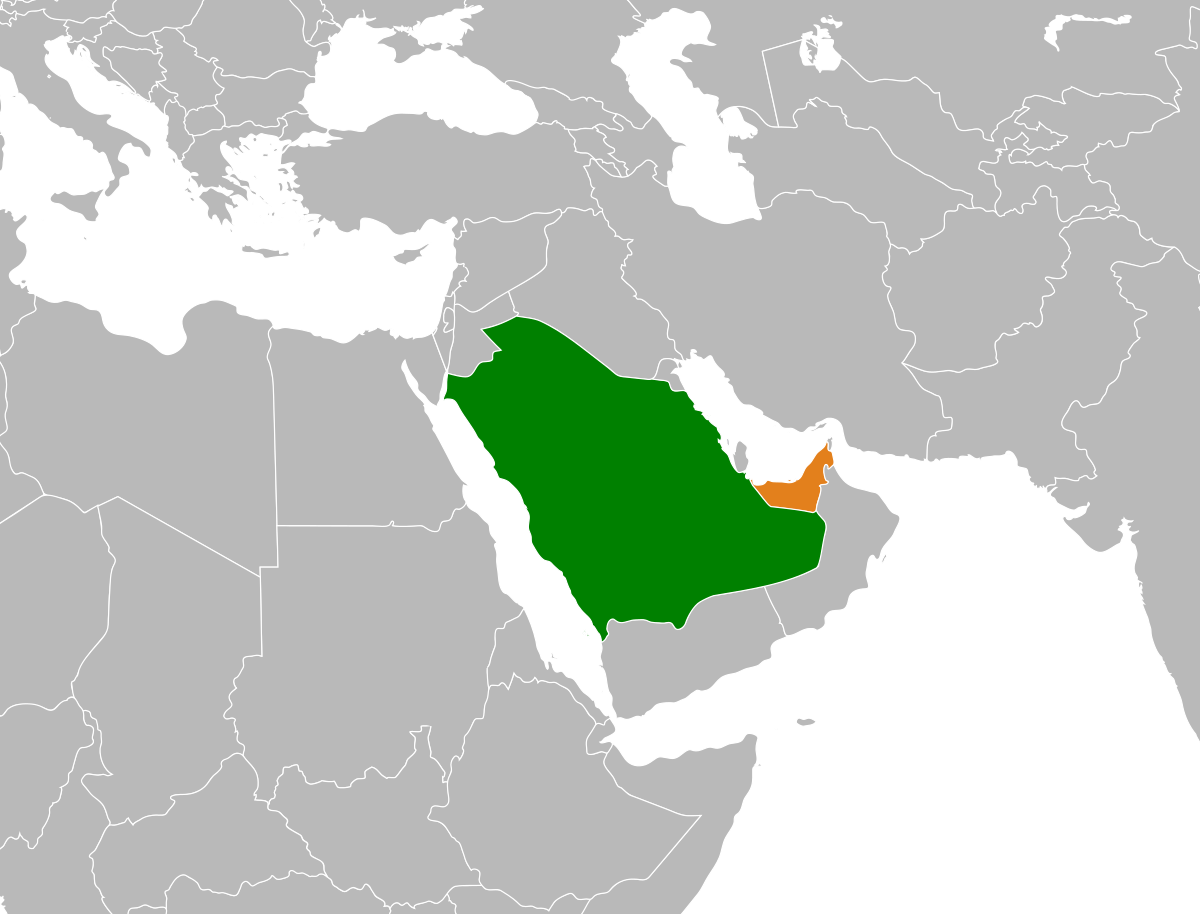
UAE President Sheikh Mohamed bin Zayed Al Nahyan and Saudi Crown Prince Mohammed bin Salman held a high-level meeting to further solidify their countries’ bilateral relations, underscoring the enduring strength of their partnership. The meeting comes as both nations navigate complex regional and global challenges, aiming to reinforce their cooperation in key sectors such as energy, security, and technology.

The summit, which took place in Abu Dhabi, reflects the growing strategic importance of the UAE-Saudi relationship. This alliance has been marked by a shared commitment to regional stability, economic growth, and development. The two leaders’ discussions have centered on deepening political and economic collaborations, enhancing trade, and exploring opportunities in emerging fields like renewable energy and space exploration.

The UAE and Saudi Arabia have long been influential players in the Gulf region, and their partnership is often seen as a counterbalance to external powers. Their collaboration spans beyond bilateral matters, impacting broader issues such as security in the Middle East, OPEC oil production agreements, and joint ventures in technological advancements. The convergence of their interests is aimed at positioning the two nations as global leaders in multiple sectors.

Trade relations between the UAE and Saudi Arabia have been growing steadily, with the UAE becoming one of Saudi Arabia’s largest trading partners. The two nations are focused on further facilitating economic integration through the Gulf Cooperation Council (GCC), which serves as a platform for harmonizing their policies on trade, investment, and infrastructure. Their concerted efforts are seen as crucial for advancing the region’s economic diversification and reducing dependence on oil.

In the realm of energy, the UAE and Saudi Arabia are working together to lead the charge on clean energy initiatives. Both countries have made significant strides in developing sustainable energy solutions, with large investments in solar power, nuclear energy, and hydrogen. Their collaboration in these sectors is intended to help the Gulf region transition toward a low-carbon future while maintaining energy security.

Security is another critical component of the UAE-Saudi partnership. Both nations have faced regional security threats, particularly from non-state actors and the geopolitical tensions surrounding Iran. As a result, the UAE and Saudi Arabia have worked in tandem to fortify their defense mechanisms and enhance intelligence sharing. Their coordinated efforts are also evident in joint military operations, particularly in Yemen, where both countries have been involved in the ongoing conflict as part of a Saudi-led coalition.

The leaders’ discussions also touched on the importance of technological innovation as a driver of future economic growth. The UAE has positioned itself as a hub for technological advancements in the Middle East, with initiatives like Dubai’s smart city projects and the UAE’s space program gaining international recognition. Meanwhile, Saudi Arabia has launched its own ambitious Vision 2030 initiative, which includes plans for transforming its economy through technology, including its investments in artificial intelligence, blockchain, and digital infrastructure.

The strategic alliance between the UAE and Saudi Arabia has not only helped shape the region’s economic and political landscape but has also made them key partners in broader international forums. Both nations have increasingly taken a proactive stance in addressing global challenges, including climate change, public health, and geopolitical tensions. Their efforts to collaborate on such issues signal a broader commitment to fostering stability and peace in the Middle East and beyond.

XRP has made an impressive leap in the cryptocurrency market, surpassing both Solana (SOL) and Tether (USDT) to become the third-largest cryptocurrency by market capitalization. This surge comes after the altcoin witnessed a significant rally of more than 25% in just 24 hours, pushing its price to approximately $2.4 as of Monday, December 2. The sudden rise in XRP’s value has caught market observers by surprise, with many speculating on the reasons behind its rapid ascension.

The rally follows a period of relative stability for XRP, which had traded in the range of $1.80 to $2.00 for several weeks. However, the momentum that has propelled XRP to its new position has been primarily driven by market sentiment, bullish trading volumes, and renewed investor interest. As a result, XRP now stands behind Bitcoin (BTC) and Ethereum (ETH) in market capitalization, making it a significant player in the evolving cryptocurrency space.

Ripple Labs, the company behind XRP, has been at the center of several legal battles, particularly with the U.S. Securities and Exchange Commission (SEC), over whether XRP should be classified as a security. While the case remains unresolved, many investors view the current rally as a signal that positive sentiment may be returning towards the digital asset. The outcome of the SEC case is closely watched by the crypto community, and a favorable ruling could further bolster XRP’s position in the market.

The significant price movement has sparked a broader conversation about the potential for altcoins to challenge the dominance of Bitcoin and Ethereum in the crypto space. While Bitcoin has long been regarded as the “gold standard” of cryptocurrencies, and Ethereum remains the leading platform for decentralized applications (dApps) and smart contracts, XRP’s rise to third place underscores the dynamic and unpredictable nature of the market.

XRP’s market surge has been further fueled by increasing adoption among financial institutions and the ongoing development of Ripple’s payment solutions. Ripple’s cross-border payment technology has gained traction, particularly in regions where traditional banking infrastructure remains underdeveloped. Ripple’s RippleNet network enables faster and cheaper cross-border transactions, a service that has drawn the attention of banks, remittance services, and financial institutions globally.

In addition to institutional interest, XRP’s price movement has been supported by a surge in retail trading activity. As more retail investors engage with the asset, liquidity in the market has increased, creating an environment where sharp price movements can occur more easily. This influx of interest, combined with positive sentiment surrounding the potential resolution of the SEC case, has resulted in XRP’s remarkable rally.

Solana, once considered one of the most promising cryptocurrencies due to its fast transaction speeds and low costs, has faced its own challenges in recent months. Despite high expectations, Solana has struggled to maintain its momentum, experiencing volatility and technical setbacks that have dampened investor confidence. This has opened the door for XRP to climb in the ranks, as Solana’s market capitalization faltered.

Similarly, Tether (USDT), the world’s leading stablecoin, has faced scrutiny in the wake of broader concerns about the stability and transparency of stablecoins. Although Tether has maintained its peg to the U.S. dollar, regulatory pressures and concerns over its backing have led some investors to seek alternatives, contributing to its relative stagnation in the rankings. The decline in Tether’s dominance in the stablecoin space has allowed other cryptocurrencies like XRP to take advantage of shifting market dynamics.

As XRP edges ahead of Solana and Tether, the cryptocurrency market continues to exhibit its volatile and unpredictable nature. While XRP’s ascent is notable, it remains to be seen whether this growth will be sustained or if other factors—such as regulatory developments or market corrections—could shift the tide. XRP’s future trajectory is closely tied to both the broader market trends and the outcome of the legal battles it faces.

For investors, the rise of XRP represents both an opportunity and a risk. Those who have been holding the asset for an extended period are likely to see substantial gains, but the volatility of the cryptocurrency market means that caution is necessary for those entering the space. As XRP’s market capitalization continues to grow, it may attract new investors, but it will also face increased scrutiny as it becomes more prominent.

The transition from traditional banking systems to cryptocurrency has marked a pivotal shift in the financial world, driven by the impact of demonetization trends and the surge in digital transactions. This evolution, explored in depth by researchers Aashi Rawal, Santosh Gopalkrishnan, Dhanashree Tharkude, and Pallavi Deshpande, highlights the challenges and opportunities that cryptocurrencies present to global financial frameworks. A comprehensive study presented at the 2024 International Seminar […]

BANGKOK, THAILAND – Media OutReach Newswire – 29 November 2024 – Everydayhappy Company Limited, a leading natural skincare brand, has been honoured with the prestigious Asia’s Most Promising SMEs Award at the Asia Corporate Excellence & Sustainability (ACES) Awards, organised by MORS. Established in 2010, the brand De Leaf emerged under the Everydayhappy umbrella with a fundamental belief: natural ingredients are essential for healthy skin. Over the […]

Rigetti Computing has secured $100 million through its at-the-market (ATM) equity offering, which began in March 2024. This funding round is a significant step in the company’s push to advance its quantum computing capabilities, particularly focusing on the development of next-generation qubit systems. Rigetti aims to use the raised capital to accelerate the integration of superconducting qubits, with a target of achieving groundbreaking advancements in quantum-classical hybrid […]

Advertisements

Elon Musk’s net worth has reached a staggering $348 billion, driven by a surge in Tesla stock and the continued growth of his artificial intelligence venture, xAI. Musk’s wealth has seen a remarkable spike, placing him at the forefront of global billionaires, surpassing key figures in both tech and finance. This surge highlights the continued influence of Musk’s ventures, particularly Tesla, as the company’s performance remains strong […]

Meta is set to undertake a groundbreaking project that could reshape global internet infrastructure. The company plans to lay down a 40,000 km subsea fiber optic cable that will encircle the globe. The estimated cost of the project exceeds $10 billion, marking it as one of the largest and most ambitious undertakings by the tech giant. This cable will be the first of its kind, owned and […]

Addressing the escalating global climate crisis, His Highness Sheikh Mohammed bin Zayed Al Nahyan, President of the United Arab Emirates, emphasized that the solution to the planet’s climate challenges lies in communication and cooperation across borders. Speaking at a key summit on climate change, Sheikh Mohammed stressed the interconnectedness of nations and cultures in tackling the environmental issues threatening the future of humanity. The UAE president’s call […]

PRYPCO, a prominent Dubai-based real estate firm led by Amira Sajwani, has launched an innovative fractional ownership platform aimed at democratizing access to premium properties in the city. The platform allows investors to buy fractions of luxury real estate, significantly lowering the barriers to entry in a market traditionally dominated by high-net-worth individuals. The new platform is poised to reshape the landscape of real estate investment in […]

SINGAPORE – Media OutReach Newswire – 29 November 2024 – The “World of Opportunities: Russia-ASEAN” International Business Forum, held from November 26 to 27, officially concluded in Kuala Lumpur, the capital of Malaysia. Over two days, the Forum hosted more than 350 participants, including representatives from political, business, and academic circles, the media, as well as experts and public figures from 24 countries. Organized by the Roscongress […]

HONG KONG SAR – Media OutReach Newswire – 29 November 2024 – The 14th Learning & Teaching Expo 2024 (LTE) is set to take place from 11 to 13 December 2024 at Halls 3B-E of the Hong Kong Convention and Exhibition Centre. This year’s LTE is presented by Hong Kong Education City (EdCity), organised by Bailey Communications HK, and supported by the Education Bureau of the Hong […]

Abu Dhabi’s strategic investment company, MAIR Group, is preparing to go public next month, marking a significant milestone in the emirate’s economic development strategy. The group’s upcoming listing on the Abu Dhabi Securities Exchange (ADX) is poised to enhance its visibility and bolster its efforts in achieving food security and economic diversification. MAIR Group operates a diverse portfolio, including the Abu Dhabi Cooperative Society (ADCOOP), which has […]

Spain has approved Saudi Arabia’s telecommunications giant, STC Group, to expand its investment in Telefónica, the nation’s iconic telecom operator, from just over 5% to nearly 10%. Economy Minister Carlos Cuerpo confirmed the government’s decision, which follows deliberations over the strategic implications of such a move. The authorization allows STC to solidify its financial involvement in Telefónica, though regulatory safeguards are being reinforced to maintain Spain’s control over vital communications infrastructure.

STC Group initially acquired a 4.9% stake in Telefónica, coupled with financial instruments granting voting rights for an additional 5%, raising questions about Spain’s ability to protect its critical infrastructure. The Saudi operator has expressed its interest in Telefónica as an investment opportunity rather than a bid for operational control. This assurance is intended to mitigate geopolitical concerns over foreign influence in the telecom sector, particularly involving companies pivotal to national security, defense, and digital services.

Telefónica holds significant importance in Spain’s technological and defense landscape, serving as a critical entity in telecommunications and cybersecurity. The government has emphasized the need to preserve the strategic capabilities of such companies, which has been a recurring theme in global debates about foreign ownership of critical industries.

To counterbalance STC’s growing presence, the Spanish government has instructed the state holding company, Sociedad Estatal de Participaciones Industriales (SEPI), to potentially acquire up to a 10% stake in Telefónica. This move, if realized, would make SEPI the company’s largest shareholder. The government is reportedly aiming to align Telefónica’s ownership structure with practices seen in other European countries, where governments maintain stakes in major telecom operators to safeguard national interests.

Telefónica’s shareholder composition has seen gradual evolution over time. Current major stakeholders include CaixaBank with 4.88%, Banco Bilbao Vizcaya Argentaria (BBVA) holding 4.84%, and BlackRock managing 4.8%. If SEPI proceeds with its planned acquisition, it would reshape the balance of influence within the company.

STC’s expansion in Telefónica aligns with its broader strategy of increasing international reach. The company, already active in telecommunications investments across Europe and the Middle East, is reportedly exploring further acquisitions, including potential stakes in Portugal’s Altice and the UK’s BT Group. This strategy reflects a wider trend of Gulf-based telecom entities seeking global prominence, similar to UAE-based e&, which has steadily increased its investments in Vodafone and other global operators.

Spain’s approach to safeguarding Telefónica echoes similar measures adopted across Europe. For instance, Germany retains a 13.8% stake in Deutsche Telekom, while France holds 13.39% in Orange. Italy has also bolstered its share in Telecom Italia’s fixed network grid. These measures underscore a growing recognition of telecom infrastructure as a vital element of national security and economic stability.

The TON Foundation has officially introduced the white paper for TON Teleport BTC, detailing its plans to create a seamless bridge between Bitcoin and The Open Network (TON) blockchain. This development is set to transform Bitcoin’s role in decentralized finance (DeFi), enabling its integration into TON-based decentralized exchanges, lending protocols, and other financial frameworks.

Currently operating on the testnet, TON Teleport BTC utilizes a decentralized mechanism to ensure security and efficiency. Each teleport transaction is backed by actual Bitcoin, with validation occurring through smart contracts executed on the TON blockchain. This approach eliminates intermediaries, reducing costs while maintaining the security standards of Bitcoin’s native network. TON’s technical lead, Anatoliy Makosov, emphasized that the system is designed to match the security of Bitcoin’s infrastructure while introducing enhanced convenience and reduced transaction costs.

Beyond its technical appeal, the project reflects a growing ambition to establish TON as a leading blockchain ecosystem. Initially developed by Telegram, the TON network has seen steady growth under community-driven initiatives following Telegram’s regulatory challenges in 2020. The integration of tgBTC, the token linked to the TON Teleport BTC system, aligns with this broader vision by enabling cross-platform blockchain interaction and expanding utility for Bitcoin holders.

The UAE’s entertainment and gaming industry has entered a transformative phase with the official introduction of the nation’s first regulated lottery system, The UAE Lottery. This initiative is set to redefine the country’s gaming landscape, catering to a diverse audience while adhering to robust ethical and regulatory standards.

The game has been unveiled as a comprehensive platform, offering participants an opportunity to engage in a state-regulated lottery with significant prizes while promoting responsible gaming practices. By establishing this first-of-its-kind operation, the UAE is cementing its commitment to diversify its entertainment options and foster innovative business opportunities in a sector traditionally limited by stringent laws.

This launch aligns with the nation’s broader strategic goals of expanding its non-oil sectors. The UAE Lottery is envisioned not only as a recreational platform but as a catalyst for economic growth, offering revenue streams that will benefit public welfare programs. The framework of the lottery prioritizes transparency, with the promise of rigorous monitoring to ensure fair play and participant trust.

Industry observers view this development as a pivotal moment, marking the UAE’s gradual embrace of global trends in gaming and entertainment. While the country has previously allowed raffles and prize draws, this regulated lottery represents a formal acknowledgment of the potential in this sector. With significant backing from government and private entities, the lottery is positioned to operate under strict compliance with international best practices.

Details surrounding the ticket purchasing process, prize distribution mechanisms, and the anticipated societal impact have been meticulously designed to resonate with the UAE’s cultural and economic ethos. The system leverages cutting-edge technology to ensure security and efficiency, underscoring the country’s ambition to set new benchmarks in regulated gaming.

Early reports suggest that the rollout of The UAE Lottery has garnered significant public interest, with an enthusiastic reception from various demographics. Marketing campaigns have emphasized the initiative’s alignment with the UAE’s values, showcasing it as a responsible and socially beneficial form of entertainment.

The UAE Lottery’s impact is expected to extend beyond its entertainment value. Experts predict it will significantly contribute to the nation’s economic diversification efforts, creating new jobs and boosting ancillary industries. Moreover, the revenues generated are likely to support key sectors, including education, healthcare, and infrastructure development.

Although the concept of a national lottery is novel in the region, The UAE Lottery’s introduction reflects a progressive shift in attitudes toward regulated entertainment. Analysts highlight this as an indication of the UAE’s willingness to adopt global innovations, adapting them to fit local contexts.

A federal appeals court in the United States has overturned sanctions imposed on Tornado Cash, the crypto-mixing platform, by the Treasury Department. This landmark ruling, issued on November 26, 2024, has significant implications for the cryptocurrency sector, especially concerning privacy-enhancing technologies.

The court’s decision hinged on the nature of Tornado Cash’s technology, which enables users to anonymize their cryptocurrency transactions through smart contracts deployed on the Ethereum blockchain. The three-judge panel from the 5th US Circuit Court of Appeals ruled that this software, designed to obscure digital asset ownership, is not subject to US sanctions. The ruling clarifies that the government cannot sanction software itself, as it is not considered “property” of foreign nationals or entities. However, the court did emphasize that individuals or groups misusing such platforms, particularly for illegal activities, are still subject to legal action.

Tornado Cash had been sanctioned by the US Treasury Department’s Office of Foreign Assets Control (OFAC) in 2022, following its involvement in facilitating the laundering of over $7 billion in cryptocurrency. Despite its legitimate use for privacy, the platform had become a tool for cybercriminals and sanctioned entities to launder illicit funds. The sanctions barred US persons from using Tornado Cash and targeted related Ethereum addresses, which significantly reduced the platform’s activity.

After the sanctions were imposed, Tornado Cash saw a dramatic decline in usage, with monthly deposits dropping by more than 90%. However, the platform has made a remarkable recovery in 2024, with a resurgence in deposits. According to data from Flipside Crypto, Tornado Cash processed over $1.8 billion in the first half of the year, signaling a strong rebound in activity despite ongoing legal challenges and regulatory scrutiny.

The court’s decision is being hailed as a major victory for the cryptocurrency community, as it sets a precedent regarding the regulation of decentralized technologies. The ruling acknowledges the tension between privacy rights and the government’s responsibility to combat cybercrime, but it also clarifies the limits of governmental power in regulating technological platforms.

The ruling could potentially pave the way for future legal challenges to government sanctions on similar privacy tools, as the court pointed out that the law governing sanctions, originally enacted during the Carter administration, may not be fully equipped to address the nuances of modern blockchain technologies. As the ruling stands, Tornado Cash’s smart contracts remain unaffected by US sanctions, though the case underscores the ongoing debate about how to balance technological innovation with national security concerns.

The European Union is ramping up efforts to enhance its collaboration with Saudi Arabia in the field of green energy, seeking to bolster clean energy initiatives and investments. This push comes as part of broader EU objectives to reduce its reliance on fossil fuels, accelerate the transition to renewable energy, and meet its ambitious climate goals set under the Paris Agreement. Recent dialogues between EU officials and […]

EasyJet, along with several global airlines, has paused its flights to Israel due to the ongoing conflict in Gaza, marking a significant disruption to travel in the region. As tensions escalated in October 2023, multiple carriers, including Ryanair and Wizz Air, suspended their routes to Israel as a safety measure for both passengers and crew. The impact of this geopolitical unrest has been keenly felt across the aviation industry, particularly in the form of financial losses and operational setbacks.

The budget airline reported a £40 million financial hit in the wake of these cancellations. This loss stems from both halted flights to Tel Aviv and a broader decline in bookings across the Middle East. EasyJet, which has a notable presence in Europe, faces the dual challenge of navigating the safety concerns in the region and managing the economic fallout of reduced demand for travel to Israel and nearby countries.

Although EasyJet has taken a cautious stance in response to the conflict, the airline is monitoring the situation closely. According to Johan Lundgren, CEO of EasyJet, the airline is not yet ready to resume flights to Israel until there is greater stability in the region. The company’s decision aligns with the broader industry sentiment that safety concerns must be prioritized, and that travel demand cannot be reliably gauged while the geopolitical landscape remains volatile.

The ongoing conflict has also prompted worries about potential spillover effects on neighboring countries. While Egypt has seen a slight recovery in tourism since the initial wave of violence, other nations in the region remain on high alert. The ripple effects of such instability have caused a notable drop in overall travel demand, as travelers remain wary of destinations with heightened security risks. As a result, airlines like EasyJet have faced difficult decisions regarding route management, with several considering further suspensions if the conflict escalates.

For EasyJet, the suspension of flights to Israel adds to broader concerns about fuel price volatility. The conflict in Gaza has led to rising tensions in oil markets, which could further drive up jet fuel prices. EasyJet has hedged its fuel costs for the near term, but any sustained increase in global oil prices could have significant financial implications for the airline’s profitability in 2024.

EasyJet’s performance, despite these setbacks, reflects resilience in other areas of its business. The airline has reported strong booking trends for the upcoming summer season, with demand for European routes, such as Spain, Portugal, and Greece, continuing to rise. However, the situation in the Middle East has left airlines with no immediate roadmap for recovery, with industry analysts indicating that the full extent of the losses from suspended routes will only become clear in the coming months.

Industry experts suggest that while EasyJet’s caution regarding the resumption of flights to Israel is prudent, it also highlights the vulnerability of airlines to geopolitical risks. Sophie Lund-Yates, a senior analyst at Hargreaves Lansdown, noted that geopolitical instability can undermine investor confidence and disrupt long-term strategic planning for airlines. For now, EasyJet’s focus remains on managing its existing routes and ensuring that travel to more stable destinations can continue to meet demand.

In the broader context of the aviation sector, airlines are grappling with the unpredictable nature of geopolitical conflicts, which can shift overnight from localized tensions to full-scale disruptions. EasyJet, along with its competitors, will likely face further financial strain in the short term, but its ability to bounce back from crises will depend heavily on the resolution of the ongoing conflict in the Middle East.

Trezor, a leading hardware wallet provider, has reported an unprecedented 600% increase in weekly wallet sales, underscoring the escalating demand for self-custody solutions among cryptocurrency investors. This surge coincides with Bitcoin’s remarkable rally, approaching its record high of $99,600, driven by significant market developments and shifting investor behavior.

The cryptocurrency market has seen heightened activity as Bitcoin prepares for its fourth halving event, anticipated in April 2024. This event, which reduces the block reward miners receive, historically triggers supply shocks that contribute to price surges. Alongside this technical catalyst, enhanced regulatory clarity in the United States has bolstered confidence among institutional and retail investors. The recent approval of spot Bitcoin exchange-traded funds (ETFs) by regulatory authorities has further legitimized Bitcoin as an asset class.

Market trends indicate a substantial withdrawal of Bitcoin from centralized exchanges, with approximately 427,000 BTC removed in 2024 alone. This trend reflects a growing preference for self-custody amid concerns over the security of funds held on exchanges. The collapse of prominent cryptocurrency platforms in prior years has heightened awareness of the risks associated with centralized custodians, driving investors toward more secure storage options such as hardware wallets.

Trezor’s sales figures highlight the growing emphasis on decentralized ownership and asset security. The company’s wallets offer offline storage, safeguarding assets from hacking attempts and cyber threats. This surge in demand aligns with the broader industry shift toward empowering users to take control of their financial assets.

Bitcoin’s rally has also been fueled by its role as a hedge against inflation and economic uncertainty. As traditional financial systems face challenges, Bitcoin’s fixed supply and decentralized nature have attracted investors seeking alternative stores of value. This sentiment is echoed by major institutional players, including MicroStrategy, which continues to accumulate Bitcoin as a strategic reserve asset. MicroStrategy’s holdings, currently exceeding 150,000 BTC, signify the growing institutional adoption of cryptocurrency.

The geopolitical landscape has further underscored Bitcoin’s appeal. In regions experiencing economic instability or strict capital controls, Bitcoin has emerged as a viable tool for financial inclusion and wealth preservation. Countries such as El Salvador have embraced Bitcoin as legal tender, setting a precedent for its potential integration into national economies.

Hongkongers’ average monthly savings soar to HK$9,800, while pre-retirees need HK$5.45 million to retire with sufficient “sense of security” HONG KONG SAR – Media OutReach Newswire – 26 November 2024 – The Hong Kong Deposit Protection Board (HKDPB) has conducted its “Hongkongers’ Sense of Security on Savings” survey for the seventh consecutive year. According to the survey results of this year, the average monthly savings of Hongkongers […]

Fragment, a platform built on blockchain technology, has introduced a Know-Your-Customer (KYC) requirement for its services, including the purchase of Telegram usernames, anonymous phone numbers, premium subscriptions, and in-app currency “stars.” This new policy is aimed at increasing user security and compliance with international regulations as cryptocurrency-related platforms face growing scrutiny.

Fragment operates primarily through the TON blockchain, a platform used by various applications, including Telegram. With the integration of blockchain-based phone numbers, users could previously access Telegram without the need for a traditional SIM card, offering a higher degree of anonymity, the platform has now shifted its stance, requiring users to verify their identities to maintain the integrity and security of transactions.

This move aligns with broader trends in the digital and cryptocurrency sectors, where regulatory bodies are imposing stricter rules on platforms that allow for pseudonymous transactions. By requiring KYC, Fragment aims to prevent misuse of its services for illegal activities, such as money laundering and fraud, which have been concerns for many blockchain and crypto platforms. Moreover, the introduction of KYC adds a layer of accountability, ensuring that individuals engaging with its services are properly identified.

The KYC procedure involves submitting personal identification details, which will be verified by third-party services before users can engage in the platform’s transactions. This includes purchasing or transferring usernames, anonymous phone numbers, and the stars used within Telegram’s premium features. It’s a significant shift from the platform’s previous operational model, which emphasized privacy and decentralization.

Telegram’s adoption of blockchain-based phone numbers through Fragment has been a pivotal feature in enhancing user privacy, allowing users to operate without a SIM card or a traditional phone number. This feature appeals to privacy-conscious users, including those in countries with high surveillance. The “No-SIM sign-up” option has been welcomed as a major privacy boost for Telegram users【9†source, Fragment’s introduction of KYC now places its future use under greater regulatory oversight, signaling a change in how blockchain services are operating amid increasing pressure from governments to tighten security and oversight.

The move to KYC also affects the sale of digital assets like usernames and other unique identifiers, which can be valuable on platforms like Telegram. Previously, these digital assets could be bought or sold with relative anonymity, but now users will have to provide personal details, adding a layer of verification that may deter some users who prioritize complete privacy.

By implementing these measures, Fragment is positioning itself as a more compliant entity within the blockchain ecosystem, signaling its readiness to adapt to global standards of financial regulation. While the KYC policy may reduce the anonymity of some users, it may also provide additional security and legal protection for those engaging in transactions on the platform. This move might pave the way for other similar services to adopt stricter compliance measures as blockchain-related industries mature and face greater regulatory scrutiny.

WisdomTree, a leading asset manager overseeing $113 billion in investments, has filed to establish a Delaware-based trust for a proposed XRP exchange-traded fund (ETF). The move is considered a pivotal step toward offering investment products centered on XRP, one of the largest cryptocurrencies by market capitalization.

The trust filing, listed with the Delaware Division of Corporations, lays the groundwork for a full application to the U.S. Securities and Exchange Commission (SEC). The initiative follows heightened interest among asset managers to diversify crypto-related ETFs beyond Bitcoin and Ethereum. WisdomTree’s proposed ETF aims to track XRP’s market performance, further integrating cryptocurrency into mainstream investment portfolios.

This filing aligns with broader industry trends as firms such as Bitwise and Canary Capital have initiated similar proposals for XRP ETFs. Bitwise’s recent registration for a Solana ETF signals increasing diversification across the crypto ETF landscape, reflecting growing investor demand for altcoin-linked financial products.

The legal and regulatory environment surrounding XRP remains a critical factor. Ripple Labs, the creator of XRP, concluded a prolonged legal dispute with the SEC earlier this year, with a U.S. judge determining that XRP was not inherently a security. However, SEC leadership changes, particularly the anticipated resignation of Chair Gary Gensler, could reshape regulatory perspectives on crypto assets. Analysts speculate that this evolving environment may enhance the approval prospects for XRP ETFs under a potentially more crypto-friendly SEC administration.

As XRP solidifies its standing as the sixth-largest cryptocurrency by market value, WisdomTree’s move could catalyze further institutional adoption. The firm has yet to disclose details about the fund’s exchange listing or ticker symbol, leaving investors to anticipate further developments. This initiative underscores a strategic shift among asset managers seeking to capitalize on emerging trends in the digital asset space, expanding beyond traditional cryptocurrency giants.

VISHNU RAJA
RYO YAMADA
HITORI GOTOH
IKUYO KITA
Just in:
CR Longdation Aethereal Cybersecurity × Global Cybersecurity Alliance (GCSA) Join Hands to Establish the “AI and Cybersecurity Research Centre” // Xi Jinping Preparing For A Trilateral Summit With Trump And Putin At APEC Summit On Nov 18-19 // Kochi police detain two actors over bid to honey trap doctor // Ningbo Consensus on Collaborative Development released at 2026 Global Mayors Dialogue · Ningbo // Excise chief shunted out in bar licence dispute // Private varsities bill all set to face the axe // Motorola introduces Signature 27 flagship priced at $1,599 // Geely’s i-HEV Intelligent Hybrid Technology Offers a New Direction Vision for Gasoline-Powered Vehicles // OpenAI abandons secrecy agreements for future data centres // Beyond the exhibition floor: How robots, AI and networks are moving into the real world // Technology shares plunge as Nasdaq enters correction // Dubai details five-year visa benefits for returning visitors // The “1st Greater Bay Area Health and Longevity Summit & Awards Ceremony” concludes successfully in Macao // Microfinance case trouble for Vellappally // Elephant calf on death line airlifted for treatment in Gujarat // UK air traffic outage inflicted £33m financial losses // Trump’s Iran War Has A Share Of Contribution To His Midterm Debacle // e-Crime Bureau Signs Cybersecurity Partnership With Smart Africa, Reinforcing Its Global Expansion // Oil advances towards $100 as tanker attacks persist // TVM –Mangaluru Vande Bharat claims top spot //