News related to
security

Oil prices have held their ground after a slight dip as the focus shifts to OPEC+’s upcoming decision regarding production cuts. Market participants are awaiting critical guidance on future supply restrictions from the cartel, a move that could significantly impact both global energy prices and economic stability. With mounting pressures from both geopolitical factors and fluctuating demand, the outcome of this decision is poised to influence the […]

Ranked the 2nd highest among nine global vendors evaluated by top global research firm in current offering and strategy categories HANGZHOU, CHINA – Media OutReach Newswire – 5 December 2024 – Alibaba Cloud, the digital technology and intelligence backbone of Alibaba Group, has been recently named a Leader in The Forrester Wave™: Public Cloud Platforms Q4 2024 report. Alibaba Cloud believes this designation recognizes its depth of […]

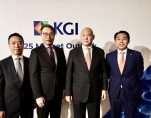
Balancing Global Dynamics HONG KONG SAR – Media OutReach Newswire – 4 December 2024 – Today, KGI has released its 2025 Market Outlook, covering regions including Mainland China, Hong Kong, Taiwan, the U.S., Singapore, and Indonesia. (From left) Cusson Leung, Chief Investment Officer at KGI; James Chu, Chairman at KGI Securities Investment Advisory; James Wey, Head of International Wealth Management at KGI; Kenny Wen, Head of Investment […]

71% of organisations are using AI in their finance operations 57% of leaders say ROI is exceeding their expectations, compared to 29% of others. Financial reporting is the most common usage area – but this is widening out to include treasury management, risk management and tax Nearly three-quarters of leaders have developed principles and guidelines on the responsible use of AI HONG KONG SAR – Media OutReach […]

Efforts to mitigate the escalating impact of drought across the globe received a significant boost as the Global Drought Resilience Partnership announced a substantial funding commitment of $12 billion. The initiative aims to address water scarcity and bolster the resilience of vulnerable communities, focusing on sustainable solutions and enhanced international cooperation. The partnership, a coalition of nations, environmental organizations, and private entities, has prioritized creating adaptive strategies […]

High-level delegations from India and the UK have agreed to strengthen bilateral relations, with a shared commitment to expanding cooperation under the India-UK Roadmap 2030. The talks, held between senior officials from both nations, aimed to evaluate the progress made so far and chart a new course for future collaboration. The discussions centered on finding new avenues to deepen ties across various sectors, including trade, defense, technology, and education.

The talks reflect the desire of both governments to reinvigorate a strategic partnership that has evolved over decades. Despite challenges posed by geopolitical changes and shifting global priorities, both sides are looking to position their relationship as a cornerstone of global stability. The emphasis is on enhancing mutual cooperation in areas that align with the evolving needs and opportunities of both countries.

Trade relations between the two countries have historically been a significant driver of bilateral cooperation, but the roadmap discussions highlighted the need for more diversification. Both nations recognize that expanding beyond traditional sectors like trade and finance will be essential to building a more resilient partnership in the face of global economic uncertainties. Technology, particularly in digital infrastructure and cybersecurity, has emerged as a key focus, with the UK expressing keen interest in strengthening its technological exchanges with India.

The defense sector is another area where both countries are seeking closer alignment. India’s increasing focus on modernizing its defense capabilities, coupled with the UK’s expertise in defense technology, is creating new opportunities for collaboration. The conversations also touched on regional security issues, including maintaining peace and stability in the Indo-Pacific region. Both countries affirmed the importance of a rules-based international order and emphasized the need for deeper defense ties to ensure regional security.

Educational exchange remains a strong pillar of the India-UK partnership, with an increasing number of students from India choosing the UK for higher education. Both governments see the potential for even greater collaboration in this space, particularly in research and innovation. India’s growing prominence as a knowledge hub complements the UK’s renowned academic institutions, and both sides are eager to capitalize on this synergy.

The meetings also underscored the importance of deepening people-to-people connections. Both nations acknowledged that cultural exchanges and collaborations in the arts, sports, and tourism continue to strengthen bilateral ties. These soft power initiatives, while less formal than trade agreements or defense cooperation, play an essential role in cultivating mutual understanding and trust.

The global context of these discussions cannot be ignored, as both nations are seeking to adapt to a rapidly changing geopolitical landscape. The UK’s exit from the European Union has prompted the country to reassess and recalibrate its international alliances. India, with its growing economic influence and strategic importance in the Indo-Pacific region, is seen as a vital partner for the UK as it redefines its global role outside of the EU framework.

Both countries are committed to collaborating on global issues such as climate change, sustainable development, and public health. As the world faces mounting challenges, the India-UK relationship is seen as one that can offer practical solutions to some of the most pressing global concerns. In this context, the countries have agreed to continue working together to implement initiatives that address environmental sustainability, promote public health, and support multilateral cooperation.

While the roadmap discussions were largely seen as a positive step toward revitalizing the partnership, both sides acknowledged that there is much work to be done. The key takeaway from the meeting was a shared recognition of the importance of continuously adapting the relationship to meet emerging challenges. As both nations embark on this renewed chapter of cooperation, it is clear that the India-UK partnership will play a crucial role in shaping the future of global diplomacy.

Tether’s USDT stablecoin has achieved a historic milestone, with its market capitalization surpassing $135 billion. This marks a significant achievement for the world’s largest and most traded stablecoin, which has seen consistent growth and increased usage across various sectors of the cryptocurrency market. This surge in market cap highlights the growing demand for stable assets in a volatile crypto environment and Tether’s continued dominance in the stablecoin arena.

The rise in Tether’s market cap comes amid increasing interest in decentralized finance (DeFi), trading platforms, and cross-border transactions, where stablecoins like USDT play a critical role. USDT is often used by traders as a safe haven during periods of market uncertainty, offering a stable alternative to the volatility of other cryptocurrencies like Bitcoin and Ethereum. The stability of Tether’s value, typically pegged 1:1 to the U.S. dollar, has made it an attractive option for users looking for liquidity while maintaining relative security in their digital asset holdings.

The demand for Tether’s USDT has been particularly notable as it has become an essential liquidity provider on major cryptocurrency exchanges and decentralized platforms. USDT is frequently used as a trading pair for the majority of crypto-to-crypto transactions, thus cementing its role as a key facilitator in the cryptocurrency ecosystem. Its presence across hundreds of exchanges worldwide has contributed significantly to its growing market cap, with billions of dollars being traded daily.

Tether’s ability to maintain its peg to the U.S. dollar has been a subject of scrutiny and debate since its inception. Critics have raised concerns over Tether’s reserves, questioning whether the company has sufficient assets backing every USDT token in circulation. However, Tether has consistently defended its position, asserting that its reserves are fully backed by real assets, and has even undergone audits to demonstrate its financial transparency. Despite these concerns, the demand for USDT continues to grow, bolstered by increasing adoption and its wide acceptance across the crypto space.

Another key factor contributing to the increase in Tether’s market capitalization is the broader adoption of blockchain technology. As digital currencies gain traction among institutional investors, Tether has positioned itself as a key player in facilitating institutional investment in the crypto market. Major players in finance, including hedge funds and asset managers, have increasingly used USDT as a means to trade digital assets while mitigating exposure to price fluctuations in the broader crypto market.

The rise of stablecoins, and specifically Tether, has also been linked to growing interest from regulators and governments. Stablecoins, with their promise of stability and faster settlement times compared to traditional financial systems, have drawn the attention of regulators worldwide. Some jurisdictions have moved to regulate stablecoins as part of their broader efforts to establish a framework for cryptocurrencies. Despite regulatory scrutiny, Tether remains a dominant force, often seen as a bridge between traditional financial markets and the rapidly expanding crypto ecosystem.

Tether’s expansion comes at a time when the cryptocurrency industry is seeing greater institutional involvement. A growing number of companies and investors are turning to blockchain and digital currencies as part of their portfolio diversification strategies. With USDT acting as a stable vehicle in volatile markets, Tether has cemented its place at the heart of this digital transformation, acting as both a safe haven and a gateway for new investment.

The growing interest in DeFi protocols has contributed to the rise in demand for stablecoins like USDT. These decentralized platforms often rely on stablecoins for their liquidity pools, lending services, and transactions. As DeFi platforms expand and more users engage with decentralized applications, the need for reliable, stable assets has only intensified. Tether, being one of the most widely recognized and accessible stablecoins, has benefitted greatly from this trend, further solidifying its position in the market.

Tether’s ability to maintain liquidity and keep its peg to the U.S. dollar has enabled it to capture a significant share of the stablecoin market. As of now, Tether accounts for a substantial portion of the total stablecoin market capitalization, with competitors like USD Coin (USDC) and Binance USD (BUSD) trailing behind. While Tether’s market dominance remains undisputed, competition within the stablecoin sector continues to grow, especially as new players enter the market with varying levels of decentralization and regulatory compliance.

Despite its success, Tether continues to face challenges, particularly in the realm of regulatory compliance. Global financial authorities are focusing on stablecoins, with some countries proposing stricter regulations or even outright bans on certain stablecoins. Tether has taken steps to address these concerns, including efforts to enhance transparency and meet regulatory requirements. However, the regulatory landscape for stablecoins remains uncertain, and Tether’s continued growth will depend on its ability to navigate the shifting landscape.

The growth of Tether’s market capitalization also reflects broader trends in the global financial ecosystem. The increasing adoption of digital assets, the rise of decentralized finance, and the integration of blockchain technology into traditional finance are all contributing factors. As more investors, businesses, and financial institutions adopt digital currencies, the demand for stablecoins like USDT is expected to continue its upward trajectory.

Advertisements

Two of the most influential projects in the Linux ecosystem, KDE and GNOME, are venturing into uncharted territory by developing their own Linux distributions. KDE is working on the “KDE e.V.” project, while GNOME is crafting its own end-user-focused system. This marks a significant shift from their traditional roles as providers of desktop environments to becoming full-fledged Linux distribution creators. Both initiatives aim to offer optimized, integrated […]

Understood. I’ll draft a news report as per your requirements. This will take a moment. Nitrux 3.8.0 has been unveiled as one of the notable Linux distributions released towards the end of 2024. Known for its innovative approach, the latest iteration introduces several enhancements, addressing both performance and functionality to solidify its reputation as a cutting-edge operating system. Built on Debian and integrating the Nomad Desktop, Nitrux […]

Grayscale Investments has formally applied to launch a Solana-based exchange-traded fund (ETF) on the New York Stock Exchange (NYSE), a move signaling the growing institutional interest in blockchain networks beyond Bitcoin and Ethereum. This filing positions Grayscale among a cohort of financial institutions vying to broaden the accessibility of cryptocurrency investments through regulated markets.

The proposed Solana ETF seeks to enable traditional investors to gain exposure to Solana’s ecosystem without directly owning the cryptocurrency. This initiative aligns with Grayscale’s strategy to expand its suite of single-asset ETFs, having already introduced ETFs for Bitcoin, Ethereum, and other digital assets. The application underscores the maturation of Solana, which is recognized for its high transaction throughput and scalability within the blockchain space.

Grayscale’s filing adheres to NYSE Arca Rule 8.800-E, which governs the listing and trading of digital asset-based securities. This compliance ensures the ETF will maintain stringent custody and trading standards, addressing concerns often raised by regulators about the security of cryptocurrency holdings. Coinbase Custody has been named as the custodian for the fund, leveraging multi-region secure storage of private keys to mitigate risks associated with digital assets.

Solana’s inclusion in an ETF reflects its surging adoption among decentralized finance (DeFi) applications, non-fungible token (NFT) marketplaces, and payment solutions. By bringing Solana into the ETF structure, Grayscale aims to bridge the gap between institutional investors and decentralized blockchain technologies, offering a pathway to diversify portfolios within a regulated framework.

This announcement comes amid a broader wave of applications by asset management firms seeking approval for cryptocurrency ETFs in the United States. Firms such as BlackRock and Fidelity have pursued similar strategies, aiming to address pent-up demand from investors hesitant to navigate the complexities of direct cryptocurrency ownership. The Securities and Exchange Commission (SEC) has recently signaled openness toward such proposals, creating optimism within the crypto industry.

Cryptocurrency trading in South Korea has faced a turbulent period marked by sharp declines in the value of digital assets paired with the Korean won. Bitcoin prices dropped dramatically to $79,167, while XRP fell to $1.89 during a temporary halt in trading activities. This disruption is closely tied to the implementation of martial law by the country’s leadership, which resulted in the complete shutdown of cryptocurrency exchanges and a pause in trading activity.

The declaration of martial law was reportedly aimed at ensuring political stability and security amid escalating tensions. However, it inadvertently led to market panic, affecting both institutional and retail cryptocurrency investors. Exchange operators were forced offline, rendering digital wallets and trading services inaccessible. This scenario disrupted the South Korean cryptocurrency market, one of the most active globally, renowned for its high trading volumes and significant local investor participation.

After the initial shock, trading volumes and prices have shown signs of recovery as exchanges gradually resume operations under stringent monitoring. The impact of these events has shed light on the vulnerabilities of digital asset trading platforms, especially in regions with heightened political risks. Market analysts suggest that the sharp price drops also highlighted the dependence of cryptocurrencies on broader socio-political factors, challenging the perception of these assets as insulated from traditional market influences.

The Korean won has been a key currency in global cryptocurrency markets, with South Korea’s exchanges acting as critical liquidity providers. This is partly due to regulatory clarity and strong local demand for cryptocurrencies. Despite this robust environment, the martial law declaration revealed gaps in crisis management and operational resilience among exchange operators. Stakeholders, including the government and financial regulators, are now exploring policy frameworks to ensure business continuity during unforeseen disruptions.

Bitcoin and XRP, alongside other major cryptocurrencies, saw varying degrees of recovery as investor confidence began to return. Bitcoin’s recovery reflects its status as a benchmark cryptocurrency, while XRP’s performance underlines the impact of regional trading dynamics. Observers have noted increased activity among professional traders leveraging the temporary volatility for speculative gains.

Cryptocurrency regulation in South Korea has been a topic of considerable debate, with authorities historically adopting a proactive stance to safeguard investors while fostering innovation. This latest incident may accelerate efforts to establish a more robust regulatory infrastructure, emphasizing risk mitigation strategies. Potential measures under discussion include mandatory contingency planning for exchanges, stricter capital requirements, and enhanced cybersecurity protocols.

The martial law’s implications extend beyond market disruptions, potentially reshaping global perceptions of South Korea as a hub for cryptocurrency activity. While the immediate focus remains on restoring normalcy in trading, long-term considerations include the balance between ensuring national security and maintaining the country’s competitive edge in blockchain and cryptocurrency innovation. The rapid rebound in trading volumes suggests resilience within the market, although questions linger regarding the sector’s preparedness for similar challenges in the future.

IBIT, a prominent player in the cryptocurrency space, has crossed a significant milestone by accumulating more than 500,000 BTC in its reserves. This achievement places IBIT at the forefront of institutional investors, holding one of the largest Bitcoin stashes worldwide.

The growth of IBIT’s Bitcoin holdings signals not only the company’s expanding influence in the digital asset market but also the ongoing shift toward institutional investment in cryptocurrency. While many traditional investors have historically viewed Bitcoin and similar assets with skepticism, IBIT’s increasing accumulation of BTC highlights a changing trend, with crypto assets now becoming a central part of investment portfolios.

The timing of this move is notable, with Bitcoin’s market volatility and institutional adoption on the rise. As Bitcoin’s price has experienced fluctuations, the growing institutional presence in the market has added a layer of stability and legitimacy to the digital currency. IBIT’s actions are reflective of a broader trend where institutional investors are looking beyond Bitcoin’s price swings and viewing the cryptocurrency as a long-term store of value.

IBIT’s strategy aligns with a growing confidence in the potential of Bitcoin, especially as more companies and financial institutions seek exposure to this volatile yet highly profitable asset class. The company has made headlines not only for its significant Bitcoin holdings but also for its consistent commitment to securing digital assets in a safe and compliant manner. In a space rife with regulatory uncertainty, IBIT’s methodical approach to managing its Bitcoin reserves underscores the increasing sophistication of institutional cryptocurrency investing.

The surge in IBIT’s Bitcoin stash is reflective of an overarching trend in the cryptocurrency industry, where institutional players are playing an increasingly prominent role. Traditional hedge funds, family offices, and large corporations have recognized the value of diversifying their assets into Bitcoin, with the aim of reducing risk and boosting returns. The 500,000 BTC mark comes at a time when several other major players in the industry have followed suit, significantly raising their stakes in Bitcoin as an asset class.

Bitcoin’s market dynamics have changed considerably in recent years, with a notable increase in the volume of institutional investment. As these investors continue to accumulate large quantities of BTC, they inadvertently strengthen Bitcoin’s position within the global financial ecosystem. The digital currency is no longer just a speculative investment but is now seen as a legitimate store of value akin to gold.

IBIT has managed to build its position in the Bitcoin market through strategic acquisitions and partnerships with other major cryptocurrency-related firms. Its growing presence has been fueled by its adherence to a disciplined investment strategy, ensuring its Bitcoin holdings are not only large but also securely stored. This approach has won IBIT the trust of investors and stakeholders alike, many of whom view the company’s success as a blueprint for navigating the complexities of digital asset management.

IBIT’s holdings have been particularly significant when considering the broader trends in Bitcoin’s supply. With the cryptocurrency’s total supply capped at 21 million, large-scale holders like IBIT are seen as key players in the future price dynamics of Bitcoin. By owning over 500,000 BTC, IBIT controls a substantial portion of the available supply, which may influence both the market price and the broader narrative surrounding Bitcoin’s role in the global financial system.

The focus on secure and compliant Bitcoin holdings is an essential aspect of IBIT’s strategy. As regulatory bodies across the world continue to refine their approaches to cryptocurrency, IBIT has positioned itself as a leader in adhering to these evolving standards. This has ensured that its Bitcoin assets remain insulated from regulatory pressures that could potentially jeopardize the security or legality of the holdings.

IBIT’s ability to accumulate such a large amount of Bitcoin has garnered significant attention from investors and analysts. Many view the company’s strategy as indicative of the future direction of the digital asset market, where institutional players will continue to play a dominant role in shaping the supply and demand dynamics of Bitcoin. As Bitcoin’s price continues to rise, driven in part by institutional accumulation, IBIT’s strategic position places it at the center of an increasingly influential market.

The company’s success is also intertwined with Bitcoin’s role as a potential hedge against inflation and economic uncertainty. As central banks around the world continue to adopt expansive monetary policies, Bitcoin has gained recognition as an alternative asset that can serve as a store of wealth. This has contributed to the rise of institutional adoption, as large players seek assets that are less vulnerable to the policies and fluctuations of traditional financial systems.

The European data center market is experiencing an unprecedented boom, with artificial intelligence (AI), cloud computing, and the rapid evolution of digital infrastructure fueling the expansion. According to the latest findings in JLL’s EMEA Data Centre Report Q2 2024, demand for data storage and processing capacity has reached new heights, reflecting broader shifts in the global tech landscape. AI has emerged as a dominant driver behind the […]

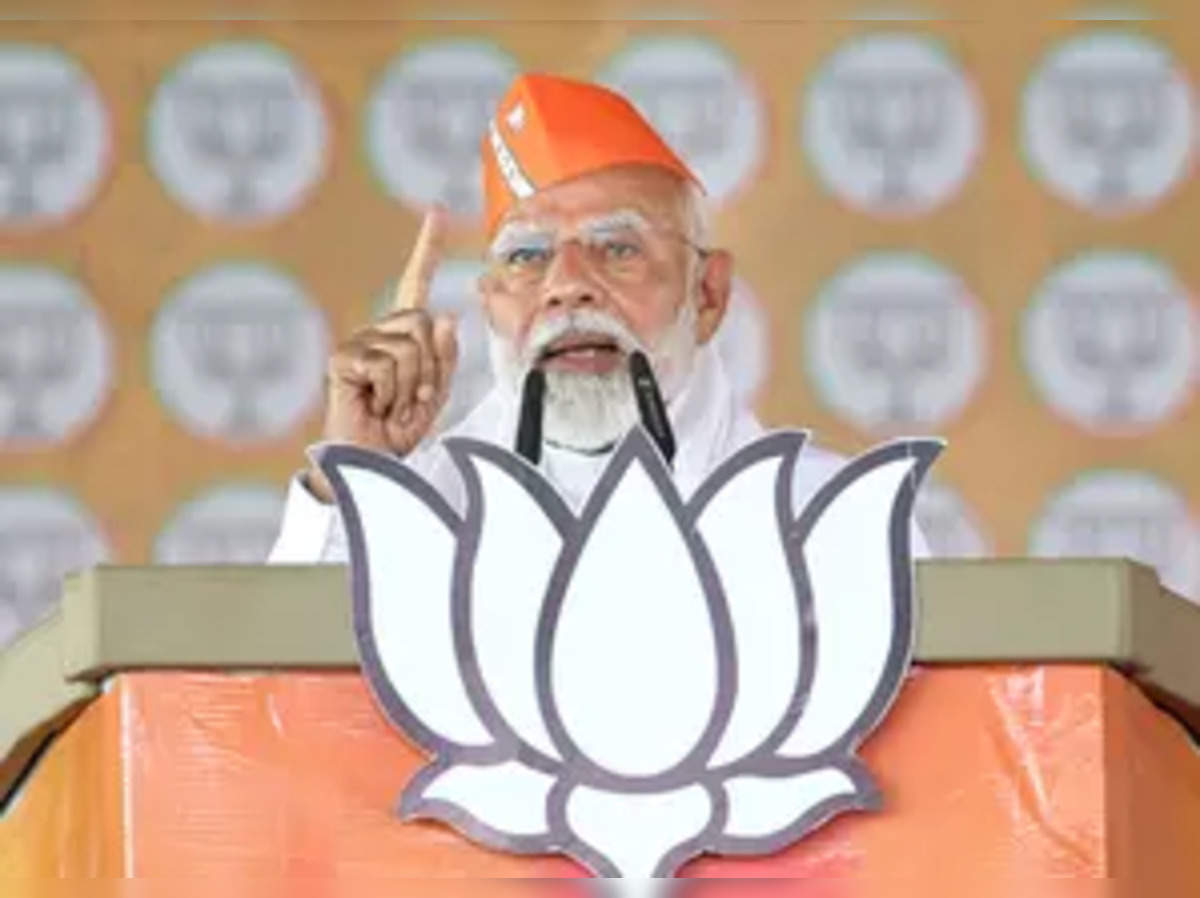
By Nitya Chakraborty Less than two months are left for the presentation of the second budget of the third term Narendra Modi government in Parliament in February next year relating to the financial year 2025-26. The budget exercises are on in the finance ministry and the focus is on mobilizing additional resources for meeting the […]

PHNOM PENH, CAMBODIA – Media OutReach Newswire – 3 December 2024 – Visa, a global leader in digital payments, hosted its first Open Payments Session in the Kingdom, bringing together regulators, subject matter experts, merchants, and financial services representatives to explore best practices and thought leadership shaping the future of payments. The forum focused on the evolving landscape of digital payments, driven by increased smartphone penetration and […]

Swisscom has unveiled Switzerland’s first NVIDIA SuperPOD system, marking a significant step in the country’s digital transformation. The new system will allow businesses to run artificial intelligence (AI) applications in Swisscom’s data centers, providing reliable local data processing and storage. This launch is expected to accelerate the adoption of AI across various industries, offering advanced computational power to enterprises that rely on high-performance systems for AI-driven tasks. […]

France is shifting its focus toward harnessing the significant financial might of Saudi Arabia’s Public Investment Fund (PIF) as part of a strategic initiative to boost its economic recovery and global influence. With the PIF’s rapid expansion into diverse sectors—ranging from technology and renewable energy to infrastructure and entertainment—France sees a unique opportunity to attract capital that could be pivotal for both immediate economic growth and long-term […]

Germany’s financial regulatory authority, BaFin, has granted approval for 21X, a Frankfurt-based exchange, to begin trading tokenized securities. This milestone positions 21X as a key player in the European financial market, particularly in the burgeoning sector of blockchain-based trading platforms.

21X’s platform will allow the trading of tokenized assets including equity and debt securities, investment funds, real estate, and artworks. By tokenizing these traditional assets, 21X aims to simplify transactions, reduce costs, and bring greater liquidity to markets traditionally hindered by inefficiencies. The exchange plans to launch in the first quarter of 2025, offering investors the ability to trade these assets in fractionalized, digitized forms.

The approval from BaFin is a significant step forward for the tokenization of financial assets in Europe. It also marks a victory for the broader blockchain and cryptocurrency industries, which have faced regulatory challenges in various jurisdictions worldwide. BaFin’s endorsement suggests that Germany is adopting a more favorable approach to the integration of blockchain technology into the financial system.

The approval comes amid a growing interest in digital assets within global financial markets. Tokenization, the process of converting ownership of an asset into a digital token on a blockchain, has gained traction in recent years as a way to democratize access to investments and improve liquidity. Through this process, assets such as real estate and artworks, which were traditionally illiquid and costly to trade, can now be fractionalized, allowing investors to buy and sell portions of these assets with ease.

21X’s move to tokenize securities will likely have a ripple effect on traditional financial markets. By offering tokenized equities and bonds, the platform could revolutionize how these instruments are bought, sold, and traded. The use of blockchain technology ensures transparency, security, and faster settlement times compared to traditional methods. The decentralization of the platform also eliminates the need for intermediaries, which typically increase transaction costs and time delays.

The platform’s ability to tokenize real estate and artworks is particularly notable. These markets have been notoriously difficult to access for smaller investors due to high entry costs. Tokenizing these assets allows for fractional ownership, where a single asset is divided into multiple smaller tokens, each representing a share in the overall value of the asset. This opens up these markets to a much wider pool of investors, particularly those who would not have been able to afford a full property or artwork investment.

The approval by BaFin is also seen as a sign that European regulators are becoming more open to innovative financial technologies. In the past, blockchain and cryptocurrency ventures have faced scrutiny, with some countries opting for restrictive regulations. However, Germany’s progressive stance on digital assets reflects a growing recognition of the potential benefits that blockchain technology can bring to the financial sector.

Experts believe that BaFin’s decision will spur further developments in the blockchain space within Germany and beyond. As the financial landscape continues to evolve, tokenization could play a pivotal role in shaping the future of investments, particularly in Europe’s financial hub, Frankfurt.

21X’s entry into the market aligns with a broader trend toward decentralized finance (DeFi), where blockchain-based systems allow for peer-to-peer transactions without traditional banking intermediaries. The integration of tokenized securities into the DeFi ecosystem could significantly change how financial markets operate globally, further bridging the gap between traditional finance and digital currencies.

However, while the move is celebrated within the blockchain community, challenges remain. Regulatory compliance and investor protection are ongoing concerns. For instance, ensuring that tokenized assets adhere to existing financial laws and standards will require careful oversight and continuous collaboration between regulatory bodies and blockchain companies. The legal framework surrounding digital assets is still developing, and the integration of tokenized securities into mainstream financial markets may necessitate further legislative adjustments.

Market adoption could be slow, as institutional investors may hesitate to embrace new technologies that significantly differ from traditional trading platforms. Overcoming this inertia will require robust education and clear benefits to attract both institutional and retail investors.

Ethena, a prominent player in the cryptocurrency space, has formed a strategic partnership with the on-chain derivatives protocol Derive, marking a significant development in decentralized finance (DeFi). This collaboration ensures that Ethena’s sENA token holders will secure 5% of the total DRV token supply, positioning Ethena as a key participant in Derive’s expanding ecosystem.

Derive’s innovative derivatives protocol, designed to offer a decentralized solution for futures trading, enhances its offerings by integrating Ethena’s synthetic dollar, USDe. This partnership aims to further stabilize both platforms’ token economies and enhance the trading experiences within decentralized markets. The integration of sENA holders into Derive’s ecosystem highlights a growing trend of DeFi protocols leveraging cross-collaboration to boost liquidity and foster mutual growth.

Ethena’s USDe, a synthetic dollar backed by Ethereum and Bitcoin collateral, is known for its delta-neutral stability model. By utilizing a combination of staked assets and perpetual/futures market spreads, USDe maintains a stable value relative to spot crypto assets. This approach contrasts with traditional stablecoins like USDC or USDT, as it is designed specifically for the crypto-native world, ensuring that it remains resilient against traditional financial risks while offering a scalable solution within DeFi. The recent collaboration underscores Ethena’s vision to provide decentralized financial products that are both sustainable and innovative, giving its users new ways to engage in the DeFi ecosystem.

In addition to its technical components, Ethena also emphasizes the importance of transparency and security in its operations. The protocol’s use of off-chain custody and multisig infrastructure ensures that assets remain secure even as they flow across different DeFi platforms. This commitment to user safety is crucial as the DeFi space continues to mature, and the partnership with Derive reflects Ethena’s continued dedication to enhancing its product offerings.

With the backing of its innovative financial model, Ethena aims to create an environment that supports greater integration between DeFi protocols and their respective user bases. By securing a portion of Derive’s DRV token supply for sENA holders, Ethena is enhancing its utility within the DeFi ecosystem and aligning itself with platforms that share a similar vision of decentralized finance.

This partnership is also poised to create new opportunities for liquidity provision and reward generation for users. As both protocols focus on providing long-term stability through hedging and derivatives trading, Ethena’s integration with Derive could signal further shifts in how decentralized platforms manage risk and reward in the future.

The inclusion of sENA holders in Derive’s DRV token distribution exemplifies the increasing interconnectivity of decentralized finance protocols. It reflects a broader trend where platforms are pooling resources and expanding their services to reach a wider audience, offering more diverse investment strategies and trading opportunities. This trend is likely to accelerate as the DeFi space continues to evolve, with strategic collaborations becoming a core component of long-term growth strategies.

QatarEnergy and Shell have finalized a major deal to supply liquefied natural gas (LNG) to China, further bolstering the energy ties between the two global powerhouses. The long-term sale and purchase agreement (SPA), which will see the delivery of three million tons per annum (MTPA) of LNG, is set to commence in January 2025. This deal, marking a significant step in energy cooperation, reflects the growing demand for natural gas in China and underscores the ongoing shift in the global energy landscape.

The agreement between QatarEnergy, the state-owned energy giant of Qatar, and Shell, one of the largest oil and gas companies worldwide, is expected to contribute to China’s energy security as it continues to diversify its sources of natural gas. China’s reliance on natural gas as a cleaner alternative to coal has steadily increased, positioning the country as one of the world’s top LNG importers. This new deal enhances Qatar’s position as a major global LNG supplier, reinforcing its role in the international energy market.

Qatar’s strategic focus on LNG exports aligns with its long-term vision to solidify its energy footprint globally, with significant emphasis on Asia-Pacific markets. China, as a critical player in global energy demand, is an essential partner for QatarEnergy, which has rapidly expanded its LNG production capacity over the past few years. The agreement between the two companies marks a crucial milestone in Qatar’s energy diplomacy, as it seeks to solidify its market share in the Asian region.

The SPA is not only a testament to the strong commercial partnership between QatarEnergy and Shell but also signals the growing importance of collaboration between national oil and gas companies and major international energy firms. While the details of the contract terms have not been fully disclosed, industry insiders speculate that the agreement includes flexible pricing mechanisms and long-term stability clauses, designed to provide both parties with predictable revenue streams and mitigate price volatility in the global LNG market.

This deal also highlights Shell’s ongoing commitment to expanding its footprint in the global LNG market, a sector that has gained momentum in light of rising energy demand and geopolitical uncertainty. Shell has been actively increasing its LNG trading capacity and has made substantial investments in LNG infrastructure globally, including terminals and shipping. The partnership with QatarEnergy further complements Shell’s strategy to position itself as a key player in LNG, alongside its broader focus on renewable energy and transition to cleaner energy solutions.

For China, the deal is particularly timely as it continues to pivot towards natural gas to fuel its rapid urbanization and industrial expansion. Despite a focus on renewable energy, the country’s growing energy demands have made natural gas an essential component of its energy mix, particularly in regions where access to alternative energy sources remains limited. By securing a steady and reliable supply of LNG from Qatar, China aims to stabilize its energy imports and reduce its dependence on coal, which has long been a significant contributor to the country’s high carbon emissions.

The partnership also plays into broader geopolitical dynamics in the LNG market. Over the last decade, China has increasingly relied on LNG imports from a variety of suppliers, including the United States, Australia, and Russia. However, by expanding its relationship with Qatar, a country with extensive gas reserves, China is also diversifying its sources to ensure greater energy security amid potential future supply disruptions. The strategic alliance with Qatar, therefore, not only meets China’s energy needs but also strengthens its energy ties with the Middle East, an important region in the global geopolitical arena.

As LNG demand continues to rise, particularly in Asia, the supply and demand dynamics of the global LNG market are expected to shift. Asia, as the largest importer of LNG, has seen an uptick in contracts between suppliers and buyers, with long-term agreements becoming more common. This trend, underscored by the QatarEnergy-Shell deal, suggests that market players are seeking greater stability in the face of volatile energy prices, exacerbated by geopolitical tensions and supply chain uncertainties.

The deal further underscores the role of LNG as a critical energy source in the global transition towards cleaner energy alternatives. LNG has gained favor as a relatively cleaner fossil fuel compared to coal and oil, thanks to its lower carbon footprint. As countries like China ramp up their efforts to curb emissions and reduce reliance on more polluting energy sources, natural gas has been positioned as a vital bridge in the energy transition, at least in the near to medium term.

In the broader context of Qatar’s energy strategy, the new deal also aligns with the country’s growing ambitions to dominate the global LNG market. With vast reserves of natural gas, Qatar has invested heavily in expanding its LNG production and infrastructure over the past few years. The country’s North Field Expansion Project, which is expected to increase its LNG production capacity by over 40%, will further cement Qatar’s role as a top supplier of natural gas worldwide. The partnership with Shell, one of the world’s largest LNG marketers, is an essential part of Qatar’s strategy to ensure access to key markets in Asia, Europe, and beyond.


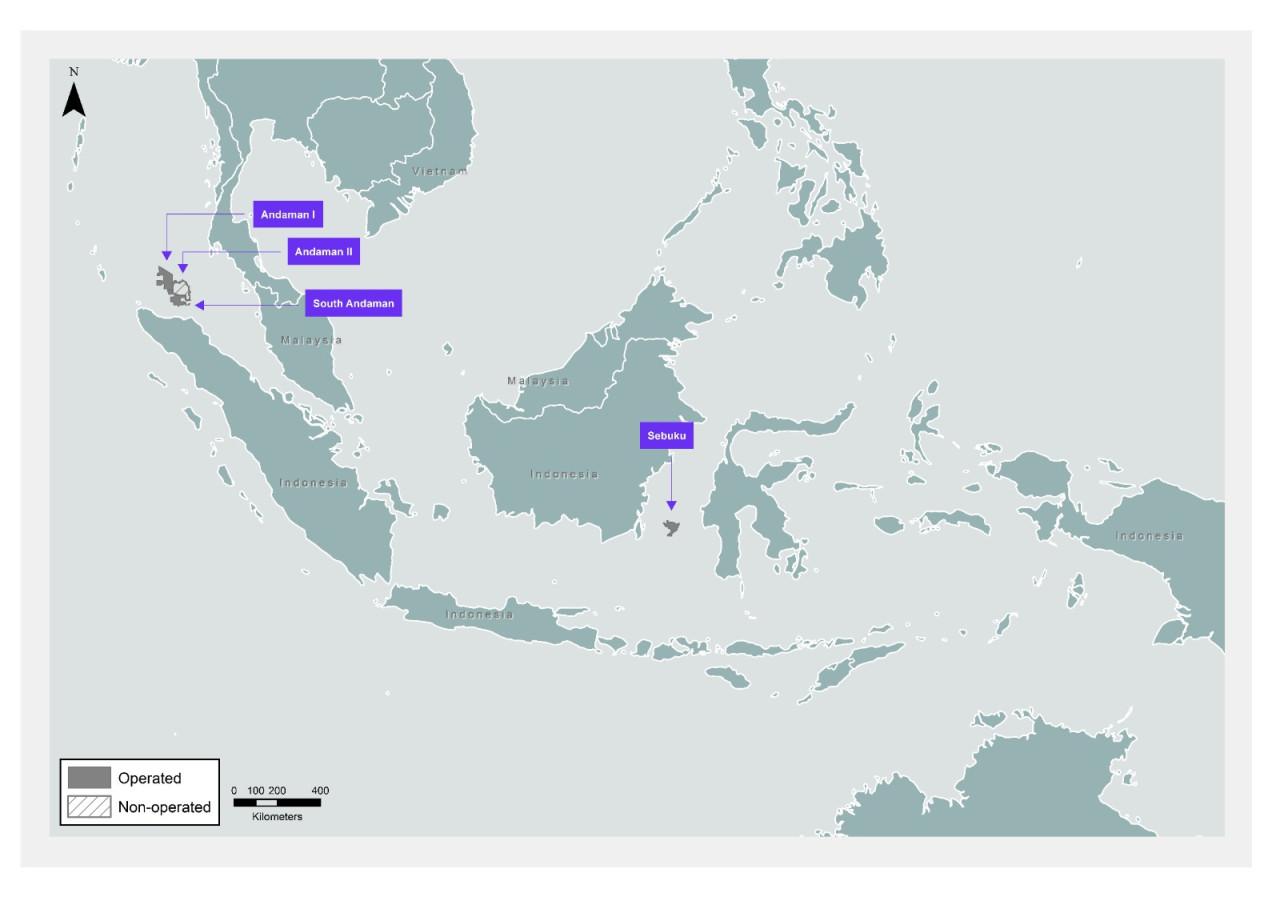
Indonesia has taken a significant step forward in its energy exploration sector by signing a contract with Harbour Energy and Abu Dhabi’s Mubadala Petroleum for the development of the Central Andaman block. The agreement is poised to unlock new prospects in the nation’s oil and gas sector, a move that is expected to enhance energy production and boost foreign investment in Indonesia’s energy resources.

The deal, which was finalized amid growing interest in Southeast Asia’s oil and gas reserves, marks a key milestone in Indonesia’s long-term strategy to increase its energy output and strengthen partnerships with international energy giants. Harbour Energy, a leading UK-based oil and gas company, alongside Mubadala Petroleum, an investment arm of the UAE’s Mubadala Investment Company, will collaborate on exploring and developing the Central Andaman block, located in the western part of Indonesia’s maritime zone. This area is rich in hydrocarbon potential, a crucial factor in meeting both domestic demand and export needs for Indonesia’s energy consumption.

This partnership is seen as a testament to Indonesia’s appeal as a prime investment destination in the energy sector. The agreement follows the country’s efforts to secure more investments in upstream oil and gas projects as part of its broader initiative to meet its energy targets. Indonesia has been working to reverse declining oil production and ensure that the nation’s oil and gas reserves continue to meet growing demand. The Central Andaman block, with its significant untapped reserves, is expected to contribute substantially to these goals.

The signing of the contract also aligns with the Indonesian government’s broader policy of attracting foreign capital into its energy sector. Harbour Energy’s track record in global exploration and Mubadala’s financial strength position both entities as highly strategic partners for the state-owned energy company, PT Pertamina. Pertamina, which will retain a stake in the project, is tasked with overseeing the development and ensuring the sustainability of operations across the block.

The Central Andaman block is located within an area known for its favorable geologic conditions, potentially offering both deepwater oil fields and gas reserves that have remained underexplored until now. The consortium’s exploration activities are expected to employ advanced technologies and methodologies to assess the block’s full potential, including seismic surveys and drilling operations in areas that have previously been difficult to access.

One of the key outcomes expected from this partnership is the improvement of Indonesia’s energy security. By developing its own oil and gas resources, Indonesia aims to reduce its dependence on energy imports, which have long been a vulnerability in its economic framework. Moreover, the exploration of new oil fields can provide an economic boost through job creation, the generation of local revenue, and the attraction of further investment into related sectors such as infrastructure and technology.

In addition to bolstering energy security, the deal also reflects growing geopolitical shifts in the global energy landscape. Southeast Asia has increasingly become a focal point for energy investments as global oil companies look for new frontiers amidst declining oil reserves in traditional oil-producing regions. The Central Andaman block’s untapped reserves add to Indonesia’s strategic importance, not only as an energy producer but also as a key player in the Indo-Pacific energy equation.

However, the path forward is not without challenges. The complex environmental and regulatory landscape of Indonesia’s offshore oil fields poses potential hurdles, including the need to adhere to stringent environmental standards while developing the block’s resources. Harbour Energy and Mubadala’s experience in managing large-scale offshore projects will likely be tested as they navigate these challenges, balancing sustainable practices with the need for efficient resource extraction.

The Indonesian government has indicated that it will continue to prioritize energy projects that contribute to the nation’s long-term economic growth while ensuring environmental sustainability. The Central Andaman block deal is expected to be closely monitored by both domestic and international stakeholders, who view the partnership as a litmus test for Indonesia’s ability to maintain its position as a leading oil and gas producer in Asia.

Crypto casinos are already popular for players seeking anonymous, fast, and secure experiences. Unlike traditional casinos, they provide unique benefits by enabling players to use cryptocurrencies for deposits and withdrawals. However, cashing out from a cryptocurrency casino might be challenging if you’re unaware of the procedure or withdrawal options. But this article helps you with just that! Here are the best withdrawal techniques, and advice on handling […]

Bitcoin’s mining difficulty has surged to an unprecedented level, reflecting the cryptocurrency’s growing computational demands and network security enhancements. The metric, which determines the effort required to validate transactions and mine blocks, has climbed to 103.92 trillion (T), marking a new peak for the Bitcoin blockchain.

This adjustment occurs every 2,016 blocks—approximately every two weeks—to ensure a consistent block production rate despite fluctuations in the network’s mining activity. As more miners join the network with advanced equipment, the difficulty rises, demonstrating the blockchain’s resilience and robustness.

The escalation in difficulty coincides with a substantial increase in Bitcoin’s hash rate, a measure of the computational power dedicated to mining. The hash rate touched an all-time high of over 900 exahashes per second (EH/s) before settling slightly lower. These milestones highlight the growing competition among miners and the network’s ability to handle increased transactional loads effectively.

Bitcoin’s price performance, which saw significant gains earlier this year, has also played a role in encouraging miners to invest in high-performance hardware, aiming to capitalize on mining rewards. The surge in activity underscores the cryptocurrency’s appeal despite the highly competitive landscape.

Coinbase has launched a new feature, integrating Apple Pay into its platform through the “OneRamp” product, enabling users to make seamless fiat-to-crypto transactions. This move comes as part of Coinbase’s strategy to simplify cryptocurrency trading and expand access for everyday users. By integrating Apple Pay, Coinbase aims to offer a more efficient and user-friendly method for purchasing cryptocurrencies directly from fiat accounts.

OneRamp, designed to streamline the transaction process, allows users to connect their Apple Pay accounts with their Coinbase profiles. The feature enables the purchase of digital assets with a single click, providing an immediate, seamless bridge between traditional fiat currencies and the world of cryptocurrency. The integration comes at a time when many investors and users are seeking easier ways to participate in crypto markets without dealing with the complexities of traditional banking and crypto exchanges.

The collaboration between Coinbase and Apple Pay is expected to make crypto more accessible to mainstream audiences, particularly those who are already comfortable using Apple Pay for everyday transactions. Apple Pay is widely used for various purchases, from retail shopping to online services, and the integration into Coinbase provides a new, frictionless entry point into the cryptocurrency ecosystem. As the crypto market continues to evolve, such integrations are seen as vital for bridging the gap between traditional finance and the decentralized finance world.

For Coinbase, the introduction of OneRamp with Apple Pay represents a significant shift in how the platform approaches user experience. By eliminating barriers like cumbersome account setup processes or the need for multiple authentication steps, Coinbase hopes to attract a broader user base. One-click crypto purchases can appeal to individuals who are not well-versed in blockchain technology but are familiar with digital payment methods like Apple Pay.

This integration also positions Coinbase to compete more effectively with other crypto exchanges that are constantly working on improving ease of use and expanding payment options. Other platforms have made similar moves in recent months, integrating traditional payment systems into their crypto-buying processes. As a result, Coinbase’s new feature is part of a larger trend to democratize access to cryptocurrency, making it as easy to purchase as any other consumer good.

The broader implications of the Coinbase-Apple Pay collaboration also touch on the growing intersection of traditional finance and the evolving cryptocurrency space. Apple, with its large user base and robust payment infrastructure, brings credibility and convenience to cryptocurrency purchases, something that has long been a barrier for potential investors. Cryptocurrency still faces challenges in gaining widespread adoption, with concerns over security, volatility, and regulatory uncertainty. By partnering with a trusted name like Apple, Coinbase hopes to address some of these issues while encouraging more mainstream participation.

This development also highlights Coinbase’s ongoing efforts to improve its platform for a global audience. Apple Pay is available in multiple regions, and its integration with OneRamp is expected to facilitate crypto transactions in these markets. Expanding payment options and making crypto more accessible to users in various countries is part of Coinbase’s strategy to broaden its international presence and increase its user base beyond North America.

In addition to the technical improvements, this integration has the potential to drive increased liquidity in the crypto market. The ability to quickly convert fiat into cryptocurrency through widely recognized payment systems could boost market activity, as users will have easier access to buy and sell cryptocurrencies as they see fit. This could also lead to a more dynamic marketplace, where crypto trading becomes just as seamless as trading in other financial assets.

However, the success of this integration will depend on how well Coinbase and Apple Pay can manage issues such as fraud prevention and regulatory compliance. With governments and regulators around the world tightening their focus on cryptocurrency transactions, Coinbase will need to ensure that its platform remains compliant with both local and international regulations. The integration of Apple Pay, while simplifying the purchasing process, may also require Coinbase to maintain robust security measures to protect users from potential cyber threats.

VISHNU RAJA
RYO YAMADA
HITORI GOTOH
IKUYO KITA