News related to
security

Merger and acquisition activity in the Middle East and North Africa region experienced a significant uptick in 2024, with total deal value reaching $92.3 billion, a 7% increase from the previous year. The number of deals also rose by 3%, totaling 701 transactions compared to 679 in 2023. This growth has been largely attributed to substantial reforms in capital markets, strategic policy changes, and enhanced efforts to attract foreign investments.

The Gulf Cooperation Council countries were at the forefront of this surge, accounting for 580 deals worth $90 billion. Cross-border transactions played a pivotal role, representing 52% of the total deal volume and 74% of the overall value. Sovereign wealth funds such as the Abu Dhabi Investment Authority , Mubadala Investment Company from the United Arab Emirates , and the Public Investment Fund from Saudi Arabia were instrumental in driving this activity.

The UAE emerged as a key player, recording the region’s largest M&A deal of the year. Clayton Dubilier & Rice, Stone Point Capital, and Mubadala Investment announced the acquisition of Truist Insurance for $12.4 billion. Following closely, Saudi Aramco acquired a 22.5% stake in Rabigh Refining and Petrochemical Company from Japan’s Sumitomo Chemical for $8.9 billion. Additionally, a consortium comprising PAG, Mubadala, and ADIA acquired a 60% stake in China’s Zhuhai Wanda Commercial Management Group for $8.3 billion.

Outbound deals dominated the M&A landscape, contributing 61% of the total deal value with 199 transactions amounting to $56.6 billion. The MENA region continued to attract foreign direct investment, with 163 inbound deals valued at $11.4 billion, marking an 18% increase in volume and a 42% surge in value compared to 2023.

Sector-wise, technology and consumer products led in deal volume, each experiencing a 10% year-on-year increase. The United States stood out as the largest acquiring country outside the region, with 48 transactions totaling $4.6 billion.

The UAE maintained its position as a preferred investment destination, achieving the highest volume and value for inbound transactions. The country recorded 96 deals valued at $7.6 billion, representing 67% of the total deal value. The technology sector was particularly vibrant, with 35 deals driven by the nation’s focus on artificial intelligence, cybersecurity, and digital transformation. Notably, Microsoft’s $1.5 billion acquisition of Abu Dhabi’s Group 42 underscored the strengthening ties between the UAE and the United States.

Saudi Arabia also attracted significant investment, with the UAE and Saudi Arabia collectively reporting 318 deals valued at $29.6 billion. Both countries were among the top bidders in the MENA region, highlighting their active participation in the M&A landscape. In 2024, the United States was the favored target destination for MENA investors, with 41 deals amounting to $19.9 billion.

Domestic M&A activity saw an uptick, contributing 48% of the total deal volume with 339 deals, up from 333 in 2023. The combined disclosed value of domestic transactions stood at $24.4 billion. The technology and consumer products sectors attracted increased investor interest, fueled by digital transformation and evolving consumer behaviors, together accounting for 35% of the total domestic deal volume.

The oil and gas sector continued its upward trajectory, leading in disclosed deal value with $9 billion, representing 37% of the total domestic deal value. This was largely due to Saudi Aramco’s $8.9 billion acquisition of Rabigh Refining and Petrochemical Company.
HONG KONG SAR – Media OutReach Newswire – 28 February 2025 – International Genius Company (hereafter referred to as “IGC“; Stock Code: 0033.HK) announced its interim results for the period ending December 31, 2024.Thanks to the application of AI-driven trading technology solutions, IGC’s tech-driven investment management services segment has achieved significant growth, turning losses into profits. During the reporting period, IGC witnessed a substantial increase in both […]

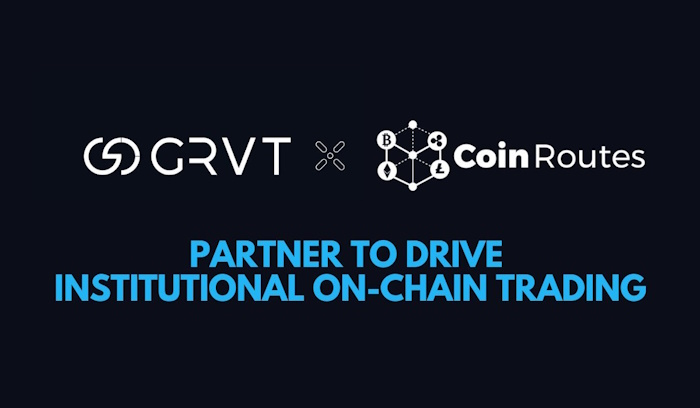
GRVT, a pioneering hybrid cryptocurrency exchange, has announced a strategic partnership with CoinRoutes, a leading cryptocurrency order execution management system . This collaboration aims to provide institutional traders with seamless access to advanced on-chain trading strategies, addressing the growing demand for secure and efficient decentralized finance solutions.

In January 2025, mainstream decentralized exchanges experienced a significant surge in trading volumes, reaching a record $454.1 billion—a 40% increase from December 2024’s $323.89 billion. This uptick underscores the escalating interest from institutional investors in decentralized trading platforms. GRVT’s unique hybrid model, which combines the security of self-custody with the speed of centralized exchanges, positions it as a compelling option for institutions seeking compliant and high-performance trading venues.

Through this integration, institutional clients can now access GRVT directly via CoinRoutes’ interface, unlocking a suite of sophisticated trading tools. These include smart order routing and execution algorithms designed to optimize trades across multiple liquidity pools, real-time market data dashboards for informed decision-making, and proprietary transaction cost analysis to assess and enhance execution quality. Additionally, the platform supports automated spread and multi-product trading, enabling complex strategies across various assets and trading pairs, as well as cross-exchange arbitrage and token farming opportunities.

To further incentivize institutional participation, GRVT and CoinRoutes are introducing a two-phase program. The initial phase offers exclusive signup bonuses for new institutional users onboarding through CoinRoutes. The subsequent phase provides volume-based incentives and rebates, encouraging high-frequency and large-scale trading activities.

Bitcoin has experienced significant volatility, with its price surging to $87,000 before plummeting below $80,000. This dramatic fluctuation has led to over $800 million in liquidations within the past 24 hours, predominantly affecting long positions.

The cryptocurrency’s value reached a peak of $87,000, marking a substantial increase. However, this upward momentum was short-lived, as Bitcoin’s price swiftly declined, falling below the $80,000 threshold. This marks the first time since November 11 that Bitcoin has traded at such low levels.

The sharp downturn has resulted in extensive liquidations across the market. Data indicates that long positions worth over $800 million have been liquidated, accounting for more than 90% of all liquidations during this period. Notably, approximately 44% of these liquidations, valued at $371 million, occurred on the Bybit exchange.

Several factors have contributed to this heightened volatility. Uncertainties surrounding U.S. President Donald Trump’s tariff plans and cryptocurrency policies have created a climate of apprehension among investors. Additionally, a significant security breach involving the theft of $1.5 billion worth of Ether from the Bybit exchange has further eroded market confidence.

The broader economic landscape has also played a role in Bitcoin’s price movements. A sell-off in U.S. tech stocks has influenced investor sentiment, leading to a more cautious approach toward high-risk assets like cryptocurrencies. Since mid-December, Bitcoin’s market value has decreased by approximately 25%, down from its peak of $105,000.

Market analysts are closely monitoring key support levels to assess potential future movements. The $80,000 mark is considered a critical support level; a sustained decline below this threshold could signal further bearish trends. Conversely, if Bitcoin manages to stabilize above this level, it may indicate resilience and the potential for a rebound.

The recent volatility has also impacted other cryptocurrencies. Ether experienced a decline of nearly 6%, reaching its lowest level since January 2024. Similarly, XRP saw a significant drop, though it has shown signs of a slight recovery.

The Gulf region’s strategic importance in global supply chains is increasing as the US seeks to secure critical minerals vital for technology and clean energy. With an eye on reducing dependence on China, the US is now pivoting towards the Gulf, an area rich in natural resources and energy infrastructure, to diversify its supply of rare earth elements and minerals. Recent geopolitical shifts have made it clear […]

Bitcoin, the world’s largest cryptocurrency by market value, experienced a significant decline on Friday, falling over 5% to a three-and-a-half-month low. The digital asset traded below $80,000 for the first time since November 11, reaching $79,666.

This downturn has erased approximately a quarter of Bitcoin’s market value since mid-December, when it peaked at $105,000. The recent decline is attributed to uncertainties surrounding U.S. President Donald Trump’s impending tariff plans and crypto policy, as well as diminished investor confidence following a substantial $1.5 billion hack involving rival cryptocurrency Ether.

President Trump confirmed that a 25% tariff on Mexican and Canadian goods, along with an additional 10% on Chinese imports, will commence on March 4. This announcement has led to a sell-off in risk-sensitive assets, including cryptocurrencies. The broader tech sector has also been affected, with major indices like the Dow Jones, S&P 500, and Nasdaq experiencing considerable losses.

The recent $1.5 billion hack of Ether from the Bybit exchange has further exacerbated negative sentiment in the crypto market. This incident has raised concerns about the security of digital assets, leading to increased withdrawals from Bitcoin-backed exchange-traded funds.

Market analysts suggest that if key support levels, such as $82,000, do not hold, Bitcoin might face further losses. The decline is also influenced by a broader risk-off environment, significant outflows from spot Bitcoin ETFs, and macroeconomic uncertainties.

Cryptocurrency exchange Bybit has secured in-principle approval from the United Arab Emirates’ Securities and Commodities Authority to establish a virtual asset platform within the country. This significant regulatory milestone positions Bybit closer to obtaining a full operational license, enabling the firm to offer a comprehensive range of digital asset services to both retail and institutional clients in the UAE.

The approval, dated 18 February 2025, arrives at a pivotal moment for Bybit. On 21 February, the exchange experienced a substantial security breach, resulting in the loss of approximately $1.4 billion in digital assets. The incident, among the largest in cryptocurrency history, occurred during a transfer between Bybit’s cold and hot wallets. Despite this setback, the SCA’s in-principle approval underscores confidence in Bybit’s commitment to regulatory compliance and operational resilience.

Ben Zhou, co-founder and CEO of Bybit, expressed gratitude for the SCA’s decision, stating, “We are honored to have received the in-principle approval from the SCA. This approval marks a crucial step in our journey to providing secure and transparent crypto trading solutions.” Zhou emphasized Bybit’s dedication to collaborating with regulators to foster a compliant and innovative digital asset ecosystem for investors in the UAE.

The UAE has been proactive in positioning itself as a global hub for cryptocurrency and blockchain innovation. Bybit’s regulatory progress aligns with the nation’s forward-thinking stance on digital assets, aiming to create a secure and compliant environment for trading activities. The SCA’s approval of Bybit is indicative of the UAE’s commitment to attracting reputable crypto platforms and fostering a robust digital economy.

In addition to its advancements in the UAE, Bybit is actively expanding its regulatory footprint worldwide. The exchange has secured approvals in several key markets, including India, Georgia, Kazakhstan, and Turkey. Notably, on 25 February 2025, Bybit announced its re-entry into the Indian market after successfully registering with the Financial Intelligence Unit . This move followed a temporary suspension due to compliance issues, during which Bybit paid a $1 million penalty for operating without proper registration. The exchange has since aligned with Indian regulatory standards, resuming full services for existing users and gradually onboarding new clients.

However, Bybit’s global expansion has not been without challenges. In late 2024, the exchange temporarily adjusted its operations within the European Economic Area to comply with the region’s Markets in Crypto-Assets regulations. This decision reflects Bybit’s commitment to adhering to varying regulatory landscapes and ensuring compliance across jurisdictions.

The recent security breach has also prompted scrutiny from regulatory bodies. In Japan, the Financial Services Agency has urged major app stores to delist Bybit and other unregistered crypto exchanges, citing concerns over unlicensed operations and potential risks to investors. This development highlights the importance of robust security measures and regulatory compliance as Bybit continues its global expansion.

In response to the security incident, Bybit has taken steps to mitigate the impact on its users. The exchange has replaced the stolen Ether to ensure that customer funds remain unaffected. This action demonstrates Bybit’s commitment to maintaining user trust and upholding the integrity of its platform.

The cryptocurrency market has been closely monitoring Bybit’s developments, especially in light of the recent security breach. Market analysts suggest that while the in-principle approval from the SCA is a positive development, Bybit’s ability to enhance its security infrastructure and navigate complex regulatory environments will be critical to its sustained growth and reputation.

Advertisements

WDTA APAC Institute Inaugurated to Lead AI Governance and Standards Development HONG KONG SAR – Media OutReach Newswire – 27 February 2025 – Cyberport, the World Digital Technology Academy (WDTA) and the International Academicians Science & Technology Innovation Centre (IASTIC) co-organised the “AI Safety, Trust, and Responsibility (AI STR)” Forum. This event served as the Hong Kong session of the recently concluded AI Action Summit 2025 in […]

Singapore’s fintech investment recalibrated to US$1.3 billion in 2024, in line with global shifts toward sustainable growth. Crypto and blockchain investment increased 22 percent in H2’24 to US$267 million, driven by AI-integrated solutions. AI-powered fintech surged, with investment jumping from US$24 million in H1’24 to US$160 million in H2’24, reflecting demand for regtech and automation. H2’24 fintech deal value grew 41 percent, reflecting a shift toward high-value, […]

SINGAPORE – Media OutReach Newswire – 27 February 2025 – As Southeast Asia emerges as a hub for conversational commerce, Crescendo Lab is redefining customer engagement with AI-powered solutions. With the conversational AI market projected to exceed $18 billion by 2026 and messaging adoption surpassing 90% in Asia, seamless communication is now essential for businesses. Expanding into Singapore, Crescendo Lab integrates AI-powered tools with WhatsApp, empowering local […]

The Real Estate Regulatory Agency at Dubai Land Department has announced the formation and registration of 127 new owners’ committees across the emirate. This initiative aims to enhance governance and sustainability in jointly owned properties, empowering property owners to actively participate in community management.

RERA received a substantial number of applications for these committees, approving them based on established criteria. This surge in interest indicates a growing enthusiasm among property owners to engage in the oversight of their communities. Registration remains open to all eligible applicants, both individuals and companies, though each committee is limited to nine members, underscoring the importance of early application to secure a role in decision-making processes.

These owners’ committees are instrumental in improving the quality of life within their communities. They are tasked with reviewing budgets, setting maintenance priorities, and overseeing shared services, thereby ensuring efficient management of jointly owned properties. Property management companies will collaborate with the newly formed committees to elect a chairperson and vice-chairperson, assign responsibilities, and initiate the execution of designated tasks.

RERA will supervise the workflow, coordinating between management companies and owners’ committees, and monitoring developments to ensure smooth and effective operations. The agency emphasizes its commitment to maintaining direct communication with all property owners, inviting them to join the owners’ committees. Applications from individuals will be reviewed and approved directly.

In Karnataka, the Real Estate Regulatory Authority has also been active in promoting transparency and accountability in the real estate sector. The Karnataka RERA has issued several circulars and notices aimed at enhancing compliance and protecting the interests of property buyers and owners. These include invitations for eligible candidates to apply for various positions within the authority, notifications regarding National Lok-Adalat sessions, and directives for the submission of annual audit reports as per Section 4 of the RERA Act, 2016. Additionally, the authority has published a list of promoters pending for recovery as arrears of land revenue who have not complied with its orders. These efforts reflect Karnataka RERA’s dedication to enforcing regulations and ensuring that stakeholders adhere to the legal requirements governing the real estate industry.

The establishment of owners’ committees in Dubai and the regulatory measures in Karnataka signify a broader trend towards enhanced governance in the real estate sector. By fostering active participation from property owners and enforcing stringent compliance measures, these initiatives aim to create sustainable and well-managed communities, ultimately leading to increased resident satisfaction and investment security.

Property owners interested in joining the owners’ committees in Dubai must meet specific criteria, including residing in the property, holding a valid UAE ID, providing a certificate of good conduct issued by Dubai Police, and settling all outstanding service fees. The Real Estate Regulatory Agency has clarified that registration is open until 31 January 2025, with priority given to the first nine registrants. Members will be approved by RERA, and the committee members for each group will be announced in February.

In Karnataka, real estate agents and developers are encouraged to register with RERA to gain credibility and trust among buyers. The registration process involves submitting the necessary documents, such as proof of identity, address, and educational qualifications, along with the prescribed fees. Upon approval, registrants receive a unique registration number from Karnataka RERA, signifying their compliance with the state’s real estate regulations.

Abu Dhabi is intensifying its efforts to transition from a traditionally oil-dependent economy to a knowledge-based one, focusing on increasing its white-collar workforce and investing in advanced technologies such as vertical farming. This strategic move aims to diversify the emirate’s economic landscape and reduce reliance on blue-collar labor. Recent data indicates that the number of white-collar workers in Abu Dhabi has grown by 109% since 2011, outpacing […]

The stock market may grab all the headlines, but behind the scenes, savvy investors are making serious moves into corporate bonds. Once seen as the dull cousin to equities, corporate bonds are having a moment as a growing number of investors recognize their ability to deliver attractive returns, stability, and a tactical hedge against volatility. If you’re not paying attention, you’re missing out on what could be […]

Cybercriminals are leveraging counterfeit GitHub repositories to distribute malware, resulting in the theft of approximately $485,000 in Bitcoin, according to cybersecurity firm Kaspersky. The malicious campaign, dubbed “GitVenom,” has been active for at least two years and primarily targets developers and cryptocurrency enthusiasts. Kaspersky’s Global Research and Analysis Team identified over 200 deceptive repositories on GitHub. These repositories masquerade as legitimate projects, such as automation tools for […]

OKX, the world’s third-largest cryptocurrency exchange, has released its 28th consecutive Proof of Reserves report, revealing $28.1 billion in primary assets as of February 25, 2025. This figure marks a 59% increase compared to the same period last year. The report, audited by blockchain security firm Hacken, confirms that OKX maintains a reserve ratio of 1:1 or greater across 22 commonly traded assets on its platform.

The breakdown of OKX’s holdings includes $13.2 billion in Bitcoin , $4.9 billion in Ethereum , $8.7 billion in Tether , and $1.3 billion in USD Coin . The reserve ratios for these primary assets are 104% for BTC, 102% for ETH, 102% for USDT, and 100% for USDC. This consistent monthly verification process aims to transform trust from mere promises into mathematically verifiable proof, accessible to anyone at any time.

In a parallel development, OKX has reached a settlement with U.S. authorities regarding its operations. The company’s affiliate, Aux Cayes FinTech Co. Ltd., has agreed to pay over $500 million in penalties and forfeited fees. This resolution addresses the company’s previous lack of a license to operate as a money transmitter. The total penalty comprises an $84 million fine and approximately $421 million in forfeited fees earned from U.S. customers, primarily from a few institutional clients.

OKX has emphasized that the U.S. customers involved represented a small percentage of its global user base and have since been removed from the platform. The company acknowledged the compliance gaps that led to the enforcement action and has taken steps to rectify these issues.

By Sushil Kutty External Affairs Minister S Jaishankar never seems to finish his thoughts. People might mistake him to be a hesitant hacker. But that isn’t the case. EAM Jaishankar is the second longest serving foreign minister after Jawaharlal Nehru, who kept the external affairs portfolio with him, for the entirety of his tenure as […]

Property owners in Dubai are bracing for a significant increase in service charges, with industry experts forecasting a rise of up to 10% in 2025. This escalation is attributed to mounting operational expenses, including maintenance, district cooling, and utility costs. Hadi Hamra, managing partner at Driven Properties, stated, “We’re projecting a 5 to 10 per cent rise in service charges across Dubai in 2025, depending on the […]

The cryptocurrency market is experiencing significant volatility, with Bitcoin’s value dropping below $90,000 and the Crypto Fear and Greed Index falling to levels indicative of heightened investor anxiety.

Bitcoin, the leading cryptocurrency by market capitalization, has seen a substantial decline, trading at $88,420, a decrease of approximately 3.9% from the previous close. This downturn is part of a broader market sell-off affecting various digital assets.

The Crypto Fear and Greed Index, a tool that gauges market sentiment by analyzing factors such as volatility, market momentum, and social media trends, has dropped to 25, categorizing the current sentiment as “Extreme Fear.” This marks a significant shift from the previous day’s neutral position at 49.

Several factors have contributed to this decline in market confidence. A notable incident is the $1.5 billion hack of Ether from the Bybit exchange, which has raised concerns about the security of digital assets and the robustness of trading platforms. Additionally, global economic uncertainties, including potential shifts in U.S. economic policies and impending tariffs on imports from Canada and Mexico, have added to investor apprehension.

The impact of this sentiment is evident across various cryptocurrencies. Ethereum is currently trading at $2,476.08, reflecting a 1.2% decrease. Other major cryptocurrencies such as Solana , XRP, and Dogecoin have also experienced declines, with SOL plunging 14% and both XRP and DOGE down by over 8% in the past 24 hours.

Market analysts suggest that the current bearish sentiment may be overextended. They emphasize the importance of macroeconomic decisions in influencing market trajectories and caution against reactionary trading based solely on short-term market movements.

In response to the growing institutional interest in cryptocurrencies, Citadel Securities, under the leadership of Ken Griffin, has announced plans to enter the cryptocurrency market-making sector. This move aims to provide liquidity for cryptocurrencies on global exchanges, signaling a shift from the firm’s previously cautious stance on digital assets.

Despite the prevailing market downturn, some industry leaders remain optimistic about the long-term prospects of cryptocurrencies. Cathie Wood, CEO of ARK Investment Management, highlighted that institutional adoption of Bitcoin is still in its early stages. She anticipates a significant increase in Bitcoin’s value as more institutions engage with the cryptocurrency, suggesting that the current market consolidation is a healthy phase before potential growth.

Conversely, the rapid proliferation of meme-based cryptocurrencies has introduced additional volatility into the market. These meme coins, often driven by speculative trading and lacking fundamental value, have led to financial losses for many investors. High-profile endorsements and subsequent failures of such coins have underscored the need for clearer regulations to protect investors and maintain market integrity.

The recent downturn has also led to significant liquidations across the market, with over $1.5 billion in positions being liquidated within a 24-hour period. This wave of liquidations has further exacerbated the downward pressure on cryptocurrency prices, contributing to the prevailing atmosphere of fear and uncertainty among investors.

Cryptocurrency exchange Bybit has reinstated its full suite of services in India following successful registration with the country’s Financial Intelligence Unit . As of 25 February 2025, existing users can once again open new trades and access all products, with new user onboarding set to commence gradually.

This development comes after Bybit faced regulatory challenges earlier this year. On 31 January 2025, the FIU-IND imposed a fine of ₹9.27 crore on Bybit for operating without the necessary authorization under the Prevention of Money Laundering Act . In response, Bybit suspended its services in the country to address compliance concerns and worked diligently to align its operations with local regulations.

Bybit’s return to the Indian market is significant, considering the country’s growing interest in cryptocurrency trading. With over 60 million users worldwide, Bybit’s reinstatement offers Indian traders renewed access to a global platform, potentially enhancing the local crypto trading landscape.

However, Bybit’s resurgence in India is not without challenges. On 21 February 2025, the exchange experienced a significant security breach, with over $1.4 billion in Ether-related tokens stolen. The North Korean-affiliated Lazarus Group has been identified as the perpetrator of this heist, marking it as one of the largest recorded crypto thefts to date. Despite this setback, Bybit’s swift action to restore services underscores its commitment to security and compliance.

The broader cryptocurrency market has been experiencing fluctuations. Bitcoin is currently trading at $88,774, reflecting a decrease of 3.41% from the previous close. Ethereum stands at $2,487.72, down 0.64%, while Binance Coin has seen a rise of 2.53%, now priced at $624.42. These movements indicate a dynamic market environment, influenced by various global events and regulatory developments.

Bybit’s proactive measures to comply with Indian regulations and its prompt response to security incidents highlight the exchange’s dedication to providing a secure and compliant trading environment. As the cryptocurrency landscape continues to evolve, such efforts are crucial in fostering trust and reliability among users and regulators alike.

In the context of India’s regulatory framework, Bybit’s successful registration with the FIU-IND sets a precedent for other cryptocurrency exchanges aiming to operate in the region. It emphasizes the importance of adhering to local laws and regulations to ensure uninterrupted services and maintain user trust.

Bitcoin’s value has experienced a significant decline, falling below the $90,000 threshold for the first time since November 2024. The cryptocurrency reached a low of $86,000, marking a substantial drop from its peak of $109,225 observed on January 20, 2025. This downturn has led to widespread market repercussions, including over $1.6 billion in liquidations within the past 24 hours.

The recent sell-off has been attributed to a confluence of factors, notably escalating geopolitical tensions and internal challenges within the cryptocurrency ecosystem. President Donald Trump’s administration has introduced new tariffs on Mexico and Canada, measures perceived as inflationary and potentially detrimental to economic growth. These policies have contributed to a broader risk-averse sentiment among investors, leading to a retreat from volatile assets such as cryptocurrencies.

In addition to geopolitical concerns, the security of cryptocurrency platforms has come under scrutiny. A significant breach occurred on February 21, 2025, when Bybit, a prominent Dubai-based crypto exchange, suffered a hack resulting in the loss of approximately $1.5 billion. This incident has exacerbated apprehensions regarding the safety of digital assets, prompting further sell-offs in the market.

The cascading effect of these events has led to substantial liquidations across the cryptocurrency market. Data indicates that over 362,000 traders have been affected, with total liquidations surpassing $1.3 billion in the past day. Bitcoin alone accounted for $523 million of these liquidations, underscoring the volatility and heightened risk associated with leveraged trading positions.

Market analysts are closely monitoring key support levels for Bitcoin. The breach of the $90,000 support has raised concerns about potential further declines. Technical analysis suggests that if Bitcoin fails to maintain support at $86,000, it could test lower thresholds, with significant support anticipated around the $80,400 and $74,000 levels. Conversely, resistance levels are identified at $98,500 and $106,000, which Bitcoin would need to surpass to signal a potential reversal of the current downward trend.

The broader cryptocurrency market has mirrored Bitcoin’s downturn. Major altcoins such as Ether and XRP have experienced notable declines, with Ether dropping 8.5% to $2,416 and XRP falling by 5% to $2.24. The overall market capitalization has contracted significantly, reflecting the pervasive uncertainty and risk aversion among investors.

Investor sentiment has been further dampened by unmet expectations regarding regulatory support for cryptocurrencies. The initial optimism surrounding a crypto-friendly stance from the current U.S. administration has not materialized into concrete policy changes. This lack of regulatory clarity, coupled with economic challenges, has contributed to the recent sell-off and the erosion of confidence in the market.

In response to the heightened volatility, traders are advised to exercise caution, particularly those engaged in leveraged positions. The current market environment underscores the importance of risk management and the need for a thorough understanding of the factors influencing cryptocurrency valuations.

A fraudulent account impersonating Sam Bankman-Fried, the incarcerated founder of FTX, has emerged on X , disseminating false information and promoting dubious meme coins. This development follows Bankman-Fried’s unexpected return to social media after a two-year hiatus, during which he commented on government layoffs and corporate management challenges.

The impersonating account falsely claimed that former President Donald Trump had pardoned Bankman-Fried and that he was joining the Department of Government Efficiency , a fictitious entity purportedly led by Elon Musk. The account further promoted the issuance of a meme coin, sharing a contract address and urging users to invest. These assertions are entirely baseless, as Bankman-Fried remains incarcerated, serving a 25-year sentence for fraud and conspiracy to launder money.

The fraudulent account managed to obtain a gray verification checkmark on X, typically reserved for government or multilateral organization accounts, suggesting a possible compromise of an official account. This misuse of verification has raised concerns about the platform’s security measures and the potential for such scams to mislead users.

In response to the scam, multiple users reported the account for suspicious activity, highlighting the dangers of identity theft and fraud in the digital space. The deceptive messages were swiftly removed, but not before causing confusion and potential financial harm to unsuspecting investors.

This incident underscores the importance of vigilance in the cryptocurrency community, where scammers frequently exploit high-profile figures and current events to perpetrate fraud. Users are advised to verify information through official channels and exercise caution when encountering unsolicited investment opportunities, especially those promising unrealistic returns.

The emergence of this fraudulent account coincided with Bankman-Fried’s genuine activity on X, where he broke his two-year silence to discuss issues related to government layoffs and corporate management. In his posts, he drew parallels between unemployment and his own experiences, stating, “I have a lot of sympathy for gov’t employees: I, too, have not checked my email for the past few days.” He further reflected on the challenges of layoffs, suggesting they often stem from management failures rather than employee performance.

Bankman-Fried’s unexpected return to social media has sparked discussions about his access to communication tools while incarcerated and the broader implications of his statements. However, the appearance of the fraudulent account has overshadowed these conversations, highlighting the persistent threat of scams in the cryptocurrency sector.

YMCrypto, a cryptocurrency platform regulated by U.S. financial authorities, has unveiled a free cloud mining service aimed at global investors interested in Bitcoin and Dogecoin. This initiative allows users to mine these cryptocurrencies without the need for expensive hardware or technical expertise.

The platform emphasizes security by partnering with McAfee® and Cloudflare®, ensuring end-to-end encryption and robust protection against potential threats. This collaboration aims to provide users with a secure environment for their mining activities.

YMCrypto’s cloud mining service is designed to be user-friendly, enabling both beginners and seasoned investors to participate in cryptocurrency mining effortlessly. By eliminating the traditional barriers associated with mining, such as high initial costs and complex setups, YMCrypto aims to democratize access to digital currency generation.

The platform’s compliance with U.S. financial regulations underscores its commitment to operating within legal frameworks, offering users peace of mind regarding the legitimacy and security of their investments. This adherence to regulatory standards distinguishes YMCrypto in the rapidly evolving cryptocurrency landscape.

In addition to its free cloud mining services, YMCrypto provides a range of tools and resources to help users maximize their cryptocurrency portfolios. These include real-time analytics, market insights, and educational materials tailored to various experience levels.

The launch of YMCrypto’s free cloud mining service comes at a time when interest in cryptocurrencies continues to surge globally. By offering accessible mining solutions, the platform positions itself as a significant player in the digital asset space, catering to the growing demand for alternative investment opportunities.

As the cryptocurrency market evolves, platforms like YMCrypto are pioneering services that lower entry barriers, enabling a broader audience to engage with digital currencies. Their focus on security, compliance, and user accessibility sets a benchmark for future developments in the sector.

Careem, the region’s leading multi-service platform, has announced a partnership with Bustanica, the world’s largest vertical farm, to deliver fresh, pesticide-free produce directly to customers across the United Arab Emirates . This collaboration aims to enhance access to high-quality, locally grown vegetables, reinforcing the nation’s commitment to food security and sustainable agricultural practices.

Bustanica, a $40 million investment by Emirates Flight Catering and Crop One Holdings, operates a 330,000-square-foot facility near Al Maktoum International Airport in Dubai. Utilising advanced hydroponic technology, the farm produces over 1,000,000 kilograms of leafy greens annually, including lettuce, spinach, parsley, and kale. The innovative farming methods employed allow for cultivation without soil, natural sunlight, or pesticides, and use 95% less water than traditional agriculture.

Through this partnership, Careem’s customers can order Bustanica’s fresh produce via the Careem app, ensuring convenient access to nutritious greens harvested daily. The produce is grown in a controlled environment, free from pesticides, herbicides, and chemicals, guaranteeing high-quality, clean, and safe food options for consumers.

Bustanica’s facility operates on a continuous production cycle, driven by machine learning, artificial intelligence, and a team of experts in agronomy, engineering, horticulture, and plant science. This approach ensures a consistent supply of fresh produce, unaffected by external factors such as weather or pests. The closed-loop system employed in the farm recycles water, leading to significant conservation of resources—saving over 250 million litres annually compared to traditional farming methods.

The collaboration between Careem and Bustanica not only provides consumers with easy access to fresh, locally grown produce but also supports the UAE’s National Food Security Strategy 2051. This strategy emphasises sustainable food production through advanced technology and smart solutions, aiming to balance food security with resource conservation and economic diversification.

By integrating Bustanica’s produce into its delivery platform, Careem is contributing to the promotion of healthy eating habits and the reduction of the UAE’s reliance on imported foods. This initiative aligns with the global trend of adopting vertical farming and other innovative agricultural practices to address food security challenges, especially in regions with arid climates and limited arable land.

The partnership also highlights the role of technology in revolutionising the agriculture sector. Bustanica’s use of artificial intelligence and machine learning optimises growing conditions, enhances crop yields, and ensures the efficient use of resources. This model of farming presents a viable solution for sustainable food production in urban settings, reducing the carbon footprint associated with food transportation and promoting environmental conservation.

As the UAE prepares to host the COP28 summit, initiatives like the Careem-Bustanica partnership underscore the nation’s commitment to environmental sustainability and innovative solutions to global challenges. By investing in and supporting such projects, the UAE is positioning itself as a leader in sustainable agriculture and food security on the world stage.

A new initiative, the Build for Bharat Fellowship, has been launched in India, offering students the opportunity to directly contribute to public governance through technology. The fellowship, aimed at early-career technologists, focuses on leveraging students’ skills to tackle some of India’s most pressing public challenges while strengthening the country’s digital systems.

With a deadline set for 7th March, the program is designed to provide students with a unique platform to work alongside government departments, where they can engage in high-impact technology projects. These projects, often involving innovative digital solutions, aim to enhance the efficiency of government operations and improve the quality of life for millions of citizens. The fellowship promises hands-on exposure to real-world applications of technology, guiding future technologists through a complex landscape of public service.

The need for such initiatives has become evident as India’s rapid digitalisation continues to evolve. From providing digital access to healthcare services to improving governance through data, the country’s technological landscape has seen an unprecedented transformation in recent years. However, the success of these advancements relies on skilled technologists who understand both the nuances of technology and the intricacies of governance. The Build for Bharat Fellowship seeks to address this gap by training future public-interest technologists who can design, develop, and implement tech solutions in public service.

Fellows will undergo a rigorous orientation program designed to help them navigate the complexities of public service, policy, and the unique challenges that arise when implementing technology in social and governmental frameworks. This immersive learning experience will provide students with insights into how government departments work, offering a critical perspective on the role of technology in public administration.

Moreover, the program connects fellows with top industry experts. Fellows will have access to mentorship through online office hours with leaders in fields such as databases, security, distributed systems, and open-source technology. These experts come from diverse sectors, including top tech companies, academia, and the public sector, offering invaluable guidance to participants as they embark on their projects.

By training the next generation of public-interest technologists, the fellowship program aims to modernise the country’s digital infrastructure while ensuring that technology solutions remain human-centred. As India continues to expand its digital footprint, there is a growing need for professionals who are not only technically skilled but also understand the broader social and governance contexts in which technology operates. The fellowship is designed to nurture such professionals, allowing them to contribute meaningfully to the country’s digital governance systems.

Applications for the fellowship are now open, with the deadline fast approaching. Students with a background in technology, whether in software development, design, or systems architecture, are encouraged to apply. The program promises not only to be a valuable learning experience but also an opportunity to make a tangible impact on the country’s technological landscape.

Interested applicants can submit their applications through the official form available at this link. With the closing date of 7th March, aspiring technologists are urged to apply soon to seize the opportunity to be part of this groundbreaking initiative.

The Build for Bharat Fellowship is not just an internship—it’s a chance for students to actively shape the future of India’s digital governance while working alongside the very departments that form the backbone of the country’s administration. It is a stepping stone for young professionals eager to apply their tech skills for the public good, ensuring that India’s digital transformation remains inclusive, effective, and sustainable for all.

VISHNU RAJA
RYO YAMADA
HITORI GOTOH
IKUYO KITA
Just in:
Xi Jinping Preparing For A Trilateral Summit With Trump And Putin At APEC Summit On Nov 18-19 // Geely’s i-HEV Intelligent Hybrid Technology Offers a New Direction Vision for Gasoline-Powered Vehicles // Technology shares plunge as Nasdaq enters correction // Excise chief shunted out in bar licence dispute // Miss Universe Hong Kong Jen Zhou Departs for Puerto Rico to Compete in the 75th Miss Universe World Final // Battle Uttar Pradesh Will Be Tougher For Yogi Than Expected // CR Longdation Aethereal Cybersecurity × Global Cybersecurity Alliance (GCSA) Join Hands to Establish the “AI and Cybersecurity Research Centre” // Geely’s i-HEV Intelligent Hybrid Technology Offers a New Direction for Gasoline-Powered Vehicles // Democrats Gearing Up For 2028 Presidential Elections To Gain Full Power // Kochi police detain two actors over bid to honey trap doctor // The “1st Greater Bay Area Health and Longevity Summit & Awards Ceremony” concludes successfully in Macao // Trump’s Iran War Has A Share Of Contribution To His Midterm Debacle // Millions Of Indians May Soon Be Deprived Of Government Assistance // Dubai details five-year visa benefits for returning visitors // Microfinance case trouble for Vellappally // TVM –Mangaluru Vande Bharat claims top spot // Private varsities bill all set to face the axe // India Under Pressure To Join RCEP On The Eve Of ASEAN Summit In Manila On Nov 15-17 // Ousted top Kochi cop gets IG post // e-Crime Bureau Signs Cybersecurity Partnership With Smart Africa, Reinforcing Its Global Expansion //