Just in:
Pinarayi faults UDF over mounting road crashes // Utilities pursue ₹1,992 cr in unpaid bills // APT29-linked campaign exploits outdated Apple and Android software // SC to examine students’ exam plea today // Oil and chip shares retreat after Democratic victories // As AI Reshapes Education, Singapore Convenes Global Dialogue on the Future of Early Childhood Education // ADIA and partners establish $1.4 billion aviation venture // CR Longdation Aethereal Cybersecurity × Global Cybersecurity Alliance (GCSA) Join Hands to Establish the “AI and Cybersecurity Research Centre” // Govt opposes Arlekar’s PSC action // U.S. Mid Term Result Is A Clear Verdict Against Trump’s Authoritarianism // Asia Left Behind: Ten international companies have yet to report delivering on their cage-free egg pledges across the region // Meraas showcases five residential zones at Dubai Design Week // Anthropic to prohibit persistent abuse of Claude chatbot // Democrats capture Senate majority with seven Republican seats // AI trust gap reveals distinct retail priorities: Divergent paths to consumer growth in Hong Kong and the GBA // e-Crime Bureau Signs Cybersecurity Partnership With Smart Africa, Reinforcing Its Global Expansion // Cyberport Venture & Capital Forum 2026 Grand Opening // xCube Access Welcomes Entrust Capital Limited  Expanding Access to Professional Portfolio Management // Fast Just Got Fastest: STING Energy Boost™ Celebrates Kimi Antonelli’s Formula 1® World Championship and the Fan Energy Behind It // After Reaching 7 Million Users in the Philippines, Skyro Launches Transparent Cash Loans in Malaysia //

News related to
security

Executives in the Middle East are increasingly viewing climate change as a top priority, as highlighted by a comprehensive study examining corporate attitudes towards environmental sustainability. This shift is driven by the recognition that climate change poses significant risks to both the economy and the overall well-being of the region’s populations. The study indicates that an overwhelming majority of executives believe that addressing climate issues is not […]

A significant shift in global oil prices has occurred, triggered by reports that Israel will not target Iranian energy facilities during its ongoing military operations. The announcement has contributed to a notable decrease in crude oil prices, with Brent crude futures falling to approximately $83.50 per barrel, a drop of nearly 5%. West Texas Intermediate (WTI) also experienced a decline, trading around $78.50 per barrel. The news of a potential de-escalation of tensions has sparked optimism among traders and analysts, prompting discussions about the implications for oil supply and regional stability.

This development follows heightened concerns about the geopolitical landscape in the Middle East, particularly since the onset of hostilities involving Israel and Hamas. Market observers had speculated that any escalation involving Iran could disrupt oil supply chains, especially given Iran’s substantial role in the global oil market. The country, a member of the Organization of the Petroleum Exporting Countries (OPEC), has consistently been a significant player in oil production, with its output averaging around 3 million barrels per day prior to the imposition of sanctions.

Analysts have noted that the decision to refrain from targeting Iranian facilities could stabilize oil prices in the short term. Such stability is crucial, as fluctuations in oil prices often reflect broader economic sentiments and can influence inflation rates worldwide. The International Energy Agency (IEA) had previously warned that any conflict in the region could lead to a supply shock, resulting in further price surges. However, the latest assurances have alleviated some of these fears, allowing for a moment of respite in oil markets.

The interplay between Israel and Iran extends beyond military engagements, encompassing significant economic implications as well. Iran’s oil exports have faced restrictions due to sanctions imposed by Western nations, limiting its ability to engage in international trade. Despite these challenges, Iran has sought to bolster its oil exports through partnerships with countries such as China, which has emerged as a primary importer of Iranian crude.

This latest news has prompted reactions from various stakeholders in the oil market. Major oil companies are closely monitoring the situation, as any potential escalation could alter their operational strategies and long-term investment plans in the region. Executives from companies like BP and Shell have expressed cautious optimism, reiterating their commitment to maintaining stable supply chains while navigating geopolitical uncertainties.

While the immediate outlook appears more favorable for oil prices, analysts caution that the situation remains fluid. The potential for conflict in the Middle East has not dissipated, and other geopolitical factors could still influence market dynamics. For instance, the ongoing conflict in Ukraine and its ramifications for global energy supply also weigh heavily on market sentiment. European countries continue to seek alternatives to Russian gas, further complicating the energy landscape and contributing to price volatility.

Market analysts are keeping a close eye on OPEC’s strategies in response to shifting demand dynamics. The organization has historically played a critical role in managing oil supply to influence prices. The group is likely to convene in the coming weeks to assess the current situation and consider adjustments to their production quotas. OPEC’s decisions are crucial for maintaining market equilibrium, especially during times of uncertainty.

In the context of these developments, there has been a renewed focus on the importance of diversifying energy sources and enhancing energy security. Nations worldwide are increasingly exploring renewable energy options as part of their long-term strategies to reduce dependence on fossil fuels. This transition has been accelerated by rising global temperatures and the urgent need to address climate change, prompting many governments to invest in sustainable energy infrastructure.

GITEX Global 2024 has drawn the attention of the global tech community, making Dubai a focal point for innovation and collaboration. Held at the Dubai World Trade Centre, this year’s event is showcasing an array of cutting-edge advancements, including artificial intelligence (AI), cybersecurity, blockchain, and more. With over 6,000 exhibitors from 180 countries, GITEX is promoting key sectors like AI-driven healthcare, fintech, and climate tech. The event has also placed a spotlight on cybersecurity challenges and solutions, attracting top industry players to discuss the future of AI in various fields.

One of the central themes of this year’s GITEX is AI’s role in reshaping industries. “AI Everything,” a major attraction at the event, is focusing on integrating AI into sectors such as digital finance, healthcare, and education. With demonstrations of AI-driven technologies, attendees are gaining insights into how AI will continue to disrupt traditional models, providing more efficiency and data-driven decision-making.

In tandem with these developments, the fintech sector is experiencing significant attention. “Fintech Surge,” another highlight of the event, is hosting global fintech leaders to explore how blockchain and AI are pushing boundaries in digital finance. Investors and startups alike are eyeing new opportunities as digital currencies, decentralized finance (DeFi), and AI-powered financial services grow in prominence. Dubai, positioning itself as a hub for innovation, offers the perfect backdrop for these transformative conversations.

Cybersecurity has emerged as a key topic, as threats in the digital space continue to escalate. GITEX’s “Cyber Valley” is addressing the intersection of AI and cybersecurity, gathering top experts to explore ways to counter cyber threats in an increasingly connected world. High-profile cybersecurity executives and government leaders are collaborating to establish frameworks that can protect sensitive data, infrastructure, and networks from sophisticated cyber-attacks.

Startups and entrepreneurs are also finding GITEX to be a launchpad for growth. “Expand North Star,” a major startup event running alongside GITEX, is connecting founders with venture capitalists and tech leaders to foster partnerships and scale new ventures. The event highlights the increasing importance of fostering an entrepreneurial ecosystem that nurtures innovative ideas and gives rise to the next generation of tech giants.

The event’s focus on sustainability is evident through “Gitex Impact,” where climate-tech innovators are unveiling solutions for environmental challenges. AI-driven sustainable technologies, including advancements in waste management and conservation, are on display, emphasizing the role of technology in addressing global climate issues.

Dubai’s ambition to be a leading global tech hub is reinforced by the diversity of participants and the scale of innovations being showcased at GITEX. Government leaders, industry experts, developers, and investors are all converging to forge partnerships and explore how emerging technologies can drive future economic growth.

GITEX Global 2024 is not just about presenting technological advancements, but also about sparking discussions around the ethical implications of such technologies. From the regulatory challenges of AI to privacy concerns, these critical issues are being debated as technology continues to evolve rapidly. The convergence of AI, cybersecurity, and fintech underlines the complex, interconnected nature of modern digital transformations.

Nintendo and Game Freak have confirmed a significant data breach affecting the Pokémon franchise. The breach, which reportedly occurred earlier this year, compromised the personal information of both current and former employees, leading to widespread concern within the gaming industry. In a formal apology published on Game Freak’s official website, the developer studio acknowledged unauthorized access to its server, stating that sensitive data had been exposed. The […]

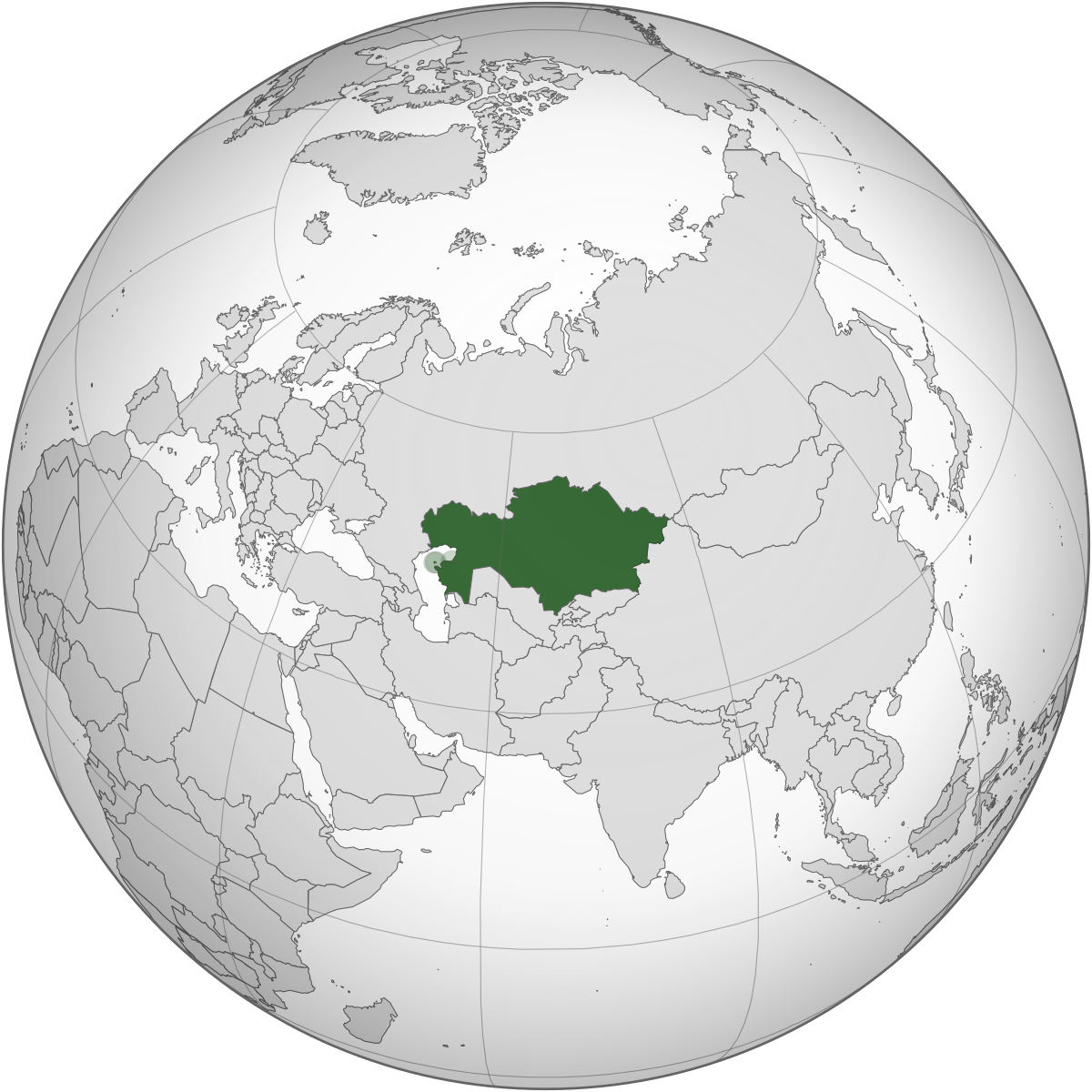
Telegram has announced plans to establish an office in Kazakhstan as part of efforts to comply with the country’s regulatory framework. The decision comes following an agreement between the Kazakh government and the messaging app to streamline content regulation and address the challenges posed by illegal and unauthorized channels. This move marks a significant step in the platform’s attempt to align itself with local laws while maintaining its global presence.

Kazakhstan, like many other nations, has been tightening control over digital platforms, pushing for increased cooperation with technology firms to regulate the spread of harmful content. Authorities in Kazakhstan have raised concerns over the use of messaging platforms like Telegram for illegal activities, including the distribution of extremist materials, drug trafficking, and unauthorized protests. In response, Telegram has agreed to assist the government in swiftly removing such content and blocking unauthorized channels that violate local laws.

As part of this effort, Telegram will establish a physical presence in the country, a development welcomed by the Kazakh government, which seeks to increase oversight of online activities within its borders. By working closely with the government, Telegram aims to ensure that it adheres to Kazakhstan’s regulatory requirements while providing a secure platform for its users.

Kazakh officials view this partnership as a critical tool for maintaining public safety and curbing the misuse of digital platforms for illegal activities. Digital transformation is a key focus for Kazakhstan, and controlling harmful content is essential to ensuring that technological advances benefit society without compromising national security. Telegram’s willingness to engage with the government is seen as a positive step towards building a safer online environment.

The Kazakh government has previously faced challenges in managing online content, particularly on platforms like Telegram that prioritize privacy and encryption. While these features are vital for safeguarding personal communications, they have also made it difficult for authorities to monitor illegal activities. By establishing a local office, Telegram is expected to enhance its response to the government’s concerns and provide a more effective mechanism for dealing with illegal content.

Telegram has a reputation for maintaining a strong commitment to user privacy and freedom of speech, which has often led to tensions with governments attempting to impose stricter regulations. However, the company has demonstrated flexibility in adapting to local laws in various countries where it operates. Its decision to open an office in Kazakhstan follows similar moves in other regions where governments have demanded more accountability from tech firms.

In Kazakhstan, the focus will likely remain on curbing extremist content and illegal activities while balancing the need for user privacy. Telegram’s encryption services have attracted millions of users worldwide, and any measures introduced in Kazakhstan will need to respect the platform’s core principles of secure communication.

The Kazakh government’s collaboration with Telegram comes amid broader efforts to modernize its digital landscape. As part of its digitalization strategy, the country has been promoting the development of online services and communication platforms, aiming to boost economic growth through technological innovation. Ensuring that these platforms operate within a clear regulatory framework is seen as crucial for the success of this strategy.

Telegram’s willingness to cooperate with Kazakhstan’s regulatory bodies is likely influenced by its desire to maintain access to the growing user base in the country. Central Asia has become an important market for tech companies, and securing compliance with local regulations is essential for maintaining long-term growth in the region. As part of this process, the Kazakh government has signaled that it will continue to engage with global tech firms, encouraging them to contribute to the country’s digital transformation while adhering to local laws.

The partnership between Telegram and the Kazakh government may also serve as a model for other nations in the region, where concerns over online safety and content regulation are rising. Governments across Central Asia have been exploring ways to manage the impact of social media and messaging platforms, which have increasingly become central to public discourse. By working with Telegram, Kazakhstan may set a precedent for regulatory cooperation that other countries could follow.

At the same time, Telegram’s decision to open an office in Kazakhstan could raise questions about how the company balances regulatory compliance with its commitment to user privacy and free expression. Critics of increased government regulation often argue that such measures could infringe on civil liberties and limit open communication. As Telegram navigates these challenges, it will need to carefully manage its relationship with the government while continuing to protect the privacy of its users.

Telegram founder Pavel Durov has long emphasized the importance of privacy and security in digital communications, and the platform’s encryption services remain a key feature. However, as the company expands its global operations, it is also facing increasing pressure to cooperate with governments to prevent misuse of the platform. Kazakhstan’s regulatory demands reflect broader global trends, where governments are seeking more control over online content while balancing the need for secure communication tools.

A wave of technological innovation is transforming how blue-collar workers are recruited, trained, and compensated. Employers are increasingly relying on digital platforms and AI-driven systems to streamline the recruitment process, ensuring greater transparency in job requirements, fairer wage practices, and opportunities for skills development. This shift is being driven by several factors, including the rise of automation, artificial intelligence (AI), and the growing gig economy.

Automation is having a profound impact on industries that traditionally employ blue-collar workers. Sectors such as manufacturing, logistics, and construction are seeing a growing reliance on robots and machine learning systems to complete tasks that were once performed manually. While this raises concerns about job displacement, it also opens up opportunities for workers to retrain and upskill to fill new roles that are emerging as a result of this technological evolution.

A significant aspect of this transition is the increased focus on transparency in hiring practices. With platforms that utilize AI to match workers with jobs based on their skills and experience, companies are able to provide clear, detailed information about job expectations, wages, and work conditions. This reduces the risk of exploitation and ensures that workers are fairly compensated for their labor. Moreover, these platforms often incorporate review systems that allow employees to rate their employers, fostering a more transparent and accountable work environment.

The tech-driven changes in the recruitment landscape are also influencing how blue-collar workers are compensated. Traditionally, wages in blue-collar industries have been subject to regional disparities and opaque practices. However, with the rise of digital platforms that track and compare wages across regions and industries, workers are better equipped to negotiate fair wages. This is particularly important as labor shortages in sectors like construction and logistics are forcing employers to compete for skilled workers.

Tech companies are now offering innovative upskilling opportunities for workers. Platforms that combine online training with practical, on-the-job experience are becoming more widespread. These platforms are helping workers acquire the skills needed to operate advanced machinery, understand AI-driven processes, or take on supervisory roles in increasingly automated workplaces. For example, companies like Generation have already helped thousands of workers transition into new roles through targeted training programs that align with market demand.

However, challenges remain. While technology is making the hiring process more efficient, it has also raised concerns about the gig economy’s impact on workers’ rights and job security. Gig platforms often classify workers as independent contractors, leaving them without access to benefits like healthcare and job protection. As the blue-collar sector continues to adopt gig-like models of work, these concerns are likely to become more pressing.

The implementation of these technologies is not uniform across regions. In countries such as the United States and parts of Europe, large companies are at the forefront of adopting AI-driven recruitment and upskilling systems. However, in other regions, especially in developing economies, the pace of technological adoption in blue-collar recruitment remains slower. This could potentially widen the gap between workers in different parts of the world, both in terms of wages and access to job opportunities.

A new report from Bitpanda indicates a growing interest in cryptocurrency investments among Italians, with nearly 9% of the population engaging in digital currencies. The trend is particularly pronounced among younger demographics, where investment rates reach 16% among Millennials and 13% among Generation Z. This increase reflects a broader shift towards digital assets as traditional investment methods face challenges in a rapidly changing economic landscape.

The Bitpanda report highlights that Italians are increasingly turning to cryptocurrencies as an alternative investment strategy, motivated by factors such as potential high returns and the appeal of decentralized finance. Younger generations, in particular, have embraced this trend, leveraging technology and social media to explore and understand digital currencies. Their familiarity with online platforms positions them uniquely to navigate the complexities of cryptocurrency markets.

The rise of virtual currencies in Italy is mirrored by broader trends across Europe, where more individuals are considering cryptocurrencies as part of their financial portfolios. Factors contributing to this trend include the impact of the COVID-19 pandemic on financial behaviors, economic uncertainty, and a desire for diversification in investment strategies. As the financial landscape evolves, cryptocurrencies are gaining traction not only as speculative assets but also as a legitimate means of wealth preservation.

Italy’s regulatory framework for cryptocurrencies remains under development, which presents both challenges and opportunities for investors. While the government is working towards establishing clearer guidelines to protect consumers and regulate the market, the current lack of comprehensive regulation allows for greater experimentation and engagement from individual investors. However, this also raises concerns about the risks associated with investing in a volatile market.

Key players in Italy’s cryptocurrency landscape include exchanges, fintech companies, and advocacy groups pushing for a more supportive regulatory environment. These organizations play a crucial role in educating potential investors and promoting best practices for safe trading. Additionally, the rise of decentralized finance (DeFi) platforms has opened new avenues for investment and has contributed to the increasing interest among Italians.

The enthusiasm for cryptocurrencies is not confined to Italy. Across Europe, many countries report similar patterns, with youth populations particularly eager to explore digital currencies. Reports suggest that this demographic sees cryptocurrencies as an innovative tool for financial empowerment, diverging from traditional banking systems and investing norms. Educational initiatives and community-building efforts are essential in fostering informed investment practices and mitigating risks associated with cryptocurrency investments.

Challenges remain, particularly concerning security and the volatility of digital currencies. Investors face the risk of scams, hacks, and rapid market fluctuations, which can lead to significant financial losses. As interest in cryptocurrencies grows, so does the need for robust educational resources and protective measures to safeguard investors. Awareness campaigns focusing on risk management and secure trading practices are vital to ensure that individuals can engage with cryptocurrency markets responsibly.

Social media plays a significant role in shaping perceptions of cryptocurrencies among young investors. Platforms such as Twitter, Reddit, and TikTok have become hotbeds for cryptocurrency discussions, where trends can rapidly shift based on influencer endorsements and viral content. This phenomenon underscores the need for critical evaluation of the information being shared online, as not all sources offer sound investment advice.

The Italian government’s approach to cryptocurrency regulation is evolving, with ongoing discussions about how to balance innovation with consumer protection. As European Union regulators work to establish a cohesive regulatory framework for digital assets, Italy will likely continue to refine its own policies to align with broader EU standards. This alignment could enhance investor confidence and promote a safer trading environment.

Investments in cryptocurrency are also reshaping financial literacy initiatives in Italy. Educational institutions and organizations are beginning to incorporate digital finance into their curricula, reflecting the need for future generations to understand and engage with the evolving financial landscape. As more individuals express interest in cryptocurrencies, there is a growing recognition that education will play a critical role in fostering informed investors.

Advertisements

The Pentagon has announced the deployment of the Terminal High Altitude Area Defense (THAAD) missile defense system to Israel, reinforcing the nation’s defense capabilities against potential missile threats, particularly from Iran. This strategic move includes sending US military personnel to operate the system and comes amid escalating tensions in the region, notably due to Iran’s ongoing missile development and regional activities.

The deployment of the THAAD system, which is designed to intercept short- to intermediate-range ballistic missiles, marks a significant step in US-Israel defense cooperation. The system will enhance Israel’s already robust missile defense architecture, which includes the Iron Dome and David’s Sling systems. US Secretary of Defense Lloyd Austin emphasized the importance of this deployment, stating that it demonstrates the United States’ unwavering commitment to Israel’s security. He reiterated that the United States will continue to work closely with its allies to address shared security challenges.

Analysts suggest that this deployment is not merely a precautionary measure; it serves as a signal to both allies and adversaries that the US stands firmly with Israel in the face of rising threats. Iran’s missile program has expanded rapidly in recent years, with officials claiming capabilities to strike targets across the Middle East. Reports indicate that Iran is developing long-range missiles capable of reaching Europe and beyond, raising alarms not only in Israel but also among European nations and the Gulf states.

The THAAD system, operational since 2008, has been deployed in several locations worldwide, including South Korea and the United Arab Emirates, highlighting its role in US military strategy. This particular deployment is part of a broader framework of military support provided by the United States to Israel, which receives approximately $3.8 billion annually in military aid, as outlined in a 10-year memorandum of understanding signed in 2016.

Tensions have intensified in the region due to a range of factors, including Iran’s nuclear program and its support for militant groups like Hezbollah and Hamas. The Biden administration’s approach to Iran, characterized by attempts to re-engage diplomatically while maintaining a stance of deterrence, reflects the complexities of regional geopolitics. In the wake of stalled negotiations over the Iran nuclear deal, the deployment of THAAD serves as a tangible measure of deterrence.

Experts also note that Israel has been strengthening its own military capabilities, including advancements in aerial defense systems and cyber warfare. The Israeli military has been conducting various exercises to prepare for potential confrontations, ensuring that its forces are ready to respond to threats on multiple fronts. The addition of THAAD will complement these efforts, particularly in countering long-range missile threats.

The timing of this deployment coincides with heightened tensions between Israel and Palestinian factions in Gaza. Following a series of rocket attacks from Gaza, the Israeli military has intensified airstrikes, prompting fears of an escalation into broader conflict. The THAAD system is expected to provide an additional layer of defense against potential retaliatory missile strikes that could emerge from such clashes.

US officials have reiterated that the deployment does not signify an intention to escalate military involvement in the region but rather aims to bolster Israel’s defensive posture. This move reflects a strategic shift toward enhancing missile defense capabilities in an era marked by technological advancements in missile systems worldwide.

As the situation unfolds, the implications of this deployment will likely resonate beyond Israel, influencing the broader dynamics of Middle Eastern security. Regional actors, including Iran, will be closely monitoring the developments, assessing the implications for their own defense strategies and military posturing.

International reactions to the THAAD deployment have been mixed. While Israeli officials have welcomed the additional security assurances, some regional nations view the move with skepticism. There are concerns that increased US military presence could exacerbate existing tensions in an already volatile region.

As the Pentagon mobilizes resources to support Israel, the focus will also shift to diplomatic efforts aimed at addressing the underlying issues driving regional instability. Engaging Iran in constructive dialogue remains a challenge, with trust deficits complicating the prospects for meaningful negotiations.

Ethena Labs has put forward a proposal to include Solana (SOL) in the collateral pool for its stablecoin, USDe. If approved, this move would position SOL alongside Bitcoin (BTC) and Ethereum (ETH) as part of Ethena’s diversified collateral strategy. The incorporation of SOL aims to enhance the stability and utility of USDe while tapping into the growing Solana ecosystem.

The proposal reflects Ethena Labs’ ongoing efforts to strengthen its product offerings and enhance the robustness of its stablecoin. Currently, USDe is backed by BTC and ETH, both of which have established themselves as reliable digital assets within the cryptocurrency market. By adding SOL, Ethena Labs hopes to leverage the asset’s increasing popularity and the broader developments in the Solana network.

Solana has garnered significant attention in recent years for its high throughput and low transaction costs. As the demand for efficient blockchain solutions grows, Solana has positioned itself as a leading contender. This is particularly relevant as various decentralized finance (DeFi) projects increasingly look for scalable solutions. Ethena Labs’ move to integrate SOL into USDe’s collateral mix could also signal a growing acceptance of diverse assets within the stablecoin market.

The proposal has sparked discussions among stakeholders within the cryptocurrency community, with many viewing it as a strategic alignment with current market trends. Several analysts believe that including SOL could help stabilize USDe by providing an additional layer of security and liquidity. Solana’s unique consensus mechanism, which allows for faster transaction speeds, could contribute positively to the stability of USDe, particularly during times of market volatility.

Industry experts point out that the successful integration of SOL will depend on regulatory compliance and market acceptance. Ethena Labs has emphasized its commitment to maintaining high standards of compliance and risk management as it navigates the complexities of including a new asset in its collateral pool. The company has also sought feedback from its community to ensure that all perspectives are considered before moving forward with the proposal.

The growing interest in Solana has not only been driven by its technological capabilities but also by its expanding ecosystem of projects and partnerships. As more developers build on Solana, its utility and value proposition are expected to increase, making it an attractive asset for collateralization. Ethena Labs’ strategic move could also encourage other stablecoin issuers to consider similar integrations, reflecting a broader trend of diversification in the stablecoin market.

Competitors in the space are also monitoring Ethena Labs’ proposal closely, as it may set a precedent for how stablecoins can adapt to the evolving cryptocurrency landscape. With the market continually shifting, the addition of diverse assets to stablecoin collateral pools could become increasingly common. This could help to further legitimize various cryptocurrencies as viable options for collateralization, enhancing their overall market presence.

The proposal for SOL’s inclusion in USDe collateral comes at a time when the stablecoin market is experiencing significant growth. With various stablecoins gaining traction among investors and users, the demand for innovative collateral strategies is paramount. By diversifying its collateral mix, Ethena Labs aims to enhance the resilience of USDe, providing greater confidence for users seeking stability in their digital assets.

Solana’s reputation as a scalable and efficient blockchain solution aligns with Ethena Labs’ objectives of improving the performance of its stablecoin. With SOL’s potential to contribute to faster transactions and lower fees, Ethena Labs is positioning itself to capture a segment of the market that values efficiency and innovation.

As discussions surrounding the proposal unfold, Ethena Labs has reaffirmed its commitment to transparency and stakeholder engagement. The company plans to conduct a thorough analysis of community feedback and regulatory implications before finalizing its decision on including SOL in USDe’s collateral framework. This approach underscores the importance of aligning business strategies with the expectations of users and regulators in the rapidly evolving cryptocurrency ecosystem.

The addition of SOL to Ethena Labs’ collateral mix would not only signify a strategic move for USDe but could also influence broader market dynamics. As stablecoins continue to gain popularity among traders and investors, the integration of diverse assets could reshape the landscape of digital currencies. Ethena Labs’ proactive approach reflects a growing recognition of the need for stablecoins to adapt to market changes while maintaining their core functions.

EDGNEX, a prominent technology and data center service provider based in the UAE, has announced an ambitious investment exceeding $1 billion to establish data centers in Thailand. This significant financial commitment marks a strategic move into the Southeast Asian market, underlining Thailand’s growing importance as a hub for digital infrastructure. The initiative is anticipated to enhance the country’s capabilities in data management, cloud computing, and overall digital […]

WordPress.org has taken steps to assert control over a plugin developed by WP Engine, following a series of disputes between the two entities. The conflict, which started with criticisms from WordPress founder Matt Mullenweg, centers on trademark infringements and accusations of profiteering by WP Engine. The decision to restrict WP Engine customers from accessing updates and plugins has left many concerned about security vulnerabilities. Both parties have engaged in cease-and-desist actions, escalating tensions that have drawn widespread attention within the WordPress community.

The friction between Automattic, the company behind WordPress, and WP Engine has been intensifying over the past months. Mullenweg’s remarks at WordCamp USA sparked a broader debate, as he labeled WP Engine a “cancer to WordPress” and criticized the company’s lack of contributions to the open-source ecosystem. He accused WP Engine of placing commercial interests ahead of community welfare, despite the company generating substantial revenues from WordPress users.

In response to Mullenweg’s comments, WP Engine issued a legal warning, demanding the retraction of statements made by Mullenweg and Automattic. This led to a standoff, with both sides trading legal threats over the use of WordPress and WooCommerce trademarks. Mullenweg defended his stance by pointing out WP Engine’s continuous violation of the WordPress Trademark Policy, which prohibits using the “WordPress” name in product or service titles.

One of the key flashpoints in this confrontation has been the alleged impact on WP Engine customers. WordPress.org temporarily blocked WP Engine users from updating or installing plugins and themes, which raised concerns about site security and performance. WP Engine acknowledged these issues, assuring customers that efforts were underway to address the problem and restore plugin functionality.

The dispute highlights broader issues about control within the WordPress ecosystem. While WordPress prides itself on being open-source and community-driven, Mullenweg’s actions against WP Engine are being viewed by some as a move toward greater centralization. His criticism of WP Engine’s proprietary systems, which control various aspects of the WordPress experience for their customers, points to a deeper concern about third-party entities monopolizing certain elements of the open-source platform.

A cryptocurrency whale has reportedly lost $55 million to a phishing scam, underscoring the ongoing vulnerabilities in the decentralized finance (DeFi) space. The incident, which took place in August, involved the unsuspecting crypto holder signing an unverified transaction that transferred ownership of their funds to a malicious address. The attackers quickly moved the assets, exchanging stablecoins for Ether, in a well-coordinated cyber theft.

Blockchain security firms have highlighted the increasing sophistication of phishing tactics targeting digital asset holders. These attacks, often disguised as legitimate transaction prompts, trick victims into surrendering control of their crypto wallets. This case is a stark reminder for users to remain vigilant, double-check transaction requests, and refrain from signing unknown contracts.

French farmers have reignited their protests, expressing deep frustration over the government’s unfulfilled promises from earlier in the year. Organized mainly by agricultural unions and regional leaders, this wave of protests stems from unresolved issues regarding rising fuel costs, regulatory burdens, and crop damages due to extreme weather events. Despite earlier pledges from Prime Minister Vital to address these concerns, demonstrators claim that little has improved. They continue to demand better support, including diesel tax relief, water reservoir construction, and compensation for climate-induced losses.

The protests, involving road blockages and the dumping of manure in public spaces, echo the intensity of the January demonstrations that saw highways obstructed and large rallies across France. Farmers argue that government concessions made earlier, such as pausing planned tax increases, were insufficient to address the structural issues they face. The failure to deliver concrete solutions has reignited tensions, with farmers stating that their livelihoods are increasingly precarious amid fluctuating commodity prices and soaring input costs.

A significant grievance involves the continued lack of financial compensation for crops damaged by epizootic hemorrhagic disease, which has affected cattle in southern regions. Farmers from Occitania, where this disease has hit hardest, have taken a prominent role in leading the protests, demanding more substantial compensation packages and faster government action. They argue that their efforts to engage with policymakers have been ignored, leaving them with no choice but to return to public demonstrations.

The government’s attempts to de-escalate the situation have so far failed. Agriculture Minister Jean-Paul Durand had urged farmers to be patient, noting that some reforms were in progress, including subsidies for water reservoirs and the reintroduction of emergency funds. However, these assurances have been dismissed by protesters as insufficient and too slow to materialize. As a result, many farmers feel abandoned, leading to escalating tensions as more agricultural workers join the demonstrations.

This resurgence of protests follows broader trends across Europe, where farmers have increasingly taken to the streets over grievances ranging from environmental regulations to market instability. French farmers, in particular, feel squeezed by both domestic policies and European Union directives, which they claim impose unrealistic expectations on agricultural practices while failing to address their economic vulnerabilities. There is mounting pressure on the French government to balance these competing demands while maintaining its commitments to climate action and environmental sustainability.

The movement’s resurgence has also sparked concerns about public disruptions. Authorities have heightened security measures in anticipation of further road blockades and intensified protests. The farmers, however, show no signs of backing down, signaling that the movement may continue until their demands are met. The ongoing struggle highlights the deep discontent within the agricultural sector, which has been exacerbated by what many see as the government’s slow response to their plight.

Although Prime Minister Vital had initially brokered temporary concessions earlier this year, these measures have done little to address the underlying frustrations. Farmers are now calling for longer-term structural reforms that would reduce their vulnerability to both economic fluctuations and environmental impacts. They emphasize that without a comprehensive solution, their protests will continue, potentially disrupting transportation and food supply chains across the country.

As the protests evolve, French officials are facing a critical challenge: how to balance the urgent demands of farmers with broader policy objectives, particularly in relation to environmental goals. The growing tension underscores the difficulty of finding solutions that can satisfy the farming community while also adhering to the government’s climate commitments. This delicate balance remains at the heart of the current standoff.

IIT Madras has inaugurated the Centre for Cybersecurity, Trust, and Reliability (CyStar), marking a significant step towards advancing India’s cybersecurity capabilities. The newly established CyStar is expected to play a pivotal role in fortifying the nation’s cyber defenses amid growing threats across various industries, including finance, healthcare, and critical infrastructure. The Center’s focus is both broad and ambitious, covering sectors from artificial intelligence to post-quantum cryptography, while aiming to create an ecosystem of innovation and collaboration.

Speaking at the launch, IIT Madras Director Prof. V. Kamakoti emphasized the increasing prevalence of cyberattacks, which are not limited to financial motives but often target key infrastructure sectors. To counter this evolving threat landscape, CyStar will focus on developing proactive defense mechanisms to safeguard the country’s digital assets. The initiative is part of the institution’s broader strategy to contribute to the global cybersecurity ecosystem, incorporating interdisciplinary research and technological advancement to meet today’s complex security demands.

CyStar has been structured with a vision to drive innovation through fundamental and applied research, fostering collaboration between academia, industry, and government. The Center will partner with prominent organizations, including the Ministry of Electronics and Information Technology, the Ministry of Education, Kaspersky, IDBI Bank, LG India, and numerous other local and international players. These partnerships aim to tackle a range of cybersecurity issues, from data privacy to the protection of critical infrastructure.

At the heart of CyStar’s mission is the desire to address cybersecurity challenges in India’s diverse social and business environments. The Center’s multi-disciplinary team will focus on developing cutting-edge solutions, including security frameworks for artificial intelligence, blockchain technology, and quantum computing. The ultimate goal is to secure vital sectors of the economy, especially those that rely heavily on digital infrastructure.

CyStar’s key coordinators, including Prof. Shweta Agrawal and Prof. Chester Rebeiro, outlined the Center’s approach, which spans fundamental research to practical applications. Agrawal stressed the importance of a collaborative environment that brings together experts from varied fields to tackle the complex problem of cybersecurity. Rebeiro added that the Center’s outreach programs and industry-academia relationships would help foster innovation and secure India’s critical industries.

By integrating cybersecurity advancements into real-world applications, the Center also aims to contribute to startup ecosystems, helping to cultivate new companies that focus on cybersecurity solutions. This aligns with India’s broader ambition to become a global leader in technology-driven innovation. Furthermore, the center will explore advanced cybersecurity applications in sectors such as healthcare, electronics, and automotive, industries that are highly dependent on secure and reliable digital systems.

In the keynote address, internationally renowned cybersecurity experts, including Prof. Shafi Goldwasser of MIT and Prof. Christian Scheideler of Paderborn University, emphasized the importance of innovative research to counter emerging cyber threats. They noted that as technology evolves, particularly in areas such as AI and quantum computing, cyber threats will become more sophisticated, requiring a comprehensive and forward-thinking approach. CyStar’s work, they suggested, is poised to meet these challenges head-on by developing next-generation solutions for AI security, quantum encryption, and IoT security.

OKX, one of the leading global cryptocurrency exchanges, has officially launched its services in Dubai, marking a significant development in the emirate’s burgeoning digital asset market. The exchange’s entry into this region is seen as a strategic move to enhance its presence in the Middle East and cater to the growing demand for cryptocurrency trading. This initiative aligns with Dubai’s ambitions to become a global hub for fintech and blockchain technologies.

The newly launched exchange offers a comprehensive suite of services, including spot and derivatives trading, which allows users to trade a variety of cryptocurrencies, including Bitcoin, Ethereum, and a wide range of altcoins. As part of its commitment to user security and regulatory compliance, OKX has implemented robust security measures and enhanced verification processes tailored to meet local regulatory requirements. This move is expected to bolster user confidence and attract a broader user base in the region.

Dubai has emerged as a favorable environment for cryptocurrency enterprises due to its progressive regulatory framework and government support for blockchain innovation. The Dubai Multi Commodities Centre (DMCC), which has developed a dedicated Crypto Centre, has been instrumental in creating an ecosystem conducive to crypto businesses. With the establishment of its exchange, OKX aims to capitalize on this supportive infrastructure and the increasing interest in digital assets among retail and institutional investors.

Industry analysts view the entrance of OKX into Dubai as a game-changer in the local cryptocurrency landscape. The exchange’s global reputation and extensive experience in the digital asset space position it well to compete with other established platforms. According to recent reports, the demand for cryptocurrency trading in the Middle East has surged, driven by a youthful population eager to explore investment opportunities in digital currencies. OKX’s offerings are expected to cater to this demographic while also attracting seasoned traders looking for a reliable and feature-rich trading platform.

OKX is committed to educational initiatives aimed at fostering a better understanding of cryptocurrencies and blockchain technology among potential users. The exchange plans to launch various educational programs, webinars, and workshops designed to equip users with the knowledge and skills necessary for safe and effective trading. This focus on education is part of a broader strategy to demystify cryptocurrencies and encourage responsible investment practices.

In addition to its trading services, OKX aims to offer a suite of advanced trading tools and features, such as algorithmic trading, margin trading, and staking options. These tools are designed to enhance the trading experience and provide users with various ways to maximize their investments. As the cryptocurrency market evolves, the introduction of such features will likely attract a diverse range of traders, from novices to experienced investors.

Competition in the UAE’s cryptocurrency market is heating up, with several exchanges vying for market share. Binance, FTX, and BitOasis are among the other prominent players that have established a presence in the region. Each platform offers unique features and services, creating a dynamic landscape for cryptocurrency trading. The entry of OKX is expected to intensify this competition, leading to better services and lower fees for users, which will ultimately benefit the growing number of investors in the region.

As digital currencies gain acceptance and regulatory frameworks evolve, the potential for further growth in the Middle East’s cryptocurrency market is immense. The UAE government has been proactive in establishing a regulatory framework that encourages innovation while ensuring investor protection. The recent introduction of the Financial Services Regulatory Authority (FSRA) regulations reflects this approach, providing clarity and guidelines for cryptocurrency operators. OKX’s adherence to these regulations signals its commitment to compliance and operational integrity.

Looking ahead, the future of cryptocurrency trading in Dubai appears promising. With the launch of its exchange, OKX aims to not only facilitate trading but also contribute to the broader fintech ecosystem in the region. The exchange is exploring partnerships with local businesses and financial institutions to enhance its service offerings and foster a collaborative environment for crypto innovation.

The exchange is leveraging Dubai’s strategic location as a gateway to other markets in the Gulf Cooperation Council (GCC) and beyond. By positioning itself in Dubai, OKX is strategically placed to attract users from neighboring countries, tapping into a larger pool of potential customers eager to explore the benefits of cryptocurrency trading.

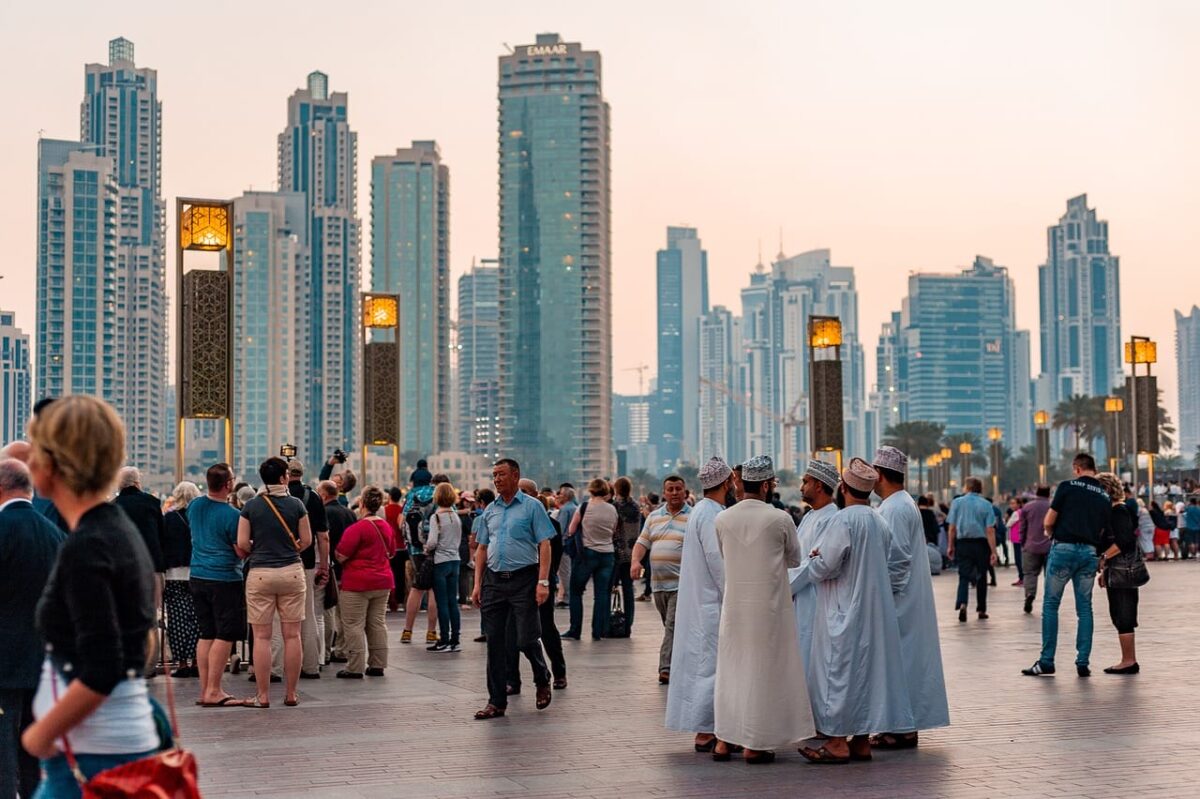
Growing interest in Dubai as a premier destination for high-net-worth individuals is intensifying discussions about the potential implementation of departure taxes on those leaving high-tax jurisdictions. This trend is primarily driven by a surge of wealthy expatriates relocating to Dubai to benefit from its tax-friendly environment, which boasts zero personal income tax, minimal corporate tax, and a lifestyle that attracts affluent individuals and families seeking an appealing alternative to more heavily taxed countries.

The UAE has established itself as a hub for international business and luxury living, drawing in millionaires from around the globe, particularly from Europe and North America. Factors contributing to this migration include favorable tax policies, a robust economy, and an attractive quality of life characterized by luxury amenities, safety, and a multicultural environment. The influx of wealth has raised concerns among governments in higher-tax regions, leading to discussions on implementing exit taxes for those leaving their jurisdictions for more favorable tax climates.

High-profile figures and successful entrepreneurs are among those choosing to relocate to Dubai. The UAE government has made concerted efforts to attract global talent, introducing initiatives such as the Golden Visa program, which grants long-term residency to investors, entrepreneurs, and skilled professionals. This program has proven particularly enticing for individuals seeking stability and security, as it allows them to reside in a tax-efficient environment while retaining their wealth.

Reports indicate that countries like the United Kingdom and France are contemplating implementing exit taxes to mitigate the loss of revenue associated with wealthy individuals relocating abroad. The UK, in particular, is facing increasing pressure to address its fiscal policies in light of the exodus of high-income earners. Notable figures in finance, entertainment, and technology have made headlines for their decision to move to Dubai, sparking discussions among policymakers about potential strategies to retain their tax base.

The implications of departure taxes could be significant. Governments may argue that such levies are necessary to safeguard public finances, ensuring that wealthy individuals contribute fairly to the welfare of their home countries. However, critics contend that these measures may inadvertently drive further migration, leading to a brain drain and exacerbating the very issues they aim to address.

Emerging trends in global taxation are also influencing this landscape. With the rise of digital nomadism and remote work, affluent individuals are increasingly seeking jurisdictions that provide a favorable tax regime and quality of life. Countries like Portugal and Malta have already implemented schemes targeting digital nomads, while Dubai continues to enhance its appeal through initiatives aimed at attracting tech-savvy professionals.

As the debate over departure taxes intensifies, Dubai’s allure as a tax haven will likely continue to grow. The city’s reputation as a destination for the wealthy is reinforced by its thriving economy, which has shown resilience in the face of global challenges, including the COVID-19 pandemic. The UAE’s diversified economy, characterized by sectors such as tourism, real estate, and technology, positions it as a robust alternative for high-net-worth individuals looking for new opportunities.

Experts suggest that as more millionaires flock to Dubai, local authorities may need to adapt their strategies to accommodate the influx while maintaining the city’s appeal as a desirable place to live and work. This could involve creating an environment that balances the needs of the wealthy with the broader interests of society, ensuring that the benefits of this migration extend beyond the elite.

The notion of departure taxes has sparked a broader conversation about wealth distribution and social equity. Policymakers are grappling with how to address the growing disparity between wealthy individuals who can relocate to tax-friendly jurisdictions and those who remain in high-tax areas. The challenge lies in creating a tax system that is both fair and conducive to economic growth, without alienating the very individuals it aims to tax.

As Dubai cements its status as a global magnet for wealth, the city is expected to play a pivotal role in shaping the future of international taxation. The dynamics of wealth migration are complex and multifaceted, driven by a confluence of factors ranging from fiscal policies to lifestyle preferences. The growing trend of millionaires relocating to Dubai is a testament to the city’s ability to adapt and thrive in an increasingly competitive global landscape.

Local businesses are reaping the rewards of this influx, with the luxury goods and services sectors experiencing significant growth. High-end real estate markets are booming, fueled by demand from affluent expatriates looking to invest in properties that reflect their newfound status. The impact on the local economy is palpable, as increased consumer spending by wealthy individuals bolsters various sectors, from hospitality to retail.

A new study by Accenture highlights that companies embracing artificial intelligence (AI) and automation are experiencing notable performance advantages over their peers. The research indicates that 74% of firms reported their investments in automation and generative AI achieving or exceeding their expectations, with 63% planning to enhance these capabilities further by 2026. This comprehensive survey included insights from approximately 2,000 executives across various sectors. The findings underscore […]

Bitname has introduced a groundbreaking naming service aimed at enhancing user experience within the Bitcoin ecosystem. This new system offers a solution to the complexities associated with Bitcoin addresses, making it easier for users to engage in transactions. Navigating Bitcoin transactions can be cumbersome due to the lengthy alphanumeric strings that serve as addresses. These complex addresses pose a barrier to entry, particularly for newcomers to the […]

Collaborative efforts between Veolia Energia Poznan and hosting provider Beyond.pl have launched a groundbreaking project aimed at recycling waste heat generated from data centers in Poznan, Poland. This partnership, marked by a signed letter of intent, seeks to channel thermal energy produced by Beyond.pl’s facilities into the city’s district heating network, effectively providing low-emission heating for local residents.

The initiative focuses on recovering heat from servers in Beyond.pl’s data centers, especially those powered by high-performance, AI-driven computing systems. It will incorporate advanced waste heat recovery technology utilizing industrial-grade heat pumps alongside high-density servers, facilitating the distribution of thermal energy suitable for integration into the district heating system. This innovative setup is projected to deliver thermal energy with a capacity of around 30 megawatts, primarily serving the southeastern area of Poznan.

Significantly, this project aims to reduce the city’s carbon footprint, with estimates indicating a potential decrease of approximately 52,500 tons of CO2 emissions annually and a reduction in water usage by around 76,500 cubic meters. By replacing fossil fuel sources with this waste heat, the initiative enhances energy security and sustainability for Poznan and its surroundings.

Luiz Hanania, CEO of Veolia Group in Poland, highlighted the alignment of this project with their GreenUp strategy, designed to promote decarbonization and improve quality of life through sustainable solutions. This approach underscores the company’s commitment to utilizing waste heat as a renewable energy resource, which contributes significantly to increasing the low-emission heating options in Poznan’s energy mix.

Beyond.pl, recognized as a leader in sustainable practices within the data center industry, has established its reputation by operating its facilities entirely on renewable energy. The data center located at Poznan’s campus, operational since 2016, has already been recycling waste heat for its office and logistics spaces, making this city-wide initiative a natural progression of its existing sustainability efforts.

Attackathons are innovative competitions designed to bolster cybersecurity by encouraging ethical hackers to identify vulnerabilities in software projects. These events facilitate a collaborative environment where whitehat hackers can showcase their skills and earn rewards while enhancing the overall security of digital platforms. Organized primarily by Immunefi in partnership with various blockchain projects, Attackathons typically unfold in three distinct phases: pre-event preparation, the main hacking event, and post-event […]

A video featuring what seems to be a preview model of the forthcoming MacBook Pro M4 has sparked significant attention online, leading to warnings of a potential security threat. The leak, which originated from a Russian YouTuber, has reportedly led to a surge in fraudulent activities as scammers seek to exploit the excitement surrounding Apple’s latest release. Kaspersky, a cybersecurity firm with Russian origins, has indicated that […]

Dow Jones futures dipped early Friday, mirroring a slight pullback in the S&P 500 and Nasdaq futures following a mixed market response to key economic indicators. While the latest inflation data from the Consumer Price Index (CPI) hinted at potential adjustments in Federal Reserve interest rate policies, major tech players like Nvidia continued to demonstrate resilience in the face of market fluctuations. Notably, Tesla’s ambitious unveiling at its robotaxi event, led by CEO Elon Musk, did not meet the heightened anticipations of investors.

During the Thursday evening event, Musk presented two new models: the two-seat Cybercab and a larger Robovan. Both vehicles are designed to capitalize on Tesla’s foray into autonomous ride-hailing services, but the absence of detailed production timelines left many analysts and enthusiasts underwhelmed. Musk reiterated his vision for fully autonomous driving capabilities by next year in select states, including California and Texas. However, his previous predictions regarding self-driving timelines have often fallen short, leading to skepticism among stakeholders.

Tesla’s stock fell approximately 6% in premarket trading following the event, indicating investor disappointment. The company’s plans for an affordable electric vehicle (EV), expected to enter production by mid-2025, were notably absent from the showcase, further contributing to concerns about Tesla’s capacity to maintain market momentum. In contrast, ride-hailing rivals like Uber Technologies experienced a surge in their stock prices, capitalizing on Tesla’s perceived setbacks.

In the banking sector, JPMorgan Chase kickstarted the earnings season with a strong performance, buoyed by increased net interest income. The financial giant’s earnings report surpassed expectations, reflecting a robust investment banking landscape. JPMorgan added $1 billion to its net reserves for credit losses, suggesting a proactive approach to potential economic headwinds. The stock’s positive trajectory came even as concerns about broader market conditions lingered.

Amidst these developments, the stock market as a whole exhibited modest fluctuations, with the Dow Jones Industrial Average dipping 0.1%, and the S&P 500 and Nasdaq slightly lower. Investors are closely monitoring inflation indicators and Federal Reserve signals, particularly after Atlanta Fed President Raphael Bostic suggested a possible “pause” on interest rate cuts, which could impact market dynamics moving forward.

Crude oil prices also played a significant role in the market landscape, experiencing a decline of 1% amid mixed trading sentiments. This adjustment in oil futures reflects the ongoing volatility in energy markets, influenced by geopolitical developments and shifts in consumer demand.

The CPI report indicated hotter inflation than expected, igniting discussions about the potential for the Fed to maintain current interest rates in the near term. Market analysts are evaluating the implications of these economic signals, particularly as they relate to investment strategies and asset allocation.

On the technology front, Nvidia has reaffirmed its status as a market leader, with stocks rising 1.6% amid strong demand for its AI chips. Analysts noted that Nvidia’s production of next-generation Blackwell AI processors is in full swing, with sales reportedly sold out for the next year. This surge underscores the growing reliance on AI technologies across various sectors, positioning Nvidia favorably against competitors.

Advanced Micro Devices (AMD), on the other hand, unveiled its upcoming Blackwell rival at a recent event, but the stock faced a setback, dropping 4% amidst competitive pressures from Nvidia. AMD’s CEO expressed optimism regarding the future of AI accelerators, projecting a market worth $500 billion by 2028. However, immediate investor sentiment appears to favor Nvidia, which has firmly established itself in the AI landscape.

The mixed performance of small-cap stocks also drew attention, with the Russell 2000 index declining 0.55% as investors weigh growth prospects against economic uncertainties. Stocks in the AI and cybersecurity sectors, such as Palo Alto Networks and Fortinet, demonstrated positive movements, reflecting ongoing interest in technology-driven solutions.

Market analysts are advising caution amid the current environment, encouraging investors to stay engaged with their portfolios and to capitalize on incremental buying opportunities. Ongoing evaluations of leading stocks and sectors will be crucial for navigating the complexities of this financial landscape, particularly as inflationary pressures persist.


The UAE Cabinet, led by His Highness Sheikh Mohammed bin Rashid Al Maktoum, has approved a forward-looking stance on artificial intelligence (AI) policy, positioning the nation as a central player in shaping global AI governance. This decision is part of the country’s broader strategy to navigate the challenges and opportunities presented by AI on the international stage. The AI policy, developed collaboratively by the Ministry of State […]

Saudi Aramco has officially awarded the principal contract for the engineering, procurement, and construction (EPC) of the third expansion phase of its Jafurah unconventional gas development project. This strategic move marks a significant step towards enhancing the Kingdom’s gas production capabilities and aligning with Saudi Arabia’s long-term energy strategy. The project is expected to bolster the nation’s energy security and support economic diversification efforts.

The Jafurah gas field, located in the eastern province of Saudi Arabia, is recognized as the largest unconventional gas field in the Kingdom. The field is part of a broader plan to increase domestic natural gas production to meet growing demand and reduce dependence on oil. Saudi Arabia aims to produce 2.2 billion standard cubic feet per day (Bscfd) of gas by 2030, significantly contributing to the country’s energy mix.

This latest expansion phase is set to add substantial new production capacity, which will play a crucial role in powering various industries, supporting power generation, and fueling the domestic petrochemical sector. The contract award follows an extensive evaluation of bids from several international contractors, reflecting Aramco’s commitment to fostering collaboration with leading global firms to enhance project execution efficiency.

The engineering and procurement components of the project will be critical in ensuring that the necessary infrastructure is developed to support the anticipated gas output. Industry analysts note that the selected contractor will need to navigate complex logistical challenges inherent in operating within such a vast and demanding environment, given the scale and scope of the Jafurah project.

As part of Saudi Arabia’s Vision 2030, the Jafurah gas development is a pivotal element in diversifying the economy and moving towards a more sustainable energy future. The initiative aims to reduce carbon emissions by utilizing natural gas as a cleaner alternative to oil for energy generation. Additionally, it supports the government’s efforts to develop the downstream sector, with increased availability of natural gas for petrochemical production.

The awarding of the contract is also a reflection of the resilience and adaptability of the Saudi oil and gas sector amid fluctuating global energy prices and evolving market dynamics. Industry stakeholders emphasize the importance of executing such large-scale projects efficiently, particularly in a landscape characterized by increasing demand for cleaner energy solutions.

Saudi Aramco’s commitment to investing in infrastructure and technology to optimize gas production is evident through its investment in advanced technologies. These technologies aim to enhance recovery rates and operational efficiency, ultimately leading to lower production costs and improved profitability for the project. Furthermore, the Jafurah gas development aligns with global trends toward gas as a transitional fuel, positioning Saudi Arabia as a vital player in the international energy market.

The project has garnered attention not only for its potential economic impact but also for its contributions to job creation and skill development within the Kingdom. Local employment opportunities will arise throughout the project’s lifecycle, fostering talent development in engineering, construction, and project management. This aligns with the Kingdom’s broader goals of enhancing local workforce capabilities and reducing reliance on expatriate labor.

The Jafurah gas project is anticipated to generate significant revenues for the Saudi government, supporting public spending and investment in infrastructure projects. As global energy demands evolve, the Kingdom’s efforts to maximize its natural gas resources are poised to play a pivotal role in meeting both domestic and international energy needs. Analysts predict that the development will also enhance Saudi Arabia’s bargaining position in global energy markets, particularly in the context of OPEC+ agreements and fluctuating oil prices.

With the Jafurah gas field set to enter a new phase of development, the importance of maintaining regulatory compliance and environmental standards cannot be overstated. Saudi Aramco has emphasized its commitment to sustainability and environmental stewardship throughout the project. Continuous monitoring and assessment of environmental impacts will be essential to mitigate any adverse effects associated with gas production.

This milestone in the Jafurah project represents a significant advancement in Saudi Arabia’s energy agenda, reflecting its aspirations to transition towards a more sustainable and diversified energy landscape. As global markets increasingly prioritize cleaner energy solutions, the Jafurah gas development is well-positioned to meet emerging demands while enhancing the Kingdom’s energy security.

VISHNU RAJA
RYO YAMADA
HITORI GOTOH
IKUYO KITA
Just in:
Vance attributes Republican midterm defeats to Iran conflict // xCube Access Welcomes Entrust Capital Limited  Expanding Access to Professional Portfolio Management // CR Longdation Aethereal Cybersecurity × Global Cybersecurity Alliance (GCSA) Join Hands to Establish the “AI and Cybersecurity Research Centre” // Utilities pursue ₹1,992 cr in unpaid bills // After Reaching 7 Million Users in the Philippines, Skyro Launches Transparent Cash Loans in Malaysia // Cloudflare unveils Zero Wire vulnerability intelligence service // Dubai boat show confirms international shipyard line-up for November // Middle East governments assess Iran war after US vote // OpenAI identifies 948 Linux privilege escalation flaws using AI // APT29-linked campaign exploits outdated Apple and Android software // U.S. Mid Term Result Is A Clear Verdict Against Trump’s Authoritarianism // Oil and chip shares retreat after Democratic victories // Emirates Group records AED 4.1 billion half-year profit // As AI Reshapes Education, Singapore Convenes Global Dialogue on the Future of Early Childhood Education // UK air traffic outage inflicted £33m financial losses // Democrats capture Senate majority with seven Republican seats // AI trust gap reveals distinct retail priorities: Divergent paths to consumer growth in Hong Kong and the GBA // Ta’ziz finalises $1.39bn funding for Ruwais industrial facilities // SC to examine students’ exam plea today // Asia Left Behind: Ten international companies have yet to report delivering on their cage-free egg pledges across the region //