Just in:
Emaar approves Development buyout ahead of planned delisting // Millions Of Indians May Soon Be Deprived Of Government Assistance // Emirates Group records AED 4.1 billion half-year profit // Oil and chip shares retreat after Democratic victories // Meraas showcases five residential zones at Dubai Design Week // e-Crime Bureau Signs Cybersecurity Partnership With Smart Africa, Reinforcing Its Global Expansion // Technology shares plunge as Nasdaq enters correction // UK air traffic outage inflicted £33m financial losses // Motorola introduces Signature 27 flagship priced at $1,599 // CR Longdation Aethereal Cybersecurity × Global Cybersecurity Alliance (GCSA) Join Hands to Establish the “AI and Cybersecurity Research Centre” // Asia Left Behind: Ten international companies have yet to report delivering on their cage-free egg pledges across the region // Ningbo Consensus on Collaborative Development released at 2026 Global Mayors Dialogue · Ningbo // Xi Jinping Preparing For A Trilateral Summit With Trump And Putin At APEC Summit On Nov 18-19 // Miss Universe Hong Kong Jen Zhou Departs for Puerto Rico to Compete in the 75th Miss Universe World Final // APT29-linked campaign exploits outdated Apple and Android software // TVM –Mangaluru Vande Bharat claims top spot // The “1st Greater Bay Area Health and Longevity Summit & Awards Ceremony” concludes successfully in Macao // OpenAI abandons secrecy agreements for future data centres // Geely’s i-HEV Intelligent Hybrid Technology Offers a New Direction for Gasoline-Powered Vehicles // Private varsities bill all set to face the axe //

News related to
security

A prominent shopping center in Bahrain has joined forces with Yellow Door Energy to launch a 4.7 MWp solar power plant, marking a significant step in the kingdom’s efforts to achieve net-zero carbon emissions by 2060. The new solar plant, which will supply clean energy to the mall, highlights Bahrain’s growing commitment to sustainable energy practices and its pursuit of a greener future. This collaboration is part […]

Upbit, South Korea’s largest cryptocurrency exchange, witnessed a significant surge in its trading activity over the weekend, reaching a trading volume of $14 billion on both Saturday and Sunday. This level of activity equaled the entire trading volume of the country’s stock market during the same period, marking a pivotal moment for the digital asset exchange.

The surge in trading on Upbit highlights the growing demand for cryptocurrency trading in South Korea, a nation that has become one of the most active markets for digital currencies. The figures underscore the increasing role of cryptocurrency exchanges in global financial markets and the rapid integration of digital assets into mainstream financial systems.

Upbit’s performance is indicative of a broader trend in the cryptocurrency industry. As more institutional investors and individual traders turn to digital currencies, the trading volumes of leading exchanges like Upbit have soared. On any given day, Upbit processes billions in trades, and its weekend performance stands as a testament to the exchange’s dominance in the Korean crypto space.

The exchange’s success is driven by a variety of factors, including a robust user base, the increasing adoption of digital currencies, and South Korea’s generally favorable regulatory environment for crypto trading. Despite some regulatory hurdles, the country remains one of the most crypto-friendly nations globally, with clear guidelines for cryptocurrency exchanges and market participants. This environment has fostered the growth of exchanges like Upbit, which have capitalized on the rising demand for crypto trading.

Over the last few years, Upbit has expanded its offerings, including trading services for a wide variety of cryptocurrencies, from established coins like Bitcoin and Ethereum to lesser-known altcoins. This extensive selection has attracted a broad range of users, from novice traders to seasoned investors, all eager to capitalize on the growing interest in digital assets.

In addition to its diverse range of cryptocurrencies, Upbit has invested heavily in user experience and security. The platform has implemented a range of measures to protect users’ funds, including robust encryption, two-factor authentication, and a dedicated security team that monitors transactions in real-time. These efforts have helped Upbit maintain its reputation as one of the safest and most reliable exchanges in the region.

While Upbit’s success is undeniable, it is also part of a larger global trend that sees cryptocurrencies increasingly viewed as a store of value, an investment vehicle, and even a hedge against inflation. The volatility of the digital asset market has drawn significant attention from both retail and institutional investors, many of whom see crypto assets as a way to diversify their portfolios.

The increased trading volume on Upbit also reflects a broader shift in the financial markets. With global economic uncertainty and concerns about inflation, many investors have turned to alternative assets like cryptocurrencies as a way to safeguard their wealth. The rapid rise in demand for digital currencies in markets like South Korea has encouraged exchanges to innovate and adapt to a rapidly changing landscape.

Upbit’s performance is also a response to the intensifying competition in the global cryptocurrency exchange market. While the exchange is the largest in South Korea, it faces stiff competition from global players like Binance, Coinbase, and Kraken. These exchanges are also vying for market share in Asia, and their presence has raised the stakes for Upbit.

As cryptocurrency trading continues to grow, exchanges like Upbit are expected to face greater scrutiny from regulators around the world. South Korea, while known for its crypto-friendly approach, has been tightening its regulatory stance in recent months. Authorities have imposed stricter measures on crypto exchanges to curb illegal activities, such as money laundering and market manipulation. These developments have spurred concerns among exchanges about potential regulations that could impact their operations.

Despite these challenges, Upbit continues to perform well, maintaining its position as South Korea’s leading exchange. The platform’s ability to withstand regulatory pressures and continue to grow its user base speaks to its resilience and adaptability in a dynamic market.

Akamai Technologies has successfully secured a significant portion of Edgio’s intellectual property in a strategic acquisition that includes critical patents and contracts. This move follows Edgio’s Chapter 11 bankruptcy filing, marking a pivotal moment in Akamai’s continued expansion in the content delivery network (CDN) and cloud security sectors. As the tech industry evolves, the deal underscores Akamai’s intent to enhance its service offerings and broaden its competitive […]

Saudi Arabia is set to host a groundbreaking United Nations forum focused on combatting desertification, marking a significant step in the global fight against land degradation. This event, which will be held under the Kingdom’s presidency of the UN Convention to Combat Desertification (UNCCD) COP16, will introduce a dedicated Green Zone for the first time. The Green Zone will provide a platform for dialogue, innovation, and the […]

Arabian Post Staff -Dubai Gautam Adani’s legal struggles could have far-reaching consequences, not only for his sprawling business empire but also for the broader geopolitical landscape, particularly US-India relations. As one of the wealthiest and most influential figures in India, Adani’s companies hold substantial stakes in sectors such as energy, infrastructure, and defense. His legal battles, currently under intense scrutiny, have the potential to alter perceptions of […]

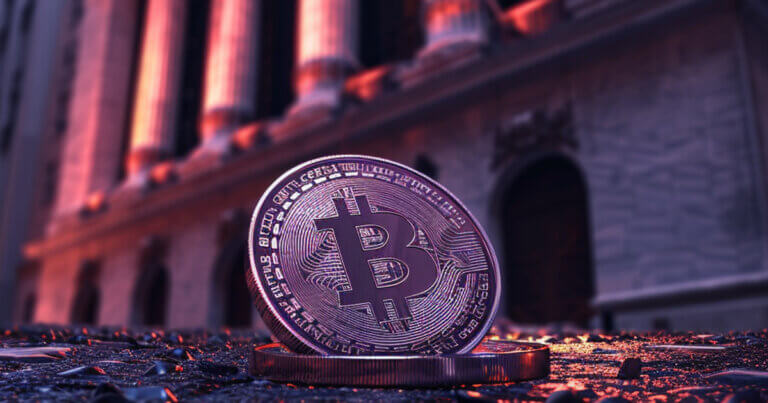
Bitcoin’s price experienced a sharp dip over the weekend, falling from $98,500 to $95,500 by Sunday, leading to significant volatility across the cryptocurrency market. This decline triggered a wave of liquidations, totaling over $500 million, as futures positions, particularly those linked to smaller altcoins and midcap cryptocurrencies, were abruptly closed out.

The pullback, although noticeable, did not shake long-term investor sentiment, as many market analysts continue to hold a positive outlook for Bitcoin’s future price trajectory. Despite the drop, experts maintain their expectation that Bitcoin could reach $100,000 in the near future, supported by ongoing institutional interest, potential regulatory clarity, and upcoming developments within the blockchain ecosystem.

XRP and Dogecoin were among the hardest hit during the weekend’s turbulence. XRP, facing legal challenges in the U.S., saw a significant decrease in value, which compounded with broader market losses. Dogecoin, popular for its meme-driven momentum, also took a substantial hit, as speculative trading took a backseat to more fundamental concerns over the broader crypto market outlook.

The spike in liquidations was primarily driven by leveraged positions within futures markets. Traders who had bet on price increases found themselves caught in a cascade of automatic sell-offs as Bitcoin’s decline spooked the market. Smaller altcoins, which often experience more volatile price movements than Bitcoin, were particularly susceptible to this market-wide pullback, leading to larger-than-usual liquidation events.

Bitcoin’s price, despite the weekend’s decline, is still far from the sharp corrections seen in past market cycles. The overall market sentiment remains cautiously optimistic, with many investors looking toward the potential for future catalysts to propel Bitcoin higher. Key factors driving this optimism include expectations of increased institutional adoption, blockchain infrastructure upgrades, and regulatory clarity in major markets.

The general consensus within the industry is that Bitcoin’s price movements, while volatile, do not indicate a fundamental shift in investor confidence. Many analysts argue that the pullback could actually provide an opportunity for new investors to enter the market at lower levels, positioning themselves for a potential rally once the market stabilizes. The price drop is viewed by some as a healthy correction after months of strong upward momentum, allowing the market to recalibrate before any further upward movement.

For smaller altcoins, however, the weekend liquidation event served as a stark reminder of the risks associated with highly leveraged positions in more speculative assets. As Bitcoin’s price corrected, altcoins like Solana, Cardano, and Polkadot also experienced sharp losses, though none to the extent of the leading cryptocurrencies. The widespread impact on midcap altcoins further highlights the fragility of these markets, particularly when liquidity dries up and risk aversion sets in.

Despite the market-wide pullback, Bitcoin’s fundamentals remain strong, with the cryptocurrency continuing to be viewed as a hedge against inflation and a potential store of value in the long term. Institutional interest has steadily increased, with major financial players like BlackRock and Fidelity continuing to push for Bitcoin ETFs and other financial products linked to the digital asset. This institutional push has not only brought new capital into the market but also legitimized Bitcoin in the eyes of traditional investors.

In addition to institutional adoption, the continued growth of decentralized finance (DeFi) platforms and blockchain technology is expected to further bolster Bitcoin’s value proposition. With more businesses adopting blockchain for a range of applications, including supply chain management, healthcare, and financial services, Bitcoin is increasingly being seen as an essential part of the broader blockchain ecosystem.

Though market corrections are inevitable in any asset class, Bitcoin’s established position as the leader in the cryptocurrency space ensures that its price movements remain closely watched by both retail and institutional investors alike. While volatility remains a characteristic of the crypto market, the long-term outlook for Bitcoin and major altcoins is driven by fundamental trends that support sustained growth over time.

The ongoing battle for market dominance between Bitcoin and Ethereum, along with the rise of other blockchain protocols, also plays a crucial role in shaping the broader crypto landscape. Analysts argue that while Bitcoin remains the undisputed leader in terms of market capitalization, Ethereum’s advancements in smart contract capabilities and its transition to Ethereum 2.0 have sparked renewed interest in altcoins. Ethereum’s ability to facilitate decentralized applications (dApps) and execute smart contracts gives it a technological edge over Bitcoin in some areas, although Bitcoin’s brand recognition and security features are expected to keep it ahead in terms of value.


By K Raveendran The US chargesheet against the Adani group and the arrest warrant issued against Gautam Adani are the strongest indictment yet of the crony capitalism that has been playing out on the sides under the Narendra Modi government. The new developments shed light on the group’s rapid expansion, often facilitated by connections to […]

Advertisements
By Satyaki Chakraborty The sweeping victory of the Trinamool Congress candidates in the by polls held to the six assembly constituencies in Bengal on November 20, has surpassed even the wildest expectations of the TMC leadership. Out of the six seats, one Madarihat seat was with the BJP while the other five seats were with […]

The International Criminal Court (ICC) has issued arrest warrants for Israeli Prime Minister Benjamin Netanyahu and former Defense Minister Yoav Gallant in connection with alleged war crimes committed during Israel’s military operations in Gaza. The charges stem from actions taken by Israeli forces that resulted in the deaths of civilians and the destruction of civilian infrastructure, which the ICC claims violated international law. The court’s decision marks […]

SYDNEY, AUSTRALIA – Media OutReach Newswire – 22 November 2024 – The global cryptocurrency market is growing, with nearly 600 million participants and a market cap of $3.2 trillion, reflecting a 121.1% increase over the past year. However, newcomers face challenges such as complex registration, KYC processes, and the need to understand concepts like wallets, gas fees, and cross-chain transactions, making it difficult for many to fully […]

Egypt and the United Arab Emirates have entered into a series of agreements aimed at boosting their renewable energy collaboration. These deals, announced during a high-level diplomatic visit, underscore the strengthening economic partnership between the two nations. With both countries prioritizing energy transition strategies, the agreements could play a crucial role in achieving their sustainability and energy security goals.

The signing ceremony, held in Cairo, marks a significant milestone in the growing economic cooperation between the two nations, particularly in the renewable energy sector. Under the terms of the deals, the UAE will contribute both expertise and financial support to help Egypt accelerate its renewable energy initiatives. The projects will focus on solar and wind energy, aligning with Egypt’s broader objective to increase its renewable energy capacity in the coming decades.

The partnership is built on a foundation of shared strategic interests in energy security and sustainability. Egypt has set ambitious targets to generate 42% of its energy from renewable sources by 2035, with a particular emphasis on expanding its solar and wind energy capacities. Meanwhile, the UAE, which has been a leader in the renewable energy space through investments such as the Masdar energy initiative, is eager to bolster its influence in the Middle East and North Africa (MENA) region by supporting Egypt’s green energy transition.

Egypt, located at the crossroads of Africa and the Middle East, offers vast opportunities for renewable energy investments due to its geographic advantages, including abundant sunlight and wind potential. As part of the deal, the UAE’s energy firms will help finance and develop large-scale solar parks, as well as offshore wind farms along Egypt’s Mediterranean coastline. These ventures are expected to enhance Egypt’s energy export potential, particularly to Europe, which has shown increasing interest in diversifying its energy supply sources in light of current geopolitical tensions.

The strategic importance of this collaboration is further underscored by the fact that it comes amid global energy shifts. As countries around the world work toward meeting climate change goals, many have turned their attention to renewable energy as a key pillar of energy security. For both Egypt and the UAE, this agreement represents a significant step toward achieving their respective goals of reducing dependence on fossil fuels, creating green jobs, and positioning themselves as leaders in the global renewable energy market.

Both nations have been active participants in the global push to combat climate change. The UAE has been a strong advocate for decarbonization and played a leading role in the 2023 COP28 climate summit, which took place in Dubai. Egypt, on the other hand, hosted the COP27 summit in Sharm El Sheikh in 2022, focusing on solutions for sustainable development and advancing renewable energy technologies. This shared commitment to environmental stewardship is expected to deepen their collaborative efforts in the years to come.

The Egyptian government has expressed optimism that these agreements will bring not only energy transformation but also broader economic benefits. By expanding its renewable energy capacity, Egypt aims to create jobs, boost foreign direct investment, and reduce its energy import dependency. Additionally, the projects could help Egypt manage its growing energy demands as the population expands and industrial development accelerates.

The UAE’s role in these developments is also seen as a key element in its strategy to diversify its economy beyond oil and gas. With the UAE’s heavy investments in clean energy technologies, the country is positioning itself as a regional leader in the green energy revolution. Through Masdar, one of the UAE’s leading renewable energy companies, the country has been actively involved in solar and wind energy projects across the globe. By partnering with Egypt, the UAE is not only extending its energy portfolio but also reinforcing its influence in one of the region’s largest economies.

Both Egypt and the UAE have set ambitious goals for their renewable energy initiatives. Egypt has a target to generate 20 gigawatts of renewable energy by 2025, and it is currently one of the largest producers of solar energy in the MENA region. Meanwhile, the UAE has invested heavily in technologies such as carbon capture and storage, green hydrogen production, and nuclear energy, with plans to become a global leader in clean energy innovation.

The deals are also expected to benefit local communities in Egypt by providing much-needed infrastructure, skills development, and employment opportunities. As Egypt continues to expand its renewable energy sector, the demand for technical expertise and local labor is expected to rise. Both Egyptian and UAE officials have emphasized the importance of creating long-term, sustainable benefits for the local workforce, including vocational training and capacity-building programs.

Energy cooperation between Egypt and the UAE is not limited to just these renewable energy projects. Both countries have also been discussing potential collaborations in other sectors, such as agriculture, water management, and technology. These efforts are part of a broader economic strategy aimed at fostering deeper ties between the two nations, which share strong trade relations and mutual interests in advancing economic growth and regional stability.

PayPal users across the globe were met with frustration as the platform faced a significant outage, causing disruptions to transactions and access to accounts. Reports indicate that users encountered issues logging into their accounts and completing payments, with many voicing their concerns on social media platforms about the impact on both personal and business transactions. The outage, which reportedly affected multiple PayPal services, left users unable to […]

Russia has announced the deployment of a hypersonic ballistic missile in the ongoing conflict with Ukraine, a move that Moscow claims is a direct response to Western military aid, including U.S. and British weaponry. President Vladimir Putin stated that this advanced missile system was launched during intensified fighting, marking a significant escalation in the conflict. This development comes against the backdrop of continued Russian missile strikes across […]

Federal scrutiny of Apple Pay has intensified as the Consumer Financial Protection Bureau (CFPB) moves to enhance oversight of digital payment platforms. The CFPB is evaluating how Apple Pay aligns with consumer protection laws, citing concerns over competition, data security, and equitable access to digital payment services. The platform, which has become a leader in mobile payments, may face significant changes if the proposed regulations proceed. The […]

OpenAI has announced plans to introduce a browser powered by its AI capabilities, integrating ChatGPT to provide users with an advanced web experience. This move directly challenges existing market leaders like Google Chrome and Microsoft Edge, leveraging OpenAI’s reputation for generative AI innovation to reshape how people interact with online content. The browser, set to expand upon the framework of OpenAI’s existing SearchGPT tool, aims to provide […]

OPPO Find X8 and Find X8 Pro launched in global markets Find X8 Series delivers ultra-grade cameras, performance and battery life ColorOS 15 debuts on Find X8 Series with cutting-edge OPPO AI JAKARTA, INDONESIA – Media OutReach Newswire – 21 November 2024 – OPPO, the world’s leading smart device brand, today announced the global availability of its Find X8 and Find X8 Pro flagship smartphones. Each delivers […]

Bithumb, South Korea’s second-largest cryptocurrency exchange, is set to launch trading for TONCOIN (TON) and METIS (METIS) in Korean won (KRW) on November 21 at 8 p.m. KST. This move is anticipated to attract increased interest from both local and international investors, further positioning the platform as a key player in the region’s digital asset market.

The decision to list these two cryptocurrencies comes at a time of growing adoption and interest in the global crypto space. TONCOIN, a blockchain originally developed by the Telegram team, has gained considerable traction since its inception, while METIS, known for its Ethereum Layer 2 scaling solution, has also secured a loyal following for its efficiency and reduced transaction fees. By adding these coins to its roster, Bithumb hopes to cater to the increasing demand for both established and emerging crypto assets.

TONCOIN’s potential is rooted in its association with Telegram, one of the most popular messaging apps worldwide. The coin has carved out a niche by leveraging Telegram’s massive user base, with users able to use TONCOIN for a variety of decentralized applications (dApps) and services. As Telegram has faced regulatory hurdles in various markets, the coin has emerged as a decentralized alternative, gaining adoption both in the consumer space and by developers building on its blockchain.

On the other hand, METIS has been gaining attention due to its focus on improving the scalability and cost-efficiency of the Ethereum network. As the Ethereum blockchain faces growing network congestion and high gas fees, METIS offers an alternative by enabling faster, cheaper transactions without sacrificing the security that Ethereum provides. This scaling solution has attracted several projects, making METIS a strong contender in the Layer 2 space.

Bithumb’s decision to list both coins follows the growing trend of exchanges expanding their offerings to cater to investor demands for more diverse assets. The exchange, which handles a significant portion of South Korea’s cryptocurrency trading volume, has previously listed various popular coins, including Bitcoin, Ethereum, and Ripple, but the addition of TONCOIN and METIS signals its strategy to embrace more specialized cryptocurrencies that have garnered international interest.

The announcement was met with positive feedback from both the investor community and developers in the crypto space. TONCOIN’s supporters believe that the coin’s listing on Bithumb will help further its acceptance and adoption, particularly in South Korea, a country known for its tech-savvy population and strong interest in digital assets. Meanwhile, METIS proponents see the listing as a validation of their efforts to improve Ethereum’s scalability, a key issue for the network as it continues to expand.

The timing of the listing could also be significant given the evolving regulatory environment surrounding cryptocurrencies. South Korea has historically taken a cautious approach to crypto regulation, balancing innovation with consumer protection. The government has taken steps in recent years to tighten its grip on the sector, but has also indicated its willingness to support blockchain and cryptocurrency development. The introduction of TONCOIN and METIS trading on a major exchange like Bithumb comes at a time when South Korea is looking to position itself as a regional leader in the crypto and blockchain industries.

This development also underscores the ongoing importance of Korean won (KRW) trading pairs in the broader cryptocurrency market. As one of the leading fiat currencies in the crypto world, the South Korean won is often used as a reference point for cryptocurrency pricing in the Asian market. The availability of TONCOIN and METIS for KRW trading provides local investors with an accessible way to participate in the growing blockchain ecosystem, especially for those who may not have exposure to international exchanges or prefer to trade in their local currency.

Despite the positive outlook, some analysts caution that the ongoing volatility of the cryptocurrency market means that the success of these listings will depend heavily on market conditions. The global crypto market has experienced significant fluctuations in recent months, with both Bitcoin and Ethereum facing substantial price corrections. Therefore, while the listing of TONCOIN and METIS could attract short-term interest, the long-term viability of these coins will largely depend on broader market trends and the ongoing development of their respective blockchain ecosystems.

Nevertheless, Bithumb’s strategic move aligns with the growing demand for diverse cryptocurrency options and the need for exchanges to stay ahead of emerging trends in the industry. With more investors seeking alternative assets outside of traditional financial markets, the exchange’s decision to list TONCOIN and METIS could enhance its competitive edge in the dynamic and rapidly evolving crypto market.

Former U.S. congressman Pete Hoekstra has been nominated by President Donald Trump to serve as the next U.S. Ambassador to Canada. Hoekstra, who represented Michigan’s 2nd Congressional District from 1993 to 2011, has a long history of involvement in both politics and national security. His nomination is expected to further solidify the U.S.-Canada relationship, although it also raises questions about his qualifications for the diplomatic post. Hoekstra’s […]

Cologix, a leading provider of network-neutral interconnection and hyperscale edge data centers across North America, has announced a $7 billion investment to build an advanced AI-ready data center campus in Central Ohio. This major development marks a significant step toward enhancing the region’s digital infrastructure, catering to the rising demand for high-performance computing needed by artificial intelligence (AI) technologies.

The company plans to establish the expansive campus near Johnstown, Ohio, strategically positioning it within the region’s burgeoning tech ecosystem. The decision to invest in this project comes at a time when the demand for AI services, cloud computing, and data storage is reaching unprecedented levels. According to Cologix, the facility will be designed to meet the growing needs of businesses operating at the forefront of digital transformation, including AI-driven enterprises.

A key element of the investment will be the development of state-of-the-art data center facilities capable of handling vast amounts of computational power. The campus will feature cutting-edge infrastructure, including high-density compute facilities, advanced cooling solutions, and secure power systems to support AI applications. As AI technologies demand more robust and efficient computing resources, the facility is expected to become a vital component of the region’s technological landscape.

Cologix’s decision to choose Central Ohio as the site for its new AI-ready data center campus comes amidst a broader push by the state to foster its tech industry. The Ohio government has been actively working to attract technology investments, with initiatives aimed at developing infrastructure to support the evolving needs of the digital economy. Cologix’s project aligns with these efforts, positioning Ohio as a key player in the nation’s rapidly expanding tech ecosystem.

The new facility will cater to the needs of a wide range of industries, from cloud service providers to content delivery networks and enterprise customers who are increasingly adopting AI solutions. This includes the growing demand for infrastructure that can support machine learning, large-scale data processing, and the development of sophisticated AI models. The move also supports the broader trend of tech companies seeking to establish AI-optimized environments to accelerate their research and development efforts.

The data center campus will be designed with scalability in mind, allowing for rapid expansion as demand for AI infrastructure continues to rise. This forward-thinking approach is particularly important in the context of AI’s rapid evolution, which requires facilities that can accommodate new technological advancements and the increasing computational requirements of AI models. Cologix’s investment is seen as a response to these trends, signaling the company’s commitment to providing cutting-edge infrastructure for AI-driven enterprises.

The Ohio campus is also expected to bring significant economic benefits to the local community. The development of the data center will create thousands of construction jobs in the short term, followed by long-term employment opportunities once the facility is operational. The presence of a major tech infrastructure hub in the region could also spur additional investments in the local economy, particularly in related sectors such as telecommunications, cybersecurity, and AI research.

Cologix has been expanding its presence across North America, with a focus on providing interconnection services that enable seamless communication between networks, cloud platforms, and other digital infrastructure. The company’s data centers are known for their reliability, security, and scalability, making them ideal for hosting AI applications that demand high levels of performance and uptime.

AI is increasingly seen as a transformative force across industries, driving innovations in healthcare, finance, logistics, and beyond. As businesses continue to integrate AI into their operations, the need for specialized data center facilities that can support these technologies will only grow. Cologix’s investment in Ohio reflects this demand, positioning the company as a key player in the development of AI-optimized infrastructure.

The $7 billion investment also reflects Cologix’s commitment to sustainability, with the company emphasizing its plans to incorporate green energy solutions and environmentally friendly practices into the design and operation of the new data center. This commitment to sustainability aligns with broader trends in the tech industry, where companies are under increasing pressure to reduce their environmental impact while maintaining the high levels of performance required by AI applications.

Oil companies are intensifying their investments in biofuels as governments and industries move toward cleaner energy alternatives. Major players in the oil sector, including BP, Shell, and ExxonMobil, are expanding their biofuel production capabilities in response to a global push for decarbonization. These companies are positioning biofuels as a key component of their strategies to reduce carbon emissions while meeting the surging demand for cleaner energy solutions […]

Chinese refineries continue to benefit from discounted Iranian crude, a critical component of their energy strategy, despite intensified scrutiny and sanctions from the United States. Iran remains a significant supplier, leveraging a clandestine network of “dark fleet” tankers and intermediaries to evade U.S. sanctions. However, this covert supply chain faces heightened challenges, with Washington expanding measures targeting shipping routes and operators associated with these operations.

Iranian crude oil, often disguised as originating from Malaysia or Oman, constitutes about 13% of China’s total oil imports. Shipments have reached an estimated 1.4 million barrels per day this year, up significantly from earlier periods. Much of this oil is funneled through smaller, independent Chinese refineries known as “teapots,” which rely heavily on cost-effective supply sources to maintain operations amid narrowing profit margins.

China and Iran have crafted a trade system designed to bypass dollar transactions and U.S. oversight, utilizing Chinese yuan and intermediaries to shield their dealings. This setup has made it challenging for global regulators to enforce compliance. However, under the prospect of Donald Trump returning to the U.S. presidency and reinstating his administration’s “maximum pressure” campaign, sanctions enforcement could escalate further, potentially disrupting China’s energy imports and raising costs for refiners.

Expanded measures implemented by Washington in October include targeting vessels involved in ship-to-ship transfers of Iranian oil. This has caused delays in deliveries, forcing refiners to seek alternative methods to secure supply lines. While Beijing officially defends its oil trade with Tehran as lawful, the geopolitical stakes are high, with Western policymakers wary of letting discounted Iranian crude further entrench China’s energy security at odds with U.S. sanctions policies.

China’s appetite for Iranian oil reflects broader economic challenges, including lower-than-expected domestic fuel demand and weak refining margins. Many refineries are already struggling to remain profitable, and tougher sanctions enforcement could exacerbate their woes. Market experts predict that any disruption to Iranian oil imports might also create ripple effects across global markets, affecting oil prices and supply chains.

Meanwhile, China’s strategic ties with Iran are underpinned by a broader geopolitical alignment. Both nations seek to counterbalance U.S. dominance in the global oil market. Tehran views China as a lifeline to maintain its crude exports, while Beijing relies on these discounted imports to bolster its economic competitiveness. This intricate relationship continues to challenge U.S. efforts to isolate Iran economically.

Meta has undergone a transformative shift, pivoting from its metaverse ambitions to focus heavily on artificial intelligence. The company, led by Mark Zuckerberg, has embraced an open-source approach with its generative AI model, Llama, now at the heart of its operations. By making the model widely accessible, Meta is encouraging innovation across industries, from advertising to augmented reality, while challenging its competitors’ proprietary strategies. This decision has […]

By Nitya Chakraborty The Ukraine war entered its 1000th day on Tuesday, November 19 and on the same afternoon, President Zelensky used for the first time high tech AATCMS missiles for striking inside Russia after getting green signal from the outgoing President Joe Biden only two days before. Soon after, President Putin announced lowering the […]

Phantom, the Solana-based cryptocurrency wallet, has surged to become the second-highest-ranked app in the U.S. Apple App Store’s Utilities category, surpassing several competitors and leaving only Google’s suite of apps ahead. This significant rise marks a pivotal moment for Phantom, which has garnered attention as the go-to wallet for Solana and other decentralized finance (DeFi) enthusiasts. The app’s climb reflects broader trends in crypto adoption and the growing reliance on crypto-based financial tools.

Phantom’s progress has been driven by several factors, notably the increasing appeal of Solana, a blockchain praised for its speed and cost-effectiveness compared to Ethereum. As Solana’s ecosystem grows, more users are flocking to Phantom for its user-friendly interface and robust functionality. The wallet not only supports Solana-based tokens and NFTs but also allows for seamless interaction with decentralized applications (dApps). This versatility has proven critical as users seek more integrated, secure, and accessible ways to engage with the expanding crypto space.

In a market often dominated by established players, Phantom’s rise stands out. For months, the wallet has consistently ranked high within its category, a reflection of its growing influence among crypto users. However, the latest achievement places it just behind Google in the U.S. Apple App Store, indicating not only consumer interest but also the app’s increasing dominance in the mobile crypto wallet sector.

The ranking is also a testament to the larger trend of mainstream adoption of decentralized finance tools. As traditional financial services continue to evolve, more users are looking to decentralized solutions for managing their investments. In particular, Phantom’s ability to bridge Solana’s blockchain with everyday users through a mobile platform has allowed it to capture the attention of a wider audience.

However, the success of Phantom is not merely a result of its technical features but also its strategic partnerships and community-driven growth. The wallet has benefited from collaborations within the Solana ecosystem, which has cultivated a thriving user base. These partnerships have allowed Phantom to integrate seamlessly with an array of dApps and decentralized exchanges (DEXs), making it a critical tool for users looking to interact with Solana’s broader blockchain landscape.

This rise in popularity comes at a time when the crypto industry is facing increasing scrutiny and regulatory challenges, particularly in the U.S. Although crypto adoption continues to grow, concerns over security, regulation, and volatility persist. Despite these challenges, Phantom has managed to maintain its position by prioritizing security and enhancing user experience. The app features features like biometric authentication and encrypted key storage, ensuring that users’ digital assets are protected.

Phantom’s success also highlights the broader evolution of the decentralized finance landscape. With millions of users, Solana has become one of the leading smart contract platforms, offering developers a blockchain that prioritizes speed and cost-effectiveness. This has made Solana an attractive option for both decentralized applications and users looking for alternatives to Ethereum, which has often struggled with high fees and slower transaction times.

While Solana has been a major factor in Phantom’s success, the wallet’s adoption has also been spurred by its intuitive design and accessibility. In the often-complex world of cryptocurrency wallets, Phantom stands out with its sleek user interface, making it easier for new and experienced users alike to manage their assets. The wallet’s integration with popular hardware wallets like Ledger and Trezor further enhances its appeal, offering users more flexibility in managing their crypto holdings.

The surge in Phantom’s popularity also reflects the growing integration of blockchain technology into the mainstream tech ecosystem. As mobile users increasingly turn to apps that offer blockchain and cryptocurrency services, wallets like Phantom are positioned to play a crucial role in facilitating this shift. In a world where digital assets are becoming more prominent, apps that offer seamless and secure management of these assets are more important than ever.

The trajectory of Phantom, however, is not without competition. Despite being in second place in the Utilities category, Phantom faces stiff competition from other crypto wallets and DeFi platforms, many of which are vying for dominance in the expanding market. MetaMask, one of the most widely used crypto wallets, remains a formidable player, particularly within the Ethereum ecosystem. However, Phantom’s early focus on Solana has allowed it to carve out a unique space in the market.

VISHNU RAJA
RYO YAMADA
HITORI GOTOH
IKUYO KITA
Just in:
OpenAI introduces GPT-6 Cyber with restricted security access // Private varsities bill all set to face the axe // Emirates Group records AED 4.1 billion half-year profit // Oil advances towards $100 as tanker attacks persist // The “1st Greater Bay Area Health and Longevity Summit & Awards Ceremony” concludes successfully in Macao // OpenAI abandons secrecy agreements for future data centres // Hong Kong mandates crypto transaction disclosures to tax authorities // CR Longdation Aethereal Cybersecurity × Global Cybersecurity Alliance (GCSA) Join Hands to Establish the “AI and Cybersecurity Research Centre” // UK air traffic outage inflicted £33m financial losses // Beyond the exhibition floor: How robots, AI and networks are moving into the real world // Trump’s Iran War Has A Share Of Contribution To His Midterm Debacle // Asia Left Behind: Ten international companies have yet to report delivering on their cage-free egg pledges across the region // TVM –Mangaluru Vande Bharat claims top spot // Technology shares plunge as Nasdaq enters correction // APT29-linked campaign exploits outdated Apple and Android software // Kochi police detain two actors over bid to honey trap doctor // Geely’s i-HEV Intelligent Hybrid Technology Offers a New Direction Vision for Gasoline-Powered Vehicles // Miss Universe Hong Kong Jen Zhou Departs for Puerto Rico to Compete in the 75th Miss Universe World Final // Ousted top Kochi cop gets IG post // e-Crime Bureau Signs Cybersecurity Partnership With Smart Africa, Reinforcing Its Global Expansion //