News related to
security

Delta Air Lines has initiated legal proceedings against cybersecurity firm CrowdStrike, attributing a widespread system outage this summer to the company’s alleged oversight. The malfunction, reportedly triggered by an improperly tested software update, disrupted Delta’s operations during peak travel season, resulting in approximately 7,000 flight cancellations and extensive delays. Delta claims the incident led to over $500 million in revenue losses and additional operational costs, according to […]

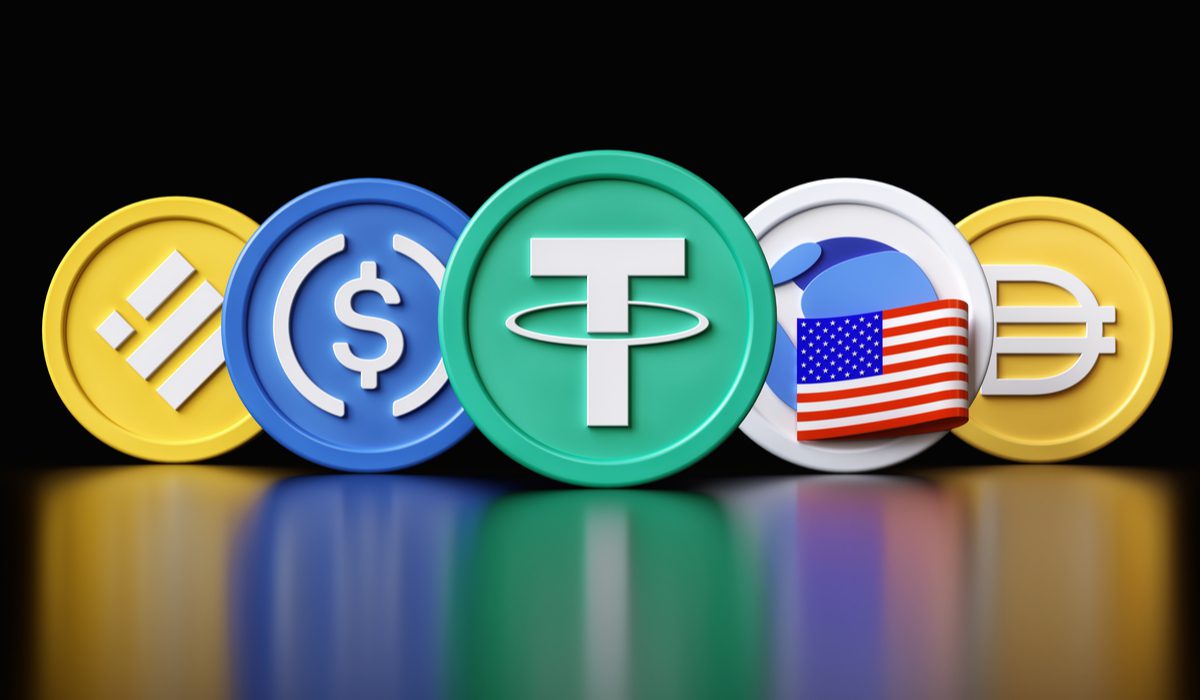
A remarkable milestone occurred on October 26 when Base achieved a record in stablecoin trading volume, momentarily eclipsing major blockchain platforms such as Solana, Ethereum, and Tron. The platform accounted for an impressive 30.06% of the total stablecoin volume, marking a significant shift in the landscape of digital asset trading.

Base, a layer-2 solution built on the Ethereum blockchain, has gained traction for its scalability and low transaction fees, making it an attractive option for traders and developers alike. The recent surge in stablecoin activity can be attributed to a confluence of factors, including growing interest in decentralized finance (DeFi) and the increasing acceptance of cryptocurrencies by mainstream financial institutions.

Alongside the stablecoin volume milestone, Base also set a new benchmark in daily transactions, recording 5.6 million transactions on the same day. This figure represents a notable 20% increase from the previous month, underscoring the growing engagement of users with the platform. The impressive transaction volume reflects not only heightened trading activity but also a broader trend toward the adoption of blockchain technology.

Several key players have contributed to Base’s success in the stablecoin market. The integration of various decentralized applications (dApps) on its platform has enhanced user experience and attracted a diverse range of users. Developers are increasingly building on Base due to its compatibility with Ethereum, allowing for seamless integration of existing Ethereum-based dApps while benefiting from lower gas fees and faster processing times.

The momentum gained by Base comes in the context of an evolving stablecoin landscape. Traditional stablecoins like Tether (USDT) and USD Coin (USDC) continue to dominate, yet alternative stablecoins and newer entrants are making significant inroads. This shift illustrates the dynamic nature of the cryptocurrency market and highlights Base’s ability to position itself as a formidable player amid these changes.

Partnerships with financial institutions have played a crucial role in Base’s ascent. Collaborations with firms that support crypto transactions have bolstered user confidence and expanded the platform’s reach. As institutional adoption of cryptocurrencies continues to grow, platforms like Base are well-positioned to capitalize on the increased demand for efficient, reliable trading environments.

The surge in daily transactions can also be linked to the rising popularity of yield farming and liquidity provision within the DeFi space. Users are incentivized to engage with platforms that offer competitive yields, prompting a surge in transaction volume as liquidity pools are funded and manipulated to optimize returns. This trend reflects a broader shift toward decentralized financial services, where users can take greater control of their assets without intermediaries.

Market analysts observe that Base’s focus on user experience has been instrumental in its growth. Simplifying the process of trading and providing users with intuitive interfaces has lowered barriers to entry for newcomers to the crypto space. Educational initiatives and community engagement have also played a role in fostering a sense of trust and loyalty among users, which is vital in an industry often marred by volatility and uncertainty.

The competitive landscape for stablecoins and blockchain platforms remains fierce. As Base continues to expand its user base and enhance its offerings, attention must be paid to regulatory developments that could impact the broader market. The regulatory environment for cryptocurrencies and stablecoins is evolving, with various jurisdictions exploring frameworks that could affect operations and user engagement. This regulatory scrutiny emphasizes the importance of compliance and the need for platforms like Base to adapt to changing legal landscapes.

Innovative features are also on the horizon for Base as it looks to maintain its growth trajectory. Enhancements to its infrastructure, including scalability improvements and security measures, are in development to ensure that the platform can handle increasing transaction volumes without compromising performance. Continued investment in technology will be crucial for sustaining user trust and engagement, particularly as competitors vie for market share.

Global IT spending is projected to reach an impressive $5.74 trillion by 2025, reflecting a robust growth rate of 9.3% compared to 2024. This remarkable surge is primarily fueled by escalating investments in generative artificial intelligence (GenAI) technologies and the expanding data center infrastructure required to support these advancements. According to industry analysis, the demand for GenAI applications is reshaping the IT landscape, prompting organizations across various […]

Eight fatalities have been confirmed following Israeli airstrikes in the Lebanese city of Sidon, with officials fearing that the death toll may rise further. The attacks, occurring amid ongoing tensions between Israel and Hezbollah, are reported to be the deadliest in Sidon since the resurgence of conflict over a year ago. Residents and local authorities have described the bombings as devastating, leading to significant destruction in the […]

Amid growing environmental threats, BRICS leaders are pushing for urgent measures to combat land degradation, a phenomenon severely impacting ecosystems and communities worldwide. The upcoming UN Land Degradation and Drought conference, scheduled for early next year, aims to align global efforts to curb the increasing degradation of arable lands, which jeopardizes food security, contributes to climate change, and drives displacement. A 2022 report by the UN Convention […]

Divya Malhotra Middle East has turned into a ticking time bomb as Iran and Israel stand on the verge of a full-blown war. A lot has transpired between the two countries since the October 2023 Hamas attack on Israel and the ensuing Gaza war. Israel is more than a thousand miles away from Iran. They do not share any border and there are no significant bilateral claims […]

In collaboration with the National University of Laos, ASEAN Foundation and SAP conclude the ASEAN Data Science Explorers 2024 Regional Finals in Vientiane, Lao PDR. VIENTIANE, LAOS – Media OutReach Newswire – 23 October 2024 – The ASEAN Foundation, in collaboration with SAP, successfully concluded the eighth ASEAN Data Science Explorers (ASEAN DSE) 2024 Regional Finals in Vientiane, Lao PDR. Twenty students from secondary and tertiary institutions […]

Advertisements

Group also maintains top 5 global employer status in 2024 ranking BASEL, SWITZERLAND – EQS Newswire – 25 October 2024 – Syngenta Group has once again secured its position as one of the world’s top five employers, and the #1 agricultural employer, in the 2024 Science Careers Top Employers Survey. This marks the eighth consecutive year the company has achieved this prestigious recognition, underscoring its unwavering dedication […]

Pioneering AI-Driven Smart Manufacturing, Vision-Based Security, Multi-Modal AI Autonomous Virtual Patrol and City-Scale Digital Twins SINGAPORE – Media OutReach Newswire – 25 October 2024 – VIZZIO Technologies, POLYTRON.AI, and Foxconn Industrial Internet (Fii), have once again joined forces to launch Vietnam’s first World Economic Forum (WEF) Lighthouse Factory. This new facility, located at Fii’s Bắc Giang plant in Vietnam, is a beacon of smart manufacturing, incorporating cutting-edge […]

Ledger, a leading cryptocurrency security company, is setting its sights on expanding into the Middle East and India, identifying both regions as ripe for growth in the digital asset sector. During a recent industry conference, Ledger’s CEO, Pascal Gauthier, articulated the company’s strategy to capitalize on the increasing interest in cryptocurrencies and the demand for secure storage solutions. He emphasized that the company’s commitment to enhancing security measures aligns with the burgeoning crypto market in these regions.

Gauthier noted that the Middle East, with its rapidly evolving financial landscape and the region’s growing acceptance of digital currencies, presents a significant opportunity for Ledger. Countries like the United Arab Emirates and Saudi Arabia are making strides in blockchain technology and regulatory frameworks that support cryptocurrency activities. This shift is encouraging local businesses and consumers to explore digital assets, prompting the need for reliable security solutions to protect their investments.

India, on the other hand, has seen a marked increase in cryptocurrency adoption despite regulatory uncertainties. The country’s young, tech-savvy population is driving a surge in digital asset investments, with several startups focusing on providing crypto-related services. Gauthier indicated that Ledger’s expansion into India would cater to this increasing demand for secure crypto storage, especially among individuals seeking to invest in digital currencies amidst a landscape that has faced both regulatory challenges and opportunities.

Gauthier’s remarks come at a time when major players in the tech and finance sectors are recognizing the potential of the crypto market in these regions. The UAE has launched initiatives like the Dubai Multi Commodities Centre, which aims to foster a conducive environment for crypto businesses. Additionally, the recent formation of regulatory bodies in the Gulf states is paving the way for more structured engagement with cryptocurrencies.

Industry experts believe that Ledger’s expansion plans will not only enhance the company’s market presence but also contribute to the broader acceptance of cryptocurrencies in the region. The availability of secure hardware wallets is crucial for building consumer confidence in digital assets, especially in markets where scams and security breaches have raised concerns.

As Ledger ramps up its efforts, it is also likely to face competition from other firms looking to establish themselves in these emerging markets. The rise of local competitors offering similar security solutions could challenge Ledger’s market share. However, the company’s established reputation and commitment to innovation may position it favorably against such challenges.

To further bolster its market strategy, Ledger is expected to engage in partnerships with local financial institutions and technology firms. Collaborating with existing players in the market will enhance its distribution channels and brand recognition, facilitating smoother entry into the Middle East and Indian markets. This approach will allow Ledger to tailor its offerings to meet local consumer preferences and regulatory requirements.

The growing trend of integrating blockchain technology in various sectors, including finance, supply chain, and healthcare, is also playing a pivotal role in shaping Ledger’s expansion strategy. As businesses in these regions seek to harness the benefits of blockchain, there will be an increasing demand for secure crypto management solutions, which Ledger is well-positioned to provide.

Education and awareness surrounding cryptocurrency and blockchain technology are essential for fostering a supportive environment for digital assets. Ledger plans to invest in initiatives aimed at educating potential customers about the importance of security in the crypto space. By conducting workshops and seminars, the company aims to demystify cryptocurrencies and promote responsible investing practices.

Consumer sentiment in both the Middle East and India towards digital currencies is changing. The potential for high returns has drawn many investors, despite the associated risks. As governments in these regions begin to provide clearer regulatory guidelines, the influx of institutional investors is also anticipated, further legitimizing the crypto market. Ledger’s expansion aligns with this trend, as the demand for secure storage solutions will grow alongside institutional interest.

The company’s product line, which includes hardware wallets and other security solutions, is continually evolving to meet the diverse needs of consumers. This adaptability will be key in navigating the unique challenges and opportunities presented by the Middle East and Indian markets.


KUALA LUMPUR, MALAYSIA – Media OutReach Newswire – 25 October 2024 – In trading, as in many other spheres of life, minor incremental changes lead to substantial differences. In many cases, traders don’t have to come up with innovative approaches to improve their financial outcomes. It may suffice for them to apply the everyday life hacks they have used for ages in their trading. Octa, a global […]

Rene Haas, CEO of Arm Holdings, emphasizes the profound impact of artificial intelligence on the automotive industry, noting that the advent of smart vehicles will significantly transform transportation dynamics. During a recent industry event, Haas articulated a clear vision of a future where intelligent cars will redefine mobility, driven by advanced AI technologies that enhance performance, safety, and user experience. This evolution in smart vehicles is anticipated to accelerate rapidly, indicating a shift not only in how cars operate but also in how they integrate with broader urban ecosystems.

Arm Holdings, known for its semiconductor technology and microprocessor designs, plays a pivotal role in this transformation. The company’s innovations are critical to enabling the next generation of smart cars, which rely on intricate AI systems for tasks such as navigation, environmental sensing, and real-time decision-making. With the growing emphasis on connectivity and automation, vehicles are evolving into complex data-driven platforms. Haas remarked that the integration of AI in automotive technology is not merely a trend but a fundamental shift that will enhance safety and performance.

The growing trend of smart vehicles is underscored by major automotive manufacturers investing heavily in AI and machine learning technologies. Companies like Tesla, Ford, and General Motors are leading the charge, developing AI systems capable of processing vast amounts of data from sensors and cameras to navigate complex environments. As vehicles become increasingly autonomous, the reliance on sophisticated algorithms for safe operation is more critical than ever. Analysts predict that the global autonomous vehicle market could reach a valuation of over $500 billion by 2026, underscoring the industry’s shift towards smarter, AI-enabled transportation.

Regulatory bodies are also adapting to the rise of smart vehicles. Governments worldwide are creating frameworks that promote innovation while ensuring public safety. For instance, the U.S. Department of Transportation has issued guidelines for the testing and deployment of automated vehicles, encouraging manufacturers to implement robust safety measures. This regulatory environment is essential for fostering trust in new technologies and ensuring that advancements in AI do not compromise safety standards.

One of the significant challenges faced in this rapidly evolving landscape is data privacy and security. As vehicles become more connected, they generate extensive amounts of data, raising concerns about how this information is collected, stored, and utilized. Industry stakeholders, including Arm Holdings, are prioritizing the development of secure systems to protect consumer data while maximizing the potential of AI. Haas highlighted the importance of building trust with consumers, stating that secure technology must go hand in hand with innovation to facilitate widespread adoption.

Emerging technologies, such as edge computing and 5G connectivity, are enhancing the capabilities of smart vehicles. Edge computing allows data processing to occur closer to the source, enabling faster responses to dynamic driving conditions. Coupled with the low-latency benefits of 5G, these technologies facilitate seamless communication between vehicles, infrastructure, and cloud-based services, significantly improving the overall driving experience. Experts believe that such advancements will not only enhance the functionality of smart vehicles but also pave the way for new business models within the automotive industry.

In addition to safety and efficiency, sustainability is becoming a critical focus for the automotive sector. The integration of AI is facilitating the development of electric vehicles and hybrid models, which contribute to reducing carbon footprints. Companies are leveraging AI to optimize energy consumption and improve battery management systems, ensuring that smart vehicles are not only technologically advanced but also environmentally friendly. This aligns with broader global initiatives aimed at combating climate change and promoting sustainable practices.

Consumer demand for smart vehicles is on the rise, driven by a desire for enhanced convenience, safety, and connectivity. Market research indicates that modern consumers are increasingly inclined to purchase vehicles equipped with advanced technologies, including AI-powered features such as adaptive cruise control, lane-keeping assistance, and automated parking. This shift in consumer preferences is prompting automakers to prioritize the integration of AI and connectivity into their offerings.

The decentralized social network Bluesky has successfully closed a $15 million Series A funding round, emphasizing its commitment to a crypto-free platform despite the surge of interest in blockchain technologies. Led by Blockchain Capital, this investment marks a significant milestone for Bluesky, which was initially founded by Jack Dorsey, the co-founder of Twitter. The funding aims to bolster Bluesky’s development as it prepares to introduce new features, including micropayments for content creators, a move seen as essential in the evolving landscape of social media monetization.

Bluesky has positioned itself uniquely in the crowded social media marketplace, promising to uphold user data privacy and to foster a platform free from the pitfalls associated with crypto integrations. By steering clear of cryptocurrencies and blockchain technologies, the platform seeks to attract a user base wary of the volatility and speculation often linked to these digital assets. Dorsey, who has long advocated for a more decentralized internet, appears to be following through on his vision, prioritizing user experience and security over potential profit from crypto integrations.

The decision to avoid integrating cryptocurrencies is particularly noteworthy given the broader trend of platforms adopting blockchain and crypto solutions to engage users and enhance monetization strategies. Bluesky’s strategy is seen as a counterpoint to many of its competitors, which have begun exploring various forms of digital currency, NFTs, and blockchain-based functionalities. As platforms like Twitter, Facebook, and others delve into the complexities of crypto, Bluesky’s approach reflects a deliberate choice to differentiate itself in a fast-evolving digital landscape.

Investors have shown strong confidence in Bluesky’s vision, viewing its commitment to a clear business model without the complications associated with crypto as a positive signal. Blockchain Capital’s leadership in the funding round underscores the interest in projects that emphasize foundational internet principles, such as decentralization and user empowerment, while deliberately avoiding the hype surrounding cryptocurrencies.

Bluesky’s plans to implement micropayments for creators signal a focus on rewarding content producers directly, which aligns with emerging trends in social media platforms seeking to foster more meaningful engagement. This feature will allow users to support creators financially without the complex integrations often associated with crypto. Instead of tokenization, the platform aims to streamline the payment process, facilitating direct financial transactions that prioritize creator autonomy and sustainability.

As the platform continues to develop, it remains attentive to user feedback and the shifting dynamics within the social media landscape. The commitment to avoid integrating NFTs and crypto tokens allows Bluesky to maintain a straightforward user experience that prioritizes engagement over speculation. This approach not only appeals to a diverse user base but also opens the door for partnerships and collaborations with brands and content creators interested in a transparent monetization model.

The growth of decentralized platforms like Bluesky signals a shift in how social media is perceived and utilized. The emphasis on user control over data and content aligns with a broader trend toward decentralization, which advocates for greater transparency and user empowerment. Bluesky’s funding success indicates that investors are eager to support ventures that prioritize these values in an age where traditional social media platforms face increasing scrutiny regarding data privacy, content moderation, and user trust.

As the platform progresses toward its rollout of micropayments and other user-focused features, the tech industry will closely watch Bluesky’s developments. The absence of crypto integration positions the platform as a potentially safer and more user-friendly alternative in a crowded market.

Abu Dhabi’s e& Group has successfully concluded its acquisition of PPF Telecom Group for $2.3 billion, marking a significant expansion of its telecommunications footprint in Europe. This strategic move, which has drawn considerable attention in the industry, enhances e&’s capabilities and market share as it seeks to diversify its operations beyond the Middle East. The acquisition of PPF Telecom, which operates in the Czech Republic and Slovakia, […]

SINGAPORE – Media OutReach Newswire – 25 October 2024 – AIMX Singapore (AIMX SG) will return for its second edition at the Singapore Week of Innovation & Technology (SWITCH) 2024. The 3-day conference and exhibition will take place from 28-30 October at the Sands Expo and Convention Centre, and convene a global audience of AI practitioners, business leaders, Chief Technology Officers (CTOs), and the broader tech community […]

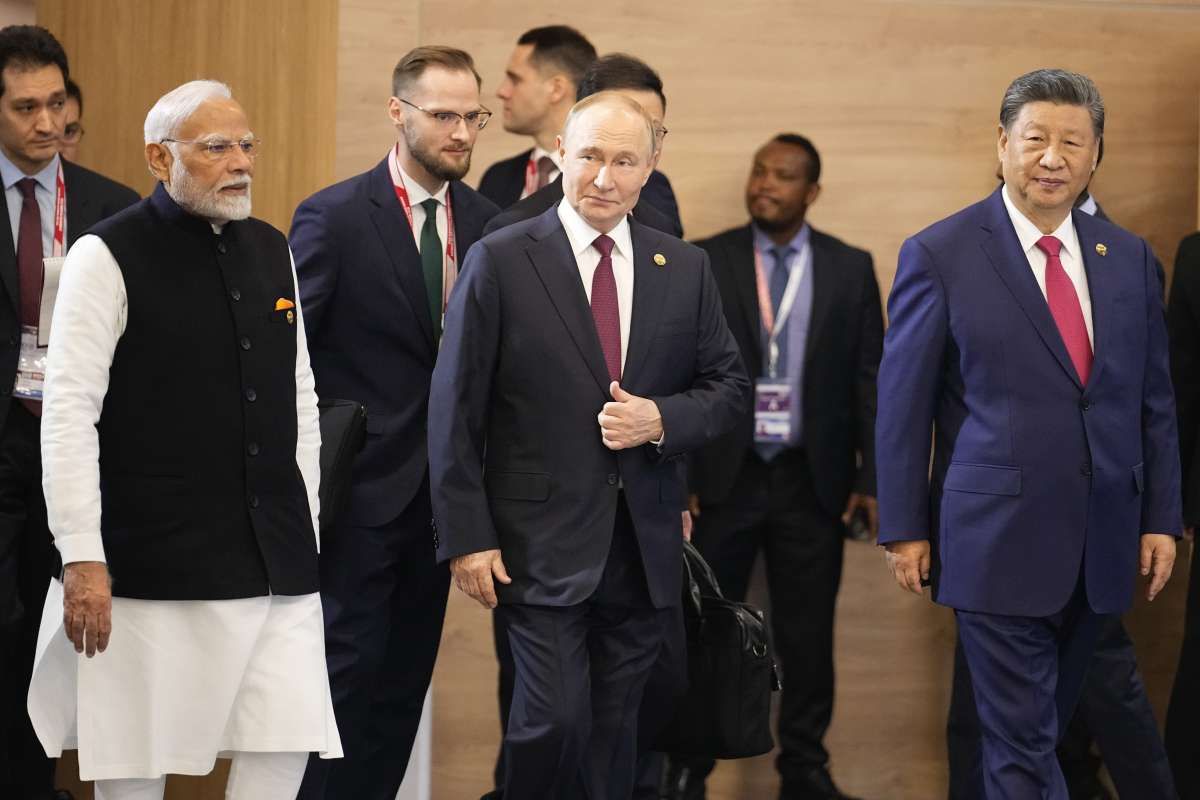
By Nitya Chakraborty The one-hour meeting between the Indian Prime Minister Narendra Modi and the Chinese President Xi Jinping on October 23 on the side lines of the BRICS summit at Kazan, has signalled a breakthrough in the bilateral relations between the two largest nations of Asia and the world. What was of significance of […]


Vitalik Buterin has laid out ambitious plans for the future of Ethereum, focusing on a pivotal development known as The Verge phase. This latest initiative seeks to enhance the blockchain’s accessibility by enabling full verification on various devices, including mobile wallets and smartwatches. The integration of advanced technologies such as Verkle trees and Succinct Non-interactive Argument of Knowledge (SNARKs) is central to this transformation.

Buterin emphasized the importance of reducing the barriers to entry for Ethereum users. Currently, the process of verifying transactions on the Ethereum network can be resource-intensive and requires significant computational power, which limits the use of mobile and lightweight devices. By implementing Verkle trees, the aim is to optimize how data is stored and accessed on the blockchain. Verkle trees combine the efficiency of Merkle Patricia trees with the benefits of vector commitment, providing a way to reduce the amount of data required for verification.

This shift is designed to make blockchain technology more user-friendly, particularly for individuals who rely on mobile devices. The ability to conduct full verification from a smartphone or smartwatch would democratize access to Ethereum, making it easier for users to engage with decentralized applications (dApps) without needing specialized hardware. The implications for mobile security and user experience could be substantial, as users would no longer need to rely on third-party services to validate their transactions.

SNARKs, another key component of Buterin’s vision, will enhance privacy and efficiency within the network. This cryptographic tool allows for the validation of transactions without revealing the underlying data, addressing privacy concerns that have emerged as Ethereum has grown in popularity. By incorporating SNARKs, Ethereum aims to provide a layer of confidentiality that is appealing to both users and developers.

This focus on improving transaction verification methods aligns with a broader trend in the cryptocurrency space towards scalability and user empowerment. As Ethereum continues to compete with other blockchain platforms, such as Solana and Cardano, these enhancements could play a crucial role in maintaining its position as a leading smart contract platform. The Verge phase represents a critical step in Ethereum’s roadmap, which has been strategically outlined to adapt to the evolving needs of its user base.

The need for more efficient blockchain verification methods has been underscored by the growing demand for decentralized finance (DeFi) applications. With more users entering the space, ensuring that these applications remain accessible and user-friendly is vital. By leveraging the advancements in Verkle trees and SNARKs, Ethereum is positioning itself to handle the increased demand while maintaining its foundational principles of decentralization and security.

Developers have been encouraged by Buterin’s post, as it lays the groundwork for innovations that could lead to new use cases for Ethereum. The adoption of mobile wallets has surged, and the integration of robust verification methods could unlock further opportunities for developers to create applications that are not only functional but also secure and efficient. This forward-thinking approach could foster an ecosystem where more users can actively participate in Ethereum’s offerings.

The Verge phase is part of a larger series of upgrades collectively known as Ethereum 2.0, which aims to enhance the network’s scalability, security, and sustainability. The transition from a proof-of-work to a proof-of-stake consensus mechanism is already underway, with the goal of reducing energy consumption and increasing transaction throughput. The integration of The Verge phase signifies an important milestone in this ongoing transformation.

As Ethereum navigates its path forward, the emphasis on improving verification processes speaks volumes about its commitment to user experience and technological innovation. The potential for full blockchain verification on everyday devices could not only attract a new demographic of users but also solidify Ethereum’s reputation as a leading blockchain platform that prioritizes accessibility and efficiency.

Industry experts are optimistic about the developments that The Verge phase will bring, particularly regarding its impact on the broader cryptocurrency landscape. The ability to conduct secure transactions from mobile devices could set a new standard for blockchain technology, prompting other platforms to consider similar enhancements. As Buterin and the Ethereum development community continue to refine their vision, the implications for the future of decentralized technologies are profound.

SandboxAQ, a company specializing in quantum technology and artificial intelligence, has expressed optimism about the burgeoning opportunities for quantum AI within the United Arab Emirates. The firm, which recently established a regional headquarters in Abu Dhabi, aims to leverage the UAE’s innovative ecosystem to further its mission of integrating quantum solutions into various sectors, including finance, healthcare, and security. The UAE’s government has demonstrated a keen interest […]

Pearl Petroleum, a consortium operating in the Kurdistan Region of Iraq, has taken a significant step in its expansion efforts by mandating a group of banks to facilitate a $300 million bond offering. This move signals the company’s intent to enhance its financial resources, particularly as it seeks to further develop its oil and gas operations in the energy-rich region.

The decision to issue the bond, aimed at international investors, aligns with Pearl Petroleum’s strategy of capitalizing on the growing global demand for energy. With key stakeholders including Dana Gas and Crescent Petroleum, the consortium operates a series of gas fields that are pivotal to energy supply within the Kurdistan Region and beyond. This bond issuance is expected to support continued infrastructure investment and help the company maintain steady production levels amidst growing regional and global energy needs.

Pearl Petroleum’s bond will target both institutional and retail investors, with the capital raised earmarked for expanding gas production facilities and further drilling in the Khor Mor field. This field, one of the largest non-associated gas reservoirs in Iraq, has been central to Pearl’s operations, supplying gas to power plants and industrial projects across the region. The investment is set to bolster output, which currently averages around 400 million cubic feet of gas per day.

The bond is being coordinated by a syndicate of banks led by Citi, Deutsche Bank, and JPMorgan. These institutions have been mandated to structure and market the bond to a wide range of investors. The move follows Pearl Petroleum’s success in enhancing operational efficiency and solidifying its position as a major player in Iraq’s gas sector. It also comes amid renewed interest from international investors in Middle Eastern energy assets, spurred by strong global demand and energy market volatility.

Kurdistan’s gas reserves have long been a strategic asset, and Pearl Petroleum’s activities are crucial for regional energy security. The bond offering underscores the consortium’s ambition to continue expanding its footprint, despite the geopolitical complexities that come with operating in the Kurdistan Region. The area’s political and regulatory landscape remains challenging, but the firm has successfully navigated these hurdles in the past, owing to its established partnerships and local expertise.

Proceeds from the bond sale will likely be channeled toward increasing production capacity, which has been part of Pearl’s long-term growth plan. The company has outlined its intentions to raise production to 1 billion cubic feet per day over the next several years, a target that will require substantial investment in new wells, infrastructure, and processing facilities. The additional funding will also provide liquidity for future projects, ensuring that Pearl is well-positioned to meet the increasing demand for gas in Iraq and its neighboring countries.

Energy analysts have noted that Pearl Petroleum’s bond issue comes at a favorable time. Global energy prices have remained high, driven by supply disruptions and a rebound in demand following the pandemic-induced slump. Investors have been drawn to the energy sector, seeking higher returns amid an uncertain economic outlook. This has created a ripe environment for energy firms like Pearl to tap into capital markets and secure financing for long-term projects.

The Kurdistan Region, while rich in resources, faces ongoing political challenges, particularly in its dealings with Baghdad. Tensions over revenue-sharing and control of oil and gas exports have complicated efforts by companies operating in the region. However, Pearl Petroleum’s established position and its critical role in supplying gas to power plants have enabled it to maintain stable operations despite these challenges.

Pearl Petroleum’s latest move highlights the continued importance of the Kurdistan Region as a vital source of energy. The consortium has been able to steadily increase production over the years, contributing significantly to the region’s energy mix and playing a key role in meeting its electricity demands. The additional funding through the bond offering is expected to further solidify Pearl Petroleum’s leading position in the market.

The company’s long-term vision of enhancing gas production aligns with Iraq’s broader energy goals, which aim to diversify the country’s energy portfolio and reduce reliance on oil. The bond issuance is seen as a crucial step in ensuring that Pearl Petroleum can maintain its growth trajectory while contributing to the stability of the region’s energy supply.

A significant slowdown in wind power development is hindering the world’s efforts to meet renewable energy goals, particularly as nations strive to cut carbon emissions in line with climate agreements. Wind energy, once seen as a pivotal solution to transitioning away from fossil fuels, is facing mounting challenges that threaten its viability as a cornerstone of the global energy mix. Despite the increasing urgency for green energy […]

The online gambling industry continues to grow rapidly, with more operators seeking efficient ways to enter the market. Turnkey online casino software offers a comprehensive solution for those looking to launch their digital gambling platforms quickly and effectively. However, successful integration of these turnkey solutions requires careful consideration of several crucial factors. Regulatory Compliance and Licensing One of the most critical aspects of integrating a turnkey online […]

A landmark agreement between the UAE and the Government of Rajasthan has been signed, marking a significant development in India’s renewable energy sector. The Memorandum of Understanding (MoU) involves a massive ₹3 lakh crore ($36 billion) investment by the UAE, with the goal of developing 60 gigawatts (GW) of renewable energy capacity in western Rajasthan. This venture is primarily focused on solar, wind, and hybrid energy projects, […]

Britain’s wealthy are increasingly eyeing the UAE as a prime destination for relocation, with over 800 high-net-worth individuals (HNWIs) expected to make the move in 2024. The UAE, renowned for its strategic location, luxurious lifestyle, and favorable tax policies, has become a top choice for millionaires worldwide. The Henley Private Wealth Migration Report reveals that this year, the UAE will welcome a record-breaking 6,700 millionaires, of which […]

Donald Trump has unveiled a tax reform proposal aiming to exempt approximately 93.2 million Americans from federal income taxes. This ambitious plan focuses on eliminating income tax liabilities for individuals earning below a certain threshold, which aligns with Trump’s ongoing efforts to reshape the tax system and promote economic growth. The initiative proposes significant changes, including the removal of taxes on tips and Social Security benefits, signaling a shift in fiscal policy that may impact millions of low- and middle-income workers.

Central to Trump’s tax strategy is the introduction of a new revenue framework based on tariffs, which he argues will replace the traditional income tax model. The proposal outlines a universal 20% tariff on all imports, with an even steeper 60% tariff on goods imported from China. By doing so, the former president aims to generate substantial revenue that would fund his tax cuts and other fiscal initiatives. This approach represents a fundamental change in how the government would collect revenue, relying more heavily on trade rather than direct taxation of citizens’ incomes.

The proposed reforms have sparked debate among economists and policymakers regarding their viability and potential consequences for the economy. Proponents argue that the elimination of income taxes for a large segment of the population would increase disposable income, thereby stimulating consumer spending and fostering economic growth. They contend that individuals who currently face a significant tax burden would have more resources to invest in goods, services, and savings.

Critics, however, caution that such a tax overhaul could lead to considerable budget deficits if the anticipated tariff revenues do not materialize as projected. They highlight that a universal 20% tariff on imports could provoke retaliation from trade partners, particularly China, potentially escalating into a trade war. The economic implications of increased tariffs could also ripple through domestic industries that rely on imported materials, resulting in higher costs for consumers and businesses alike.

Key players in the political landscape are beginning to respond to Trump’s tax plan. Some members of Congress have expressed cautious optimism, suggesting that the proposal may resonate with constituents frustrated by high taxes. Others remain skeptical, voicing concerns about the long-term fiscal implications and the impact on essential government services funded by income tax revenue.

The plan’s reliance on tariffs raises questions about its impact on inflation. With increased costs associated with imported goods, the price of everyday items could rise, disproportionately affecting low-income families who already spend a larger share of their income on necessities. Economists warn that the resulting inflationary pressures could negate any short-term benefits gained from tax exemptions.

Public opinion regarding tax reforms is mixed. A recent survey indicates that while many Americans favor tax cuts, there is significant apprehension about how those cuts would be funded. The possibility of higher consumer prices due to increased tariffs creates a dilemma for many voters, who may find themselves caught between lower taxes and rising costs of living.

Amid this backdrop, Trump’s proposal has found both support and resistance within the Republican Party. Some party members see this as an opportunity to fulfill a long-standing goal of overhauling the tax system in a way that aligns with conservative principles. Others warn against the potential fallout from abandoning traditional income tax structures, emphasizing the need for a balanced approach to tax reform that safeguards government revenue and public services.

As discussions surrounding the proposal continue, financial markets are watching closely. The uncertainty around tariff policies and their economic repercussions could lead to increased volatility, especially in sectors sensitive to trade. Investors are likely to assess how the tax plan and its implementation will influence consumer behavior and corporate profits.

While the tax reform proposal seeks to simplify the tax code and alleviate the burden on a significant portion of the American population, the broader implications of such changes remain to be fully understood. Stakeholders from various sectors are encouraged to engage in the debate, weighing the benefits of tax relief against the potential economic risks associated with an untested revenue model reliant on tariffs.

VISHNU RAJA
RYO YAMADA
HITORI GOTOH
IKUYO KITA