News related to
security

Worldcoin, a cryptocurrency initiative co-founded by Sam Altman, has been handed a staggering $850 million fine by South Korean regulators for breaching data protection laws. The country’s Personal Information Protection Commission (PIPC) found that Worldcoin had illegally transferred sensitive personal information abroad and collected biometric data from individuals without obtaining proper consent. This landmark decision reflects a growing global scrutiny of data protection practices in the cryptocurrency […]

Volet.com, a leading crypto-enabled e-wallet platform, has broadened its offerings by incorporating support for Dash, alongside established cryptocurrencies such as Solana, Polygon, and Avalanche. This strategic enhancement aims to provide users with greater flexibility and competitive pricing for cryptocurrency transactions. The introduction of Dash comes with the platform hosting an Ask Me Anything (AMA) session featuring the Dash development team, allowing users to engage directly with the […]

Abu Dhabi’s wealth fund, ADQ, has successfully raised $2 billion via an international bond issuance, marking a pivotal move for the state-owned holding company as it seeks to enhance its investment footprint across diverse sectors. This bond sale is indicative of ADQ’s strategic financial planning and its role as a significant player in the global financial market. Fully owned by the Abu Dhabi government, ADQ has built a robust portfolio spanning healthcare, utilities, food, and agriculture, among other vital industries.

The bond offering attracted strong interest from global investors, signaling their confidence in the financial stability and investment potential of Abu Dhabi’s sovereign wealth funds. This issuance is particularly noteworthy given the current global economic climate characterized by inflationary pressures and geopolitical uncertainties. Many investors are increasingly inclined toward stable assets, and the bond sale demonstrates ADQ’s capability to meet this demand effectively.

ADQ’s recent financial maneuver follows a series of high-profile investment activities in various sectors, including logistics, technology, and food security. These strategic initiatives align with the broader vision of the Abu Dhabi government to diversify its economy away from oil dependence. Notably, Abu Dhabi controls over 90 percent of the oil reserves in the United Arab Emirates, prompting its sovereign wealth funds to pivot towards non-oil sectors to foster sustainable growth.

The proceeds from this successful bond issuance are expected to bolster ADQ’s liquidity, enabling the fund to pursue further acquisitions and investments in critical industries. This aligns with ADQ’s long-term goals of enhancing the economic landscape of Abu Dhabi while contributing to the UAE’s broader diversification strategy.

The issuance is a clear testament to ADQ’s strategic focus on resilience and adaptability amid global economic challenges. It reflects a calculated approach to raising capital, ensuring that the fund is well-positioned to capitalize on emerging opportunities in a rapidly evolving investment landscape.

The confidence shown by global investors highlights the attractiveness of ADQ as a financial entity, reinforcing the UAE’s position as a key player in international finance. With the growing importance of sovereign wealth funds in the global economy, ADQ’s successful bond sale is a critical step in strengthening its financial stature and expanding its influence.

As the global economy continues to grapple with uncertainties, the bond sale is expected to enhance ADQ’s capacity to make strategic investments that contribute to sustainable economic development. The fund’s commitment to diversifying its portfolio and focusing on sectors that are essential for future growth is set to play a significant role in shaping the economic narrative of Abu Dhabi and the UAE.

ADQ’s diversified investment approach is not only beneficial for its portfolio but also plays a vital role in supporting local economies and enhancing community welfare. By investing in various sectors, including technology and logistics, ADQ is helping to create jobs and stimulate economic activity within the region. This approach not only supports Abu Dhabi’s immediate economic goals but also contributes to the long-term vision of the UAE as a global business hub.

The bond issuance comes at a crucial time for investors, who are increasingly seeking avenues to mitigate risk amid fluctuating market conditions. ADQ’s established reputation and its strategic focus on stability make it an attractive proposition for those looking to invest in the UAE’s economic future.

The bond sale signals ADQ’s readiness to embrace opportunities that arise from changing global market dynamics. As countries navigate the complexities of recovery from economic downturns and geopolitical tensions, funds like ADQ are pivotal in providing the financial backbone needed for growth and resilience.

The success of this bond sale underscores the growing trend of sovereign wealth funds diversifying their portfolios and seeking innovative ways to engage with the global financial markets. As ADQ continues to execute its strategy, its role in shaping not only the economic landscape of Abu Dhabi but also its influence on the broader regional and global financial stages will likely expand.

Investors and analysts will be closely watching how ADQ utilizes the proceeds from this bond issuance. The fund’s ongoing efforts to identify lucrative investment opportunities and expand its portfolio will be critical in determining its success and the overall impact on the UAE’s economy.

Concerns have surfaced among customers in the UAE regarding banks issuing credit cards without adequate identity verification. This has raised alarms about potential risks related to fraud and financial security, leading to calls for stricter regulatory measures. Several individuals have expressed dissatisfaction, citing instances where they received credit cards without having completed the necessary verification steps.

Reports indicate that this situation stems from a broader trend of banks prioritizing speed and convenience in their services. As financial institutions aim to attract new customers and enhance their market share, the protocols for identity verification have, in some cases, been compromised. This practice not only puts individual customers at risk but also jeopardizes the integrity of the banking system as a whole.

Industry experts have weighed in on the situation, noting that the lax enforcement of identity verification protocols can facilitate fraudulent activities, including identity theft and the unauthorized use of credit cards. The potential for misuse becomes particularly concerning when combined with advancements in technology, which can enable hackers to exploit weaknesses in the system.

A spokesperson for the Central Bank of the UAE has acknowledged these customer concerns and emphasized the importance of compliance with stringent identification procedures. The central bank has mandated that financial institutions follow rigorous guidelines to ensure the safety of their customers and the overall financial ecosystem. However, the enforcement of these rules has reportedly been inconsistent across various banks, leading to gaps in security.

Financial analysts point to the rapid digital transformation within the banking sector as a contributing factor. The introduction of online banking services and mobile applications has made it easier for customers to apply for credit cards. However, this ease of access can lead to oversights in proper identification processes. As banks increasingly rely on technology, ensuring robust verification measures is vital to maintain customer trust.

Customer feedback has been mixed, with some praising the convenience of obtaining credit cards online, while others voice serious concerns regarding the implications of insufficient ID checks. One dissatisfied customer recounted their experience of receiving a credit card shortly after applying online, despite not being asked for comprehensive identification documentation. They expressed frustration, stating that the lack of stringent checks makes them feel vulnerable to fraud.

The situation has prompted some banks to review their internal processes and enhance their verification protocols. Institutions are reportedly investing in advanced identity verification technologies, such as biometric authentication and artificial intelligence-driven fraud detection systems. These innovations aim to strengthen the verification process and provide a safer banking environment for customers.

Consumer advocacy groups are urging the central bank to implement stricter regulations governing identity verification in banking. They argue that more transparent policies will not only protect customers but also enhance the overall credibility of the banking sector. The need for a cohesive strategy among banks is essential to restore consumer confidence and ensure a uniform standard of security.

There have been discussions about the necessity of increasing public awareness regarding the importance of monitoring credit card activity. Customers are encouraged to regularly check their financial statements and report any discrepancies immediately. Financial literacy campaigns could play a significant role in educating customers about their rights and responsibilities concerning credit cards and identity theft.

The issue of credit card issuance without proper ID verification has also led to a broader conversation about the balance between convenience and security in the financial services sector. As banks strive to innovate and attract customers, they must remain vigilant in safeguarding the personal information of their clients.

Despite the advancements in technology that enable efficient banking processes, the fundamental principles of identity verification must not be overlooked. The integrity of the banking system relies on trust between financial institutions and their customers, which can be easily eroded by lapses in security protocols.

In light of these developments, stakeholders within the banking industry are recognizing the need for comprehensive strategies to mitigate risks associated with inadequate verification practices. The dialogue between banks, regulatory authorities, and consumer groups is crucial to establishing a framework that emphasizes security without sacrificing convenience.

Abu Dhabi’s wealth fund ADQ has successfully raised $2 billion through the sale of bonds in an international offering. The issuance marks a significant financial maneuver by the state-owned holding company, as it aims to expand its influence and continue investing across various sectors. ADQ, fully owned by the Abu Dhabi government, is known for its diversified portfolio, including holdings in healthcare, utilities, food, and agriculture, among others. The bond sale is indicative of the fund’s strategic financial planning and its growing role as a key player in the global financial landscape.

The bond issuance saw robust demand from global investors, reflecting confidence in Abu Dhabi’s sovereign wealth funds and their ability to generate returns. ADQ’s bond sale follows a series of high-profile investment activities in sectors like logistics, technology, and food security. The successful sale comes at a time when the global economy faces inflationary pressures and geopolitical uncertainties, with many investors looking for stable assets.

ADQ’s growing influence is also part of a broader strategy by the Abu Dhabi government to diversify its economy away from oil. Abu Dhabi holds over 90 percent of the United Arab Emirates’ oil reserves, but its sovereign wealth funds, including ADQ, have been at the forefront of efforts to invest in non-oil sectors. The proceeds from the bond sale will likely be used to finance these initiatives, providing ADQ with the liquidity to pursue further acquisitions and investments in key industries.

The offering consisted of a dual-tranche structure, with bonds issued in both five-year and ten-year maturities. According to financial analysts, the decision to offer two tranches allowed ADQ to cater to a broader range of investors with varying risk appetites. The five-year tranche was priced with a yield of 4.6 percent, while the ten-year bonds carried a yield of 5.1 percent. Market participants indicated that the pricing was competitive, given the current global market conditions, and highlighted the attractiveness of Abu Dhabi’s credit rating.

ADQ, established in 2018, has rapidly become one of the region’s most important investment vehicles, supporting the UAE’s efforts to become a diversified economic hub. The wealth fund has been expanding its investments both domestically and internationally, particularly in sectors that are viewed as crucial to the country’s long-term economic growth. In the past few years, ADQ has acquired stakes in various food production companies, energy firms, and digital platforms, positioning itself as a forward-thinking entity that aligns with the UAE’s strategic goals.

The bond sale is also notable for its timing, as global financial markets experience volatility due to macroeconomic factors, such as the tightening monetary policies by major central banks. Despite this, ADQ’s successful issuance signals strong investor confidence in Abu Dhabi’s economic fundamentals. Market experts have pointed out that Abu Dhabi’s sovereign wealth funds, including ADQ, are viewed as safe havens by international investors due to their financial stability and strong government backing.

ADQ’s leadership has consistently emphasized the importance of long-term investments that align with the UAE’s Vision 2030 plan, which aims to reduce the country’s dependence on oil revenues and foster growth in sectors like healthcare, education, and renewable energy. With this bond sale, ADQ is well-positioned to continue its investment strategy, supporting key infrastructure projects and the growth of new industries within the UAE and abroad.

The wealth fund has already been involved in several strategic acquisitions and partnerships, including its move to take full control of Al Dahra Holding, a global agribusiness company, and its stake in the Abu Dhabi National Energy Company, also known as TAQA. These acquisitions have not only expanded ADQ’s portfolio but have also contributed to the UAE’s broader goals of ensuring food and energy security, which have become increasingly important in the wake of global supply chain disruptions.

ADQ’s bond issuance fits into a broader trend of Middle Eastern sovereign wealth funds tapping international debt markets to raise capital. The region’s sovereign wealth funds, including ADQ and the Abu Dhabi Investment Authority (ADIA), have become prominent players in the global financial system, frequently issuing bonds to finance both domestic and international projects. This strategy allows them to maintain liquidity while pursuing aggressive growth strategies across multiple sectors.

The UAE’s sovereign wealth funds are among the largest and most diversified in the world, managing hundreds of billions of dollars in assets. ADQ, despite being a relatively new entity compared to some of its peers, has already made significant strides in aligning itself with Abu Dhabi’s long-term economic objectives. The $2 billion raised from this bond sale will enhance the fund’s ability to continue making strategic investments that support the UAE’s vision of a diversified and sustainable economy.

As global economic conditions remain challenging, ADQ’s ability to attract significant interest from international investors underscores the confidence in Abu Dhabi’s long-term economic strategy and financial stability. The bond sale will likely serve as a blueprint for future issuances by other Middle Eastern sovereign wealth funds as they seek to balance growth with fiscal responsibility.

Evaluated for completeness of vision and ability to execute HONG KONG SAR – Media OutReach Newswire – 26 September 2024 – Trend Micro Incorporated (TYO: 4704; TSE: 4704) a global cybersecurity leader, today announced it has been positioned by Gartner® in the Leaders’ Quadrant of the 2024 Gartner® Magic Quadrant™: Endpoint Protection Platforms (EPP) 1. Trend Micro has been named a Leader 19 times in a row […]

By Dr. Gyan Pathak September 25, 2024, is the tenth birth anniversary of Make in India. It was launched on September 25, 2014. PM Narendra Modi government has tried its best to promote ease of business in the country, but finding the scheme not getting desired momentum, it decriminalized 183 provisions in 2023, in the […]
Advertisements
By Anjan Roy The Chinese economy is seeing deflation —that is, prices are really falling in real time— for 23 months straight. This has really raised the concerns of the Chinese political bosses which was reflected in the central bank move on Tuesday. The central bank cut its policy interest rates by the most ever […]

Abdul Latif Jameel Motors and the King Abdullah University of Science and Technology (KAUST) have entered a groundbreaking partnership with Toyota to advance hydrogen fuel research. This collaboration aims to explore innovative approaches to sustainable energy, particularly in the realm of hydrogen production and utilization. The partnership reflects a significant move towards reducing carbon emissions and promoting clean energy solutions in the Middle East, a region heavily […]

Plans are underway for Africa’s wealthiest person, Aliko Dangote, to establish a family office in Dubai, signaling a significant move towards consolidating his extensive business empire and managing his diverse investments. The billionaire, who is renowned for his vast interests in cement, sugar, and oil, aims to leverage Dubai’s strategic position as a global business hub to further expand his financial portfolio. This initiative reflects the increasing […]

A surge in institutional interest is significantly advancing cryptocurrency adoption in the United Arab Emirates, positioning the region as a pivotal player in the global digital assets market. Major financial institutions, including banks and investment firms, are increasingly embracing blockchain technology and digital currencies, which is reshaping the traditional financial landscape. The UAE government has long fostered a progressive regulatory framework aimed at enhancing financial innovation, making […]

Microsoft has officially announced the establishment of its first engineering development center in the Arab world, located in Abu Dhabi. This initiative is a significant step forward in the company’s ongoing investment strategy aimed at enhancing its technological footprint in the region. The center is expected to focus on developing innovations in artificial intelligence, cloud technologies, and advanced cybersecurity solutions, contributing to a global ecosystem of technological advancement.

The new center will align with Microsoft’s broader goals to harness cutting-edge technologies and drive economic growth while fostering job creation. Satya Nadella, Microsoft’s Chairman and CEO, emphasized the company’s commitment to ensuring that transformative technologies benefit local communities and contribute to global innovation. The center will not only create technological solutions for Microsoft’s global operations but also attract top talent to the UAE, positioning the country as a leader in tech innovation.

Sheikh Khaled bin Mohamed bin Zayed Al Nahyan, Crown Prince of Abu Dhabi, highlighted the strategic advantages of the UAE as a hub for innovation. He noted the country’s advanced infrastructure and geographical position, which facilitate impactful developments across various industries. This sentiment was echoed by Peng Xiao, CEO of G42, who described the establishment of the center as a testament to the growing importance of the UAE in the global tech landscape.

HONG KONG SAR – Media OutReach Newswire – 25 September 2024 – In the first half of 2024, Luxshare Precision, a key global technology manufacturer, has earned the trust of its international clients, some of which are the world’s most prominent technology giants, like Apple, Amazon, Dell, and Lenovo. During the past half year, Luxshare Precision has achieved remarkable recognition by various authorities, reflecting its commitment to […]

Data reveals 11% revenue increase in Cloud-Native Application Protection Platform market HONG KONG SAR – Media OutReach Newswire – 24 September 2024 – Trend Micro Incorporated (TYO: 4704; TSE: 4704) a global cybersecurity leader, today celebrated that it has retained its #1 ranking for worldwide cloud-native application protection platform market share in the IDC, Worldwide Cloud-Native Application Protection Platform Market Shares, 2023: A Bull Market (doc # […]

By Dr. Gyan Pathak Creating a bad neighbourhood is unwise, especially through totally avoidable unrestrained speeches. However, the leaders from the ruling establishment in India have been in the habit of making unrestrained speeches aimed at winning domestic elections that hurt our neighbouring countries unnecessarily worsening already strained relationships at a time when India is […]

Kraken, one of the largest cryptocurrency exchanges in the world, has completed the acquisition of Coin Meester B.V. (BCM), marking a significant expansion into the Dutch market. This move is set to strengthen Kraken’s presence in Europe, as the company looks to consolidate its position in the competitive and rapidly evolving cryptocurrency landscape. The acquisition allows Kraken to tap into the Dutch customer base of BCM, further broadening its reach across the European Union.

With this acquisition, BCM’s clients will soon have access to over 200 digital assets, along with Kraken’s comprehensive product suite, which includes staking services, futures trading, and various other offerings that are part of its advanced platform. The integration is expected to take place over the coming months, during which time BCM users will transition to Kraken’s system, ensuring a smoother, more robust trading experience with broader asset availability.

Kraken’s move into the Netherlands comes at a time of increasing regulatory scrutiny and competition in the European cryptocurrency markets. The exchange has been actively positioning itself as a reliable platform in regions where regulations are tightening, aiming to provide users with a compliant, transparent, and secure service. Kraken’s European expansion strategy has gained momentum over the past few years, with this acquisition serving as a key milestone.

Coin Meester, also known as BCM, has established itself as one of the leading digital asset platforms in the Netherlands. Founded in 2017, BCM primarily catered to Dutch users, offering access to a variety of cryptocurrencies and a user-friendly platform for buying and selling digital assets. It quickly gained popularity among crypto enthusiasts in the Netherlands due to its ease of use and localized customer support. By joining forces with Kraken, BCM aims to enhance its offering and better serve its growing customer base with a wider range of products and services.

The acquisition is part of Kraken’s broader strategy to expand its presence in Europe, a region that has become increasingly important for cryptocurrency companies due to its regulatory framework and growing user base. Kraken’s CEO, David Ripley, emphasized the importance of the acquisition, stating that the deal aligns with Kraken’s mission to provide the most secure and comprehensive platform for users globally. He noted that the acquisition of BCM represents a significant step in expanding Kraken’s European footprint, enabling the company to serve a wider range of customers across the continent.

For BCM customers, the transition to Kraken will bring several benefits. Kraken’s platform offers a more diverse selection of digital assets, sophisticated trading tools, and enhanced security features. Kraken is also known for its strong compliance with regulatory requirements, which is increasingly important in Europe as authorities introduce stricter rules for cryptocurrency exchanges. The acquisition is expected to provide BCM users with a more secure trading environment, along with the opportunity to participate in Kraken’s staking and futures trading options, among other offerings.

Kraken has long been recognized as one of the most trusted cryptocurrency exchanges in the world, with a reputation for its strong security practices and commitment to regulatory compliance. The company operates in multiple jurisdictions globally, including the United States, Europe, and Asia, and has built a substantial user base due to its reliability, transparency, and extensive range of services. With this acquisition, Kraken will now be able to extend these same benefits to BCM’s users in the Netherlands, positioning itself as a dominant player in the Dutch market.

This acquisition also highlights the growing trend of consolidation in the cryptocurrency industry. As the market matures and regulatory pressures increase, many smaller exchanges are finding it more challenging to navigate the complex legal landscape. Larger players like Kraken are seizing opportunities to acquire local platforms, allowing them to quickly scale their operations while adhering to local regulations. The BCM acquisition is seen as a move that will not only increase Kraken’s market share in Europe but also help streamline its compliance with the European Union’s regulatory framework for cryptocurrencies.

Kraken’s decision to acquire BCM can also be viewed in the context of the rapidly evolving European regulatory environment. The European Union has introduced several regulations aimed at ensuring the safety and transparency of digital asset transactions, including the Markets in Crypto-Assets (MiCA) regulation. By acquiring BCM, Kraken ensures that it is better positioned to comply with these regulations while offering its full suite of services to a European audience. Kraken’s proactive approach to regulatory compliance has been a hallmark of its business strategy, setting it apart from competitors that have struggled with legal challenges in different jurisdictions.

For Kraken, the Netherlands represents a key market with significant growth potential. Dutch consumers have shown a keen interest in cryptocurrencies over the years, with increasing participation in trading and investment activities. By offering access to a broader range of digital assets and advanced trading options, Kraken hopes to capitalize on this interest and provide Dutch users with a world-class trading experience.

BCM’s existing customers are expected to benefit greatly from the acquisition, as they will gain access to Kraken’s advanced features and global liquidity. Kraken’s well-established infrastructure will allow Dutch users to trade with greater efficiency and security, benefiting from the platform’s robust trading engine and state-of-the-art security measures. Additionally, Kraken’s global presence will enable Dutch users to tap into a larger pool of liquidity, enhancing their trading opportunities.


Hong Kong is advancing its digital currency initiative, with the Hong Kong Monetary Authority (HKMA) announcing the launch of phase two in the e-HKD pilot program. This central bank digital currency (CBDC) initiative is designed to explore the future of financial transactions through tokenization, programmability, and offline payments. Following the completion of the first phase, which focused on evaluating foundational aspects of digital currencies, the second phase […]

Investor apprehension surrounding Bitcoin custody practices has prompted BlackRock to amend its application for a Bitcoin exchange-traded fund (ETF). The updated application stipulates that Coinbase, designated as the ETF’s custodian, must process Bitcoin withdrawal requests within a strict 12-hour timeframe. This adjustment aims to address mounting concerns over Coinbase’s on-chain settlement processes and the potential risk of acquiring “paper BTC,” which may undermine the true market value of Bitcoin.

Market analysts have noted that Bitcoin has faced significant price stagnation over the past few months, despite a notable surge in institutional investment through various ETF products. This disconnect raises questions regarding the reliability of Coinbase’s custody solutions and the implications for the broader cryptocurrency market.

BlackRock’s strategic decision reflects a broader trend among asset managers to enhance transparency and security in the rapidly evolving cryptocurrency landscape. The company, a global leader in investment management, has been actively pursuing Bitcoin ETF approvals, seeking to capitalize on the increasing interest from institutional investors looking to gain exposure to digital assets.

The demand for Bitcoin ETFs has surged as institutional players seek to navigate the complexities of the cryptocurrency market. However, concerns have been raised about the operational integrity of platforms like Coinbase, particularly regarding their ability to handle large volumes of transactions efficiently. With the growing scrutiny from regulatory bodies and investors alike, BlackRock’s move to enforce stringent withdrawal requirements underscores the need for enhanced governance in the cryptocurrency custody space.

Analysts point out that the introduction of stricter withdrawal timelines could alleviate investor fears regarding liquidity and asset safety. By ensuring that Bitcoin can be swiftly withdrawn from Coinbase, BlackRock aims to foster a more secure investment environment. The move comes amid growing criticism of how exchanges manage customer assets, particularly in light of historical incidents involving exchanges that faced insolvency or operational failures.

Investor sentiment surrounding Bitcoin has fluctuated, particularly with its price stagnating below key resistance levels. While institutional investments have surged, many retail investors remain cautious, leading to questions about the underlying market dynamics. The apparent dichotomy between rising institutional interest and stagnant retail enthusiasm presents a challenge for market participants.

Coinbase has previously faced criticism for its operational practices, particularly regarding its on-chain settlement processes. Concerns have emerged that the exchange may be facilitating the issuance of “paper BTC,” a term that refers to representations of Bitcoin that do not correspond to actual holdings on the blockchain. Such practices could create an inflated sense of supply, potentially exerting downward pressure on Bitcoin prices.

The introduction of BlackRock’s stringent withdrawal requirements serves as a proactive measure to address these concerns, emphasizing the importance of a robust custody framework in fostering investor confidence. As institutional players continue to enter the cryptocurrency market, the need for secure and transparent custodial solutions has never been more critical.

The broader context of Bitcoin’s price performance raises questions about the long-term sustainability of its value proposition. Despite the influx of institutional capital, Bitcoin’s inability to break out of its current price range has left many investors skeptical about its potential for future growth. The dynamics of supply and demand, coupled with macroeconomic factors and regulatory developments, will play a significant role in shaping the cryptocurrency’s trajectory.

Market experts suggest that BlackRock’s amendments to its ETF application could set a precedent for other asset managers looking to establish similar products. As the competition for Bitcoin ETF approvals intensifies, the emphasis on operational transparency and investor protection will likely become a key differentiator in the market. The scrutiny surrounding custody practices is expected to influence how other exchanges operate, potentially leading to industry-wide reforms aimed at enhancing investor confidence.

As BlackRock navigates the regulatory landscape and seeks to launch its Bitcoin ETF, the company’s focus on addressing custody concerns may resonate with both institutional and retail investors. By prioritizing the integrity of the custody process, BlackRock aims to position itself as a leader in the evolving cryptocurrency market.

A pivotal legal battle is unfolding as Visa Inc. finds itself at the center of an antitrust case initiated by the U.S. Department of Justice (DOJ). This case focuses on allegations that the company has maintained monopolistic practices in the debit card market, potentially stifling competition and harming both consumers and businesses. As a result, the outcome of this case could significantly impact how debit card transactions […]

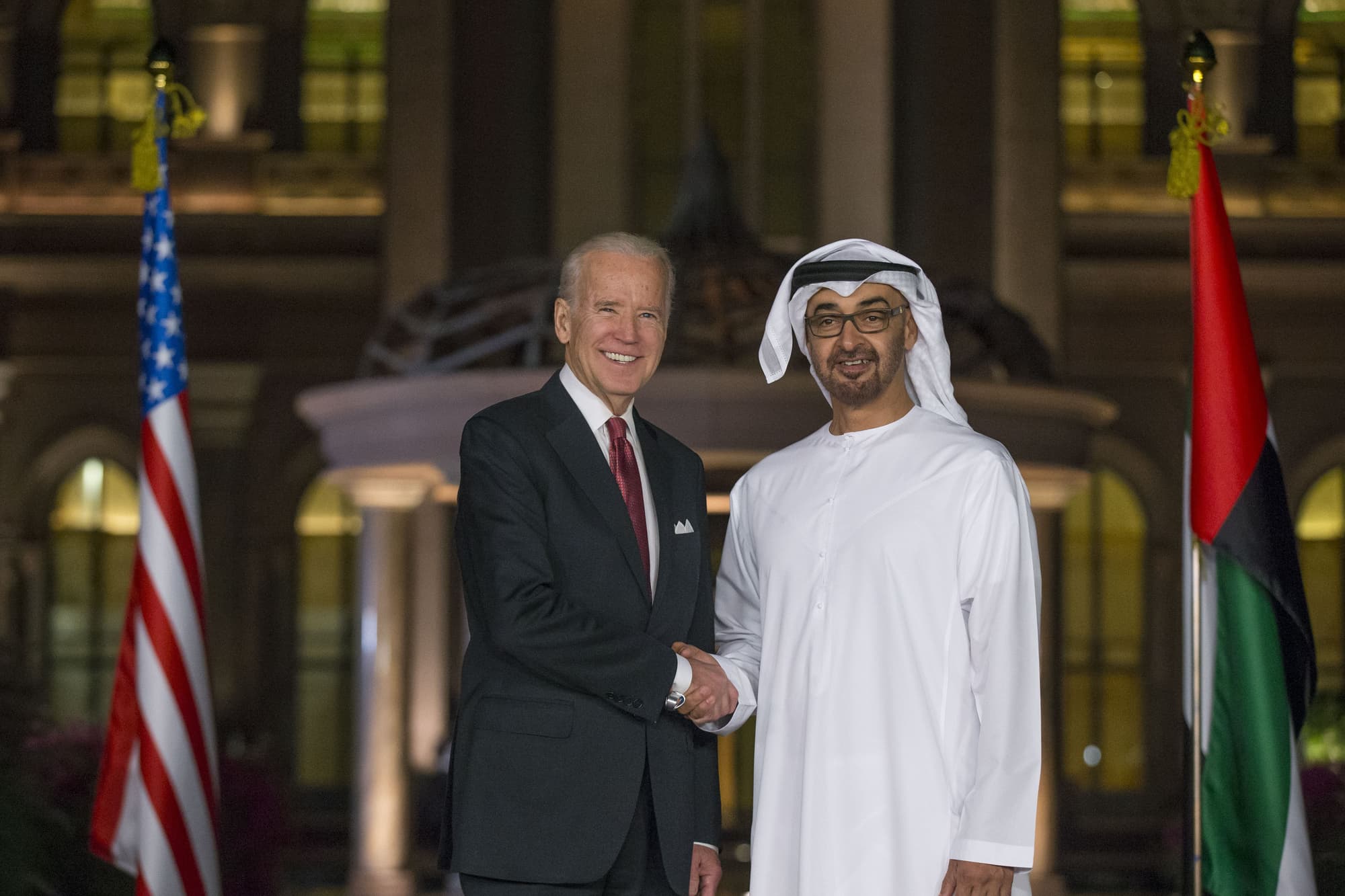
President Joe Biden has officially designated the United Arab Emirates as a major defense partner of the United States, solidifying the nation’s strategic role in the region. This move comes shortly after a similar designation was awarded to India, underscoring Washington’s efforts to build stronger alliances with Gulf and South Asian powers in the face of shifting global security dynamics. The announcement marks a significant step in US-UAE relations, enhancing defense cooperation and reaffirming the UAE’s importance in American military strategy.

The decision highlights the UAE’s evolving role as a critical player in regional security. With this designation, the UAE joins a select group of countries that enjoy preferential treatment when it comes to military cooperation with the United States. The relationship allows for greater access to advanced defense technology, streamlined military sales processes, and deeper intelligence collaboration. These developments come amid ongoing efforts by the US to recalibrate its security commitments in the Middle East, pivoting towards nations capable of contributing more significantly to their own defense.

Biden’s formal recognition of the UAE as a defense partner builds on decades of close military ties between the two nations. The UAE has long been a hub for US military operations in the region, hosting troops and serving as a staging ground for operations in neighboring conflict zones. The move is also seen as part of Washington’s broader strategy to reinforce its influence in the Gulf, where rising geopolitical tensions and the involvement of foreign powers like Russia and China continue to shape the security landscape.

For the UAE, this designation is not merely symbolic. It solidifies the nation’s status as a regional security leader and elevates its position on the global stage. It also provides the UAE with more direct access to sophisticated US defense systems, which will be critical in enhancing its defense capabilities amidst growing concerns over missile threats and other regional challenges. The UAE has long sought to upgrade its military arsenal, focusing on cutting-edge technology such as advanced fighter jets and missile defense systems. This new designation could accelerate these procurements, allowing for a faster, more seamless process.

The US government has been increasingly focused on forging deeper security ties with countries it sees as vital to countering both state and non-state actors. The UAE has been a crucial partner in US-led efforts to combat terrorism and ensure maritime security in the Gulf, particularly through its involvement in anti-piracy and anti-smuggling operations. The nation’s strategic location and military infrastructure have made it an indispensable ally in addressing threats posed by extremist groups and hostile states in the region.

Meanwhile, this development coincides with broader geopolitical shifts, as the US grapples with its role in a multipolar world. The Biden administration’s defense policy has focused on reducing its military footprint in some traditional hotspots while doubling down on partnerships that bolster regional security autonomously. The designation of both the UAE and India as major defense partners reflects a recalibrated approach to ensuring stability through cooperation, rather than direct military involvement.

The strategic importance of the UAE extends beyond the Middle East. Its influence in Africa, Central Asia, and the Indian Ocean region makes it a key player in a wider arc of geopolitical interests. With major global powers vying for influence in the Middle East, Washington’s decision to deepen its defense ties with Abu Dhabi also signals its intention to counter growing Russian and Chinese influence. China’s Belt and Road Initiative and increasing arms sales to Gulf countries, including the UAE, are clear indicators that the region is a key battleground for global influence.

The UAE’s defense relationship with the United States has grown in complexity in recent years. The two nations have regularly conducted joint military exercises, and the UAE has made substantial purchases of US-made defense equipment, including F-16 fighter jets, missile defense systems, and advanced drones. More recently, the UAE has expressed interest in acquiring next-generation US fighter jets, including the F-35, as part of its efforts to enhance its military edge. The partnership also extends to counterterrorism operations, where the two nations collaborate closely in intelligence sharing and tactical support to neutralize extremist threats.

The decision to elevate the UAE’s status comes against the backdrop of broader regional realignments. The Abraham Accords, which normalized diplomatic relations between the UAE and Israel, have reshaped the strategic landscape of the Middle East, offering new opportunities for cooperation between key US allies. This trilateral relationship between the US, UAE, and Israel is likely to deepen in the defense sphere, with potential collaborations in areas like missile defense and cybersecurity.

At the same time, the UAE faces growing security concerns closer to home. The conflict in Yemen, where the UAE has been heavily involved, continues to pose risks to regional stability. Iranian-backed Houthi rebels have launched missile and drone attacks against UAE infrastructure, raising the stakes for Abu Dhabi’s defense posture. The new designation from Washington could pave the way for more robust US support in addressing such threats, with the potential for more advanced defense systems aimed at countering missile and drone attacks.

US defense experts have praised the move, calling it a logical step in strengthening bilateral ties with a trusted partner in the Gulf. They argue that bolstering the UAE’s defense capabilities is not only in the interest of regional stability but also aligns with the US strategy of building self-reliant regional security partners. The UAE’s growing military spending and its focus on modernizing its armed forces further bolster the case for Washington’s decision.

A wave of dissatisfaction is sweeping through Bengaluru as customers of Colive, a startup specializing in tech-enabled shared living spaces, voice grievances regarding unreturned deposit amounts. Numerous complaints have surfaced on social media platforms, with users expressing frustration over what they describe as deceptive practices by the company. The fallout includes allegations of issuing post-dated cheques that bounce due to insufficient funds, leaving many feeling cheated and unheard.

Colive, which operates an app facilitating rentals and paying guest accommodations, has come under scrutiny for its refund policies. Users have reported that when they attempt to reclaim their deposits, the company presents them with post-dated cheques instead of immediate refunds. Many customers, including working professionals like Sanket Salot, have shared their experiences, highlighting the challenges they faced while trying to retrieve their funds. Salot, who resided in the Colive Signature Tower from October 2023 to March 2024, recounted a frustrating ordeal that many have echoed.

“The firm is effectively forcing customers to accept deposits only in the form of post-dated cheques,” Salot stated, underscoring the plight of those who have tried to navigate the refund process. He described a situation where, after repeated attempts to follow up, he received a cheque that ultimately bounced, leaving him at a loss. This sentiment is prevalent among several other users, who have taken to social media platform X (formerly Twitter) to share their stories.

Users on X have characterized Colive’s approach to refunds as a systematic issue. Complaints vary from unresponsive customer service to outright claims of funds being withheld. Many have stated that their support tickets raised with the company have been closed without resolution, further aggravating the situation. This lack of communication has compounded frustrations, leading to a broader narrative of distrust surrounding Colive’s business practices.

In addition to individual experiences, some customers have pointed to a pattern of behavior that suggests a larger systemic issue within the company. Reports indicate that the firm’s inability to return deposits in a timely manner is not isolated. A number of customers have expressed concerns over the company’s financial practices, suggesting that its operational viability is in question. This has raised alarms about the sustainability of the model that relies heavily on customer deposits.

Despite attempts by aggrieved customers to seek clarity and resolution, Colive has not provided a formal response to these allegations. Media inquiries have gone unanswered, leading to speculation about the company’s willingness to address these issues. Industry experts have weighed in, emphasizing the importance of transparency and accountability for companies operating in the shared living sector. They note that maintaining trust with consumers is crucial, especially in a competitive market where customer loyalty can significantly influence success.

This situation has attracted attention beyond the immediate circle of affected users. Social media reactions have spurred discussions about regulatory oversight and the need for consumer protection measures in the rental market. Some commentators argue that startups like Colive must adhere to stricter guidelines to prevent exploitation of consumers, particularly when dealing with significant financial transactions like security deposits.

As the dialogue around Colive’s practices continues to unfold, the broader implications for the shared living space industry are becoming evident. The reliance on digital platforms for rentals has made consumer feedback more visible than ever, forcing companies to adapt or risk losing their customer base. In an era where online reputation can make or break a business, the necessity for ethical practices and responsiveness to consumer concerns cannot be overstated.

Amid these developments, potential renters are advised to exercise caution and conduct thorough research before engaging with companies like Colive. While the concept of tech-enabled shared living offers many benefits, the current complaints highlight the pitfalls that can arise without proper oversight and customer service.

(via inputs from FPJ)

Telegram’s CEO Pavel Durov has announced major improvements to the platform’s search functionality, aimed at safeguarding users from illegal content. With over a billion users globally, Telegram has faced criticism for enabling the spread of illicit material through its public channels. In response, Durov revealed that the app’s search feature has been revamped, integrating artificial intelligence (AI) to help identify and remove harmful content more effectively. This […]

Vercel, a prominent player in the web development ecosystem, positions itself as a pivotal solution for developers seeking speed and efficiency. Known for its Frontend as a Service (FaaS) model, Vercel enables developers to build, deploy, and optimize applications seamlessly, catering to the growing demands of modern web users. The platform has gained traction for its ability to deliver high-performance websites with minimal latency, a critical factor […]

The crypto market presents a myriad of investment opportunities, particularly for those looking to acquire affordable assets with potential for growth. Amidst a backdrop of fluctuating market conditions, investors are increasingly focusing on lower-priced cryptocurrencies that exhibit strong fundamentals and promising market activity. Several key players have emerged as noteworthy options for investors this month. Among them is Cardano (ADA), which has garnered attention for its innovative […]

VISHNU RAJA
RYO YAMADA
HITORI GOTOH
IKUYO KITA